
Article

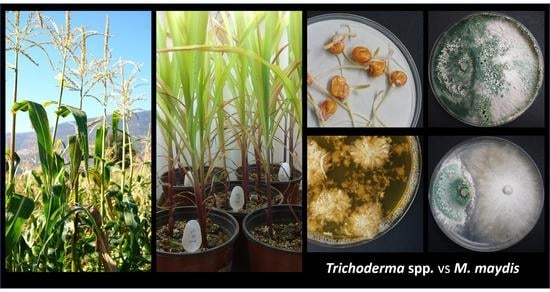
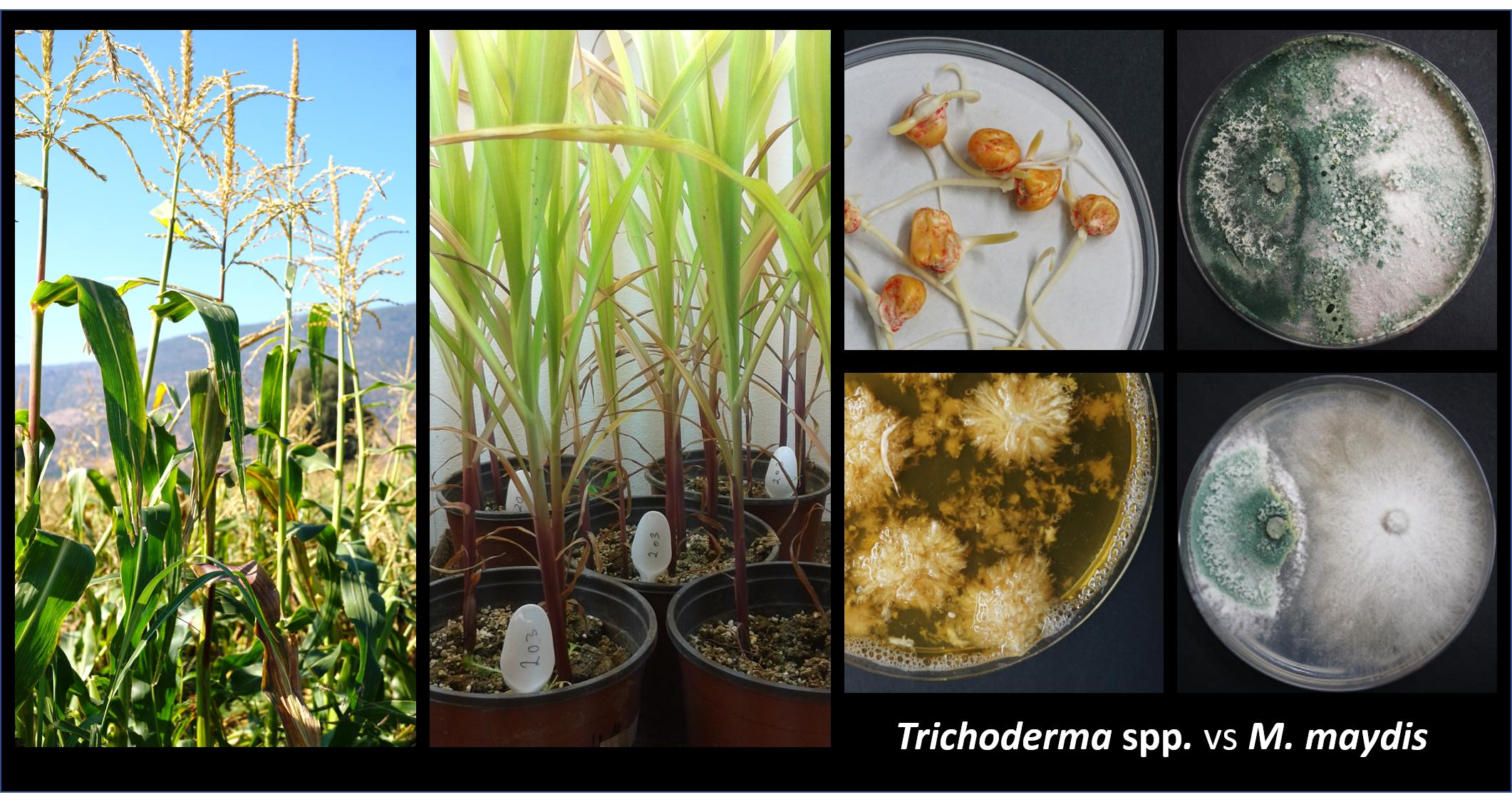
Trichoderma Biological Control to Protect Sensitive Maize Hybrids against Late Wilt Disease in the Field


1
Plant Sciences Department, Migal—Galilee Research Institute, Tarshish 2, Kiryat Shmona 11016, Israel
2
Faculty of Sciences, Tel-Hai College, Upper Galilee, Tel-Hai 12210, Israel
*
Author to whom correspondence should be addressed.
J. Fungi 2021, 7(4), 315; https://doi.org/10.3390/jof7040315
Submission received: 30 March 2021 / Revised: 13 April 2021 / Accepted: 15 April 2021 / Published: 18 April 2021
(This article belongs to the Special Issue Advances in Trichoderma-Plant Beneficial Interactions)

Abstract

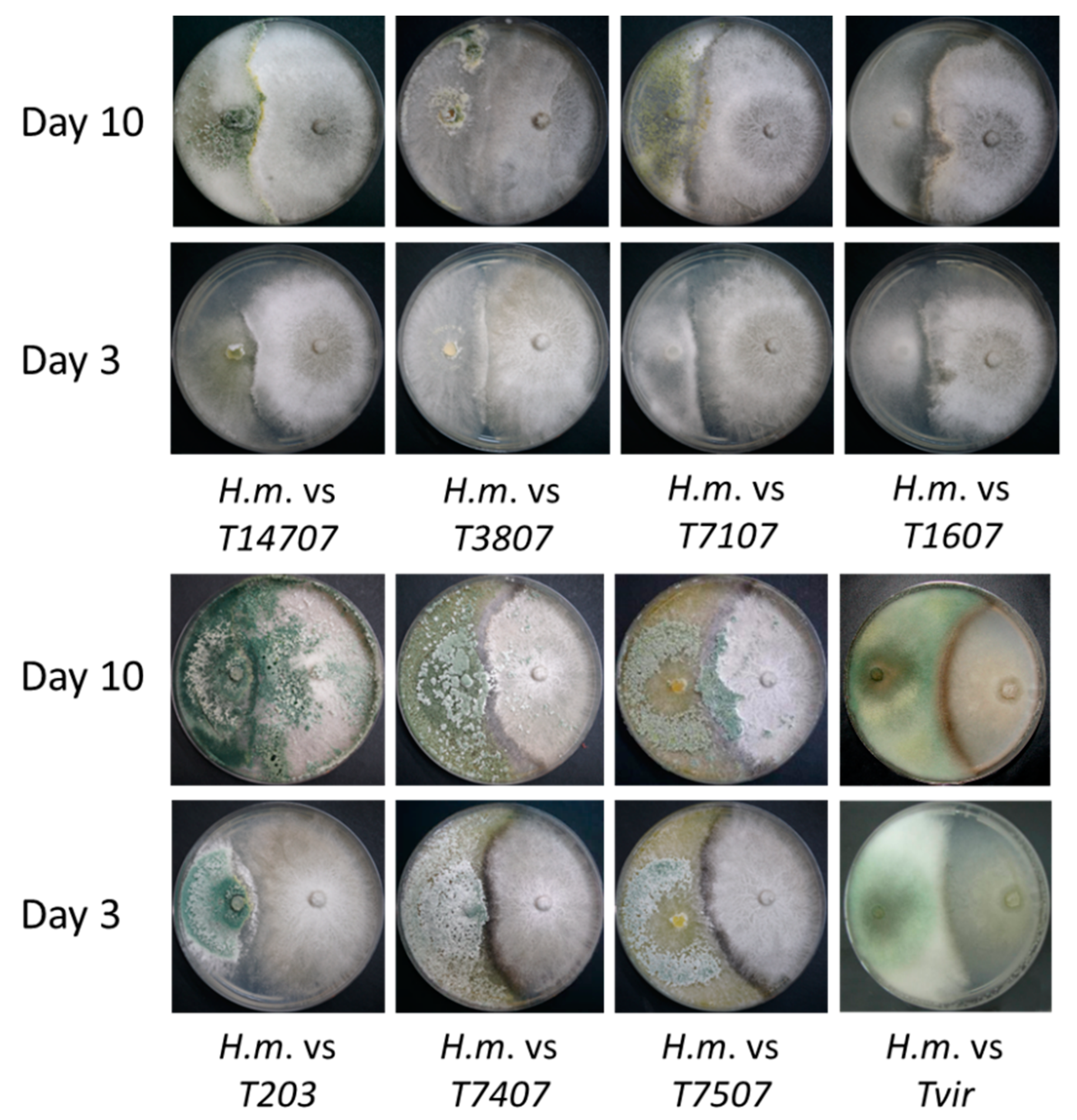
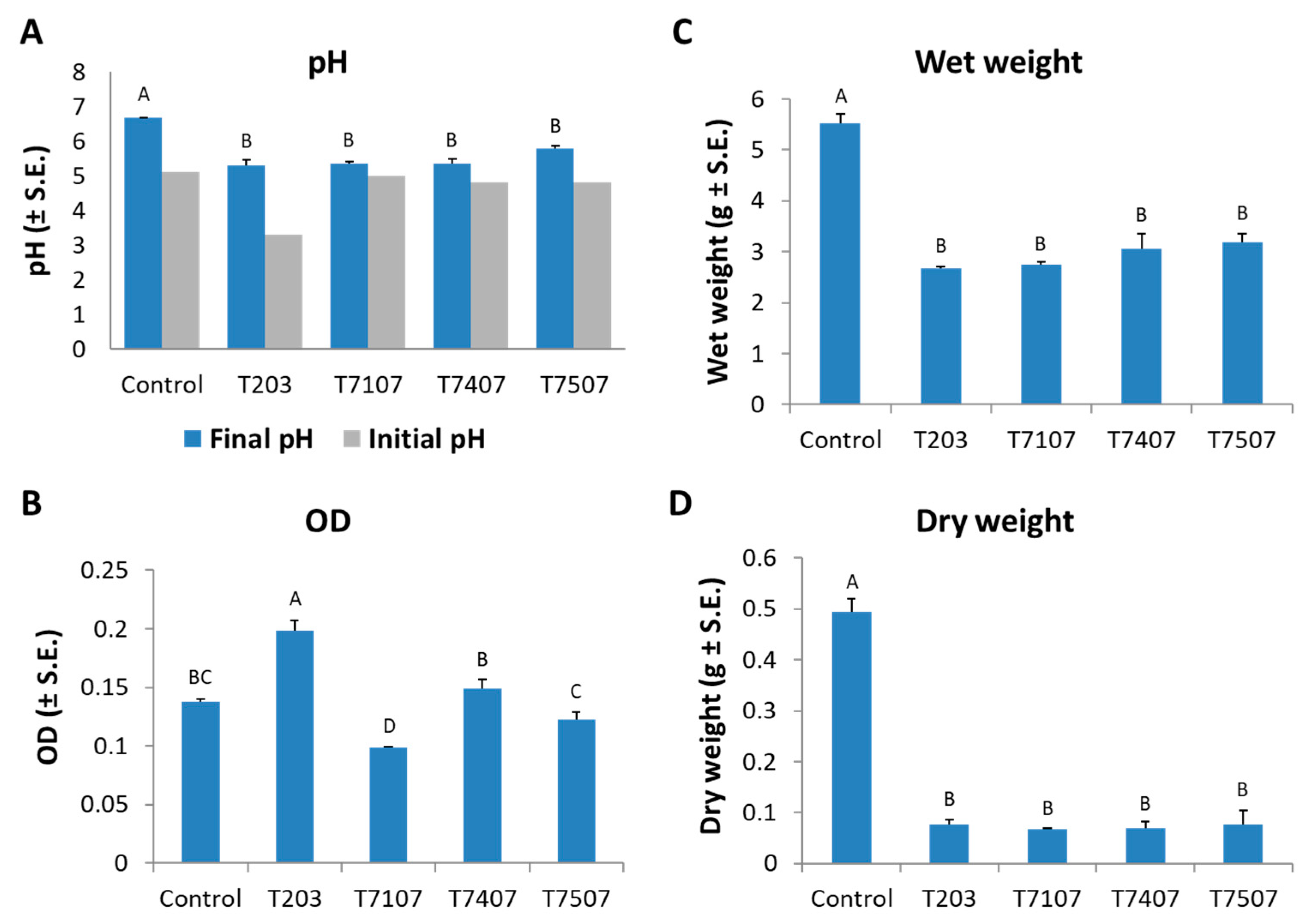
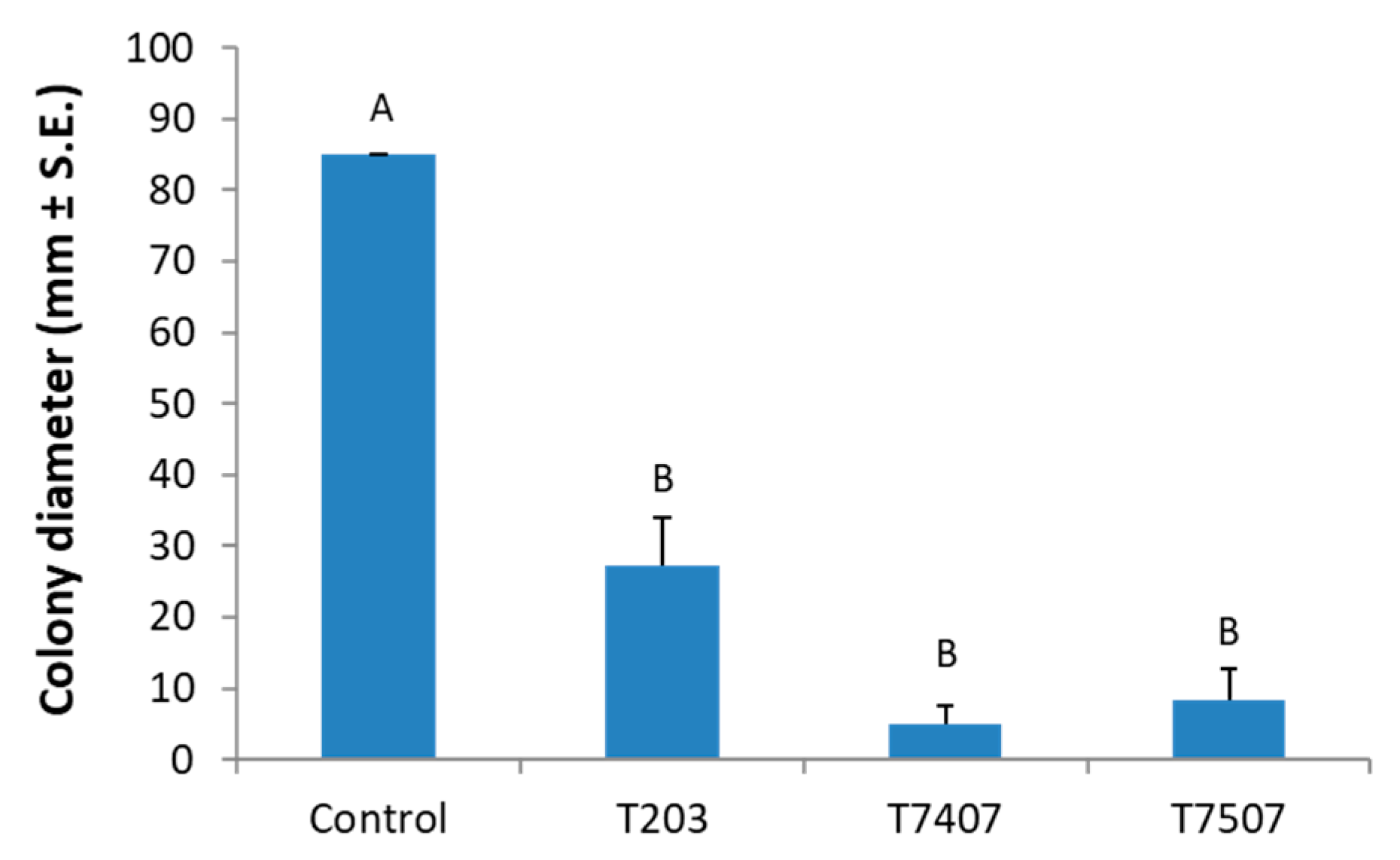
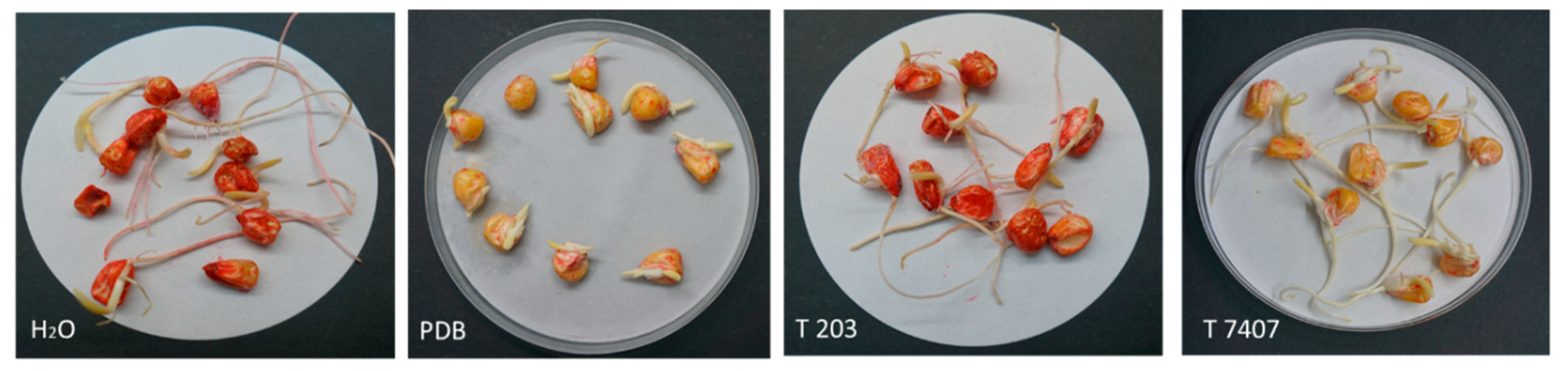
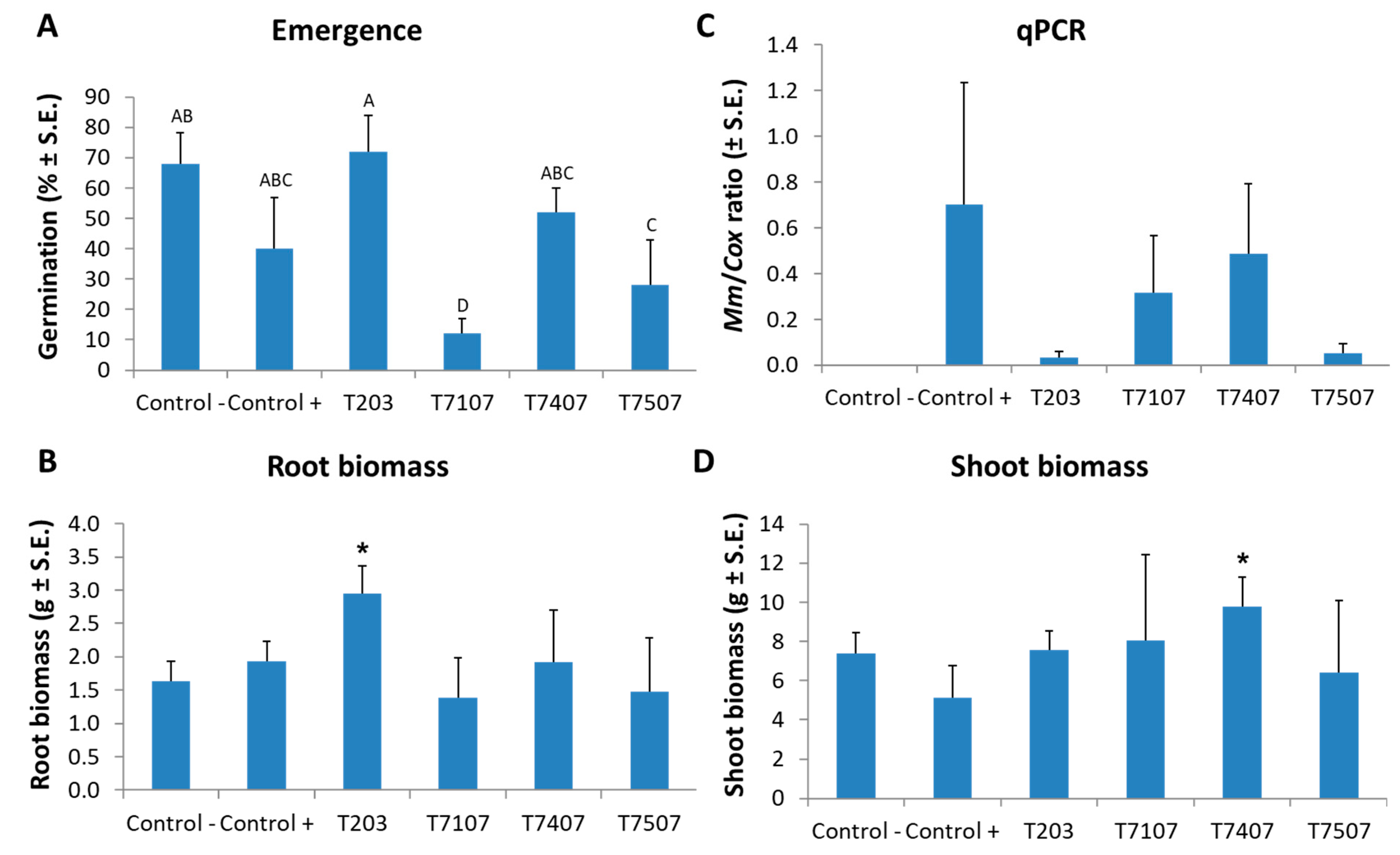
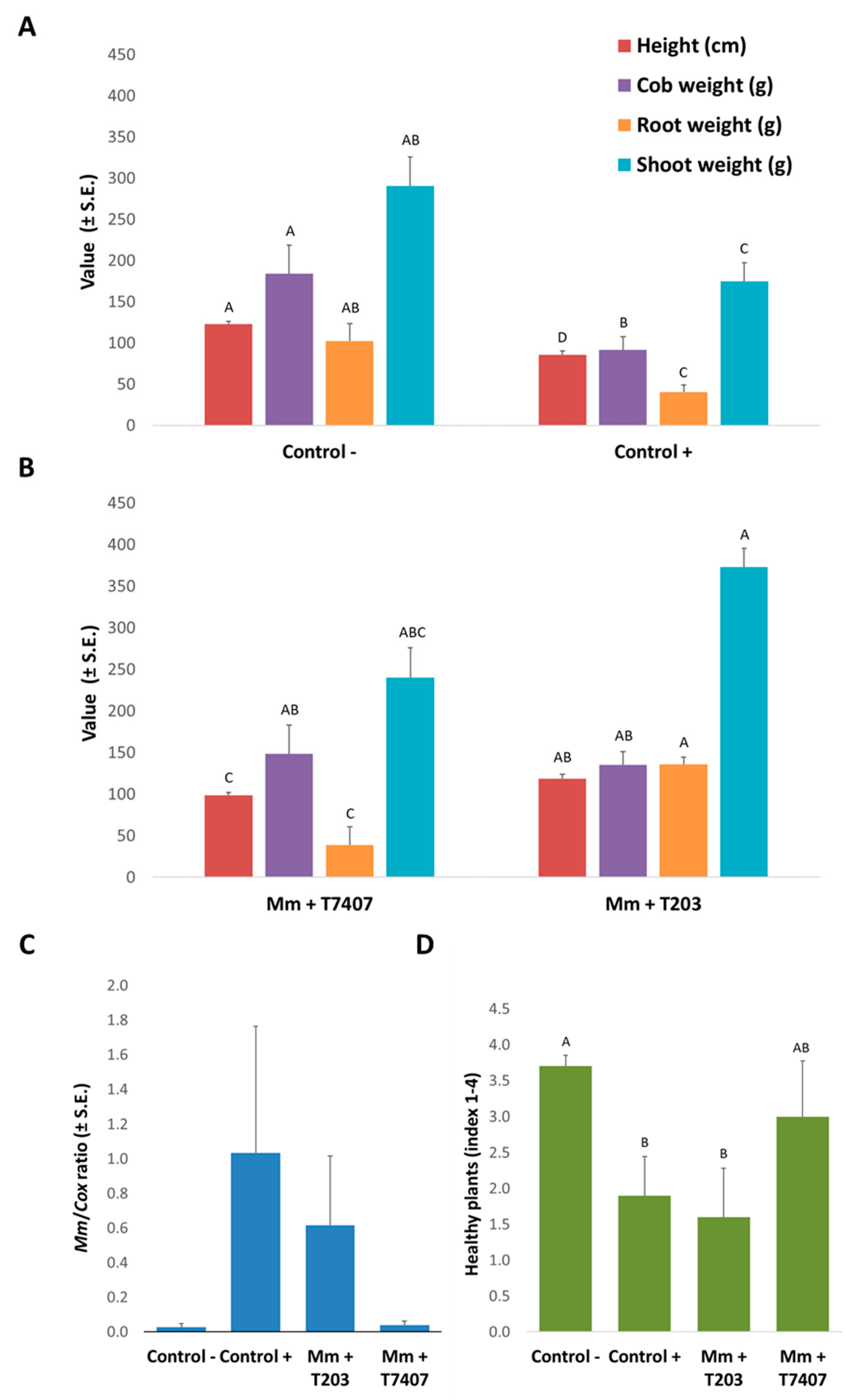
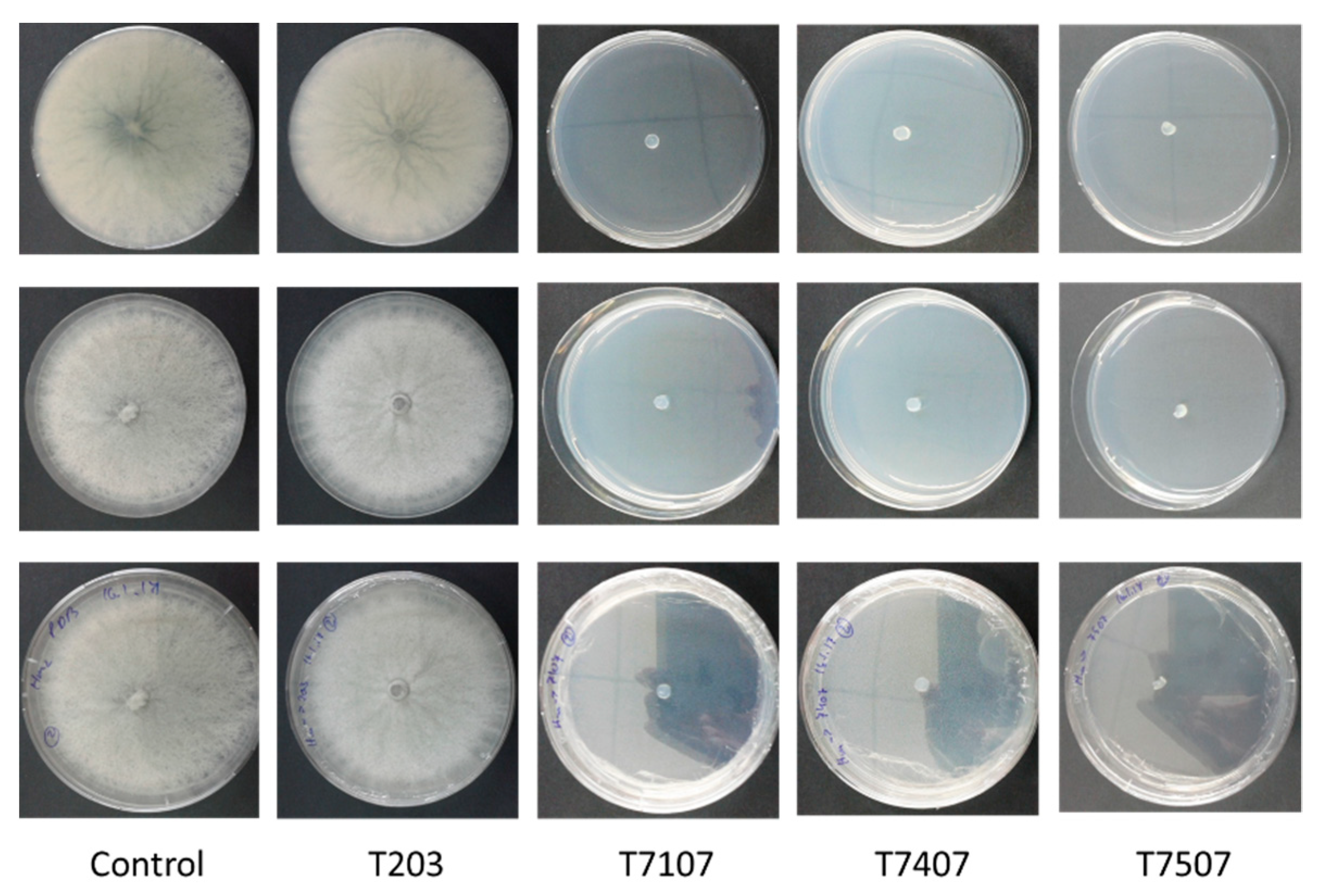
Late wilt, a disease severely affecting maize fields throughout Israel, is characterized by the relatively rapid wilting of maize plants from the tasseling stage to maturity. The disease is caused by the fungus Magnaporthiopsis maydis, a soil and seed-borne pathogen. The pathogen is controlled traditionally through the use of maize cultivars having reduced sensitivity to the disease. Nevertheless, such cultivars may lose their immunity after several years of intensive growth due to the presence of high virulent isolates of M. maydis. Alternative effective and economical chemical treatment to the disease was recently established but is dependent on the use of a dripline assigned for two adjacent rows and exposes the risk of fungicide resistance. In the current work, eight marine and soil isolates of Trichoderma spp., known for high mycoparasitic potential, were tested as biocontrol agents against M. maydis. An in vitro confront plate assay revealed strong antagonistic activity against the pathogen of two T. longibrachiatum isolates and of T. asperelloides. These species produce soluble metabolites that can inhibit or kill the maize pathogen in submerged and solid media culture growth assays. In greenhouse experiments accompanied by real-time PCR tracking of the pathogen, the Trichoderma species or their metabolites managed to improve the seedlings’ wet biomass and reduced the pathogen DNA in the maize roots. A follow-up experiment carried out through a whole growth session, under field conditions, provided important support to the Trichoderma species’ beneficial impact. The direct addition of T. longibrachiatum and even more T. asperelloides to the seeds, with the sowing, resulted in a yield improvement, a significant increase in the growth parameters and crops, to the degree of noninfected plants. These bioprotective treatments also restricted the pathogen DNA in the host tissues (up to 98%) and prevented the disease symptoms. The results encourage more in-depth research to uncover such biological agents’ potential and the methods to implement them in commercial fields. If adequately developed into final products and combined with other control methods, the biological control could play an important role in maize crop protection against Late wilt.
Keywords: Cephalosporium maydis; corn; crop protection; fungus; Harpophora maydis; Magnaporthiopsis maydis; pathogenicity assay; real-time PCR Cephalosporium maydis; corn; crop protection; fungus; Harpophora maydis; Magnaporthiopsis maydis; pathogenicity assay; real-time PCR
Graphical Abstract