Article

Cardiovascular Outcomes with Colchicine in Coronary Artery Disease and HFpEF: A Propensity-Matched TriNetX Analysis


1
Department of Internal Medicine, Jersey Shore University Medical Center, Neptune, NJ 07753, USA
2
Deparment of Internal Medicine, Dow Medical College, Dow University of Health Sciences, Karachi 74200, Pakistan
3
Department of Internal Medicine, Geisinger Medical Center, Danville, PA 17822, USA
4
Department of Internal Medicine, Ameeruddin Medical College, Post Graduate Medical Institute (PGMI), Lahore 54000, Pakistan
5
Department of Internal Medicine, Lahore General Hospital, Lahore 54000, Pakistan
6
Department of Internal Medicine, Shalamar Medical and Dental College, Lahore 54000, Pakistan
7
Department of Internal Medicine, SUNY Upstate Medical University, Syracuse, NY 13210, USA
8
Department of Internal Medicine, Bayhealth Hospital, Kent Campus, Dover, DE 19901, USA
9
Department of Internal Medicine, Guthrie Medical Group, Cortland, NY 13045, USA
10
Department of Internal Medicine, Memorial Satilla Health, Waycross, GA 31501, USA
11
Department of Internal Medicine, Charleston Area Medical Center, Charleston, WV 25304, USA
12
Division of Cardiology, West Virginia University, Morgantown, WV 26506, USA
13
Division of Cardiology, Duke University School of Medicine, Durham, NC 27710, USA
*
Author to whom correspondence should be addressed.
J. Cardiovasc. Dev. Dis. 2026, 13(6), 222; https://doi.org/10.3390/jcdd13060222
Submission received: 7 April 2026 / Revised: 12 May 2026 / Accepted: 20 May 2026 / Published: 23 May 2026
(This article belongs to the Section Cardiovascular Clinical Research)

Abstract

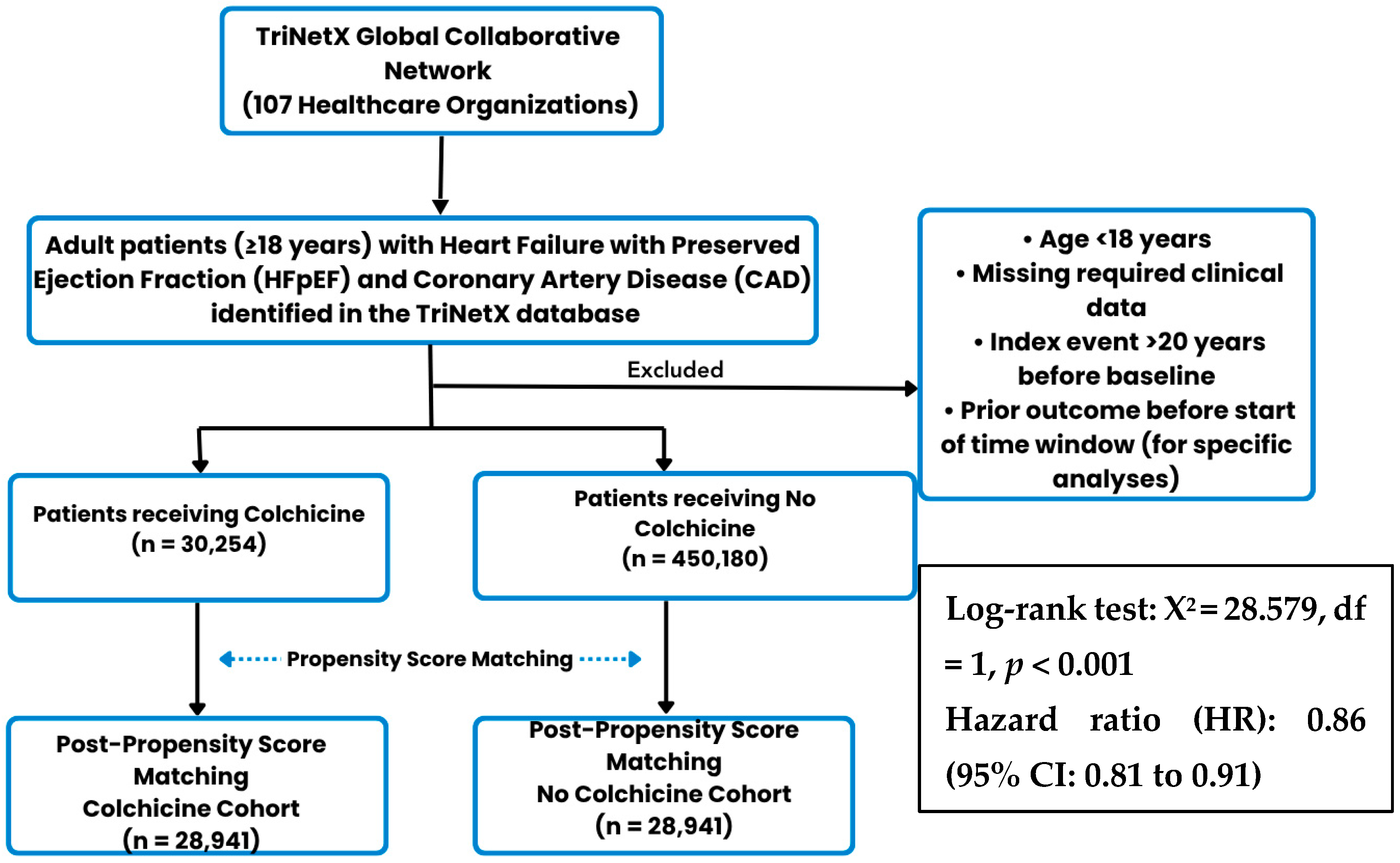
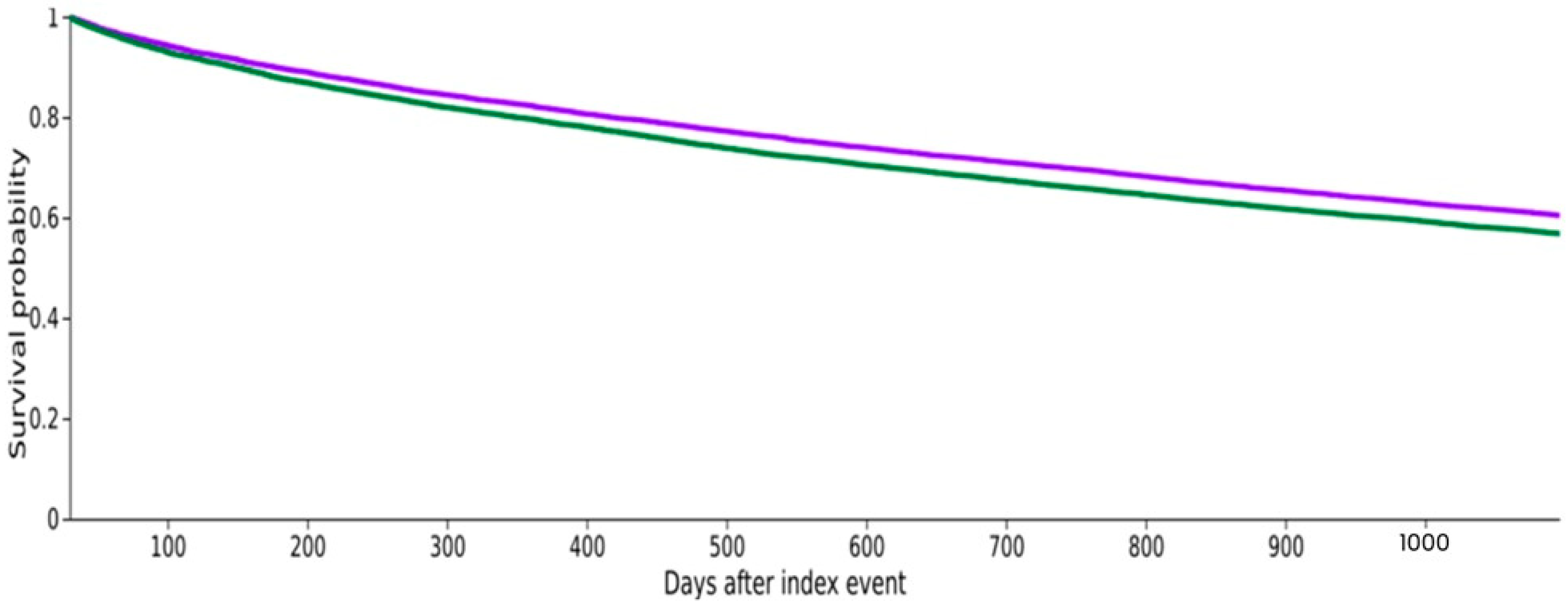
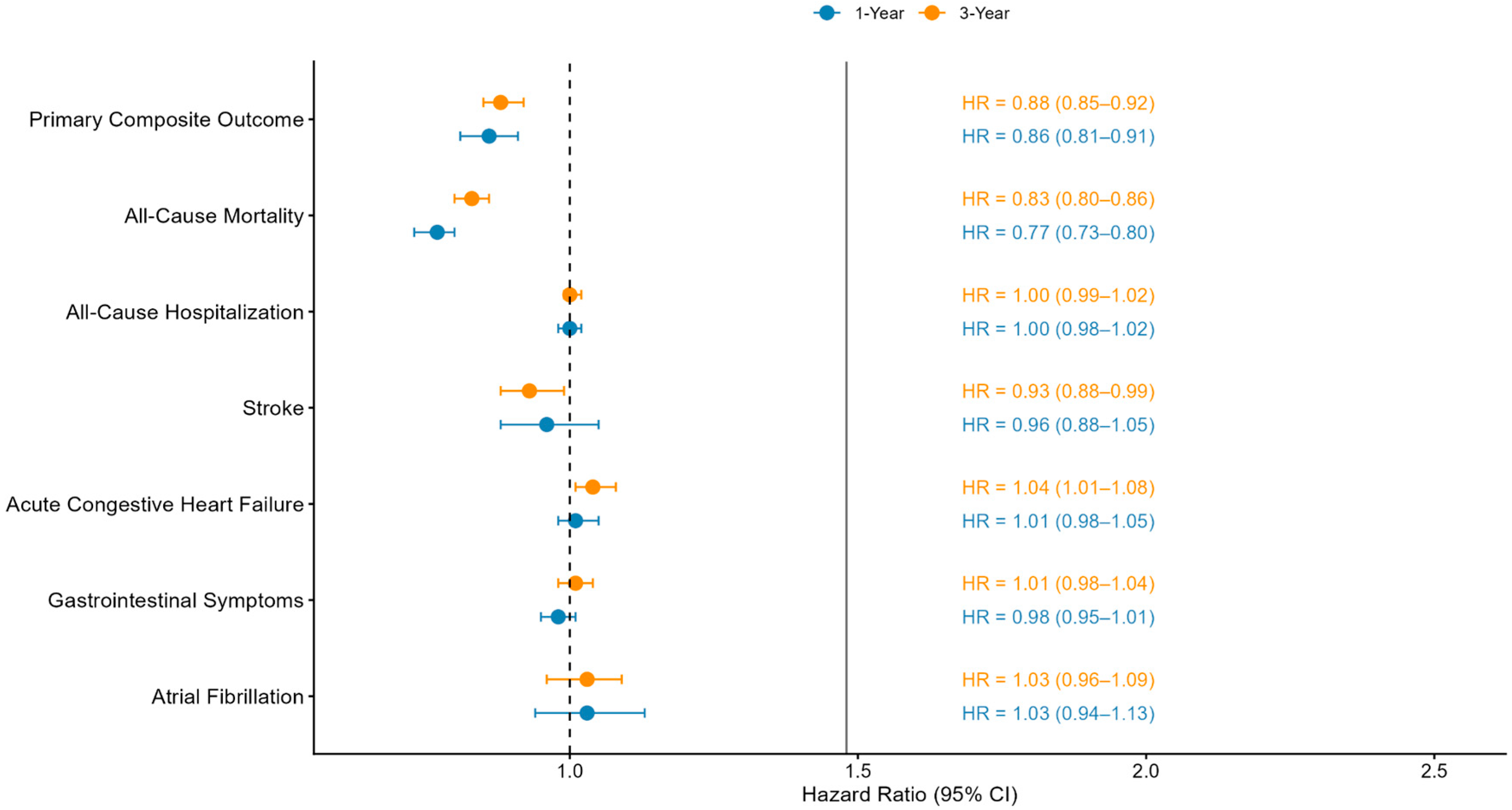
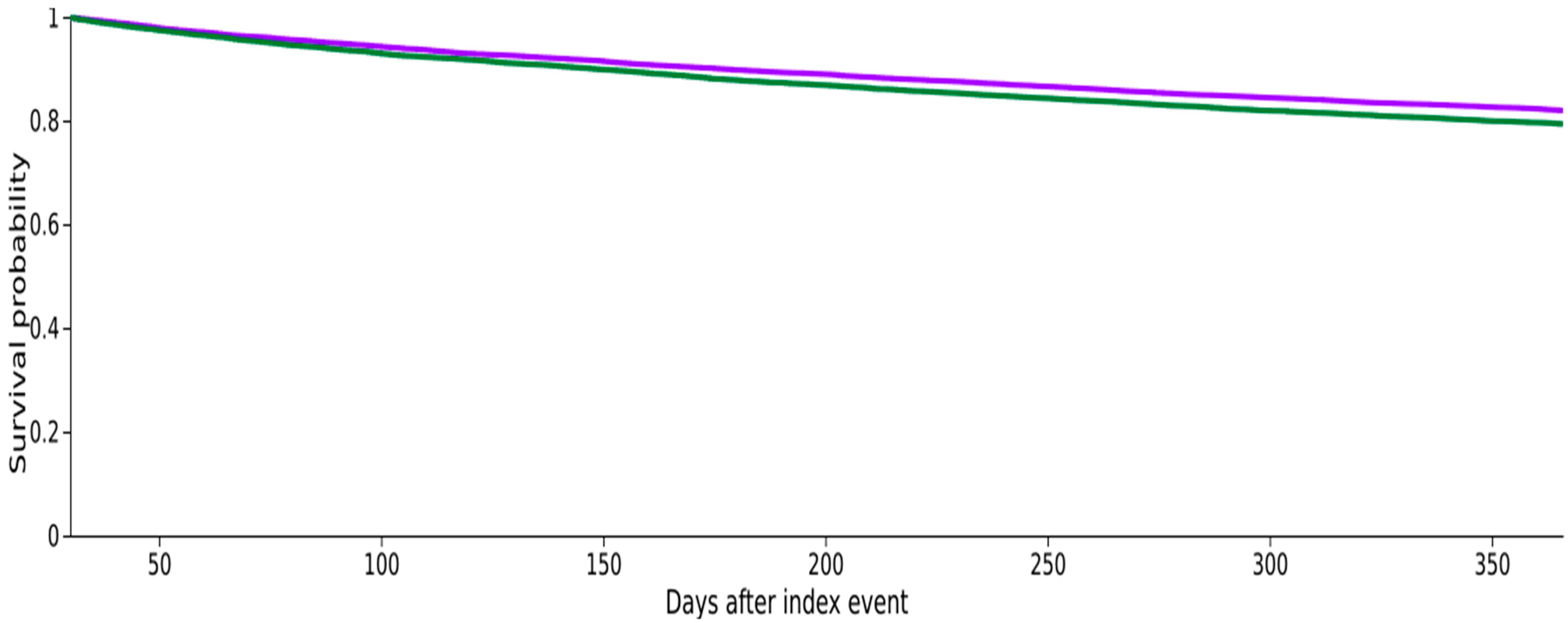
Background: Coronary artery disease (CAD) and heart failure with preserved ejection fraction (HFpEF) are major causes of morbidity and mortality. Systemic inflammation contributes to both, suggesting potential benefit from colchicine, though data in CAD-HFpEF are limited. Methods: We conducted a real-world study using the TriNetX Research Network, identifying 480,434 adults with CAD and HFpEF. Patients were categorized as colchicine users (n = 30,254) or non-users (n = 450,180). One-to-one propensity score matching yielded 28,941 patients per group. The primary outcome was a composite of acute myocardial infarction, stroke, all-cause mortality, and acute heart failure. Secondary outcomes included individual components, hospitalizations, atrial fibrillation, and gastrointestinal events, assessed at 1- and 3-year follow-up. Results: At 1 year, the primary outcome occurred in 16.9% of the colchicine group versus 19.8% of non-users (HR: 0.86, 95% CI: 0.81–0.91; p < 0.001). All-cause mortality was 11.4% versus 14.5% (HR: 0.77, 95% CI: 0.73–0.80; p < 0.001). At 3 years, the primary outcome occurred in 34.2% versus 39.7% (HR: 0.88, 95% CI: 0.85–0.92; p < 0.001), with acute heart failure slightly higher in the colchicine group (27.5% vs. 26.5%; HR: 1.04, 95% CI: 1.01–1.08; p = 0.009). Stroke was modestly reduced (HR: 0.93, 95% CI: 0.88–0.99; p = 0.014). No significant differences were seen in all-cause hospitalization, atrial fibrillation, or gastrointestinal events. Conclusions: In patients with CAD and HFpEF, colchicine was associated with lower short- and medium-term risk of composite cardiovascular events and mortality, with modest attenuation over time, suggesting early time-dependent association rather than sustained structural effects. Prospective randomized trials are warranted.
Keywords: colchicine; coronary artery disease; HFpEF; heart failure with preserved ejection fraction; inflammation; propensity score matching; cardiovascular outcomes; TriNetX colchicine; coronary artery disease; HFpEF; heart failure with preserved ejection fraction; inflammation; propensity score matching; cardiovascular outcomes; TriNetX