CT-Centered Multimodality Imaging of Arterial Wall Fragility in Acute Aortic Syndromes: A Narrative Review of Imaging Markers and Clinical Implications
Abstract
1. Introduction
1.1. Pathobiology of Aortic Wall Fragility
1.2. Clinical Translation of Arterial Wall Fragility
2. Literature Search Strategy
3. Results
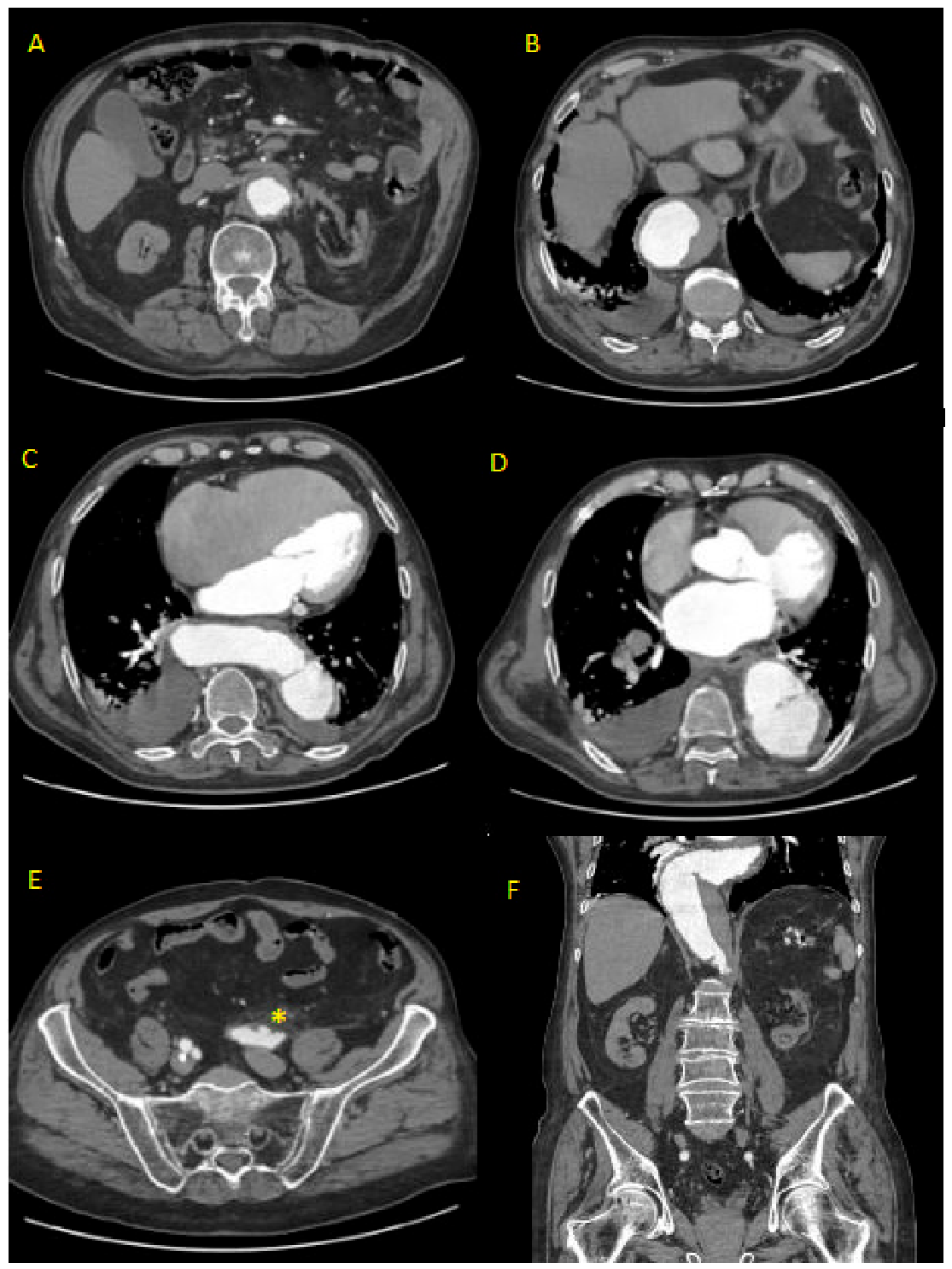
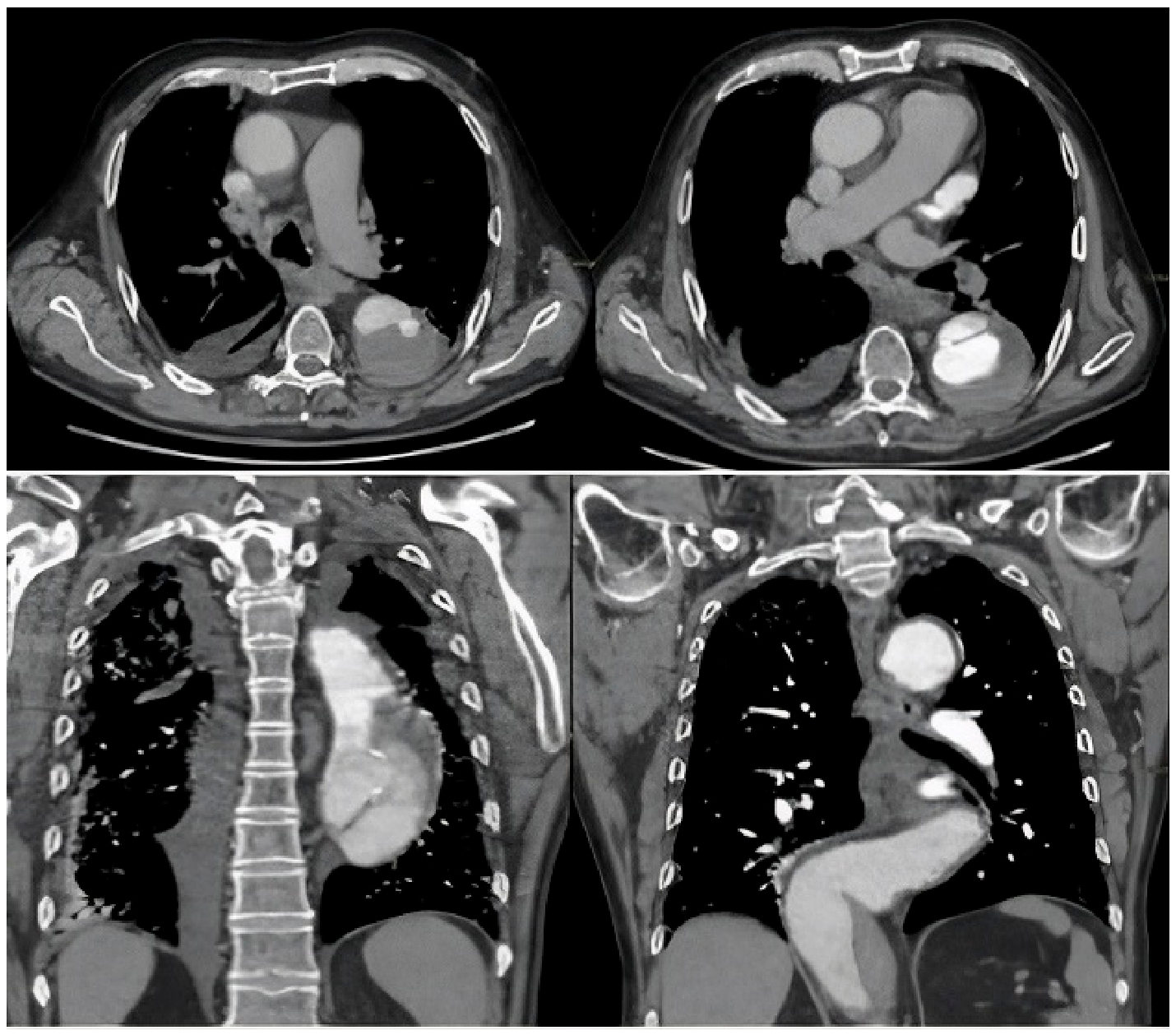
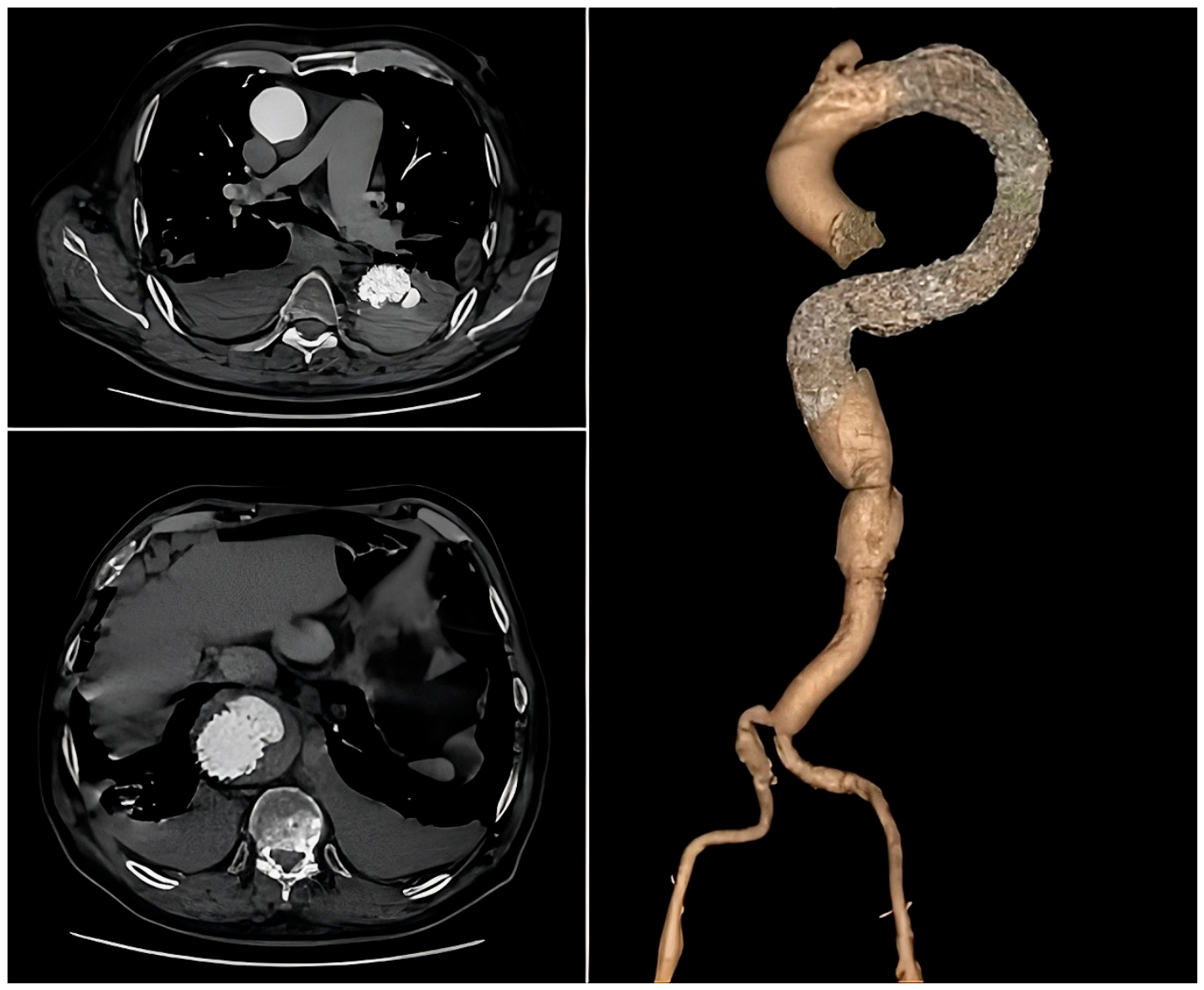
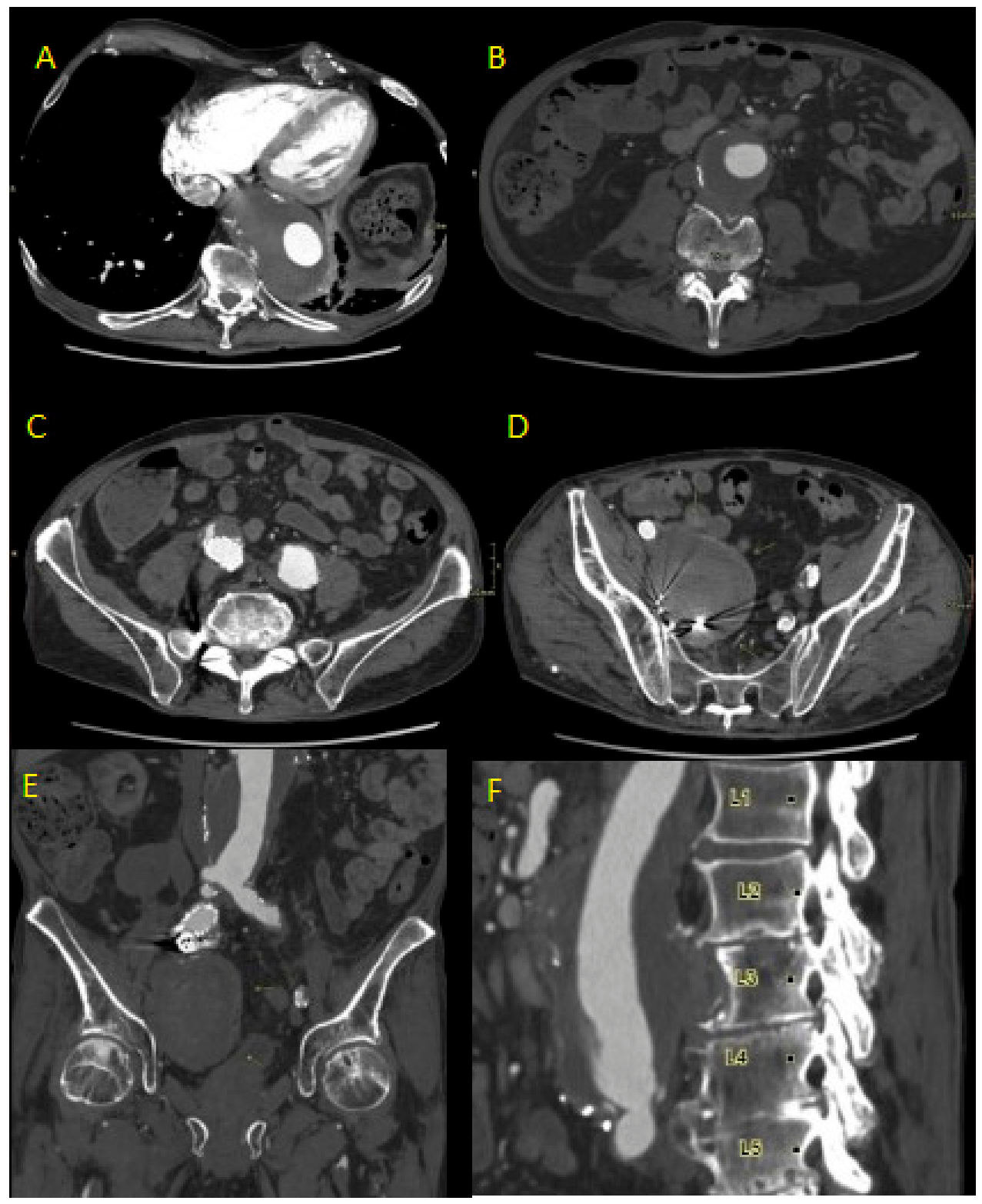
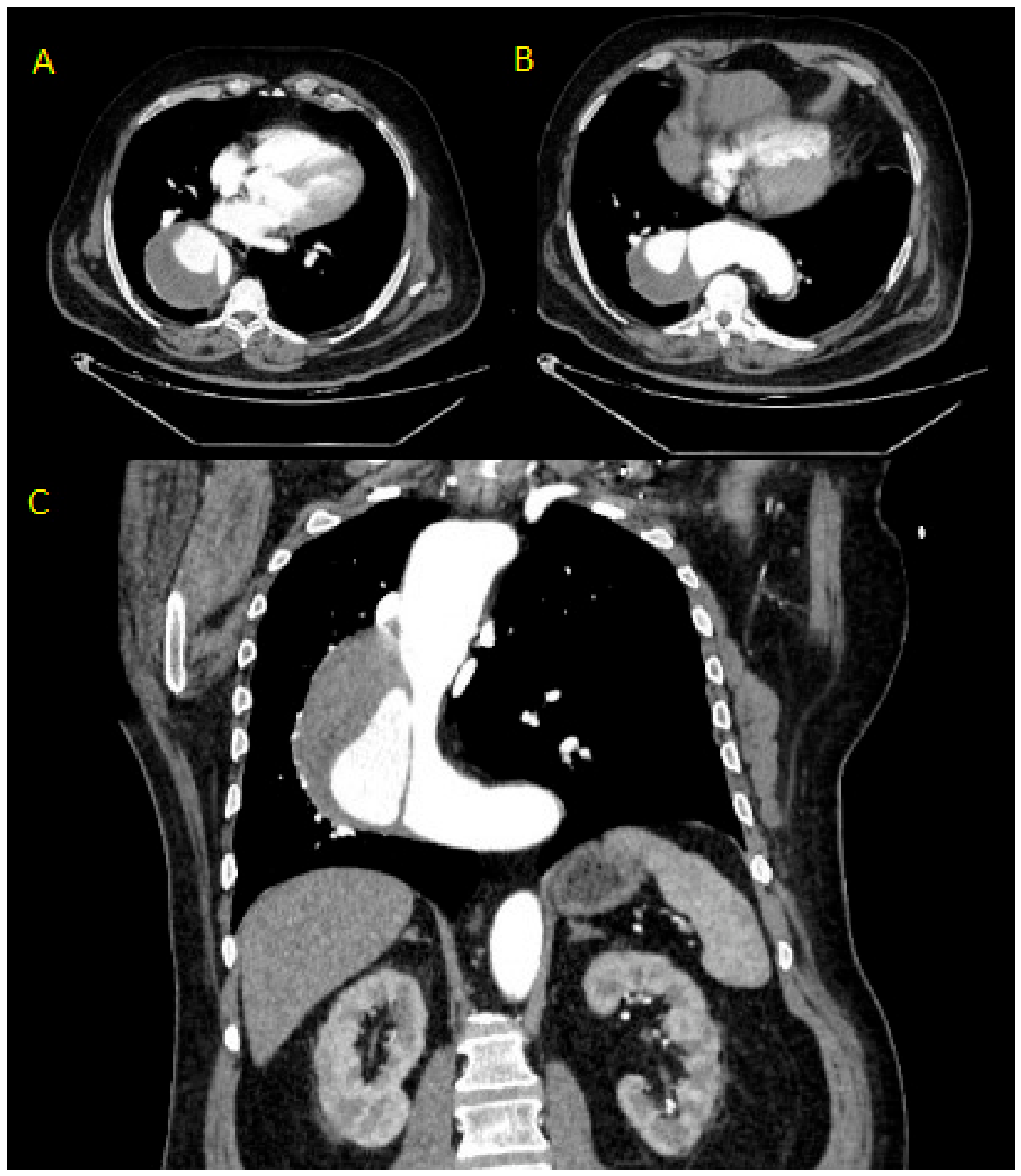
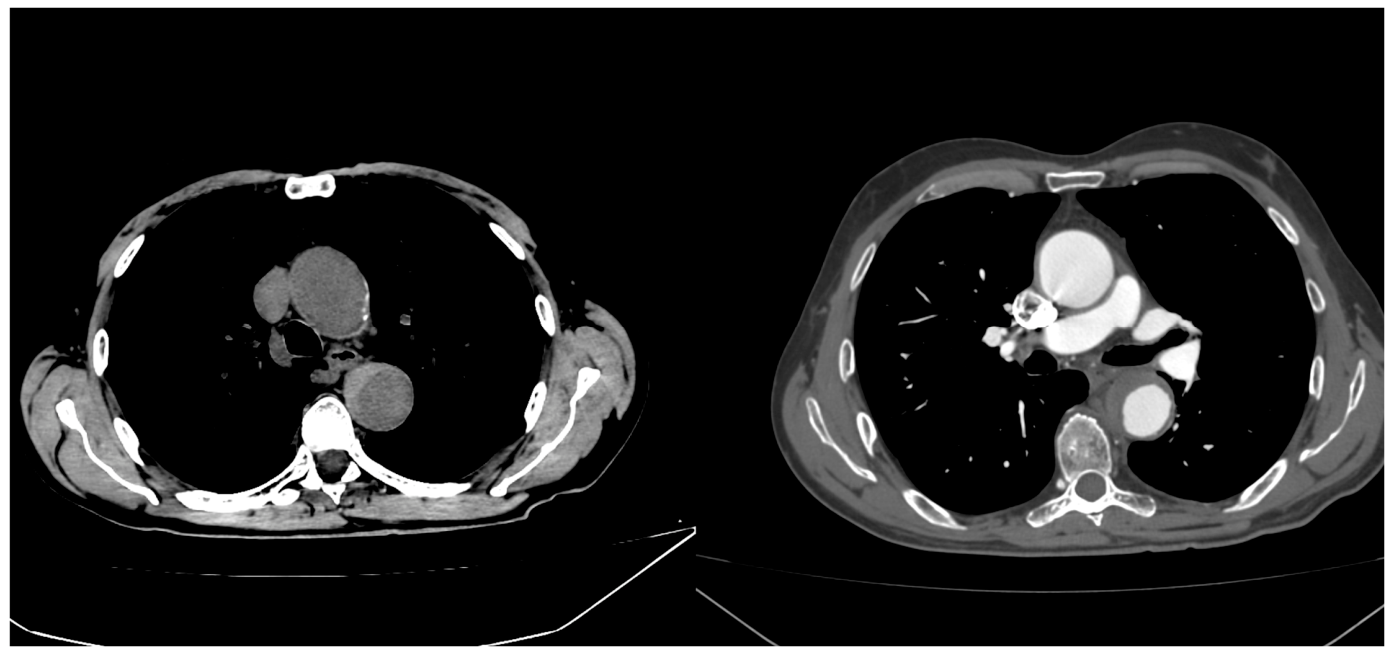
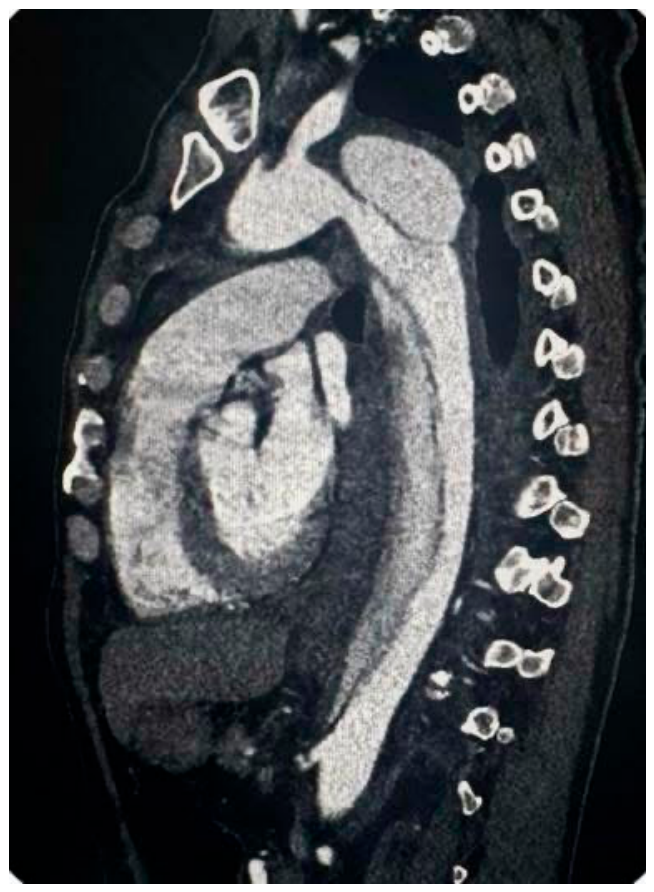
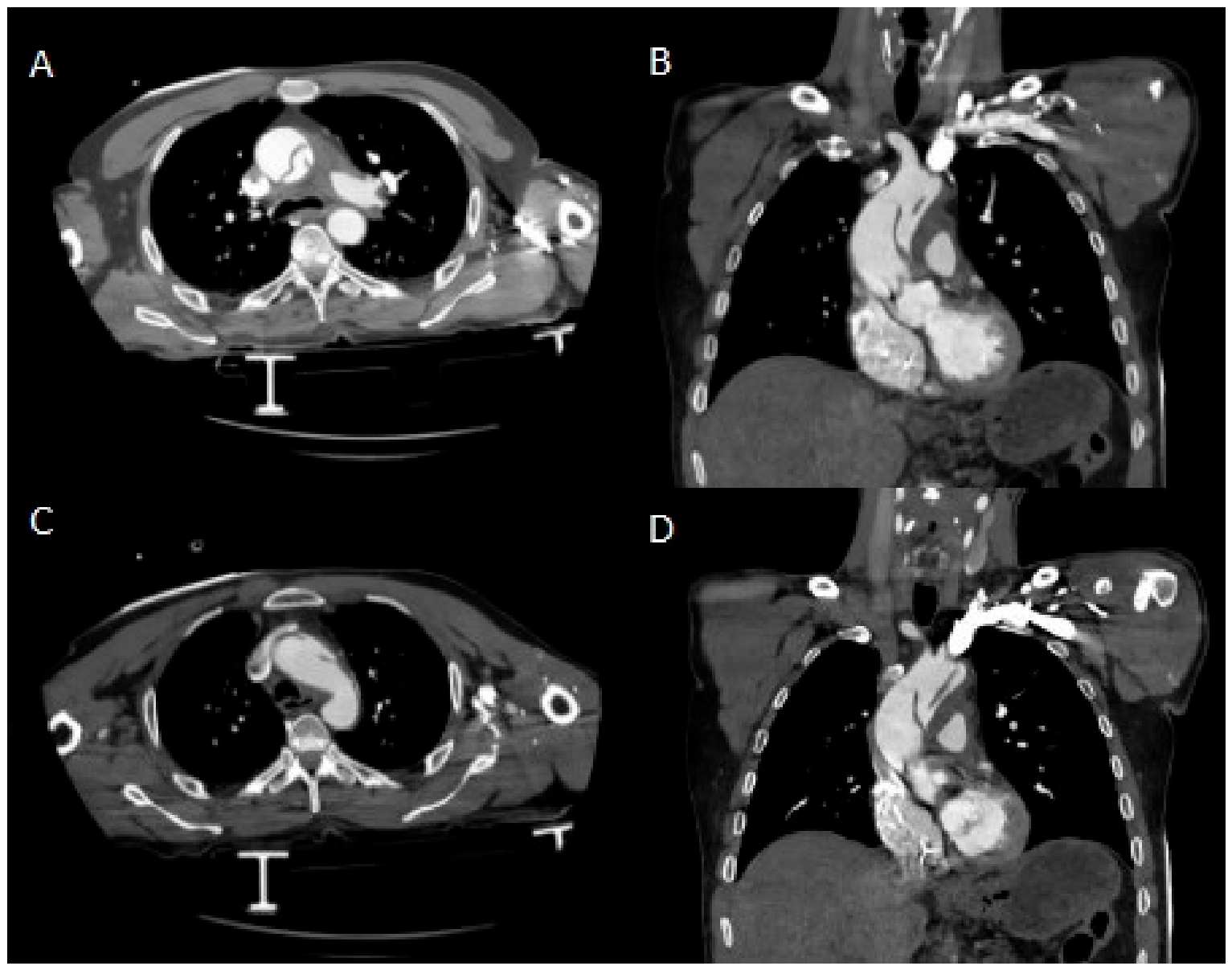
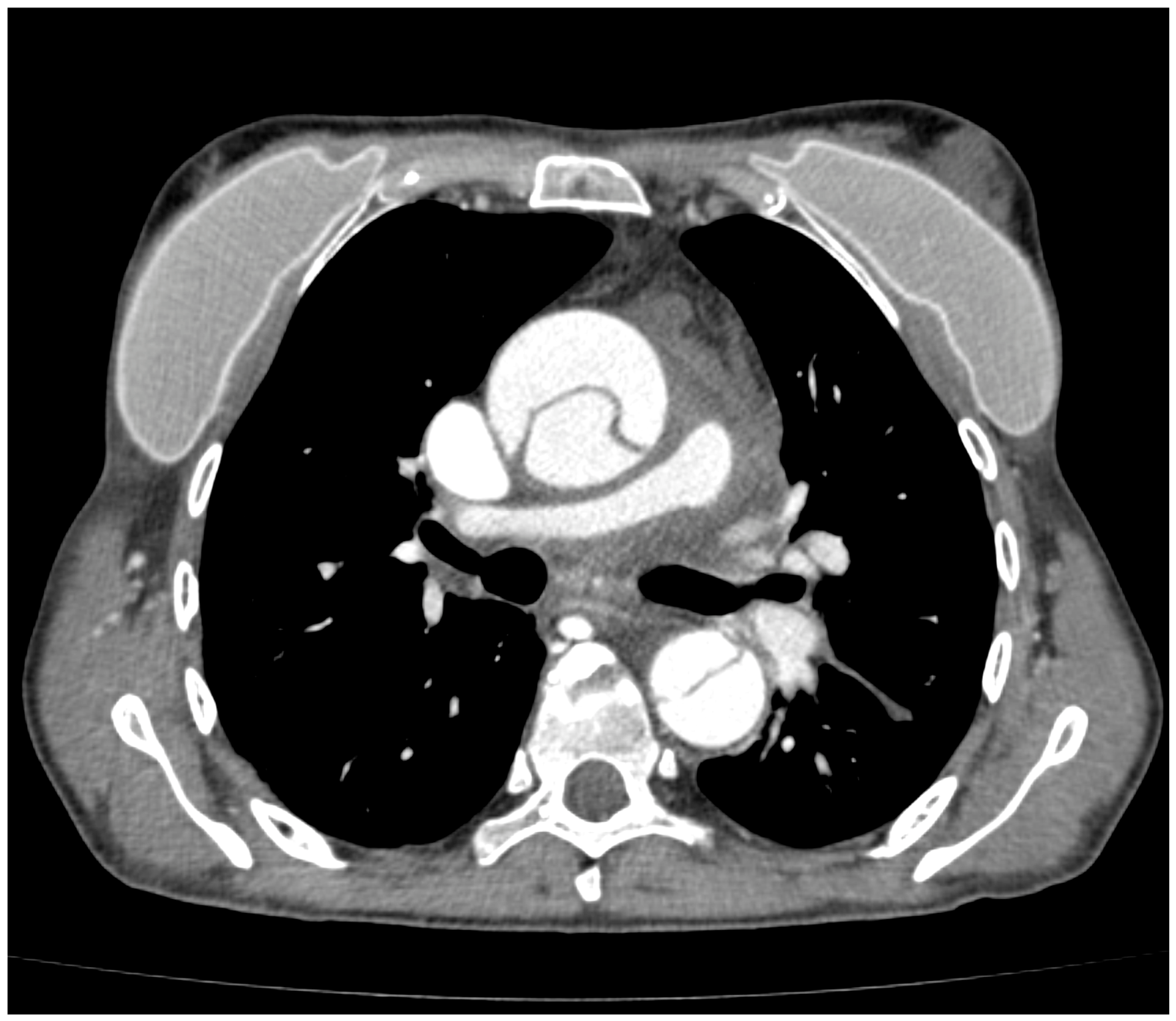
3.1. Arterial Dissection: CT Imaging of Wall Delamination
- Differentiation of true and false lumens based on contrast enhancement and delayed opacification patterns;
- Assessment of false lumen thrombosis, either partial or complete;
- Detection of true lumen compression or collapse;
- Evaluation of dynamic or static malperfusion of branch vessels, which is essential for risk stratification.
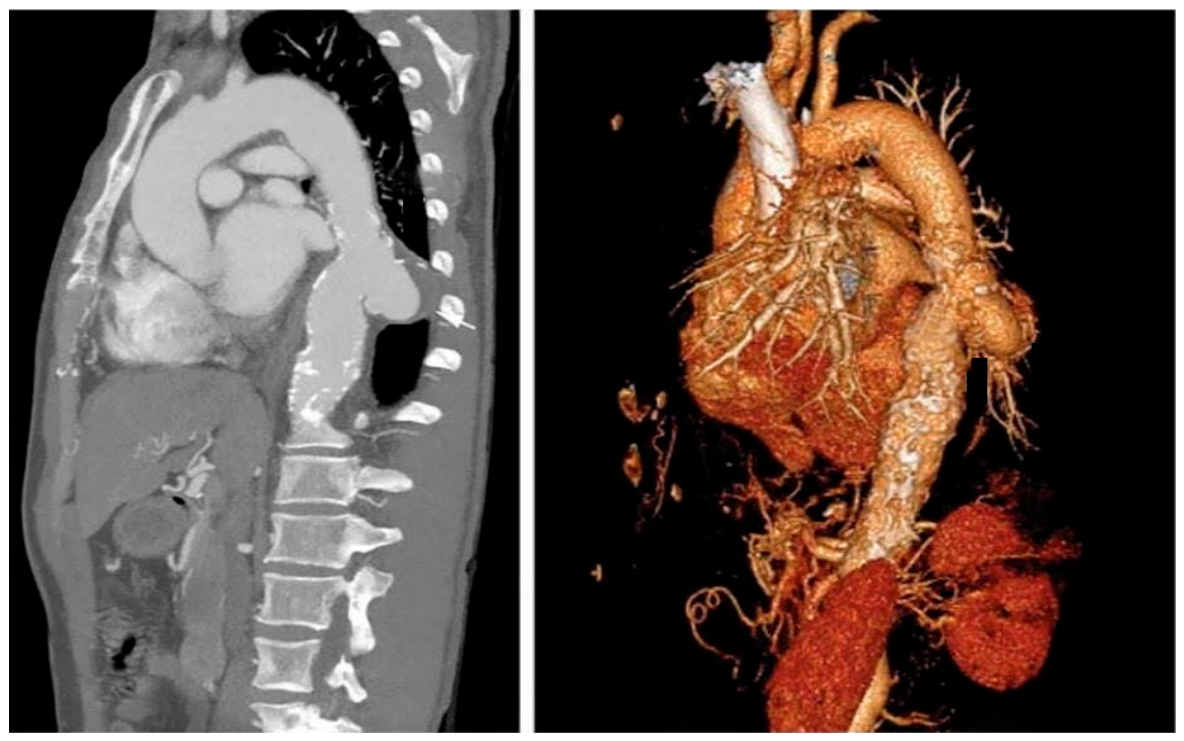
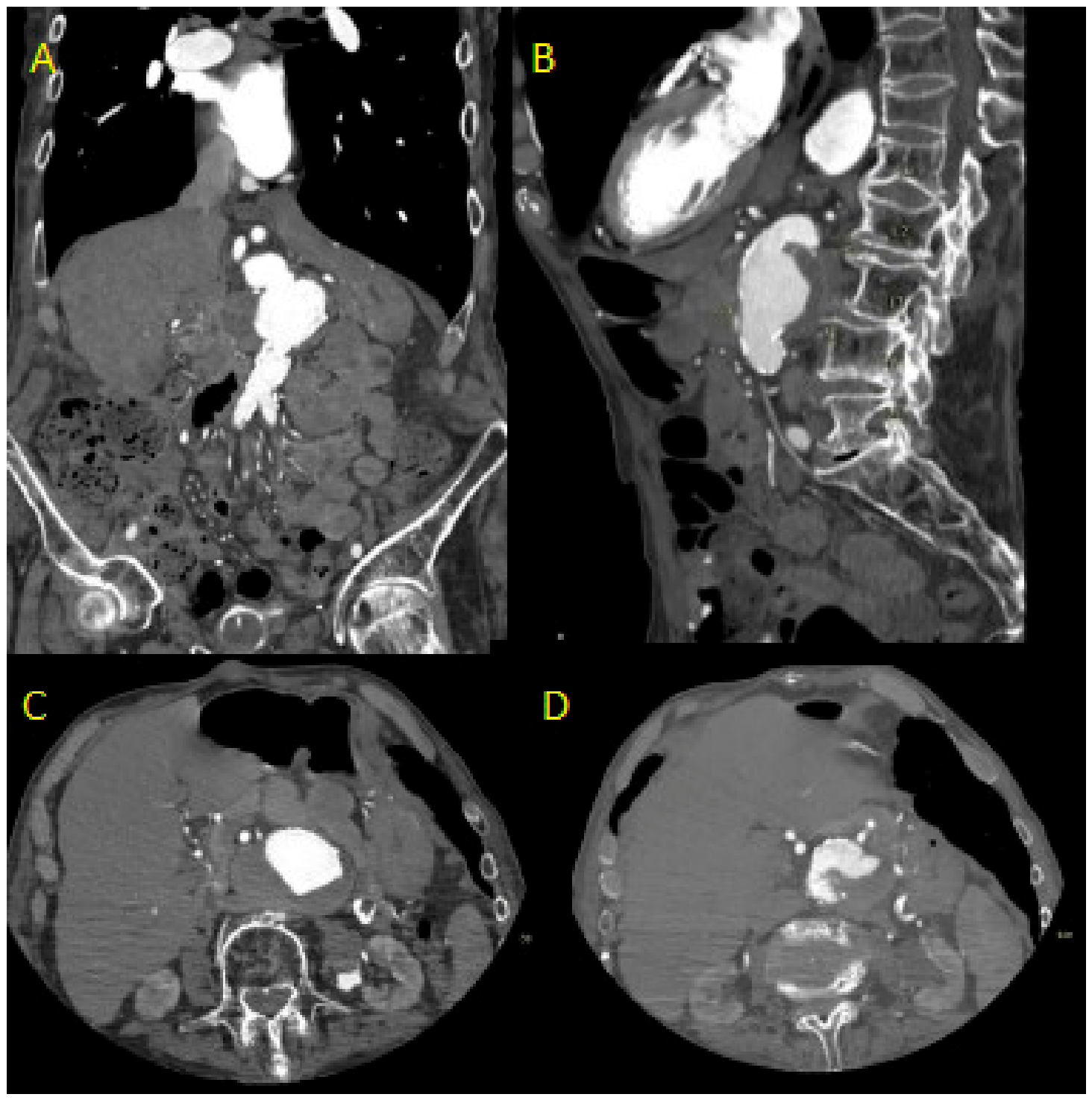
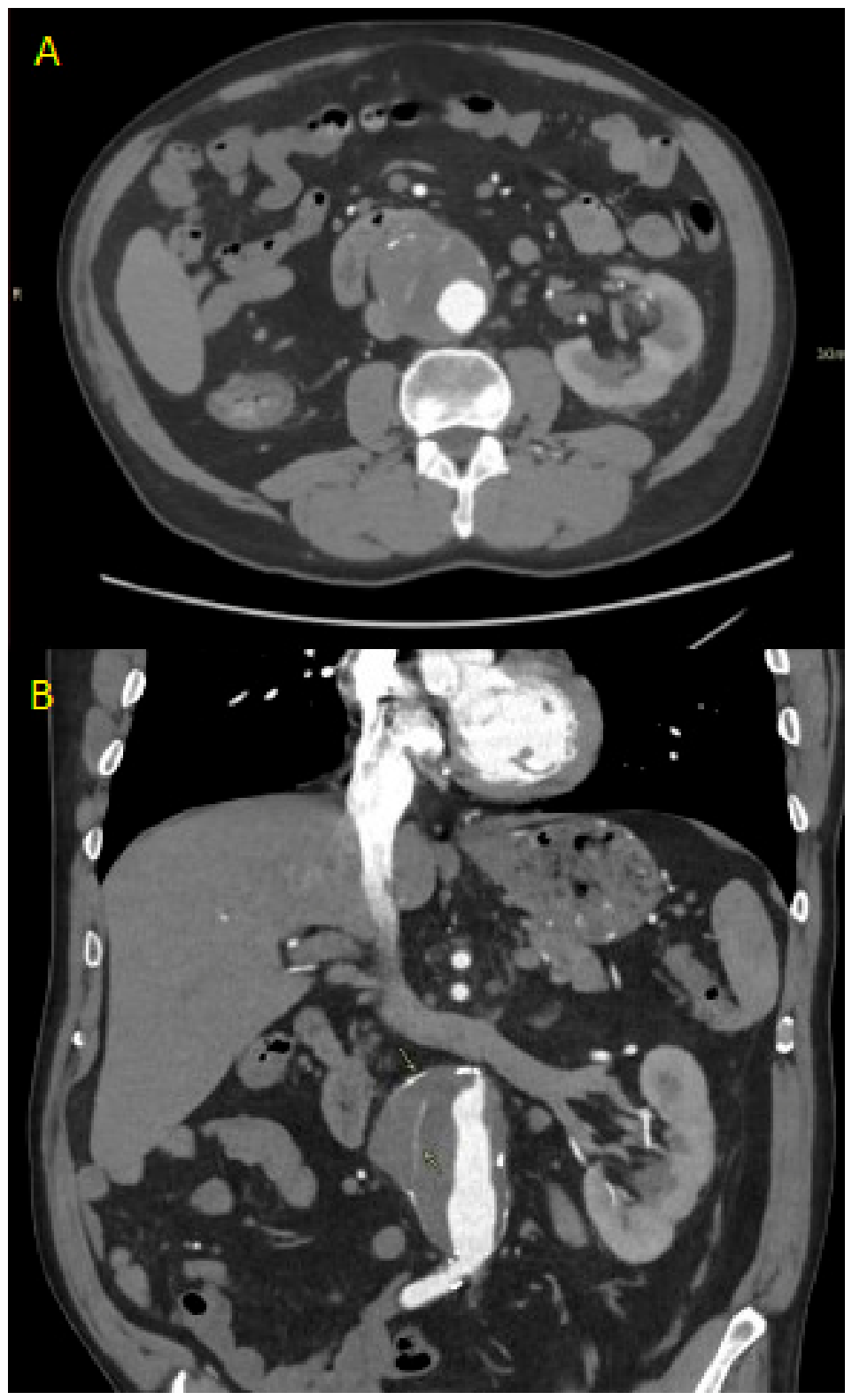
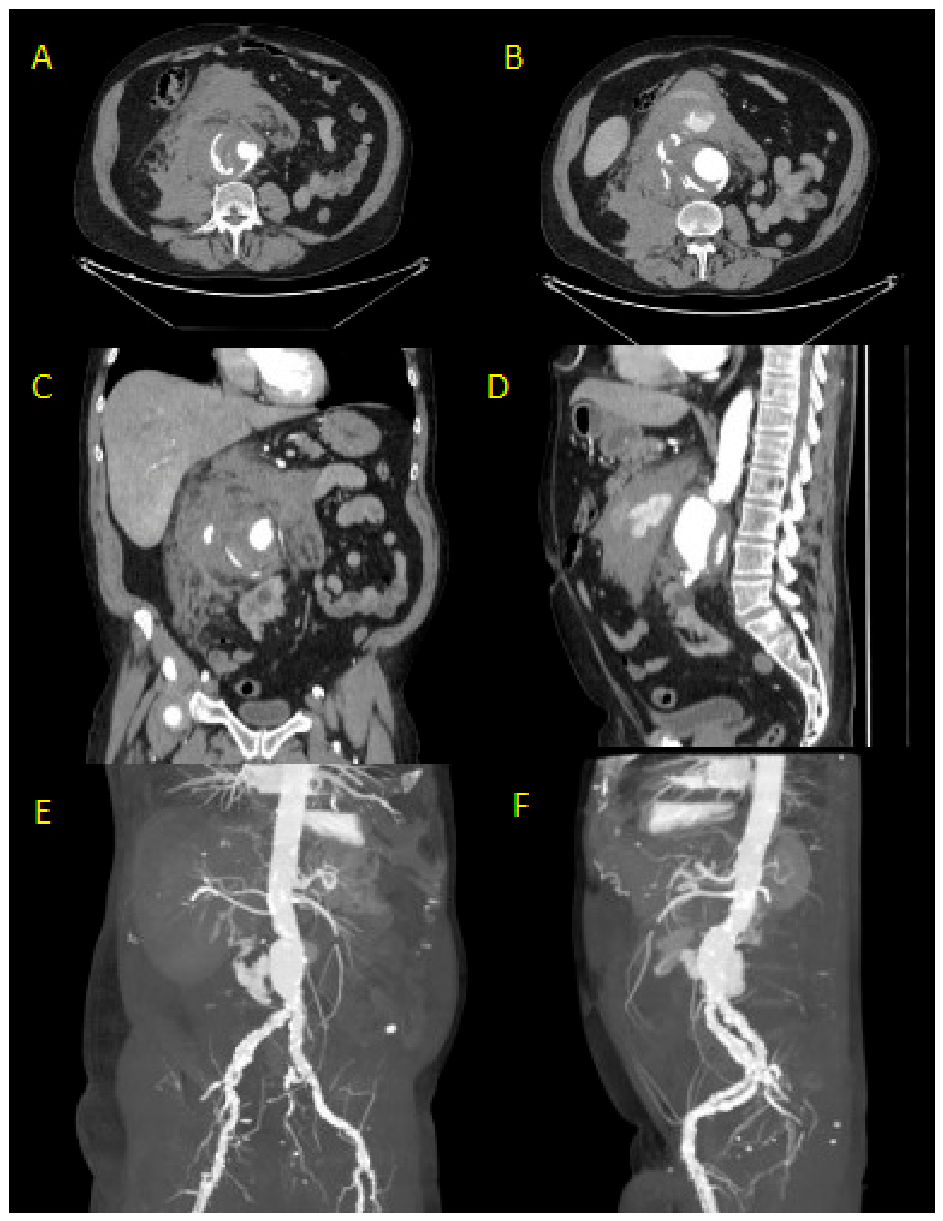
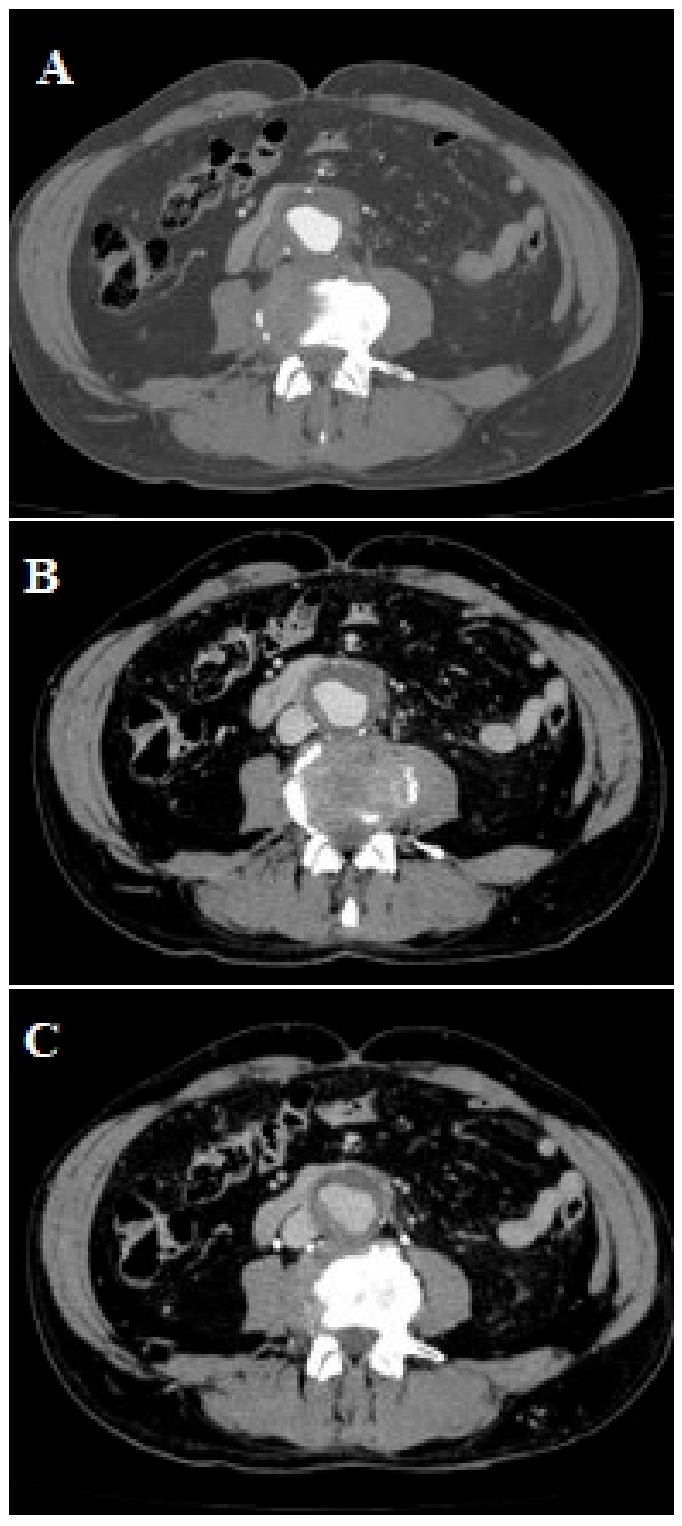
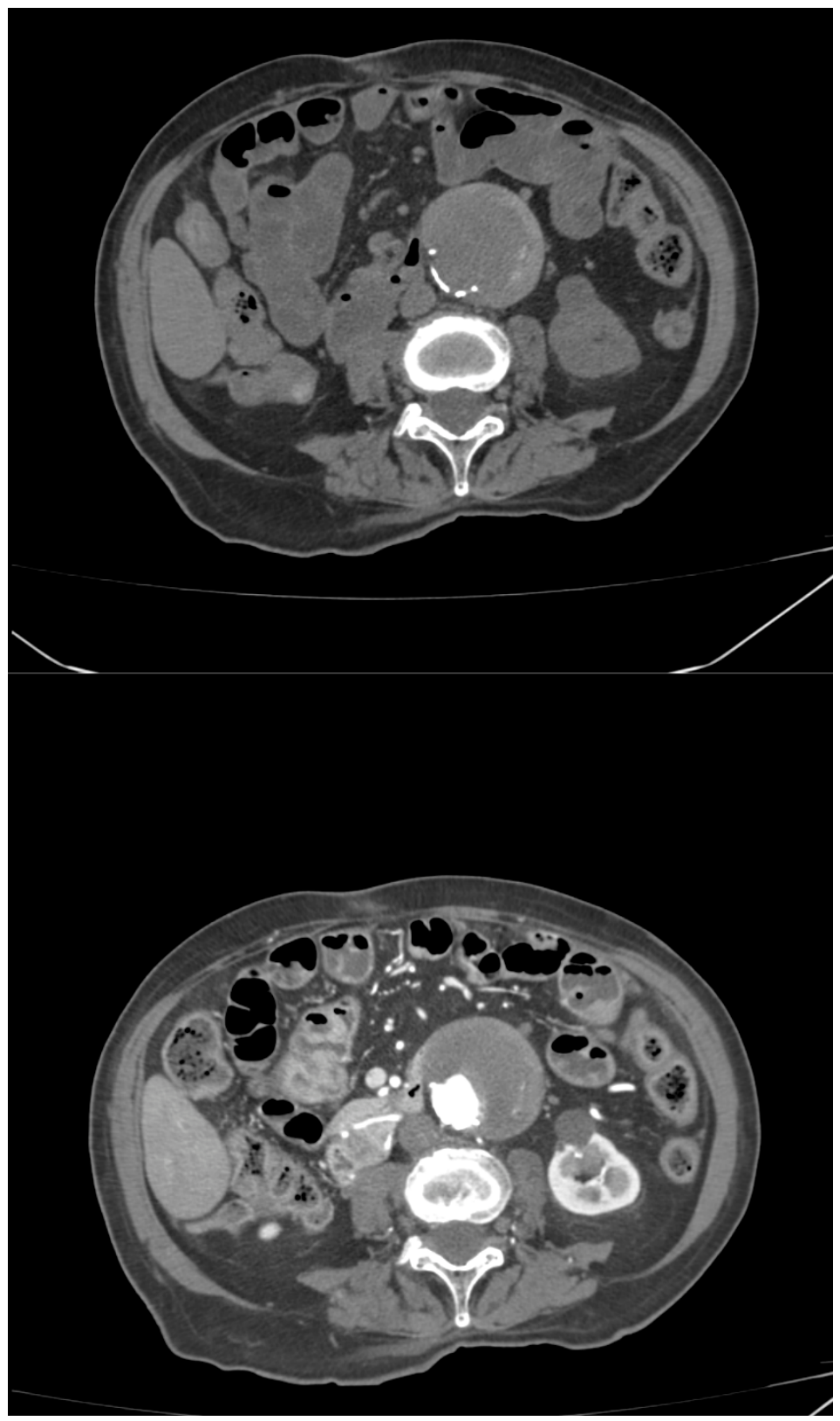
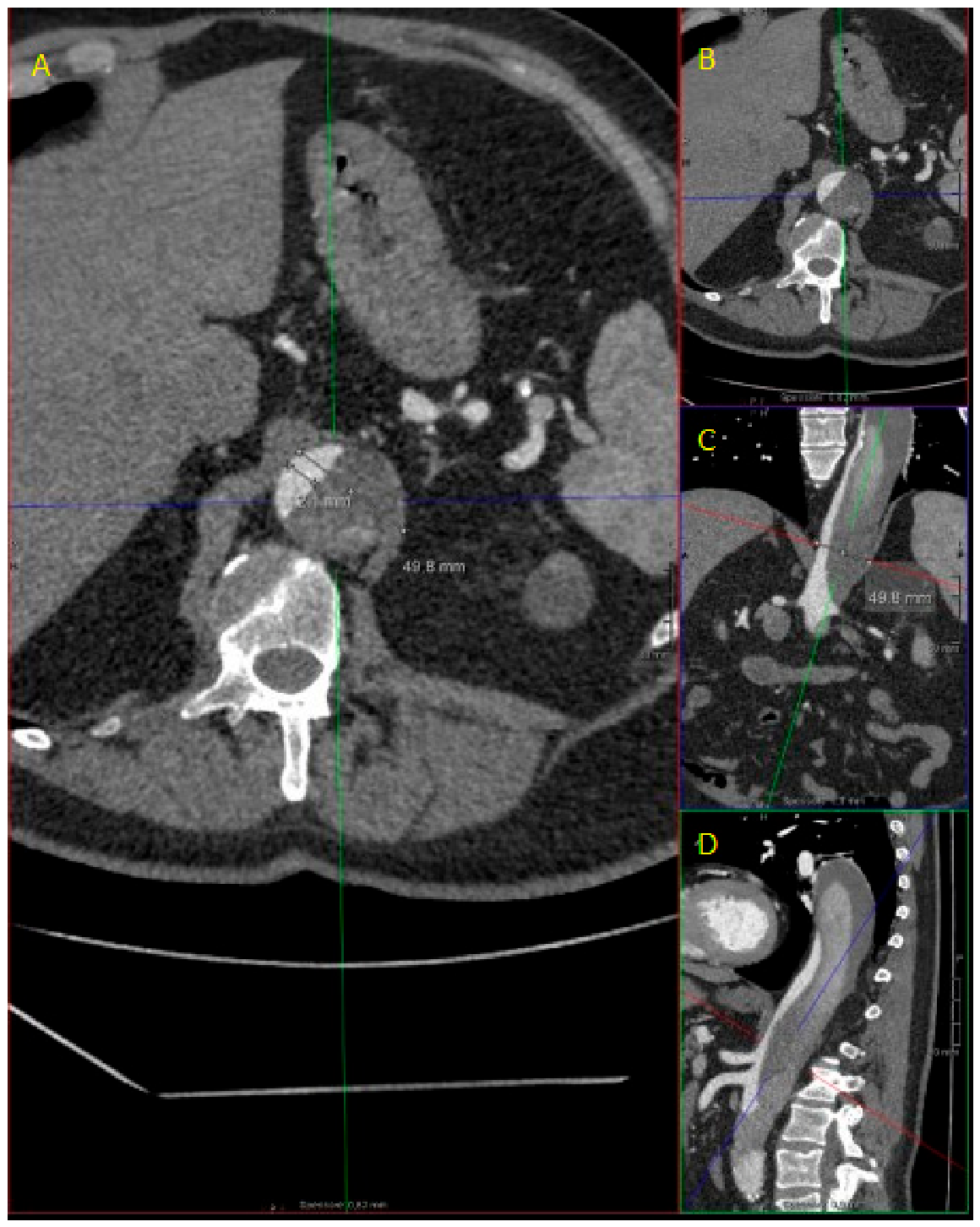
3.2. Aneurysm Formation: CT Evaluation Beyond Maximal Diameter
- Rapid interval growth according to guideline-based thresholds;
- Eccentric or asymmetric dilation, concentrating mechanical stress on limited wall segments;
- Saccular morphology is associated with higher focal stress than fusiform aneurysms;
- Focal wall irregularities, blebs, or ulcer-like projections, indicative of microstructural compromise;
- Periaortic fat stranding or soft tissue changes, suggesting inflammation or acute remodeling.
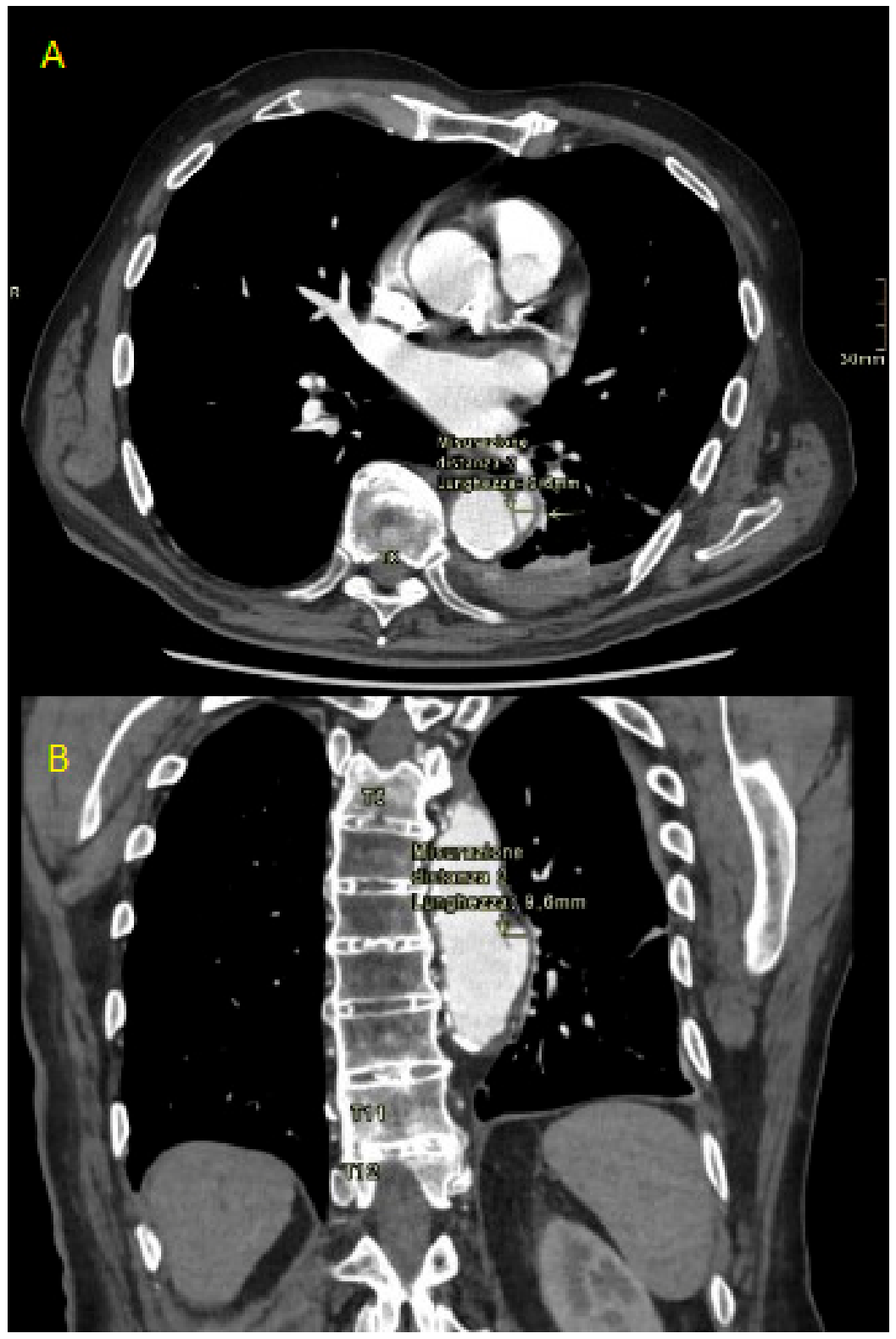
3.3. Intramural Hematoma and Penetrating Atherosclerotic Ulcer
- Maximal aortic diameter >50–55 mm;
- Periaortic hematoma;
- Ulcer-like projections;
- Persistent wall thickening.
- Contrast-filled outpouchings penetrating the aortic wall;
- Frequently associated with IMH, pseudoaneurysm formation, periaortic fat stranding, or adjacent inflammatory changes;
- Predominantly in the descending thoracic aorta.
4. Discussion
4.1. CTA in the Acute Evaluation of Aortic Disease
4.2. Classification Systems and Their Imaging Context
4.3. CTA Beyond Diameter: Imaging Markers of Instability
4.4. Intramural Hematoma and Penetrating Atherosclerotic Ulcer as Models of Wall Instability
4.5. Inflammatory Aortopathies and Aortitis
4.6. Toward a CT-Centered Multimodality Framework
4.7. Emerging Quantitative Imaging: AI, Radiomics, 4D-Flow MRI, and Computational Modeling
4.8. Limitations of the Current Evidence and of This Review
5. Conclusions
Author Contributions
Funding
Institutional Review Board Statement
Informed Consent Statement
Data Availability Statement
Acknowledgments
Conflicts of Interest
Abbreviations
| Abbreviation | Meaning |
| AAA | Abdominal Aortic Aneurysm |
| AI | Artificial Intelligence |
| CTA | Computed Tomography Angiography |
| DECT | Dual-Energy CT |
| IMH | Intramural Hematoma |
| MMP | Matrix Metalloproteinase |
| MRI | Magnetic Resonance Imaging |
| PAU | Penetrating Atherosclerotic Ulcer |
| PET | Positron Emission Tomography |
| TGF-β | Transforming Growth Factor Beta |
| US | Ultrasound |
| FDG | Fluorodeoxyglucose (for PET) |
| ROI | Region of Interest |
References
- Rodríguez Donoso, J.; Martín Ramos, E.; Aparicio Velasco, J.; Fonte Eliozondo, L.; Muñoz Críspulo, E.; Ruiz Arribas, C. Cribado mediante ecografía de aneurisma de aorta abdominal en varones con factores de riesgo en Atención Primaria. Aten. Primaria 2022, 54, 102234. [Google Scholar] [CrossRef]
- Golledge, J.; Thanigaimani, S.; Powell, J.T.; Tsao, P.S. Pathogenesis and management of abdominal aortic aneurysm. Eur. Heart J. 2023, 44, 2682–2697. [Google Scholar] [CrossRef]
- Bossone, E.; Eagle, K.A. Epidemiology and management of aortic disease: Aortic aneurysms and acute aortic syndromes. Nat. Rev. Cardiol. 2021, 18, 331–348. [Google Scholar] [CrossRef]
- Anjum, A.; Powell, J.T. Is the incidence of abdominal aortic aneurysm declining in the 21st century? Mortality and hospital admissions for England & Wales and Scotland. Eur. J. Vasc. Endovasc. Surg. 2012, 43, 161–166. [Google Scholar] [CrossRef]
- Metsker, O.; Kopanitsa, G.; Irtyuga, O.; Uspenskiy, V. Dynamic aortic aneurysm risk factors. Stud. Health Technol. Inform. 2021, 285, 130–135. [Google Scholar] [CrossRef]
- Zhou, Z.; Cecchi, A.C.; Prakash, S.K.; Milewicz, D.M. Risk factors for thoracic aortic dissection. Genes 2022, 13, 1814. [Google Scholar] [CrossRef] [PubMed]
- Ostberg, N.P.; Zafar, M.A.; Ziganshin, B.A.; Elefteriades, J.A. The genetics of thoracic aortic aneurysms and dissection: A clinical perspective. Biomolecules 2020, 10, 182. [Google Scholar] [CrossRef] [PubMed]
- Sakalihasan, N.; Michel, J.B.; Katsargyris, A.; Kuivaniemi, H.; Defraigne, J.O.; Nchimi, A.; Powell, J.T.; Yoshimura, K.; Hultgren, R. Abdominal aortic aneurysms. Nat. Rev. Dis. Primers 2018, 4, 34. [Google Scholar] [CrossRef]
- Accarino, G.; Giordano, A.N.; Falcone, M.; Celano, A.; Vassallo, M.G.; Fornino, G.; Bracale, U.M.; Vecchione, C.; Galasso, G. Abdominal aortic aneurysm: Natural history, pathophysiology and translational perspectives. Transl. Med. UniSa 2022, 24, 30–40. [Google Scholar] [CrossRef]
- Lu, H.S.; Sawada, H.; Wu, C. Aortic aneurysm and dissection: Heterogeneity and molecular mechanisms. Biomolecules 2022, 12, 1536. [Google Scholar] [CrossRef] [PubMed]
- Wang, Y.; Gao, P.; Li, F.; Du, J. Insights on aortic aneurysm and dissection: Role of the extracellular environment in vascular homeostasis. J. Mol. Cell. Cardiol. 2022, 171, 90–101. [Google Scholar] [CrossRef] [PubMed]
- Shen, Y.H.; LeMaire, S.A.; Webb, N.R.; Cassis, L.A.; Daugherty, A.; Lu, H.S. Aortic Aneurysms and Dissections Series. Arterioscler. Thromb. Vasc. Biol. 2020, 40, e37–e46. [Google Scholar] [CrossRef] [PubMed]
- Zhou, Y.; Wang, T.; Fan, H.; Liu, S.; Teng, X.; Shao, L.; Shen, Z. Research Progress on the Pathogenesis of Aortic Aneurysm and Dissection in Metabolism. Curr. Probl. Cardiol. 2024, 49, 102040. [Google Scholar] [CrossRef]
- Perone, F.; Guglielmo, M.; Coceani, M.; La Mura, L.; Dentamaro, I.; Sabatino, J.; Gimelli, A. The Role of Multimodality Imaging Approach in Acute Aortic Syndromes: Diagnosis, Complications, and Clinical Management. Diagnostics 2023, 13, 650. [Google Scholar] [CrossRef]
- Evangelista, A.; Maldonado, G.; Gruosso, D.; Gutiérrez, L.; Granato, C.; Villalva, N.; Galian, L.; González-Alujas, T.; Teixido, G.; Rodríguez-Palomares, J. The current role of echocardiography in acute aortic syndrome. Echo Res. Pract. 2019, 6, R53–R63. [Google Scholar] [CrossRef]
- Ehrman, J.K.; Fernandez, A.B.; Myers, J.; Oh, P.; Thompson, P.D.; Keteyian, S.J. Aortic Aneurysm: Diagnosis, Management, Exercise Testing, and Training. J. Cardiopulm. Rehabil. Prev. 2020, 40, 215–223. [Google Scholar] [CrossRef] [PubMed]
- Sammartino, A.M.; Falco, R.; Drera, A.; Dondi, F.; Bellini, P.; Bertagna, F.; Vizzardi, E. Vascular Inflammation and Cardiovascular Disease: Review about the Role of PET Imaging. Int. J. Cardiovasc. Imaging 2023, 39, 433–440. [Google Scholar] [CrossRef]
- Dushfunian, D.; Cohn, S.; Berhane, H.; Markl, M. 4D Flow MRI of the Thoracic Aorta. Radiol. Cardiothorac. Imaging 2025, 7, e240532. [Google Scholar] [CrossRef]
- Takehara, Y.; Sekine, T.; Obata, T. Why 4D Flow MRI? Real Advantages. Magn. Reson. Med. Sci. 2022, 21, 253–256. [Google Scholar] [CrossRef]
- Regenhardt, R.W.; Raz, E. Can Aneurysm Wall Radiomics Help Predict Rupture Risk? Stroke Vasc. Interv. Neurol. 2023, 3, e001071. [Google Scholar] [CrossRef]
- Chao, C.T. Radiomics for abdominal aortic aneurysm prognosis prediction: Additional feature suggestions. Int. J. Cardiol. 2025, 430, 133208. [Google Scholar] [CrossRef] [PubMed]
- Gasser, T.C.; Nchimi, A.; Swedenborg, J.; Roy, J.; Sakalihasan, N.; Böckler, D.; Hyhlik-Dürr, A. A novel strategy to translate the biomechanical rupture risk of abdominal aortic aneurysms to their equivalent diameter risk: Method and retrospective validation. Eur. J. Vasc. Endovasc. Surg. 2014, 47, 288–295. [Google Scholar] [CrossRef]
- Singh, T.P.; Moxon, J.V.; Gasser, T.C.; Golledge, J. Systematic review and meta-analysis of peak wall stress and peak wall rupture index in ruptured and asymptomatic intact abdominal aortic aneurysms. J. Am. Heart Assoc. 2021, 10, e019772. [Google Scholar] [CrossRef]
- Vaidya, Y.P.; Abdul Rahman, N.; Kannan Arul, M.; Feghali, A.; Shaw, P.M.; Costanza, M.J. Managing false lumen patency in chronic thoracic aortic dissecting aneurysms with coil embolization. Tex. Heart Inst. J. 2023, 50, e227938. [Google Scholar] [CrossRef]
- Mazzolai, L.; Teixido-Tura, G.; Lanzi, S.; Boc, V.; Bossone, E.; Brodmann, M.; Bura-Rivière, A.; De Backer, J.; Deglise, S.; Della Corte, A.; et al. 2024 ESC Guidelines for the management of peripheral arterial and aortic diseases. Eur. Heart J. 2024, 45, 3538–3700. [Google Scholar] [CrossRef]
- Tanaka, A.; Sakakibara, M.; Ishii, H.; Hayashida, R.; Jinno, Y.; Okumura, S.; Okada, K.; Murohara, T. Influence of the false lumen status on clinical outcomes in patients with acute type B aortic dissection. J. Vasc. Surg. 2014, 59, 321–326. [Google Scholar] [CrossRef]
- Lombardi, J.V.; Hughes, G.C.; Appoo, J.J.; Bavaria, J.E.; Beck, A.W.; Cambria, R.P.; Charlton-Ouw, K.; Eslami, M.H.; Kim, K.M.; Leshnower, B.G.; et al. Society for Vascular Surgery (SVS) and Society of Thoracic Surgeons (STS) reporting standards for type B aortic dissections. J. Vasc. Surg. 2020, 71, 723–747. [Google Scholar] [CrossRef]
- Kölbel, T.; Lohrenz, C.; Kieback, A.; Diener, H.; Debus, E.S.; Larena-Avellaneda, A. Distal false lumen occlusion in aortic dissection with a homemade extra-large vascular plug: The candy-plug technique. J. Endovasc. Ther. 2013, 20, 484–489. [Google Scholar] [CrossRef]
- Kölbel, T.; Carpenter, S.W.; Lohrenz, C.; Tsilimparis, N.; Larena-Avellaneda, A.; Debus, E.S. Addressing persistent false lumen flow in chronic aortic dissection: The knickerbocker technique. J. Endovasc. Ther. 2014, 21, 117–122. [Google Scholar] [CrossRef] [PubMed]
- Eidt, J.F.; Vasquez, J. Changing management of type B aortic dissections. Methodist Debakey Cardiovasc. J. 2023, 19, 59–69. [Google Scholar] [CrossRef] [PubMed]
- Tadros, R.O.; Tang, G.H.L.; Barnes, H.J.; Mousavi, I.; Kovacic, J.C.; Faries, P.; Olin, J.W.; Marin, M.L.; Adams, D.H. Optimal treatment of uncomplicated type B aortic dissection: JACC review topic of the week. J. Am. Coll. Cardiol. 2019, 74, 1494–1504. [Google Scholar] [CrossRef] [PubMed]
- Munshi, B.; Ritter, J.C.; Doyle, B.J.; Norman, P.E. Management of acute type B aortic dissection. ANZ J. Surg. 2020, 90, 2425–2433. [Google Scholar] [CrossRef]
- Villard, C.; Hultgren, R. Abdominal aortic aneurysm: Sex differences. Maturitas 2018, 109, 63–69. [Google Scholar] [CrossRef]
- Montatore, M.; Masino, F.; Signorile, V.; Balbino, M.; Tupputi, R.; Guglielmi, G. A severe and fatal type A aortic dissection in an adult with a repaired Tetralogy of Fallot. Prague Med. Rep. 2024, 125, 130–137. [Google Scholar] [CrossRef]
- D’Arma, G.M.A.; Montatore, M.; Chieppa, D.R.R.; Masino, F.; Pollice, S.; Guglielmi, G. Right-sided aortic arch with anomalous coronary artery origin and concomitant Stanford type A dissection: A rare case report. Radiol. Case Rep. 2025, 21, 1038–1042. [Google Scholar] [CrossRef]
- Yuan, S.M. Aortic aneurysm and dissection in systemic lupus erythematosus. Z. Rheumatol. 2019, 78, 287–294. [Google Scholar] [CrossRef] [PubMed]
- Kounis, N.G.; Koniari, I.; Velissaris, D.; Soufras, G.; Hahalis, G. Aortic aneurysm and dissection in systemic lupus erythematosus: Pathophysiologic and therapeutic considerations. Eur. J. Rheumatol. 2018, 5, 209–211. [Google Scholar] [CrossRef] [PubMed]
- Sayed, A.; Munir, M.; Bahbah, E.I. Aortic dissection: A review of pathophysiology, management, and prospective advances. Curr. Cardiol. Rev. 2021, 17, e230421186875. [Google Scholar] [CrossRef]
- Manenti, A.; Roncati, L.; Sorrentino, L.; Farinetti, A.; Borri, M.; Manco, G.; Coppi, G.; Mattioli, A.V.; Gelmini, R.; Coppi, F. Thoracic aortic pseudoaneurysm: Inside its pathophysiology. Vascular 2025, 33, 821–828. [Google Scholar] [CrossRef]
- Zhao, R.; Qiu, J.; Dai, L.; Song, J.; Fan, S.; Cao, F.; Qiu, J.; Xu, Z.; Fan, R.; Guo, Y.; et al. Current surgical management of acute type A aortic dissection in China: A multicenter registry study. JACC Asia 2022, 2, 869–878. [Google Scholar] [CrossRef]
- Aboyans, V.; Boukhris, M. Dissecting the epidemiology of aortic dissection. Eur. Heart J. Acute Cardiovasc. Care 2021, 10, 710–711. [Google Scholar] [CrossRef] [PubMed]
- Sobocinski, J.; Lombardi, J.V.; Dias, N.V.; Berger, L.; Zhou, Q.; Jia, F.; Resch, T.; Haulon, S. Volume analysis of true and false lumens in acute complicated type B aortic dissections after thoracic endovascular aortic repair with stent grafts alone or with a composite device design. J. Vasc. Surg. 2016, 63, 1216–1224. [Google Scholar] [CrossRef]
- Dinoto, E.; Pecoraro, F.; Farina, A.; Viscardi, A.; Bajardi, G. Simultaneous endovascular treatment of synchronous symptomatic acute type B aortic dissection and large infrarenal aortic aneurysm: Technical tips and case report. Int. J. Surg. Case Rep. 2020, 77, S157–S161. [Google Scholar] [CrossRef]
- Nana, P.; Kouvelos, G.; Behrendt, C.A.; Giannoukas, A.; Kölbel, T.; Spanos, K. A systematic review on PETTICOAT and STABILISE techniques for the management of complicated acute type B aortic dissection. Rev. Cardiovasc. Med. 2023, 24, 34. [Google Scholar] [CrossRef]
- Kahlberg, A.; Mascia, D.; Bertoglio, L.; Loschi, D.; Grandi, A.; Melissano, G.; Chiesa, R. New technical approach for type B dissection: From the PETTICOAT to the STABILISE concept. J. Cardiovasc. Surg. 2019, 60, 281–288. [Google Scholar] [CrossRef]
- De León Ayala, I.A.; Chen, Y.F. Acute aortic dissection: An update. Kaohsiung J. Med. Sci. 2012, 28, 299–305. [Google Scholar] [CrossRef] [PubMed]
- Hinchliffe, R.J.; Halawa, M.; Holt, P.J.; Morgan, R.; Loftus, I.; Thompson, M.M. Aortic dissection and its endovascular management. J. Cardiovasc. Surg. 2008, 49, 449–460. [Google Scholar]


| Condition | CT Imaging Marker | Pathophysiological Meaning | Reported Association | Clinical Relevance |
|---|---|---|---|---|
| Aortic dissection | Persistent false lumen patency | Ongoing false lumen pressurization and impaired remodeling | Associated with aortic enlargement, adverse remodeling, and need for closer follow-up or reintervention | Supports surveillance planning and risk stratification |
| Aortic dissection | True lumen compression or collapse | Dynamic or static obstruction of branch-vessel perfusion | Associated with malperfusion syndromes and complicated dissection | May prompt urgent endovascular or surgical evaluation |
| Aneurysm | Rapid interval growth | Accelerated wall remodeling and structural weakening | Associated with increased rupture risk and guideline-based indication for repair | Influences the timing of intervention |
| Aneurysm | Saccular or eccentric morphology | Localized wall stress concentration and focal structural weakness | Considered higher risk than fusiform morphology in several clinical settings | May lower threshold for intervention |
| Aneurysm | Wall irregularity, blebs, or ulcer-like projections | Focal disruption of the wall surface or plaque penetration | Associated with local instability and potential progression | Supports closer follow-up or treatment planning |
| Aneurysm | Intraluminal thrombus burden or heterogeneity | Wall hypoxia, inflammation, and proteolytic activity beneath the thrombus | Associated with aneurysm growth and biological wall activity | Complements the diameter-based assessment |
| Intramural hematoma | Hematoma thickness and longitudinal extension | Medial hemorrhage and increased wall stress | Greater thickness and extension have been linked to progression, ulcer-like projection, or rupture. | Helps guide early reassessment and treatment strategy |
| Penetrating atherosclerotic ulcer | Ulcer depth, width, and associated IMH | Atherosclerotic plaque penetration into the media | Larger or progressive ulcers are associated with complications, including pseudoaneurysm, rupture, or dissection | Supports risk stratification and follow-up intensity |
| Aortitis | Wall thickening and mural enhancement | Active inflammatory infiltration and edema | May reflect disease activity, especially when progressive or associated with symptoms | Guides additional MRI/PET-CT assessment and treatment monitoring |
| Aortitis | Periaortic fat stranding or soft tissue infiltration | Perivascular inflammatory extension | Associated with active inflammation or acute complications in selected cases | Helps distinguish active from chronic disease patterns |
Disclaimer/Publisher’s Note: The statements, opinions and data contained in all publications are solely those of the individual author(s) and contributor(s) and not of MDPI and/or the editor(s). MDPI and/or the editor(s) disclaim responsibility for any injury to people or property resulting from any ideas, methods, instructions or products referred to in the content. |
© 2026 by the authors. Licensee MDPI, Basel, Switzerland. This article is an open access article distributed under the terms and conditions of the Creative Commons Attribution (CC BY) license.
Share and Cite
Montatore, M.; Tupputi, R.; Masino, F.; Montatore, M.; Muscogiuri, E.; Guglielmi, G. CT-Centered Multimodality Imaging of Arterial Wall Fragility in Acute Aortic Syndromes: A Narrative Review of Imaging Markers and Clinical Implications. J. Cardiovasc. Dev. Dis. 2026, 13, 221. https://doi.org/10.3390/jcdd13060221
Montatore M, Tupputi R, Masino F, Montatore M, Muscogiuri E, Guglielmi G. CT-Centered Multimodality Imaging of Arterial Wall Fragility in Acute Aortic Syndromes: A Narrative Review of Imaging Markers and Clinical Implications. Journal of Cardiovascular Development and Disease. 2026; 13(6):221. https://doi.org/10.3390/jcdd13060221
Chicago/Turabian StyleMontatore, Manuela, Ruggiero Tupputi, Federica Masino, Michela Montatore, Eluisa Muscogiuri, and Giuseppe Guglielmi. 2026. "CT-Centered Multimodality Imaging of Arterial Wall Fragility in Acute Aortic Syndromes: A Narrative Review of Imaging Markers and Clinical Implications" Journal of Cardiovascular Development and Disease 13, no. 6: 221. https://doi.org/10.3390/jcdd13060221
APA StyleMontatore, M., Tupputi, R., Masino, F., Montatore, M., Muscogiuri, E., & Guglielmi, G. (2026). CT-Centered Multimodality Imaging of Arterial Wall Fragility in Acute Aortic Syndromes: A Narrative Review of Imaging Markers and Clinical Implications. Journal of Cardiovascular Development and Disease, 13(6), 221. https://doi.org/10.3390/jcdd13060221