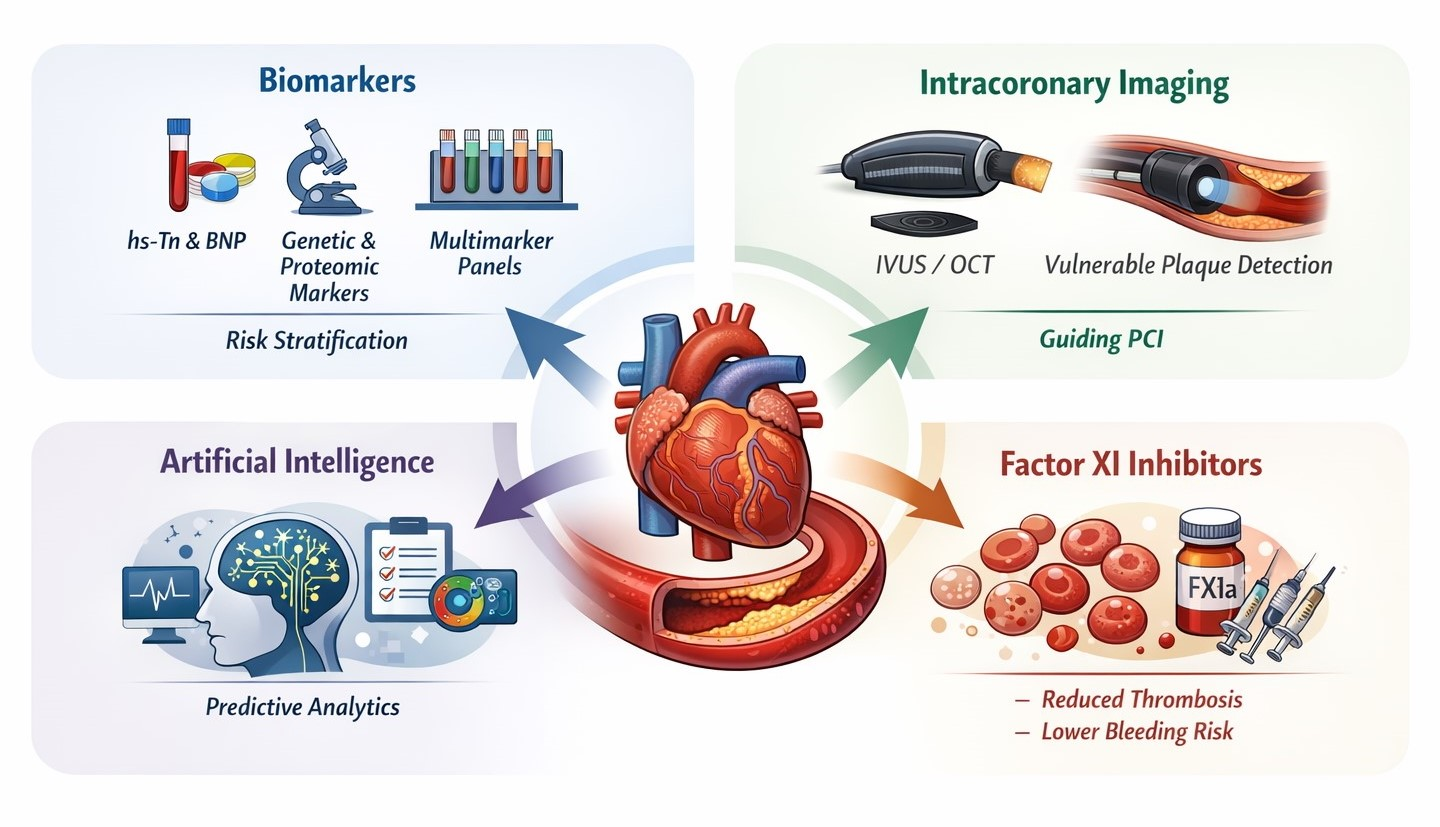

Advances in the Diagnosis and Management of High-Risk Cardiovascular Conditions: Biomarkers, Intracoronary Imaging, Artificial Intelligence, and Novel Anticoagulants
 , , ,
, , ,
Abstract
1. Introduction
2. Methods
3. Biomarkers
4. Intracoronary Imaging in ACS and High-Risk Patients: Advances in Integration with Artificial Intelligence
4.1. Recent Evidence and Guidelines for Intracoronary Imaging in ACS and Complex Lesions
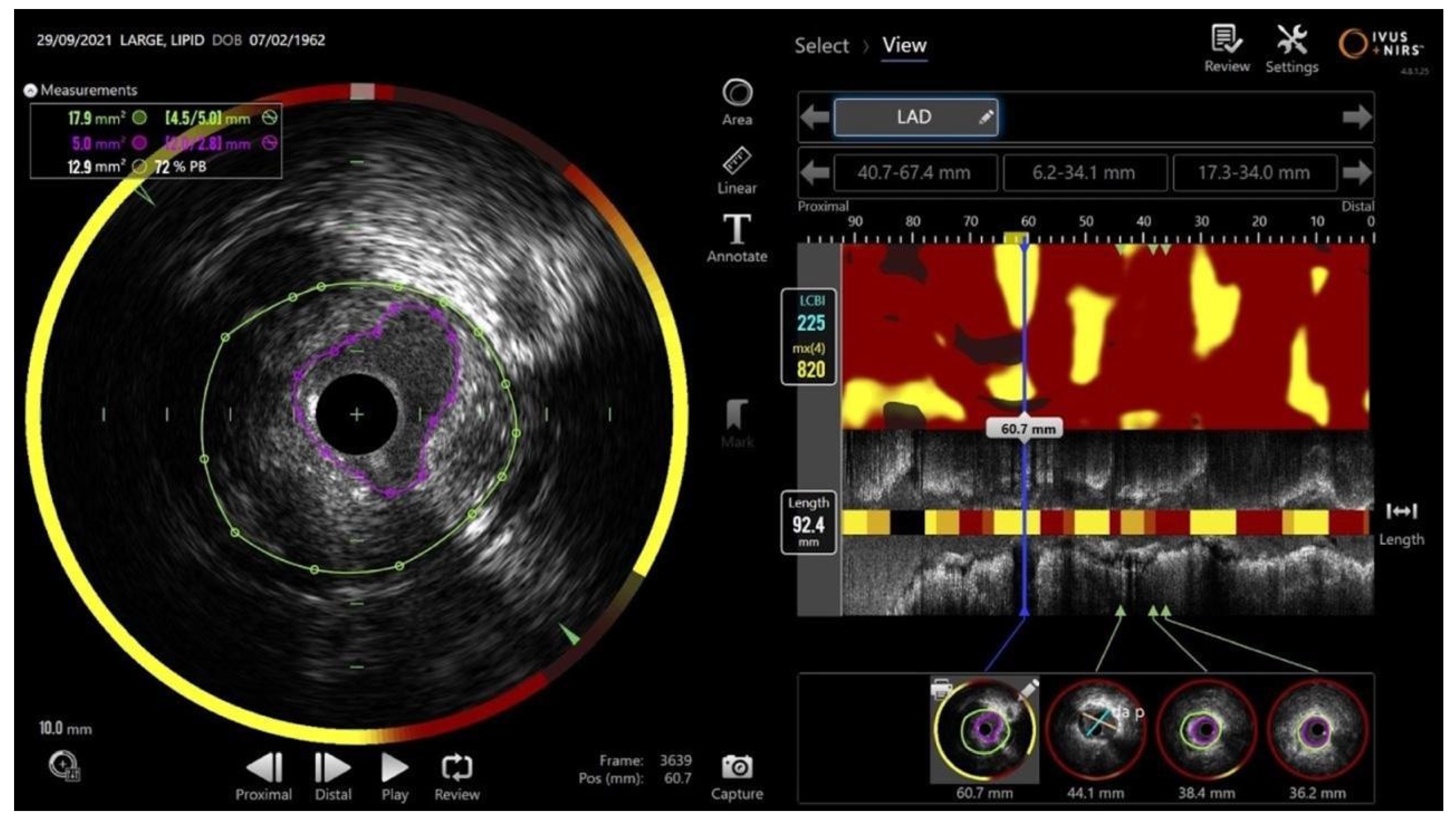
4.2. Near-Infrared Spectroscopy (NIRS)
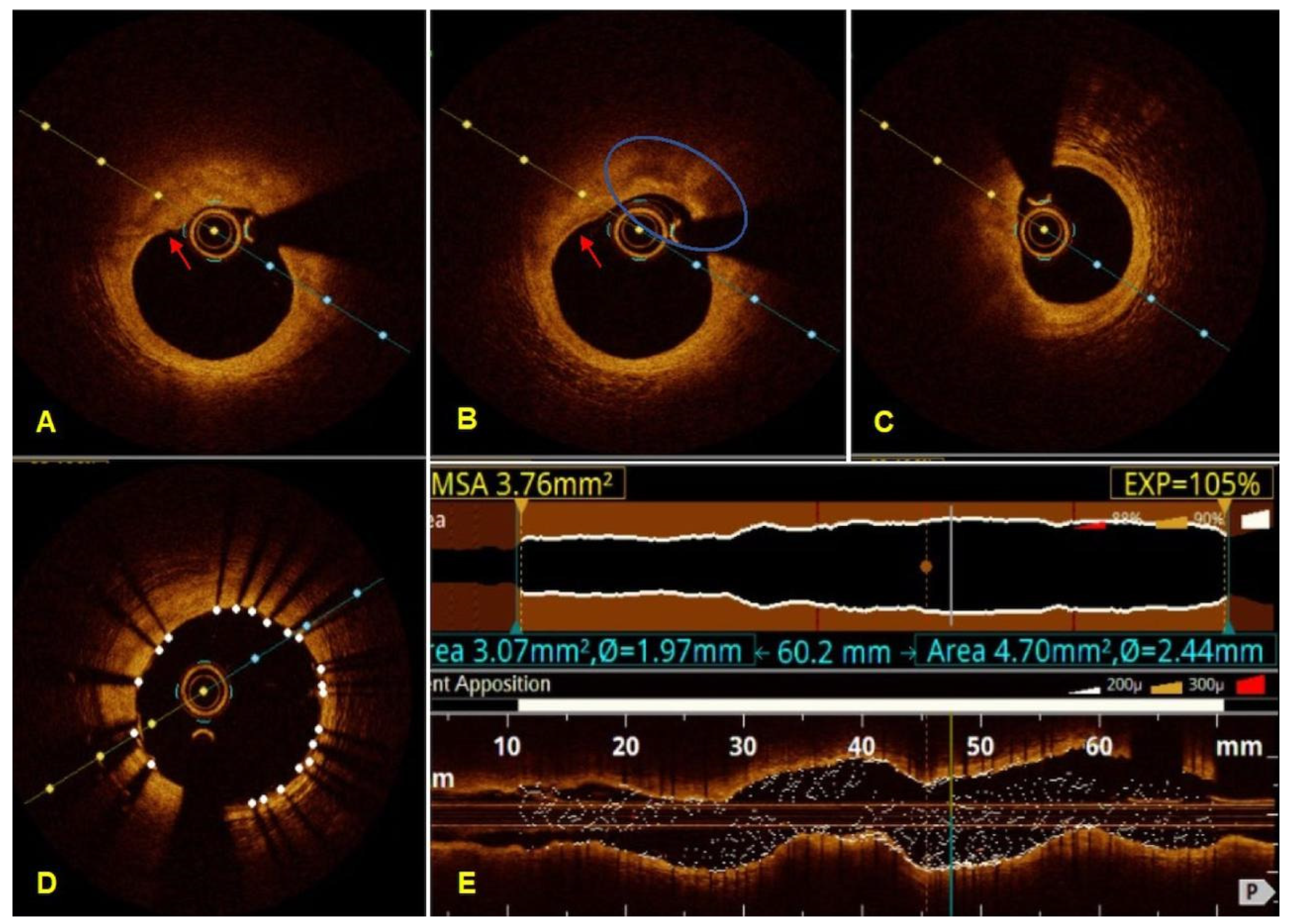
4.3. Optical Coherence Tomography (OCT)
4.4. Comparison of IVUS, OCT, and Angiography: Clinical Outcomes
4.5. Integration of Artificial Intelligence into Optical Coherence Tomography
5. Integration of Artificial Intelligence (AI) into Clinical Practice with a Focus on Thrombosis Prevention
6. Emerging Pharmacological Strategies: Factor XI-Targeted Anticoagulants
7. Personalized Therapeutic Approaches and Future Directions in the Integration of Diagnosis and Therapy
8. Conclusions
9. Future Directions
Author Contributions
Funding
Institutional Review Board Statement
Informed Consent Statement
Data Availability Statement
Conflicts of Interest
Abbreviations
| ACSs | acute coronary syndromes |
| AI | artificial intelligence |
| DAPT | dual antiplatelet therapy |
| DOACs | direct oral anticoagulants |
| IVUS | intravascular ultrasound |
| LAD | left anterior descending |
| MINOCA | myocardial infarction with non-obstructive coronary arteries |
| MLA | minimum lumen area |
| NIRS | Near-infrared spectroscopy |
| NPs | Natriuretic peptides |
| OCT | optical coherence tomography |
| PCI | percutaneous coronary intervention |
| TCFAs | thin-cap fibroatheromas |
References
- Johansson, E.; Iglesias, M.J.; Odeberg, J.; Edfors, F. Shaping the future of precision medicine: Plasma proteomics to uncover insights in thrombosis. Expert Rev. Proteom. 2025, 22, 237–254. [Google Scholar] [CrossRef]
- Shaw, J.R.; Nopp, S.; Stavik, B.; Youkhana, K.; Michels, A.L.; Kennes, S.; Rak, J.; Ten Cate, H. Thrombosis, Translational Medicine, and Biomarker Research: Moving the Needle. J. Am. Heart Assoc. 2025, 14, e038782. [Google Scholar] [CrossRef]
- Bergmark, B.A.; Mathenge, N.; Merlini, P.A.; Lawrence-Wright, M.B.; Giugliano, R.P. Acute coronary syndromes. Lancet 2022, 399, 1347–1358. [Google Scholar] [CrossRef]
- Gurumurthy, G.; Kisiel, F.; Reynolds, L.; Thomas, W.; Othman, M.; Arachchillage, D.J.; Thachil, J. Machine Learning in Venous Thromboembolism—Why and What Next? Semin. Thromb. Hemost. 2025. [Google Scholar] [CrossRef]
- Guedeney, P.; Collet, J.P. Antithrombotic Therapy in Acute Coronary Syndromes: Current Evidence and Ongoing Issues Regarding Early and Late Management. Thromb. Haemost. 2021, 121, 854–866. [Google Scholar] [CrossRef]
- Siasos, G.; Tsigkou, V.; Bletsa, E.; Stampouloglou, P.K.; Oikonomou, E.; Kalogeras, K.; Katsarou, O.; Pesiridis, T.; Vavuranakis, M.; Tousoulis, D. Antithrombotic Treatment in Coronary Artery Disease. Curr. Pharm. Des. 2023, 29, 2764–2779. [Google Scholar] [CrossRef]
- Fernando, H.; McFadyen, J.D.; Palasubramaniam, J.; Shaw, J.; Wang, X.; Stub, D.; Peter, K. Antithrombotic Therapy in Myocardial Infarction: Historic Perils and Current Challenges-A 70-Year Journey. Thromb. Haemost. 2020, 120, 1352–1356. [Google Scholar] [CrossRef]
- Rodriguez, F.; Harrington, R.A. Management of Antithrombotic Therapy after Acute Coronary Syndromes. N. Engl. J. Med. 2021, 384, 452–460. [Google Scholar] [CrossRef]
- van der Sangen, N.M.R.; Rozemeijer, R.; Chan Pin Yin, D.; Valgimigli, M.; Windecker, S.; James, S.K.; Buccheri, S.; Ten Berg, J.M.; Henriques, J.P.S.; Voskuil, M.; et al. Patient-tailored antithrombotic therapy following percutaneous coronary intervention. Eur. Heart J. 2021, 42, 1038–1046. [Google Scholar] [CrossRef]
- Khan, F.; Tritschler, T.; Kahn, S.R.; Rodger, M.A. Venous thromboembolism. Lancet 2021, 398, 64–77. [Google Scholar] [CrossRef]
- Weitz, J.I.; Chan, N.C. Novel antithrombotic strategies for treatment of venous thromboembolism. Blood 2020, 135, 351–359. [Google Scholar] [CrossRef]
- Capodanno, D.; Angiolillo, D.J. Personalised antiplatelet therapies for coronary artery disease: What the future holds. Eur. Heart J. 2023, 44, 3059–3072. [Google Scholar] [CrossRef]
- Luscher, T.F.; Davies, A.; Beer, J.H.; Valgimigli, M.; Nienaber, C.A.; Camm, J.A.; Baumgartner, I.; Diener, H.C.; Konstantinides, S.V. Towards personalized antithrombotic management with drugs and devices across the cardiovascular spectrum. Eur. Heart J. 2022, 43, 940–958. [Google Scholar] [CrossRef]
- Visioli, F.; Urbistondo, D.M.; Gkipalis, S.; Vidal-Ostos De Lara, F.; Ruiz-Saavedra, A.; Leon, M.; Beddar Chaib, F.; Hernandez, A.H.; Landecho Acha, M.F.; Laparra, M.; et al. Translational biomarkers for integrated cardiovascular disease risk assessment: A multidisciplinary review with applications in precision medicine. Nutr. Metab. Cardiovasc. Dis. 2025, 35, 104215. [Google Scholar] [CrossRef]
- Thygesen, K.; Alpert, J.S.; Jaffe, A.S.; Chaitman, B.R.; Bax, J.J.; Morrow, D.A.; White, H.D.; Executive Group on behalf of the Joint European Society of Cardiology/American College of Cardiology/American Heart Association/World Heart Federation Task Force for the Universal Definition of Myocardial Infarction. Fourth Universal Definition of Myocardial Infarction (2018). Circulation 2018, 138, e618–e651. [Google Scholar] [CrossRef]
- Rao, S.V.; O’Donoghue, M.L.; Ruel, M.; Rab, T.; Tamis-Holland, J.E.; Alexander, J.H.; Baber, U.; Baker, H.; Cohen, M.G.; Cruz-Ruiz, M.; et al. 2025 ACC/AHA/ACEP/NAEMSP/SCAI Guideline for the Management of Patients with Acute Coronary Syndromes: A Report of the American College of Cardiology/American Heart Association Joint Committee on Clinical Practice Guidelines. Circulation 2025, 151, e771–e862. [Google Scholar] [CrossRef]
- Djuric, D.; Bajic, Z.; Radisavljevic, N.; Sobot, T.; Mutavdzin Krneta, S.; Stankovic, S.; Skrbic, R. High-Sensitivity Troponins and Homocysteine: Combined Biomarkers for Better Prediction of Cardiovascular Events. Int. J. Mol. Sci. 2025, 26, 8186. [Google Scholar] [CrossRef]
- Haller, P.M.; Beer, B.N.; Tonkin, A.M.; Blankenberg, S.; Neumann, J.T. Role of Cardiac Biomarkers in Epidemiology and Risk Outcomes. Clin. Chem. 2021, 67, 96–106. [Google Scholar] [CrossRef]
- Khan, S.S.; Coresh, J.; Pencina, M.J.; Ndumele, C.E.; Rangaswami, J.; Chow, S.L.; Palaniappan, L.P.; Sperling, L.S.; Virani, S.S.; Ho, J.E.; et al. Novel Prediction Equations for Absolute Risk Assessment of Total Cardiovascular Disease Incorporating Cardiovascular-Kidney-Metabolic Health: A Scientific Statement From the American Heart Association. Circulation 2023, 148, 1982–2004. [Google Scholar] [CrossRef]
- Lindahl, B. Acute coronary syndrome—The present and future role of biomarkers. Clin. Chem. Lab. Med. 2013, 51, 1699–1706. [Google Scholar] [CrossRef]
- Newman, J.D.; Anthopolos, R.; Ruggles, K.V.; Cornwell, M.; Reynolds, H.R.; Bangalore, S.; Mavromatis, K.; Held, C.; Wallentin, L.; Kullo, I.J.; et al. Biomarkers and cardiovascular events in patients with stable coronary disease in the ISCHEMIA Trials. Am. Heart J. 2023, 266, 61–73. [Google Scholar] [CrossRef]
- Lyngbakken, M.N.; Myhre, P.L.; Rosjo, H.; Omland, T. Novel biomarkers of cardiovascular disease: Applications in clinical practice. Crit. Rev. Clin. Lab. Sci. 2019, 56, 33–60. [Google Scholar] [CrossRef]
- Nakajima, A.; Libby, P.; Mitomo, S.; Yuki, H.; Araki, M.; Seegers, L.M.; McNulty, I.; Lee, H.; Ishibashi, M.; Kobayashi, K.; et al. Biomarkers associated with coronary high-risk plaques. J. Thromb. Thrombolysis 2022, 54, 647–659. [Google Scholar] [CrossRef]
- Statescu, C.; Anghel, L.; Tudurachi, B.S.; Leonte, A.; Benchea, L.C.; Sascau, R.A. From Classic to Modern Prognostic Biomarkers in Patients with Acute Myocardial Infarction. Int. J. Mol. Sci. 2022, 23, 9168. [Google Scholar] [CrossRef]
- Mumma, B.E.; Bhandari, N.; Tran, N.K.; Ford, J.S.; Christenson, R.; Wilkerson, R.G.; Madsen, T.; Weaver, M.T.; Yi, F.; Zhang, X.; et al. Growth Differentiation Factor-15 is Associated with Acute Myocardial Infarction and Death at 30 and 90 Days in Emergency Department Patients With Suspected Acute Coronary Syndrome. J. Am. Heart Assoc. 2025, 14, e038675. [Google Scholar] [CrossRef]
- Lawton, J.S.; Tamis-Holland, J.E.; Bangalore, S.; Bates, E.R.; Beckie, T.M.; Bischoff, J.M.; Bittl, J.A.; Cohen, M.G.; DiMaio, J.M.; Don, C.W.; et al. 2021 ACC/AHA/SCAI Guideline for Coronary Artery Revascularization: A Report of the American College of Cardiology/American Heart Association Joint Committee on Clinical Practice Guidelines. J. Am. Coll. Cardiol. 2022, 79, e21–e129. [Google Scholar] [CrossRef]
- Erlinge, D.; Maehara, A.; Ben-Yehuda, O.; Botker, H.E.; Maeng, M.; Kjoller-Hansen, L.; Engstrom, T.; Matsumura, M.; Crowley, A.; Dressler, O.; et al. Identification of vulnerable plaques and patients by intracoronary near-infrared spectroscopy and ultrasound (PROSPECT II): A prospective natural history study. Lancet 2021, 397, 985–995. [Google Scholar] [CrossRef]
- Terada, K.; Wakana, N.; Kubo, T.; Ino, Y.; Khalifa, A.K.M.; Fujita, S.; Takahata, M.; Shiono, Y.; Madder, R.D.; Kameyama, T. Clinical outcomes of acute myocardial infarction arising from non-lipid-rich plaque determined by NIRS-IVUS. Sci. Rep. 2023, 13, 11544. [Google Scholar] [CrossRef]
- Yamamoto, M.H.; Maehara, A.; Stone, G.W.; Kini, A.S.; Brilakis, E.S.; Rizik, D.G.; Shunk, K.; Powers, E.R.; Tobis, J.M.; Maini, B.S.; et al. 2-Year Outcomes After Stenting of Lipid-Rich and Nonrich Coronary Plaques. J. Am. Coll. Cardiol. 2020, 75, 1371–1382. [Google Scholar] [CrossRef]
- Hoang, V.; Grounds, J.; Pham, D.; Virani, S.; Hamzeh, I.; Qureshi, A.M.; Lakkis, N.; Alam, M. The Role of Intracoronary Plaque Imaging with Intravascular Ultrasound, Optical Coherence Tomography, and Near-Infrared Spectroscopy in Patients with Coronary Artery Disease. Curr. Atheroscler. Rep. 2016, 18, 57. [Google Scholar] [CrossRef]
- Araki, M.; Park, S.J.; Dauerman, H.L.; Uemura, S.; Kim, J.S.; Di Mario, C.; Johnson, T.W.; Guagliumi, G.; Kastrati, A.; Joner, M.; et al. Optical coherence tomography in coronary atherosclerosis assessment and intervention. Nat. Rev. Cardiol. 2022, 19, 684–703. [Google Scholar] [CrossRef]
- Volleberg, R.; Mol, J.Q.; van der Heijden, D.; Meuwissen, M.; van Leeuwen, M.; Escaned, J.; Holm, N.; Adriaenssens, T.; van Geuns, R.J.; Tu, S.; et al. Optical coherence tomography and coronary revascularization: From indication to procedural optimization. Trends Cardiovasc. Med. 2023, 33, 92–106. [Google Scholar] [CrossRef]
- Hong, S.J.; Lee, S.J.; Lee, S.H.; Lee, J.Y.; Cho, D.K.; Kim, J.W.; Kim, S.M.; Hur, S.H.; Heo, J.H.; Jang, J.Y.; et al. Optical coherence tomography-guided versus angiography-guided percutaneous coronary intervention for patients with complex lesions (OCCUPI): An investigator-initiated, multicentre, randomised, open-label, superiority trial in South Korea. Lancet 2024, 404, 1029–1039. [Google Scholar] [CrossRef]
- Lee, J.M.; Choi, K.H.; Song, Y.B.; Lee, J.Y.; Lee, S.J.; Lee, S.Y.; Kim, S.M.; Yun, K.H.; Cho, J.Y.; Kim, C.J.; et al. Intravascular Imaging-Guided or Angiography-Guided Complex PCI. N. Engl. J. Med. 2023, 388, 1668–1679. [Google Scholar] [CrossRef]
- Dall’Orto, C.C.; Ferreira Lopes, R.P.; Euripedes, L.V.; Pinto Filho, G.V.; da Silva, M.R. Acute Coronary Syndrome with Non-Obstructive Plaque on Angiography and Features of Vulnerable Plaque on Intracoronary Optical Coherence Tomography. Diagnostics 2023, 13, 3118. [Google Scholar] [CrossRef]
- Apostolos, A.; Karanasos, A.; Ktenopoulos, N.; Tsalamandris, S.; Vlachakis, P.K.; Kachrimanidis, I.; Skalidis, I.; Sagris, M.; Koliastasis, L.; Drakopoulou, M.; et al. Unlocking the Secrets of Acute Coronary Syndromes Using Intravascular Imaging: From Pathophysiology to Improving Outcomes. J. Clin. Med. 2024, 13, 7087. [Google Scholar] [CrossRef]
- Buonpane, A.; Trimarchi, G.; Ciardetti, M.; Coceani, M.A.; Alagna, G.; Benedetti, G.; Berti, S.; Ando, G.; Burzotta, F.; De Caterina, A.R. Optical Coherence Tomography in Myocardial Infarction Management: Enhancing Precision in Percutaneous Coronary Intervention. J. Clin. Med. 2024, 13, 5791. [Google Scholar] [CrossRef]
- Tamis-Holland, J.E.; Abbott, J.D.; Al-Azizi, K.; Barman, N.; Bortnick, A.E.; Cohen, M.G.; Dehghani, P.; Henry, T.D.; Latif, F.; Madjid, M.; et al. SCAI Expert Consensus Statement on the Management of Patients with STEMI Referred for Primary PCI. J. Soc. Cardiovasc. Angiogr. Interv. 2024, 3, 102294. [Google Scholar] [CrossRef]
- Karimi Galougahi, K.; Dakroub, A.; Chau, K.; Mathew, R.; Mullasari, A.; Singh, B.; Sengottuvelu, G.; Maehara, A.; Mintz, G.; Jeremias, A.; et al. Utility of optical coherence tomography in acute coronary syndromes. Catheter. Cardiovasc. Interv. 2023, 102, 46–55. [Google Scholar] [CrossRef]
- Giacoppo, D.; Laudani, C.; Occhipinti, G.; Spagnolo, M.; Greco, A.; Rochira, C.; Agnello, F.; Landolina, D.; Mauro, M.S.; Finocchiaro, S.; et al. Coronary Angiography, Intravascular Ultrasound, and Optical Coherence Tomography for Guiding of Percutaneous Coronary Intervention: A Systematic Review and Network Meta-Analysis. Circulation 2024, 149, 1065–1086. [Google Scholar] [CrossRef]
- Kubo, T.; Imanishi, T.; Takarada, S.; Kuroi, A.; Ueno, S.; Yamano, T.; Tanimoto, T.; Matsuo, Y.; Masho, T.; Kitabata, H.; et al. Assessment of culprit lesion morphology in acute myocardial infarction: Ability of optical coherence tomography compared with intravascular ultrasound and coronary angioscopy. J. Am. Coll. Cardiol. 2007, 50, 933–939. [Google Scholar] [CrossRef]
- Li, X.; Ge, Z.; Kan, J.; Anjum, M.; Xie, P.; Chen, X.; Khan, H.S.; Guo, X.; Saghir, T.; Chen, J.; et al. Intravascular ultrasound-guided versus angiography-guided percutaneous coronary intervention in acute coronary syndromes (IVUS-ACS): A two-stage, multicentre, randomised trial. Lancet 2024, 403, 1855–1865. [Google Scholar] [CrossRef]
- Stone, G.W.; Christiansen, E.H.; Ali, Z.A.; Andreasen, L.N.; Maehara, A.; Ahmad, Y.; Landmesser, U.; Holm, N.R. Intravascular imaging-guided coronary drug-eluting stent implantation: An updated network meta-analysis. Lancet 2024, 403, 824–837. [Google Scholar] [CrossRef]
- Kawasaki, M.; Bouma, B.E.; Bressner, J.; Houser, S.L.; Nadkarni, S.K.; MacNeill, B.D.; Jang, I.K.; Fujiwara, H.; Tearney, G.J. Diagnostic accuracy of optical coherence tomography and integrated backscatter intravascular ultrasound images for tissue characterization of human coronary plaques. J. Am. Coll. Cardiol. 2006, 48, 81–88. [Google Scholar] [CrossRef]
- Kume, T.; Akasaka, T.; Kawamoto, T.; Watanabe, N.; Toyota, E.; Neishi, Y.; Sukmawan, R.; Sadahira, Y.; Yoshida, K. Assessment of coronary arterial plaque by optical coherence tomography. Am. J. Cardiol. 2006, 97, 1172–1175. [Google Scholar] [CrossRef]
- Niu, Z.; Lv, X.; Zhang, J.; Bao, T. Optical coherence tomography versus intravascular ultrasound in patients with myocardial infarction: A diagnostic performance study of pre-percutaneous coronary interventions. Braz. J. Med. Biol. Res. 2020, 53, e9776. [Google Scholar] [CrossRef]
- Rieber, J.; Meissner, O.; Babaryka, G.; Reim, S.; Oswald, M.; Koenig, A.; Schiele, T.M.; Shapiro, M.; Theisen, K.; Reiser, M.F.; et al. Diagnostic accuracy of optical coherence tomography and intravascular ultrasound for the detection and characterization of atherosclerotic plaque composition in ex-vivo coronary specimens: A comparison with histology. Coron. Artery Dis. 2006, 17, 425–430. [Google Scholar] [CrossRef]
- Homorodean, C.; Leucuta, D.C.; Ober, M.; Homorodean, R.; Spinu, M.; Olinic, M.; Tataru, D.; Olinic, D.M. Intravascular ultrasound insights into the unstable features of the coronary atherosclerotic plaques: A systematic review and meta-analysis. Eur. J. Clin. Investig. 2022, 52, e13671. [Google Scholar] [CrossRef]
- Volleberg, R.; Luttikholt, T.J.; van der Waerden, R.G.A.; Cancian, P.; van der Zande, J.L.; Gu, X.; Mol, J.Q.; Roleder, T.; Prokop, M.; Sanchez, C.I.; et al. Artificial intelligence-based identification of thin-cap fibroatheromas and clinical outcomes: The PECTUS-AI study. Eur. Heart J. 2025, 46, 5032–5041. [Google Scholar] [CrossRef]
- Jessney, B.; Chen, X.; Gu, S.; Huang, Y.; Goddard, M.; Brown, A.; Obaid, D.; Mahmoudi, M.; Garcia Garcia, H.M.; Hoole, S.P.; et al. Artificial Intelligence-Led Whole Coronary Artery OCT Analysis; Validation and Identification of Drug Efficacy and Higher-Risk Plaques. Circ. Cardiovasc. Imaging 2025, 18, e018133. [Google Scholar] [CrossRef]
- Hanneman, K.; Playford, D.; Dey, D.; van Assen, M.; Mastrodicasa, D.; Cook, T.S.; Gichoya, J.W.; Williamson, E.E.; Rubin, G.D.; American Heart Association Council on Cardiovascular Radiology and Intervention; et al. Value Creation Through Artificial Intelligence and Cardiovascular Imaging: A Scientific Statement From the American Heart Association. Circulation 2024, 149, e296–e311. [Google Scholar] [CrossRef]
- Costa, F.; Gomez Doblas, J.J.; Diaz Exposito, A.; Adamo, M.; D’Ascenzo, F.; Koltowski, L.; Saba, L.; Mendieta, G.; Gragnano, F.; Calabro, P.; et al. Artificial intelligence in cardiovascular pharmacotherapy: Applications and perspectives. Eur. Heart J. 2025, 46, 3616–3627. [Google Scholar] [CrossRef] [PubMed]
- Gill, S.K.; Karwath, A.; Uh, H.W.; Cardoso, V.R.; Gu, Z.; Barsky, A.; Slater, L.; Acharjee, A.; Duan, J.; Dall’Olio, L.; et al. Artificial intelligence to enhance clinical value across the spectrum of cardiovascular healthcare. Eur. Heart J. 2023, 44, 713–725. [Google Scholar] [CrossRef] [PubMed]
- Luscher, T.F.; Wenzl, F.A.; D’Ascenzo, F.; Friedman, P.A.; Antoniades, C. Artificial intelligence in cardiovascular medicine: Clinical applications. Eur. Heart J. 2024, 45, 4291–4304. [Google Scholar] [CrossRef] [PubMed]
- Nazha, A.; Elemento, O.; Ahuja, S.; Lam, B.D.; Miles, M.; Shouval, R.; McWeeney, S.K.; Sirhan, S.; Srisuwananukorn, A.; Haferlach, T. Artificial Intelligence in Hematology. Blood 2025, 146, 2283–2292. [Google Scholar] [CrossRef]
- Reyes Gil, M.; Pantanowitz, J.; Rashidi, H.H. Venous thromboembolism in the era of machine learning and artificial intelligence in medicine. Thromb. Res. 2024, 242, 109121. [Google Scholar] [CrossRef]
- Henkin, S.; Houghton, D.; Hunsaker, A.; Zuin, M.; Pfeferman, M.; Sato, A.; Piazza, G. Artificial Intelligence for Risk Stratification of Acute Pulmonary Embolism: Perspectives on Clinical Needs, Expanding Toolkit, and Pathways Forward. Am. J. Cardiol. 2025, 252, 40–48. [Google Scholar] [CrossRef]
- Mazzuca, D.; Zinno, F.; Forestiero, A. Enhancing Thrombophilia Risk Prediction Through AI-Based Methodologies. Stud. Health Technol. Inform. 2024, 314, 125–126. [Google Scholar] [CrossRef]
- Mishra, A.; Ashraf, M.Z. Using Artificial Intelligence to Manage Thrombosis Research, Diagnosis, and Clinical Management. Semin. Thromb. Hemost. 2020, 46, 410–418. [Google Scholar] [CrossRef]
- Zhao, Y.C.; Wang, Z.; Zhao, H.; Yap, N.A.; Wang, R.; Cheng, W.; Xu, X.; Ju, L.A. Sensing the Future of Thrombosis Management: Integrating Vessel-on-a-Chip Models, Advanced Biosensors, and AI-Driven Digital Twins. ACS Sens. 2025, 10, 1507–1520. [Google Scholar] [CrossRef]
- Huerta, N.; Iqbal, S.B.; Rao, S.J.; Isath, A.; Glicksberg, B.S.; Krittanawong, C. Invited Article: Al guided Dual Antiplatelet Therapy and Anticoagulation. J. Cardiovasc. Pharmacol. 2025, 86. [Google Scholar] [CrossRef] [PubMed]
- Ali, A.E.; Becker, R.C. Factor XI: Structure, function and therapeutic inhibition. J. Thromb. Thrombolysis 2024, 57, 1315–1328. [Google Scholar] [CrossRef]
- De Caterina, R.; Prisco, D.; Eikelboom, J.W. Factor XI inhibitors: Cardiovascular perspectives. Eur. Heart J. 2023, 44, 280–292. [Google Scholar] [CrossRef] [PubMed]
- Fredenburgh, J.C.; Weitz, J.I. News at XI: Moving beyond factor Xa inhibitors. J. Thromb. Haemost. 2023, 21, 1692–1702. [Google Scholar] [CrossRef]
- Ali, A.E.; Awad, M.K.; Ali, K.; Abouzid, M.R.; Ahmed, M.H.; Mazroua, M.S. Factor XI as a new target for prevention of thromboembolism in cardiovascular disease: A meta-analysis of randomized controlled trials. J. Thromb. Thrombolysis 2025, 58, 1–14. [Google Scholar] [CrossRef]
- Galli, M.; Laborante, R.; Ortega-Paz, L.; Franchi, F.; Rollini, F.; D’Amario, D.; Capodanno, D.; Tremoli, E.; Gibson, C.M.; Mehran, R.; et al. Factor XI Inhibitors in Early Clinical Trials: A Meta-analysis. Thromb. Haemost. 2023, 123, 576–584. [Google Scholar] [CrossRef]
- Campello, E.; Simioni, P.; Prandoni, P.; Ferri, N. Clinical Pharmacology of Factor XI Inhibitors: New Therapeutic Approaches for Prevention of Venous and Arterial Thrombotic Disorders. J. Clin. Med. 2022, 11, 6314. [Google Scholar] [CrossRef] [PubMed]
- Santagata, D.; Donadini, M.P.; Ageno, W. Factor XI inhibitors for the prevention of cardiovascular disease: A new therapeutic approach on the horizon? Blood Rev. 2023, 62, 101119. [Google Scholar] [CrossRef]
- Xia, Y.; Hu, Y.; Tang, L. Factor XIa Inhibitors as a Novel Anticoagulation Target: Recent Clinical Research Advances. Pharmaceuticals 2023, 16, 866. [Google Scholar] [CrossRef]
- Bailey, E.; Lopes, R.D.; Gibson, C.M.; Eikelboom, J.W.; Rao, S.V. Factor XIa inhibition as a therapeutic strategy for atherothrombosis. J. Thromb. Thrombolysis 2024, 57, 1297–1307. [Google Scholar] [CrossRef]
- Capodanno, D.; Alexander, J.H.; Bahit, M.C.; Eikelboom, J.W.; Gibson, C.M.; Goodman, S.G.; Kunadian, V.; Lip, G.Y.H.; Lopes, R.D.; Mehran, R.; et al. Factor XI inhibitors for the prevention and treatment of venous and arterial thromboembolism. Nat. Rev. Cardiol. 2025, 22, 896–912. [Google Scholar] [CrossRef] [PubMed]
- Pandey, A.; Verma, R.; Eikelboom, J.; Verma, S. Factor XI inhibitors: What should clinicians know. Curr. Opin. Cardiol. 2023, 38, 88–93. [Google Scholar] [CrossRef] [PubMed]
- Collet, J.P.; Thiele, H.; Barbato, E.; Barthelemy, O.; Bauersachs, J.; Bhatt, D.L.; Dendale, P.; Dorobantu, M.; Edvardsen, T.; Folliguet, T.; et al. 2020 ESC Guidelines for the management of acute coronary syndromes in patients presenting without persistent ST-segment elevation. Eur Heart J 2021, 42, 1289–1367. [Google Scholar] [CrossRef]
- Gurgoglione, F.L.; Denegri, A.; Russo, M.; Calvieri, C.; Benatti, G.; Niccoli, G. Intracoronary Imaging of Coronary Atherosclerotic Plaque: From Assessment of Pathophysiological Mechanisms to Therapeutic Implication. Int. J. Mol. Sci. 2023, 24, 5155. [Google Scholar] [CrossRef]
- Berg, D.D.; Ruff, C.T.; Morrow, D.A. Biomarkers for Risk Assessment in Atrial Fibrillation. Clin. Chem. 2021, 67, 87–95. [Google Scholar] [CrossRef] [PubMed]

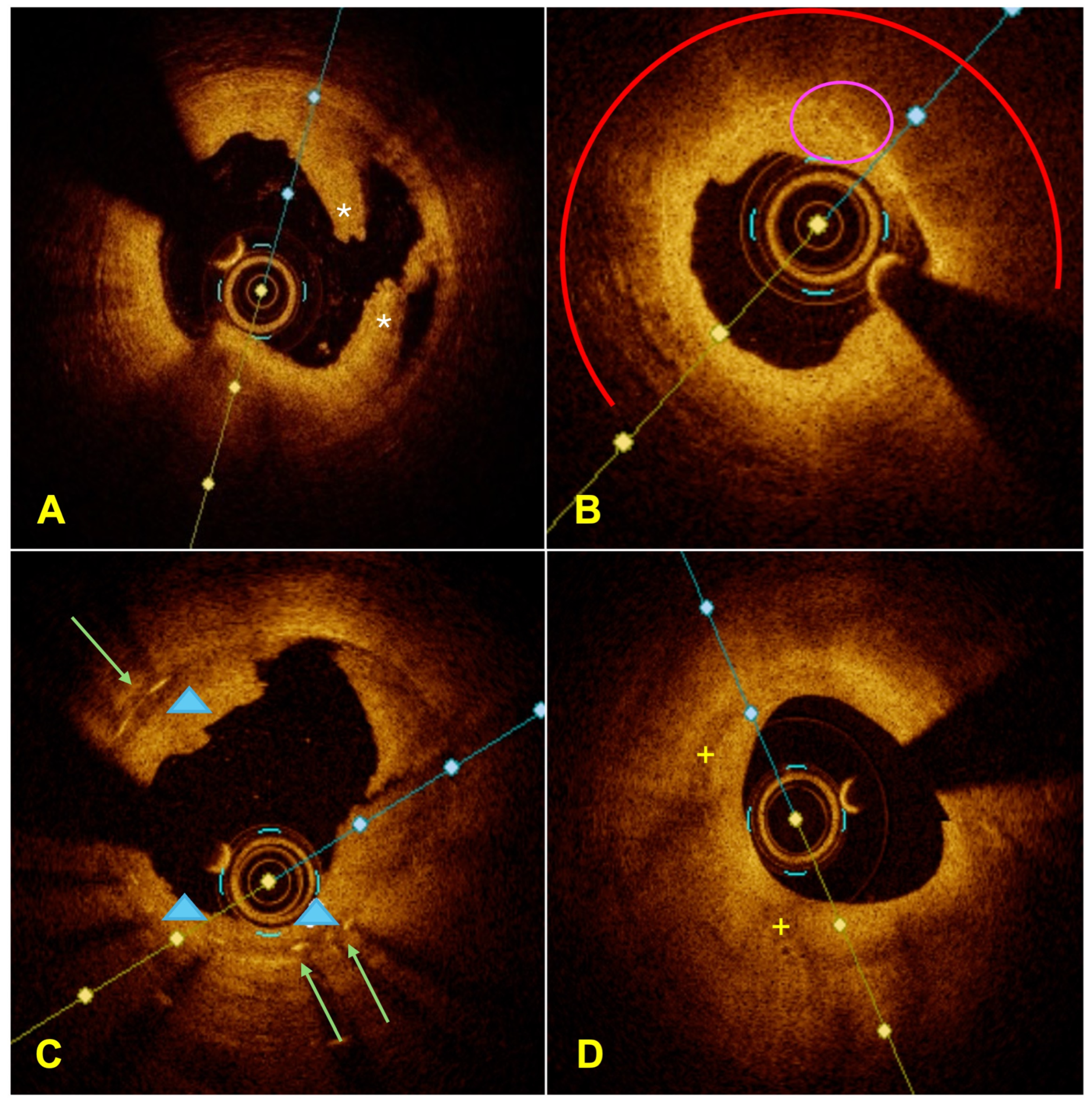

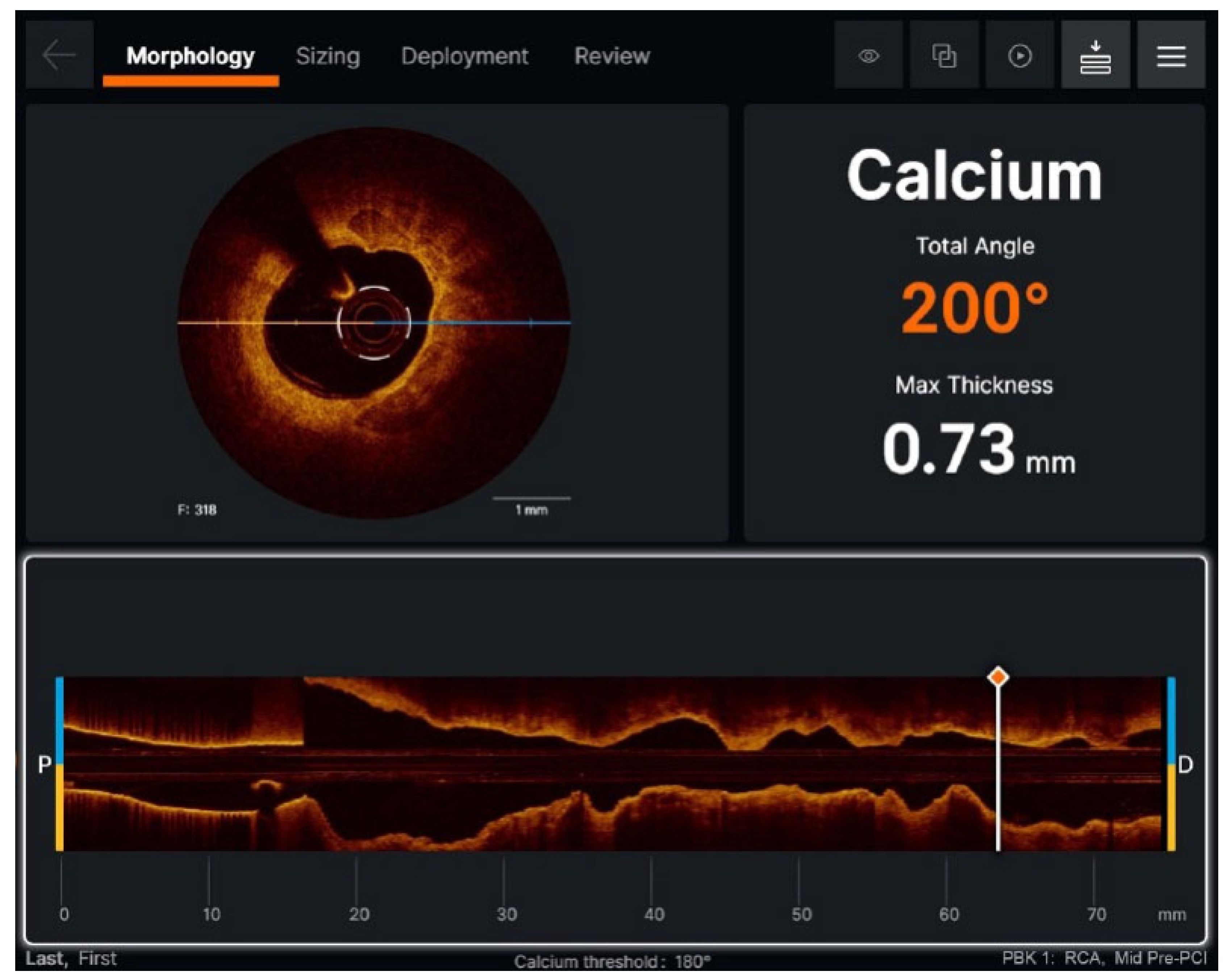

| Biomarker | Main Clinical Application | Prognostic Value | Role in Therapeutic Personalization | Level of Evidence/Guidelines |
|---|---|---|---|---|
| hs-cTn | Diagnosis of ACS; risk stratification | High | Guides invasive strategy and intensity of antithrombotic therapy | High—recommended by ACC/AHA/ESC guidelines |
| BNP/NT-proBNP | Heart failure assessment and global risk | High | Identifies patients at higher risk and worse prognosis | High—widely validated |
| Homocysteine | Assessment of residual thrombotic risk | Moderate | Potential role in multimarker models | Moderate—validation ongoing |
| hsCRP | Vascular inflammation and plaque instability | Moderate | May support decisions on therapy intensification | Moderate |
| IL-6 | Systemic inflammation and vulnerable plaques | Moderate | Promising for inflammatory risk stratification | Moderate |
| GDF-15 | Thrombotic and bleeding risk | Moderate–High | Supports ischemic–bleeding risk balance | Moderate |
| sCD40L | Platelet activation | Low–Moderate | Complementary biomarker | Low |
| Multimarker models | Integrated risk stratification | High (in studies) | Foundation for personalized medicine | Emerging |
| Omics biomarkers (proteomics, genomics) | Molecular diagnosis and risk prediction | High potential | Advanced therapeutic personalization | Translational research |
| Modality | Main Advantages | Limitations | Key Clinical Applications | Clinical Evidence |
|---|---|---|---|---|
| Coronary angiography | Widely available; rapid | Two-dimensional lumen view; poor plaque characterization | Initial diagnosis and basic PCI guidance | Historical standard |
| Intravascular ultrasound (IVUS) | Assesses total plaque burden and vascular remodeling | Limited resolution for plaque composition | Stent optimization; complex lesions | High |
| Optical coherence tomography (OCT) | Very high resolution; detects TCFA, thrombus, erosion, rupture | Limited penetration depth; requires contrast | Vulnerable plaque characterization; ACS; MINOCA | High |
| NIRS-IVUS | Identifies lipid-rich plaques | Evidence mainly observational | Future risk stratification | Moderate |
| AI-assisted OCT | Automated analysis; improved reproducibility | No proven impact on clinical outcomes | High-risk plaque identification | Emerging |
| Coronary CT angiography | Non-invasive anatomical assessment | Lower intracoronary resolution | Initial anatomical evaluation | Moderate |
| Cardiac magnetic resonance | Functional and tissue characterization | Limited for intracoronary thrombus | Etiological differentiation of ACS | Moderate |
| Drug | Class | Route of Administration | Main Studied Scenarios | Bleeding Profile | Clinical Development Stage |
|---|---|---|---|---|---|
| Asundexian | Small-molecule FXIa inhibitor | Oral | AF, ACS, secondary prevention | Reduced vs. DOACs | Phase III |
| Milvexian | Small-molecule FXIa inhibitor | Oral | Venous thromboembolism, AF | Reduced | Phase III |
| Abelacimab | Monoclonal antibody | Subcutaneous/IV | AF, high-risk patients | Very low | Phase III |
| Osocimab | Monoclonal antibody | IV | Orthopedic surgery | Reduced | Phase II–III |
| Fesomersen | Antisense oligonucleotide | Subcutaneous | Thrombosis prevention | Reduced | Phase II |
| Comparison with DOACs | — | — | AF, ACS, VTE | Lower bleeding risk | Emerging evidence |
Disclaimer/Publisher’s Note: The statements, opinions and data contained in all publications are solely those of the individual author(s) and contributor(s) and not of MDPI and/or the editor(s). MDPI and/or the editor(s) disclaim responsibility for any injury to people or property resulting from any ideas, methods, instructions or products referred to in the content. |
© 2026 by the authors. Licensee MDPI, Basel, Switzerland. This article is an open access article distributed under the terms and conditions of the Creative Commons Attribution (CC BY) license.
Share and Cite
Dall’Orto, C.C.; Lopes, R.P.F.; Pinto, G.V., Filho; Braga, P.G.S.; da Silva, M.R. Advances in the Diagnosis and Management of High-Risk Cardiovascular Conditions: Biomarkers, Intracoronary Imaging, Artificial Intelligence, and Novel Anticoagulants. J. Cardiovasc. Dev. Dis. 2026, 13, 52. https://doi.org/10.3390/jcdd13010052
Dall’Orto CC, Lopes RPF, Pinto GV Filho, Braga PGS, da Silva MR. Advances in the Diagnosis and Management of High-Risk Cardiovascular Conditions: Biomarkers, Intracoronary Imaging, Artificial Intelligence, and Novel Anticoagulants. Journal of Cardiovascular Development and Disease. 2026; 13(1):52. https://doi.org/10.3390/jcdd13010052
Chicago/Turabian StyleDall’Orto, Clarissa Campo, Rubens Pierry Ferreira Lopes, Gilvan Vilella Pinto, Filho, Pedro Gabriel Senger Braga, and Marcos Raphael da Silva. 2026. "Advances in the Diagnosis and Management of High-Risk Cardiovascular Conditions: Biomarkers, Intracoronary Imaging, Artificial Intelligence, and Novel Anticoagulants" Journal of Cardiovascular Development and Disease 13, no. 1: 52. https://doi.org/10.3390/jcdd13010052
APA StyleDall’Orto, C. C., Lopes, R. P. F., Pinto, G. V., Filho, Braga, P. G. S., & da Silva, M. R. (2026). Advances in the Diagnosis and Management of High-Risk Cardiovascular Conditions: Biomarkers, Intracoronary Imaging, Artificial Intelligence, and Novel Anticoagulants. Journal of Cardiovascular Development and Disease, 13(1), 52. https://doi.org/10.3390/jcdd13010052