Cardiac Rehabilitation After Open Heart Surgery: A Narrative Systematic Review


Abstract
1. Introduction
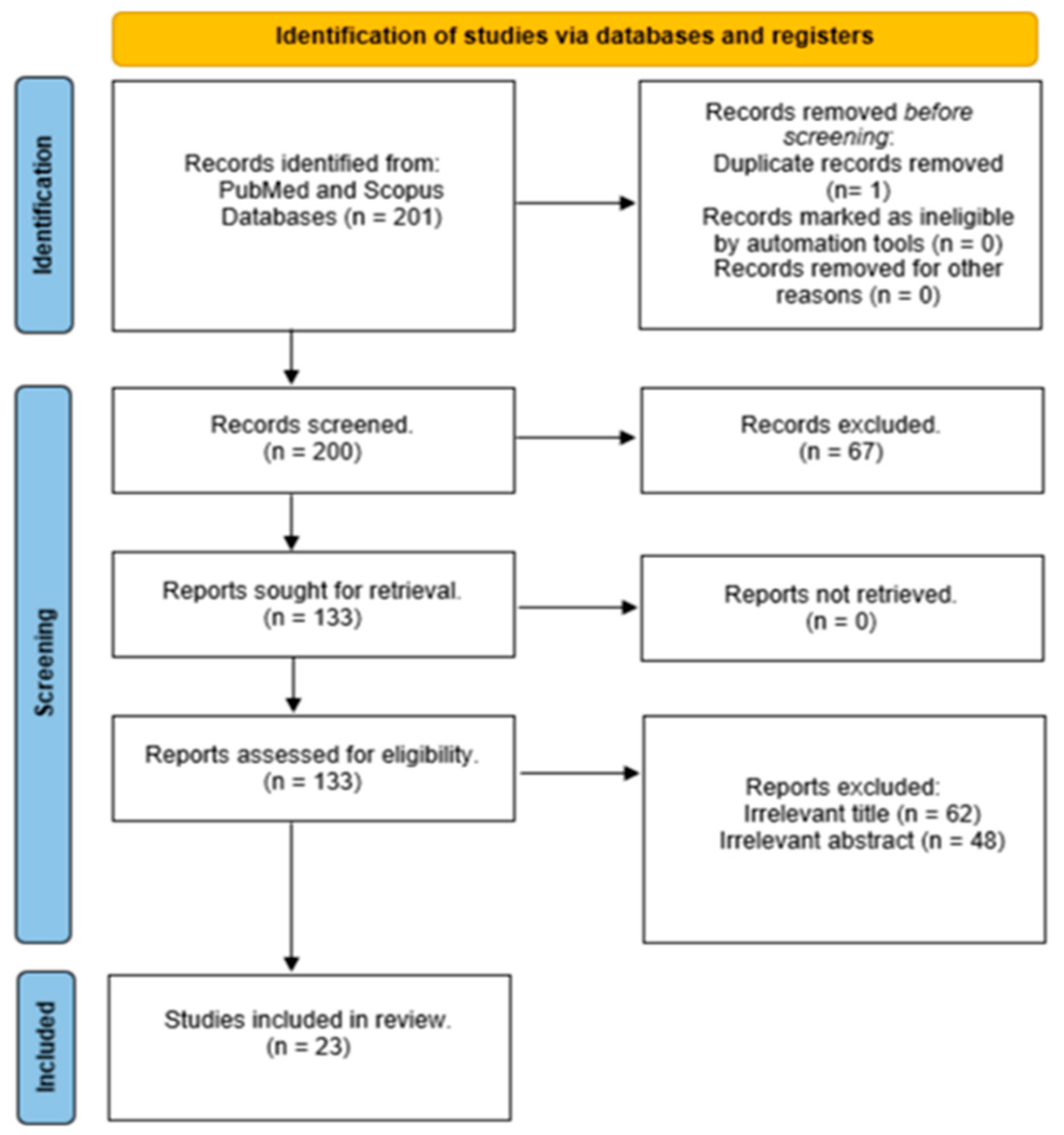
2. Materials and Methods
3. Results
3.1. Mortality
3.2. Readmissions and Clinical Parameters
3.3. Physical Functioning
3.4. Psychological Effects
3.5. Nutritional Effects
3.6. Barriers and Participation Rates in CR
3.7. Various Types of CR
4. Discussion
Limitations
5. Conclusions
Author Contributions
Funding
Institutional Review Board Statement
Informed Consent Statement
Data Availability Statement
Conflicts of Interest
Appendix A

| Study | Q1 | Q2 | Q3 | Q4 | Q5 (a) | Q5 (b) | Q6 (a) | Q6 (b) | Q7 | Q8 | Q9 | Q10 | Q11 | Q12 | Quality |
|---|---|---|---|---|---|---|---|---|---|---|---|---|---|---|---|
| Safdar et al. [4] | Yes | Yes | Yes | Cannot tell | Cannot tell | No | Yes | Yes | Yes | Yes | Yes | Yes | Yes | Yes | Medium |
| Goel et al. [12] | Yes | Yes | Yes | Yes | Yes | Yes | Yes | Yes | Yes | Yes | Yes | Cannot tell | Yes | Yes | High |
| Savage et al. [19] | Yes | Yes | Yes | Yes | Cannot tell | Yes | Cannot tell | Cannot tell | Yes | Yes | Yes | Yes | Cannot tell | Yes | Medium |
| Modica et al. [20] | Yes | Yes | Yes | Cannot tell | Yes | Yes | Cannot tell | No | Yes | Cannot tell | Yes | Yes | Yes | Yes | Medium |
| Pourafkari et al. [22] | Yes | Cannot tell | Cannot tell | Yes | Yes | No | Cannot tell | No | Yes | Yes | Cannot tell | Yes | Cannot tell | Yes | Low |
| Boban et al. [23] | Yes | Yes | Yes | Yes | Yes | Yes | Cannot tell | Cannot tell | Yes | Yes | Yes | Yes | Yes | Yes | High |
| Tramarin et al. [24] | Yes | Yes | Yes | Can’t tell | No | Can’t tell | Can’t tell | No | Can’t tell | Yes | Can’t tell | Yes | Can’t tell | Yes | Low |
| Conijn et al. [26] | Yes | Yes | Yes | Yes | Cannot tell | No | Yes | Yes | Yes | Yes | Yes | Yes | Yes | Yes | Medium |
| Racca et al. [29] | Yes | Yes | Yes | Cannot tell | Cannot tell | Yes | Yes | Yes | Cannot tell | Yes | Yes | Cannot tell | Yes | Low |
| Study | Q1 | Q2 | Q3 | Q4 | Q5 | Q6 (a) | Q6 (b) | Q7 | Q8 | Q9 | Q10 | Q11 | Quality |
|---|---|---|---|---|---|---|---|---|---|---|---|---|---|
| Yuen et al. [5] | Cannot tell | Yes | Yes | Cannot tell | Cannot tell | Yes | No | No | Yes | No | Cannot tell | Cannot tell | Low |
| Ohkuma et al. [13]. | Yes | Yes | Yes | Yes | Yes | Yes | No | Cannot tell | Yes | Yes | No | No | Low |
| Pollman et al. [14]. | Cannot tell | Yes | Yes | Yes | Cannot tell | Yes | Cannot tell | Yes | Yes | Yes | Yes | Yes | High |
| Pack et al. [17] | Yes | Yes | Yes | Cannot tell | Yes | Yes | No | Yes | Yes | Yes | Yes | Yes | Medium |
| Wilkinson et al. [25] | Yes | Yes | Yes | Yes | Yes | Yes | Cannot tell | Yes | Yes | Yes | Yes | Yes | High |
| Study | Q1 | Q2 | Q3 | Q4 (a) | Q4 (b) | Q4 (c) | Q5 | Q6 | Q7 | Q8 | Q9 | Q10 | Q11 | Quality |
|---|---|---|---|---|---|---|---|---|---|---|---|---|---|---|
| Butkuviene et al. [11] | Yes | Yes | Yes | Yes | Cannot tell | Yes | Yes | No | Cannot tell | Yes | Yes | Yes | Yes | Medium |
| Sibilitz et al. [15] | Yes | Yes | No | Yes | No | Yes | Yes | No | Yes | Yes | Cannot tell | Cannot tell | Yes | Low |
| Aronov et al. [16] | Yes | Cannot tell | Yes | Cannot tell | Cannot tell | Cannot tell | No | No | Yes | Yes | Yes | Yes | Yes | Low |
| Xue et al. [18] | Yes | Yes | Cannot tell | Yes | No | Yes | Yes | No | Yes | Yes | Cannot tell | Yes | Yes | Medium |
| Pakrad et al. [21] | Yes | Yes | Yes | No | No | Yes | Yes | No | Cannot tell | Yes | Yes | Yes | Yes | Low |
| Pengelly et al. [27] | Yes | Yes | No | No | No | No | Yes | No | Yes | Yes | Yes | Yes | Yes | Low |
| Raghuram et al. [28] | Yes | Yes | No | No | No | Yes | Yes | No | Yes | Yes | Yes | Yes | Yes | Low |
References
- World Health Organization (WHO). Available online: https://www.who.int/ (accessed on 20 March 2023).
- Nasrawi, D.; Latimer, S.; Massey, D.; Gillespie, B.M. Delivery, barriers, and enablers to patient participation in inpatient cardiac rehabilitation following cardiac surgery: An integrative review. Aust. Crit. Care 2023, 36, 420–430. [Google Scholar] [CrossRef] [PubMed]
- Osuji, E.; Prior, P.L.; Suskin, N.; Frisbee, J.C.; Frisbee, S.J. The relationship between anxiety sensitivity and clinical outcomes in cardiac rehabilitation: A scoping review. Am. J. Prev. Cardiol. 2022, 12, 100376. [Google Scholar] [CrossRef]
- Safdar, B.; Mori, M.; Nowroozpoor, A.; Geirsson, A.; D’Onofrio, G.; Mangi, A.A. Clinical profile and sex-specific recovery with cardiac rehabilitation after coronary artery bypass grafting surgery. Clin. Ther. 2022, 44, 846–858. [Google Scholar] [CrossRef] [PubMed]
- Yuen, T.; Buijs, D.M.; Hong, Y.; Van Damme, A.; Meyer, T.C.; Nagendran, J.; Gyenes, G.T. Comparing the effectiveness of two cardiac rehabilitation exercise therapy programs. CJC Open 2022, 5, 215–219. [Google Scholar] [CrossRef]
- Bethell, H. The BACR database of cardiac rehabilitation units in the UK. Coron. Health Care 2000, 4, 92–95. [Google Scholar] [CrossRef]
- Harrison, A.S.; Gaskins, N.J.; Connell, L.A.; Doherty, P. Factors influencing the uptake of cardiac rehabilitation by cardiac patients with a comorbidity of stroke. IJC Heart Vasc. 2020, 27, 100471. [Google Scholar] [CrossRef] [PubMed]
- Dalal, H.M.; Doherty, P.; Taylor, R.S. Cardiac rehabilitation. BMJ 2015, 351, h5000. [Google Scholar] [CrossRef]
- Medina-Inojosa, J.R.; Grace, S.L.; Supervia, M.; Stokin, G.; Bonikowske, A.R.; Thomas, R.; Lopez-Jimenez, F. Dose of cardiac rehabilitation to reduce mortality and morbidity: A population-based study. J. Am. Heart Assoc. 2021, 10, 21356. [Google Scholar] [CrossRef]
- Ubeda-Tikkanen, A.; Gauthier, N.S. Cardiac rehabilitation and exercise training. In Exercise Physiology for the Pediatric and Congenital Cardiologist; Springer: Cham, Switzerland, 2019; pp. 201–208. [Google Scholar] [CrossRef]
- Butkuviene, M.; Tamuleviciute-Prasciene, E.; Beigiene, A.; Barasaite, V.; Sokas, D.; Kubilius, R.; Petrenas, A. Wearable-based assessment of frailty trajectories during cardiac rehabilitation after open-heart surgery. IEEE J. Biomed. Health Inform. 2022, 26, 4426–4435. [Google Scholar] [CrossRef]
- Goel, K.; Pack, Q.R.; Lahr, B.; Greason, K.L.; Lopez-Jimenez, F.; Squires, R.W.; Zhang, Z.; Thomas, R.J. Cardiac rehabilitation is associated with reduced long-term mortality in patients undergoing combined heart valve and CABG surgery. Eur. J. Prev. Cardiol. 2015, 22, 159–168. [Google Scholar] [CrossRef]
- Ohkuma, R.E.; Crawford, T.C.; Brown, P.M.; Grimm, J.C.; Magruder, J.T.; Kilic, A.; Suarez-Pierre, A.; Snyder, S.; Wood, J.D.; Schneider, E.; et al. A novel risk score to predict the need for nutrition support after cardiac surgery. Ann. Thorac. Surg. 2017, 104, 1306–1312. [Google Scholar] [CrossRef][Green Version]
- Pollmann, A.G.E.; Frederiksen, M.; Prescott, E. Cardiac rehabilitation after heart valve surgery: Improvement in exercise capacity and morbidity. J. Cardiopulm. Rehabil. Prev. 2017, 37, 191–198. [Google Scholar] [CrossRef] [PubMed]
- Sibilitz, K.L.; Tang, L.H.; Berg, S.K.; Thygesen, L.C.; Risom, S.S.; Rasmussen, T.B.; Schmid, J.P.; Borregaard, B.; Hassager, C.; Køber, L.; et al. Long-term effects of cardiac rehabilitation after heart valve surgery—Results from the randomised CopenHeartVR trial. Scand. Cardiovasc. J. 2022, 56, 247–255. [Google Scholar] [CrossRef]
- Aronov, D.; Bubnova, M.; Iosseliani, D.; Orekhov, A. Clinical efficacy of a medical centre- and home-based cardiac rehabilitation program for patients with coronary heart disease after coronary bypass graft surgery. Arch. Med. Res. 2019, 50, 122–132. [Google Scholar] [CrossRef] [PubMed]
- Pack, Q.R.; Squires, R.W.; Lopez-Jimenez, F.; Lichtman, S.W.; Rodriguez-Escudero, J.P.; Lindenauer, P.K.; Thomas, R.J. Participation rates, process monitoring, and quality improvement among cardiac rehabilitation programs in the United States: A national survey. J. Cardiopulm. Rehabil. Prev. 2015, 35, 173–180. [Google Scholar] [CrossRef] [PubMed]
- Xue, W.; Xinlan, Z.; Xiaoyan, Z. Effectiveness of early cardiac rehabilitation in patients with heart valve surgery: A randomized, controlled trial. J. Int. Med. Res. 2021, 50, 1–13. [Google Scholar] [CrossRef] [PubMed]
- Savage, P.D.; Rengo, J.L.; Menzies, K.E.; Ades, P.A. Cardiac rehabilitation after heart valve surgery: Comparison with coronary artery bypass graft patients. J. Cardiopulm. Rehabil. Prev. 2015, 35, 231–237. [Google Scholar] [CrossRef]
- Modica, M.; Castiglioni, P.; Minotti, A.; Faini, A.; Racca, V.; Ferratini, M. Psychological profile in coronary artery by-pass graft patients vs. valve replacement patients entering cardiac rehabilitation after surgery. Sci. Rep. 2018, 8, 14381. [Google Scholar] [CrossRef]
- Pakrad, F.; Ahmadi, F.; Grace, S.L.; Oshvandi, K.; Kazemnejad, A. Traditional vs extended hybrid cardiac rehabilitation based on the continuous care model for patients who have undergone coronary artery bypass surgery in a middle-income country: A randomized controlled trial. Arch. Phys. Med. Rehabil. 2021, 102, 2091–2101.e3. [Google Scholar] [CrossRef]
- Pourafkari, L.; Ghaffari, S.; Tajlil, A.; Shahamfar, J.; Hedayati, S.; Nader, N.D. The impact of cardiac rehabilitation program on anxiety and depression levels after coronary artery bypass graft surgery. Cor Vasa 2016, 58, e384–e390. [Google Scholar] [CrossRef]
- Boban, M.; Persic, V.; Miletic, B.; Kovacicek, K.; Madzar, Z. Heart surgery stems increased nutritional risk, expressed during the course of stationary rehabilitation. Ann. Nutr. Metab. 2013, 63, 17–24. [Google Scholar] [CrossRef]
- Tramarin, R.; Pistuddi, V.; Maresca, L.; Pavesi, M.; Castelvecchio, S.; Menicanti, L.; De Vincentiis, C.; Ranucci, M. Patterns and determinants of functional and absolute iron deficiency in patients undergoing cardiac rehabilitation following heart surgery. Eur. J. Prev. Cardiol. 2017, 24, 799–807. [Google Scholar] [CrossRef] [PubMed]
- Wilkinson, J.A.; Harrison, A.S.; Doherty, P. Obese patients’ characteristics and weight loss outcomes in cardiac rehabilitation: An observational study of registry data. Int. J. Cardiol. 2021, 337, 16–20. [Google Scholar] [CrossRef]
- Conijn, D.; de Lind van Wijngaarden, R.A.F.; Vermeulen, H.M.; Vliet Vlieland, T.P.M.; Meesters, J.J.L. Referral to and enrolment in cardiac rehabilitation after open-heart surgery in the Netherlands. Neth. Heart J. 2022, 30, 227–236. [Google Scholar] [CrossRef] [PubMed]
- Pengelly, J.; Royse, C.; Williams, G.; Bryant, A.; Clarke-Errey, S.; Royse, A.; El-Ansary, D. Effects of 12-week supervised early resistance training (secret) versus aerobic-based rehabilitation on cognitive recovery following cardiac surgery via median sternotomy: A pilot randomised controlled trial. Heart Lung Circ. 2022, 31, 395–406. [Google Scholar] [CrossRef]
- Raghuram, N.; Parachuri, V.R.; Swarnagowri, M.V.; Babu, S.; Chaku, R.; Kulkarni, R.; Bhuyan, B.; Bhargav, H.; Nagendra, H.R. Yoga based cardiac rehabilitation after coronary artery bypass surgery: One-year results on LVEF, lipid profile and psychological states—A randomized controlled study. Indian Heart J. 2014, 66, 490–502. [Google Scholar] [CrossRef] [PubMed]
- Racca, V.; Rienzo, M.D.; Mazzini, P.; Ripamonti, V.; Gasti, G.; Spezzafferi, Z. ICF-based approach to evaluating functionality in cardiac rehabilitation patients after heart surgery. Eur. J. Phys. Rehabil. Med. 2015, 51, 457–468. [Google Scholar] [PubMed]
- Pack, Q.R.; Dudycha, K.J.; Roschen, K.P.; Thomas, R.J.; Squires, R.W. Safety of early enrollment into outpatient cardiac rehabilitation after open heart surgery. Am. J. Cardiol. 2015, 115, 548–552. [Google Scholar] [CrossRef] [PubMed]
- Bianchi, S.; Maloberti, A.; Peretti, A.; Garatti, L.; Palazzini, M.; Occhi, L.; Bassi, I.; Sioli, S.; Biolcati, M.; Giani, V.; et al. Determinants of functional improvement after cardiac rehabilitation in acute coronary syndrome. High Blood Press. Cardiovasc. Prev. 2021, 28, 579–587. [Google Scholar] [CrossRef]
- Akpinar, F.M.; Oral, A. Does exercise-based cardiac rehabilitation reduce mortality and hospitalization rates after heart valve surgery?: A Cochrane review summary with commentary. Am. J. Phys. Med. Rehabil. 2023, 102, 169–171. [Google Scholar] [CrossRef]
- Yau, D.K.W.; Underwood, M.J.; Joynt, G.M.; Lee, A. Effect of preparative rehabilitation on recovery after cardiac surgery: A systematic review. Ann. Phys. Rehabil. Med. 2021, 64, 101391. [Google Scholar] [CrossRef] [PubMed]
- Lin, D.S.-H.; Lo, H.-Y.; Yu, A.-L.; Lee, J.-K.; Chien, K.-L. Mortality risk in patients with underweight or obesity with peripheral artery disease: A meta-analysis including 5,735,578 individuals. Int. J. Obes. 2022, 46, 1425–1434. [Google Scholar] [CrossRef] [PubMed]

| Reference | Country | Type of Study | Focus | Sample Description | Outcomes | Results (Statistically Significant, Unless Otherwise Stated) | Limitations |
|---|---|---|---|---|---|---|---|
| Safdar et al. (2022) [4] | U.S.A. | Cohort study | Examined clinical data and complications during CR to 12 months post-commencement | 420 CABG patients | Mortality and postoperative complications | Readmission rate reduction, strength and fitness increased in absolute terms, but no statistical significance in mortality rates | Small cohort study |
| Yuen et al. (2022) [5] | Canada | Case-control study | Compared hybrid CR approach with typical CR care | 477 patients (326 patients in typical CR care and 151 patients in hybrid CR) | Participation barriers, major adverse effects, exercise tolerance, functionality | Hybrid program is less resource intense, and no significant differences emerged between hybrid and typical CR | Small sample size means low power for study on certain outcomes (such as mortality), no blinding, all participants showing a good fitness status, design does not include consideration of confounds |
| Butkuviene et al. (2022) [11] | Lithuania | RCT | Compared supervised home and hospital exercise with non-supervised exercise | 100 patients (1:1 randomization) | Functional capacity before and after CR | Pace rhythm and kinetic energy improved. Home-based exercise training did not result in significant change | One-third of the data were lost due to elder patients |
| Goel et al. (2015) [12] | U.S.A. | Cohort study | Examined the influence of CR on mortality rates | 201 patients experiencing combined heart valve and coronary artery bypass grafts | Mortality rates, risk of mortality, patient participation | Patients not randomly assigned, but increased survival rates amongst those who did CR. CR participation was more beneficial for mitral valve procedure patients | Concluded only one region of the U.S.A., small sample |
| Ohkuma et al. (2017) [13] | U.S.A. | Case-control study | Examined the need of postoperative nutritional support | 1056 patients | Biochemical measures, operation duration, mortality rates, hospital stay, discharge rates | Increased mortality rates and hospital stay for patients who need nutritional support | Confounds not considered, single site study, no preoperative data |
| Pollman et al. (2017) [14] | Denmark | Case-control study | Evaluated the VO2 max consumption and the distance reached at 6MWT | 146 heart valve surgery patients | Exercise tolerance, mortality, and readmission rates, clinical complications | VO2 max and distance reached showed significant improvement, increased clinical complications at patients that did not participate in CR; age > 75 was predictive of non-participation | Lack of data about the social and financial patient status, lack of data from preoperative health status, did not encounter stress and depression |
| Sibilitz et al. (2022) [15] | Denmark | RCT | Compared 12 weeks CR that included consulting and educational sessions with standard care | 147 heart valve surgery patients (1:1 randomization) | Functional capacity, physical and psychological health, quality of life, readmission, and mortality rate | Mortality and readmission rate decline observed at 12 months post CR, functional capacity improvement only after 4 months of CR, no changes in physical and psychological health | No blinding, no primary measures of variables |
| Aronov et al. (2019) [16] | Russia | RCT | Compared CR that included individualized exercise, education, and home exercise with typical CR care | 36 CABG, male patients (1:1 randomization) | Exercise tolerance, risk of CVD factors, clinical parameters | Reduced risk of CVD factors, clinical parameters, and physical functionality improvement. Improved physical endurance maintained at 12 months post-intervention commencement | Small sample size, one-center study, only male participants |
| Pack et al. (2015) [17] | U.S.A. | Case-control study | Compared early CR with traditional postoperative care | 112 CABG, 69 heart valve and 59 myocardial infraction patients | Length of hospital stay, major adverse effects, readmission rates and patient participation (early or late in CR program | No significant difference between early and traditional (late) enrolment in CR | Small sample size, not possible randomization, retrospective study |
| Xue et al. (2022) [18] | China | Randomized Control Study (RCT) | Compared early and traditional CR | 87 patients (44 intervention group, 43 control group) after heart valve operation | Functional capacity, psychological functionality, mortality rates | Enduring and improved and functional capacity, decreased mortality rates | Included only heart valve surgery patients, Data from questionnaires- possible overestimation |
| Savage et al. (2015) [19] | U.S.A. | Cross-sectional study | Examined exercise performance in CABG, heart valve and combined surgery patients | 313 patients | VO2 max, age, gender, body weight, BMI, number of CR sessions, comorbidities, depression | Aerobic capacity, muscle strength, functionality, and depression improvement | One-center study, Observational study without randomization, relative exercise intensity not reported |
| Modica et al. (2018) [20] | Italy | Cross-sectional study | Compared anxiety and depression levels of CABG patients with the levels of heart valve patients | 1179 CABG patients, 737 heart valve patients | Anxiety and depression levels, physical and psychological concern | CABG patients had increased physical and psychological concern, similar anxiety and depression levels in both patient groups | CR not the focus of the study; ‘ross-sectional’. No preoperative data available, data collection only in the early postoperative period, short-term design does not permit examining enduring effects |
| Pakrad et al. (2022) [21] | Iran | RCT | Compared 3 months extended CR with typical CR care | 88 CABG patients (1:1 randomization) | Quality of life, functionality, readmission rates, stress and depression levels | Functionality, quality of life and wellbeing improvement, readmission rates decline. Results sustained 3 months post-CR | Single center study, no blinding possible |
| Pourafkari et al. (2016) [22] | Iran | Cross-sectional study | Examined the effect of CR on anxiety and depression levels | 40 CABG patients | Anxiety and depression levels before and after CR | Decreased anxiety and depression levels after CR sessions, increased self-care | Cross-sectional study |
| Boban et al. (2013) [23] | Croatia | Cohort study | Researched the increase in nutritional risks through in-patient rehabilitation | 145 patients | Body weight loss, nutritional risk | High nutritional risk for all postoperative cardiac patients, related with renal failure and advanced age | Patients that were contraindicated for being included, were excluded. Study not focused on CR |
| Tramarin et al. (2017) [24] | Italy | Cohort study | Examined the factors that contribute to absolute-functional iron deficiency in CR | 339 patients | Iron deficiency factors, deficiency complications | Iron deficiency negatively associated with exercise, safety and quality of life, recommends need for certain nutrition, exercise and medicine in CR | Retrospective study, possible data leak, data for preoperative iron status unavailable |
| Wilkinson et al. (2021) [25] | United Kingdom | Case-control study | Examined patient characteristics that contributed to easier body weight loss | 29,601 patients | Gender, age, fitness level, pain, social status, participation | Increased body weight loss in patients with advanced age, employed workers, smokers who did not cease smoking and male patients. Pain, lower initial fitness, lower SES geographical locations predicted less weight loss | Short study timeframes, unclear whether diet instructions and the patient support given in CR |
| Conijn et al. (2022) [26] | The Netherlands | Cross-sectional study | Studied enrollment and referral rates in CR | 364 patients | Enrollment rates at the second phase of CR, causes of non-enrollment and participation | Older female patients less likely to be referred and enroll. Those who live alone and have lower income were also less likely to enroll | Single center study, 50% CR completion rate, no control |
| Pengelly et al. (2022) [27] | Australia | RCT | Compared 12 weeks early CR that included resistance exercises with aerobic CR | 39 patients (1:1 randomization) | Postoperative cognitive function at 14 weeks and at 6 months, strength, and balance | Better cognitive function (Alzheimer’s Disease Assessment Scale) for patients that did resistance exercises for 14 weeks, 53% of the aerobic-based rehabilitation control group experienced cognitive decline compared to 0% in the resistance training group | Small sample size, possible type-2 error, pilot study |
| Raghuram et al. (2014) [28] | India | RCT | Compared yoga CR with typical CR care | 250 CABG, male patients | Ejection fraction (EF), stress- depression levels, BMI, blood sugar and blood lipids | Yoga approach showed widespread advantages, including in EF improvements in those with abnormal EF baseline, and overall improvements in BMI, perceived stress, anxiety, depression and negative affect. HDL, LDL and VLDL improvements in yoga group for those with abnormal baseline levels | Increased sample search duration, patients with very low EF were excluded, 40% of the patients exited study within 1 year |
| Racca et al. (2015) [29] | Italy | Cross-sectional study | Evaluated CR patients with International classification of Functioning Disability and Health (ICF) scale | 50 CABG and heart valve surgery patients | Functional capacity, body structure, patient participation, environmental factors | First study to use ICF scale, providing support for the scale in major heart surgery setting | Did not examine functionality in heart transplant surgery, patients, no comparison group |
Disclaimer/Publisher’s Note: The statements, opinions and data contained in all publications are solely those of the individual author(s) and contributor(s) and not of MDPI and/or the editor(s). MDPI and/or the editor(s) disclaim responsibility for any injury to people or property resulting from any ideas, methods, instructions or products referred to in the content. |
© 2024 by the authors. Licensee MDPI, Basel, Switzerland. This article is an open access article distributed under the terms and conditions of the Creative Commons Attribution (CC BY) license (https://creativecommons.org/licenses/by/4.0/).
Share and Cite
Delimanoli, E.; Muurlink, O.; Myrianthefs, P.; Korompeli, A. Cardiac Rehabilitation After Open Heart Surgery: A Narrative Systematic Review. J. Cardiovasc. Dev. Dis. 2024, 11, 376. https://doi.org/10.3390/jcdd11110376
Delimanoli E, Muurlink O, Myrianthefs P, Korompeli A. Cardiac Rehabilitation After Open Heart Surgery: A Narrative Systematic Review. Journal of Cardiovascular Development and Disease. 2024; 11(11):376. https://doi.org/10.3390/jcdd11110376
Chicago/Turabian StyleDelimanoli, Eleni, Olav Muurlink, Pavlos Myrianthefs, and Anna Korompeli. 2024. "Cardiac Rehabilitation After Open Heart Surgery: A Narrative Systematic Review" Journal of Cardiovascular Development and Disease 11, no. 11: 376. https://doi.org/10.3390/jcdd11110376
APA StyleDelimanoli, E., Muurlink, O., Myrianthefs, P., & Korompeli, A. (2024). Cardiac Rehabilitation After Open Heart Surgery: A Narrative Systematic Review. Journal of Cardiovascular Development and Disease, 11(11), 376. https://doi.org/10.3390/jcdd11110376