
Isolating and Validating Fibroblast-like Cells from the Skeletal Muscle of the Siamese Crocodile (Crocodylus siamensis)
by
 , and
, and
Nattaphong Akrimajirachoote
1 ,
,
Montri Pattarapanawan
2, 
Suparat Chaipipat
3,
Yanika Piyasanti
3,
Kornkanok Sritabtim
3,
Juthathip Jurutha
3,
Kannika Siripattarapravat
3,4 and
Piyathip Setthawong
1,* 1
Department of Physiology, Faculty of Veterinary Medicine, Kasetsart University, Bangkok 10900, Thailand
2
Department of Anatomy, Faculty of Veterinary Medicine, Kasetsart University, Bangkok 10900, Thailand
3
Center for Veterinary Diagnostic Laboratory, Bangkhen, Faculty of Veterinary Medicine, Kasetsart University, Bangkok 10900, Thailand
4
Department of Pathology, Faculty of Veterinary Medicine, Kasetsart University, Bangkok 10900, Thailand
*
Author to whom correspondence should be addressed.
Vet. Sci. 2026, 13(5), 490; https://doi.org/10.3390/vetsci13050490
Submission received: 10 April 2026
/
Revised: 14 May 2026
/
Accepted: 16 May 2026
/
Published: 19 May 2026
Simple Summary
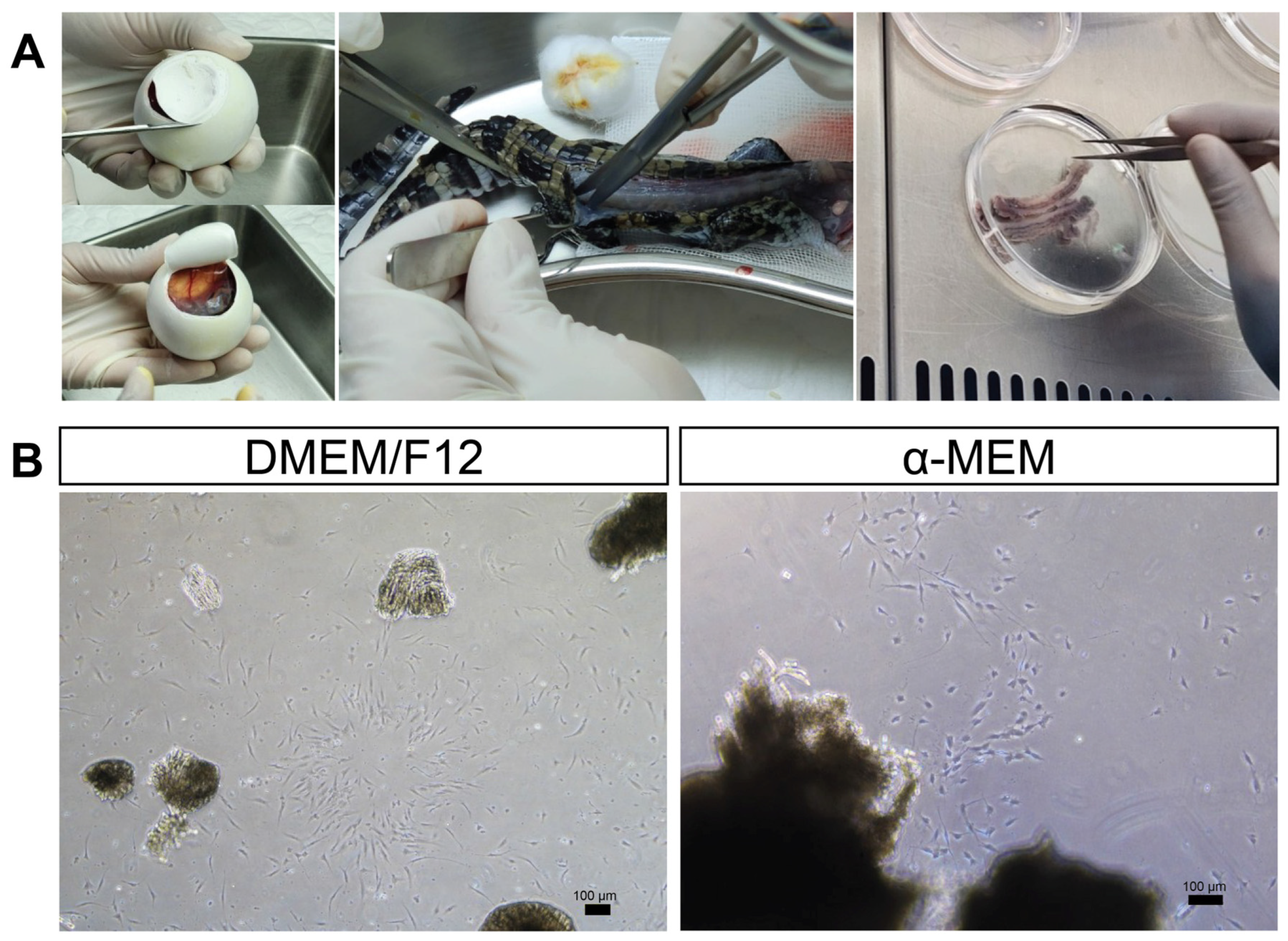
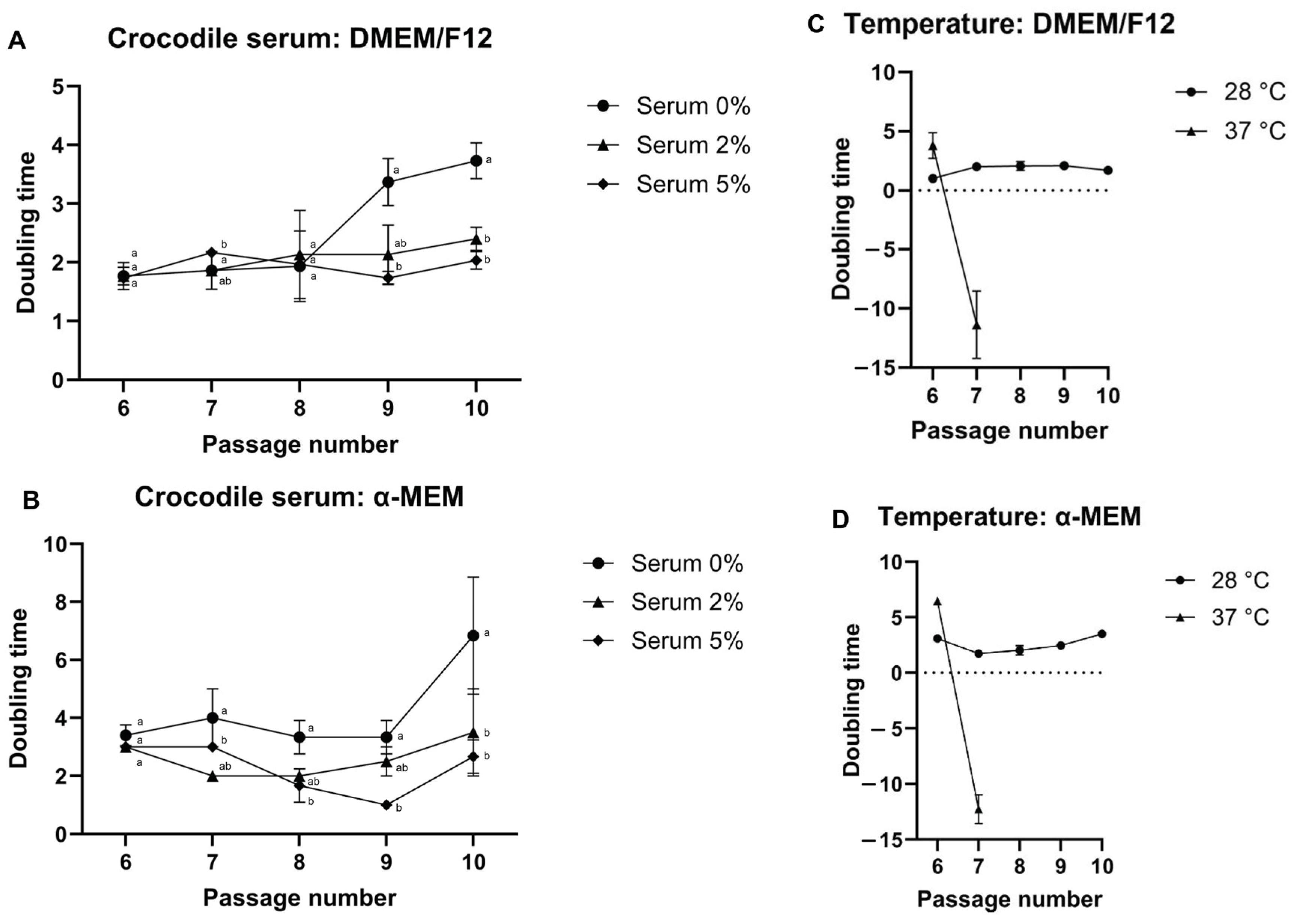
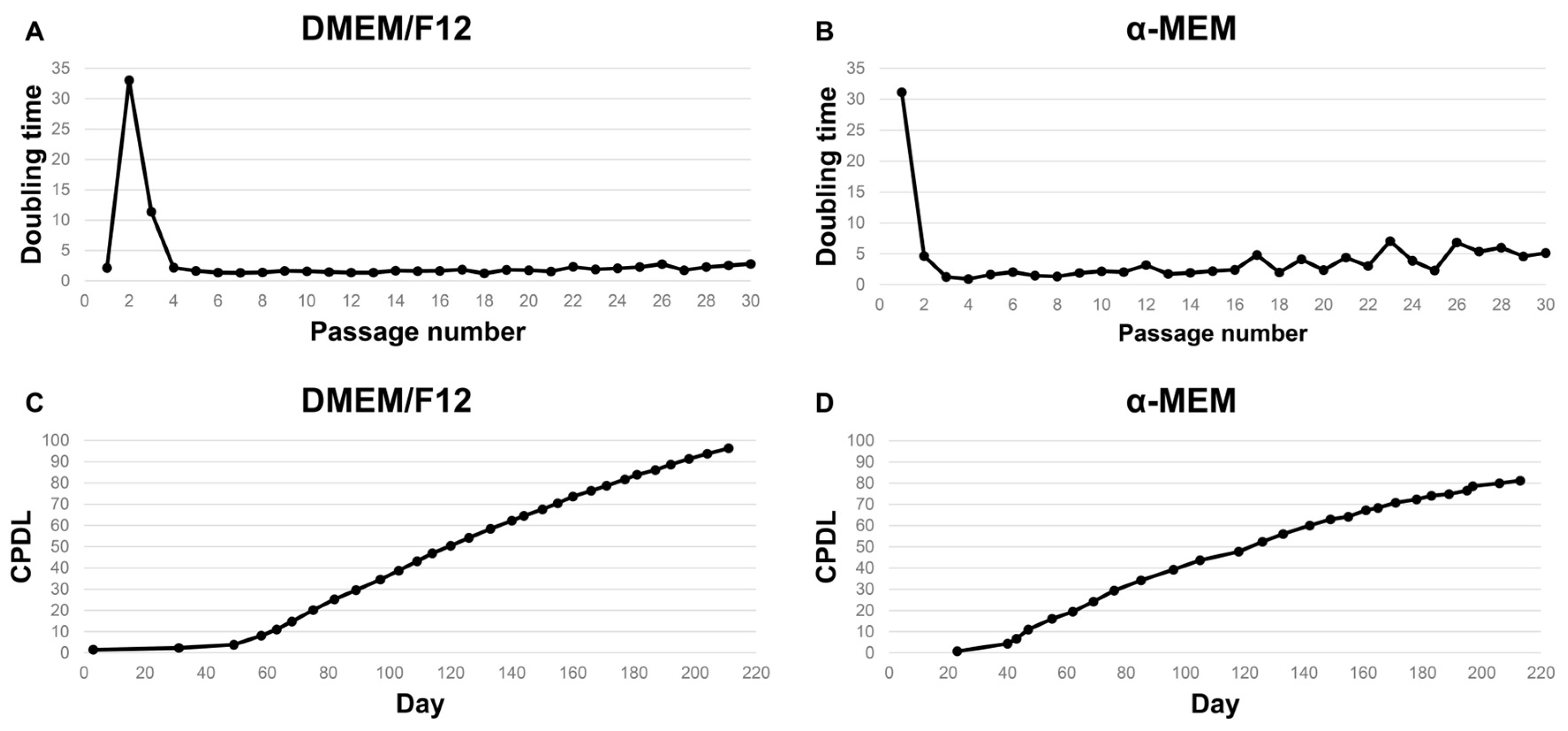
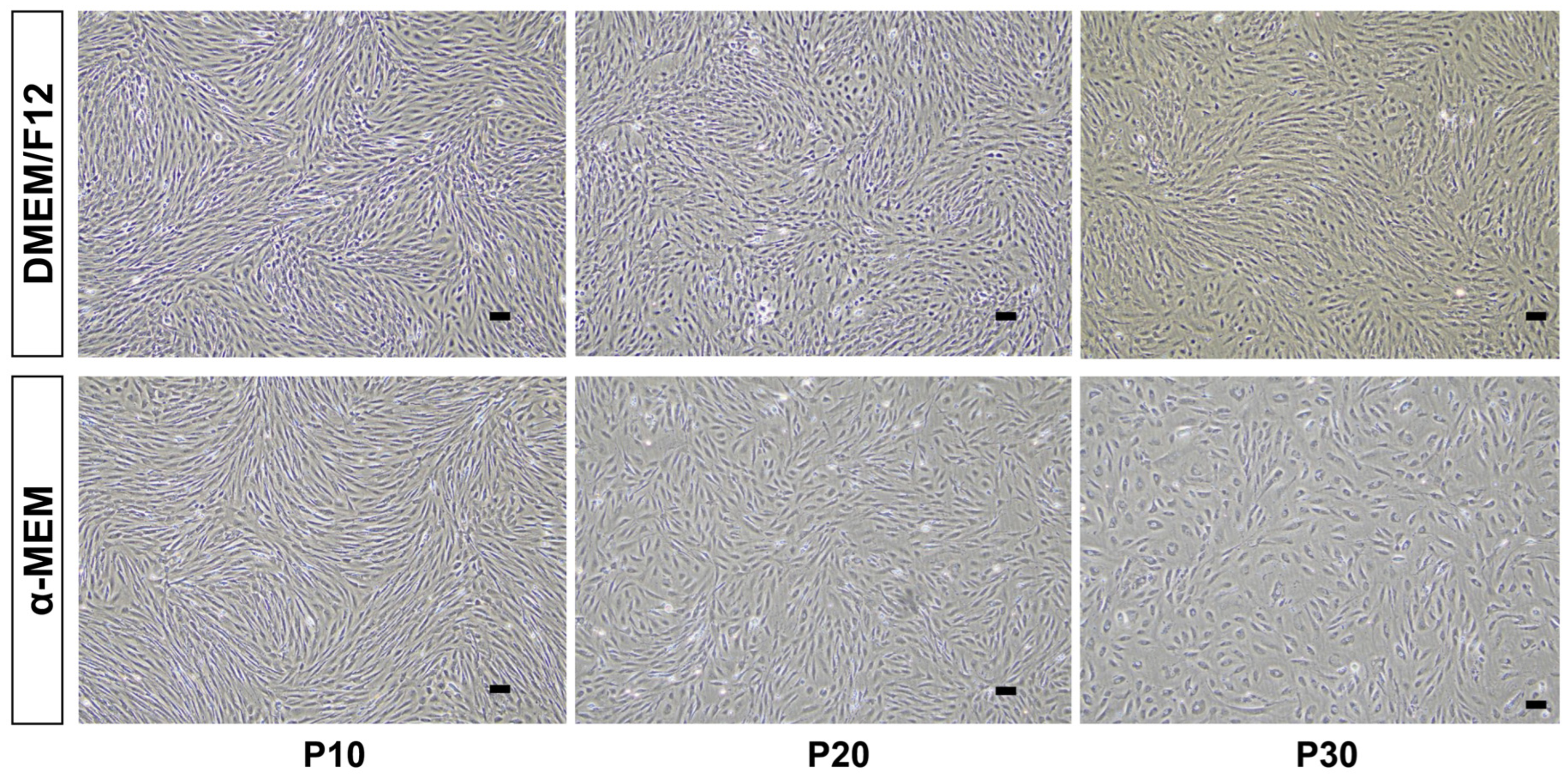
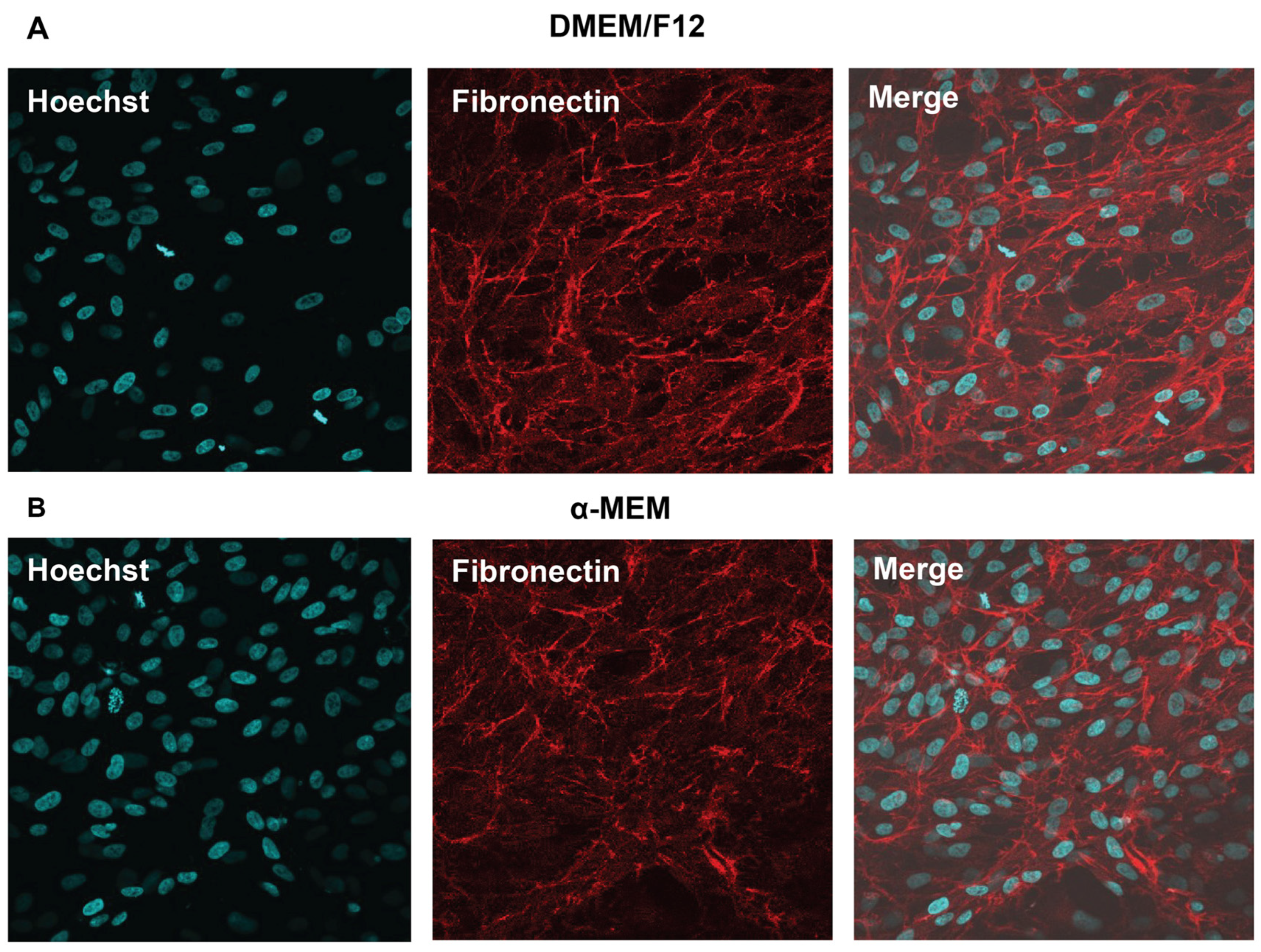
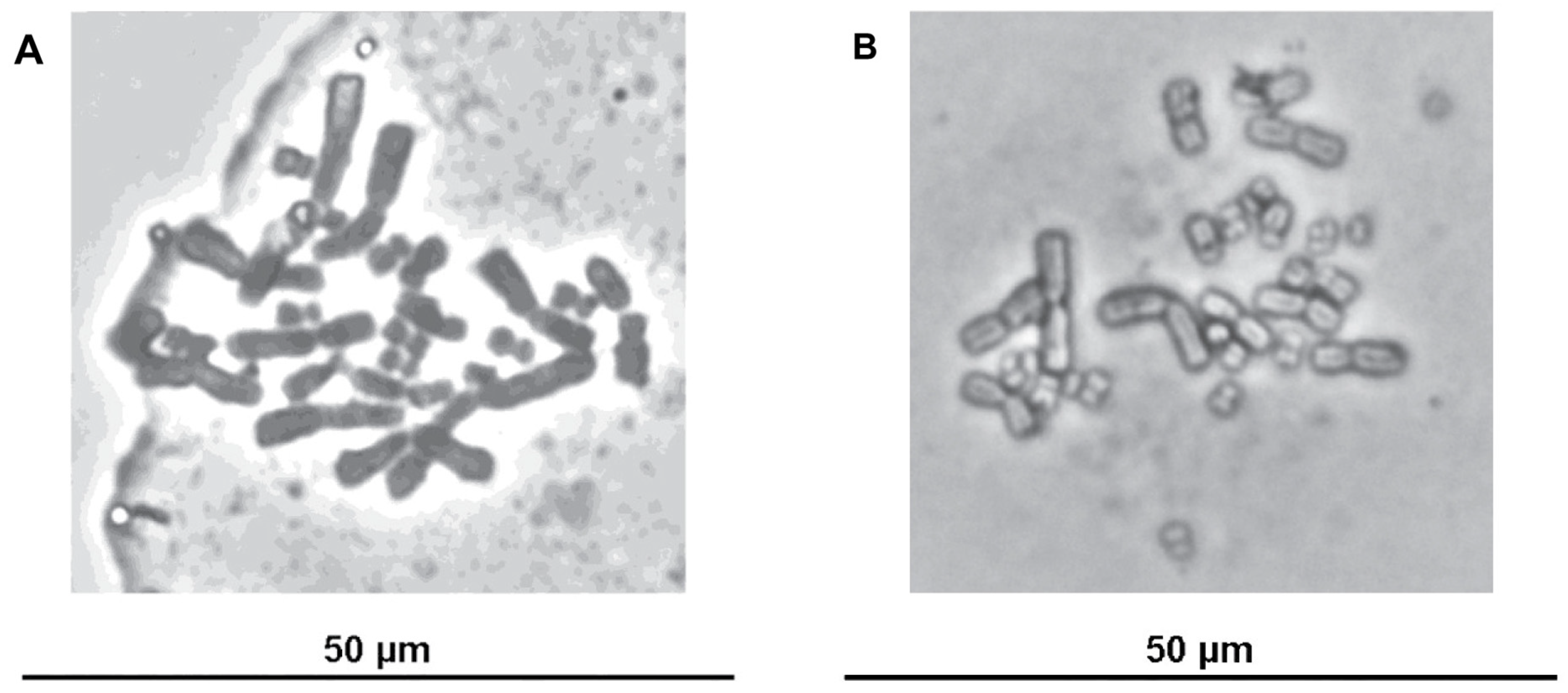
In this article, we report an optimized protocol for the isolation and characterization of fibroblast-like cells derived from the embryonic skeletal muscle of the Siamese crocodile (Crocodylus siamensis). Muscle tissue from the dorsal and tail regions was processed using an explant culture method on collagen-coated flasks, which enabled cell attachment and migration within 24 h. Optimal culture conditions were achieved using Dulbecco’s Modified Eagle Medium/Nutrient Mixture F-12 or Minimum Essential Medium Alpha supplemented with 10% fetal bovine serum, 2% crocodile serum, and growth-promoting factors, with incubation at 28 °C under non-CO2 conditions. These conditions significantly enhanced cell proliferation and reduced the population doubling time. The established cells exhibited the characteristic spindle-shaped morphology and expressed fibronectin, thus confirming their fibroblast-like phenotype. Cytogenetic analysis demonstrated a stable diploid karyotype (2n = 30), and the cells maintained proliferative capacity and phenotypic stability for at least 30 passages. To our knowledge, this study represents the first standardized fibroblast-like cell line derived from C. siamensis skeletal muscle. The cell line provides a valuable in vitro platform for future studies in comparative physiology, cytogenetics, conservation biology, and regenerative biotechnology.
Abstract
The isolation of fibroblast-like cells from crocodile skeletal muscle provides a valuable platform for studies in comparative physiology, reptilian biology, regenerative medicine, and tissue engineering. In this article, we present an optimized protocol for isolating and characterizing fibroblast-like cells derived from the embryonic skeletal muscle of the Siamese crocodile (Crocodylus siamensis). The procedure improved cell yields and viability while maintaining phenotypic and genetic stability. Dorsal and tail skeletal muscle tissue was cultured in flasks pre-coated with collagen. The cells attached and began migrating from the explants within one day. Optimal culture conditions were achieved using Dulbecco’s Modified Eagle Medium/Nutrient Mixture F-12 or Minimum Essential Medium Alpha supplemented with 10% fetal bovine serum, 2% crocodile serum, and growth-promoting factors, incubated at 28 °C without CO2. These conditions supported a shorter population doubling time and enhanced cell proliferation. The established cells displayed a spindle-shaped fibroblastic morphology, expressed the fibroblast-specific marker fibronectin, and maintained a stable karyotype through passage 20. The cell line remained stable and proliferative for at least 30 passages under standard culture conditions. Our study established the first standardized fibroblast-like cell line derived from C. siamensis, thus providing a foundation for future studies in reptilian physiology, cytogenetics, and regenerative biotechnology.