Article

Study of Possible Alternatives to Sulphur Dioxide for Inhibiting Tyrosinase and Protecting Grape Must from Browning


by
Aitor García-Roldán
1,2,
Antoni Canalda-Sabaté
1,
Jordi Gombau-Roigé
1,
Marco Bustamante-Quiñones
1,
Arnau Just-Borràs
1,
José M. Heras
3,
Nathalie Sieczkowski
3,
Fernando Zamora
1 and
Joan Miquel Canals
1,*
1
Departament de Bioquímica i Biotecnologia, Facultat d’Enologia de Tarragona, Universitat Rovira i Virgili, C/Marcel.li Domingo 1, 43007 Tarragona, Spain
2
Food Technology Department, Leartiker S. Coop., Xemein Etorbidea 19, 48270 Markina-Xemein, Spain
3
Lallemand Bio S.L., Galileu núm. 303-305, 08028 Barcelona, Spain
*
Author to whom correspondence should be addressed.
Beverages 2026, 12(2), 27; https://doi.org/10.3390/beverages12020027
Submission received: 10 October 2025 / Revised: 23 January 2026 / Accepted: 27 January 2026 / Published: 6 February 2026
(This article belongs to the Section Wine, Spirits and Oenological Products)

Abstract

Winemakers have to deal with enzymatic browning caused by a grape polyphenol oxidase called tyrosinase. Due to the problems related to sulphur dioxide and its use in winemaking, oenologists need alternative and effective treatments for inhibiting enzymatic browning. This research studies ascorbic acid, glutathione (pure and in the form of a specific inactivated dry yeast rich in glutathione), and bioprotection by a selected strain of Metschnikowia pulcherrima as alternatives to SO2 for preventing enzymatic browning, following a methodology developed in previous works. All the studied treatments resulted in a significant reduction in enzymatic browning. More specifically, all treatments significantly reduced the Vmax of the apparent tyrosinase activity, indicating their potential to protect against enzymatic browning and thus allowing for a reduction in the doses of SO2 added to the wine.

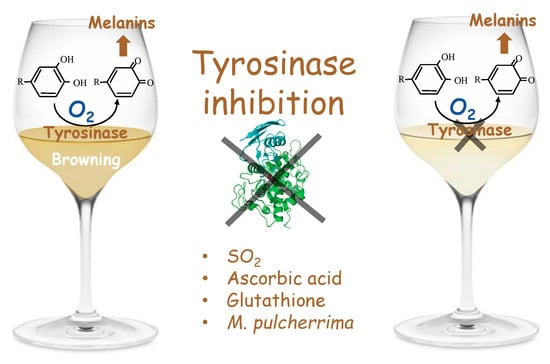
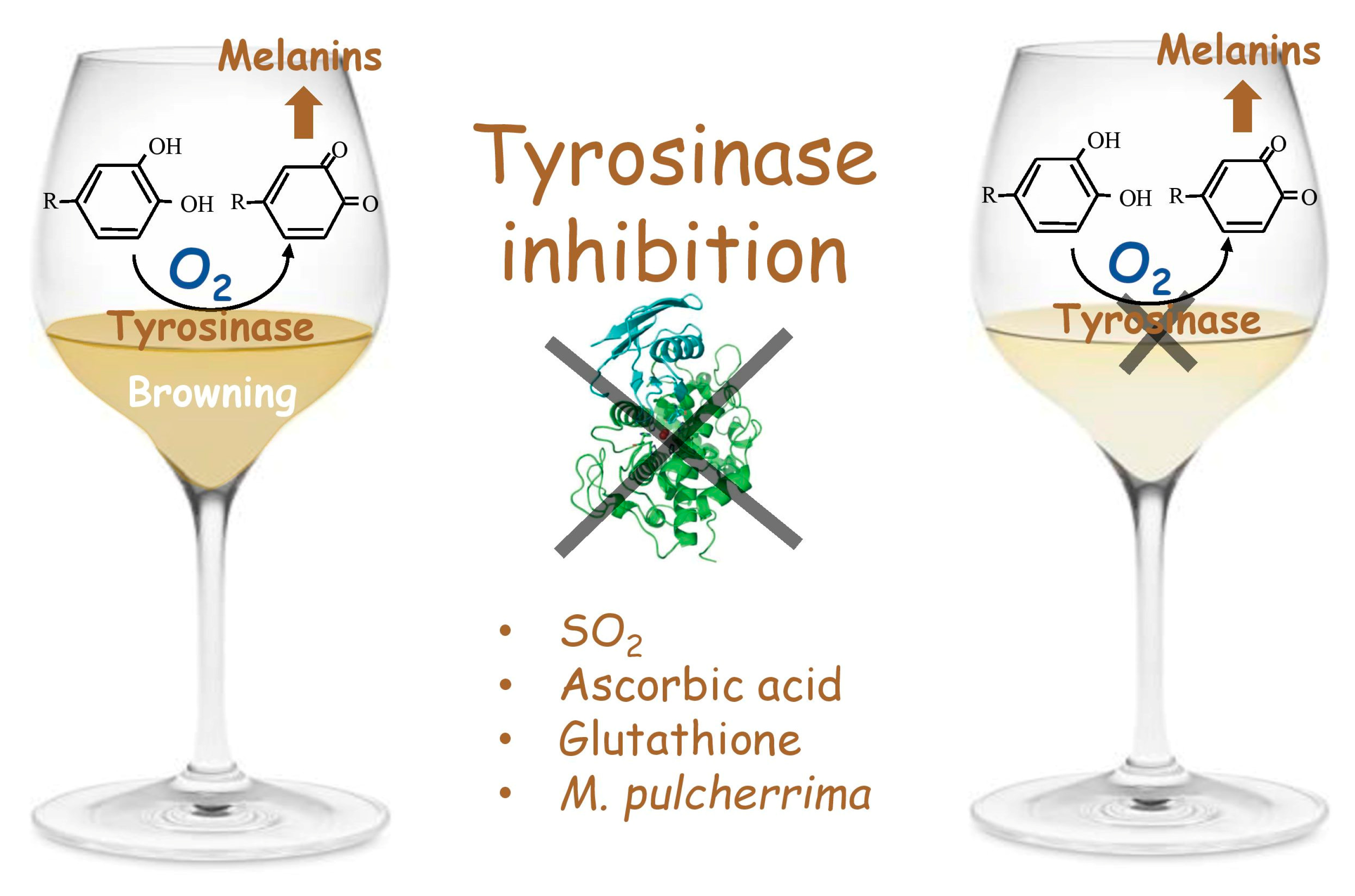
Graphical Abstract

1. Introduction

Enzyme-catalyzed oxidation reactions of polyphenols present in grape must lead to a biochemical process called enzymatic browning [1]. This process negatively impacts the quality of musts and wines since the resulting increase in the wine’s brown color often leads to consumer rejection [2]. In fact, polyphenols are very important components in wine because they define different organoleptic characteristics of the wine, such as color, structure, bitter taste, and astringency [3]. Therefore, winemakers need to prevent enzymatic browning reactions to guarantee the quality of their products.
There are two main polyphenol oxidases involved in the oxidation of polyphenols in wine: tyrosinase (EC 1.14.18.1), inherently present in grapes, and laccase (EC 1.10.3.2), exclusively found in grapes infected by grey rot (Botrytis cinerea) [4]. The oxidation mechanism provoked by these enzymes leads to the oxidation of ortho-diphenols to ortho-diquinones, which polymerize later to form melanins. The diquinones formed initially are colorless, but the melanins that are later produced through chemical polymerization are yellow-brown. These melanins are responsible for the darkening of the yellow color in white wines (browning) and for color deterioration in red wines [4,5]. Therefore, we can distinguish between the real tyrosinase activity and its effects on browning, which can be considered as an apparent tyrosinase activity.
The main strategy currently employed in the wine industry is to use sulphur dioxide (E220) due to its inhibitory effect on both tyrosinase and laccase, as well as its antimicrobial properties [6]. However, current market trends indicate that consumers are hesitant to buy products containing synthetic additives, showing their preference for clean-label products [7]. Moreover, sulphur dioxide has harmful effects for sensitive people, who can suffer from headaches, allergic reactions, and respiratory problems [8,9].
In this context, wineries and researchers are compelled to explore alternatives to sulphur dioxide, in accordance with the recommendations of the International Organization of Vine and Wine (OIV) [10].
Several strategies have been proposed for reducing or even replacing sulphur dioxide. On one hand, options such as inert gas [11], oenological tannins [12], ascorbic acid [13], inoculation with Metschnikowia pulcherrima [14], glutathione [15], and inactivated dry yeasts rich in glutathione [16] or those that directly consume oxygen [17] have been suggested to protect grape must from browning. On the other hand, methods like chitosan [18], lysozyme [19], bioprotection [20], ultra-high-pressure homogenization [21], ozone [22], and fumaric acid [23] have been recommended to safeguard wine against microbiological spoilage.
Ascorbic acid is probably the most commonly used alternative to sulphur dioxide and has been in use for the longest time [24]. Ascorbic acid is recognized as an effective method for rapidly removing dissolved oxygen in wine and musts, making it a valuable tool for preventing the oxidation of phenolic compounds [3,25]. The action mechanism of ascorbic acid is based on its direct consumption of oxygen, which results in the formation of dehydroascorbic acid and hydrogen peroxide (H2O2). Therefore, ascorbic acid operates by competing with polyphenol oxidases for oxygen, as its rate of direct oxygen consumption is several times faster than that of sulphur dioxide [26]. Nevertheless, it should be noted that ascorbic acid, upon reacting with oxygen, generates hydrogen peroxide, a compound that can promote further oxidative reactions in wine [4]. This secondary oxidation may adversely affect the sensory properties of the final product. Consequently, the application of ascorbic acid in winemaking needs the simultaneous use of sulphur dioxide to effectively mitigate oxidative risks [3,27].
Reduced glutathione (GSH) is a tripeptide composed of L-glutamate, L-cysteine, and glycine, which naturally occurs in grapes as well as in many other foods [28]. Adding GSH, either in its pure form or as inactivated dry yeast rich in glutathione, has been approved by the OIV in 2015 [29] for the winemaking process due to its promising potential in preventing enzymatic browning [15,30]. Its action mechanism is based on the reaction with diquinones produced from the oxidation of diphenol to produce 2-S-glutathionylcaftaric acid, known as the grape reaction product (GRP). GRP is known to be colorless, and its formation prevents the polymerization of diquinones to form melanins, therefore preventing the formation of brown pigments in wine. The OIV established a maximum dosage of 20 mg/L for pure glutathione, based on a maximum daily intake of 50 mg/day [29,31]. OIV authorized the use of inactivated dry yeasts rich in glutathione (IDY-GSH) in 2017 [32] because they are a more cost-effective way to use glutathione in winemaking. The maximum dose is defined based on the GSH level of the commercial product and according to the maximum daily intake [15].
Bioprotection is a biotechnological strategy that serves as an alternative for minimizing or even eliminating the use of sulphur dioxide in winemaking [33]. This approach involves using specific non-Saccharomyces yeasts authorized by the OIV in 2017 [34]. Among the different species of non-Saccharomyces yeasts, Metschnikowia pulcherrima seems to be the most promising thanks to its respiratory metabolism, which enables it to quickly consume the dissolved molecular oxygen [14,20]. In addition, its inoculation seems to prevent the development of some spoilage microorganisms. Consequently, M. pulcherrima emerges as a potential strategy for protecting musts and wines from enzymatic browning and microbiological spoilage [20,33,35].
The fact that sulphur dioxide protects against various possible problems, such as microorganism spoilage and chemical and enzymatic browning, combined with its low cost and ease of use, makes it very suitable for winemaking. It is therefore challenging to replace it with a single alternative agent, suggesting that multiple strategies may be needed to achieve a comparable protective effect.
This study investigates the effect of ascorbic acid, glutathione (both in its pure form and as inactivated dry yeast), and a selected strain of M. pulcherrima on preventing tyrosinase-catalyzed oxidation, employing the methodology previously reported by our research group [36]. We hypothesize that these treatments can reduce tyrosinase activity and limit enzymatic browning.
While the laccase-catalyzed oxidation process has been relatively well-studied in grape must and other fruit juices [25,37,38,39,40,41], to the best of our knowledge, there is still very little research on tyrosinase-catalyzed oxidation in grape must [36]. Therefore, this work aims to study the effect of ascorbic acid, glutathione, and a selected strain of M. pulcherrima for apparent tyrosinase inhibition in grape must. The term apparent tyrosinase activity is used to describe the browning induced by this enzyme, as it encompasses both its direct catalytic activity and the subsequent polymerization of quinones leading to the formation of brown pigments.

2. Materials and Methods

2.1. Chemical Reagents and Equipment

Polyvinylpolypyrrolidone (PVPP), L-ascorbic acid (purity ≥ 99%), and reduced L-glutathione (purity ≥ 99.5%) were purchased from Sigma-Aldrich (Madrid, Spain). Hydrochloric acid (purity ≥ 36.5%) was supplied by Fisher Scientific (Madrid, Spain). Caftaric acid (purity ≥ 99.9%) was purchased from Biosynth S. R. O. (Bratislava, Slovakia). Sodium metabisulphite (Na2S2O5, purity ≥ 99.5%) was purchased from Panreac (Barcelona, Spain).
The equipment used was as follows: a spectrophotometer: UV-Vis Helios Alpha™ (Thermo Fisher Scientific Inc., Waltham, MA, USA); a centrifuge: Heraeus™ Primo™ (Thermo Fisher Scientific Inc., Waltham, MA, USA); a thermostatic bath (6,000,137 Selecta, Abrera, Barcelona, Spain); and a CB Standard Balance (Cobos, Barcelona, Spain).

2.2. Preparation of Grape Must and Removal of Phenolic Compounds

The grape must was obtained from grapes of Muscat of Alexandria variety (variety number VIVC, n.d.: 8241) from the experimental vineyard of the Rovira i Virgili University (Mas dels Frares, Constantí, Tarragona: 41° 08′ 44.1″ N; 1° 11′ 51.0″ E) during the 2023 vintage harvest. The optimal maturity level was ensured before manual harvest (22.3° Brix; titratable acidity 5.2 g of tartaric acid/L), and the bunches were frozen in plastic bags at −20 °C for further experimentation. Bunches were defrosted for 24 h at 4 °C. The grape berries were manually destemmed, and only those exhibiting a very healthy appearance were selected in order to avoid the presence of laccase activity potentially caused by infection with Botrytis cinerea. Grape berries were then ground with a blender (Silvercrest SSM550C1, Kompernass GMBH, Bochum, Germany). Then, 20 mg/kg of pectolytic enzyme (Lallzyme C-Max™, Lallemand, Inc., Montreal, QC, Canada) was added, and the sample was macerated at 4 °C for 24 h to favor the extraction of the tyrosinase enzyme from the grape skin fragments, with the method applied in our previous work [37]. After maceration, the sample was sieved, manually pressed, and the solid parts were separated by centrifugation, obtaining a clean must. The must was not supplemented with sulphur dioxide to avoid tyrosinase inhibition.
To prevent interference from other polyphenols and ensure that apparent tyrosinase activity was measured exclusively with a single substrate in the reaction medium, all phenolic compounds were entirely removed from the grape must. The phenolics were removed using polyvinylpolypyrrolidone (PVPP). A suspension of 200 g/L in distilled water was prepared, and 10 mL was placed in separation columns before water removal with a vacuum pump. Using the vacuum pump, 100 mL of grape must was percolated through these columns, and the process was then repeated until a Total Polyphenol Index (TPI) lower than 2 was obtained. The TPI was determined by measuring the absorbance at 280 nm of the must in a quartz cuvette [24].

2.3. Stock Solutions of Caftaric Acid, Sulphur Dioxide, Ascorbic Acid and Glutathione

Stock solutions of caftaric acid (30 mM), sulphur dioxide (400 mg/L), ascorbic acid (150 mg/L), and glutathione (400 mg/L) were prepared with oxygen-free distilled water acidified to pH = 3.5 with hydrochloric acid. The oxygen-free acidified water was prepared by purging it with nitrogen for 10 min.

2.4. Extraction of Glutathione from Inactivated Dry Yeast Rich in Glutathione

A commercial oenological product of inactivated dry yeast rich in glutathione (IDY-GSH) was chosen (Glutastar™, Lallemand Inc., Montreal, QC, Canada). The glutathione concentration of this IDY-GSH was 8.8 mg/g of dry weight, as reported by Pons-Mercadé et al. (2021) [17]. To prevent interference from turbidity caused by the presence of inactivated dry yeasts, 8 g/L of IDY-GSH was macerated in oxygen-free water acidified to pH 3.5 with hydrochloric acid for 24 h at 4 °C. The oxygen-free acidified water was prepared by purging it with nitrogen for 10 min. The IDY-GSH extract was separated from the solid parts by centrifugation and was immediately used for the inhibition studies.

2.5. Metschnikowia pulcherrima Strain MP1 Inoculum Preparation

A selected strain of M. pulcherrima (strain MP1) was chosen for its high oxygen consumption capacity (Level2 Initia™, Lallemand Inc., Montreal, QC, Canada). The inoculum was prepared before the experiment by hydrating it in ten times its weight of mineral water at 30 °C, following the manufacturer’s instructions.

2.6. Measurement of the Apparent Tyrosinase Activity

The apparent tyrosinase activity was determined by the methodology previously developed by our group [37]. We refer to tyrosinase activity as “apparent” because it was assessed solely by measuring the browning reaction kinetics. This browning results not only from the enzymatic oxidation caused by tyrosinase but also from subsequent polymerization reactions of quinones, which produce the melanins responsible for the observed browning. Briefly, aliquots of 1.8 mL of the grape must, from which all phenolic compounds had been removed, were introduced into spectrophotometer microcuvettes with a 10 mm optical path length, and sulphur dioxide, ascorbic acid, glutathione, IDY-GSH extract, or M. pulcherrima inoculum were added. The effect of sulphur dioxide was tested at 0, 5, 10, and 20 mg/L, ascorbic acid at 7.5 mg/L, glutathione at 20 mg/L, IDY-GSH extract equivalent to 400 mg/L of the commercial product, and M. pulcherrima strain MP1 at 250 mg/L. The concentrations of SO2, glutathione, and IDY-GSH correspond to those commonly employed in winemaking practices. In the case of ascorbic acid, a lower-than-usual dose (7.5 mg/L) was applied, as higher concentrations did not result in any increase in absorbance at 430 nm. Afterwards, caftaric acid was added at concentrations of 0, 0.25, 0.50, 1.0, and 1.5 mM. These concentrations were selected according to a previous work [17]. The total volume was adjusted to 2 mL using distilled water. The microcuvettes were manually shaken to homogenize and saturate the must with oxygen, and periodic measurements of absorbance at 420 nm were made to monitor the formation of brown pigments until asymptomatic behavior was observed. Experiments were carried out in triplicate at 25 °C. The apparent tyrosinase activity was determined by measuring the increase in absorbance at 420 nm over time, using the linear portion of the obtained curves, and it was expressed in mUA420/minute.

2.7. Determination of Kinetic Constants

The kinetic constants were calculated by the Michaelis–Menten [42,43] and Lineweaver–Burk [44,45] models, which make it possible to determine the Michaelis constant (KM) and maximum reaction velocity (Vmax). Experiments were considered to follow the Michaelian model if the linear adjustment coefficients (r2) of the Lineweaver–Burk plot were greater than 0.95 and the point of intersection with the Y axis was on the positive side.

2.8. Statistical Analysis

Results are expressed as mean values ± standard deviation of three replicates. Treatments were compared with one-factor analysis of variance (ANOVA) using the XL-STAT 2024.3.0 software (Addinsoft, Paris, France). The existence of significant differences was determined using Tukey’s test.

3. Results and Discussion

3.1. Browning Kinetics Induced by Tyrosinase

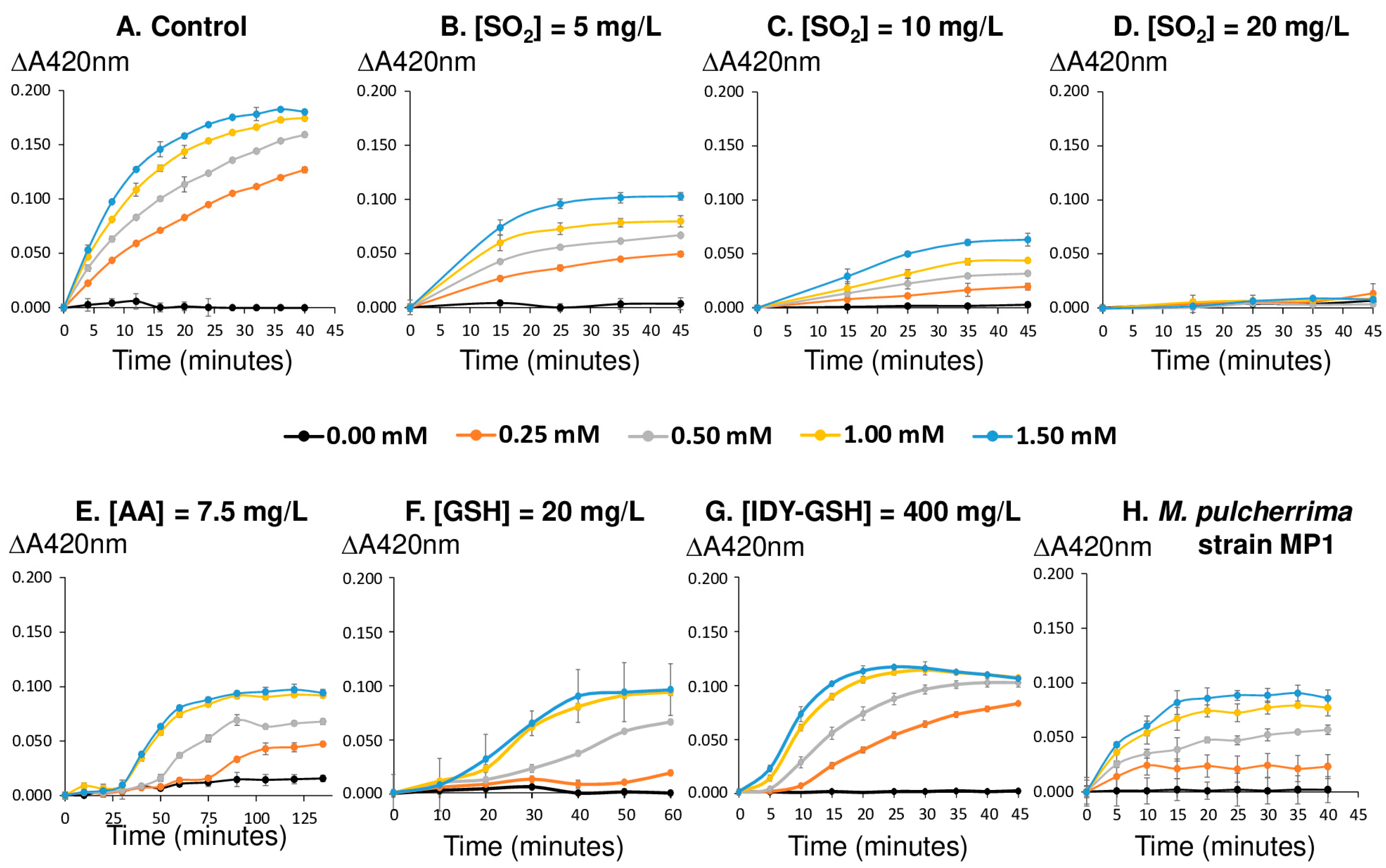
Figure 1 shows the changes in absorbance at 420 nm (A420) according to the incubation time for the different experimental conditions. Under control conditions (Figure 1A), the A420 increased over time, and this increase was higher when the caftaric acid concentrations were higher. A very similar kinetic behavior of apparent enzymatic oxidation for caftaric acid has been previously described for laccase [41] and tyrosinase [37].
Figure 1B–D illustrate the effect of sulphur dioxide on apparent tyrosinase activity at concentrations of 0, 5, 10, and 20 mg/L, which are the commonly applied oenological dosages. As these figures demonstrate, an increase in sulphur dioxide concentration results in a decrease in the intensity of enzymatic browning, as indicated by the lower increase in absorbance at 420 nm for each concentration of caftaric acid. It is important to highlight that a concentration of 20 mg/L appears to be sufficiently effective in completely inhibiting the tyrosinase-catalyzed browning reactions, as no significant increase in absorbance is observed after 40 min of incubation.
This inhibitory effect of sulphur dioxide, caused by its irreversible binding to the enzyme, is well established and extensively studied [4,24,46]. These findings further support its routine use in oenology to prevent enzymatic browning in grape musts and wines.
Figure 1E illustrates the effect of ascorbic acid on the browning kinetics induced by tyrosinase. In this case, the browning process appears to be delayed, as the absorbance at 420 nm did not begin to rise until 30 min of incubation. This delay may be attributed to the rapid oxygen consumption caused by ascorbic acid. In the absence of oxygen, tyrosinase is unable to oxidize caftaric acid, and therefore, no browning is generated. After 30 min, the absorbance at 420 nm increased at all caftaric acid concentrations, though these increases were consistently lower than those observed under control conditions. This delayed increase in A420 nm could be because atmospheric oxygen begins to appear in the medium and/or because the hydrogen peroxide formed by the action of ascorbic acid directly oxidizes caftaric acid [28]. It is important to note that a slight increase in absorbance was even observed without the addition of caftaric acid, likely because the hydrogen peroxide formed could have oxidized the traces of phenols remaining in the sample despite the PVPP treatment used for their removal.
Figure 1F shows the effect of glutathione on the browning kinetics induced by tyrosinase. It is clear that the presence of glutathione slows down the browning process across all concentrations of caftaric acid. These results confirm that glutathione is an effective inhibitor of must browning, as it reacts with o-diquinones produced by tyrosinase activity, thereby interrupting the polymerization reactions responsible for pigment formation. The effect of the IDY-GSH extract (Figure 1G) also reduces the browning kinetics, although to a lesser extent than pure glutathione. According to the manufacturer, IDY-GSH contains over 25 mg of glutathione per gram of product, which means at least 10 mg/L was theoretically extracted. The lower protective effect of IDY-GSH compared to glutathione may be attributed to the fact that the amount of GSH brought by the IDY-GSH is lower than 20 mg/L at the corresponding rate of addition, to an incomplete glutathione extraction, or to the oxidation of some of the glutathione released during the process.
Figure 1H illustrates the effect of the inoculation of M. pulcherrima strain MP1 on the browning kinetics induced by tyrosinase. Similar to what occurred with glutathione, inoculation with M. pulcherrima strain MP1 also reduces the browning rate induced by tyrosinase. In previous studies, we have demonstrated that Metschnikowia pulcherrima exhibits a high capacity for oxygen consumption [14,25]. It therefore appears that this oxygen consumption capacity of Metschnikowia pulcherrima strain MP1 can protect grape must from browning by limiting the availability of oxygen required for the oxidation of caftaric acid by tyrosinase. This oxygen depletion thus represents the primary mechanism through which M. pulcherrima inhibits enzymatic browning.
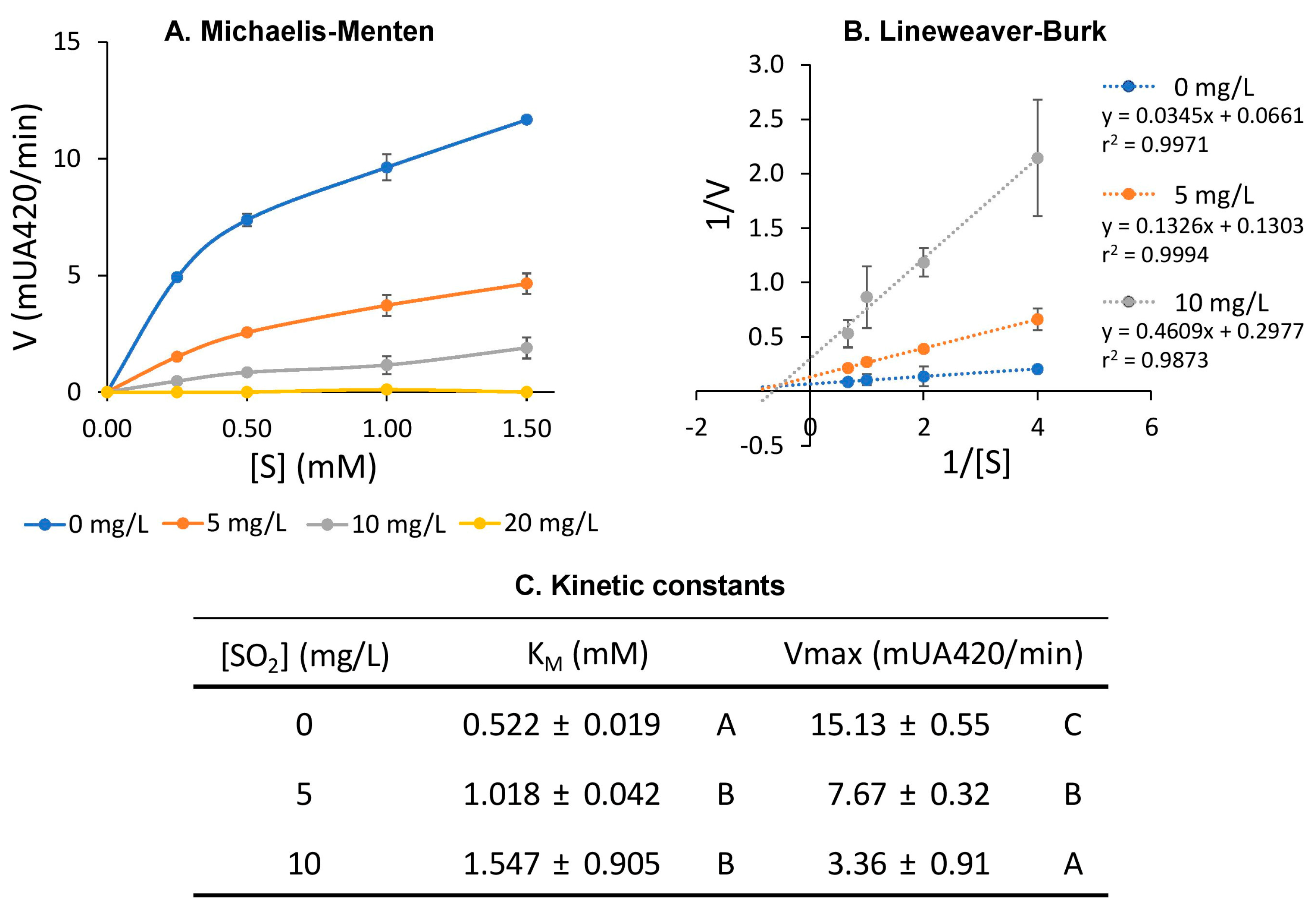
Figure 2 shows the Michaelis–Menten plot [42,43] and the Lineweaver–Burk plot [44,45] under control conditions.
As expected, the reaction rate (V) for caftaric acid oxidation induced by tyrosinase under control conditions increased as its concentration augmented until asymptotic behavior was reached (Figure 1A). This plateau occurred when the substrate concentration was sufficient to saturate the enzyme, confirming that tyrosinase exhibits an apparent Michaelian behavior with caftaric acid as substrate. These findings corroborate the results previously reported by García-Roldán et al. (2025) [36].
The Lineweaver–Burk plot (Figure 2B) for control conditions gave a very good regression coefficient (r2 = 0.9971). This plot makes it possible to obtain the kinetic constants (Figure 2C), Michaelis constant (KM = 0.522 ± 0.019 mM), and maximum velocity (Vmax = 15.13 ± 0.019 mAU420/min) of grape must tyrosinase for caftaric acid. Similar results were previously reported by García-Roldán et al., 2025 [36].
It should be considered that this study focuses on measuring the browning kinetics rather than directly assessing tyrosinase activity. While tyrosinase is evidently involved in the browning process, it is important to note that browning encompasses a series of subsequent chemical reactions culminating in melanin formation [4,6]. Therefore, the observed browning kinetics may be influenced not only by tyrosinase activity but also by additional factors associated with the downstream reactions leading to melanin formation.

3.2. Influence of Sulphur Dioxide on Tyrosinase Activity and Kinetic Constants

Figure 2 also shows the influence of sulphur dioxide on the browning kinetics induced by tyrosinase by means of Michaelis–Menten and Lineweaver–Burk plots. The results shown in the Michaelis–Menten plot (Figure 2A) clearly confirm that sulphur dioxide is a potent inhibitor of apparent tyrosinase activity, as increasing concentrations of sulphur dioxide correspond to a progressive decrease in the reaction rate.
The Lineweaver–Burk plot (Figure 2B) confirms that grape must tyrosinase-induced browning exhibits Michaelian behavior in the presence of sulphur dioxide, yielding relatively high regression coefficients (r2 = 0.9994 for 5 mg/L SO2 and r2 = 0.9873 for 10 mg/L SO2). However, it was not possible to construct a Lineweaver–Burk plot for the highest sulphur dioxide concentration (20 mg/L) due to complete inhibition at this level. These Lineweaver–Burk plot regression line equations were used to calculate the kinetic constants, Vmax and KM, which are shown in Figure 2C. These results confirm the inhibitory effect of sulphur dioxide since its presence reduces the Vmax values and increases the KM value. This indicates a mixed-type enzymatic inhibition in which the inhibitor binds to the enzyme and also to the enzyme–substrate complex [47]. This shows that sulphur dioxide not only decreases the Vmax of laccase browning but also the affinity for its substrate. Giménez et al. (2022) [41] reported similar findings regarding the apparent inhibition of another polyphenol oxidase, laccase, by sulphur dioxide. However, the inhibitory effect of sulphur dioxide on tyrosinase-induced browning appears to be greater than that observed by Giménez et al. (2022) [41] for laccase-induced browning, suggesting that tyrosinase is apparently more sensitive to sulphur dioxide than laccase.

3.3. Influence of Ascorbic Acid on Tyrosinase Activity and Kinetic Constants

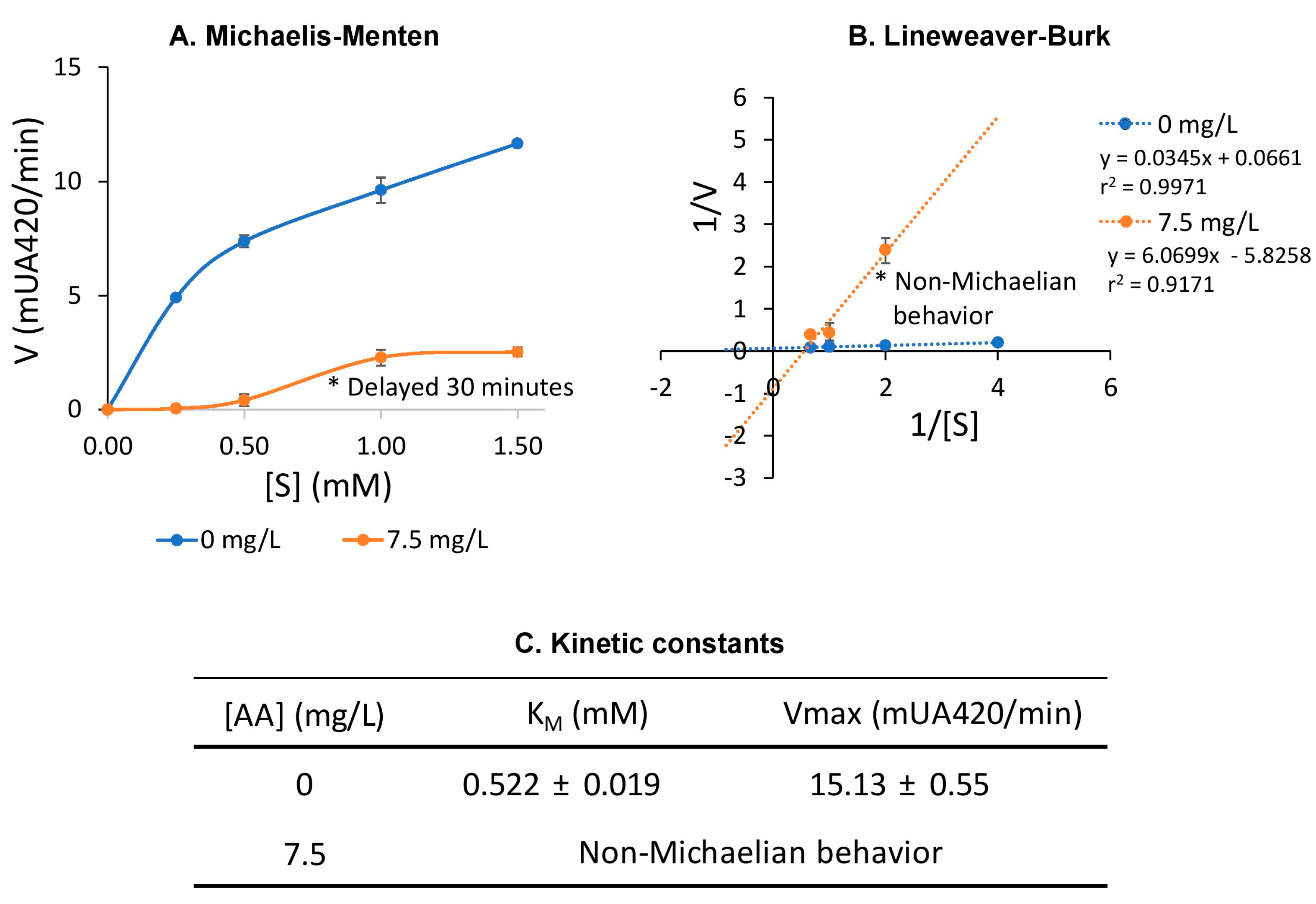
Figure 3 illustrates the effect of ascorbic acid on the tyrosinase-induced browning kinetics, analyzed through Michaelis–Menten and Lineweaver–Burk plots, in comparison to control conditions without any inhibitor supplementation.
As previously stated, the presence of ascorbic acid delayed the browning process by approximately 30 min. Subsequently, it exhibited a slight increase in browning, albeit significantly lower than under control conditions. In addition, the Lineweaver–Burk plot showed poor linearity (r2 = 0.9171) and resulted in an intercept with the Y-axis in the negative region. Consequently, the browning kinetics induced by tyrosinase do not exhibit Michaelis–Menten behavior in the presence of ascorbic acid, making it impossible to calculate the kinetic constants. These results are probably because ascorbic acid does not inhibit tyrosinase but rather eliminates one of its substrates: oxygen.

3.4. Influence of Glutathione on Tyrosinase Activity and Kinetic Constants

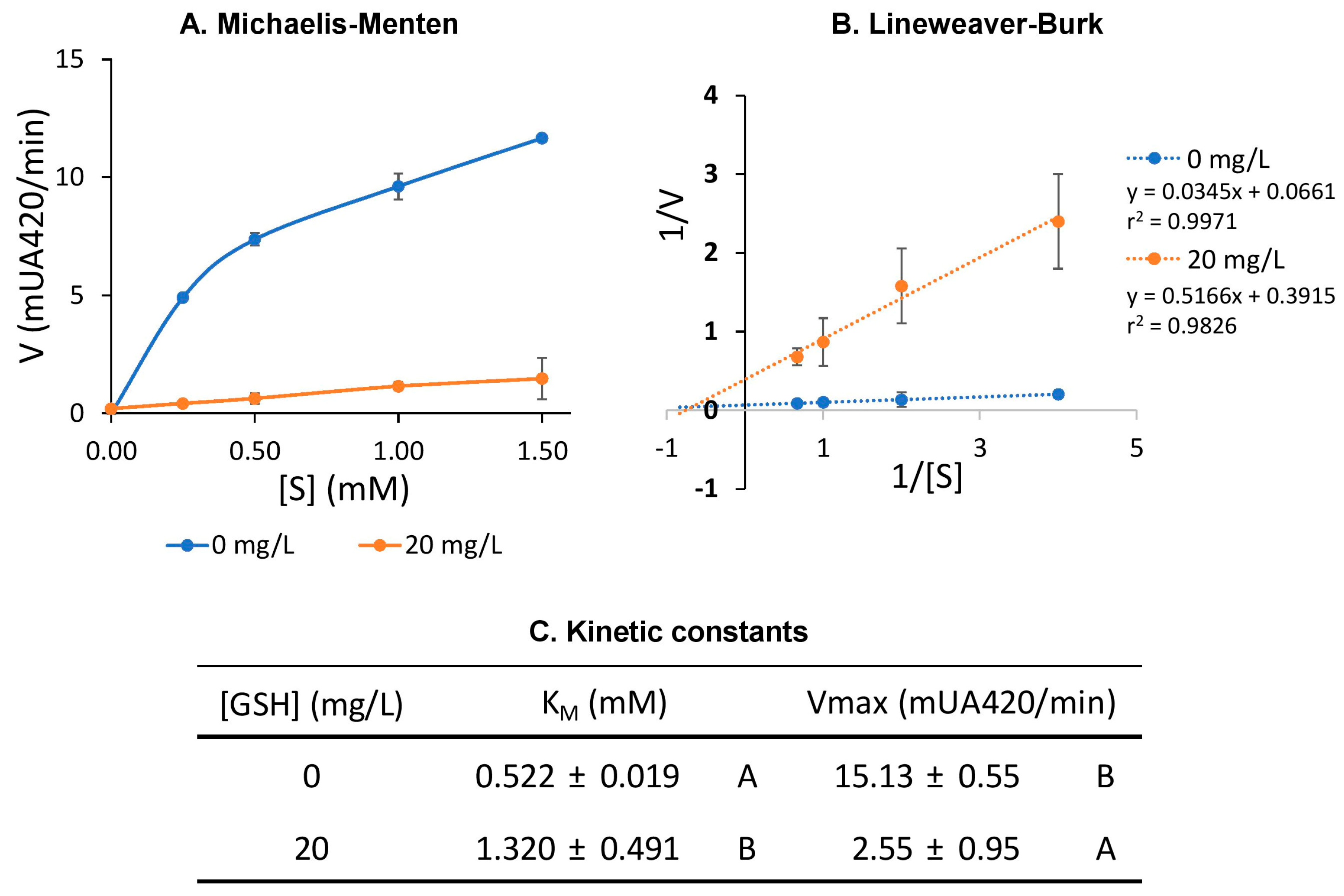
Figure 4 shows the effect of glutathione on the tyrosinase-induced browning kinetics, analyzed using Michaelis–Menten (Figure 4A) and Lineweaver–Burk (Figure 4B) plots, in comparison to control conditions without any inhibitor supplementation.
The results presented in the Michaelis–Menten plot clearly demonstrate that glutathione effectively inhibits the browning process induced by tyrosinase activity. The Lineweaver–Burk plot confirms that grape must tyrosinase exhibits Michaelian behavior in the presence of glutathione, with a relatively good regression coefficient (r2 = 0.9826). These data make it possible to calculate KM (1.320 ± 0.491 mM) and Vmax (2.55 ± 0.95 mAU420/min) of tyrosinase (Figure 4C) in the presence of glutathione. Consequently, glutathione not only reduces the rate of the enzymatic reaction but also apparently decreases the enzyme’s affinity for its substrate. However, it must be highlighted that glutathione is not a direct inhibitor of tyrosinase, as it functions by sequestering the quinones generated by the enzyme’s activity, thereby preventing the subsequent formation of melanins. Consequently, once glutathione has been depleted, the enzymatic browning process driven by tyrosinase would regain its activity completely. Giménez et al. (2022) [41] reported similar findings regarding apparent laccase inhibition by glutathione, although its inhibitory effect was lower than that observed for tyrosinase.

3.5. Influence of a Specific Inactivated Dry Yeast Rich in Glutathione on Tyrosinase Activity and Kinetic Constants

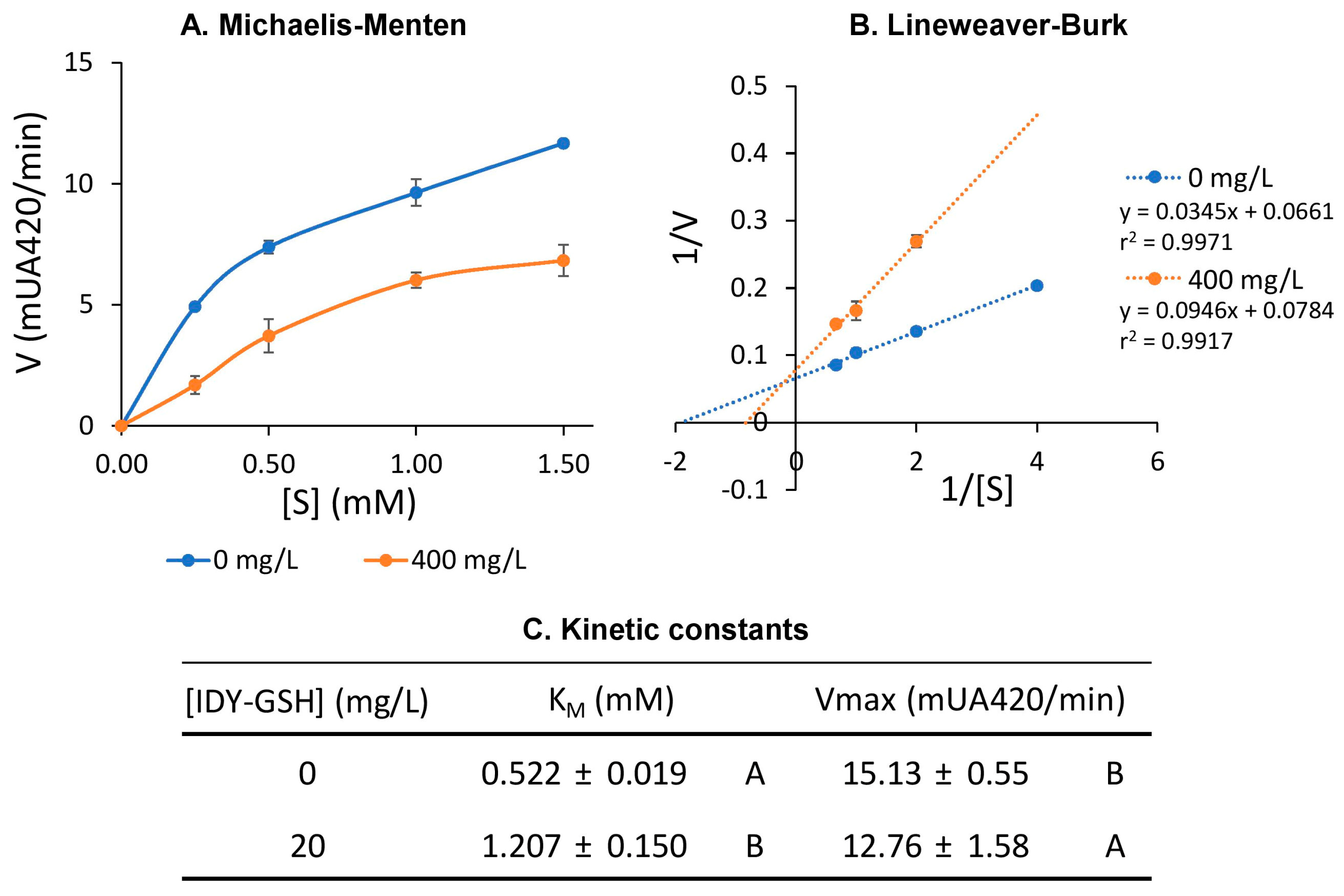
Figure 5 shows the effect of IDY-GSH extract on tyrosinase-induced browning kinetics, analyzed through Michaelis–Menten (Figure 5A) and Lineweaver–Burk (Figure 5B) plots, in comparison to control conditions without any inhibitor supplementation.
Like glutathione, IDY-GSH also inhibited tyrosine-induced browning, albeit to a lesser extent than pure glutathione. As mentioned previously, this lower inhibitory effect could be related to the lower glutathione content of IDY-GSH, to an incomplete glutathione extraction, or to the oxidation of some of the glutathione released during the process. In any case, the Lineweaver–Burk plot makes it possible to calculate the KM (1.207 ± 0.150 mM) and Vmax (12.76 ± 1.58 mAU420/min) of tyrosinase (Figure 5C) in the presence of IDY-GSH with a relatively good regression coefficient (r2 = 0.9917). Therefore, the presence of IDY-GSH, similar to pure glutathione, decreased Vmax and increased KM. However, as previously mentioned, glutathione, in any of its forms, is not a direct inhibitor of tyrosinase.

3.6. Influence of M. pulcherrima Strain MP1 on Tyrosinase Activity and Kinetic Constants

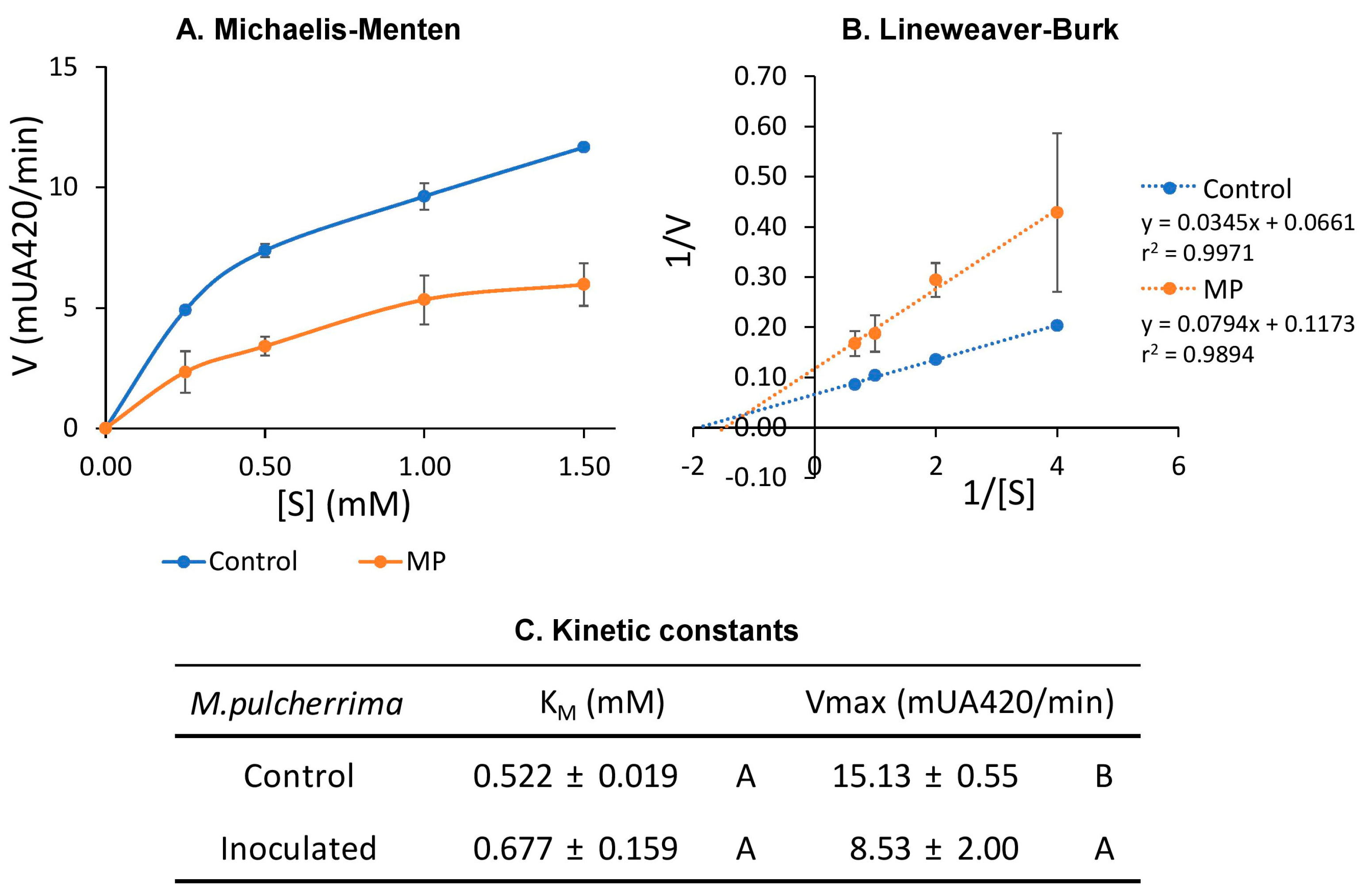
Figure 6 shows the influence of the inoculation with M. pulcherrima strain MP1 on tyrosinase-induced browning kinetics, analyzed through Michaelis–Menten (Figure 6A) and Lineweaver–Burk (Figure 6B) plots, in comparison to control conditions without any inhibitor supplementation.
The presence of the M. pulcherrima strain MP1 also generated an inhibition of browning caused by tyrosinase. The Lineweaver–Burk plot makes it possible to calculate the kinetic constants, KM = 0.677 ± 0.159 mM and Vmax = 8.53 ± 2.00 mUA420/min (Figure 6C), with a relatively high correlation coefficient (r2 = 0.9894). These data indicate that M. pulcherrima strain MP1 only reduced Vmax without significantly affecting KM. However, the action mechanism of the bioprotective effect of M. pulcherrima is based on its respiratory catabolism, which allows it to effectively and rapidly consume the dissolved molecular oxygen in the media, thereby impeding other oxidation reactions [20,34]. Therefore, M. pulcherrima does not directly inhibit tyrosinase but rather eliminates the oxygen that is also the substrate for the enzyme, avoiding the initial step of the enzymatic browning reaction.

4. Conclusions

The effectiveness of ascorbic acid, pure glutathione, a specific inactivated dry yeast rich in glutathione, and a selected strain of Metschnikowia pulcherrima in mitigating tyrosinase-induced browning in grape must has been demonstrated, although enzymatic browning is not completely inhibited by these treatments. These findings suggest that such strategies could serve as viable alternatives in winemaking to prevent enzymatic browning and consequently reduce the required doses of sulphur dioxide. A potential strategy would be the combined use of M. pulcherrima and glutathione, which could reinforce their protective effects against browning and improve color stability in the final wine. However, given the multifaceted roles of sulphur dioxide, these results should be interpreted with caution, as they are based solely on small-volume laboratory assays. Consequently, further research is required to confirm these findings through pilot-scale trials and to evaluate the practical applicability of these treatments at an industrial scale, as well as their impact on other important factors such as microbiological stability and the sensory characteristics of the wine.

Author Contributions

A.G.-R.: Writing—Review and Editing, Methodology, Investigation, Data Curation, and Conceptualization; A.C.-S.: Methodology and Investigation; J.G.-R.: Methodology and Investigation; M.B.-Q.: Methodology and Investigation; A.J.-B.: Methodology and Investigation; J.M.H.: Supervision and Conceptualization; N.S.: Supervision and Conceptualization; F.Z.: Writing, Visualization, Supervision, Project Administration, Funding Acquisition, and Conceptualization; J.M.C.: Writing, Visualization, Supervision, Project Administration, Funding Acquisition, and Conceptualization. All authors have read and agreed to the published version of the manuscript.

Funding

We gratefully acknowledge the financial support received from the Spanish Ministry of Science and Innovation, Interministerial Commission for Science and Technology (CICYT-project PID2022-139868OB-C33). This research has also been funded and supported by European Union Next Generation EU funds and the Spanish Public Employment Service (SEPE). The authors are also thankful for the financial support provided by the Rovira i Virgili University, Marti i Franquès programme, modality INVESTIGO, grant agreement 2022PMF-INV-15.

Institutional Review Board Statement

Not applicable.

Informed Consent Statement

Not applicable.

Data Availability Statement

The raw data supporting the conclusions of this article will be made available by the authors on request.

Acknowledgments

The authors would like to thank Lallemand Bio SL for providing the Glutastar samples and the MP1 strain of M. pulcherrima.

Conflicts of Interest

Two of the authors, José M. Heras and Nathalie Sieczkowski, work for the company Lallemand, which manufactures the inactivated dry yeast Glutastar™ and the commercial strain of Metschnikowia pulcherrima that were used in this experiment. The other authors declare no conflicts of interest.

References

  1. Li, H.; Guo, A.; Wang, H. Mechanisms of oxidative browning of wine. Food Chem. 2008, 108, 1–13. [Google Scholar] [CrossRef]
  2. Friedman, M. Food browning and its prevention: An overview. J. Agric. Food Chem. 1996, 44, 631–653. [Google Scholar] [CrossRef]
  3. Mercanti, N.; Macaluso, M.; Pieracci, Y.; Brazzarola, F.; Palla, F.; Verdini, P.G.; Zinnai, A. Enhancing wine shelf-life: Insights into factors influencing oxidation and preservation. Heliyon 2024, 10, e35688. [Google Scholar] [CrossRef]
  4. Oliveira, C.M.; Ferreira, A.C.S.; De Freitas, V.; Silva, A.M.S. Oxidation mechanisms occurring in wines. Food Res. Int. 2011, 44, 1115–1126. [Google Scholar] [CrossRef]
  5. Moon, K.M.; Kwon, E.B.; Lee, B.; Kim, C.Y. Recent trends in controlling the enzymatic browning of fruit and vegetable products. Molecules 2020, 25, 2754. [Google Scholar] [CrossRef]
  6. Queiroz, C.; Mendes Lopes, M.L.; Fialho, E.; Valente-Mesquita, V.L. Polyphenol oxidase: Characteristics and mechanisms of browning control. Food Rev. Int. 2008, 24, 361–375. [Google Scholar] [CrossRef]
  7. Yener, G.; Secer, A.; Ghazalian, P.L. What factors influence consumers to buy green products? An analysis through the motivation–opportunity–ability framework and consumer awareness. Sustainability 2023, 15, 13872. [Google Scholar] [CrossRef]
  8. Khalaf, E.M.; Mohammadi, M.J.; Sulistiyani, S.; Ramírez-Coronel, A.A.; Kiani, F.; Jalil, A.T.; Almulla, A.F.; Asban, P.; Farhadi, M.; Derikondi, M. Effects of sulfur dioxide inhalation on human health: A review. Rev. Environ. Health 2024, 39, 331–337. [Google Scholar] [CrossRef]
  9. Vally, H.; Misso, N.L. Adverse reactions to the sulphite additives. Gastroenterol. Hepatol. Bed Bench 2012, 5, 16–23. [Google Scholar] [PubMed]
  10. OIV (International Organization of Vine and Wine). Review of Practices for the Reduction of SO2 Doses Used in Winemaking. REFERENCE OIV-OENO 631-2020. 2020. Available online: https://www.oiv.int/standards/review-of-practices-for-the-reduction-of-so2-doses-used-in-winemaking- (accessed on 30 December 2024).
  11. del Barrio-Galán, R.; Nevares, I.; Pérez-Magariño, S.; del Alamo-Sanza, M. Dissolved oxygen removal in wines by gas sparging, its optimization and chemical impact. Beverages 2024, 10, 3. [Google Scholar] [CrossRef]
  12. Vignault, A.; Pascual, O.; Jourdes, M.; Moine, V.; Fermaud, M.; Roudet, J.; Canals, J.M.; Teissedre, P.L.; Zamora, F. Impact of enological tannins on laccase activity. Oeno One 2019, 1, 27–38. [Google Scholar] [CrossRef]
  13. Peng, Z.; Duncan, B.; Pocock, K.F.; Sefton, M.A. The effect of ascorbic acid on oxidative browning of white wines and model wines. Aust. J. Grape Wine Res. 1998, 4, 127–135. [Google Scholar] [CrossRef]
  14. Bustamante, M.; Giménez, P.; Just-Borras, A.; Solé-Clua, I.; Gombau, J.; Heras, J.M.; Sieczkowski, N.; Gil, M.; Canals, J.M.; Zamora, F. Inoculation of a selected strain of Metschnikowia pulcherrima as a bioprotective alternative to sulphites for preventing browning of white grape must. Oeno One 2024, 58, 7830. [Google Scholar] [CrossRef]
  15. Kritzinger, E.C.; Bauer, F.F.; Du Toit, W.J. Role of glutathione in winemaking: A review. J. Agric. Food Chem. 2013, 61, 269–277. [Google Scholar] [CrossRef]
  16. Bustamante, M.; Giménez, P.; Just-Borràs, A.; Solé-Clua, I.; Gombau, J.; Heras, J.M.; Sieczkowski, N.; Gil, M.; Pérez-Navarro, J.; Gómez-Alonso, S.; et al. Use of glutathione, pure or as a specific inactivated yeast, as an alternative to sulphur dioxide for protecting white grape must from browning. Foods 2024, 13, 310. [Google Scholar] [CrossRef]
  17. Pons-Mercadé, P.; Anguela, S.; Giménez, P.; Heras, J.M.; Sieczkowski, N.; Rozès, N.; Canals, J.M.; Zamora, F. Measuring the oxygen consumption rate of some inactivated dry yeasts: Comparison with other common wine antioxidants. Oeno One 2021, 2, 147–158. [Google Scholar] [CrossRef]
  18. Petrova, B.; Cartwright, Z.M.; Edwards, C.E. Effectiveness of chitosan preparations against Brettanomyces grown in culture media and red wines. J. Int. Sci. Vigne Vin 2016, 50, 49–56. [Google Scholar]
  19. Gao, Y.C.; Zhang, G.; Krentz, S.; Darius, S. Inhibition of spoilage lactic acid bacteria by lysozyme during wine alcoholic fermentation. Aust. J. Grape Wine Res. 2002, 8, 76–83. [Google Scholar] [CrossRef]
  20. Windholtz, S.; Nioi, C.; Coulon, J.; Masneuf-Pomarede, I. Bioprotection by non-Saccharomyces yeasts in oenology: Evaluation of O2 consumption and impact on acetic acid bacteria. Int. J. Food Microbiol. 2023, 405, 110338. [Google Scholar] [CrossRef] [PubMed]
  21. Morata, A.; Guamis, B. Use of UHPH to obtain juices with better nutritional quality and healthier wines with low levels of SO2. Front. Nutr. 2020, 7, 598286. [Google Scholar] [CrossRef] [PubMed]
  22. Guzzon, R.; Bernard, M.; Barnaba, C.; Bertoldi, D.; Pixner, K.; Larcher, R. The impact of different barrel sanitation approaches on the spoilage microflora and phenols composition of wine. J. Food Sci. Technol. 2017, 54, 810–821. [Google Scholar] [CrossRef]
  23. Morata, A.; Adell, E.; López, C.; Palomero, F.; Suárez, E.; Pedrero, S.; Bañuelos, M.A.; González, C. Use of fumaric acid to inhibit malolactic fermentation in bottled Rioja wines: Effect in pH and volatile acidity control. Beverages 2023, 9, 16. [Google Scholar] [CrossRef]
  24. Ribéreau-Gayon, P.; Glories, Y.; Maujean, A.; Dubourdieu, D. Handbook of Enology, 2nd ed.; John Wiley: Hoboken, NJ, USA, 2006; Volume 1. [Google Scholar]
  25. Giménez, P.; Just-Borras, A.; Pons, P.; Gombau, J.; Heras, J.M.; Sieczkowski, N.; Canals, J.M.; Zamora, F. Biotechnological tools for reducing the use of sulfur dioxide in white grape must and preventing enzymatic browning: Glutathione; inactivated dry yeasts rich in glutathione; and bioprotection with Metschnikowia pulcherrima. Eur. Food Res. Technol. 2023, 249, 1491–1501. [Google Scholar] [CrossRef]
  26. Pascual, O.; Vignault, A.; Gombau, J.; Navarro, M.; Gómez-Alonso, S.; García-Romero, E.; Canals, J.M.; Hermosín-Gutíerrez, I.; Teissedre, P.L.; Zamora, F. Oxygen consumption rates by different oenological tannins in a model wine solution. Food Chem. 2017, 234, 26–32. [Google Scholar] [CrossRef] [PubMed]
  27. Barril, C.; Rutledge, D.N.; Scollary, G.R.; Clark, A.C. Ascorbic acid and white wine production: A review of beneficial versus detrimental impacts. Aust. J. Grape Wine Res. 2016, 22, 169–181. [Google Scholar] [CrossRef]
  28. Wierzbicka, G.T.; Hagen, T.M.; Tones, D.P. Glutathione in food. J. Food Compos. Anal. 1989, 2, 327–337. [Google Scholar] [CrossRef]
  29. OIV (International Organisation of Vine and Wine). RESOLUTION OIV-OENO 445-2015. Treatment of Must with Glutathione. 2015. Available online: https://www.oiv.int/node/3225 (accessed on 30 December 2024).
  30. du Toit, W.J.; Marais, J.; Pretorius, I.S.; du Toit, M. Oxygen in must and wine. S. Afr. J. Enol. Vitic. 2006, 27, 76–94. [Google Scholar]
  31. Agencia Española de Seguridad Alimentaria y Nutrición (AESAN). Informe del Comité Científico de la Agencia Española de Seguridad Alimentaria y Nutrición (AESAN) Sobre Condiciones de Uso de Determinadas Sustancias Distintas de Vitaminas, Minerales y Plantas Para ser Empleadas en Complementos Alimenticios. 2012. Available online: www.aesan.gob.es/AECOSAN/docs/documentos/seguridad_alimentaria/evaluacion_riesgos/informes_comite/COMPLEMENTOS_2.pdf (accessed on 30 December 2024).
  32. OIV (International Organization of Vine and Wine). RESOLUTION OIV-OENO 533-2017. Treatment of Wine Using Inactivated Yeasts with Guaranteed Glutathione Levels. 2017. Available online: https://www.oiv.int/node/3157 (accessed on 30 December 2024).
  33. Simonin, S.; Roullier-Gall, C.; Ballester, J.; Schmitt-Kopplin, P.; Quintanilla-Casas, B.; Vichi, S.; Peyron, D.; Alexandre, H.; Tourdot-Maréchal, R. Bio-Protection as an alternative to sulphites: Impact on chemical and microbial characteristics of red wines. Front. Microbiol. 2020, 11, 1308. [Google Scholar] [CrossRef] [PubMed]
  34. OIV (International Organisation of Vine and Wine). RESOLUTION OIV-OENO 576B-2017. Monograph of Non-Saccharomyces Yeasts. 2017. Available online: https://www.oiv.int/node/3152 (accessed on 30 December 2024).
  35. Puyo, M.; Simonin, S.; Bach, B.; Klein, G.; Alexandre, H.; Tourdot-Maréchal, R. Bio-protection in oenology by Metschnikowia pulcherrima: From field results to scientific inquiry. Front. Microbiol. 2023, 14, 1252973. [Google Scholar] [CrossRef]
  36. García-Roldán, A.; Canalda-Sabaté, A.; Gombau-Roigé, J.; Bustamante-Quiñones, M.; Just-Borras, A.; Heras, J.M.; Sieczkowski, N.; Canals, J.M.; Zamora, F. Development of a model to study browning caused by tyrosinase in grape must. Food Chem. 2025, 463, 141457. [Google Scholar] [CrossRef]
  37. Bustamante, M.; Gil-Cortiella, M.; Peña-Neira, A.; Gombau, J.; García-Roldán, A.; Cisterna, M.; Montané, X.; Fort, F.; Rozès, N.; Canals, J.M.; et al. Oxygen-induced enzymatic and chemical degradation kinetics in wine model solution of selected phenolic compounds involved in browning. Food Chem. 2025, 484, 144421. [Google Scholar] [CrossRef]
  38. Ma, H.L.; Kermasha, S.; Gao, J.M.; Morales-Borges, R.; Yu, X.Z. Laccase catalyzed oxidation of phenolic compounds in organic media. J. Mol. Catal. B Enzym. 2009, 57, 89–95. [Google Scholar] [CrossRef]
  39. Quijada-Morin, N.; Garcia, F.; Lambert, K.; Walker, A.S.; Tiers, L.; Viaud, M.; Sauvage, F.X.; Hirtz, C.; Saucier, C. Strain effect on extracellular laccase activities from Botrytis cinerea. Aust. J. Grape Wine Res. 2017, 24, 241–251. [Google Scholar] [CrossRef]
  40. Verma, A.; Shirkot, P.; Dhiman, K.; Rana, N.; Joshi, V.K. Bacterial laccase mediated inhibition of enzymatic browning in apple juice and its sensory evaluation. Int. J. Curr. Microbiol. Appl. Sci. 2018, 7, 3371–3381. [Google Scholar] [CrossRef]
  41. Giménez, P.; Anguela, S.; Just-Borras, A.; Pons-Mercadé, P.; Vignault, A.; Canals, J.M.; Teissedre, P.L.; Zamora, F. Development of a synthetic model to study browning caused by laccase activity from Botrytis cinerea. LWT—Food Sci. Technol. 2022, 154, 112871. [Google Scholar] [CrossRef]
  42. Michaelis, L.; Menten, M.L. Die kinetik der invertinwirkung. Biochem. Z. 1913, 49, 333–369. [Google Scholar]
  43. Li, Y.; Wang, K. A deep learning-based approach for predicting Michaelis constants from enzymatic reactions. Appl. Sci. 2025, 15, 4017. [Google Scholar] [CrossRef]
  44. Lineweaver, H.; Burk, D. The determination of enzyme dissociation constants. J. Am. Chem. Soc. 1934, 56, 658–666. [Google Scholar] [CrossRef]
  45. Centelles, J.J.; Moreno, E.; de Atauri, P.R.; Imperial, S. Problem-based learning for calculating kinetic parameters from Michaelis-Menten equation. Int. J. Eng. Sci. Technol. 2024, 6, 55–67. [Google Scholar] [CrossRef]
  46. Ough, C.S.; Crowell, E.A. Use of sulfur dioxide in winemaking. J. Food Sci. 1987, 52, 386–388. [Google Scholar] [CrossRef]
  47. Goldstein, A. The mechanism of enzyme-inhibitor-substrate reactions. J. Gen. Physiol. 1944, 27, 529–580. [Google Scholar] [CrossRef] [PubMed]
Figure 1. Influence of the different treatments on tyrosinase activity. All data are expressed as the average of three replicates ± standard deviation. AA: ascorbic acid; GSH: glutathione; IDY-GSH: inactivated dry yeasts rich in glutathione.
Beverages 12 00027 g001
Figure 2. Influence of sulphur dioxide on apparent tyrosinase activity. All data are expressed as the average of three replicates ± standard deviation. Different letters indicate the existence of a statistical difference (p < 0.05).
Beverages 12 00027 g002
Figure 3. Influence of ascorbic acid on apparent tyrosinase activity. All data are expressed as the average of three replicates ± standard deviation. AA: ascorbic acid.
Beverages 12 00027 g003
Figure 4. Influence of glutathione on apparent tyrosinase activity. All data are expressed as the average of three replicates ± standard deviation. GSH: glutathione. Different letters indicate the existence of a statistical difference (p < 0.05).
Beverages 12 00027 g004
Figure 5. Influence of a specific inactivated dry yeast rich in glutathione on apparent tyrosinase activity. All data are expressed as the average of three replicates ± standard deviation. IDY-GSH: inactivated dry yeasts rich in glutathione. Different letters indicate the existence of a statistical difference (p < 0.05).
Beverages 12 00027 g005
Figure 6. Influence of inoculation of M. pulcherrima strain MP1 on tyrosinase activity. All data are expressed as the average of three replicates ± standard deviation. MP: Metschnikowia pulcherrima. Different letters indicate the existence of a statistical difference (p < 0.05).
Beverages 12 00027 g006
Disclaimer/Publisher’s Note: The statements, opinions and data contained in all publications are solely those of the individual author(s) and contributor(s) and not of MDPI and/or the editor(s). MDPI and/or the editor(s) disclaim responsibility for any injury to people or property resulting from any ideas, methods, instructions or products referred to in the content.