Article

Explainable Machine Learning for Predicting Student Depression Risk

1
School of Applied IT, Whitecliffe, Auckland 1010, New Zealand
2
College of Engineering and Technology, American University of the Middle East, Egaila 54200, Kuwait
*
Author to whom correspondence should be addressed.
Bioengineering 2026, 13(9), 1083; https://doi.org/10.3390/bioengineering13091083 (registering DOI)

Submission received: 8 August 2026 / Revised: 27 August 2026 / Accepted: 9 September 2026 / Published: 18 September 2026

Abstract

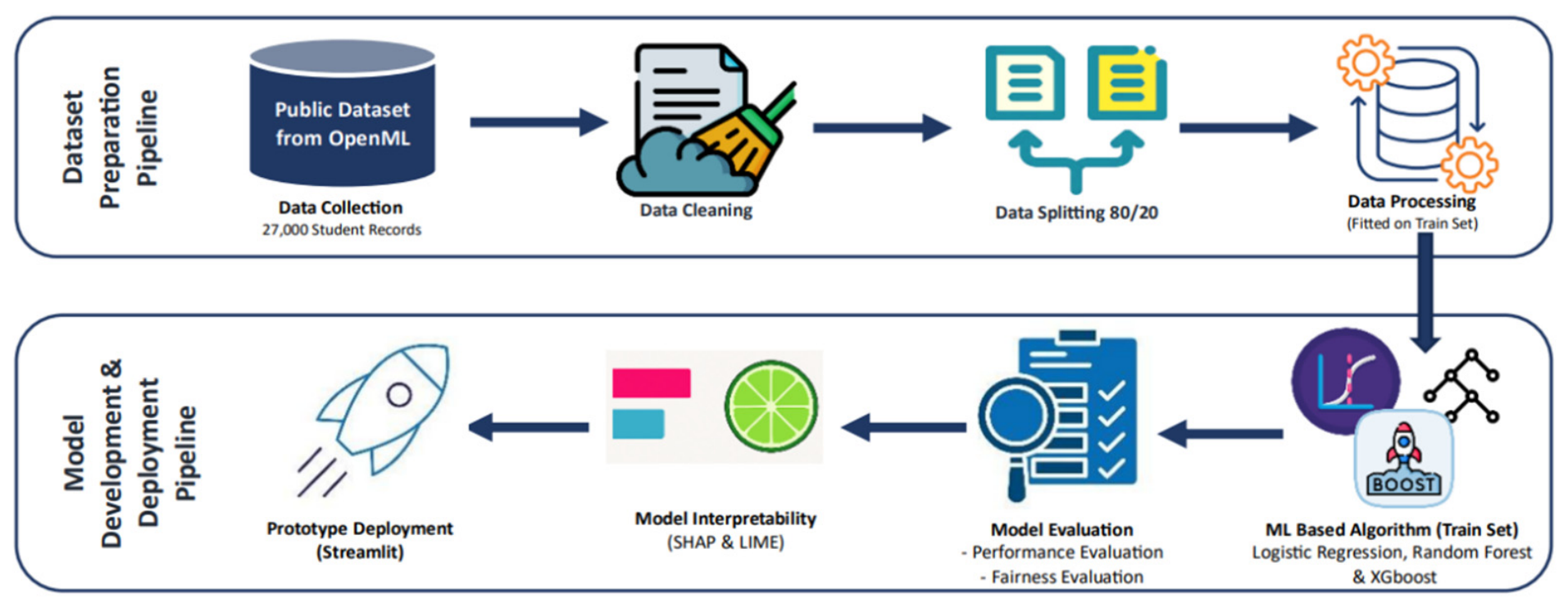
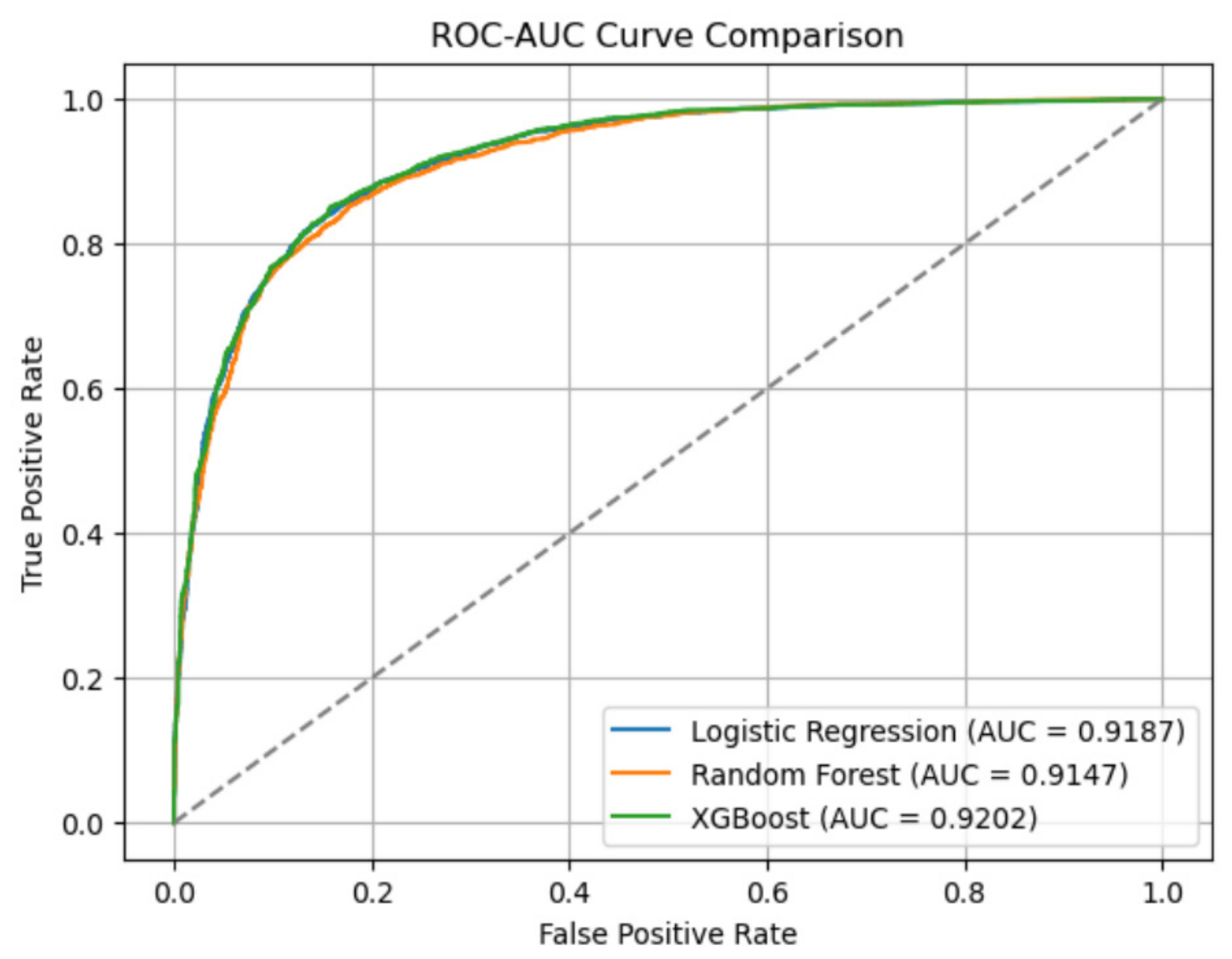
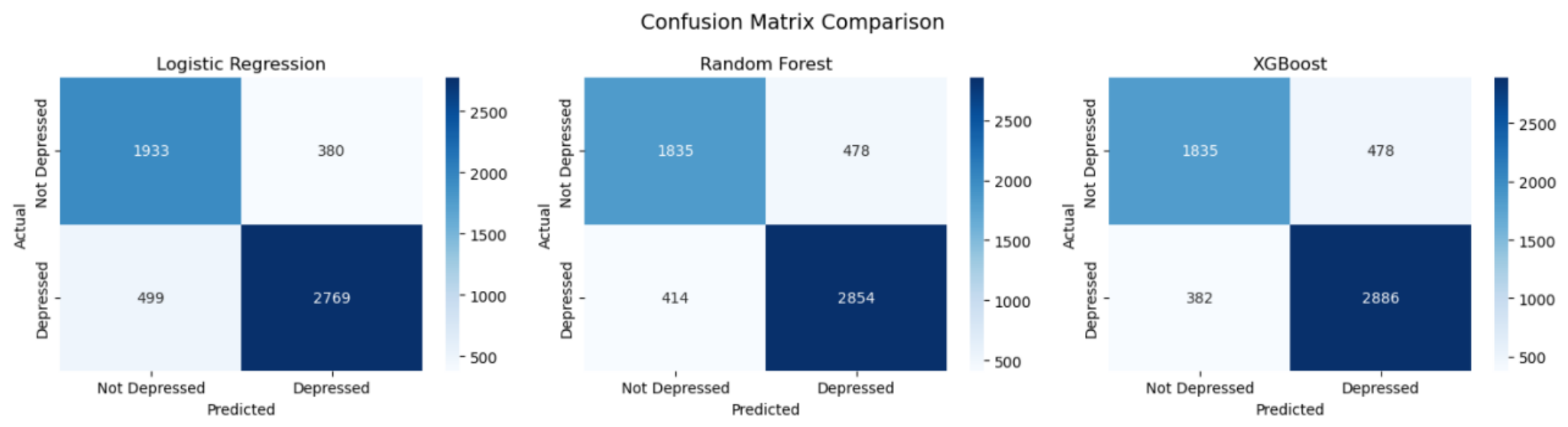
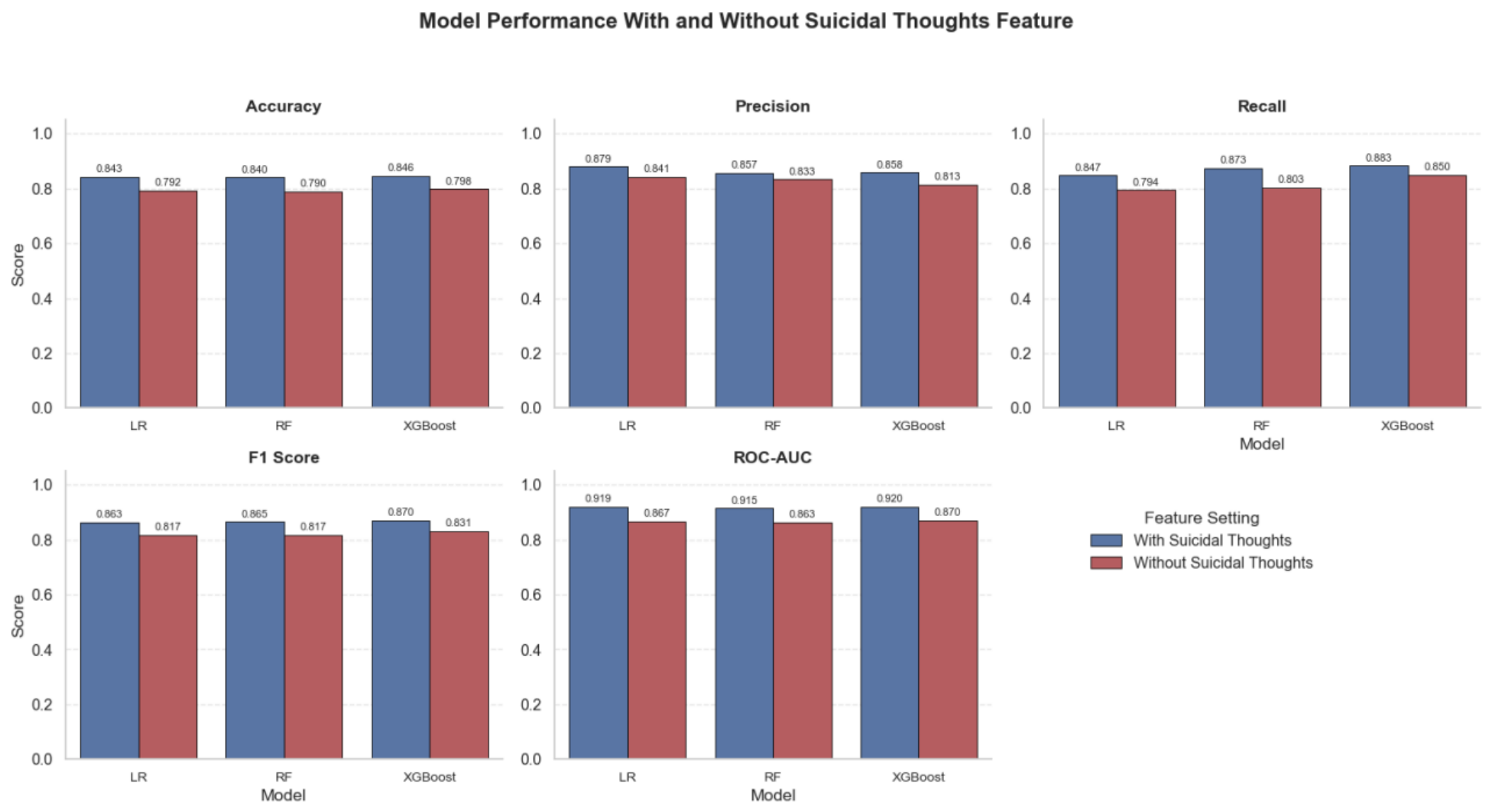
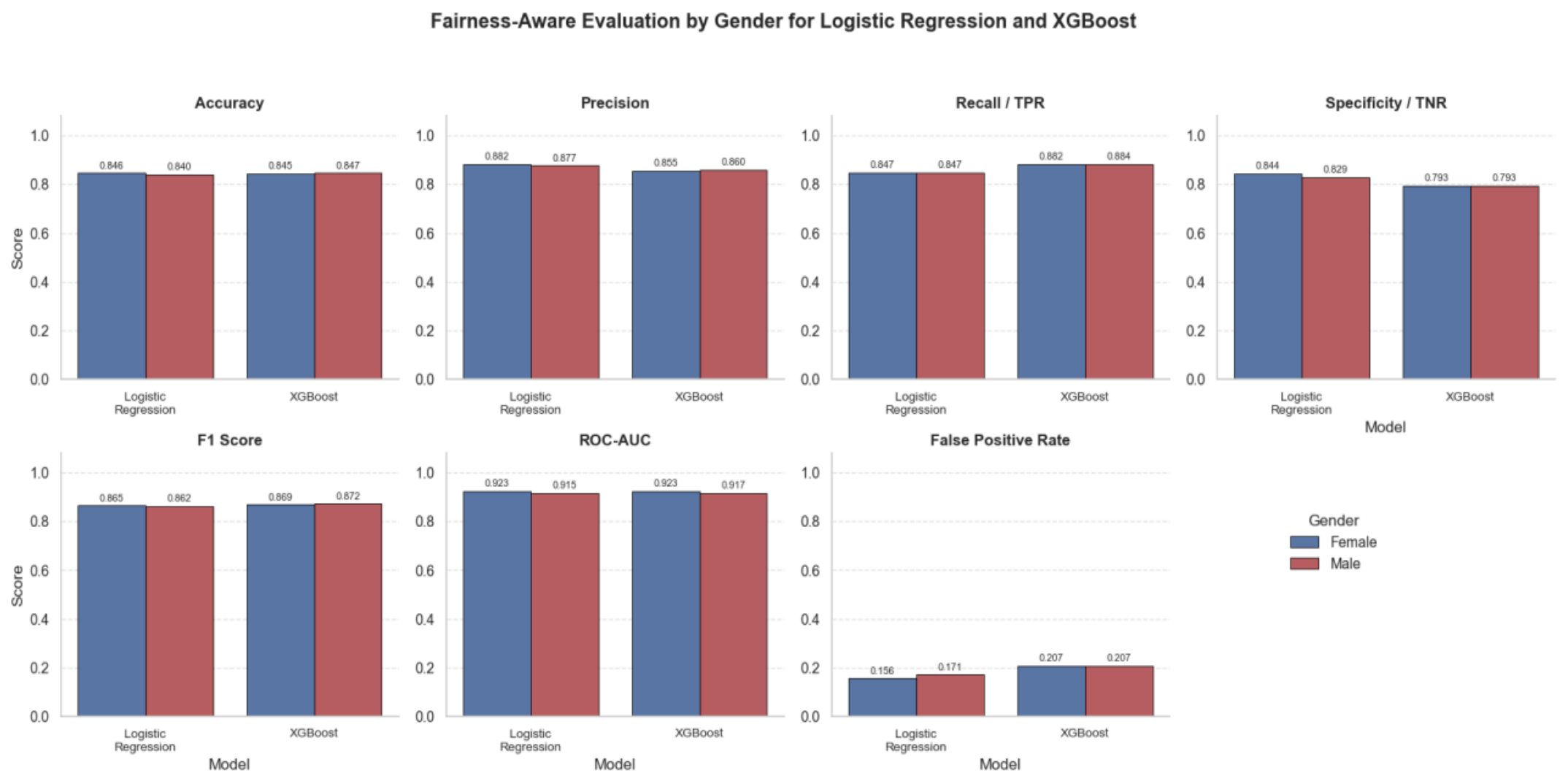
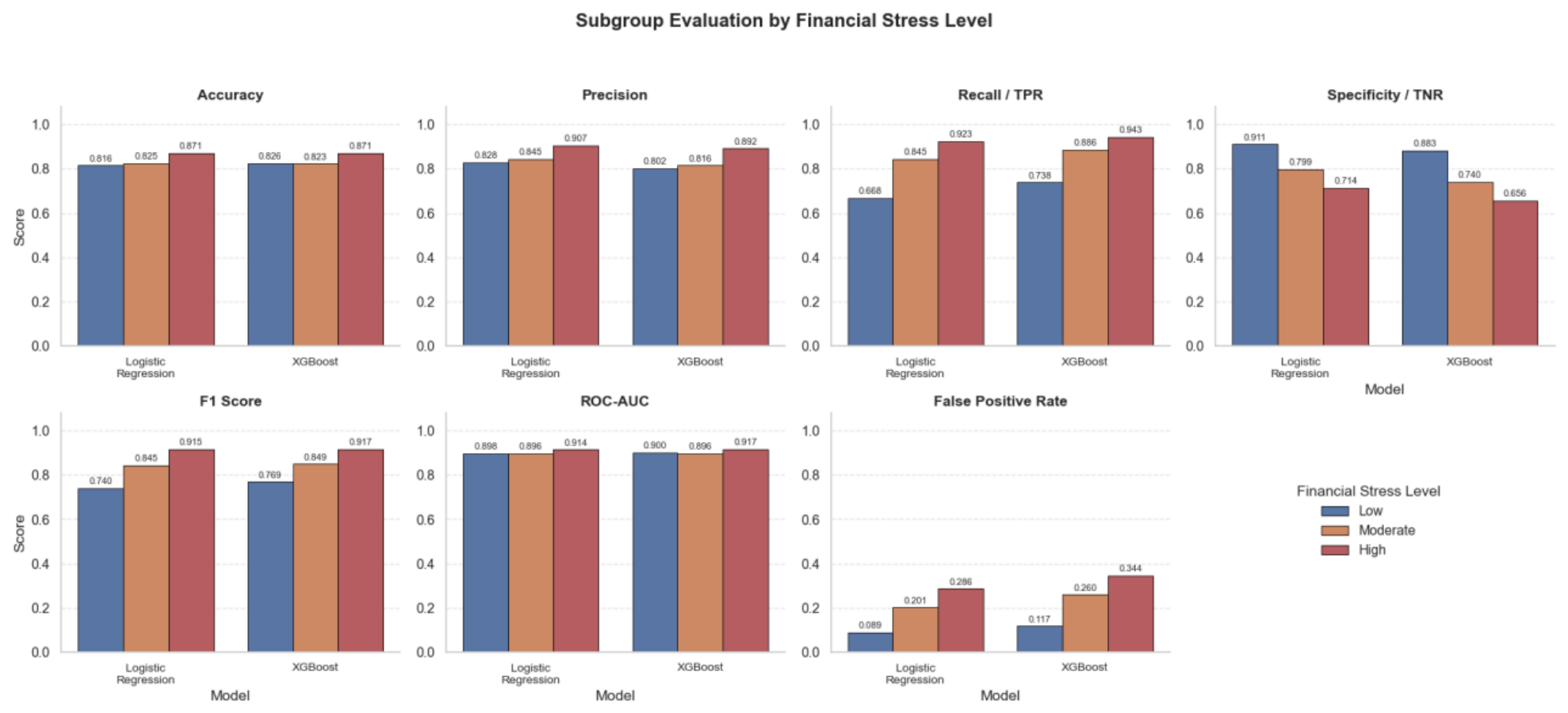
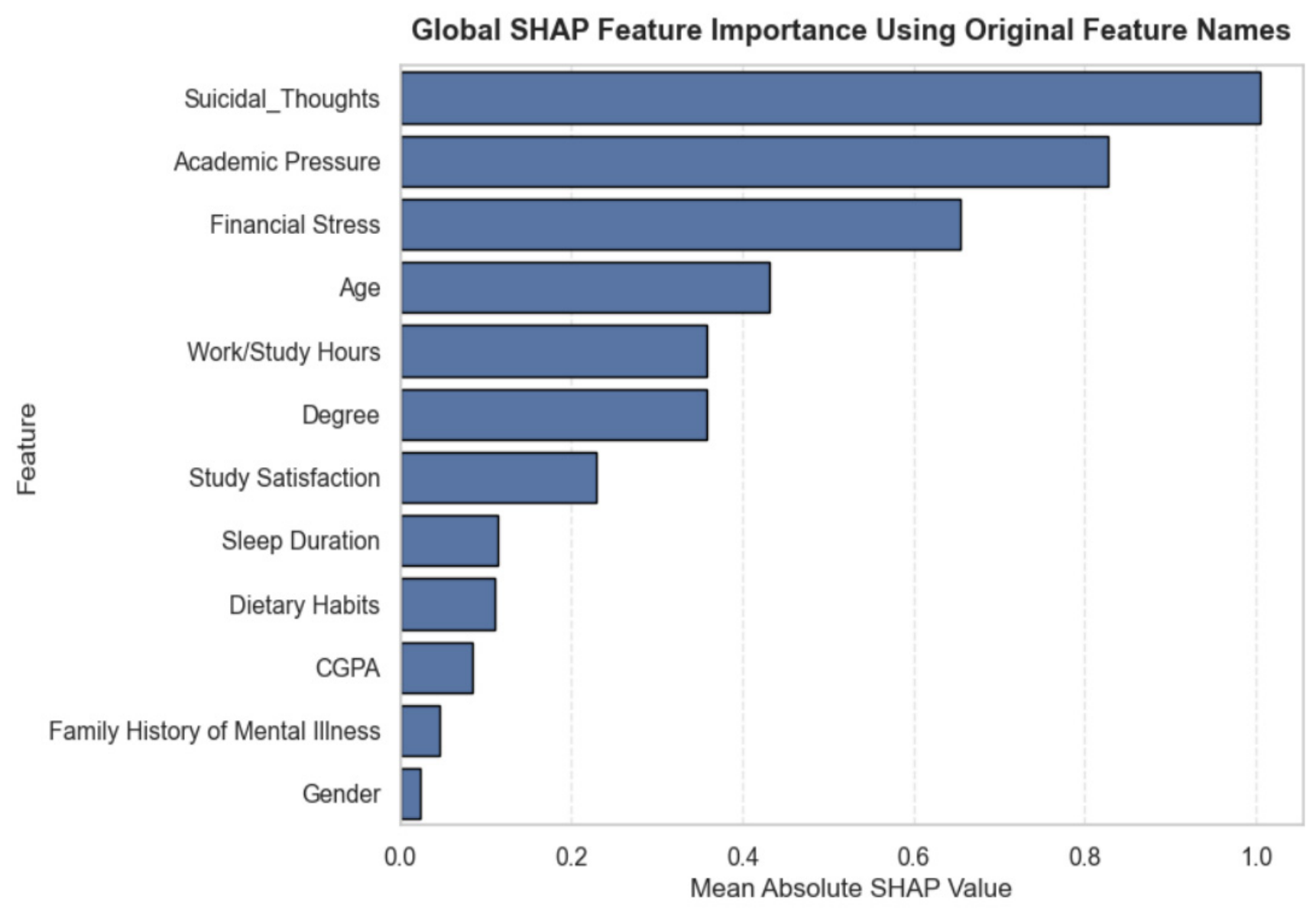
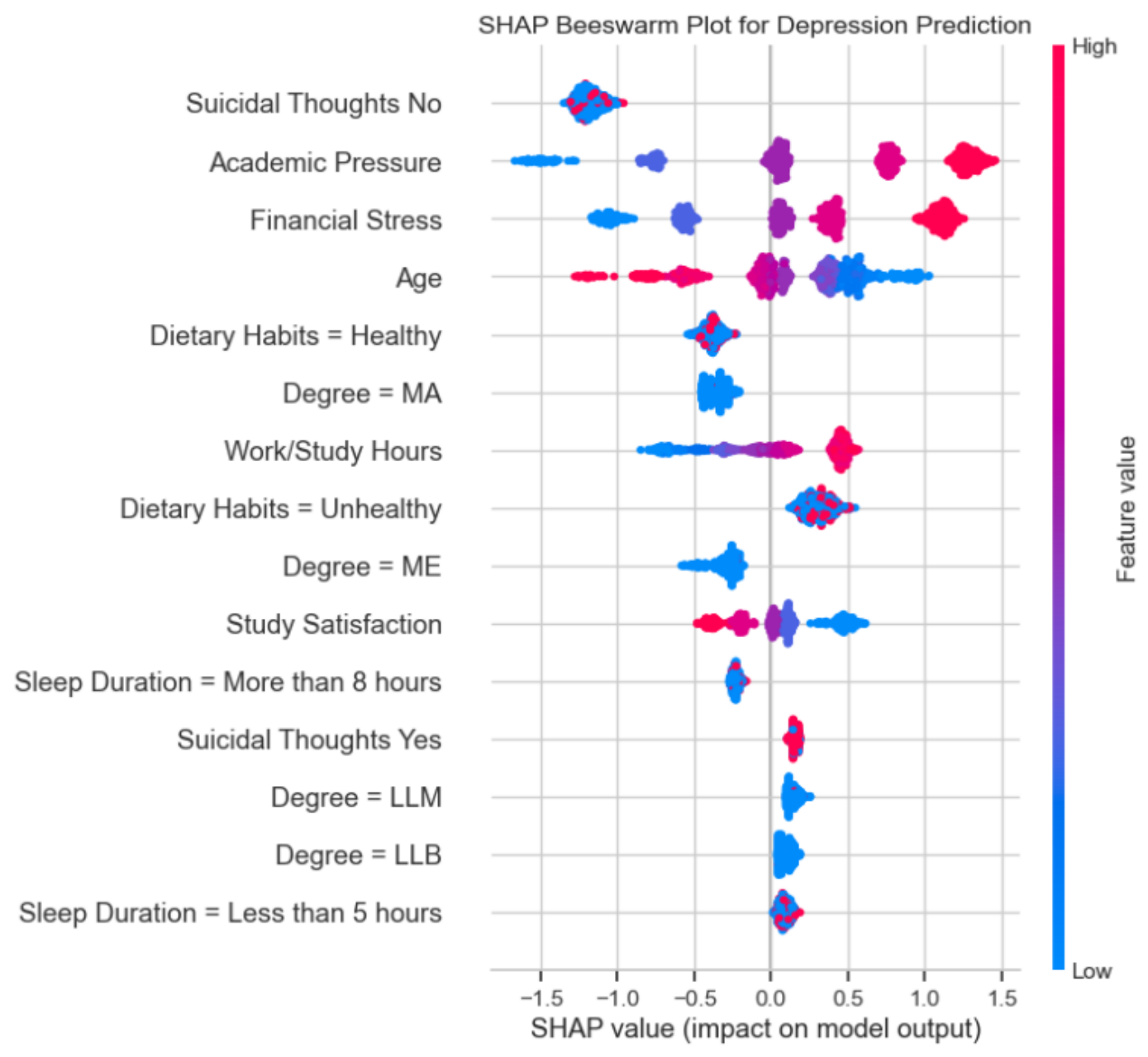
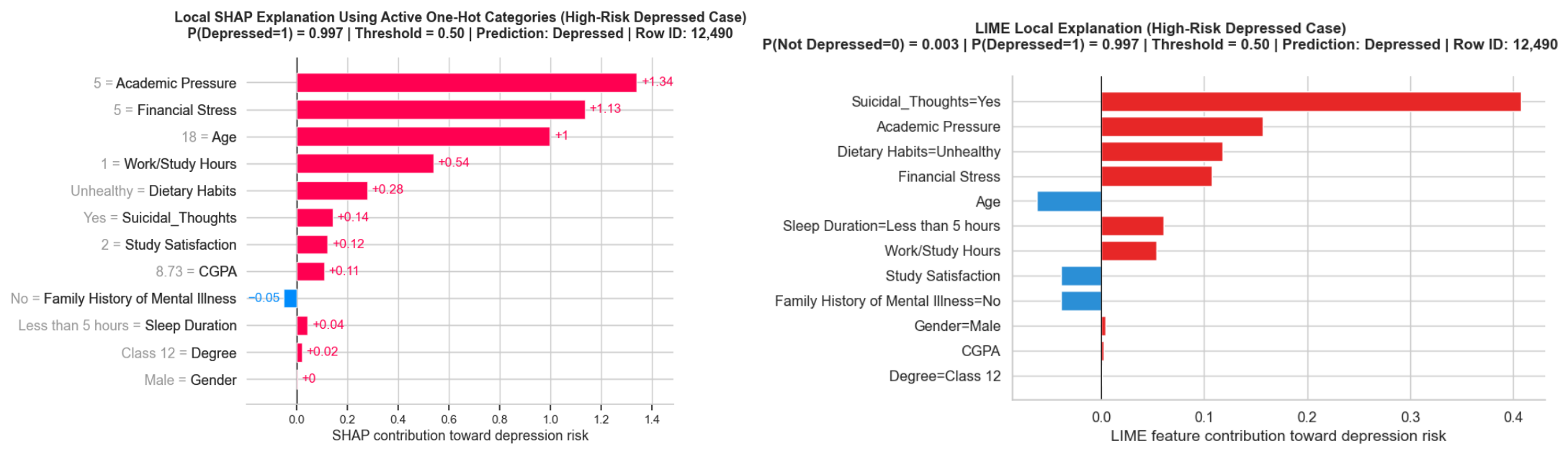
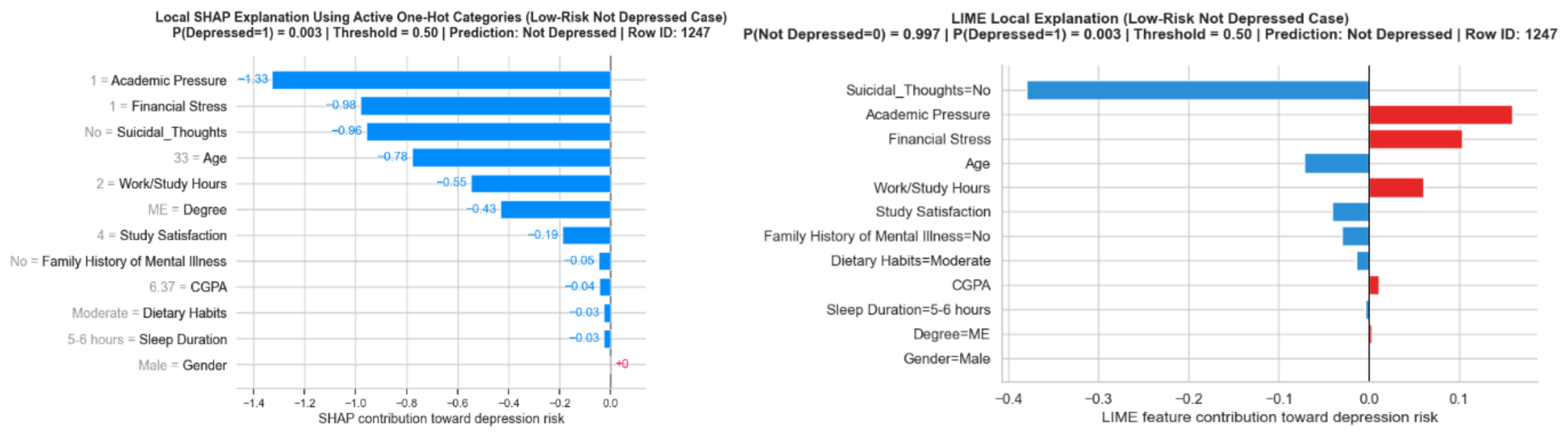
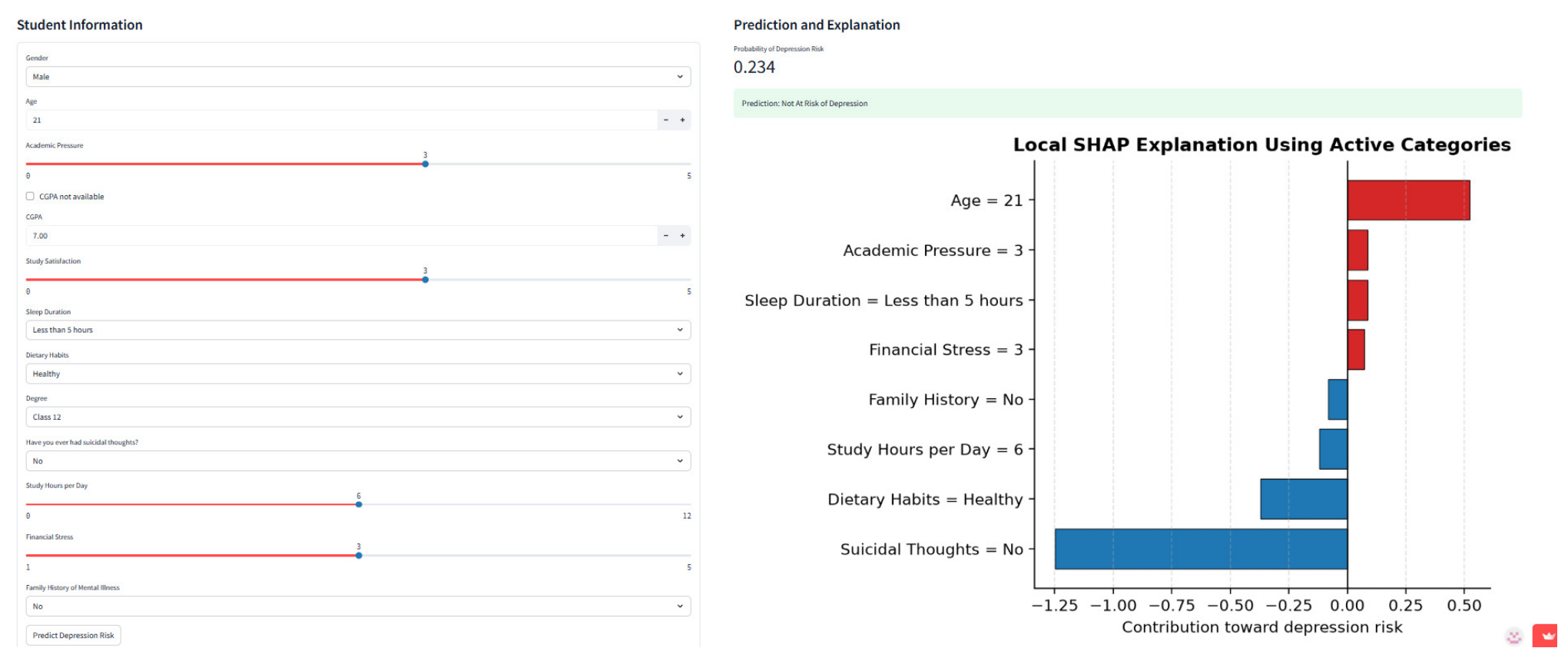
Depression among students has emerged as a critical issue within educational institutions, leading to the need for approaches that can support early identification of students at risk. This study developed an explainable machine learning framework for predicting student depression risk using non-clinical demographic, academic, lifestyle, and psychosocial factors. Using a public OpenML dataset containing approximately 27,901 student records, logistic regression, random forest, and XGBoost models were developed and evaluated using accuracy, precision, recall, F1-score, and ROC-AUC. Fairness evaluation was conducted across gender and financial stress groups, while SHAP and LIME were applied to provide global, class-level, and local explanations of model predictions. Results showed that all models achieved strong predictive performance, with XGBoost performing best (accuracy = 0.846, recall = 0.883, F1-score = 0.870, ROC-AUC = 0.920). The fairness evaluation showed relatively consistent performance across gender groups, while models performed better in identifying depression cases among students in the high financial stress group. Further, explainability analysis identified Suicidal Thoughts, Academic Pressure, and Financial Stress as the most influential predictors. A Streamlit prototype was developed to demonstrate practical deployment. Overall, the findings demonstrate the potential of explainable machine learning to support student depression risk identification and provide interpretable model predictions.
Keywords: student depression risk; non-clinical data; machine learning; explainable artificial intelligence; fairness evaluation; decision support system student depression risk; non-clinical data; machine learning; explainable artificial intelligence; fairness evaluation; decision support system