Article

Hybrid Multi-Domain ECG Feature Learning with mRMR and CNN–Transformer for Cardiac Disease Classification

1
Department of Computer Science, College of Computer and Information Science, Jouf University, Sakaka 72388, Aljouf, Saudi Arabia
2
Intelligent Media Center, Islamabad 44000, Pakistan
3
Department of Information Systems, College of Computer Science and Information, Jouf University, Sakaka 72388, Aljouf, Saudi Arabia
4
Department of Software Engineering, College of Computer Science and Information, Jouf University, Sakaka 72388, Aljouf, Saudi Arabia
5
Department of Information Systems, College of Computer and Information Sciences, Princess Nourah Bint Abdulrahman University, P.O. Box 84428, Riyadh 11671, Riyadh, Saudi Arabia
6
Department of Computer Science, Air University, E-9, Islamabad 44000, Pakistan
7
Department of Computer Science and Engineering, College of Informatics, Korea University, Seoul 02841, Republic of Korea
*
Authors to whom correspondence should be addressed.
Bioengineering 2026, 13(9), 1082; https://doi.org/10.3390/bioengineering13091082 (registering DOI)

Submission received: 18 August 2026 / Revised: 11 September 2026 / Accepted: 16 September 2026 / Published: 18 September 2026

Abstract

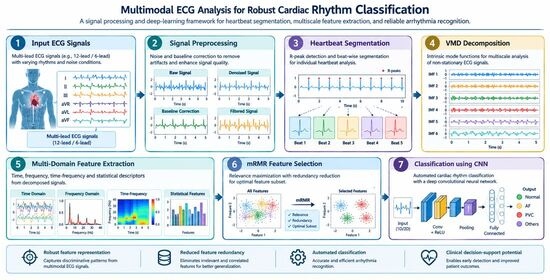
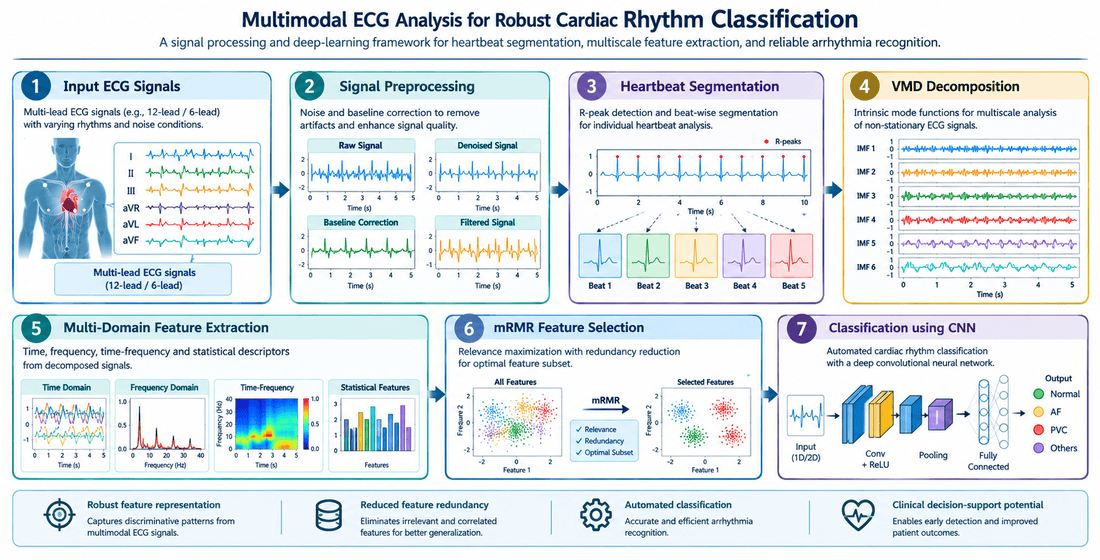
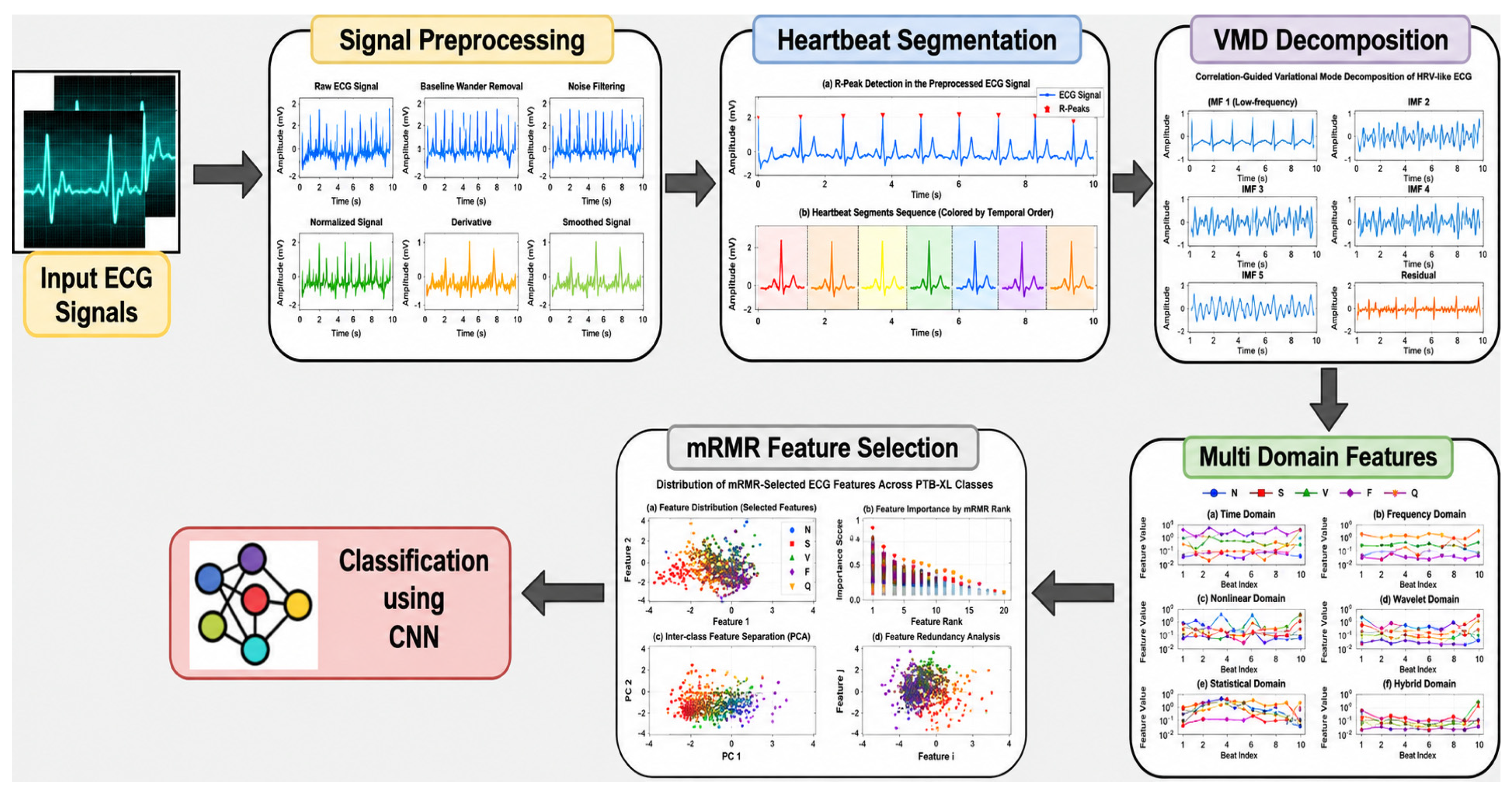
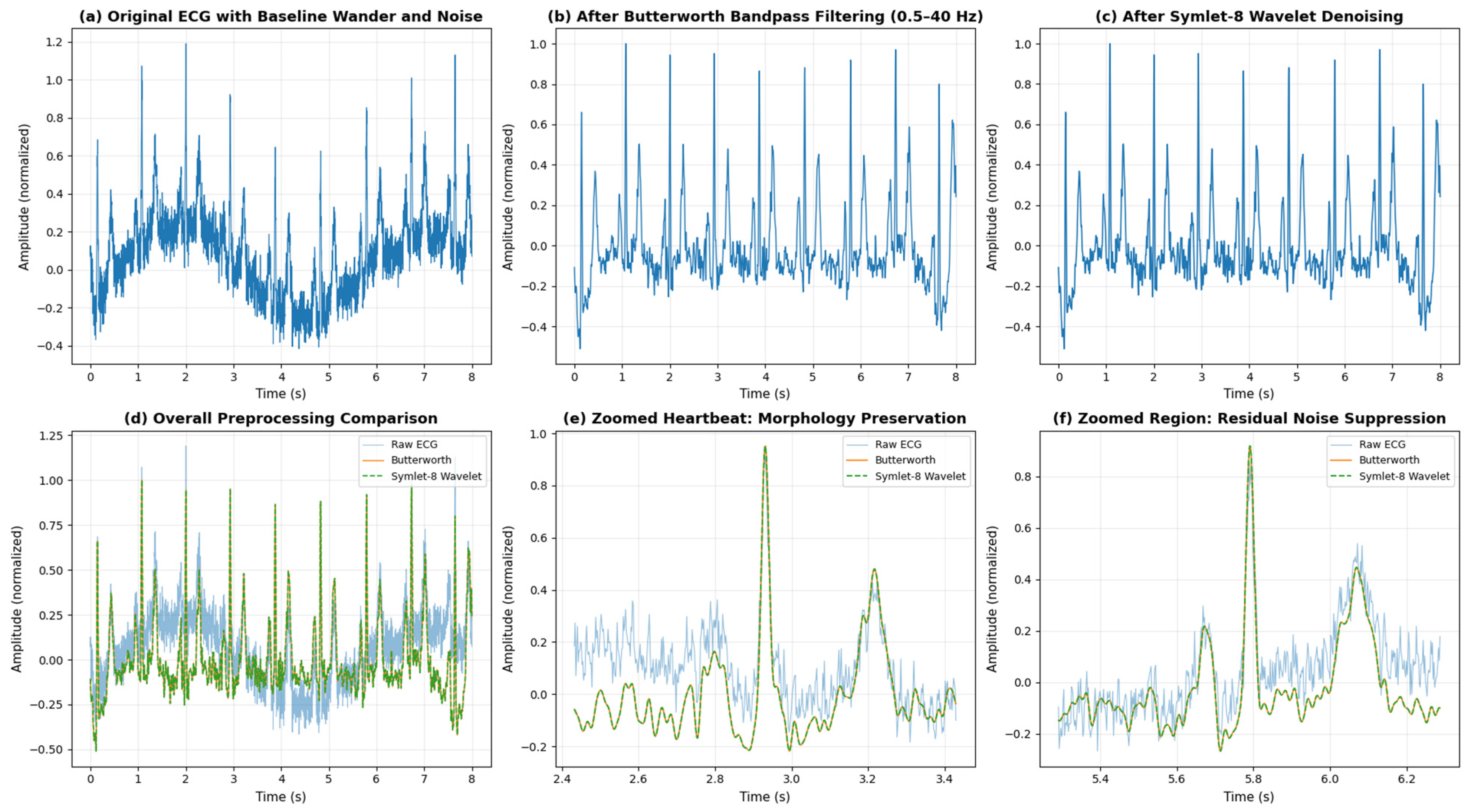
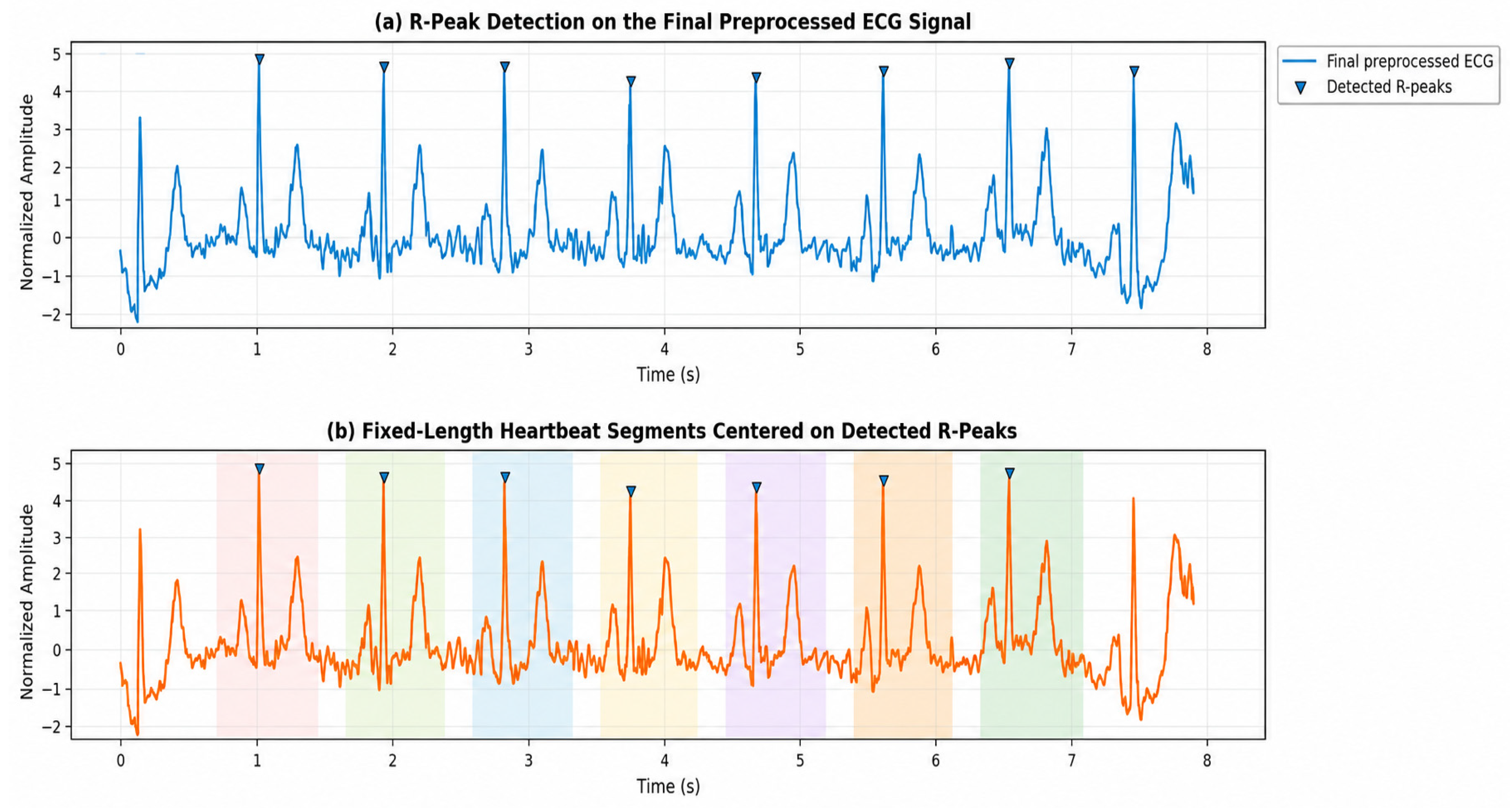
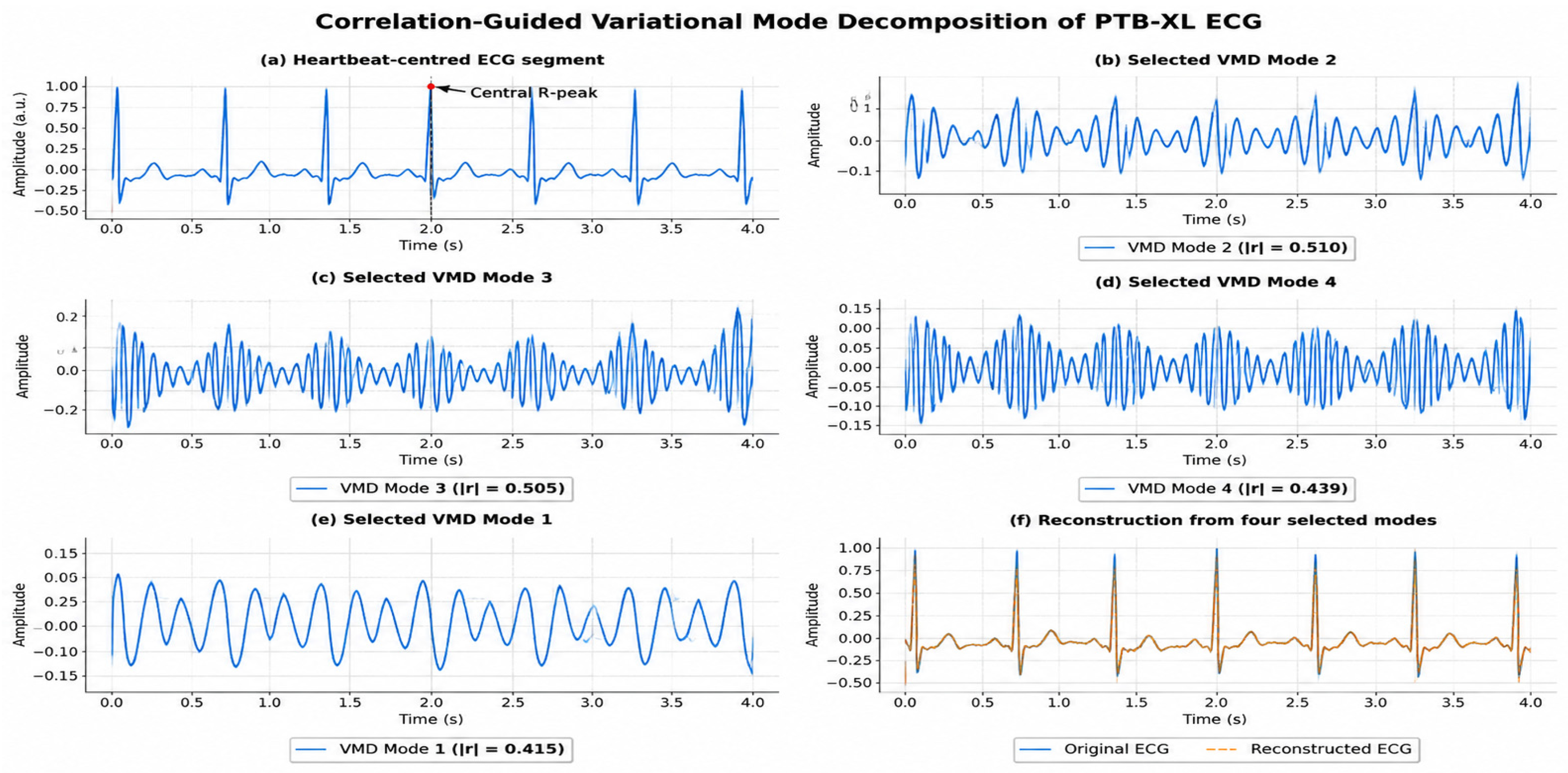
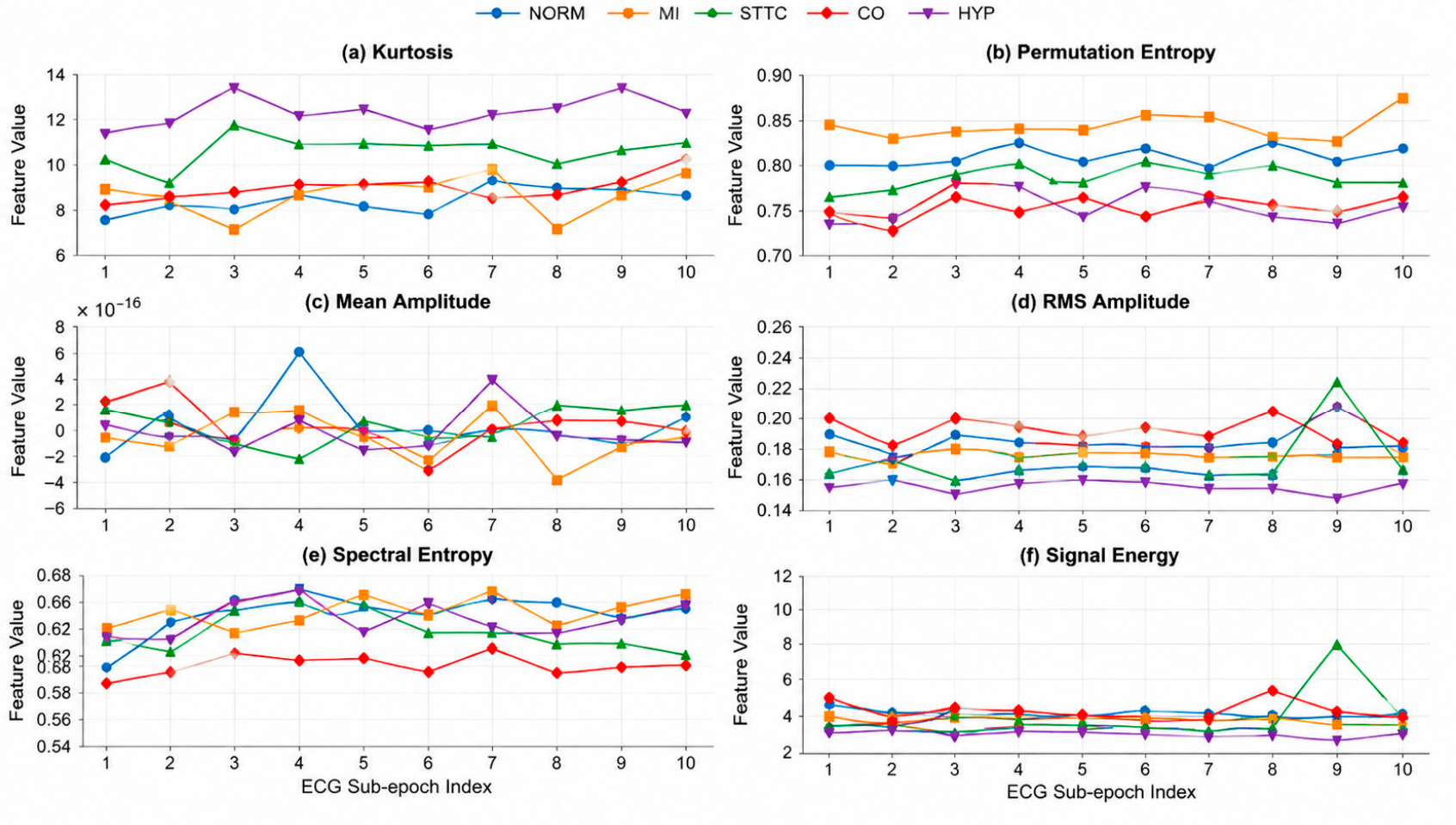
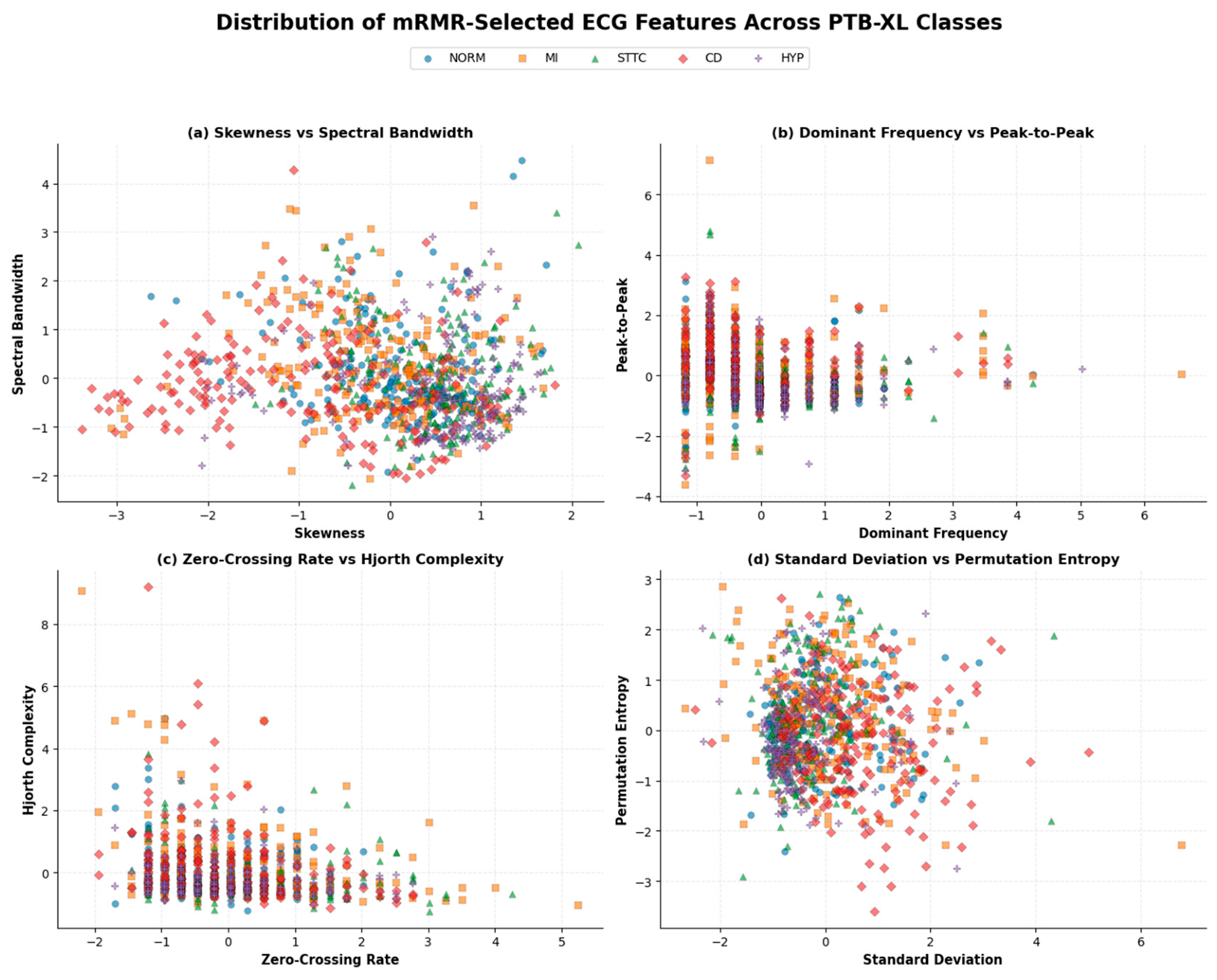
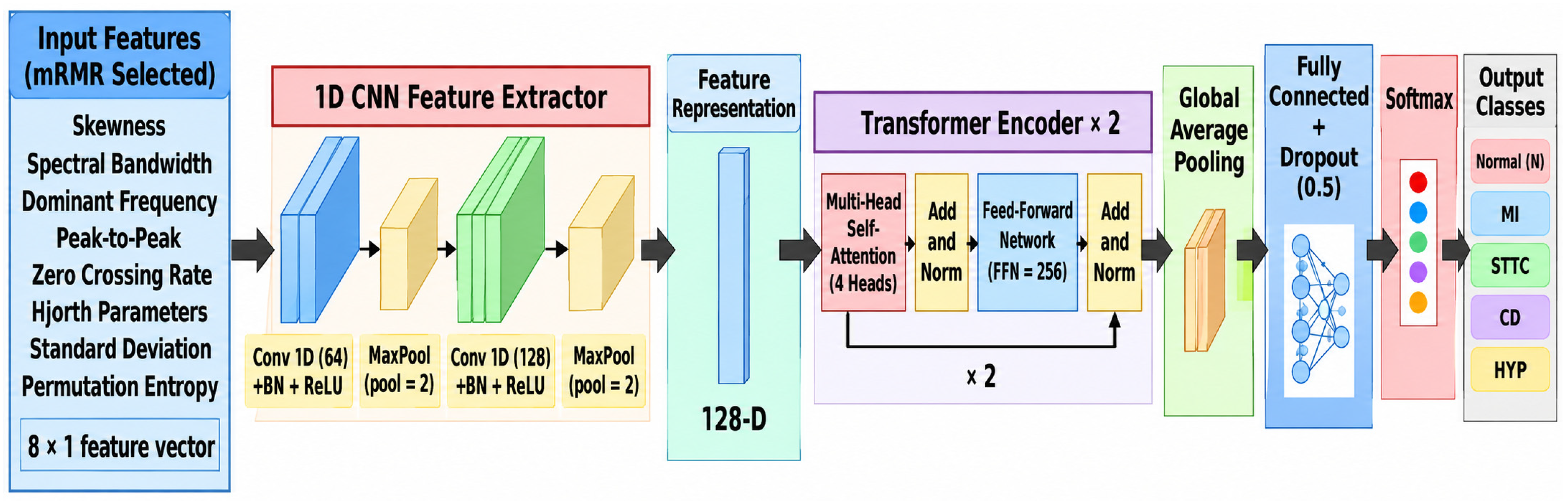
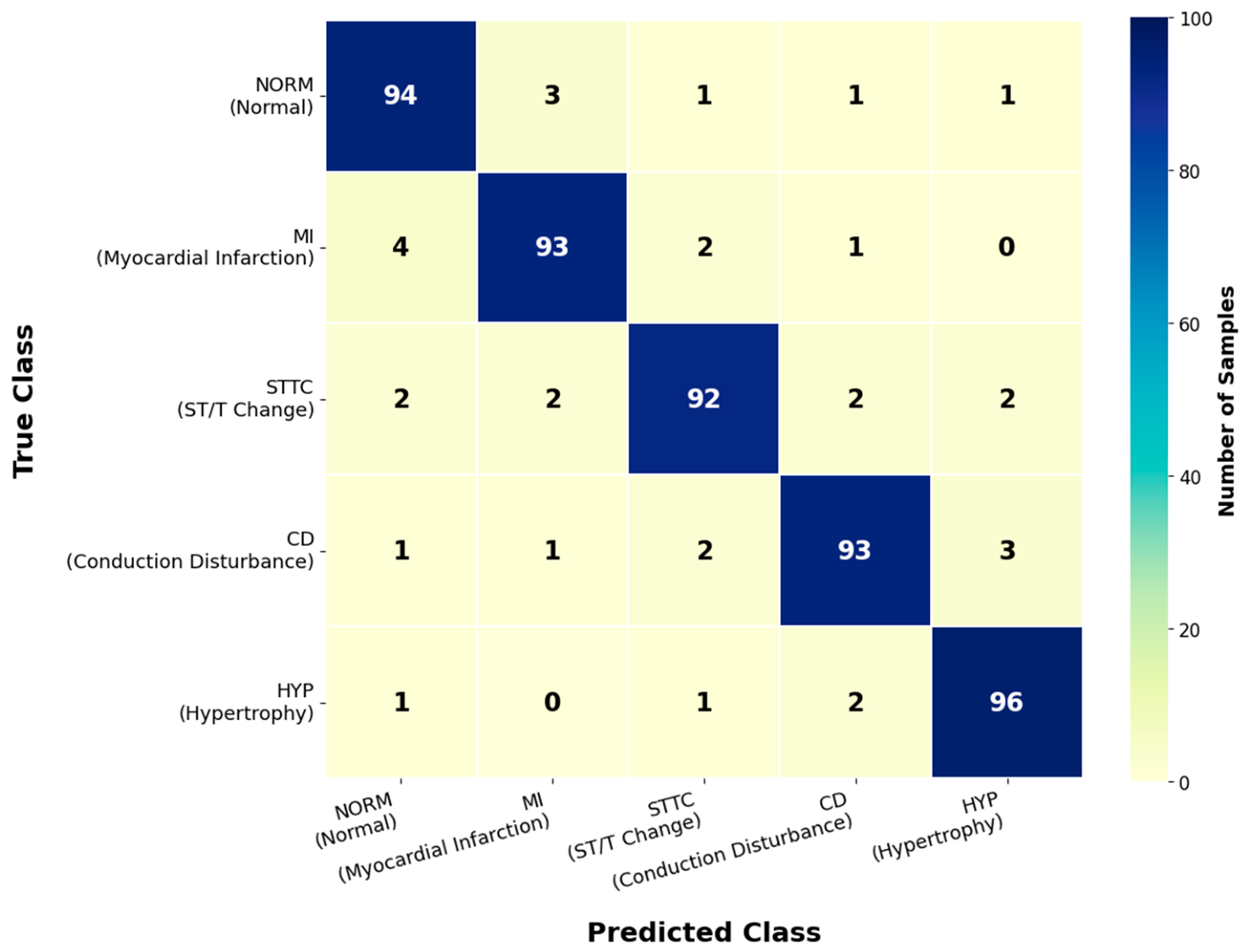
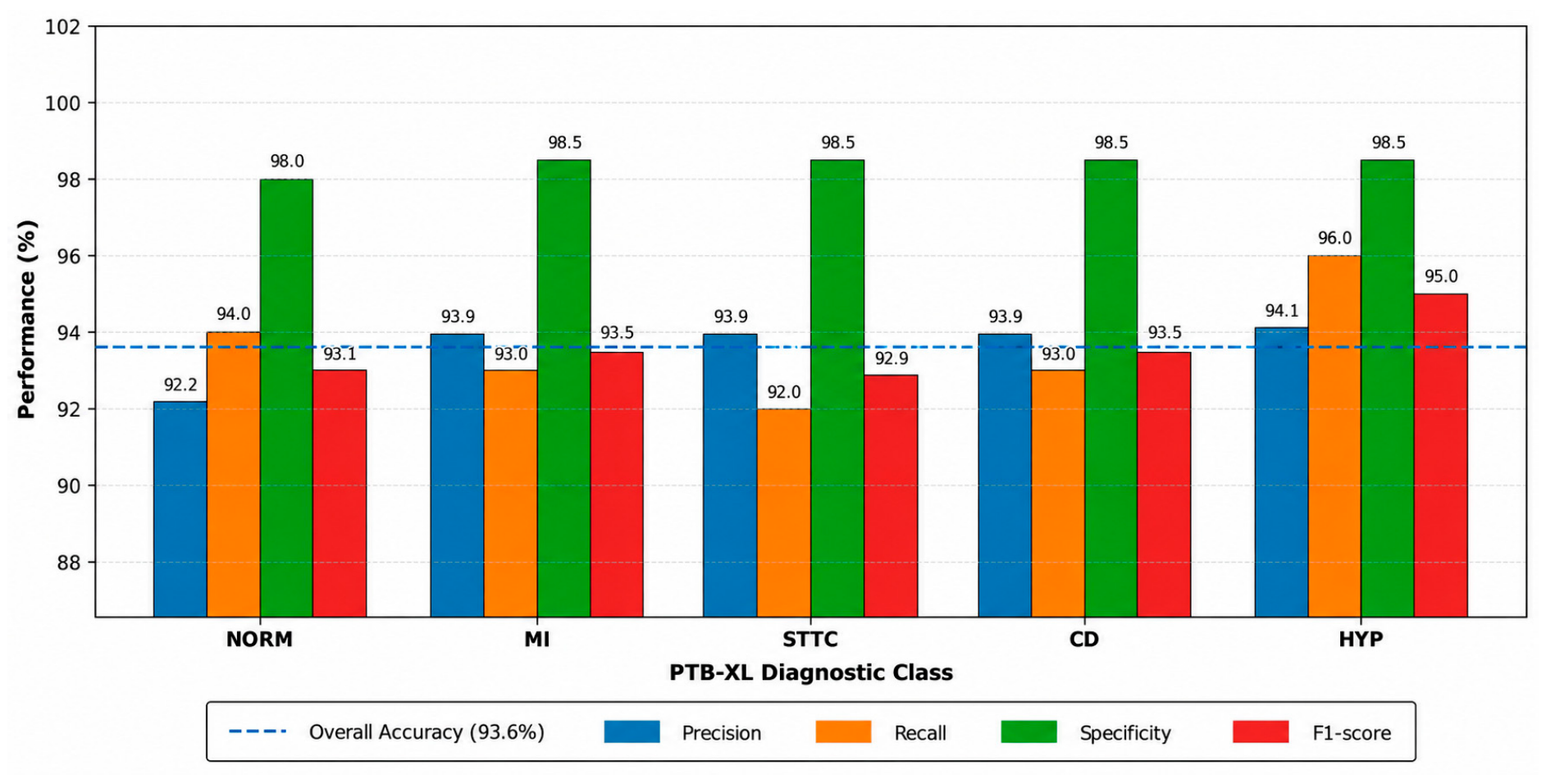
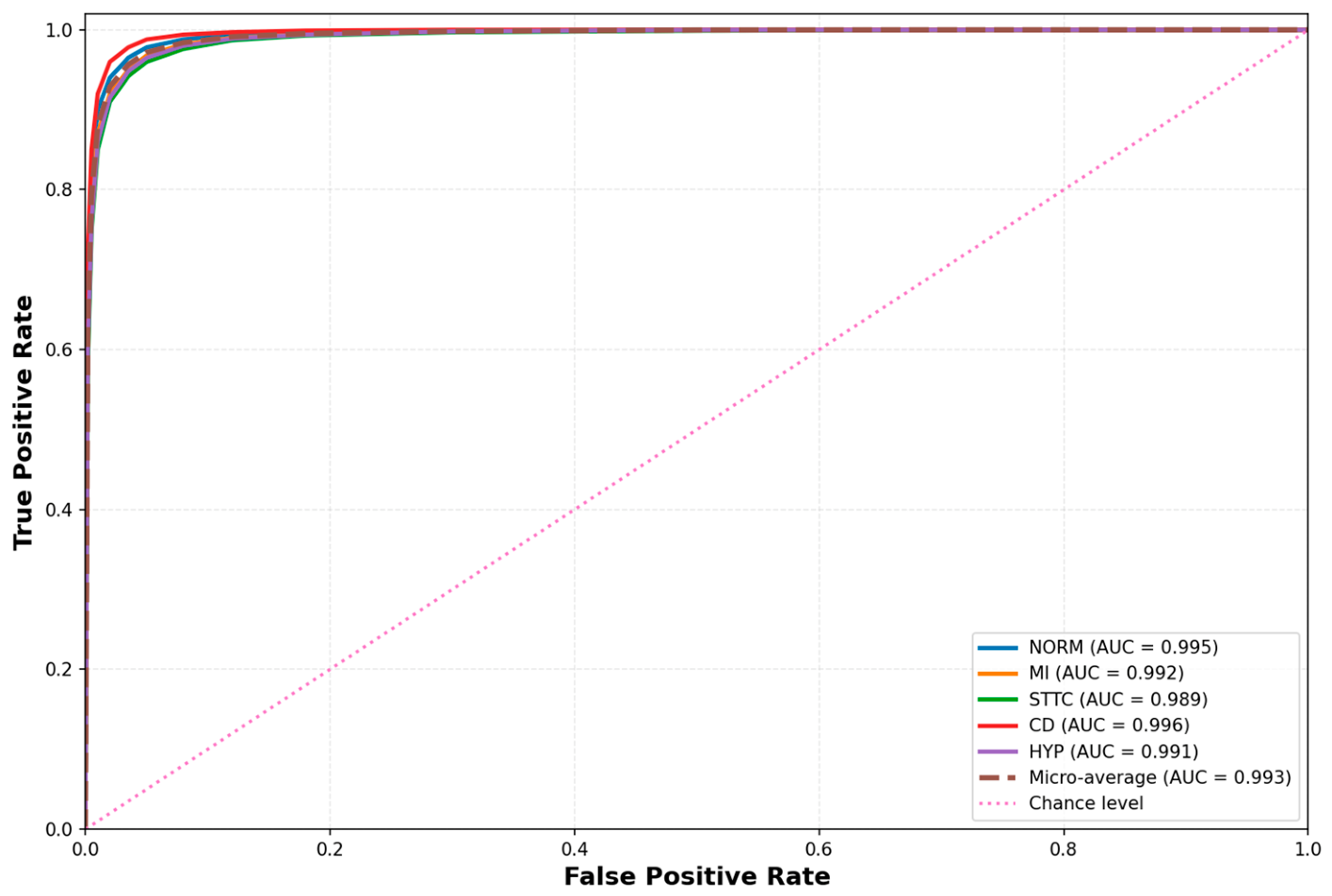
Cardiovascular disease diagnosis requires accurate and timely analysis of electrocardiogram (ECG) signals to support reliable clinical decision-making. However, ECG signals are inherently non-stationary, exhibit substantial inter-patient variability, and may share similar morphological patterns across different cardiac disorders, making automated multi-class diagnosis challenging. This study proposes a multi-domain machine learning framework for automated ECG-based cardiac disease classification, integrating signal preprocessing, heartbeat segmentation, Variational Mode Decomposition (VMD), multi-domain feature extraction, minimum Redundancy Maximum Relevance (mRMR) feature selection, and hybrid CNN–Transformer learning. Experiments are conducted on the PTB-XL database using five diagnostic superclasses: NORM, MI, STTC, CD, and HYP. First, a fourth-order Butterworth band-pass filter (0.5–40 Hz) is applied to remove baseline wander and high-frequency noise, followed by adaptive Symlet-8 wavelet denoising with soft thresholding to suppress residual high-frequency fluctuations while preserving the P-wave, QRS complex, and T-wave morphology, after which the signal is z-score normalized. R-peaks are subsequently detected to segment standardized cardiac cycles. VMD is then employed to decompose the heartbeat signals into intrinsic modes, from which the most informative modes are retained using correlation-based mode selection. Temporal, statistical, spectral, and nonlinear features are extracted to capture complementary characteristics of cardiac electrical activity, while mRMR selects the eight most informative features by maximizing feature relevance and minimizing redundancy. The resulting representation is processed through a hybrid CNN–Transformer architecture, in which convolutional layers learn local morphological patterns and Transformer-based attention captures long-range dependencies within the cardiac feature representation. The proposed framework achieves 93.60% accuracy, 93.61% macro precision, 93.60% macro recall, 93.60% macro F1-score, and 98.40% macro specificity across the five diagnostic classes. Confusion-matrix analysis, receiver operating characteristic (ROC) analysis, comparative evaluation, and ablation experiments further demonstrate the discriminative capability and robustness of the proposed approach. These findings indicate that multi-domain biomedical feature learning combined with attention-based deep learning can provide an effective and robust strategy for automated ECG-based cardiac disease classification, highlighting the potential of machine learning for intelligent biomedical signal analysis and computer-aided clinical diagnosis.
Keywords: electrocardiogram (ECG); PTB-XL; cardiovascular disease classification; biomedical signal analysis; variational mode decomposition (VMD); multi-domain feature extraction; mRMR feature selection; CNN–Transformer; machine learning; automated diagnosis electrocardiogram (ECG); PTB-XL; cardiovascular disease classification; biomedical signal analysis; variational mode decomposition (VMD); multi-domain feature extraction; mRMR feature selection; CNN–Transformer; machine learning; automated diagnosis
Graphical Abstract