Review

From Modified Haller Index to a Novel Patented Anatomical Measurement Device: Engineering Development, Validation, and Clinical Applications of Non-Invasive Thoracic Morphometry


by
Andrea Sonaglioni
1,*,
Gian Luigi Nicolosi
2,
Massimo Baravelli
1 and
Michele Lombardo
1
1
Division of Cardiology, IRCCS MultiMedica, 20123 Milan, Italy
2
Division of Cardiology, Policlinico San Giorgio, 33170 Pordenone, Italy
*
Author to whom correspondence should be addressed.
Bioengineering 2026, 13(7), 839; https://doi.org/10.3390/bioengineering13070839

Submission received: 26 June 2026 / Revised: 16 July 2026 / Accepted: 20 July 2026 / Published: 21 July 2026
(This article belongs to the Special Issue Cardiovascular Models and Biomechanics)

Abstract

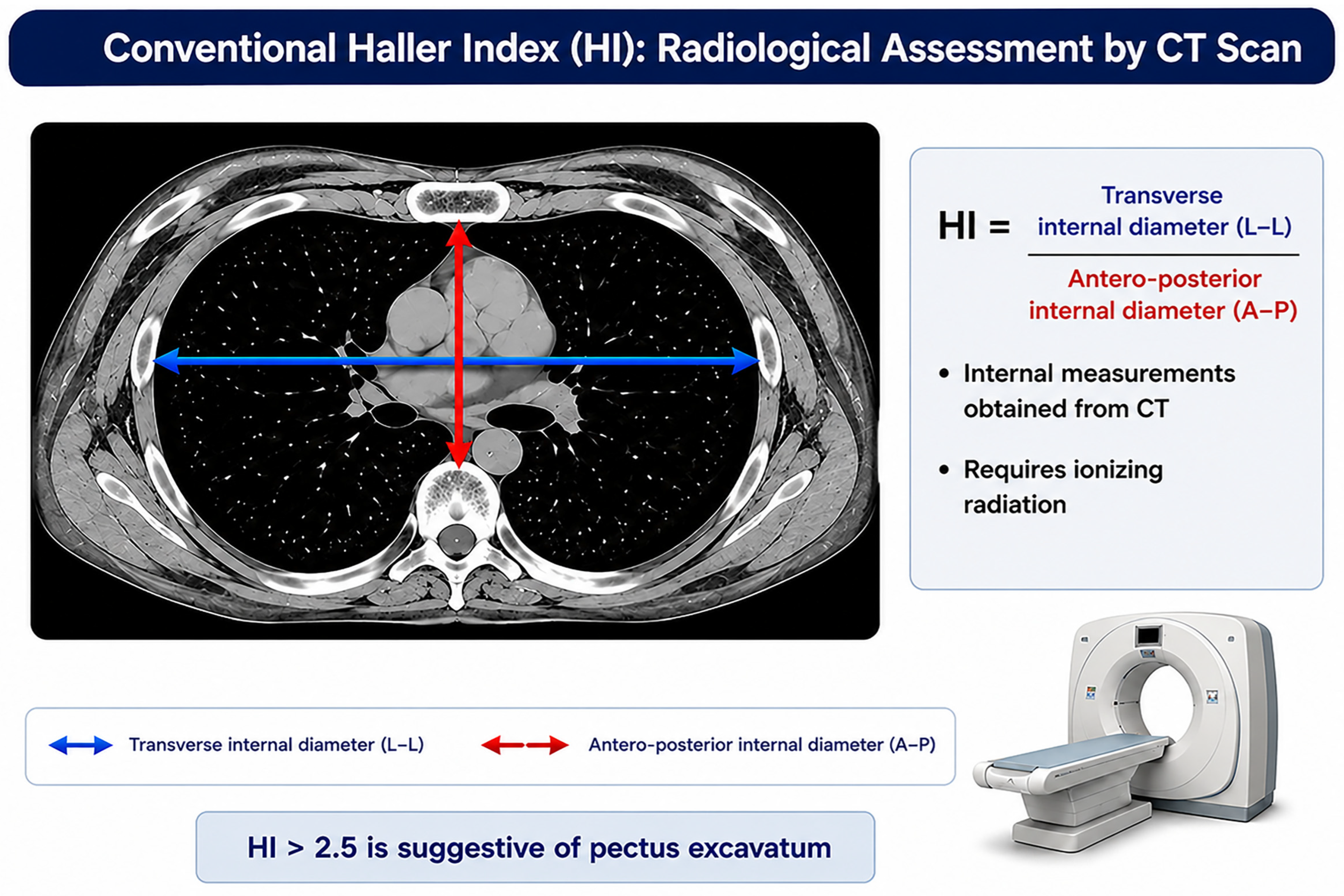
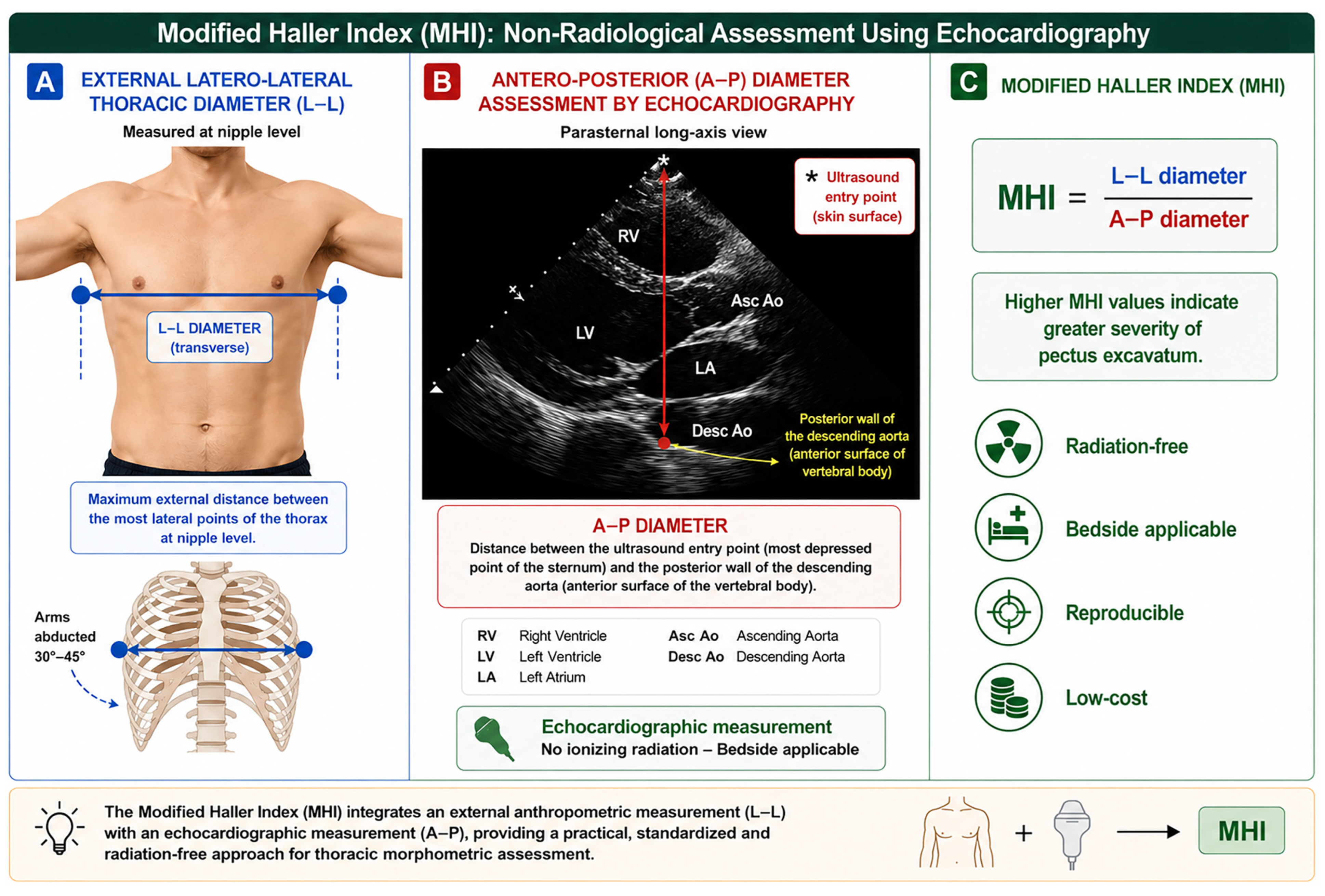
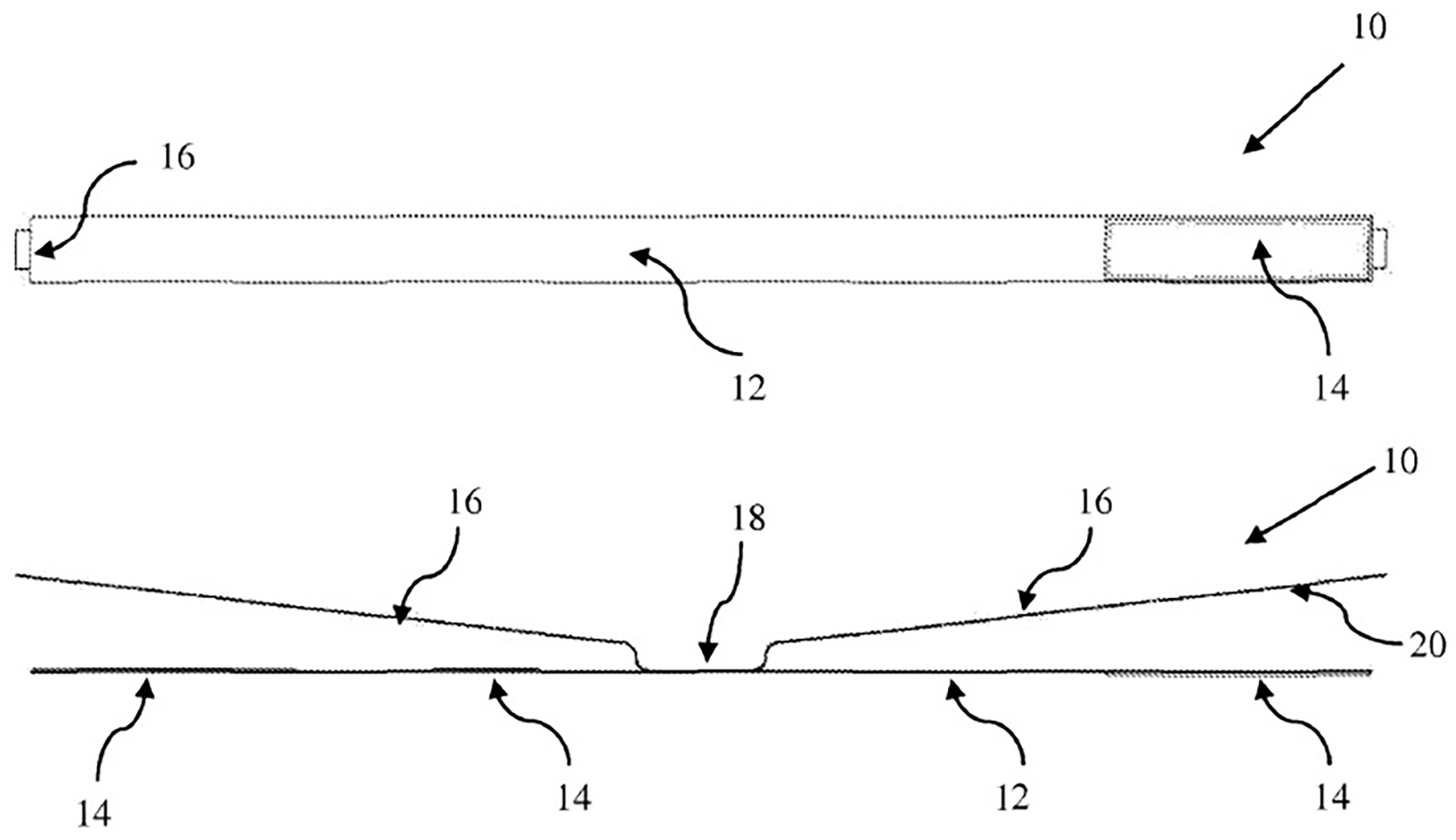
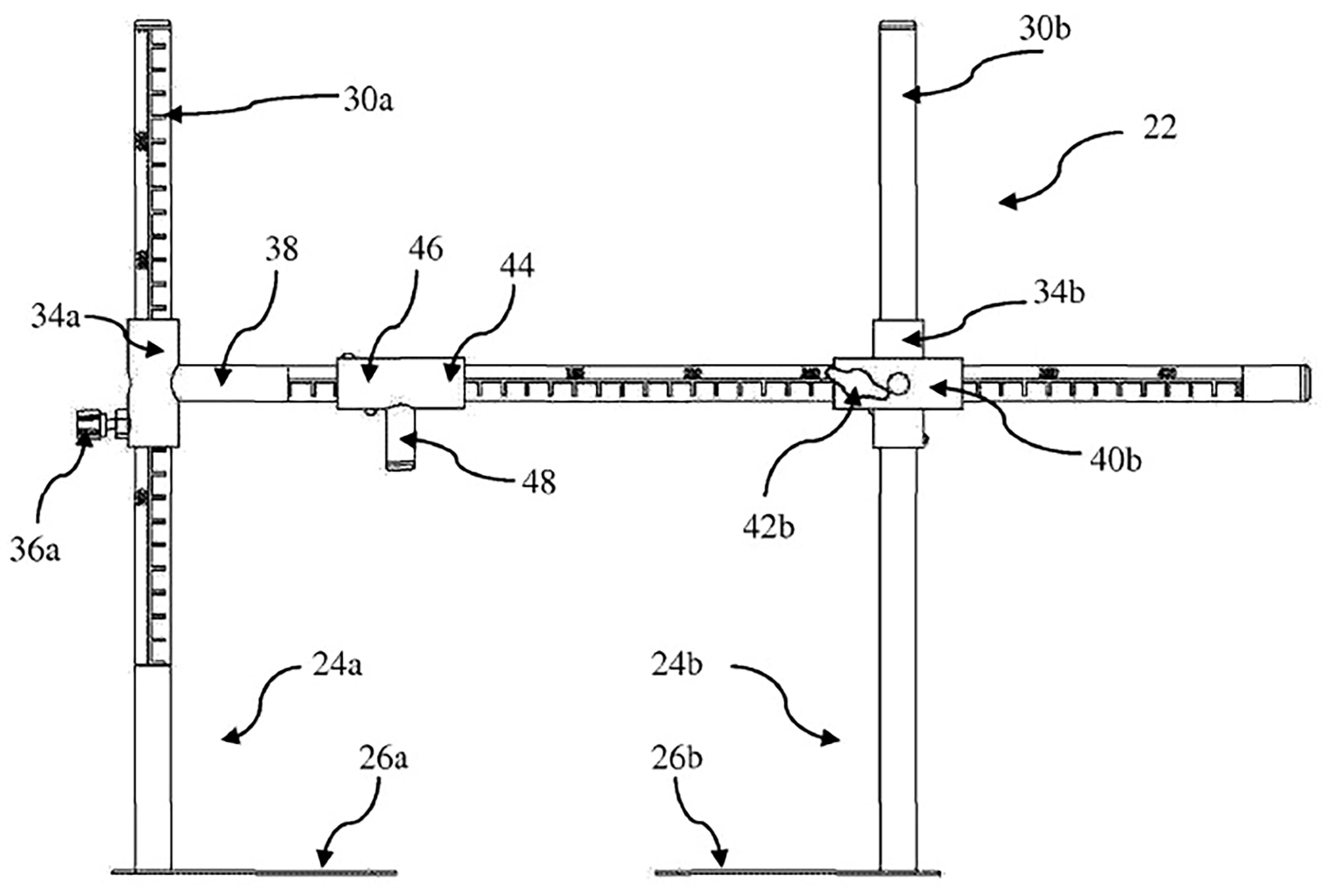
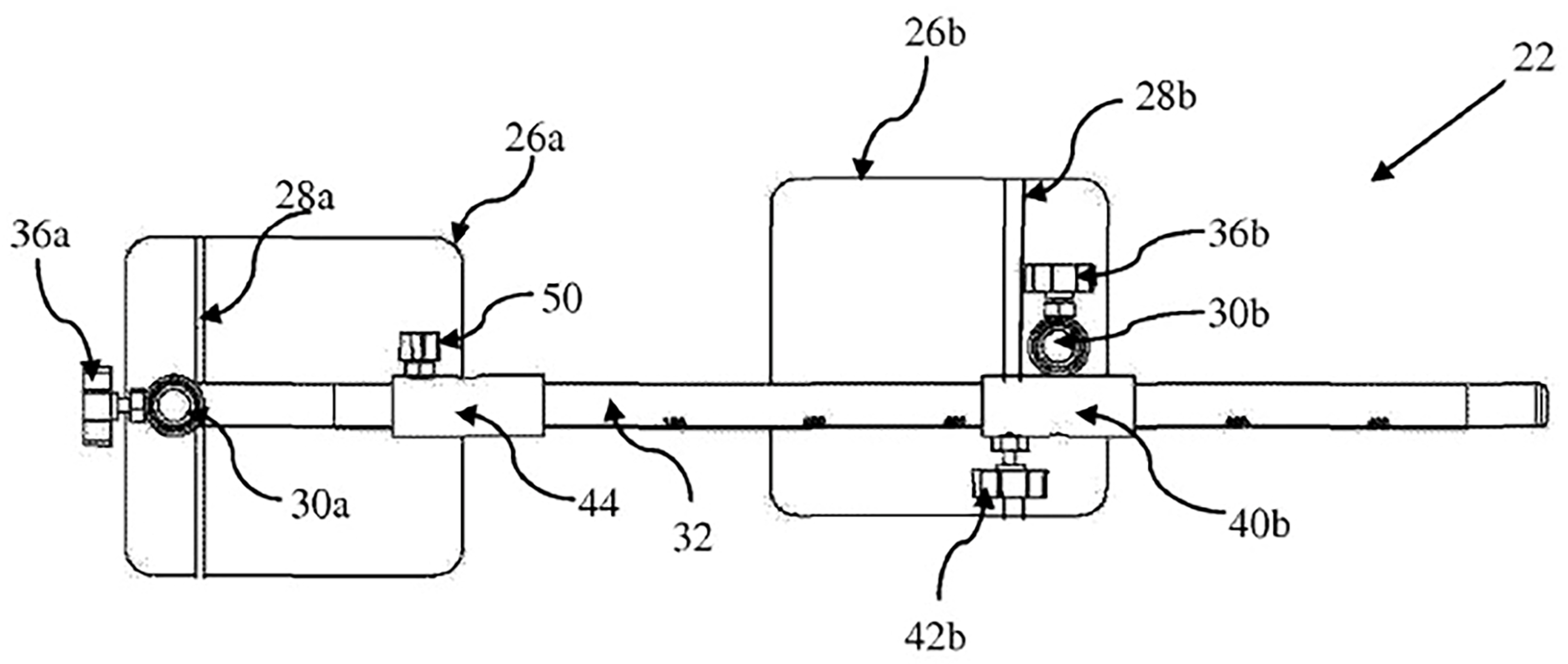
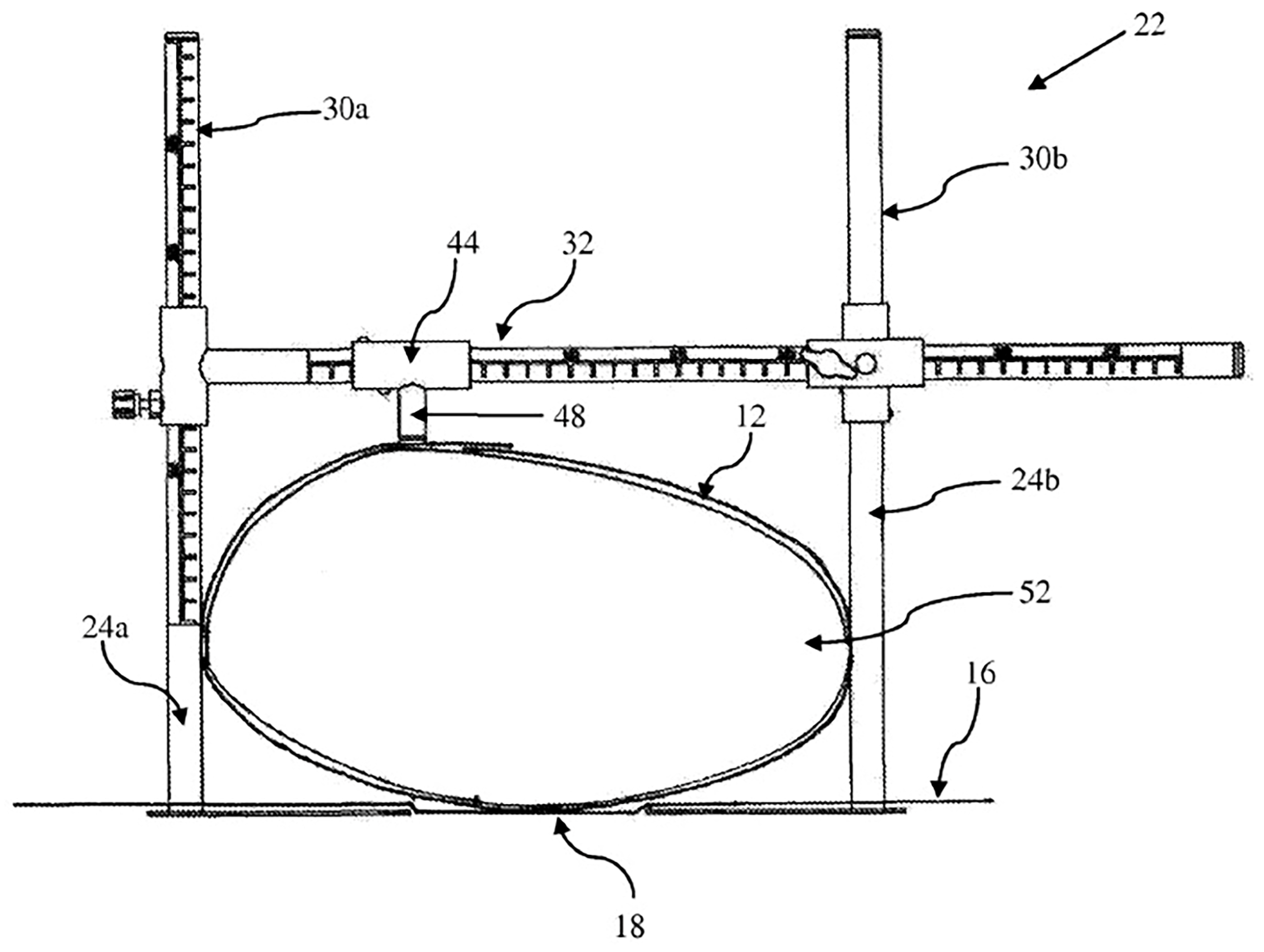
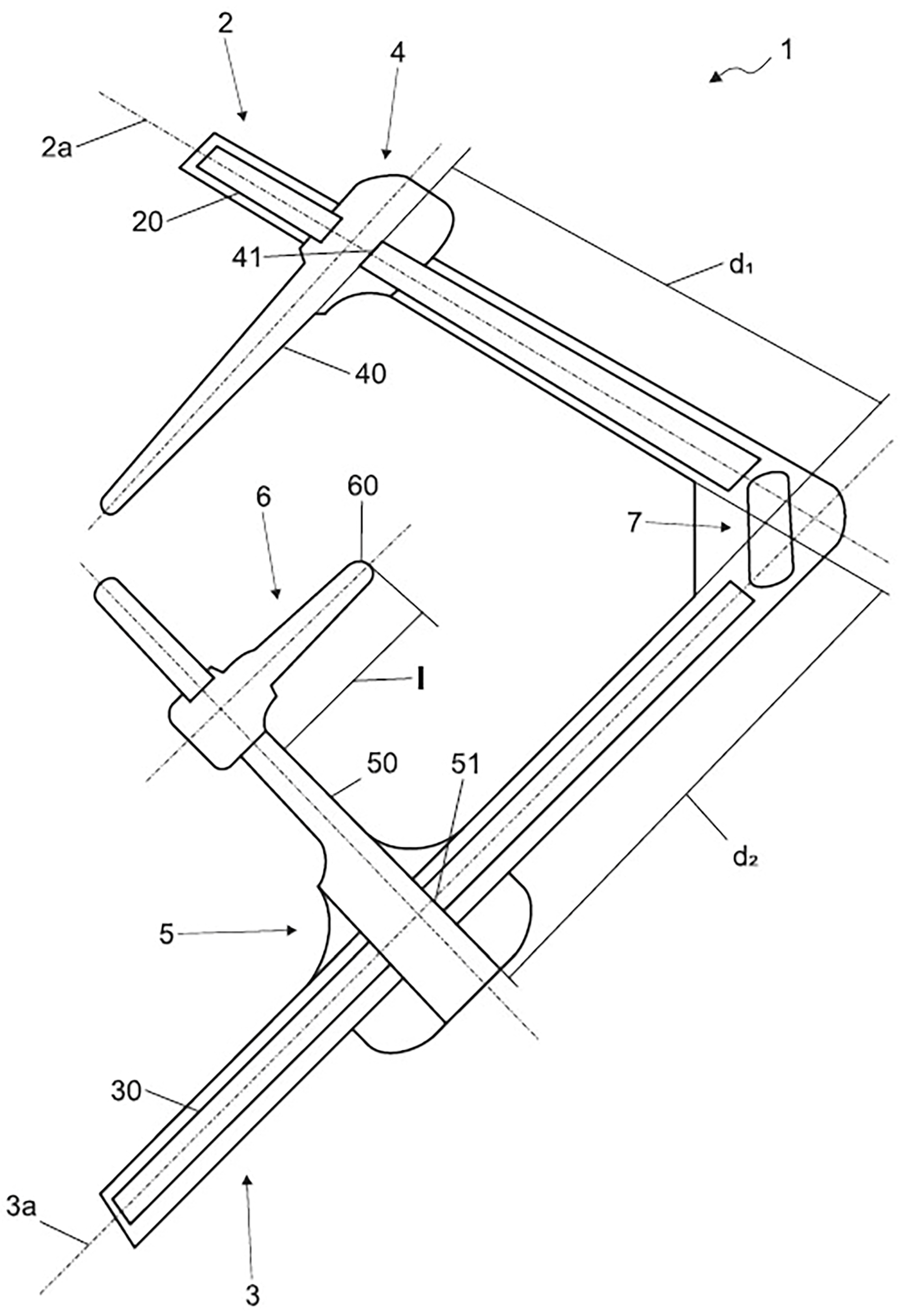
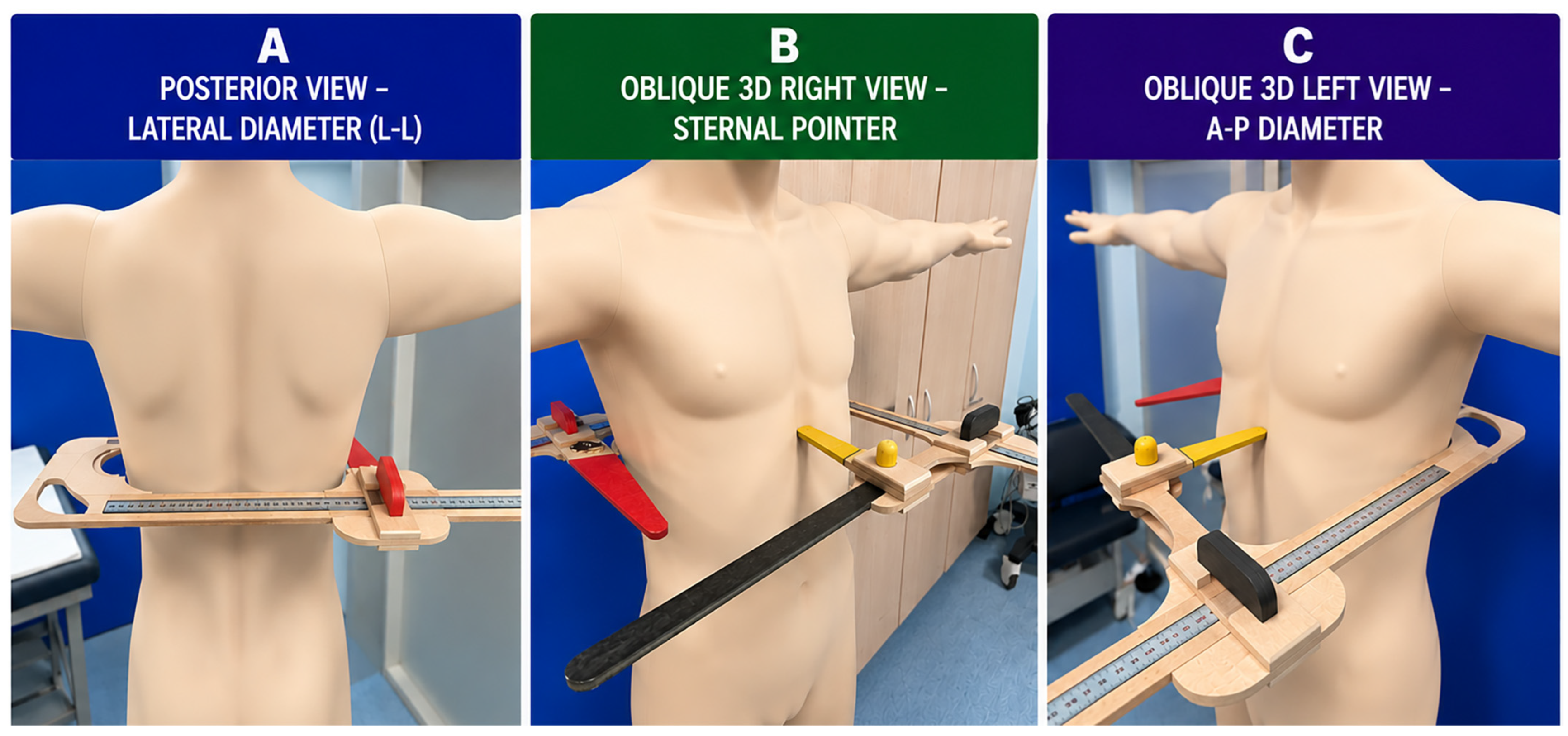
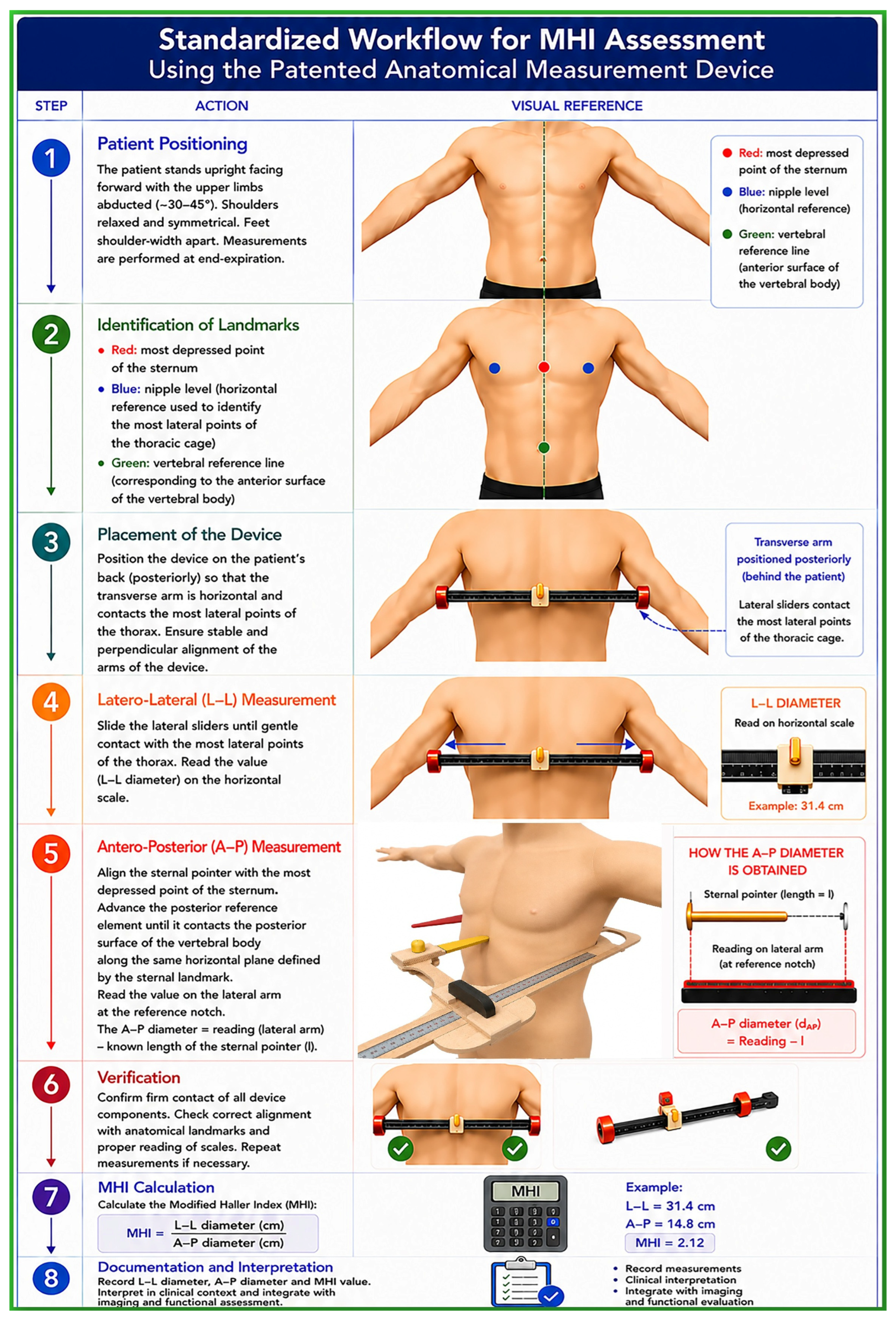
Thoracic morphology is increasingly recognized as an important determinant of cardiopulmonary phenotype, influencing cardiovascular mechanics, respiratory physiology, and the interpretation of diagnostic imaging findings. Although the radiological Haller Index (HI) remains the reference standard for quantifying pectus excavatum severity, its dependence on computed tomography and ionizing radiation limits widespread clinical implementation, particularly in settings requiring serial evaluations. To overcome these limitations, the Modified Haller Index (MHI) was developed as a simple, non-invasive, radiation-free alternative that combines external thoracic anthropometry with echocardiographic assessment. Since its introduction, the MHI has undergone clinical validation and has progressively expanded beyond the assessment of chest wall deformities, demonstrating that thoracic conformation is not merely an anatomical characteristic but a clinically relevant determinant of cardiovascular and respiratory physiology. Growing evidence indicates that thoracic morphology influences cardiac chamber geometry, ventricular filling, stroke volume, myocardial deformation, ventricular–arterial coupling, exercise stress echocardiography findings, pulmonary function, and symptom perception across a broad spectrum of cardiovascular and respiratory diseases. Elevated MHI values identify individuals with a reduced antero-posterior thoracic diameter and a distinctive cardiopulmonary phenotype characterized by external cardiac compression, smaller cardiac chambers, restrictive ventilatory physiology, and apparent alterations in myocardial mechanics despite the absence of intrinsic myocardial disease. Building upon the clinical validation of the MHI, a novel patented anatomical measurement device was engineered to standardize thoracic morphometric assessment by enabling direct acquisition of both latero-lateral and antero-posterior thoracic diameters within a single measurement procedure. The device integrates dedicated anatomical reference elements, an innovative adjustable sternal pointer, movable measurement components, and a standardized acquisition workflow into a portable, low-cost, and radiation-free platform, thereby improving measurement reproducibility while simplifying bedside MHI determination. This narrative review summarizes the historical evolution of thoracic morphometry, the development and clinical validation of the MHI, the engineering rationale, structural architecture, and measurement workflow of the patented device, and the growing evidence supporting the clinical significance of thoracic conformation across cardiovascular and respiratory medicine. Together, the MHI and the proposed anatomical measurement device establish a practical platform for standardized, radiation-free thoracic morphometry that may facilitate routine bedside phenotyping. Future integration with digital technologies, artificial intelligence, and advanced imaging systems may further enable next-generation digital thoracic phenotyping for personalized cardiovascular and respiratory characterization, risk stratification, and precision medicine.
Keywords: modified Haller index; thoracic morphometry; pectus excavatum; chest wall deformity; cardiovascular phenotyping; myocardial strain; stress echocardiography; pulmonary function; biomedical engineering; medical device modified Haller index; thoracic morphometry; pectus excavatum; chest wall deformity; cardiovascular phenotyping; myocardial strain; stress echocardiography; pulmonary function; biomedical engineering; medical device