1. Introduction
OPCs are multipotent progenitor cells with self-renewal capacity that exist in the mammalian central nervous system [
1]. Derived from NSCs, they can differentiate directionally into oligodendrocytes (OLs) and participate in myelination, which is fundamental for maintaining normal neural function [
2]. The unique biological characteristics of OPCs make them an important part of cell therapeutic approaches for impaired myelination in the central nervous system, such as that occurring in preterm infant white matter injury [
3]. At present, there are two main technical approaches for obtaining clinical-grade human OPCs. First, direct isolation from human brain tissue yields cells with high purity and preserves the physiological properties of native cells, but is limited by scarce donor sources and low single-batch yields [
4]. Second, iOPCs can be induced from other human cells, including NSCs, embryonic stem cells, and induced pluripotent stem cells. Among these, human NSCs offer the advantages of a short induction period, sufficient cell yield, and low tumorigenic risk [
5,
6,
7].
In the human fetal brain, the earliest detectable OPCs appear in the forebrain at 9 gestational weeks, and the first wave of MBP-expressing myelinating OLs is detected in the thalamus at 18 gestational weeks [
8]. Although iOPCs can rapidly differentiate into OLs in vitro, this is largely attributed to the favorable environment provided by nutrient-rich and pro-differentiation factors. OPCs possess bidirectional differentiation potential toward OLs and astrocytes, and the heterogeneity of OPCs from different sources leads to variations in their differentiation potential [
9]. To establish an iOPC master cell bank for transplantation therapy, we take fetal brain-derived OPCs as the reference standard. By comparing the transcriptional profiles between iOPCs and endogenous OPCs, we clarify the advantages and limitations of iOPCs and further optimize their seed cell properties on this basis. This study aims to provide experimental evidence and theoretical support for establishing a stable, efficient, and more physiologically relevant iOPC cell bank.
Transcription factors are a class of protein molecules that regulate the selective expression of genes by binding to specific gene regions, and are particularly important for initiating the cell fate determination program that drives stem cell differentiation. For example, LHX2 is a key determinant of cell fate involved in directing the differentiation of radial glial cells into either NSCs or ependymal cells, with changes in its expression directly affecting the differentiation ratio of the two cell lineages [
10]. On this basis, we focused on screening SOX10, a key transcription factor capable of enhancing the OL differentiation potential of iOPCs. By performing
SOX10 overexpression experiments in iOPCs combined with cell biological identification assays, we clarified its regulatory effect on the differentiation potential of iOPCs. Meanwhile, to further optimize the iOPC induction medium, we carried out small-molecule drug screening to identify small-molecule compounds that can effectively promote the expression of the target transcription factor. To explore the regulatory mechanisms of transcription factors, we performed an integrated analysis using three sequencing technologies: ATAC-seq, ChIP-seq, and RNA-seq. This work aims to reveal a putative gene regulatory pathway—“chromatin accessibility–transcription factor binding–gene transcription”—laying a foundation for further dissecting the molecular mechanisms by which transcription factors regulate iOPC differentiation.
2. Materials and Methods
2.1. Cell Culture
The stem cells used in this study were derived from a cell line established by isolating NSCs from aborted human fetal brains in the Pediatric Laboratory of the Sixth Medical Center of Chinese People’s Liberation Army General Hospital.
NSCs were suspension-cultured as spheres in T75 flasks (Corning Incorporated, Corning, NY, USA) and passaged every 7–10 days. The NSC culture medium was prepared by mixing DMEM and F-12 medium at a volume ratio of 3:1, supplemented with the following components: 1% GlutaMAX™ supplement, 15 mM HEPES, 0.15% D-glucose, 100 µg/mL transferrin, 20 nM progesterone, 60 µM putrescine, 30 nM sodium selenite, 5 µg/mL insulin, 5 µg/mL heparin, 20 ng/mL bFGF, 20 ng/mL EGF, 10 ng/mL LIF, and 1% P/S.
Prior to the induction of iOPCs, T75 flasks were coated with PBS containing 10 µg/mL fibronectin and 5 µg/mL laminin for 1 h. The OPC medium was DMEM/F-12 supplemented with 2% B-27™ supplement, 1% GlutaMAX™ supplement, 5 µg/mL transferrin, 10 nM progesterone, 30 µM putrescine, 15 nM sodium selenite, 5 µg/mL insulin, 5 µg/mL heparin, 5 mM lactic acid, 5 ng/mL bFGF, 10 ng/mL platelet-derived growth factor (PDGF), 10 ng/mL neurotrophin 3, and 1% P/S. Well-growing NSC neurospheres were dissociated into single cells using Accutase. The cell suspension was adjusted to a density of 1.2 × 10⁶ cells per 15 mL with the OPC medium and then seeded. After seeding, the cells were cultured in a cell incubator at 37 °C with 5% CO2. Half-medium changes were performed every 3–4 days, and passaging was conducted every 7–10 days.
iOPCs at passages 3–5 with good growth status were selected for the induction of differentiation into OLs. First, 24-well plates were coated with PBS containing 100 µg/mL poly-L-ornithine and incubated in a 37 °C cell incubator for at least 4 h. After removing the coating solution, the plates were re-coated with PBS containing 10 µg/mL laminin and incubated overnight at 37 °C. iOPCs were seeded the next day. For conventional in vitro OL differentiation assays, differentiation was induced using an Oligodendrocyte Precursor Cell Differentiation Medium (OPCDM, Cat.#1631, ScienCell, Carlsbad, CA, USA) supplemented with 1% Oligodendrocyte Precursor Cell Differentiation Supplement (OPCDS), 60 ng/mL triiodothyronine (T3), and 1% P/S. For iOPC spontaneous differentiation assays, an iOPC medium without growth factors and OL-promoting differentiation factors was used, which consisted of DMEM/F-12 medium supplemented with the following components: 2% B-27™ supplement, 1% GlutaMAX™ supplement, 5 µg/mL transferrin, 10 nM progesterone, 30 µM putrescine, 15 nM sodium selenite, 5 µg/mL insulin, 5 µg/mL heparin, 5 mM lactic acid, and 1% P/S.
2.2. Construction and Infection of Recombinant Lentivirus
The recombinant lentiviral overexpression vector carrying the human SOX10 gene used in this study was constructed with the assistance of Genechem Co., Ltd. (Shanghai, China). The linearized GV513 vector (Ubi-MCS-CBh-gcGFP-IRES-puromycin, restriction sites BamHI/NheI) was obtained via restriction enzyme digestion. The primer sequences (5′→3′) used to amplify the coding region of the human SOX10 gene were AGGTCGACTCTAGAGGATCCCGCCACCATGGCGGAGGAGCAGGACCTATC (forward) and ACCGTAAGTTATGTGCTAGCTCACTTGGCGTCGGAGGTGAGGC (reverse).
2.3. RT-qPCR
Total RNA was extracted from digested single-cell suspensions using the RNAprep Pure Cell/Bacteria Total RNA Extraction Kit (Cat.# DP430, TIANGEN, Beijing, China), and RNA concentrations were determined using a NanoPhotometer NP80 ultra-micro spectrophotometer (Implen, Munich, Germany). Reverse transcription was performed in a 10 μL reaction containing 400 ng RNA using 5 × PrimeScript RT Master Mix (Cat.# RR036A, Takara, Kusatsu, Japan) on a Chromo4 Multicolor Real-Time PCR Detection System (Bio-Rad, Hercules, CA, USA). PCR primers were synthesized by Beijing Liuhe BGI Co., Ltd. (Beijing, China) with the following sequences (5′→3′): ACTB (98 bp): ATCACCATTGGCAATGAGCG (forward, 59.26 °C), TTGAAGGTAGTTTCGTGGAT (reverse, 54.30 °C); CSPG4 (182 bp): CCTCCTGCTGCAGCTCTACT (forward, 61.33 °C), CTGAGGAGGCGTTCAGAAAC (reverse, 58.57 °C); OLIG2 (144 bp): GCTCCTCAAATCGCATCCA (forward, 57.91 °C), AAAGGTCATCGGGCTCTG (reverse, 56.63 °C); PDGFRA (135 bp): TACACTTGCTATTACAACCACA (forward, 55.40 °C), ATCCTCCACGATGACTAAAT (reverse, 53.52 °C); SOX10 (196 bp): ATGTCAGATGGGAACCCCGA (forward, 60.62 °C), TGGACATTACCTCGTGGCTG (reverse, 59.75 °C); ST8SIA1 (90 bp): GGAAATGGTGGGATTCTGAAG (forward, 56.56 °C), TGACAAAGGAGGGAGATTGC (reverse, 57.50 °C). Real-time quantitative PCR was performed in a 25 μL reaction using TB Green Premix Ex Taq™ II (Cat.# RR036A, Takara, Japan) on ice and in the dark. Relative gene expression levels were calculated using the 2−ΔΔCt method.
2.4. Immunocytochemistry (ICC)
iOPCs or OLs used for ICC were fixed with 4% paraformaldehyde at room temperature for 15 min. Primary antibodies used in the experiments included the following: A2B5 (mouse, 1:300, MAB312, Millipore, Burlington, MA, USA), GFAP (mouse, 1:300, AB4648, Abcam, Cambridge, UK), Ki67 (rabbit, 1:250, AB16667, Abcam), MBP (mouse, 1:500, AB62631, Abcam), CSPG4 (also known as NG2; rabbit, 1:100, AB5320, Millipore), OLIG2 (rabbit, 1:200, AB9610, Millipore), PDGFR-α (rabbit, 1:300, 5241S, Cell Signaling Technology, Danvers, MA, USA), SOX10 (rabbit, 1:300, AB155279, Abcam), and β-Tubulin-III (mouse, 1:500, AB7751, Abcam). Fluorescent secondary antibodies used included the following: Donkey anti-mouse IgG (H&L) Alexa Fluor
® 488 (1:500, AB150105, Abcam), Donkey anti-mouse IgG (H&L) Alexa Fluor
® 594 (1:500, AB150108, Abcam), Donkey anti-rabbit IgG (H&L) Alexa Fluor
® 488 (1:500, AB150073, Abcam), and Donkey anti-rabbit IgG (H&L) Alexa Fluor
® 594 (1:500, AB150076, Abcam). For intracellular antigens, cells were permeabilized with PBS containing 0.3% Triton X-100. A 3% bovine serum albumin solution prepared in sterile PBS was used as the blocking solution and antibody diluent. After blocking for 1 h, cells were incubated with primary antibody diluent overnight at 4 °C. On the next day, after washing three times with PBS, cells were incubated with secondary antibody diluent at room temperature for 2 h. Subsequently, cells were washed three times with PBS and stained with DAPI (1:10, Cat.#28718-90-3, Sigma-Aldrich, Saint Louis, MO, USA) for 10 min. Finally, after three additional washes with PBS, immunofluorescence images were acquired using the DP2-BSW software (version 2.1, Olympus, Tokyo, Japan). All imaging experiments were performed based on three independent cell preparations (
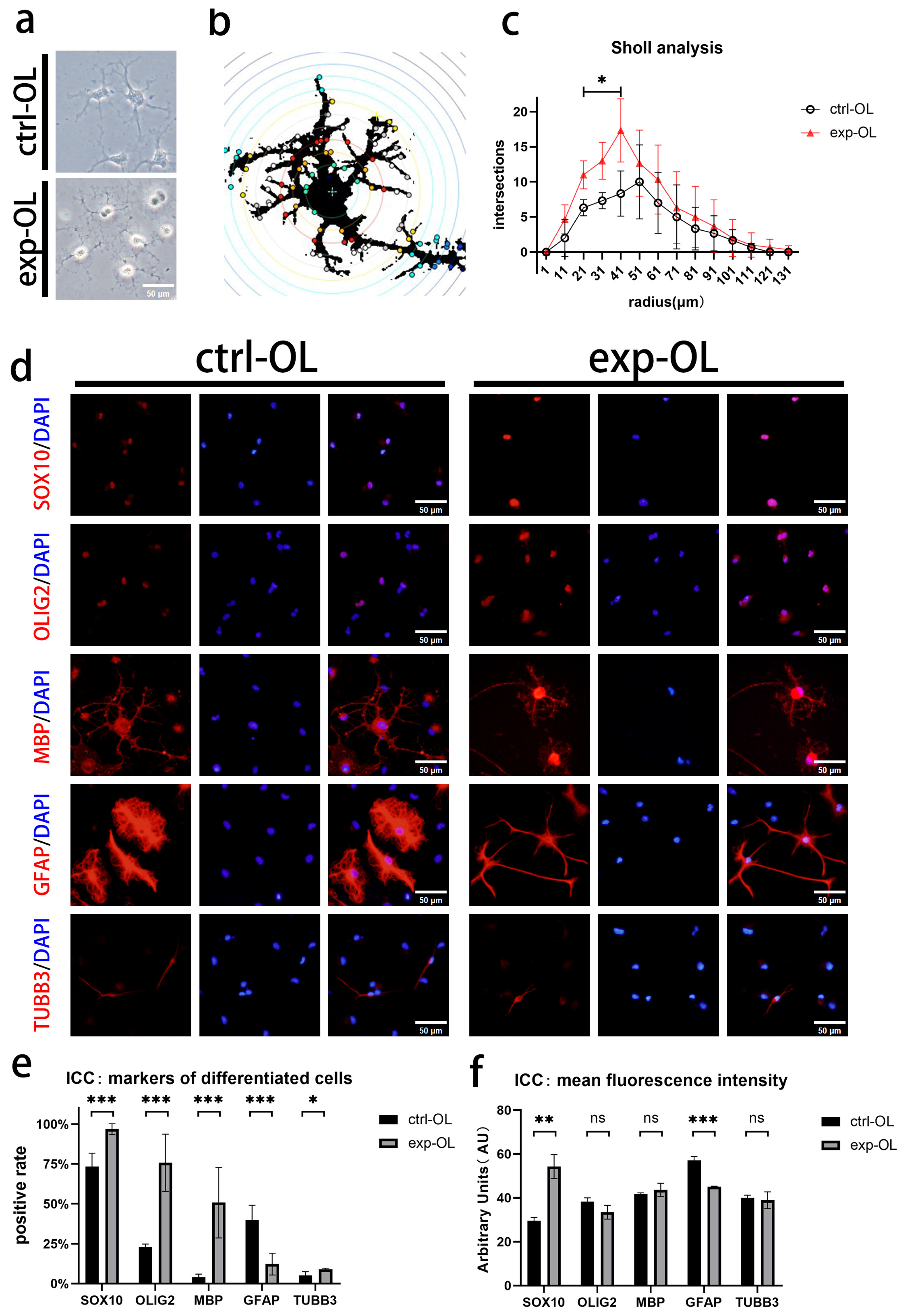
n = 3 biological replicates). For each biological replicate, three technical replicates were set up, and at least five random fields of view were selected per well. The acquired images were processed using the FIJI software (version 1.54f) to calculate the positive rate of markers and mean fluorescence intensity (MFI). Sholl analysis was performed on MBP
+ OLs using the Simple Neurite Tracer (SNT) plugin (version 4.2.1) [
11].
2.5. Transwell Assay
Transwell 24-well cell culture plates (Cat.#3422, Corning Incorporated, Corning, NY, USA) were coated with PBS containing 10 µg/mL fibronectin and 5 µg/mL laminin for 1 h. After coating, control iOPCs and LV-SOX10-infected experimental iOPCs were seeded into the upper chambers at two seeding densities (10,000 cells/well and 20,000 cells/well) and incubated in a 37 °C cell incubator with 5% CO2 for 18 h to allow spontaneous cell migration in the absence of exogenous chemokines. After 18 h, the old medium was discarded, and cells on the inner surface of the upper chamber were gently removed by wiping with a cotton swab. Then, the cells were fixed with pre-cooled methanol for 15 min, washed with PBS, and stained with DAPI for 10 min. Finally, the cells were rinsed three times in PBS. Fluorescent signals of DAPI-labeled cell nuclei were captured at an emission wavelength range of 450–490 nm under an inverted fluorescence microscope. Each upper chamber was scanned field by field under a 10× objective lens, and the entire well was photographed. Images were processed and counted using the FIJI software.
2.6. High-Throughput Drug Screening
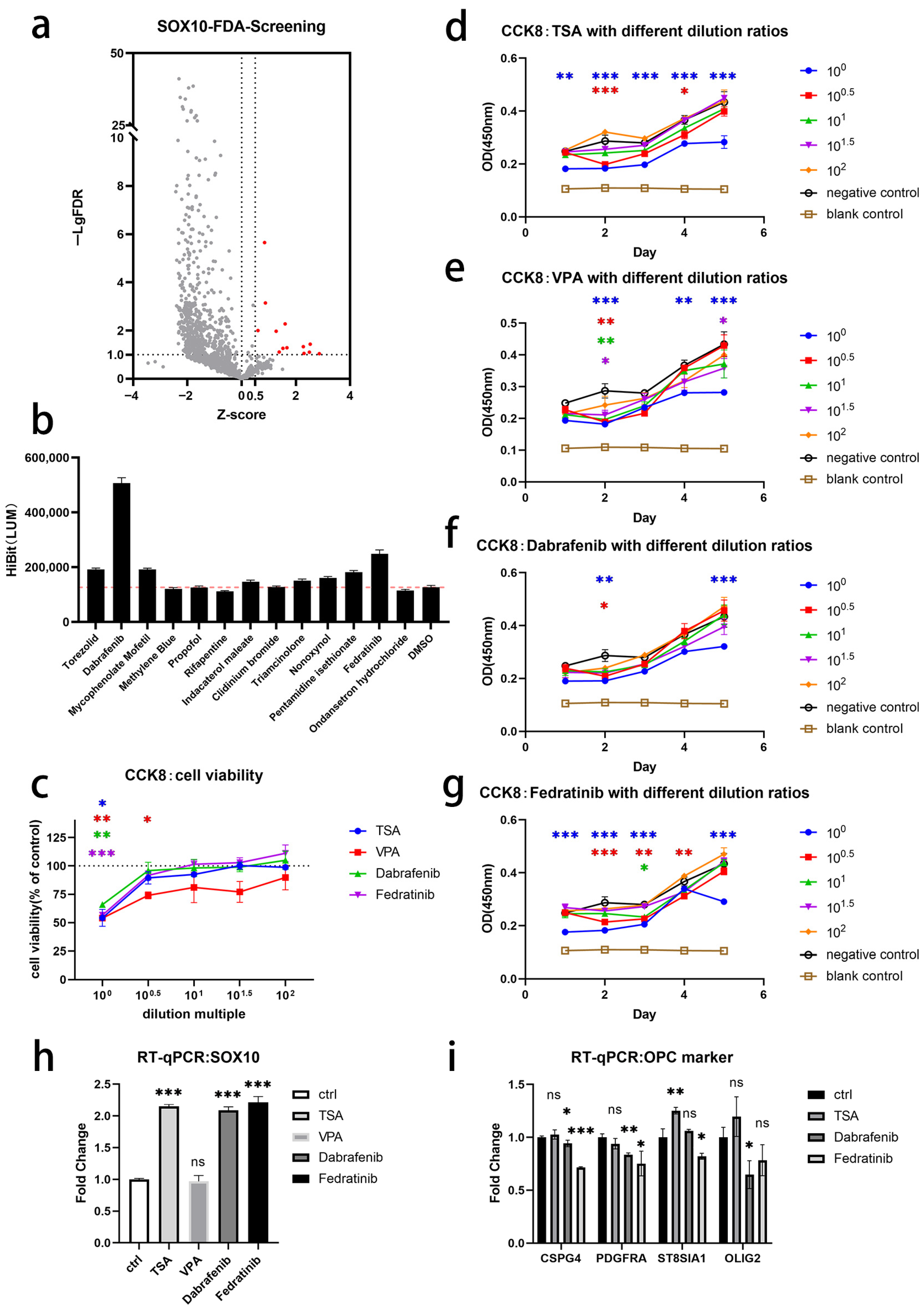
Phenotypic screening was performed using HiBit-luciferase technology. First, a pCMV-SOX10-HiBit recombinant plasmid was constructed and co-transfected with the LgBit plasmid into HEK293T cells in 15 cm2 culture dishes. At 24 h post-transfection, the cells were digested into single-cell suspensions, counted, and seeded into 384-well cell culture screening plates (Cat.#3765, Corning, USA) at a density of 5000 cells/well. Each drug from the FDA compound library (1143 selected compounds from Cat#.L1300, Selleck Chemicals, Houston, TX, USA) was diluted to a final concentration of 5 µM, with 3 biological replicates set. The control group was added with an equal volume of dimethyl sulfoxide (DMSO). After 24 h of drug treatment, detection substrates were added, and luciferase activity signals were detected using a Varioskan LUX multimode microplate reader (VLBL00D0, Thermo Fisher, Waltham, MA, USA). The signal value was used to reflect the SOX10 protein level.
2.7. Cell Counting Kit-8 (CCK-8) Assay
Sterile PBS containing 10 µg/mL fibronectin and 5 µg/mL laminin was prepared as a coating solution to coat 5 96-well plates for 1 h. Harvested iOPCs were counted and seeded at a density of 5000 cells/100 µL/well. For the drug stimulation group, an appropriate amount of drug was added to reach the target concentration. The negative control group contained an equal volume of OPC culture medium and cells, while the blank control group contained only an equal volume of OPC culture medium without cells. The plates were then incubated in a cell incubator at 37 °C with 5.0% CO2. One plate was removed from the incubator every 24 h, and 10 µL of 10% CCK-8 solution (Cat.#CK04, Dojindo, Kumamoto, Japan) was added to each well. After incubation in the incubator for 4 h, the optical density (OD) value was measured using a multimode microplate reader with a reference wavelength of 650 nm and a test wavelength of 450 nm.
2.8. RNA-Seq
Library construction, sequencing, and gene alignment and quantification for RNA-seq were performed with the assistance of Novogene Technology Co., Ltd. (Beijing, China). Qualified libraries were subjected to high-throughput sequencing on an Illumina NovaSeq 6000 sequencing platform (Illumina, San Diego, CA, USA), generating 150 bp paired-end reads. Differential expression analysis was implemented in the R (Version 4.4.2) language environment, and all codes were written and executed in RStudio (Version 2023.06.2 + 561). Differentially expressed gene (DEG) analysis between two comparison groups was performed using the DESeq2 package (Version 1.46.0). Gene Ontology (GO) functional enrichment analysis and Kyoto Encyclopedia of Genes and Genomes (KEGG) pathway enrichment analysis of DEGs between the two comparison groups were conducted using the clusterProfiler package (Version 4.14.6) [
12], with the false discovery rate (FDR) controlled via the Benjamini–Hochberg method. An adjusted
p-value (padj) < 0.05 was used as the threshold for significant enrichment.
2.9. Assay for Transposase-Accessible Chromatin with High-Throughput Sequencing (ATAC-Seq)
Library construction, sequencing, and bioinformatics analysis for ATAC-seq were performed with the assistance of Novogene Technology Co., Ltd. High-throughput sequencing was carried out on an Illumina NovaSeq 6000 sequencing platform, producing 150 bp paired-end reads. Peak calling was performed using the MACS2 software (Version 2.2.7.1) with a threshold of q ≤ 0.05 for peak screening. The ChIPseeker package (Version 1.42.1) [
13] was loaded in R and RStudio to obtain the nearest gene near each peak and annotate the genomic regions of all screened peaks. The Bedtools software (Version 2.30.0) was used to merge open peaks from different experimental groups, and the mean reads per million mapped reads (RPMs) of each merged peak in each group was calculated. Differential peaks were screened with a threshold of RPM fold change > 2. The ChIPseeker package was used to annotate the genomic regions of differential peaks, followed by GO enrichment analysis and KEGG pathway enrichment analysis using the GOseq package (Version 1.58.0) [
14] in R and the KOBAS software (Version 2.0) [
15], respectively. For motif analysis, all peak intervals were adjusted to 500 bp sequence fragments centered on the peak summit, and the analysis was completed using the findMotifsGenome.pl program of the Homer software (Version 4.9.1).
2.10. Chromatin Immunoprecipitation Sequencing (ChIP-Seq)
Library construction, sequencing, and bioinformatics analysis for ChIP-seq were performed with the assistance of Novogene Technology Co., Ltd. Qualified libraries were subjected to high-throughput sequencing on an Illumina NovaSeq 6000 sequencing platform, generating 150 bp paired-end reads. Peak calling was performed in the MACS2 software with a threshold of q ≤ 0.05 for peak screening. The ChIPseeker package was loaded in R and RStudio to obtain the nearest gene near each peak and annotate the genomic regions. Differential peak analysis was performed using the DiffBind package (Version 3.16.0), and the ChIPseeker package was used to annotate the genomic regions of differential peaks to identify their associated target genes. For the results of peak annotation and differential analysis, GO enrichment analysis and KEGG pathway enrichment analysis were further carried out using the GOseq package in R and the KOBAS software, respectively. Finally, motif analysis of peak sequences was performed using the findMotifsGenome.pl program of the Homer software.
2.11. Statistical Analysis
Statistical analysis and graphing were performed using the GraphPad Prism software (version 8.4.0). Quantitative data are presented as the mean ± standard deviation (Mean ± SD), and error bars in all figures represent the standard deviation. All quantitative data were statistically analyzed using independent biological replicates (n = 3) as the statistical unit. Normality was assessed using the Shapiro–Wilk test. For normally distributed data, comparisons between two groups were performed using Student’s t-test, and comparisons among multiple groups were performed using one-way analysis of variance (ANOVA) followed by Dunnett’s post hoc test. For non-normally distributed data, nonparametric tests were used: the Mann–Whitney U test for two-group comparisons and the Kruskal–Wallis test followed by Dunn’s post hoc test for multiple group comparisons. Statistical significance was defined as p < 0.05.
4. Discussion
In 1981, Stallcup et al. developed an antibody (named NG2) targeting chondroitin sulfate proteoglycan (CSPG), through which they identified the fourth type of glial cell, namely, NG2 glia, also known as OPCs [
22]. A large number of subsequent studies have further revealed a series of characteristics of OPCs, including their morphology, molecular phenotype, gene expression profile, function, and differentiation potential. However, despite being collectively referred to as OPCs, cells derived from different sources, at different developmental stages, or with different distribution sites exhibit inconsistencies in morphology and function, a phenomenon defined as OPC heterogeneity [
9]. When inducing in vitro myelination of mouse OPCs, Bechler et al. found that the intrinsic length of myelin formed by spinal cord-derived OPCs was greater than that by cortex-derived OPCs, while the number of myelinated segments was roughly comparable, indicating that the heterogeneity of OPC origin had predetermined the intrinsic differentiation potential of OPCs [
23].
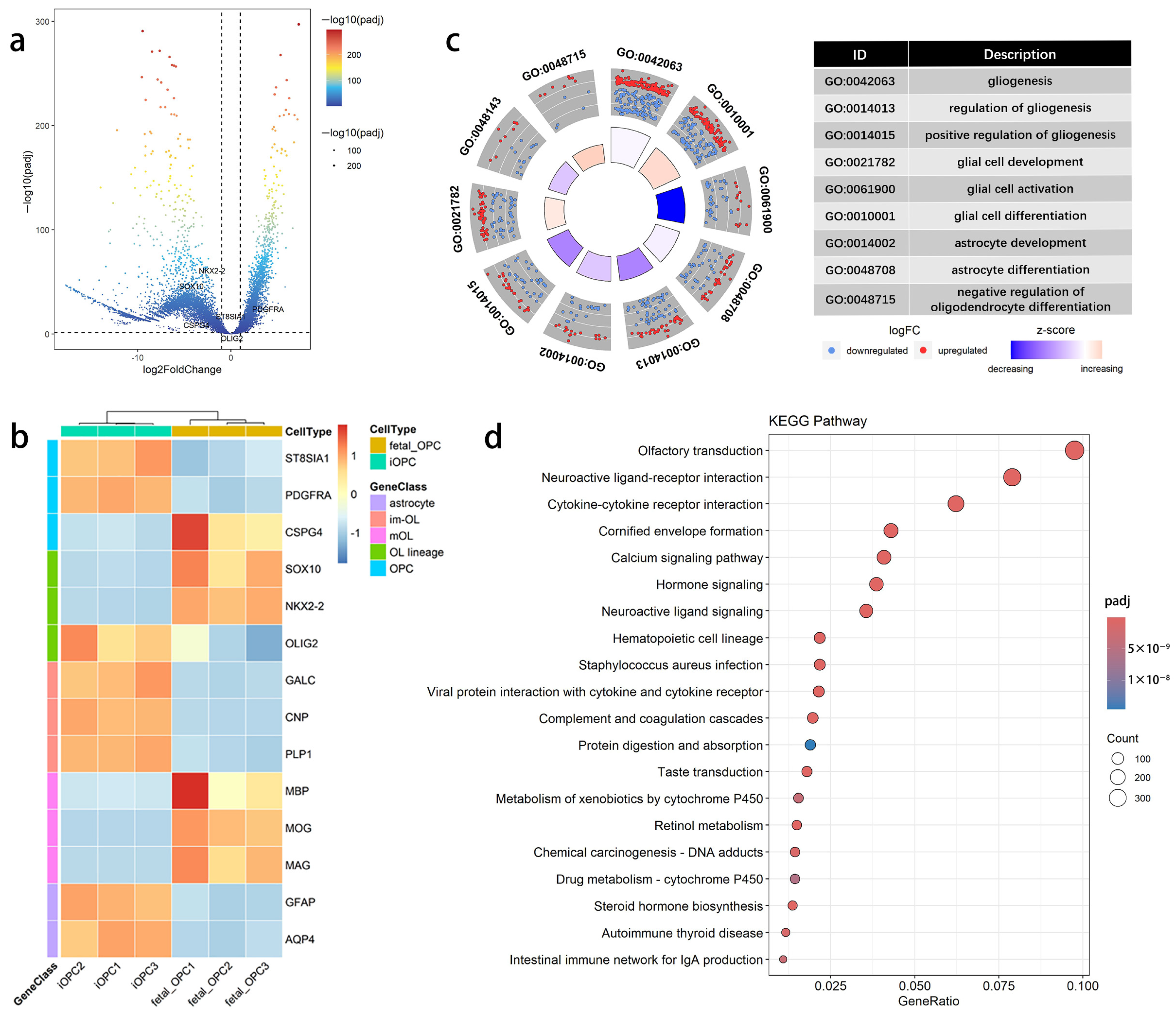
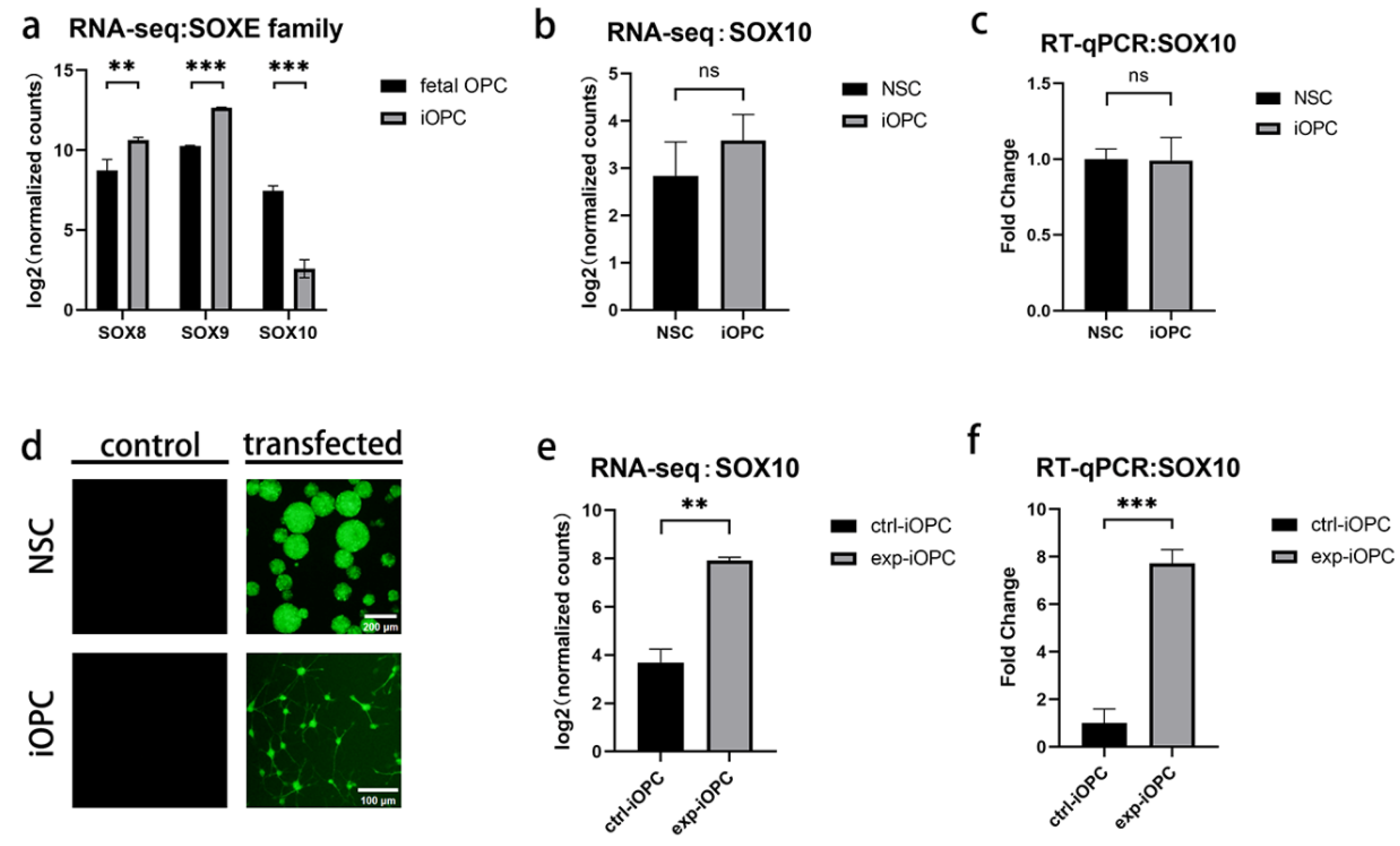
Differences in gene transcriptional regulation constitute the fundamental cause of OPC heterogeneity. By comparing the gene expression profiles of endogenous fetal OPCs and in vitro-generated iOPCs, we identified substantial global transcriptional differences between the two cell types. Despite unavoidable technical bias and biological heterogeneity across datasets, glial marker genes displayed specific rather than uniform expression changes, suggesting that these differences genuinely reflect distinct cellular characteristics of fetal OPCs and iOPCs. In terms of differentiation-related marker gene expression, iOPCs showed a stronger potential for astrocytic differentiation and exhibited more significant enrichment in gene sets functionally associated with the negative regulation of OL differentiation. However, since multiple pro-differentiation factors such as T3 are commonly used to induce OL differentiation in vitro, such differences are masked under in vitro conditions and only become evident in cell transplantation experiments.
Transcription factors are a special class of protein molecules that regulate the expression of a large number of genes, characterized by a “small input, large output” effect. SOX10 and OLIG2 are the most central upstream transcription factors for OLs [
24,
25,
26], and they are often used as cellular markers for OPCs. SOX10 belongs to the SOXE family of transcription factors (SOX8/9/10), which act as core and indispensable regulators of neural crest development. In particular, SOX10 governs the specification and differentiation of diverse neural crest derivatives, including melanocytes, the enteric nervous system, Schwann cells, the inner ear, and olfactory ensheathing cells [
27]. Activation of OLIG2 is the primary step in the specification of human OPCs [
28], whereas SOX10 acts downstream of OLIG2 and participates in both early development and late differentiation of OPCs. However, its role during the formation of early oligodendrocyte progenitor cells (e-OPCs) can be compensated for by SOX8 and SOX9 [
26]. NKX2-2 is expressed at a later stage and is generally believed to terminate proliferative signaling by inhibiting PDGFRα, thereby initiating the terminal differentiation program [
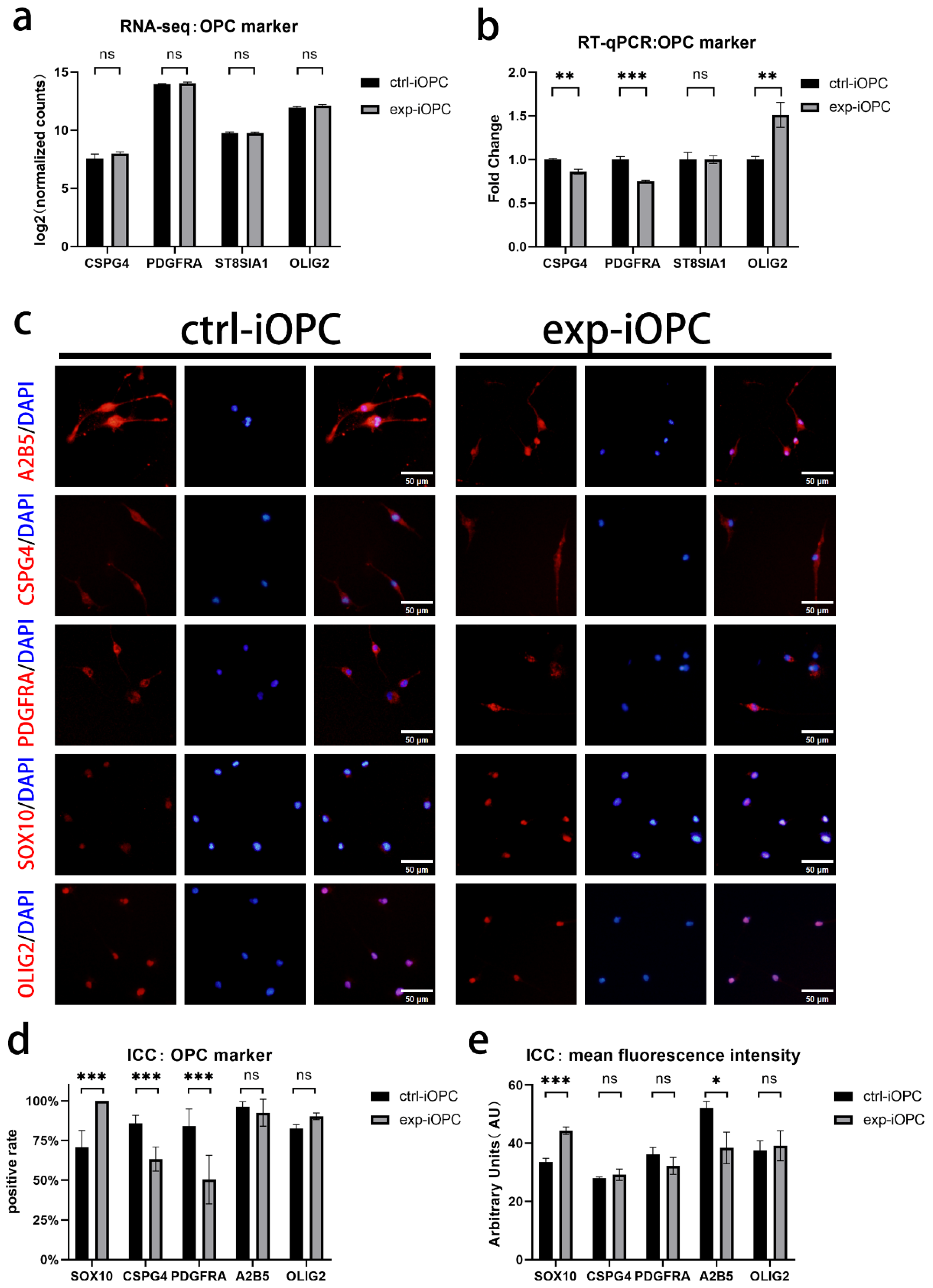
29]. Therefore, although the normal activation of OLIG2 and functional redundancy of the SOXE family allow the successful induction of NSCs into iOPCs, insufficient activation of SOX10 in iOPCs still compromises their subsequent differentiation potential.
Studies have shown that, as multipotent stem cells, the fate determination stage that affects the terminal differentiation potential of OPCs may begin as early as the induction stage of NSCs [
6,
30]. We therefore aimed to intervene before NSCs were fully converted into OPCs. Considering that continuous passage under antibiotic selection was still required after lentiviral infection to obtain stable cell lines for subsequent experiments, we finally established the experimental protocol: NSCs were first infected with
SOX10-carrying lentivirus, followed by induction to generate iOPCs with early
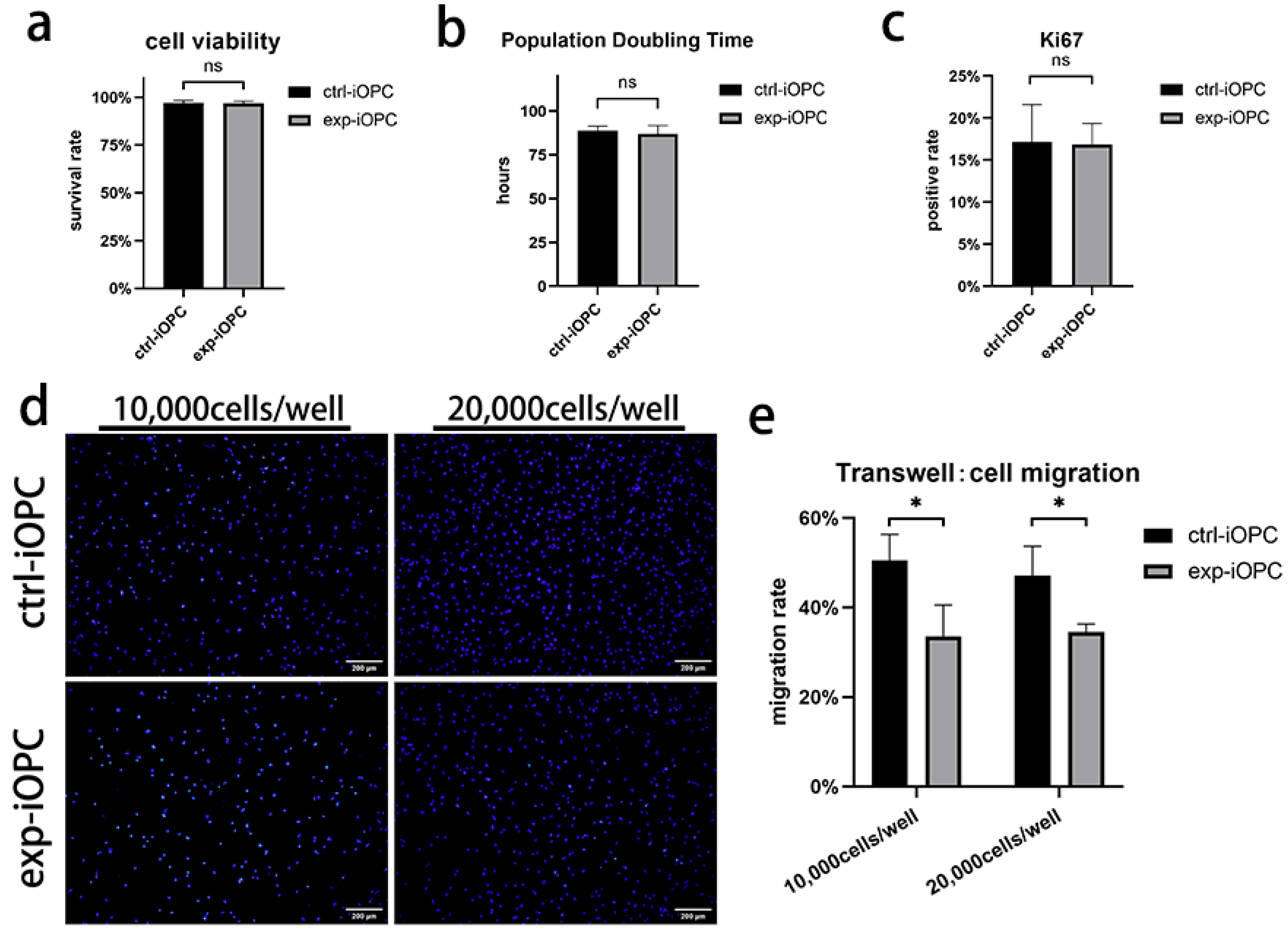
SOX10 overexpression. The expression differences of several marker genes between RNA-seq and RT-qPCR arise from distinctions in the principles, sensitivity, and statistical strategies of the two detection techniques. Moreover, the inconsistency between changes at the RNA and protein levels is related to biological processes, including post-transcriptional regulation, protein translation, and degradation. Overall, although the positive rate and expression level of OPC markers changed to some extent in the experimental iOPCs, their cellular identity as OPCs was preserved, and their survival and proliferation abilities remained unchanged. Migration capacity is an important foundation for OPCs in transplantation therapy; however, the overexpression of
SOX10 significantly inhibited cell migration rates. This may prolong the time required for transplanted cells to migrate to demyelinated lesions, thus limiting the therapeutic efficiency of iOPC-based transplantation. OPCs possess the ability to differentiate into both OL and astrocyte lineages, which is related to OPC heterogeneity and is also influenced by the microenvironment [
31,
32]. Typical mature OLs display a multilevel, highly branched morphology, and the complexity of cellular branches increases with differentiation and maturation, eventually forming membrane-like structures. According to differentiation status, OLs can be classified into pre-OLs, immature OLs, and mature OLs [
33,
34]. In the self-differentiation medium without additional pro-differentiation factors, experimental iOPCs differentiated into more mature OLs and fewer astrocytes, and the differentiated OLs exhibited more cellular branches and a more mature phenotype. Nevertheless, the functional myelination capacity of these mature OLs remains to be further verified by in vivo transplantation assays.
Gene transcription is predicated on chromatin accessibility. In human cells, most DNA strands are tightly wrapped around histones to form nucleosomes. During transcription or replication, nucleosomes must disassemble to expose DNA, thereby enabling transcription initiation and the regulation of gene expression. The degree to which cis-regulatory elements (e.g., promoters, enhancers) and trans-acting factors can physically contact chromatin DNA is defined as chromatin accessibility [
35]. ATAC-seq is one of the most widely used methods for studying chromatin accessibility and can be applied to identify promoter regions and potential enhancers or silencers [
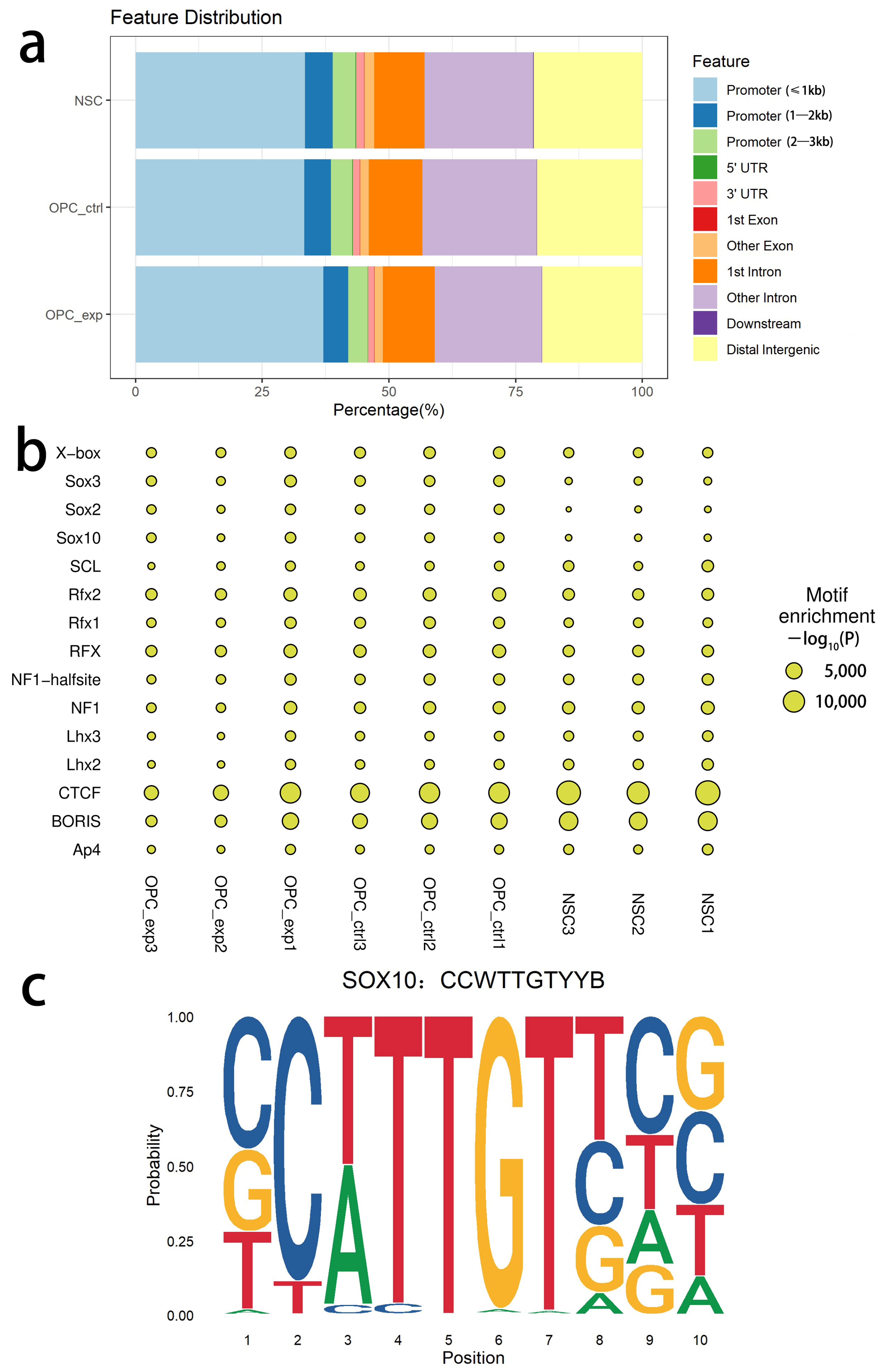
36]. ATAC-seq results have confirmed that TFBSs capable of binding the transcription factor SOX10 are widely present in both NSCs and iOPCs, suggesting that early overexpression of
SOX10 confers extensive gene regulatory potential. Studies have shown that the chromatin of neural progenitor cells is broadly accessible, harboring multiple regulatory regions that maintain pluripotency and proliferative capacity. During subsequent differentiation, chromatin becomes highly focused on the core promoters of lineage-specific functional genes—a classic epigenetic signature of cells exiting pluripotency and undergoing lineage specification [
37]. Compared with the control group, the experimental iOPCs exhibited a significantly increased proportion of open regions in core promoter regions (≤1 kb). This indicates that the experimental group drives a shift in chromatin open regions from a diffuse, broad distribution pattern toward concentrated core promoter regions, which is fully consistent with the classic chromatin dynamics observed during stem cell differentiation. In the present study, the chromatin remodeling process driven by experimental iOPCs suggests that, by optimizing the precision of chromatin accessibility, iOPCs are promoted to develop toward a more mature and functionally specialized state.
Although ATAC-seq can analyze changes in genome-wide chromatin accessibility and indicate potential regulatory regions, it fails to clarify the direct interaction between transcription factors and these open regions. Therefore, ChIP-seq using specific antibodies was employed to identify the specific binding sites of transcription factors. In experimental iOPCs, SOX10 mostly bound directly to target gene promoters, whereas in the control group, SOX10 predominantly associated with downstream or distal regulatory elements. This suggests that SOX10 participates in regulation only in an indirect and cooperative manner at low expression levels, while, at high expression levels, it can extensively bind to promoters and directly participate in the regulation of transcription initiation. We also investigated whether there is a causal relationship between increased chromatin accessibility and enhanced SOX10 binding. The results indicated that elevated chromatin openness is not the major direct factor driving the enrichment of SOX10 at promoter regions, further supporting that the upregulated expression of SOX10 is the key cause of its enhanced transcriptional regulation. The number and length of overlapping regions between ATAC-seq and ChIP-seq reflect the correlation between chromatin accessibility and transcription factor binding, which differed significantly between the two iOPC groups. In experimental iOPCs, the overlapping regions were abundant and long, showing a strong correlation between SOX10 binding and chromatin accessibility. These regions were enriched in multiple functional gene sets related to OL differentiation, as well as critical OPC-associated signaling pathways, including the “hsa04150 mTOR signaling pathway”, “hsa04310 Wnt signaling pathway”, “hsa04012 ErbB signaling pathway”, and “hsa04330 Notch signaling pathway” [
38,
39,
40,
41], indicating greater functional activity.
SOX10 belongs to the high-mobility group (HMG) box transcription factor family. A key characteristic of this class of proteins is their weak binding affinity to DNA, and they often rely on interactions with other transcription factors to enhance binding specificity. It can be anchored to complexes formed by other transcription factors already bound to target gene promoters via protein–protein interactions, without directly recognizing its own motif [
42]. ChIP-seq analysis revealed that 26.54% of target sequences in the experimental iOPCs contained the SOX10-binding motif, and they were significantly enriched for binding sequences of transcription factors, including YY1, ELK4, and ELK1. This suggests that these transcription factors may act cooperatively with SOX10 at the chromatin level. They can function together as protein complexes, or SOX10 binding can trigger chromatin remodeling to create favorable conditions for the subsequent binding of other transcription factors. This phenomenon is commonly reported in other studies; for example, SOX10 forms a heterodimer with PAX3 to mediate the activation of the conserved c-RET enhancer [
43], and SOX10 cooperates with MITF to regulate the tumor suppressor DIRC3 [
44]. Although the control iOPCs were also enriched for some motifs of other transcription factors, the number was relatively small, and no SOX10 motif was enriched. This indicates that low-expression SOX10 lacks the ability to bind DNA independently and requires the assistance of other factors.
In this study, overexpressed
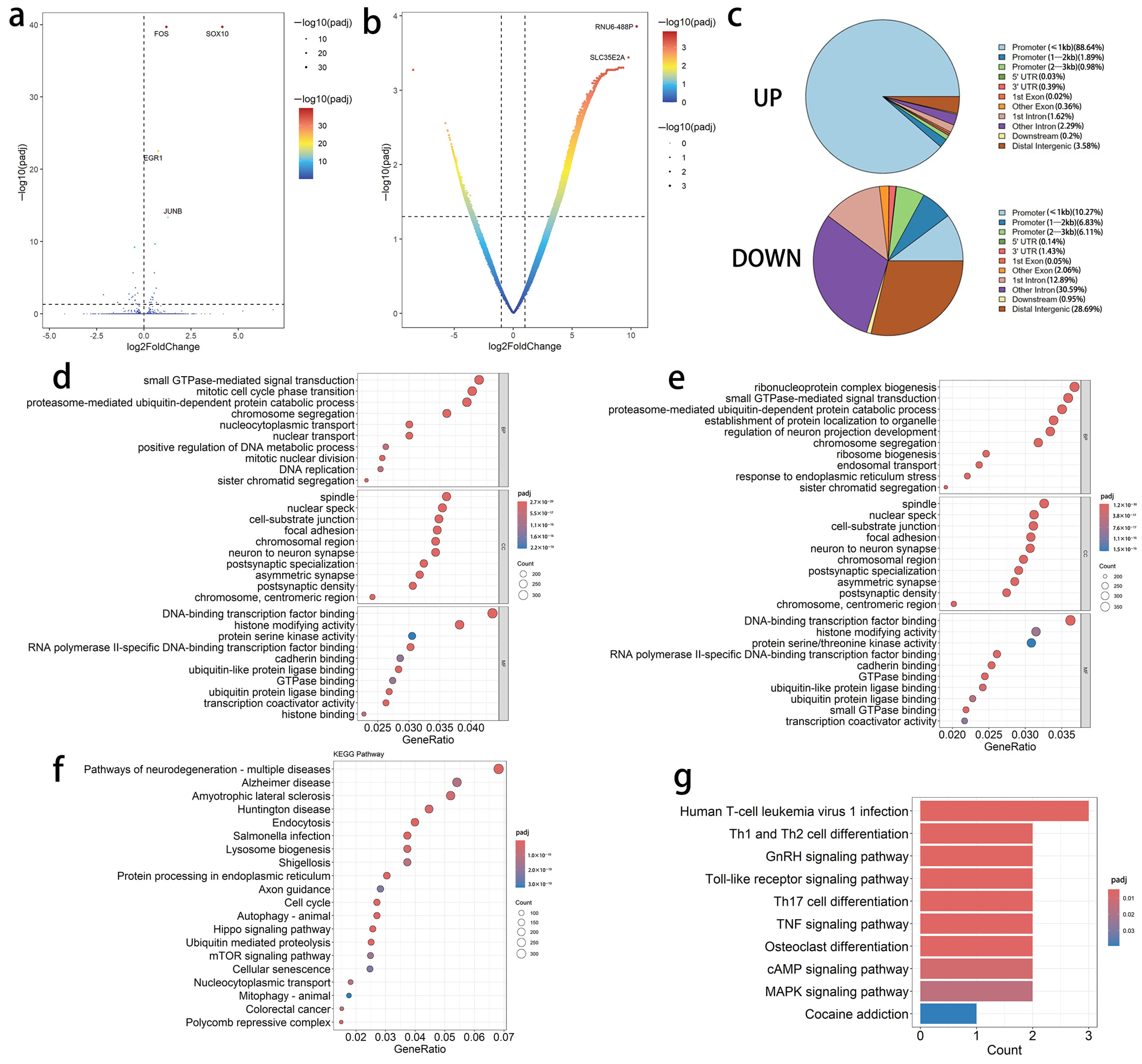
SOX10 markedly reshaped its chromatin-binding profile and enhanced genome-wide chromatin accessibility, yet it did not trigger large-scale significant changes in the transcriptome. This phenomenon may be associated with the involvement of SOX10 in the poised-state regulatory mechanism [
45]. During cellular development and differentiation, multiple key transcription factors can drive target genes into a state characterized by open chromatin and increased transcription factor binding but no immediate significant upregulation of expression—the so-called poised state. Genes in the poised state can be rapidly and synchronously activated upon subsequent stimulation with specific signals [
46]. Therefore, as a core transcription factor of the glial lineage, the primary function of SOX10 may not be direct transcriptional activation. Instead, it may prime the transcriptional potential of downstream differentiation genes by reshaping its chromatin-binding pattern. The numerous newly acquired binding targets of SOX10 remain in a poised but inactive state, likely awaiting additional regulatory events after the initiation of differentiation. Upon receiving extracellular differentiation signals and initiating the differentiation program, SOX10 may act cooperatively with other factors to trigger the transcription of its target genes.
Further combined analysis revealed that SOX10 exerts dual regulatory functions on downstream target genes; that is, it acts as a transcriptional activator to promote the expression of
FOS,
JUN,
EGR1, and other genes while also functioning as a transcriptional repressor to inhibit the expression of
CALR,
MANF,
HSPA5, and other genes. These results confirm that SOX10 possesses both transcriptional activation and repression activities in iOPCs, suggesting that it may maintain the homeostatic balance between proliferation and differentiation of iOPCs by precisely regulating the expression of distinct target genes. Functional enrichment analysis of these SOX10 direct target genes further identified
FOS and
JUN as the key downstream targets, which serve as convergent nodes of signaling pathways, including the hsa04010 MAPK signaling pathway and hsa04024 cAMP signaling pathway. FOS and JUN are also critical transcription factors that form the AP-1 (Activator Protein-1) complex, which is widely implicated in cell proliferation, differentiation, stress responses, and signaling regulation. Among the genes directly repressed by SOX10,
LHX2 is an important determinant of cell fate. LHX2 cooperates with transcription factors, including DMRT5, PAX6, and NEUROG2, to promote neurogenesis and inhibit gliogenesis [
47]. Based on these findings, we propose that the repression of
LHX2 by SOX10 may represent one of the critical molecular mechanisms by which SOX10 regulates the fate transition of OPCs during differentiation.
To broaden the clinical application of this study, we further explored suitable small-molecule drug interventions to enhance the expression of the
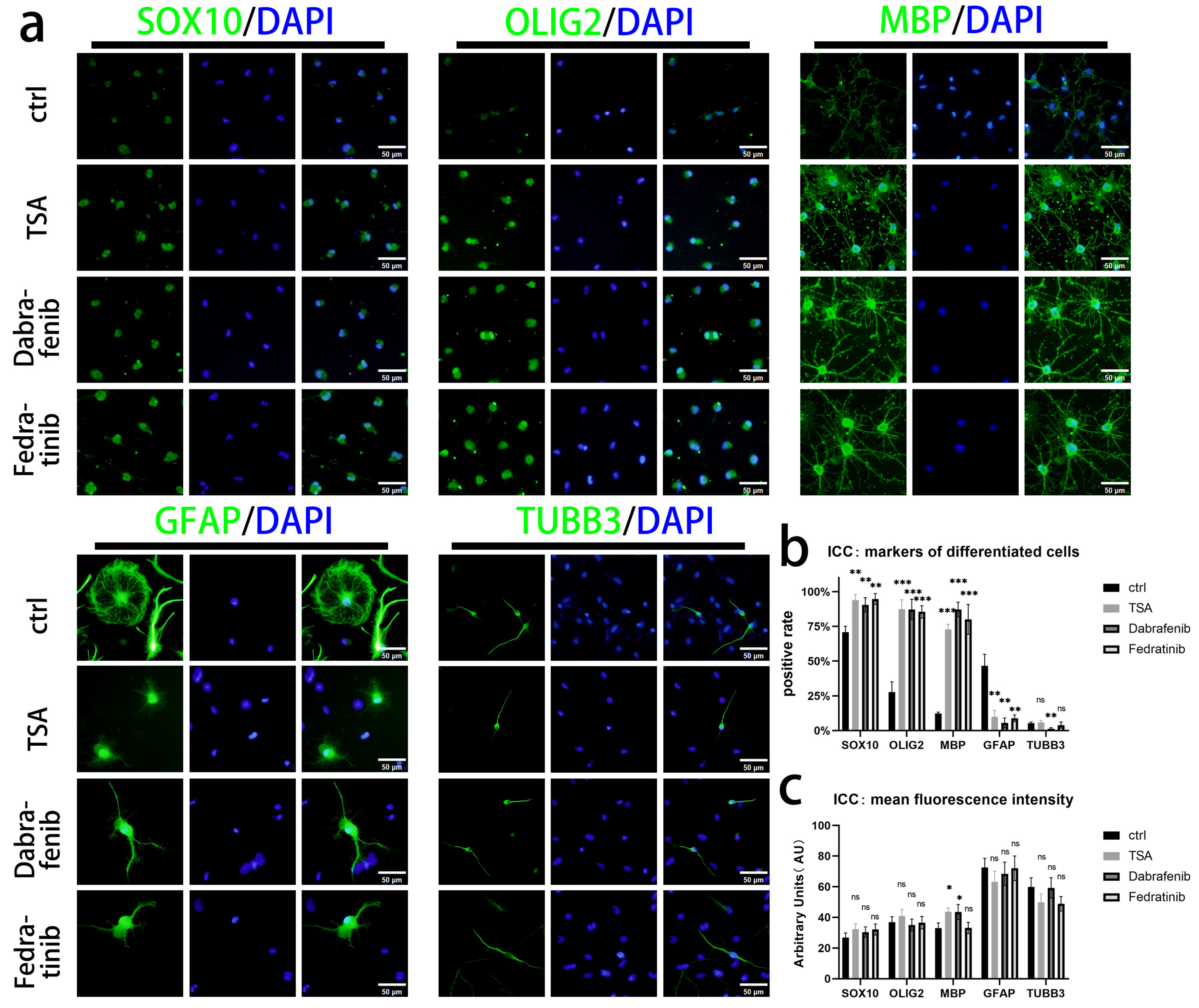
SOX10 gene. Through a series of drug screening assays, three small-molecule compounds—TSA, Dabrafenib, and Fedratinib—were ultimately identified, which significantly promoted
SOX10 mRNA expression without compromising the viability of iOPCs. These compounds may serve as promising candidates for optimizing the induction medium formulation for OPCs. Nevertheless, due to the use of HEK293T cells as a model cell line for rapid preliminary high-throughput drug screening, compounds with weak activity in HEK293T cells but specific regulatory effects on iOPCs may still be overlooked. We added these small-molecule drugs during the induction of iOPCs from NSCs, aiming to transiently upregulate SOX10 expression during the induction phase. It was confirmed that elevating SOX10 at the differentiation induction stage also improved the OL differentiation potential of iOPCs. Combined with the results of transgenic experiments, these findings indicate that enhancing SOX10 expression either in NSCs or during iOPC induction can generate iOPCs with improved differentiation capacity. We also observed that the drug-treated iOPCs achieved higher OL differentiation efficiency than those in the transgenic groups. This may be attributed to the sustained overexpression of
SOX10 in the transgenic groups at the late stage of OL maturation, which conversely exerts certain inhibitory effects on OL maturation. This suggests that SOX10 expression requires strict temporal regulation [
48].



 ,
,