


Abstract
The rising popularity of sports practiced without adequate preparation has increased the incidence of anterior cruciate ligament (ACL) injuries, particularly among young individuals. Because the ACL has a very limited intrinsic healing capacity, surgical reconstruction—most often using autologous grafts—remains the standard of care. However, current techniques frequently lead to donor-site morbidity and do not consistently restore long-term joint stability, contributing to early post-traumatic osteoarthritis in active patients. Over the past decades, tissue engineering (TE) has opened promising avenues for developing biological substitutes capable of overcoming these limitations. Despite substantial progress, no strategy has yet demonstrated reliable and clinically validated functional regeneration of the human ACL. Meanwhile, artificial intelligence is emerging as a complementary tool for diagnosis, surgical planning, biomechanical assessment, and personalized reconstruction strategies. This review aims to provide a comprehensive overview of current TE-based approaches for ACL repair and reconstruction, analyzes their biological and biomechanical limitations, and discusses emerging concepts that may enhance future clinical outcomes. We first summarize the fundamental principles of tissue engineering, then examine the major strategies proposed for ACL regeneration—highlighting their respective strengths and shortcomings—and finally outline perspectives for a novel approach currently under development.
1. Introduction
Anterior cruciate ligament (ACL) rupture is one of the most common knee injuries in sports, with an annual incidence of 68.6 per 100,000 persons in the United States of America (USA) [1]. ACL reconstruction is most frequently performed in adolescents and young adults [2,3]. Unlike other ligaments of the knee joint, the ACL does not heal spontaneously once ruptured [4]. Sex-based disparities exist, which can be partially explained by progenitor cells producing less collagen in women [5]. As a key stabilizer of the knee and a critical contributor to proprioception, it has been extensively studied. Although ACL reconstruction using autografts remains the clinical standard, long-term comparative studies show no clearly superior graft choice over more than 10 years, indicating that no universally optimal long-term reconstructive strategy exists [6].
Orthopedic surgeons choose the most appropriate surgical technique based on injury severity and the number of structures affected. Surgical approaches have evolved little over the past three decades. Commonly used grafts include autologous or allogeneic tissues such as hamstring tendons (semitendinosus or gracilis), segments of the autologous quadriceps tendon, or the bone–patellar tendon–bone (BPTB) graft, which is still considered the gold standard [7,8]. Reconstruction requires the insertion and fixation of the graft through tunnels drilled in the lateral femoral condyle and the intercondylar region of the tibia [4]. However, tibial tunnel placement remains imprecise in many cases [9], and suboptimal femoral tunnel positioning is strongly associated with postoperative complications and graft failure [10].
Additional clinical limitations include donor-site morbidity, which can prolong recovery and may compromise return to sport. These limitations have been recognized for decades. Importantly, up to 50% of patients treated with standard reconstruction techniques develop post-traumatic osteoarthritis (OA), a condition that significantly impairs quality of life, including in young athletic individuals [11]. ACL deficiency leads to altered neuromuscular control of the quadriceps and hamstring during dynamic activities, contributing to joint instability—a major risk factor for the development of OA [12]. Taken together, these challenges highlight the need for improved surgical strategies to restore and preserve long-term knee function.
Substantial progress in tissue engineering (TE) has enabled the development of biocompatible ACL substitutes designed to offer novel surgical alternatives shortly after injury while reducing autograft-associated morbidity. Biosynthetic grafts have been investigated; however, many materials have demonstrated long-term limitations [13]. Proposed scaffolds include decellularized ligaments or tendons of autologous, allogeneic, or xenogeneic origin [11,14], biomatrices either seeded or not with autologous or heterologous cells [11], and allogeneic or synthetic fibrous constructs—using silk, collagen-based fibers, PCL braided scaffolds, or other nanostructured biomaterials [15,16,17]. Nevertheless, sterilization and preservation processes may adversely affect scaffold structure and mechanical integrity, thereby impairing graft integration [18]. Supplementing scaffolds with growth factors may help restore a microenvironment conducive to cell proliferation, collagen synthesis, and early ligament-like remodeling in vitro and in vivo [19,20].
For a bioengineered ACL (bACL) graft to integrate successfully into the joint, it must be fully biocompatible and capable of supporting host cell colonization. Host-derived fibroblasts infiltrate the matrix to secrete and reorganize collagen fibers, aligning them along physiologically applied tensile forces to progressively reinforce the scaffold. Restoring the hierarchical ultrastructure—from fibrils to fascicles—is essential for long-term mechanical function, as collagen morphology directly governs load transmission in ligaments [21,22,23].
A particularly promising example is a bACL composed of a multilayered collagen matrix seeded with fibroblasts and anchored by two bone plugs connected by a resorbable surgical suture. When implanted in the caprine knee—an animal model with joint dimensions comparable to those of humans—the graft underwent progressive ligament-like remodeling [24] and achieved up to 40% of native ACL tensile strength by 11 months post-implantation [25]. The animals were allowed unrestricted movement on uneven terrain, confirming that the bACL was sufficiently robust to withstand physiological strain and successfully integrate into the joint environment [21,25,26].
Building on this success, further refinements have been investigated to expand clinical applicability and reduce surgical complexity. The use of endobuttons for graft fixation has been evaluated to develop a second generation of implantable bACLs [27]. In parallel, acellular bACL constructs may represent a simpler and more easily standardized alternative for ACL replacement, provided that their in vivo performance is demonstrated.
Together, these advances highlight the growing potential of tissue-engineered ligament grafts to overcome key limitations of current ACL reconstruction techniques. Further investigation is required to optimize graft design, improve biomechanical performance, and validate these next-generation substitutes for clinical translation.
Most existing reviews on ACL reconstruction focus either on the anatomical and clinical aspects of ligament injury or, conversely, on the biomaterials and engineering strategies designed to address it, but rarely bridge these two dimensions. In contrast, the present review integrates detailed biological, molecular, and biomechanical foundations of the native ACL with a comprehensive assessment of current tissue-engineering approaches. By explicitly linking clinical limitations to the structural and biochemical organization of the ligament, this work aims to clarify how fundamental biology should guide the design of next-generation engineered grafts. This integrative perspective provides a unified framework that is essential for developing therapeutically relevant and physiologically informed strategies for ACL regeneration.
2. Material and Methods
The literature search for this review was performed primarily through PubMed, which was selected for its broad coverage, standardized indexing, and relevance to biomedical research. Articles were included when full text was accessible either through open-access sources or via Université Laval’s institutional subscriptions. This approach ensured access to peer-reviewed and traceable studies; however, non-indexed works, preprints, or articles available exclusively through other databases may not have been captured. The authors acknowledge this limitation while emphasizing that the included studies represent the most robust and clinically relevant evidence available on ACL tissue engineering.
Artificial intelligence tools were not used for data analysis, scientific writing, or content generation. Microsoft 365 Copilot (licensed Microsoft 365 Copilot experience embedded in Microsoft 365 applications, November–December 2025 release) was used exclusively for linguistic polishing after the full draft had been written by the authors.
3. Anatomy and Biomechanics of Anterior Cruciate Ligament
3.1. Anatomy of Anterior Cruciate Ligament
The ACL is one of the primary passive stabilizers of the knee. Situated centrally within the joint, it extends obliquely from the tibial plateau to the medial aspect of the lateral femoral condyle. Through its orientation and mechanical properties, it restricts anterior tibial translation and contributes to the control of axial rotation, particularly when the knee is flexed. Its integrity is therefore essential for maintaining dynamic knee stability during gait, pivoting maneuvers, and rapid directional changes [28,29,30] (Figure 1).
Figure 1.
Knee anatomy. Anatomy of the human (right) knee showing the main bones and ligaments, including the ACL, PCL, MCL, and LCL. Figure assembled from graphical elements imported in BioRender to be modified and subsequently combined and annotated by the authors. This figure is intended as a simplified conceptual schematic rather than an exhaustive anatomical depiction.
3.2. Articular Context
The knee is a synovial joint with a predominantly hinge-like function, enabling flexion–extension coupled with a modest degree of axial rotation. The femoral condyles articulate with the tibial plateau, while the patella tracks within the femoral trochlea [29]. All articular surfaces are covered with hyaline cartilage rich in glycosaminoglycans and hyaluronic acid, providing low-friction movement and resistance to compressive loads.
The joint is enclosed by a fibrous capsule lined internally by a synovial membrane. This membrane produces synovial fluid, which supports cartilage nutrition, modulates lubrication, and maintains a stable biochemical environment. Extra-articular structures, including the medial and lateral collateral ligaments, reinforce mediolateral stability, whereas the menisci act as deformable fibrocartilaginous pads that distribute loads and absorb impact forces. Within this architectural framework, the cruciate ligaments form a functional pair that coordinates anteroposterior and rotational stability of the knee.
3.3. Composition and Organization of the Anterior Cruciate Ligament
The ACL is primarily composed of type I collagen, with smaller amounts of type III and additional ECM components such as proteoglycans and glycosaminoglycans [31,32]. These extracellular matrix components are synthesized by resident fibroblasts [33], whose activity depends on the availability of essential metabolic cofactors, such as ascorbic acid [34,35,36]. The hallmark “crimped” or wavy configuration of the collagen fibrils enables the ligament to progressively elongate under load and return to its original shape upon load release [37]. In combination with proteoglycans, elastin, and hyaluronic acid, this fibrillar network provides the ligament with tensile strength, viscoelastic behavior, and multiaxial load-bearing capacity required to sustain the mechanical demands imposed on the knee during daily and athletic activities.
Collagen is the predominant structural component of ligament and tendon extracellular matrices. In mammals, type I collagen accounts for the vast majority of fibrillar collagen, and the ACL is no exception, containing approximately 90% type I collagen along with smaller proportions of type III [38]. Owing to its low antigenicity, high biocompatibility, and ability to attract fibroblasts, purified type I collagen has long been used as a matrix for ligament reconstruction and tissue-engineering applications.
3.4. Molecular Architecture
Collagen owes its unique mechanical properties to its triple-helical structure. Each molecule is formed from three α-chains whose amino-acid sequences are enriched in glycine, proline, and hydroxyproline. The repeating Gly-X-Y motif (where X is generally proline and Y hydroxyproline) facilitates tight packing at the center of the helix, while the ring structures of proline and hydroxyproline stabilize chain orientation and limit rotational flexibility. Type I collagen is heterotrimeric (two α1 chains and one α2 chain), whereas type III collagen is a homotrimer composed of three identical α1 chains [39].
3.5. Biosynthesis and Post-Translational Modifications
Collagen assembly begins within the rough endoplasmic reticulum, where newly synthesized α-chains undergo extensive post-translational modification. Proline and lysine residues are hydroxylated in reactions requiring oxygen, iron, α-ketoglutarate, and ascorbic acid—cofactors essential for proper triple-helix formation. Deficiencies in these elements impair fibril stability, as illustrated by the clinical features of scurvy [39,40,41].
After hydroxylation and partial glycosylation, the C-terminal propeptides mediate chain recognition and alignment, facilitating formation of the triple helix, which folds from the C-terminal to the N-terminal end. The resulting procollagen molecules transit through the Golgi apparatus and are secreted into the extracellular space, where N- and C-terminal propeptidases cleave the terminal extensions to generate mature tropocollagen [42].
3.6. Fibril and Fiber Formation
Tropocollagen molecules spontaneously assemble into staggered arrays, producing the characteristic 67 nm banding pattern observed in fibrillar collagen. Lysyloxidase catalyzes covalent crosslinks between adjacent molecules, stabilizing the initial assemblies into durable microfibrils. These microfibrils aggregate into fibrils ranging from a few tens to hundreds of nanometers in diameter, and fibrils further associate to form collagen fibers measuring 1–10 µm [43,44,45].
Although fibroblasts synthesize the constituent molecules, collagen fibril alignment is primarily guided by external mechanical forces rather than cellular organization alone. Under tension, fibrils orient in the direction of applied stress, ultimately producing the parallel, cable-like architecture typical of ligament tissue.
3.7. Hierarchical Organization in the Anterior Cruciate Ligament
In the ACL, collagen fibers are bundled into fascicles—the largest discrete structural units of the ligament. Fascicles typically range from 20 to 400 µm in diameter and contain multiple smaller fiber bundles (1–20 µm) composed of fibrils 25–150 nm in width [46]. This hierarchical arrangement, together with the crimped configuration of the fibrils, allows the ACL to resist tensile, shear, and complex multiaxial loads encountered during physiological movement. The size, orientation, and extent of crosslinking within these structures collectively determine the mechanical performance of the ligament.
3.8. Innervation and Proprioceptive Function
The ACL contains a heterogeneous population of mechanoreceptors that underlie its proprioceptive role. Ruffini and Pacinian corpuscles, along with numerous free nerve endings, are located primarily in the subsynovial region [47,48,49,50]. Although they represent only a small fraction of the ligament’s volume [48], these receptors are essential for detecting changes in tension, joint position, acceleration, and intra-articular pressure.
Afferent fibers reach the ligament through branches of the posterior articular nerve [47]. Their guidance depends on adhesive cues within the extracellular matrix, such as laminin and fibronectin, as well as gradients of neurotrophic factors that direct the growth cones of elongating axons [51]. The strong chemoattractive effect of nerve growth factor (NGF) on axonal elongation has been demonstrated in human tissue models, including tooth slice cultures [52].
During graft maturation following ACL reconstruction, similar guidance mechanisms are During graft maturation following ACL reconstruction, similar guidance mechanisms are believed to facilitate neurointegration of the substitute, relying on long-range gradients of attractive and repulsive cues [51]. Sensory feedback from these mechanoreceptors contributes to the reflex modulation of periarticular muscle tone, enabling the neuromuscular system to stabilize the limb in response to ongoing mechanical perturbations [47,53].
3.9. Vascular Supply
The ACL receives most of its vascular supply from the middle genicular artery (MGA). This artery branches from the popliteal artery near the proximal femoral condyles, arising just distal to the superior genicular artery and just proximal to the sural artery [29]. The ACL is enveloped by a synovial membrane that carries a delicate vascular network derived from vessels entering the joint both anteriorly and posteriorly. These vessels give rise to a thin periligamentous plexus from which branches penetrate the ligament and extend longitudinally between collagen bundles.
Vascular density is greatest near the tibial and femoral insertions [49], whereas the midsubstance contains relatively few vessels, a feature thought to contribute to its limited intrinsic healing potential [54,55]. During the early stages following implantation of a ligament substitute, synovial fluid can temporarily sustain cellular viability before revascularization progresses from the adjacent synovial membrane. Over time, this ingrowth of vessels contributes to the metabolic support, remodeling, and eventual mechanical maturation of the graft.
4. Clinical Issues Associated with Anterior Cruciate Ligament Injury and Current Treatment Strategies
4.1. Epidemiology and Mechanisms of Injury
The ACL injuries represent one of the most common traumatic lesions of the knee, particularly in young and physically active individuals. Each year, over 175,000 US patients sustain an ACL rupture [56], most often during noncontact events involving sudden deceleration, pivoting, valgus collapse, or hyperextension forces [57]. Direct contact and collision may also contribute, but in many cases the injury results from a complex interplay of rotational and translational loads applied within fractions of a second. Once disrupted, the ACL rarely regenerates to its native structure or function, distinguishing it from extra-articular ligaments of the knee [58].
4.2. Biomechanical and Proprioceptive Roles of the Anterior Cruciate Ligament
The ACL is the principal restraint to anterior tibial translation and a major regulator of internal tibial rotation during load-bearing movement [59]. In the native femur–ACL–tibia complex, ultimate tensile strength exceeds 2000 N [60,61], whereas physiologic joint loading during gait remains well below this threshold. The ligament experiences its highest daily stresses during quadriceps-driven knee extension [62], a factor that directly influences early rehabilitation strategies. Closed-chain exercises are preferred in the acute postoperative period to protect the graft while gradually restoring quadriceps activation and neuromuscular control [63].
4.3. Reasons of Anterior Cruciate Ligament Healing Failure
Unlike the medial collateral ligament, the ACL exhibits a strikingly limited intrinsic healing capacity [64]. Although bleeding occurs immediately after injury, the formation of a stabilizing fibrin-platelet scaffold does not take place within the intra-articular environment [65]. The prevailing explanation is the high plasmin activity in synovial fluid, which rapidly degrades fibrin matrices before they can support early cell migration and tissue repair [65,66]. Increased urokinase-type plasminogen activator secretion following joint trauma further enhances fibrinolysis, preventing the establishment of a provisional scaffold that is essential for healing in extra-articular tissues [66]. Additional inhibitory factors include the continuous bathing of the ligament stump in synovial fluid [65,67], post-injury metabolic disturbances [68], and potential intrinsic deficits in the remaining cell populations [64].
4.4. Consequences of Anterior Cruciate Ligament Insufficiency: Instability and Osteoarthritis
Loss of ACL function disrupts normal tibiofemoral kinematics, increases stress on secondary stabilizers, and may predispose the joint to early degenerative change [69]. Meniscal injury, altered loading patterns, and episodes of instability all contribute to the development of post-traumatic osteoarthritis [70]. While reconstruction is often recommended for young and active patients, long-term radiographic osteoarthritis appears with similar frequency whether or not the ACL is surgically reconstructed [71]. Nonetheless, reconstruction improves subjective stability, functional performance, and quality of life for patients who wish to maintain higher levels of physical activity [70].
4.5. Determinants of Successful Anterior Cruciate Ligament Reconstruction
Surgical outcomes depend on several technical and biological factors. Proper tunnel placement that reproduces the anatomical footprint of the native ligament is critical to restoring physiological tensioning and rotational control. The choice of graft—BPTB, hamstring tendon autografts, or alternative substitutes—affects initial strength, fixation methods, and donor-site morbidity [72,73]. Adequate preconditioning and tensioning of the graft, as well as secure fixation close to the joint line, are essential to provide early stability during rehabilitation. When these principles are applied, medium- and long-term outcomes are generally favorable in terms of knee stability and function [60].
4.6. Autografts, Allografts, and Their Limitations
The BPTB autografts have historically been regarded as the biomechanical benchmark for ACL reconstruction, offering strong initial fixation through bone-to-bone healing and mechanical properties approaching those of the native ACL [8,61]. A 10 mm BPTB graft, for example, exhibits stiffness and ultimate load values (210 ± 65 N/mm and 1784 ± 580 N, respectively) that compare favorably with those of the intact femur-ACL-tibia complex (242 ± 28 N/mm and 2160 ± 157 N) [61,74]. This technique also benefits from the presence of bone blocks, which facilitate secure fixation within bone tunnels and contribute to improved knee stability [75].
However, donor-site morbidity remains a major limitation of BPTB autografts. Patients may experience anterior knee pain, loss of motion, extensor mechanism complications, patellar fracture, sensory disturbances, quadriceps weakness, and long-term instability, all of which can compromise postoperative recovery and function [8]. Consequently, many orthopedic surgeons consider it clinically justified to explore alternatives to BPTB grafts.
Hamstring autografts provide an option with reduced donor-site symptoms, yet concerns persist regarding graft diameter, fixation stability, and postoperative laxity. Precise anatomic tunnel placement remains critical for any ACL reconstruction technique, as accurate positioning minimizes graft excursion and notch impingement, thereby optimizing knee stability and range of motion [76,77,78].
Allografts represent another approach, eliminating donor-site morbidity entirely. Cadaveric patellar tendon allografts are mechanically robust and gradually remodeled by host cells after implantation. However, their use is limited by risks of disease transmission, delayed biologic incorporation, immune response, and graft rejection—even in the case of decellularized tissues [65]. Additionally, their higher cost and variable availability can restrict broader clinical use.
Given these limitations, and despite the continued reliance on conventional autografts in clinical practice, there is strong motivation to explore alternative ligament-replacement strategies such as novel biomaterials and tissue-engineered constructs. Advances in tissue engineering—by combining biological and biomechanical expertise—have enabled the development of biocompatible materials and next-generation ACL substitutes that are currently under preclinical and clinical investigation [65,79,80,81,82].
4.7. Emerging Reconstructive and Tissue-Engineering Approaches
Advances in tissue engineering and biomaterials science have expanded the possibilities for ACL reconstruction. Approaches under investigation include bioengineered scaffolds designed to support cell infiltration, promote vascularization, and restore progressive mechanical strength; hybrid constructs combining synthetic fibers with biologic matrices; and novel surgical techniques aiming to preserve residual ACL tissue or stimulate intrinsic healing. Regardless of the substitute used, anatomical placement and appropriate mechanical conditioning remain critical determinants of long-term success. As these technologies mature, they may offer viable alternatives that reduce morbidity and improve graft integration compared with traditional autograft or allograft reconstruction (Figure 2).
Figure 2.
Tissue engineering workflow for ACL replacement. Overview of the tissue-engineering process for ACL replacement, from cell extraction and biomaterial preparation to construct fabrication and patient rehabilitation. Figure assembled from graphical elements generated in BioRender and subsequently combined and annotated by the authors.
4.8. Reasons for Using Tissue Engineering
Mechanical deficiencies: Native tissues often exhibit structural or functional weaknesses following injury, degeneration, or surgical reconstruction. These mechanical deficits compromise stability and performance, and cannot always be corrected with conventional grafts or repair techniques. Tissue engineering seeks to restore or enhance the biomechanical properties of the damaged structure by generating constructs that more closely reproduce the architecture, composition, and mechanical behavior of the original tissue.
Low regenerative capacity: Many tissues, particularly dense connective tissues such as ligaments, tendons, or cartilage, have a limited intrinsic ability to regenerate due to their low cellularity, limited vascularization, and slow turnover. As a result, spontaneous healing is often incomplete or leads to scar-like tissue of inferior quality. Tissue engineering offers a strategy to overcome these limitations by providing exogenous cells, bioactive cues, and biomaterials that support organized tissue formation and functional restoration.
Unmet clinical need: Current clinical solutions, such as autografts, allografts, or synthetic implants, present significant limitations including donor site morbidity, limited availability, risk of immune reaction or disease transmission, and suboptimal long-term outcomes. Tissue engineering aims to provide safer, more effective, and personalized alternatives that address these shortcomings. By offering the potential for living, patient-specific constructs capable of integration and remodeling, TE responds to a persistent unmet clinical need in orthopedics and regenerative medicine.
5. Tissue Engineering
The term “Tissue Engineering” first appeared in a 1993 Science article published by Langer and Vacanti. As with most emerging technologies, TE had been developing in various forms long before it was formally conceptualized; this publication therefore represents the first clear formalization of the concept [83]. TE refers to the in vitro reconstruction of tissues or organs for replacement, repair, or fundamental research. Advances in TE have led to the development of therapeutic solutions for previously unresolved medical problems, such as the lack of efficient small-caliber vascular grafts, rapid and effective wound coverage for burn patients, or engineered tissues for urologenital repair (e.g., [84,85,86,87,88]).
In parallel, TE has enabled the emergence of innovative research models that are particularly valuable at a time when reducing the use of laboratory animals has become imperative [89,90,91]. These models allow research to be conducted in more physiological environments, and crucially using human cells, or even patient-derived cells, paving the way for personalized and precision medicine, particularly in cancer research [92,93,94].
A wide variety of biomaterials have been used in TE [95,96,97]. Earlier synthetic materials include carbon fibers, poly(tetrafluoroethylene) (PTFE), polyester, and polypropylene (PP). More recent options include chitosan, poly(ε-caprolactone) (PCL), poly(ethylene terephthalate) (PET), polyglycolic acid (PGA), as well as polylactic acids (P(LA-CL)/PLA). Natural biomaterials such as collagen, elastin, fibrin, hyaluronic acid, and silk have also been employed. In addition, decellularized organs, used as scaffolds with or without cell seeding, have been explored, as well as hybrid scaffolds combining synthetic and natural materials.
Several techniques have been developed to create scaffolds, such as molding, electrospinning [98,99,100,101], and 3D printing [102,103,104,105,106,107,108,109,110,111] (Figure 3). Other approaches, such as the self-assembly technique, which requires no exogenous biomaterials, have also been developed [112].
Figure 3.
Main components and fabrication methods in ligament tissue engineering. Key elements of ligament tissue engineering, including patient-derived cells, culture media, and scaffold fabrication techniques such as casting, electrospinning, and bioprinting. Figure assembled from graphical elements generated in BioRender and subsequently combined and annotated by the authors.
Ligament reconstruction provides an excellent example of what these technologies can bring to medicine. The anterior cruciate ligament is simple in composition but physiologically complex due to the mechanical constraints applied to it.
5.1. Synthetic Biomaterials
In the following text, bio-resorbable refers to polymers that are completely eliminated from the organism, whereas some biodegradable polymers may leave behind by-products or fragments for extended periods.
The main advantages of synthetic biomaterials are their well-defined composition, relatively low cost, their high tunability, and the possibility of obtaining the desired form directly during fabrication. However, they also present drawbacks: their composition and organization differ from the natural extracellular matrix (ECM), which can affect cell adhesion, proliferation, and differentiation—particularly for fragile cells or those with a high differentiation potential (such as induced pluripotent stem cells) [13].
Nevertheless, significant progress has been made in recent decades regarding the functionalization of synthetic biomaterials, helping to reduce these limitations. Ideally, a biomaterial must withstand physiological mechanical stresses after implantation and be progressively replaced by host tissue, ultimately leading to the formation of a fully autologous and functional neo-tissue. The rate of degradation/resorption is therefore crucial: the biomaterial should disappear at a pace matching its replacement by the host’s newly formed ECM [13].
The first synthetic biomaterials used in the 1970s for ligament TE were carbon fibers, polytetrafluoroethylene (PTFE/Gore-Tex), polyester (Dacron), and PP [72,113,114]. However, clinical outcomes with carbon fibers were disappointing, and their use was discontinued. In the 1980s, PTFE was used; despite excellent mechanical properties, it failed to deliver satisfactory results for ligament applications, mainly due to long-term mechanical fatigue compromising joint stability. Synthetic polyester ligaments, although approved by the Food and Drug Administration (FDA), did not yield better patient outcomes. Some materials, such as polypropylene, were later repurposed to improve the quality of more traditional surgical reconstructions [115].
5.1.1. PCL
PCL’s mechanical and biological properties vary depending on the production technique: molded PCL shows less favorable mechanical characteristics compared to electrospun PCL, though the latter produces a scaffold closer to native tissue [116]. An important advantage of PCL is its ability to be colonized by host cells [117]. PCL degrades in approximately two years, with progressive changes in mechanical properties during degradation [118]. Consequently, PCL is widely used for ligament reconstruction [119,120,121], sometimes in combination with chitosan. PCL–based fibrous scaffolds reinforced with cellulose nanocrystals were engineered using wet-spinning and 3D braiding to closely mimic the structure and mechanical properties of the native ACL, demonstrating excellent biocompatibility and high cell viability. These results underscore the strong potential of PCL as a mechanically robust and clinically relevant scaffold for next-generation ACL repair [16]. Beyond ligament applications, PCL has proven effective in musculoskeletal repair, with PCL-based engineered tendon constructs achieving successful implantation and functional restoration in a porcine model [122].
5.1.2. PGA and PLA
PGA degrades more rapidly than PLA. Both biomaterials and their derivatives release lactate during degradation [123]. Although local lactate release does not necessarily constitute a systemic risk, its effects in sensitive microenvironments could theoretically raise concerns, particularly in oncology [124]. PGA degrades in about two months, progressively losing mechanical strength. This rapid degradation may be too fast to allow proper ECM replacement and host cell colonization. PLA, with a slower degradation rate and persistence of several years after implantation, is likely a suboptimal but more suitable option than PGA for ligament TE. Other well-known synthetic biomaterials, such as poly(lactic-co-glycolic acid) (PLGA) and poly-L-lactic acid (PLLA) [125], are frequently used for fixation systems (e.g., screws) in ligament TE.
The biodegradation rate, mechanical properties, and biological behavior of synthetic biomaterials can be modified using various techniques [126,127]. Copolymerization allows modulation of degradation rates. Material functionalization, for instance by adding proteins or peptides such as Arginine-Glycine-Aspartate (RGD) sequences, can significantly influence cell migration, proliferation, and differentiation. Surface modifications, including plasma treatments, can also be applied to physically or chemically alter material surfaces, for example to adjust hydrophilicity. The use of hybrid scaffolds combining synthetic and natural biomaterials will be described later.
5.2. Natural Biomaterials
Natural biomaterials used in tissue engineering are often derived from components of the native ECM. Unlike biosynthetic materials, they inherently provide a microenvironment that is more conducive to cell migration, proliferation, and differentiation when used under appropriate conditions. However, their mechanical properties are generally inferior to those of synthetic scaffolds. As with architectural structures, the simple presence of ECM molecules is insufficient to recreate a functional tissue: mechanical performance arises not only from the biochemical nature of the constituents but, critically, from their hierarchical organization and the interactions among them. This notion is particularly important for ligament engineering, where the native ACL exhibits a highly ordered, anisotropic collagen fiber arrangement essential for tensile strength and load transfer.
5.2.1. Collagen
Representing approximately 30% of total dry body weight, collagens form the most abundant protein family in humans, with 29 known isoforms. They are major components of connective tissues, providing structural integrity and mechanical resistance. Among these proteins, type I collagen is the most highly expressed and the most widely used in tissue engineering, following the pioneering work of Weinberg and Bell [128].
Although collagen hydrogels are popular due to their excellent biocompatibility, their mechanical properties remain weak [27] because they do not replicate the fibrillar alignment and crosslinking characteristic of native ligament ECM. Mechanical conditioning strategies can significantly improve these limitations: controlled fiber alignment and matrix densification can be achieved using bioreactors, cyclic stretching, or flow-induced organization [27,129,130]. These approaches are particularly relevant for ACL reconstruction because they help mimic the native anisotropic architecture required to resist uniaxial tensile loads [131].
5.2.2. Elastin
Elastin is another major ECM component, endowing many connective tissues with elasticity and recoil. Here again, microstructural organization is essential: it is the formation of an interconnected elastin fiber network, rather than the protein itself, that imparts elastic behavior. One of the major challenges in elastin-based biomaterials is therefore the formation of a stable, physiologically relevant network. When artificial crosslinkers are used, they must reproduce the architecture of native elastin to preserve its mechanical properties.
Combining elastin with collagen [132] or with synthetic polymers has been explored to generate composite scaffolds that better recapitulate the viscoelastic profile of ligaments. Such combinations may be particularly advantageous in ACL engineering, where elasticity contributes to energy dissipation during dynamic loading.
5.2.3. Fibrin
During the early stages of wound healing and hemostasis, fibrinogen is cleaved by thrombin to form a fibrin clot, which serves as a provisional matrix supporting cell migration, proliferation, and ECM secretion. Fibrin is also known to promote angiogenesis, a key process for cell survival and tissue repair. However, due to its naturally transient role, fibrin matrices possess very weak mechanical properties and must be rapidly remodeled and replaced by a more durable and organized ECM—an outcome accelerated by the presence of viable cells. Hybrid collagen–fibrin scaffolds have therefore been developed [133], combining the biological activity of fibrin with the improved stability of collagen. For ligament engineering, such hybrids can facilitate early cell infiltration while collagen provides a more resistant backbone for subsequent tissue maturation.
5.2.4. Silk
Among the most innovative natural biomaterials applied in tissue engineering in recent years, silk—one of humanity’s oldest biomaterials—stands out as particularly promising [15,134,135,136,137]. Silk fibers, derived from insect cocoons [138] or spider silk [139], have been used for centuries in textile production, particularly in Asia and Europe. Their mechanical properties, including remarkable tensile strength, elasticity, and durability, make them exceptionally attractive for load-bearing tissue engineering applications.
Silk is biocompatible and exhibits excellent mechanical robustness, with properties that can surpass those of many other natural polymers and even rival certain synthetic materials. For this reason, silk-based scaffolds have gained increasing interest across multiple tissue engineering domains [140,141,142,143], including ligament reconstruction. Their tunability, capacity for functionalization, and slow, controlled degradation profile make them strong candidates for ACL graft development. Additionally, aligned silk fiber constructs can reproduce the anisotropic architecture of native ligaments, making them highly relevant for load-bearing applications.
5.3. Hybrid Biomaterials
As mentioned previously, combinations of synthetic and natural biomaterials are increasingly being explored [144,145]. The rationale behind these hybrid constructs is to harness the mechanical strength and tunability of synthetic polymers while preserving the cell-friendly biological features of natural ECM-derived materials. For example, layer-by-layer self-assembled coatings of hyaluronic acid and cationized gelatin have been used to enhance the biocompatibility of poly(ethylene terephthalate) [146]. Other hybrid scaffolds—such as polycaprolactone/collagen/elastin fiber constructs [147] or collagen/polyvinyl alcohol composites [148]—have also been developed for anterior cruciate ligament (ACL) reconstruction. A newly engineered PCL/collagen/hydroxyapatite–nanoclay nanocomposite scaffold has also demonstrated enhanced vascularization, a key requirement for successful ACL graft integration [149]. One approach also combines 3D printing and electrospinning to engineer functionally graded scaffolds mimicking the native ACL structure. It further uses machine-learning-guided design optimization to enhance mechanical performance and produce an optimized scaffold architecture [150]. PCL can also be used with Chitosan to engineer a biocompatible, sterilizable, and functional multilayer braided scaffold for ACL [151]. Although these approaches show promise, further studies are needed to optimize their structural organization, mechanical performance, and long-term integration in vivo.
5.4. Decellularization
Among the most promising biomaterials for ligament tissue engineering, decellularized tissues have gained increasing attention owing to recent advances in decellularization protocols [152,153,154]. In principle, no engineered construct can fully replicate the complexity of native extracellular matrix (ECM), making the native tissue itself an ideal starting material. Decellularization aims to remove antigenic cellular components responsible for immune rejection, as well as potential pathogens, while preserving the structural and biochemical framework of the ECM. Once recolonized with the patient’s own cells, the resulting scaffold can approximate the behavior of an autograft and offer an effective solution for ligament reconstruction.
However, several limitations still restrict widespread clinical use. Ethical considerations related to human cadaveric donors remain significant, and stringent regulatory constraints persist. Incomplete or ineffective decellularization carries the risk of residual immunogenicity, inflammatory responses, or graft failure. Such concerns are particularly relevant for ACL allografts, where immune reactions can compromise graft integration and mechanical durability.
Decellularized tissues can be derived from human cadavers or animal sources, and a wide range of chemical, enzymatic, and physical strategies has been developed to remove cellular material. Common approaches include repeated cycles of hypo- and hypertonic solutions combined with detergents such as sodium dodecyl sulfate (SDS), sodium deoxycholate (SD), Triton X-100 or X-200, and milder zwitterionic agents such as CHAPS (3-[(3-cholamidopropyl)dimethylammonio]-1-propanesulfonate). Compared with SDS, CHAPS is less aggressive and better preserves the mechanical integrity of dense connective tissues such as ligaments. These detergents, often used in combination with nucleases (DNases and RNases), enable the disruption of cellular membranes, the solubilization of cytoplasmic proteins, and the degradation of nucleic acids [155].
The preservation of ECM architecture remains the critical challenge. Native ligament function relies on a highly organized collagen type I network, depth-dependent crimp patterns, and specific crosslinking arrangements that determine tensile strength and viscoelastic behavior. Earlier decellularization protocols frequently caused significant ECM disruption, leading to loss of mechanical strength, altered elasticity, reduced collagen fiber alignment, and diminished capacity for host cell differentiation and remodeling. These shortcomings limited the suitability of decellularized scaffolds for load-bearing applications such as ACL reconstruction.
More recent protocols, however, have been designed to minimize structural damage, improve the retention of bioactive cues, and preserve the anisotropic architecture required for ligament functionality [156]. Advances include lower-detergent strategies, enzymatic decellularization with reduced exposure times, perfusion-based approaches, and cryo-processing techniques aimed at maintaining collagen ultrastructure. Despite these developments, further studies are still needed to fully assess the long-term biomechanical performance, recellularization efficiency, and in vivo integration capacity of decellularized ACL scaffolds.
Several recent investigations have evaluated decellularized tissues from diverse sources—including tendon, ligament, pericardium, and small intestinal submucosa—highlighting the potential of these scaffolds for orthopedic applications. Importantly, at least one robust study specifically examining decellularized anterior cruciate ligament grafts has reported that appropriately preserved ECM architecture can support host–cell infiltration, maintain physiologically relevant mechanical properties, and undergo progressive remodeling after implantation. This reinforces the idea that optimized decellularization may offer a viable alternative to traditional allografts or autografts in future ACL reconstruction strategies.
5.5. Cells
Tissue engineering combines a biomaterial, dedicated processing techniques and cells selected to match the biological and technical requirements of the protocol. In the context of anterior cruciate ligament (ACL) tissue engineering—when a cellularized construct is targeted—several cell types have been investigated.
The most intuitive choice is the use of autologous cells derived from the injured ligament itself. ACL-derived stem or progenitor cells have shown promising results, notably in enhancing graft–bone integration after reconstruction [157,158] and exhibiting location-dependent differentiation potentials [159].
Other cell sources have also been explored, including umbilical cord-derived mesenchymal stem cells (MSCs), dermal fibroblasts, bone marrow–derived MSCs [121,160], and adipose-derived stem cells (ASCs), the latter improving early biomechanical graft strength in preclinical models [161]. More recently, induced pluripotent stem cells (iPSCs) have drawn interest for their broad differentiation potential [162,163].
Although using cells originating from the target organ is generally preferred for physiological relevance, obtaining sufficient healthy ACL-derived cells can be challenging, particularly when isolation and expansion protocols are not optimized. In such cases, alternative cell types sharing key phenotypic and functional properties—such as dermal fibroblasts—may provide a practical compromise. However, the use of pluripotent cells such as iPSCs requires stringent control of their differentiation to minimize adverse effects, including the risk of tumor formation.
Mitochondria but also extracellular vesicles, including exosomes, from various cells, especially ASCs, have also been used to improve graft take and then outcomes of ligament repair [164,165,166,167].
5.6. Mechanical Stimulation
The role of mechanical stimulation to improve mechanical properties, then function, of bioengineered ligament is well known [168,169,170]. Recent advances in ligament and tendon tissue engineering highlight the central role of mechanotransduction in directing collagen architecture and functional maturation [130]. Cyclic strain has been shown to differentially regulate collagen isoform expression, fibril diameter, and alignment, thereby influencing the emerging hierarchical structure of engineered grafts [171]. Load-dependent anabolic responses also vary by sex, suggesting intrinsic biological modulators of ACL mechano-responsiveness [172]. (Contemporary reviews further frame these phenomena within a broader mechanobiology paradigm linking loading regimens to multiscale tissue adaptation [173].
Mechanical stimulation also shapes enthesis maturation, with slow elongation versus rapid cyclic loading driving distinct patterns of fibrocartilaginous development in engineered ACL constructs [174]. At the biochemical level, lysyl-oxidase–mediated crosslinking increases during load-driven collagen maturation, influencing stiffness and hierarchical organization [175]. Mechanosensitive ion channels, particularly PIEZO1, further modulate tendon–ligament stiffness and cellular response to strain, representing a modern entry point into advanced mechanotransduction [176].
Finally, structural evolution—including fibrillogenesis, fibril diameter modulation, and crimp formation—is influenced by scaffold architecture and material cues, with nanostructured or braided biomaterials supporting more ligament-like remodeling [17,177]. These findings collectively outline how mechanical, biochemical, and structural cues synergize to drive graft maturation toward a ligament-like phenotype, informing next-generation ACL tissue-engineering strategies.
6. Illustrative Preclinical Example of a Collagen-Based Bioengineered Anterior Cruciate Ligament Substitute
Several tissue-engineering strategies have been explored to overcome the limitations of conventional ACL reconstruction. Among these, collagen-based constructs seeded with fibroblastic cells represent one of the earliest and most extensively characterized approaches for ligament regeneration, and provide a useful illustration of both the potential and the current limitations of this strategy.
In a series of preclinical studies conducted in a caprine model, a bioartificial ACL (bACL) was developed using a type I collagen matrix combined with a temporary load-bearing core and bone or cortical fixation elements. The guiding rationale of this approach was to promote the progressive acquisition of ACL-like structural features by the collagen matrix through host-driven remodeling, rather than relying solely on the initial mechanical strength of the implant [27].
The construct was fabricated in vitro as a multilayered collagen scaffold, initially seeded with fibroblasts or left acellular depending on the experimental condition. Early iterations incorporated bone plugs at both extremities to facilitate anchorage, whereas subsequent designs adopted endobutton-based fixation to improve surgical compatibility and reduce constraints associated with allogeneic bone handling. In all cases, an absorbable suture core was used to assist implantation and provide temporary mechanical support during the early post-implantation phase.
The following figures (Figure 4 and Figure 5) illustrate one example of a collagen-based ligament tissue-engineering strategy and should be interpreted as representative of a broader class of biologically driven approaches rather than as a definitive or optimized solution (Table 1).
Figure 4.
Representative fabrication strategies and macroscopic features of a collagen-based bioengineered ACL substitute. (A) Schematic overview of a collagen-based tissue-engineering workflow for anterior cruciate ligament replacement, illustrating scaffold formation, incorporation of a temporary load-bearing core, and preparation for implantation. Two illustrative design variants are shown: an early configuration using bone-based anchorage and a later configuration adapted for cortical fixation. (B) Macroscopic appearance of a collagen scaffold connecting two anchoring elements prior to implantation. (C) Macroscopic view of a collagen-based ligament substitute incorporating a braided absorbable core and a cortical fixation button to facilitate surgical handling and fixation. Images adapted from previously published work [27]. Licensee MDPI, Basel, Switzerland. This article is an open access article distributed under the terms and conditions of the Creative Commons Attribution (CC BY) license (https://creativecommons.org/licenses/by/4.0/).
Figure 5.
Histological remodeling and mechanical behavior of a collagen-based bioengineered ACL substitute following mid-term implantation in a large-animal model. (A–D) Representative histological sections of an explanted bioengineered ligament substitute at 6 months post-implantation, illustrating collagen organization and cellular remodeling. (A) Longitudinal section of the cell-free bACL stained with Masson’s trichrome, showing aligned collagen fibers stained in blue and oriented parallel to the applied tension. (B) Masson’s trichrome staining revealing fibrovascular tissue infiltration, with neovascular structures containing red/pink-stained endothelial cells within the remodeled scaffold. (C) Histological section showing nerve-like structures embedded within the collagen matrix (brown-stained fibers), consistent with nerve endings. (D) Chondrocytes observed at the interface between the ligament scaffold and the bone anchor (Masson’s trichrome staining). (E) Gross appearance of the explanted bioengineered construct after 6 months in vivo. (F) Gross appearance of the contralateral native ACL shown for qualitative comparison. (G) Representative tensile load–elongation curve of the bioengineered construct at 6 months. (H) Tensile load–elongation curve of the native ACL tested under identical conditions. In (G,H), The red curve represents the force–elongation response recorded during tensile testing of the native or bioengineered ACL. The green line corresponds to the tangent drawn over the linear region of the curve and is used to determine the elastic modulus (linear stiffness). Images and mechanical data adapted from previously published work [27]. Licensee MDPI, Basel, Switzerland. This article is an open access article distributed under the terms and conditions of the Creative Commons Attribution (CC BY) license (https://creativecommons.org/licenses/by/4.0/).
Table 1.
Summary of differences between 1st and 2nd generation acellular bACLs (Modified from [27]; Licensee MDPI, Basel, Switzerland). This article is an open access article distributed under the terms and conditions of the Creative Commons Attribution (CC BY) license (https://creativecommons.org/licenses/by/4.0/).
Following implantation in the goat knee, the bioengineered graft underwent a progressive remodeling process characterized by host cell infiltration, collagen reorganization, vascular ingrowth, and the formation of ligament-like tissue. Histological analyses revealed aligned collagen bundles, fibroblast-like cell populations, and gradual integration at the bone–ligament interface, including the appearance of Sharpey-like fibers. Neurovascular elements were also detected during graft maturation, suggesting partial restoration of key ligament features beyond purely mechanical function.
From a biomechanical perspective, tensile testing showed that the remodeled constructs reached approximately 30–40% of the native ACL strength after 10–12 months in vivo, under conditions of unrestricted animal activity and without specific postoperative mechanical conditioning protocols. While these values remain below native levels, they are consistent with those reported for other biological ligament substitutes in comparable models, and highlight both the promise and the limitations of biologically driven ligament regeneration.
Importantly, these results should be interpreted as proof of concept rather than a near-clinical solution. The relatively long maturation time, incomplete recovery of mechanical properties, and variability inherent to biological remodeling remain significant barriers to translation. Nevertheless, this collagen-based strategy provides valuable insights into several key parameters for ACL tissue engineering, including host-mediated matrix remodeling, fixation-dependent integration, and the trade-off between early mechanical stability and biological receptivity.
As such, this example illustrates how tissue-engineered ligament substitutes can achieve durable in vivo integration in a large animal model, while also underscoring the need for further optimization in scaffold architecture, mechanical conditioning, and translational scalability before clinical application can be realistically envisioned.
7. Preclinical Trials Conducted During the Last Two Decades (2005–2025)
Only in vivo implantations of true ligament substitutes (synthetic, hybrid, natural, or decellularized scaffolds) have been considered (Table 2, Table 3 and Table 4). Studies in which the intervention consists solely of cell delivery, MSC injection, addition of extracellular vesicles (EVs/exosomes), or biostimulation without a structural ligament substitute are excluded. Only structural grafts that physically replace the ACL are included here. Because very few studies in the past two decades meet these strict inclusion criteria—namely the implantation of a true, structural ACL substitute with reported in vivo outcomes—the number of references available for comparison in the tables is necessarily limited.
Table 2.
Synthetic or Hybrid Biomaterials (synthetic ± natural).
Table 3.
Natural Biomaterials (non-decellularized).
Table 4.
Decellularized Models (native acellular scaffolds).
Summary of the tables:
Synthetic/Hybrid Materials: Provide a high initial mechanical structure but show slow maturation. Outcomes indicate functional ligament-like remodeling, though still inferior to native tissue (typically ≤20–40% of native strength in the mid-term).
Non-Decellularized Natural Materials: Natural scaffolds (silk, collagen) combined with MSCs support richer tissue regeneration, although their early mechanical strength at implantation can be weaker.
Decellularized Materials: Decellularized grafts offer excellent integration and ligament-like remodeling, often without the need for prior cell seeding, thanks to the preserved native architecture.
8. Artificial Intelligence to Improve ACL Reconstruction
Artificial intelligence (AI) is a rapidly developing field whose applications are expanding across many domains, particularly in medicine [185]. Machine learning (ML) enhances the accuracy of predictive models through algorithms capable of recognizing and learning reproducible patterns in large datasets [186,187]. Unsurprisingly, AI-based tools now support systematic literature searches with improved efficiency and reproducibility in medical research [186,187]. Deep learning (DL) architectures, including artificial neural networks, are increasingly employed in robotics to execute highly precise surgical procedures [188,189]. Another emerging application is the design of microrobots for advanced drug-delivery strategies, enabling targeted penetration of otherwise inaccessible tissues such as solid tumors [190].
Several ML models have demonstrated impressive accuracy in predicting postoperative complications [191]. In orthopedics, force platforms coupled with transducers or sensors are widely used to assess joint loading, ground-reaction forces, balance, and gait, although their reliability is often limited by the low fidelity of many sensors [192]. Recent DL-based advances now offer new possibilities for non-invasive estimation of joint forces and injury risk during sports or occupational activities [192].
In the context of knee injuries, DL may eventually support the automated assess-ment of multiple parameters essential for successful ACL reconstruction and long-term stability, including femoral and tibial tunnel positioning, tunnel length, concomitant meniscal lesions, hip-knee-ankle alignment, and tibial slope [10]. DL-based models may also be applied preoperatively to evaluate knee kinematics as a predictor of post-traumatic osteoarthritis [188]. More broadly, AI-based tools are being developed for fracture diagnosis and classification, risk assessment and outcome prediction, intraoperative navigation, robot-assisted surgery, and even pain-management strategies [193,194,195,196,197,198,199].
More recently, ML-based predictive models have been applied specifically to ACL reconstruction. A 2025 systematic review including more than 125,000 patients showed that ML algorithms designed to predict revision ACLR or secondary knee injury achieve strong discriminatory performance (AUC 0.77–0.997), although calibration remains inconsistent across studies [200]. Such models may help identify high-risk patients preoperatively and refine individualized graft-selection and rehabilitation strategies.
AI has also shown potential to enhance postoperative monitoring and rehabilitation. Telerehabilitation systems incorporating “smart” AI-enabled braces have demonstrated functional outcomes comparable—or in some cases superior—to standard in-clinic rehabilitation programs after ACL reconstruction, especially during periods where hospital access is limited [201].
AI-derived models may also support return-to-play decision-making by integrating metrics such as limb symmetry, neuromuscular control, psychological readiness, and movement-quality indicators [202,203].
Finally, recent work suggests that large language models (LLMs) may become useful clinical decision-support tools.
A 2025 study comparing Gemini and ChatGPT-4 demonstrated that Gemini pro-duced responses with greater clarity, completeness, and clinical alignment when eval-uated against AAOS guidelines for ACL reconstruction [204]. Such tools could ultimately assist surgeons in synthesizing evidence, planning interventions, and improving patient counselling.
Collectively, these advances indicate that AI may improve postoperative knee stability, optimize graft placement, support functional assessment, and assist orthopedic surgeons in addressing the intrinsic limitations of ACL healing and postoperative rehabilitation [200,201,202,203,204,205,206] (Figure 6).
Figure 6.
Artificial-intelligence-enabled precision medicine workflow for ACL reconstruction. Large multimodal datasets (imaging, biomechanical recordings, clinical variables) collected from patients are used to train AI models for 3D ACL segmentation, surgical tunnel-planning optimization, robot-assisted ACL reconstruction guidance, in silico biomechanical optimization of tissue-engineered grafts, machine-learning–based prediction of ACL graft failure, and objective return-to-sport assessment. These tools collectively support individualized decision-making and may enhance surgical precision, graft longevity, and functional recovery after ACL repair.
9. Conclusions and Perspectives
Anterior cruciate ligament injuries remain a major clinical challenge, particularly in young and physically active individuals. Despite decades of refinement, current reconstruction strategies based on autografts or allografts still have significant limitations, including donor-site morbidity, incomplete restoration of native biomechanics, and a high prevalence of post-traumatic osteoarthritis. These limitations underscore the ongoing need for alternative solutions capable of sustainably restoring knee function.
Over the past two decades, tissue engineering has emerged as a promising strategy to address these shortcomings. Synthetic and hybrid constructs provide strong initial mechanics but show incomplete remodeling. In contrast, natural and decellularized scaffolds promote richer cellular integration at the expense of early structural strength. Preclinical studies consistently demonstrate that no single material or strategy currently fulfills all the biological and biomechanical requirements of a functional ACL substitute.
The main challenge for successful ACL tissue engineering lies in achieving an optimal balance between mechanical competence, biological receptivity, and controlled degradation kinetics. Scaffold architecture, fiber alignment, interface integration, and host-graft interactions remain essential determinants of long-term success. Furthermore, the translation of promising preclinical results to clinical practice remains limited by regulatory constraints, manufacturing complexity, and the need for long-term in vivo validation in clinically relevant large-animal models.
Future progress will likely arise from the convergence of optimized scaffold architectures, mechanical conditioning strategies, advanced decellularization approaches, and better control of host–graft interactions. In parallel, artificial intelligence offers powerful tools for personalized surgical planning, biomechanical prediction, and postoperative monitoring, with the potential to improve both graft placement and long-term joint stability. Together, these innovations pave the way toward next-generation ligament substitutes capable of restoring durable function and reducing the incidence of post-traumatic osteoarthritis.
Author Contributions
Conceptualization, S.C.; software, S.C.; writing—original draft preparation, S.C.; writing—review and editing, F.S., C.C. and J.M.-P.; supervision, S.C. All authors have read and agreed to the published version of the manuscript.
Funding
This research received no external funding.
Institutional Review Board Statement
Not applicable.
Informed Consent Statement
Not applicable.
Data Availability Statement
No new data were created.
Acknowledgments
The authors wish to aknowledge Francine Goulet. During the preparation of this manuscript, the authors used Microsoft 365 Copilot to improve the overall quality of the language of the original text provided by authors. The authors have reviewed and edited the output and take full responsibility for the final content.
Conflicts of Interest
The authors declare no conflicts of interest.
References
- Sanders, T.L.; Maradit Kremers, H.; Bryan, A.J.; Larson, D.R.; Dahm, D.L.; Levy, B.A.; Stuart, M.J.; Krych, A.J. Incidence of anterior cruciate ligament tears and reconstruction: A 21-Year Population-Based Study. Am. J. Sports Med. 2016, 44, 1502–1507. [Google Scholar] [CrossRef] [Scilit] [PubMed]
- Rayan, F.; Nanjayan, S.K.; Quah, C.; Ramoutar, D.; Konan, S.; Haddad, F.S. Review of evolution of tunnel position in anterior cruciate ligament reconstruction. World J. Orthop. 2015, 6, 252–262. [Google Scholar] [CrossRef] [Scilit]
- Renstrom, P.; Ljungqvist, A.; Arendt, E.; Beynnon, B.; Fukubayashi, T.; Garrett, W.; Georgoulis, T.; Hewett, T.E.; Johnson, R.; Krosshaug, T.; et al. Non-contact ACL injuries in female athletes: An International Olympic Committee current concepts statement. Br. J. Sports Med. 2008, 42, 394–412. [Google Scholar] [CrossRef] [Scilit]
- Frank, C.B. Ligament structure, physiology and function. J. Musculoskelet. Neuronal Interact. 2004, 4, 199–201. [Google Scholar]
- Garcia, S.M.; Lau, J.; Wague, A.; Sharma, S.; Wang, K.C.; Lizarraga, M.; Montenegro, C.; Liu, X.; O’Connell, G.; Wong, S.E.; et al. Sex-Based Differences in Cell Types and Gene Expression within the Anterior Cruciate Ligament. J. Bone Jt. Surg. 2026, 108, 515–523. [Google Scholar] [CrossRef] [Scilit]
- Sollberger, V.D.; Korthaus, A.; Barg, A.; Pagenstert, G. Long-term results after anterior cruciate ligament reconstruction using patellar tendon versus hamstring tendon autograft with a minimum follow-up of 10 years-a systematic review. Arch. Orthop. Trauma Surg. 2023, 143, 4277–4289. [Google Scholar] [CrossRef] [Scilit] [PubMed]
- Evans, J.; Mabrouk, A.; Nielson, J.I. Anterior Cruciate Ligament Knee Injury. In StatPearls; StatPearls Publishing: Treasure Island, FL, USA, 2025. [Google Scholar]
- Frank, C.B.; Jackson, D.W. Current Concepts Review—The Science of Reconstruction of the Anterior Cruciate Ligament*. J. Bone Jt. Surg. 1997, 79, 1556–1576. [Google Scholar] [CrossRef] [Scilit]
- Pedneault, C.; Laverdière, C.; Hart, A.; Boily, M.; Burman, M.; Martineau, P.A. Evaluating the Accuracy of Tibial Tunnel Placement After Anatomic Single-Bundle Anterior Cruciate Ligament Reconstruction. Am. J. Sports Med. 2019, 47, 3187–3194. [Google Scholar] [CrossRef] [Scilit]
- Lee, S.S.; Kim, I.S.; Shin, T.S.; Lee, J.; Lee, D.H. Femoral Tunnel position affects postoperative femoral tunnel widening after anterior cruciate ligament reconstruction with Tibialis Anterior Allograft. J. Clin. Med. 2023, 12, 1966. [Google Scholar] [CrossRef] [Scilit] [PubMed]
- Rodriguez-Merchan, E.C.; Encinas-Ullan, C.A. Knee osteoarthritis following anterior cruciate ligament reconstruction: Frequency, contributory elements, and recent interventions to modify the route of degeneration. Arch. Bone Jt. Surg. 2022, 10, 951–958. [Google Scholar] [CrossRef] [Scilit]
- Reider, B.; Arcand, M.A.; Diehl, L.H.; Mroczek, K.; Abulencia, A.; Stroud, C.; Palm, M.; Gilbertson, J.; Staszak, P. Proprioception of the knee before and after anterior cruciate ligament reconstruction. Arthroscopy 2003, 19, 2–12. [Google Scholar] [CrossRef] [Scilit] [PubMed]
- Legnani, C.; Ventura, A.; Terzaghi, C.; Borgo, E.; Albisetti, W. Anterior cruciate ligament reconstruction with synthetic grafts. A review of literature. Int. Orthop. 2010, 34, 465–471. [Google Scholar] [CrossRef] [Scilit]
- Hexter, A.T.; Hing, K.A.; Haddad, F.S.; Blunn, G. Decellularized porcine xenograft for anterior cruciate ligament reconstruction. Bone Jt. Res. 2020, 9, 293–301. [Google Scholar] [CrossRef] [Scilit]
- Hahn, J.; Gögele, C.; Schulze-Tanzil, G. Could an Anterior Cruciate Ligament Be Tissue-Engineered from Silk? Cells 2023, 12, 2350. [Google Scholar] [CrossRef] [Scilit]
- Kadyr, S.; Nurmanova, U.; Khumyrzakh, B.; Zhakypbekova, A.; Saginova, D.; Daniyeva, N.; Erisken, C. Braided biomimetic PCL grafts for anterior cruciate ligament repair and regeneration. Biomed. Mater. 2024, 19, 025034. [Google Scholar] [CrossRef] [Scilit]
- Beisbayeva, Z.; Zhanbassynova, A.; Kulzhanova, G.; Mukasheva, F.; Erisken, C. Change in Collagen Fibril Diameter Distribution of Bovine Anterior Cruciate Ligament upon Injury Can Be Mimicked in a Nanostructured Scaffold. Molecules 2021, 26, 1204. [Google Scholar] [CrossRef] [Scilit]
- Runer, A.; Keeling, L.; Wagala, N.; Nugraha, H.; Özbek, E.A.; Hughes, J.D.; Musahl, V. Current trends in graft choice for anterior cruciate ligament reconstruction—Part I: Anatomy, biomechanics, graft incorporation and fixation. J. Exp. Orthop. 2023, 10, 37. [Google Scholar] [CrossRef] [Scilit] [PubMed]
- Hart, D.A.; Nakamura, N. Creating an Optimal In Vivo Environment to Enhance Outcomes Using Cell Therapy to Re-pair/Regenerate Injured Tissues of the Musculoskeletal System. Biomedicines 2022, 10, 1570. [Google Scholar] [CrossRef] [Scilit]
- Kimura, Y.; Hokugo, A.; Takamoto, T.; Tabata, Y.; Kurosawa, H. Regeneration of anterior cruciate ligament by biodegradable scaffold combined with local controlled release of basic fibroblast growth factor and collagen wrapping. Tissue Eng. Part C Methods 2008, 14, 47–57. [Google Scholar]
- Tremblay, P.; Cloutier, R.; Lamontagne, J.; Belzil, A.-M.; Larkin, A.-M.; Chouinard, L.; Chabaud, S.; Laverty, S.; Lussier, B.; Goulet, F. Potential of skin fibroblasts for application to anterior cruciate ligament tissue engineering. Cell Transplant. 2011, 20, 535–542. [Google Scholar] [CrossRef] [Scilit]
- Provenzano, P.P.; Vanderby, R., Jr. Collagen fibril morphology and organization: Implications for force transmission in ligament and tendon. Matrix Biol. 2006, 25, 71–84. [Google Scholar] [CrossRef] [Scilit] [PubMed]
- Gohl, K.L.; Listrat, A.; Béchet, D. Hierarchical mechanics of connective tissues: Integrating insights from nano to macroscopic studies. J. Biomed. Nanotechnol. 2014, 10, 2464–2507. [Google Scholar] [CrossRef] [Scilit]
- Amiel, D.; Kleiner, J.B.; Roux, R.D.; Harwood, F.L.; Akeson, W.H. The phenomenon of “ligamentization”: Anterior cruciate ligament reconstruction with autogenous patellar tendon. J. Orthop. Res. 1986, 4, 162–172. [Google Scholar] [CrossRef] [Scilit]
- Goulet, F.; Rancourt, D.; Cloutier, R.; Tremblay, P.; Belzil, A.M.; Lamontagne, J.; Bouchard, M.; Tremblay, J.; Stevens, L.M.; Labrosse, J.; et al. Torn ACL: A new bioengineered substitute brought from the laboratory to the knee joint. Appl. Bionics Biomech. 2004, 1, 115–121. [Google Scholar] [CrossRef] [Scilit]
- Hart, D.A.; Shrive, N.G.; Goulet, F. Tissue engineering of ACL replacements. Sports Med. Arthrosc. Rev. 2005, 13, 170–176. [Google Scholar] [CrossRef] [Scilit]
- Simon, F.; Moreira-Pereira, J.; Lamontagne, J.; Cloutier, R.; Goulet, F.; Chabaud, S. Second Generation of Tissue-Engineered Ligament Substitutes for Torn ACL Replacement: Adaptations for Clinical Applications. Bioengineering 2021, 8, 206. [Google Scholar] [CrossRef] [Scilit]
- Tortora, G.J.; Anagnostakos, N.P. Principles of Anatomy and Physiology, 3rd ed.; Harper & Row: New York, NY, USA, 1981; 826p. [Google Scholar]
- Banovetz, M.T.; Familiari, F.; Kennedy, N.I.; Russo, R.; Palco, M.; Simonetta, R.; DePhillipo, N.N.; LaPrade, R.F. Anatomy of the anterior cruciate ligament and the common autograft specimens for anterior cruciate ligament reconstruction. Ann. Jt. 2023, 8, 28. [Google Scholar] [CrossRef] [Scilit] [PubMed]
- Ghiretti, R.; Panzavolta, F.; Lucidi, G.A.; Zaffagnini, S. Combined ACL-MCL Injuries: Anatomy, Biomechanics, and Clinical Management. Medicina 2025, 61, 1788. [Google Scholar] [CrossRef] [Scilit]
- Eleswarapu, S.V.; Responte, D.J.; Athanasiou, K.A. Tensile properties, collagen content, and crosslinks in connective tissues of the immature knee joint. PLoS ONE 2011, 6, e26178. [Google Scholar]
- Qu, D.; Chuang, P.J.; Prateepchinda, S.; Balasubramanian, P.S.; Yao, X.; Doty, S.B.; Hendon, C.P.; Lu, H.H. Micro- and Ultrastructural Characterization of Age-Related Changes at the Anterior Cruciate Ligament-to-Bone Insertion. ACS Biomater. Sci. Eng. 2017, 3, 2806–2814. [Google Scholar] [CrossRef] [Scilit]
- Amiel, D.; Frank, C.; Harwood, F.; Fronek, J.; Akeson, W. Tendons and ligaments: A morphological and biochemical comparison. J. Orthop. Res. 1984, 1, 257–265. [Google Scholar] [CrossRef] [Scilit] [PubMed]
- Kipp, D.E.; Schwarz, R.I. Effectiveness of isoascorbate versus ascorbate as an inducer of collagen synthesis in primary avian tendon cells. J. Nutr. 1990, 120, 185–189. [Google Scholar] [CrossRef] [Scilit]
- Hata, R.; Senoo, H. L-ascorbic acid 2-phosphate stimulates collagen accumulation, cell proliferation, and formation of a three-dimensional tissuelike substance by skin fibroblasts. J. Cell. Physiol. 1989, 138, 8–16. [Google Scholar] [CrossRef] [Scilit]
- Brownell, D.; Carignan, L.; Alavi, R.; Caneparo, C.; Labroy, M.; Galbraith, T.; Chabaud, S.; Berthod, F.; Gibot, L.; Bordeleau, F.; et al. Impact of the Use of 2-Phospho-L Ascorbic Acid in the Production of Engineered Stromal Tissue for Regenerative Medicine. Cells 2025, 14, 1123. [Google Scholar] [CrossRef] [Scilit]
- Strocchi, R.; de Pasquale, V.; Gubellini, P.; Facchini, A.; Marcacci, M.; Buda, R.; Zaffagnini, S.; Ruggeri, A. The human anterior cruciate ligament: Histological and ultrastructural observations. J. Anat. 1992, 180, 515–519. [Google Scholar]
- Morales-Avalos, R.; Torres-González, E.M.; Padilla-Medina, J.R.; Monllau, J.C. ACL anatomy: Is there still something to learn? Rev. Esp. Cir. Ortop. Traumatol. 2024, 68, T422–T427. [Google Scholar] [CrossRef] [Scilit] [PubMed]
- Berg, R.A.; Prockop, D.J. The thermal transition of a non-hydroxylated form of collagen. Evidence for a role for hydroxyproline in stabilizing the triple-helix of collagen. Biochem. Biophys. Res. Commun. 1973, 52, 115–120. [Google Scholar] [CrossRef] [Scilit] [PubMed]
- Jimenez, S.; Harsch, M.; Rosenbloom, J. Hydroxyproline stabilizes the triple helix of chick tendon collagen. Biochem. Biophys. Res. Commun. 1973, 52, 106–114. [Google Scholar] [CrossRef] [Scilit]
- Chambial, S.; Dwivedi, S.; Shukla, K.K.; John, P.J.; Sharma, P. Vitamin C in disease prevention and cure: An overview. Indian J. Clin. Biochem. 2013, 28, 314–328. [Google Scholar] [CrossRef] [Scilit]
- Bornstein, P. The structure and assembly of procollagen—A review. J. Supramol. Struct. 1974, 2, 108–120. [Google Scholar] [CrossRef] [Scilit]
- Lodish, H.; Berk, A.; Zipursky, S.L.; Matsudara, P.; Baltimore, D.; Darnell, J. Section 22.3: Collagen: The Fibrous Proteins of the Matrix. In Molecular Cell Biology, 4th ed.; W.H. Freeman & Co.: New York, NY, USA, 2002; 1098p, ISBN -10:0-7167-31363. [Google Scholar]
- Uzawa, K.; Grzesik, W.J.; Nishiura, T.; Kuznetsov, S.A.; Robey, P.G.; Brenner, D.A.; Yamauchi, M. Differential expression of human lysyl hydroxylase genes, lysine hydroxylation, and cross-linking of type I collagen during osteoblastic differentiation in vitro. J. Bone Miner. Res. 1999, 14, 1272–1280. [Google Scholar] [CrossRef] [Scilit]
- Amiel, D.; Nimni, M.E. The collagen in normal ligaments. Iowa. Orthop. J. 1993, 13, 49–55. [Google Scholar]
- Dunn, M.G.; Avasarala, P.N.; Zawadsky, J.P. Optimization of extruded collagen fibers for ACL reconstruction. J. Biomed. Mater. Res. 1993, 27, 1545–1552. [Google Scholar] [CrossRef] [Scilit]
- Halata, Z.; Wagner, C.; Baumann, K.I. Sensory nerve endings in the anterior cruciate ligament (Lig. cruciatum anterius) of sheep. Anat. Rec. 1999, 254, 13–21. [Google Scholar] [CrossRef] [Scilit]
- Raunest, J.; Sager, M.; Bürgener, E. Proprioception of the cruciate ligaments: Receptor mapping in an animal model. Arch. Orthop. Trauma Surg. 1998, 118, 159–163. [Google Scholar] [CrossRef] [Scilit]
- Fromm, B.; Schäfer, B.; Parsch, D.; Kummer, W. Reconstruction of the anterior cruciate ligament with a cyropreserved ACL allo-graft. A microangiographic and immunohistochemical study in rabbits. Int. Orthop. 1996, 20, 378–382. [Google Scholar] [CrossRef] [Scilit]
- Zimny, M.L.; Schutte, M.; Dabezies, E. Mechanoreceptors in the human anterior cruciate ligament. Anat. Rec. 1986, 214, 204–209. [Google Scholar] [CrossRef] [Scilit]
- Yu, T.W.; Bargmann, C.I. Dynamic regulation of axon guidance. Nat. Neurosci. 2001, 4, 1169–1176. [Google Scholar] [CrossRef] [Scilit] [PubMed]
- Mitsiadis, T.A.; Magloire, H.; Pagella, P. Nerve growth factor signalling in pathology and regeneration of human teeth. Sci. Rep. 2017, 7, 1327. [Google Scholar] [CrossRef] [Scilit] [PubMed]
- Zimny, M.L. Mechanoreceptors in articular tissues. Am. J. Anat. 1988, 182, 16–32. [Google Scholar] [CrossRef] [Scilit] [PubMed]
- Arnoczky, S.P.; Rubin, R.M.; Marshall, J.L. Microvasculature of the cruciate ligaments and its response to injury. An experimental study in dogs. J. Bone Jt. Surg. Am. 1979, 61, 1221–1229. [Google Scholar] [CrossRef] [Scilit]
- Clancy, W.G., Jr.; Narechania, R.G.; Rosenberg, T.D.; Gmeiner, J.G.; Wisnefske, D.D.; Lange, T.A. Anterior and posterior cruciate ligament reconstruction in rhesus monkeys. J. Bone Jt. Surg. 1981, 63, 1270–1284. [Google Scholar] [CrossRef] [Scilit]
- Myer, G.D.; Ford, K.R.; Hewett, T.E. Rationale and Clinical Techniques for Anterior Cruciate Ligament Injury Prevention Among Female Athletes. J. Athl. Train. 2004, 39, 352–364. [Google Scholar] [PubMed]
- Wu, J.L.; Seon, J.K.; Gadikota, H.R.; Hosseini, A.; Sutton, K.M.; Gill, T.J.; Li, G. In situ forces in the anteromedial and posterolateral bundles of the anterior cruciate ligament under simulated functional loading conditions. Am. J. Sports Med. 2010, 38, 558–563. [Google Scholar] [CrossRef] [Scilit]
- Murray, M.M.; Spindler, K.P.; Abreu, E.; Muller, J.A.; Nedder, A.; Kelly, M.; Frino, J.; Zurakowski, D.; Valenza, M.; Snyder, B.D.; et al. Collagen-platelet rich plasma hydrogel enhances primary repair of the porcine anterior cruciate ligament. J. Orthop. Res. 2007, 25, 81–91. [Google Scholar] [CrossRef] [Scilit] [PubMed]
- Fukubayashi, T.; Torzilli, P.A.; Sherman, M.F.; Warren, R.F. An in vitro biomechanical evaluation of anterior-posterior motion of the knee. Tibial displacement, rotation, and torque. J. Bone Jt. Surg. 1982, 64, 258–264. [Google Scholar] [CrossRef] [Scilit]
- Dargel, J.; Gotter, M.; Mader, K.; Pennig, D.; Koebke, J.; Schmidt-Wiethoff, R. Biomechanics of the anterior cruciate ligament and implications for surgical reconstruction. Strat. Trauma. Limb Reconstr. 2007, 2, 1–12. [Google Scholar] [CrossRef] [Scilit]
- Woo, S.L.; Wu, C.; Dede, O.; Vercillo, F.; Noorani, S. Biomechanics and anterior cruciate ligament reconstruction. J. Orthop. Surg. Res. 2006, 1, 2. [Google Scholar] [CrossRef] [Scilit]
- Petersen, W.; Zantop, T. Anatomy of the anterior cruciate ligament with regard to its two bundles. Clin. Orthop. Relat. Res. 2007, 454, 35–47. [Google Scholar] [CrossRef] [Scilit]
- Wilk, K.E.; Macrina, L.C.; Cain, E.L.; Dugas, J.R.; Andrews, J.R. Recent advances in the rehabilitation of anterior cruciate ligament injuries. J. Orthop. Sports Phys. Ther. 2012, 42, 153–171. [Google Scholar] [CrossRef] [Scilit]
- Kobayashi, K.; Healey, R.M.; Sah, R.L.; Clark, J.J.; Tu, B.P.; Goomer, R.S.; Akeson, W.H.; Moriya, H.; Amiel, D. Novel method for the quantitative assessment of cell migration: A study on the motility of rabbit anterior cruciate (ACL) and medial collateral ligament (MCL) cells. Tissue Eng. 2000, 6, 29–38. [Google Scholar] [CrossRef] [Scilit]
- Murray, M.M. Current status and potential of primary ACL repair. Clin. Sports Med. 2009, 28, 51–61. [Google Scholar] [CrossRef] [Scilit]
- Rość, D.; Powierza, W.; Zastawna, E.; Drewniak, W.; Michalski, A.; Kotschy, M. Post-traumatic plasminogenesis in intraarticular exudate in the knee joint. Med. Sci. Monit. 2002, 8, CR371-8. [Google Scholar]
- Woo, S.L.; Vogrin, T.M.; Abramowitch, S.D. Healing and repair of ligament injuries in the knee. J. Am. Acad. Orthop. Surg. 2000, 8, 364–372. [Google Scholar] [CrossRef] [Scilit]
- Amiel, D.; Ishizue, K.K.; Harwood, F.L.; Kitabayashi, L.; Akeson, W.H. Injury of the anterior cruciate ligament: The role of collagenase in ligament degeneration. J. Orthop. Res. 1989, 7, 486–493. [Google Scholar] [CrossRef] [Scilit]
- von Porat, A.; Roos, E.M.; Roos, H. High prevalence of osteoarthritis 14 years after an anterior cruciate ligament tear in male soccer players: A study of radiographic and patient relevant outcomes. Ann. Rheum. Dis. 2004, 63, 269–273. [Google Scholar] [CrossRef] [Scilit] [PubMed]
- Neuman, P.; Kostogiannis, I.; Fridén, T.; Roos, H.; Dahlberg, L.E.; Englund, M. Patellofemoral osteoarthritis 15 years after anterior cruciate ligament injury—A prospective cohort study. Osteoarthr. Cartil. 2009, 17, 284–290. [Google Scholar] [CrossRef] [Scilit] [PubMed]
- Lohmander, L.S.; Englund, P.M.; Dahl, L.L.; Roos, E.M. The long-term consequence of anterior cruciate ligament and meniscus injuries: Osteoarthritis. Am. J. Sports Med. 2007, 35, 1756–1769. [Google Scholar] [CrossRef] [Scilit]
- D’Ambrosi, R.; Meena, A.; Arora, E.S.; Attri, M.; Schäfer, L.; Migliorini, F. Reconstruction of the anterior cruciate ligament: A historical view. Ann. Transl. Med. 2023, 11, 364. [Google Scholar] [CrossRef] [Scilit] [PubMed]
- Lind, D.R.G.; Patil, R.S.; Amunategui, M.A.; DePhillipo, N.N. Evolution of anterior cruciate ligament reconstruction & graft choice: A review. Ann. Jt. 2023, 8, 19. [Google Scholar] [CrossRef] [Scilit]
- Wilson, T.W.; Zafuta, M.P.; Zobitz, M. A biomechanical analysis of matched bone-patellar tendon-bone and double-looped semitendinosus and gracilis tendon grafts. Am. J. Sports Med. 1999, 27, 202–207. [Google Scholar] [CrossRef] [Scilit]
- Paxton, J.Z.; Donnelly, K.; Keatch, R.P.; Baar, K. Engineering the bone-ligament interface using polyethylene glycol diacrylate incorporated with hydroxyapatite. Tissue Eng. Part A 2009, 15, 1201–1209. [Google Scholar] [CrossRef] [Scilit]
- Cole, J.; Brand, J.C., Jr.; Caborn, D.N.; Johnson, D.L. Radiographic analysis of femoral tunnel position in anterior cruciate ligament reconstruction. Am. J. Knee Surg. 2000, 13, 218–222. [Google Scholar]
- Fineberg, M.S.; Zarins, B.; Sherman, O.H. Practical considerations in anterior cruciate ligament replacement surgery. Arthroscopy 2000, 16, 715–724. [Google Scholar] [CrossRef] [Scilit] [PubMed]
- Steiner, M.E.; Murray, M.M.; Rodeo, S.A. Strategies to improve anterior cruciate ligament healing and graft placement. Am. J. Sports Med. 2008, 36, 176–189. [Google Scholar] [CrossRef] [Scilit]
- Altman, G.H.; Horan, R.L.; Weitzel, P.; Richmond, J.C. The use of long-term bioresorbable scaffolds for anterior cruciate ligament repair. J. Am. Acad. Orthop. Surg. 2008, 16, 177–187, Erratum in J. Am. Acad. Orthop. Surg. 2008, 16, 22A. [Google Scholar] [CrossRef] [Scilit]
- Woo, S.L. Tissue engineering: Use of scaffolds for ligament and tendon healing and regeneration. Knee Surg. Sports Traumatol. Arthrosc. 2009, 17, 559–560. [Google Scholar] [CrossRef] [Scilit] [PubMed]
- Ong, K.; Yun, M.; White, J. New biomaterials for orthopedic implants. Orthop. Res. Rev. 2015, 7, 107–130. [Google Scholar] [CrossRef] [Scilit]
- Khatri, K.; Goyal, D.; Bansal, D. Single-Bundle Anterior Cruciate Ligament Reconstruction. In Recent Advances in Arthroscopic Surgery; Amarasekera, H.W., Ed.; IntechOpen: New York, NY, USA, 2018; Available online: https://www.intechopen.com/books/recent-advances-in-arthroscopicsur-gery/single-bundle-anterior-cruciate-ligament-reconstruction (accessed on 10 October 2018). [CrossRef] [Scilit]
- Langer, R.; Vacanti, J.P. Tissue engineering. Science 1993, 260, 920–926. [Google Scholar] [CrossRef] [Scilit]
- L’Heureux, N.; Pâquet, S.; Labbé, R.; Germain, L.; Auger, F.A. A completely biological tissue-engineered human blood vessel. FASEB J. 1998, 12, 47–56. [Google Scholar] [CrossRef] [Scilit]
- Germain, L.; Larouche, D.; Nedelec, B.; Perreault, I.; Duranceau, L.; Bortoluzzi, P.; Beaudoin Cloutier, C.; Genest, H.; Caouette-Laberge, L.; Dumas, A.; et al. Autologous bilayered self-assembled skin substitutes (SASSs) as permanent grafts: A case series of 14 severely burned patients indicating clinical effectiveness. Eur. Cells Mater. 2018, 36, 128–141. [Google Scholar] [CrossRef] [Scilit]
- Bouhout, S.; Chabaud, S.; Bolduc, S. Collagen hollow structure for bladder tissue engineering. Mater. Sci. Eng. C Mater. Biol. Appl. 2019, 102, 228–237. [Google Scholar] [CrossRef] [Scilit]
- Caneparo, C.; Elia, E.; Chabaud, S.; Berthod, F.; Fradette, J.; Bolduc, S. Correction of Significant Urethral Anomalies Using a Tissue-Engineered Human Urethral Substitute: Proof of Concept. Int. J. Mol. Sci. 2025, 26, 1825. [Google Scholar] [CrossRef] [Scilit] [PubMed]
- Jakubowska, W.; Chabaud, S.; Saba, I.; Galbraith, T.; Berthod, F.; Bolduc, S. Prevascularized Tissue-Engineered Human Vaginal Mucosa: In Vitro Optimization and In Vivo Validation. Tissue Eng. Part A 2020, 26, 811–822. [Google Scholar] [CrossRef] [Scilit] [PubMed]
- Bédard, P.; Gauvin, S.; Ferland, K.; Caneparo, C.; Pellerin, È.; Chabaud, S.; Bolduc, S. Innovative Human Three-Dimensional Tissue-Engineered Models as an Alternative to Animal Testing. Bioengineering 2020, 7, 115. [Google Scholar] [CrossRef] [Scilit] [PubMed]
- Saba, I.; Barat, C.; Chabaud, S.; Reyjon, N.; Leclerc, M.; Jakubowska, W.; Orabi, H.; Lachhab, A.; Pelletier, M.; Tremblay, M.J.; et al. Immunocompetent Human 3D Organ-Specific Hormone-Responding Vaginal Mucosa Model of HIV-1 Infection. Tissue Eng. Part C Methods 2021, 27, 152–166. [Google Scholar] [CrossRef] [Scilit]
- Pellerin, F.A.; Dufresne, É.; Chabaud, S.; Orabi, H.; Bolduc, S. Mimicking Urinary Tract Infections Caused by Uropathogenic Escherichia coli Using a Human Three-Dimensional Tissue Engineering Model. Microorganisms 2024, 12, 2155. [Google Scholar] [CrossRef] [Scilit]
- Roy, V.; Magne, B.; Vaillancourt-Audet, M.; Blais, M.; Chabaud, S.; Grammond, E.; Piquet, L.; Fradette, J.; Laverdière, I.; Moulin, V.J.; et al. Human Organ-Specific 3D Cancer Models Produced by the Stromal Self-Assembly Method of Tissue Engineering for the Study of Solid Tumors. BioMed Res. Int. 2020, 2020, 6051210. [Google Scholar] [CrossRef] [Scilit]
- Ringuette Goulet, C.; Bernard, G.; Chabaud, S.; Couture, A.; Langlois, A.; Neveu, B.; Pouliot, F.; Bolduc, S. Tissue-engineered human 3D model of bladder cancer for invasion study and drug discovery. Biomaterials 2017, 145, 233–241. [Google Scholar] [CrossRef] [Scilit]
- Millet, M.; Bollmann, E.; Ringuette Goulet, C.; Bernard, G.; Chabaud, S.; Huot, M.É.; Pouliot, F.; Bolduc, S.; Bordeleau, F. Cancer-Associated Fibroblasts in a 3D Engineered Tissue Model Induce Tumor-like Matrix Stiffening and EMT Transition. Cancers 2022, 14, 3810. [Google Scholar] [CrossRef] [Scilit]
- Caneparo, C.; Brownell, D.; Chabaud, S.; Bolduc, S. Genitourinary Tissue Engineering: Reconstruction and Research Models. Bioengineering 2021, 8, 99. [Google Scholar] [CrossRef] [Scilit]
- Brownell, D.; Chabaud, S.; Bolduc, S. Tissue Engineering in Gynecology. Int. J. Mol. Sci. 2022, 23, 12319. [Google Scholar] [CrossRef] [Scilit] [PubMed]
- Elia, E.; Brownell, D.; Chabaud, S.; Bolduc, S. Tissue Engineering for Gastrointestinal and Genitourinary Tracts. Int. J. Mol. Sci. 2022, 24, 9. [Google Scholar] [CrossRef] [Scilit]
- Boland, E.D.; Coleman, B.D.; Barnes, C.P.; Simpson, D.G.; Wnek, G.E.; Bowlin, G.L. Electrospinning polydioxanone for biomedical applications. Acta Biomater. 2005, 1, 115–123. [Google Scholar] [CrossRef] [Scilit]
- Farzamfar, S.; Richer, M.; Rahmani, M.; Naji, M.; Aleahmad, M.; Chabaud, S.; Bolduc, S. Biological Macromolecule-Based Scaffolds for Urethra Reconstruction. Biomolecules 2023, 13, 1167. [Google Scholar] [CrossRef] [Scilit] [PubMed]
- Farzamfar, S.; Elia, E.; Richer, M.; Chabaud, S.; Naji, M.; Bolduc, S. Extracellular Matrix-Based and Electrospun Scaffolding Systems for Vaginal Reconstruction. Bioengineering 2023, 10, 790. [Google Scholar] [CrossRef] [Scilit] [PubMed]
- Tang, Y.; Tian, J.; Li, L.; Huang, L.; Shen, Q.; Guo, S.; Jiang, Y. Biomimetic Biphasic Electrospun Scaffold for Anterior Cruciate Ligament Tissue Engineering. Tissue Eng. Regen. Med. 2021, 18, 819–830, Erratum in Tissue Eng. Regen. Med. 2021, 18, 915. https://doi.org/10.1007/s13770-021-00386-5. [Google Scholar] [CrossRef] [Scilit]
- Arias-Peregrino, V.M.; Tenorio-Barajas, A.Y.; Mendoza-Barrera, C.O.; Román-Doval, J.; Lavariega-Sumano, E.F.; Torres-Arellanes, S.P.; Román-Doval, R. 3D Printing for Tissue Engineering: Printing Techniques, Biomaterials, Challenges, and the Emerging Role of 4D Bioprinting. Bioengineering 2025, 12, 936. [Google Scholar] [CrossRef] [Scilit]
- Kazemi, M.; Maralbashi, S. Advances in 3D bioprinting for medical application: Opportunities and challenges. Biomed. Eng. Online 2025. Epub ahead of print. [Google Scholar]
- Bahraminasab, M.; Arabhalvaei, M.; Ghanbari, M.A. Indirect 3D printing in tissue engineering: Expanding materials used for improved scaffold functionality. Biomed. Eng. Online 2025, 24, 147. [Google Scholar] [CrossRef] [Scilit]
- Jeong, H.J.; Nam, H.; Jang, J.; Lee, S.J. 3D Bioprinting Strategies for the Regeneration of Functional Tubular Tissues and Organs. Bioengineering 2020, 7, 32. [Google Scholar] [CrossRef] [Scilit]
- Zhu, W.; Ma, X.; Gou, M.; Mei, D.; Zhang, K.; Chen, S. 3D printing of functional biomaterials for tissue engineering. Curr. Opin. Biotechnol. 2016, 40, 103–112. [Google Scholar] [CrossRef] [Scilit]
- Tamay, D.G.; Dursun Usal, T.; Alagoz, A.S.; Yucel, D.; Hasirci, N.; Hasirci, V. 3D and 4D Printing of Polymers for Tissue Engineering Applications. Front. Bioeng. Biotechnol. 2019, 7, 164. [Google Scholar] [CrossRef] [Scilit]
- Khalak, F.A.; Decuyper, J.M.; Khalak, K.A.; Alonso, S.R.; Saenz-Del-Burgo, L.; Pedraz Muñoz, J.L. 3D bioprinting approaches for musculoskeletal interfaces in tissue engineering. Int. J. Pharm. 2025, 15, 125939. [Google Scholar] [CrossRef] [Scilit] [PubMed]
- Ranat, K.; Phan, H.; Ellythy, S.; Kenter, M.; Akkouch, A. Advancements in Musculoskeletal Tissue Engineering: The Role of Melt Electrowriting in 3D-Printed Scaffold Fabrication. J. Funct. Biomater. 2025, 16, 163. [Google Scholar] [CrossRef] [Scilit]
- Kajave, N.S.; Schmitt, T.; Patrawalla, N.Y.; Kishore, V. Design-Build-Validate Strategy to 3D Print Bioglass Gradients for Anterior Cruciate Ligament Enthesis Reconstruction. Tissue Eng. Part C Methods 2022, 28, 158–167. [Google Scholar] [CrossRef] [Scilit] [PubMed]
- Bakirci, E.; Guenat, O.T.; Ahmad, S.S.; Gantenbein, B. Tissue engineering approaches for the repair and regeneration of the anterior cruciate ligament: Towards 3D bioprinted ACL-on-chip. Eur. Cells Mater. 2022, 44, 21–42. [Google Scholar] [CrossRef] [Scilit] [PubMed]
- Saba, I.; Jakubowska, W.; Bolduc, S.; Chabaud, S. Engineering Tissues without the Use of a Synthetic Scaffold: A Twenty-Year History of the Self-Assembly Method. BioMed Res. Int. 2018, 2018, 5684679. [Google Scholar] [CrossRef] [Scilit]
- Sopilidis, A.; Stamatopoulos, V.; Giannatos, V.; Taraviras, G.; Panagopoulos, A.; Taraviras, S. Integrating Modern Technologies into Traditional Anterior Cruciate Ligament Tissue Engineering. Bioengineering 2025, 12, 39. [Google Scholar] [CrossRef] [Scilit]
- Mengsteab, P.Y.; Nair, L.S.; Laurencin, C.T. The past, present and future of ligament regenerative engineering. Regen. Med. 2016, 11, 871–881. [Google Scholar] [CrossRef] [Scilit]
- Kdolsky, R.K.; Gibbons, D.F.; Kwasny, O.; Schabus, R.; Plenk, H., Jr. Braided polypropylene augmentation device in reconstructive surgery of the anterior cruciate ligament: Long-term clinical performance of 594 patients and short-term arthroscopic results, failure analysis by scanning electron microscopy, and synovial histomorphology. J. Orthop. Res. 1997, 15, 1–10. [Google Scholar] [CrossRef] [Scilit]
- Lee, K.H.; Kim, H.Y.; Khil, M.S.; Ra, Y.M.; Lee, D.R. Characterization of nano-structured poly(ε-caprolactone) nonwoven mats via electrospinning. Polymer 2003, 44, 1287–1294. [Google Scholar] [CrossRef] [Scilit]
- Farzamfar, S.; Chabaud, S.; Fradette, J.; Rioux, Y.; Bolduc, S. Electrospun Polycaprolactone/Collagen Scaffolds Enhance Manipulability and Influence the Composition of Self-Assembled Extracellular Matrix. Bioengineering 2025, 12, 1077. [Google Scholar] [CrossRef] [Scilit]
- de Valence, S.; Tille, J.C.; Mugnai, D.; Mrowczynski, W.; Gurny, R.; Möller, M.; Walpoth, B.H. Long term performance of polycaprolactone vascular grafts in a rat abdominal aorta replacement model. Biomaterials 2012, 33, 38–47. [Google Scholar] [CrossRef] [Scilit]
- Adeoye, A.O.; Mukasheva, F.; Smatov, S.; Khumyrzakh, B.; Kadyr, S.; Shulgau, Z.; Erisken, C. A biomimetic synthetic nanofiber-based model for anterior cruciate ligament regeneration. Front. Bioeng. Biotechnol. 2022, 10, 969282. [Google Scholar] [CrossRef] [Scilit]
- Emonts, C.; Wienen, D.; Bauer, B.; Idrissi, A.; Gries, T. 3D-Braided Poly-ε-Caprolactone-Based Scaffolds for Ligament Tissue Engineering. J. Funct. Biomater. 2022, 13, 230. [Google Scholar] [CrossRef] [Scilit] [PubMed]
- Gögele, C.; Vogt, J.; Hahn, J.; Breier, A.; Bernhardt, R.; Meyer, M.; Schröpfer, M.; Schäfer-Eckart, K.; Schulze-Tanzil, G. Co-Culture of Mesenchymal Stem Cells and Ligamentocytes on Triphasic Embroidered Poly(L-lactide-co-ε-caprolactone) and Polylactic Acid Scaffolds for Anterior Cruciate Ligament Enthesis Tissue Engineering. Int. J. Mol. Sci. 2023, 24, 6714. [Google Scholar] [CrossRef] [Scilit] [PubMed]
- Gwon, Y.; Kim, W.; Park, S.; Kim, Y.K.; Kim, H.; Kim, M.S.; Kim, J. Tissue-engineered tendon nano-constructs for repair of chronic rotator cuff tears in large animal models. Bioeng. Transl. Med. 2022, 8, e10376. [Google Scholar] [CrossRef] [Scilit] [PubMed] [PubMed Central]
- You, Y.; Min, B.-M.; Lee, S.J.; Lee, T.S.; Park, W.H. In vitro degradation behavior of electrospun polyglycolide, polylactide, and poly(lactide-co-glycolide). J. Appl. Polym. Sci. 2005, 95, 193–200. [Google Scholar] [CrossRef] [Scilit]
- Ippolito, L.; Morandi, A.; Giannoni, E.; Chiarugi, P. Lactate: A Metabolic Driver in the Tumour Landscape. Trends Biochem. Sci. 2019, 44, 153–166. [Google Scholar] [CrossRef] [Scilit]
- Bernstein, A.; Tecklenburg, K.; Südkamp, P.; Mayr, H.O. Adhesion and proliferation of human osteoblast-like cells on different biodegradable implant materials used for graft fixation in ACL-reconstruction. Arch. Orthop. Trauma Surg. 2012, 132, 1637–1645. [Google Scholar] [CrossRef] [Scilit]
- Barber, F.A.; Dockery, W.D.; Hrnack, S.A. Long-term degradation of a poly-lactide co-glycolide/β-tricalcium phosphate biocomposite interference screw. Arthroscopy 2011, 27, 637–643. [Google Scholar] [CrossRef] [Scilit] [PubMed]
- Leroux, A.; Egles, C.; Migonney, V. Impact of chemical and physical treatments on the mechanical properties of poly(ε-caprolactone) fibers bundles for the anterior cruciate ligament reconstruction. PLoS ONE 2018, 13, e0205722. [Google Scholar] [CrossRef] [Scilit]
- Weinberg, C.B.; Bell, E. A blood vessel model constructed from collagen and cultured vascular cells. Science 1986, 231, 397–400. [Google Scholar] [CrossRef] [Scilit] [PubMed]
- Tam, K.T.; Baar, K. Using load to improve tendon/ligament tissue engineering and develop novel treatments for tendinopathy. Matrix Biol. 2025, 135, 39–54. [Google Scholar] [CrossRef] [Scilit]
- Troop, L.D.; Puetzer, J.L. Intermittent cyclic stretch of engineered ligaments drives hierarchical collagen fiber maturation in a dose- and organizational-dependent manner. Acta Biomater. 2024, 185, 296–311. [Google Scholar] [CrossRef] [Scilit] [PubMed]
- Shang, S.; Yang, F.; Cheng, X.; Walboomers, X.F.; Jansen, J.A. The effect of electrospun fibre alignment on the behaviour of rat periodontal ligament cells. Eur. Cells Mater. 2010, 19, 180–192. [Google Scholar] [CrossRef] [Scilit]
- Buttafoco, L.; Kolkman, N.G.; Engbers-Buijtenhuijs, P.; Poot, A.A.; Dijkstra, P.J.; Vermes, I.; Feijen, J. Electrospinning of collagen and elastin for tissue engineering applications. Biomaterials 2006, 27, 724–734. [Google Scholar] [CrossRef] [Scilit]
- Coradin, T.; Wang, K.; Law, T.; Trichet, L. Type I Collagen-Fibrin Mixed Hydrogels: Preparation, Properties and Biomedical Applications. Gels 2020, 6, 36. [Google Scholar] [CrossRef] [Scilit]
- Bi, F.; Shi, Z.; Liu, A.; Guo, P.; Yan, S. Anterior cruciate ligament reconstruction in a rabbit model using silk-collagen scaffold and comparison with autograft. PLoS ONE 2015, 10, e0125900. [Google Scholar] [CrossRef] [Scilit]
- Chouhan, D.; Mandal, B.B. Silk biomaterials in wound healing and skin regeneration therapeutics: From bench to bedside. Acta Biomater. 2020, 103, 24–51. [Google Scholar] [CrossRef] [Scilit]
- Branković, M.; Zivic, F.; Grujovic, N.; Stojadinovic, I.; Milenkovic, S.; Kotorcevic, N. Review of Spider Silk Applications in Biomedical and Tissue Engineering. Biomimetics 2024, 9, 169. [Google Scholar] [CrossRef] [Scilit]
- Wagner, C.; McCloskey, C.; Williams, K.; Teixeira, K.; Brooks, B.D.; Brooks, A.E. Biomechanical Analysis of Silk as a Tendon or Ligament Replacement. Polymers 2025, 17, 3052. [Google Scholar] [CrossRef] [Scilit]
- Huang, W.; Ling, S.; Li, C.; Omenetto, F.G.; Kaplan, D.L. Silkworm silk-based materials and devices generated using bio-nanotechnology. Chem. Soc. Rev. 2018, 47, 6486–6504. [Google Scholar] [CrossRef] [Scilit]
- Salehi, S.; Koeck, K.; Scheibel, T. Spider Silk for Tissue Engineering Applications. Molecules 2020, 25, 737. [Google Scholar] [CrossRef] [Scilit]
- Kundu, B.; Rajkhowa, R.; Kundu, S.C.; Wang, X. Silk fibroin biomaterials for tissue regenerations. Adv. Drug Deliv. Rev. 2013, 65, 457–470. [Google Scholar] [CrossRef] [Scilit] [PubMed]
- Sack, B.S.; Mauney, J.R.; Estrada, C.R., Jr. Silk Fibroin Scaffolds for Urologic Tissue Engineering. Curr. Urol. Rep. 2016, 17, 16. [Google Scholar] [CrossRef] [Scilit] [PubMed]
- Song, Y.; Wang, H.; Yue, F.; Lv, Q.; Cai, B.; Dong, N.; Wang, Z.; Wang, L. Silk-Based Biomaterials for Cardiac Tissue Engineering. Adv. Healthc. Mater. 2020, 9, e2000735. [Google Scholar] [CrossRef] [Scilit]
- Yao, D.; Liu, H.; Fan, Y. Silk scaffolds for musculoskeletal tissue engineering. Exp. Biol. Med. 2016, 241, 238–245. [Google Scholar] [CrossRef] [Scilit]
- Shao, H.J.; Chen, C.S.; Lee, Y.T.; Wang, J.H.; Young, T.H. The phenotypic responses of human anterior cruciate ligament cells cultured on poly(epsilon-caprolactone) and chitosan. J. Biomed. Mater. Res. A 2010, 93, 1297–1305. [Google Scholar] [CrossRef] [Scilit] [PubMed]
- Gouveia, P.J.; Hodgkinson, T.; Amado, I.; Sadowska, J.M.; Ryan, A.J.; Romanazzo, S.; Carroll, S.; Cryan, S.A.; Kelly, D.J.; O’Brien, F.J. Development of collagen-poly(caprolactone)-based core-shell scaffolds supplemented with proteoglycans and glycosaminoglycans for ligament repair. Mater. Sci. Eng. C Mater. Biol. Appl. 2021, 120, 111657. [Google Scholar] [CrossRef] [Scilit]
- Li, H.; Chen, C.; Zhang, S.; Jiang, J.; Tao, H.; Xu, J.; Sun, J.; Zhong, W.; Chen, S. The use of layer by layer self-assembled coatings of hyaluronic acid and cationized gelatin to improve the biocompatibility of poly(ethylene terephthalate) artificial ligaments for reconstruction of the anterior cruciate ligament. Acta Biomater. 2012, 8, 4007–4019. [Google Scholar] [CrossRef] [Scilit]
- Aminatun Sahira, N.M.; Raharjo, A.C.; Octavia, A.A.; Faizah, A.C.; Widiyanti, P.; RDI; Hadi, S.; Che Abdullah, C.A. Scaffold fiber polycaprolactone/collagen/elastin as artificial anterior cruciate ligament. J. Biomater. Sci. Polym. Ed. 2025. Epub ahead of print. [Google Scholar] [CrossRef] [Scilit]
- Sun, X.; Zhang, N.; Chen, L.; Lai, Y.; Yang, S.; Li, Q.; Zheng, Y.; Chen, L.; Shi, X.; Yang, J. Collagen/polyvinyl alcohol scaffolds combined with platelet-rich plasma to enhance anterior cruciate ligament repair. Biomater. Adv. 2025, 169, 214164. [Google Scholar] [CrossRef] [Scilit] [PubMed]
- Pashaki, P.V.; Ravi, P.; Jaswandkar, S.V.; Noonan, B.; Katti, K.S.; Katti, D.R. A Novel Biomimetic Vascularized 3D Reinforced Nanocomposite Scaffold for Anterior Cruciate Ligament Repair. Adv. Healthc. Mater. 2026. Epub ahead of print. [Google Scholar] [CrossRef] [Scilit] [PubMed]
- Micalizzi, S.; Bevilacqua, A.; Stefano, L.D.; Gaetano, F.; Potere, F.; Callera, A.; D’Imprima, E.; Centola, M.; Favaro, A.; D’Arrigo, D.; et al. Hybrid additive manufacturing and data-guided design optimization for graded anterior cruciate ligament engineering. Biomed. Mater. 2026, 21, 015013. [Google Scholar] [CrossRef] [Scilit] [PubMed]
- Bauer, B.; Emonts, C.; Pitts, J.; Buhl, E.M.; Eschweiler, J.; Hänsch, R.; Betsch, M.; Gries, T.; Menzel, H. Topographically and Chemically Enhanced Textile Polycaprolactone Scaffolds for Tendon and Ligament Tissue Engineering. Polymers 2024, 16, 488. [Google Scholar] [CrossRef] [Scilit]
- Li, Y.; Zhu, T.; Wang, L.; Jiang, J.; Xie, G.; Huangfu, X.; Dong, S.; Zhao, J. Tissue-Engineered Decellularized Allografts for Anterior Cruciate Ligament Reconstruction. ACS Biomater. Sci. Eng. 2020, 6, 5700–5710. [Google Scholar] [CrossRef] [Scilit] [PubMed]
- Sueters, J.; Xiao, F.; Roovers, J.P.; Bouman, M.B.; Groenman, F.; Maas, H.; Huirne, J.; Smit, T. Creation of a decellularized vaginal matrix from healthy human vaginal tissue for potential vagina reconstruction: Experimental studies. Int. J. Surg. 2023, 109, 3905–3918. [Google Scholar] [CrossRef] [Scilit]
- Suzuki, M.; Kimura, T.; Hashimoto, Y.; Kishida, A. Application of decellularized tissue for soft-hard interregional regeneration. Front. Bioeng. Biotechnol. 2025, 13, 1394714. [Google Scholar] [CrossRef] [Scilit]
- Guruswamy Damodaran, R.; Vermette, P. Tissue and organ decellularization in regenerative medicine. Biotechnol. Prog. 2018, 34, 1494–1505. [Google Scholar] [CrossRef] [Scilit]
- Liao, J.; Xu, B.; Zhang, R.; Fan, Y.; Xie, H.; Li, X. Applications of decellularized materials in tissue engineering: Advantages, drawbacks and current improvements, and future perspectives. J. Mater. Chem. B 2020, 8, 10023–10049. [Google Scholar] [CrossRef] [Scilit]
- Kawakami, Y.; Takayama, K.; Matsumoto, T.; Tang, Y.; Wang, B.; Mifune, Y.; Cummins, J.H.; Warth, R.J.; Kuroda, R.; Kurosaka, M.; et al. Anterior cruciate Ligament-Derived stem cells transduced with BMP2 accelerate Graft-Bone integration after ACL reconstruction. Am. J. Sports Med. 2017, 45, 584–597. [Google Scholar] [CrossRef] [Scilit]
- Park, J.; Soh, H.; Jang, Y.K.; Lee, Y.S.; Lee, M.K.; Kim, H.; Kim, T.H.; Alkhelaifi, K.; Kim, T.J.; Lee, J.K. A new biological enhancement therapy for anterior cruciate ligament reconstruction: The preclinical proof of anterior cruciate ligament reconstruction with tendon graft reseeded with autologous anterior cruciate ligament-derived cells. Stem Cell Res. Ther. 2025, 16, 638. [Google Scholar] [CrossRef] [Scilit] [PubMed]
- Lee, J.K.; Jo, S.; Lee, Y.L.; Park, H.; Song, J.-S.; Sung, I.-H.; Kim, T.-H. Anterior cruciate ligament remnant cells have different potentials for cell differentiation based on their location. Sci. Rep. 2020, 10, 3097. [Google Scholar] [CrossRef] [Scilit] [PubMed]
- Hur, C.I.; Ahn, H.W.; Seon, J.K.; Song, E.K.; Kim, G.E. Mesenchymal stem cells decrease tunnel widening of anterior cruciate ligament reconstruction in rabbit model. Int. J. Stem Cells 2019, 12, 162–169. [Google Scholar] [CrossRef] [Scilit]
- Matsumoto, T.; Sato, Y.; Kobayashi, T.; Suzuki, K.; Kimura, A.; Soma, T.; Ito, E.; Kikuchi, T.; Kobayashi, S.; Harato, K.; et al. Adipose-Derived stem cell sheets improve early Biomechanical graft strength in rabbits after anterior cruciate ligament reconstruction. Am. J. Sports Med. 2021, 49, 3508–3518. [Google Scholar] [CrossRef] [Scilit]
- Kouroupis, D.; Kyrkou, A.; Triantafyllidi, E.; Katsimpoulas, M.; Chalepakis, G.; Goussia, A.; Georgoulis, A.; Murphy, C.; Fotsis, T. Generation of stem cell-based bioartificial anterior cruciate ligament (ACL) grafts for effective ACL rupture repair. Stem Cell Res. 2016, 17, 448–457. [Google Scholar] [CrossRef] [Scilit]
- Woods, S.; Bates, N.; Dunn, S.L.; Serracino-Inglott, F.; Hardingham, T.E.; Kimber, S.J. Generation of Human-Induced Pluripotent Stem Cells From Anterior Cruciate Ligament. J. Orthop. Res. 2020, 38, 92–104. [Google Scholar] [CrossRef] [Scilit] [PubMed]
- Lo, H.L.; Huang, Y.H.; Lin, Y.C.; Li, W.W.; Wu, S.C.; Chou, P.H.; Lu, C.C. Effect of human adipose stem cell-derived mitochondrial transplantation on the activity of chronically injured anterior cruciate ligament cells. Bone Jt. Res. 2025, 14, 805–819. [Google Scholar] [CrossRef] [Scilit]
- Lo, H.L.; Lin, S.Y.; Ho, C.J.; Ming-Kung, Y.; Lu, C.C. Effect of lyophilized exosomes derived from umbilical cord stem cells on chronic anterior cruciate ligament cell injury. J. Orthop. Surg. Res. 2024, 19, 554. [Google Scholar] [CrossRef] [Scilit]
- Wong, K.L.; Teo, K.Y.W.; Law, G.W.; Zhang, S.; Wang, T.; Afizah, H.; Pua, C.J.; Tan, B.W.L.; Hui, J.H.P.; Toh, W.S. Mesenchymal Stem Cell Exosome and Fibrin Sealant Composite Enhances Rabbit Anterior Cruciate Ligament Repair. Am. J. Sports Med. 2025, 53, 871–884. [Google Scholar] [CrossRef] [Scilit] [PubMed]
- Yanuar, A.; Agustina, H.; Antarianto, R.D.; Hidajat, N.N.; Mahyuddin, A.I.; Dilogo, I.H.; Budhiparama, N.C.; Atik, N. Extracellular Vesicles from Adipose-Derived Mesenchymal Stem Cells Improve Ligament-Bone Integration After Anterior Cruciate Ligament Primary Repair in Rabbit. Biomolecules 2025, 15, 396. [Google Scholar] [CrossRef] [Scilit]
- Grier, W.K.; Chang, R.A.S.H.; Ramsey, M.D.; Harley, B.A.C. The influence of cyclic tensile strain on multi-compartment collagen-GAG scaffolds for tendon-bone junction repair. Connect. Tissue Res. 2019, 60, 530–543. [Google Scholar] [CrossRef] [Scilit]
- Dyment, N.A.; Barrett, J.G.; Awad, H.A.; Bautista, C.A.; Banes, A.J.; Butler, D.L. A brief history of tendon and ligament bioreactors: Impact and future prospects. J. Orthop. Res. 2020, 38, 2318–2330. [Google Scholar] [CrossRef] [Scilit]
- Szczesny, S.E.; Corr, D.T. Tendon cell and tissue culture: Perspectives and recommendations. J. Orthop. Res. 2023, 41, 2093–2104. [Google Scholar] [CrossRef] [Scilit] [PubMed]
- Janvier, A.J.; Pendleton, E.G.; Mortensen, L.J.; Green, D.C.; Henstock, J.R.; Canty-Laird, E.G. Multimodal analysis of the differential effects of cyclic strain on collagen isoform composition, fibril architecture and biomechanics of tissue engineered tendon. J. Tissue Eng. 2022, 13, 20417314221130486. [Google Scholar] [CrossRef] [Scilit] [PubMed]
- Paschall, L.; Carrozzi, S.; Tabdanov, E.; Dhawan, A.; Szczesny, S.E. Cyclic loading induces anabolic gene expression in ACLs in a load-dependent and sex-specific manner. J. Orthop. Res. 2024, 42, 267–276. [Google Scholar] [CrossRef] [Scilit]
- Bramson, M.T.K.; Van Houten, S.K.; Corr, D.T. Mechanobiology in Tendon, Ligament, and Skeletal Muscle Tissue Engineering. J. Biomech. Eng. 2021, 143, 070801. [Google Scholar] [CrossRef] [Scilit]
- Brown, M.E.; Puetzer, J.L. Enthesis maturation in engineered ligaments is differentially driven by loads that mimic slow growth elongation and rapid cyclic muscle movement. Acta Biomater. 2023, 172, 106–122. [Google Scholar] [CrossRef] [Scilit]
- Bates, M.E.; Troop, L.; Brown, M.E.; Puetzer, J.L. Temporal application of lysyl oxidase during hierarchical collagen fiber formation differentially effects tissue mechanics. Acta Biomater. 2023, 160, 98–111. [Google Scholar] [CrossRef] [Scilit]
- Passini, F.S.; Jaeger, P.K.; Saab, A.S.; Hanlon, S.; Chittim, N.A.; Arlt, M.J.; Ferrari, K.D.; Haenni, D.; Caprara, S.; Bollhalder, M.; et al. Shear-stress sensing by PIEZO1 regulates tendon stiffness in rodents and influences jumping performance in humans. Nat. Biomed. Eng. 2021, 5, 1457–1471. [Google Scholar] [CrossRef] [Scilit]
- Smatov, S.; Mukasheva, F.; Erisken, C. Collagen Fibril Diameter Distribution of Sheep Anterior Cruciate Ligament. Polymers 2023, 15, 752. [Google Scholar] [CrossRef] [Scilit]
- Cooper, J.A., Jr.; Sahota, J.S.; Gorum, J.W., 2nd; Carter, J.; Doty, S.B.; Laurencin, C.T. Biomimetic tissue-engineered anterior cruciate ligament replacement. Proc. Natl. Acad. Sci. USA 2007, 104, 3049–3054. [Google Scholar] [CrossRef] [Scilit]
- Petrigliano, F.A.; Arom, G.A.; Nazemi, A.N.; Yeranosian, M.G.; Wu, B.M.; McAllister, D.R. In vivo evaluation of electrospun polycaprolactone graft for anterior cruciate ligament engineering. Tissue Eng. Part A 2015, 21, 1228–1236. [Google Scholar] [CrossRef] [Scilit]
- Leong, N.L.; Kabir, N.; Arshi, A.; Nazemi, A.; Wu, B.M.; McAllister, D.R.; Petrigliano, F.A. Athymic rat model for evaluation of engineered anterior cruciate ligament grafts. J. Vis. Exp. 2015, 97, 52797. [Google Scholar] [CrossRef] [Scilit]
- Lin, J.; Chen, K.; Liang, M.; Machain, T.C.; Crouch, D.; Mengoli, S.; Exley, G.; Zaplluzha, A.; Baldwin, M.; Jackson, W.; et al. Translational Potential of an Electrospun Polycaprolactone Scaffold for Anterior Cruciate Ligament Reconstruction. Adv. Fiber Mater. 2025, 8, 560–576. [Google Scholar] [CrossRef] [Scilit]
- Fan, H.; Liu, H.; Wong, E.J.; Toh, S.L.; Goh, J.C. In vivo study of anterior cruciate ligament regeneration using mesenchymal stem cells and silk scaffold. Biomaterials 2008, 29, 3324–3337. [Google Scholar] [CrossRef] [Scilit]
- Figueroa, D.; Espinosa, M.; Calvo, R.; Scheu, M.; Vaisman, A.; Gallegos, M.; Conget, P. Anterior cruciate ligament regeneration using mesenchymal stem cells and collagen type I scaffold in a rabbit model. Knee Surg. Sports Traumatol. Arthrosc. 2014, 22, 1196–1202. [Google Scholar] [CrossRef] [Scilit] [PubMed]
- Edwards, J.H.; Jones, G.L.; Herbert, A.; Fisher, J.; Ingham, E. Integration and functional performance of a decellularised porcine superflexor tendon graft in an ovine model of anterior cruciate ligament reconstruction. Biomaterials 2021, 279, 121204. [Google Scholar] [CrossRef] [Scilit] [PubMed]
- Hamet, P.; Tremblay, J. Artificial intelligence in medicine. Metabolism 2017, 69, S36–S40. [Google Scholar] [CrossRef] [Scilit]
- Islam, M.M.; Poly, T.N.; Alsinglawi, B.; Lin, L.F.; Chien, S.C.; Liu, J.C.; Jian, W.S. Application of Artificial Intelligence in COVID-19 Pandemic: Bibliometric Analysis. Healthcare 2021, 9, 441. [Google Scholar] [CrossRef] [Scilit]
- Komorowski, M.; Celi, L.A.; Badawi, O.; Gordon, A.C.; Faisal, A.A. The Artificial Intelligence Clinician learns optimal treatment strategies for sepsis in intensive care. Nat. Med. 2018, 24, 1716–1720. [Google Scholar] [CrossRef] [Scilit]
- Andriollo, L.; Picchi, A.; Sangaletti, R.; Perticarini, L.; Rossi, S.M.P.; Logroscino, G.; Benazzo, F. The Role of Artificial Intelligence in Anterior Cruciate Ligament Injuries: Current Concepts and Future Perspectives. Healthcare 2024, 12, 300. [Google Scholar] [CrossRef] [Scilit]
- Bini, S.A. Artificial Intelligence, Machine Learning, Deep Learning, and Cognitive Computing: What Do These Terms Mean and How Will They Impact Health Care? J. Arthroplasty 2018, 33, 2358–2361. [Google Scholar] [CrossRef] [Scilit]
- Schmidt, C.K.; Medina-Sánchez, M.; Edmondson, R.J.; Schmidt, O.G. Engineering microrobots for targeted cancer therapies from a medical perspective. Nat. Commun. 2020, 11, 5618. [Google Scholar] [CrossRef] [Scilit] [PubMed]
- Loftus, T.J.; Filiberto, A.C.; Balch, J.; Ayzengart, A.L.; Tighe, P.J.; Rashidi, P.; Bihorac, A.; Upchurch, G.R., Jr. Intelligent, Autonomous Machines in Surgery. J. Surg. Res. 2020, 253, 92–99. [Google Scholar] [CrossRef]
- Johnson, W.R.; Mian, A.; Lloyd, D.G.; Alderson, J.A. On-field player workload exposure and knee injury risk monitoring via deep learning. J. Biomech. 2019, 93, 185–193. [Google Scholar] [CrossRef] [Scilit]
- Bumgarner, J.R.; Becker-Krail, D.D.; White, R.C.; Nelson, R.J. Machine learning and deep learning frameworks for the automated analysis of pain and opioid withdrawal behaviors. Front. Neurosci. 2022, 16, 953182. [Google Scholar] [CrossRef] [Scilit] [PubMed]
- Cabitza, F.; Locoro, A.; Banfi, G. Machine Learning in Orthopedics: A Literature Review. Front. Bioeng. Biotechnol. 2018, 6, 75. [Google Scholar] [CrossRef] [Scilit] [PubMed]
- Corban, J.; Lorange, J.P.; Laverdiere, C.; Khoury, J.; Rachevsky, G.; Burman, M.; Martineau, P.A. Artificial Intelligence in the Management of Anterior Cruciate Ligament Injuries. Orthop. J. Sports Med. 2021, 9, 23259671211014206. [Google Scholar] [CrossRef] [Scilit]
- Daggett, M.C.; Witte, K.A.; Cabarkapa, D.; Cabarkapa, D.V.; Fry, A.C. Evidence-Based Data Models for Return-to-Play Criteria after Anterior Cruciate Ligament Reconstruction. Healthcare 2022, 10, 929. [Google Scholar] [CrossRef] [Scilit]
- DiPietro, R.; Ahmidi, N.; Malpani, A.; Waldram, M.; Lee, G.I.; Lee, M.R.; Vedula, S.S.; Hager, G.D. Segmenting and classifying activities in robot-assisted surgery with recurrent neural networks. Int. J. Comput. Assist. Radiol. Surg. 2019, 14, 2005–2020. [Google Scholar] [CrossRef] [Scilit]
- Guermazi, A.; Tannoury, C.; Kompel, A.J.; Murakami, A.M.; Ducarouge, A.; Gillibert, A.; Li, X.; Tournier, A.; Lahoud, Y.; Jarraya, M.; et al. Improving Radiographic Fracture Recognition Performance and Efficiency Using Artificial Intelligence. Radiology 2022, 302, 627–636. [Google Scholar] [CrossRef] [Scilit] [PubMed]
- Liu, F.; Guan, B.; Zhou, Z.; Samsonov, A.; Rosas, H.; Lian, K.; Sharma, R.; Kanarek, A.; Kim, J.; Guermazi, A.; et al. Fully Automated Diagnosis of Anterior Cruciate Ligament Tears on Knee MR Images by Using Deep Learning. Radiol. Artif. Intell. 2019, 1, 180091. [Google Scholar] [CrossRef] [Scilit]
- Blackman, B.; Vivekanantha, P.; Mughal, R.; Pareek, A.; Bozzo, A.; Samuelsson, K.; de Sa, D. Machine learning models predicting risk of revision or secondary knee injury after anterior cruciate ligament reconstruction demonstrate variable discriminatory and accuracy performance: A systematic review. BMC Musculoskelet. Disord. 2025, 26, 16. [Google Scholar] [CrossRef] [Scilit]
- Liao, W.J.; Lee, K.T.; Chiang, L.Y.; Liang, C.H.; Chen, C.P. Postoperative Rehabilitation after Anterior Cruciate Ligament Reconstruction through Telerehabilitation with Artificial Intelligence Brace during COVID-19 Pandemic. J. Clin. Med. 2023, 12, 4865. [Google Scholar] [CrossRef] [Scilit]
- Ramkumar, P.N.; Luu, B.C.; Haeberle, H.S.; Karnuta, J.M.; Nwachukwu, B.U.; Williams, R.J. Sports Medicine and Artificial Intelligence: A Primer. Am. J. Sports Med. 2022, 50, 1166–1174. [Google Scholar] [CrossRef] [Scilit]
- Tamimi, I.; Ballesteros, J.; Lara, A.P.; Tat, J.; Alaqueel, M.; Schupbach, J.; Marwan, Y.; Urdiales, C.; Gomez-de-Gabriel, J.M.; Burman, M.; et al. A Prediction Model for Primary Anterior Cruciate Ligament Injury Using Artificial Intelligence. Orthop. J. Sports Med. 2021, 9, 23259671211027543. [Google Scholar] [CrossRef] [Scilit] [PubMed]
- Quinn, M.; Milner, J.D.; Schmitt, P.; Morrissey, P.; Lemme, N.; Marcaccio, S.; DeFroda, S.; Tabaddor, R.; Owens, B.D. Artificial Intelligence Large Language Models Address Anterior Cruciate Ligament Reconstruction: Superior Clarity and Completeness by Gemini Compared with ChatGPT-4 in Response to American Academy of Orthopaedic Surgeons Clinical Practice Guidelines. Arthroscopy 2025, 41, 2002–2008. [Google Scholar] [CrossRef] [Scilit]
- Kaya Bicer, E.; Fangerau, H.; Sur, H. Artificial intelligence use in orthopedics: An ethical point of view. EFORT Open Rev. 2023, 8, 592–596. [Google Scholar] [CrossRef] [Scilit]
- Myers, T.G.; Ramkumar, P.N.; Ricciardi, B.F.; Urish, K.L.; Kipper, J.; Ketonis, C. Artificial Intelligence and Orthopaedics: An Introduction for Clinicians. J. Bone Jt. Surg. 2020, 102, 830–840. [Google Scholar] [CrossRef] [Scilit] [PubMed]
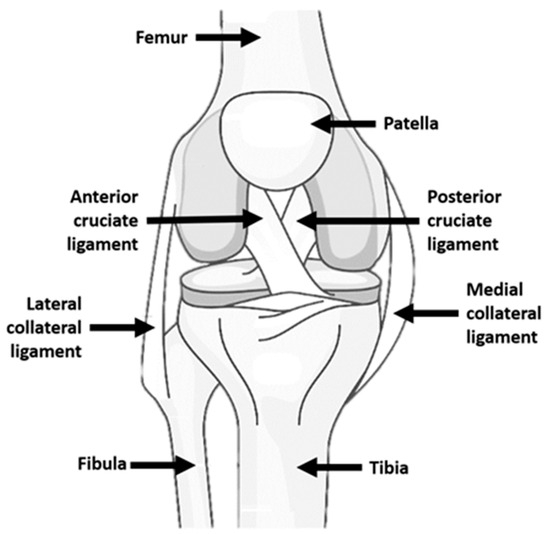
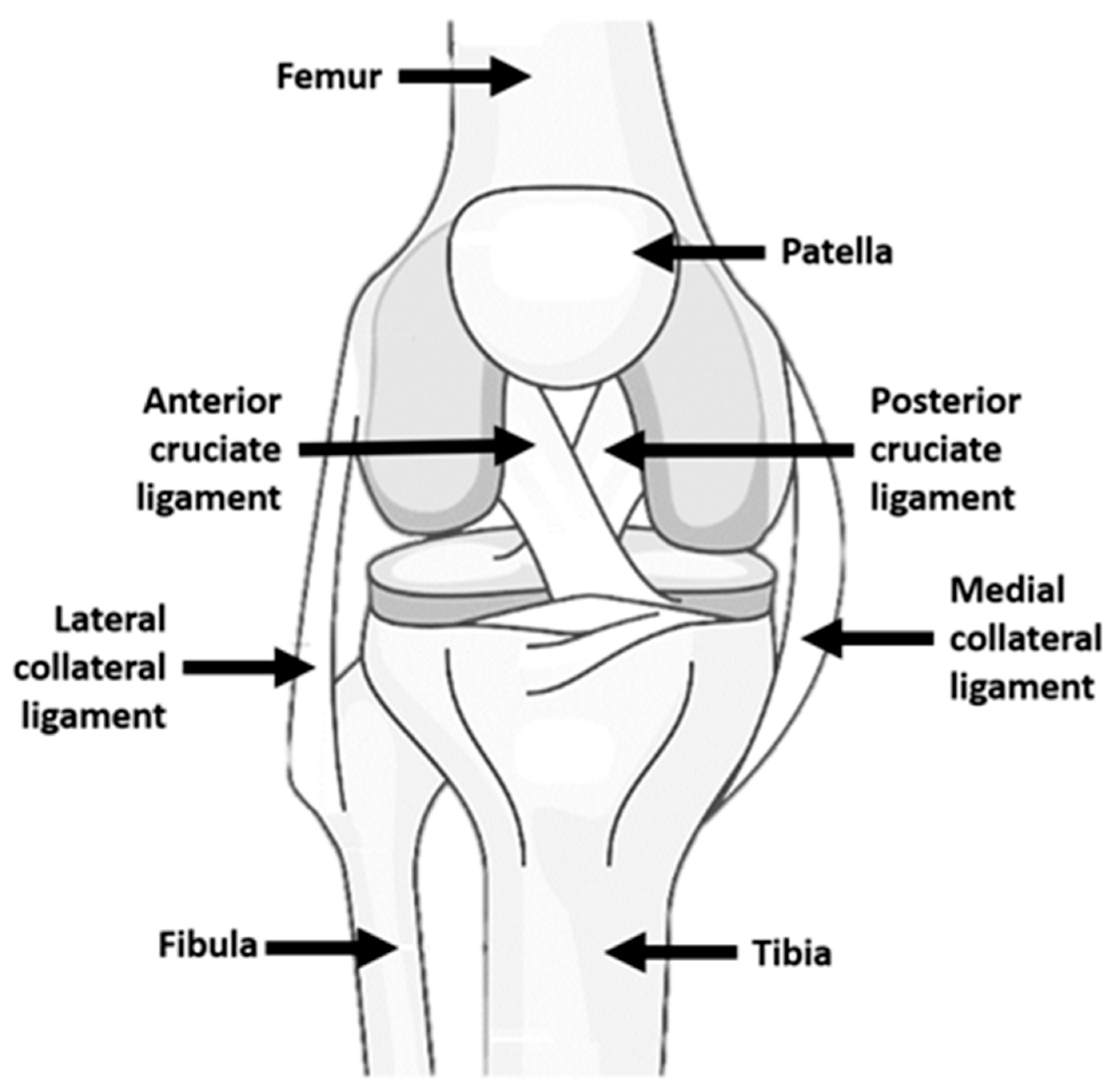
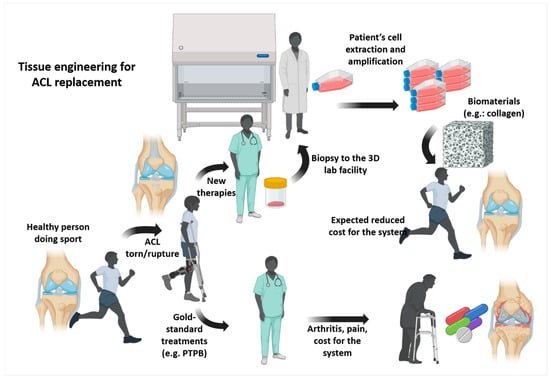
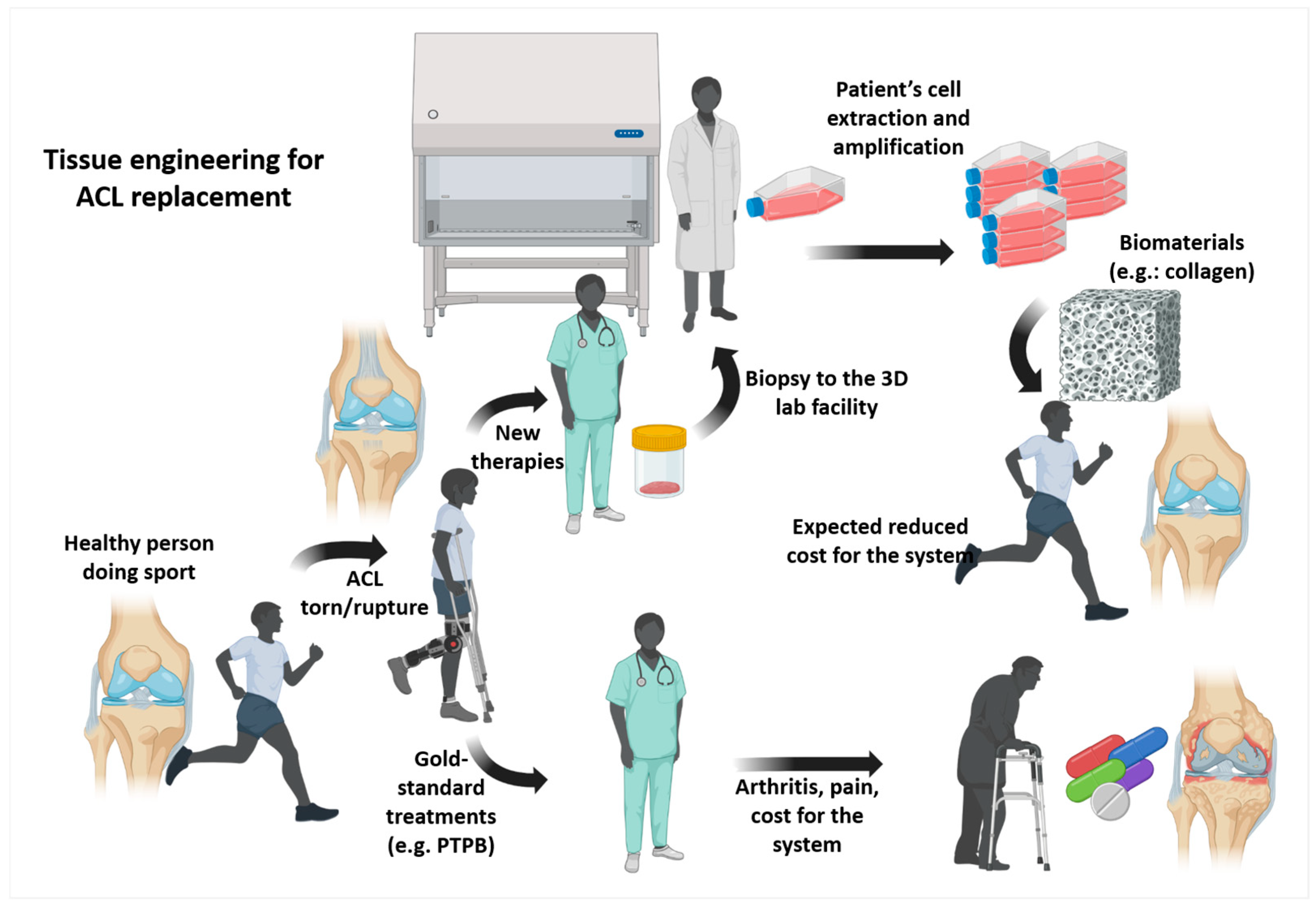
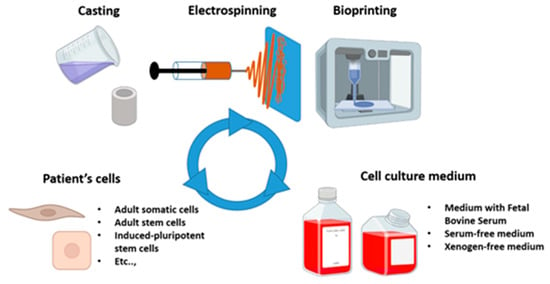
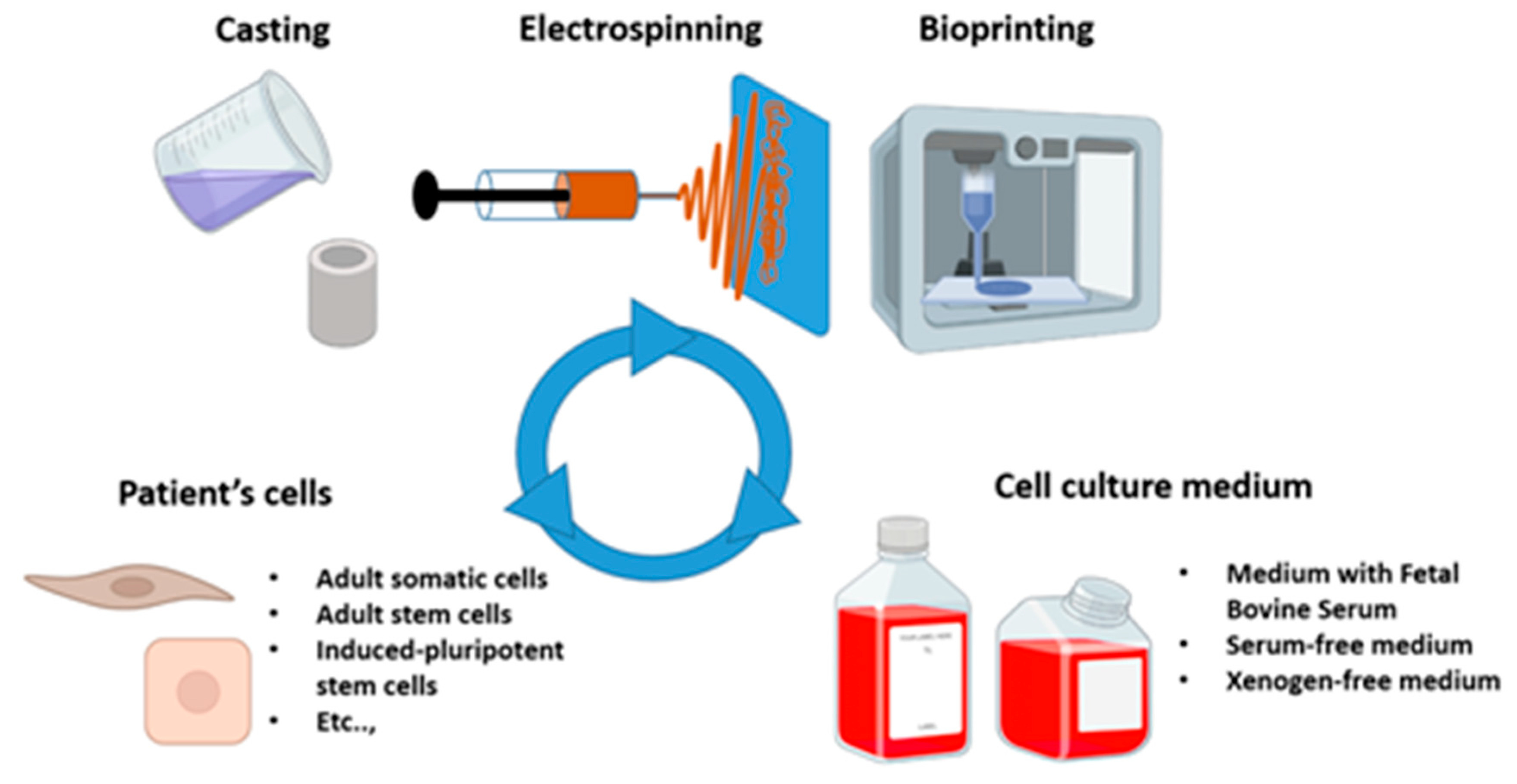
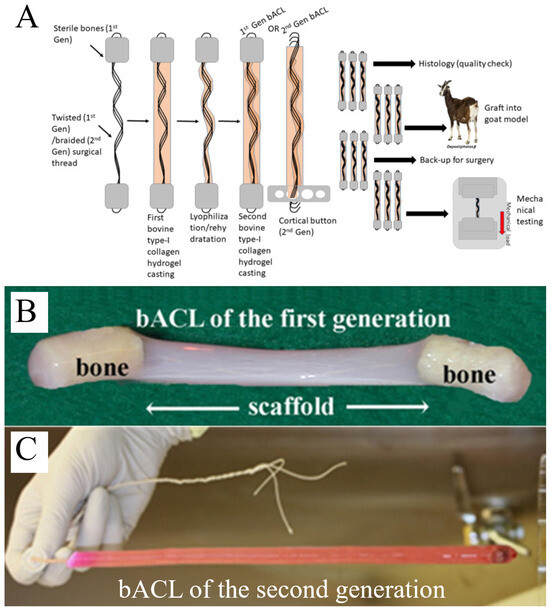
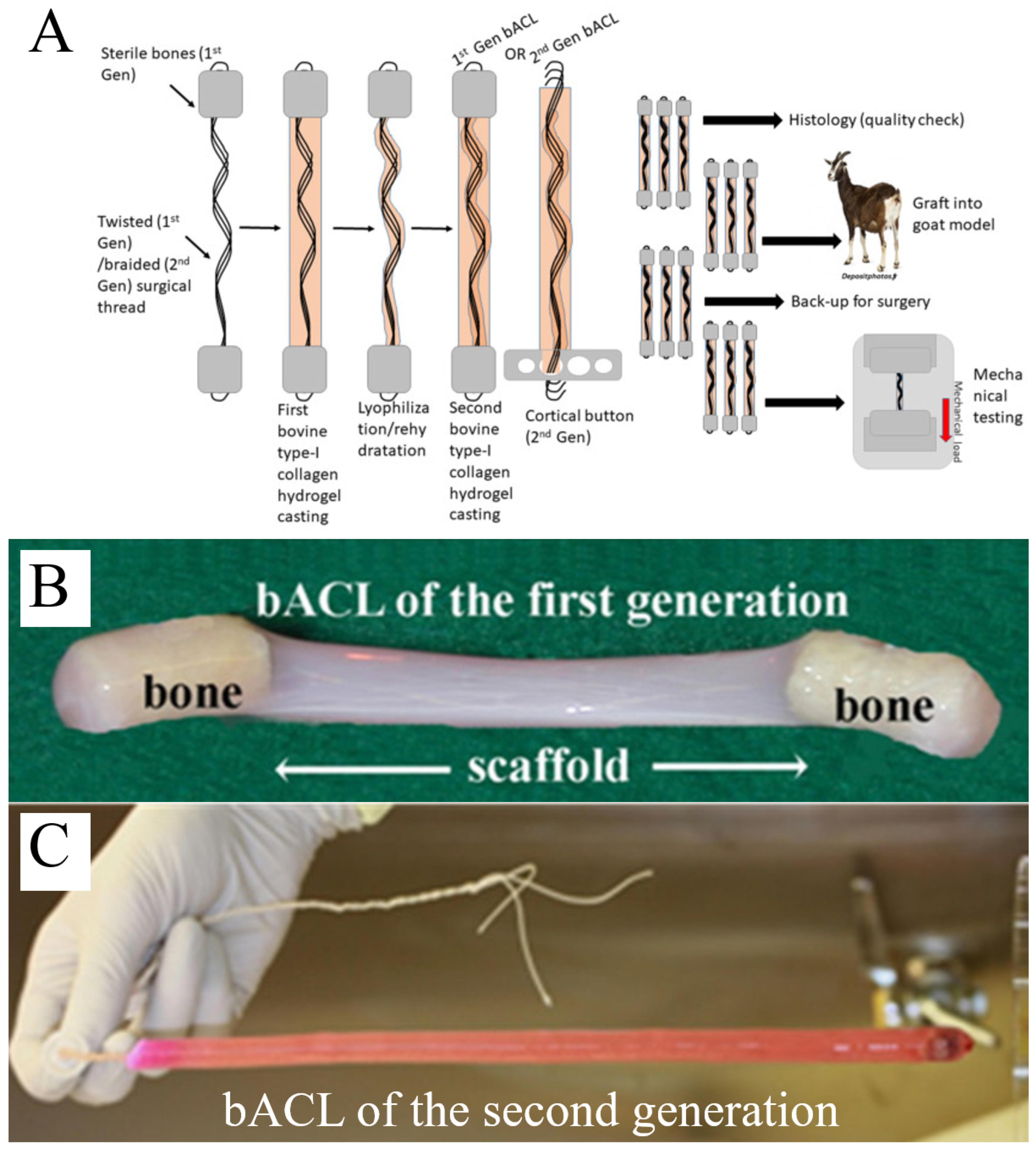
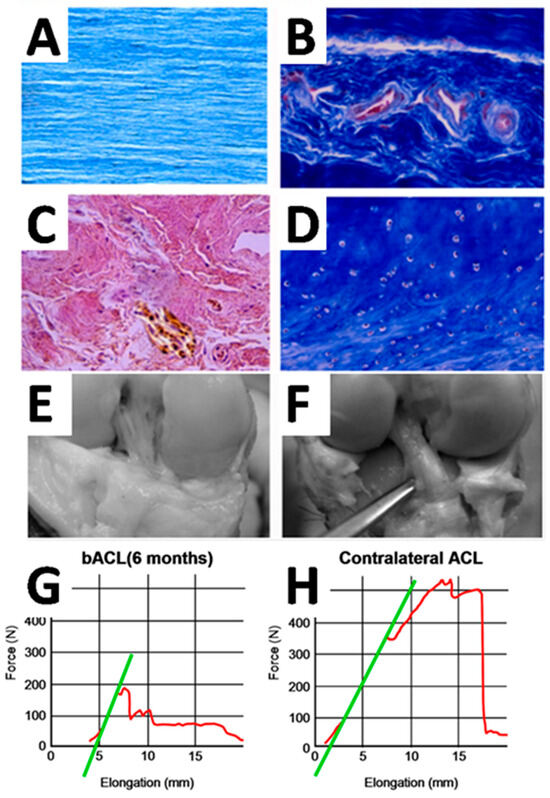
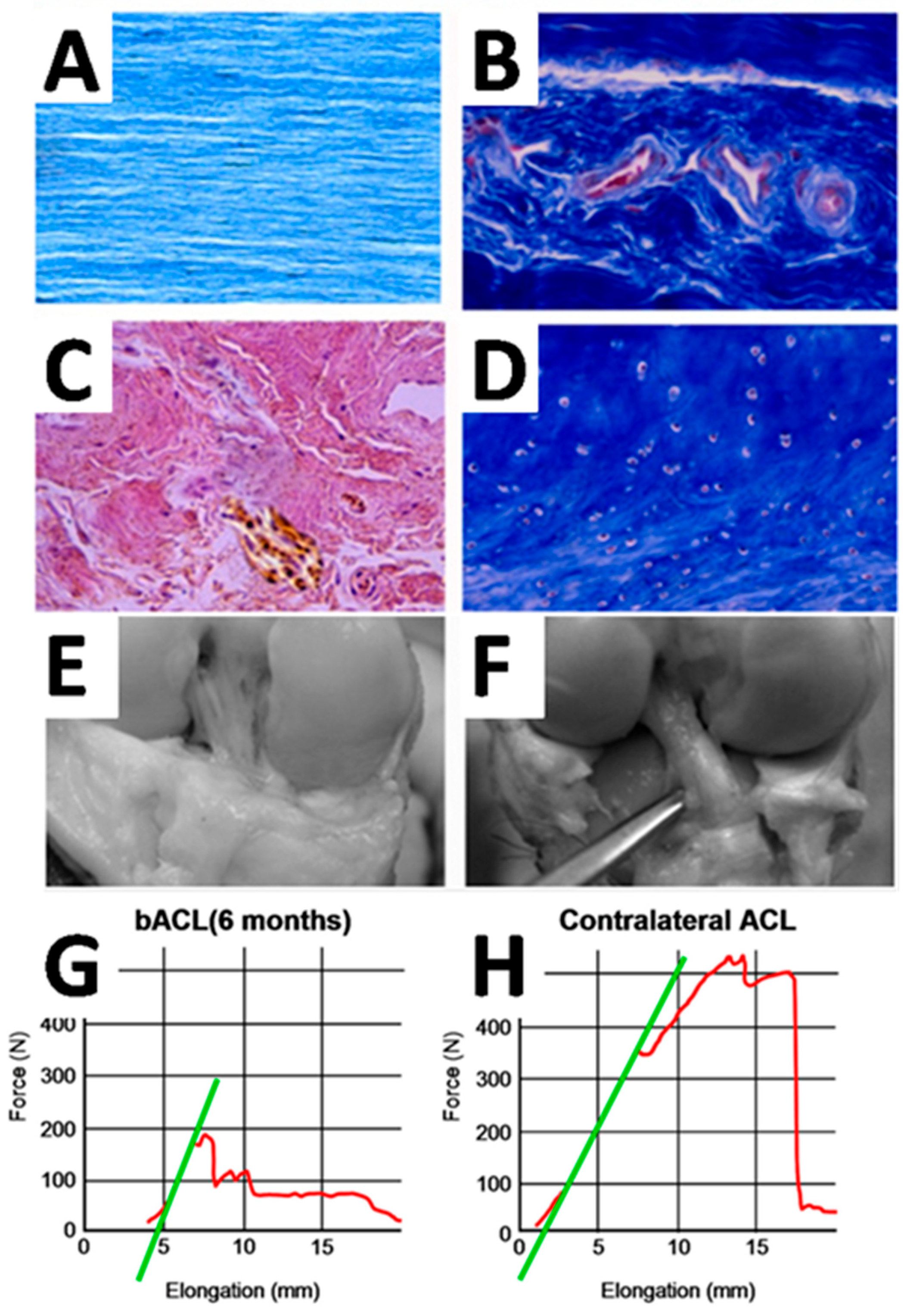
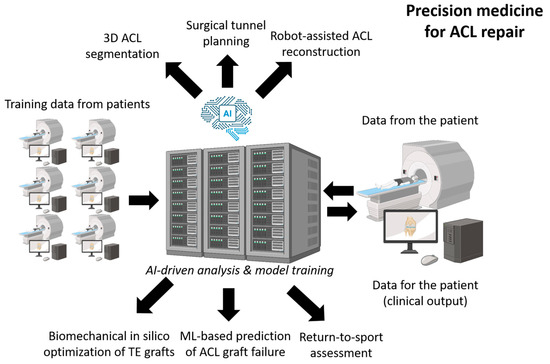
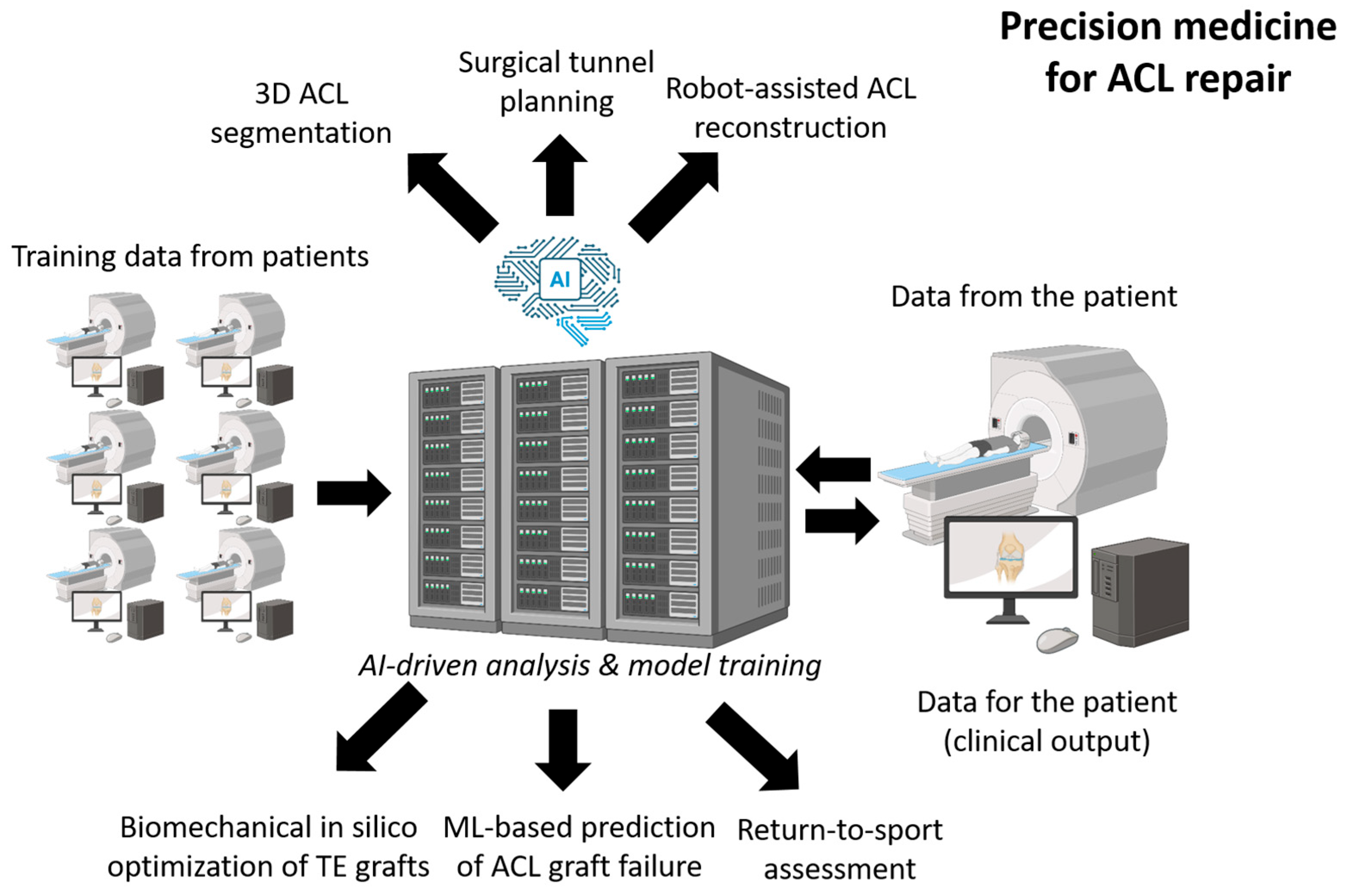

Disclaimer/Publisher’s Note: The statements, opinions and data contained in all publications are solely those of the individual author(s) and contributor(s) and not of MDPI and/or the editor(s). MDPI and/or the editor(s) disclaim responsibility for any injury to people or property resulting from any ideas, methods, instructions or products referred to in the content. |
© 2026 by the authors. Licensee MDPI, Basel, Switzerland. This article is an open access article distributed under the terms and conditions of the Creative Commons Attribution (CC BY) license.