1. Introduction
In the search for sustainable solutions for energy generation, the use of renewable resources has gained increasing relevance in recent decades. The pressure to mitigate the effects of climate change and reduce dependence on fossil fuels has driven the development of technologies that take advantage of clean and local energy sources, easily available at different scales [
1]. Among these, hydrokinetic resources [
2], such as water currents that occur during rainfall, offer a promising alternative for electricity generation, given their high availability depending on the regional meteorology and the accessibility of the technology for their exploitation [
3,
4]. Their main advantage therefore lies in the possibility of capturing the kinetic energy of water without the need for large infrastructures, which minimizes the visual impact at the urban and environmental level [
5] and allows integration into a wide variety of environments.
Such an approach is particularly relevant in remote areas or those with limited access to electrical grids, where the implementation of decentralized energy solutions can significantly improve the quality of life and foster local development. However, the design of hydrokinetic systems faces technical and operational challenges, especially in environments with variable flow rates or uncontrolled flow conditions [
6] due to the randomness of meteorological precipitation. The development of innovative systems that combine the use of renewable resources with integrated technologies is essential to maximize sustainability and energy efficiency [
7]. The implementation of a hydrokinetic system not only represents a viable solution for electricity generation in diverse environments, but also opens the door to complementary applications that enhance its impact. This article proposes a design that harnesses the kinetic energy of water to power an off-grid smart home and meet various energy needs, consolidating a comprehensive and self-sustaining approach [
8]. The designed system is configured to generate clean, renewable energy from the water falling on the roof in the form of precipitation and support a home’s local grid. The hydrokinetic system is a complement to the isolated grid, based on a turbine, designed and implemented in this study, generating electrical energy through a generator to which it is coupled. It should be noted that, although the proposed system is primarily conceived as a hydrokinetic energy harvester operating within residential rainwater drainage networks, the presence of a vertical drop in downpipes introduces a non-negligible gravitational potential component. Consequently, the system operates under a hybrid regime that combines hydrokinetic energy extraction from flowing water with low-head, pressure-driven energy recovery. This hybrid operating condition is inherent to in-pipe residential applications and does not rely on dams, reservoirs, or controlled hydraulic heads, but rather on the natural elevation differences within building drainage systems.
In this context, this work presents the development and characterization of an innovative hydrokinetic system designed to operate efficiently in a smart home [
9]. This system combines a compact and modular design with the use of biodegradable materials [
10,
11] in key components, such as the turbine and the support mechanism, making it an environmentally sustainable solution. Furthermore, its design allows it to adapt to variable flows, maximizing energy capture even in low-water-velocity conditions [
12].
The initial system design included the optimization of the turbine geometry to ensure efficient performance across different flow ranges [
13], as well as the integration of a high-efficiency generator. In parallel, the use of advanced manufacturing techniques, such as 3D printing [
2,
14], was prioritized, which not only facilitate system customization and scalability but also reduce production costs and the associated environmental impact. The relevance of this study lies in the need to develop accessible and sustainable technologies that can be implemented in rural communities or in resource-limited environments. Furthermore, the modular approach of the design allows for simple installation and reduced maintenance, reinforcing its viability for practical applications [
15].
The main objective of this study is to demonstrate the technical and economic feasibility of a compact, efficient, and sustainable hydrokinetic system designed to harness rainwater runoff for electricity generation in residential environments. This work aims to advance renewable energy technologies by offering accessible solutions tailored to communities that rely on natural resources to meet their energy needs. Specifically, the research focuses on designing and optimizing a hydrokinetic turbine capable of operating efficiently under the variable flow conditions inherent in rainwater collection systems, employing advanced manufacturing techniques such as 3D printing with biodegradable materials to ensure sustainability and cost-effectiveness. Furthermore, the system’s hydraulic performance is evaluated through computational fluid dynamics (CFD) simulations, and the turbine, generator, and overall setup are experimentally characterized in laboratory conditions. The study culminates in the implementation of the hydrokinetic system within a smart home scenario, validating its seamless integration into rainwater drainage infrastructure and its interaction with the local energy grid. Finally, an annual energy balance is conducted to quantify the complementary role of hydrokinetic generation alongside photovoltaic systems, aiming to enhance home energy resilience during periods of reduced solar availability.
The novelty of this research lies in the tailored development of a decentralized hydrokinetic energy system for smart homes, seamlessly integrated into existing rainwater collection systems without structural modifications. While most hydrokinetic technologies focus on large-scale, riverine, or tidal applications [
6,
16], this study proposes a small-scale system optimized for intermittent, low-flow rainwater runoff. Previous research has utilized CFD to optimize turbine designs for high-flow environments [
17,
18], and additive manufacturing has been applied to marine and wind energy components [
10,
19]. Although biodegradable 3D printing materials have been examined in environmental and biomedical contexts [
20], their use in residential-scale renewable energy systems remains scarce. Additionally, hybrid renewable systems to date have emphasized solar, wind, and storage integration [
21,
22], with limited investigation into solar–hydrokinetic synergies. Addressing these gaps, this work integrates CFD-based design, sustainable material fabrication, and real-world validation in a smart home energy system. The system provides complementary energy specifically during rainy periods when solar output diminishes, thereby improving autonomy, sustainability, and resilience in residential settings. Overall, the proposed system represents a significant contribution to decentralized renewable solutions for isolated or resource-constrained communities. A concise comparative summary is provided in
Table 1 to explicitly compare the present contribution against representative prior studies on small-scale hydrokinetic and rainwater energy harvesting systems.
In terms of structure, this article is organized as follows: first, the conceptual design of the hydrokinetic system is presented, including its integration into the smart home architecture. The methodology section also details the implementation of advanced manufacturing processes, such as 3D printing, and the use of CFD simulations to optimize system performance. This is followed by an experimental characterization of the turbine and generator in laboratory conditions, assessing their efficiency under different flow and installation parameters. Subsequently, the real-world implementation of the system in a smart home is described, along with the results of field testing under actual operating conditions. Finally, the article discusses the overall system performance, its contribution to improving household energy resilience, and future research opportunities in the field of decentralized hydrokinetic energy for residential applications.
2. Materials and Methods
In this section, the components, operation, and overall functionality of the hydrokinetic turbine system designed for integration into the smart home are described in detail. The system has been conceived to complement existing renewable energy sources by harnessing rainwater runoff to generate electricity in a decentralized and sustainable manner. Its modular architecture enables seamless integration into the building’s infrastructure, specifically within the rainwater drainage network, minimizing the need for structural modifications. The schematic provided (
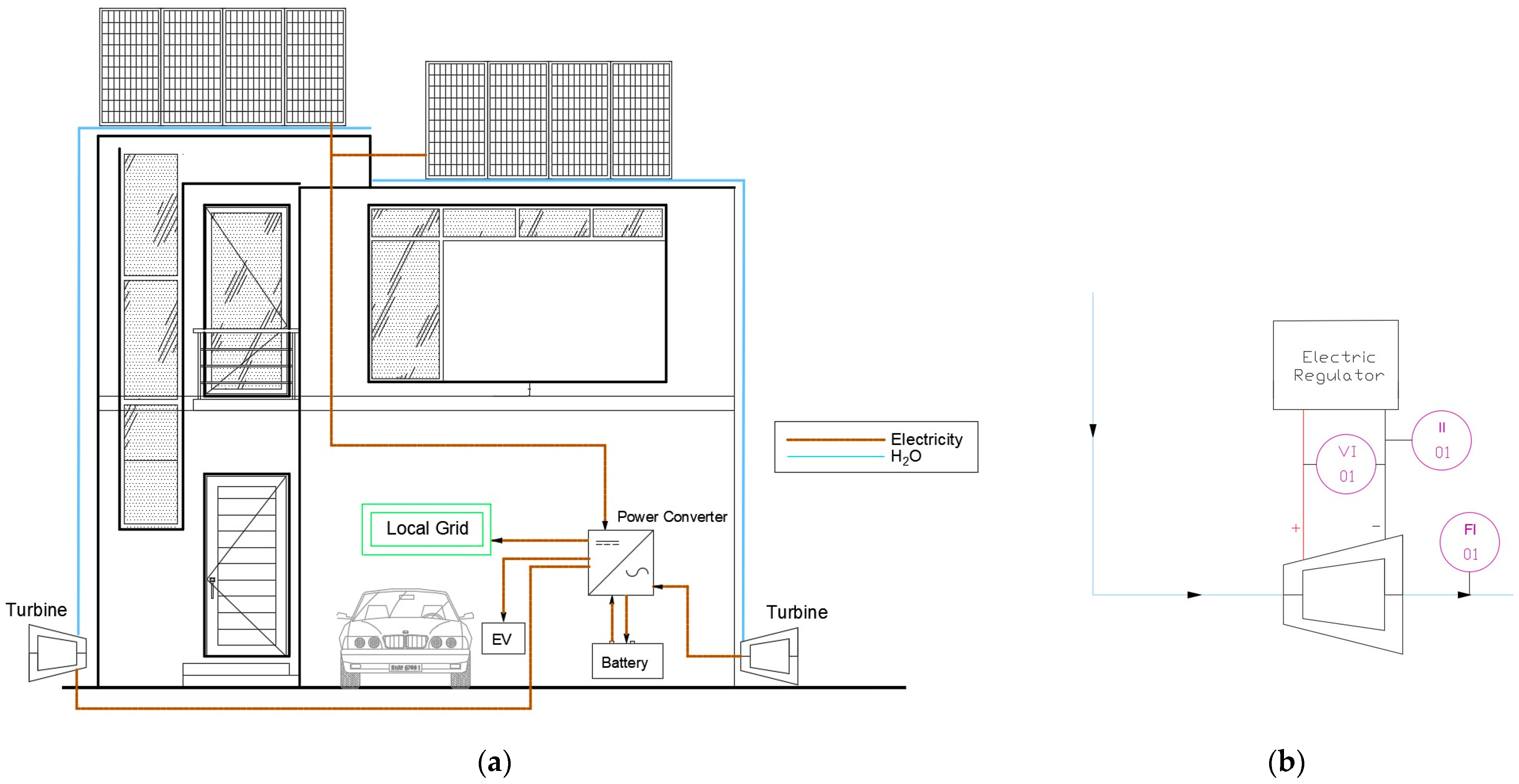
Figure 1) illustrates the key components of the system, including the hydrokinetic turbine, the flow monitoring unit, the power conditioning elements, and their interconnections with the smart home’s energy management system. The integrated approach allows the system to regulate energy generation based on water flow conditions, while optimizing performance and ensuring compatibility with other renewable sources such as photovoltaic panels.
The local energy grid of a smart home represents an integrated solution for the efficient and sustainable management of energy within the domestic environment. As shown in
Figure 1, the smart grid connects multiple energy generation sources, storage systems, and power conversion elements, enabling an autonomous and optimized electricity supply. The system primarily relies on photovoltaic panels installed on the rooftop, which capture solar energy and convert it into electricity. The electricity generated can be directly consumed by household devices or stored for later use, particularly during periods of energy surplus or lower production costs. In addition to solar generation, this study incorporates the use of hydrokinetic turbines, positioned at both ends of the building, which act as supplementary electricity generators by exploiting the controlled flow of rainwater collected from the rooftop. The electricity generated by both the photovoltaic panels and the hydrokinetic turbines is distributed through the internal electrical network to a power converter, which manages the flow of energy to domestic loads or directs it toward the energy storage system based on batteries. The battery storage system allows surplus energy to be accumulated and made available during periods when generation is insufficient to meet demand, such as at night or under unfavourable weather conditions. Furthermore, the local grid includes the infrastructure for direct electric vehicle (EV) charging via a dedicated charging point in the garage. This feature aligns with the principles of sustainable mobility and provides additional flexibility by enabling the vehicle to serve as a mobile storage system, particularly when the stationary batteries reach their maximum state of charge. Overall, this integrated infrastructure makes the local grid a key component in achieving autonomous, sustainable, and resilient energy operation in smart homes. The inclusion of the hydrokinetic system specifically enhances energy resilience during seasonal periods of reduced solar generation. The technical specifications of the main smart home components described are summarized in
Table 2.
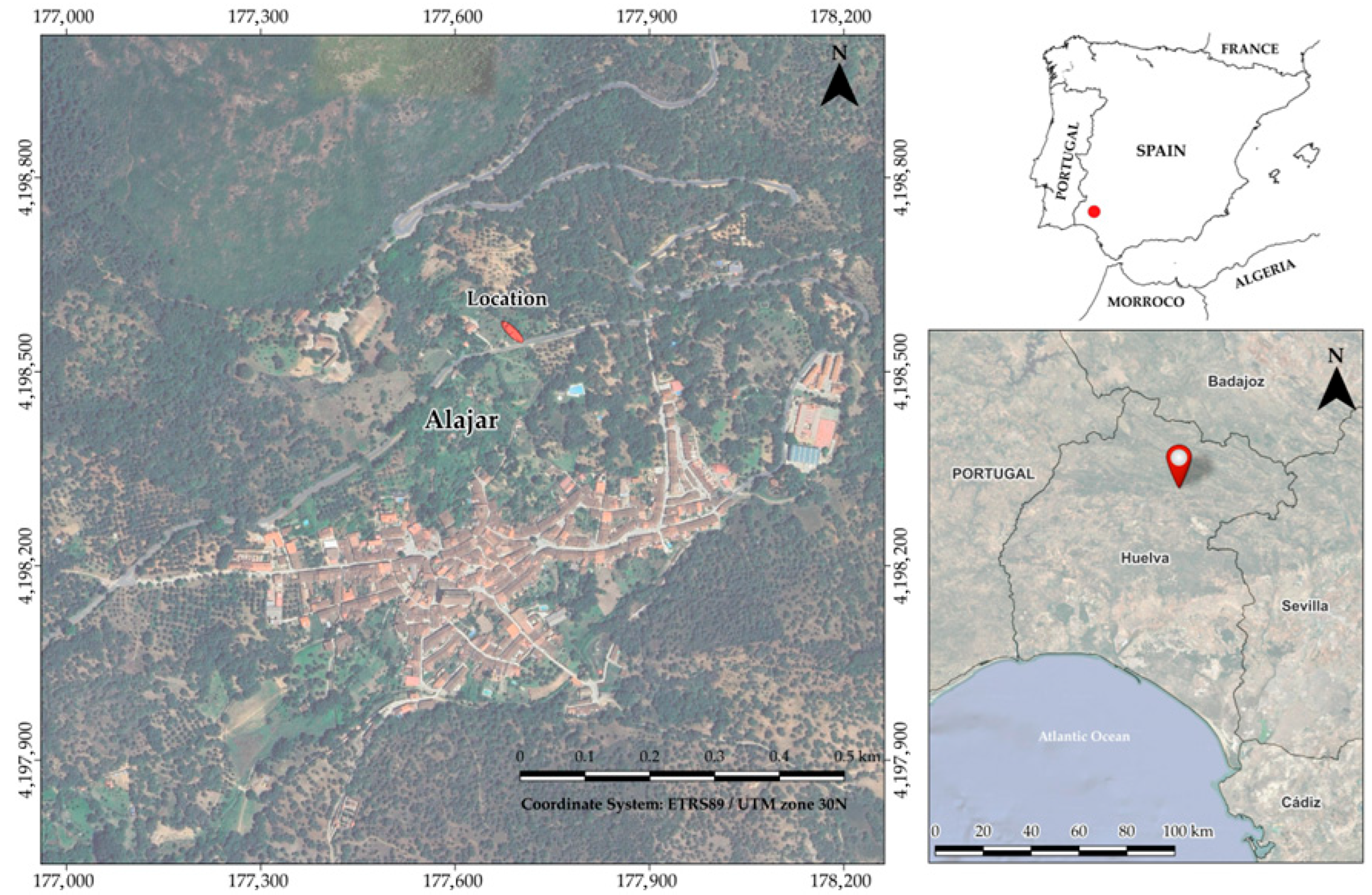
In
Figure 2, the location of the installation is shown. The region was chosen due to a high rainfall rate, combined with many hours of sunlight per year. This approach aims to maintain a stable flow of energy generation, both for the integrated photovoltaic system and the hydrokinetic system designed to be integrated into the smart home.
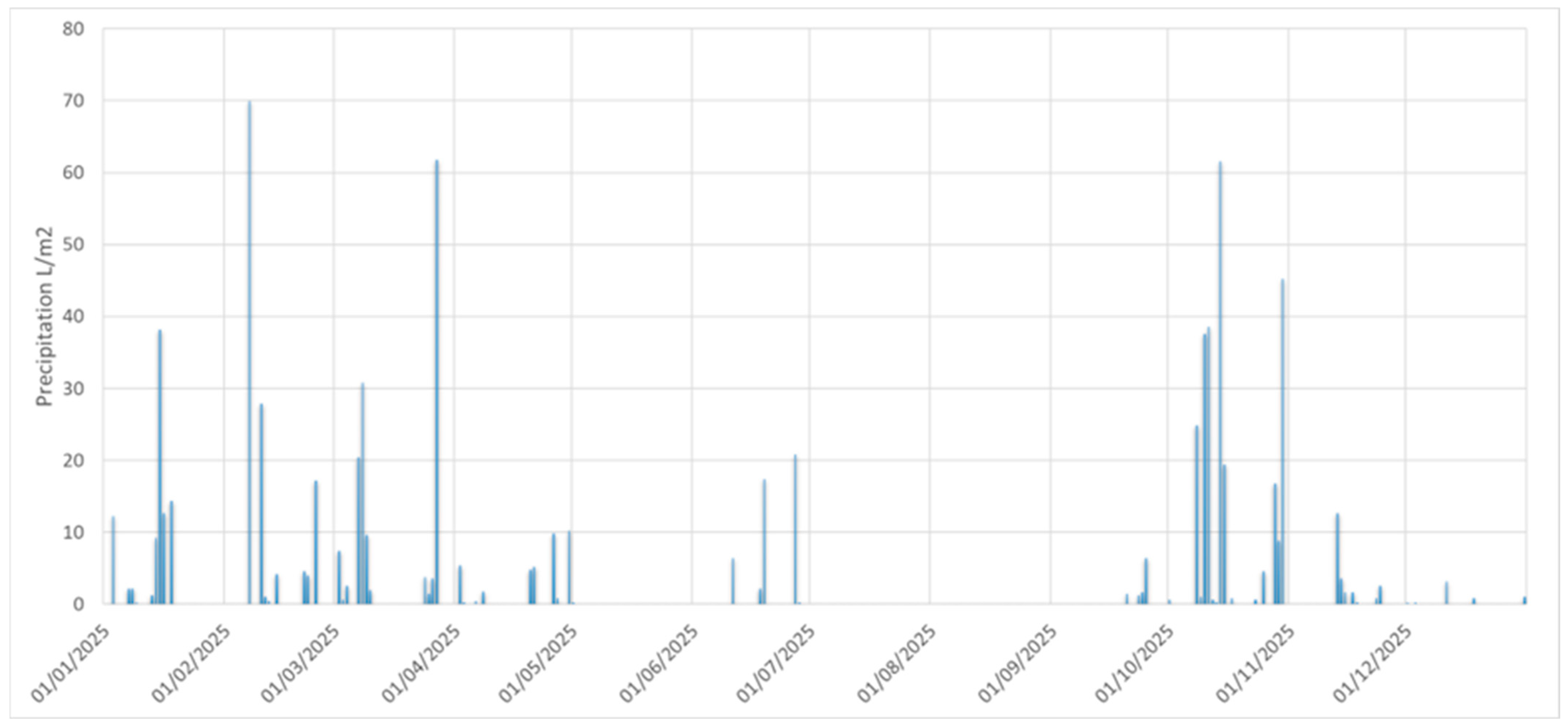
The precipitation levels recorded over the last year in the study region are presented in
Figure 3. This dataset provides a clear overview of the rainfall distribution throughout the year, highlighting seasonal variations and rainfall events that are essential for evaluating the viability of integrating the hydrokinetic turbine system. Understanding the temporal behaviour of precipitation allows for an initial assessment of the potential energy contribution from rainwater harvesting, which complements other renewable sources within the smart home infrastructure.
The system evaluation is conducted through several progressive stages. Before its implementation in the smart home, a preliminary assessment is performed to verify the availability and volume of rainwater, ensuring the technical feasibility of the proposed solution. Subsequently, Computational Fluid Dynamics (CFD) simulations are carried out to estimate the potential performance of the hydrokinetic turbines integrated within the smart home infrastructure. The adopted methodology enables the analysis of rainwater flow behaviour through the drainage system and the pressure generated by the falling water before reaching the turbine. In the next phase, a series of experimental characterizations are conducted, including performance tests of the generator, turbine efficiency evaluations at different operating heights, and the implementation and testing of the complete system under real conditions.
CFD simulations were carried out in ANSYS Fluent 2022 R2 using the realizable k–ε turbulence model, selected for its robustness in internal flows typical of residential downpipes. The CFD simulations were carried out to analyze the flow behaviour and pressure distribution within the rainwater downpipe and across the turbine. A three-dimensional model of the pipe–turbine assembly was developed and discretized using an unstructured mesh composed of approximately 1.2 million cells, with local refinement applied in the turbine region and near the blade surfaces to accurately capture pressure gradients. At the inlet, a uniform velocity boundary condition was imposed based on the experimentally measured flow rates, while a pressure outlet condition was applied at the discharge. The flow was modelled as single-phase incompressible water, as air entrainment effects were considered negligible under the investigated operating conditions. Rotor motion was represented using a Multiple Reference Frame (MRF) approach, enabling steady-state estimation of torque and mechanical power while maintaining a reasonable computational cost. A pressure-based steady-state solver was employed with second-order spatial discretization for pressure and momentum. Pressure–velocity coupling was handled using the SIMPLE algorithm. Mesh independence was verified by successive grid refinements until variations in predicted torque and pressure drop were below 3%. Numerical convergence was achieved when the residuals of all governing equations fell below 10−5 and monitored quantities such as torque and pressure drop reached stable values. Model validation was conducted by comparing CFD-predicted torque and pressure drop against the experimentally measured electrical output trends under matching flow conditions, showing consistent performance within the experimental uncertainty.
3. Results
This section presents the evaluation of the system through different stages. First, the viability of the hydrokinetic system is assessed based on the available rainwater volumes, to ensure that the proposed solution is technically feasible for residential applications. Following this, Computational Fluid Dynamics (CFD) simulations are performed to analyze the expected performance of the turbines when integrated into the smart home infrastructure. Such approach enables the detailed study of rainwater flow behaviour within the drainage system, including the velocity profiles and pressure development as water travels through the downpipes toward the turbines. In the subsequent phase, a series of experimental characterizations are carried out. These tests include the performance evaluation of the generator, the efficiency assessment of the turbine under different installation heights and flow conditions, as well as the practical implementation of the complete system under real operating scenarios. Overall, the proposed solution is validated both at the simulation level and through experimental results, demonstrating its potential to contribute to the smart home’s energy autonomy.
3.1. Analysis Using Computational Fluid Dynamics
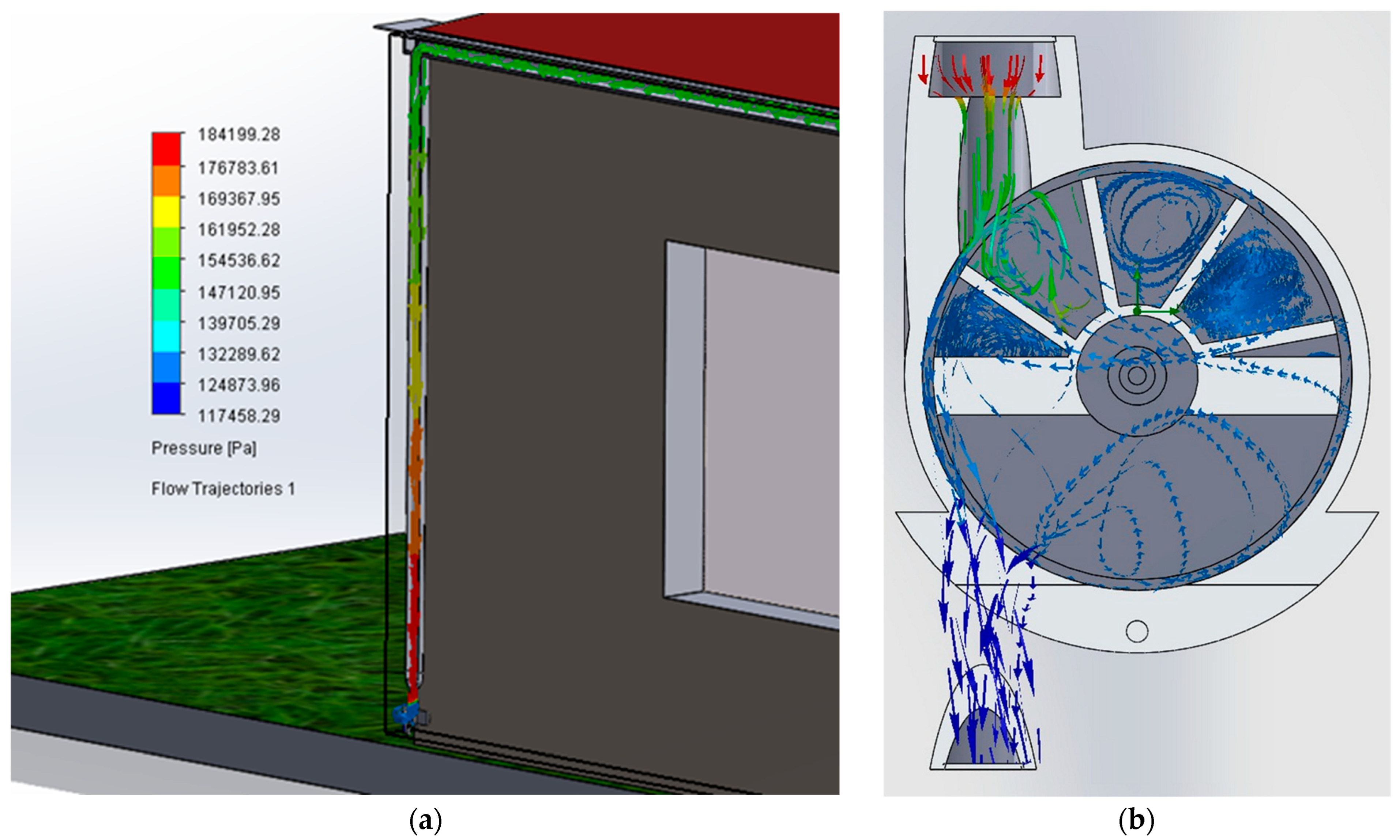
The CFD simulation results, shown in
Figure 4, demonstrate the effective flow of rainwater through the drainage system of the building. The colour-coded scale indicates the gradual increase in water pressure as it travels vertically through the downpipe toward the turbine location. This pressure buildup is essential to ensure sufficient energy transfer to the hydrokinetic system. Furthermore, the results confirm that as the rainwater reaches the turbine, a pressure drop occurs, corresponding to the conversion of hydraulic energy into mechanical energy, which is subsequently transformed into electricity. These findings validate the technical feasibility of the proposed system for smart home integration, confirming its potential to harness rainwater runoff for decentralized energy generation. In addition to the global view of the drainage system,
Figure 4 presents a detailed CFD analysis focused on the turbine region. The pressure gradients around the blades clearly illustrate the acceleration of the incoming flow at the nozzle, its interaction with the rotor, and the subsequent energy transfer before discharge. This localized visualization highlights the effective capture of kinetic energy by the turbine, as well as the stable flow distribution across the blades.
Beyond qualitative flow visualization, the CFD simulations were used to extract quantitative performance indicators of the turbine. The rotor torque was obtained directly from the integration of pressure and shear stress distributions acting on the blade surfaces. For representative operating conditions corresponding to flow rates between 1.5 and 2.4 L/s and discharge heights between 2.0 and 3.6 m, the CFD-predicted torque ranged from 0.32 to 0.38 N·m. Based on the computed torque (T) and the simulated rotational speed (ω), the mechanical power delivered to the shaft was calculated as P_mech = T · ω. At rotational speeds between approximately 3000 and 3600 rpm, this resulted in mechanical power values ranging from 95 to 120 W, which is consistent with the experimental generator characterization presented in
Section 3.3. The hydraulic input power was estimated from the simulated operating conditions using the expression P_hyd = ρ · g · Q · H, where Q is the volumetric flow rate and H represents the equivalent hydraulic head resulting from the combined effects of flow velocity and elevation difference in the downpipe. For the analyzed conditions, the hydraulic input power ranged between approximately 145 and 165 W. The ratio between mechanical and hydraulic power yields an indicative hydraulic-to-mechanical conversion efficiency. Based on the CFD results, the conversion efficiency was found to lie between 65% and 75% depending on the operating condition. These values are in good agreement with the experimental measurements and fall within the range reported in the literature for small-scale in-pipe and low-head hydrokinetic turbines. Overall, these results demonstrate that the CFD model provides not only qualitative insight into the flow behaviour but also reliable quantitative estimates of turbine performance. For reproducibility and quantitative comparison,
Table 3 summarizes the main CFD outputs together with the corresponding operating conditions and derived indicators.
3.2. Three-Dimensional Design and Experimental Manufacturing of the Hydrokinetic Turbine
The development of the hydrokinetic system started with the 3D modelling of the turbine, where special attention was given to optimizing the geometry of the blades to maximize the capture and conversion of kinetic energy from rainwater under variable flow conditions.
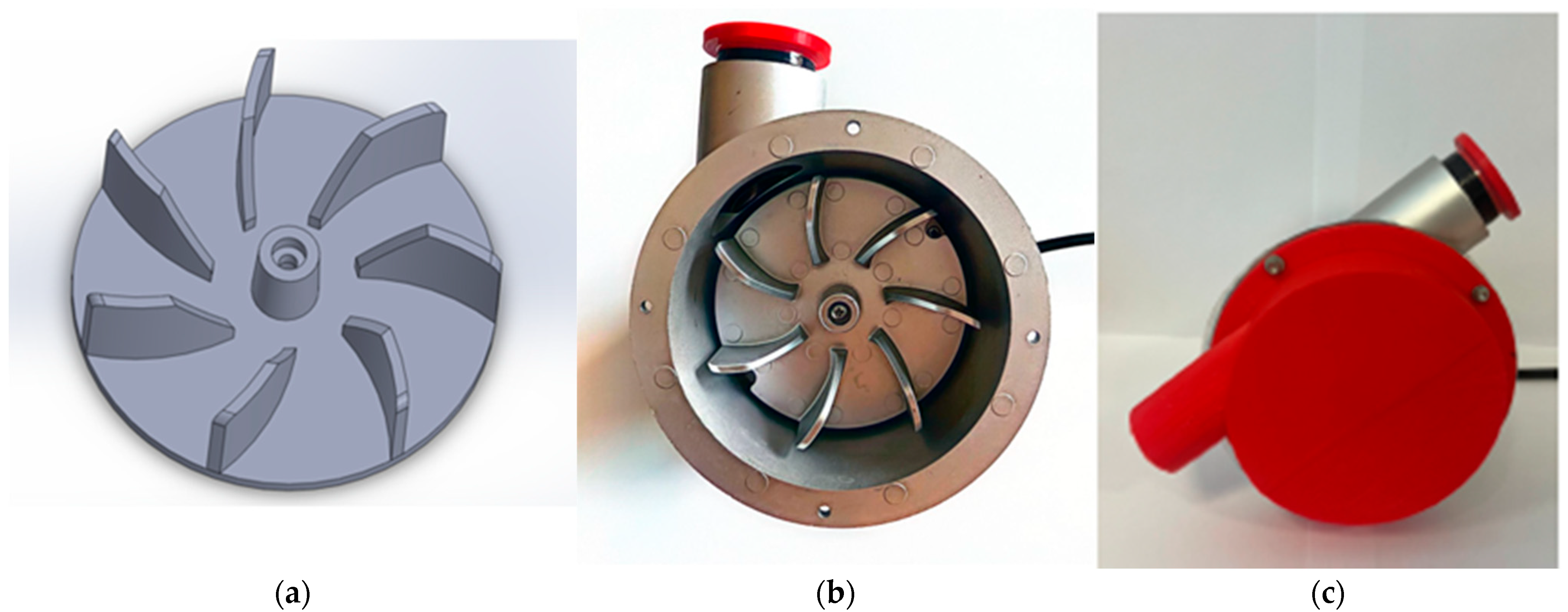
Figure 5a illustrates the initial CAD model of the turbine, highlighting the orientation and specific blade angles, both of which play a crucial role in enhancing the system’s efficiency within the expected flow velocity range. Once the design phase was completed, the turbine was manufactured using 3D printing technology with biodegradable filament. The material selection not only supports the environmental sustainability objectives of the project but also enables rapid prototyping, reducing production times and facilitating iterative improvements in the design process. In
Figure 5b, the assembly of the 3D-printed turbine inside its structural housing is shown, where the mechanical integration of the various components is clearly visible. Subsequently, the complete system assembly, including the protective cover also produced through 3D printing, is presented in
Figure 5c. The cover serves not only as a protective element but has been geometrically optimized to minimize pressure losses, reduce energy dissipation, and facilitate maintenance operations when necessary. The result of this process is a compact, high-efficiency turbine module that can be easily installed within the downpipes of residential buildings. This development process validated the mechanical, structural, and functional viability of the turbine, ensuring its readiness for experimental testing, while also promoting the use of sustainable materials aligned with eco-friendly energy generation technologies. The turbine rotor has an external diameter of 120 mm and an axial length of 60 mm, and it comprises 7 blades and a blade thickness of 4 mm.
3.3. Experimental Characterization
This section describes the characterization process of the turbine system, conducted through laboratory tests designed to evaluate the performance of both the generator and the turbine under varying operating conditions. The experimental campaign focused on several key aspects, including turbine efficiency under different flow rates, generator output, and the system’s operability at different installation heights. The laboratory bench consisted of a closed-loop hydraulic circuit with a variable-speed centrifugal pump (Qmax = 3 L/s, Hmax = 5 m), a DC permanent-magnet generator (120 W, 18 V), a flow sensor (±2%), a pressure transducer (±1%), an optical tachometer (±1 rpm), and a digital power analyzer.
3.3.1. Turbine Characterization Test
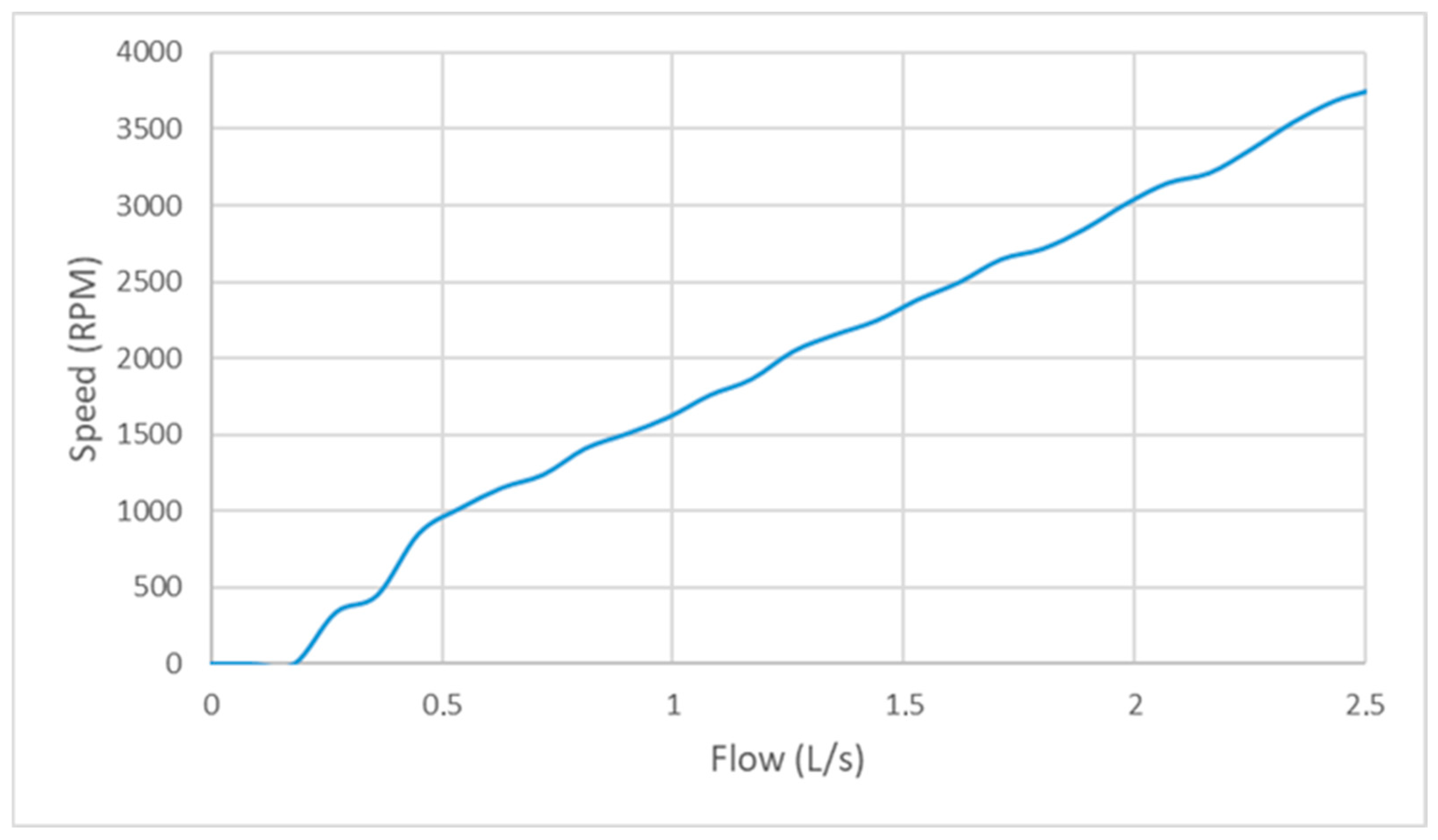
The first set of experiments focused on the turbine component of the system. To evaluate its performance, a water flow test bench was utilized, capable of supplying variable flow rates representative of real-world rainwater collection scenarios. The generated water flow allowed for the measurement of the turbine’s rotational speed (RPM) and its direct correlation with the applied flow rate. The aforementioned experimental approach enabled the characterization of the turbine’s behaviour under operational conditions similar to those expected in residential smart home applications. The data obtained are presented in
Figure 6, which illustrates the relationship between flow rate (Q, in litres per second) and turbine rotational speed (RPM). The results clearly demonstrate that the rotational speed of the turbine increases proportionally with the water flow rate. At low flow rates (0.25–0.5 L/s), the turbine produces moderate rotational speeds, while at higher flow rates (>1 L/s), the system responds more efficiently, reaching its optimal performance range.
Figure 6 confirms that the turbine is designed to operate effectively across a wide range of flow conditions, from low-flow scenarios typical of occasional rainfall to high-flow events associated with heavy rainstorms. This operational versatility highlights the adaptability of the turbine to different seasonal patterns, enhancing the system’s potential for consistent energy generation throughout the year.
3.3.2. Generator Characterization Test
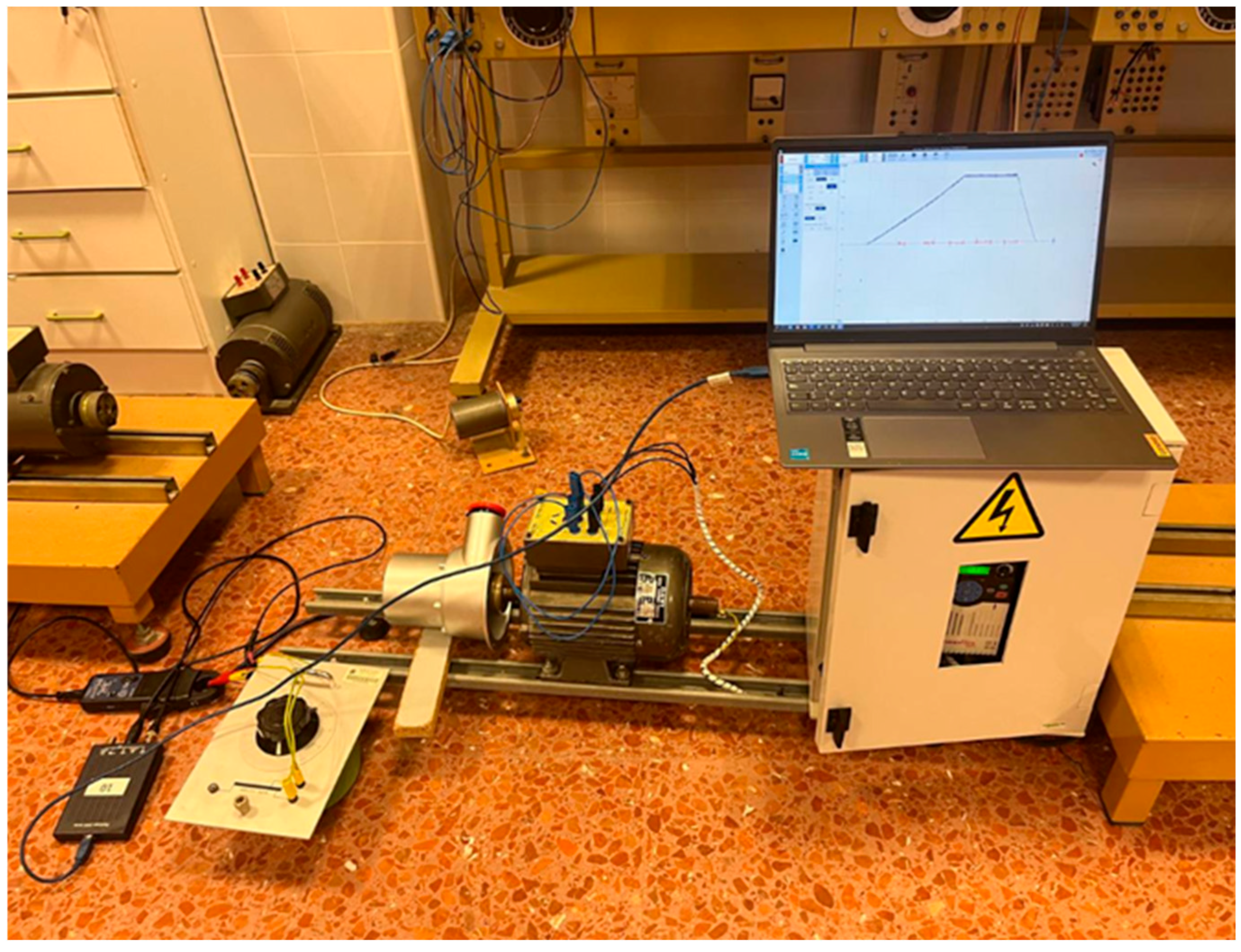
The next stage of the experimental campaign focused on characterizing the performance of the electric generator coupled to the hydrokinetic system. For this purpose, a laboratory-grade electric motor was employed, allowing precise control of the rotational speed (RPM) applied to the generator shaft. During the tests, various electrical loads were connected to the generator while measuring the generated power output and voltage as a function of the rotational speed. These measurements enabled the evaluation of the generator’s response to different load conditions and rotational speeds, providing insight into its efficiency and operational stability.
Figure 7 illustrates the experimental setup used for the generator characterization tests, where an electric motor simulates different rotational speeds corresponding to high water flow scenarios. The recorded data include generated power, generator rotational speed, and output voltage, allowing a comprehensive assessment of the generator’s efficiency across a wide range of operating conditions.
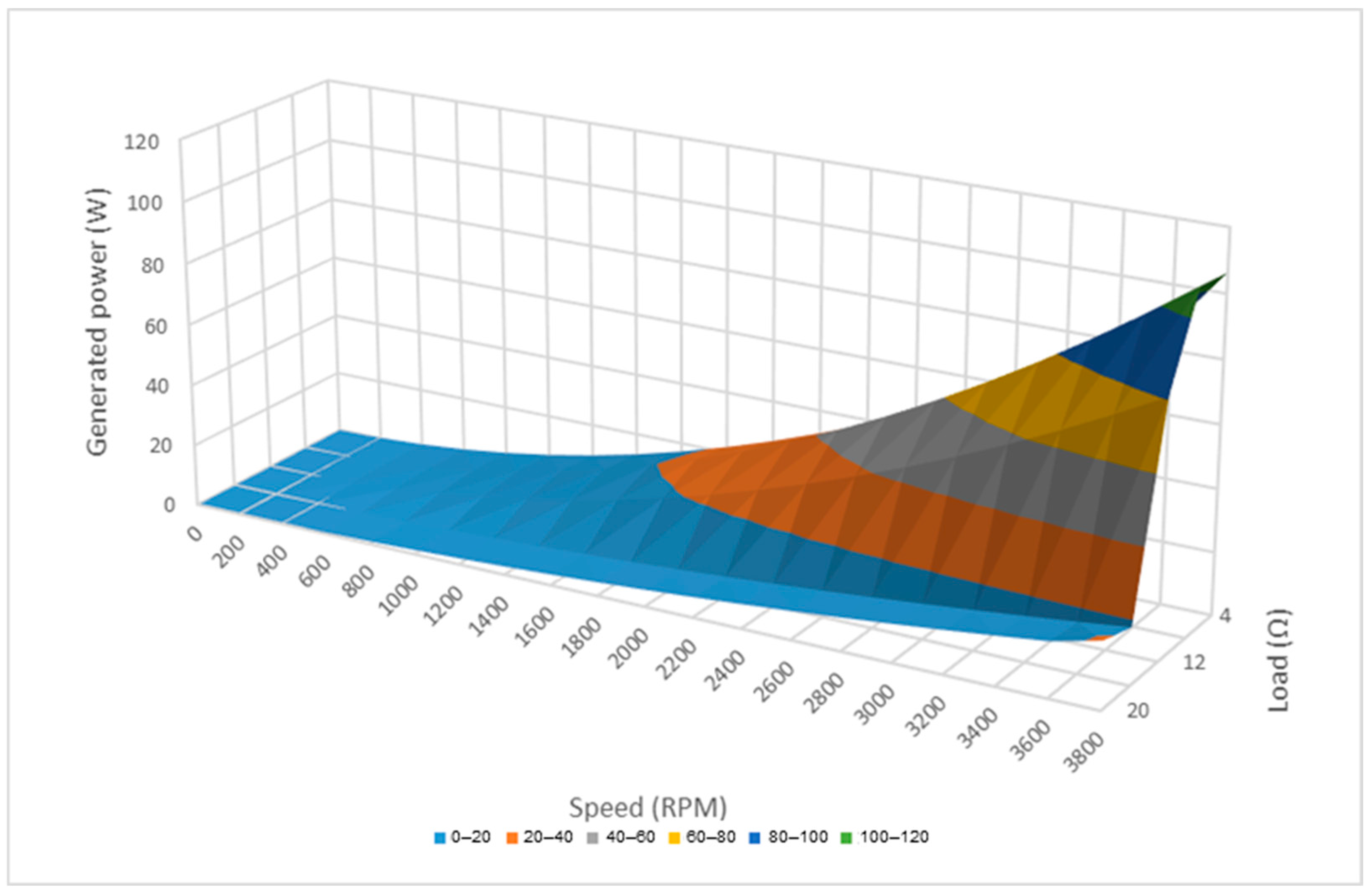
The results obtained are presented in
Figure 8, which shows a three-dimensional surface plot illustrating the relationship between rotational speed (RPM), electrical load (Ω), and the generated power output (W) of the hydrokinetic generator. The surface analysis reveals that the generated power increases significantly with rotational speed, reaching peak values close to 120 W at approximately 3200–3600 RPM under low electrical loads (below 5 Ω). This behaviour confirms the generator’s high efficiency when operating at elevated speeds with minimal electrical resistance, conditions that are ideal for maximizing energy production. In the intermediate load range (5–10 Ω), the generated power remains within a moderate range of approximately 40–80 W, demonstrating a slight reduction in generation capacity as resistance increases. However, this decrease can be partially compensated by increasing the input rotational speed. Conversely, at loads above 10 Ω, power generation shows a more pronounced decline. For instance, with resistances around 12–20 Ω, the maximum power output does not exceed 40 W, even at high rotational speeds above 3000 RPM. This indicates the existence of an operational threshold beyond which the system’s efficiency is significantly compromised due to excessive electrical resistance. This quantitative analysis allows the conclusion that the generator operates optimally under low-resistance conditions (0–10 Ω) combined with high rotational speeds (>2500 RPM), making it an effective and reliable solution for energy generation in smart building environments.
The experimental tests performed validate the performance of both the generator and the turbine under different operating conditions. The generator demonstrated optimal efficiency at high rotational speeds combined with low electrical resistances, while the turbine exhibited adaptability across a wide range of flow rates, confirming the system’s suitability for implementation in diverse seasonal environments. The results obtained from these tests will serve as a foundation for future system optimizations and potential scalability of the design.
3.3.3. Experimental Characterization of Power Generation as a Function of Height and Flow Rate
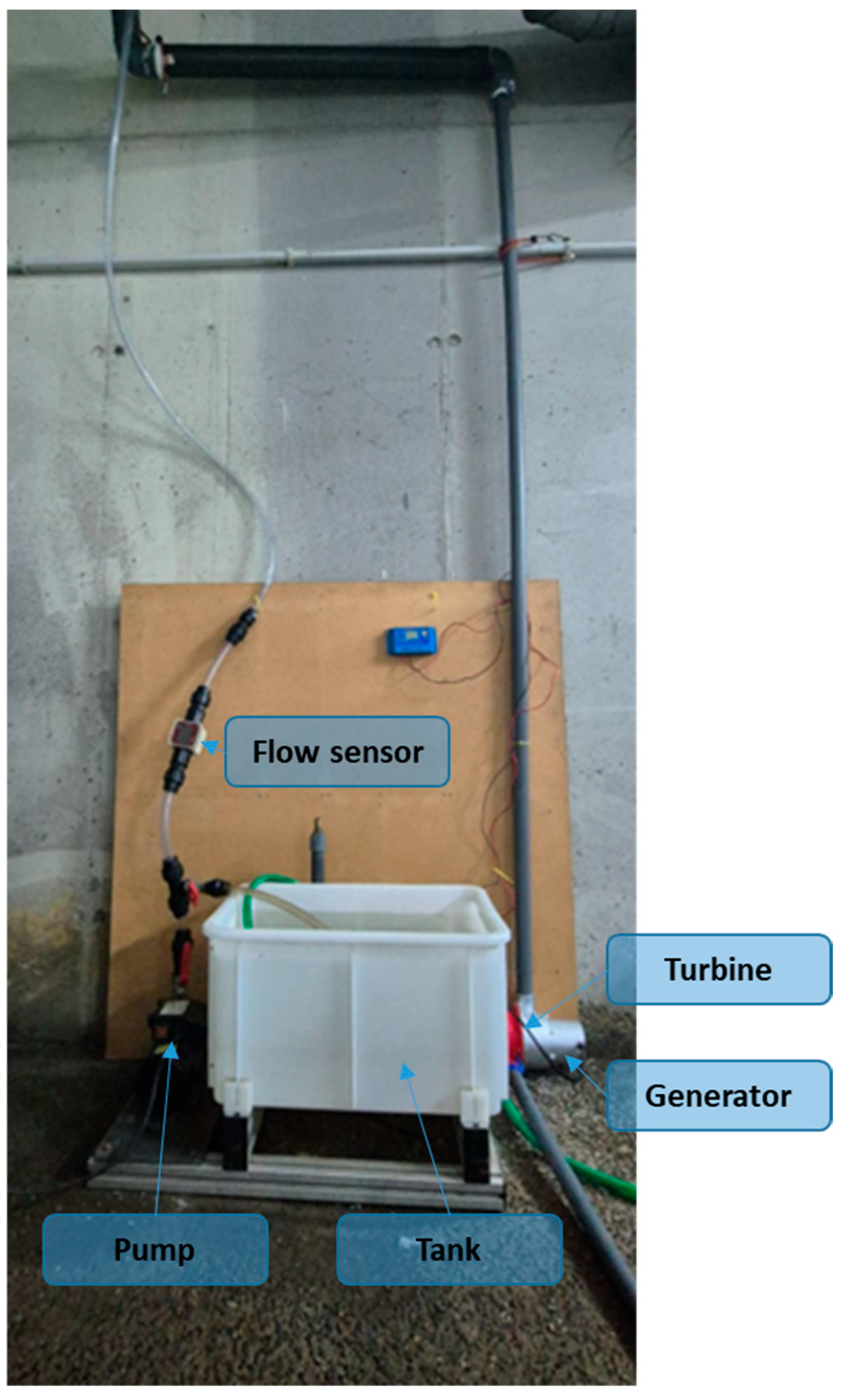
To analyze the influence of both the water head (height) and flow rate on the power output generated by the hydrokinetic turbine, an experimental characterization was conducted using a test bench specifically designed to replicate the operational conditions of a smart home installation designed to reproduce realistic operating conditions of residential rainwater drainage systems. It is important to note that, in such a closed-loop configuration, discharge height and flow rate are physically coupled variables: modifying the discharge height alters the hydraulic resistance of the system, which in turn affects the resulting flow rate. Therefore, these parameters cannot be varied independently. In this study, operating conditions were established by adjusting the outlet elevation and pump settings to obtain stable combined values of discharge height and flow rate representative of real rainfall scenarios. As a result, the experimental analysis should be interpreted as an exploration of the system’s operational envelope under realistic combined conditions, rather than as a strictly decoupled parametric study. This approach allows the assessment of turbine performance under conditions that closely resemble actual residential installations. The experimental setup is shown in
Figure 9 and consists of a closed-loop water recirculation system, including a storage tank, a pump, flow and pressure sensors, and a vertical piping system that simulates the downspout of a residential building. At the lower section of the system, the hydrokinetic turbine is installed, mechanically coupled to the generator under study. The experimental configuration allows for adjustment of the discharge height through modifications to the upper outlet, thereby altering the available potential energy of the water entering the turbine. Similarly, the pump enables precise control of the flow rate within a defined range, simulating different rainfall intensities and reproducing realistic operating conditions typically observed on inclined rooftops.
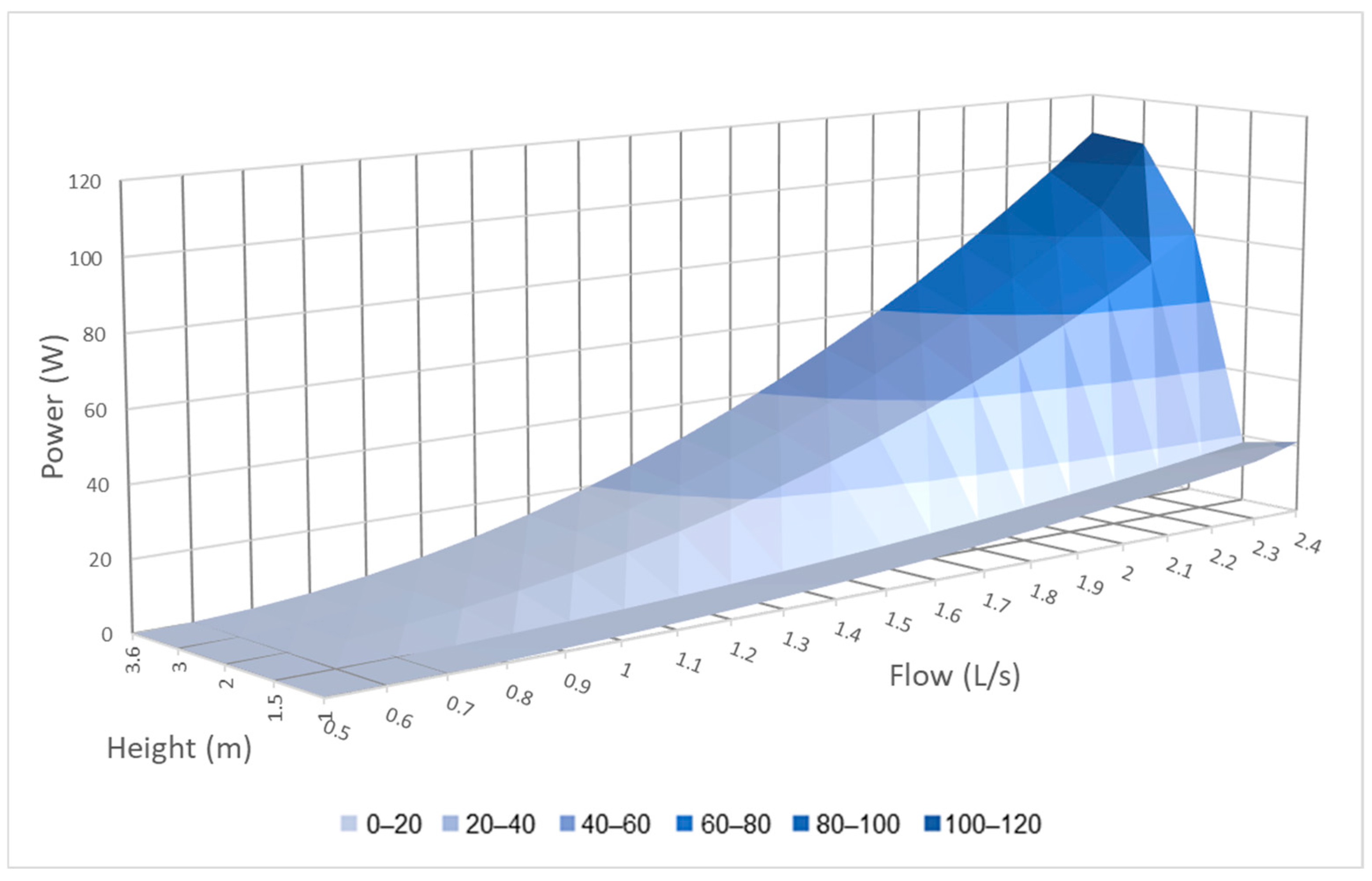
The experimental results are presented in a three-dimensional surface plot (
Figure 10), illustrating the interaction between flow rate, water head, and the corresponding power generated by the system. With the graphical representation, a comprehensive understanding of how variations in both parameters affect the overall energy production is provided, supporting the evaluation of system performance across diverse operational scenarios.
The experimental results obtained from the characterization, presented in
Figure 10, show a clear interaction between the water head (height), flow rate, and the power generated by the hydrokinetic system. The data indicate that an increase in discharge height leads to a significant rise in generated power, which is associated with higher hydrostatic pressure and increased water velocity at the turbine inlet. Likewise, higher flow rates contribute to greater energy production due to the additional kinetic energy carried by the fluid. The relationship between these variables is not strictly linear. For flow rates below approximately 0.5 L/s, the power output remains very low, even with considerable discharge heights, due to insufficient water volume to effectively drive the turbine. In contrast, the optimal operating range of the system occurs when flow rates are between 1.5 and 2.4 L/s, combined with discharge heights between 2 and 3.6 m. Within these conditions, the balance between potential and kinetic energy maximizes the system’s energy conversion efficiency, with generated power exceeding 100 W and reaching peak values near 120 W. This characterization provides key insights into the performance limits and optimal operating conditions of the turbine system, allowing its application in residential environments to be adapted to the variability of rainwater availability throughout the year. The results demonstrate the system’s potential for efficient integration into smart homes with seasonal rainwater harvesting systems.
3.4. Implementation of the Hydrokinetic System in the Smart Home
Following the design, simulation, and experimental validation phases, the hydrokinetic system was physically implemented in a real smart home environment to assess its practical integration and operation under realistic conditions. The complete system was assembled and installed directly within the rainwater downpipe infrastructure of the building, forming a fully functional energy generation solution without requiring significant structural modifications. This configuration corresponds to the designed system previously detailed in the schematic shown in
Figure 1b, now adapted and validated under real installation conditions.
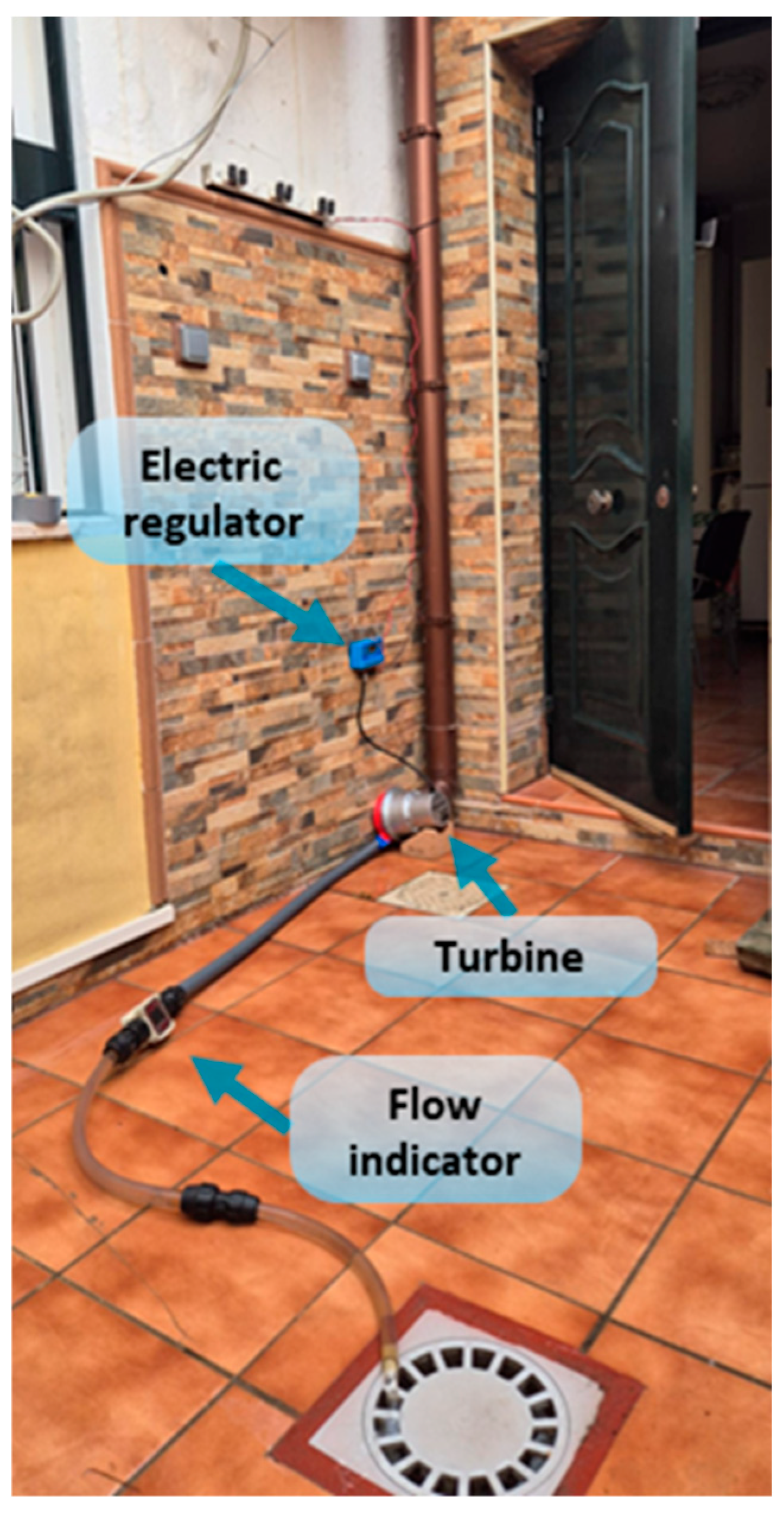
Figure 11 shows the final configuration of the system integrated into the household’s drainage network. The setup consists of three primary components working in conjunction:
Turbine: Located at the lower section of the downpipe, where it converts the kinetic energy of rainwater into mechanical energy.
Flow Indicator: Installed along the inlet, allowing for real-time monitoring of water flow to ensure proper system performance and operational safety.
Electric Regulator: Responsible for stabilizing and conditioning the electrical output, allowing seamless integration with the local energy grid or directing energy toward battery storage.
Figure 11.
Hydrokinetic System implemented in the Smart Home.
Figure 11.
Hydrokinetic System implemented in the Smart Home.
The installed system presented a compact and modular configuration, integrated into the rainwater drainage infrastructure using standard fittings and sealed connections that ensured watertight operation throughout the tests. The positioning of the key components, including the turbine, flow indicator, and electric regulator, allowed direct access for inspection and maintenance, facilitating practical operation. During rainfall events, water collected from the rooftop was successfully channelled through the sealed conduit to the turbine. The system remained watertight and structurally stable in all trials. The generated energy was regulated and made available for direct consumption within the smart home, or for storage in the existing battery system, without requiring modifications to the building’s infrastructure. The system operated as expected under real rainfall conditions, confirming both its mechanical functionality and electrical performance. These results demonstrate the practical feasibility of integrating the hydrokinetic unit into existing residential settings, with stable energy production contributing to household energy autonomy during periods of precipitation.
3.5. Energy Integration into the Smart Home Local Grid: Solar–Hydrokinetic Energy Balance
The integration of the hydrokinetic turbines into the smart home’s local grid is primarily intended to enhance energy resilience during periods when solar production declines due to unfavourable weather conditions. Once the performance of both the turbine and generator has been experimentally validated under controlled conditions, the complete hydrokinetic system is integrated into the smart home to assess its real-world contribution to household energy generation. To that end, the annual energy balance of the smart home is analyzed, comparing the solar energy production with the energy generated by the hydrokinetic system.
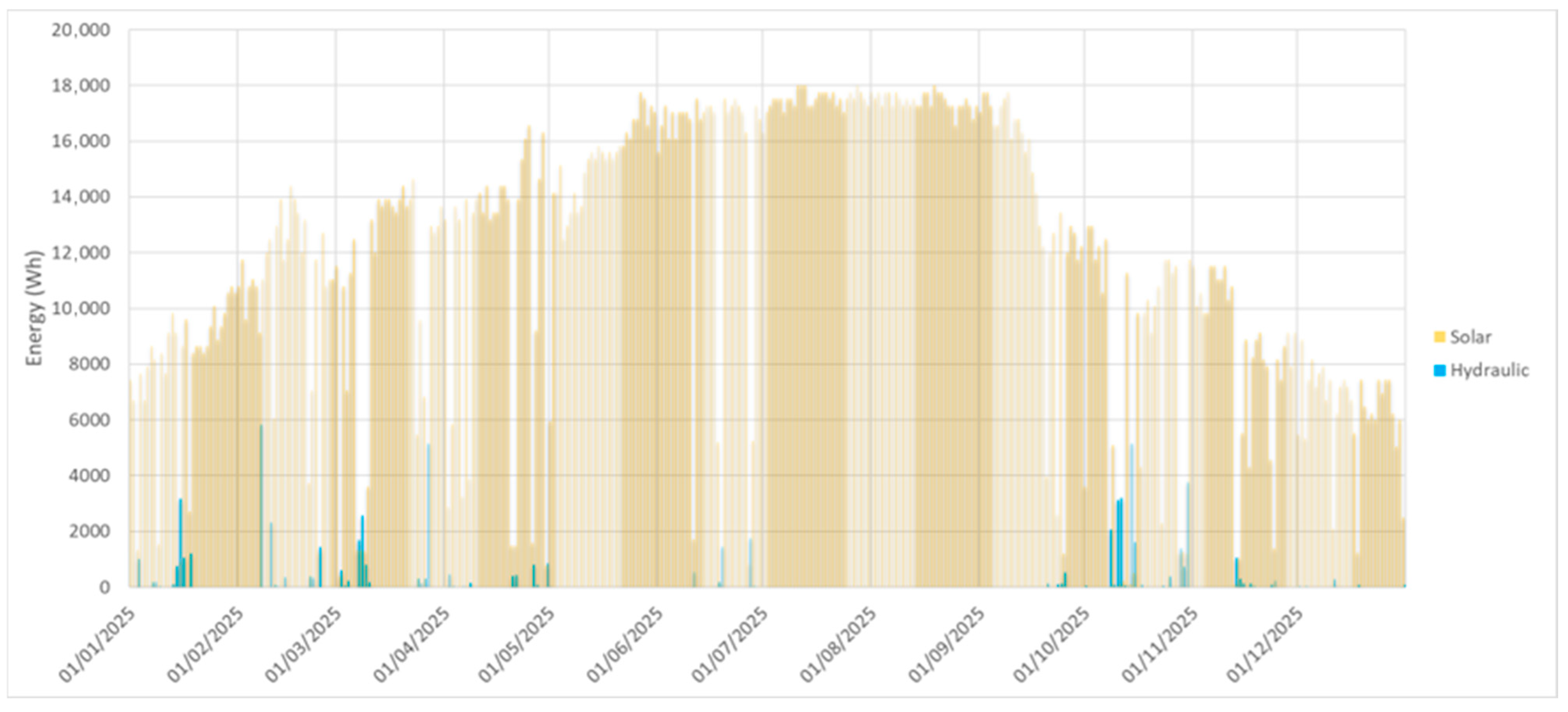
Figure 12 illustrates the daily energy production trends throughout the year. The yellow curve represents solar generation, while the blue curve reflects the energy produced by the set of hydrokinetic turbines on rainy days. It is important to note that the hydrokinetic system implemented consists of four turbines, each with a rated power of 120 W, whose performance has been previously characterized. The cumulative generation shown corresponds to the combined output of these four units operating under real rainfall conditions. During months with high solar irradiance (from April to September), photovoltaic production reaches daily peak values of approximately 18,000 Wh, supplying the majority of the household’s electricity demand. However, in autumn and winter (November to February), solar generation drops significantly, in some periods falling below 5000 Wh per day due to reduced sunlight availability. In contrast, hydrokinetic energy generation (blue curve) becomes active during rainfall events. Although its contribution is lower in absolute terms, with peak values reaching approximately 3000–6000 Wh per day during heavy rain, its strategic value lies in providing complementary energy during critical periods when solar output is reduced. Daily hydrokinetic energy was obtained from the case study precipitation record (
Figure 3) by converting each day’s rainfall into an equivalent downpipe flow (using the average rainfall duration) and then integrating the experimentally measured turbine power–flow response (
Figure 10) for the four-turbine configuration to obtain the corresponding daily generation, with peaks occurring during torrential events. This additional generation helps to partially cover household energy demand on cloudy or rainy days, mitigating reliance on battery storage or external energy sources. The reported peak daily energy generation corresponds to representative rainfall events rather than continuous long-term operation; extended monitoring and the derivation of generation curves as a function of rainfall intensity and event duration are planned as future work to refine annual yield estimates.
These results demonstrate the complementarity between both technologies: solar energy dominates during periods of high irradiance, while the hydrokinetic system provides an energy boost precisely when solar availability is low but rainwater is abundant. This synergy contributes to optimizing the smart home’s energy autonomy, improving overall sustainability and efficiency.
4. Discussion
This study has demonstrated the technical feasibility, real-world integration, and energy contribution potential of a hydrokinetic system specifically designed to harness rainwater runoff in smart home environments. The research presents a novel approach to decentralized renewable energy generation, targeting scenarios that conventional hydrokinetic technologies often overlook, such as intermittent, low-flow water streams typical of urban rainwater collection networks [
9]. The development process combined advanced modelling, laboratory testing, and field validation to ensure a comprehensive evaluation of the system’s performance. CFD simulations were instrumental in optimizing the geometry of the water channels and predicting pressure distributions within the rainwater drainage infrastructure, providing a solid foundation for the system’s physical implementation. The turbine, designed with additive manufacturing techniques using biodegradable materials, achieved the dual objective of minimizing environmental impact and facilitating rapid prototyping, in line with current trends in sustainable engineering [
12,
15].
From a mechanical perspective, the laboratory characterization confirmed that the turbine operates efficiently across a wide range of flow rates, with optimal performance observed between 1.5 and 2.4 L/s and discharge heights ranging from 2 to 3.6 m. The generator tests further validated the system’s capacity to convert mechanical energy into electrical output under realistic operating conditions. These results, combined with field trials conducted under real precipitation events, confirm that the system can operate reliably without requiring structural modifications to existing buildings [
3].
One of the most relevant contributions of this work is the demonstration of the complementary relationship between hydrokinetic and photovoltaic generation within a smart home. The annual energy balance shows that while solar production provides the primary energy supply during periods of high irradiance, hydrokinetic generation becomes critical during rainfall events, especially in autumn and winter, when solar availability declines. Despite the hydrokinetic system providing lower absolute energy output compared to photovoltaics, its strategic value lies in supplying energy precisely when it is most needed, reducing the household’s dependence on battery storage or external sources. Peak hydrokinetic contributions of 3000 to 6000 Wh per day were recorded during rainfall events, demonstrating that even in small-scale configurations, the system contributes meaningfully to energy resilience.
In addition to its technical feasibility, the system’s sustainable design and ease of integration into existing infrastructure enhance its potential for widespread adoption. The use of 3D-printed components made from biodegradable materials reduces the environmental footprint and offers significant advantages in terms of production flexibility, cost reduction, and maintenance simplicity. This approach aligns with global efforts to promote circular economy principles and low-impact renewable energy solutions.
The use of biodegradable materials introduces additional durability considerations that are particularly relevant in wet and debris-prone drainage environments. Prolonged water exposure may progressively affect material properties and surface finish, increasing hydraulic losses and reducing effective efficiency over time, while the repeated start–stop operation characteristic of rainfall events imposes cyclic loads that can promote mechanical fatigue, especially in the rotor and blade-root regions. In parallel, debris accumulation (leaves, twigs, and sediment) can partially obstruct the flow path, intensify local turbulence and friction losses, and, in severe cases, induce rotor imbalance or intermittent blockage, which translates into reduced flow through the rotor and lower power output. To mitigate these risks, the system should follow a low-complexity maintenance strategy consistent with conventional gutter/downpipe upkeep: installing an upstream debris screen or leaf guard at the gutter–downpipe interface, designing the turbine module with quick-access fittings to allow rapid inspection and removal, performing cleaning after high-intensity rainfall events and at least seasonally (before/after the rainy season), and periodically checking sealing integrity, rotor clearance, and bearing condition to prevent leakage- or friction-induced performance degradation. Finally, the modular 3D-printed architecture facilitates low-cost replacement of wear-prone components, enabling preventive maintenance and supporting reliable long-term operation; extended durability and ageing tests under realistic wet–dry cycling are identified as priorities for future work.
Nevertheless, the study identifies several limitations and areas for improvement. The system’s energy output is directly dependent on local rainfall patterns, limiting its applicability to regions with sufficient and predictable precipitation [
23]. Furthermore, efficiency saturation was observed at high flow rates, suggesting that the turbine’s blade geometry and overall design could be further optimized to enhance performance across extreme operating conditions [
24]. Durability testing over extended periods is also necessary to evaluate material wear, structural integrity, and system performance under prolonged exposure to environmental factors [
25].
The current system provides sufficient energy to support auxiliary household loads or contribute to energy storage, but its capacity does not yet allow for complete substitution of conventional energy sources. Future research should explore scaling strategies, including the integration of multiple turbine units, system optimization for larger rainwater networks, and advanced control systems capable of dynamically adapting operation based on real-time weather forecasts.
It is also essential to conduct comparative analyses with other decentralized renewable energy systems to assess economic viability, energy return on investment, and environmental impact holistically. Additionally, exploring the potential for integrating hydrokinetic systems in shared residential complexes, urban rainwater management networks, or community-based microgrids could expand the system’s impact beyond individual households, contributing to broader urban sustainability goals.
This work demonstrates that a compact and accessible hydrokinetic solution can complement PV systems in smart homes during rainy periods, enhancing resilience when solar output drops and storage may be constrained, with a lower economic barrier than emerging options such as hydrogen-based technologies. In the validated case study, four inexpensive 3D-printed turbines made from sustainable materials produced up to 6000 Wh/day during rainfall events, and this contribution can be scaled by increasing the number of units and/or their rated power to further improve economic and energetic viability.
In summary, this research validates the technical, environmental, and functional viability of decentralized hydrokinetic energy generation for smart homes. The system’s ability to complement solar production, its minimal infrastructure requirements, and its alignment with sustainable engineering principles position it as a promising solution to enhance household energy autonomy and resilience, particularly in regions with seasonal rainfall availability. Further development and optimization will be essential to maximize its performance, scalability, and contribution to sustainable urban energy systems.
5. Conclusions
This study presents the successful development, experimental validation, and real-world implementation of a compact hydrokinetic system designed to convert rainwater runoff into electrical energy within residential environments. The system, integrated directly into the rainwater downpipes of a smart home, demonstrated its ability to operate under real precipitation events without requiring structural modifications to the building.
The combination of CFD simulations, laboratory testing, and field validation confirmed that the hydrokinetic system effectively complements solar photovoltaic generation by providing additional energy during rainfall events, particularly during periods of reduced solar availability. Although the hydrokinetic contribution remains secondary in absolute terms, its strategic role in enhancing energy resilience was clearly demonstrated. The use of 3D-printed, biodegradable materials for turbine manufacturing proved viable, contributing to the system’s sustainability and facilitating rapid prototyping. The CFD analysis around the turbine validated the efficiency of the energy transfer process, reinforcing the reliability of the experimental findings. Furthermore, the experimental results validated the mechanical performance of the turbine and generator, with maximum power outputs consistent with the design specifications. Nevertheless, the system’s energy output is strongly dependent on local rainfall patterns, limiting its applicability to regions with adequate precipitation. Efficiency losses under extreme flow conditions and the current power levels, suitable for auxiliary loads rather than full household supply, represent areas for future improvement.
Future work will focus on improving performance and reliability by further optimizing the blade/rotor geometry for extreme flow conditions, implementing adaptive electrical matching to keep operation near maximum power under variable flow rates, and enhancing durability through improved sealing/bearing selection and material optimization.
In conclusion, this work demonstrates the technical feasibility of integrating decentralized hydrokinetic generation into smart homes, offering a complementary energy source that enhances system resilience and contributes to energy sustainability. Future research should focus on optimizing turbine performance, improving system control, and exploring scalability to maximize the potential of rainwater-based energy solutions for residential and decentralized applications.




 ,
,