


Abstract
Under the dual pressures of global climate change and anthropogenic activities, enhancing the ecological functions of hydraulic structures has become a critical direction for sustainable watershed management. While traditional spur dike designs primarily focus on bank protection and flood control, current demands require additional consideration of river ecosystem restoration. Numerical simulations were performed using the RNG k-ε turbulence model to solve the three-dimensional Reynolds-averaged Navier–Stokes equations, a formulation that enhances prediction accuracy for complex flows in curved channels, including separation and reattachment. Following a grid independence study and the application of standard wall functions for near-wall treatment, a comparative analysis was conducted to examine the flow characteristics and ecological effects within a 180° channel bend under three configurations: no spur dikes, a single-side arrangement, and a staggered arrangement of non-submerged, flow-aligned, rectangular thin-walled spur dikes. The results demonstrate that staggered spur dikes significantly reduce the lateral water surface gradient by concentrating the main flow, thereby balancing water levels along the concave and convex banks and suppressing lateral channel migration. Their synergistic flow-contracting effect enhances the kinetic energy of the main flow and generates multi-scale turbulent vortices, which not only increase sediment transport capacity in the main channel but also create diverse habitat conditions. Specifically, the bed shear stress in the central channel region reached 2.3 times the natural level. Flow separation near the dike heads generated a high-velocity zone, elevating velocity and turbulent kinetic energy by factors of 2.3 and 6.8, respectively. This shift promoted bed sediment coarsening and consequently increased scour resistance. In contrast, the low-shear wake zones behind the dikes, with weakened hydrodynamic forces, facilitated fine-sediment deposition and the growth of point bars. Furthermore, this study identifies a critical interface (observed at approximately 60% of the water depth) that serves as a key interface for vertical energy conversion. Below this height, turbulence intensity intermittently increases, whereas above it, energy dissipates markedly. This critical elevation, controlled by both the spur dike configuration and flow conditions, embodies the transition mechanism of kinetic energy from the mean flow to turbulent motions. These findings provide a theoretical basis and engineering reference for optimizing eco-friendly spur dike designs in meandering rivers.
1. Introduction
Amidst the intertwined impacts of global climate change and human activities, maintaining the health and sustainability of watershed ecosystems has emerged as a core objective in international water resource management. Promoting the transformation of hydraulic engineering from single-function disaster prevention to eco-friendly integrated facilities represents a critical pathway for systematic watershed protection and restoration [1,2,3].
During this process, the watershed governance philosophy of “harmonious coexistence between humans and nature” is gaining global consensus as a guiding principle, with successive policy introductions worldwide. For instance, the European Union’s Water Framework Directive mandates the restoration of ecological integrity in water bodies, explicitly integrating engineering measures within overall ecological improvement targets [4]. North America’s River Restoration Action Plan prioritizes habitat reconstruction and biodiversity conservation [5], while China’s “Ecological Conservation and High-Quality Development Plan for the Yellow River Basin” emphasizes enhancing ecological quality and water environment security through systematic governance. These policies collectively demonstrate that modern hydraulic engineering should not only meet basic structural safety requirements but also actively optimize the structure and function of river ecosystems. Within this evolving paradigm, the functional role and design principles of spur dikes have undergone a significant shift. Historically, these structures were designed primarily for bank protection, flow guidance, and flood control, with a focus on resisting hydrodynamic erosion to ensure structural stability. In contemporary integrated river basin management, spur dikes are now required to serve not only as engineering safeguards but also as effective tools for enhancing riverine ecology. Consequently, their design and layout necessitate a systematic consideration of the comprehensive effects on local hydraulics, habitat diversity, and biological connectivity [6,7,8]. However, realizing these ecological objectives presents substantial challenges in both design and implementation, mandating further in-depth research from fundamental mechanisms to practical applications.
Based on a synthesis of the existing literature, research on spur dikes spans fundamental theoretical exploration, experimental and numerical simulations, extending to engineering design, layout optimization, and evaluation of their ecological efficacy. Regarding theoretical foundations and hydrodynamic characteristics, studies have predominantly focused on the influence of spur dikes on flow field structure and local scour. Tabassum et al. [9] developed a predictive model incorporating multiple parameters such as flow velocity, spacing, length, and time, concluding that the maximum equilibrium scour depth for serial spur dikes is less than that for a single spur dike. The experimental study by Ikeda et al. [10] revealed that the mass exchange between the main flow and the water surrounding the spur dikes peaks within an optimal spacing-to-length ratio range of 2 to 3. Concerning structural stability, numerical simulations by Zhang et al. [11] indicated that the development of scour holes at the spur dike head threatens structural safety, while Fukuoka et al. [12] demonstrated that permeable spur dikes significantly reduce the bed shear stress in the recirculation zone. In terms of engineering design and layout optimization, multiple studies have provided bases for rational spur dike arrangement. Chung et al. [13] conducted experiments in successive meandering channels, showing that a combination of a 45° deflection angle, double spur dikes, and a 2 m spacing promoted more diverse bed morphology. Shih et al. [14] established a Percentage Usable Area (PUA) regression equation relating dike spacing and fish habitat suitability in curved channels, providing a tool for quantitative habitat assessment. Research by Ma et al. [15] on urban channelized streams revealed that the optimal ecological benefits were achieved with a discharge of 40 m3/s and the installation of three spur dikes. To mitigate the disruption of river continuity caused by spur dike groups, Chen et al. [16] proposed a combined measure integrating spur dikes with fish attraction pools, which proved more effective than spur dikes alone. From a structural parameter perspective, Pan et al. [17] suggested that appropriately increasing spur dike length and setting the spacing slightly greater than the longitudinal scale of the downstream recirculation zone help form more stable hydraulic and habitat environments. Furthermore, Esmaeili et al. [18] noted that spur dike groups can suppress bank erosion through flow regulation; Akbar et al. [19] found that the protective effect of spur dikes diminishes with increasing channel curvature; and Wan et al. [20] comparatively highlighted that spur dikes improve downstream dissolved oxygen, turbidity, and flow conditions more significantly than longitudinal dikes. The study by Giglou et al. [21] also indicated that the purification efficiency of lateral spur dikes constructed with materials such as cobbles and gravel is significantly influenced by their layout configuration. Regarding ecological and environmental effects, spur dikes significantly impact aquatic habitats and water purification. Based on a three-dimensional hydrodynamic model, Deng et al. [22] pointed out that the effective mixing between the rapid flow near spur dikes and the slower flow in their lee creates conditions for plankton and organic matter transport, forming a sheltered environment suitable for fish spawning. However, Shin et al. [23] also observed that pollutants tend to accumulate in the recirculation zones, with secondary flows exacerbating their lateral dispersion. Concerning purification capacity, Rao et al. [24] employed orthogonal experiments to verify that spur dike length has the greatest influence on river purification capacity, followed by the angle, with spacing having the least effect. Through flume experiments, Wang et al. [25] further demonstrated that a staggered spur dike layout combined with a pool-riffle sequence on the opposite bank achieved the best ammonia nitrogen removal. Innovatively, Wang et al. [26] integrated biofilm technology with spur dikes, confirming that eco-spur dikes effectively enhance water purification functions. From a microbial ecology perspective, the research by Lu et al. [27] revealed that changes in turbulent kinetic energy induced by spur dikes regulate the assembly mechanisms of microbial communities, such as homogeneous selection, drift, and dispersal limitation.
The research framework of spur dikes has progressively evolved from fundamental hydrodynamics to ecological function assessment and engineering optimization design, establishing a relatively comprehensive theoretical foundation. However, existing studies have predominantly focused on the effects of spur dike groups in straight channels or have been confined to single-side spur dike arrangements in meandering channels. A comparison between recent representative studies and this work is summarized in Table 1, encompassing the key aspects of geometric arrangement, channel sinuosity, submergence conditions, and hydrodynamic-ecological integration.
Table 1.
Comparative summary of recent studies and the current study.
As shown in Table 1, existing studies are characterized by several features and shortcomings. First, while most prior research has concentrated on spur dikes in mildly curved or constant-curvature channels, typically arranged unilaterally or in groups, this work targets a 180° sharp bend channel with a uniquely staggered spur dike layout along both banks. This arrangement promotes interaction and coupling between the channel’s inherent secondary flow and thalweg evolution and the spur-dike structures, forming a composite hydrodynamic system. Investigations of such a system under this specific configuration remain scarce in the literature. Second, whereas prior work has largely focused on the effects of spur dikes on flow structure and bed morphology, the hydro-ecological coupling mechanisms triggered by staggered spur dikes in sharp bends are still inadequately understood. The present study systematically analyzes key hydrodynamic parameters and examines hydraulic characteristics across different water-depth layers from a statistical perspective. Furthermore, it explores the influence of this complex system on ecological processes, such as pollutant transport and habitat heterogeneity formation, thereby extending the research dimension.
This study investigates a 180° channel bend by comparing various configurations, including no spur dikes, single-side spur dikes, and staggered spur dikes. A systematic analysis is conducted on critical hydrodynamic parameters, such as water surface morphology, vortex structure evolution, near-bed velocity, bed shear stress, and turbulent kinetic energy. Furthermore, hydraulic characteristics across different water depth layers are examined from a statistical perspective. This study aims to elucidate the complex flow structures induced by staggered spur dikes in meandering channels and their potential ecological implications, thereby providing theoretical support and methodological references for ecological restoration and management of sinuous rivers. Figure 1 illustrates the overall technical workflow adopted in this study.
Figure 1.
Methodology and technical roadmap schematic.
2. Numerical Model
In the field of hydraulic engineering, open-channel flows are predominantly turbulent. When water passes through curved channel reaches, centrifugal effects induce transverse secondary flows that, in conjunction with strong velocity gradients, exacerbate turbulence intensity, intermittency, and structural intricacy. Although physical modeling can yield reliable experimental data on flow behavior, its application is often restricted by prohibitive costs and technical measurement limitations, rendering it challenging to acquire synchronized, high-resolution data across the full flow field. In recent years, Computational Fluid Dynamics (CFD) has seen growing adoption in hydraulic studies. Numerical simulations have proven effective in reproducing complex flow architectures, thereby offering a powerful tool for assessing and predicting river morphological changes and pollutant transport dynamics.
2.1. Water Flow Control Equations
The motion of flow through a curved open channel can be described by the fundamental principles of mass conservation and momentum conservation.
where is the fluid density, are the time-averaged velocity components, is the modified pressure, is the kinematic viscosity, is the Reynolds stress, is the generalized source term.
2.2. Turbulence Model
The accuracy, cost, and stability of a computational analysis are directly determined by the choice of turbulence model. The commonly employed families of turbulence models for large-scale environmental flow simulations comprise zero-equation, one-equation, and two-equation models, along with Large Eddy Simulation. Their characteristics are summarized as follows: (1) Zero-equation models are computationally efficient and structurally simple. However, they do not account for turbulence history effects and possess poor generality for complex flows, rendering them incapable of capturing the intricate flow patterns relevant to this study. (2) One-equation models originally developed for boundary-layer flows, generally show limited accuracy in predicting free-shear flows [37], which restricts their applicability to the diverse flow regimes anticipated in the present investigation. (3) Within the two-equation category, the k-ε model delivers reliable predictions for large-scale, fully developed turbulent flows [38,39], while the k- model (where denotes the specific dissipation rate, which describes the rate at which turbulent kinetic energy (k) is dissipated) demonstrates superior performance under complex conditions involving high Reynolds numbers, flow separation, and adverse pressure gradients [40,41]. (4) Large-Eddy Simulation (LES) directly resolves large-scale eddies and achieves the highest accuracy in representing transient features and complex turbulent structures [42,43]. Nevertheless, its prohibitive computational cost precludes its use for the computational domain and range of operating conditions considered in this work. Accordingly, the k-ε model is adopted in the present study. It offers a suitable balance between computational efficiency and predictive accuracy, providing statistically representative mean flow fields and essential turbulence characteristics. Several widely used variants have been developed, including the Standard k-ε, RNG k-ε, Realizable k-ε models, in which the turbulent viscosity is formulated using transport equations for the turbulent kinetic energy (k) and its dissipation rate (ε).
- (1)
- Standard k-ε Model
Derived from the concept of eddy viscosity, the Standard k-ε Model obtains turbulence characteristics by solving two independent transport equations: one for the turbulent kinetic energy k and the other for the turbulent dissipation rate ε.
where is the laminar viscosity, is the turbulent viscosity, , is the turbulence kinetic energy production term, . denotes the strain-rate tensor. The empirical coefficients are set as .
- (2)
- RNG k-ε Model
The RNG denotes Renormalization Group theory, which forms the methodological basis for the model’s derivation. The core of this theory lies in the systematic averaging (or coarse-graining) of fluctuations at small scales (e.g., molecular motions, fine-scale eddies). This process yields effective equations and parameters that govern large-scale turbulent behavior. Consequently, the RNG k-ε Model is not a purely empirical set of equations but an advanced eddy-viscosity model grounded in more fundamental physics. This theoretical foundation provides it with inherent adaptability and a wider range of applicability compared to the Standard k-ε Model.
where , an overbar above a symbol signifies a Reynolds-averaged quantity.
- (3)
- Realizable k-ε Model
In the Realizable k-ε model, the term “Realizable” signifies that its formulation incorporates rigorous mathematical constraints. These constraints ensure that the computed turbulence statistics, particularly the Reynolds stresses, satisfy fundamental realizability conditions and adhere to relevant mathematical inequalities. This theoretical refinement enables the Realizable k-ε Model to outperform the Standard k-ε Model in simulating complex flows involving strong shear, high strain rates, significant streamline curvature, or system rotation.
where the constants , as determined by Shih [44], are assigned values of is no longer a constant but becomes a function of the strain rate and rotation rate, expressed as follows:
where the constants . represents the time-averaged rotation rate tensor and is defined in a reference frame with an angular velocity . For flow fields without rotation, becomes zero.
Based on the literature, the Standard k-ε model performs well in simulating large-scale environmental flows and near-wall flows using low-Reynolds-number formulations, demonstrating strong computational robustness. However, it tends to produce deviations in flows with strong streamline curvature or significant pressure gradients [45,46]. The RNG k-ε model incorporates mathematical refinements that improve its predictions for moderately strained shear flows, separated flows, and flows with pronounced rotational effects [47,48], albeit at a slightly higher computational cost than the Standard k-ε model. In contrast, the Realizable k-ε model provides enhanced accuracy in high-shear scenarios such as impinging jets, mixing layers, and boundary-layer separations, where maintaining physically plausible turbulence levels is essential [49,50,51].
3. Condition Design and Model Validation
3.1. Physical Experiments and Numerical Model
The physical experiments were conducted in a high-precision adjustable-slope flume at North Minzu University. The experimental setup is illustrated in Figure 2a,b. The flume features a cross-sectional dimension of 0.8 m × 0.8 m, with a 180° curved section connecting the straight upstream and downstream reaches. The outer and inner radii of the bend are R1 = 2.4 m and R2 = 1.6 m, respectively. Both the upstream and downstream straight sections have a length of 16 m. The bed slope of the upstream segment was set to 1‰, while the curved section and downstream reach were maintained at a zero slope. The sidewalls and bottom of the flume were constructed with tempered compression-resistant glass to ensure structural integrity and facilitate optical access. To suppress inflow disturbances, a three-stage energy dissipation grid was installed at the inlet, effectively attenuating strong fluctuations from the upstream flow and promoting flow stabilization along the flume. The inflow discharge was precisely regulated by adjusting the frequencies of the main and auxiliary pumps, while the tailgate opening was used to control the overall water depth, accommodating various experimental conditions. In this study, the inflow rate was set to 64 L/s, and the tailgate was adjusted to maintain a downstream water depth of 15 cm. A movable Acoustic Doppler Velocimeter (ADV), shown in Figure 2c, was employed to measure three-dimensional point velocities within the flume.
Figure 2.
The high-precision adjustable slope flume and ADV.
The numerical simulation was developed based on a 1:1 geometric model of the aforementioned experimental flume. The spur dikes implemented in the model are conventional non-submerged (i.e., the crest elevation was maintained above the water surface), head-directed (the spur dikes project from the bank at a 90° angle), rectangular thin-wall structures (L/B = 0.25, L: spur dike length, B: flume width). All spur dikes in this study were constructed with the same structural type. They are arranged in a staggered configuration along the curved reach between the 0° and 90° sections. The configuration of the spur dike is illustrated schematically in Figure 3.
Figure 3.
Schematic diagram of spur dike dimensions.
To systematically investigate the influence of the staggered spur dike arrangement on the flow structure in the bend, four distinct operational scenarios were designed for comparative analysis. A schematic plan view of the constructed numerical model is presented in Figure 4. The case configurations are based on the following rationale: (1) The no-spur dike case serves as the baseline, representing the undisturbed natural channel condition. It provides a reference for assessing the hydrological and ecological impacts of spur dike installations. (2) The single-spur dike case is designed to isolate the effect of an individual hydraulic structure on the local flow field. This serves as a prerequisite for identifying fundamental hydrodynamic mechanisms and for understanding the effects of more complex spur dike arrays. (3) The three alternately staggered spur dikes simulate a small-scale spur dike system. This configuration focuses on interaction between adjacent dikes and their superimposed effects on the flow structure. It corresponds to targeted protection of critical bank sections in practical engineering, with the aim of analyzing the formation conditions of a continuous and stable near-bank low-velocity zone, which may function as a potential habitat. (4) The five alternately staggered spur dikes represent a medium-scale systematic layout. Extending the objectives of Case 3, this layout increases dike density and modifies spacing, thereby enabling further analysis of scale effects and the identification of optimal spacing thresholds in spur dike arrays. The results are intended to inform the quantitative design and performance assessment of engineering solutions.
Figure 4.
Schematic top view of the numerical model.
3.2. Boundary Conditions and Initialization
The gas-liquid interface in the numerical simulation was handled using the Volume of Fluid (VOF) model. The core methodology of the VOF model involves dividing the computational domain into discrete control elements and computing the volume fraction (i.e., the volumetric proportion of a specific phase within each element). This approach effectively discretizes the continuous flow problem, thereby enabling the characterization of fluid distribution in open-channel flows. Assuming V1 denotes the volume fraction of air and V2 represents the volume fraction of water, within each computational element, the following constraint must be satisfied:
The volume fraction of water is determined by the following equation:
where is time; is the velocity vector; and the subscript denotes the coordinate component.
Figure 5 illustrates the mesh schematic for the free surface in the VOF model. The free surface position is determined using a geometric reconstruction scheme that employs a piecewise linear approximation; within each computational cell, the phase interface is represented as a line segment of constant slope. A finer mesh yields a closer approximation to the true free surface, thereby improving computational accuracy.
Figure 5.
Schematic of the gas-liquid interface in the VOF model.
To ensure comparability between the numerical simulation and the physical experiment, the boundary conditions of the numerical model were strictly aligned with the experimental setup. The specific correspondence is as follows: (1) Inlet boundary. In the experiment, the inlet flow rate (Q) was controlled by adjusting the pump frequency. Correspondingly, a velocity inlet boundary condition was applied in the numerical simulation. The inlet velocity was calculated from the experimental flow rate and the cross-sectional area (U = Q/A), thereby ensuring the same volumetric inflow. (2) Outlet boundary. In the experiments, the water level was regulated by a tailgate at the outlet through adjustment of its opening. In the simulations, a free-outflow boundary condition was applied, with the free-surface elevation at the outlet set to match the measured experimental water level. (3) Wall boundary conditions. The experimental flume featured smooth glass walls. In the simulations, these walls were treated as no-slip solid boundaries, directly representing the hydraulically smooth condition of the experiments. (4) Initial conditions. The experiments began with the flume in a quiescent state. Water was then introduced, and data acquisition was initiated only after the flow had become fully developed and steady. To replicate this, the initial velocity field in the numerical simulations was set to zero, allowing the model to capture the startup transient and evolve to a comparable steady state, thereby ensuring direct comparability with the experimentally observed flow conditions.
The boundary conditions of the computational domain were configured as follows: the upstream inlet boundary was specified according to the respective medium type—the water inlet was defined as a velocity inlet with an initial velocity of 0.5 m/s, while the air inlet was set as a pressure inlet with a relative pressure of 0 Pa. The downstream outlet was assigned as a pressure outlet under open-channel flow conditions, with a relative pressure of 0 Pa, a channel bed elevation of 0 m and a water surface elevation of 0.15 m. The top boundary of the flume was also set as a pressure outlet with a relative pressure of 0 Pa. All surfaces of the spur dike, sidewalls, and bottom of the flume were modeled as no-slip walls, and the standard wall function was applied to resolve the near-wall flow behavior.
The initial conditions were configured as follows: the water inlet boundary was set with volume fractions of air and water as V1 = 0 and V2 = 1. The initial turbulent kinetic energy is derived from an empirical estimation based on the “isotropic turbulence hypothesis” and a “5% turbulence intensity”, i.e., . The initial turbulent dissipation rate is estimated by combining the initial turbulent kinetic energy with the hydraulic diameter, i.e., . For the numerical solution, the pressure–velocity coupling was handled using the SIMPLE algorithm based on a predictor–corrector approach. Gradient terms were reconstructed using a cell-based least squares method, the pressure term was discretized via the PRESTO scheme, and the momentum equations were solved using the Second Order Upwind scheme. The turbulent kinetic energy and turbulent dissipation rate were discretized using the First Order Upwind scheme. A time step of 0.2 s was adopted, with 20 iterations performed per time step. The simulation encompassed 3500 time steps, corresponding to a total physical flow time of 700 s. Throughout the simulation, the mass flow rate difference between the inlet and outlet was monitored. The flow reached a steady state after 500 s, after which flow field data were sampled for subsequent analysis.
3.3. Model Validation
Experimental tests were conducted in a physical flume under the condition without a spur dike. Observation cross-sections were established starting from the 0° position of the bend, spaced at 5° intervals. Water levels at both the concave and convex banks were measured at each section. In addition, point velocities were acquired using an Acoustic Doppler Velocimeter (ADV) at a depth of 0.1 m below the water surface along the flume centerline. The specific locations of the measurement points are illustrated in Figure 6.
Figure 6.
Layout of sampling points for measurement data.
To balance computational efficiency with model resolution, the flow domain was discretized using unstructured hexahedral elements combined with a spatial adaptation strategy. The grid was progressively refined along the longitudinal direction, both upstream from the bend entrance and downstream from the bend exit, with a base size of 3 cm and a growth rate limited to 1.2 to ensure smooth flow field transitions and avoid numerical errors induced by abrupt grid changes. Near the bend entrance, the cell size was refined to 1 cm. To accurately resolve the vortex structures at the spur dike head and the recirculation zone in its wake, a secondary local refinement was applied around the dikes, achieving a minimum cell size of 5 mm. Downstream of the bend apex, the mesh was gradually coarsened from 5 mm back to 1 cm. A clear view of the refined mesh around the spur dike and its adaptation to the adjacent walls is provided in Figure 7. The first-layer grid thickness of 5 mm at the wall is based on the design flow velocity of 0.5 m/s, ensuring compliance with the y+ criterion necessary for the RNG k-ε model’s wall functions. The quality of the entire computational mesh was evaluated using the built-in criteria within ICEM CFD. The average mesh quality, based on cell skewness, exceeded 98%. This high-quality discretization ensures the accuracy and stability of the numerical solution in resolving critical local flow features.
Figure 7.
Schematic diagram of the grid near the spur dike.
To evaluate the suitability and dependency of the grid used for numerical simulation, the results obtained with three different mesh resolutions were systematically compared with field-measured water level and velocity data, as shown in Figure 8.
Figure 8.
Comparison of simulated and measured water levels and flow velocities for the mesh sensitivity analysis. (a) Centerline velocity at h = 0.1 m: simulation results with different grid resolutions versus measured data. (b) Water level at the concave bank: simulation results with different grid resolutions versus measured data. (c) Water level at the convex bank: simulation results with different grid resolutions versus measured data.
As illustrated in Figure 8, a comparative analysis of simulated and measured velocities and water levels was conducted using three distinct grid resolutions: a coarse grid (4.4 million hexahedral elements), a medium grid (6.7 million hexahedral elements), and a fine grid (8.8 million hexahedral elements). All simulations consistently reproduced the typical transverse water surface profile, characterized by higher water levels along the concave bank and lower levels along the convex bank. The error metrics in Table 2 indicate that the sparse grid consistently underestimates water levels, with MAE and RMSE values approximately an order of magnitude higher than those of the medium grid, clearly demonstrating insufficient spatial resolution. The medium grid achieves the closest agreement with measurements, as evidenced by its minimal MAE and RMSE, representing the optimal accuracy-cost trade-off. Interestingly, the dense grid shows increased errors, likely due to convergence or stability issues associated with its high resolution, undermining its potential accuracy gains. Therefore, employing targeted local refinement in key regions while maintaining approximately 7 million hexahedral elements provides an optimal balance, ensuring computational accuracy while effectively conserving time and resources.
Table 2.
Error metrics for the grid independence test.
Following the grid-convergence study, a comparative performance assessment of the three turbulence models was conducted. As shown in Figure 9 and Table 3, although all k-ε variants exhibited consistent error distributions (with similar MAE and RMSE values for each model), the RNG k-ε model achieved significantly higher accuracy than the Standard k-ε and Realizable k-ε models, with its errors consistently an order of magnitude lower. This superior performance underscores that the RNG k-ε model provides greater accuracy for simulating moderately complex flows of this study.
Figure 9.
Comparison of simulation results from different turbulence models with experimental data.
Table 3.
Error metrics: performance evaluation of the turbulence models.
Further validation was conducted by comparing measured velocity profiles at the 90° cross-section against the RNG k-ε simulation results. A quantitative comparison of the errors in the and is summarized in Table 4, while the corresponding velocity vector field is shown in Figure 8.
Table 4.
Errors in measured and simulated and at the 90° cross-section.
A comprehensive analysis of Table 4 and Figure 10 confirms that the RNG k-ε model reliably simulates the depth-averaged horizontal flow. While the error for the u-velocity component is low, the error for the v-component is approximately twice as large, particularly pronounced in the near-surface region (h ≥ 0.1 m). This disparity stems from complex near-surface dynamics, where the flow is perturbed by surface waves, potential wind effects, and probe-induced interference, all of which introduce noise into the ADV measurements. Nevertheless, the agreement in velocity direction between simulation and observation underscores the fundamental validity of the RNG k-ε model for this application.
Figure 10.
Comparison of velocity vectors on the 90° cross-section. (a) Velocity vector diagram of the (numerical simulation results using the RNK k-ε model). (b) Velocity vector diagram of the (experimental results).
4. Results
Four distinct operational scenarios were designed for comparative analysis. The following sections present a detailed examination from multiple perspectives, including free surface morphology, flow patterns and vortex structures, near-bed velocity and shear stress, turbulent kinetic energy, probability density distributions of velocity components, and statistical skewness coefficients.
4.1. Free Surface Morphology
The installation of spur dikes along the bank alters the flow structure, significantly modifying the typical transverse water surface profile—characterized by higher elevations along the concave bank and lower elevations along the convex bank—in meandering channels. Concurrently, the spatial distribution of sediment erosion and deposition is reconfigured, leading to a redistribution of flow energy and a reorganization of the water surface morphology. These changes have important implications for river flood control, navigation, and ecological functions.
Figure 11 illustrates the contour maps of the water surface elevation for each operational scenario. (1) As evident in Figure 11a, the water level distribution remains uniform in the straight channel reaches both upstream and downstream, with consistently higher elevations observed in the upstream section. Within the bend region, the water level at the concave bank is significantly higher than that at the convex bank, forming a distinct transverse water surface slope. This phenomenon results from the centrifugal force acting on the flow in the curved channel, which drives surface water toward the concave bank and produces a compensating bottom current from the concave to the convex bank, thus generating transverse circulation. Under the combined effects of centrifugal force and transverse circulation, the concave bank undergoes continuous scouring while the convex bank experiences deposition, promoting channel migration toward the concave side and forming point bars near the convex bank. (2) Comparison between Figure 11a and Figure 11b–d indicates substantial alteration in the cross-sectional geometry in the bend following spur dike installation. As the number of alternating spur dikes increases (corresponding to reduced dike spacing), the upstream water level rises progressively while the downstream level declines. The longitudinal water surface profile is closely related to the specific layout and spacing of the dikes. Where spur dikes are constructed along the concave bank, the flow cross-section constricts at each dike location. Local water level increases are apparent upstream of spur dike_1# in Figure 11b, spur dike_1# and 3# in Figure 11c, and spur dike_ 1#, 3#, and 5# in Figure 11d, forming distinct backwater zones. As the flow passes the spur dikes, the cross-section expands, leading to a drop in water level and creating a drawdown zone immediately downstream, with a substantial head difference across each spur dike. (3) Although similar backwater and drawdown phenomena occur around spur dikes on the convex bank, a notable water level decrease—rather than an increase—is observed near spur dikes_2# and 4# in Figure 11d. This occurs because the alternating deflection of flow from spur dikes on both banks concentrates the main current toward the channel center, increasing velocity and kinetic energy. According to the principle of energy conservation, the potential energy of the water near the convex bank dikes decreases correspondingly, leading to reduced water levels and consequent attenuation of the transverse water level difference. Thus, the alternating arrangement of spur dikes along both banks narrows the channel and focuses the main flow, thereby mitigating the transverse water surface slope induced by channel curvature. This attenuation of lateral water level difference effectively inhibits further channel bending or migration. Furthermore, with increasing numbers of alternating spur dikes, the overall water level in the bend section demonstrates a decreasing trend. (4) Increasing the number of staggered spur dikes enhances flow concentration and diminishes the transverse water-surface slope, contributing to bank stabilization and the inhibition of lateral channel migration. From a flood-control perspective, consideration must be given to the upstream backwater effect caused by the spur dikes, as it can reduce the channel’s overall flood conveyance capacity. From a navigation-safety perspective, the configuration (number and spacing) of spur dikes should be optimized based on designated water depth and safety criteria to prevent local lowering of water levels that may jeopardize vessel stability and safe passage.
Figure 11.
Contour map of water level.
4.2. Streamlines and Vortex Structures
In curved channels, the velocity difference between the surface and bed-level flows induces vertical secondary circulation. Concurrently, the higher velocity at the concave bank than at the convex bank drives cross-stream circulation. The interplay of these processes forms a complex three-dimensional helical flow. The installation of spur dikes disrupts this relatively stable pattern, resulting in a significantly more complex and intensely turbulent flow field with enhanced three-dimensionality.
Figure 12 illustrates the spatial distribution of velocity streamlines. (1) As shown in Figure 12a, the streamlines in the central region of the channel appear more concentrated and smoother than those near the concave and convex banks. A higher density of streamlines is observed near the water surface compared to the channel bed, with localized flow disturbances occurring along both banks and the bottom region due to frictional effects between the flow and the channel boundaries—consistent with established understanding of flow behavior in curved channels. Following the installation of a single spur dike, alterations in flow structure remain confined to the effective influence region of the structure. Following the installation of a single spur dike, alterations in flow structure remain confined to the effective influence region of the structure. (2) Comparison between Figure 12b and Figure 12a reveals that after the placement of spur dike_1#, the obstruction effect accelerates flow around the dike head, forming a high-shear zone. Flow separation downstream of the spur dike induces a recirculation region with significantly reduced velocity, generating substantial velocity gradients. A large-scale recirculation vortex extending upward from the bed is observed in the wake of spur dike_1#. Beyond the bend apex, the flow characteristics gradually recover to resemble those in Figure 12a, indicating diminishing influence of the spur dike. Under the alternating spur dike configuration, the flow passage alternates between constricted and expanded segments. Spur dikes on the concave bank direct the main flow toward the channel center, accelerating it from the dike heads and intensifying the helical motion. In contrast, spur dikes on the convex bank decelerate and stabilize the flow through downstream recirculation zones, promoting quiescent areas along the bank. The resulting strong transverse velocity gradients near the dike heads effectively weaken the helical flow intensity. (3) In Figure 12c, the spur dikes deflect the main flow toward the channel center. This flow then shifts toward the convex bank beyond the bend apex, reaching its peak velocity and forming a discernible high-velocity core. The recirculation vortex behind spur dike_1# is similar to that in Figure 12b but has a smaller spatial extent due to the influence of the subsequent spur dike. A characteristic horseshoe vortex forms downstream of spur dike_2#, while spur dike_3#, positioned at the bend apex, experiences strong wall effects and generates the largest recirculation zone. (4) Figure 12d shows that with more alternating spur dikes, the main flow concentrates along the channel centerline, forming a distinct high-velocity zone and increasing kinetic energy—a finding consistent with the lower water levels noted in Section 4.1. Closer dike spacing strengthens interference between adjacent structures, producing interlaced and disturbed streamlines. Multi-scale vortices downstream of concave-bank spur dike_1# and 3# cause enhanced energy dissipation. Spur dike_5#, situated similarly to spur dike_3# in Figure 12c, produces a more compact and energy-focused vortex. Behind convex-bank spur dike_2# and 4#, stable large-scale recirculation zones create narrow quiescent regions favorable for the deposition of suspended sediment. Therefore, the alternating spur dike system effectively constricts the channel, enhances the sediment transport capacity of the main flow, guides the flow along the channel centerline, and mitigates erosion at the concave bank as well as expansion of the point bar on the convex bank, consequently improving overall channel stability.
Figure 12.
Distribution of velocity streamlines.
4.3. Near-Bed Velocity and Shear Stress
The coupling between near-bed flow velocity distribution and shear stress variation is central to the chain mechanism of “flow dynamics–bed response–ecological feedback”. Through diversified hydraulic engineering measures, the near-bed velocity range can be precisely modulated, thereby providing theoretical support and practical guidance for river regulation, ecological habitat restoration, and water pollution control in engineering disciplines. Based on the grid configuration, the first layer of grids above the channel bed (Z = 5 mm) was selected for analyzing the velocity and shear stress variations at this plane.
Figure 13 shows the near-bed velocity contours. After spur dikes were installed along the concave bank, the geometric expansion effect induced by the structures contracted the flow cross-section near the dike heads, resulting in high-velocity zones extending downstream. As shown in Figure 13b, the velocity downstream of spur dike_1# increased from 0.35 m/s under natural conditions to 0.55 m/s—an increase of 57%. As dike spacing decreases, these high-velocity zones intensify further. In Figure 13d, for instance, the velocity in the high-velocity band between spur dike_3# and 5# reached 0.8 m/s, approximately 2.3 times that under natural conditions. Large recirculation zones developed behind the concave-bank spur dikes, with velocities falling below 0.05 m/s. This flow attenuation reduced erosive forces on the concave bank, thereby mitigating channel meandering. High-velocity zones generated at convex-bank dike heads were generally smaller in scale and lower in intensity than those along the concave bank. Under the alternating dike arrangement, the main flow was redirected toward the channel center, shifting the thalweg toward the channel axis. Recirculation zones behind convex-bank spur dikes, combined with sidewall effects, promoted the development of longitudinal quiescent bands along the bank. As shown in Figure 13d, such a band extended to the bend exit. The significantly reduced flow velocities in these regions enhanced sediment deposition from upstream, effectively encouraging point bar development and constricting the channel.
Figure 13.
Contour plot of near-bed velocity.
Figure 14 shows the near-bed shear stress distribution. Near-bed shear stress, generated at the flow-bed interface by time-averaged velocity gradient and turbulent fluctuations, plays a dominant role in regulating sediment transport status, morphodynamic adjustments of the riverbed, and the stability of benthic habitats. Comparison with velocity distributions reveals that: (1) An increase in near-bed velocity enhances transverse and vertical velocity gradients, resulting in a quadratic rise in shear stress (). Consequently, high-velocity zones spatially coincide with areas of high shear stress. (2) At spur dike heads, flow concentration forms high-velocity zones where shear stress peaks. A comparison between Figure 14a and Figure 14d indicates that the shear stress in the central region of the channel with dikes is nearly 50 times greater than that in the undisturbed case. This enhanced stress intensifies bed scouring, preferentially transporting fine particles from the bed surface and promoting a coarsening trend in the bed sediment gradation. According to the Einstein sediment transport formula, the critical shear stress for particle initiation is positively correlated with sediment grain size. Thus, an increase in the median sediment diameter significantly improves the bed’s erosion resistance. (3) In the recirculation zones behind the spur dikes, velocities are minimal and shear stress decreases below 0.01, promoting suspended sediment deposition and the development of depositional features. As the spacing of alternating dikes decreases (Figure 14b–d), continuous point bars tend to form along both banks. Their development subsequently enhances thalweg evolution, ultimately achieving a dynamic equilibrium. (4) Increasing the number of staggered spur dikes enhances bed shear stress and flow velocity, which improves sediment-transport efficiency under low-to-moderate flow conditions and supports the stability of the flood-conveyance channel. Conversely, the superimposed upstream backwater effects identified in Section 4.1 must be fully considered, mandating that designs be rigorously assessed against applicable flood-control standards. Furthermore, such structures induce complex flow patterns (e.g., multi-scale vortices and recirculation zones) and promote localized deposition, both of which can adversely affect channel dimensions and navigability. Therefore, the spacing and planar arrangement of the dikes should be optimized to meet navigational constraints.
Figure 14.
Contour plot of near-bed shear stress.
4.4. Near-Bed Turbulent Kinetic Energy
The near-bed Turbulent Kinetic Energy (TKE) is directly related to the intensity of turbulent fluctuations, defined as follows: , where represent the fluctuating velocity components in the three coordinate directions. The turbulent kinetic energy is also closely associated with the bed shear stress through the relation: , where is a turbulence model constant. The analysis of TKE variation was performed at the first grid layer above the channel bed (Z = 5 mm), consistent with the previous shear stress and velocity investigations.
Figure 15 shows the distribution of near-bed Turbulent Kinetic Energy (TKE). The following observations are made: (1) After the installation of the spur dikes, the flow structure in the bend undergoes significant changes, resulting in an overall increase in TKE. This enhancement is particularly pronounced in the central channel region. The elevated TKE promotes fine sediment suspension, reduces local deposition, and differentiates erosion and deposition processes. Consequently, the initial simple bed morphology, characterized by “erosion at the concave bank and deposition at the convex bank,” gradually evolves into a more diverse pattern with alternating pools and riffles. Additionally, increased TKE enhances oxygen transfer at the air-water interface, raising dissolved oxygen concentration in the water column and creating favorable conditions for aerobic organisms. (2) Elongated zones of high TKE form at the heads of the spur dikes on both the concave and convex banks. Spatially, these zones coincide with the previously identified high-velocity bands and regions of elevated shear stress. However, due to inherent flow characteristics in the bend and different spur dike locations, the spatial extent of these high-TKE zones differs between the concave and convex banks. As shown in Figure 15c, the high-TKE zones at the heads of spur dike_1# and 3# on the concave bank are noticeably larger than that at spur dike_2# on the convex bank. The influence of this elevated TKE persists downstream, extending to a position near the bend exit. (3) With decreasing dike spacing, TKE shows an increasing trend, and high-TKE zones around dike heads expand spatially. Comparative analysis of Figure 15c,d reveals distinct interaction patterns. The larger distance between spur dike_1# and 3# on the concave bank results in minimal mutual interaction. In contrast, the influence of spur dike_2# on the convex bank affects both the bend apex and downstream regions. This effect superimposes with spur dike_3#’s head effects, causing significant longitudinal extension of the high-TKE zone downstream of spur dike_3#. In Figure 15d, the interaction between sequentially placed spur dike_1# to 5# is pronounced. The high TKE generated downstream of an upstream dike, not yet fully dissipated, superimposes onto the flow reaching the next dike head. Consequently, except within the immediate recirculation zones behind the spur dikes, the high-TKE region essentially spans the entire channel width between spur dike_2# and 5#.
Figure 15.
Contour of near-bed turbulent kinetic energy.
4.5. Probability Density Distribution of Velocity Components and Skewness Statistics
In turbulence analysis, Gaussian Kernel Density Estimation (KDE) is employed as a statistical approach. This technique smooths local velocity fluctuations and extracts multi-scale statistical features, providing fundamental insights into turbulence probability distributions, spatial correlations, and energy transport mechanisms. The Gaussian KDE was implemented in Python 3.11 using the adaptive bandwidth strategy of Scott’s Rule. This method first computes the data covariance matrix with an unbiased estimator, then determines a scaling factor based on sample size and dimensionality, and finally generates the bandwidth matrix. The calculation formula is provided below:
where is the bandwidth matrix, is the sample size, is the data dimensionality, is the data covariance matrix. For univariate data, where , reduces to the variance, and the formula above simplifies to:
where is the standard deviation.
The sample skewness coefficient is defined using a sample size-corrected unbiased estimator, calculated as the ratio of the sample third central moment to the cube of the standard deviation. The calculation formula is provided below:
The correction was implemented in Python employing the following formula:
where is the sample mean.
The probability density distributions of the time-averaged velocity, turbulent kinetic energy, and turbulent dissipation rate were evaluated at various depth horizons along the bend. The resulting skewness coefficients are presented in Table 5.
Table 5.
Skewness coefficients of velocity, TKE, and ε at different depth horizons.
As a key statistical parameter, the skewness coefficient quantifies the vertical asymmetry of velocity, turbulent kinetic energy, and dissipation rate. Quantification of this asymmetry not only reveals the underlying physics of spur dike induced flow but also enables evaluation of its potential ecological impacts. In terms of engineering safety, the vertical distribution of the skewness coefficient, particularly the pronounced negative values near the bed, effectively reflects the key dynamic characteristics driving local scour. This aids in evaluating the stability of spur dike foundations and provides a more refined theoretical basis for anti-scour design [52]. Regarding ecological and environmental effects, the vertical evolution of the skewness coefficient is closely tied to water-column mixing efficiency. The observed asymmetries in turbulent kinetic energy and dissipation rate profiles reflect a vertical disparity in turbulence generation and dissipation, which in turn can affect the vertical fluxes of nutrients, dissolved oxygen, and related substances [53]. Analysis of the skewness coefficient variations reveals that: (1) The skewness coefficient of the velocity distribution shows a negative trend and gradually approaches zero as the relative depth increases. Specifically, in the near-bed region at smaller relative depths (i.e., ≤60%), the combined effects of bed shear stress, flow separation, and spur dike-induced flow deflection result in a pronounced vertical velocity gradient and significant distribution asymmetry, producing a left-skewed probability density distribution. In contrast, in upper regions with larger relative depths (i.e., ≥60%), turbulence anisotropy is reduced due to the rigid-lid surface effect and large-scale secondary circulation. These mechanisms restrict vertical momentum exchange and diminish horizontal velocity fluctuations, thereby enhancing distribution symmetry and uniformity. Consequently, the absolute value of the skewness coefficient decreases and approaches zero. (2) At a given depth horizon, dike spacing significantly influences the skewness characteristics of the velocity distribution. Compared to the condition without spur dikes, installation reduces the negative skewness markedly. For example, in the near-bed region, the velocity skewness coefficient increases from −4.3 without dikes to −0.2 with five alternating dikes, indicating that the dikes and their configuration reorganize the flow structure. With multiple alternating dikes, mutual interactions effectively segment, confine, and break down large-scale coherent structures, dispersing energy over wider ranges and transferring it to smaller scales. Statistically, this results in weakened negative skewness and increased distribution uniformity. (3) Without spur dikes, the skewness coefficient of TKE fluctuates near zero, reflecting a relatively uniform spatial distribution, insignificant contrast between high-TKE and low-energy regions, and weak flow intermittency. Conversely, after spur dike installation, the skewness coefficient of TKE exhibits a significant positive skew. This suggests a transition from a relatively balanced state to a strongly intermittent flow regime, where localized “patches” of extremely high TKE are embedded within an extensive background of low-TKE flow, consistent with the TKE distribution patterns shown in Figure 15. This transition results from flow disturbance induced by the spur dikes, which generates intense shear layers and flow separation in their wake. These processes form large-scale, high-energy vortical structures that concentrate turbulent energy, creating substantial spatial heterogeneity in its distribution. (4) Following the installation of spur dikes, the skewness coefficient initially increases and then decreases with increasing relative depth, reaching a peak value at a critical height (observed in this study at approximately 60% of the water depth). Between the channel bed and this critical height, vortical structures progressively extract energy from the mean shear flow during vertical development. As vortex intensity and scale grow, the TKE within their cores increases, amplifying the energy differential with the surrounding fluid. This enhanced turbulence intermittency correspondingly raises the TKE skewness coefficient with relative depth. At the critical height, the primary vortical structures generated by the dike-induced disturbance are most fully developed and most energetic, and intermittency reaches its maximum, leading to the peak skewness coefficient. Above this height toward the water surface, upward-propagating vortices experience surface-induced suppression, leading to destabilization and breakdown. Through energy cascade, energy transfers to smaller scales and ultimately dissipates. This process disperses and redistributes the initially concentrated energy in space, thereby reducing spatial heterogeneity in energy distribution and flow intermittency. As a result, the TKE skewness coefficient decreases accordingly. (5) The skewness coefficient of the turbulent dissipation rate exhibits a trend similar to that of the turbulent kinetic energy, but the “initial increase followed by a decrease” exhibits a more pronounced trend. Taking the case of three alternating spur dikes as an example, the skewness coefficient of TKE differs by approximately a factor of two between the near-bed region and the critical height, whereas the difference for the skewness coefficient of the turbulent dissipation rate reaches 7.7-fold. This occurs because the turbulent dissipation rate represents energy dissipation, is a higher-order quantity derived from velocity gradients, and its statistical distribution is more sensitive to extreme values, consequently leading to a more pronounced skewness response.
Figure 16, Figure 17 and Figure 18 show the probability density distributions of the time-averaged velocity, turbulent kinetic energy, and turbulent dissipation rate at three distinct depth horizons, namely the near-bed (h = 0.005 m), critical height (h = 0.095 m), and near-surface (h = 0.15 m) levels. Key observations are as follows: (1) Under the condition without spur dikes, the Probability Density Function (PDF) of the time-averaged velocity approximates a normal distribution, indicating a relatively uniform flow structure with minor velocity fluctuations. After the installation of spur dikes, significant alterations in flow structure occur, leading to corresponding changes in the velocity PDF morphology: the peak value decreases notably, and both tails of the distribution extend outward. The reduction in peak height indicates increased spatial heterogeneity in the velocity distribution, while the bilateral tail extension implies a higher probability of extreme velocity values. The rightward extension toward higher velocities primarily stems mainly from the flow-constricting effect of the dikes, which concentrates kinetic energy in the main flow zone and generates localized high-velocity jets. Conversely, the leftward extension toward lower (or even zero) velocities is associated with large-scale, low-velocity recirculation zones induced by flow separation behind the dikes. Taking the cases without dikes and with five alternating dikes as examples, the PDF peaks at the three depth levels decrease to approximately one-eighth, one-fifth, and one-quarter of their original values, respectively. Simultaneously, the velocity distribution range expands markedly toward both ends: the left boundary extends from 0.3 to 0, confirming the expansion of recirculation zones, while the right boundary extends from 0.4 to 1.0, demonstrating a substantial increase in localized velocities within the main flow region. (2) As the number of spur dikes increases, the PDF of turbulent kinetic energy changes markedly: the peak lowers, the distribution shifts rightward, and a heavy tail develops. The reduced peak signifies that the dikes enhance turbulence intensity, making the multi-scale characteristics of the flow more pronounced and broadening the energy spectrum. The rightward shift and heavy tail indicate an increased probability of locally extreme TKE values, which is a signature of strong intermittency-consistent with the high-energy turbulent “patches” observed in Figure 15. (3) With an increasing number of spur dikes (corresponding to reduced inter-dike spacing), the PDF of the turbulent dissipation rate undergoes changes analogous to those of TKE-namely, a reduction in peak magnitude and a right-skewed broadening. The alterations, however, are more accentuated for the dissipation rate. Additionally, comparison across Figure 18a–c reveals that the horizontal plane at the critical depth displays consistently higher peak values of ε relative to other depth planes, implying that this region serves as a critical interface for turbulence energy conversion.
Figure 16.
Probability density distribution of time-averaged velocity at different depth horizons.
Figure 17.
Probability density distribution of turbulent kinetic energy at different depth horizons.
Figure 18.
Probability density distribution of turbulent dissipation rate at different depth horizons.
5. Discussion
Discussion of water level variations induced by alternating spur dikes: A study by Zhang et al. [54] in straight channels demonstrated that perpendicular spur dikes cause the most pronounced backwater rise downstream of the spur dike. In this study, however, alternating perpendicular spur dikes in a 180° bend elicit fundamentally different hydrodynamic responses. As the number of alternating spur dikes increases, the bend experiences substantial overall water level reduction coupled with enhanced flow concentration. While the transverse water surface slope induced by channel curvature diminishes, the head difference between upstream and downstream sections increases, generating significant water level fluctuations. Pan et al. [17] highlighted that water level fluctuations induced by spur dikes play a crucial role in shaping the composition and distribution of benthic communities. The substantial water level variations caused by alternating spur dikes in curved channels, as observed in this study, are therefore likely to exert considerable influence on benthic community structure.
Discussion of flow structure and vortex evolution: The simulation results obtained in this study for a curved channel with alternating spur dikes corroborate and extend previous findings regarding complex flow phenomena. Jeon et al. [55] demonstrated that flow around a spur dike constitutes a highly three-dimensional system characterized by recirculation vortices, horseshoe vortices, corner vortices, and surface vortices. This complexity is particularly enhanced in curved channels, as demonstrated by Fazli et al. [56], who reported distinct upwelling vortices along the outer bank downstream of spur dikes in a 90° bend. Mechanistically, Li et al. [57] elucidated how the horseshoe vortex system modulates near-bed turbulent kinetic energy to dynamically influence sediment transport, while Kang et al. [58] identified a pair of counter-rotating secondary flow vortices downstream of spur dikes that substantially alter mean flow patterns, bed shear stress, and channel evolution. This investigation reveals that alternating spur dikes in curved channels generate a unique flow structure exhibiting a contraction-expansion sequence. The recirculation zone reaches its maximum extent near the spur dikes at the bend apex, and the intensity of the helical flow induced by spur dikes on the concave bank is significantly stronger than that on the convex bank. Furthermore, as the dike spacing decreases, interactions between adjacent dikes become more pronounced, resulting in more interlaced and disturbed streamlines. These findings indicate that dike spacing is a critical parameter governing the vortex structure and turbulence characteristics in curved channels.
Discussion on flow velocity and shear stress: Han et al. [59] observed that in a rectangular flume, a series of staggered spur dikes with aligned openings forces the main flow into a sinuous S-shaped path, resulting in an increased flow velocity along the channel, with the most pronounced acceleration occurring in the upstream reach. Yin et al. [60] noted that for opposing spur dike groups, the spacing is a key parameter controlling the length of the recirculation zone behind the dikes; however, when the spacing is sufficiently large, the upstream recirculation zone tends to stabilize. Research by Vaghefi et al. [61] in a meandering channel demonstrated that the maximum scour depth around a T-shaped spur dike typically occurs near the tip of the first dike wing. This finding aligns with the conclusion of Koken et al. [62], whose study confirmed that the zone of high flow velocity near the head of a single spur dike coincides with the area of maximum bed shear stress, identifying it as the primary driver of local scouring. In the present study, by arranging spur dikes alternately on both banks of a sinuous channel, the main flow was successfully redirected toward the channel centerline, causing the thalweg to shift toward the central axis. Furthermore, it was found that as the spacing between dikes decreases, the high-velocity core near the channel center strengthens significantly, and this high-velocity zone exhibits a clear spatial correlation with regions of elevated bed shear stress. This phenomenon indicates that an alternating layout of spur dikes is an effective strategy for guiding the main flow toward the channel center and stabilizing the banklines. However, excessively small dike spacing can intensify flow concentration, thereby increasing the risk of scouring both near the dike heads and along the channel center.
Discussion of Turbulent Kinetic Energy: In a study of a 60° bend featuring a single spur dike at the concave bank (30° cross-section), Chenari et al. [63] demonstrated that TKE peaks within the flow separation zone behind the dike head, underscoring the role of spur dikes in promoting flow turbulence. From an eco-hydrodynamic perspective, Lu et al. [27] further established that TKE gradients act as key drivers of aquatic microbial community assembly. Specifically, high-TKE zones (e.g., near dike heads) weaken homogeneous selection while strengthening dispersal limitation, thereby favoring generalist species. In contrast, low-TKE zones (e.g., within dike wakes) enhance deterministic selection and nutrient-driven niche differentiation, creating favorable conditions for specialist species. However, this process exhibits a marked ecological duality. Research by Serra et al. [64] indicates that excessively strong turbulent shear and bed shear stress can impose direct physical stress on benthic communities. For instance, when the turbulent kinetic energy dissipation rate exceeds a certain threshold, it significantly inhibits the filtration and swimming behaviors of daphnia magna and may even lead to mortality. Studies on attached benthic invertebrates by Reggad et al. [65] demonstrate that persistently high-shear environments hinder settlement, increase detachment risks, or force organisms to expend more energy on attachment, thereby affecting their growth and reproduction. Furthermore, work by Slavin et al. [66] shows that intense turbulence can induce local sediment resuspension, which may temporarily degrade water quality and disrupt the stability of benthic habitats. Meanwhile, the low-velocity recirculation zones formed downstream of spur dikes, while providing important refuge and feeding grounds for aquatic organisms, also entail ecological risks. Studies by Jin et al. [67] and Bao et al. [68] reveal that these low-velocity zones exhibit a reduced capacity for pollutant dispersion and particle transport. In areas with low-permeability sediments, reduced hydrodynamic exchange promotes the accumulation of pollutants and fine suspended particles, potentially forming localized “pollution sinks” that increase ecotoxicological risks. The present study reveals that under an alternating spur dike layout on both banks, as the dike spacing decreases, both the extent and intensity of high turbulent kinetic energy zones near the dike heads increase significantly. This results in a sharper spatial contrast with the stable low-turbulence zones formed behind the dikes. Such engineered heterogeneity in turbulent kinetic energy distribution, characterized by alternating high- and low-energy patches, acts as a double-edged sword: while it can theoretically create diversified ecological niches, it simultaneously amplifies the potential risks of scouring in high-energy zones and pollutant accumulation in low-energy zones. Therefore, in the design and assessment of ecological restoration projects, a comprehensive trade-off and precise regulation of the ecological effects induced by turbulent kinetic energy distribution are necessary.
Discussion of probability density distribution and skewness statistics: Xie et al. [69], in a study on permeable spur dikes, highlighted significant differences in velocity, turbulent kinetic energy, and turbulent dissipation rate across various depth layers within the recirculation zone downstream of the dikes, reflecting the non-uniform vertical distribution of turbulent structures. Building on this foundation, the present investigation of flow structure with alternating spur dikes reveals a critical relative depth (at 60% of the water depth) where the primary vortex structures induced by the spur dikes achieve maximum development and energy, while flow intermittency peaks. This finding indicates that the critical depth serves as a key interface for turbulent energy transfer and transformation. Furthermore, from the perspective of statistical distribution characteristics, the spacing of the spur dikes plays a decisive role in shaping the velocity distribution pattern at this critical depth. Specifically, the skewness of the velocity probability density function shifts systematically with variations in dike spacing, revealing fundamental differences in energy transport and vortex evolution behaviors under different layout schemes. This statistical regularity provides a quantitative basis for understanding the dynamic mechanisms of flow disturbance generated by spur dike arrays from a stochastic process viewpoint.
Discussion of limitations: First, this study involved simplifications of spur dike geometry and hydraulic parameters, using numerical models of non-submerged, solid, and perpendicular dikes. In practice, however, key factors such as deflection angle, submergence condition, and structural permeability significantly affect flow and scour patterns. For example, downward-inclined dikes guide flow smoothly, and permeable dikes address both energy dissipation and ecological connectivity. Therefore, the present findings primarily apply to the simplified configurations investigated. Their extrapolation to more complex real-world engineering requires comprehensive analysis incorporating site-specific parameters. Second, regarding the assessment of ecological effects induced by the staggered spur dikes, this study did not establish explicit ecological evaluation metrics. The discussion was primarily based on comparative analyses drawing from established relationships between hydraulic parameters and ecological indicators reported in the literature. Consequently, this work is limited in providing a direct quantitative evaluation of ecological responses.
6. Conclusions
This study utilizes numerical simulations to systematically investigate the effects of different spur dike configurations—including no spur dikes, single-side spur dikes, and alternating spur dikes—on the flow structure and ecological responses in a 180° channel bend. The following conclusions can be drawn.
(1) Through their flow-deflecting action, alternating spur dikes concentrate the main flow, effectively reducing the transverse water-surface gradient caused by centrifugal forces and minimizing water-level differences between the concave and convex banks. This reconfiguration of the water surface profile not only alters the local patterns of backwater and drawdown but also suppresses the tendency for lateral channel migration from the perspective of energy distribution mechanisms.
(2) The synergistic flow-constricting effect of alternating spur dike systems enhances the mainstream velocity and overall kinetic energy while generating multi-scale, high-intensity turbulent vortices near the spur dikes that significantly improve the energy dissipation efficiency within the flow field. The resulting flow mechanism—characterized by the coexistence of mainstream concentration and localized turbulence—not only enhances the sediment transport capacity of the main channel but also creates favorable conditions for aquatic habitat formation through the diverse hydrodynamic environments generated in the dike wakes.
(3) Alternating spur dikes significantly alter the near-bed hydrodynamic environment. Spatially coupled zones of high velocity, elevated shear stress, and high turbulent kinetic energy develop near the heads of spur dikes on both concave and convex banks, with markedly greater intensity and spatial extent observed along the concave bank. These hydrodynamic conditions initiate the entrainment and transport of fine surface sediments, leading to bed material coarsening and thereby enhancing the erosion resistance of the concave bank. Meanwhile, low-velocity zones and low-shear-stress environments (τ < 0.01 Pa) formed behind the spur dikes effectively promote the deposition of suspended sediments, favoring the longitudinal development of point bars. This coupled water-sediment response mechanism helps suppress the meandering tendency of the curved channel while providing a more stable substrate for benthic communities. It should be noted that as dike spacing decreases, the superposition of high-TKE zones near upstream and downstream dike heads may intensify scour in the main channel. Therefore, dike spacing should be carefully optimized in engineering design to balance functional requirements and potential bed erosion.
(4) Through analysis of the probability density distributions and skewness coefficients for velocity, turbulent kinetic energy, and turbulent dissipation rate, a critical depth horizon has been identified at approximately 60% of the water depth. This horizon serves as a key interface for vertical energy transfer and conversion under spur dike-induced flow disturbance. Below this critical depth, vortical structures extract energy from the mean flow and develop, thereby enhancing turbulence intermittency, whereas above this level, vortex structures are suppressed by the water surface, resulting in their breakdown and dissipation.
(5) Building on previous research, this study provides further insight by systematically analyzing the synergistic hydrodynamics-sediment-ecology effects induced by staggered spur dikes in a 180° high-curvature bend. A key innovations lie in systematically analyzing the synergistic effects of “hydrodynamics-sediment-ecology” under staggered spur dike configurations in a 180°high-curvature bend, and in identifying a critical vertical energy conversion interface regulated jointly by the dike layout and flow conditions. These findings offer a new perspective for understanding the three-dimensional distribution of turbulent kinetic energy and its ecological impacts induced by spur dike arrays, thereby providing a novel theoretical basis for the optimized design of eco-friendly spur dikes.
Building on the current results and limitations, future research should focus on a systematic investigation into how variations in staggered spur dike parameters affect flow patterns, sediment dynamics, and bed evolution in river bends. Relevant ecological metrics will be incorporated to develop a quantitative model linking the hydraulic parameters of the dikes to ecological responses. This will enable a comprehensive assessment of their synergistic benefits in stabilizing channel alignment and enhancing ecological functionality.
Author Contributions
Software, formal analysis, writing—original draft, D.L.; project administration, conceptualization, methodology, C.L. and S.L.; investigation and supervision, C.L. All authors have read and agreed to the published version of the manuscript.
Funding
This work was supported by the National Natural Science Foundation of China (11761005), and the Ningxia Natural Science Foundation of China (2026A1809).
Institutional Review Board Statement
Not applicable.
Informed Consent Statement
Not applicable.
Data Availability Statement
The data supporting this study’s findings are available from the corresponding author upon reasonable request.
Conflicts of Interest
The authors declare no conflicts of interest.
References
- Kifle, T.; Sintayehu, G. Assessing the effect of climate change on extreme hydrological events in the Awash River Basin using QSWAT+ and CMIP6 projections. Theor. Appl. Climatol. 2025, 156, 677. [Google Scholar] [CrossRef] [Scilit]
- Schäfer, R.B.; Baikova, D.; Bayat, H.S. Effects of biodiversity loss on freshwater ecosystem functions increase with the number of stressors. Glob. Change Biol. 2025, 31, e70617. [Google Scholar] [CrossRef] [Scilit]
- Deng, C.; Zhang, H.; Hamilton, D.P.; Hollingsworth, A. Impacts of changes in climate and water demand on flow in a subtropical river catchment below a major dam. J. Environ. Manag. 2025, 375, 124137. [Google Scholar] [CrossRef] [Scilit] [PubMed]
- Carvalho, L.; Mackay, E.B.; Cardoso, A.C.; Pedersen, A.B.; Birk, S. Protecting and restoring Europe’s waters: An analysis of the future development needs of the Water Framework Directive. Sci. Total Environ. 2019, 658, 1228–1238. [Google Scholar] [CrossRef] [Scilit] [PubMed]
- John, H.; Gail, K.; Peter, A. Thirty-five years of restoring Great Lakes Areas of Concern: Gradual progress, hopeful future. J. Great Lakes Res. 2022, 46, 429–442. [Google Scholar]
- Fan, X.J.; Li, Z.; Pang, C.C. Research on the Effect of Hook-angle and Length on the Structure of Water Flow around Permeable Spur Dike. Adv. Eng. Sci. 2025, 1–16. Available online: https://link.cnki.net/urlid/51.1773.TB.20250628.1553.004 (accessed on 1 December 2025).
- Chen, Y.; Wang, Y.; Li, S.; Zheng, Y.Z.; Dong, G.Y. Purification efficiency of ecological spur dikes for river pollutants in different geometric arrangements: Experiments and numerical modeling. J. Hydrodyn. 2022, 34, 934–947. [Google Scholar] [CrossRef] [Scilit]
- Calderon, M.S.; An, K.G. An influence of mesohabitat structures (pool, riffle, and run) and land-use pattern on the index of biological integrity in the Geum River watershed. J. Ecol. Environ. 2016, 40, 13–25. [Google Scholar] [CrossRef] [Scilit]
- Tabassum, R.; Guguloth, S.; Gondu, V.R.; Zakwan, M. Scour depth dynamics in varied spacing spur dike configurations: A comprehensive analysis. Phys. Chem. Earth Parts A/B/C 2024, 135, 103638. [Google Scholar] [CrossRef] [Scilit]
- Ikeda, S.; Sugimoto, T.; Yoshiike, T. Study on the characteristics of flow in channels with impermeable spur dikes. Doboku Gakkai Ronbunshu 2000, 2000, 145–155. [Google Scholar] [CrossRef] [Scilit]
- Zhang, H.; Nakagawa, H.; Kawaike, K.; Baba, Y. Experiment and simulation of turbulent flow in local scour around a spur dyke. Int. J. Sediment Res. 2009, 24, 33–45. [Google Scholar] [CrossRef] [Scilit]
- Fukuoka, S.; Watanabe, A.; Kawaguchi, H.; Yasutake, Y. A study of permeable groins in series installed in a straight channel. Proc. Hydraul. Eng. 2000, 44, 1047–1052. [Google Scholar] [CrossRef] [Scilit]
- Chung, S.; Choi, D.; Hwang, G.; Chung, J. Effect of design factors for groynes on diversification of topography and restoration of ecosystems in straight and meandering streams. Ecol. Eng. 2020, 149, 105764. [Google Scholar] [CrossRef] [Scilit]
- Shih, S.S.; Lee, H.Y.; Chen, C.C. Model-based evaluations of spur dikes for fish habitat improvement: A case study of endemic species Varicorhinus barbatulus (Cyprinidae) and Hemimyzon formosanum (Homalopteridae) in Lanyang River. Ecol. Eng. 2008, 34, 127–136. [Google Scholar] [CrossRef] [Scilit]
- Ma, B.; Dong, F.; Peng, W.Q.; Liu, X.B.; Huang, A.P.; Zhang, X.H.; Liu, J.Z. Evaluation of impact of spur dike designs on enhancement of aquatic habitats in urban streams using 2D habitat numerical simulations. Glob. Ecol. Conserv. 2020, 24, e01288. [Google Scholar] [CrossRef] [Scilit]
- Chen, X.F.; Liu, S.K.; Wang, Y.M.; Hao, Y.T.; Li, K.F.; Wang, H.T.; Liang, R.F. Restoration of a fish-attracting flow field downstream of a dam based on the swimming ability of endemic fishes: A case study in the upper Yangtze River basin. J. Environ. Manag. 2023, 345, 118694. [Google Scholar] [CrossRef] [Scilit]
- Pan, B.Z.; Wang, Z.Y.; Li, Z.W.; Lu, Y.J.; Yang, W.J.; Li, Y.P. Macroinvertebrate assemblages in relation to environments in the West River, with implications for management of rivers affected by channel regulation projects. Quat. Int. 2015, 384, 180–185. [Google Scholar] [CrossRef] [Scilit]
- Esmaeli, P.; Boudaghpour, S.; Rostami, M.; Mirzaee, M. Experimental investigation of permeability and length of a series of spur dikes effects on the control of bank erosion in the meandering channel. Ain Shams Eng. J. 2022, 13, 101701. [Google Scholar] [CrossRef] [Scilit]
- Akbar, Z.; Pasha, G.A.; Tanaka, N.; Ghani, U.; Hamidifar, H. Reducing bed scour in meandering channel bends using spur dikes. Int. J. Sediment Res. 2024, 39, 243–256. [Google Scholar] [CrossRef] [Scilit]
- Wan, Y.; Huang, G.; Du, H.; Yang, S.; Yang, W.; Li, W. Effects of waterway regulation structures on the planktonic community in the upper Yangtze River. Ecol. Indic. 2023, 155, 111049. [Google Scholar] [CrossRef] [Scilit]
- Giglou, A.N.; McCorquodale, J.A.; Solari, L. Numerical study on the effect of the spur dikes on sedimentation pattern. Ain Shams Eng. J. 2018, 9, 2057–2066. [Google Scholar] [CrossRef] [Scilit]
- Deng, Y.; Cao, M.X.; Ma, A.X.; Hu, Y.; Chang, L.H. Mechanism study on the impacts of hydraulic alteration on fish habitat induced by spur dikes in a tidal reach. Ecol. Eng. 2019, 134, 78–92. [Google Scholar] [CrossRef] [Scilit]
- Shin, J.; Lee, S.; Park, I. Analysis of storage effects in the recirculation zone based on the junction angle of channel confluence. Appl. Sci. 2021, 11, 11607. [Google Scholar] [CrossRef] [Scilit]
- Rao, L.; Wang, P.F.; Dai, Q.S.; Wang, C. The coupling between hydrodynamic and purification efficiencies of ecological porous spur-dike in field drainage ditch. J. Hydrodyn. 2018, 30, 373–383. [Google Scholar] [CrossRef] [Scilit]
- Wang, Q.H.; Li, S.M.; Wang, X.L.; Chen, Y.T.; Zheng, Y.Z.; Dong, G.Y. Study on purification effect of river ammonia nitrogen and optimization of layout parameters in the combination of ecological spur dikes and deep pool shoals: Experiments and MIKE21. River Res. Appl. 2024, 40, 529–543. [Google Scholar] [CrossRef] [Scilit]
- Wang, P.F.; Wang, C.; Ai, X.Y.; Yang, C.Q. Biofilm characteristics of globular biofilter in the ecological spur dike and water quality improvement effect on Wangyu River. In Proceedings of the 2011 International Conference on Electronics, Communications and Control (ICECC), Ningbo, China, 9–11 September 2011; pp. 3598–3603. [Google Scholar]
- Lu, Z.; Zeng, J.; Wang, L.; Zhu, D.; Cheng, X.; Huang, D.; Zhang, J.; Yuan, L. The influence of turbulence caused by hydraulic structures on the community assembly of epilithic biofilms in rivers. J. Environ. Manag. 2025, 378, 124645. [Google Scholar] [CrossRef] [Scilit] [PubMed]
- Lu, Y.; Liu, Y.; Qin, H.; Ma, S.; Bai, X.; Xu, F.; Wang, C.; Shi, L.; Che, Y. Interventions of river connectivity and land use on indices of biotic integrity (IBIs) in plain river networks. Environ. Monit. Assess. 2025, 197, 13. [Google Scholar] [CrossRef] [Scilit]
- Fu, X.H.; Tang, R.L.; He, J.L. Numerical simulation of Shuijing Bay waterway regulation in upper reaches of the Yangtze River. Port Waterw. Eng. 2024, 95–102+155. [Google Scholar] [CrossRef]
- Moghispour, S.; Kouchakzadeh, S. Spur dike layouts impact on upstream flow conditions during flood wave movement. J. Hydro-Environ. Res. 2024, 53, 44–57. [Google Scholar] [CrossRef] [Scilit]
- Lv, H.; Shao, R.J.; Jian, H.F. Investigation on pressure distribution of riverbed and riverbanks along bending riverbanks. Water Resour. Power 2017, 35, 102–105. [Google Scholar]
- Li, Z.W.; Wen, J.; Chen, B.; Lu, H.Y.; Hu, X.Y. Three-dimensional flow structure of a meandering channel after neck cutoff occurred in the Lower Black River. Adv. Water Sci. 2022, 33, 286–297. [Google Scholar]
- Dutta, P.; Rajendran, N.K.; Cep, R.; Kumar, H.; Nirsanametla, Y. Numerical investigation of Dean vortex evolution in turbulent flow through 90° pipe bends. Front. Mech. Eng. 2025, 11, 1405148. [Google Scholar] [CrossRef] [Scilit]
- Soldati, G.; Orlandi, P.; Pirozzoli, S. Reynolds number effects on turbulent flow in curved channels. J. Fluid Mech. 2025, 1007, A28. [Google Scholar] [CrossRef] [Scilit]
- Nan, J.H.; Chen, Y.; Liu, Y. Biological habitat restoration of rivers by spur dikes after channel dredging and remediation. J. Hydroecol. 2025, 46, 33–43. [Google Scholar]
- Im, D.; Kang, H.; Kim, K.H.; Choi, S. Changes of river morphology and physical fish habitat following weir removal. Ecol. Eng. 2011, 37, 883–892. [Google Scholar] [CrossRef] [Scilit]
- Secundov, A.N.; Strelets, M.K.; Travin, A.K. Generalization of νt-92 Turbulence Model for Shear-Free and Stagnation Point Flows. J. Fluids Eng. 2001, 123, 11–15. [Google Scholar] [CrossRef] [Scilit]
- Breuer, M.; Jaffrézic, B.; Arora, K. Hybrid LES–RANS technique based on a one-equation near-wall model. Theor. Comput. Fluid Dyn. 2008, 22, 157–187. [Google Scholar] [CrossRef] [Scilit]
- Shu, B.W.; Du, Y.M.; Gao, Z.H.; Lu, X.; Chen, S.S. Numerical simulation of Reynolds stress model of typical aerospace separated flow. Acta Aeronaut. Astronaut. Sin. 2022, 43, 487–502. [Google Scholar]
- Blondeaux, P.; Vittori, G.; Porcile, G. Modeling the turbulent boundary layer at the bottom of sea wave. Coast. Eng. 2018, 141, 12–23. [Google Scholar] [CrossRef] [Scilit]
- Kumari, S.; Tiwari, H.L.; Chavan, R. Analyzing the effectiveness of turbulence models in predicting flow around tandem piers. Ocean. Eng. 2025, 321, 120467. [Google Scholar] [CrossRef] [Scilit]
- Wang, S.; Zhang, X. Tensor analysis of tropical cyclone boundary layer turbulence. Geophys. Res. Lett. 2025, 52, e2025GL117615. [Google Scholar] [CrossRef] [Scilit]
- Qiao, Z.; Chen, Y.; Wan, K.D.; Lv, Y. On the robustness and accuracy of large-eddy simulation in predicting complex internal flow of a gas-turbine combustor. Phys. Fluids 2023, 35, 085120. [Google Scholar] [CrossRef] [Scilit]
- Shih, T.H.; Zhu, J.; Lumley, J.L. A new Reynolds stress algebraic equation model. Comput. Methods Appl. Mech. Eng. 1995, 125, 287–302. [Google Scholar] [CrossRef] [Scilit]
- Utnes, T. Finite element current and sediment transport modelling. Cont. Shelf Res. 1995, 13, 891–902. [Google Scholar] [CrossRef] [Scilit]
- Mohammad, H.; Djordje, R. CFD simulation of thunderstorm outflow and atmospheric boundary layer winds interactions in urban canyons: Validation and flow dynamics. Urban Clim. 2025, 64, 102703. [Google Scholar] [CrossRef] [Scilit]
- Yalcin, E.; Ikinciogullari, E.; Kaya, N. Comparison of Turbulence Methods for a Stepped Spillway Using Computational Fluid Dynamics. Iran. J. Sci. Technol. Trans. Civ. Eng. 2023, 47, 3895–3911. [Google Scholar] [CrossRef] [Scilit]
- Fabián, A.B.; Inês, M.; Matos, J. Laboratory measurements and multi-block numerical simulations of the mean flow and turbulence in the non-aerated skimming flow region of steep stepped spillways. Environ. Fluid Mech. 2011, 11, 263–288. [Google Scholar]
- Chapman, Z.; Peterson, D.; Doom, J. Simulation at Mach 2 flow of ethylene/air reacting mixture within a cavity flame holder. Heliyon 2024, 10, e24961. [Google Scholar] [CrossRef] [Scilit]
- Amend, J.; Povey, T. Comparison of Eddy Viscosity Models for High Turbulence Nozzle Guide Vane Flows. J. Turbomach. 2024, 146, 19. [Google Scholar] [CrossRef] [Scilit]
- Mosbahi, M.; Ayadi, A.; Mabrouki, I.; Driss, Z.; Tucciarelli, T.; Abid, M.S. Effect of the Converging Pipe on the Performance of a Lucid Spherical Rotor. Arab. J. Sci. Eng. 2019, 44, 1583–1600. [Google Scholar] [CrossRef] [Scilit]
- Kang, S.; Lee, J.; Kim, Y.; Khosronejad, A. Experimental and numerical study on the flow characteristics around spur dikes at different length-to-depth ratios. Adv. Water Resour. 2023, 175, 104428. [Google Scholar] [CrossRef] [Scilit]
- Zhang, K.; Luo, Y.M.; Xie, J.; Gong, W.B.; Li, Z.F.; Xia, Y.; Wang, J. Effect of complex carbon sources on the vertical distribution and exchange flux of nitrogen nutrient at the sediment–water interface in aquaculture ponds. Aquac. Rep. 2025, 45, 103244. [Google Scholar] [CrossRef] [Scilit]
- Zhang, Y.; Wu, Y.P.; Cui, P.Y. Numerical simulation for the effect of spur dike lengths on the hydraulic characteristics of the bend. J. Water Resour. Water Eng. 2019, 30, 164–170. [Google Scholar]
- Jeon, J.; Lee, J.Y.; Kang, S. Experimental investigation of three-dimensional flow structure and turbulent flow mechanisms around a nonsubmerged spur dike with a low length-to-depth ratio. Water Resour. Res. 2017, 54, 3530–3556. [Google Scholar] [CrossRef] [Scilit]
- Fazli, M.; Ghodisian, M.; Salehi Neyshabouri, S.A.A. Scour and flow field around a spur dike in a 90° bend. Int. J. Sediment Res. 2008, 23, 56–68. [Google Scholar] [CrossRef] [Scilit]
- Li, Y.T.; Zhan, J.M.; Wai, W.H.O. A study of the effect of local scour on the flow field near the spur dike. Theor. Appl. Mech. Lett. 2024, 14, 100510. [Google Scholar] [CrossRef] [Scilit]
- Kang, S.; Hill, C.; Sotiropoulos, F. On the turbulent flow structure around an instream structure with realistic geometry. Water Resour. Res. 2016, 52, 7869–7891. [Google Scholar] [CrossRef] [Scilit]
- Han, X.; Lin, P.; Parker, G. Influence of layout angles on river flow and local scour in grouped spur dikes field. J. Hydrol. 2022, 614, 128502. [Google Scholar] [CrossRef] [Scilit]
- Yin, X.L.; Liang, Y.J. On planar flow and its influences in double dike closure by numerical simulation. In Proceedings of the 2011 International Conference on Multimedia Technology, Hangzhou, China, 26–28 July 2011; pp. 1629–1633. [Google Scholar]
- Vaghefi, M.; Safarpoor, Y.; Hashemi, S.S. Effects of distance between the T-shaped spur dikes on flow and scour patterns in 90° bend using the SSIIM model. Ain Shams Eng. J. 2016, 7, 31–45. [Google Scholar] [CrossRef] [Scilit]
- Koken, M.; Constantinescu, G. An investigation of the flow and scour mechanisms around isolated spur dikes in a shallow open channel: 1. Conditions corresponding to the initiation of the erosion and deposition process. Water Resour. Res. 2008, 44, W08406. [Google Scholar] [CrossRef] [Scilit]
- Chenari, S.A.; Nadian, H.A.; Ahadiyan, J.; Valipour, M.; Oliveto, G.; Sajjadi, S.M. Enhancing hydraulic efficiency of side intakes using spur dikes: A case study of hemmat water intake, iran. Water 2024, 16, 2254. [Google Scholar] [CrossRef] [Scilit]
- Serra, T.; Müller, M.F.; Colomer, J. Functional responses of Daphnia magna to zero-mean flow turbulence. Sci. Rep. 2019, 9, 3844. [Google Scholar] [CrossRef] [Scilit]
- Reggad, N.; Golpira, A.; Baki, A.B.M.; Ghamry, H.; Katopodis, C. Turbulent flow-based habitat complexity metrics around instream boulders in support of river restoration. Sci. Rep. 2025, 15, 10650. [Google Scholar] [CrossRef] [Scilit]
- Slavin, E.I.; Wain, D.J.; Bryant, L.D.; Amani, M.; Perkins, R.G.; Blenkinsopp, C.; Simoncelli, S.; Hurley, S. The Effects of Surface Mixers on Stratification, Dissolved Oxygen, and Cyanobacteria in a Shallow Eutrophic Reservoir. Water Resour. Res. 2022, 58, e2021WR030068. [Google Scholar] [CrossRef] [Scilit]
- Jin, Y.M.; Chen, J.F.; Zhang, J.L.; Zhao, Z.H.; Fan, D.L.; Dong, Y.H. Large eddy simulations of zinc ions transfer to turbulent flows from hyporheic zone. J. Hydrodyn. 2024, 36, 650–661. [Google Scholar] [CrossRef] [Scilit]
- Bao, J.K.; Wang, K.; Han, K.; Xie, Y.; Luo, J. Influence process and mechanism of high-to low-permeability zones on the groundwater seepage field and solute transport in alluvial fans. J. Environ. Chem. Eng. 2025, 13, 115982. [Google Scholar] [CrossRef] [Scilit]
- Xie, P.; Li, C.C.; Lv, S.J.; Zhang, F.Z.; Jing, H.F.; Li, X.G.; Liu, D.D. Numerical simulation of 3D flow structure and turbulence characteristics near permeable spur dike in channels with varying sinuosities. Sustainability 2023, 15, 15862. [Google Scholar] [CrossRef] [Scilit]
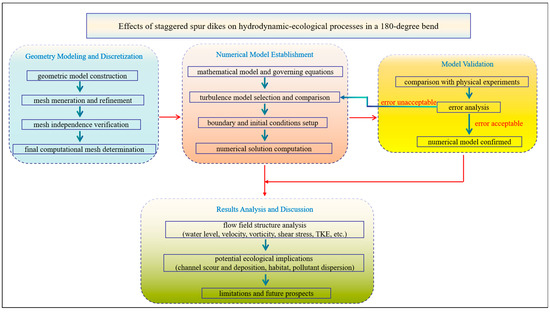
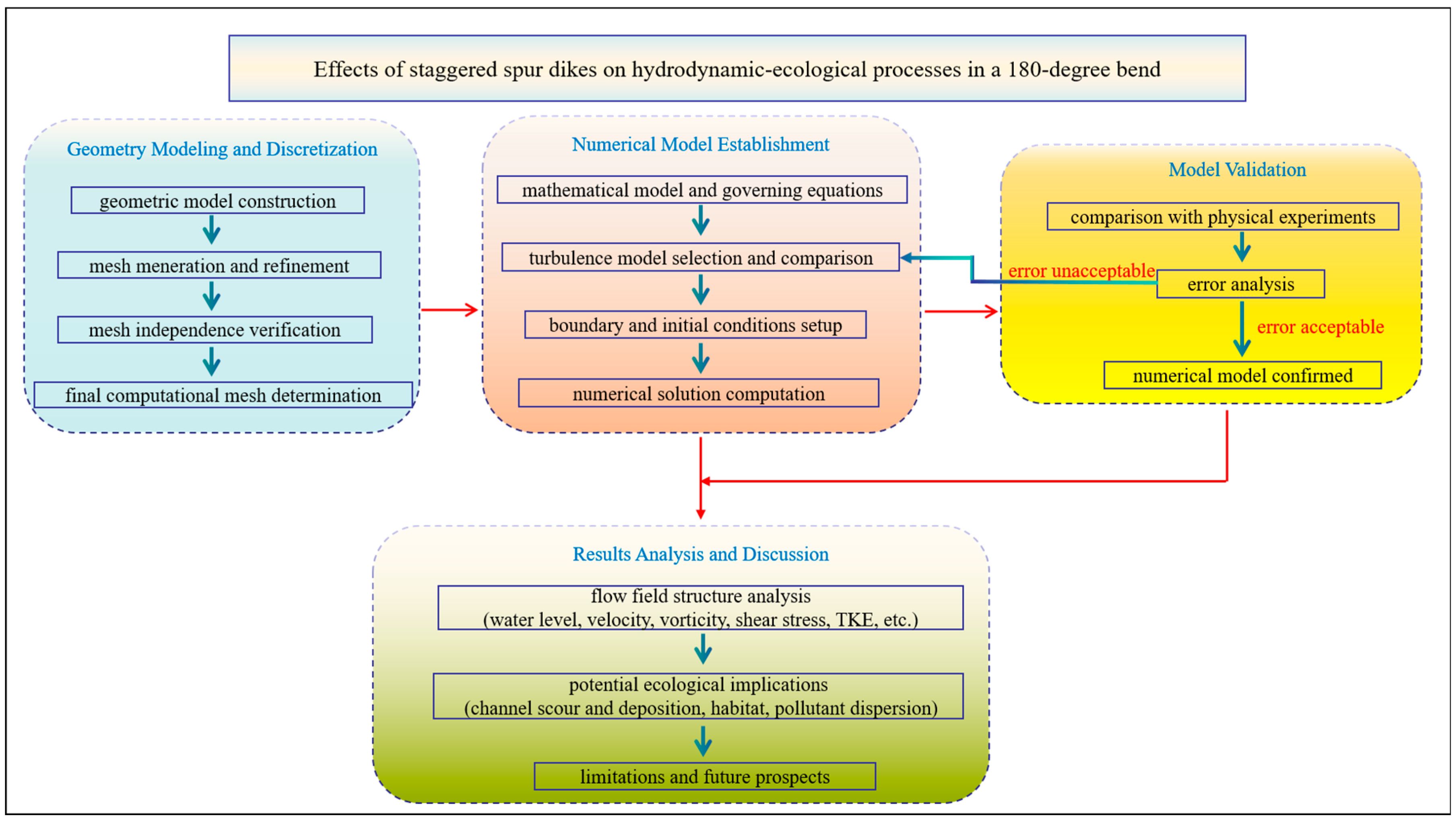
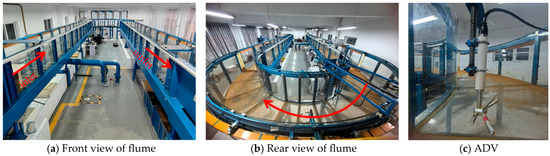
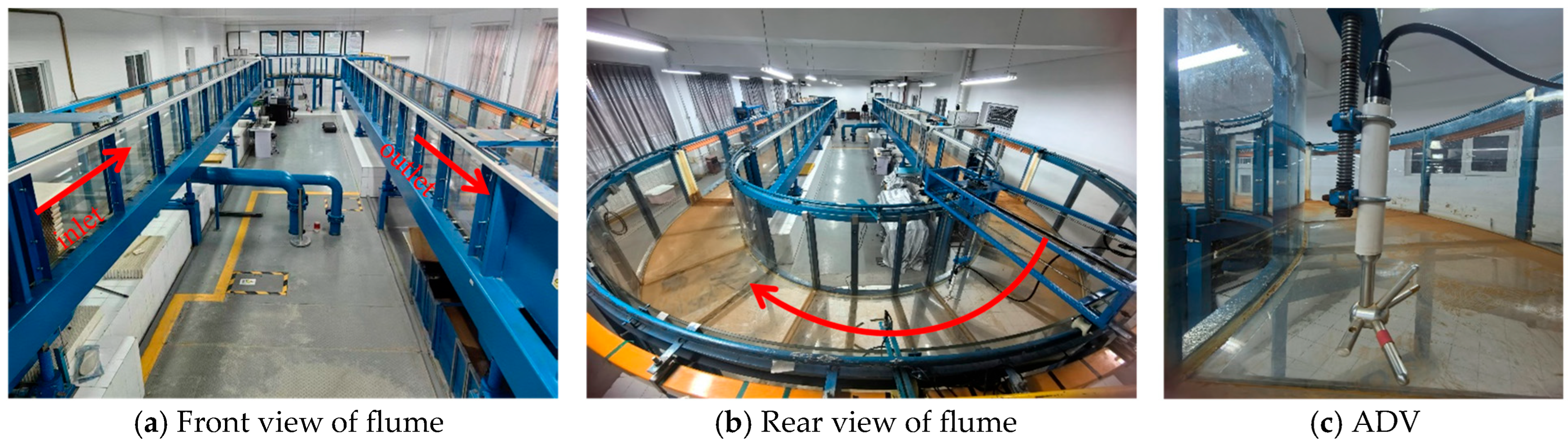
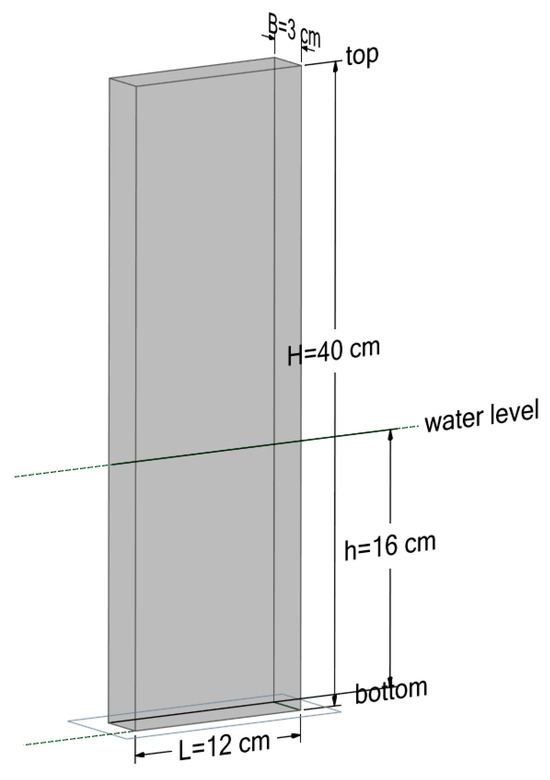
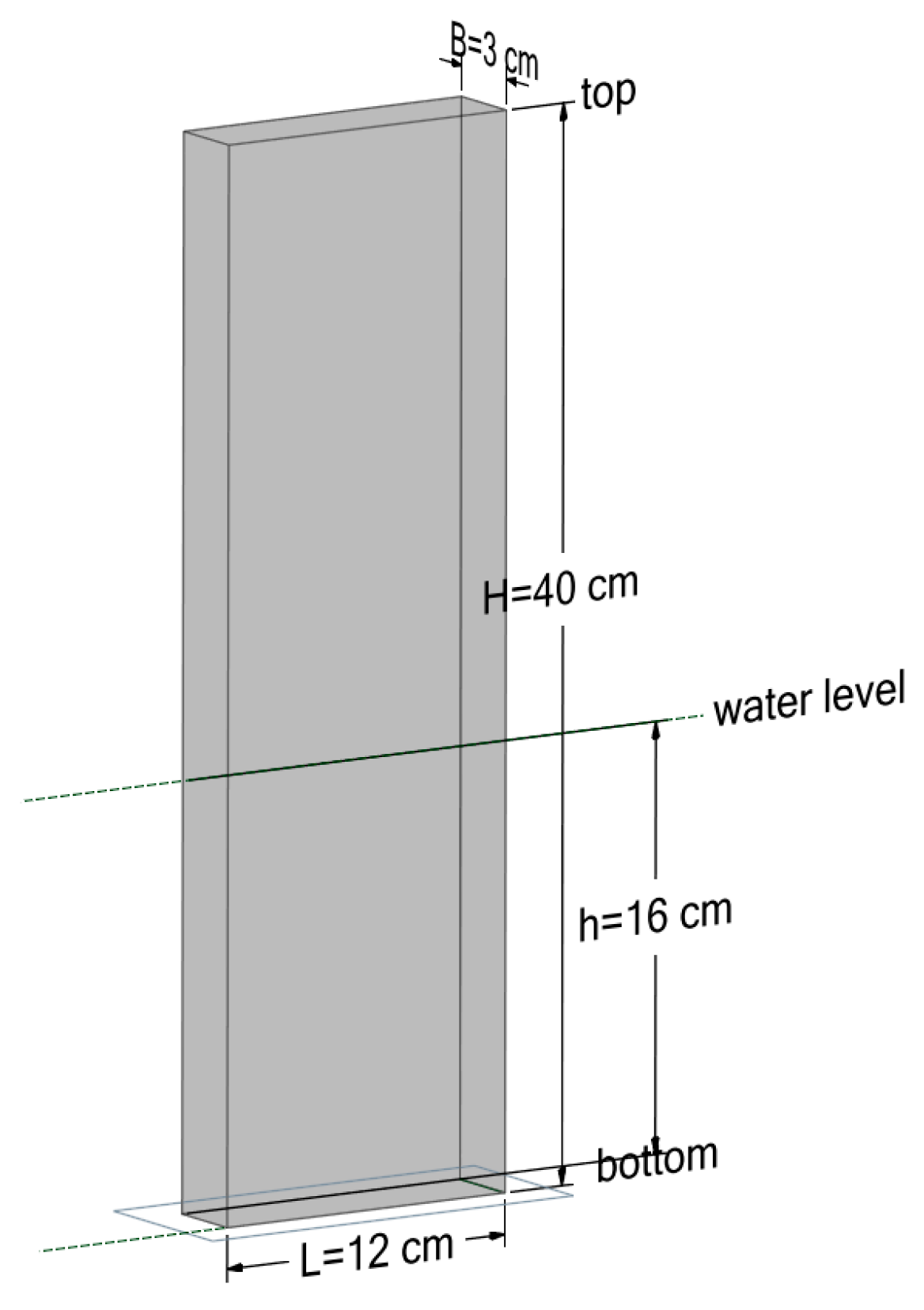
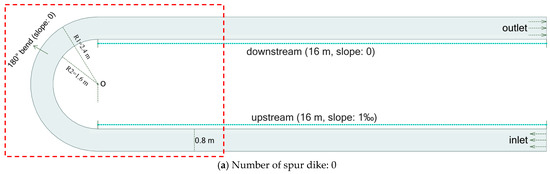
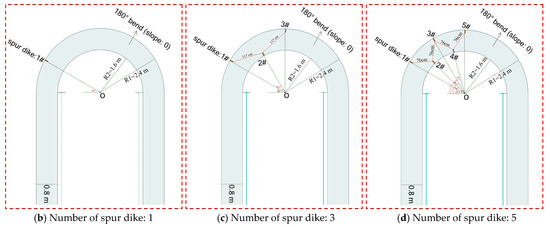
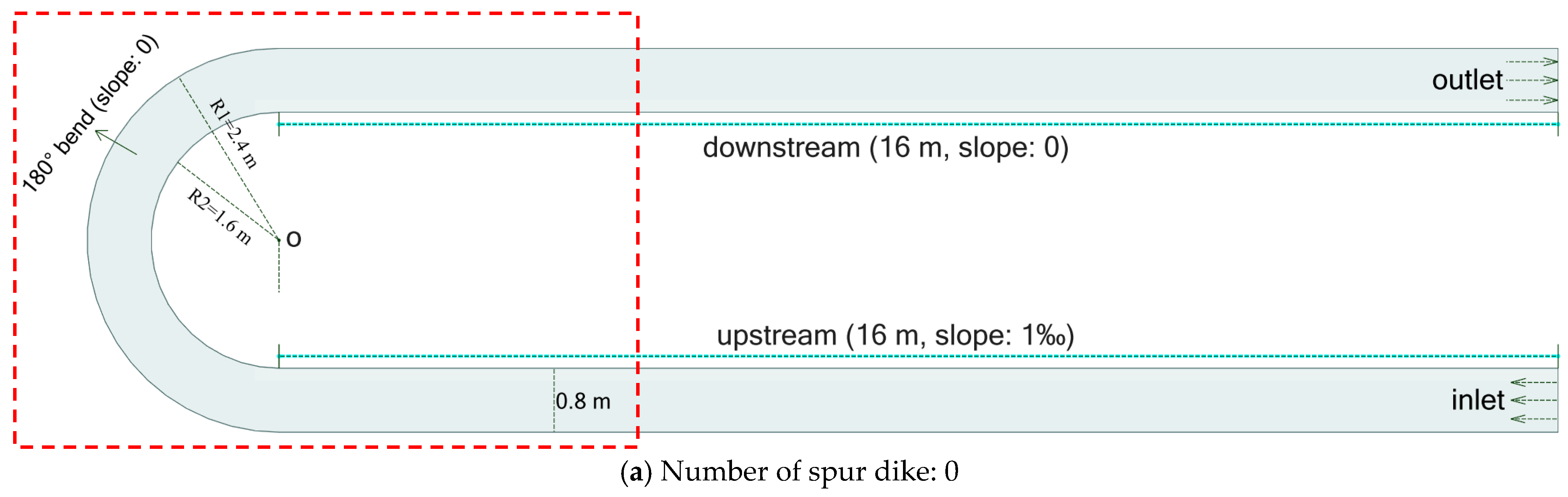
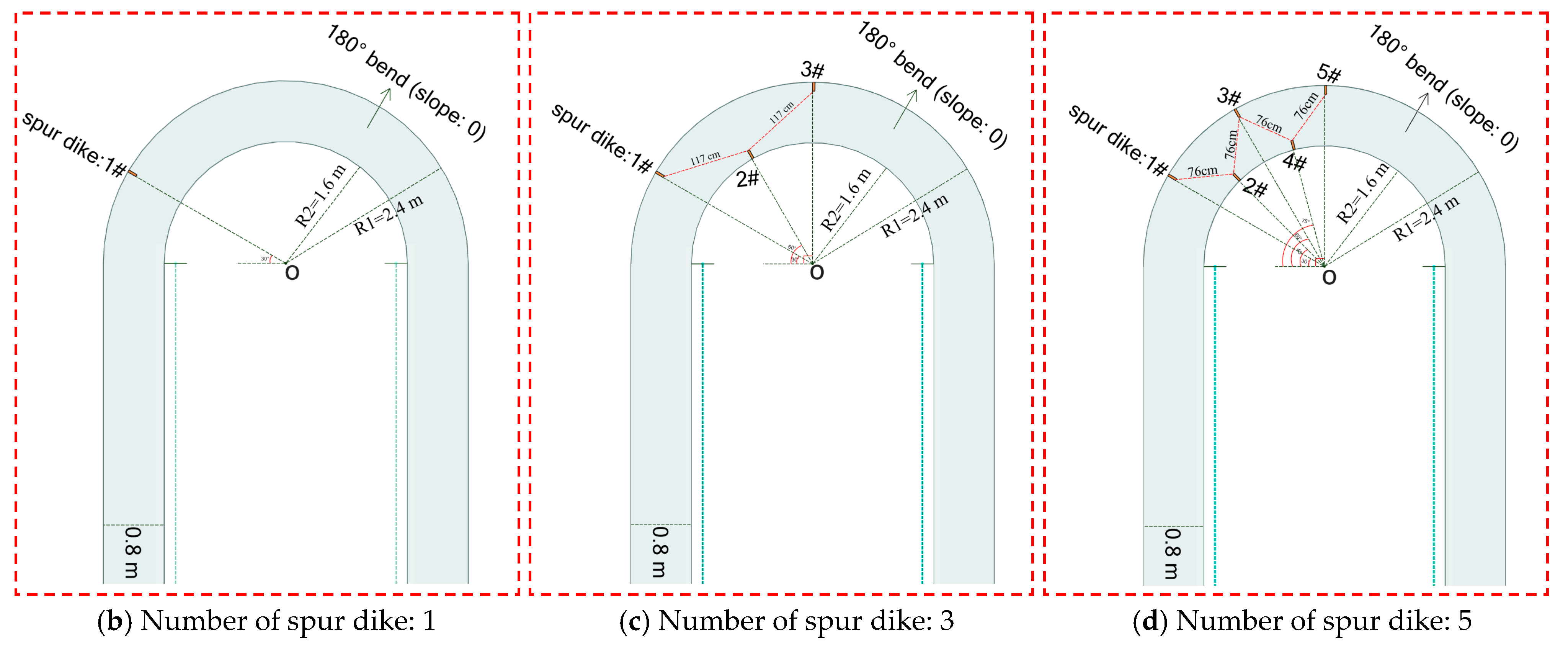
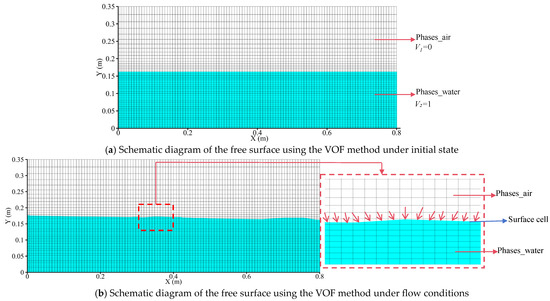
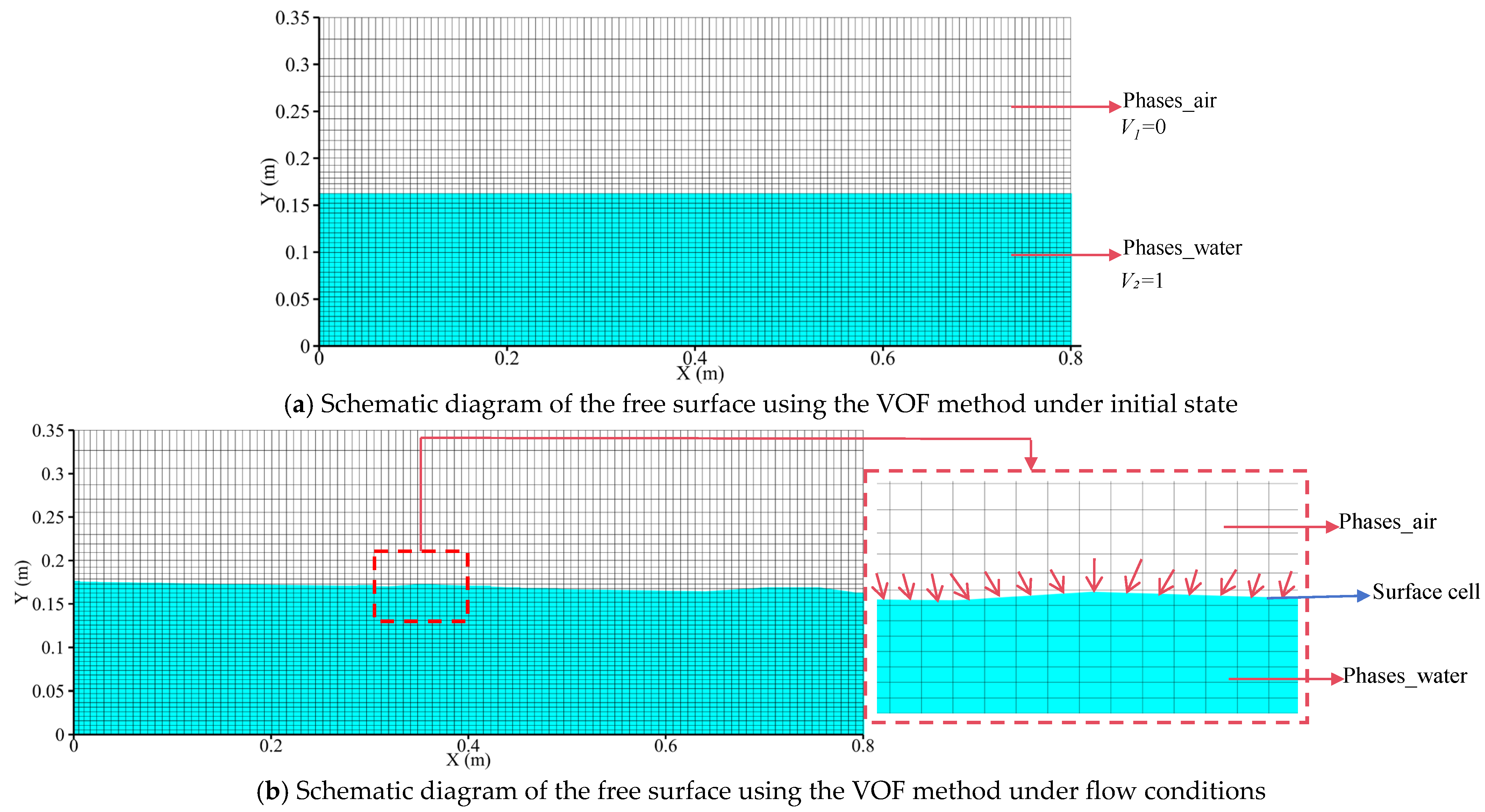
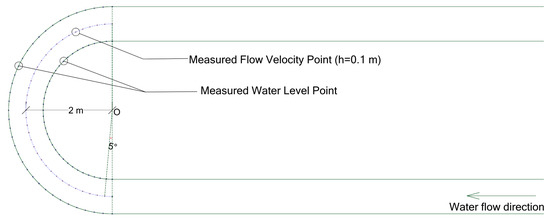
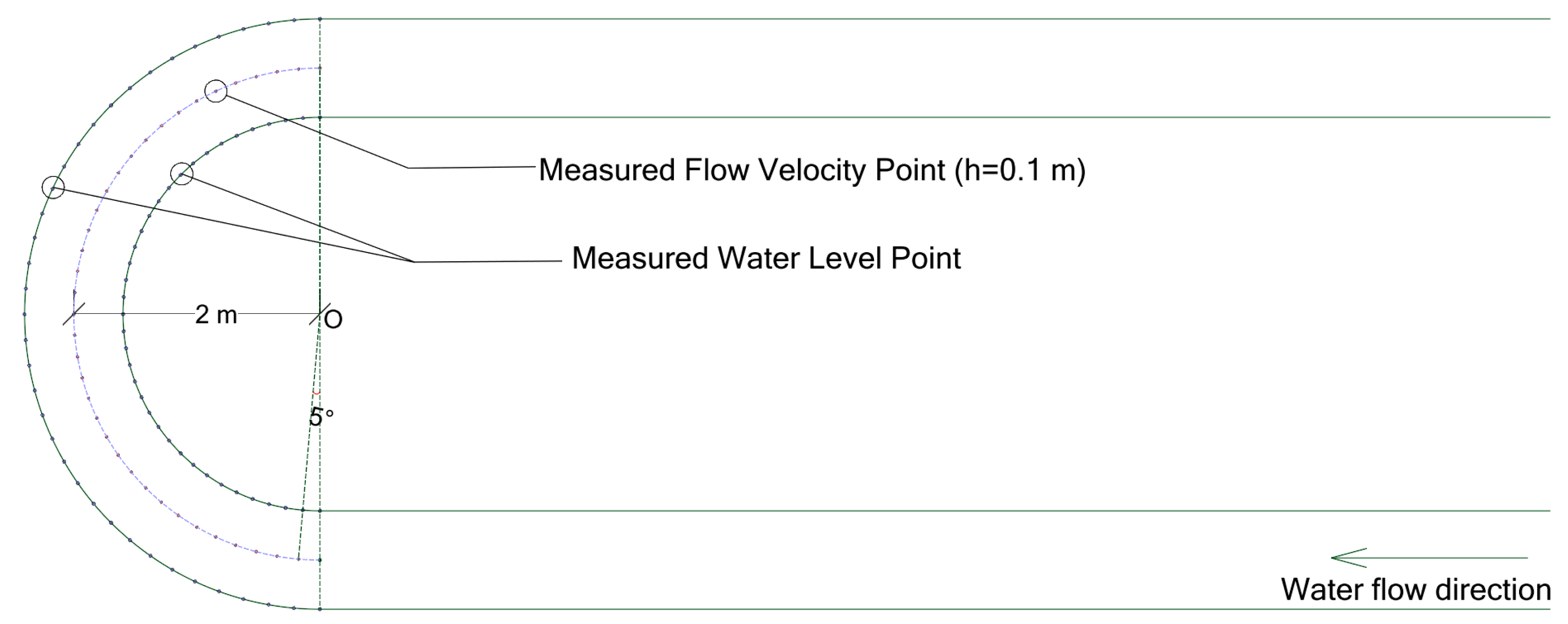
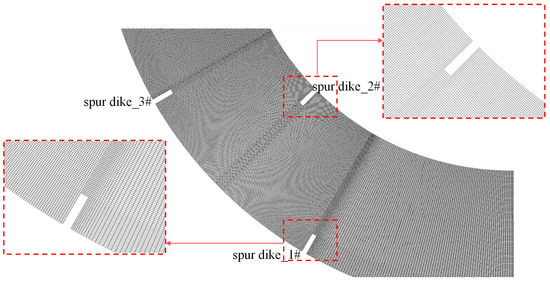
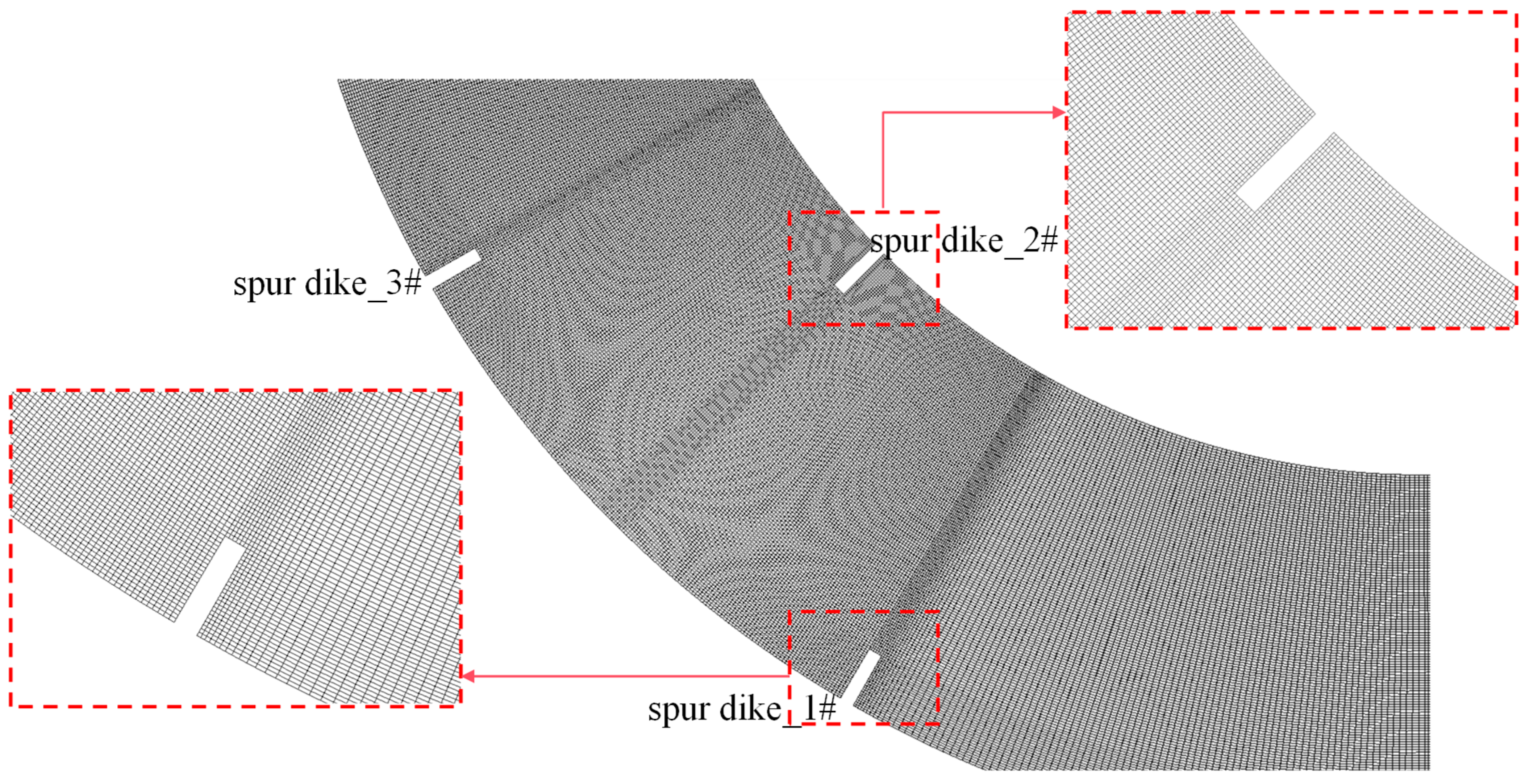
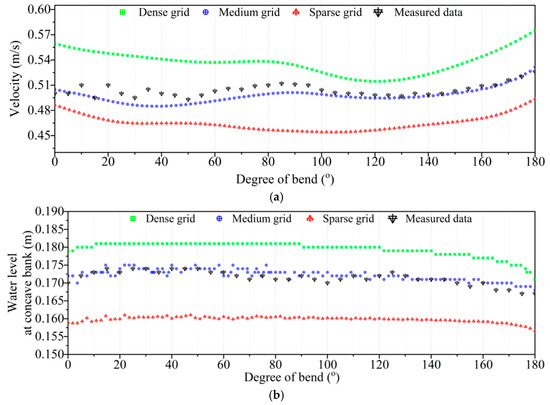
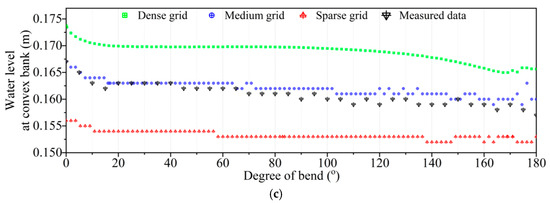
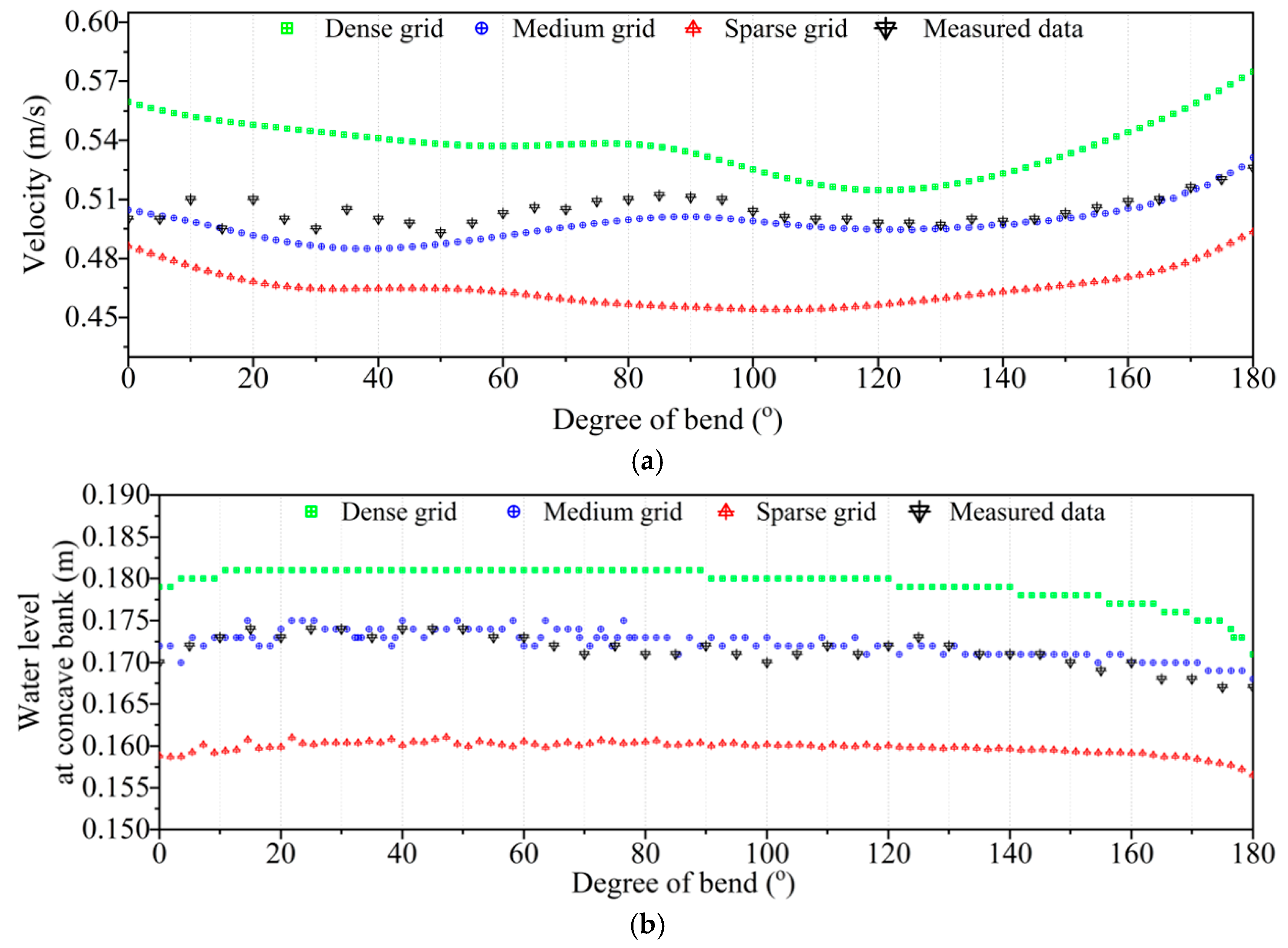
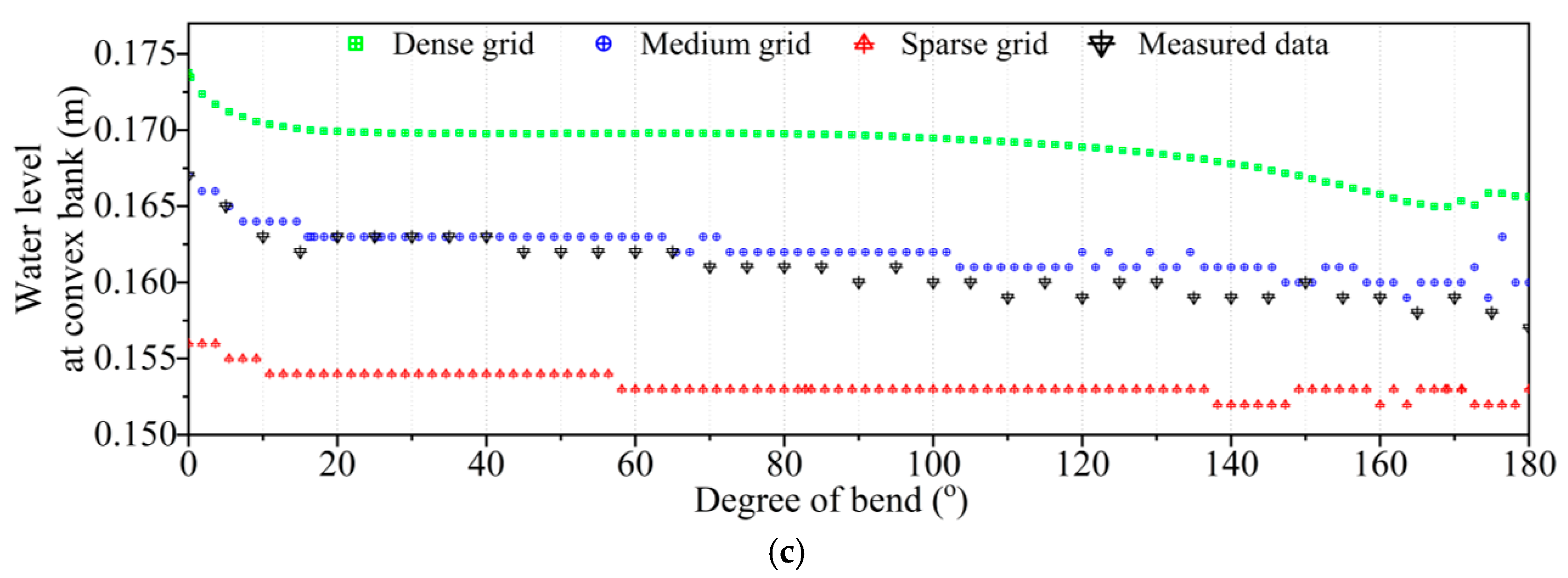
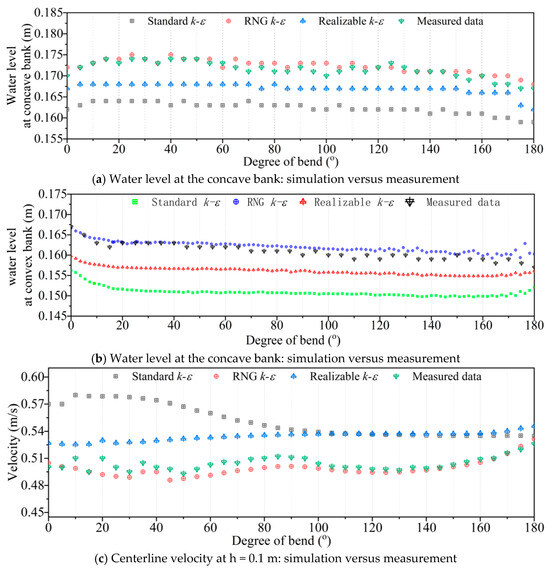
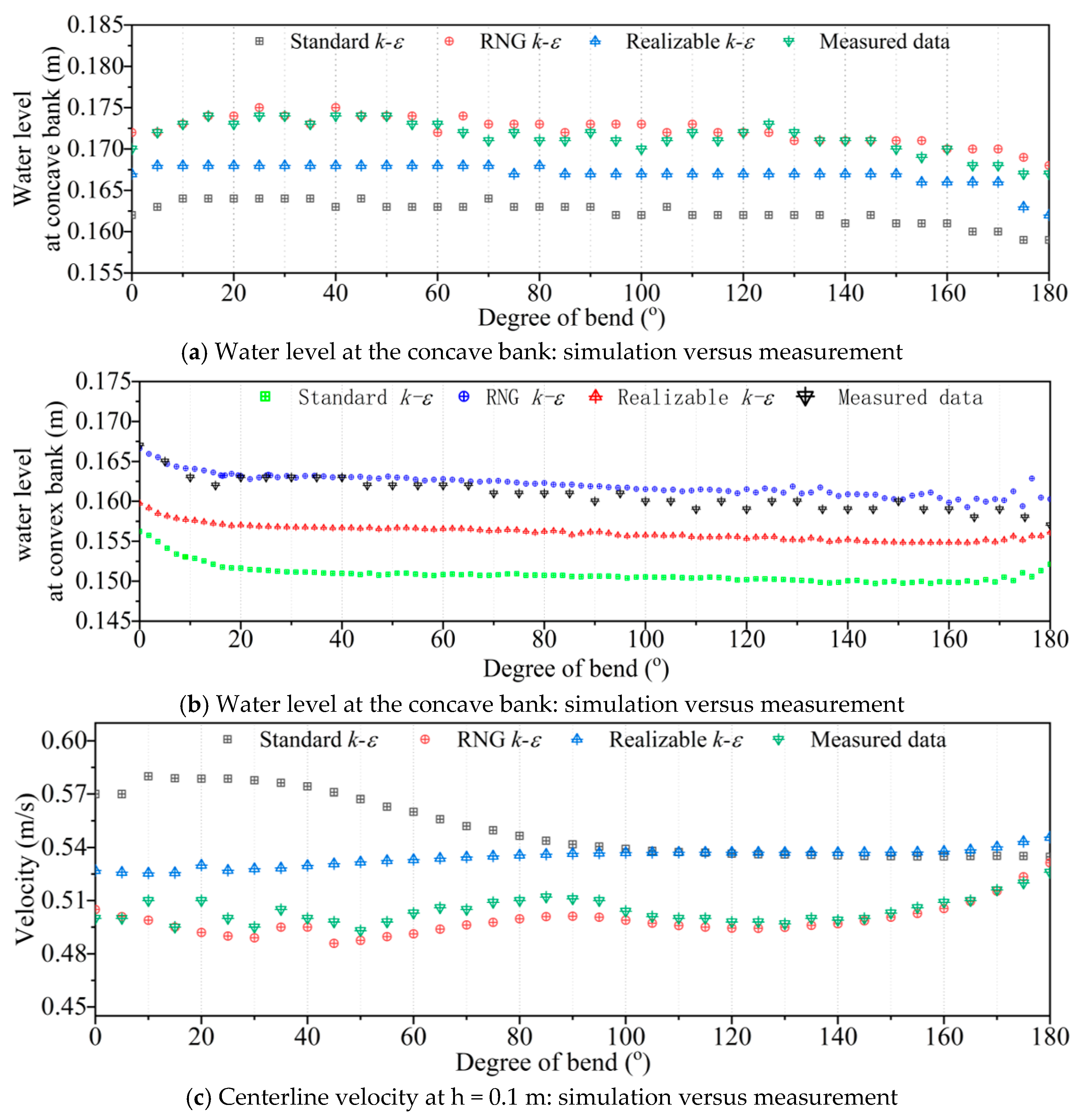
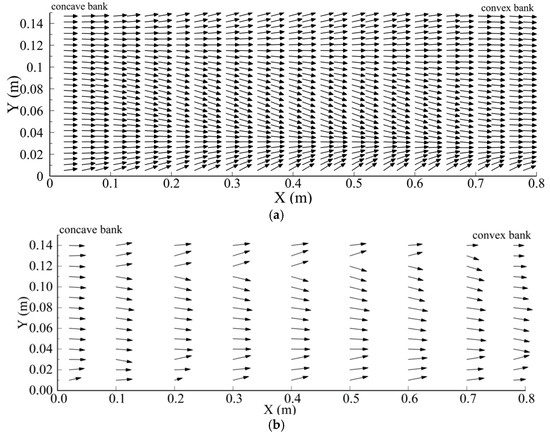
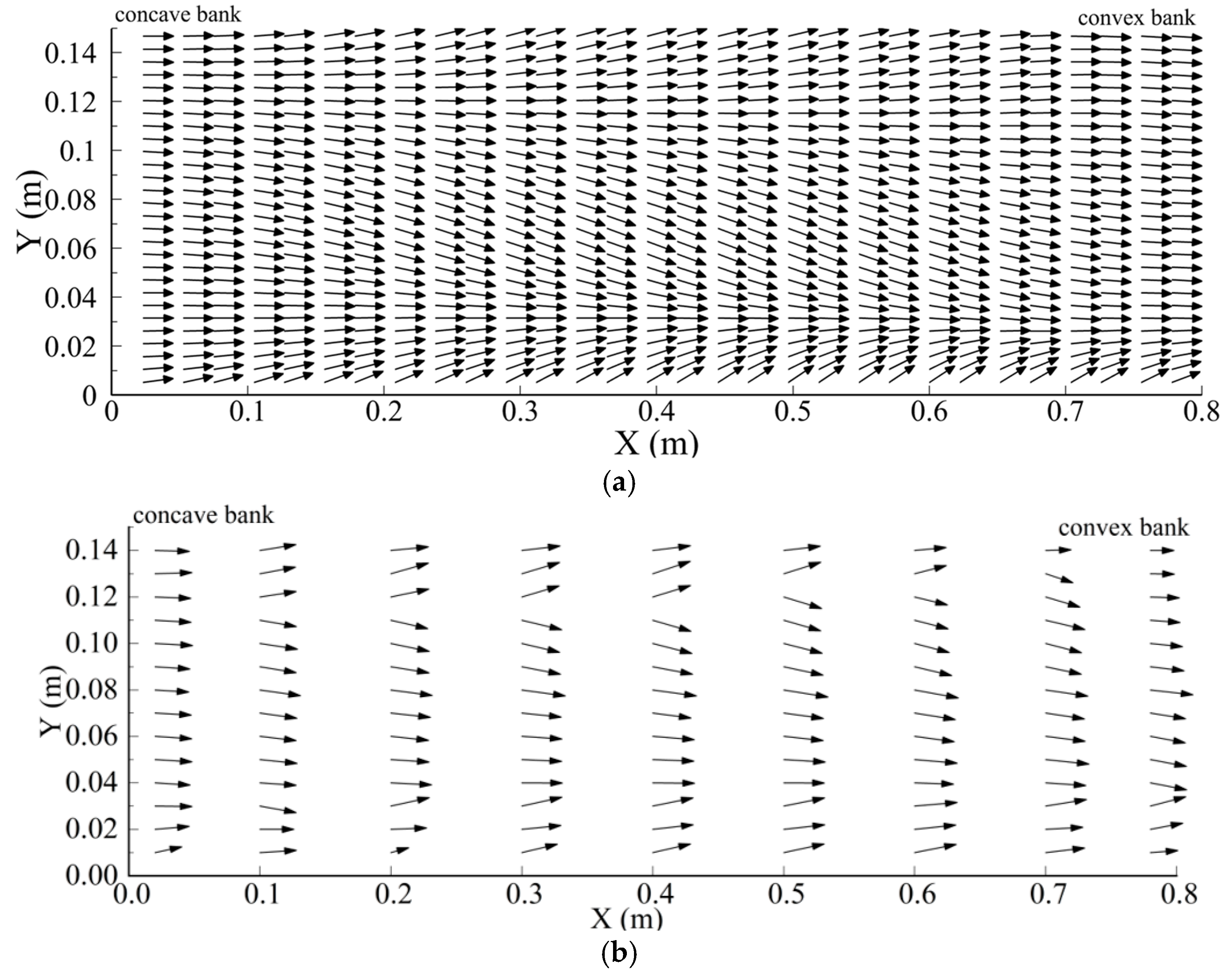
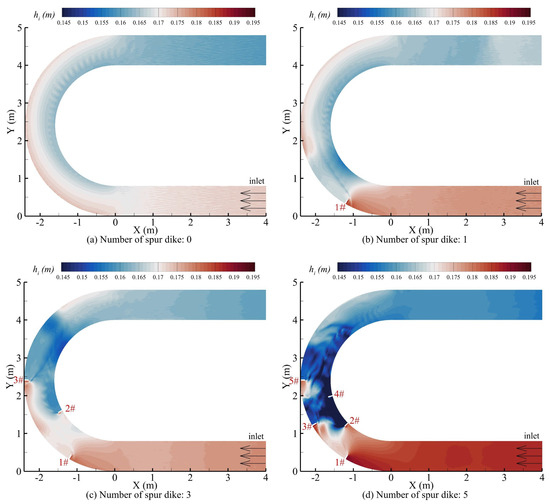
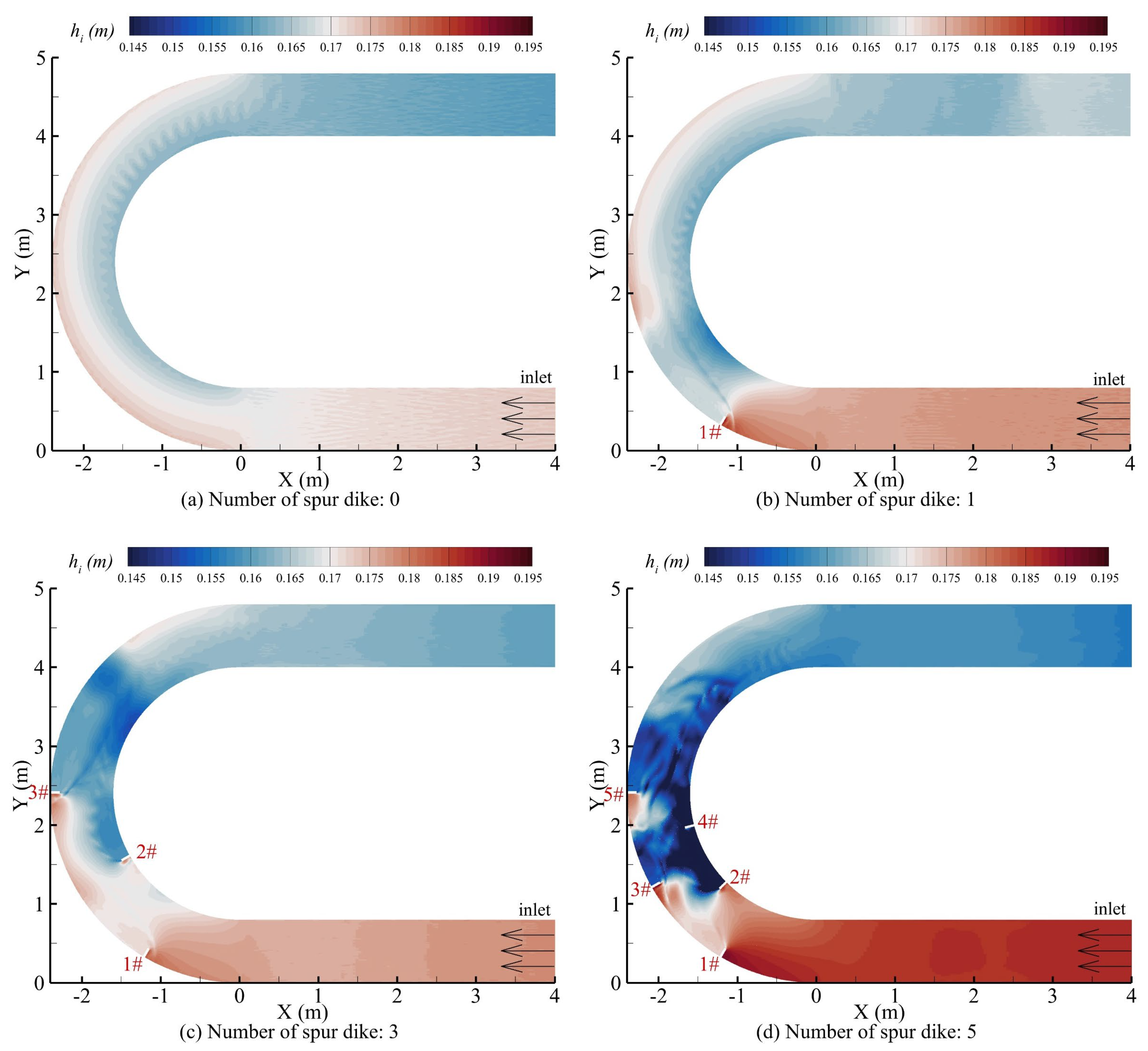
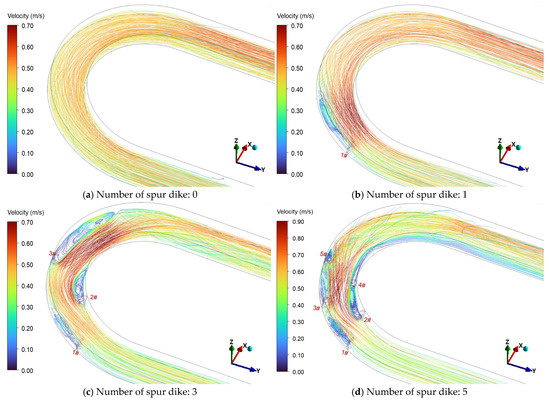
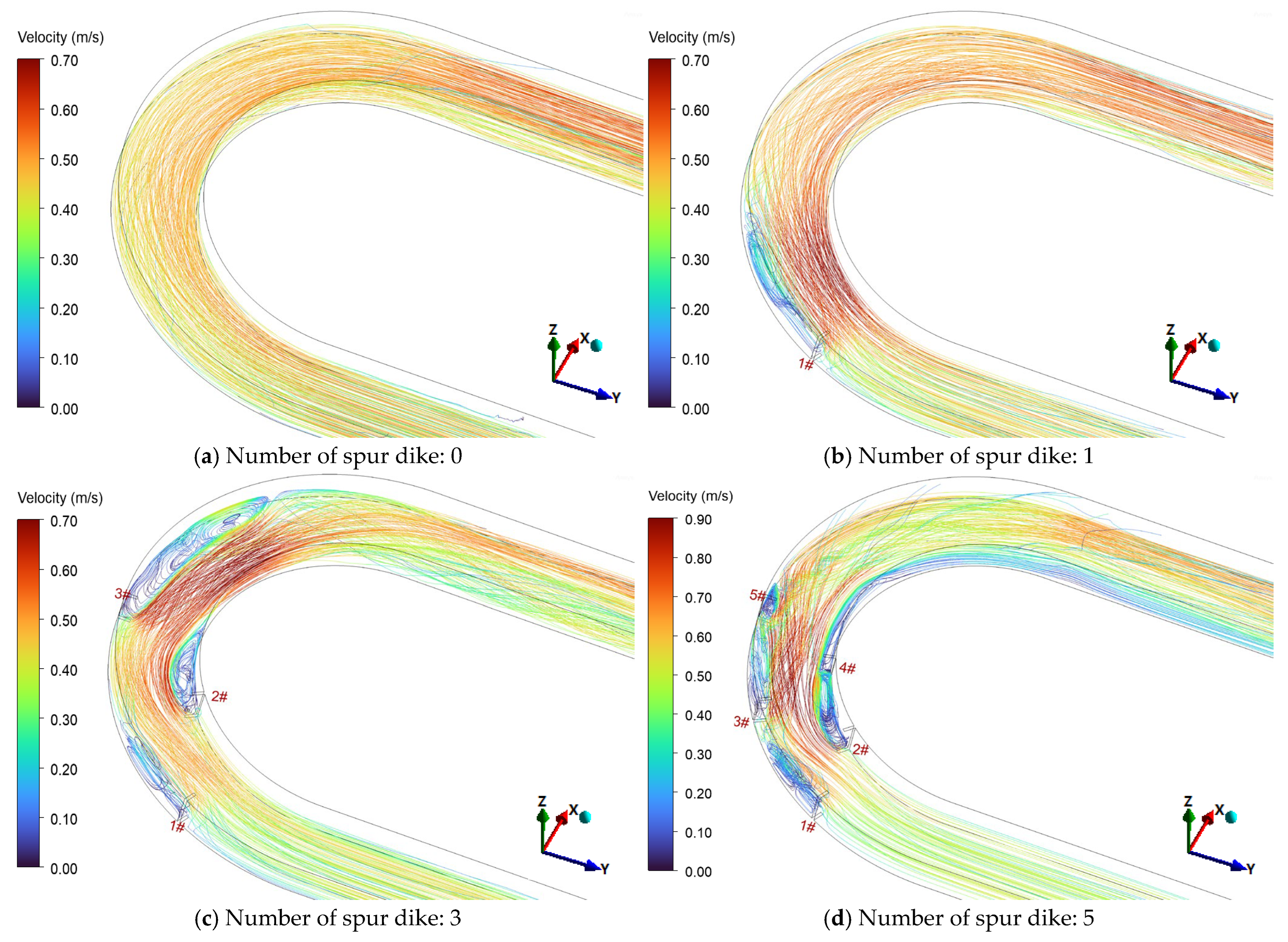
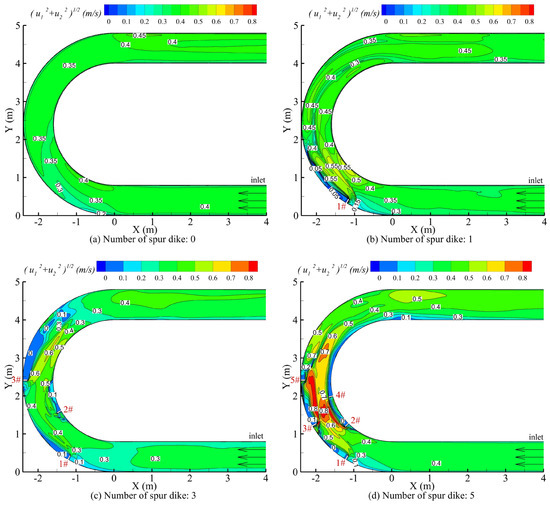
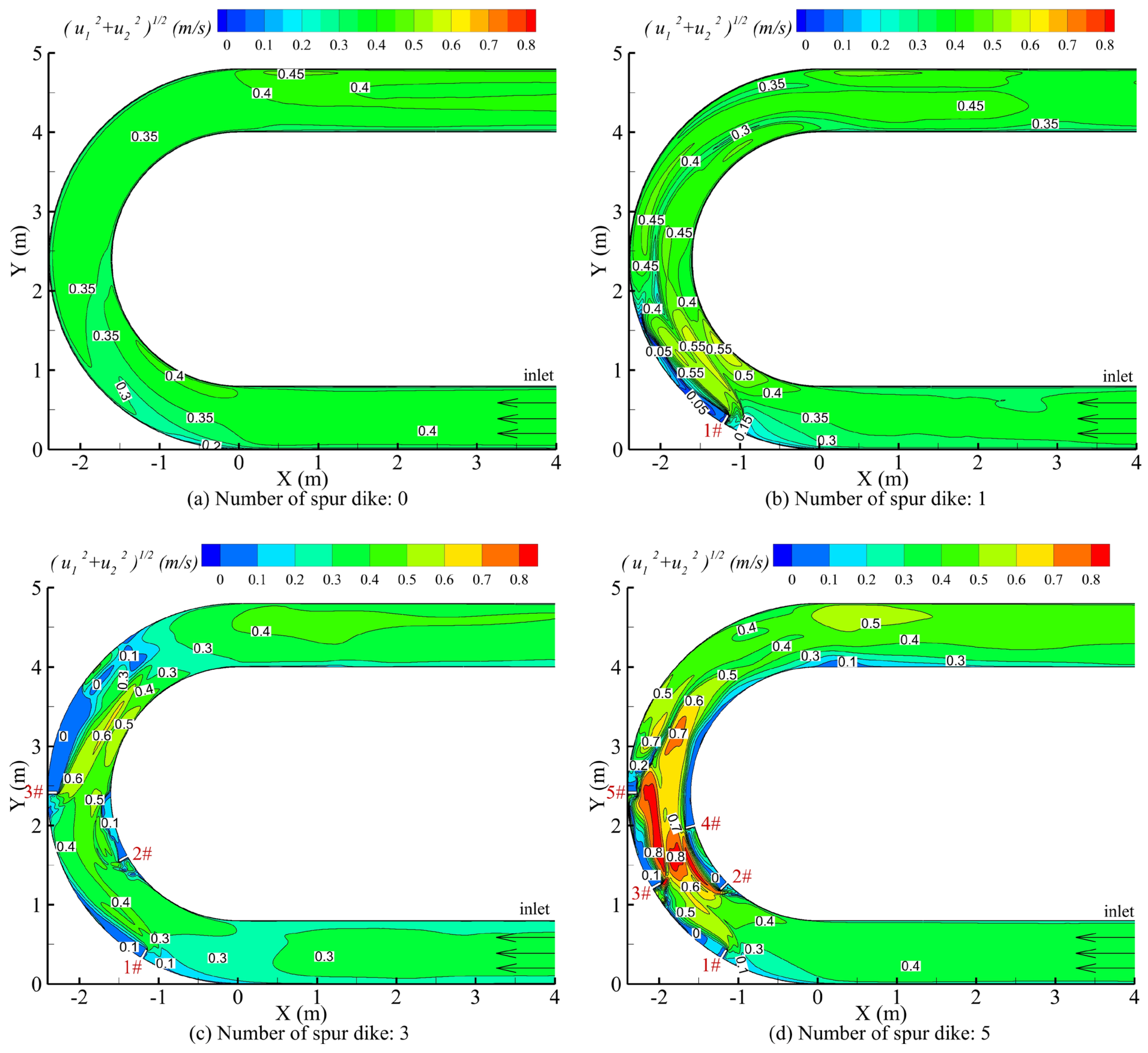
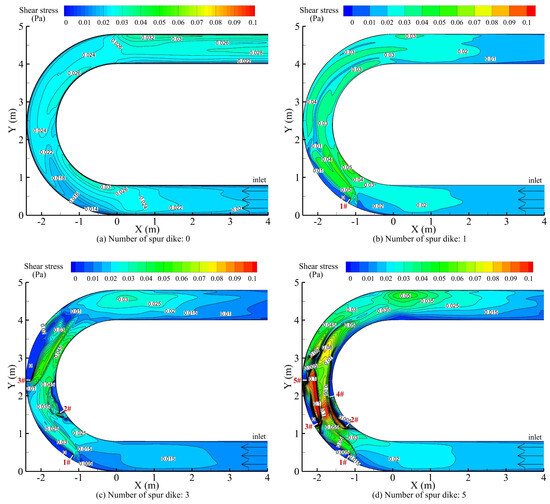
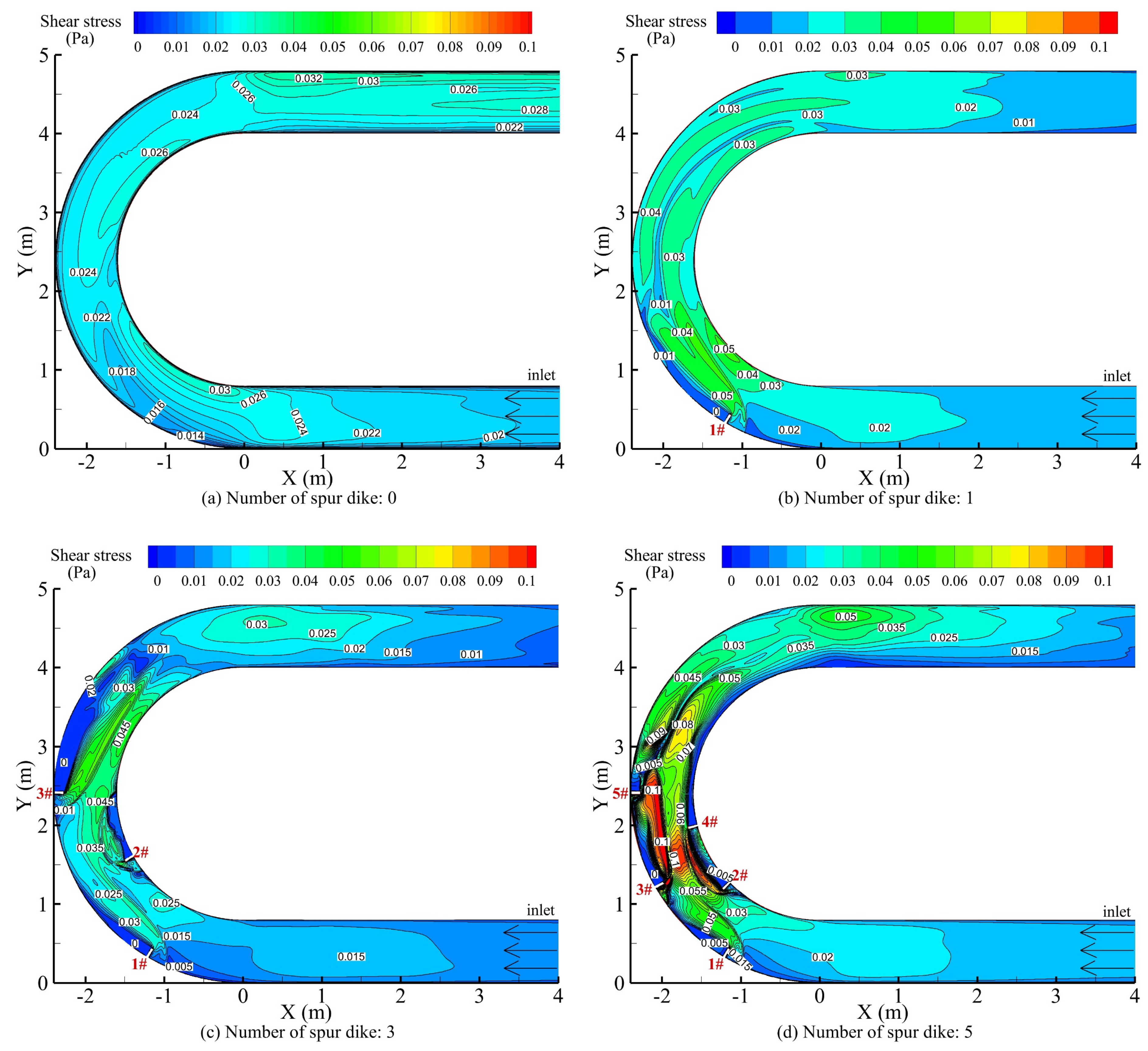
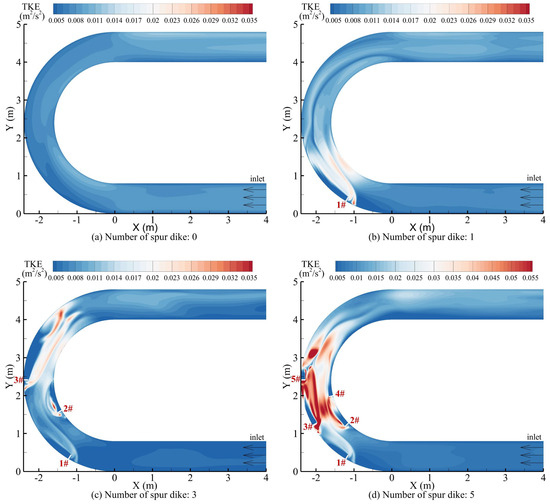
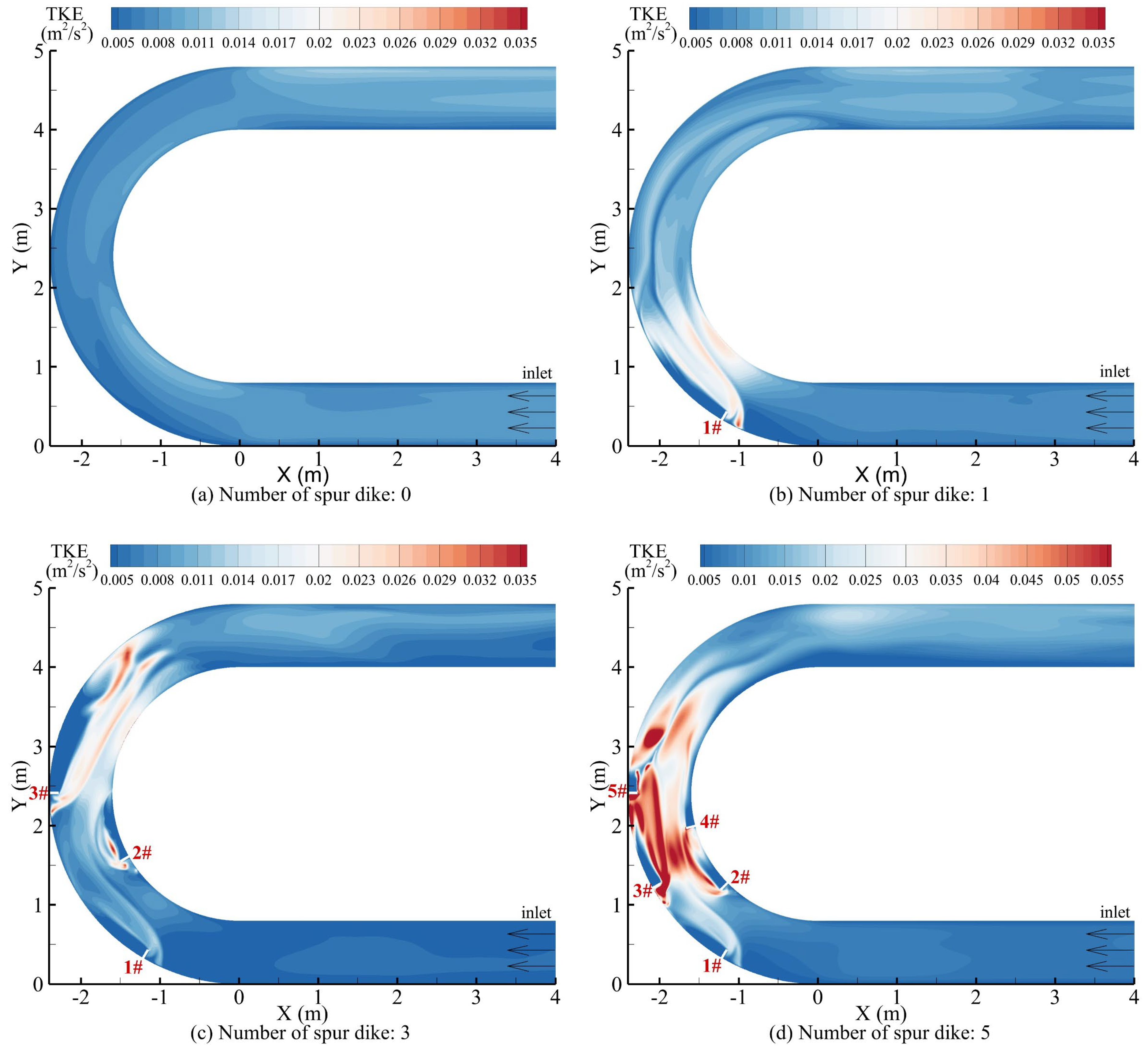
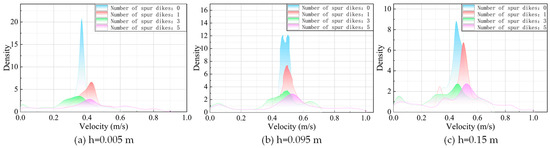
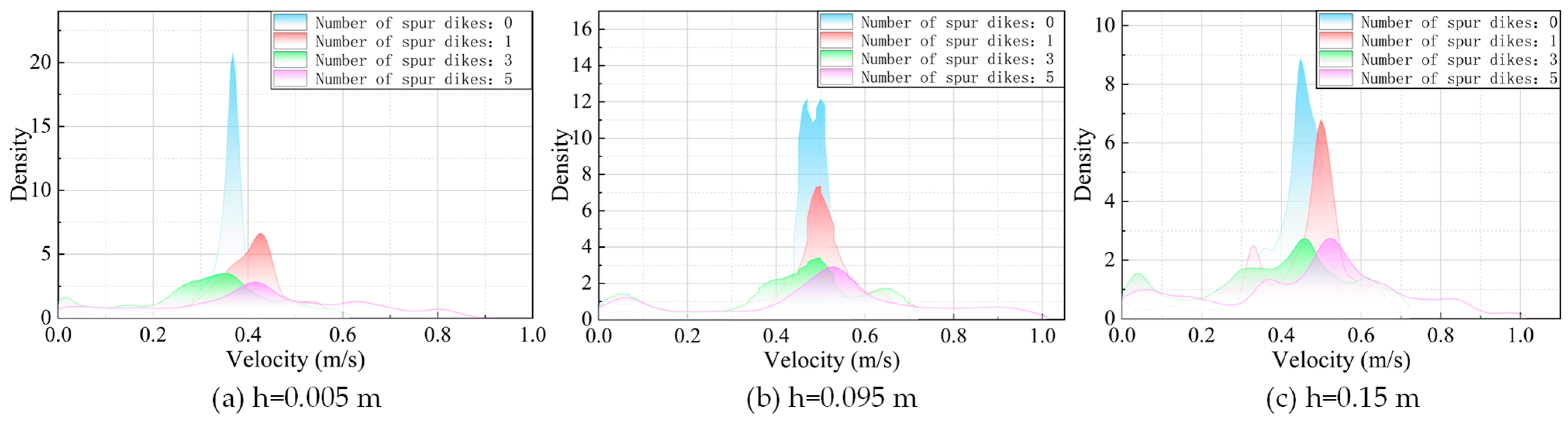
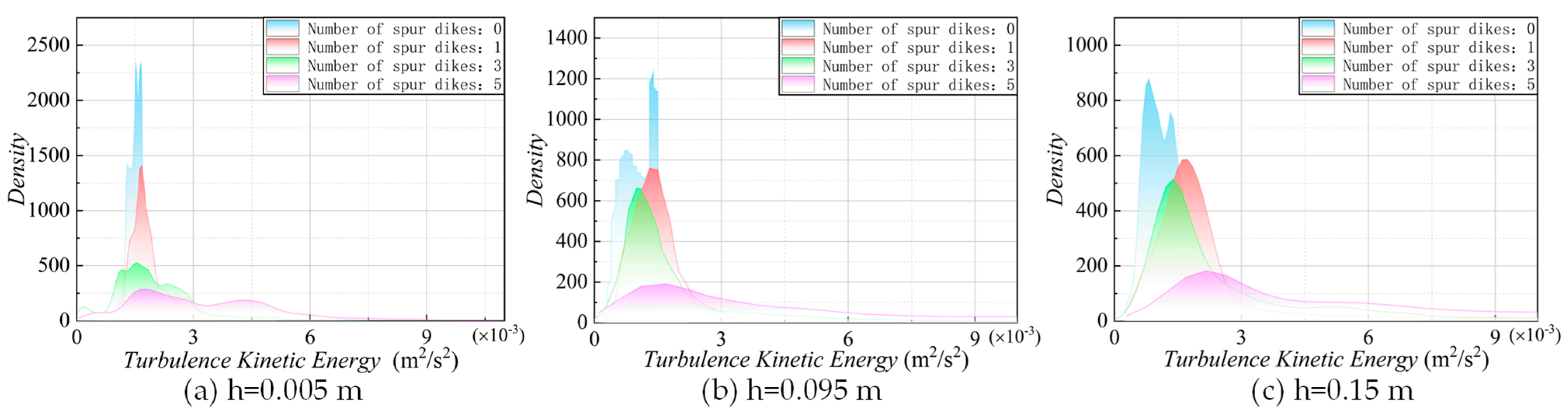
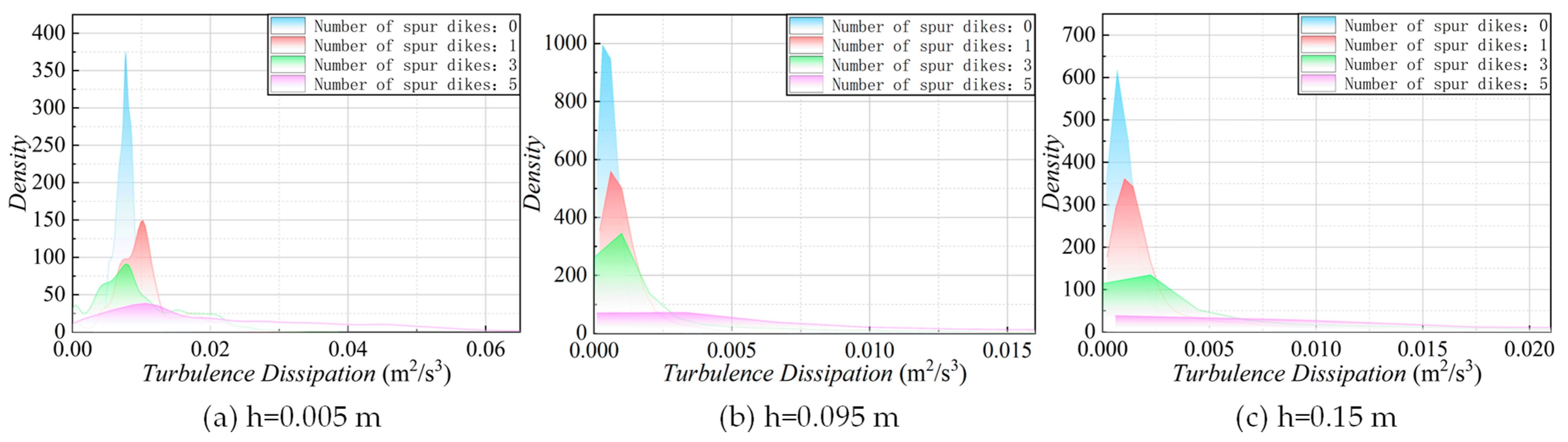

Disclaimer/Publisher’s Note: The statements, opinions and data contained in all publications are solely those of the individual author(s) and contributor(s) and not of MDPI and/or the editor(s). MDPI and/or the editor(s) disclaim responsibility for any injury to people or property resulting from any ideas, methods, instructions or products referred to in the content. |
© 2026 by the authors. Licensee MDPI, Basel, Switzerland. This article is an open access article distributed under the terms and conditions of the Creative Commons Attribution (CC BY) license.