
Article

A Monte Carlo Model for WWTP Effluent Flow Treatment through Enhanced Willow Evapotranspiration

by
Aristoteles Tegos
1,2
1
Laboratory of Hydrology and Water Resources Development, School of Civil Engineering, National Technical University of Athens, Heroon Polytechneiou 9, 157 80 Zographou, Greece
2
TOBIN, Block 10-4, Blanchardstown Corporate Park, D15 X98N Dublin, Ireland
Hydrology 2024, 11(9), 134; https://doi.org/10.3390/hydrology11090134

Submission received: 15 July 2024 / Revised: 2 August 2024 / Accepted: 13 August 2024 / Published: 26 August 2024
(This article belongs to the Special Issue Forest Hydrometeorology)

Abstract

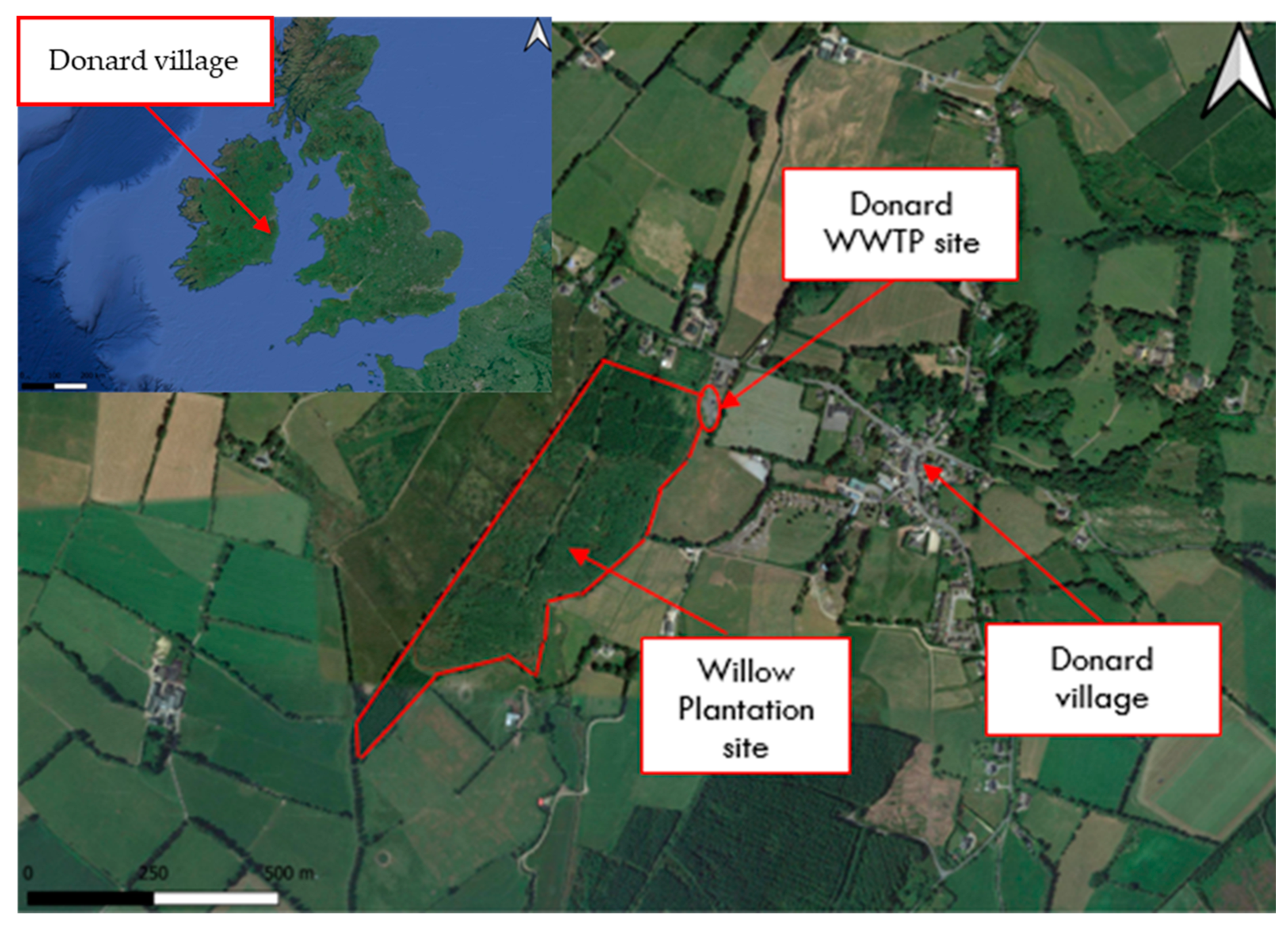
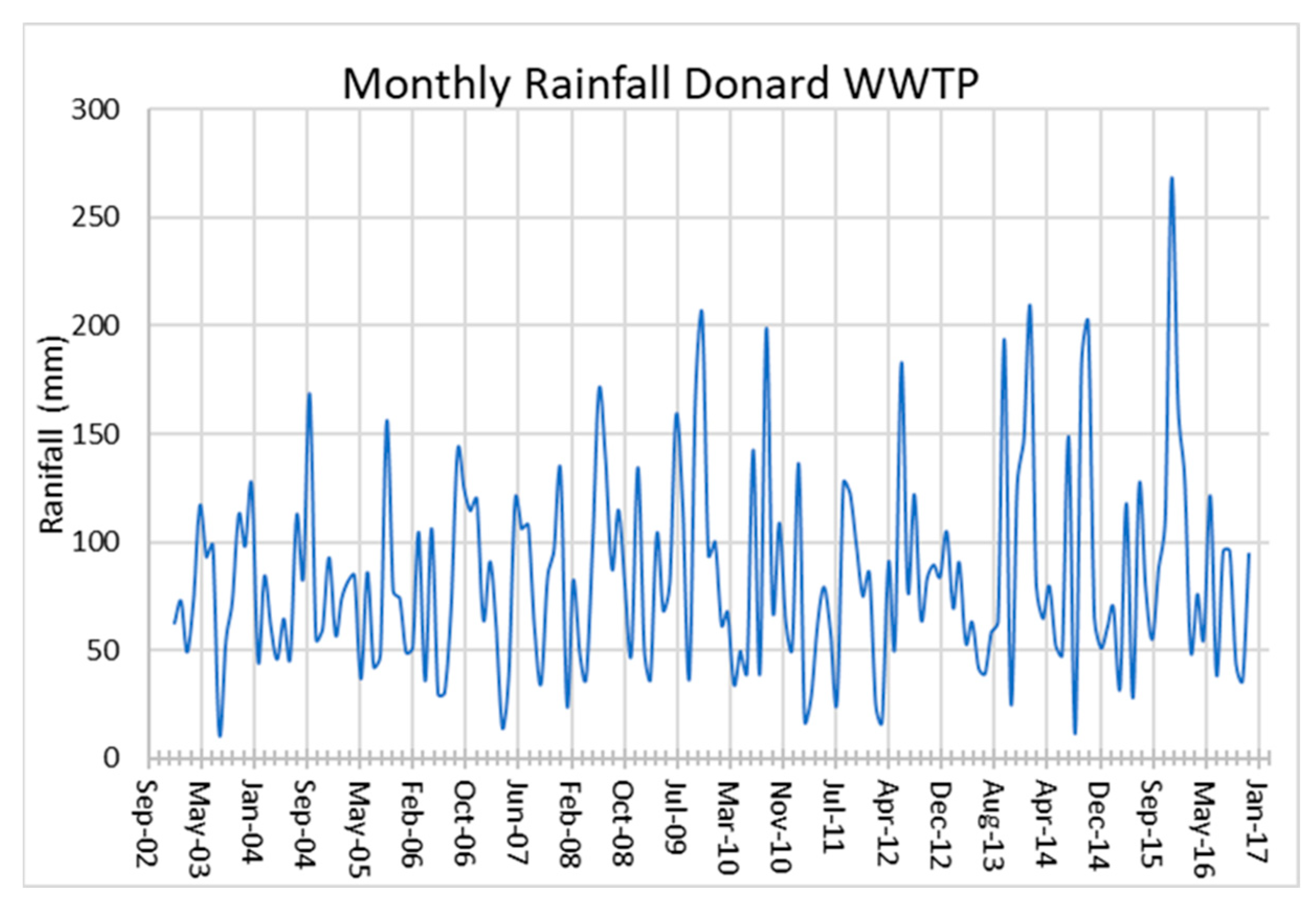
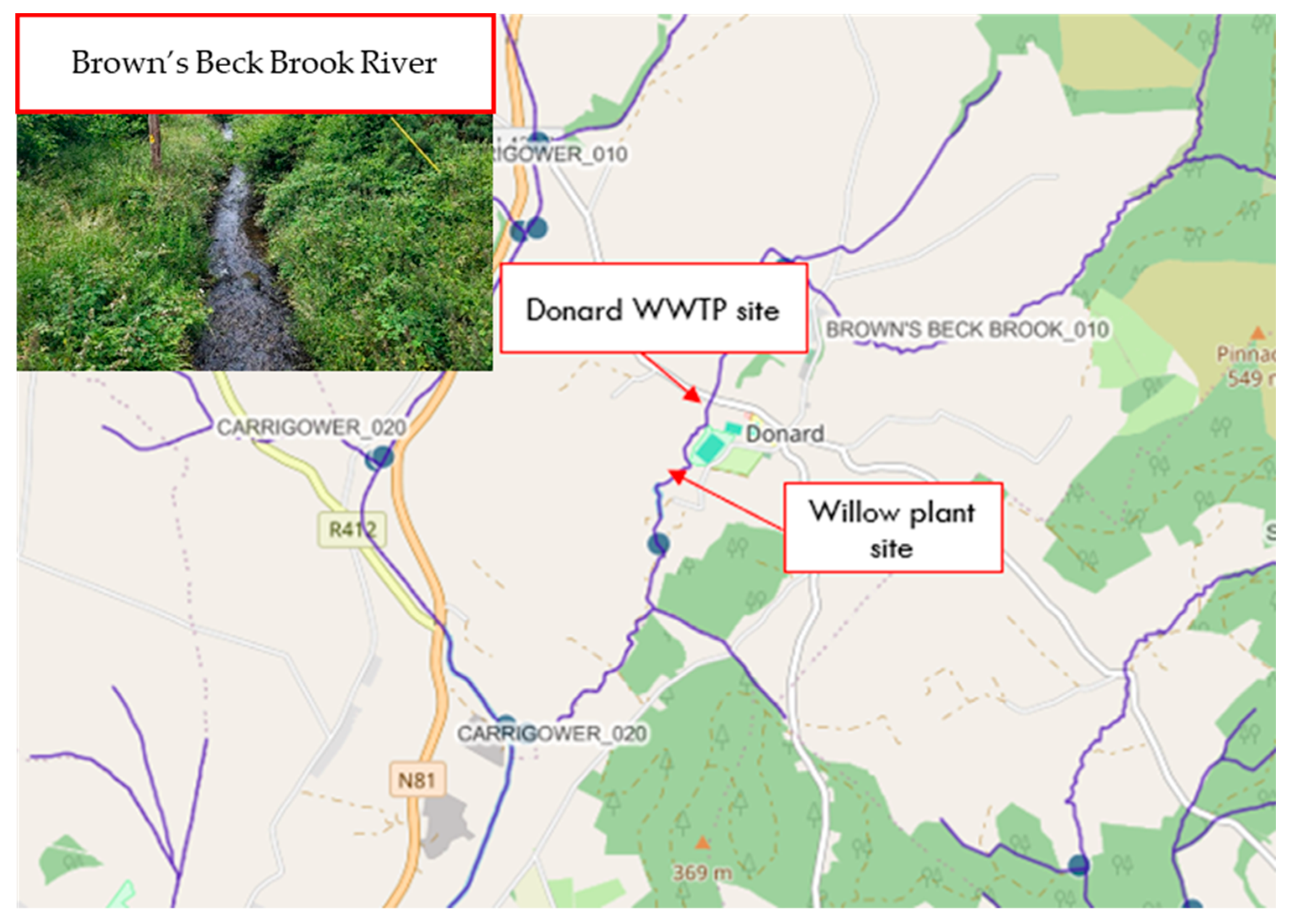
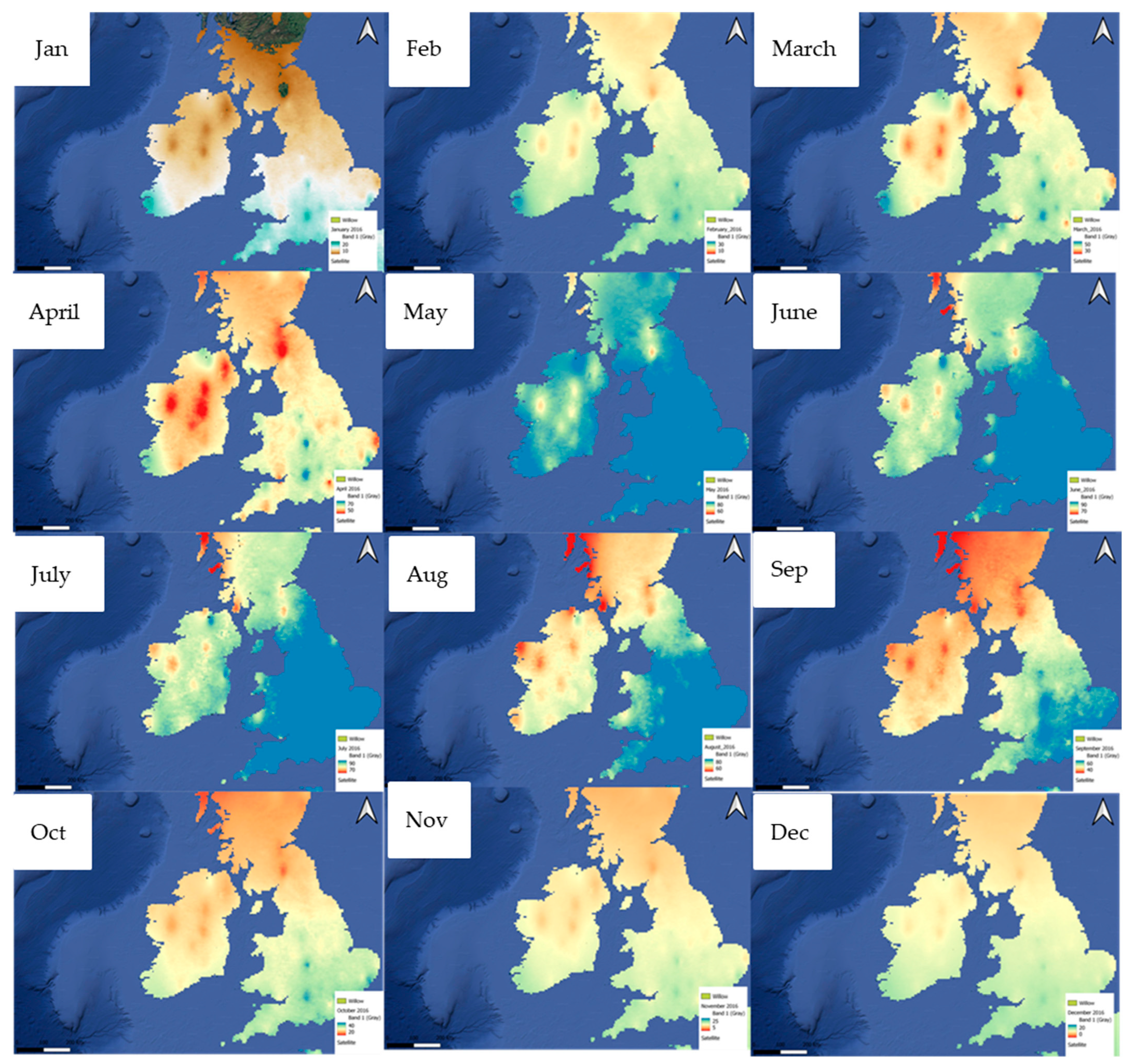
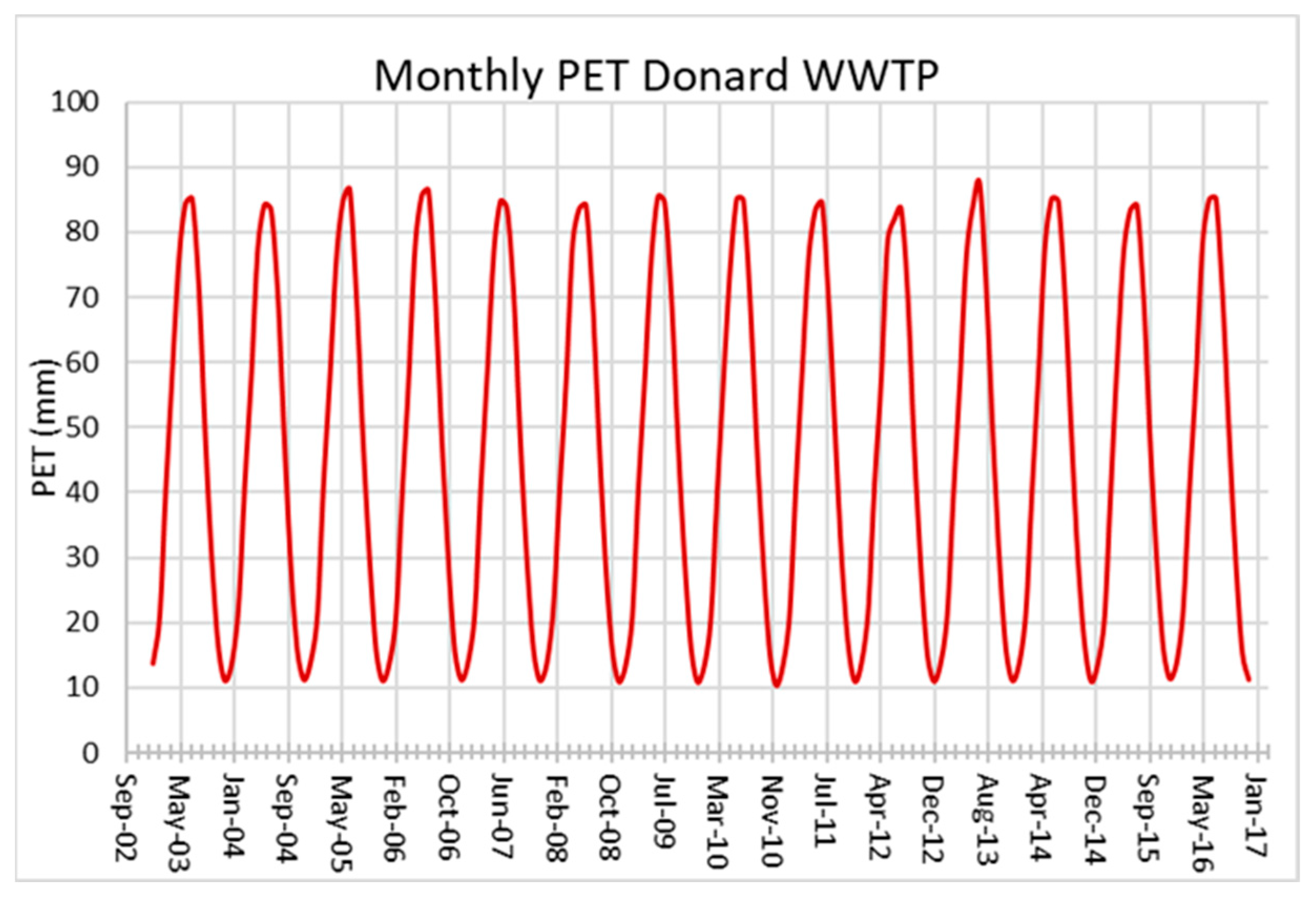
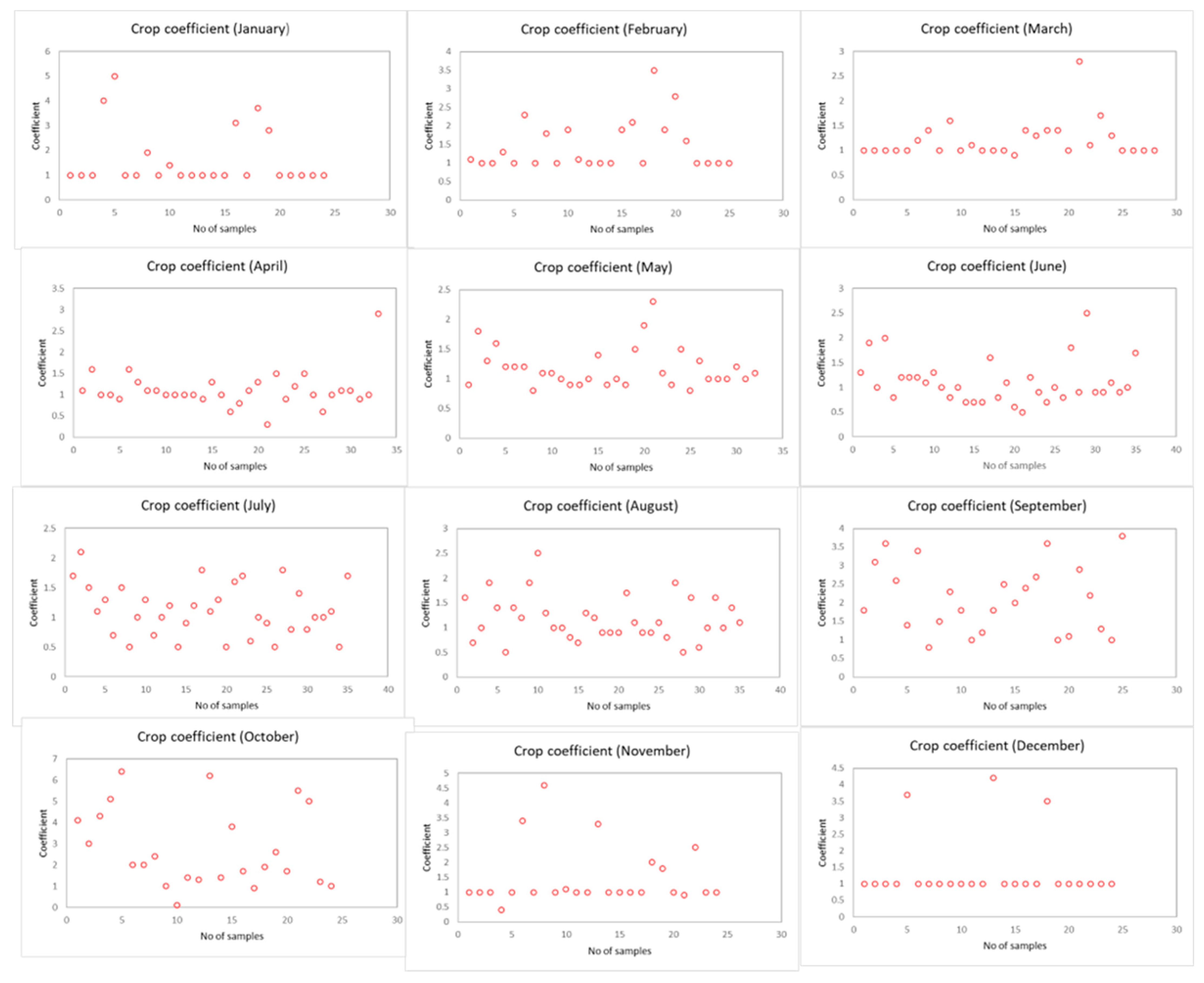
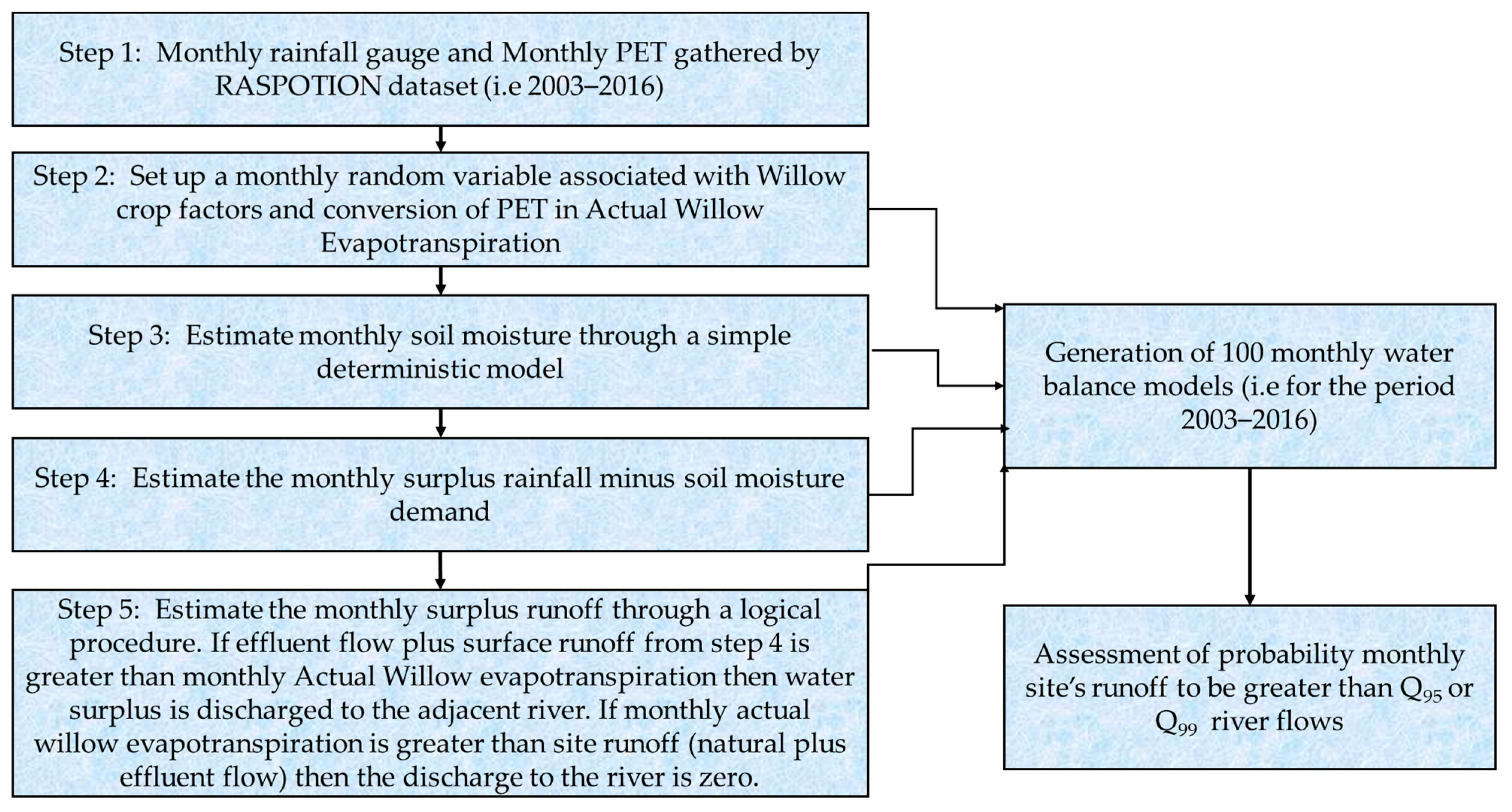
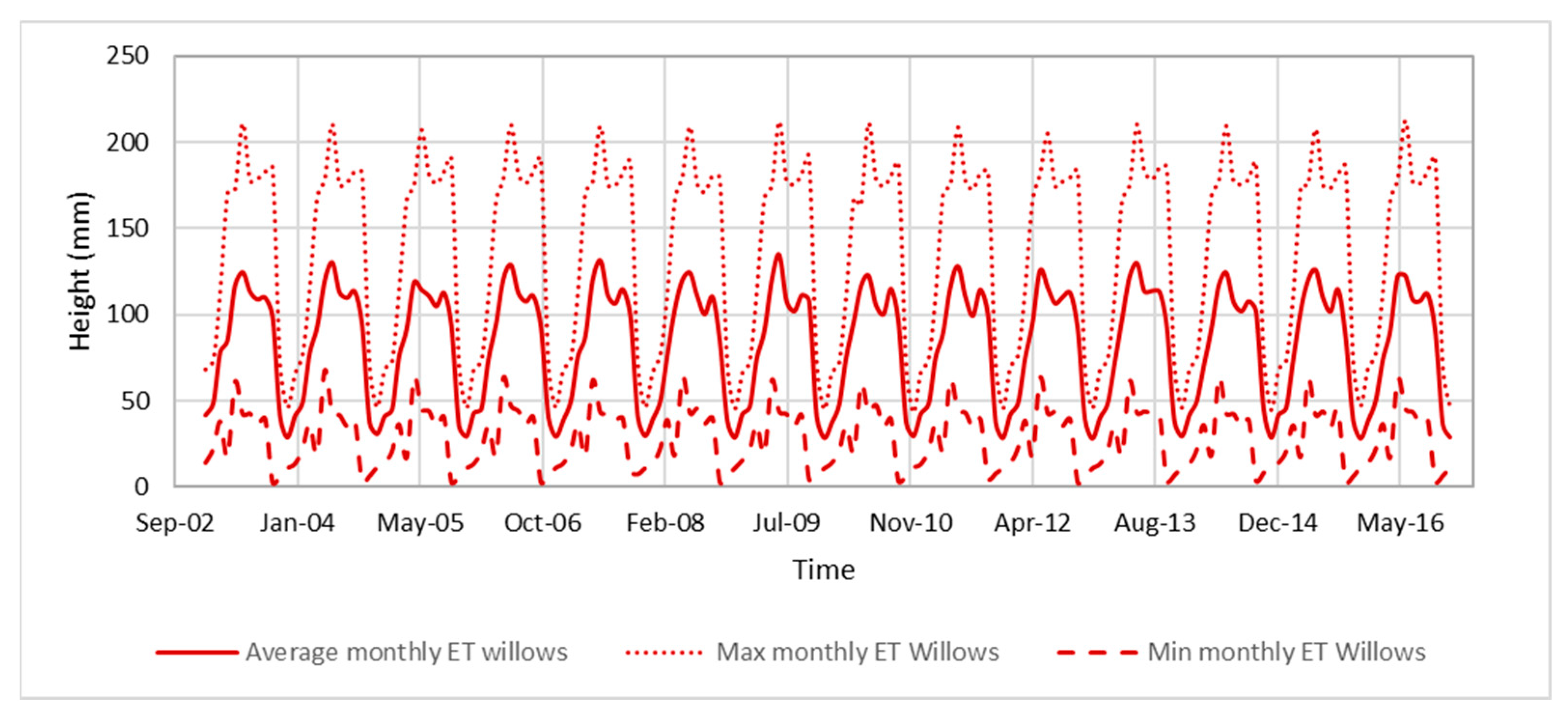
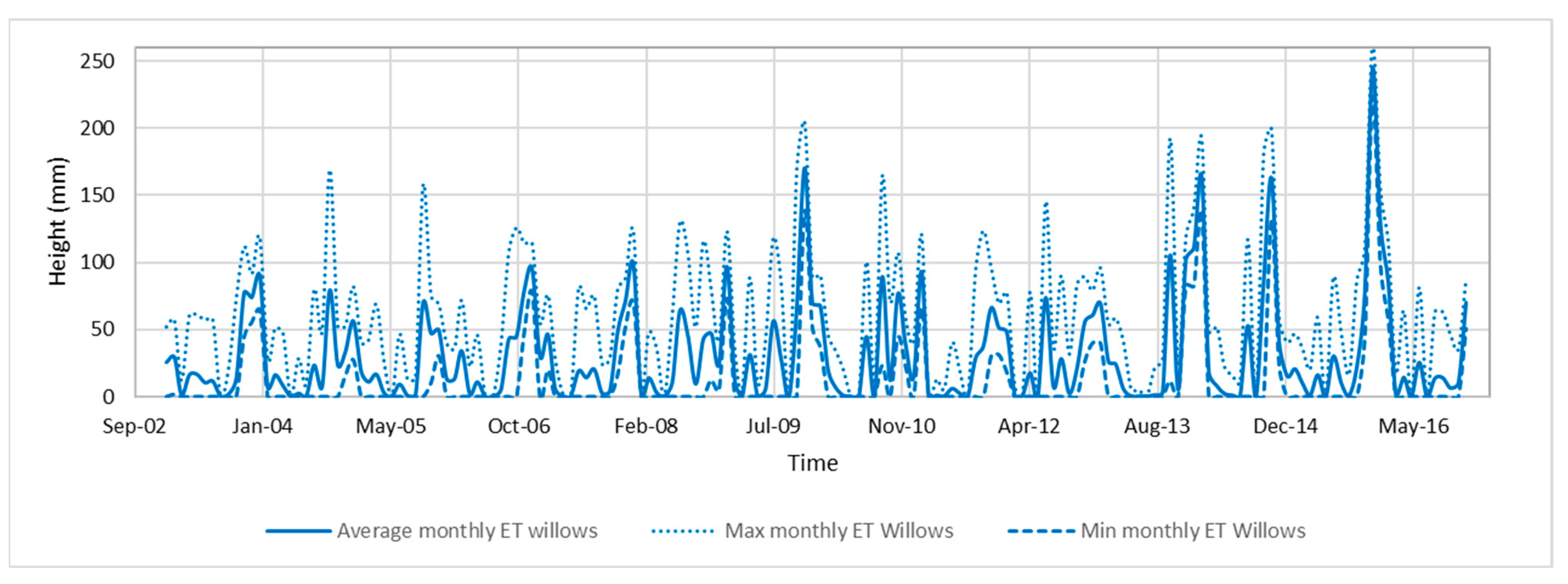
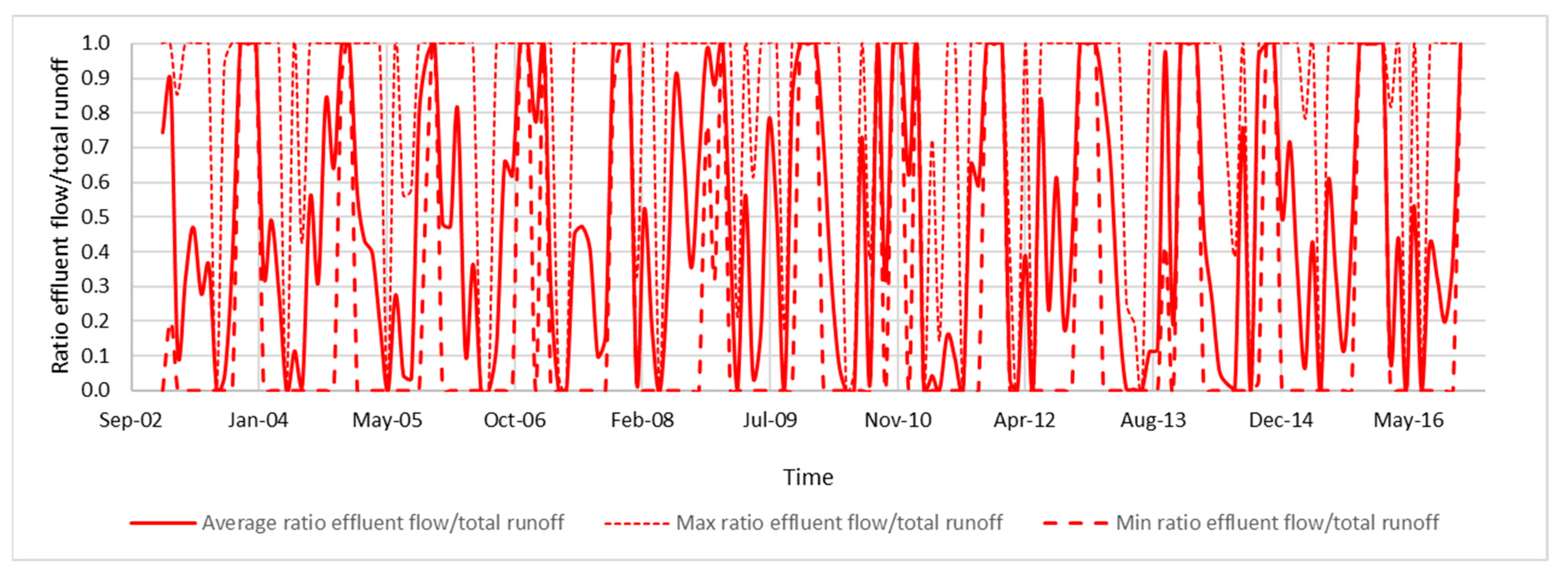
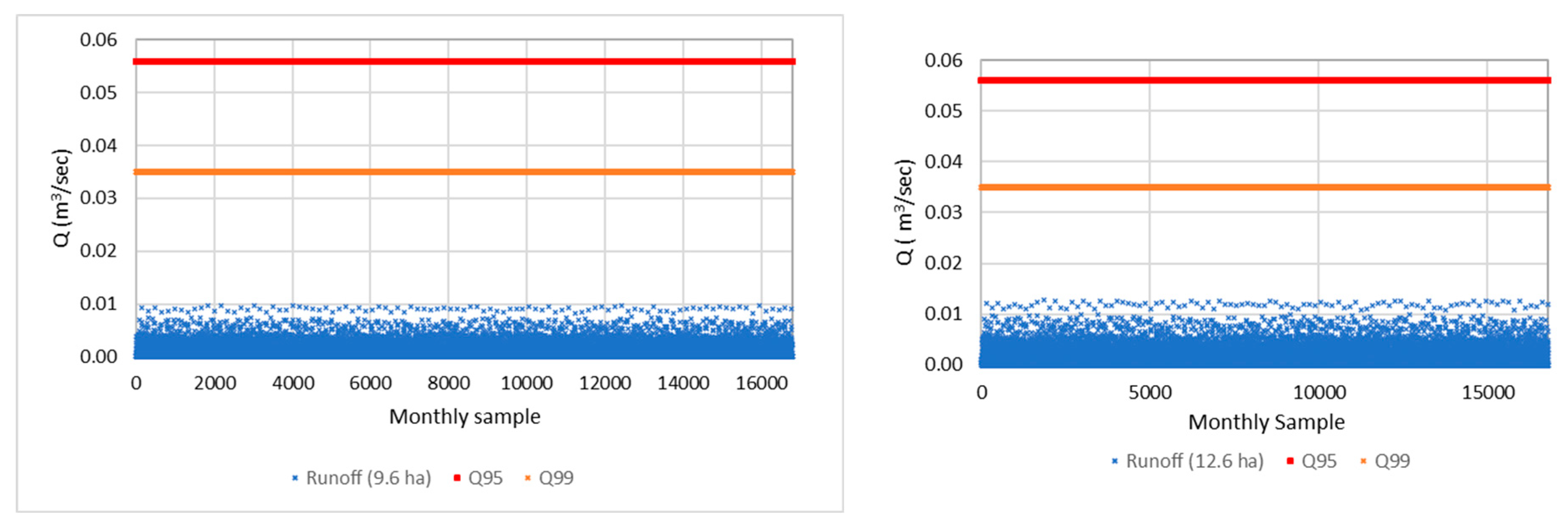
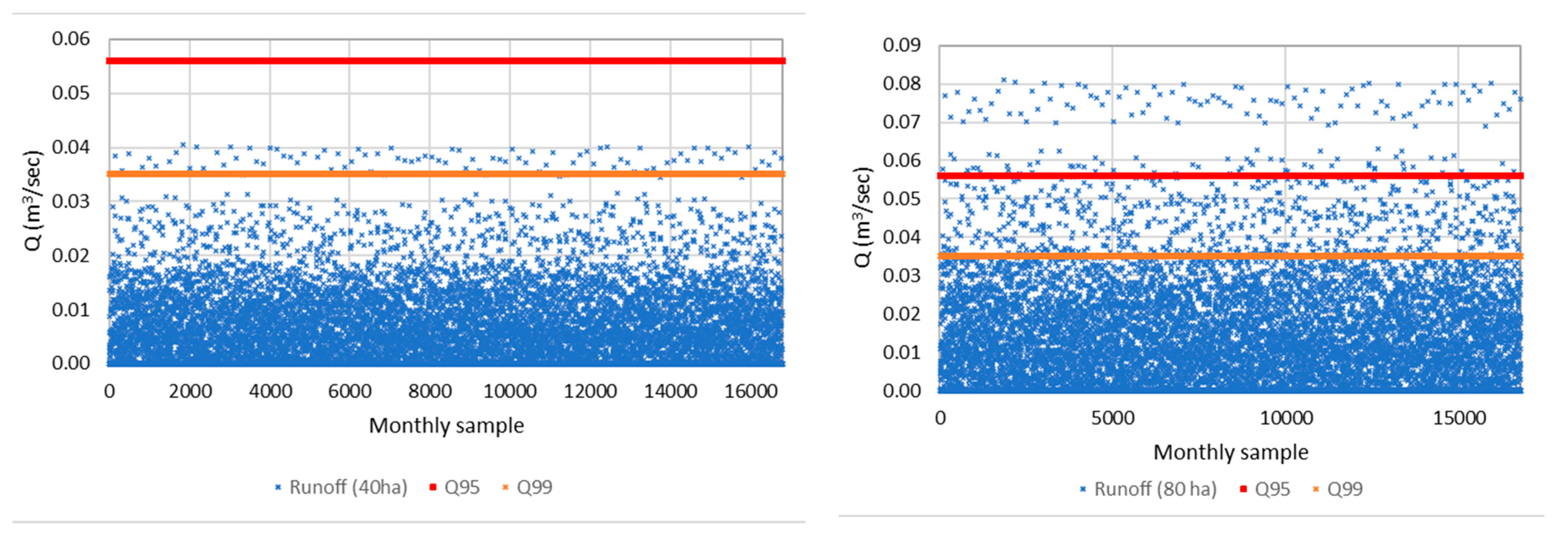
The effectiveness of using enhanced evapotranspiration rates of willow plantation is a modern environmentally friendly practice for advanced treatment of effluent WWTP flow. The key idea is that through advanced willow evapotranspiration rates, a significant proportion of the effluent flow can be transferred into the atmosphere through the physical process of evapotranspiration. This study further discusses the concept in a real-world problem using a wide dataset consisting of a recent PET monthly remote dataset namely RASPOTION, monthly recorded rainfall gauge, and experimental willow evapotranspiration surveys across Ireland, to identify the monthly cropping pattern. A Monte Carlo water balance model has been developed for the period 2003–2016. The model was applied in an existing willow plantation at Donard WWTP co. Wicklow, Ireland to identify the exceedance probability of willow plantation runoff against estimated low flows (i.e., Q95, Q99) at the adjacent small tributary. In this case study, any failure which can lead to river quality deterioration was not assessed. The overall framework aims to provide new insights considering the multiple sources of uncertainty (i.e., monthly willow cropping pattern and WWTP effluent flow) in associated environmental engineering problems.
Keywords: willows evapotranspiration; effluent flow treatment; RASPOTION; Monte Carlo; Ireland willows evapotranspiration; effluent flow treatment; RASPOTION; Monte Carlo; Ireland