


Abstract
This study investigated the ability of anaerobically digested sewage sludge biochar (ADSSBC), pretreated with nanoscale zero-valent iron (nZVI) prior to anaerobic digestion (AD), to remove lead (Pb(II)) ions from aqueous solutions. Batch adsorption experiments were conducted to evaluate the effects of various parameters, including nZVI dosage, O2-exclusion method (aluminum foil wrapping or N2 purging), pyrolysis temperature (300–800 °C), adsorbent dosage, pH, coexisting ions, contact time, and initial Pb(II) concentration. Experimental data were fitted to adsorption kinetic and isotherm models. The characteristics of nZVI30-ADSSBC-700 before and after Pb(II) adsorption were analyzed using FTIR, SEM–EDS, XPS, and XRD to identify the adsorption mechanisms. The results showed that nZVI addition at 30 mg/g-TS prior to AD significantly enhanced Pb(II) removal efficiency compared with the control. Among the investigated pyrolysis temperatures and O2-exclusion methods, the biochar produced at 700 °C using aluminum foil wrapping exhibited the highest Pb(II) removal efficiency (99.4%) at an initial Pb(II) concentration of 200 mg/L. The maximum Langmuir adsorption capacity obtained for this biochar was 139.3 mg/g. The pseudo-second-order kinetic model best described the Pb(II) adsorption kinetics. The investigated models and the results of physicochemical analyses indicated the involvement of both physical and chemical adsorption mechanisms, including surface precipitation, ion exchange, pore filling, and, to some extent, complexation.
1. Introduction
The increasing amount of sewage sludge (SS) generated by wastewater treatment plants represents a significant environmental challenge [1]. Sewage sludge poses environmental risks due to the presence of heavy metals (HMs), persistent organic pollutants, and pathogens [2]. Therefore, proper handling and disposal of SS are critical for environmental protection. Common SS management options include anaerobic digestion (AD), thermal treatment, landfilling, and land application as a fertilizer [3]. Anaerobic digestion is widely used because it reduces sludge volume and generates renewable energy by converting organic matter in sludge into methane (CH4). Although AD significantly reduces sludge volume, the remaining amount is still significant and requires utilization. Pyrolysis of anaerobically digested sewage sludge (ADSS) offers multiple benefits, including pathogen elimination, sludge volume reduction, and transformation of digestate into a more stable material [4]. The resulting biochar can serve as an adsorptive material capable of removing a wide range of pollutants from wastewater, including HMs. Among HMs, lead (Pb(II)) is particularly hazardous as it poses serious health risks, including anemia and disruption of the digestive system [5]. To date, various methods have been used for the removal of HMs from wastewater, including membrane filtration, chemical precipitation, ion exchange, and adsorption [6]. Adsorption stands out from other methods due to its simplicity of operation and cost-effectiveness, relying on low-cost adsorbents that are now widely used to remove HMs [7]. Plentiful natural materials, such as corn stalk [8], rice straw [9], bamboo [10], and various industrial by-products, including ADSS, can serve as feedstocks for producing such adsorbents due to their high availability and low cost.
Previous studies have shown that sludge-based biochar adsorbents can be effectively used to remove various HMs, including Pb(II), from aqueous solutions [11]. For example, Shao et al. [7] demonstrated that municipal sludge-derived biochar was an efficient adsorbent for the removal of Pb(II), with a maximum adsorption capacity (qmax) of 18.56 mg/g. The key properties of biochar that strongly influence HM removal from water include its specific surface area (SSA), pore structure, abundance of oxygen-containing functional groups, and mineral content. A well-developed porous structure enhances the binding of HMs by increasing the accessibility of sorption sites within the biochar matrix [12]. Oxygen-containing functional groups, such as hydroxyl (–OH) and carboxyl (–COOH) groups, can bind HMs like Pb(II) through electrostatic attraction or complexation mechanisms [13,14]. Sludge-derived biochar is considered an effective material for HM removal due to its high content of mineral phases, such as Fe, Al, and Mn oxides, which provide abundant binding sites and facilitate metal immobilization [15,16,17]. In addition, sludge biochar is rich in phosphates (PO43−) and carbonates (CO32−), which can react with HMs to form insoluble phosphate and carbonate compounds [7,16,18]. A previous study reported that Pb(II) precipitation with mineral components was the dominant removal mechanism, accounting for 53.5% of total Pb(II) adsorption by AD sludge biochar [15].
The characteristics of sludge-derived biochar can be optimized by selecting appropriate pyrolysis conditions, including temperature and the O2-exclusion method. Conventional pyrolysis at elevated temperatures and prolonged residence times (300–1000 °C, >1 h) under limited O2 conditions is the most commonly used method to produce biochar from ADSS [2]. Low pyrolysis temperatures result in minimal changes to the surface chemistry of sludge biochar, whereas high-temperature treatment promotes complete carbonization and pore formation due to gas release. Biochar characteristics are also influenced by the gaseous atmosphere during pyrolysis, a factor that has become increasingly important in recent years [19]. A previous study [20] demonstrated that municipal sludge biochar pyrolyzed under CO2 at 400 °C and 500 °C exhibited a higher SSA than sludge biochar pyrolyzed under N2 at the corresponding temperatures. In contrast, at 600 and 700 °C, higher SSA values were obtained under N2 pyrolysis than under CO2. Very few studies have performed pyrolysis by wrapping biomass in foil without using a carrier gas [21]. Under these conditions, the foil serves as a physical barrier that restricts O2 exposure and protects the material from oxidation during pyrolysis. By adjusting pyrolysis conditions, biochars with distinct physicochemical properties can be produced, which in turn influence their HM adsorption capacity.
To improve the adsorption performance of sludge-based biochars, various modification strategies have been explored, including the loading of biochar with nanoscale zero-valent iron (nZVI) [22]. Numerous studies have incorporated nZVI into sludge-derived biochar to enhance its adsorption capacity for toxic elements and have reported significant improvements in removal performance [23]. For example, Wang et al. [24] compared Cr(VI) removal from an aqueous solution using KOH-activated sludge biochar and the same biochar loaded with nZVI. The results showed that nZVI loading increased Cr(VI) removal rate by 37.78%. In addition, recent studies on nZVI-coated biochars derived from other feedstocks have demonstrated their effectiveness in removing Pb(II). For example, Zhao et al. [9] showed that a calcium alginate-nZVI-rice straw biochar (300 °C) composite reached qmax of 247.9 mg/g. Corn stalk biochar-supported by nZVI even showed greater qmax towards Pb(II), which was 291.3 mg/g [8].
In recent years, nZVI has been increasingly added to SS prior to AD to enhance sludge biodegradability and improve CH4 production [25,26]. This addition increases the iron content of ADSS; consequently, biochar derived from such sludge is expected to contain elevated iron levels. However, to date, no studies have investigated how the addition of nZVI before AD affects the adsorption performance of biochar produced from the resulting ADSS. To the best of our knowledge, only one published study has investigated the effects of different pyrolysis temperatures and O2-exclusion methods (N2 purging and foil wrapping) on the physicochemical properties of sludge biochar [27], while the influence of these O2-exclusion methods on HM adsorption remains unclear. Therefore, this study employed biochar produced from nZVI-pretreated ADSS to evaluate the effects of pyrolysis temperature (300–800 °C) and O2-exclusion method (N2 purging versus foil-wrapping) on biochar yield and oxygen-containing functional groups. In addition, preliminary adsorption experiments were conducted to assess the effects of nZVI dosage applied prior to AD (5, 15, and 30 mg/g-TS) and pyrolysis atmosphere on the Pb(II) adsorption efficiency. Lead was selected as the target contaminant due to its significance as a major water pollutant [28]. To study the adsorption characteristics and mechanisms, various factors affecting adsorption of Pb(II) by the selected optimal biochar were evaluated, including adsorbent dosage, contact time, pH, coexisting ions, initial concentration of Pb(II), and temperature.
2. Materials and Methods
2.1. Materials
Thermally hydrolyzed sewage sludge (THSS) was used as the substrate for the AD and was collected from a municipal wastewater treatment plant (WWTP) located in Lithuania. Anaerobically digested sewage sludge from the same plant was used as an inoculum. Air-stable nZVI particles (NANOFER STAR) were purchased from Nano Iron s.r.o. (Židlochovice, Czech Republic). According to information from the supplier, the average particle size was 59.8 ± 1.3 nm, and SSA was 19.4 m2/g. The nZVI particles were activated by dispersing stable nZVI particles in deionized water at a ratio of 1:4.
A Pb(II) stock solution (1000 mg/L) was prepared by dissolving 1.62 g of lead nitrate (Pb(NO3)2) in 1 L of deionized water. Working solutions with concentrations ranging from 5 to 500 mg/L were then prepared by appropriate dilution of the stock solution. For the pH adsorption experiment, the solution pH was adjusted using 1 M HNO3 or NaOH [15]. All reagents were of analytical grade.
2.2. Adsorbent Preparation
The feedstock for biochar production was prepared by AD of sludge mixtures containing THSS (170 kg), an inoculum (60 kg), and different amounts of nZVI particles (0.065, 0.195, and 0.390 kg) in 300 L reactors. These nZVI amounts corresponded to dosages of 5, 15, and 30 mg per g of total solids (TS) of the sludge mixture [29]. A digester without nZVI was used as the control. AD was conducted for 40 days. Following digestion, the ADSS samples were dried at 105 °C to a constant weight and stored in sealed plastic bags for subsequent biochar production.
A preliminary study was carried out to examine whether the addition of nZVI before AD of thermally hydrolyzed SS influences the sorption properties of biochar produced from the resulting digestate (ADSSBC). For this purpose, digested non-pretreated (control) and nZVI-pretreated sludge samples were pyrolyzed in a muffle furnace (E5CC-T, SNOL, Utena, Lithuania) at 550 °C using two different O2-exclusion methods: (1) constant N2 (99.99%) gas flow (2 L/min), and (2) O2-limited conditions achieved by wrapping the samples in aluminum foil [21]. Then, in order to evaluate the effects of temperature and gas atmosphere on the properties of the biochar, the ADSS with optimal nZVI pre-treatment was slowly pyrolyzed at a fixed heating rate of 10 °C/min [3,8] and a wide temperature range from 300 °C to 800 °C (in 50 °C increments), using the same two O2-exclusion methods. Both the target temperature and heating rate were regulated by a built-in PID temperature controller. Prior to pyrolysis under a N2 atmosphere, the furnace was purged with N2 gas for 30 min. The samples were maintained at the target temperature for 2 h to ensure slow pyrolysis [30]. Approximately 134 g of digested sludge was pyrolyzed at each temperature and using each O2-exclusion method. After pyrolysis, the furnace was switched off, and the biochar was allowed to cool to room temperature (for pyrolysis under N2 atmosphere, cooling was carried out under continuous N2 flow). The produced biochar types were labeled according to the nZVI dosage and pyrolysis temperature used; for example, nZVIa-ADSSBC-550 refers to the biochar derived from nZVI pretreated ADSS at 550 °C, where “a” represents the nZVI dosage added to the sludge prior to AD. For the control sample, biochar derived from ADSS without the nZVI additive at 550 °C was labeled as ADSSBC-550. For subsequent experiments, the produced biochar was ground and sieved to obtain particles in the size range of 100–400 µm [31].
2.3. Characterization
Following pyrolysis, the biochar yield was assessed as an indicator of the mass efficiency of the pyrolysis process by evaluating the change in dry SS mass and biochar mass after pyrolysis [32]. The morphology and elemental composition of pristine biochar and Pb(II)-loaded biochar were analyzed using scanning electron microscopy coupled with energy dispersive spectroscopy (SEM-EDS) (FlexSEM 1000 II, Hitachi High-Tech Corporation, Hitachinaka, Japan; Oxford Instruments NanoAnalysis, High Wycombe, UK). The SSA (m2/g), total pore volume (TPV, cm3/g), and average pore diameter (nm) of the optimal biochar type were determined using a surface area and pore size analyzer (Sync 440A, 3P Instruments, Odelzhausen, Germany). The percentage pore size distribution relative to the total pore volume was calculated based on cumulative BJH desorption data. Prior to analysis, moisture and adsorbed gases were removed by outgassing the sample at 150 °C for 2 h under vacuum. Because surface functional groups are an important factor influencing the adsorption behavior of HMs, the spectral characteristics of biochar were analyzed by Fourier transform infrared spectroscopy (FTIR) in the 400–4000 cm−1 range (Invenio R, Bruker, Billerica, MA, USA) [8]. The original ADSS dried at 105 °C in an oven was used for comparison. X-ray diffraction (XRD) analysis of the optimal ADSSBC before and after Pb(II) adsorption was performed using an X-ray diffractometer (SmartLab SE, Rigaku, Tokyo, Japan). Data were collected over a 2θ range of 5–80° with a step size of 0.04° using Cu Kα radiation. X-ray photoelectron spectroscopy (XPS) analysis of the biochar before and after Pb(II) adsorption was carried out using a photoelectron spectrometer (Axis Supra Kratos Analytical Ltd., Manchester, UK) equipped with a monochromatic Al Kα source. The acquired spectra were analyzed using CasaXPS software (version 2.3.23rev1.1R). The point of zero charge (PZC), also known as the isoelectric point, of optimal biochar type was determined using the pH drift method [33,34]. PZC directly corresponds to the surface charge of biochar. Next, 0.1 g of the sample was weighed and mixed with 50 mL of 0.1 M NaCl solution, which was previously adjusted to initial pH (pHi) values from 1 to 12 by the addition of 0.1 M and/or 1 M HCl and/or NaOH solutions. The suspensions were agitated for 24 h using a rotary shaker (Rotoshake RS12, Gerhardt GmbH, Königswinter, Germany). After shaking, the pH of the solutions was recorded to determine the difference between the final and initial pH (ΔpH = pHf − pHi). The intersection point of the resulting null ΔpH corresponds to PZC.
2.4. Adsorption Studies
In the adsorption experiments, Pb(II) was selected as the model contaminant due to its persistence and high toxicity [35]. To evaluate the influence of nZVI dosage applied prior to AD on the adsorption efficiency of ADSSBC, a preliminary adsorption experiment was conducted. A subsequent adsorption experiment was conducted to determine the optimal pyrolysis conditions for Pb(II) adsorption onto the ADSSBC. Finally, a third experiment was performed to examine the adsorption properties of the selected biochar by assessing the influence of key factors, including dosage, initial solution pH, coexisting ions, contact time, initial Pb(II) concentration, and temperature. All adsorption experiments (unless stated otherwise) were conducted in 100 mL glass bottles using 0.1 g of adsorbent and 50 mL of a 200 mg/L solution with a contact time of 360 min [5,7]. In the experiment on the effect of adsorbent dosage on adsorption capacity, the dosage was varied from 0.2 to 4.0 g/L. All samples (unless stated otherwise) were shaken at room temperature (22 ± 2 °C) and an agitation speed of 12 rpm using a rotary shaker. The effect of solution temperature on Pb(II) adsorption was investigated at 25, 35, 45, and 55 °C. The experiments were conducted in a shaking water bath (SW22, Julabo GmbH, Seelbach, Germany) at an agitation speed of 160 rpm and a contact time of 120 min [16,36]. All experiments (except the isotherm) were conducted at an initial pH of 5.0 ± 0.2 to avoid Pb(II) precipitation, with the solution pH left unadjusted prior to adsorption [37]. During the pH studies, solution pH values were adjusted between 1 and 5 using 1 M NaOH or HNO3 solutions prior to adsorbent addition [5,15,38]. For the kinetic experiment, samples were collected at predetermined time intervals from 5 min to 360 min. Since industrial wastewater typically contains other inorganic cations (e.g., K(I) and Ca(II)), which may compete for adsorption sites and thereby influence Pb(II) removal, these coexisting ions were included in the adsorption study to assess their effect on Pb(II) uptake by ADSSBC [37]. It was tested at a fixed Pb(II) concentration (200 mg/L) and varying Na(I) and Ca(II) concentrations (80–180 mg/L). A summary of all experimental conditions used in the adsorption studies is provided in Table 1.
Table 1.
Experimental conditions for the adsorption of Pb(II) on biochar derived from anaerobically digested sewage sludge pretreated with nZVI.
After adsorption, the biochar was separated from the solution using 0.45 µm cellulose acetate syringe filters, and the filtrate was acidified with concentrated HNO3 prior to measurement. Residual Pb(II) concentration in the filtrate was determined using an inductively coupled plasma optical emission spectrometer (ICP-OES) (Avio 220 Max, Perkin Elmer, Waltham, MA, USA). The removal efficiency (RE), adsorption capacity at a given contact time (qt), and equilibrium adsorption capacity (qe) for Pb(II) were calculated using the following equations [39]:
where, C0, Ct, and Ce denote the initial, time-specific, and equilibrium concentrations of Pb(II) in the solution (mg/L), respectively; v represents the volume of the solution (L), and m is the adsorbent mass (g). To elucidate the mechanism of Pb(II) removal, lead-containing biochar was dried at 105 °C and analyzed using FTIR, XRD, XPS, and SEM-EDS [15].
2.5. Kinetic, Isotherm, and Thermodynamic Models
Pb(II) adsorption mechanism was assessed using three non-linear kinetic models and two non-linear isotherm models. The kinetic data were fitted to the pseudo-first-order (PFO), pseudo-second-order (PSO), and intra-particle diffusion (IPD) models, while the adsorption isotherms were analyzed using the Langmuir and Freundlich models. All curve fitting analyses were carried out with Origin software (version 2019b, OriginLab Corporation, Northampton, MA, USA). The non-linear forms of the kinetic and isotherm models used in this study are presented in Table 2. PFO model characterizes monolayer adsorption, which is dominated by boundary layer diffusion processes [40]. The PSO model assumes that the adsorption rate is governed by a chemisorption mechanism in which electron sharing or transfer occurs between the adsorbent and adsorbate. The IPD model can be used to assess whether the overall sorption process is controlled by the adsorption rate. To evaluate the suitability of the optimal biochar for Pb(II) adsorption, the dimensionless separation factor, RL, was determined using the Langmuir isotherm model [41]. According to the RL, the adsorption process is considered unfavorable when RL > 1, linear when RL = 1, favorable when 0 < RL < 1, and irreversible when RL = 0 [42,43]. Thermodynamic parameters, including Gibbs’ free energy change (ΔG0), enthalpy change (ΔH0), and entropy change (ΔS0), were calculated using the equations shown in Table 2. The Gibbs free energy change serves as a fundamental criterion for assessing adsorption spontaneity, the enthalpy change indicates whether the process is endothermic or exothermic, and the entropy change reflects the degree of disorder within the system.
Table 2.
Kinetic, isotherm, and thermodynamic models and parameters.
2.6. Statistical Analysis
All physicochemical analyses were performed in triplicate. Statistical analyses (means ± standard deviations, SD) and graph preparation were carried out using Microsoft Office Excel (2021). All adsorption experiments were conducted in duplicate, and extra analyses were carried out if the two measurements differed by more than 5% [48]. A two-way ANOVA was employed to evaluate the effects of pyrolysis temperature and O2-exclusion method and their interaction on the biochar yield, as well as its Pb(II) adsorption capacity, using IBM SPSS Statistics software (version 30.0; IBM Corp., Armonk, NY, USA). When a significant effect was detected, Tukey’s honestly significant difference (HSD) post hoc test was applied to determine pairwise differences between treatment means at the 95% confidence level (p < 0.05). The coefficient of determination (R2) was used to assess the goodness of fit between the experimental and predicted data for adsorption kinetics and isotherms [49]. Some studies indicate that using only R2 may not adequately represent model fit. Thus, the root mean squared error (RMSE) and chi-square (χ2) were included to evaluate the model fit, as small values of these parameters indicate that the model predictions closely match the experimental results [50,51].
3. Results and Discussion
3.1. Effect of Pyrolysis Temperature and O2-Exclusion Method on Biochar Yield
Biochar yield results showed that nZVI30-ADSSBC yield decreased with increasing pyrolysis temperature under both O2-exclusion conditions (Figure 1). From 300 to 800 °C, the yield decreased by approximately 30 and 42 percentage points under N2 and foil-wrapped conditions, respectively, indicating that the N2 atmosphere provided more effective O2 exclusion and reduced carbon loss during pyrolysis. The decrease in biochar yield may be associated with continued pyrolysis conversion, attributable either to more extensive primary decomposition of biomass or to secondary reactions of the remaining solid residue [52]. At temperatures above 500 °C, the yield of biochar obtained under the N2 atmosphere was slightly higher than that obtained under foil-wrapped conditions. The higher biochar yield under N2 can be attributed to the more efficient removal of O2, which minimized oxidation and secondary decomposition of nZVI30-ADSSBC during pyrolysis. In contrast, the foil-wrapping method likely allowed limited O2 diffusion, enhancing volatile losses and reducing yield. Two-way ANOVA indicated that biochar yield was significantly influenced by pyrolysis temperature (p < 0.001), whereas the O2-exclusion method and the interaction between temperature and O2-exclusion method showed no significant effects (p > 0.05). Tukey’s post hoc test revealed that the nZVI30-ADSSBC yield decreased significantly with increasing pyrolysis temperature, with yields at 700–800 °C being significantly lower than those at 300–500 °C (p < 0.05). These results are similar to those obtained by Yuan et al. [53], who reported that the yield of biochar produced from digested sludge decreased from 83.3% to 65.0% as the pyrolysis temperature increased from 300 °C to 700 °C under a N2 atmosphere. In this study, the lowest biochar yields were obtained at 700–800 °C under foil-wrapped conditions, reaching 42.0–43.5%. These SS-derived biochar yields are considerably higher than those of other biomass types reported in the literature, including pine wood (14.2% at 700 °C) and hemp (11.2% at 700 °C) [54]. This relatively high yield is commonly attributed to the substantial mineral fraction in SS, such as phosphorus, silica, and various metal compounds that are retained in the solid phase during pyrolysis. Similarly, Tang et al. [55] showed that metal salt-impregnated biomass results in a higher biochar yield compared to pristine biomass.
Figure 1.
Influence of pyrolysis temperature and O2-exclusion method on the yield of biochar produced from nZVI30-ADSS. Data are presented as mean ± SD (n = 2).
3.2. Effect of Pyrolysis Temperature and O2-Exclusion Method on Biochar Surface Chemistry
Figure 2 presents the FTIR spectra of the raw nZVI30-ADSS sample and the corresponding biochar types produced at 300–800 °C under two different conditions: foil-wrapped (Figure 2a) and in a N2 atmosphere (Figure 2b). In the raw nZVI30-ADSS sample, a broad absorption band around 3275 cm−1 is assigned to –OH and –NH stretching vibrations originating from the organic matter present in SS [56]. However, it can be observed that under both atmospheric conditions, the intensity of this peak drastically decreased when the samples were heated to 300 °C and higher temperatures, indicating the instability of –OH and –NH surface functional groups. Absorption peaks observed at 2924 cm−1 and 2852 cm−1 correspond to C–H stretching vibrations, confirming the presence of aliphatic components in ADSS. These bands disappeared at 500 °C in the absence of N2 and at 450 °C in its presence. A similar observation for SS biochar was reported by Zhang et al. [57], where the C–H peak disappeared at 500 °C, indicating the breakdown of aliphatic compounds into gaseous products. These functional groups are thermally unstable and decompose at relatively low temperatures, thereby contributing to increased mass loss and enhanced gas evolution during thermal decomposition [56]. As the pyrolysis temperature increased, the characteristic –CO–NH– peak shifted from 1631 cm−1 to an average of 1597 cm−1 under N2-free conditions and to an average of 1588 cm−1 in the presence of N2. This may have been caused by complexation between acylamino groups and HMs during pyrolysis [57]. It can be observed that, in the absence of an N2, the peak at 1597 cm−1 completely disappeared at 700 °C, whereas under an N2 atmosphere this peak remained slightly more pronounced. This indicates that even at elevated temperatures, biochar produced under N2 better preserves N-containing functional groups. In another study, one of the dominant functional groups identified in graphene oxide (GO)–modified biochar derived from ADSS was assigned to the C=N group (1599 cm−1), whose peak intensity was stronger compared to that of GO-modified rice husk biochar [58]. In raw ADSS pretreated with 30 mg/g-TS nZVI, the band at 1514 cm−1 corresponds to –NH vibrations [59], which were eliminated during the pyrolysis process. The peak at 1419 cm−1 was attributed to –CH2 and –CH3 vibrations and disappeared at 700 °C without N2 atmosphere (Figure 2a) and at 650 °C in its presence (Figure 2b). A similar observation was reported by Zhang et al. [57], who observed that fatty chain groups (peak between 1410 cm−1 and 1430 cm−1) only disappeared at 700 °C for SS under N2 atmosphere due to the high stability of C–H bonds [60]. All samples exhibited a strong band at 1011 cm−1, which shifted to 1030 cm−1 for biochar produced at ≥700 °C under N2-free conditions, indicating the presence of a stable C–O bond. The absorption peak observed at 1030 cm−1 corresponds to the C–C and C–O bond characteristics of the ester functional groups [59]. The peak at around 876 cm−1 was attributed to a highly stable C–H stretching vibration [61], which vanished only at 700 °C under N2-free conditions and at 650 °C in the presence of N2. Absorption peaks below 600 cm−1 indicate the presence of inorganic compounds [56].
Figure 2.
Comparison of temperature-dependent FTIR spectra of nZVI30-ADSS and its derived biochar produced (a) without N2 and (b) with N2. The vertical dashed lines indicate the characteristic absorption bands discussed in the text.
3.3. Effect of nZVI Dosage, Pyrolysis Temperature, and O2-Exclusion Method on Pb Removal Performance by Biochar
The Pb(II) qt and RE varied with nZVI dosage and the O2-exclusion method (Figure 3a). At 550 °C, the ADSSBC prepared under N2 exhibited higher qt and RE than biochar prepared under foil-wrapped conditions. Biochars prepared under N2 consistently exhibited higher Pb(II) adsorption capacities (46.6–54.1 mg/g) compared to those prepared under foil-wrapped conditions (36.9–41.9 mg/g), and the effect of atmosphere was found to be strong and statistically significant (p < 0.001). These results indicate that the N2 atmosphere better preserved the reactivity of biochar at 550 °C, enhancing Pb(II) adsorption. Since the highest qt was obtained for ADSSBC derived from 30 mg/g-TS nZVI-pretreated sludge, this ADSSBC was selected for further studies on Pb(II) removal across different pyrolysis temperatures and atmospheres (Figure 3b). Because qt is positively correlated with RE, both curves followed an identical trend. For both atmospheres, the adsorption performance increased with increasing temperature. However, the temperature at which the maximum qt was achieved differed between the two treatments. For biochar produced without N2, qt gradually increased from 300 °C to 700 °C, reaching a maximum adsorption capacity of 90.4 mg/g at 700 °C, and then slightly decreased at higher temperatures (750–800 °C). The corresponding RE reached 99.4% at 700 °C. For the biochar produced with N2, the maximum qt (79.8 mg/g) was obtained at 650 °C, whereas a decline in qt was observed at 700–800 °C. Overall, the results indicate that, independent of the atmosphere used, qt increased with increasing pyrolysis temperature until reaching an optimum value at high temperatures, which may be explained by the possibly enhanced SSA and TPV of the biochar produced at elevated temperatures. Multiple studies have reported that the SSA and TPV of ADSSBC increase as the pyrolysis temperature increases [53].
Figure 3.
Effects of (a) nZVI dosage applied before AD and the O2-exclusion method, and (b) pyrolysis temperature and O2-exclusion method on the lead removal performance of nZVI30-ADSSBC. Experimental conditions: biochar dosage = 2 g/L, initial pH = 4.9, t = 360 min, C0 = 200 mg/L, and T = 20–22 °C. Data are presented as mean ± SD (n = 2).
The Pb(II) RE of nZVI30-ADSSBC prepared under N2 increased steadily to about 88.3% at 650 °C. At higher temperatures (600–800 °C), it was consistently lower than that of the biochar produced without N2. Pb(II) adsorption capacity increased the most from 350 to 400 °C, when qt increased by 2.56 times, and from 600 to 650 °C, when qt increased by 1.43 times. In general, the results showed that pyrolysis without N2 led to higher adsorption capacity and RE at elevated temperatures, suggesting that the absence of N2 may promote the formation of a more porous structure or surface chemistry that is favorable for adsorption. Thus, nZVI30-ADSSBC, produced at 700 °C without N2, was identified as the optimal biochar and was used in subsequent adsorption experiments. The literature review showed that biochar produced under an N2 atmosphere at a pyrolysis temperature of 650 °C from various other feedstocks also exhibited the highest lead removal capacity when compared with biochars produced at other pyrolysis temperatures. For example, a study conducted by Wang et al. [40] found that biochar produced at 650 °C showed the highest lead adsorption capacity (98.9 mg/g) when using Caragana korshinskii biomass under N2 conditions. He et al. [62] evaluated the effect of pyrolysis temperature (350–750 °C) on Pb(II) removal using magnetite-modified coffee-ground biochar and found that the biochar produced at 650 °C under an N2 atmosphere exhibited the highest Pb(II) RE (approximately 55%).
3.4. Effect of Biochar Dosage on Pb(II) Removal Performance
Adsorbent dosage plays a crucial role in adsorption performance, as it influences both the adsorption capacity rate and RE. The impact of adsorbent dosage on Pb(II) qt and RE is shown in Figure 4. Pb(II) RE increased steadily from 23.5% to 99.1% as the adsorbent dosage increased from 0.2 to 2.0 g/L, due to the greater number of available active sites, higher SSA, and more functional groups at higher doses, which enabled increased Pb(II) uptake. Above 2.0 g/L, the increase in RE became negligible up to 4.0 g/L, likely because particle aggregation and active site overlap reduced the effective SSA and adsorption efficiency per unit mass. Thus, a dosage of 2.0 g/L was determined to be optimal for achieving maximum Pb(II) removal and was selected for subsequent experiments, providing a practical balance between RE and cost. It can also be seen that the adsorption capacity decreased at higher dosages, probably due to inefficient site utilization and particle aggregation. Comparable results were reported in the literature, showing that increasing the dosage of sludge-based adsorbents enhances removal efficiency for Pb(II) [5].
Figure 4.
Effect of nZVI30-ADSSBC-700 dosage on lead removal performance. Experimental conditions: initial pH = 4.9, t = 360 min, C0 = 200 mg/L, and T = 23 °C. Data are presented as mean ± SD (n = 2).
3.5. Effect of Initial pH on Pb(II) Removal Performance
Because solution pH strongly influences adsorbent surface charge and the chemical forms of Pb(II), the adsorption performance of nZVI30-ADSSBC-700 was evaluated at initial pH values ranging from 1.0 to 5.0. Since Pb(II) exists predominantly as a free cation below pH 6 [45], the experimental pH values were chosen to be ≤5 to avoid precipitation of Pb as hydroxides at higher pH values and to ensure valid adsorption measurements and data interpretation [46]. As the pH increased from 1 to 4, Pb(II) removal increased correspondingly but remained stable at pH values above 4 (Figure 5a). The adsorption capacity was almost the same in the pH range of 4–5. This is consistent with another study that reported that the Pb(II) adsorption capacity increased as pH increased from 2 to 4 and then remained stable between pH 4 and 6 when ZVI-containing magnetic biochar derived from waste-activated sludge was used [63]. It can be seen that the lowest Pb(II) adsorption capacity and RE (7.97 mg/g and 10.7%) occurred under strongly acidic conditions (pH = 1). This low adsorption was caused by competition between the cations released from the biochar (K(I), Na(I), Ca(II), and Mg(II)) with Pb(II) for the active sites, as well as an increase in the positive charge density of the surface of biochar [5]. Additionally, at low pH, the high concentration of H3O+ ions competes with Pb(II) for adsorption sites, leading to reduced Pb(II) uptake [43]. Other studies have also demonstrated that an increased concentration of H+ leads to lower Pb(II) adsorption [64]. At pH 5, qt and RE reached their peaks (95.7 mg/g and 99.2%, respectively). As the pH increases, the competitive adsorption between Pb(II) and H3O+ ions becomes progressively weaker; therefore, qt increases as the pH increases [41]. Based on these results, pH 5 was chosen as the optimal condition for subsequent experiments. Additionally, since the pH of real wastewater containing different metal ions is also around 5, this can help reduce operational costs associated with pH adjustment [62]. The final pH of the solution was measured after adsorption (Figure 5b). The point of zero charge (PZC) indicates the pH at which the adsorbent surface is neutral. The pHPZC of nZVI30-ADSSBC-700 was estimated from the plot of the pH difference (between pHf and pHi) against pHi (Figure 5c). The pHPZC of the produced adsorbent was 7.6, indicating that the surface of the adsorbent would be positive at solution pH values up to pH 7.6, after which it would become negative. As both Pb(II) ions and biochar surfaces are positively charged, there is no electrostatic interaction between them until a pH of 7.6, and the chance of electrostatic attraction appears to be at solution pH above the aforementioned PZC. These findings are similar to those of Shao et al. [7], who reported a pHPZC value of 7.5 for municipal sludge biochar.
Figure 5.
(a) Effect of initial solution pH on Pb(II) adsorption capacity and removal efficiency by nZVI30-ADSSBC-700; (b) pH changes before and after Pb(II) adsorption; (c) pH point of zero charge of nZVI30-ADSSBC-700 determined by the pH drift method. Experimental conditions: biochar dosage = 2 g/L, t = 360 min, C0 = 200 mg/L, and T = 23 °C. Data are presented as mean ± SD (n = 2).
3.6. Effect of Coexisting Ions
It is important to examine how coexisting ions present in water affect Pb(II) adsorption on biochar. The selectivity of the adsorbent towards Pb(II) was assessed by examining the effect of different Na(I) and Ca(II) concentrations on Pb(II) qt and RE. Elevated levels of Na(I) and Ca(II) increased their competitive interaction with Pb(II) for sorption sites on nZVI30-ADSSBC-700 (Figure 6). The co-existence of Ca(II) reduced the Pb(II) qt more strongly at higher initial ion concentrations (120–180 mg/L) compared to Na(I). Pb(II) qt decreased in the presence of Na(I) by 11.41% and 11.91% at 120 and 180 mg/L, respectively, and in the presence of Ca(II) by 12.87% and 13.19% at 120 and 180 mg/L, respectively. In comparison with the blank (only Pb(II)), the presence of Na(I) and Ca(II) did not significantly affect Pb(II) RE, since it remained above 97% even at a competing cation concentration of 180 mg/L. The stronger inhibitory effect of Ca compared to that of Na can be attributed to its higher charge and larger hydrated ionic radius, which enhances its electrostatic interaction with negatively charged adsorption sites and increases competition with Pb(II). According to the Pauling scale, the electronegativities of Pb, Ca, and Na are 1.87, 1.00, and 0.93, respectively, while their hydrated ionic radii are 0.401 nm, 0.412 nm, and 0.358 nm [65,66,67]. A study conducted by Xu et al. [68] similarly found that Ca(II) had a stronger inhibitory effect on Pb(II) removal by magnetic coconut biochar than comparable concentrations of Na(I) and K(I), due to the impact of Ca(II) on limiting Pb(II) precipitation on the adsorbent surface.
Figure 6.
Effect of competing ionic species on Pb(II) adsorption capacity and removal efficiency. Experimental conditions: biochar dosage = 2 g/L, initial pH = 4.9, t = 360 min, C0 = 200 mg/L, and T = 24 °C. Data are presented as mean ± SD (n = 2).
3.7. Adsorption Kinetics
Figure 7 presents the kinetic results of Pb(II) sorption by nZVI30-ADSSBC-700 obtained using contact times between 5 and 360 min with an initial Pb(II) concentration of 200 mg/L. All experimental variables were controlled, with contact time being the only one that was varied. Adsorption capacity and RE increased exponentially during the first 120 min due to interactions between Pb(II) ions and abundant free binding sites on biochar, reaching equilibrium within this time interval (qe = 95.1 mg/g and RE = 99.1%) (Figure 7a). Adsorption then remained stable over the next 240 min as the sites became saturated. Notably, 87.0% of the equilibrium adsorption capacity was achieved within 5 min and more than 99% within 120 min. The initial rapid uptake was followed by a slower adsorption stage, which was likely controlled by ion-exchange processes [40].
Figure 7.
(a) Effect of contact time on Pb(II) adsorption by nZVI30-ADSSBC-700 at an initial Pb(II) concentration of 200 mg/L; (b) Adsorption kinetics of nZVI30-ADSSBC-700. Experimental conditions: biochar dosage = 2 g/L, initial pH = 4.9, C0 = 200 mg/L, and T = 22 °C. Data are presented as mean ± SD (n = 2).
Dynamic adsorption data for Pb(II) uptake on nZVI30-ADSSBC-700 were fitted using the PFO, PSO, and IPD models (Figure 7b). The parameters obtained from the kinetic models are presented in Table 3. It can be seen that both the PFO and PSO models fit the data very well, as indicated by their similarly high R2 values (>0.999). However, the PSO model showed a slightly higher R2 and lower error function values, indicating a marginally better fit than the PFO model. The PSO kinetic model showed the highest accuracy among the three models, providing the best fit to the experimental data, with the highest R2 value (0.9999), the lowest RMSE (0.97), and the lowest χ2 value (0.10). This model also provided the calculated qe value (qe = 95.21 mg/g), which was closest to the experimental value (qe,exp = 95.13 mg/g) compared with all the kinetic models studied. This suggests that Pb(II) adsorption was primarily driven by chemisorption, although physisorption also contributed to the overall adsorption process. This is consistent with the findings of Ho et al. [15], who also reported that the PSO model provided the best fit (R2 = 0.97) to the dynamic experimental data for lead sorption at an initial concentration of 200 mg/L using biochar (600 °C) derived from AD sludge. Wang et al. [5] similarly showed that the PSO model provided a better fit to the experimental data than the PFO model in the case of biochar derived from SS and calcium sulfate. This indicates that chemisorption governs Pb(II) removal by different sludge-based biochar adsorbents.
Table 3.
Kinetic fitting parameters for Pb(II) adsorption on nZVI30-ADSSBC-700.
3.8. Adsorption Isotherms
Figure 8a shows that qe and RE followed distinct trends as the initial concentration (C0) increased. It can be seen that nZVI30-ADSSBC-700 was very efficient for Pb(II) removal below 200 mg/L, with an RE above 99%. However, the RE of Pb(II) decreased from 98.9% to 67.6% as C0 increased from 200 mg/L to 500 mg/L. However, over a wide range of C0 (5–200 mg/L), RE was sufficiently stable, ranging from 96.7% at 5 mg/L to 99.6% at 50–75 mg/L. Therefore, it can be claimed that nZVI30-ADSSBC-700 did not become saturated under the mentioned conditions, as RE was very close to 100%. In contrast, qe tended to increase with increasing initial Pb(II) concentration because the enhanced driving force minimized the mass transfer resistance between the solution and biochar.
Figure 8.
(a) Effect of initial Pb(II) concentration on Pb(II) adsorption capacity and removal efficiency; (b) Adsorption isotherm fit curves for experimental Pb(II) adsorption data. Experimental conditions: biochar dosage = 2 g/L, t = 120 min, initial pH is natural (4.8–5.4). Data are presented as mean ± SD (n = 2).
The Langmuir and Freundlich models were applied to describe Pb(II) adsorption on nZVI30-ADSSBC-700 (Figure 8b), with the fitted isotherm parameters listed in Table 4. The results showed that the Langmuir model (R2 = 0.99) better described the experimental data compared to the Freundlich model (R2 = 0.92), indicating that Pb(II) adsorption by nZVI30-ADSSBC-700 was monolayer chemical adsorption, i.e., the entire surface had identical adsorption capacity due to the uniform distribution of active sites on the adsorbent surface [7,15]. The qmax obtained from the Langmuir model was 139.3 mg/g, which was slightly lower compared to the experimental value (146.8 mg/g). According to the obtained 1/n value (0.24) from the Freundlich model, the adsorption process can be ascribed as favorable due to a value between 0 and 1 [7,47]. This is also consistent with the calculated RL values, which decreased from 0.164 to 0.002 as the initial Pb(II) concentration increased from 5 to 500 mg/L, indicating highly favorable adsorption over the entire concentration range. Similar fitting results, when the Langmuir model outperformed other models, have been reported for Pb(II) adsorption onto sludge biochar derived from cow manure and its vermicompost [38], nZVI/biochar composite [46], pharmaceutical sludge-based biochar [7], and magnetic biochar derived from persulfate-ZVI treated sludge [63].
Table 4.
Langmuir and Freundlich model parameters for Pb(II) sorption on nZVI30-ADSSBC-700.
3.9. Thermodynamic Analysis
To investigate the effect of temperature on Pb(II) adsorption on nZVI30-ADSSBC-700, adsorption thermodynamics at different temperatures (298–328 K) were analyzed. The high R2 value (0.96) indicates a strong agreement between the experimental adsorption data and the Van’t Hoff model, confirming the reliability of the calculated thermodynamic parameters (Figure 9). The slope (−ΔH0/R) and intercept (ΔS0/R) obtained from the Van’t Hoff plot were used to determine the thermodynamic parameters (ΔG0, ΔH0 and ΔS0), which are presented in Table 5. Negative ΔG0 values (from −4.98 kJ/mol to −7.63 kJ/mol in the temperature range of 298–328 K) confirmed that Pb(II) adsorption on the adsorbent was spontaneous and became more favorable at higher temperatures because of the increased driving force [5]. This suggests that the system exhibits a greater degree of spontaneity with increasing temperature, mainly owing to chemisorption rather than physisorption. This indicates that a relatively high temperature (328 K) is advantageous for Pb(II) adsorption on nZVI30-ADSSBC-700. The increase in temperature provided more energy, making it easier for the Pb(II) ions to adsorb onto the biochar surface. Such adsorption following an endothermic path has been reported for other biochar adsorbents [47,51,64]. The adsorption capacity increased with temperature, and the positive ΔH0 value (21.34 kJ/mol) confirmed that the adsorption process was endothermic and physico-chemical, as this value was between 21 and 80 kJ/mol [69]. The positive value of ΔS0 (88.28 J/(mol∙K)) indicates an increase in disorder and randomness at the solid-solution interface during adsorption, probably due to the release of ions from the nZVI30-ADSSBC-700 surface into the solution [64]. Similarly, Wei et al. [70] have reported ΔG0, ΔH0, and ΔS0 values of from −3.28 kJ/mol to −6.72 kJ/mol (at 293.15–333.15 K), 21.9 kJ/mol, and 86.4 J/(mol∙K), respectively, for the adsorption of Pb(II) onto rice husk biochar-supported nZVI composite.
Figure 9.
Plot of lnKd versus 1/T for Pb(II) adsorption by nZVI30-ADSSBC-700.
Table 5.
Adsorption thermodynamics of Pb(II) on nZVI30-ADSSBC-700. Experimental conditions: biochar dosage = 2 g/L, initial pH = 4.9, t = 120 min, C0 = 200 mg/L, and agitation speed = 160 rpm.
3.10. Comparison with Other Adsorbents
The qmax of nZVI30-ADSSBC-700 was compared with the capacities reported for other similar adsorbent materials (Table 6). The qmax of the adsorbent reached 139.3 mg/g according to the Langmuir model. This value exceeded those of most previously reported sludge-based adsorbents, demonstrating the strong potential of this biochar for the removal of Pb(II) from contaminated water.
Table 6.
Pb(II) adsorption performance of different sludge-based adsorbents (ND—not determined).
According to the IUPAC classification [71], the adsorption-desorption isotherms of nZVI30-ADSSBC-700 were identified as Type IV based on their physisorption profile, exhibiting an H3-type hysteresis loop (Figure 10a). This confirms that the adsorbent is predominantly mesoporous and consists of plate-like particles and slit-shaped pores within the biochar structure. According to the pore size distribution graph (Figure 10b), nZVI30-ADSSBC-700 exhibits a hierarchical structure containing both mesopores (2–50 nm) and macropores (>50 nm), with a predominant presence of the former. In terms of total pore volume, mesopores accounted for 87.8%, macropores for 11.7%, and micropores for 0.48%. A pore structure formed by joining meso- and macropores establishes effective transport pathways that enhance the distribution of pollutant molecules throughout the biochar [72,73]. The resulting biochar exhibited an SSA of 45.7 m2/g, TPV of 0.095 cm3/g, and an average pore diameter of 8.35 nm (mesopores). Compared to other sewage sludge-based sorbents (Table 6), the SSA of the biochar obtained in this study was the highest, indicating that the surface area played a significant role in lead sorption. Conversely, despite having a smaller SSA, SS-and calcium sulfate-derived biochar [5] exhibited a slightly higher Pb uptake than that observed in our study. This performance was likely driven by mechanisms beyond surface area, specifically mineral precipitation (PbSiO3), ion exchange between Pb(II) and Ca(II), and the presence of oxygen-containing functional groups (–OH and –COOH). These groups, modified following CaSO4 impregnation of the SS, facilitated Pb(II) removal through enhanced chemical interactions.
Figure 10.
(a) N2 adsorption/desorption isotherms; (b) Pore size distribution of nZVI30-ADSSBC-700 according to Barrett–Joyner–Halendar (BJH) theory.
Comparing the results of this study with those of Chen et al. [63], who demonstrated a 33% higher Pb(II) sorption capacity on magnetic biochar produced from persulfate-ZVI dewatered waste activated sludge (139.3 mg/g and 206.5 mg/g, respectively), it can be hypothesized that the superior performance in the aforementioned study was likely due to a 67-fold higher loading of ZVI compared to that in the present study. In this study, the nZVI dosage was limited to 30 mg/g TS because higher dosages can inhibit methanogenesis, as identified in our previous study on SS AD with nZVI [29]. Therefore, applying nZVI after AD, rather than before, could allow the use of higher nZVI loadings without negatively affecting AD performance. Consequently, to produce a more efficient sorbent from ADSSBC relative to the results of the cited study, it is recommended to obtain ADSS directly from WWTPs and incorporate a higher amount of nZVI particles prior to SS pyrolysis.
3.11. Mechanisms for Pb(II) Removal by nZVI30-ADSSBC-700
3.11.1. Precipitation
The observed differences between the initial and final solution pH values at varying Pb(II) concentrations in the isotherm experiment support surface precipitation as a mechanism of Pb(II) removal by the studied biochar. At low equilibrium Pb(II) levels (0.00–1.83 mg/L), the pH increased from 5.7 to 6.9 on average, reflecting the alkalinity of the biochar and the release of carbonates into the solution (Figure 11). The results show that as the equilibrium Pb(II) concentration increased further from 1.83 mg/L to 141 mg/L, the pH value decreased to ~5.5 due to the complete consumption of available alkali ions. The observation that the final pH reached its lowest value at the same solvent concentration where the isotherm curve leveled off further supports the significance of the surface precipitation mechanism. This is consistent with the findings of Inyang et al. [44], who reported that the pH reached its minimum at the solute concentration where the Pb(II) isotherm attained a plateau, indicating the initiation of a surface-precipitation mechanism.
Figure 11.
Changes in solution pH during the Pb(II) adsorption isotherm experiment. Experimental conditions: biochar dosage = 2 g/L; t = 120 min. Data are mean ± SD (n = 2).
SEM analysis was performed to study the surface morphology of nZVI30-ADSSBC-700 before and after Pb(II) adsorption at different magnifications. It can be seen that particles of ADSSBC pyrolyzed at 700 °C without N2 have an irregular shape and a rough surface (Figure 12a). The biochar surface is heterogeneous and contains numerous irregular cavities (Figure 12b). The EDS spectrum shows that the surface of nZVI30-ADSSBC-700 mainly contained C, O, Si, P, Ca, and Fe (Figure 12c). After Pb(II) adsorption, distinct Pb agglomerates were observed on the biochar surface, indicating successful Pb(II) adsorption (Figure 12d). A representative region containing Pb agglomerates is shown in Figure 12e. Tabular-shaped Pb structures were observed embedded within the pores of the biochar. The elemental composition of the Pb-rich region is shown in Figure 12f. The EDS spectrum confirmed the presence of Pb after adsorption, a finding that was further supported by XPS analysis (Figure 13a). The EDS spectrum also showed sufficient C and O content, which, together with Pb, could have contributed to the formation of lead carbonates, namely cerussite crystals [74]. In addition, sufficient Fe and O content was detected in this region, suggesting that Fe and O may have played a role in Pb(II) adsorption.
Figure 12.
(a,b) SEM images of nZVI30-ADSSBC-700 before Pb(II) adsorption at 500× and 2500× magnifications; (c) EDS spectrum of the biochar particle before Pb(II) adsorption; (d,e) SEM images of Pb-loaded nZVI30-ADSSBC-700 at 2500× and at 10,000× magnifications; (f) EDS spectrum corresponding to the area shown in (e) for Pb-loaded nZVI30-ADSSBC-700.
Figure 13.
XPS spectra (a) and XRD patters (b) of nZVI30-ADSSBC-700 before and after Pb(II) adsorption.
XRD spectra of nZVI30-ADSSBC-700 before and after Pb(II) adsorption are shown in Figure 13b. nZVI30-ADSSBC-700 showed diffraction peaks corresponding to quartz (SiO2) at 2θ = 26.6 and 63.9°, hematite (Fe2O3) at 2θ = 24.1, 33.1, 35.6, and 54.0°, and anhydrite (CaSO4) at 2θ = 25.4 and 43.2°. The presence of SiO2 is attributed to sand particles in sludge. Calcium-bearing phases likely originated from sludge liming during wastewater treatment. The formation of Fe2O3 in the biochar can be explained by partial oxidation of Fe species during pyrolysis under foil-wrapped conditions, where limited oxygen exposure occurred. After Pb(II) adsorption, diffraction peaks were observed at 2θ = 20.7, 23.3, 24.5, 25.5, 26.6, 27.6, 29.6, 32.3, 33.1, 39.5, 41.6, 43.7, and 45.9°, which were assigned to anglesite (PbSO4). This indicates that Pb(II) removal involved co-precipitation with SO4 species on the biochar surface. A similar observation was reported by Wu et al. [18], where municipal sludge-derived biochar pyrolyzed at 900 °C under N2 atmosphere showed CdSO4 formation after Cd(II) adsorption, confirming the role of sulphate in metal precipitation.
3.11.2. Metal Ion Exchange
Ion exchange between ions present in the adsorbent and contaminant ions in solution is a typical process during adsorption. To evaluate this mechanism, the release of Ca(II), Mg(II), K(II), and Na(II) was measured after Pb(II) uptake (Figure 14). The results showed that nZVI30-ADSSBC-700 released the highest amount of Ca(II), with its concentration increasing consistently from 26.69 mg/L to 41.21 mg/L as the initial Pb(II) concentration increased from 5 to 500 mg/L, which was accompanied by a corresponding rise in Pb(II) qe from 1.325 mg/g to 146.8 mg/g. To a much lesser extent, Mg(II), Na(I), and K(I) were involved in Pb(II) sorption. This indicates that Ca(II) ions play a major role in the ion-exchange mechanism. These results are in agreement with earlier research on biochar derived from ADSS, where the release of Ca(II) and Mg(II) from biochar was found to be related to the amount of adsorbed Pb(II) [14]. Ca(II) and Mg(II) preferentially occupy ion-exchange sites due to their charge similarity to Pb(II). This suggests that ion exchange plays a significant role in Pb(II) adsorption by biochar derived from digestates.
Figure 14.
Variation in cation release with increasing initial Pb(II) concentration.
3.11.3. Complexation
The FTIR spectra of the studied biochar before and after Pb(II) adsorption are presented in Figure 15. The C=O peak shifted from 1622 cm−1 to 1598 cm−1 after Pb(II) adsorption, which could indicate the participation of the carbonyl group in Pb(II) complexation [75]. The band at 1030 cm−1, corresponding to C–O stretching vibrations, weakened after adsorption, further indicating that oxygen-containing groups were involved in the adsorption process. The small absorption peak at around 590 cm−1 may be associated with the Fe–O functional group, the intensity of which decreased after lead adsorption. This change could be related to the formation of internal Pb(II) complexes (Fe–O–Pb) during adsorption [76]. These changes observed after Pb(II) adsorption on biochar indicate a minor involvement of surface functional groups in Pb(II) binding. Consistent with minor changes observed in the FTIR spectra, complexation can be regarded as a secondary adsorption mechanism, while physical interactions may also contribute to the overall adsorption process.
Figure 15.
FTIR spectra of nZVI30-ADSSBC-700 before and after Pb(II) adsorption. The vertical dashed lines indicate the characteristic absorption bands discussed in the text.
The Pb(II) adsorption mechanisms on nZVI30-ADSSBC-700 are illustrated in Figure 16. Based on the SEM–EDS and XRD analyses and the changes in solution pH before and after the Pb(II) adsorption isotherm experiment, precipitation can be considered the dominant Pb(II) adsorption mechanism on nZVI30-ADSSBC-700, with PbCO3 and PbSO4 as the main precipitation products. Ion exchange may also have contributed substantially to Pb(II) removal, particularly involving Ca(II), as a positive correlation was observed between the increasing initial Pb(II) concentration and the concentration of leached Ca(II), as well as between Ca(II) release and Pb(II) adsorption capacity during the isotherm experiment. The results of FTIR analysis, as well as kinetic and thermodynamic modeling, confirmed that, in addition to chemical mechanisms, physical mechanisms were also involved in the adsorption process.
Figure 16.
Proposed Pb(II) sorption mechanisms for nZVI30-ADSSBC-700.
4. Conclusions
A modest increase in the Pb(II) adsorption capacity of biochar derived from ADSS was observed with increasing nZVI dosage applied to sludge before AD. Under foil-wrapped conditions, the adsorption capacity increased from 36.9 mg/g for biochar derived from non-pretreated ADSS to 41.9 mg/g with the application of 30 mg/g-TS nZVI prior to AD. The highest Pb(II) adsorption capacity (90.4 mg/g) was achieved by nZVI30-ADSSBC produced at 700 °C under foil-wrapped conditions. The adsorption behavior of Pb(II) was well described by the Langmuir and Freundlich isotherms and pseudo-first-order and pseudo-second-order kinetic models, with the Langmuir and pseudo-second-order models showing a superior fit. The maximum Langmuir adsorption capacity reached 139.3 mg/g, which exceeds the capacities of numerous sewage sludge-based adsorbents. Negative ΔG0 values from −4.98 to −7.63 kJ/mol and a positive ΔH0 value (21.34 kJ/mol) indicated that Pb(II) adsorption on nZVI30-ADSSBC-700 was spontaneous and endothermic, dominated by mixed chemical and physical adsorption mechanisms. SEM–EDS and XRD analyses revealed surface precipitation mechanisms, as evidenced by the formation of Pb-containing compounds on the biochar surface. Ion exchange was also involved, as indicated by the increased release of Ca(II) ions with increasing initial Pb(II) concentration. Furthermore, FTIR analysis indicated that complexation played a role in Pb(II) removal, as evidenced by the changes in the C=O, C–O, and Fe–O functional group peaks after Pb(II) adsorption. The disposal of spent biochar is a critical final step in sewage sludge management. Lead-loaded biochar can be treated with acids to remove adsorbed metal, with the residual Pb remaining stable. Alternatively, spent biochar can be incinerated for energy recovery. Following either treatment, biochar may be considered for potential use in construction materials.
Author Contributions
Conceptualization, T.J., V.D. and L.U.; methodology, L.U. and V.D.; software, L.U., V.D. and M.P.; validation, L.U.; formal analysis, L.U.; investigation, L.U., V.D. and M.P.; resources, T.J.; data curation, L.U., V.D. and M.P.; writing—original draft preparation, L.U.; writing—review and editing, V.D. and L.U.; visualization, L.U. and V.D.; supervision, T.J.; project administration, T.J.; funding acquisition, T.J. All authors have read and agreed to the published version of the manuscript.
Funding
The research was conducted as part of the execution of Project “Mission-driven Implementation of Science and Innovation Programmes” (No. 02-002-P-0001), funded by the Economic Revitalization and Resilience Enhancement Plan “New Generation Lithuania”.
Institutional Review Board Statement
Not applicable.
Informed Consent Statement
Not applicable.
Data Availability Statement
The raw data supporting the conclusions of this article will be made available by the authors upon request.
Conflicts of Interest
The authors declare no conflicts of interest.
Abbreviations
The following abbreviations are used in this manuscript:
| SS | Sewage sludge |
| HMs | Heavy metals |
| ADSS | Anaerobically digested sewage sludge |
| SSA | Specific surface area |
| ADSSBC | Biochar derived from anaerobically digested sewage sludge |
| PFO | Pseudo-first-order kinetic model |
| PSO | Pseudo-second-order kinetic model |
| IPD | Intraparticle diffusion kinetic model |
| SD | Standard deviation |
| RMSE | Root mean squared error |
| TPV | Total pore volume |
References
- Zhao, S.; Yan, K.; Wang, Z.; Gao, Y.; Li, K.; Peng, J. Does anaerobic digestion improve environmental and economic benefits of sludge incineration in China? Insight from life-cycle perspective. Resour. Conserv. Recy. 2023, 188, 106688. [Google Scholar] [CrossRef] [Scilit]
- Chen, Y.D.; Wang, R.; Duan, X.; Wang, S.; Ren, N.Q.; Ho, S.H. Production, properties, and catalytic applications of sludge derived biochar for environmental remediation. Water Res. 2020, 187, 116390. [Google Scholar] [CrossRef] [Scilit]
- Dudnikova, T.; Wong, M.H.; Minkina, T.; Sushkova, S.; Bauer, T.; Khroniuk, O.; Barbashev, A.; Shuvaev, E.; Nemtseva, A.; Kravchenko, E. Effects of pyrolysis conditions on sewage sludge-biochar properties and potential risks based on PAH contents. Environ. Res. 2025, 266, 120444. [Google Scholar]
- Ahmad, M.; Rajapaksha, A.U.; Lim, J.E.; Zhang, M.; Bolan, N.; Mohan, D.; Vithanage, M.; Lee, S.S.; Ok, Y.S. Biochar as a sorbent for contaminant management in soil and water: A review. Chemosphere 2014, 99, 19–33. [Google Scholar] [CrossRef] [Scilit] [PubMed]
- Wang, Z.; Nie, Q.; Lei, Z.; Zhang, Z.; Shimizu, K.; Yuan, T. Enhanced Pb(II) removal from wastewater by co-pyrolysis biochar derived from sewage sludge and calcium sulfate: Performance evaluation and quantitative mechanism analysis. Sep. Purif. Technol. 2024, 329, 125124. [Google Scholar]
- Rajabi, H.; Mohammadi, Z.; Erami, F.; Jafari, S.M. Experimental evaluation of lead adsorption from aqueous solution using carbon nanostructures derived from municipal sewage sludge. Results Chem. 2025, 16, 102542. [Google Scholar] [CrossRef] [Scilit]
- Shao, C.; Li, J.; Dai, Y. The removal mechanism of lead from wastewater on pharmaceutical sludge-based biochar. Desalin. Water Treat. 2024, 319, 100499. [Google Scholar]
- Yang, F.; Zhang, S.; Sun, Y.; Cheng, K.; Li, J.; Tsang, D.C.W. Fabrication and characterization of hydrophilic corn stalk biochar-supported nanoscale zero-valent iron composites for efficient metal removal. Bioresour. Technol. 2018, 265, 490–497. [Google Scholar]
- Zhao, R.; Wang, B.; Wu, P.; Feng, Q.; Chen, M.; Zhang, X.; Wang, S. Calcium alginate-nZVI-biochar for removal of Pb/Zn/Cd in water: Insights into governing mechanisms and performance. Sci. Total Environ. 2023, 894, 164810. [Google Scholar]
- Xia, Y.; Zuo, H.; Lv, J.; Wei, S.; Yao, Y.; Liu, Z.; Lin, Q.; Yu, Y.; Yu, W.; Huang, Y. Preparation of multi-layered microcapsule-shaped activated biomass carbon with ultrahigh surface area from bamboo parenchyma cells for energy storage and cationic dyes removal. J. Clean. Prod. 2023, 396, 136517. [Google Scholar] [CrossRef] [Scilit]
- Rangabhashiyam, S.; dos Santos Lins, P.V.; de Magalhães Oliveira, L.M.T.; Sepulveda, P.; Ighalo, J.O.; Rajapaksha, A.U.; Meili, L. Sewage sludge-derived biochar for the adsorptive removal of wastewater pollutants: A critical review. Environ. Pollut. 2022, 293, 118581. [Google Scholar] [CrossRef] [Scilit]
- Wu, W.; Liu, Z.; Azeem, M.; Guo, Z.; Li, R.; Li, Y.; Peng, Y.; Ali, E.F.; Wang, H.; Wang, S.; et al. Hydroxyapatite tailored hierarchical porous biochar composite immobilized Cd(II) and Pb(II) and mitigated their hazardous effects in contaminated water and soil. J. Hazard. Mater. 2022, 437, 129330. [Google Scholar] [CrossRef] [Scilit]
- Mao, X.; Liu, Y.; Long, S. Research progress on adsorption mechanisms and regeneration applications of modified biochar for heavy metals in wastewater. Desalin. Water Treat. 2025, 324, 101399. [Google Scholar] [CrossRef] [Scilit]
- Wongrod, S.; Simon, S.; Guibaud, G.; Lens, P.N.L.; Pechaud, Y.; Huguenot, D.; van Hullebusch, E.D. Lead sorption by biochar produced from digestates: Consequences of chemical modification and washing. J. Environ. Manag. 2018, 219, 277–284. [Google Scholar] [CrossRef] [Scilit] [PubMed]
- Ho, S.H.; Chen, Y.D.; Yang, Z.K.; Nagarajan, D.; Chang, J.S.; Ren, N.Q. High-efficiency removal of lead from wastewater by biochar derived from anaerobic digestion sludge. Bioresour. Technol. 2017, 246, 142–149. [Google Scholar] [CrossRef] [Scilit] [PubMed]
- Lu, H.; Zhang, W.; Yang, Y.; Huang, X.; Wang, S.; Qiu, R. Relative distribution of Pb2+ sorption mechanisms by sludge-derived biochar. Water Res. 2012, 46, 854–862. [Google Scholar] [CrossRef] [Scilit]
- Long, X.; Zhang, R.; Rong, R.; Wu, P.; Chen, S.; Ao, J.; An, L.; Fu, Y.; Xie, H. Adsorption characteristics of heavy metals Pb2+ and Zn2+ by magnetic biochar obtained from modified AMD sludge. Toxics 2023, 11, 590. [Google Scholar] [CrossRef] [Scilit] [PubMed]
- Wu, M.; Liu, B.; Li, J.; Su, X.; Liu, W.; Li, X. Influence of pyrolysis temperature on sludge biochar: The ecological risk assessment of heavy metals and the adsorption of Cd (II). Environ. Sci. Pollut. Res. 2023, 30, 12608–12617. [Google Scholar] [CrossRef] [Scilit]
- Godlewska, P.; Kończak, M.; Oleszczuk, P. Effect of carrier gas change during sewage sludge or sewage sludge and willow pyrolysis on ecotoxicity of biochar-amended soil. Ecotoxicol. Environ. Saf. 2022, 247, 114224. [Google Scholar] [CrossRef] [Scilit]
- Guo, S.; Xiong, X.; Che, D.; Liu, H.; Sun, B. Effects of sludge pyrolysis temperature and atmosphere on characteristics of biochar and gaseous products. Korean J. Chem. Eng. 2021, 38, 55–63. [Google Scholar] [CrossRef] [Scilit]
- Hu, S.; Zhang, X.; Wu, M.; Liu, Z.; Tang, S.; Ke, S. Bioremediation of Petroleum-Contaminated Soils with Pyrolysis Biochar: TPH Removal, Multifunctionality, and Microecological Restoration. CLEAN—Soil Air Water 2025, 53, e70018. [Google Scholar] [CrossRef] [Scilit]
- Mian, M.M.; Ao, W.; Deng, S. Sludge-based biochar adsorbent: Pore tuning mechanisms, challenges, and role in carbon sequestration. Biochar 2023, 5, 83. [Google Scholar] [CrossRef] [Scilit]
- Kang, X.; Xiao, F.; Zhou, S.; Zhang, Q.; Qiu, L.; Wang, L. Study on the performance of sewage sludge biochar modified by nZVI to remove Cu (II) and Cr (VI) in water. Water Sci. Technol. 2022, 86, 1821–1834. [Google Scholar] [CrossRef] [Scilit]
- Wang, H.; Zhong, D.; Xu, Y.; Chang, H.; Shen, H.; Xu, C.; Mou, J.; Zhong, N. Enhanced removal of Cr(VI) from aqueous solution by nano-zero-valent iron supported by KOH activated sludge-based biochar. Colloids Surf. A Physicochem. Eng. Asp. 2022, 651, 129697. [Google Scholar] [CrossRef] [Scilit]
- Zhou, J.; You, X.; Niu, B.; Yang, X.; Gong, L.; Zhou, Y.; Wang, J.; Zhang, H. Enhancement of methanogenic activity in anaerobic digestion of high solids sludge by nano zero-valent iron. Sci. Total Environ. 2020, 703, 135532. [Google Scholar] [CrossRef] [Scilit] [PubMed]
- Lizama, A.C.; Figueiras, C.C.; Pedreguera, A.Z.; Espinoza, J.E.R. Enhancing the performance and stability of the anaerobic digestion of sewage sludge by zero valent iron nanoparticles dosage. Bioresour. Technol. 2019, 275, 352–359. [Google Scholar] [CrossRef] [Scilit] [PubMed]
- Januševičius, T.; Mažeikienė, A.; Danila, V.; Paliulis, D. The characteristics of sewage sludge pellet biochar prepared using two different pyrolysis methods. Biomass Convers. Bior. 2024, 14, 891–900. [Google Scholar] [CrossRef] [Scilit]
- Shen, Z.; Jin, F.; Wang, F.; McMillan, O.; Al-Tabbaa, A. Sorption of lead by Salisbury biochar produced from British broadleaf hardwood. Bioresour. Technol. 2015, 193, 553–556. [Google Scholar] [CrossRef] [Scilit]
- Usevičiūtė, L.; Januševičius, T.; Danila, V.; Pranskevičius, M.; Mažeikienė, A.; Zagorskis, A.; Marčiulaitienė, E. Effects of iron-based materials on anaerobic digestion of thermally hydrolyzed sewage sludge: Methane production and speciation of potentially toxic elements. Bioprocess Biosyst. Eng. 2026, 1–24. [Google Scholar] [CrossRef] [Scilit]
- Yang, D.; Wang, L.; Li, Z.; Tang, X.; He, M.; Yang, S.; Liu, X.; Xu, J. Simultaneous adsorption of Cd (II) and As (III) by a novel biochar-supported nanoscale zero-valent iron in aqueous systems. Sci. Total Environ. 2020, 708, 134823. [Google Scholar] [CrossRef] [Scilit]
- Agoe, A.K.; Poulopoulos, S.G.; Sarbassov, Y.; Shah, D. Investigation of Sewage Sludge–Derived Biochar for Enhanced Pollutant Adsorption: Effect of Particle Size and Alkali Treatment. Energies 2024, 17, 4554. [Google Scholar] [CrossRef] [Scilit]
- Pap, S.; Gaffney, P.P.J.; Zhao, Q.; Klein, D.; Li, Y.; Kirk, C.; Taggart, M.A. Optimising production of a biochar made from conifer brash and investigation of its potential for phosphate and ammonia removal. Ind. Crops Prod. 2022, 185, 115165. [Google Scholar] [CrossRef] [Scilit]
- Chandi, K.; Udomkun, P.; Boonupara, T.; Kaewlom, P. Enhancing soil health, microbial count, and hydrophilic methomyl and hydrophobic lambda-cyhalothrin remediation with biochar and nano-biochar. Sci. Rep. 2024, 14, 19551. [Google Scholar] [CrossRef] [Scilit]
- Carvalho, J.T.T.; Milani, P.A.; Consonni, J.L.; Labuto, G.; Carrilho, E.N.V.M. Nanomodified sugarcane bagasse biosorbent: Synthesis, characterization, and application for Cu (II) removal from aqueous medium. Environ. Sci. Pollut. Res. 2021, 28, 24744–24755. [Google Scholar] [CrossRef] [Scilit] [PubMed]
- Olupot, P.W.; Wakatuntu, J.; Turyasingura, M.; Jjagwe, J.; Menya, E.; Okure, M. Optimization of heavy metal removal by activated carbon obtained as a co-product from fast pyrolysis of rice husks. Results Mater. 2024, 21, 100545. [Google Scholar] [CrossRef] [Scilit]
- Hassan, P.B.; Rasheed, R.O.; Zargoosh, K. Cadmium and lead removal from aqueous solution using magnetite nanoparticles biofabricated from Portulaca oleracea leaf extract. J. Nanomater. 2022, 2022, 1024554. [Google Scholar] [CrossRef] [Scilit]
- Wu, J.; Wang, T.; Wang, J.; Zhang, Y.; Pan, W.P. A novel modified method for the efficient removal of Pb and Cd from wastewater by biochar: Enhanced the ion exchange and precipitation capacity. Sci. Total Environ. 2021, 754, 142150. [Google Scholar] [CrossRef] [Scilit]
- Zhang, W.; Du, W.; Wang, F.; Xu, H.; Zhao, T.; Zhang, H.; Ding, Y.; Zhu, W. Comparative study on Pb2+ removal from aqueous solutions using biochars derived from cow manure and its vermicompost. Sci. Total Environ. 2020, 716, 137108. [Google Scholar] [CrossRef] [Scilit]
- Ni, B.J.; Huang, Q.S.; Wang, C.; Ni, T.Y.; Sun, J.; Wei, W. Competitive adsorption of heavy metals in aqueous solution onto biochar derived from anaerobically digested sludge. Chemosphere 2019, 219, 351–357. [Google Scholar] [CrossRef] [Scilit]
- Wang, T.; Zheng, J.; Liu, H.; Peng, Q.; Zhou, H.; Zhang, X. Adsorption characteristics and mechanisms of Pb2+ and Cd2+ by a new agricultural waste–Caragana korshinskii biomass derived biochar. Environ. Sci. Pollut. Res. 2021, 28, 13800–13818. [Google Scholar] [CrossRef] [Scilit]
- Cheng, S.; Zhao, S.; Guo, H.; Xing, B.; Liu, Y.; Zhang, C.; Ma, M. High-efficiency removal of lead/cadmium from wastewater by MgO modified biochar derived from crofton weed. Bioresour. Technol. 2022, 343, 126081. [Google Scholar]
- Abdel-Halim, E.S.; Abou-Okeil, A.; Hashem, A. Adsorption of Cr (VI) oxyanions onto modified wood pulp. Polym.-Plast. Technol. Eng. 2006, 45, 71–76. [Google Scholar] [CrossRef] [Scilit]
- Wang, L.; Zhang, J.; Zhao, R.; Li, Y.; Li, C.; Zhang, C. Adsorption of Pb(II) on activated carbon prepared from Polygonum orientale Linn.: Kinetics, isotherms, pH, and ionic strength studies. Bioresour. Technol. 2010, 101, 5808–5814. [Google Scholar] [CrossRef] [Scilit] [PubMed]
- Inyang, M.; Gao, B.; Yao, Y.; Xue, Y.; Zimmerman, A.R.; Pullammanappallil, P.; Cao, X. Removal of heavy metals from aqueous solution by biochars derived from anaerobically digested biomass. Bioresour. Technol. 2012, 110, 50–56. [Google Scholar] [CrossRef] [Scilit]
- Shan, J.; Ying, F.; Li, L.; Pan, Y.; Shi, Z.; Liang, J.; Gao, Y.; Wang, F.; Xia, M. Thiol-modified ZIF-8 composite materials: Lead ion adsorption performance and synergistic action mechanism. Sep. Purif. Technol. 2026, 380, 135200. [Google Scholar] [CrossRef] [Scilit]
- Shi, Y.; Yu, C.; Liu, M.; Lin, Q.; Lei, M.; Wang, D.; Yang, M.; Yang, Y.; Ma, J.; Jia, Z. One-pot synthesis of spherical nanoscale zero-valent iron/biochar composites for efficient removal of Pb (II). RSC Adv. 2021, 11, 36826–36835. [Google Scholar]
- Jia, Y.; Zhang, Y.; Fu, J.; Yuan, L.; Li, Z.; Liu, C.; Zhao, D.; Wang, X. A novel magnetic biochar/MgFe-layered double hydroxides composite removing Pb2+ from aqueous solution: Isotherms, kinetics and thermodynamics. Colloids Surf. A Physicochem. Eng. Asp. 2019, 567, 278–287. [Google Scholar] [CrossRef] [Scilit]
- Ahmad, Z.; Gao, B.; Mosa, A.; Yu, H.; Yin, X.; Bashir, A.; Ghoveisi, H.; Wang, S. Removal of Cu(II), Cd(II) and Pb(II) ions from aqueous solutions by biochars derived from potassium-rich biomass. J. Clean. Prod. 2018, 180, 437–449. [Google Scholar] [CrossRef] [Scilit]
- Rabiee Abyaneh, M.; Nabi Bidhendi, G.; Daryabeigi Zand, A. Pb (ΙΙ), Cd (ΙΙ), and Mn (ΙΙ) adsorption onto pruning-derived biochar: Physicochemical characterization, modeling and application in real landfill leachate. Sci. Rep. 2024, 14, 3426. [Google Scholar] [CrossRef] [Scilit]
- Chen, Y.; Li, M.; Li, Y.; Liu, Y.; Chen, Y.; Li, H.; Li, L.; Xu, F.; Jiang, H.; Chen, L. Hydroxyapatite modified sludge-based biochar for the adsorption of Cu2+ and Cd2+: Adsorption behavior and mechanisms. Bioresour. Technol. 2021, 321, 124413. [Google Scholar] [CrossRef] [Scilit]
- Ton-That, L.; Nguyen, T.P.T.; Duong, B.N.; Nguyen, D.K.; Nguyen, N.A.; Ho, T.H.; Dinh, V.P. Insights into Pb (II) adsorption mechanisms using jackfruit peel biochar activated by a hydrothermal method toward heavy metal removal from wastewater. Biochem. Eng. J. 2024, 212, 109525. [Google Scholar] [CrossRef] [Scilit]
- Huang, H.J.; Yang, T.; Lai, F.Y.; Wu, G.Q. Co-pyrolysis of sewage sludge and sawdust/rice straw for the production of biochar. J. Anal. Appl. Pyrolysis 2017, 125, 61–68. [Google Scholar] [CrossRef] [Scilit]
- Yuan, H.; Lu, T.; Huang, H.; Zhao, D.; Kobayashi, N.; Chen, Y. Influence of pyrolysis temperature on physical and chemical properties of biochar made from sewage sludge. J. Anal. Appl. Pyrolysis 2015, 112, 284–289. [Google Scholar] [CrossRef] [Scilit]
- Usevičiūtė, L.; Baltrėnaitė-Gedienė, E. Dependence of pyrolysis temperature and lignocellulosic physical-chemical properties of biochar on its wettability. Biomass Convers. Bior. 2021, 11, 2775–2793. [Google Scholar] [CrossRef] [Scilit]
- Tang, M.; Chevillot-Biraud, A.; Lau-Truong, S.; Khalil, A.M.; Deng, J.; Wang, C.H.; Chehimi, M.M. Understanding the catalytic pyrolysis conversion of metal salt-impregnated biomass into biogas and nanocatalyst-coated porous biochar. J. Anal. Appl. Pyrolysis 2025, 192, 107337. [Google Scholar] [CrossRef] [Scilit]
- Hossain, M.K.; Strezov, V.; Chan, K.Y.; Ziolkowski, A.; Nelson, P.F. Influence of pyrolysis temperature on production and nutrient properties of wastewater sludge biochar. J. Environ. Manag. 2011, 92, 223–228. [Google Scholar] [CrossRef] [Scilit] [PubMed]
- Zhang, X.; Zhao, B.; Liu, H.; Zhao, Y.; Li, L. Effects of pyrolysis temperature on biochar’s characteristics and speciation and environmental risks of heavy metals in sewage sludge biochars. Environ. Technol. Innov. 2022, 26, 102288. [Google Scholar] [CrossRef] [Scilit]
- Regkouzas, P.; Sygellou, L.; Diamadopoulos, E. Production and characterization of graphene oxide-engineered biochars and application for organic micro-pollutant adsorption from aqueous solutions. Environ. Sci. Pollut. Res. 2023, 30, 87810–87829. [Google Scholar] [CrossRef] [Scilit]
- Chen, W.; Guo, Y.; Mi, X.; Yu, Y.; Li, G. Enhanced adsorptive removal of methylene blue by low-temperature biochar derived from municipal activated sludge. Desalin. Water Treat. 2020, 188, 257–265. [Google Scholar] [CrossRef] [Scilit]
- Jin, J.; Li, Y.; Zhang, J.; Wu, S.; Cao, Y.; Liang, P.; Zhang, J.; Wong, M.H.; Wang, M.; Shan, S.; et al. Influence of pyrolysis temperature on properties and environmental safety of heavy metals in biochars derived from municipal sewage sludge. J. Hazard. Mater. 2016, 320, 417–426. [Google Scholar] [CrossRef] [Scilit] [PubMed]
- Liu, S.; Peng, S.; Zhang, B.; Xue, B.; Yang, Z.; Wang, S.; Xu, G. Effects of biochar pyrolysis temperature on thermal properties of polyethylene glycol/biochar composites as shape-stable biocomposite phase change materials. RSC Adv. 2022, 12, 9587–9598. [Google Scholar] [CrossRef] [Scilit]
- He, J.; Lu, M.; Yu, X.; Lin, H. Study on the Adsorption Performance of Iron-Magnetic Modified Coffee Grounds Biochar for Copper, Lead, and Cadmium Ions in Acid Mine Drainage. Process Saf. Environ. Prot. 2025, 204, 108104. [Google Scholar] [CrossRef] [Scilit]
- Chen, Y.D.; Ho, S.H.; Wang, D.; Wei, Z.S.; Chang, J.S.; Ren, N.Q. Lead removal by a magnetic biochar derived from persulfate-ZVI treated sludge together with one-pot pyrolysis. Bioresour. Technol. 2018, 247, 463–470. [Google Scholar] [CrossRef] [Scilit]
- Tigalana, D.; Alunda, B.O.; Ondiaka, M.N.; Nibikora, I.; Bongomin, O.; Lwanyaga, J.D. Lead (II) adsorption by KOH-modified rice straw biochar from battery wastewater: Adsorption optimization, isotherm, kinetic and thermodynamic studies. Environ. Chall. 2025, 21, 101371. [Google Scholar] [CrossRef] [Scilit]
- Huheey, J.E.; Keiter, E.A.; Keiter, R.L. Inorganic Chemistry: Principles of Structure and Reactivity, 4th ed.; HarperCollins: New York, NY, USA, 1993. [Google Scholar]
- Xiong, W.L.; Zhang, J.; Yu, J.X.; Chi, R.A. Competitive adsorption behavior and mechanism for Pb2+ selective removal from aqueous solution on phosphoric acid modified sugarcane bagasse fixed-bed column. Process Saf. Environ. Prot. 2019, 124, 75–83. [Google Scholar] [CrossRef] [Scilit]
- Paul, S.; Choi, K.S.; Lee, D.J.; Sudhagar, P.; Kang, Y.S. Factors affecting the performance of supercapacitors assembled with polypyrrole/multi-walled carbon nanotube composite electrodes. Electrochim. Acta 2012, 78, 649–655. [Google Scholar] [CrossRef] [Scilit]
- Xu, Y.; Qu, Y.; Yang, Y.; Qu, B.; Shan, R.; Yuan, H.; Sun, Y. Study on efficient adsorption mechanism of Pb2+ by magnetic coconut biochar. Int. J. Mol. Sci. 2022, 23, 14053. [Google Scholar] [CrossRef] [Scilit] [PubMed]
- Lei, T.; Li, S.J.; Jiang, F.; Ren, Z.X.; Wang, L.L.; Yang, X.J.; Tang, L.H.; Wang, S.X. Adsorption of cadmium ions from an aqueous solution on a highly stable dopamine-modified magnetic nano-adsorbent. Nanoscale Ress. Lett. 2019, 14, 352. [Google Scholar] [CrossRef] [Scilit] [PubMed]
- Wei, S.; Du, G.; Li, C.; Zhang, L.; Li, J.; Mao, A.; He, C. Removal mechanism of Pb(II) from soil by biochar-supported nanoscale zero-valent iron composite materials. RSC Adv. 2024, 14, 18148–18160. [Google Scholar] [CrossRef] [Scilit]
- Sing, K.S.W.; Everett, D.H.; Haul, R.A.W.; Moscou, L.; Pierotti, R.A.; Rouquérol, J.; Siemieniewska, T. Reporting physisorption data for gas/solid systems with special reference to the determination of surface area and porosity (Recommendations 1984). Pure Appl. Chem. 1985, 57, 603–619. [Google Scholar] [CrossRef] [Scilit]
- Zou, X.; Yang, Y.; Chen, H.; Shi, X.L.; Song, S.; Chen, Z.G. Hierarchical meso/macro-porous TiO2/graphitic carbon nitride nanofibers with enhanced hydrogen evolution. Mater. Des. 2021, 202, 109542. [Google Scholar] [CrossRef] [Scilit]
- Kong, L.; Xiong, Y.; Sun, L.; Tian, S.; Xu, X.; Zhao, C.; Luo, R.; Yang, X.; Shih, K.; Liu, H. Sorption performance and mechanism of a sludge-derived char as porous carbon-based hybrid adsorbent for benzene derivatives in aqueous solution. J. Hazard. Mater. 2014, 274, 205–211. [Google Scholar] [CrossRef] [Scilit] [PubMed]
- Li, Y.; Zhu, Y.; Zhao, S.; Liu, X. The weathering and transformation process of lead in China’s shooting ranges. Environ. Sci. Process Impacts 2015, 17, 1620–1633. [Google Scholar] [CrossRef] [Scilit]
- Emenike, E.C.; Okoro, H.K.; Al-Senani, G.M.; Al-Qahtani, S.D.; Iwuozor, K.O.; Egbemhenghe, A.U.; Emeghai, J.; Adeniyi, A.G. Adsorptive removal of Cr (VI) and Pb (II) using biochar from biomass and plastic waste: Characterization and performance evaluation. Biomass Bioenergy 2026, 207, 108722. [Google Scholar] [CrossRef] [Scilit]
- Li, X.; Chi, Y.; Ma, F.; Wang, X.; Du, R.; Wang, Z.; Dang, X.; Zhao, C.; Zhang, Y.; He, S.; et al. Unlocking the potential of biochar: An iron-phosphorus-based composite modified adsorbent for adsorption of Pb (II) and Cd (II) in aqueous environments and response surface optimization of adsorption conditions. Environ. Sci. Pollut. Res. 2024, 31, 35688–35704. [Google Scholar] [CrossRef] [Scilit] [PubMed]
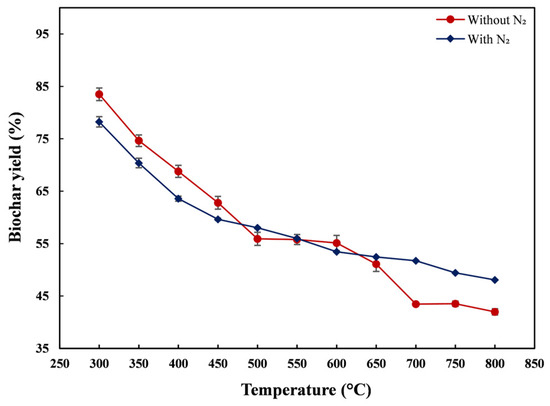
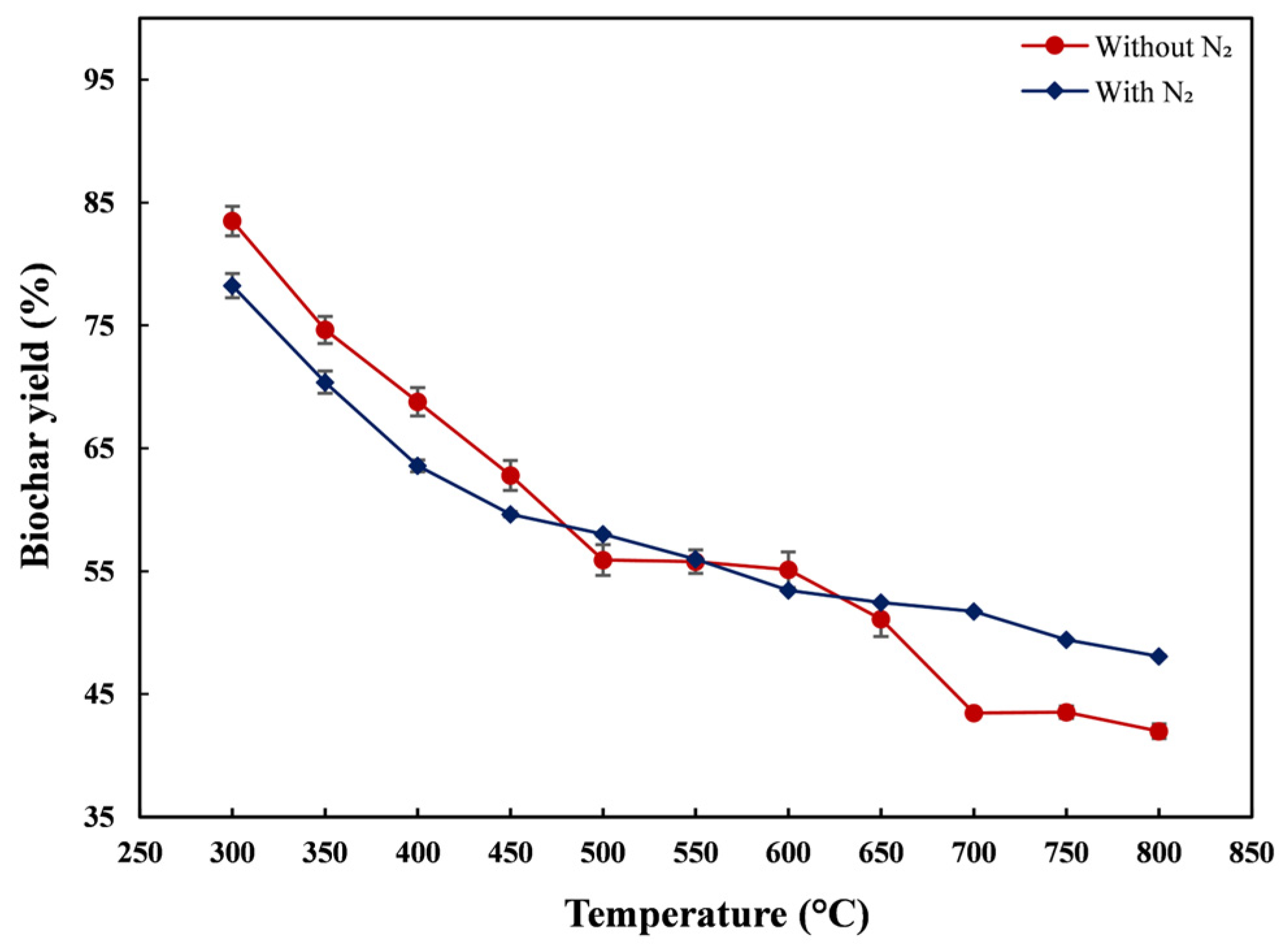
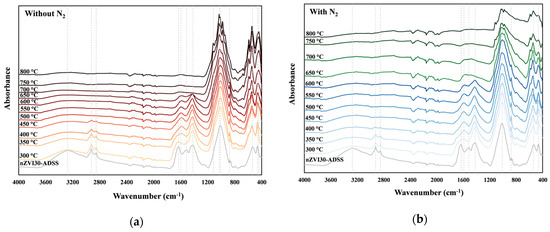
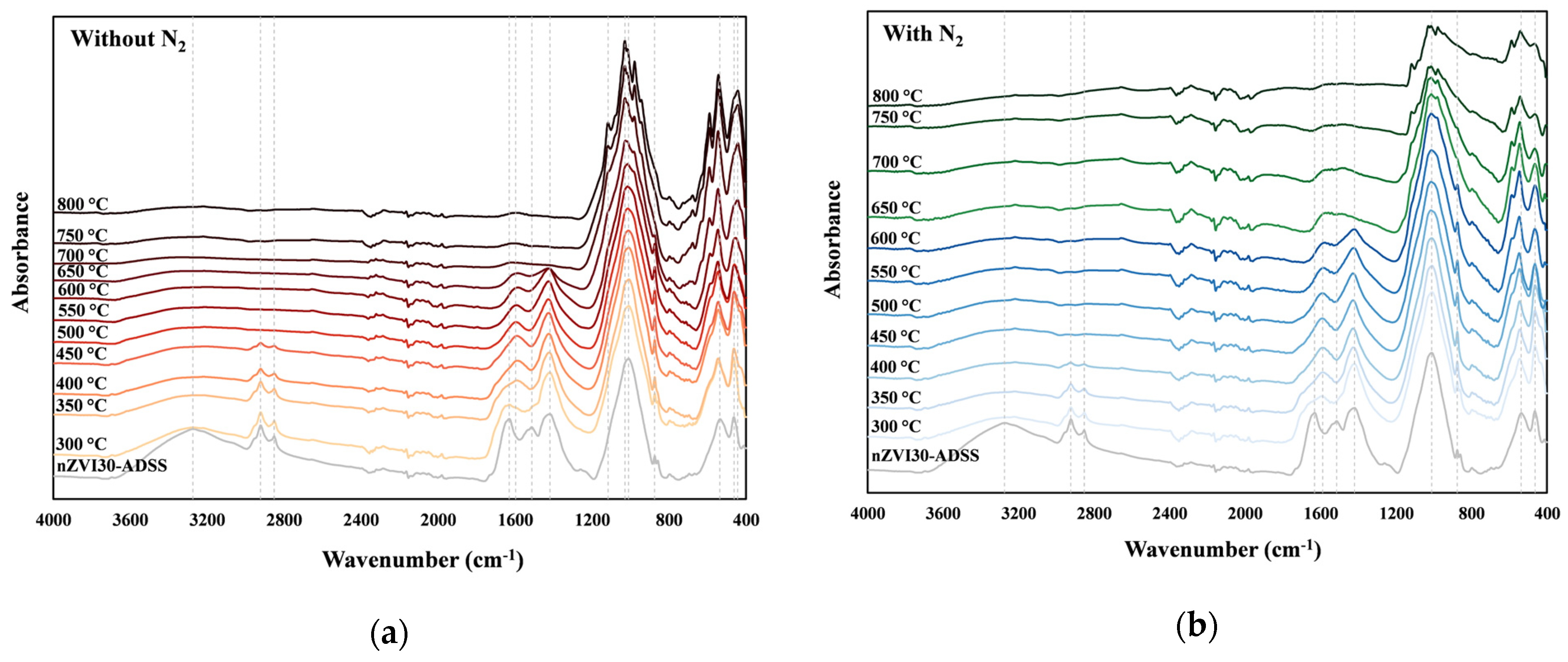
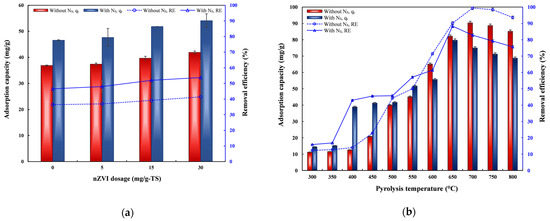
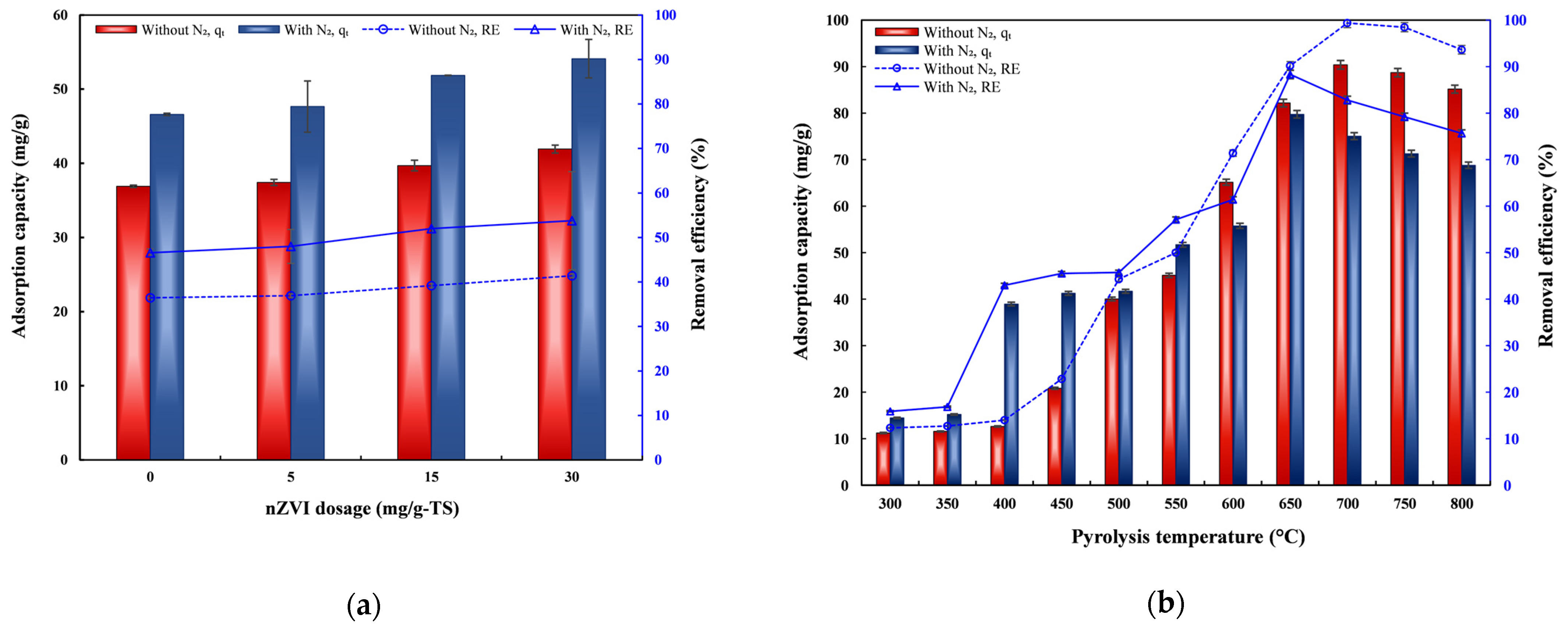
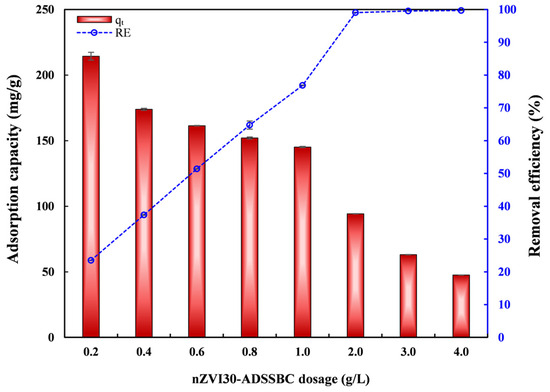
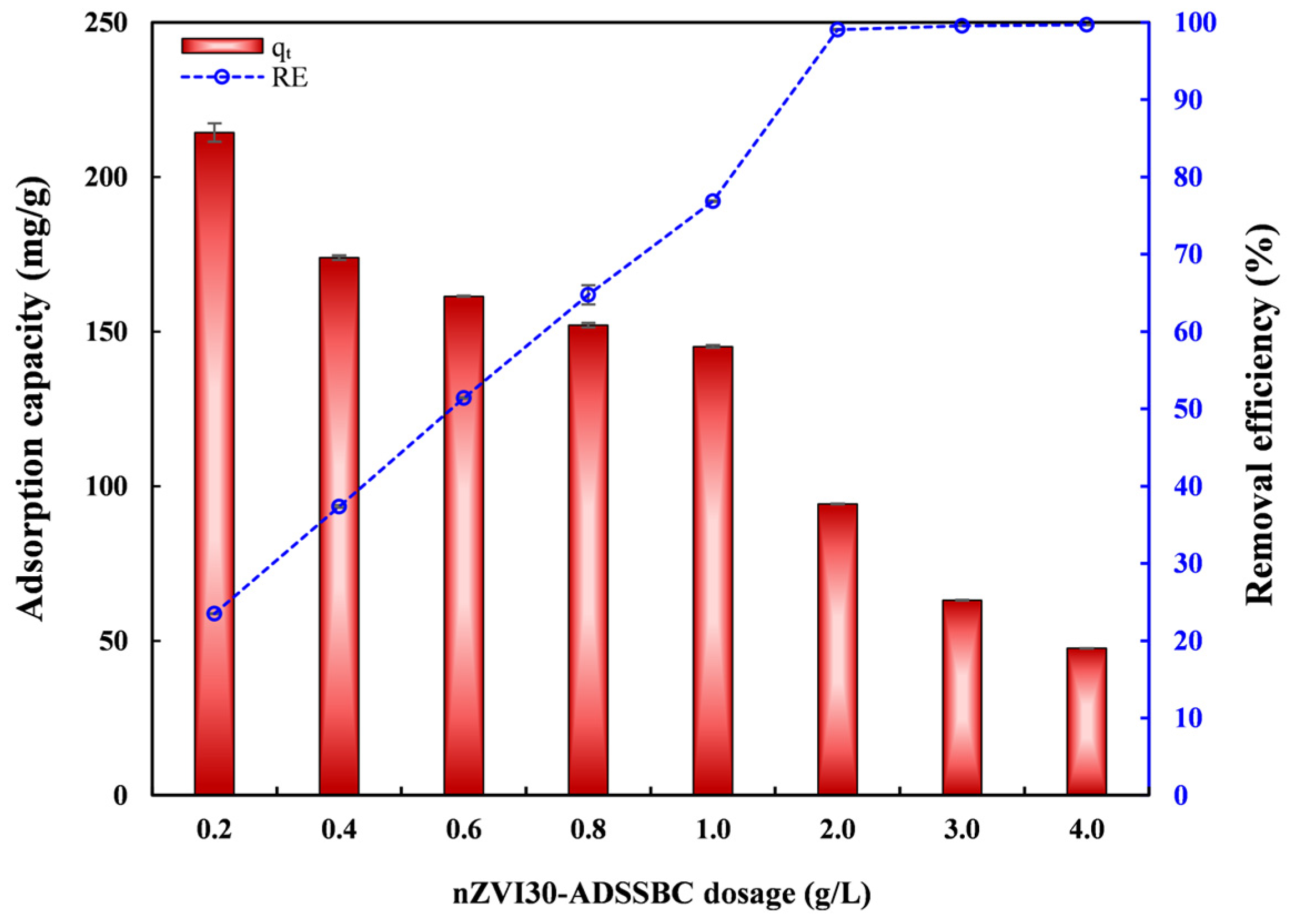
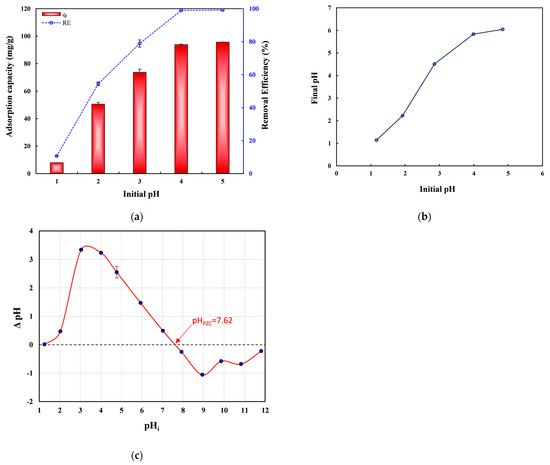
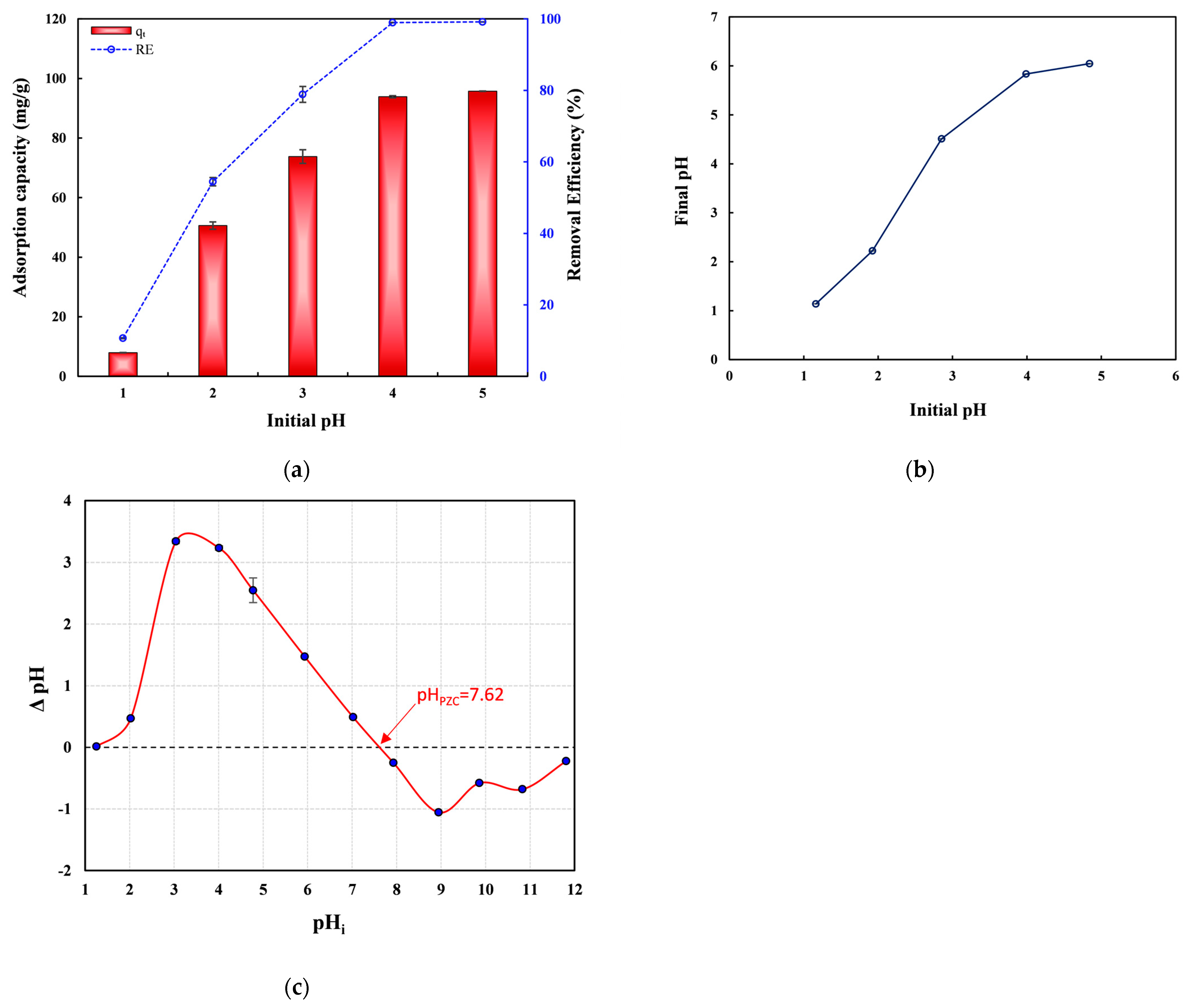
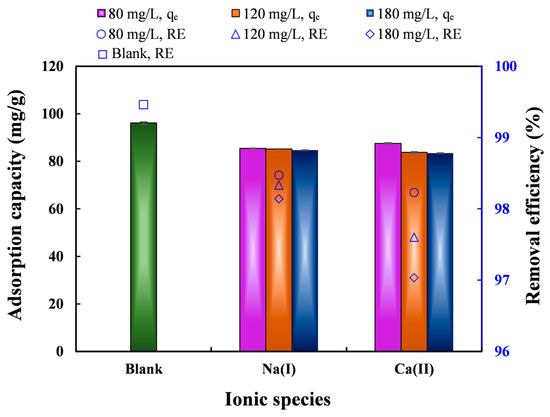
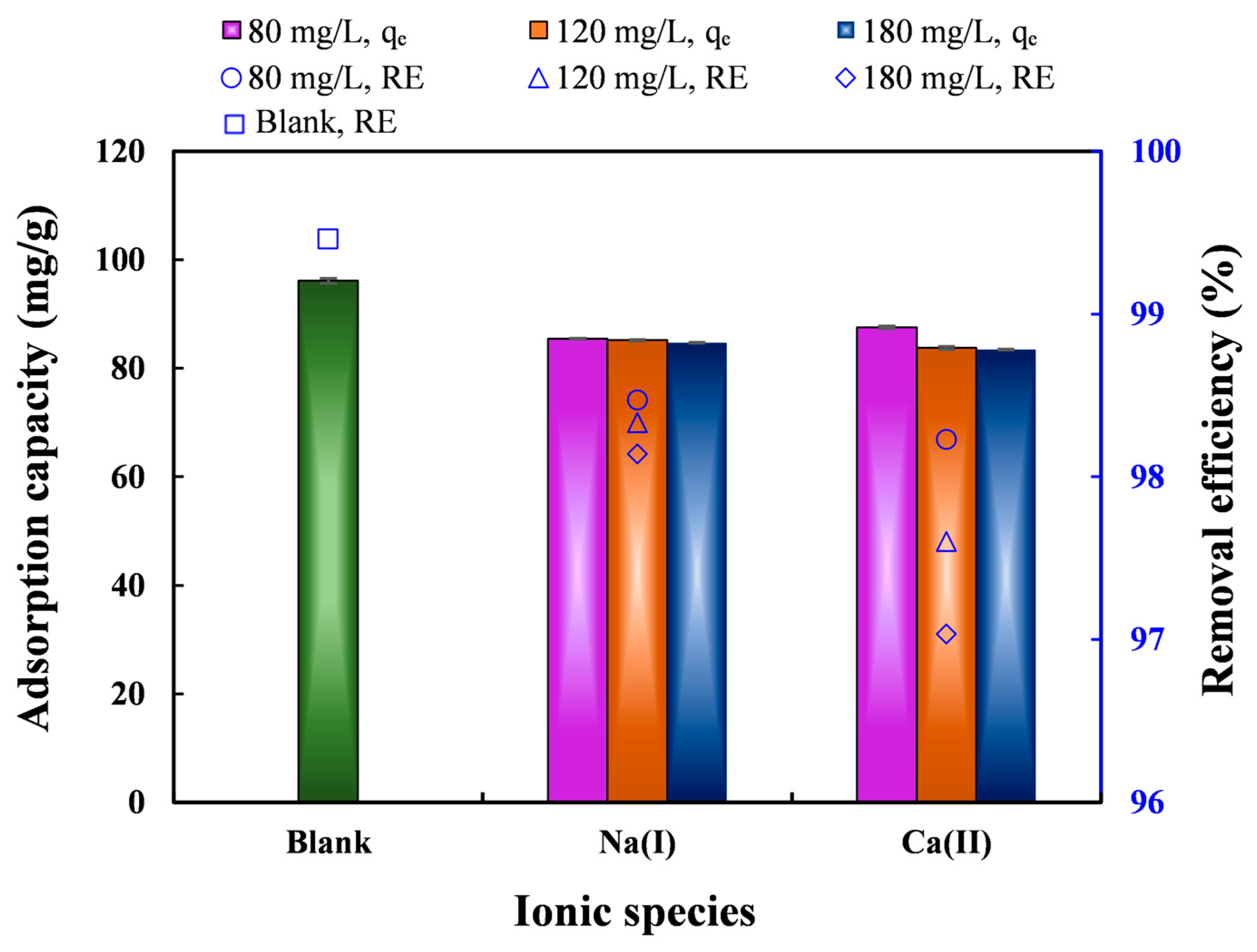
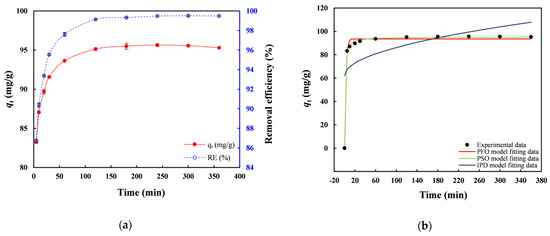
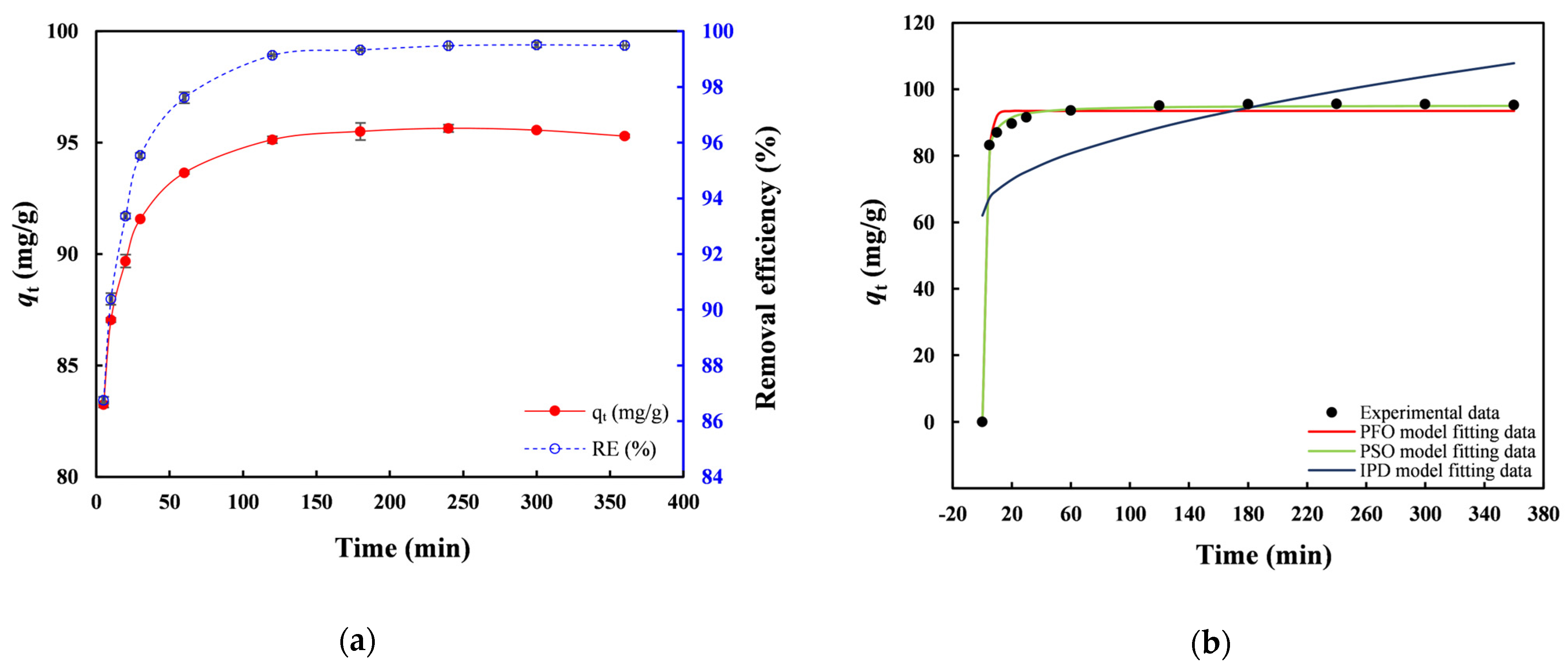
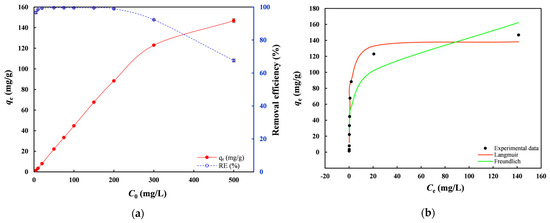
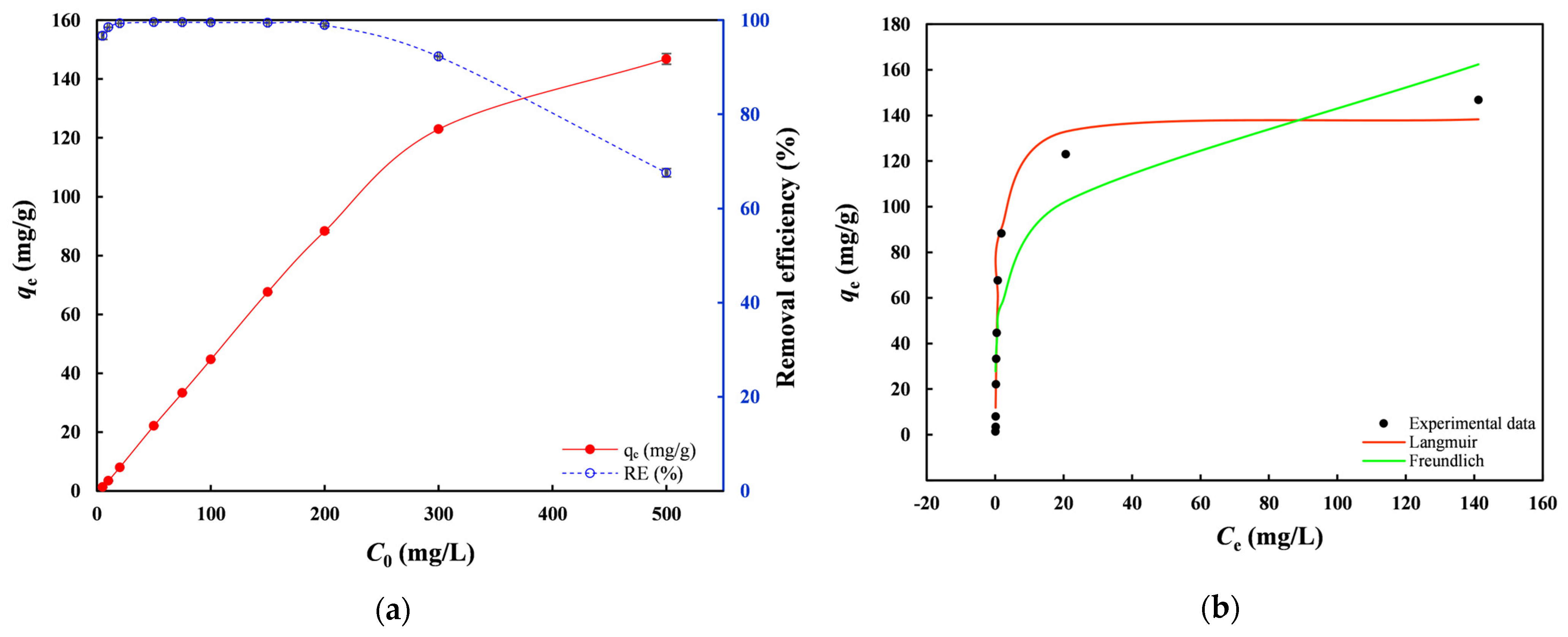
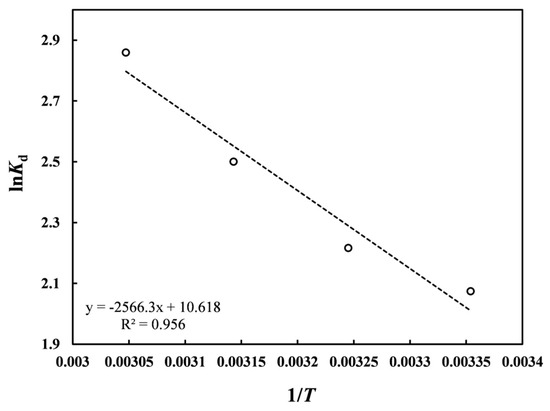
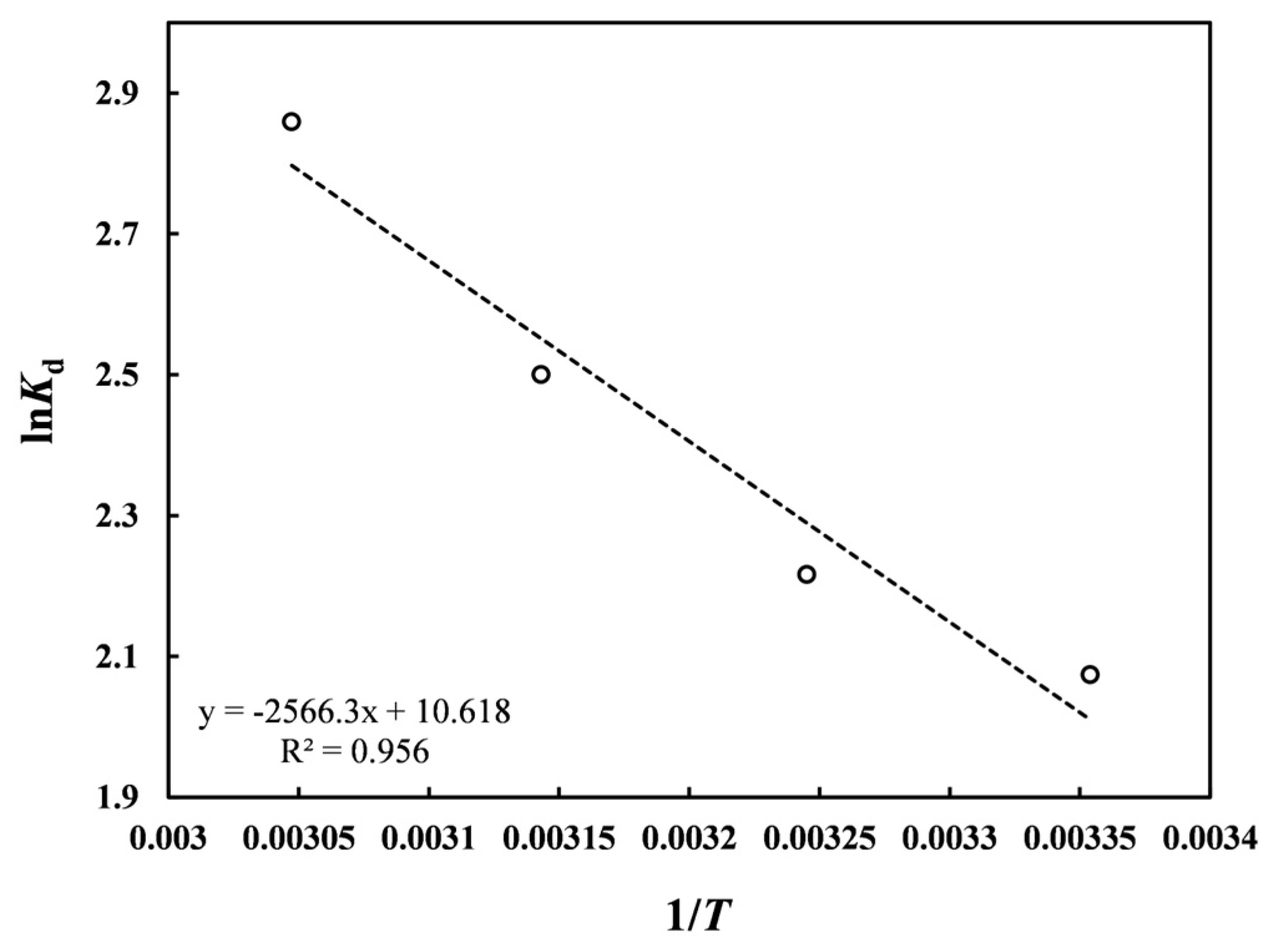
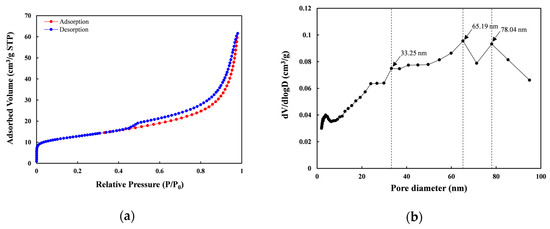
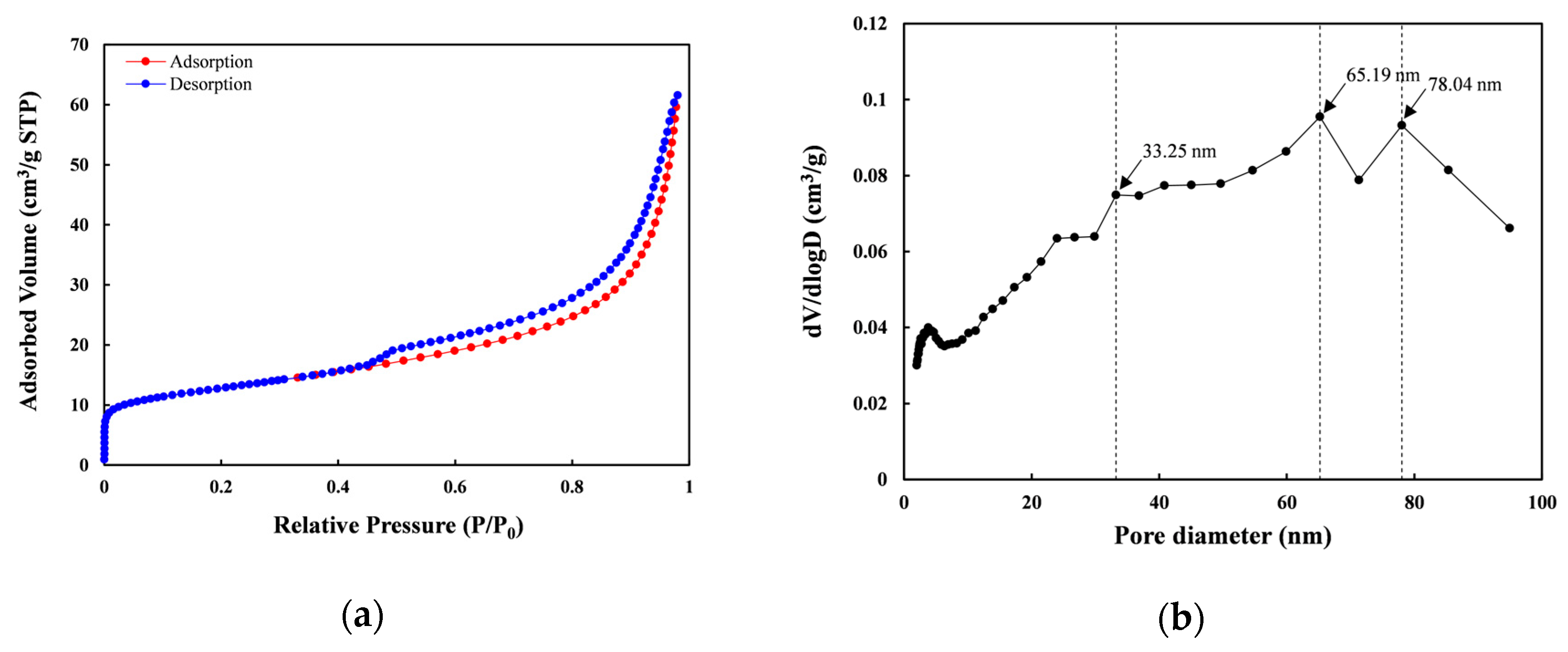
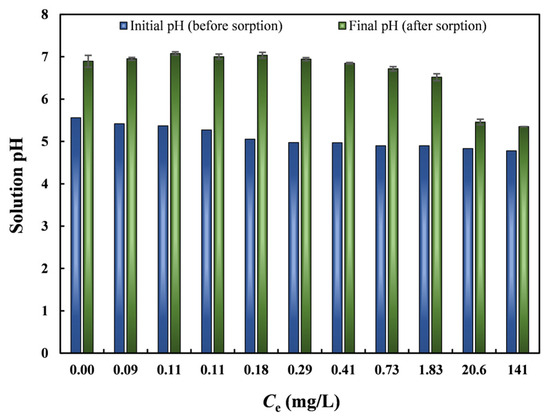
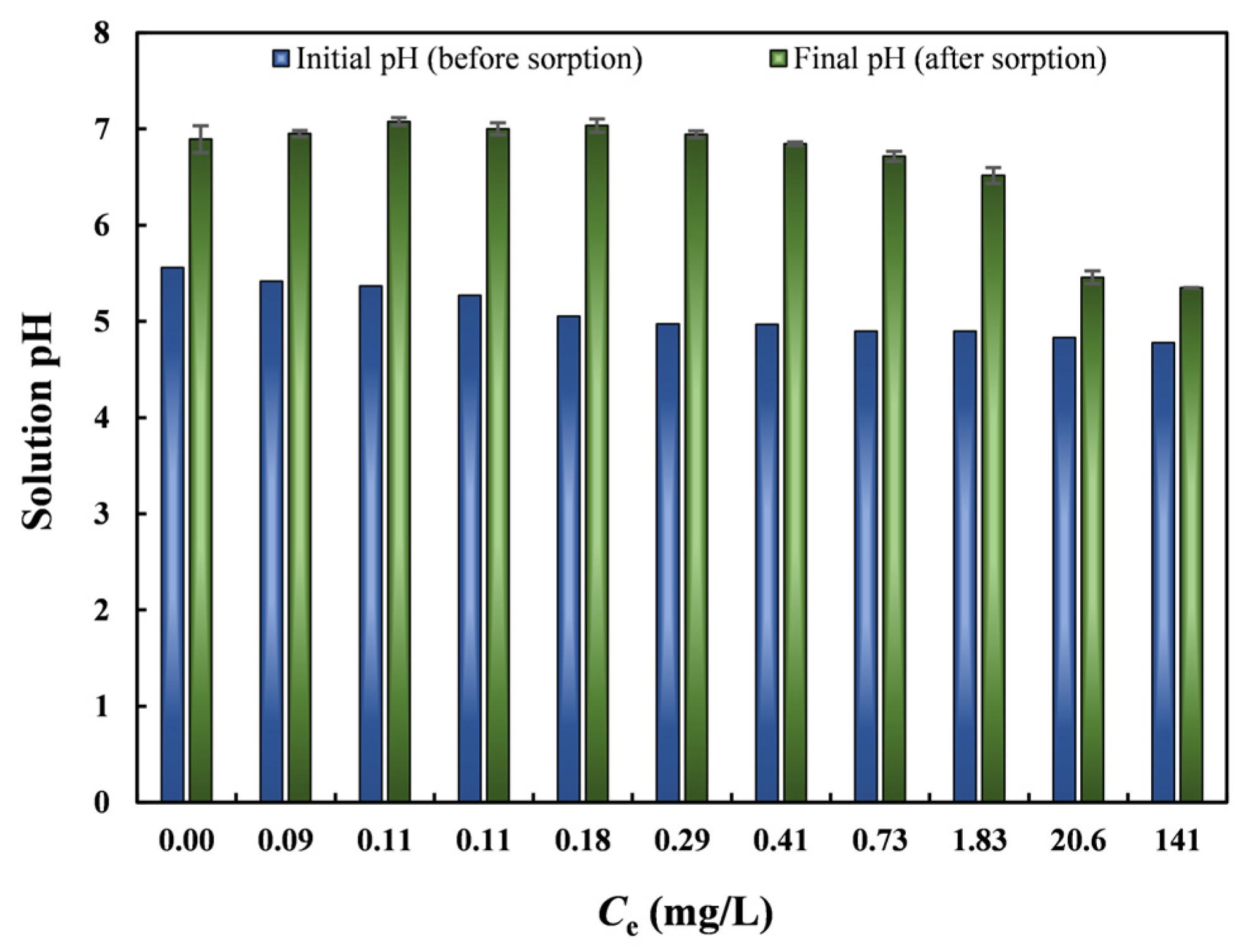
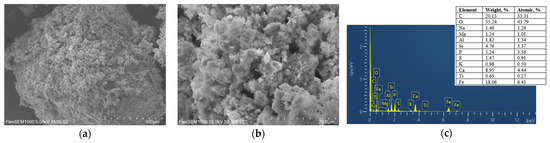
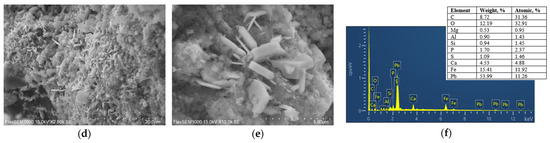
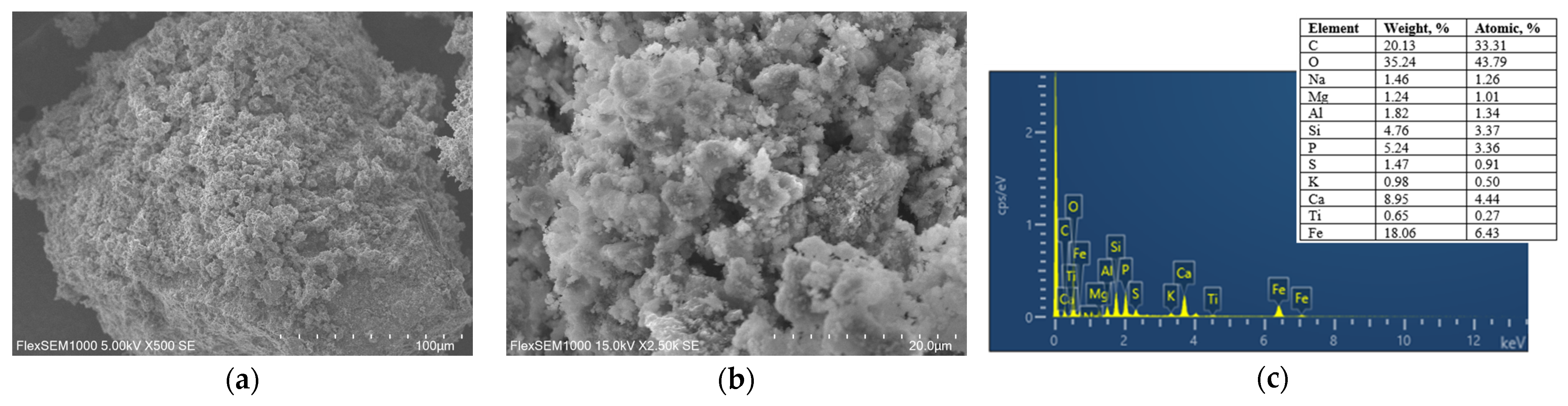
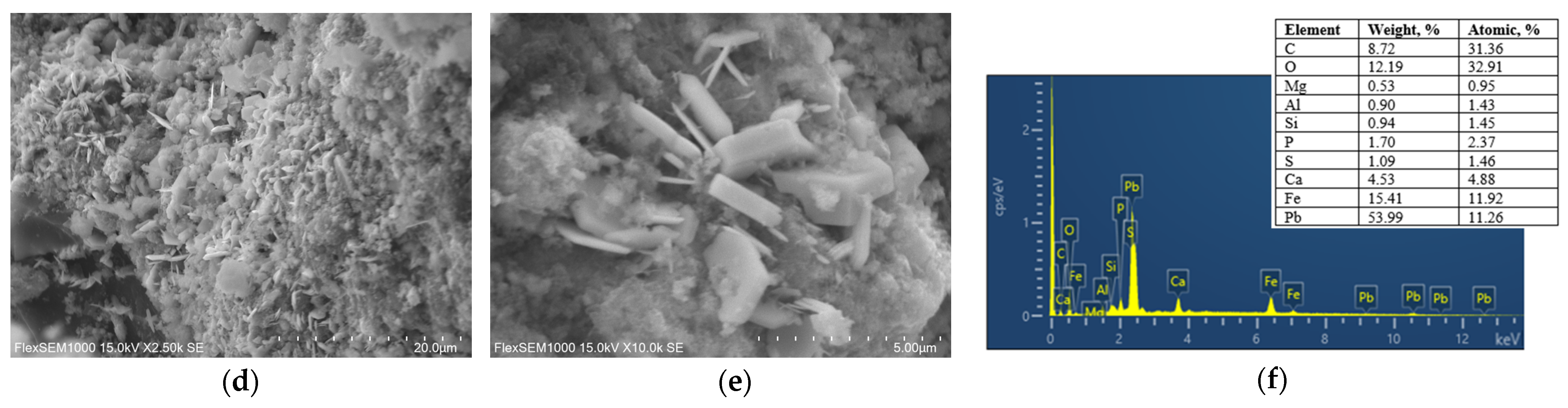
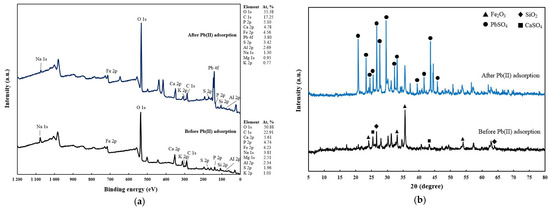
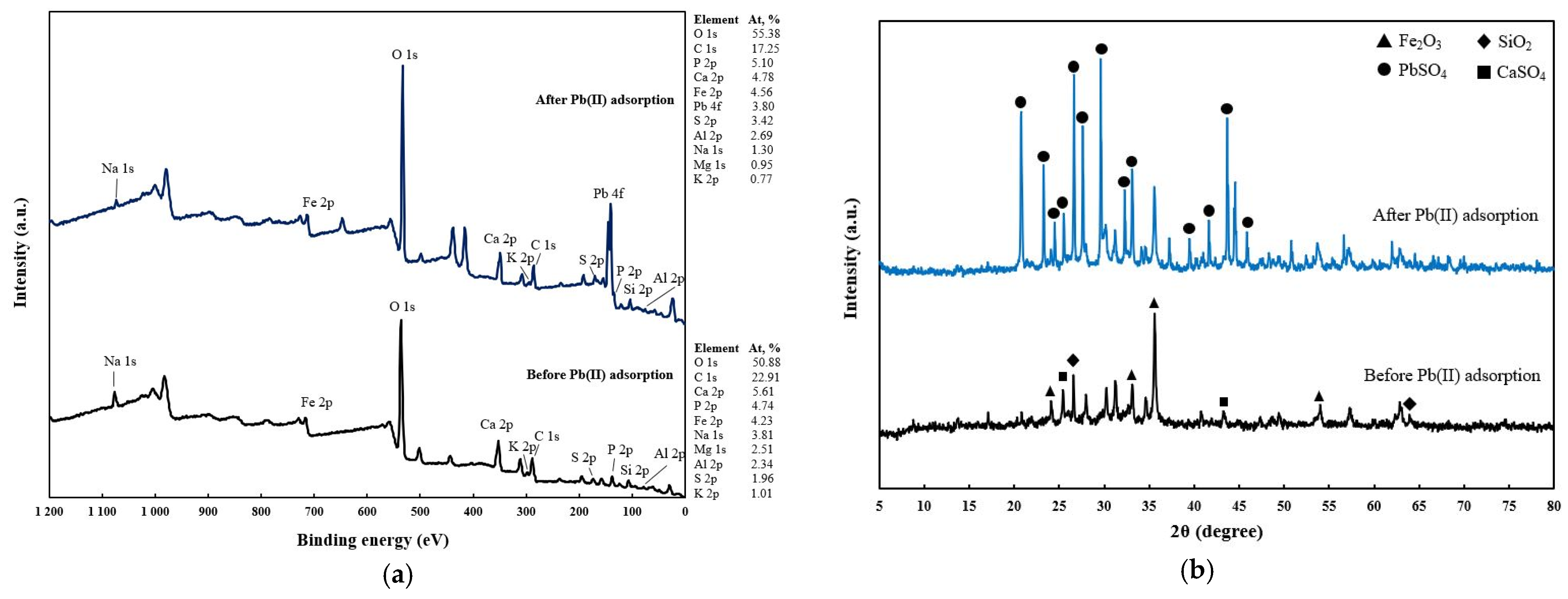
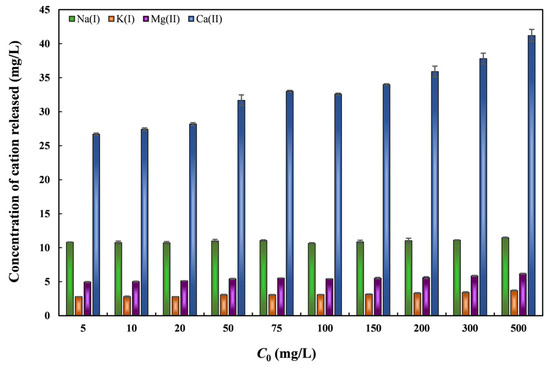
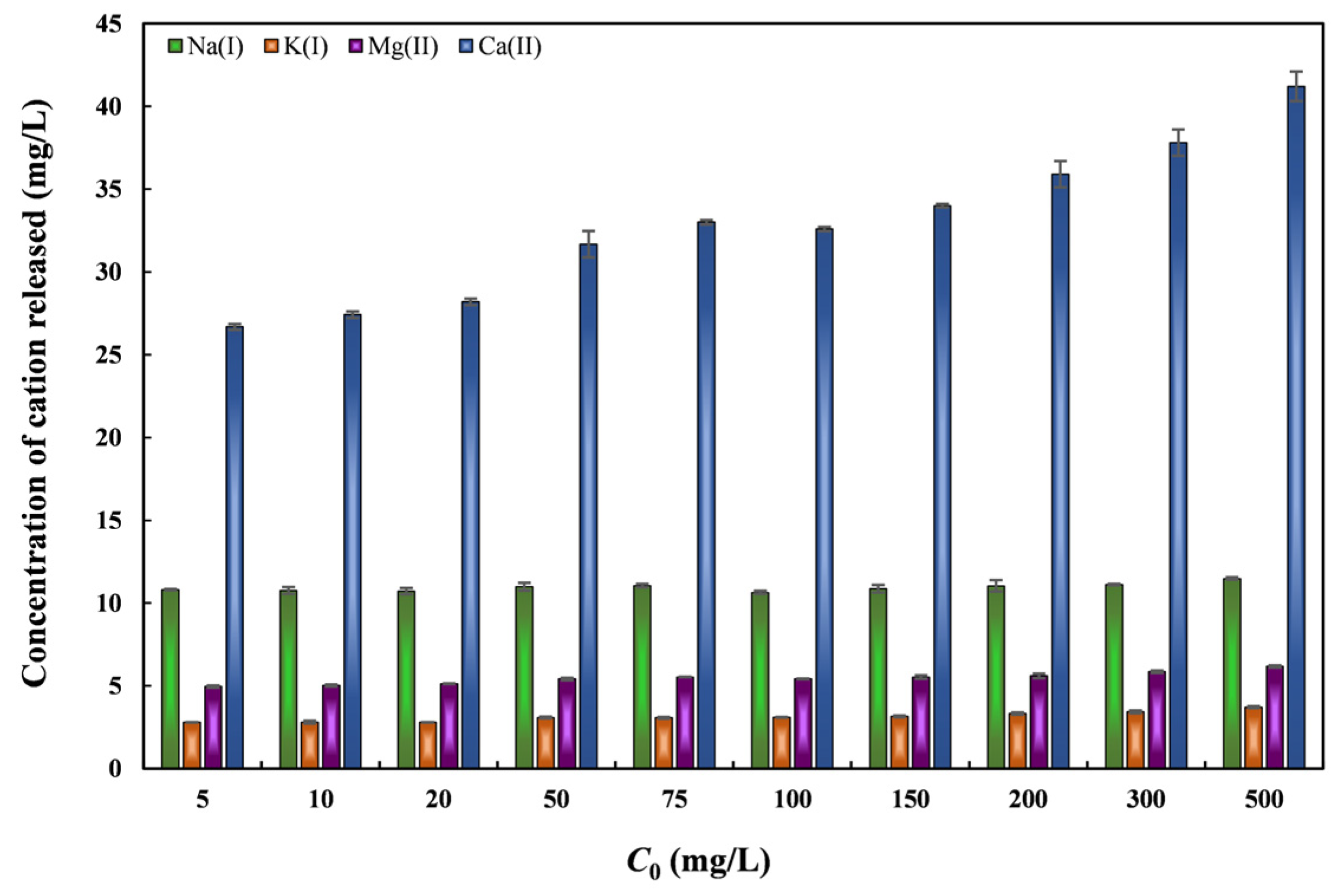
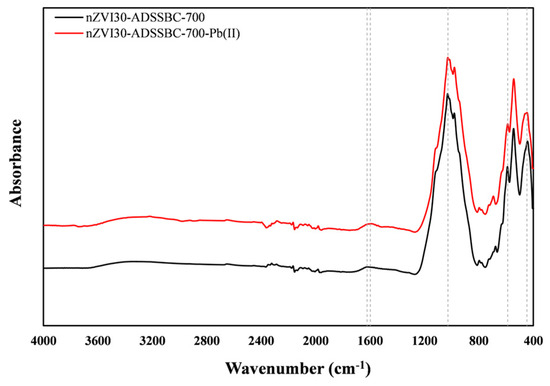
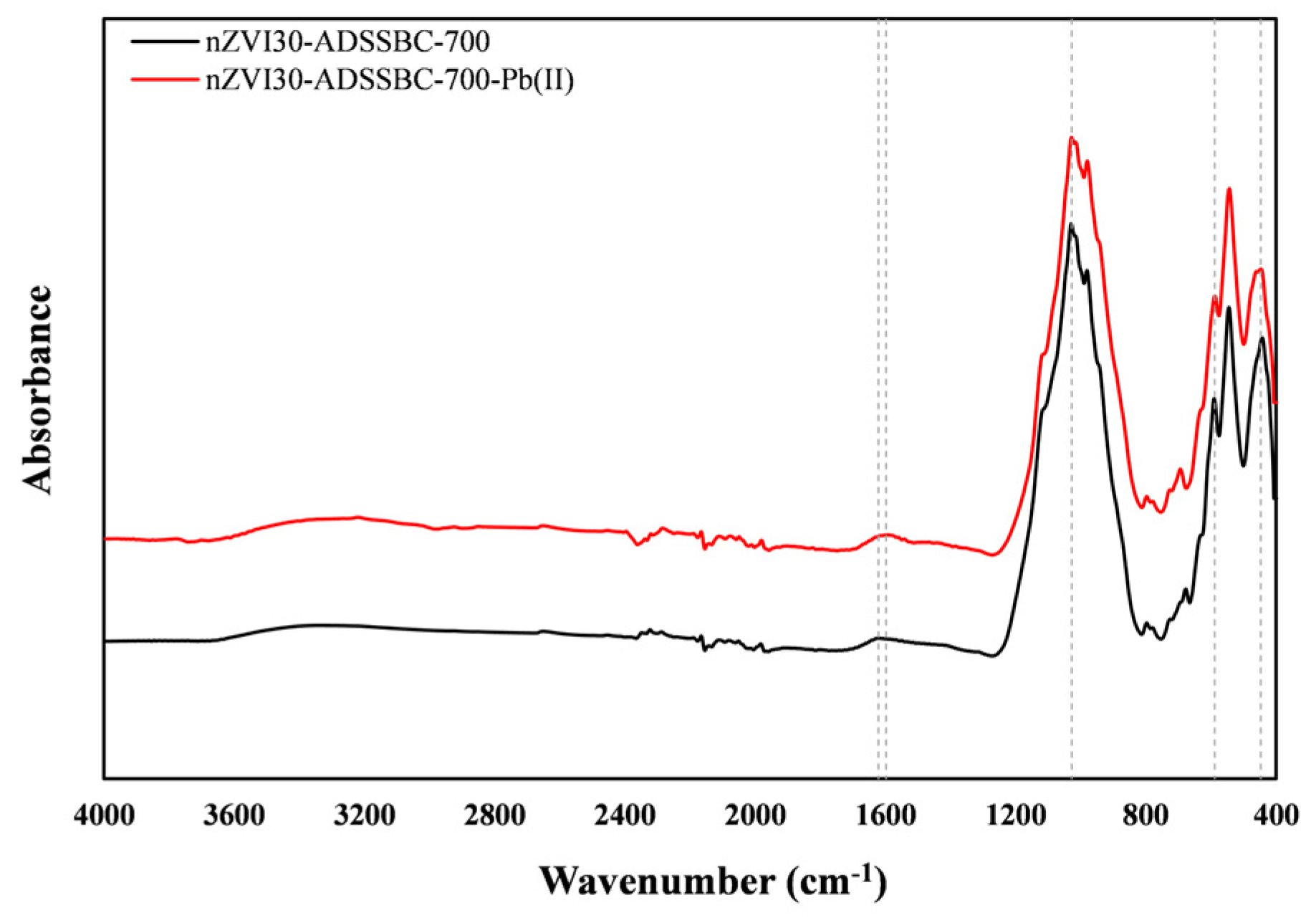
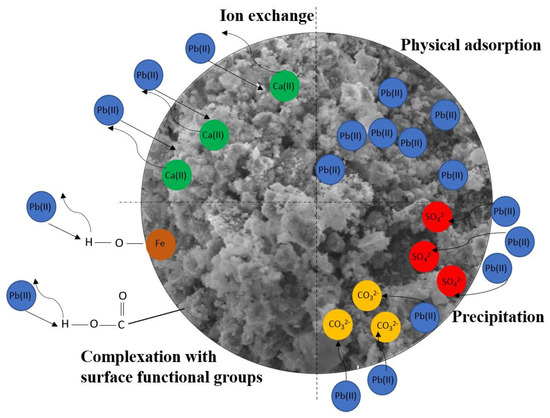
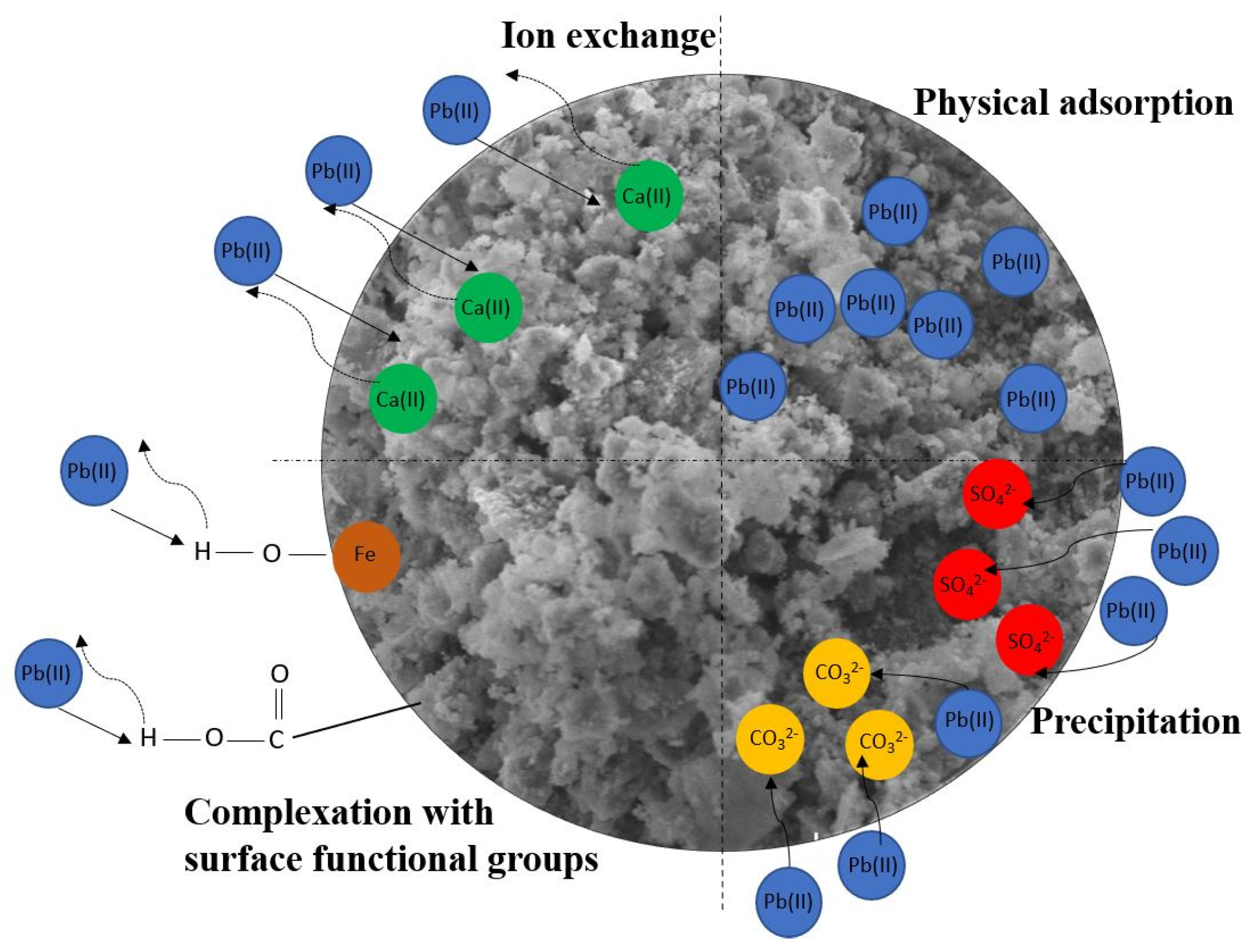

Disclaimer/Publisher’s Note: The statements, opinions and data contained in all publications are solely those of the individual author(s) and contributor(s) and not of MDPI and/or the editor(s). MDPI and/or the editor(s) disclaim responsibility for any injury to people or property resulting from any ideas, methods, instructions or products referred to in the content. |
© 2026 by the authors. Licensee MDPI, Basel, Switzerland. This article is an open access article distributed under the terms and conditions of the Creative Commons Attribution (CC BY) license.