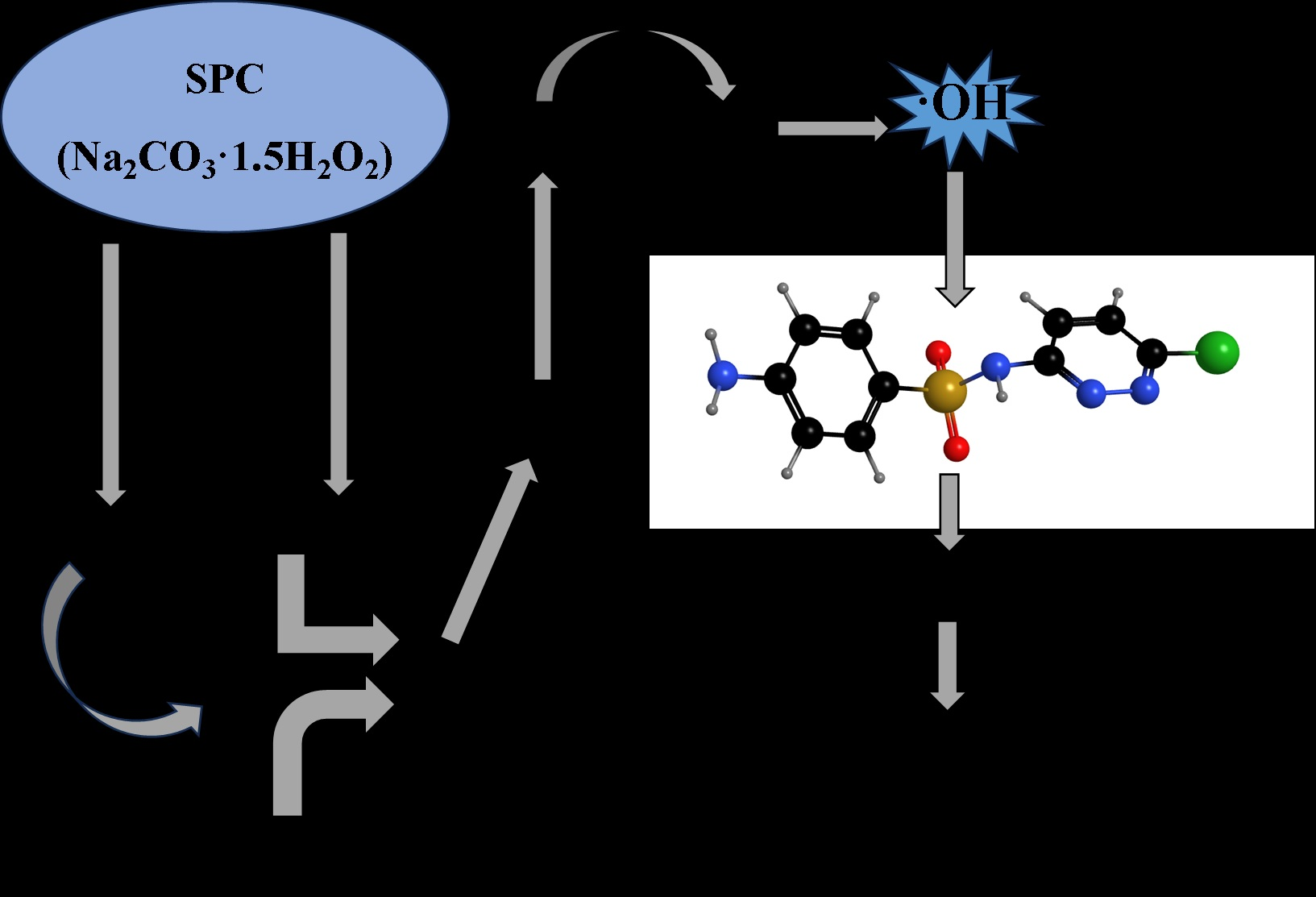
Enhanced Removal of Antibiotic Sulfachloropyridazine in Water Using Sodium Percarbonate Activated by Ozone: Mechanism, Degradation Pathway, and Toxicity Assessment

Abstract
1. Introduction
2. Materials and Methods
2.1. Chemicals and Reagents
2.2. Experimental Methods
2.3. Analytical Methods
2.3.1. Basic Water Quality Analysis
2.3.2. Chromatographic Analysis
2.3.3. EPR Measurements
2.4. Computational Methods
2.4.1. Reaction Kinetics Modeling
2.4.2. DFT Analysis and Toxicity Assays
3. Results and Discussion
3.1. Effect of Reaction Parameters on Degradation of SCP by O3/SPC
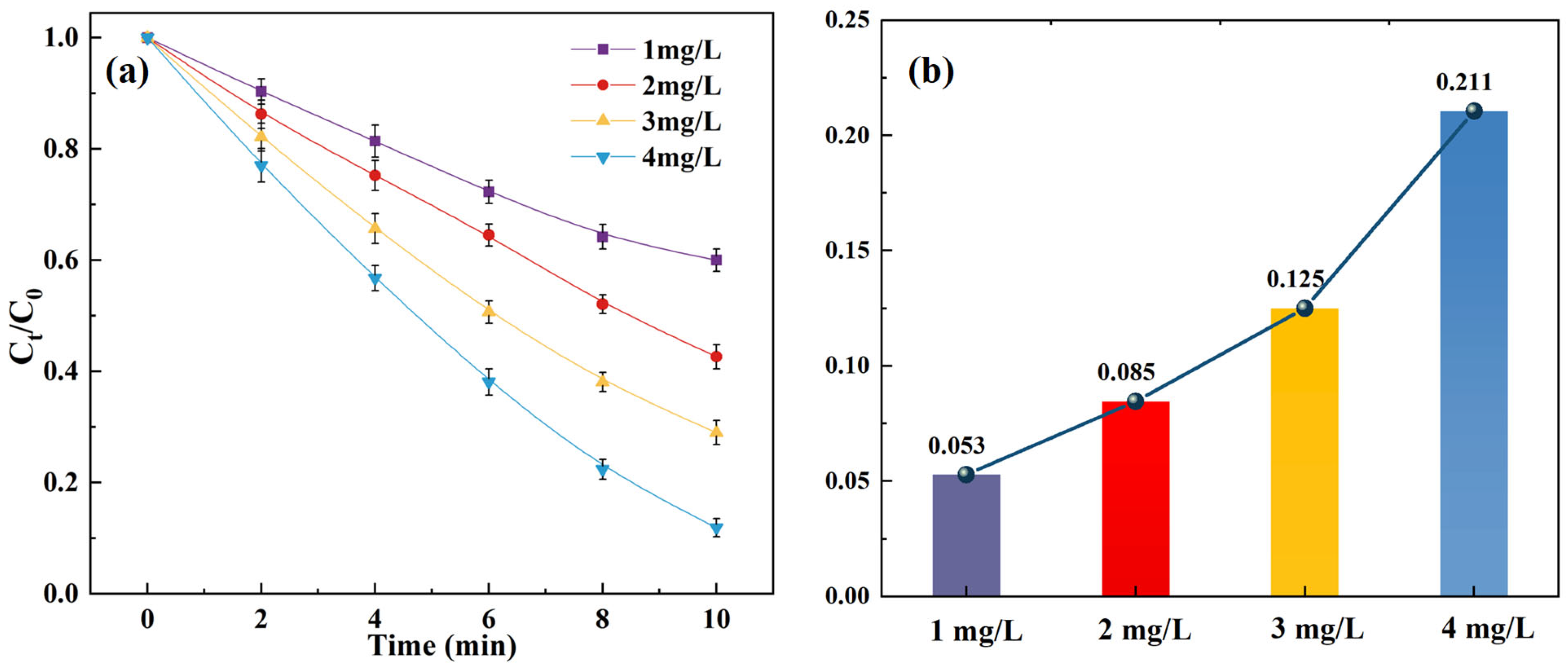
3.1.1. Effect of O3 Dosage on SCP Removal
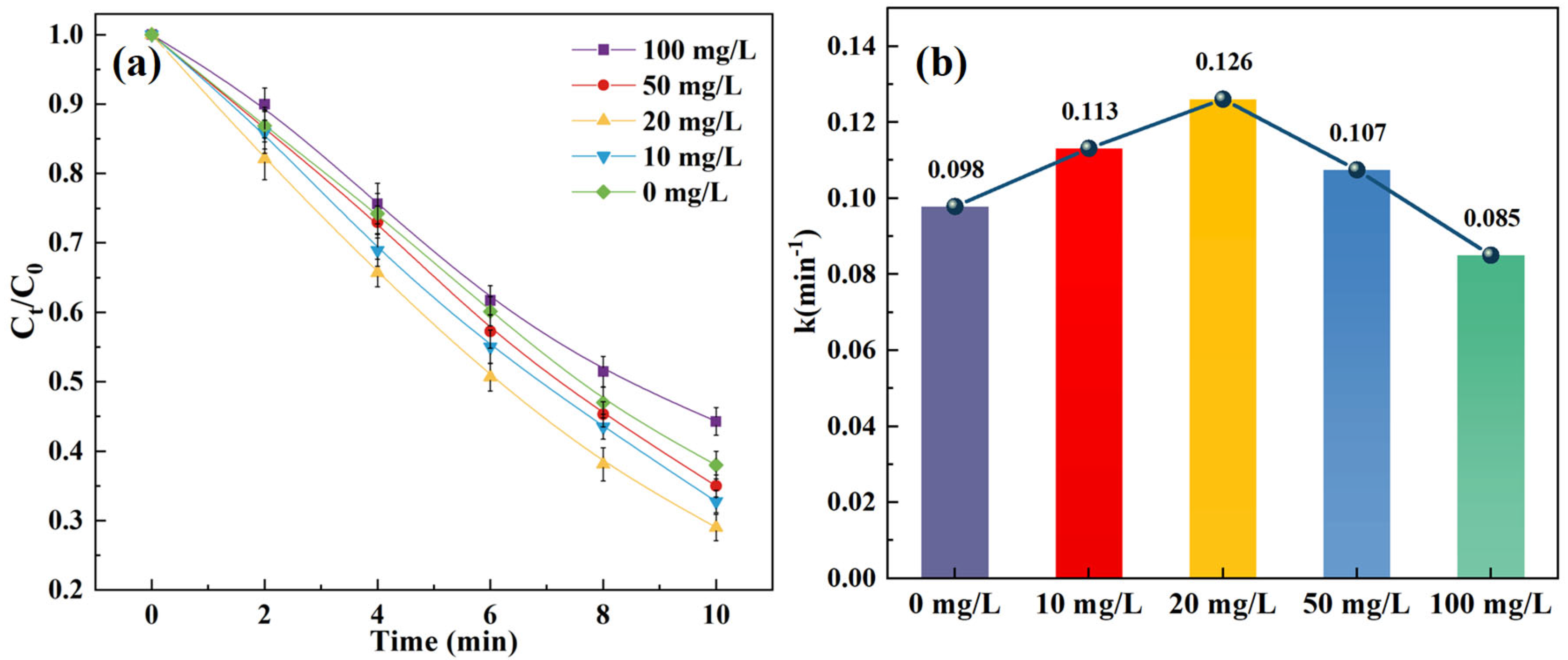
3.1.2. Effect of SPC Dosage on SCP Removal
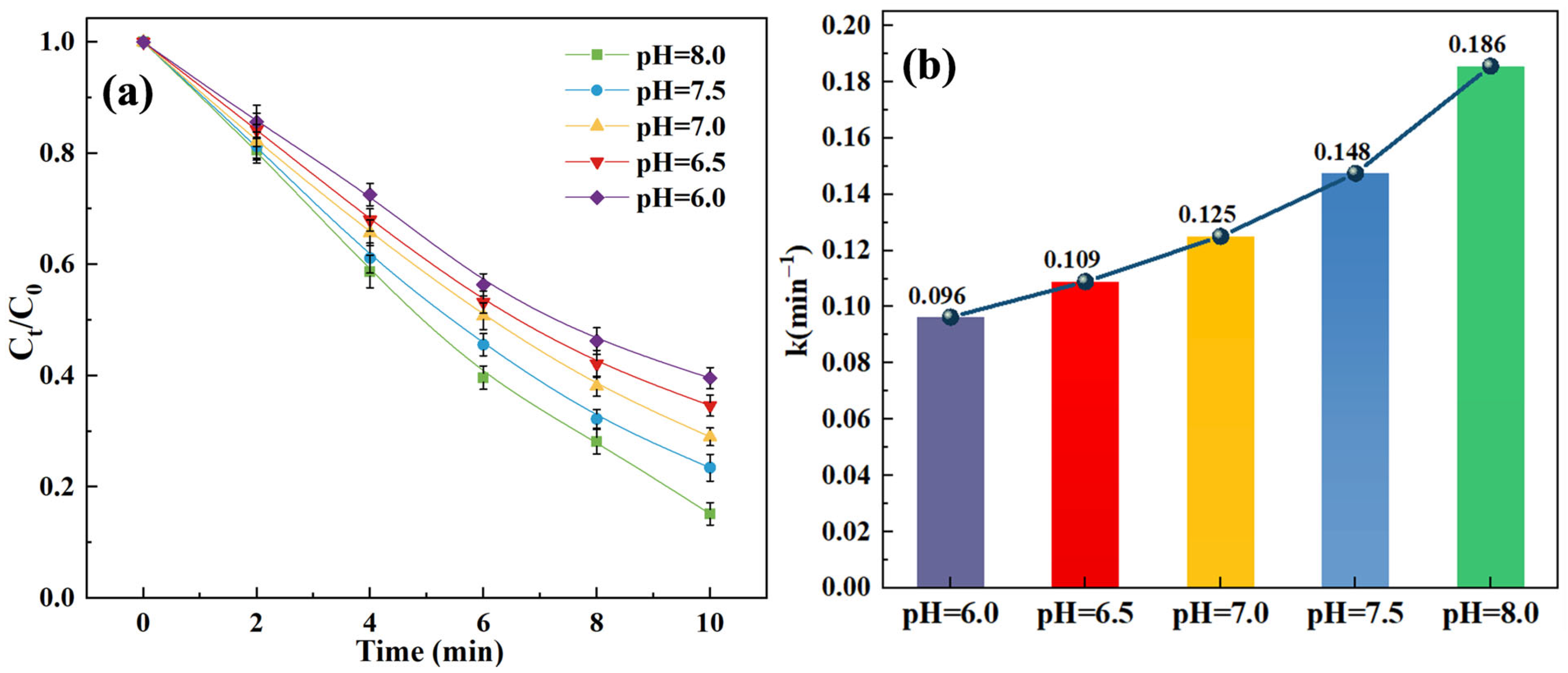
3.1.3. Effect of Solution pH on SCP Removal
3.2. Effect of Water Substrates on Degradation of SCP by O3/SPC
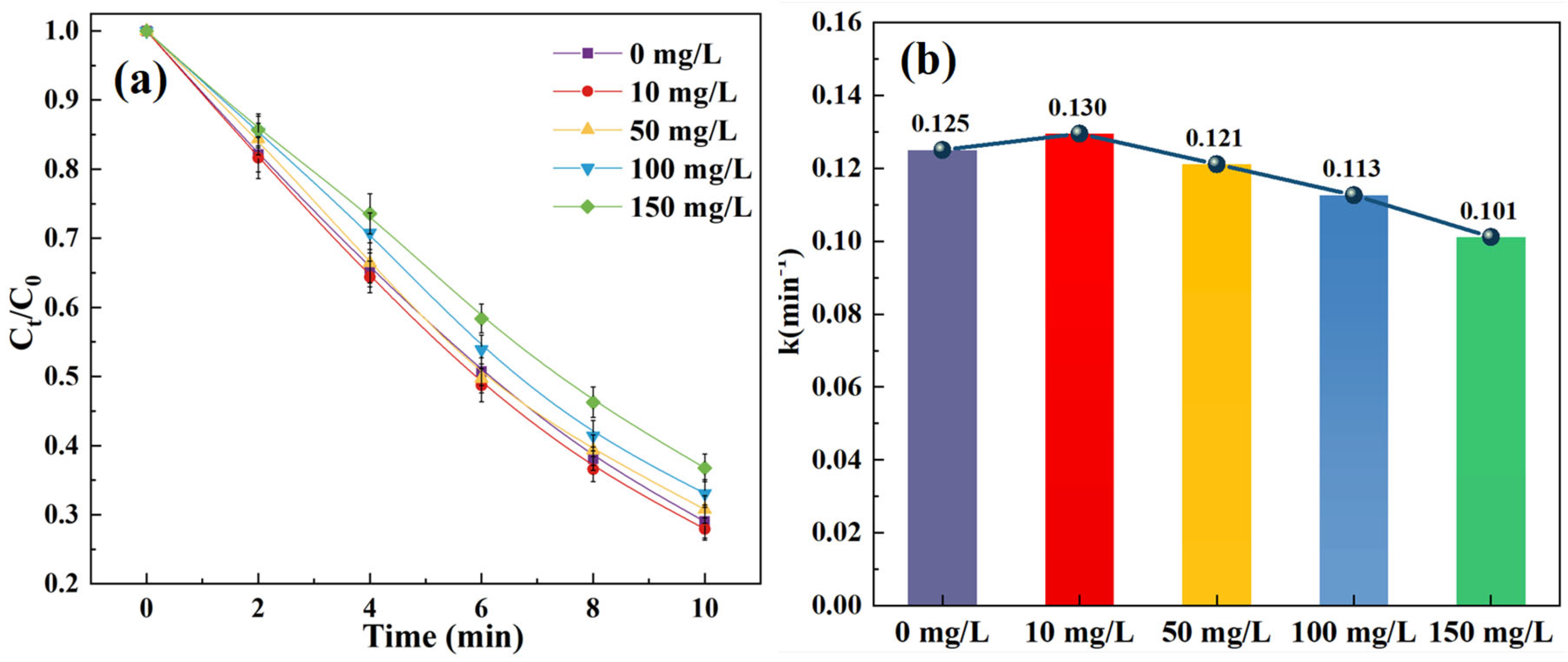
3.2.1. Inorganic Anions in Water
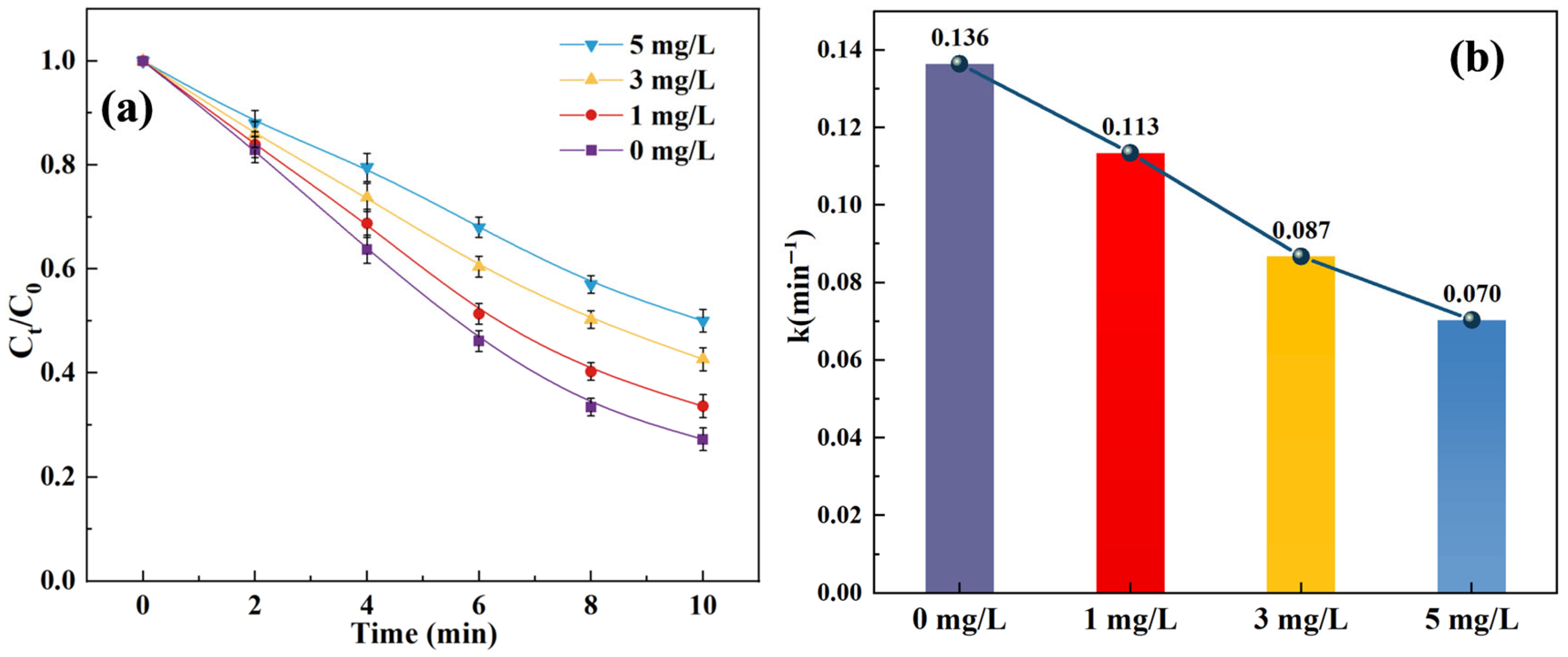
3.2.2. Natural Organic Matter in Water
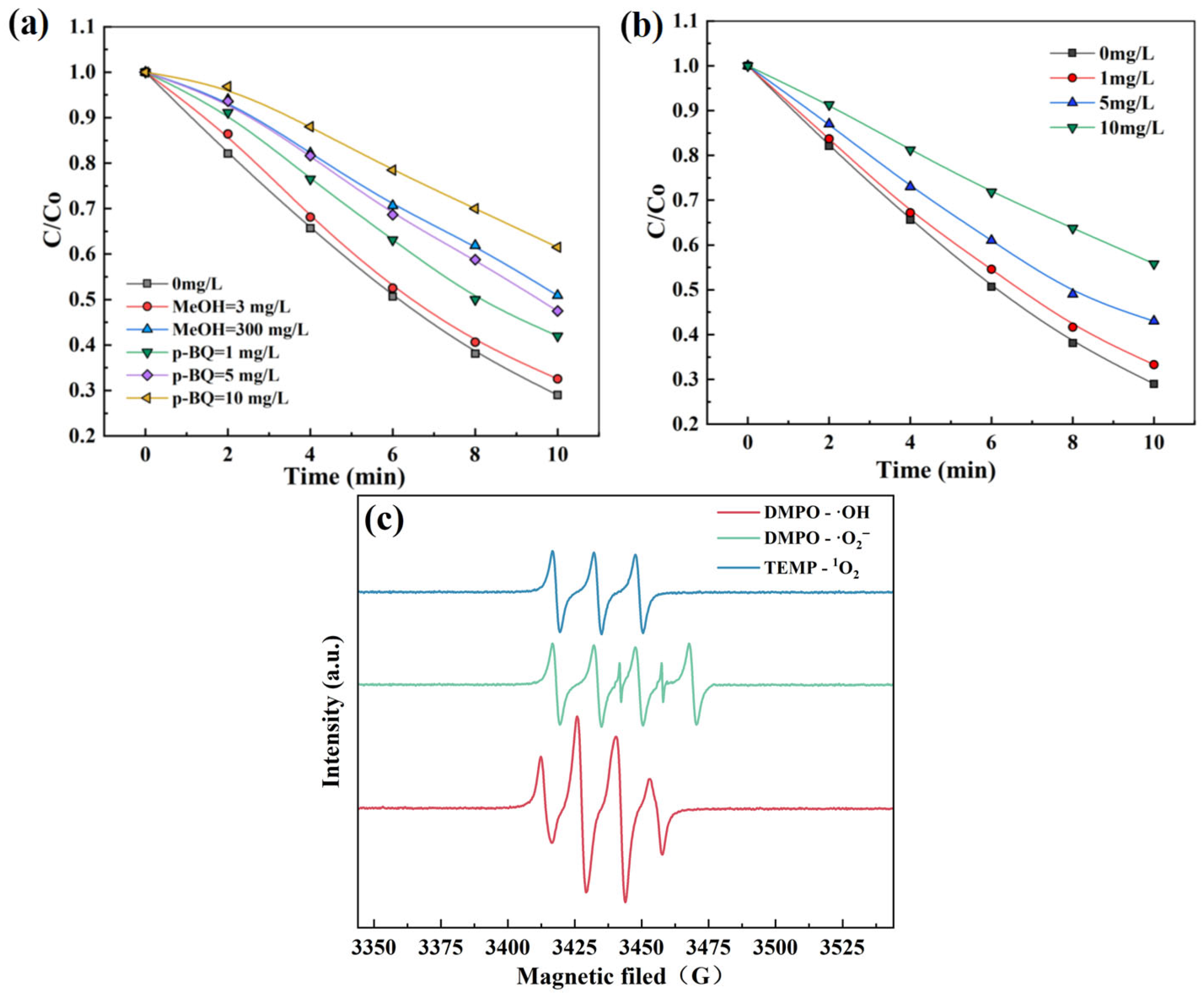
3.3. Identification of Reactive Oxygen Species (ROS) Within O3/SPC
3.4. Identification of SCP Degradation Products with Proposed Degradation Pathways
3.4.1. SCP Degradation Products
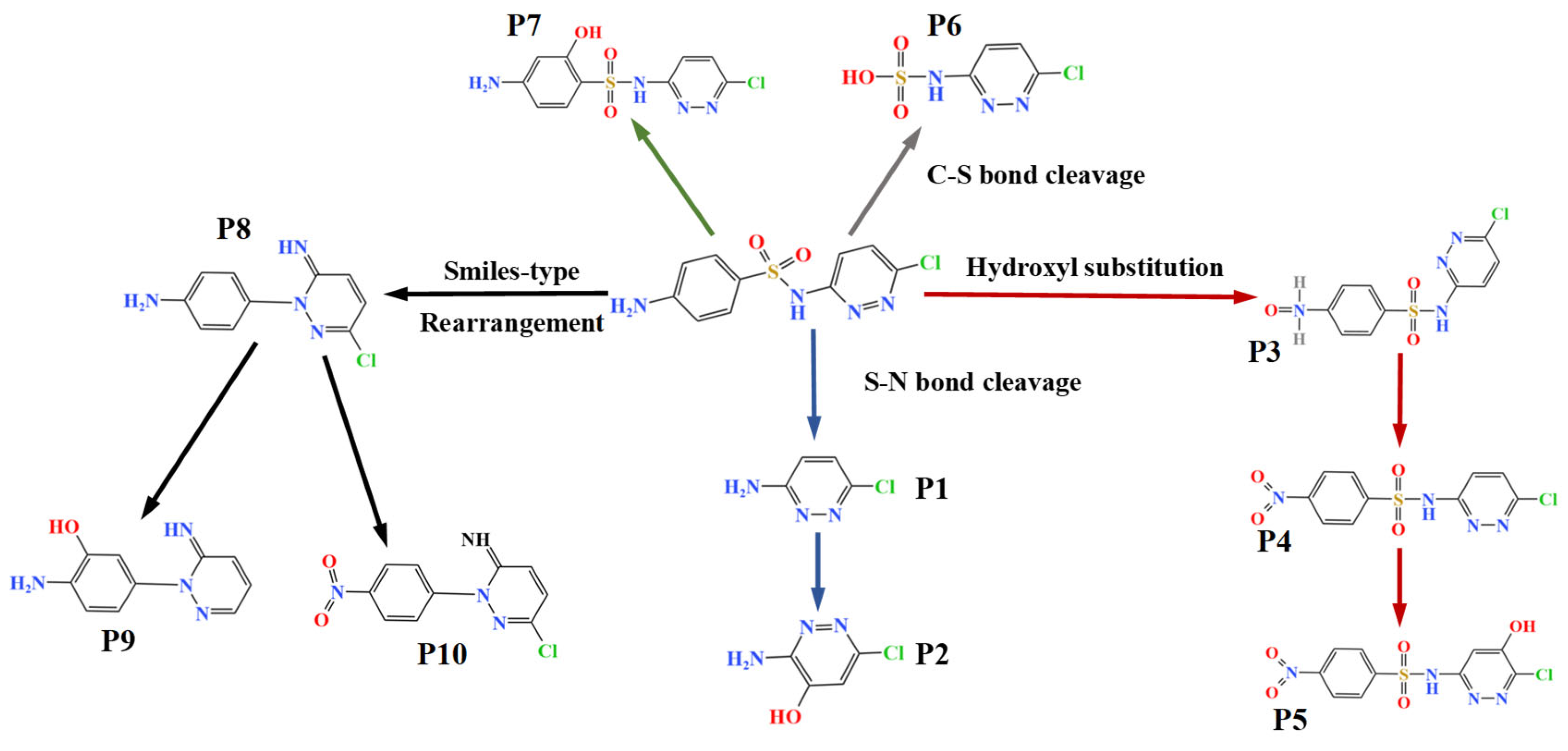
3.4.2. Degradation Pathway Analysis
3.5. Toxicity Evaluation
4. Conclusions
Supplementary Materials
Author Contributions
Funding
Institutional Review Board Statement
Informed Consent Statement
Data Availability Statement
Conflicts of Interest
References
- Conde-Cid, M.; Cela-Dablanca, R.; Ferreira-Coelho, G.; Fernández-Calviño, D.; Núñez-Delgado, A.; Fernández-Sanjurjo, M.J.; Arias-Estévez, M.; Álvarez-Rodríguez, E. Sulfadiazine, Sulfamethazine and Sulfachloropyridazine Removal Using Three Different Porous Materials: Pine Bark, “Oak Ash” and Mussel Shell. Environ. Res. 2021, 195, 110814. [Google Scholar] [CrossRef] [PubMed]
- Kang, J.; Zhang, H.; Duan, X.; Sun, H.; Tan, X.; Liu, S.; Wang, S. Magnetic Ni-Co Alloy Encapsulated N-Doped Carbon Nanotubes for Catalytic Membrane Degradation of Emerging Contaminants. Chem. Eng. J. 2019, 362, 251–261. [Google Scholar] [CrossRef]
- Tao, X.; Pan, P.; Huang, T.; Chen, L.; Ji, H.; Qi, J.; Sun, F.; Liu, W. In-Situ Construction of Co(OH)2 Nanoparticles Decorated Urchin-like WO3 for Highly Efficient Degradation of Sulfachloropyridazine via Peroxymonosulfate Activation: Intermediates and DFT Calculation. Chem. Eng. J. 2020, 395, 125186. [Google Scholar] [CrossRef]
- Zhou, Z.; Liu, X.; Sun, K.; Lin, C.; Ma, J.; He, M.; Ouyang, W. Persulfate-Based Advanced Oxidation Processes (AOPs) for Organic-Contaminated Soil Remediation: A Review. Chem. Eng. J. 2019, 372, 836–851. [Google Scholar] [CrossRef]
- Wang, J.; Zhuan, R. Degradation of Antibiotics by Advanced Oxidation Processes: An Overview. Sci. Total Environ. 2020, 701, 135023. [Google Scholar] [CrossRef]
- Adil, S.; Maryam, B.; Kim, E.-J.; Dulova, N. Individual and Simultaneous Degradation of Sulfamethoxazole and Trimethoprim by Ozone, Ozone/Hydrogen Peroxide and Ozone/Persulfate Processes: A Comparative Study. Environ. Res. 2020, 189, 109889. [Google Scholar] [CrossRef]
- Agarkoti, C.; Gogate, P.R.; Pandit, A.B. Coupling of Acoustic/Hydrodynamic Cavitation with Ozone (O3), Hydrogen Peroxide (H2O2), Magnesium Oxide (MgO) and Manganese Dioxide (MnO2) for the Effective Treatment of CETP Effluent. Sep. Purif. Technol. 2022, 284, 120281. [Google Scholar] [CrossRef]
- Khan, A.; Mahmood, H.; Yasin, S.; Moniruzzaman, M.; Iqbal, T. A Comprehensive Overview of Advanced Oxidation Process Assisted Mono-Ethanolamine Degradation in Aqueous Phase: Current Advances and Future Challenges. J. Environ. Chem. Eng. 2022, 10, 108078. [Google Scholar] [CrossRef]
- Stojanović, S.; Vranješ, M.; Šaponjić, Z.; Rac, V.; Rakić, V.; Ignjatović, L.; Damjanović-Vasilić, L. Photocatalytic Performance of TiO2/Zeolites under Simulated Solar Light for Removal of Atenolol from Aqueous Solution. Int. J. Environ. Sci. Technol. 2023, 20, 1–16. [Google Scholar] [CrossRef]
- Zhang, Z.; Chen, F.; Liu, R.; Sun, C.; Fan, H. Crystal Violet Degradation in the Ozone/Persulfate/Ferroferric Oxide System: A Heterogeneous Catalytic Process for Simultaneous Catalysis of Ozone and Persulfate. J. Clean. Prod. 2024, 434, 139937. [Google Scholar] [CrossRef]
- Qin, W.; Yuan, X.; Sun, L.; Qiang, Z.; Xia, D. Insights into the Activation of Ozonation by Hydroxylamine: Influential Factors, Degradation Mechanism and Reaction Kinetics. J. Hazard. Mater. 2019, 373, 600–607. [Google Scholar] [CrossRef] [PubMed]
- Ribeiro, R.S. Magnetic Carbon Xerogels for the Catalytic Wet Peroxide Oxidation of Sulfamethoxazole in Environmentally Relevant Water Matrices. App. Catal. B Environ. 2016, 199, 170–186. [Google Scholar] [CrossRef]
- Guo, Y.; Zhao, Y.; Zhu, T.; Li, J.; Feng, Y.; Zhao, H.; Liu, S. A Metabolomic View of How Low Nitrogen Strength Favors Anammox Biomass Yield and Nitrogen Removal Capability. Water Res. 2018, 143, 387–398. [Google Scholar] [CrossRef] [PubMed]
- Malik, S.N.; Ghosh, P.C.; Vaidya, A.N.; Mudliar, S.N. Catalytic Ozone Pretreatment of Complex Textile Effluent Using Fe2+ and Zero Valent Iron Nanoparticles. J. Hazard. Mater. 2018, 357, 363–375. [Google Scholar] [CrossRef]
- Liu, Y.; Jiang, J.; Ma, J.; Yang, Y.; Luo, C.; Huangfu, X.; Guo, Z. Role of the Propagation Reactions on the Hydroxyl Radical Formation in Ozonation and Peroxone (Ozone/Hydrogen Peroxide) Processes. Water Res. 2015, 68, 750–758. [Google Scholar] [CrossRef]
- Tan, C.; Xu, Q.; Zhang, H.; Liu, Z.; Ren, S.; Li, H. Enhanced Removal of Coumarin by a Novel O3/SPC System: Kinetic and Mechanism. Chemosphere 2019, 219, 100–108. [Google Scholar] [CrossRef]
- Fu, X.; Gu, X.; Lu, S.; Xu, M.; Miao, Z.; Zhang, X.; Zhang, Y.; Xue, Y.; Qiu, Z.; Sui, Q. Enhanced Degradation of Benzene in Aqueous Solution by Sodium Percarbonate Activated with Chelated-Fe(II). Chem. Eng. J. 2016, 285, 180–188. [Google Scholar] [CrossRef]
- Yang, J.; Li, J.; Dong, W.; Ma, J.; Cao, J.; Li, T.; Li, J.; Gu, J.; Liu, P. Study on Enhanced Degradation of Atrazine by Ozonation in the Presence of Hydroxylamine. J. Hazard. Mater. 2016, 316, 110–121. [Google Scholar] [CrossRef]
- Fedorov, K.; Rayaroth, M.P.; Shah, N.S.; Boczkaj, G. Activated Sodium Percarbonate-Ozone (SPC/O3) Hybrid Hydrodynamic Cavitation System for Advanced Oxidation Processes (AOPs) of 1,4-Dioxane in Water. Chem. Eng. J. 2023, 456, 141027. [Google Scholar] [CrossRef]
- Tang, J.; Gao, X.; Zhang, Y.; Deng, X.; Liu, X.; Khurram, D.; Liu, G. Chitosan Supported Sodium Percarbonate Microspheres for Groundwater Remediation: Preparation, Slow-Release and Influencing Factors. Sep. Purif. Technol. 2025, 361, 131313. [Google Scholar] [CrossRef]
- Cui, H.; Gu, X.; Lu, S.; Fu, X.; Zhang, X.; Fu, G.Y.; Qiu, Z.; Sui, Q. Degradation of Ethylbenzene in Aqueous Solution by Sodium Percarbonate Activated with EDDS–Fe(III) Complex. Chem. Eng. J. 2017, 309, 80–88. [Google Scholar] [CrossRef]
- Vogna, D.; Marotta, R.; Napolitano, A.; Andreozzi, R.; d’Ischia, M. Advanced Oxidation of the Pharmaceutical Drug Diclofenac with UV/H2O2 and Ozone. Water Res. 2004, 38, 414–422. [Google Scholar] [CrossRef] [PubMed]
- Guo, H.; Li, D.; Li, Z.; Lin, S.; Wang, Y.; Pan, S.; Han, J. Promoted Elimination of Antibiotic Sulfamethoxazole in Water Using Sodium Percarbonate Activated by Ozone: Mechanism, Degradation Pathway and Toxicity Assessment. Sep. Purif. Technol. 2021, 266, 118543. [Google Scholar] [CrossRef]
- Yu, X.; Kamali, M.; Van Aken, P.; Appels, L.; Van Der Bruggen, B.; Dewil, R. Synergistic Effects of the Combined Use of Ozone and Sodium Percarbonate for the Oxidative Degradation of Dichlorvos. J. Water Process. Eng. 2021, 39, 101721. [Google Scholar] [CrossRef]
- Xin, X.; Kim, J.; Weng, S.; Huang, C.-H. Pilot Assessment of Impacts of Ozone and Ozone/Hydrogen Peroxide Treatment on the Fate of Per- and Polyfluoroalkyl Substances and Precursors. ACS EST Water 2024, 4, 4545–4555. [Google Scholar] [CrossRef]
- Gorito, A.M.; Pesqueira, J.F.J.R.; Moreira, N.F.F.; Ribeiro, A.R.; Pereira, M.F.R.; Nunes, O.C.; Almeida, C.M.R.; Silva, A.M.T. Ozone-Based Water Treatment (O3, O3/UV, O3/H2O2) for Removal of Organic Micropollutants, Bacteria Inactivation and Regrowth Prevention. J. Environ. Chem. Eng. 2021, 9, 105315. [Google Scholar] [CrossRef]
- Babaei, A.A.; Ghanbari, F. COD Removal from Petrochemical Wastewater by UV/Hydrogen Peroxide, UV/Persulfate and UV/Percarbonate: Biodegradability Improvement and Cost Evaluation. J. Water Reuse Desalination 2016, 6, 484–494. [Google Scholar] [CrossRef]
- Rivas, J.; Gimeno, O.; Borralho, T.; Beltrán, F. Influence of Oxygen and Free Radicals Promoters on the UV-254 Nm Photolysis of Diclofenac. Chem. Eng. J. 2010, 163, 35–40. [Google Scholar] [CrossRef]
- Miklos, D.B.; Remy, C.; Jekel, M.; Linden, K.G.; Drewes, J.E.; Hübner, U. Evaluation of Advanced Oxidation Processes for Water and Wastewater Treatment—A Critical Review. Water Res. 2018, 139, 118–131. [Google Scholar] [CrossRef]
- Shen, Y.; Xu, Q.; Wei, R.; Ma, J.; Wang, Y. Mechanism and Dynamic Study of Reactive Red X-3B Dye Degradation by Ultrasonic-Assisted Ozone Oxidation Process. Ultrason. Sonochemistry 2017, 38, 681–692. [Google Scholar] [CrossRef]
- Ji, Y. Thermo Activated Persulfate Oxidation of Antibiotic Sulfamethoxazole and Structurally Related Compounds. Water Res. 2015, 87, 1–9. [Google Scholar] [CrossRef]
- von Sonntag, C.; von Gunten, U. Chemistry of Ozone in Water and Wastewater Treatment: From Basic Principles to Applications; IWA Publishing: London, UK, 2012. [Google Scholar]
- Chen, H. Degradation and Mineralization of Ofloxacin by Ozonation and Peroxone (O3/H2O2) Process. Chemosphere 2021, 269, 128775. [Google Scholar] [CrossRef]
- Wang, D.; Xing, Y.; Li, J.; Dong, F.; Cheng, H.; He, Z.; Wang, L.; Giannakis, S.; Song, S.; Ma, J. Degradation of Odor Compounds in Drinking Water by Ozone and Ozone-Based Advanced Oxidation Processes: A Review. ACS EST Water 2023, 3, 3452–3473. [Google Scholar] [CrossRef]
- 35; Alsheyab, M.A.; Muñoz, A.H. Reducing the Formation of Trihalomethanes (THMs) by Ozone Combined with Hydrogen Peroxide (H2O2/O3). Desalination 2006, 194, 121–126. [Google Scholar] [CrossRef]
- Conde-Cid, M.; Fernández-Calviño, D.; Nóvoa-Muñoz, J.C.; Arias-Estévez, M.; Díaz-Raviña, M.; Núñez-Delgado, A.; Fernández-Sanjurjo, M.J.; Álvarez-Rodríguez, E. Degradation of Sulfadiazine, Sulfachloropyridazine and Sulfamethazine in Aqueous Media. J. Environ. Manag. 2018, 228, 239–248. [Google Scholar] [CrossRef] [PubMed]
- Christoforidis, K.C.; Louloudi, M.; Deligiannakis, Y. Effect of Humic Acid on Chemical Oxidation of Organic Pollutants by Iron(II) and H2O2: A Dual Mechanism. J. Environ. Chem. Eng. 2015, 3, 2991–2996. [Google Scholar] [CrossRef]
- Guo, K.; Wu, Z.; Shang, C.; Yao, B.; Hou, S.; Yang, X.; Song, W.; Fang, J. Radical Chemistry and Structural Relationships of PPCP Degradation by UV/Chlorine Treatment in Simulated Drinking Water. Environ. Sci. Technol. 2017, 51, 10431–10439. [Google Scholar] [CrossRef]
- Rekhate, C.V.; Srivastava, J.K. Recent advances in ozone-based advanced oxidation processes for treatment of wastewater—A review. Chem. Eng. J. Adv. 2020, 3, 100031. [Google Scholar] [CrossRef]
- Li, L.; Niu, X.; Zhang, D.; Ye, X.; Zhang, Z.; Liu, Q.; Ding, L.; Chen, K.; Chen, Y.; Chen, K.; et al. A Systematic Review on Percarbonate-Based Advanced Oxidation Processes in Wastewater Remediation: From Theoretical Understandings to Practical Applications. Water Res. 2024, 259, 121842. [Google Scholar] [CrossRef]
- Lee, Y.-M.; Lee, G.; Zoh, K.-D. Benzophenone-3 Degradation via UV/H2O2 and UV/Persulfate Reactions. J. Hazard. Mater. 2021, 403, 123591. [Google Scholar] [CrossRef]
- Pang, S.-C.; Huang, N.; Chen, Q.-Y.; Chen, Y.-Q.; Zhou, W.-J. The Impact of Chloride and Nitrogenous Ions on Advanced Oxidation Processes: Radical Formation, Pollutant Removal, Transformation Products, and Toxicity Changes. J. Environ. Chem. Eng. 2025, 13, 117795. [Google Scholar] [CrossRef]
- Ao, X.; Eloranta, J.; Huang, C.-H.; Santoro, D.; Sun, W.; Lu, Z.; Li, C. Peracetic acid-based advanced oxidation processes for decontamination and disinfection of water: A review. Water Res. 2021, 188, 116479. [Google Scholar] [CrossRef] [PubMed]
- Wang, X.; Wang, X.; Mi, J.; Du, Q.; Wang, Y.; Chen, W.; Sun, D.; Song, W.; Shao, M.; Jia, R. UV/H2O2/O3 Removal Efficiency and Characterization of Algae-Derived Organic Matter and Odorous Substances. J. Environ. Chem. Eng. 2023, 11, 109128. [Google Scholar] [CrossRef]
- Sun, W.; Dong, H.; Wang, Y.; Duan, S.; Ji, W.; Huang, H.; Gu, J.; Qiang, Z. Ultraviolet (UV)-Based Advanced Oxidation Processes for Micropollutant Abatement in Water Treatment: Gains and Problems. J. Environ. Chem. Eng. 2023, 11, 110425. [Google Scholar] [CrossRef]
- Nosaka, Y.; Nosaka, A.Y. Generation and Detection of Reactive Oxygen Species in Photocatalysis. Chem. Rev. 2017, 117, 11302–11336. [Google Scholar] [CrossRef]
- Matsushita, T.; Honda, S.; Kuriyama, T.; Fujita, Y.; Kondo, T.; Matsui, Y.; Shirasaki, N.; Takanashi, H.; Kameya, T. Identification of Mutagenic Transformation Products Generated during Oxidation of 3-Methyl-4-Nitrophenol Solutions by Orbitrap Tandem Mass Spectrometry and Quantitative Structure–Activity Relationship Analyses. Water Res. 2018, 129, 347–356. [Google Scholar] [CrossRef]
- Sun, Y.; Guo, S.-Q.; Fan, L.; Cai, J.; Han, W.; Zhang, F. Molecular Oxygen Activation in Photocatalysis: Generation, Detection and Application. Surf. Interfaces 2024, 46, 104033. [Google Scholar] [CrossRef]
- Wang, S.; Yuan, R.; Chen, H.; Wang, F.; Zhou, B. Anaerobic biodegradation of four sulfanilamide antibiotics: Kinetics, pathways and microbiological studies. J. Hazard. Mater. 2021, 416, 125840. [Google Scholar] [CrossRef]
- Ma, J.; Zhang, S.; Duan, X.; Wang, Y.; Wu, D.; Pang, J.; Wang, X.; Wang, S. Catalytic oxidation of sulfachloropyridazine by MnO2: Effects of crystalline phase and peroxide oxidants. Chemosphere 2021, 267, 129287. [Google Scholar] [CrossRef]
- He, Z.; Wang, Q.; Rao, P.; Dong, L.; Zhang, M.; Zhang, X.; Gao, N.; Deng, J. WS2 significantly enhances the degradation of sulfachloropyridazine by Fe(III)/persulfate. Sci. Total Environ. 2022, 850, 157987. [Google Scholar] [CrossRef]
- Guo, J.; Rong, H.; He, L.; Chen, C.; Zhang, B.; Tong, M. Effects of arsenic on the transport and attachment of microplastics in porous media. J. Hazard. Mater. 2024, 471, 134285. [Google Scholar] [CrossRef]
- Xie, Z.-H.; He, C.-S.; Zhou, H.-Y.; Li, L.-L.; Liu, Y.; Du, Y.; Liu, W.; Mu, Y.; Lai, B. Effects of Molecular Structure on Organic Contaminants’ Degradation Efficiency and Dominant ROS in the Advanced Oxidation Process with Multiple ROS. Environ. Sci. Technol. 2022, 56, 8784–8795. [Google Scholar] [CrossRef]





| Serial Number | Molecular Formula | RT (min) | Structural Formula | m/z |
|---|---|---|---|---|
| SCP | C10H9ClN4O2S | 6.17 |  | 285.0211 |
| P1 | C4H4N2Cl | 1.5 |  | 130.0161 |
| P2 | C4H4N3OCl | 1.73 |  | 146.0121 |
| P3 | C10H9ClN4O3S | 2.36 | 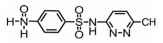 | 301.0152 |
| P4 | C10H7ClN4O4S | 8.21 | 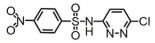 | 314.9931 |
| P5 | C10H7ClN4O5S | 6.58 |  | 330.9912 |
| P6 | C4H4N3SO3Cl | 1.71 |  | 209.9739 |
| P7 | C10H9ClN4O3S | 2.36 | 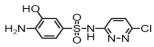 | 301.0152 |
| P8 | C10H9N4Cl | 2.66 |  | 221.0593 |
| P9 | C10H10N4O | 13.20 |  | 203.1065 |
| P10 | C10H9N4Cl | 5.36 |  | 251.0308 |
Disclaimer/Publisher’s Note: The statements, opinions and data contained in all publications are solely those of the individual author(s) and contributor(s) and not of MDPI and/or the editor(s). MDPI and/or the editor(s) disclaim responsibility for any injury to people or property resulting from any ideas, methods, instructions or products referred to in the content. |
© 2026 by the authors. Licensee MDPI, Basel, Switzerland. This article is an open access article distributed under the terms and conditions of the Creative Commons Attribution (CC BY) license.
Share and Cite
Jia, J.; Wang, W.; Liang, Y.; Pan, Z.; Li, C. Enhanced Removal of Antibiotic Sulfachloropyridazine in Water Using Sodium Percarbonate Activated by Ozone: Mechanism, Degradation Pathway, and Toxicity Assessment. Toxics 2026, 14, 73. https://doi.org/10.3390/toxics14010073
Jia J, Wang W, Liang Y, Pan Z, Li C. Enhanced Removal of Antibiotic Sulfachloropyridazine in Water Using Sodium Percarbonate Activated by Ozone: Mechanism, Degradation Pathway, and Toxicity Assessment. Toxics. 2026; 14(1):73. https://doi.org/10.3390/toxics14010073
Chicago/Turabian StyleJia, Junqi, Wenhao Wang, Yulong Liang, Zhangbin Pan, and Congcong Li. 2026. "Enhanced Removal of Antibiotic Sulfachloropyridazine in Water Using Sodium Percarbonate Activated by Ozone: Mechanism, Degradation Pathway, and Toxicity Assessment" Toxics 14, no. 1: 73. https://doi.org/10.3390/toxics14010073
APA StyleJia, J., Wang, W., Liang, Y., Pan, Z., & Li, C. (2026). Enhanced Removal of Antibiotic Sulfachloropyridazine in Water Using Sodium Percarbonate Activated by Ozone: Mechanism, Degradation Pathway, and Toxicity Assessment. Toxics, 14(1), 73. https://doi.org/10.3390/toxics14010073