Article

Bisphenol A Exposure Induces Small Intestine Damage Through Oxidative Stress, Inflammation, and Microbiota Alteration in Rats


1
College of Animal Science and Technology, Nanjing Agriculture University, Nanjing 210095, China
2
Department of Occupational Medicine and Environmental Toxicology, Nantong Key Laboratory of Environmental Toxicology, School of Public Health, Nantong University, Nantong 226019, China
3
Cooperative Department of Veterinary Medicine, Tokyo University of Agriculture and Technology, Tokyo 183-8538, Japan
*
Author to whom correspondence should be addressed.
Toxics 2025, 13(5), 331; https://doi.org/10.3390/toxics13050331

Submission received: 28 February 2025 / Revised: 25 March 2025 / Accepted: 21 April 2025 / Published: 23 April 2025

Abstract

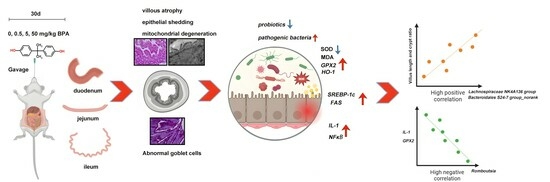
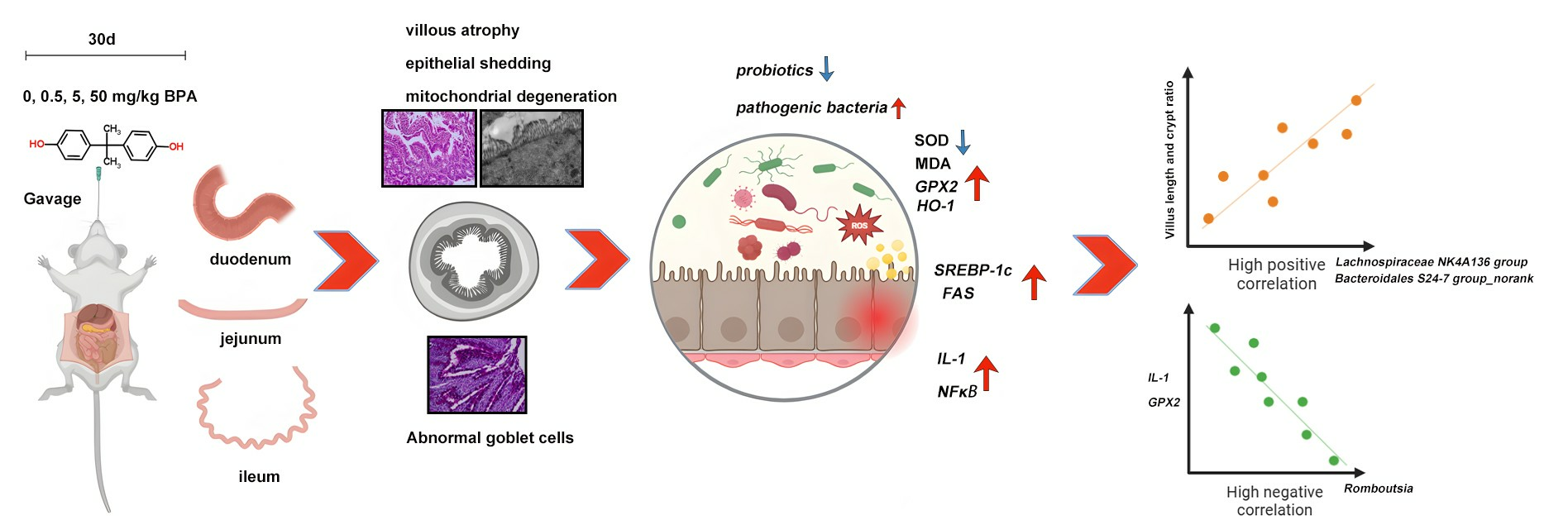
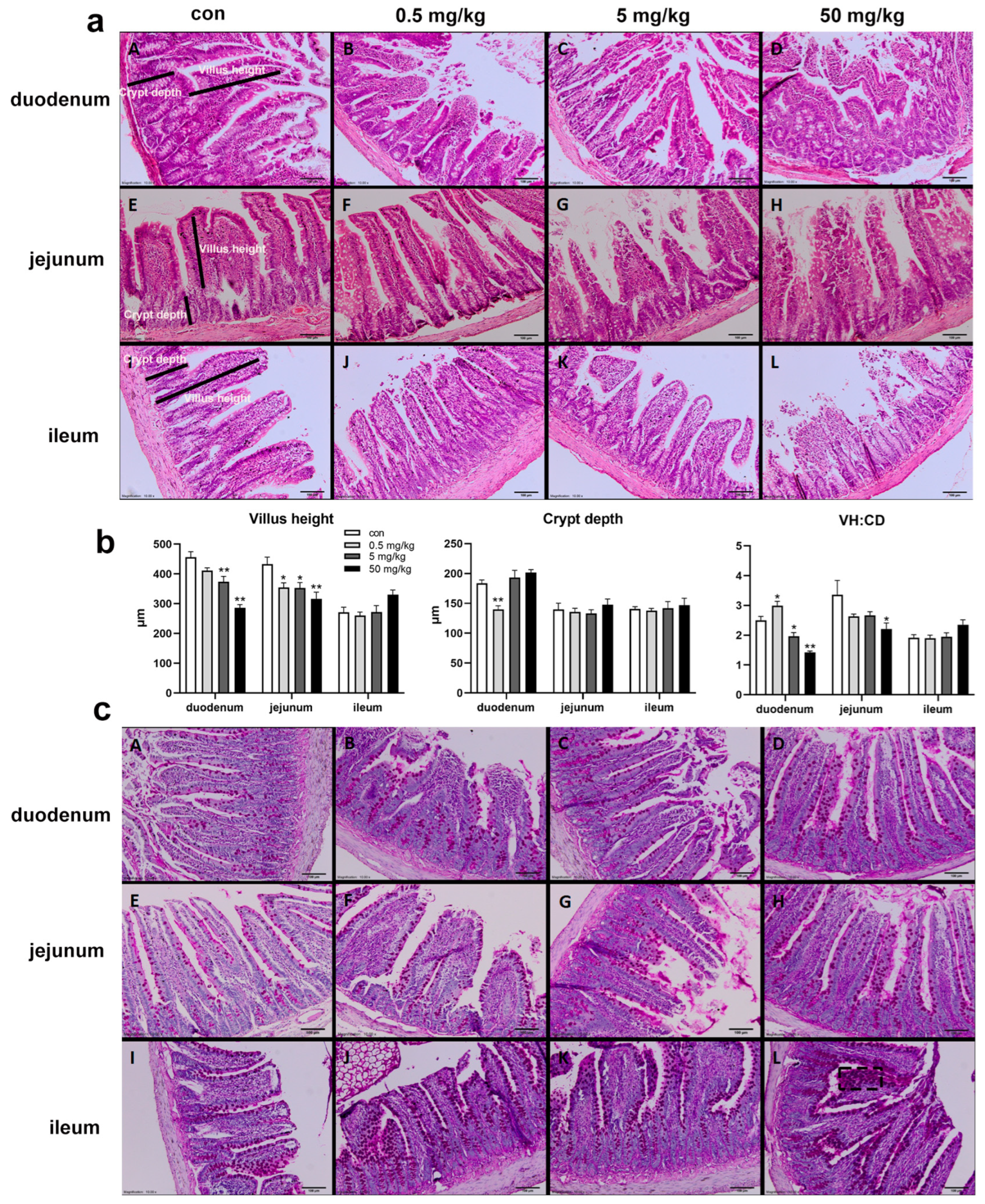
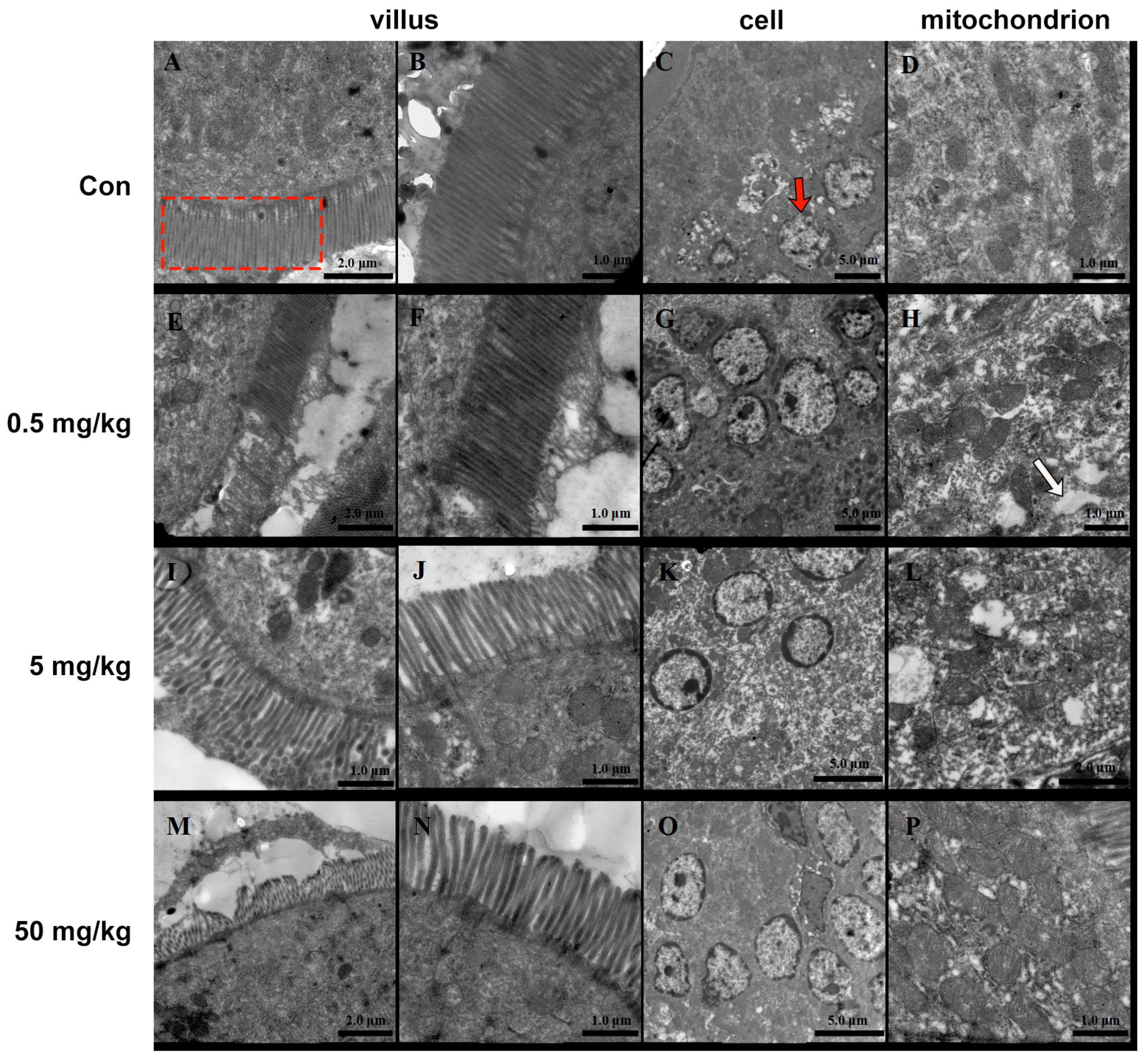
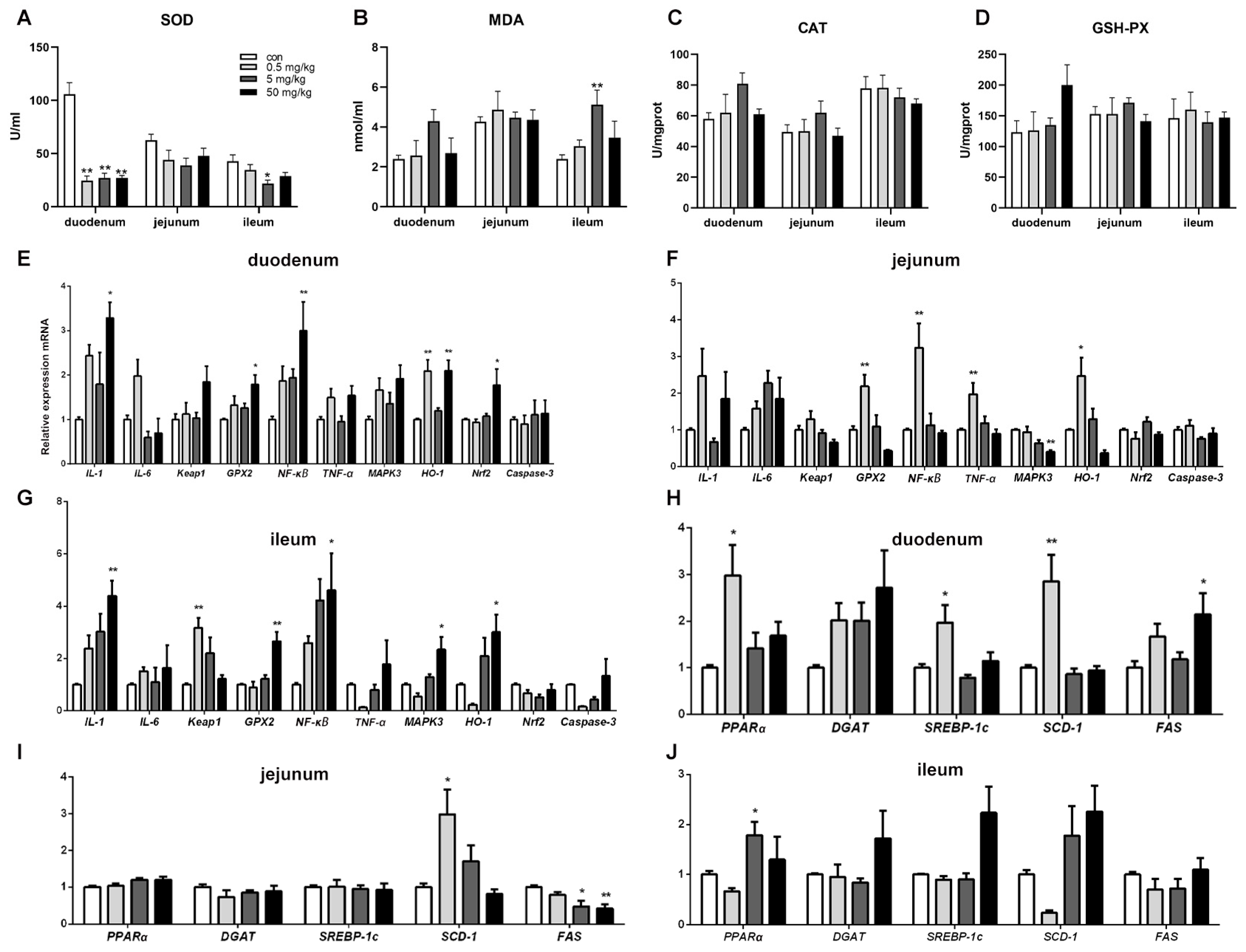
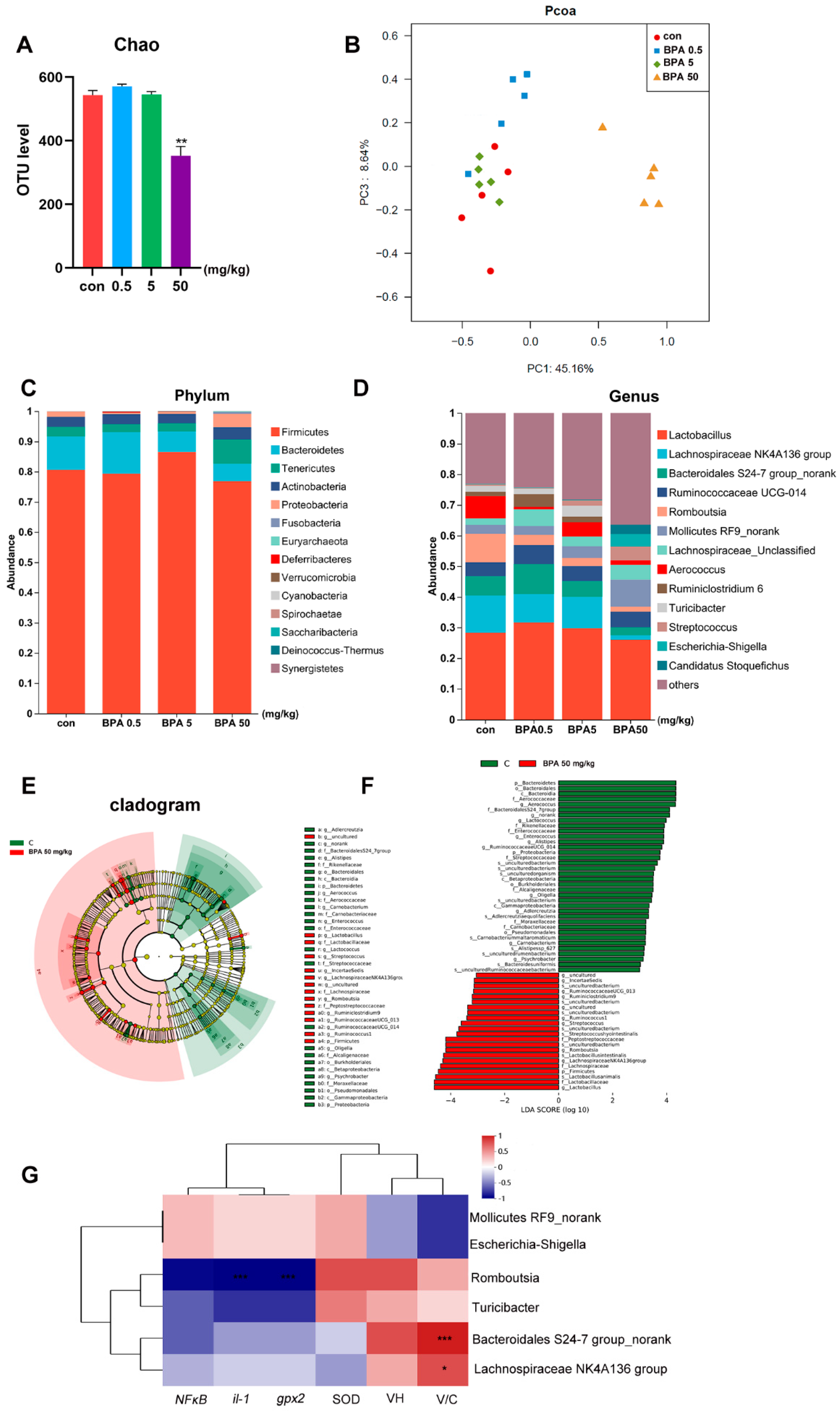
Bisphenol A (BPA), a widespread environmental contaminant used in plastics and resins, poses significant health risks due to its endocrine-disrupting properties and potential for inducing intestinal toxicity. This study explored the toxicological effects of BPA on the small intestine of rats, focusing on the duodenum, jejunum, and ileum. Histopathological evaluation revealed that the duodenum experienced the most severe structural damage, including villous atrophy, epithelial shedding, and mitochondrial degeneration. BPA exposure disrupted oxidative stress homeostasis by reducing superoxide dismutase activity and increasing malondialdehyde levels, along with upregulating antioxidant-related genes like GPX2 and HO-1 upregulated, indicating lipid peroxidation and oxidative damage. Inflammatory markers such as IL-1 and NFκB were significantly upregulated, highlighting an active inflammatory response and epithelial cell apoptosis. BPA also altered lipid metabolism, with increased expression of lipogenic genes such as SREBP-1c and FAS, indicating metabolic dysregulation. Fecal microbiota analysis revealed reduced α-diversity, enrichment of pathogenic taxa like Escherichia-Shigella, and depletion of beneficial genera such as Lachnospiraceae NK4A136 group, exacerbating gut inflammation and barrier dysfunction. These findings suggest that BPA-induced small intestinal damage is driven by oxidative stress, inflammation, and gut dysbiosis, with the duodenum and jejunum being the more vulnerable segments.
Keywords: bisphenol A; intestinal barrier; oxidative stress; gut microbiota; toxicological impact bisphenol A; intestinal barrier; oxidative stress; gut microbiota; toxicological impact
Graphical Abstract