Article

Interoperable Knowledge Graphs for Localized Supply Chains: Leveraging Graph Databases and RDF Standards


Department of Industrial and Systems Engineering, Morgan State University, Baltimore, MD 21251, USA
Logistics 2025, 9(4), 144; https://doi.org/10.3390/logistics9040144

Submission received: 2 September 2025 / Revised: 9 October 2025 / Accepted: 10 October 2025 / Published: 13 October 2025

Abstract

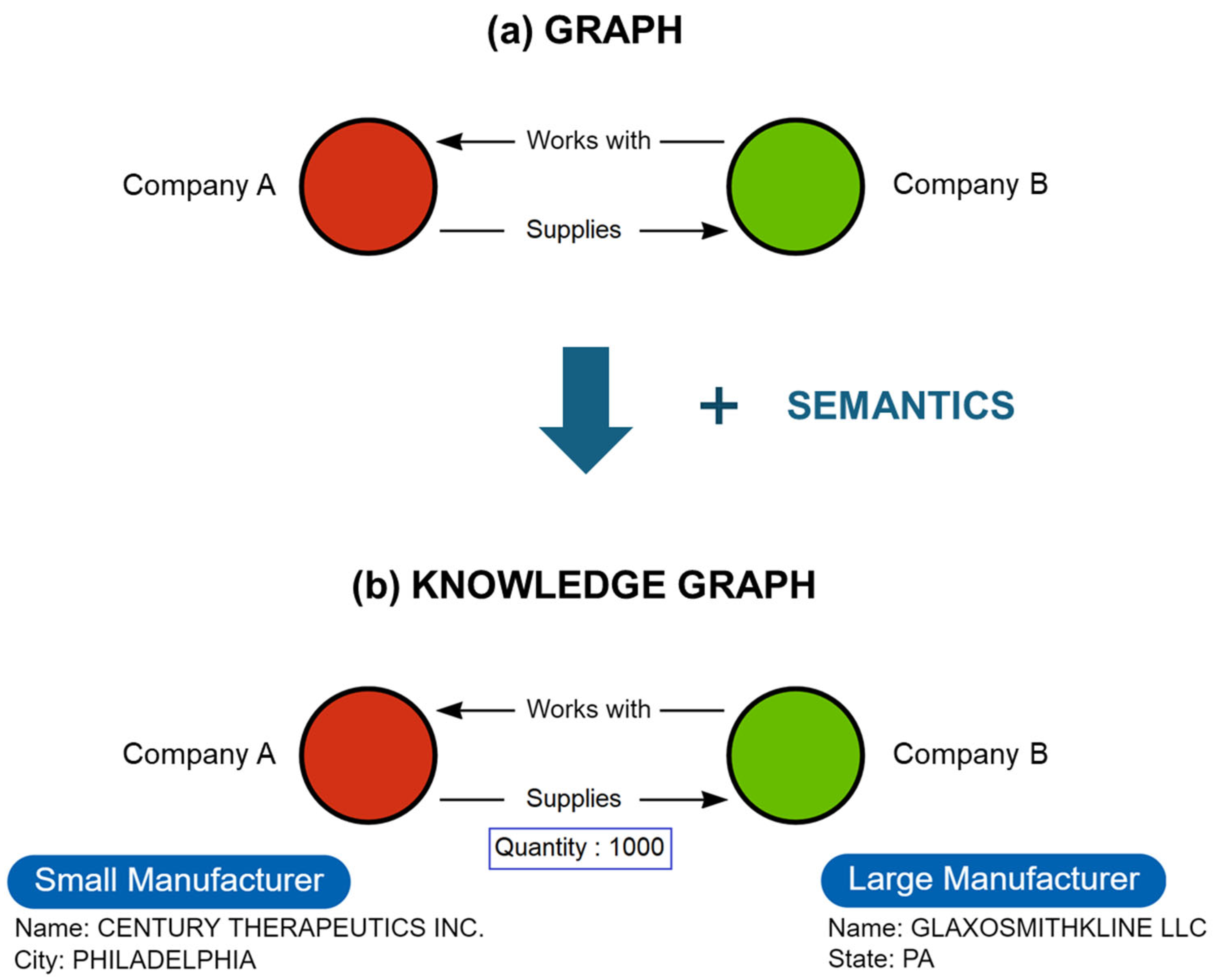
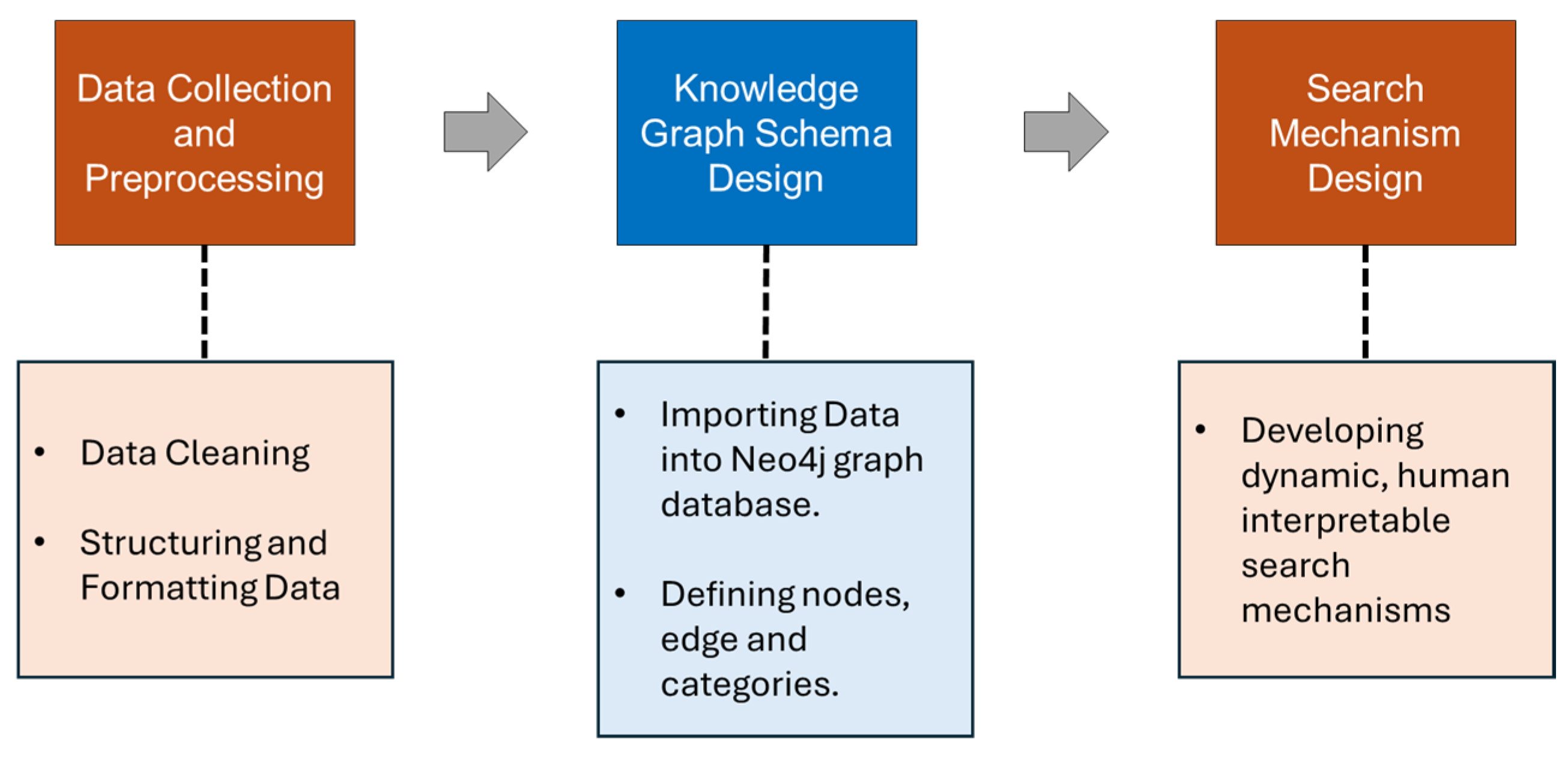
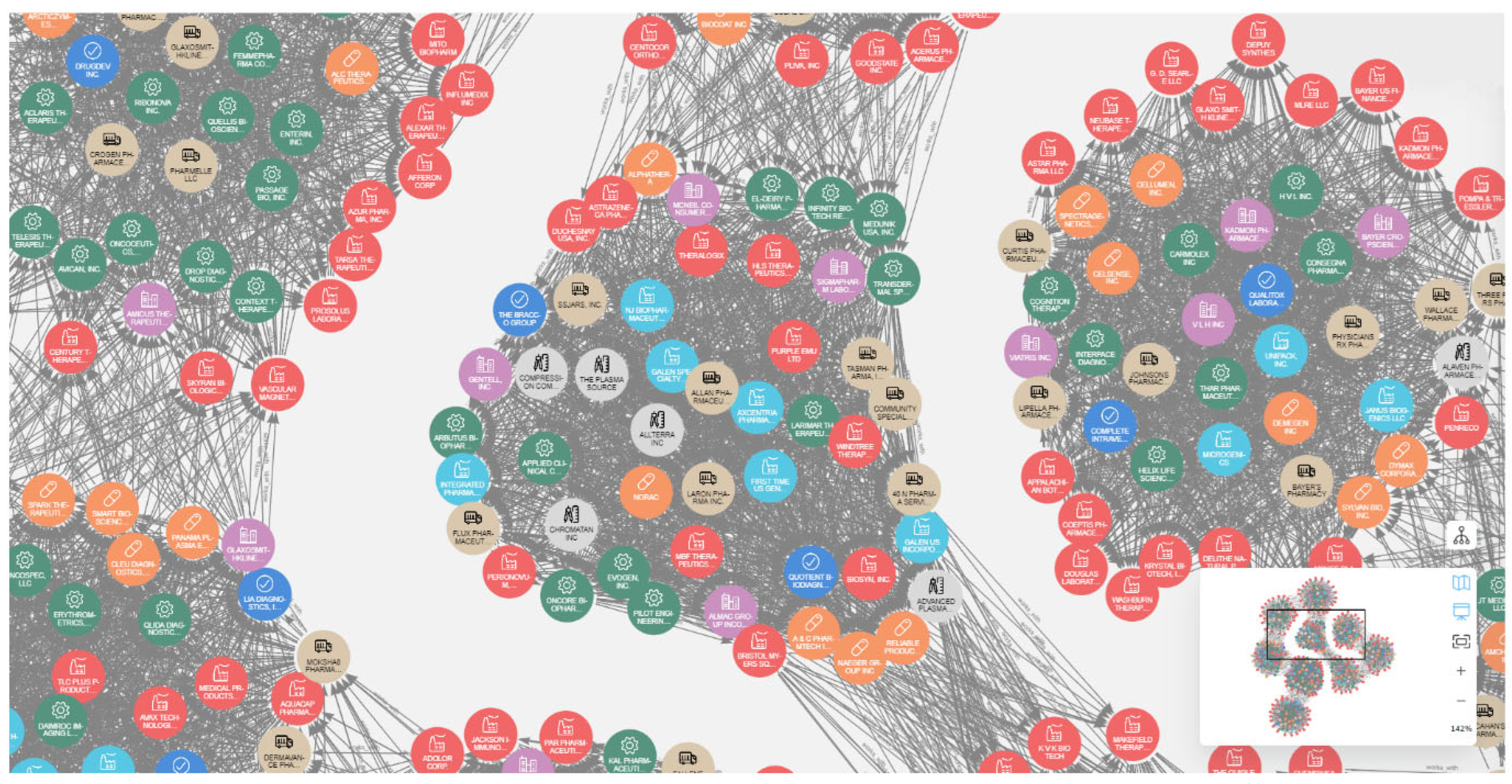
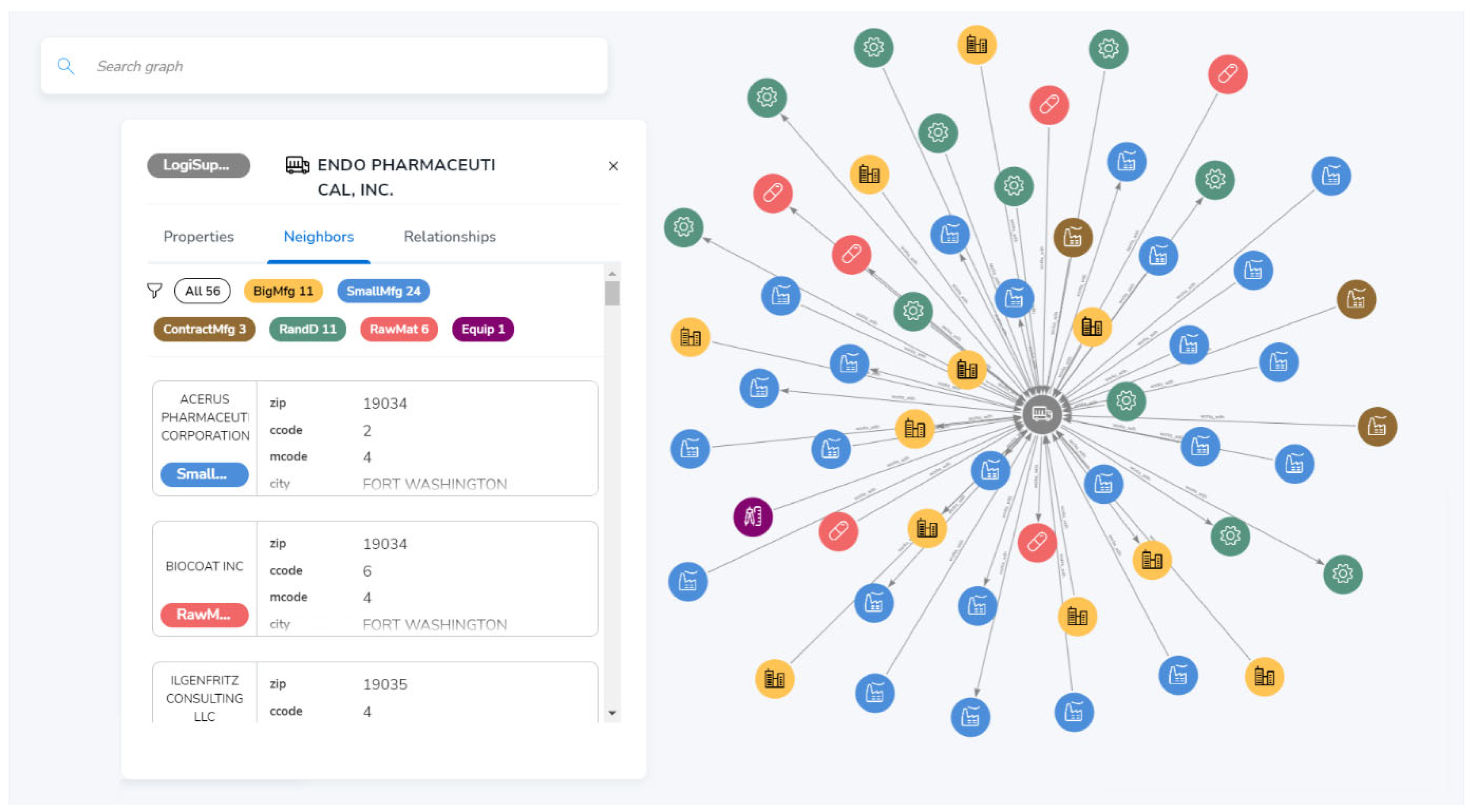
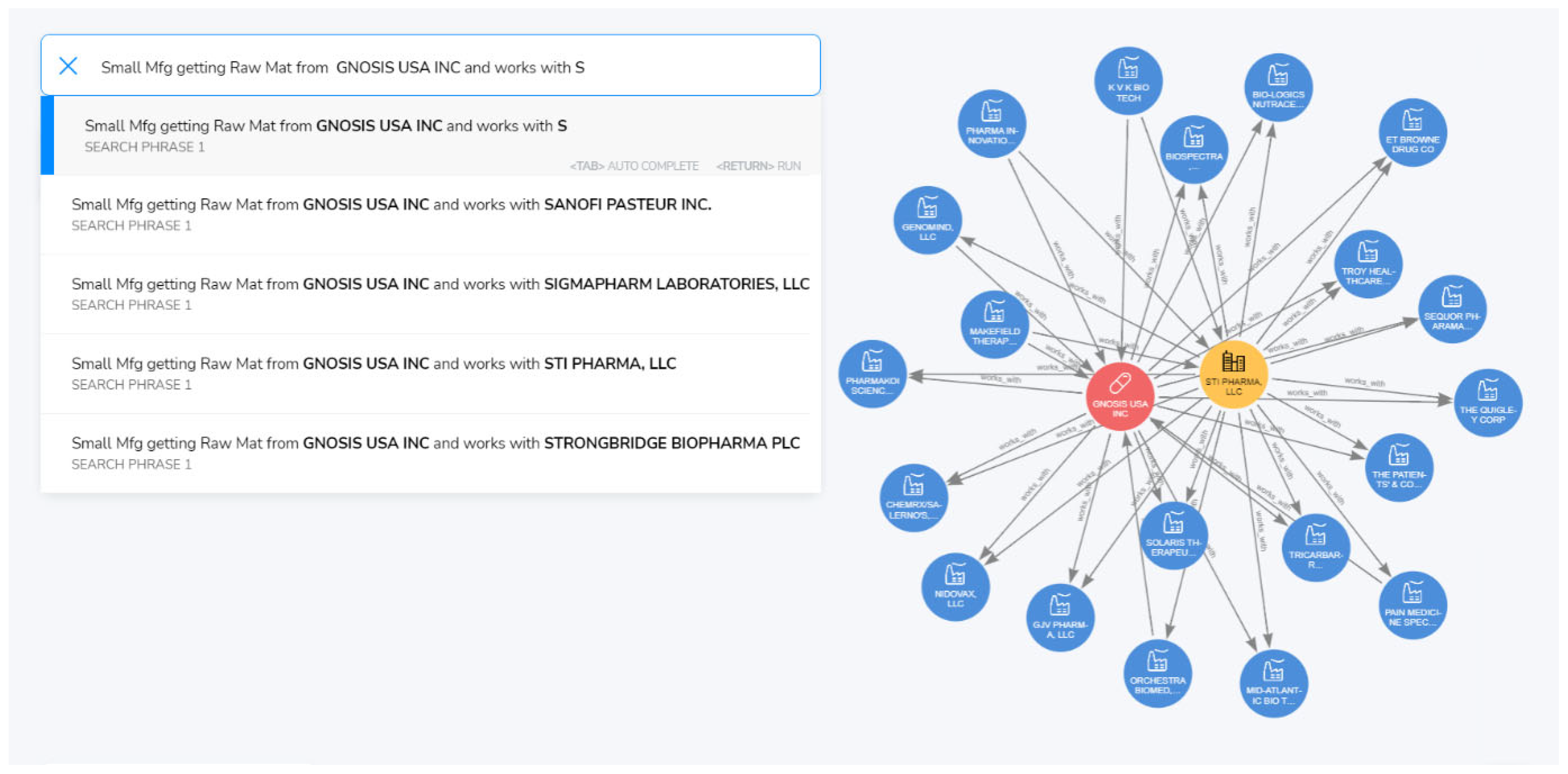
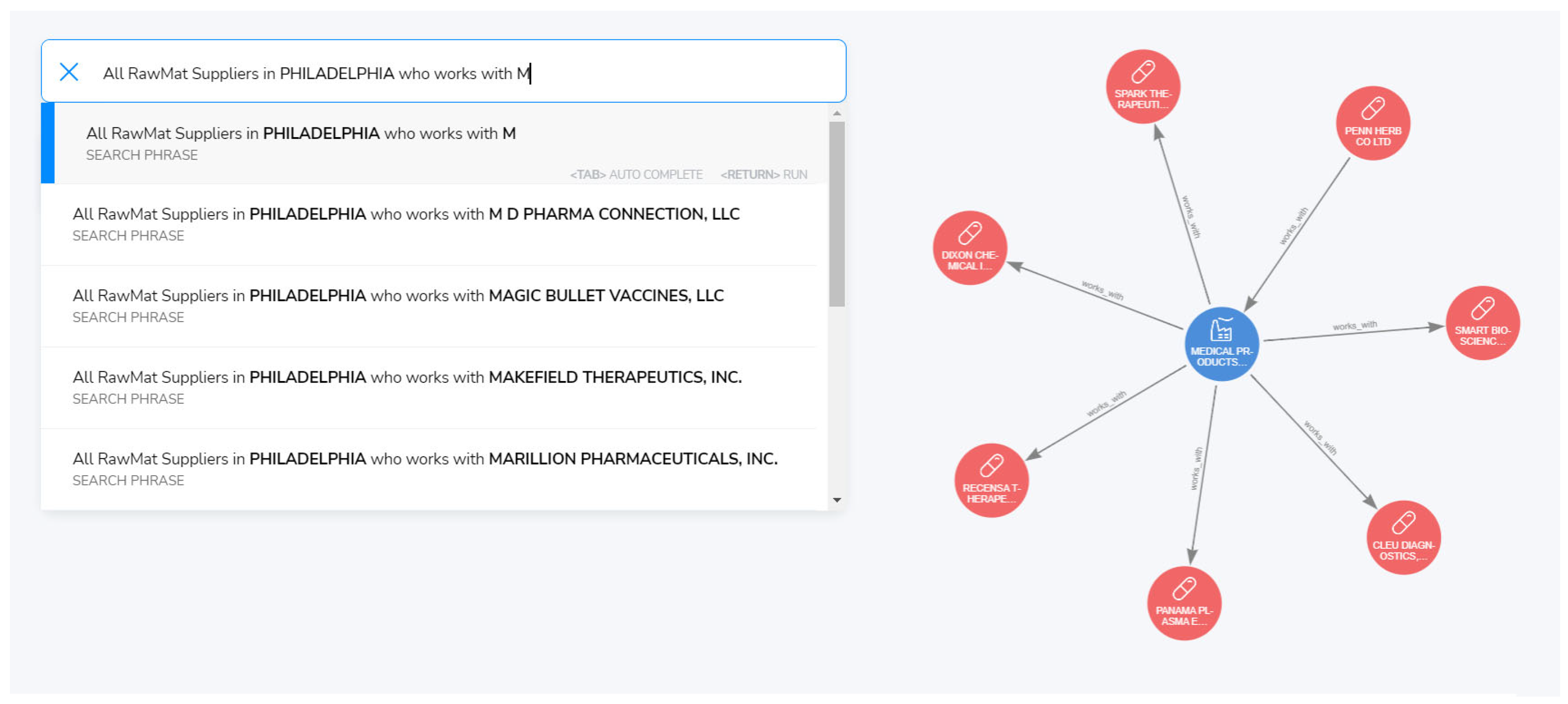
Background: Ongoing challenges such as geopolitical conflicts, trade disruptions, economic sanctions, and political instability have underscored the urgent need for large manufacturing enterprises to improve resilience and reduce dependence on global supply chains. Integrating regional and local Small- and Medium-Sized Enterprises (SMEs) has been proposed as a strategic approach to enhance supply chain localization, yet barriers such as limited visibility, qualification hurdles, and integration difficulties persist. Methods: This study proposes a comprehensive knowledge graph driven framework for representing and discovering SMEs, implemented as a proof-of-concept in the U.S. BioPharma sector. The framework constructs a curated knowledge graph in Neo4j, converts it to Resource Description Framework (RDF) format, and aligns it with the Schema.org vocabulary to enable semantic interoperability and enhance the discoverability of SMEs. Results: The developed knowledge graph, consisting of 488 nodes and 11,520 edges, enabled accurate multi-hop SME discovery with query response times under 10 milliseconds. RDF serialization produced 16,086 triples, validated across platforms to confirm interoperability and semantic consistency. Conclusions: The proposed framework provides a scalable, adaptable, and generalizable solution for SME discovery and supply chain localization, offering a practical pathway to strengthen resilience in diverse manufacturing industries.
Keywords: supply chain resilience; knowledge graphs; graph database; RDF; schema.org supply chain resilience; knowledge graphs; graph database; RDF; schema.org