1. Introduction
Today, hamburgers are a central component of processed meat products and fast food, driven by urbanization, lifestyle changes, and the demand for convenience. In this context, the consumption of processed meat has increased globally, now representing more than 40% of total meat production [
1,
2]. In the United States, beef patties account for approximately 17% of all unprocessed red meat consumed [
3], while in countries like Portugal, 78% of university students prefer beef-based menus when opting for fast food [
4]. Despite their widespread popularity, hamburgers are traditionally characterized by high levels of fat and sodium, which are essential for microbiological stability, texture development, and overall sensory acceptability [
4].
Dietary sodium intake is a major risk factor for hypertension and cardiovascular disease. However, the scientific community continues to debate the optimal levels of restriction. Messerli et al. [
5] reported a positive correlation between sodium intake and life expectancy across 181 countries, suggesting a “J-shaped” relationship where both extreme deficiency and excessive intake may increase health risks. Within this framework, food engineering is shifting toward a functional paradigm, namely the reformulation of meat products to reduce sodium without compromising expected sensory attributes. This transition requires innovative strategies that address the loss of palatability and structural integrity associated with sodium reduction.
One of the most promising mineral-based solutions is the use of potassium chloride (KCl). KCl can be sourced from sylvinite, a naturally occurring mineral composed of sodium chloride (NaCl) and potassium chloride [
6]. Recent reports from AECOSAN [
7] and the EFSA [
8] have validated the safety of salts derived from sylvinite as food additives, which can be found in commercial forms as sylvinite-derived KCl, but, more recently, directly as sylvinite. Substituting a portion of NaCl with sylvinite-derived KCl can reduce sodium content to levels of 0.7–0.9% in grilled patties [
9]. Although KCl can introduce a bitter aftertaste, research shows that this can be effectively masked through the synergistic effect of spices and onion, maintaining a high level of consumer acceptance [
9].
Parallel to mineral substitution, the inclusion of edible mushrooms as biological meat extenders has gained significant attention. Mushrooms like
Agaricus bisporus and
Pleurotus ostreatus (oyster mushrooms) are rich in natural glutamates, which enhance the umami perception—the “fifth taste”—thereby compensating for the reduced saltiness [
10,
11]. Compared to traditional extenders like textured soy protein (TSP), mushrooms better preserve flavor harmony, moisture retention, and a “meat-like” texture [
10]. Furthermore, incorporating mushrooms at levels of 25–45% has been shown to contribute to reducing energy density and increasing dietary fiber and bioactive compounds [
12,
13].
The synergy between mineral substitution (sylvinite) and biological extension (oyster mushrooms) represents a robust framework for the development of clean-label and healthier beef patties. The scientific literature contains few reports on the incorporation of sylvinite into meat products, and even fewer studies have evaluated its use in combination with oyster mushrooms. Therefore, the aim of the present study was to assess the effect of different concentrations of oyster mushroom powder, combined with sylvinite, on the physicochemical quality, sensory profile, and consumer perception of traditional beef patties.
2. Materials and Methods
2.1. Mushroom Powder Preparation
The mushrooms were obtained from local producers from Valdivia, Chile. The mushrooms were received and visually inspected (e.g., discoloration, physical damage, signs of insect damage), then cut into small pieces and dried at 45 °C for 48 h in a convection oven (Memmert UFP 800, Schwabach, Germany). The dried mushrooms were ground using a domestic grinder (Moulinex, Model A320R1, Ecully, France) to obtain a fine powder. The powder was estimated to have a particle size of 0.5 mm, as a 0.5 mm sieve was used to obtain a homogenous particle size. The moisture content was 4%, measured with a thermobalance (Mettler Toledo, Columbus, OH, USA, HE53). The mushroom powder was stored in vacuum-sealed bags at −20 °C until further use.
2.2. Burger Preparation
The base of the burgers was prepared using beef and pork back fat purchased in local markets in Temuco, Chile. The meat was ground using a meat grinder (Moulinex, Model A320R1, France) and mixed with the other ingredients. The formulation of the burger patties included beef (64–75.5%
w/
w), pork back fat (6%
w/
w) and water as ice (18%
w/
w). This resulted in beef patties with added pork fat or beef-pork blended patties, depending on national regulations [
14,
15].
The formulations were made with different concentrations of sylvinite (replacing NaCl) and mushroom powder (replacing beef), as follows: sylvinite (0, 0.5, 1, and 2%
w/
w) and mushroom powder (0, 3, 5 and 10%
w/
w). All treatments containing 0% sylvinite were formulated with 1% NaCl to serve as positive controls. The sylvinite was purchased in local markets in Temuco, Chile, as an approved salt substitute for human consumption. This sylvinite contains 65% NaCl, 30% KCl and other minerals, as indicated by the commercial brand [
16]. To estimate the added sodium content of each formulation, calculations were based on the NaCl contribution of both the pure NaCl salt and the sylvinite. The intrinsic sodium contribution of the oyster mushroom powder was considered negligible (<10 mg/100g dry weight) based on standard nutritional profiles [
17,
18,
19]. The estimated added sodium for each treatment was as follows: control burgers were estimated to have ~393 mg (1% NaCl), 0.5% sylvinite approx. 127 mg, 1% sylvinite ~255 mg and 2% sylvinite ~510 mg. Notably, this calculation indicates that formulations containing 2% sylvinite result in a higher total sodium content (~510 mg/100 g) than the 1% NaCl control (~393 mg/100 g).
A full 4 × 4 factorial design was used, with mushroom powder inclusion (0, 3, 5, and 10%
w/
w) and sylvinite inclusion (0, 0.5, 1, and 2%
w/
w) as fixed factors, resulting in a total of 16 formulations. The summary of each formulation is shown in
Table 1. After the addition of all the ingredients, the formulations were mixed for 10 min using a food mixer (Oster, Model FPSTSM2712-033, Boca Raton, FL, USA) at low speed to obtain a homogeneous batter. The dough was then shaped into 100 g patties using a burger press (Weston, Model 07-0701-W, Southern Pines, NC, USA), and 50 burgers per treatment were prepared in separate batches to prevent cross-contamination. The burgers were stored at −20 °C in vacuum-sealed bags until further analysis.
Analyses were performed in raw and cooked patties; all the patties were stored for less than a week, and for every test, they were defrosted at 4 °C overnight. The cooking was performed in a preheated electric grill (Oster, Model CKSTGRFM18-033, Boca Raton, FL, USA) at 200 °C until reaching an internal temperature of 70 °C, monitored using a digital multi-thermometer.
2.3. Color Evaluation
The color of the raw and cooked burgers was measured using a colorimeter (Minolta CR-400, Osaka, Japan) with six points measured on the surface of each burger using three replications per treatment. The color parameters were recorded in the CIE
L* a* b system, where L indicates lightness (0 = black, 100 = white), a* the redness/greenness (+a* = red, −a* = green), and b* the yellowness/blueness (+b* = yellow, −b* = blue). Hue (H*) and Chroma (C*) values were calculated using the following equations [
20]:
2.4. Cooking Performance
Cooking loss (CL) and shrinkage (SH) of the burgers were determined by weighing and measuring the diameter of the raw and cooked burgers. The CL was calculated using the following equation obtained according to [
21]:
To measure the change in diameter before and after cooking, every burger was photographed and measured digitally using ImageJ 2 2.3.0 software [
22].
2.5. Texture Analysis
The texture analysis was performed on cooked burgers cooled to 25 °C using a CT3 Texture Analyzer (Brookfield Engineering, Middleboro, MA, USA). To measure texture, two analyses were performed: texture profile analysis (TPA) and Warner Bratzler shear force (WB). Automatic surface detection was used to set the height of the sample and the initial height of each test.
For WB, the samples were cut into two pieces (2.5 cm × 5.0 cm) per burger, and the samples were positioned perpendicular to the blade. Three burgers per treatment were used in this analysis. The probe used was a Warner Bratzler blade set (TA-SBA, Brookfield Engineering) with a test velocity of 4 mm/s, pre-test velocity of 2mm/s and trigger force of 1 N [
23]. The recorded measurement was shear force (N).
For TPA, the samples were cut into four cylindrical samples (2.5 cm diameter) per burger, and four burgers per treatment were analyzed. The probe used was a 3.5 cm diameter cylinder (TA25/1000, Brookfield Engineering) with a test velocity of 3 mm/s for two cycles, a pre-test velocity of 2mm/s and 1 mm/s, compression to 75% of the original height, a trigger force of 1 N, and a 5 s recovery time [
23]. The calculated measurements were hardness (N), springiness, cohesiveness, and chewiness (mJ) [
24].
2.6. pH
The pH was measured using a digital pH meter (Hanna Instruments Inc., Cluj, Romania) previously calibrated with automatic temperature compensation and a glass penetration electrode adapted for meat and meat product measurements. Six points were measured per sample, with 3 replications per treatment.
2.7. Sensory Analysis
2.7.1. Sensory Evaluation by Panel of Experts
A panel of 8 experts was recruited to analyze burger samples. The panelists were previously trained in the laboratory through prior training sessions and experimental trials. The burgers were cooked on an electric grill (Oster, Model CKSTGRFM18-033, Boca Raton, FL, USA) at 200 °C until reaching an internal temperature of 70 °C. The grilled samples were then cut into 4 cm × 4 cm squares and kept warm in plastic bags over water vapor using a thermostatic water bath (Bozhen, Shanghai, China, HH-6) at 80 °C until consumption. Each expert had mineral water and plain crackers to reduce carryover effects between samples. Each expert evaluated a total of nine samples in one session using an optimal balanced design created using the SensoMineR 1.28 package [
25]. Randomization of the samples was performed with the same package, and each sample was presented with a random code to the evaluators.
The evaluation consisted of a Likert scale from 0 to 10, evaluating taste, texture, juiciness, flavor and global acceptance.
2.7.2. Discrimination Evaluation by Consumers
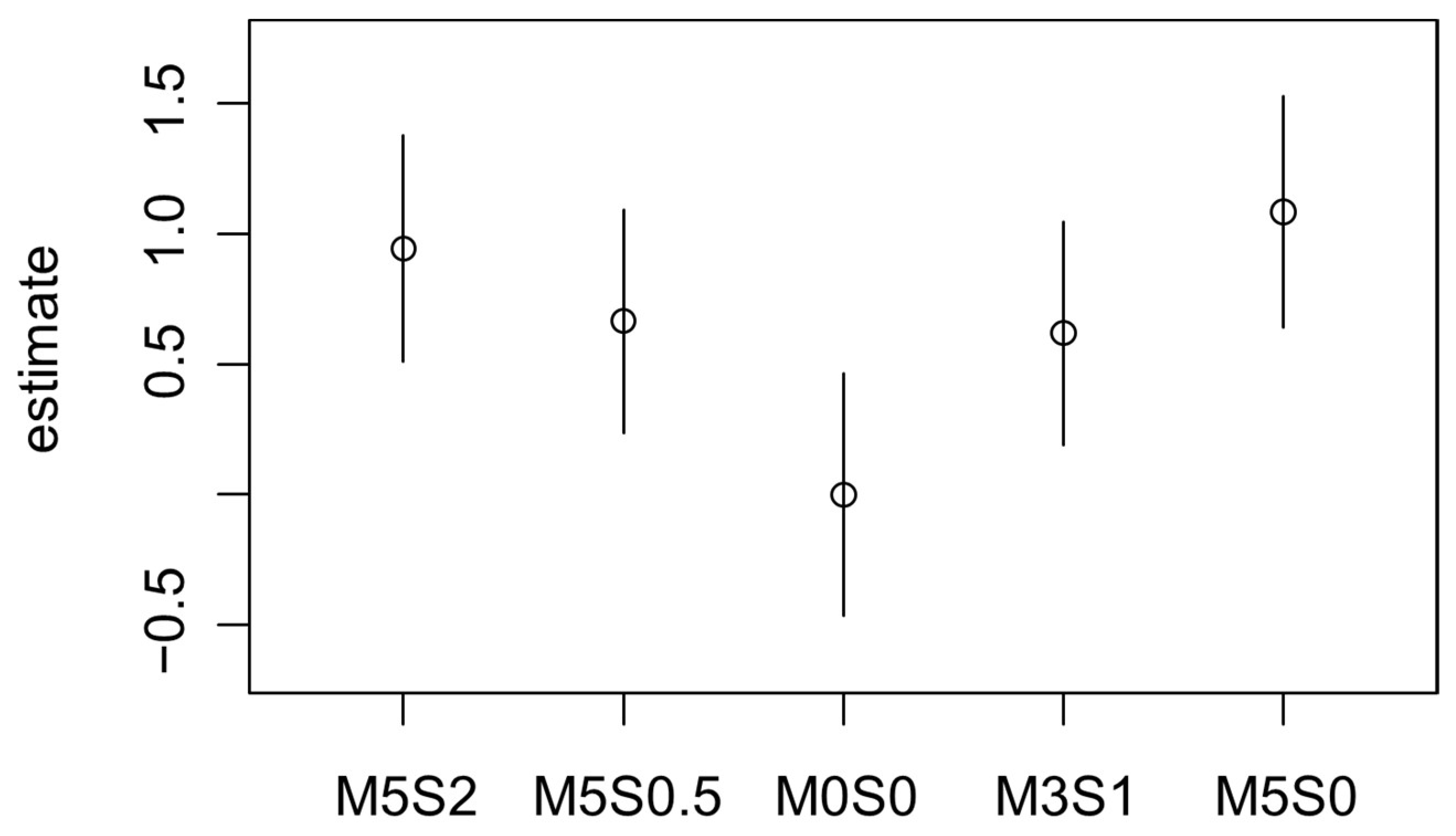
From the sensory evaluation by the panel of experts, the five best-scoring treatments were chosen to be evaluated by consumers. To evaluate the effect of sylvinite and mushroom powder, two Directional Difference Tests were performed; in this test, each consumer answered a question regarding three samples (two from the same treatment group and one from another treatment), and the three samples were offered simultaneously. To orient participants in the test, two questions were used: (1) Which product of the three is saltier?, and (2) Which product of the three is softer in texture?
The burgers were cooked on an electric grill (Oster, Model CKSTGRFM18-033, Boca Raton, FL, USA) at 200 °C until reaching an internal temperature of 70 °C; the grilled samples were then cut into 4 × 4 cm squares and served immediately for consumption. The samples were presented coded (A, B and C) under blind conditions for the consumer.
The sample size was calculated considering a 40% probability of discrimination and a test power of 80%, resulting in a required sample size of 23. This calculation was made using the sensR 1.5 package [
26]. As this test was performed with five treatments, 10 unique pairs were formed, which required a total of at least six comparisons per consumer. To minimize sensory fatigue, consumers were limited to three evaluations per session in a Balanced Incomplete Block Design [
27], where the randomization of the consumers as well as the randomization of the pairs was done using the SensomineR 1.28 package [
25]. This required a total experimental load of 69 evaluations, necessitating a panel size of
n = 69 (23 × 3).
A total of 72 consumers completed the test in four sessions. The test was performed in an open environment, inviting people to public events. To participate, the consumers were screened to ensure they consumed beef patties at least once a week. The demographic description of the sample can be found in
Table 2.
2.8. Statistical Analysis
All analyses and the previous estimation of the experimental design were performed using R software version 4.2.2 [
28].
The data obtained from the different physical and chemical analyses were analyzed using a Permutational Multivariate Analysis of Variance (PERMANOVA), with mushroom and sylvinite inclusion levels as fixed factors, including their interaction, based on Euclidean distance, 999 permutations and sequential sums of squares via the vegan package [
29]. When significant differences (
p < 0.05) were found, pairwise PERMANOVA was used to compare the means, adjusted by the Benjamini–Hochberg method using the pairwiseAdonis package [
30].
When the interaction between the inclusion of oyster mushroom and sylvinite was not significant in the PERMANOVA, the univariate effects on specific parameters were evaluated per factor, and the data were subsequently analyzed using Kruskal–Wallis analysis with the rstatix package [
31]. When significant differences were found, post hoc multiple comparison analysis was conducted to compare between groups of the same factor (oyster mushroom inclusion or sylvinite inclusion) using the pgirmess package [
32].
For the sensory evaluation (panel of experts), panel performance and Multivariate Analysis of Variance (MANOVA) with Holm’s adjustment for multiple comparisons were analyzed using the SensomineR 1.28 package [
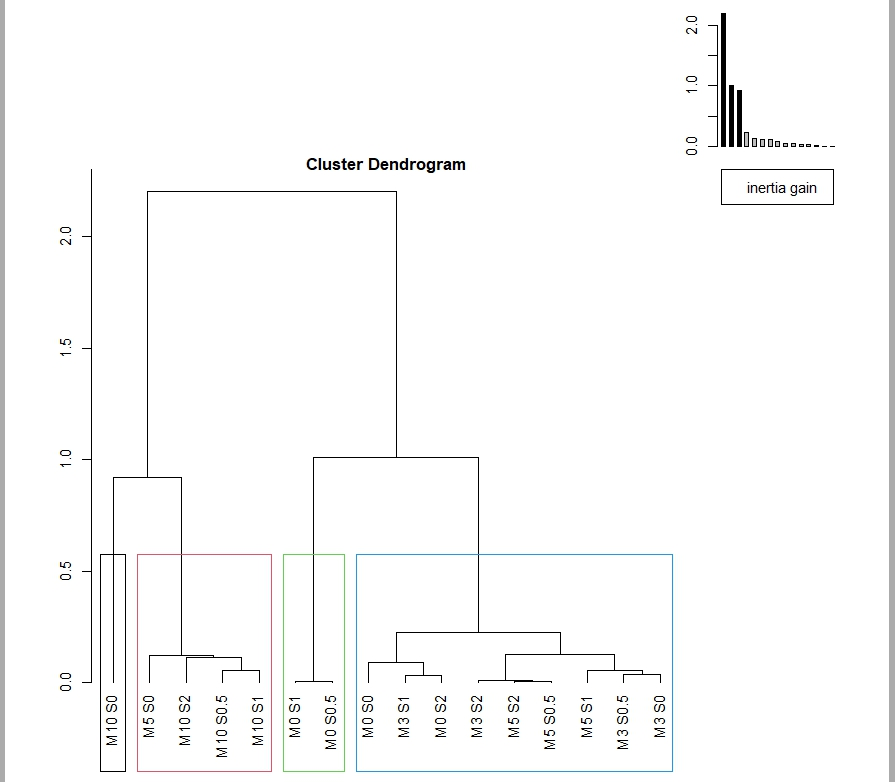
25]. To group the best treatments, a hierarchical cluster was used, and the analysis was performed using the Factoshiny 2.7 package [
33].
For the discrimination analysis (consumers), consumer response performance and panel performance were analyzed using the sensR 1.5 package [
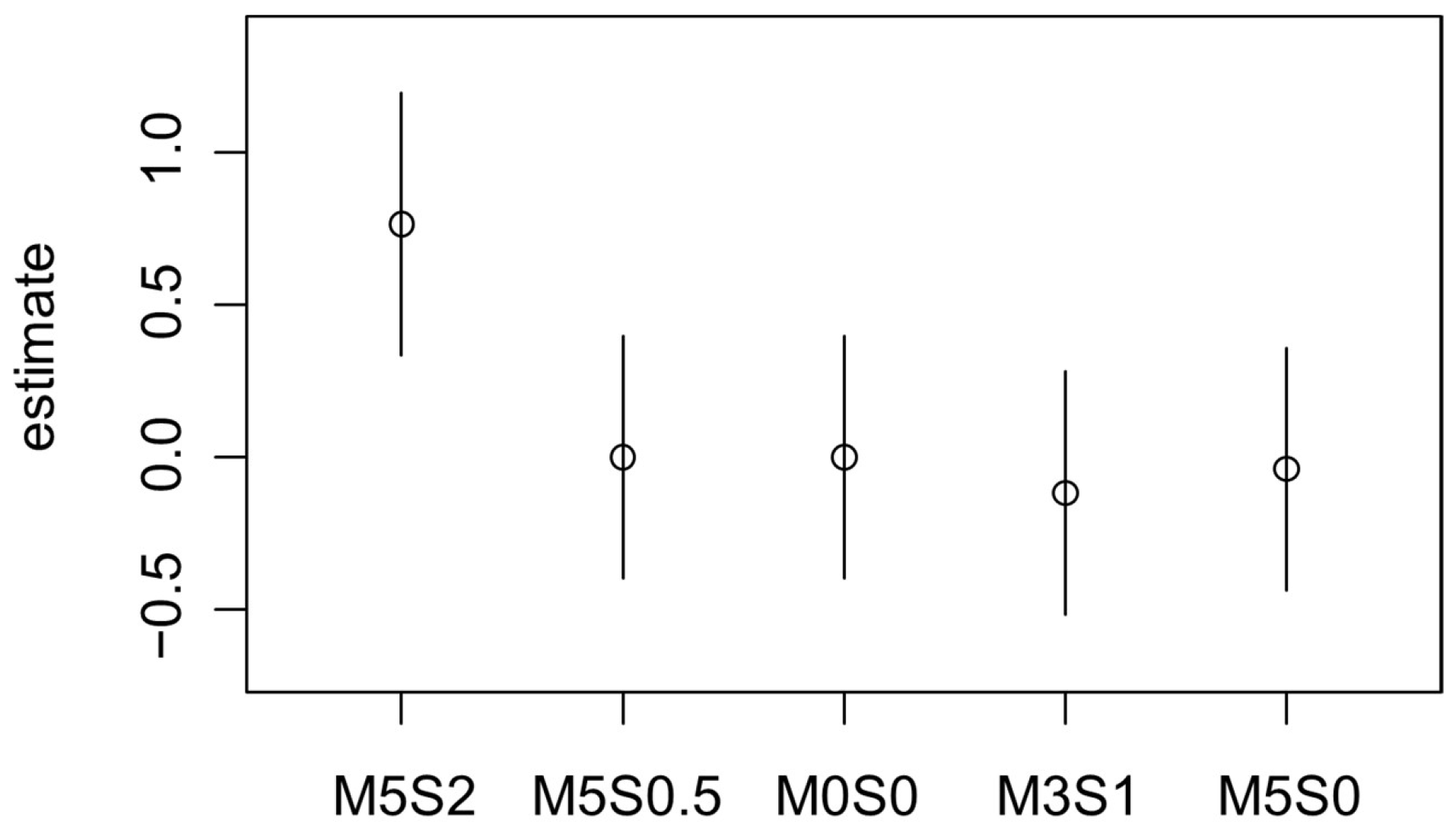
26]. The data were later analyzed using a Bradley–Terry model to evaluate the effect of each inclusion level on consumer preference; when interaction effects were significant, the BradleyTerry2 package was utilized [
34].
4. Discussion
In this study, low-fat formulations (6%) were used, leading to a basal increase in redness (a*) and a reduction in yellowness (b*). This is explained by the high myoglobin content of lean meat, as well as by a reduction in the yellow color contributed by fat [
35]. The inclusion of oyster mushrooms was shown to produce a significant increase in redness (a), yellowness (b), and lower lightness values (L). The addition of plant-based products can produce this effect due to the mushroom’s content of carotenoids [
36,
37], melanin pigments [
38], polyphenol oxidase, and fiber [
39]. These findings correspond with similar results regarding oyster mushroom replacements in chicken burgers [
40,
41], mortadella [
42], and beef burgers [
43,
44], as well as the inclusion of other mushrooms in different meat products [
39].
The addition of sylvinite alone did not result in significant color changes; similar results were reported in pork burgers [
45] and beef meat emulsions with different rock salts [
46], where no color differences were found between the use of different types of salt. In this study, there was only a significant change manifesting as a decrease in Chroma (C*) value at 2% inclusion in the treatment without oyster mushroom inclusion. This may be due to the potassium chloride content of the sylvinite, which has been shown to decrease color when used in meat matrices [
47,
48]; furthermore, sylvinite in its natural state can have a red to pink color, depending on the hematite content at the extraction site, and, therefore, depending on its purity, its effect on a* values may vary [
49]. Nevertheless, in this study, a commercial brand was used, so the potential grade of impurity is expected to be low.
In this sense, the oyster mushroom was able to counteract the discoloration effect of the sylvinite and allowed for better C* values in the treatments, which is consistent with previous studies where the oyster mushroom achieved better color values than other mushrooms when interacting with salts [
44].
The interaction between oyster mushroom inclusion and sylvinite caused treatments with different levels of sylvinite inclusion to exhibit reduced redness values and increased yellowness values. Likewise, the addition of sodium sources may not follow a linear pattern; variations in sodium concentration, as well as in protein structure, can result in effects at low concentrations that do not correspond with those at high concentrations [
50].
The inclusion of mushrooms in meat products leads to a reduction in cooking loss [
11,
39,
43,
51,
52]. This is mainly due to their capacity to retain water and fat within the product, attributed to their soluble dietary fiber content, as has been demonstrated with different plant ingredients [
53,
54,
55,
56]. However, some authors have reported that the inclusion of mushrooms in beef burgers can lead to an increase in cooking loss [
57,
58,
59], especially when sodium content is reduced. This is because sodium induces a myosin extraction effect, which confers the capacity to contain water and fat within the meat product, generating the emulsion [
60]. Vasquez Mejia et al. [
46] tested different types of salt in pork burgers, finding that the significant effect was due to the inclusion level and not salt type.
Texture analysis indicated that the inclusion of oyster mushroom powder improved chewiness and springiness, and reduced hardness when included. This corresponds with other studies on beef burgers [
12,
44,
57,
61]. Regarding cohesiveness, the inclusion of 3% oyster mushroom increased values abruptly, which later decreased to reach a value similar to the control sample at the 10% concentration. Other authors have already reported that a similar or higher inclusion results in cohesiveness values similar to the control [
43,
57]. The increase in cohesiveness at lower inclusions (3% and 5%) may be due to the oyster mushroom’s ability to form filamentous structures, which is affected by the inclusion level, accompanying proteins, and mixing methodology, as well as the cooking process [
62,
63]. In this case, the low-fat content results in a higher proportion of proteins [
55,
64], so it is possible that this dense matrix, combined with an increase in fiber, generated a more compact structure [
65]. Likewise, a lower oyster mushroom content in a high-protein matrix can limit protein oxidation, which affects texture [
66]; increasing the oyster mushroom content results in higher polyphenol oxidase content, which can alter the protein matrix by oxidizing it, which would explain why in very dense matrices only the fiber exerts an effect [
67]. Similarly, the presence of sodium chloride has been correlated with texture parameters in other studies [
60,
65,
66]; however, in this study, there was no significant effect in this regard. Similarly, other studies have shown that the use of rock salts, compared to sodium chloride, does not significantly affect the texture of meat products [
45,
46]. Ruusunen et al. [
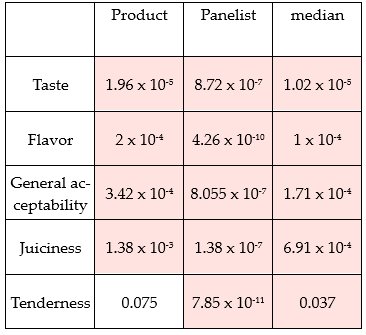
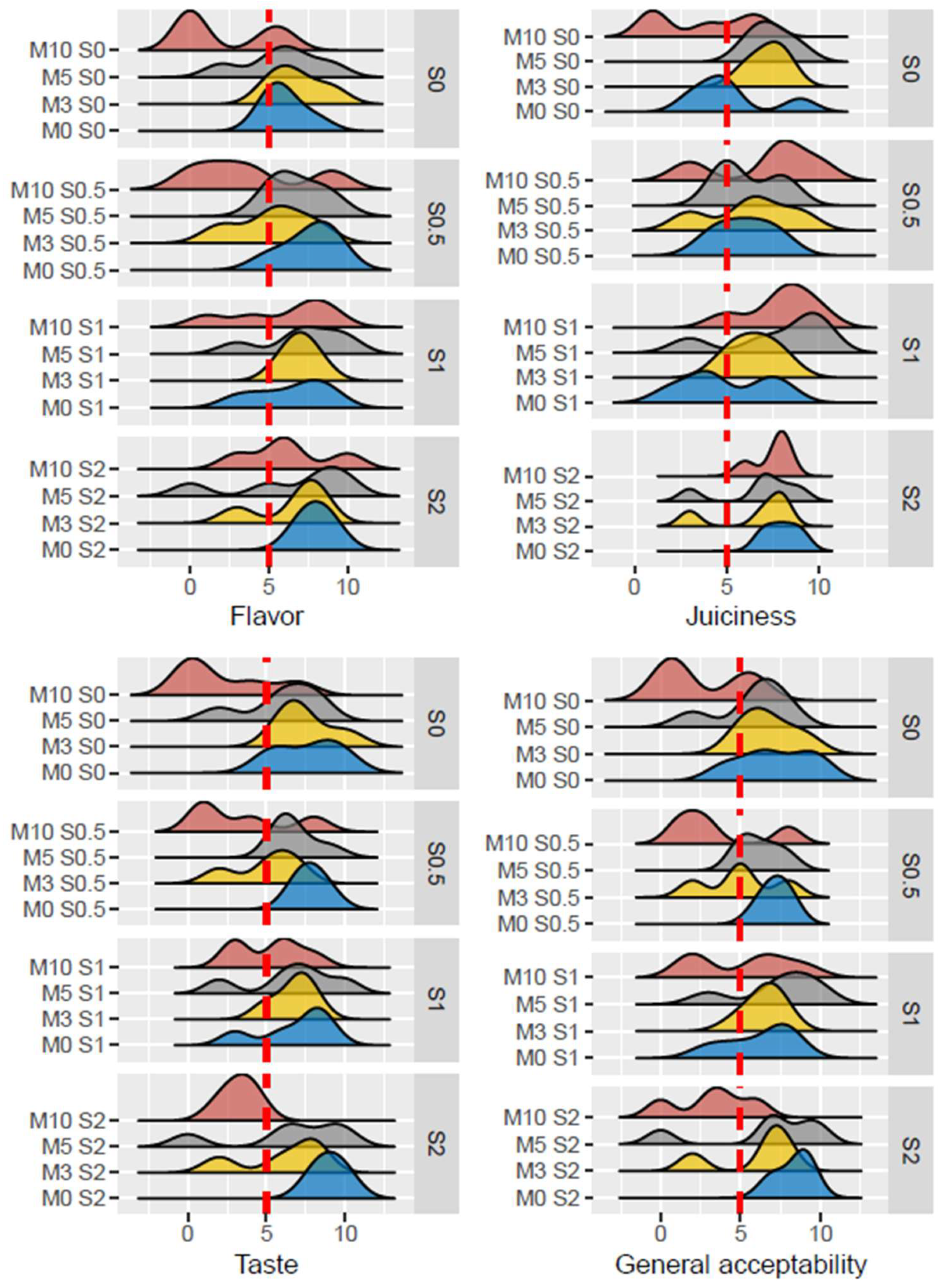
64] indicate that sodium inclusion usually has a smaller effect on texture in low-fat contents and that fat inclusion has a greater effect in this aspect. Although instrumental analyses demonstrated significant differences between inclusion levels, the expert panel had difficulty differentiating tenderness among the products. In other studies, sensory perception of texture also demonstrated differences from instrumental results [
57].
In general, the low ratings of the 10% oyster mushroom samples are consistent with findings in other studies: as mushroom inclusion increases beyond 5–8%, both flavor and texture cause rejection by evaluators [
58]. In other mushroom species, this acceptance limit value may be even lower [
39]. Additionally,
Pleurotus ostreatus can be related to flavors that are considered foreign to meat products, which, in higher proportions, may cause rejection by consumers [
11]. This is related to a neophobia effect and meat flavor expectation, where mushroom inclusion can predispose the consumer to reject flavors and odors foreign to meat [
68,
69], explained by a predisposition towards a traditional burger, which is often linked to a pleasurable feeling. While mushroom inclusion can be seen as an innovation, it will also generate a direct comparison, and possibly any change in flavor can generate rejection [
70].
Regarding saltiness perception, consumers only showed greater interest in the sample with the highest sylvinite inclusion (2%), but not in the rest of the products. In other studies, the use of oyster mushrooms has been shown to effectively mask sodium reduction [
57,
71]; this is due to peptides found in the mushroom that generate a saltiness-enhancing effect [
72]. Additionally, products with lower fat content tend to reduce saltiness perception [
64], which could indicate that in products with higher fat inclusion, sylvinite could have a greater effect; in this sense, rock salts have demonstrated a greater saltiness perception effect in other products such as cheeses [
73,
74].
Rather than general optimization, future research must focus on the specific physicochemical dynamics in burgers. Specifically, microstructural analysis (e.g., SEM) is required to visualize the integration of the mushroom’s filamentous fibers within the beef myofibrillar network to confirm the mechanisms of textural improvement [
75]. Additionally, because raw sylvinite contains trace minerals and oyster mushrooms possess highly active oxidative enzymes (such as polyphenol oxidase), future studies must evaluate the long-term lipid and protein oxidative stability of these formulations during refrigerated storage [
43]. Finally, volatile profiling (GC-MS) of the beef–mushroom matrix is recommended to isolate the specific flavor compounds driving consumer rejection at higher (10%) inclusion levels [
76]. Overall, this specific synergistic combination offers the meat industry a viable solution to meet the growing demand for reduced-sodium, low-fat beef products without compromising quality.
To the best of our knowledge, this could be the first scientific article of use of sylvinite in food. The research team noticed that, out of 284 mentions of “sylvinite” or “silvinite” in Scopus and 208 mentions in Web of Science, no research article described the use of sylvinite in food or meat. The only articles available are about mining.




 ,
,