Review

Deciphering the Flavor Chemistry, Processing and Quality Evaluation Methods of Milk Tea: A Comprehensive Review


1
State Key Laboratory of Tea Plant Germplasm Innovation and Resource Utilization, Tea Research Institute, Chinese Academy of Agricultural Science, No. 9, South Meiling Road, Xihu District, Hangzhou 310013, China
2
Tea Research Institute, Hangzhou Academy of Agricultural Science, Hangzhou 310008, China
3
Urban Construction Department, Hangzhou Vocational and Technical College, Hangzhou 310018, China
*
Authors to whom correspondence should be addressed.
This symbol indicates co-first authors.
Foods 2026, 15(4), 681; https://doi.org/10.3390/foods15040681
Submission received: 15 January 2026 / Revised: 5 February 2026 / Accepted: 9 February 2026 / Published: 12 February 2026

Abstract

Milk tea is a globally popular new-style tea beverage product. In recent years, the industry has achieved rapid development in terms of scale expansion and quality iteration and upgrading. The flavor quality and product stability have become the focus of attention and research hotspots in this field. The chemical foundation of milk tea flavor, processing methods, and flavor quality evaluation approaches are thoroughly elaborated. The chemical basis of tea-based, milk-based, and milk tea flavors is systematically summarized, primarily including the analysis of key flavor compounds and the interactions between tea-based and milk-based substances. Subsequently, the tea-based production methods, mixed processing techniques, and factors influencing storage and preservation of milk tea are discussed. Furthermore, evaluation methods for milk tea flavor quality, including traditional sensory evaluation and intelligent assessment techniques are systematically outlined. This review not only summarizes the recent research progress but also looks forward to the interdisciplinary work that needs to be carried out in the future. These efforts aim to provide information on the transformation from the research stage of tea milk product formulas to the development of solutions with controllable quality. Thus, they offer valuable theoretical guidance for the formation and regulation of tea milk flavor and quality as well as the development of new products. This work aims to provide theoretical insights and technical support for the translation from laboratory formulations to quality-controlled industrial solutions.

1. Introduction

Milk tea has gained widespread consumer popularity due to its rich taste and unique flavor profile, which is a composite beverage blending tea, milk, and sweeteners. The current market offers a diverse array of products, including traditional black tea milk foam, as well as new-style fruit tea and milk beverages. The product innovation continues to drive rapid industry expansion. According to iMedia Consulting’s “2025 China New-Style Tea Beverage Big Data Research and Consumption Behavior Survey”, China’s milk tea market reached RMB 354.72 billion in 2024 and is projected to exceed RMB 4000 billion by 2028. The number of operating milk tea stores was approximately 515,000 as of 31 August 2023, representing a growth of over 36% since the end of 2020. Despite this growth, the proportion of milk tea stores among total beverage outlets on major platforms slightly decreased to 57.7% in June 2023. To maintain competitiveness, brands prioritize flavor innovation. Surveys indicate that “new ingredient combinations” (52.44%) is the top factor influencing purchase decisions among university students, followed by “new mouthfeel” (20.73%) and “new flavor” (18.29%). Another study targeting young consumers found that approximately 26.02% consider “flavor and taste” a primary purchasing motive [1]. These findings consistently identify flavor as the core competitive advantage in the milk tea market. As a result, since 2018, brands have launched a series of innovative products, such as fruit tea, fermented rice milk tea, savory milk tea, and health-oriented milk tea. This has continuously expanded the flavor boundaries of the market to meet consumer demand for novel experiences. As the core indicator determining milk tea quality and consumer acceptance [2], flavor requires a chemical-level understanding for exploring compatibility in ready-to-drink milk tea. The formation of milk tea flavor involves complex multi-component interactions. The tea base contributes characteristic components such as tea polyphenols, catechins, and amino acids, imparting foundational notes of freshness, bitterness, astringency, and floral/fruity aromas. Components in the milk base, including milk proteins, fats, and lactose, interact with tea constituents via hydrophobic interactions and hydrogen bonding, affecting the release, perception thresholds, and stability of flavor compounds.
In recent years, analytical techniques such as gas chromatography–mass spectrometry (GC–MS) and high-performance liquid chromatography (HPLC) are widely employed. These techniques are used to characterize both volatile aroma compounds (e.g., terpenes, aldehydes) and non-volatile taste substances (e.g., esterified catechins, free amino acids) in milk tea Biomimetic sensory technologies like electronic noses and electronic tongues provide new methods for objective flavor evaluation. Although some research on milk tea has been conducted, numerous issues still require in-depth investigation: (i) The mechanisms underlying tea–milk flavor interactions are not fully elucidated, with systematic explanations lacking for the relationship between key indicators (e.g., phenolic-to-amino acid ratio, glycosidic precursors) and flavor compatibility. (ii) The impact mechanisms of processing parameters (e.g., extraction temperature and time, tea-to-milk ratio) and storage conditions (e.g., temperature, duration) on flavor stability require deeper investigation. Therefore, flavor chemistry research on milk tea is conducted to reveal the formation mechanisms of key compounds and their correlation with sensory quality. Such insights are crucial for guiding its formula optimization, process improvement, and quality standardization.

2. Flavor Chemical Substance Basis of Milk Tea

As a blended beverage combining tea, milk, and additives like sweeteners or nuts, milk tea flavor results from the synergistic effects of flavor compounds from the tea base, milk base, and added ingredients/processes. Variations in the types and ratios of tea, milk, and other raw materials lead to diverse flavor profiles. There have been many reports on the flavor characteristics of key flavor substances in tea and milk, but no such reports have been found for the flavor characteristics of key flavor substances in milk tea (Table 1). With the expanding milk tea market, research into its flavors has intensified, ranging from common varieties like mulberry or red date milk tea to low-sugar Yunnan black tea milk tea and regionally distinctive fermented hordeum milk tea [3,4,5,6]. Functional aspects are also explored; for instance, a lipid-lowering milk tea has been developed by combining Sanhua tea with black tea [7]. In another study, potential hypolipidemic, antihypertensive, and hypoglycemic effects have been imparted to milk tea by adding soluble dietary fiber extracted from tea stems [8]. These diverse flavors and functionalities arise from the combined regulation of raw material types, proportions, and processing techniques. A thorough analysis of milk tea flavor composition is essential. It requires identifying key flavor and taste compounds in each subsystem. This is fundamental for elucidating its flavor formation mechanisms and for guiding standardized production and quality optimization.

2.1. Flavor Contribution of the Tea Base

The tea base is the most critical component influencing milk tea flavor. Differences in tea cultivars and processing techniques impart distinct aromas and tastes to the tea liquor, directly shaping the final milk tea flavor. Key flavor compounds in the tea base are broadly categorized into taste compounds (Table 2) and aroma compounds (Table 3). Taste-active substances primarily include tea polyphenols (catechins, theaflavins, thearubigins, etc.), theanine, caffeine, and soluble sugars. Tea polyphenols are the main contributors to bitterness and astringency, while theanine imparts umami and sweetness, with their ratio modulating the palatability of the tea base. Aroma-active substances are dominated by terpenes, aromatic compounds, aldehydes, ketones, and heterocyclic compounds. For example, green tea contains 2-phenyl-2-butenal (sweet, honey-like) and linalool (floral) [18]; black tea features 2-pentanol (alcoholic, ripe fruity) and 2-phenyl-2-butenal (sweet, honey-like) [19]. These compounds constitute the characteristic aroma profiles of different tea bases.

2.1.1. Taste Compounds

Tea polyphenols, also known as tea tannins, are the general term for polyphenolic compounds in tea leaves. Tea polyphenols are the primary taste substances and the main contributors to bitterness and astringency in tea infusion. They mainly comprise catechins, flavonoids, anthocyanins, and phenolic acids. Among these, catechins account for 70–80% of the total polyphenols and possess dual taste factors of bitterness and astringency. They mainly include epigallocatechin gallate (EGCG), gallocatechin gallate (GCG), epicatechin gallate (ECG), epigallocatechin (EGC), epicatechin (EC), and catechin (C). The astringency intensity has been ranked as ECG > CG > EG > GCG > EGC > EC > C > GC; bitterness intensity as ECG > EGCG > EC > EGC [23].
Catechins are also the main source of bitterness and astringency in green tea, with EC, EGC, ECG, and EGCG being the predominant monomeric types [24]. The bitterness intensity of EGCG is 1.5–2 times that of other catechins, while ECG is characterized by strong astringency. Together, they impart a “fresh, brisk, astringent” sensation to green tea-based milk tea. Due to enzymatic oxidation and condensation during fermentation, tea polyphenols in black tea are converted to theaflavins and thearubigins, resulting in lower polyphenol content and relatively reduced bitterness/astringency [11]. Thearubigins also contribute to the mellowness and thickness of black tea liquor, enhancing its flavor. Oolong teas exhibit varying flavors depending on their degree of fermentation. Light-fermented oolong teas, such as Light-Scented Tieguanyin, retain higher levels of EGCG, resulting in a more noticeable astringency. In contrast, heavily fermented varieties like Rich-Scented Tieguanyin undergo partial catechin conversion during roasting, a process that adds a characteristic “roasty bitterness” to the infusion [25].
Caffeine is considered one of the primary bitter substances in tea, with its bitterness intensity negatively correlated with temperature and pH. Catechins are the core contributors to bitterness and astringency in green tea infusion, with EGCG and ECG contributing over 86% of the bitterness. Furthermore, EGCG and caffeine can mutually enhance bitterness [26]. Based on the analysis of 1398 tea samples, an average caffeine content of 35.5 mg/g was found across all teas, with yellow tea having the highest content (37–47 mg/g), followed by white tea, black tea, green tea, dark tea, and oolong tea [27,28,29].
Tea contains various free amino acids exhibiting different taste attributes (Table 3), making them important taste-active compounds. Reported classifications categorize amino acid tastes into umami, sweet, bitter groups [30]. Theanine constitutes the largest proportion of free amino acids (over 40%), imparting a umami, sweet, and slightly astringent taste with a caramel-like aroma, and can mitigate the bitterness and astringency of tea while enhancing sweetness [31]. Aspartic acid and glutamic acid are the main umami amino acids; bitter amino acids mainly include isoleucine, leucine, phenylalanine, tyrosine, and valine [32]. Tasteless amino acids are defined as those with no distinct taste or only mild flavor. Examples include asparagine and cystine.
Table 3. Taste attributes of major amino acids in tea infusion.
ComponentTaste AttributesReferences
Theanine Umami, Sweet[33,34,35]
AsparagineUmami, Sweet, Sour[36]
Aspartic acidUmami, Sour[34,36]
Glutamic acidUmami, Sour[33]
ProlineSweet, Bitter[34,35]
ThreonineSweet, Bitter, Sour[35]
CysteineSweet, Salty[33,34]
SerineSweet, Sour[34]
LysineBitter, Sweet, Umami[34,36]
MethionineBitter, Sweet[33,35]
TryptophanBitter, Sweet[36]
PhenylalanineBitter[34,35]

2.1.2. Aroma Compounds

Most of the aroma in milk tea originates from the tea base used. Given that milk tea is typically consumed at lower temperatures, the perceived aroma is largely retronasal, experienced during drinking, and adds diverse flavor notes. Different tea bases have distinct aroma types related to tea category and processing characteristics. Table 4 summarizes the aroma types and key volatile compounds of different tea classes. Green tea, being non-fermented and undergoing deactivation, largely preserves the original aromatic substances of fresh leaves, resulting in a predominantly fresh, brisk aroma. Additionally, pan-fired green tea develops unique bean and chestnut aromas due to pyrazine compounds generated via the Maillard reaction during thermal processing [37]. Black tea undergoes complete withering, rolling, fermentation, and drying processes, leading to deep oxidation of polyphenols like catechins and transformation of aroma precursors such as carotenoids and amino acids [38]. This forms a rich aroma characterized by sweet, fruity, and honey notes, e.g., geraniol (rosy floral) and phenylacetaldehyde (honey-like). The unique menhuang (smoothering) process of yellow tea induces mild non-enzymatic oxidation and thermal reactions under moist heat, forming its characteristic baked rice or cooked wheat aroma. The shaking and turning process of oolong tea induces glycoside hydrolysis, producing volatile compounds like nerolidol, imparting floral and fruity aromas. Subsequent roasting promotes thermal reactions, generating pyrazines that add roasted notes. Dark tea undergoes wo-dui (pile fermentation), a microorganism-driven post-fermentation process causing profound transformation of tea components, resulting in aged, mellow, and unique fungal floral aromas. White tea processing centers on natural withering accompanied by slight auto-fermentation, yielding an elegant aroma with distinctive hao (fine hair) fragrance, along with tender and fresh floral sweetness. Aging can further develop jujube and medicinal notes.
Beyond pure tea aromas, milk tea brands often create new flavors through blending, such as by infusing the tea base with osmanthus or rose. However, research on the aroma of milk tea itself is scarce, and it remains unknown whether novel aroma compounds emerge from the interaction between tea and milk. Future research could focus on the changes in characteristic aroma compounds from different tea classes within the milk tea composite system to enable more precise flavor modulation.

2.2. Flavor Contribution of the Milk Base

Milk products, as an indispensable part of milk tea, have shown trends toward diversification and healthification alongside rising consumer health awareness and purchasing power. Different milk sources significantly influence the mouthfeel (creaminess, smoothness), flavor (milky aroma, sweetness), and synergistic effect with tea liquor due to variations in fat, protein content, processing techniques, and flavor compounds.

2.2.1. Animal-Based Milk

Between 1978 and 2011, non-dairy creamer was the predominant dairy ingredient added to milk tea. Its primary component was hydrogenated vegetable oil. This type of oil could contain up to 60% trans fatty acids. High intake of trans fats poses significant risks to cardiovascular and cerebrovascular health. The core oils in non-dairy creamers vary, including soybean, peanut, tea seed, and coconut oils, which impart a smooth, creamy mouthfeel and rich aroma [53]. However, due to its negative health impacts and the growing health consciousness, its use has gradually been phased out.
In 2012, the launch of a fresh milk-based tea product by Heytea marked a turning point. Following this, the industry began transitioning toward using fresh milk as the primary dairy ingredient in milk tea formulations. Pure milk is categorized into pasteurized milk and ultra-high temperature (UHT) treated milk based on sterilization methods. Pasteurized milk undergoes low-temperature pasteurization, preserving most natural flavor compounds (e.g., short-chain fatty acids, carbonyl compounds) and some active proteins, resulting in a lighter taste, thinner texture, and weaker milky aroma [54]. UHT milk undergoes high-temperature treatment, inducing Maillard reactions that produce slight “cooked” or “caramelized” flavor compounds, alongside higher protein denaturation, leading to a creamier mouthfeel and stronger milky aroma. In milk tea production, UHT milk is often the preferred choice for chain brands’ standardized production due to its high stability and convenient storage. Its flavor is highly adaptable, pairing well with black teas (e.g., Assam, Ceylon) to form classic milk tea bases, and also complementing lightly fermented teas like green tea, where milk fat can coat and reduce tea astringency [55,56].
Reconstituted or modified milk differs from pasteurized and UHT milk. It involves processing adjustments or added ingredients, altering the milk’s flavor, texture, and mouthfeel to some extent. Flavored-modified milks (e.g., fruit-flavored, candy-flavored) can improve the overall flavor when blended with tea. Furthermore, to maintain milky aroma and creamy texture, concentrated milk, especially novel purified milk like “Ultra-concentrated Milk” (a freeze-concentrated milk), has gained popularity in new tea beverages [57]. Compared to fresh milk, Ultra-concentrated Milk offers a stronger milky aroma and creamier sensation. As it avoids high-temperature boiling, it maintains the fresh quality of milk, and the natural cheesy flavor produced after concentration enhances the distinctiveness of the final beverage.

2.2.2. Plant-Based Milk

Since the coconut latte became extremely popular in 2021, Plant-based milk has rapidly emerged as a popular dairy alternative in recent years. It is typically produced by soaking, grinding, and homogenizing plant materials such as soybeans, almonds, oats, coconuts, or cashews. Common market varieties include soy milk, almond milk, oat milk, coconut milk, and rice milk. As no animal-derived ingredients are used, these products are naturally free of lactose and animal proteins. This makes them particularly appealing to consumers who are lactose intolerant, allergic to milk protein, or who follow vegan, environmentally conscious, or specific health-oriented lifestyles. Following the success of Luckin Coffee’s Coconut Latte in 2021, plant-based milk has become a key ingredient in milk tea innovation, introducing novel flavor combinations to the industry.
The flavor profile of plant-based milk varies significantly with its raw material and processing method, contributing distinct sensory attributes to milk tea. For example, coconut milk is rich in medium-chain fatty acids, imparting a strong natural coconut aroma. During processing, it can develop compounds such as furanones, which add a distinctive caramel-like sweetness that blends well with the robust or floral notes of tea [58,59]. Oat milk, often treated with enzymes or roasting, contains maltose from starch hydrolysis and roasting-derived aromas (e.g., alkylpyrazines). This gives it a pronounced cereal-like freshness and a mild roasted sweetness, making it especially compatible with black tea or roasted oolong tea to create a warm, full-bodied drink. Additionally, the nutty aroma of almond milk and the light taste of soy milk offer further layers of flavor diversity, expanding the creative possibilities for milk tea.
Nutritionally, plant-based milks are often rich in plant-derived components. Soy milk, for instance, contains soy protein, linoleic acid, α-linolenic acid (essential fatty acids), phospholipids, and isoflavones. Studies suggest that regular consumption may help regulate blood lipids and reduce cardiovascular risk, with soy peptides shown to have cholesterol-lowering, antioxidant, and anti-inflammatory activities [60]. However, as dairy alternatives, their nutritional profile differs fundamentally from animal milk. Most plant-based milks have a total energy content similar to low-fat or skim milk and generally contain less carbohydrate (especially in unsweetened versions). Regarding protein, soy milk is comparable to dairy milk in both quantity and quality (containing all essential amino acids). In contrast, almond, oat, and rice milks are typically lower in protein and lack a complete amino acid profile, making them insufficient as a primary protein source if consumed alone [61,62].

2.2.3. Influence of Milk Protein on Milk Tea Flavor

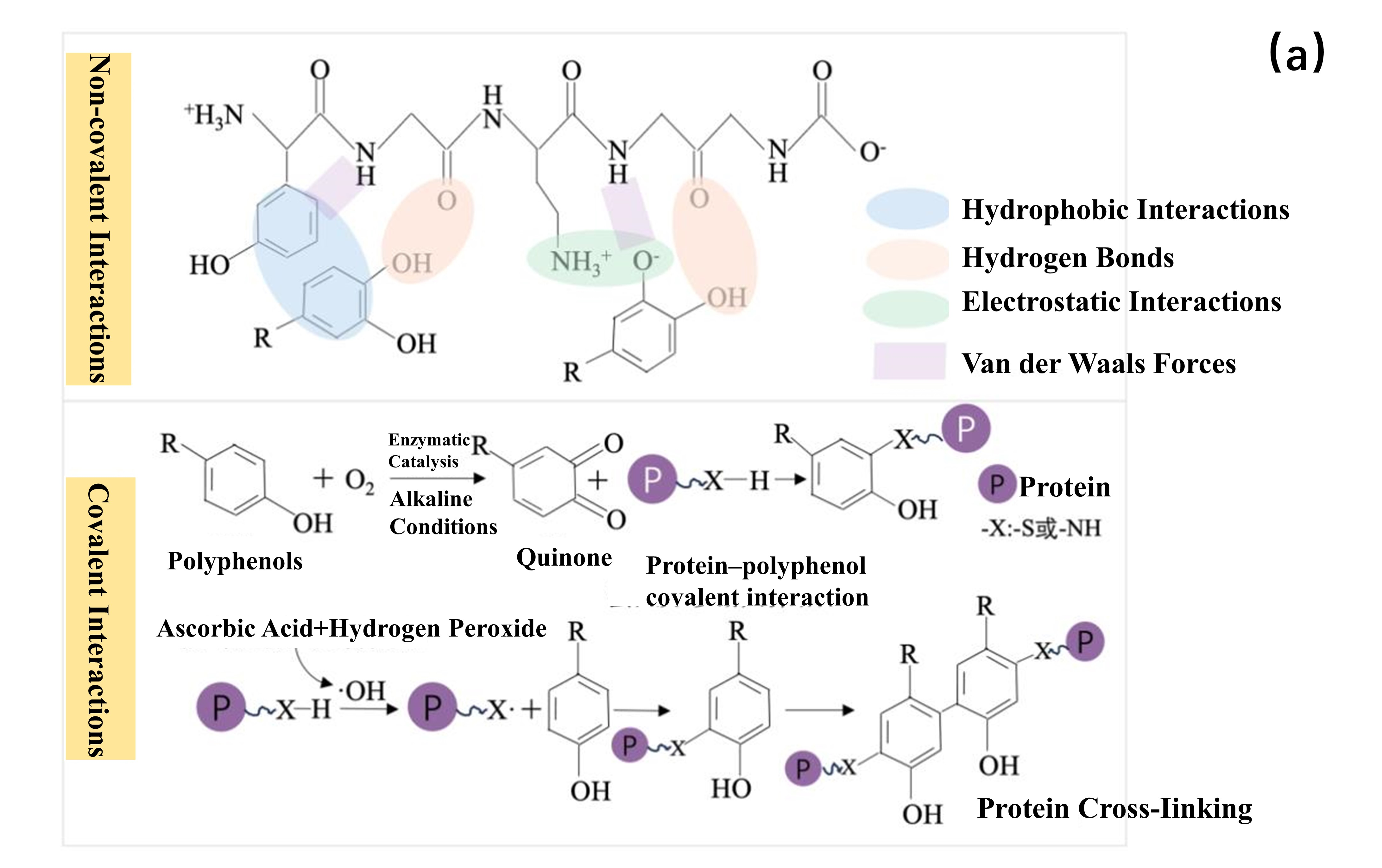
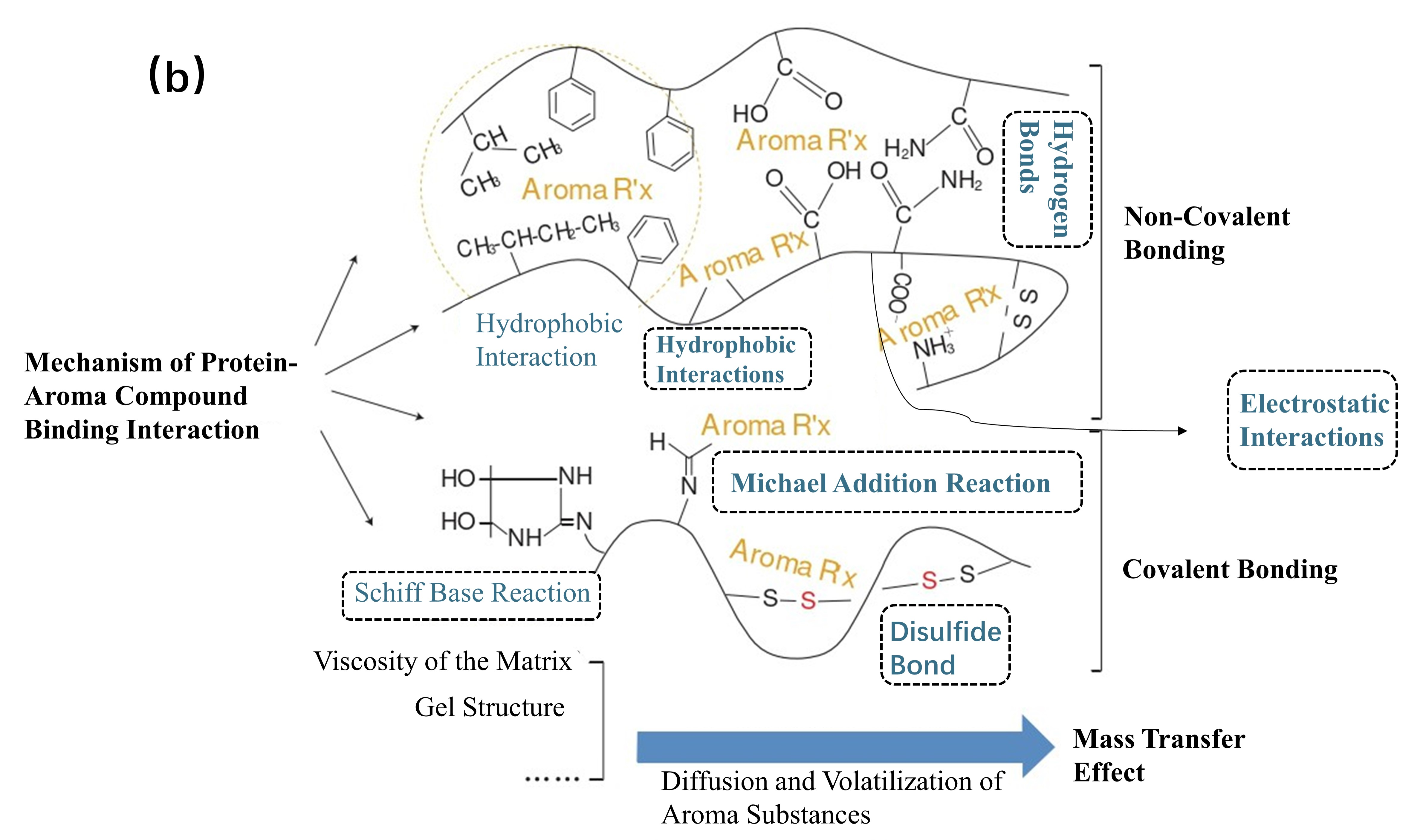
Milk proteins mainly comprise casein (≈80%) and whey proteins, with whey proteins further divided into α-lactalbumin (α-LA) and β-lactoglobulin (β-LG). These proteins can selectively bind with phenolic compounds (e.g., catechins) in tea infusion through non-covalent interactions such as hydrophobic interactions, hydrogen bonding, ionic bonds, and van der Waals forces (Figure 1a). Research indicates that α-lactalbumin binds with tea polyphenols via hydrogen bonds and van der Waals forces; EGCG binds with α-LA residues via hydrogen bonds and van der Waals forces; while the binding between tea polyphenols and β-LG involves hydrogen bonds and van der Waals forces [63]. The complexes formed between milk proteins and polyphenols can effectively reduce the direct contact of bitter/astringent substances like EGCG and caffeine with oral mucosa and taste receptors, thereby mitigating the bitterness and astringency of the tea infusion. Additionally, during the thermal processing of milk tea, milk proteins undergo Maillard reactions with carbohydrates such as lactose. These reactions produce volatile compounds including benzaldehyde and 2-furanmethanol, which contribute nutty, almond, and caramelized notes to the overall flavor [64]. However, excessive heating may also lead to protein denaturation, producing off-flavors (e.g., cooked flavor). Furthermore, proteins can bind with aroma compounds via non-covalent bonds like hydrophobic interactions, van der Waals forces, hydrogen bonds, and electrostatic interactions (Figure 1b), serving to retain and modulate flavor. This is because thiol groups in sulfur-containing amino acids within protein structures participate in forming disulfide bonds that stabilize protein structure, while also covalently binding with aroma compounds. The ε-amino group on lysine side chains can also bind with aldehydes via Schiff base formation [65]. Similarly, it was concluded by Anantharamkrishnan et al. that covalent bonding between milk proteins and aldehydes, thiols, and furans can occur via Schiff base formation, disulfide bond generation, and Michael addition reactions [57].

2.2.4. Influence of Milk Fat and the Milk Fat-Protein Composite System on Milk Tea Flavor

Milk fat exists in the form of milk fat globules (MFGs), surrounded by a milk fat globule membrane (MFGM) composed of proteins and phospholipids. Proteins on this membrane provide abundant binding sites for polyphenols. Studies show that higher MFGM protein content correlates with stronger binding capacity to tea polyphenols and more significant astringency reduction. Moreover, homogenization to reduce fat globule size not only greatly enhances the smoothness and lubricity of mouthfeel but also increases the surface area, exposing more membrane proteins and further strengthening interactions with compounds like EGCG, thereby improving mouthfeel while enhancing astringency reduction [67]. Mo Lan’s research examined the impact of milk fat content on milk tea flavor. It showed that higher-fat milk sources produce a much stronger milky aroma, causing the milk flavor to dominate, whereas lower-fat sources allow more tea character to come through [59]. This is because higher fat content provides a richer lipophilic environment that can carry and amplify the flavor compounds from the milk source itself [68].
Additionally, milk fat plays a positive role in the colloidal stability and antioxidant activity of milk tea. The fat phase can form a hydrophobic microenvironment, protecting polyphenols from exposure to oxygen and thermal degradation. Simultaneously, polyphenols binding to lipids via hydrophobic interactions enhance their retention and stability. The protective effect of milk fat on polyphenols delays polyphenol oxidation and Maillard reactions, reduces browning index, and improves the antioxidant capacity of milk tea [64,69,70].

2.3. Sweeteners

Sweeteners are indispensable chemical components in the milk tea flavor system, critically influencing the overall sensory quality of the beverage primarily by providing sweetness, regulating osmotic pressure, and interacting with other flavor compounds. Commonly used sweeteners in milk tea include sucrose, high-fructose corn syrup (HFCS), and functional sugar substitutes like erythritol and steviol glycosides. Due to differences in chemical structure, metabolic properties, and sensory thresholds, these substances have varying modulating effects on the taste of milk tea (Table 5).
The influence of sweeteners on milk tea flavor primarily involves masking undesirable off-notes and enhancing existing favorable flavors and aromas. Sucrose, for instance, exerts a protective effect through hydrogen bonding between its hydroxyl groups and tea polyphenols. This reduces phenolic oxidation and inhibits o-quinone formation, thus delaying browning and flavor loss. Beyond this chemical role, sucrose also physically stabilizes the beverage by increasing its viscosity. The elevated viscosity slows down the motion of molecules like EGCG, diminishing their isomerization and degradation to preserve stable levels of flavor precursors. Furthermore, sucrose can adjust the system pH, further inhibiting polyphenol oxidase activity and reducing the generation and accumulation of bitter/astringent substances [75].
Regarding aroma, on one hand, sugars can participate in Maillard reactions during heat treatment, interacting with milk proteins or tea amino acids to generate caramel and nutty aroma compounds, enriching flavor complexity. On the other hand, the increase in aroma intensity with higher sweetener content might be because levels exceeding a certain threshold can induce protein–protein interactions, weakening protein-flavor compound interactions and thereby increasing aroma release capacity [76].
Currently, with the growing health-conscious dietary trend, an increasing number of milk tea brands opt to use sugar substitutes instead of sucrose. However, there is a lack of literature investigating the effects of different sugar substitutes and their dosage on milk tea flavor.

3. Processing Method of Milk Tea

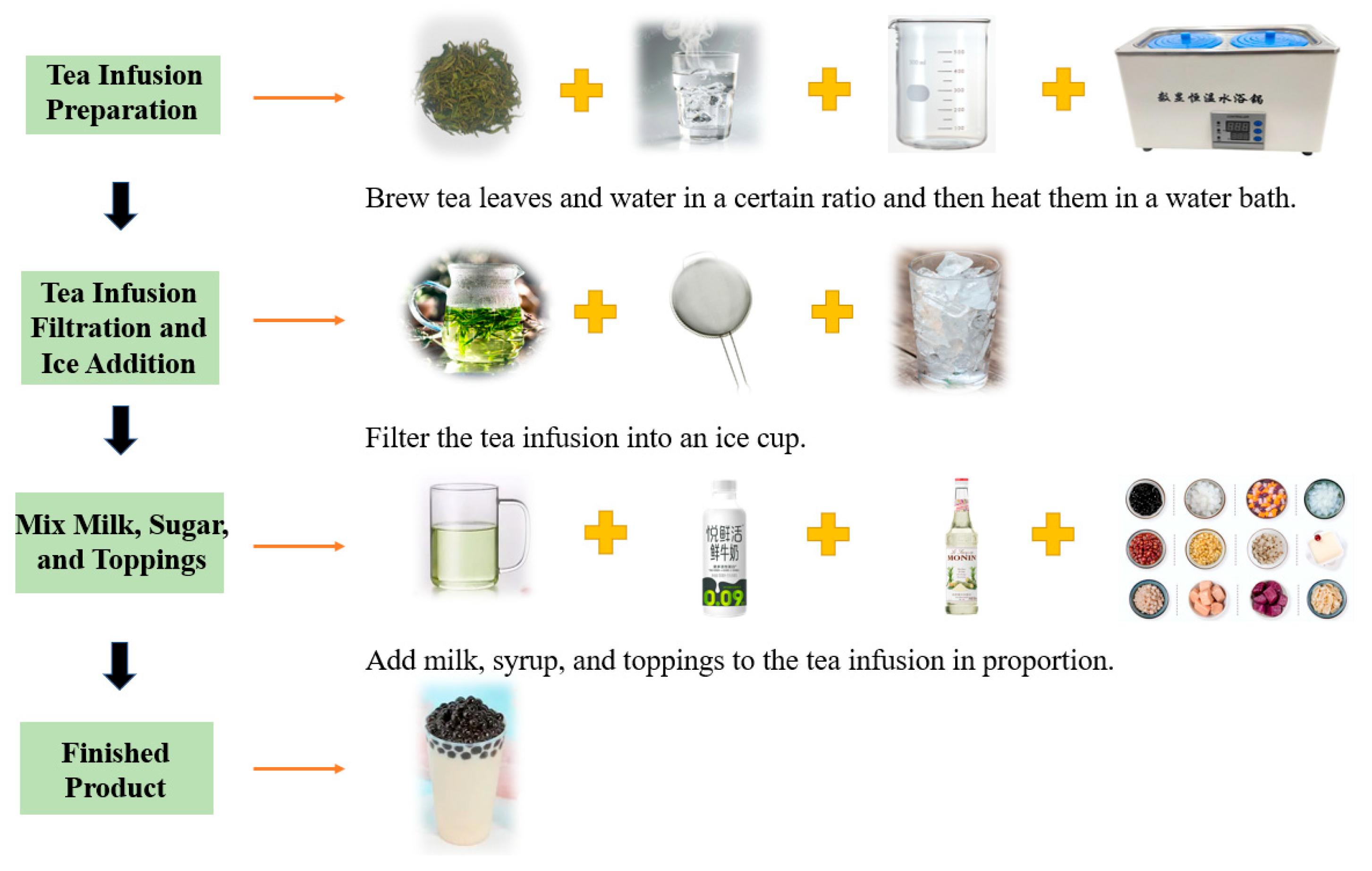
Processing methods are the core link influencing milk tea flavor (Figure 2). Key processing parameters include extraction time, extraction temperature, tea-to-water ratio, and tea-to-milk ratio, each of which impacts the sensory flavor of milk tea.

3.1. Impact of Tea Soup Preparation Methods on the Flavor of Milk Tea

As the flavor foundation of milk tea, the preparation method of tea soup significantly influences its taste and aroma [77]. Tea soup is typically prepared by aqueous extraction, with extraction temperature and time being the key factors. Higher temperatures and longer durations generally intensify the bitter and astringent notes, while insufficient heat or excessive time can lead to a weak tea flavor and subdued aroma [78,79]. This can be explained from a molecular dynamics perspective: tea extraction is essentially a mass transfer process of soluble components from leaves to water. Elevated temperature accelerates molecular diffusion, promoting the dissolution of compounds such as tea polyphenols (catechins), caffeine, amino acids, and aroma precursors. Over-extraction increases the proportion of polyphenols and caffeine, resulting in a more bitter, astringent taste and a darker liquor. Excessive bitterness in the tea soup may not be adequately balanced by dairy ingredients in the final product, leading to a pronounced sweet-bitter aftertaste that compromises overall flavor. Furthermore, studies indicate that extraction temperature and time affect not only the leaching efficiency of tea solids but also the solubility of whey proteins, potentially destabilizing the milk tea system [80].

3.2. Tea and Milk Blending Methods

Two critical parameters govern the blending process in milk tea preparation. The first is the tea-to-water ratio. This ratio determines the strength of the tea infusion: excessive water yields a bland liquor, while insufficient water results in an overly strong, bitter, and astringent brew. Modern milk tea emphasizes the distinct taste of whole-leaf tea, necessitating an optimal ratio that highlights the tea character without excessive bitterness in the final product. Since dairy ingredients can mask much of the tea’s flavor, a relatively high proportion of tea is typically used during brewing for milk tea applications. The second key parameter is the tea-to-milk ratio. This balance directly shapes the dominant flavor profile: a high ratio allows milk to overpower the tea notes, whereas a low ratio leads to a weak and discordant taste. Therefore, blending methodology is crucial in milk tea flavor research. Traditional blending relies heavily on manual skill, where adjustments to brewing conditions and milk proportions are made based on extensive sensory experience. This often involves repeated trials to achieve the optimal taste. Table 6 summarizes the preparation methods for milk tea with different tea bases. These methods serve as a practical reference for formulation. Reflecting this need for systematic optimization, one study on Tieguanyin milk tea employed single-factor and orthogonal experiments to evaluate key variables—including extraction time, temperature, and the tea-to-milk ratio. Sensory quality evaluation was then used to determine the optimal production parameters [81].

3.3. Storage of Milk Tea

Milk tea, primarily prepared from milk/dairy products and tea extract/concentrate, contains the dual nutritional components of both milk and tea. The content of tea polyphenols is an important indicator for evaluating tea beverage quality [74]. After adding milk to tea, milk tea becomes a complex thermodynamically unstable system. Prolonged storage can lead to phenomena such as precipitation, flocculation, fat floating, and phase separation, affecting product appearance and taste [63,85].
Studies tracking changes over storage time have shown corresponding variations in its composition (Table 7). Research indicates that tea polyphenols are the core chemical driver of this instability. Catechins are prone to oxidation during storage. Their oxidation products not only cause browning but are also key components forming the “tea cream” precipitate [86]. Oxygen content was also indicated as a primary factor leading to tea liquor browning and polyphenol oxidation [87]. Temperature also critically affects storage stability. Higher temperatures (>25 °C) significantly accelerate the oxidative degradation of tea polyphenols, catechin isomerization, and Maillard reactions, leading to rapid decline in the content of flavor and functional components like polyphenols and amino acids, weakened antioxidant capacity, and faster precipitation formation [88,89]. Milk tea made with moderately roasted tea powder exhibited better chemical stability during storage, attributed to its lower catechin content and activity [90]. Furthermore, light exposure (especially UV) can induce and accelerate photo-oxidation reactions, directly causing tea polyphenol oxidation, vitamin degradation, and the development of unpleasant “sunlight flavor”, while also promoting liquid browning. Shu Xinyi’s research indicated that highly transparent PET bottle packaging accelerates this process, while packaging with better light-blocking properties like glass bottles or coated materials helps maintain flavor and appearance stability [91].
For fresh-made milk tea, beyond flavor, microbial growth during storage is a primary food safety concern, as these products do not undergo sterilization. A study analyzing microbial dynamics in commercially available milk tea at different temperatures found significant bacterial growth over time. For iced milk tea, the total bacterial count increased from 2.1 × 10⁴ to 2.7 × 10⁵ CFU/mL within 6 h. For hot milk tea, it increased from 7 × 10³ to 1.5 × 10⁵ CFU/mL over the same period [87]. Although specific standards for milk tea are lacking, the clear trend of increasing microbial counts with storage time strongly suggests that fresh-made products should be consumed promptly.

4. Sensory Evaluation Methods for Flavor Quality of Milk Tea

4.1. Sensory Evaluation

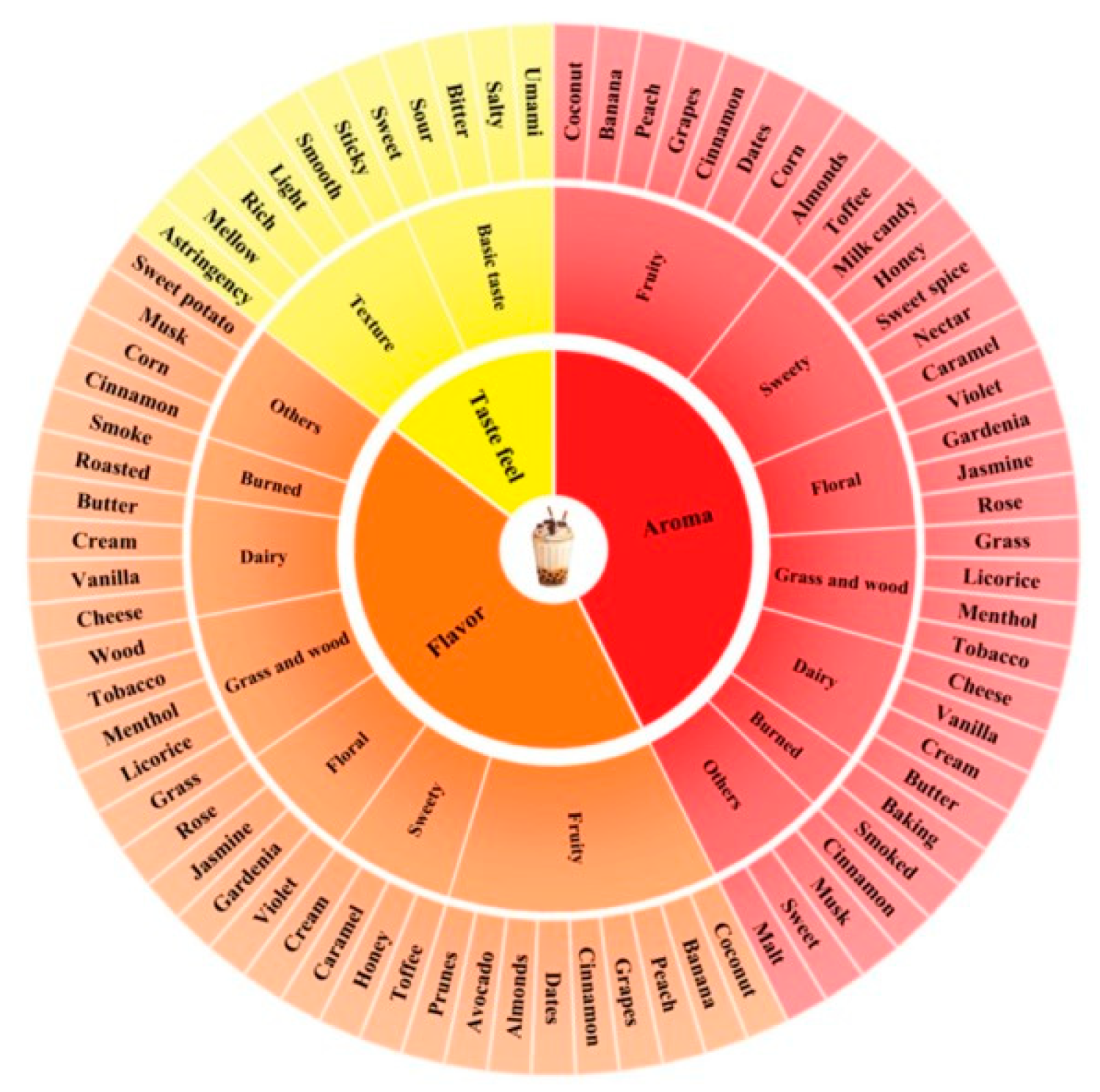
Sensory evaluators are typically categorized into five types: expert, consumer, naive, experienced, and trained. Expert and consumer types are most widely applied in research [81,93]. Before forming a sensory panel, evaluators need to be screened and undergo systematic training. The core objective is to establish a unified cognitive standard among evaluators for the intensity of core attributes like color, aroma, and taste in milk tea, reducing individual subjective bias. During evaluation, milk tea needs to be described using specific terms. However, as there is currently no unified standard for milk tea sensory descriptors domestically or internationally, some scholars adopt tea sensory descriptors for milk tea; others opt for custom-defined descriptors [94]. The sensory descriptors, along with their corresponding aromas or tastes, are then organized into a flavor wheel for visual presentation (Figure 3).

4.2. Traditional Sensory Analysis Methods

4.2.1. Difference Testing

Difference testing involves comparing the sensory characteristics (e.g., color, odor, taste) of two or more products to determine if a difference exists [95]. The most commonly used methods include paired comparison test, triangle test, and duo-trio test.

4.2.2. Descriptive Analysis

Quantitative Descriptive Analysis (QDA) is a method for assessing the sensory attributes (e.g., appearance, odor, texture) of a product and precisely quantifying their intensity. It requires rigorous training of evaluators beforehand to minimize personal subjective perceptions and scoring errors, followed by constructing flavor profiles using Principal Component Analysis (PCA) [96]. Quantitative Descriptive Analysis (QDA) has been effectively applied to elucidate key drivers of consumer preference and to differentiate flavor profiles in tea beverages. For instance, in peach-flavored tea, QDA combined with preference mapping identified sweetness and fruity aroma as primary liking factors [97]. Furthermore, QDA has been employed to systematically analyze and document the flavor variations resulting from the use of different tea varieties as a base [93].

4.2.3. Affective Testing

Affective testing measures evaluators’ emotional responses (e.g., degree of liking, preference, acceptance) towards a product. Unlike the previous methods, its focus is on which product is preferred and to what extent. Tapioca pearl size and sweetness level were found to be key factors for Asian consumers in choosing milk tea, a conclusion reached by Ardvin Kester S. Ong et al. using conjoint analysis [98].
Affective testing typically involves consumer-type subjects and generally requires a larger sample size. However, it is susceptible to interference from external factors and requires measures like blind testing to improve objectivity.

4.3. Digital Quality Evaluation Technologies for Milk Tea

Traditional sensory evaluation methods are susceptible to the influence and limitations of individual sensory subjectivity, such as personal preferences and mood [99]. Consequently, an increasing number of neuroscience-derived methods are being integrated into flavor analysis, providing a more comprehensive understanding.

4.3.1. Electronic Tongue Technology

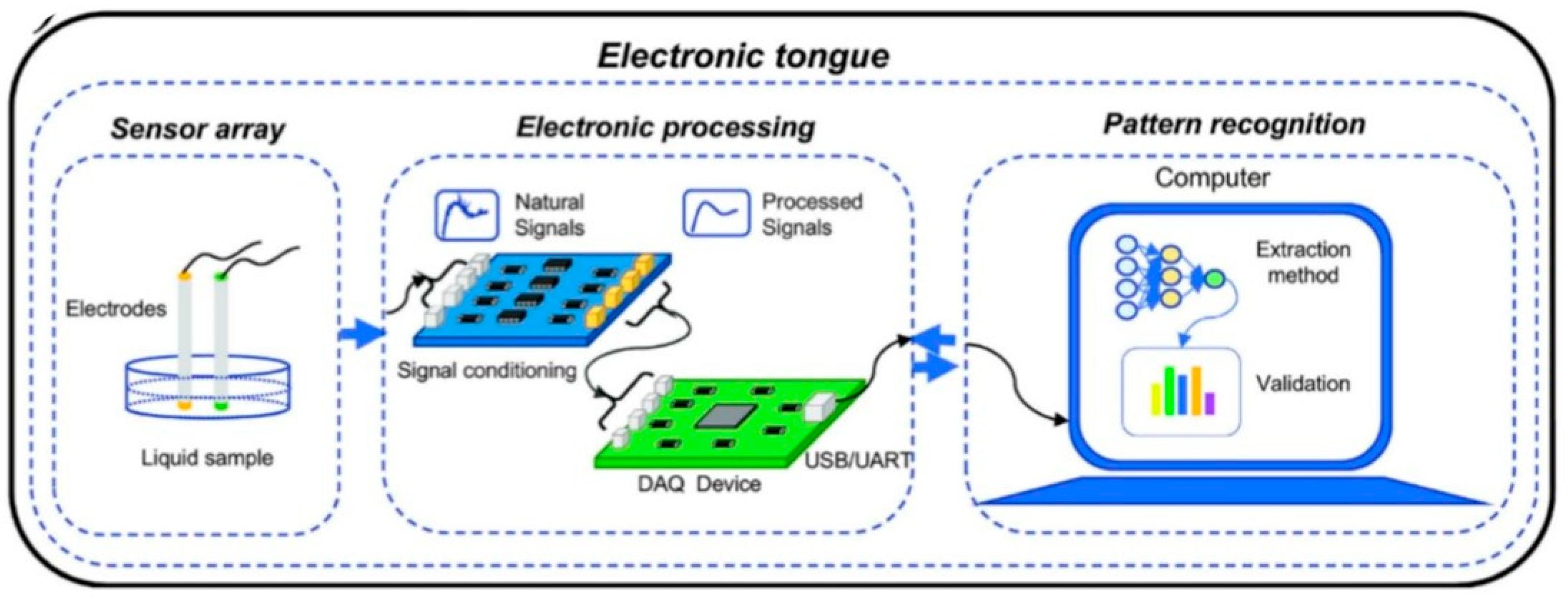
Operating as a taste sensor, the electronic tongue (Figure 4) works by using a multi-sensor array to detect sample signals and then processing them via pattern recognition. This approach, enhanced by expert system learning, enables it to conduct qualitative or quantitative analyses, thereby simulating human taste perception [100]. The electronic tongue has been applied as an effective tool for taste analysis in tea beverage development. An objective analysis of umami substances in tea can be achieved through the simulation of human taste [101]. In another, its integration with GC–MS facilitated the optimization of a reduced-salt milk tea formula, identifying yeast extract as a key component for improving overall flavor balance [102].

4.3.2. Electronic Nose Technology

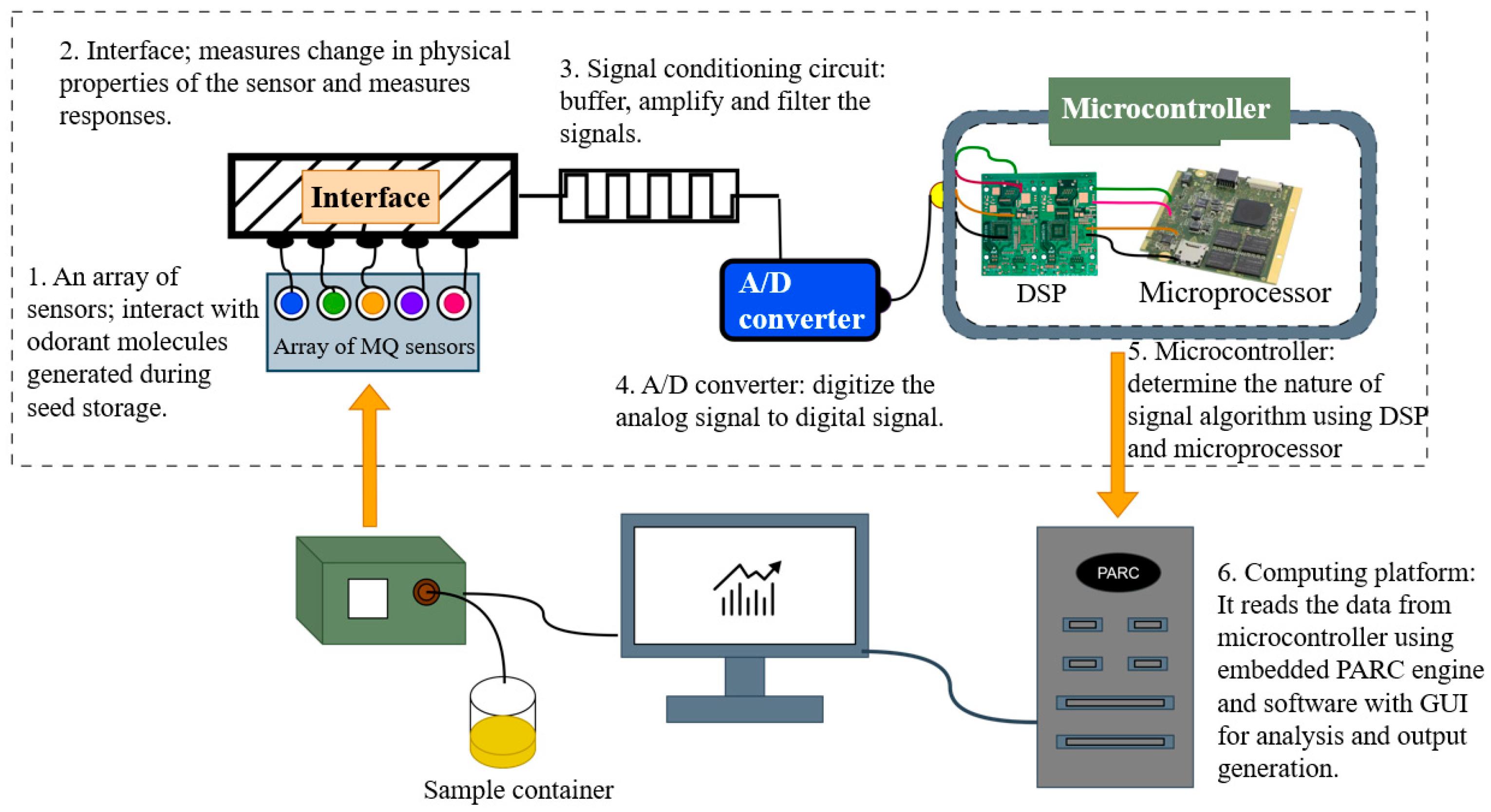
The electronic nose, as an olfactory-mimicking device, also typically consists of multiple sensor arrays used to detect odors by analyzing generated signals to differentiate complex samples [104] (Figure 5). The electronic nose has demonstrated versatile applications across food quality control. In agricultural products, a customized e-nose system was developed to assess strawberry freshness, successfully discriminating between fresh and rotten samples based on their volatile profiles [105]. For tea analysis, the integration of e-nose with HS–SPME–GC–MS enabled the identification of six key aroma compounds (e.g., benzyl mercaptan) and effectively differentiated five high-aroma black tea varieties [106]. Similarly, in dairy evaluation, e-nose technology combined with sensory analysis provided a comprehensive characterization of flavor distinctions among different brands of UHT skimmed milk [107].

4.3.3. Oral Tribology Evaluation Technology

Oral tribology evaluation is a technique that assesses mouthfeel sensations (e.g., smoothness, roughness, sliminess) generated by food (like jelly, cheese) or oral products (like toothpaste) in the mouth by simulating physical behaviors such as friction, adhesion, and lubrication [108]. In essence, it is used to describe and simulate the texture of food, such as the silkiness of chocolate, the crispiness of chips, the softness of bread, and the prickling sensation of carbonated drinks. The application of oral tribology has yielded actionable insights for texture science. It has been employed to establish evaluation methods and predictive models for the smoothness of complex beverages like milk tea, directly linking formula variables to sensory outcomes [109]. Furthermore, through model emulsion studies, it has identified key factors affecting oral lubrication, demonstrating that smaller oil droplets improve lubricity while saliva addition alters frictional properties [110].

5. Conclusions and Future Perspectives

With the continuous development of the milk tea industry and innovation in product categories, the novelty of flavor and the stability of quality are core competitive factors for attracting consumers. Although a preliminary sensory evaluation system for describing and quantifying milk tea flavor characteristics has been established, significant shortcomings remain. Specifically, evaluation terminology, standards, and procedures lack industry-wide uniformity, leading to poor comparability of results between different evaluators and affecting the accuracy and consistency of flavor descriptions. Future research should focus on establishing a standardized, systematic set of sensory evaluation descriptors and methods for milk tea. This involves creating a defined lexicon of descriptors and corresponding assessment protocols. A specialized sensory panel must be trained accordingly. The integration of modern analytical techniques, such as gas chromatography–mass spectrometry (GC–MS), will enable the qualitative and quantitative analysis of key flavor compounds. Together, these approaches will provide objective data to support and validate subjective sensory assessments. Secondly, regarding flavor compatibility, the synergistic interaction between tea base and milk base flavors and their compositional interplay is key to flavor modulation. Complex interactions occur between compounds like tea polyphenols, amino acids, and caffeine in tea and components like proteins and fats in milk. For instance, the binding of phenolic compounds with proteins can influence astringency and creaminess, while fats can adsorb and carry aroma molecules. However, there is currently a lack of systematic, in-depth exploration into the microscopic mechanisms of these component interactions, particularly how they collectively affect the release and perception of key aroma compounds. Therefore, future work should focus on investigating the molecular interaction mechanisms of key flavor compounds within the tea–milk mixed system to provide data support and scientific basis for milk tea flavor compatibility.
Furthermore, stability is the guarantee of flavor quality. During a product’s shelf life, flavor compounds can degrade or transform due to oxidation, light exposure, temperature fluctuations, and other factors, leading to flavor deterioration. Simultaneously, microbial growth not only causes undesirable flavor changes but also poses direct food safety risks. Therefore, while optimizing flavor, stability must also be regulated to ensure both flavor quality and food safety. In terms of intelligent technologies for milk tea, the integration of artificial intelligence and big data allows for the development of predictive flavor models. These models enable intelligent formula design and precise quality control, driving the industry’s digital and intelligent transformation. Future research should focus on several key areas: establishing a standardized evaluation system, elucidating the interaction mechanisms between tea and milk, innovating stability technologies, and developing healthier products. Advancements in these areas will guide the milk tea industry toward higher-quality development.

Author Contributions

J.G. and Y.W., writing—original draft, review and editing; H.C., writing—original draft, review and editing, funding acquisition, project administration; H.S., J.X. and W.W., writing—editing, software; F.C. and Y.Z., writing—editing, formal analysis; J.G., J.Y.and J.Z., conception, writing—review and editing, project administration, funding acquisition, and critical revision for important intellectual content. All authors have read and agreed to the published version of the manuscript.

Funding

This research was funded by the Key Research and Development Program of Zhejiang Province (2025C01093); the China Hangzhou Science and Technology Commissioner Project (2025TPY0041); the China Zhejiang Tea Industry Technology Team Project (2024QYCY01, 2024–2026); the Hangzhou specialized expert of Qianjiang district project (Junfeng Yin)(2024-2025); the China Agriculture Research System of MOF and MARA (CARS-19); the Innovation Project for Chinese Academy of Agricultural Sciences.

Institutional Review Board Statement

Not applicable.

Informed Consent Statement

Not applicable.

Data Availability Statement

No new data were created or analyzed in this study.

Conflicts of Interest

The authors declare no conflicts of interest.

References

  1. Xu, Q.; Chen, W.; Ge, X.; Sun, Y.; Li, Y. Unveiling the Mysteries of the Tea Beverage Market: An Investigation and Analysis of the Milk Tea Market Targeting Young Consumers. Mark. Mod. 2021, 24, 10–12. [Google Scholar] [CrossRef]
  2. Long, G.; Zhang, Q.; Liu, Y.; Lin, T. Research and Development Progress of Milk Tea Beverages. Food Ind. 2022, 43, 197–202. (In Chinese) [Google Scholar]
  3. Liu, J.; Zhang, B.; Tan, Q.; Li, S.; Li, C. Development of Mulberry Milk Tea. Food Ind. 2025, 46, 25–30. (In Chinese) [Google Scholar]
  4. Luo, Y.; Wang, S. Study on Optimization of Technological Formula of Redjujube Milk Tea. Food Saf. Guide 2025, 7, 122–125. [Google Scholar] [CrossRef]
  5. Zhang, Q.; Gao, Q.; Jiao, X.; Zhou, Q. Optimization of the Preparation Process and Shelf-Life Stability of Jiangshui-Highland Barley Milk Tea. Food Res. Dev. 2024, 45, 126–133. (In Chinese) [Google Scholar]
  6. Bo, N.; Wang, T.; Liu, K.; Sha, G.; Chen, Q.; Wang, Q.; Ma, J.; Yu, K.; Lang, J.; Tang, Q.; et al. Optimizing the Formula for Low-Sugar Milk Tea Using Yunnan Black Tea through Response Surface Analysis. J. Food Saf. Qual. 2024, 15, 9–17. [Google Scholar] [CrossRef]
  7. Fu, J.; Zhao, X.; Liu, J.; Yang, C. The Lipid-Lowering Effect of Sanhua Tea and Its Application in Milk Tea. Mod. Food Sci. Technol. 2025, 41, 258–268. [Google Scholar] [CrossRef]
  8. Yu, W.; Ye, Q.; Xie, J.; Zeng, X.; Ying, M. Preparation Process Optimization and Physicochemical Properties of Jasmine Tea Milk Tea Rich in Soluble Dietary Fiber from Tea Stalks. Food Res. Dev. 2025, 46, 114–123. (In Chinese) [Google Scholar]
  9. Lei, X.; Chen, Q.; Li, C.; Duan, H.; Ma, Y.; Li, C.; Zhao, M. Analysis of the Characteristic Taste Components of Sun-Dried Green Tea of Tea Area from Lincang Tea Area. China Tea Process. 2025, 2, 31–38. [Google Scholar] [CrossRef]
  10. Liu, Z.; Yang, T.; Dai, Y.; Fang, S.; Liu, Y.; Ran, Q.; Li, Q.; Shen, Q.; Pan, K. Research Progress of Tea Taste Based on Molecular Sensory Sciencc. Sci. Technol. Food Ind. 2021, 42, 337–343, 355. (In Chinese) [Google Scholar]
  11. Yang, Y.; Wang, Y.; Lin, J.; Tu, Z.; Lan, T.; Chen, L.; Ye, Y. Effect of Oxygen Concentration in Fermentation on Black Tea Qualityand Optimization of Oxygen-Enriched Fermentation Process. Sci. Technol. Food Ind. 2023, 44, 199–207. [Google Scholar] [CrossRef]
  12. Dong, R.; Gao, S.; Zhou, X.; Zheng, M.; Zhang, L.; Yang, X.; Xiao, X.; Li, Y.; Zhou, H. Analysis of Aroma Components of Tea Processed from Two Yunnan Tea Plant Species Based on Liu Bao Craft. Sci. Technol. Food Ind. 2024, 45, 254–264. [Google Scholar] [CrossRef]
  13. Mu, B.; Lv, H.; Zhu, Y.; Lin, Z. Recent Progress in Research on Enantiomers of Volatile Compounds in Tea. Food Sci. 2018, 39, 309–315. [Google Scholar] [CrossRef]
  14. Xue, H. Production Mechanism of Milk Fat in Milk and Measures to Improvemilk Fat Content. China Dairy Cattle 2021, 3, 6–8. [Google Scholar] [CrossRef]
  15. Fan, S.; Liu, Y.; Ji, X.; Chang, D.; Feng, C.; Wu, Z.; Zhong, Q. Quantitative Determination of Lactose in Milk Products by Nuclear Magnetic Resonance. Food Ferment. Ind. 2021, 47, 227–232. [Google Scholar] [CrossRef]
  16. Yu, H.; Yao, W.; Chen, C.; Yuan, H.; Huang, J.; Lou, X.; Tian, H. Flavor Contribution and Biosynthesis Mechanism of Lactone Compounds in Food. Mod. Food Sci. Technol. 2022, 38, 337–349. [Google Scholar] [CrossRef]
  17. Tan, W.; He, B.; Fan, Q.; Ba, G. Research Progress on the Effect of Ultra-High Temperature Processing on the Flavor of Pure Milk. J. Dairy Ind. China 2024, 52, 39–44, 48. [Google Scholar] [CrossRef]
  18. Xie, G.; Lu, A.; Ouyang, K.; Meng, Q.; Dong, H. Analysis of the Aroma Formation in Six Categories of Teas by Gc-Ms Combined with Chemometrics. Food Ferment. Ind. 2021, 47, 260–270. [Google Scholar] [CrossRef]
  19. Chen, J. Stablishment of Quantitative Method and Determination Ofskeletal Volatile Components of Six Types of Tea. Thesis, Zhejiang A&F University, Hangzhou, China, 2020. [Google Scholar]
  20. Xu, H.; Ou, X.; Ouyang, J.; Xiao, H.; Liu, Z.; Huang, J. Research Progress on Aroma and Taste Components and Evaluation Methods of Liupao Tea. Mod. Food Sci. Technol. 2025, 41, 381–392. [Google Scholar] [CrossRef]
  21. Tang, M.; Liao, X.; Zhang, W.; Wei, M.; Wu, X.; Xu, M.; Zheng, Y.; Jin, S.; Zhang, J.; Ye, N. Chemical Differentiations of Spring, Summer, and Autumn ‘Jinmudan’ Teas. Fujian J. Agric. Sci. 2025, 40, 158–170. [Google Scholar] [CrossRef]
  22. Yin, X.; Zhang, S.; Huang, J.; Bao, X.; Zhou, L.; Dai, W.; Zhao, C.; Huang, J.; Liu, Z. Study on the Chemical Constituents of Hunan Black Tea. J. Tea Sci. 2019, 39, 150–158. [Google Scholar] [CrossRef]
  23. Wang, C.; Cui, H.; Huang, H.; Zhao, Y.; Xiao, Y. Research Progress on Chemical Constituents of Flavors in Black Tea. J. Tea Commun. 2022, 49, 292–297+368. (In Chinese) [Google Scholar]
  24. Narukawa, M.; Kimata, H.; Noga, C.; Watanabe, T. Taste Characterisation of Green Tea Catechins. Int. J. Food Sci. Technol. 2010, 45, 1579–1585. [Google Scholar] [CrossRef]
  25. Liang, L.; Li, J.; Yang, N.; Xia, Q. Effects of Fermentation Degree on Quality of Oolong Tea. J. Tea 2019, 45, 126–130. (In Chinese) [Google Scholar]
  26. Li, X.; You, F.; Li, L.; Xu, X.; Liu, B.; Lin, H.; Sun, Y. Comparison of Quality of Different Technology and Varieties of Panyong Congou Black Tea. Sci. Technol. Food Ind. 2018, 39, 27–33+39. [Google Scholar] [CrossRef]
  27. Cabrera, M.; Taher, F.; Llantada, A.; Do, Q.; Sapp, T.; Sommerhalter, M. Effect of Water Hardness on Catechin and Caffeine Content in Green Tea Infusions. Molecules 2021, 26, 3485. [Google Scholar] [CrossRef] [PubMed]
  28. Huang, Y. Determination and Analysis of Caffeine Content in Dark Tea by High-Performance Liquid Chromatography. Food Saf. Guide 2018, 70+72. [Google Scholar] [CrossRef]
  29. Chen, Q.; Zhao, J.; Guo, Z.; Wang, X. Determination of Caffeine Content and Main Catechins Contents in Green Tea (Camellia sinensis L.) Using Taste Sensor Technique and Multivariate Calibration. J. Food Compos. Anal. 2010, 23, 353–358. [Google Scholar] [CrossRef]
  30. Zhang, D.; Ye, X.; Zhao, F.; Wang, D.; Wei, S.; Zheng, D.; Ye, N. Flavor and Amino Acids of Brewed White Teas. Fujian J. Agric. Sci. 2016, 31, 515–520. [Google Scholar] [CrossRef]
  31. Yu, Z.; Yang, Z. Understanding Different Regulatory Mechanisms of Proteinaceous and Non-Proteinaceous Amino Acid Formation in Tea (Camellia sinensis) Provides New Insights into the Safe and Effective Alteration of Tea Flavor and Function. Crit. Rev. Food Sci. Nutr. 2020, 60, 844–858. [Google Scholar] [CrossRef]
  32. Xu, Y.-Q.; Zhang, Y.-N.; Chen, J.-X.; Wang, F.; Du, Q.-Z.; Yin, J.-F. Quantitative Analyses of the Bitterness and Astringency of Catechins from Green Tea. Food Chem. 2018, 258, 16–24. [Google Scholar] [CrossRef]
  33. Yue, C.; Wang, Z.; Mao, S.; Li, X.; Tong, H. The Main Taste Substances in Tea Research Progress. Food Res. Dev. 2017, 38, 219–224. (In Chinese) [Google Scholar]
  34. Zhang, Y.; Chen, G.; Liu, Y.; Xu, Y.; Wang, F.; Chen, J.; Yin, J. Analysis of the Bitter and Astringent Taste of Baked Green Tea and Their Chemical Contributors. J. Tea Sci. 2015, 35, 377–383. [Google Scholar] [CrossRef]
  35. Yu, J.; Liu, Y.; Zhang, S.; Luo, L.; Zeng, L. Effect of Brewing Conditions on Phytochemicals and Sensory Profiles of Black Tea Infusions: A Primary Study on the Effects of Geraniol and Β-Ionone on Taste Perception of Black Tea Infusions. Food Chem. 2021, 354, 129504. [Google Scholar] [CrossRef]
  36. Wei, Y.; Gao, Y. Taste-Related Compounds in Tea Infusion and the Regulation:A Review. Food Res. Dev. 2022, 43, 189–197. (In Chinese) [Google Scholar]
  37. Chen, Y.; Liu, X.; Zhu, W.; Wang, Z.; Wu, J.; Ni, Z.; Pan, H.; Li, D.; Wang, Y.; Zhou, J. Roasting-Induced Transformations in Longjing Tea: Sensory, Chemical, and Molecular Insights into Roasted Aroma Profiles. Food Res. Int. 2026, 229, 118502. [Google Scholar] [CrossRef]
  38. Hou, Z.-W.; Wang, Y.-J.; Xu, S.-S.; Wei, Y.-M.; Bao, G.-H.; Dai, Q.-Y.; Deng, W.-W.; Ning, J.-M. Effects of Dynamic and Static Withering Technology on Volatile and Nonvolatile Components of Keemun Black Tea Using GC-MS and HPLC Combined with Chemometrics. LWT 2020, 130, 109547. [Google Scholar] [CrossRef]
  39. Zhang, J.; Zhao, C.; Lv, J.; Qiu, G.; Tian, H. Description of Key Aroma Components of Green Tea and the Influence of Processing. J. Food Compos. Anal. 2025, 141, 107367. [Google Scholar] [CrossRef]
  40. Zhang, H.; Zhang, J.; Liu, S.; Li, T.; Wei, Y.; Gu, Z.; Su, Z.; Ning, J.; Wang, Y.; Hou, Z. Characterization of the Key Volatile Compounds in Longjing Tea (Camellia sinensis) with Different Aroma Types at Different Steeping Temperatures by GC‒MS and GC‒IMS. LWT 2024, 200, 116183. [Google Scholar] [CrossRef]
  41. Yue, C.; Xie, X.; Yan, M.; Li, L.; Wang, S.; Wan, Y.; Cheng, D.; Chen, L.; Zou, L.; Li, W.; et al. Molecular Sensomics Reveal the Cultivar Dependence and Seasonal Dynamic Mechanism Behind the Unique Aroma of Wuyuan Green Tea. Food Chem. 2026, 501, 147563. [Google Scholar] [CrossRef]
  42. Chen, Z.; Li, Z.; Zhao, Y.; Zhu, M.; Li, J.; Wang, K. A Meta-Analysis of Dynamic Changes of Key Aroma Compounds during Black Tea Processing. Food Biosci. 2024, 58, 103784. [Google Scholar] [CrossRef]
  43. Kang, S.; Yan, H.; Zhu, Y.; Liu, X.; Lv, H.-P.; Zhang, Y.; Dai, W.-D.; Guo, L.; Tan, J.-F.; Peng, Q.-H.; et al. Identification and Quantification of Key Odorants in the World’s Four Most Famous Black Teas. Food Res. Int. 2019, 121, 73–83. [Google Scholar] [CrossRef]
  44. Feng, Y.; Zhao, Y.; Zhang, X.; Bai, R.; Huang, Y. Advances in Impact of Oolong Tea Manufacturing Processes on Aromatic Compounds. Food Ferment. Ind. 2025, 51, 428–438. [Google Scholar] [CrossRef]
  45. Lin, S. Identification of Taste and Aroma Components of Oolong Tea with Different Producing Areas. J. Zhangzhou Inst. Technol. 2025, 27, 87–95. [Google Scholar] [CrossRef]
  46. Zheng, P.; Liu, P.; Wang, S.; Teng, J.; Feng, L.; Zheng, L.; Gong, Z. Comparative Analysis of the Aroma Components in Five Kinds of Dark Tea. Sci. Technol. Food Ind. 2018, 39, 82–86+143. [Google Scholar] [CrossRef]
  47. Shi, H.; Zhang, Y.; Wu, X.; Wang, C.; Xu, Y.; Zhang, J. Research Progress on Aroma Components of Dark Tea. J. Tianjin Agric. Univ. 2023, 30, 74–81. [Google Scholar] [CrossRef]
  48. Deng, J.; Yan, M.; Shang, B.; Li, Y.; Xiao, T.; Zhu, M.; Wang, K. Study on Aroma Components in Different Types of Dark Tea Based Onhs-Spme-Gc-Ms. Sci. Technol. Food Ind. 2023, 44, 378–386. [Google Scholar] [CrossRef]
  49. Wang, Y.; Li, Y.; Song, M.; Yan, K.; Li, Z. Effects of Different Processing Techniques on Sensory Profile and Key Biochemical Constituents of Early-Summer Fuding Da Bai White Tea. Sci. Technol. Food Ind. 2025, 1–15. [Google Scholar] [CrossRef]
  50. Liu, W.; Lin, J.; Fan, X.; Xie, X.; Wang, L.; Chen, M. Quality Characteristics and Aroma Components of White Tea Processed from High-Aroma Tea Cultivars. J. Agric. Sci. Technol. Commun. 2025, 76–83. [Google Scholar]
  51. Xia, H.; Miao, A.; Chen, W.; Hu, D.; Qiao, X.; Ma, C. Effects of Sealed Yellowing on Aroma Characteristic and Key Aromacompounds of Yellow Tea. Sci. Technol. Food Ind. 2023, 44, 28–37. [Google Scholar] [CrossRef]
  52. Zhou, H.; Wang, Y.; Li, F.; Nie, Z.; Feng, D.; Zhao, Y.; Du, X. Evaluation of Aroma Types and Key Aroma Components of Bud-Leaf Type Yellow Tea Based on Gc-O-Ms. J. Tea Sci. 2024, 44, 985–1004. [Google Scholar] [CrossRef]
  53. Wang, B. Preparation of Trans-Free Non-Dairy Creamer. Master’s Thesis, Jiangnan University, Wuxi, China, 2014. (In Chinese) [Google Scholar]
  54. Guo, L.; Wu, J.; Zhang, X.; Zhang, W.; Zhang, Y. Analysis of Milk Taste and Taste Difference. China Dairy Ind. 2020, 9, 66–69. [Google Scholar] [CrossRef]
  55. Meng, D.; Xu, H.; Hou, L.; Yang, Z. Exploration of Sensory and Flavor Compounds Characteristics of Different Types of Milk Based on Gc-Ms. China Food Addit. 2024, 35, 89–95. [Google Scholar] [CrossRef]
  56. Meng, F.; Han, Z.; Yao, H.; Zhao, S.; Qiao, L.; Wang, B. Changes of Flavour and Physio-Chemical Properties of Different Sterilized Milk. J. Food Sci. Biotechnol. 2023, 42, 38–47. (In Chinese) [Google Scholar]
  57. Release of the 2022 Concentrated Dairy Industry White Paper. Food Safety Guide 2022, 16. (In Chinese)
  58. Chen, Y.; Zhang, Z.; Chen, Y.; Li, T.; Zhang, W. The Role of Fat Content in Coconut Milk: Stability and Digestive Properties. Food Chem. 2024, 446, 138900. [Google Scholar] [CrossRef]
  59. Xing, R.; Wang, Y.; Dai, J.; Zhang, C.; Hua, Y.; Chen, Y.; Kong, X. Volatile Flavor Characterization of Raw Coconut Milk and the Impact of Sterilization: A Comparative Analysis for Coconut Flavor Preservation. Food Chem. 2025, 490, 145123. [Google Scholar] [CrossRef]
  60. Gao, J.; Wang, O.; Huang, J.; Ding, G. Nutritional Value and Health Effects of Soy Milk. J. Hyg. Res. 2025, 54, 692–698. [Google Scholar] [CrossRef]
  61. Pieterse, E.; Pretorius, B.; Schönfeldt, H.C. Comparative Proximate Analysis and Nutrient Labelling Compliance of Cow Milk and Plant-Based Milk Alternatives: Implications for Consumer Choice and Food Policy. Food Chem. 2025, 502, 147467. [Google Scholar] [CrossRef]
  62. Vashisht, P.; Sharma, A.; Awasti, N.; Wason, S.; Singh, L.; Sharma, S.; Charles, A.P.R.; Sharma, S.; Gill, A.; Khattra, A.K. Comparative Review of Nutri-Functional and Sensorial Properties, Health Benefits and Environmental Impact of Dairy (Bovine Milk) and Plant-Based Milk (Soy, Almond, and Oat Milk). Food Humanit. 2024, 2, 100301. [Google Scholar] [CrossRef]
  63. Zhou, F.; Lu, B.; Chen, X.; Jia, Z.; Tao, F.; Peng, J. Interaction of Major Tea Polyphenols with Bovine Milk Proteins and Its Effect on in Vitro Bioaccessibility of Tea Polyphenols. Food Chem. 2025, 475, 143341. [Google Scholar] [CrossRef]
  64. Wijegunawardhana, D.; Wijesekara, I.; Liyanage, R.; Truong, T.; Silva, M.; Chandrapala, J. Influence of Composition and Tea Infusion on Physicochemical Properties of Pasteurised and Concentrated Milk-Tea: Focus on Protein-Carbohydrate-Fat Interactions. Int. Dairy J. 2026, 172, 106420. [Google Scholar] [CrossRef]
  65. Chen, C.; Zhou, Q.; Yu, H.; Lou, X.; Li, Y.; Tian, H. Research Progress on Determination Methods and Influential Factors of Protein-Aroma Compound Binding. Food Sci. 2023, 44, 178–187. (In Chinese) [Google Scholar]
  66. Yan, C.; Zhu, X.; Chen, B.; Liu, H. Advances in Protein-Polyphenol Interactions for Food Functional Regulation and Applications. Food Sci. 2025, 1–19. (In Chinese) [Google Scholar]
  67. Li, X.; Mao, W.; Li, Y.; Zhou, H.; Fan, X.; Luo, J. Effects of Milk Fat Content and Fat Globule Structure on Perception of Astringency in Milk Tea System. Trans. Chin. Soc. Agric. Mach. 2025, 56, 769–776. (In Chinese) [Google Scholar]
  68. Mo, L. The Influence of Milk Tea Beverage Flavor Characteristics with Different Fat Content of Milk. Beverage Ind. 2016, 19, 23–27. (In Chinese) [Google Scholar]
  69. Kiokias, S.; Oreopoulou, V. Review on the Antioxidant Activity of Phenolics in O/W Emulsions Along with the Impact of a Few Important Factors on Their Interfacial Behaviour. Colloids Interfaces 2022, 6, 79. (In Chinese) [Google Scholar] [CrossRef]
  70. Wijegunawardhana, D.; Wijesekara, I.; Liyanage, R.; Truong, T.; Silva, M.; Chandrapala, J. The Effect of Varying Casein to Whey Protein Ratio on Physicochemical and Structural Properties of Lactose and Maltodextrin Modified Liquid and Concentrated Milk-Tea Blends. Food Res. Int. 2025, 213, 116466. [Google Scholar] [CrossRef]
  71. Liao, W.; Lu, M.; Jiang, Q.; Sun, S.; Wang, G.; Cai, Q.; Gao, P.; Yu, P. Flavor Analysis and Comparison of Five Sweeteners and Sucrose. Food Sci. Technol. 2025, 50, 199–204. [Google Scholar] [CrossRef]
  72. Yu, L.; Sun, Q.; Lu, J.; Liu, N.; Liu, X. Production and Consumption of Fructose Syrup and Its Substitution for Sugar. Sugar Crops China 2025, 47, 95–102. [Google Scholar] [CrossRef]
  73. Sun, Y.; Wang, Q. Application of Alternative Sweeteners in the Food Industry. Chin. Foreign Food Ind. 2024, 7, 41–43. (In Chinese) [Google Scholar]
  74. Zhang, D.; Ban, N.; Gao, S.; Gao, F. Research on the Application of Sweetener in Beverages. Food Saf. Guide 2025, 8, 156–158. [Google Scholar] [CrossRef]
  75. Wang, J.; Yang, Y.; Wang, F.; Zeng, L.; Xu, Y.; Yin, J. Effect of Sucrose on the Physicochemical Composition and Flavor Stability of Green Tea Beverages. J. Chin. Inst. Food Sci. Technol. 2020, 20, 142–151. [Google Scholar] [CrossRef]
  76. Jiang, X. Study on the Interaction of Sweetener Withkey Aroma Compounds in Passion Fruit. Master’s Thesis, Shanghai Institute of Technology, Shanghai, China, 2022. (In Chinese) [Google Scholar]
  77. Chen, N.; Jiao, Z.; Xie, K.; Liu, J.; Yao, P.; Luo, Y.; Zhang, T.; Cheng, K.; Zhao, C. Effects of Protein on Green Tea Quality in a Milk-Tea Model during Heat Treatment: Antioxidant Activity, Foaming Properties, and Unbound Small-Molecule Metabolome. J. Dairy Sci. 2024, 107, 10462–10480. [Google Scholar] [CrossRef] [PubMed]
  78. Chen, L.; Kong, Y.; Shi, M.; Wang, J.; Zhang, X.; Chen, Y.; Sun, M.; Yin, P. Influence of Brewing Methods on Quality Components and Sensory Evaluation of White Peony Tea Soup. Storage Process. 2024, 24, 116–122. (In Chinese) [Google Scholar]
  79. Tao, D.; Gao, X.; Zhang, X.; Zhang, Q.; Yue, X. The Influence of Different Brewing Conditions on the Flavour of Lu’an Guapian Tea Soup. Food Ind. 2020, 41, 214–218. (In Chinese) [Google Scholar]
  80. Geng, Z. Effects of Tea Soup Extraction Conditions On milk Tea Quality and Whey Protein Properties. Master’s Thesis, Jiangnan University, Wuxi, China, 2022. (In Chinese) [Google Scholar]
  81. Jiang, Z.; Yang, H.; Su, S.; Wu, Y.; Yu, W.; Dong, X.; Lin, D. Study on the Effect of Different Baking Conditions on the Quality of Tieguanyin Flavoured Milk Tea. China Tea Process. 2024, 3, 60–67. [Google Scholar] [CrossRef]
  82. Li, H.; Hu, M.; Zhang, H.; Shi, X.; Yuan, Y. Study on the Production Process of Low-Sugar Dark Tea Milk Tea. Mod. Agric. Sci. Technol. 2025, 103–105+118. (In Chinese) [Google Scholar]
  83. Yang, C.; Cui, C.; Zhu, Y.; Xia, X.; Jin, G.; Liu, C.; Li, Y.; Xue, X.; Hou, R. Effect of Brewing Conditions on the Chemical and Sensory Profiles of Milk Tea. Food Chem. X 2022, 16, 100453. [Google Scholar] [CrossRef]
  84. Cai, L.; Chen, K. The Design and Concoction of the Product of Novel Milk Tea. China Tea 2021, 43, 55–58. (In Chinese) [Google Scholar]
  85. Li, Y.; Ai, W.; Li, X.; Zhang, J.; Song, Z. Investigation and Analysis of Content of Tea Polyphenols in Tea Beverages from Market. Food Ferment. Technol. 2019, 55, 102–105. (In Chinese) [Google Scholar]
  86. Hu, A. Research on the Preparation and Shelf Life Ofyak Butter-Tea. Master’s Thesis, Sichuan Agricultural University, Chengdu, China, 2016. (In Chinese) [Google Scholar]
  87. Qian, Y.; Lu, L. Experimental Study on Influence of Storage Condition on Tea Beverage Quality. Packag. Eng. 2009, 30, 34–35+60. [Google Scholar] [CrossRef]
  88. Han, Y.; Chen, H.; Gao, H. Effect of Different Storage Temperature on Antioxidant Characteristics of Tea and Correlation Analysis. J. Chin. Inst. Food Sci. Technol. 2019, 19, 179–184. [Google Scholar] [CrossRef]
  89. Chen, J.; Wang, Y.; Huang, J. Study on the Effect of Different Storage Temperatures on Tea Beverage Quality. China Tea Process. 2020, 4, 60–68. [Google Scholar] [CrossRef]
  90. Fu, Y.-Q.; Wang, J.-Q.; Chen, J.-X.; Wang, F.; Yin, J.-F.; Zeng, L.; Shi, J.; Xu, Y.-Q. Effect of Baking on the Flavor Stability of Green Tea Beverages. Food Chem. 2020, 331, 127258. [Google Scholar] [CrossRef]
  91. Shu, X.; Liu, H.; Zhang, J.; Zhou, Y. The Study on the Stability and Influencing Factors of Antioxidant Activity of Pet Bottled Milk Tea Beverages during the Shelf Life. Beverage Ind. 2022, 25, 20–26. (In Chinese) [Google Scholar]
  92. Zhou, Y.; Zhao, M.; Wen, J. Impact of Different Storage Conditions on the Stability of Tea Infusions and Milk Tea. China Food Addit. 2024, 35, 137–144. [Google Scholar] [CrossRef]
  93. Wang, F. Study on the Influence of Different Oolongtea Bases on the Flavor of New Tea Drinks. Master’s Thesis, Fujian Agriculture and Forestry University, Fuzhou, China, 2023. (In Chinese) [Google Scholar]
  94. Yang, C.; Wei, K.; Xu, M.; Wang, Z.; Cui, C.; Dai, Q.; Chen, G.; Hou, R. Sensory Wheel Construction and Key Flavor Compounds Characterization of Black Tea Milk Tea Beverages. Food Chem. 2025, 481, 143931. [Google Scholar] [CrossRef]
  95. Deng, J.; Huang, G.; Yao, M.; Brennan, C.; Feng, W.; Bai, W.; Li, X.; Zeng, X.; Yang, W.; Ye, S.; et al. Application of Sensory Evaluation on Fruits and Its by-Products. Farm Prod. Process. 2021, 15, 76–79. [Google Scholar] [CrossRef]
  96. Tomic, O.; Nilsen, A.; Martens, M.; Næs, T. Visualization of Sensory Profiling Data for Performance Monitoring. LWT-Food Sci. Technol. 2007, 40, 262–269. [Google Scholar] [CrossRef]
  97. Li, J. Study on the Application of Quantitative Descriptive Analysis and Consumer Preference Test in Sensory Evaluation of Peach-Flavored Tea Beverages. Beverage Ind. 2020, 23, 26–30. (In Chinese) [Google Scholar]
  98. Ong, A.K.S.; Prasetyo, Y.T.; Libiran, M.A.D.C.; Lontoc, Y.M.A.; Lunaria, J.A.V.; Manalo, A.M.; Miraja, B.A.; Young, M.N.; Chuenyindee, T.; Persada, S.F.; et al. Consumer Preference Analysis on Attributes of Milk Tea: A Conjoint Analysis Approach. Foods 2021, 10, 1382. [Google Scholar] [CrossRef]
  99. Gotow, N.; Skrandies, W.; Kobayashi, T.; Kobayakawa, T. Traditional Japanese Confection Overseas: Cultural Difference and Retronasal Aroma Affect Flavor Preference and Umami Perception. Food Qual. Prefer. 2021, 92, 104204. [Google Scholar] [CrossRef]
  100. Deng, L. Identification of Taste of Different Kinds of Liquor by Electronic Tongue. China Brew. 2018, 37, 97–100. (In Chinese) [Google Scholar]
  101. Yu, Y.; Feng, X.; Blank, I.; Wang, H.; Zhu, Y.; Liu, Z.; Ni, L.; Lin, C.-C.; Wang, K.; Liu, Y. A Review of Umami Taste of Tea: Substances, Perception Mechanism, and Physiological Measurement Prospects. Trends Food Sci. Technol. 2025, 162, 105082. [Google Scholar] [CrossRef]
  102. Zhang, S.; Zhang, X.; Jin, Y.; Shen, S.; Li, K.; Li, P.; Peng, Y. Salt Reduction Formula Optimization and Flavor Quality Research of Salty Milk Tea with the Assistance of Yeast Extract. Food Sci. Technol. 2021, 46, 234–242. [Google Scholar] [CrossRef]
  103. Chen, B.; Lin, X.; Liang, Z.; Chang, X.; Wang, Z.; Huang, M.; Zeng, X.-A. Advances in Food Flavor Analysis and Sensory Evaluation Techniques and Applications: Traditional Vs Emerging. Food Chem. 2025, 494, 146235. [Google Scholar] [CrossRef]
  104. Tan, J.; Xu, J. Applications of Electronic Nose (E-Nose) and Electronic Tongue (E-Tongue) in Food Quality-Related Properties Determination: A Review. Artif. Intell. Agric. 2020, 4, 104–115. [Google Scholar] [CrossRef]
  105. Xing, M.; Sun, K.; Liu, Q.; Pan, L.; Tu, K. Development of Novel Electronic Nose Applied for Strawberry Freshness Detection during Storage. Int. J. Food Eng. 2018, 14. [Google Scholar] [CrossRef]
  106. Wang, L.; Lin, Y.; Li, J.; Lin, H.; Ren, W.; Li, W.; Zheng, Y.; Ye, N. Analysis of Key Aroma Components in Five High-Fragrance Black Teas Using Electronic Nose and Headspace Solid-Phase Microextraction Coupled with Gas Chromatography-Mass Spectrometry. Food Sci. 2025, 46, 219–230. (In Chinese) [Google Scholar]
  107. Chi, X.; Song, Z.; Muratzhan, K.; Ai, N.; Sun, B. Study on Correlation between Sensory Evaluation and Electronic Nose Sensors Analysis of Skimmed Milk. Fine Chem. 2018, 35, 998–1003. [Google Scholar] [CrossRef]
  108. Lin, S.; Shi, J.; Zhao, J.; Zhang, J.; Sun, F.; Ma, B.; Li, M. The Application of Oral Tribology in Food Oral Processing. J. Chin. Inst. Food Sci. Technol. 2023, 23, 457–464. [Google Scholar] [CrossRef]
  109. Zhan, M.; Yang, X.; Wang, Y.; Liu, F.; Chen, J.; Cao, Y.; Song, M. Oral Soft Tribology-Based Model for Evaluating the Smoothness Characteristics of Milk Tea. Mod. Food Sci. Technol. 2023, 39, 216–225. [Google Scholar] [CrossRef]
  110. Chen, J.; Gao, Y.; Wang, D.; Li, Q.; Wan, Z.; Yang, X. Simulated Oral Tribological Properties of Pea Protein-Stabilized Emulsion. Food Sci. 2024, 45, 45–52. (In Chinese) [Google Scholar]
Figure 1. Binding Mechanism Between Proteins and Flavor Compounds, Panel (a) illustrates the binding mechanism between proteins and polyphenols, while Panel (b) depicts the binding mechanism between proteins and aroma compounds [65,66].
Foods 15 00681 g001aFoods 15 00681 g001b
Figure 2. Flow Chart of milk tea Preparation.
Foods 15 00681 g002
Figure 3. Milk tea Flavor Wheel [94].
Foods 15 00681 g003
Figure 4. Sensing mechanisms and signal flow in electronic tongues [103].
Foods 15 00681 g004
Figure 5. Working Principle of Electronic Nose.
Foods 15 00681 g005
Table 1. Flavor characteristics of key flavor substances in tea base, milk base and milk tea.
CategoryFlavor FactorKey CompoundOAVTAV RangeThresholdSensory DescriptionReferences
Tea
base
TasteEGCG\0.1569–4.1883220 μmol/LDistinct bitterness and strong astringency[9,10]
EGC\\1630 μmol/LDistinct bitterness and strong astringency[10,11]
GCG\0.1927–1.3983330 μmol/LDistinct bitterness and strong astringency[9,10]
GC\0.0707–1.07701630 μmol/LDistinct bitterness and strong astringency[10]
ECG\0.2734–4.6205180 μmol/LDistinct bitterness and strong astringency[10]
EC\0.0633–0.5347860 μmol/LDistinct bitterness and strong astringency[10]
CG\0.0633–0.5347170 μmol/LDistinct bitterness and strong astringency[10]
C\0.0815–0.6631860 μmol/LDistinct bitterness and strong astringency[10]
Aspartic Acid\1.5867–5.033630 mg/LSour[10]
Glutamic Acid\0.3249–3.203950 mg/LSour[10]
Serine\0.0094–0.16731500 mg/LSweet, Sour[10]
Asparagine\0.0189–0.13281000 mg/LSour[10]
Glycine\0.01421300 mg/LSweet[10]
Threonine\0.0017–0.00992600 mg/LSweet, Bitter, Sour[10]
Proline\0.0030–0.02213000 mg/LSweet, Bitter[10]
Theanine\0.1556–0.84561045.2 mg/LAstringent, Refreshing[10]
Alanine\0.0094–0.1329600 mg/LSweet[10]
Arginine\0.0010–0.3327500 mg/LBitter[10]
Valine\0.0469–0.1984400 mg/LSweet, Bitter[10]
Methionine\0.0000–0.0585300 mg/LBitter[10]
Cysteine\0.5758–5.849220 mg/LSalty[10]
Isoleucine\0.0122–0.0861900 mg/LBitter[10]
Leucine\0.0376–0.15861000 mg/LBitter[10]
Histidine\0.0357–0.2397200 mg/LSweet[10]
Phenylalanine\0.0119–0.0799900 mg/LBitter[10]
Lysine\0.2806–0.8953500 mg/LSweet, Bitter, Umami[10]
Tyrosine\0.0132–0.23132342.7 mg/LTyrosine[10]
AromaPhenylacetaldehyde1.71\4 μg/LFresh, hyacinth note[12,13]
Benzyl alcohol15.79\0.4 μg/LFatty note[12]
Heptanal<1\10 μg/LGrassy note[12]
Decanal11.71\6 μg/LFloral, fruity, sweet note[12]
Methyl palmitate<1\1000 μg/LFatty, waxy note[12]
Nonanal44.87\1 μg/LRose, citrus fruity note[12]
α-Ionone58.24\0.4 μg/LViolet, woody note[12]
1-Octen-3-ol (Matsutake alcohol)15.89\1 μg/LMushroom note[12]
Cedrol49.01\0.5 μg/LWoody, aged note[12]
Methyl linoleate<1\450 μg/LOily note[12]
Linalool28.25\0.0015 μg/LFloral, sweet fruity note[12]
Dihydroactinidiolide<1\500 μg/LCoumarin, woody, fruity note[12]
Methyl salicylate-\40 μg/LWintergreen leaf note[12]
2-Pentylfuran-\6 μg/LFruity, green, metallic note[12]
α-Terpineol<1\300 μg/LSweet floral, fresh, woody note[12]
trans-Linalool oxide (furanoid)2.79\6 μg/LAromatic pine nut note with slightly sweet citrus flavor[12]
Linalool oxide I (cis)9.1\6 μg/LFloral, sweet, woody note[12]
Geraniol<1\32 μg/LPineapple note[12]
Methyl octanoate<1\60 μg/LWine, fruity, sweet orange note[12]
Milk
base
TasteMilk Fat\\N/AProvides richness, smoothness, and natural creamy flavor[14]
Lactose\\N/AMild, subtle sweetness[15]
Aromaδ-Decalactone\\2.50–410.00 μg/kgCreamy aroma[16]
Diacetyl\\12 μg/kgCharacteristic natural butter aroma[17]
 Methyl mercaptan\\0.02–2.1 μg/Lsteamed note, cabbage-like note[17]
milk teaTaste\\\\\\
Aroma\\\\\\
Note: OAV (odor activity value) and threshold are two key parameters used to evaluate the intensity and importance of the taste and aroma of food. The calculation formula is the concentration of the substance divided by the threshold. The higher the value, the greater the contribution of the substance to the taste and aroma of the food. TAV (Taste Activity Value). It is a key indicator for assessing the contribution intensity of a taste substance to the overall flavor of a food. Its calculation formula is: TAV = concentration of the substance in the food/taste threshold.
Table 2. Main taste compounds in tea bases.
CategoryKey ComponentsTaste AttributesReferences
Tea PolyphenolsEight catechin monomers (EGC, GC, EC, C, EGCG, ECG, GCG, CG)Bitter, Astringent[9,20]
Oxidized polymer (theasinensin, theaflavins, thearubigins)Bitter, Astringent[21]
Flavones, Flavonoid glycosides (quercetin, kaempferol, myricetin)Astringent[9]
Phenolic acids (gallic acid, p-coumaric acid, chlorogenic acid, theogallin)Sour, Astringent[20,22]
AlkaloidsTheobromine, Theophylline, CaffeineBitter[21]
Amino AcidsUmami amino acids (L-Th, Glu, Asp)Umami[9,20]
Sweet amino acids (L-Th, Gly, Ala)Sweet[22]
Bitter amino acids (Arg, Leu, Phe)Bitter[9,21]
Soluble SugarsFructose, Glucose, Maltose, Sucrose, Galactose, XyloseSweet[22]
Table 4. Aroma types and key volatile compounds of different tea classes.
Tea ClassAroma TypeAroma ComponentsReferences
Green TeaFreshMethyl salicylate, Nonanal, (Z)-3-Hexenal[39,40,41,42]
TenderNonanal, Hexanal, Heptanal
ChestnutLinalool, Cedrol, Heptanal
BeanyPhenylacetaldehyde, Methyl salicylate, 2-Ethyl-3,5-dimethylpyrazine
Grassy(Z)-3-Hexen-1-ol,(E)-4-Heptenal, Hexanoic acid
FloralCyclofenchene, Geranyl linalool, (E)-2-Decenal
Black TeaFruityMyrcene, Limonene, Nerol[42,43]
FloralLinalool, Geraniol, cis-Jasmone
HoneyPhenylacetaldehyde, Phenylethyl alcohol, Octanal
Oolong TeaFloralNerolidol, Indole, Geraniol[44,45]
FruityMethyl salicylate, Benzyl alcohol, Ethyl acetate
RoastedPyrazines, Pyrroles, Furans
Dark TeaAged1,2-Dimethoxybenzene,1,2,3-Trimethoxybenzene,4-Ethyl-1,2-dimethoxybenzene[46,47,48]
Mellowα-Cedrol, Guaiacol, β-Ionone
WoodyEucalyptol, Longifolene, β-Cedrene
Fungal Floral1-Octen-3-ol,3-Octanone, Hexyl hexanoate
White TeaHao Fragrantcis-3-Hexenol,1-Octen-3-ol, Benzyl alcohol[49,50]
TenderHexanal, (Z)-3-Hexenal, (E)-2-Hexenal
FloralLinalool, Phenylethyl alcohol,α-Farnesene
Nutty2-Pentylfuran, Pyrazines, Methoxybenzenes
Yellow TeaNutty2,5-Dimethylpyrazine, 2-Acetylfuran, Pyrroles[51,52]
TenderHexanal, (Z)-3-Hexenal, (Z)-3-Hexenol
SweetLinalool, Maltol, 2-Methylbutanal
Table 5. Chemical and sensory properties of common sweeteners in milk tea.
SweetenerMain Component(s)Relative Sweetness (Sucrose = 1)SourceTaste ProfileReferences
Sucrose Disaccharide (Glucose + Fructose)1NaturalBalanced, mellow sweetness; mild onset, moderate aftertaste.[71]
HFCSMixture of Glucose and Fructose1.5–1.8NaturalDirect sweetness, pronounced “cooling sweet sensation”; may impart slight sour aftertaste at high usage levels.[71]
ErythritolSugar alcohol0.6–0.8NaturalClean, mild sweetness with slight cooling sensation; strong bitter/astringent aftertaste and slight green tea note, differing significantly from sucrose.[71,72]
Steviol GlycosidesTerpene glycosides200–300NaturalIntense, powerful sweetness (high-potency); immediate sweet onset; very strong bitter/astringent, licorice-like aftertaste and green tea note, most different from sucrose.[71]
XylitolSugar alcohol0.8–1NaturalCooling sensation, full-bodied sweetness, closest flavor similarity to sucrose.[72,73]
AspartameL-Aspartyl-L-phenylalanine methyl ester180–220ArtificialPure sweetness, fruity note, basic sweetness similar to sucrose; heavier sweet aftertaste, overall flavor difference less than steviol glycosides.[74]
Table 6. Preparation Technology of milk tea with Different Tea Bases.
Tea BaseExtraction Temperature (°C)Extraction Time (min)Tea-to-Water RatioTea-to-Milk RatioReferences
Black Tea85101:3010:3[6]
Dark Tea95201:4010:1[82]
Oolong Tea90201:506:1[81]
Yellow Tea89.827.041:39.22:1[83]
Green Tea85–9071:30–1:502:1[84]
Table 7. Effects of Different Storage Times on milk tea.
Time4 °C25 °CLight ExposureReferences
Tea Polyphenols (mg/kg)Protein (%)Oil Floating Rate (%)Precipitation Rate (%)Tea Polyphenols (mg/kg)Protein (%)Oil Floating Rate (%)Precipitation Rate (%)Tea Polyphenols (mg/kg)Protein (%)Oil Floating Rate (%)Precipitation Rate (%)
Initial 11601.180.650.4011601.180.650.411601.180.650.40[92]
3 Months11561.171.050.4311001.101.250.5310701.071.410.77
6 Months11501.101.790.6310901.122.690.7310401.102.890.93
9 Months11541.082.930.7010701.063.330.9910301.083.831.32
12 Months11301.073.191.0110201.004.291.379800.974.541.61
Disclaimer/Publisher’s Note: The statements, opinions and data contained in all publications are solely those of the individual author(s) and contributor(s) and not of MDPI and/or the editor(s). MDPI and/or the editor(s) disclaim responsibility for any injury to people or property resulting from any ideas, methods, instructions or products referred to in the content.