Article

Effect of Particle Size on the Physicochemical and Functional Properties of Sweet Lupin (Lupinus angustifolius) Fermented with Rhizopus oligosporus

1
School of Food Technology and Natural Sciences, Massey University, Palmerston North 4442, New Zealand
2
Riddet Institute, Massey University, Palmerston North 4442, New Zealand
*
Author to whom correspondence should be addressed.
Foods 2026, 15(18), 3306; https://doi.org/10.3390/foods15183306 (registering DOI)
Submission received: 30 July 2026 / Revised: 3 September 2026 / Accepted: 9 September 2026 / Published: 18 September 2026

Abstract

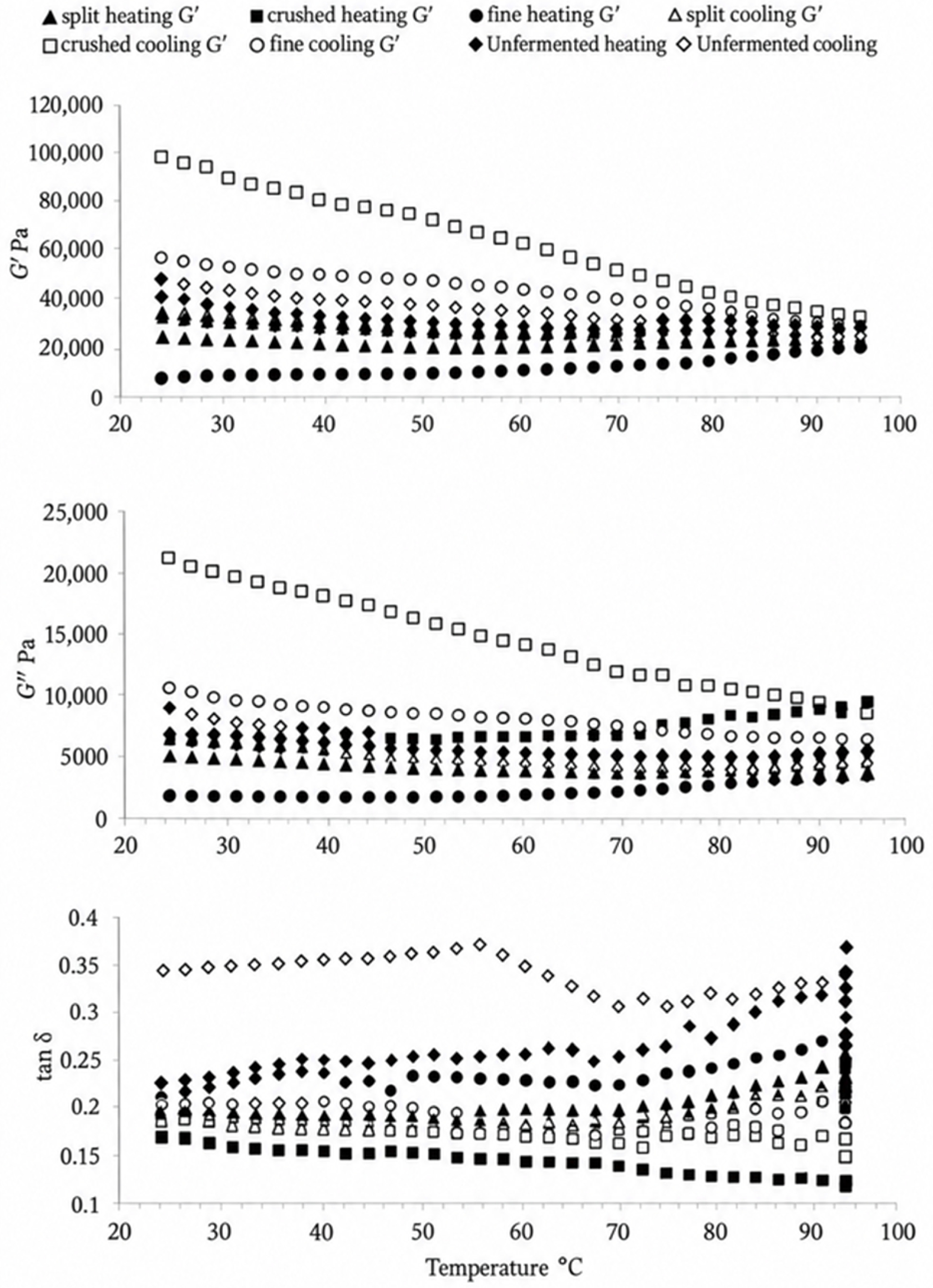
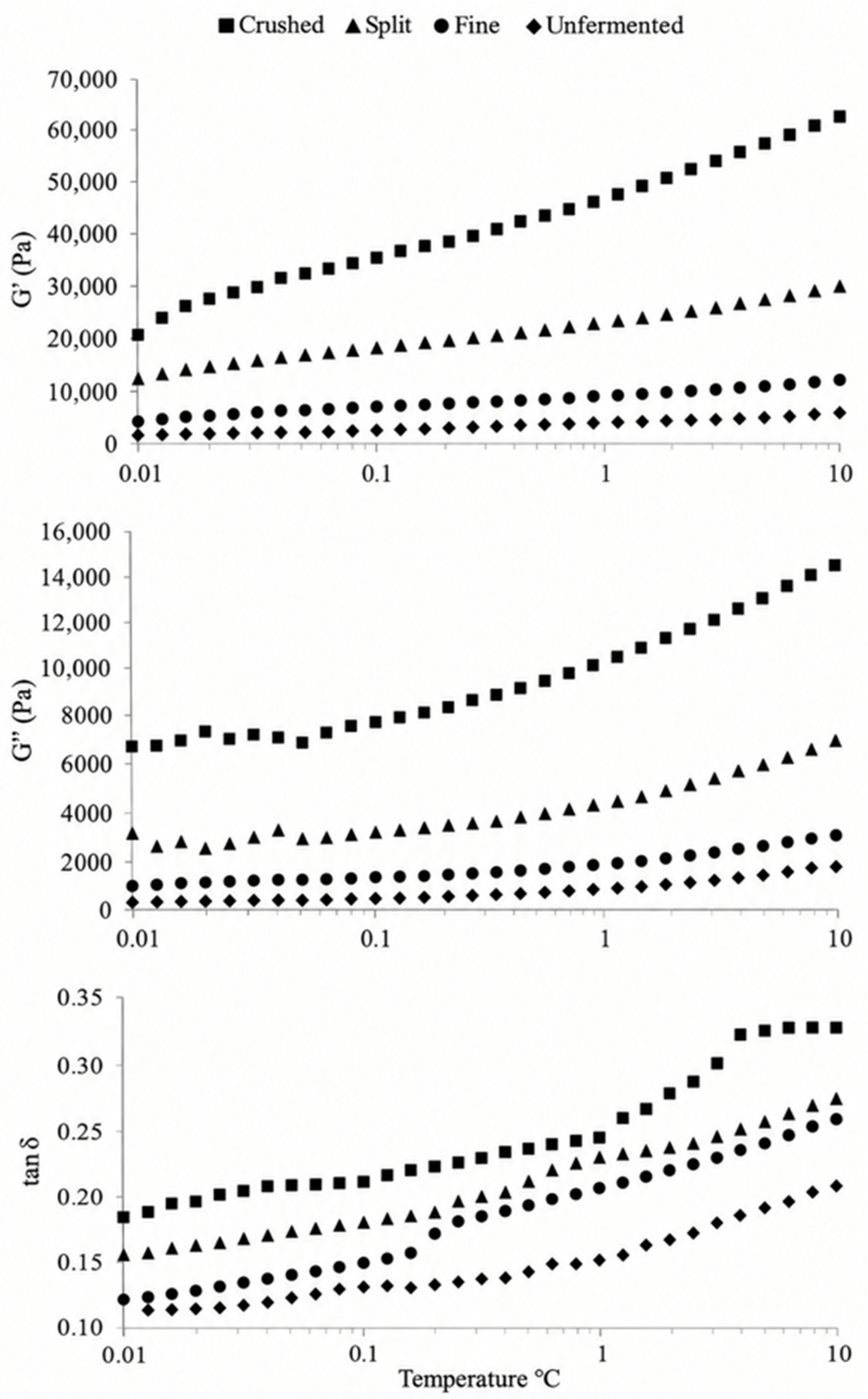
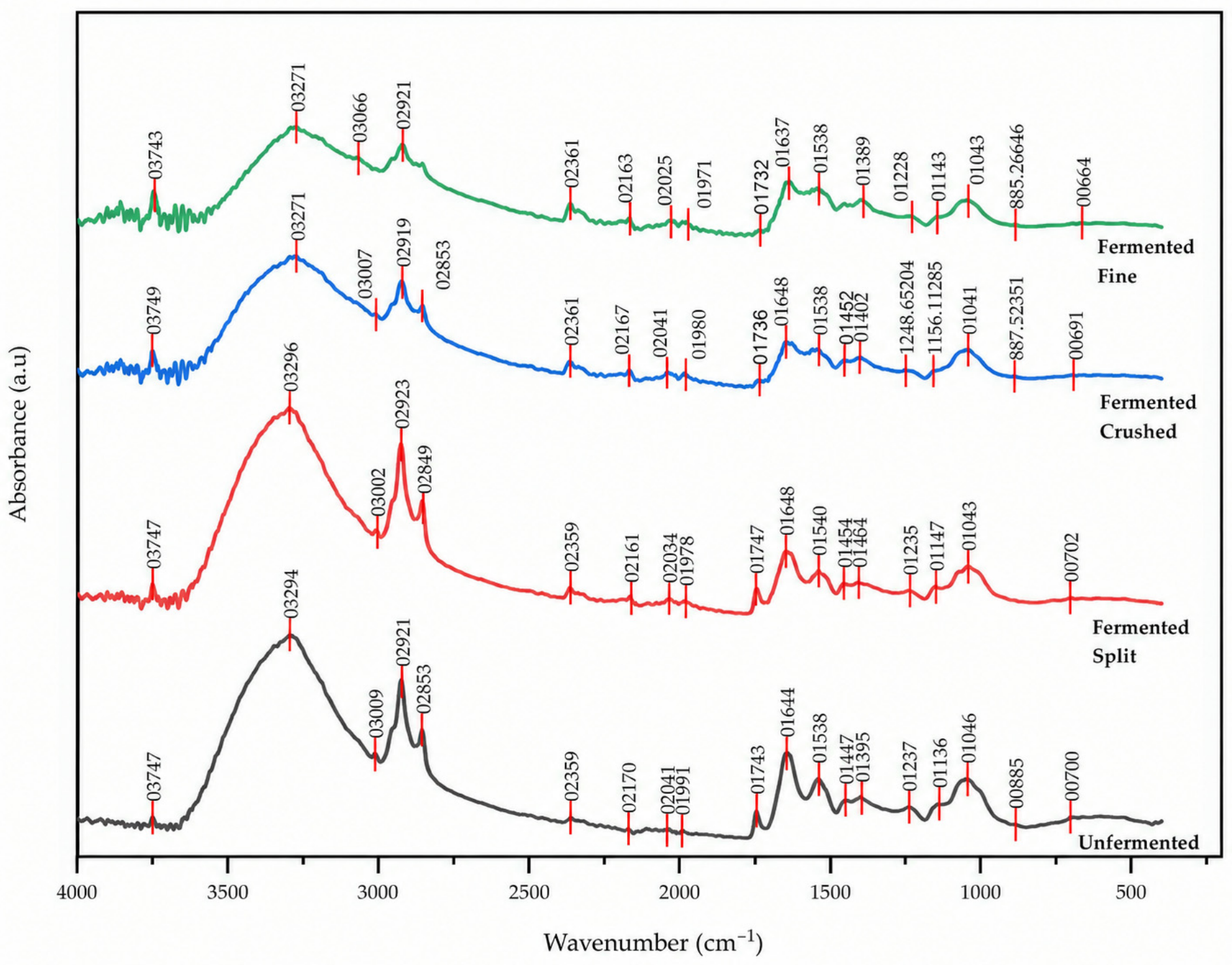
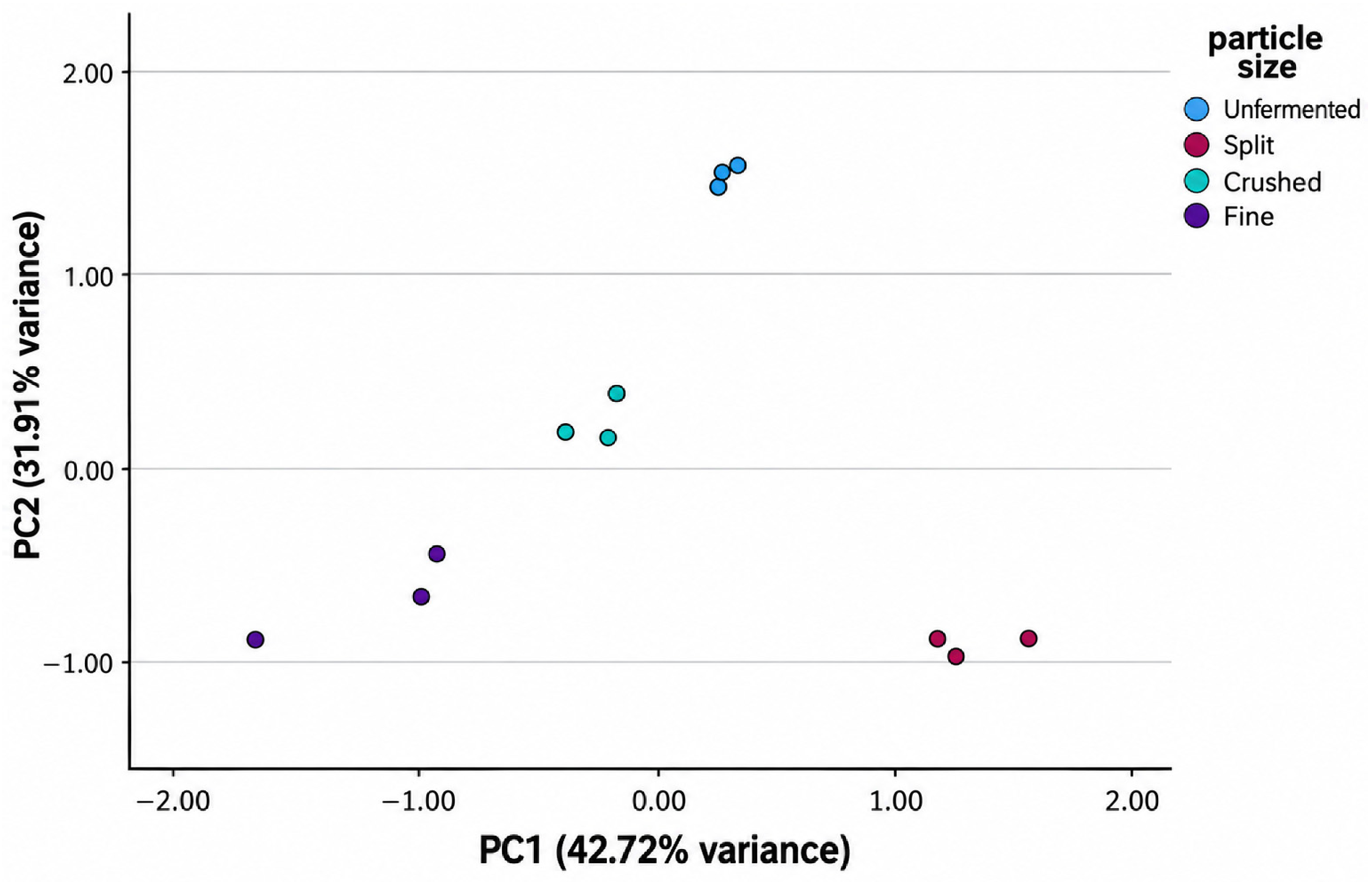
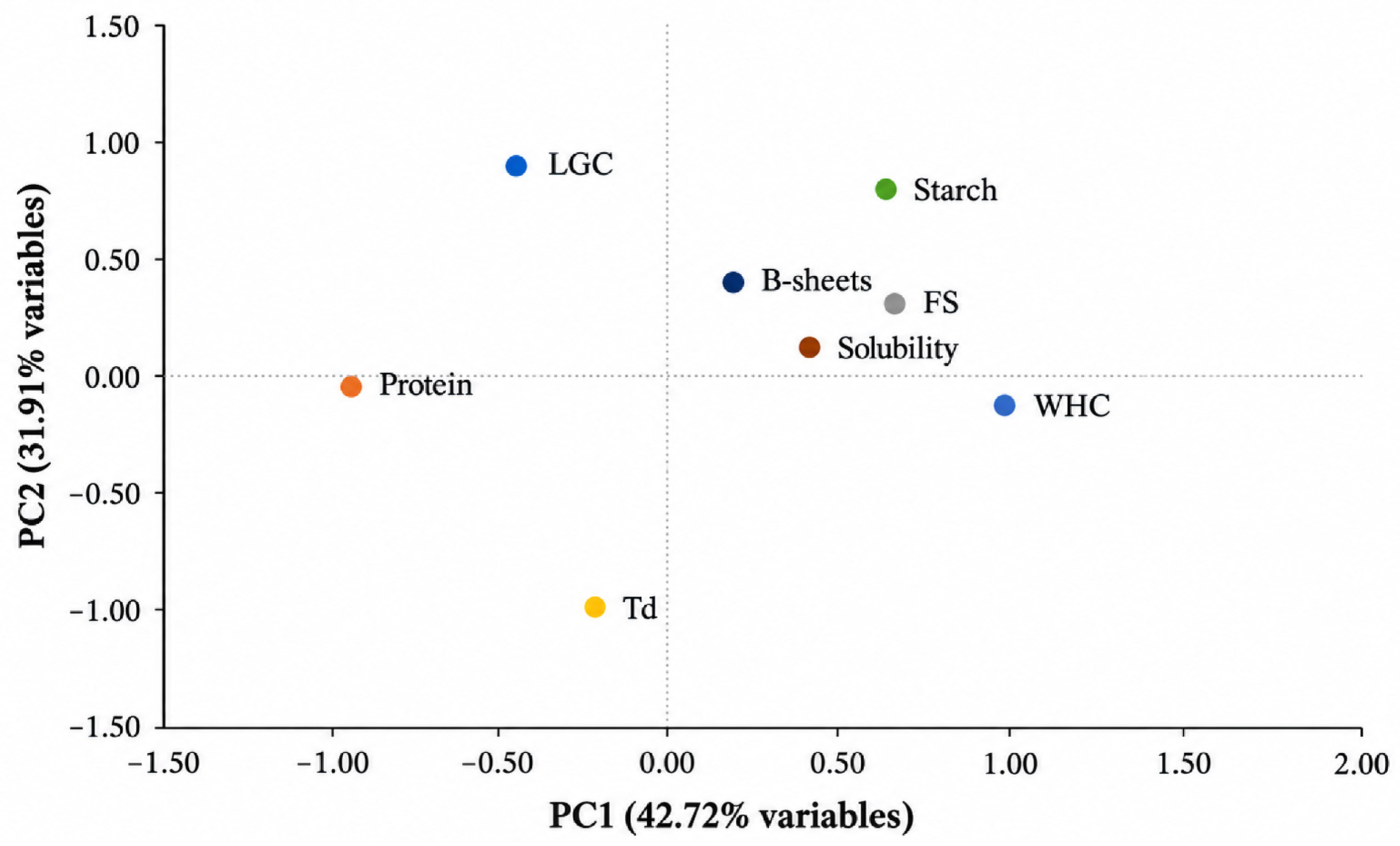
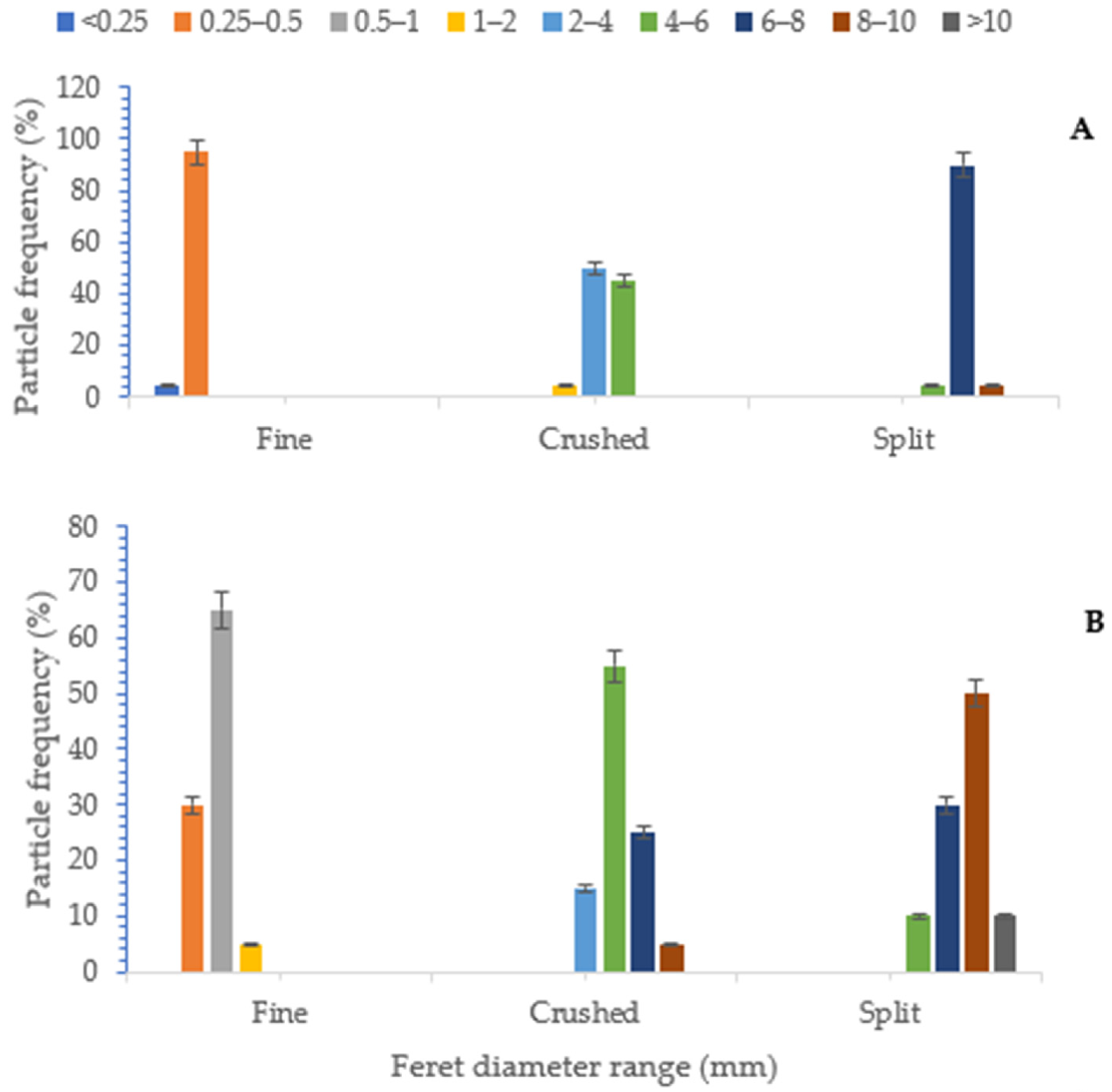
Particle size influences microbial accessibility during solid-state fermentation and may therefore determine the extent of structural modification and functionality of plant-based ingredients. This study investigated how the particle size of lupin substrates prior to fermentation with Rhizopus oligosporus (R. oligosporus) influences fermentation behaviour and the properties of the resulting fermented flour. Split, crushed, and fine lupin fractions were fermented, freeze-dried, milled to flour, and compared with unfermented lupin flour. Fermentation modified the chemical composition by reducing fat content and altering dietary fibre composition through a decrease in insoluble dietary fibre and an increase in soluble dietary fibre, particularly in the crushed fraction. Amino acid composition was also influenced by fermentation, with higher total essential amino acid contents observed in the crushed and fine fractions than in the split fraction. Functional properties were strongly affected by particle size, with the fermented crushed fraction exhibiting the highest water holding capacity, protein solubility, emulsifying activity, foaming capacity, and viscoelastic strength. FTIR and differential scanning calorimetry demonstrated that fermentation induced controlled protein restructuring and molecular reorganisation without extensive denaturation, with the crushed fraction showing the most favourable balance between structural modification and protein stability. Multivariate analysis further confirmed that functional performance was governed by the interaction of compositional and structural changes. Overall, particle size is a critical processing parameter that regulates fermentation efficiency and determines the quality of fermented lupin flour.
Keywords: Lupinus angustifolius; Rhizopus oligosporus; particle size; protein functionality; plant-based ingredients Lupinus angustifolius; Rhizopus oligosporus; particle size; protein functionality; plant-based ingredients