Article

Cadmium Enrichment Characteristics in Different Oratosquilla oratoria Tissues During Various Gonadal Development Stages from Shanghai and Its Health Risk Assessment


1
Key Laboratory of Oceanic and Polar Fisheries, East China Sea Fisheries Research Institute, Chinese Academy of Fishery Sciences, Ministry of Agriculture and Rural Affairs P. R. China, Shanghai 200090, China
2
College of Food Science and Technology, Shanghai Ocean University, Shanghai 201306, China
3
College of Food Science and Technology, Dalian Ocean University, Dalian 116023, China
*
Author to whom correspondence should be addressed.
Foods 2026, 15(11), 1937; https://doi.org/10.3390/foods15111937
Submission received: 23 April 2026 / Revised: 15 May 2026 / Accepted: 27 May 2026 / Published: 30 May 2026
(This article belongs to the Special Issue Food Safety and Quality in Aquaculture and Fisheries Products)

Abstract

The bioaccumulation of cadmium (Cd) in the edible tissues of Oratosquilla oratoria, a seasonal delicacy in Shanghai, poses potential health risks to consumers. This study investigated Cd accumulation in the edible tissues (muscle, gonad, hepatopancreas, intestine, heart) of Oratosquilla oratoria purchased from Shanghai markets, focusing on cadmium content during gonadal development using inductively coupled plasma mass spectrometry (ICP-MS). Results revealed the hepatopancreas as the primary site of Cd storage, with concentrations in the intestine and hepatopancreas (10.64–58.27 mg/kg) being orders of magnitude higher than those in the gonads and muscle (0.01–0.48 mg/kg). Strikingly, Cd levels in the gonads remained consistently low throughout development and did not correlate with the gonadosomatic index. This indicates a biological barrier that sequesters Cd in the outer gonad membrane of Oratosquilla oratoria, thereby protecting germ cells from toxicity. Health risk assessment indicated that consumption of the intestine and hepatopancreas poses a potential carcinogenic risk, whereas the most commonly consumed tissues—muscle and gonads—present a low risk. Our findings clarify the differential bioaccumulation of Cd in Oratosquilla oratoria, reveal a potential biological mechanism for gonadal protection, and provide a scientific basis for targeted consumption guidance to mitigate public health risks.

1. Introduction

Oratosquilla oratoria, also known as “mantis shrimp” or “squilla”, belongs to the phylum Arthropoda, class Crustacea, order Stomatopoda, family Squillidae, and genus Oratosquilla. It is widely distributed in the coastal areas of China, Japan, and the Philippines. It is commonly found in burrows on muddy seabeds in shallow coastal waters and is a common organism in the sea areas around coastal cities [1]. In Shanghai, the consumption of Oratosquilla oratoria shows clear seasonal characteristics. Every year, the most fertile period of Oratosquilla oratoria is from April to May, just before the fishing ban period. Female shrimp contain abundant roe, and male shrimp have plump flesh, making it a seasonal delicacy on the tables of Shanghai citizens. The primary market for Oratosquilla oratoria includes Shanghai, a metropolitan area with a population of 26 million. Consumers in Shanghai commonly ingest various edible tissues of the mantis shrimp together, with the hepatopancreas and gonads being particularly favored for their flavor and texture. With increasing consumption of Oratosquilla oratoria, the problem of heavy metal cadmium pollution has gradually attracted attention. A number of studies have shown that mantis shrimp have a very strong bioaccumulation capacity for cadmium. For instance, Zhao et al. [2] reported a 100% exceedance rate for cadmium in the edible tissues of samples from Shanghai. Furthermore, the cadmium content in the gonads is approximately ten times higher than that in the muscle tissue [3]. Cadmium inhibits enzyme activity by binding to proteins containing carboxyl and amino groups, damages the kidneys, bone marrow, and digestive system, reduces immunity, and causes osteoporosis (as seen in the Japanese “Itai-Itai disease”) [4]; it also interferes with metal ion metabolism and increases the detoxification burden on organs [5]. In addition, the International Agency for Research on Cancer has classified cadmium as a Group 1 carcinogen [6]. In recent years, the focus of consumers in Shanghai regarding mantis shrimp has gradually shifted from simple freshness and taste to safety and health risks. This shift makes the risk assessment of cadmium in mantis shrimp particularly important.
Most existing research on cadmium (Cd) accumulation in Oratosquilla oratoria has been conducted from a food safety perspective. Because of the anatomical difficulty of completely separating the hepatopancreas from the gonads, these studies have typically analyzed the tissues together and reported high overall Cd levels. Consequently, this approach has obscured the specific distribution pattern of Cd between these organs, leaving it unclear—and indeed controversial—whether the gonads themselves are a primary site of accumulation. This question is particularly pertinent given that Oratosquilla oratoria is a representative commercial species in Shanghai, where consumer exposure risk is a primary concern. Moreover, although it is known that material exchange and metal accumulation occur during gonadal development, systematic data on Cd content in different tissues across developmental stages are still lacking. Thus, a comprehensive investigation into the Cd accumulation characteristics in various tissues, especially the changes in Cd levels throughout sexual maturation, is critically needed.
Therefore, this study was designed to address these gaps. We meticulously dissected fresh Oratosquilla oratoria to completely separate the hepatopancreas, gonads, muscle, and heart, and employed ICP-MS to accurately quantify Cd concentrations in these tissues from specimens collected in Shanghai markets. Our objectives were to: (1) elucidate the differential Cd accumulation characteristics across these tissues, with a particular focus on its dynamic changes during gonadal development; (2) compare Cd accumulation between males and females; and (3) assess the potential carcinogenic and non-carcinogenic health risks associated with consuming different edible parts. The findings will provide a scientific basis for more targeted consumption guidance and offer new insights into the potential mechanisms of Cd interception and detoxification in Oratosquilla oratoria.

2. Materials and Methods

2.1. Instruments and Reagents

Nitric acid (analytical grade), J.T. Baker, Phillipsburg, NJ, USA; Cadmium standard solution (10 μg/mL), Agilent Technologies, Santa Clara, CA, USA; Indium (In) internal standard solution (10 μg/mL), Agilent Technologies, USA.
Agilent-7500 Inductively Coupled Plasma Mass Spectrometer, Agilent Technologies, USA; Ethos 1/A Microwave Digestion System, Milestone, Sorisole, Italy; 16RXII High-Speed Refrigerated Centrifuge, Hitachi CF, Tokyo, Japan; HP-H35SC Electric Heating Plate, Shengda Jieshen Automation Equipment Co., Ltd., Jinan City, China; Milli-Q ultrapure water purification system, Millipore, Burlington, MA, USA. All experimental vessels, including PTFE digestion vessels, were immersed in 35% nitric acid for 48 h, thoroughly rinsed with ultrapure water, air-dried, and then used.The microwave digestion procedure is shown in Table 1.

2.2. Sample Collection and Target Tissue Dissection

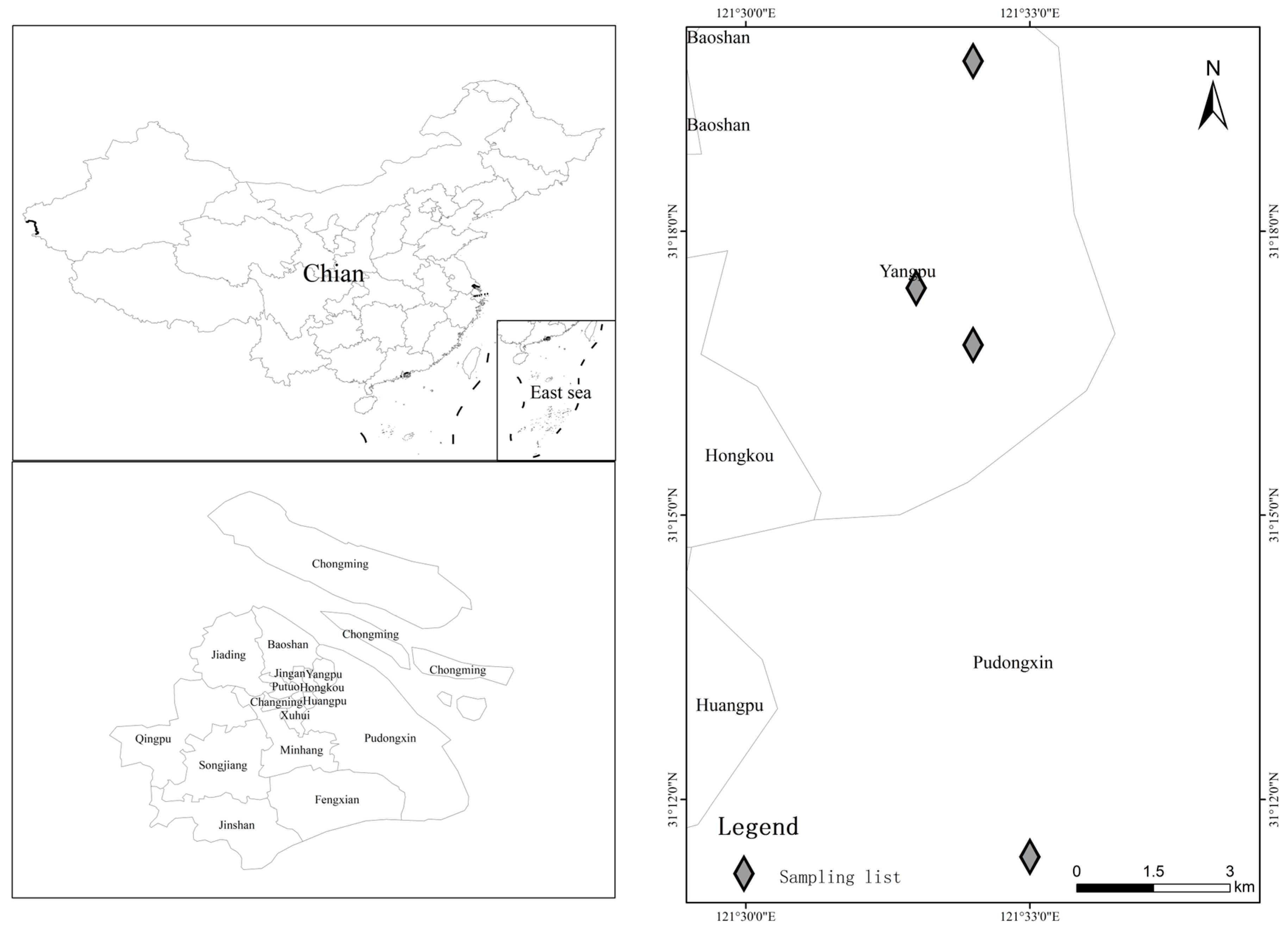
From April to September 2025, this study collected a total of 87 Oratosquilla oratoria specimens (including 35 males). All specimens were purchased from supermarkets and aquatic markets in Yangpu District, Shanghai. This is illustrated in Figure 1. No concurrent measurements of Cd concentrations in sediment or water were available, as samples were purchased directly from markets. The collected Oratosquilla oratoria weighed between 14.53 g and 49.64 g, with an average weight of 29.99 g. Purchased specimens were maintained under low-temperature aerobic conditions (12~15 °C) and dissected on the same day to ensure they remained alive during dissection.
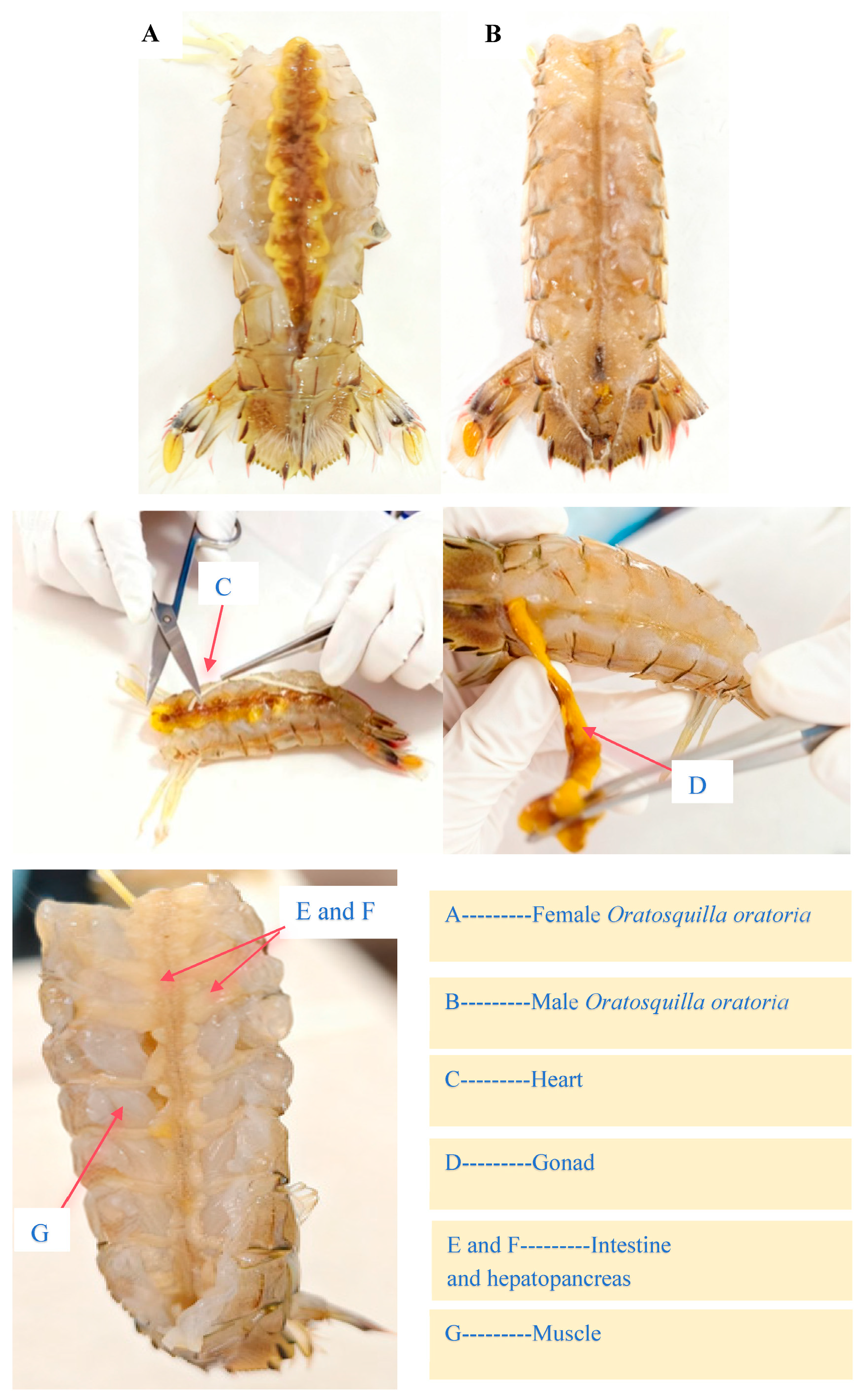
During dissection, clean impurities from the crab’s surface using ultrapure water, then blot dry with paper towels. Weigh the total mass of the Oratosquilla oratoria. Use scissors to cut open its dorsal side, remove the carapace, and peel away the muscles. A long, white, tubular heart will be visible along the dorsal midline. Carefully extract the heart using tweezers and scissors. Considering that the tissues of the Oratosquilla oratoria begin to dissolve and decay once the heart is removed, it is essential to promptly separate the gonads, intestines, and hepatopancreas. Use tweezers to remove the gonads. After removal, the spider-web-like hepatopancreas becomes visible. This organ encloses the intestine internally and extends laterally from the left and right sides at the segmental junctions toward the body margins [7,8]. Divide the dissected Oratosquilla oratoria tissues into four groups: (1) Muscle; (2) Gonads; (3) Intestines and Hepatopancreas; (4) Heart. To prevent cross-contamination between tissues, clean dissection tools after removing each tissue before proceeding to the next. Following dissection, edible tissues from male Oratosquilla oratoria were blended and homogenized, with female specimens undergoing identical processing. Homogenized samples were stored at −20 °C for subsequent analysis. All cadmium measurements are reported on a wet weight basis. Anatomical images of male and female Oratosquilla oratoria are shown in Figure 2A,B.
According to relevant research reports, the growth and development of the female Oratosquilla oratoria ovary can be divided into six stages (Table 2), while the development of the male testis can be divided into four stages (Table 3).
The male Oratosquilla oratoria collected in this study were all in the sexually mature stage (stage IV), while the female Oratosquilla oratoria samples were collected from stages VI to VIII. Due to the small number of female Oratosquilla oratoria in the early stage, and the connection between the gonads and the hepatopancreas in this stage is easily damaged and difficult to separate, the cadmium content of the samples in the early stage was not tested. All tissue samples were homogenized, weighed, and stored at −20 °C. Cadmium content analysis was based on wet weight data.

2.3. Sample Preparation and Analysis

Determination of cadmium content in Oratosquilla oratoria was conducted according to Method 1: Inductively Coupled Plasma Mass Spectrometry (ICP-MS) in GB 5009.268-2016 “National Food Safety Standard: Determination of Multiple Elements in Food” [10]. According to the standard, samples were weighed and digested. Cadmium quantification employed seven levels of standard working solutions (0, 0.1, 0.2, 0.5, 1.0, 2.0, and 5.0 ng/mL) as internal standards. The R2 of the calibration curve is 0.9998. The method has a limit of detection (LOD) of 0.02 mg/kg and a limit of quantification (LOQ) of 0.05 mg/kg.

2.4. Gonadal Index

Before dissection, the surface of the Oratosquilla oratoria was dehydrated by the standard water absorption method (Whatman No. 1 filter paper). The weight of the whole Oratosquilla oratoria was first weighed, and then the gonadal tissue was weighed and stored in a −20 °C refrigerator for analysis. The gonadosomatic index (GSI) was calculated according to the following formula [11]:
GSI (%) = Gonad wet weight/Body wet weight × 100

2.5. QA/QC Control

A razor clam (Sinonovacula constricta) quality control sample (national certified reference material, provided by the Second Institute of Oceanography, State Oceanic Administration) was used to ensure quality control throughout the analytical process and results, including precision tests, repeatability tests, and accuracy tests. The quality control analysis was performed in triplicate to confirm that the analytical method employed is accurate and reliable for the determination of total cadmium in the tested samples. Data are expressed as the mean ± standard deviation.
The total cadmium content in a certified reference material of Sinonovacula constricta (razor clam) was determined by ICP-MS. The measured value of cadmium was 0.37 ± 0.01 (n = 3), which falls within the certified reference range of 0.38 ± 0.02 mg/kg, with a relative standard deviation (RSD) of less than 5%. This indicates good accuracy of the test results. Therefore, the method employed in this study is confirmed to be accurate and reliable.

2.6. Method for Assessment of Cadmium Pollution

The single-factor pollution index (Pi) for heavy metals in aquatic products is used to evaluate the pollution level of a single heavy metal element in aquatic products. The calculation formula is as follows [12]:
P i = C i S i
Ci denotes the mean value of heavy metal element i in aquatic products, measured in mg/kg; Si denotes the maximum permissible limit for heavy metal i in aquatic products, measured in mg/kg. Evaluation standards refer to the “National Food Safety Standard: Maximum Contaminant Levels in Foods” (GB 2762-2022) [13].
Evaluation Criteria: Pi < 0.2 indicates normal background levels; 0.2 ≤ Pi < 0.6 indicates mild pollution levels; 0.6 ≤ Pi < 1.0 indicates moderate pollution levels; Pi ≥ 1.0 indicates severe pollution levels.

2.7. Human Dietary Exposure Risk Assessment Method

Estimated daily intake (EDI) represents the amount of heavy metals ingested by humans from Oratosquilla oratoria daily [14], expressed as micrograms per kilogram of body weight per day (μg/kg bw/d):
E D I = E F × E D × I × C B W × A T
In the formula: EF represents exposure frequency (365 days/year); ED (Exposure Duration) denotes continuous exposure time (70 years, equivalent to average human lifespan); I (Intake) represents the average daily intake in g/d. Since the Sixth China National Dietary Intake Survey did not include lifetime average consumption data for Oratosquilla oratoria in Shanghai, and given Suzhou’s geographical proximity and similar dietary habits to Shanghai, Suzhou’s annual average consumption of Oratosquilla oratoria is 3.03 kg [15]. Therefore, the average daily intake of Oratosquilla oratoria in Shanghai is 8.3 g/d; C (Concentration) represents the concentration of heavy metals in seafood (mg/kg, bw); BW (Body Weight) denotes the average body weight of an adult human (assumed to be 60 kg) [16]. AT (Average Time) represents the average exposure time for non-carcinogenic substances, calculated in this study as 70 years (365 days/year × 70 years).
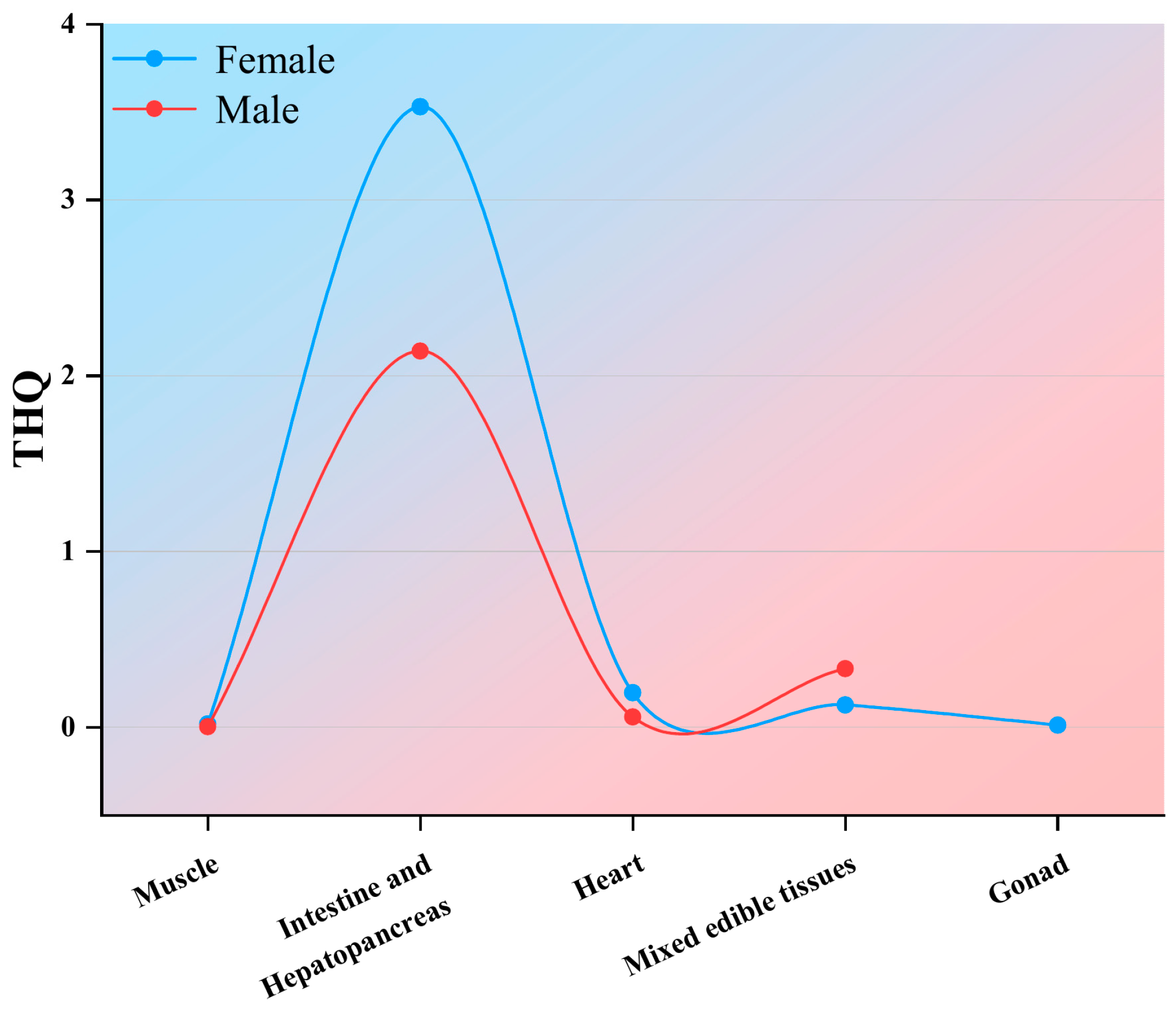
Target Hazard Quotients (THQ) is a risk assessment method published by the U.S. Environmental Protection Agency for evaluating human exposure to exogenous pollutants through dietary intake. Target Hazard Quotients serve as a method for assessing dietary risks to humans and are widely used in health risk assessments for heavy metal pollutants [17]. This study employs the point assessment method for high-end cadmium boundary evaluation and utilizes the target hazard quotient method to assess the health risks of cadmium exposure in Oratosquilla oratoria. When the total hazard quotient is less than 1, it indicates no significant dietary risk for the exposed population; conversely, a risk exists when the quotient exceeds 1 [18]. The higher the THQ value, the greater the risk level.
T H Q = E D I R f D o
In the formula: EDI denotes the estimated daily intake of heavy metals in humans, expressed in mg/kg day; RfDo represents the reference dose for daily exposure, at which humans can be continuously exposed throughout their lifetime without a substantial carcinogenic risk [19]. The U.S. Environmental Protection Agency (US EPA) recommends an RfDo of 0.001 mg/kg day [20].
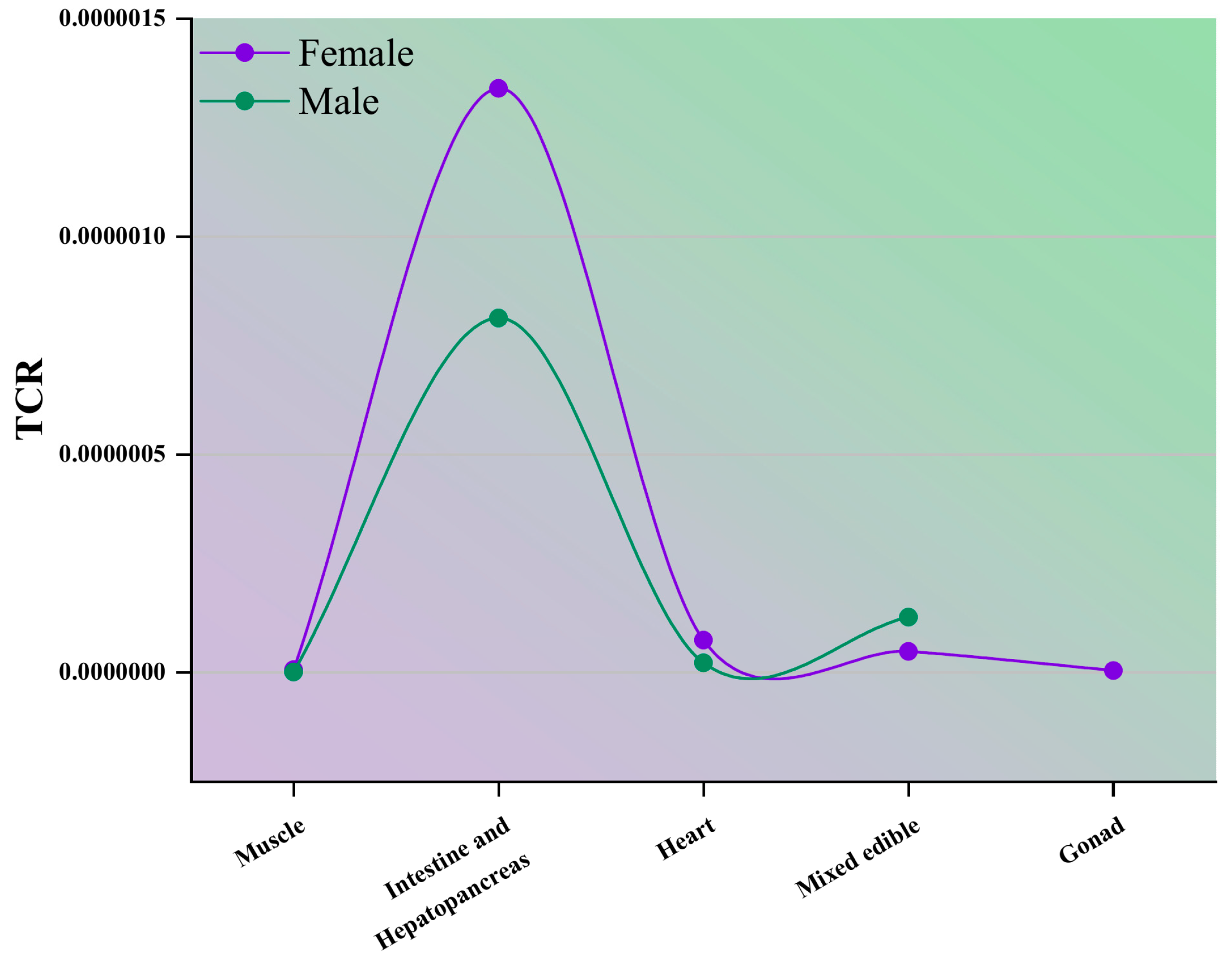
Target cancer risk (TCR) is an indicator used in environmental health and food safety to quantify the probability of excess cancer incidence resulting from lifetime exposure to potential chemical carcinogens [21]. A TCR greater than 10−4 indicates a higher risk of cancer; a TCR between 10−4 and 10−6 indicates a risk of cancer; if the TCR is less than 10−6, the cancer risk can be considered negligible. The TCR calculation formula is as follows [15]:
T C R = E D I × C S F o × 10 3
In the formula: EDI denotes the estimated daily intake of heavy metals via oral exposure in humans, expressed in mg/kg day; CSFo represents the carcinogenic slope factor for oral intake, with the value for cadmium being 0.38 (mg/kg day)−1 [22].

2.8. Statistical Analysis

Data analysis was performed using Microsoft Excel 2016 and SPSS (version 24.0) software. Results are expressed as means ± standard deviation (SD). Plots were generated using Origin 2024 software.

3. Results and Discussion

3.1. Sample Determination Results and Analysis

3.1.1. Cadmium Content Characteristics in Different Tissues

Table 4 shows the cadmium content in different edible tissues of the Oratosquilla oratoria. Cadmium levels in the intestines and hepatopancreas were significantly higher than in other tissues, with concentrations decreasing in the following order: intestines and hepatopancreas > heart > muscle > gonads.
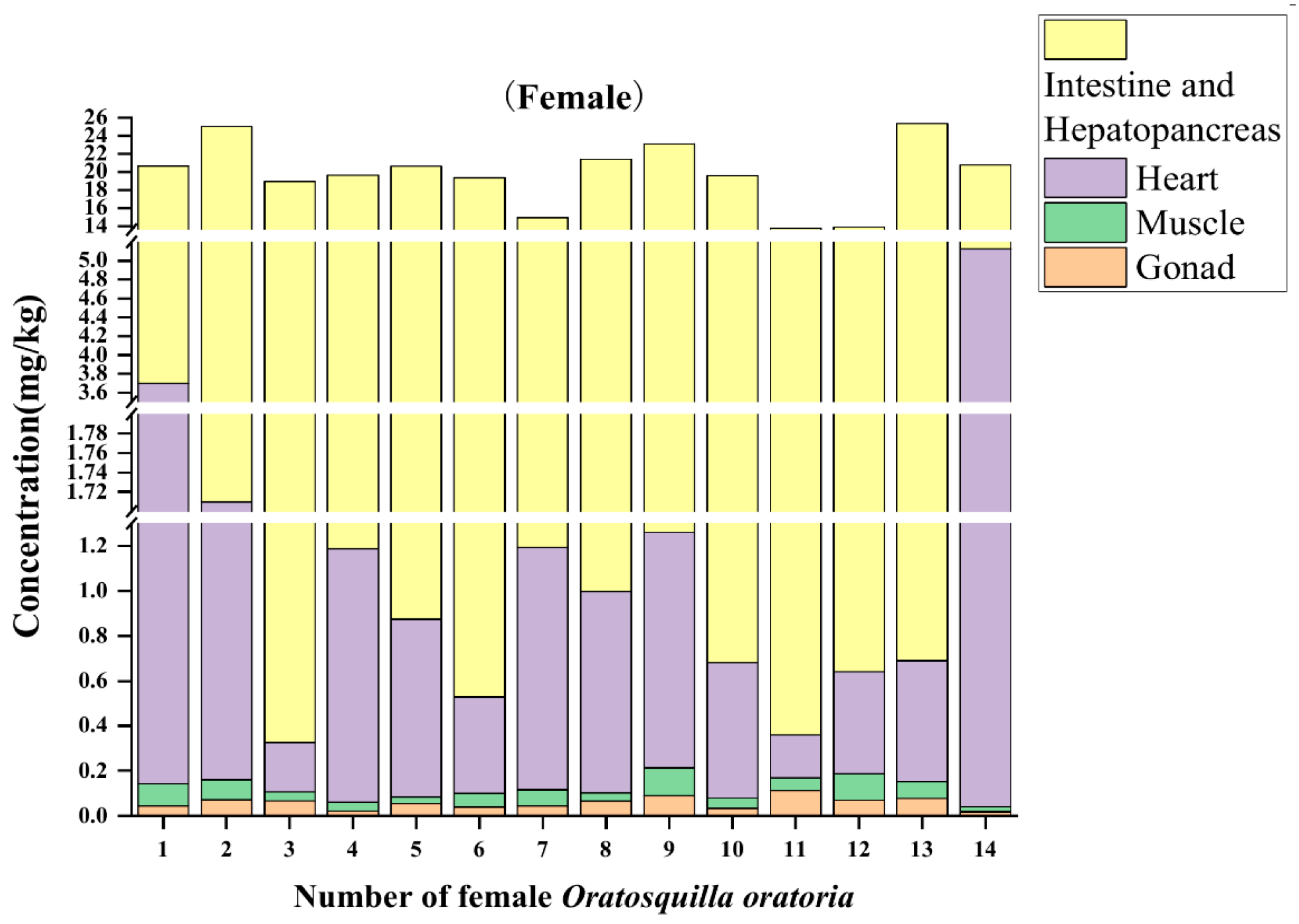
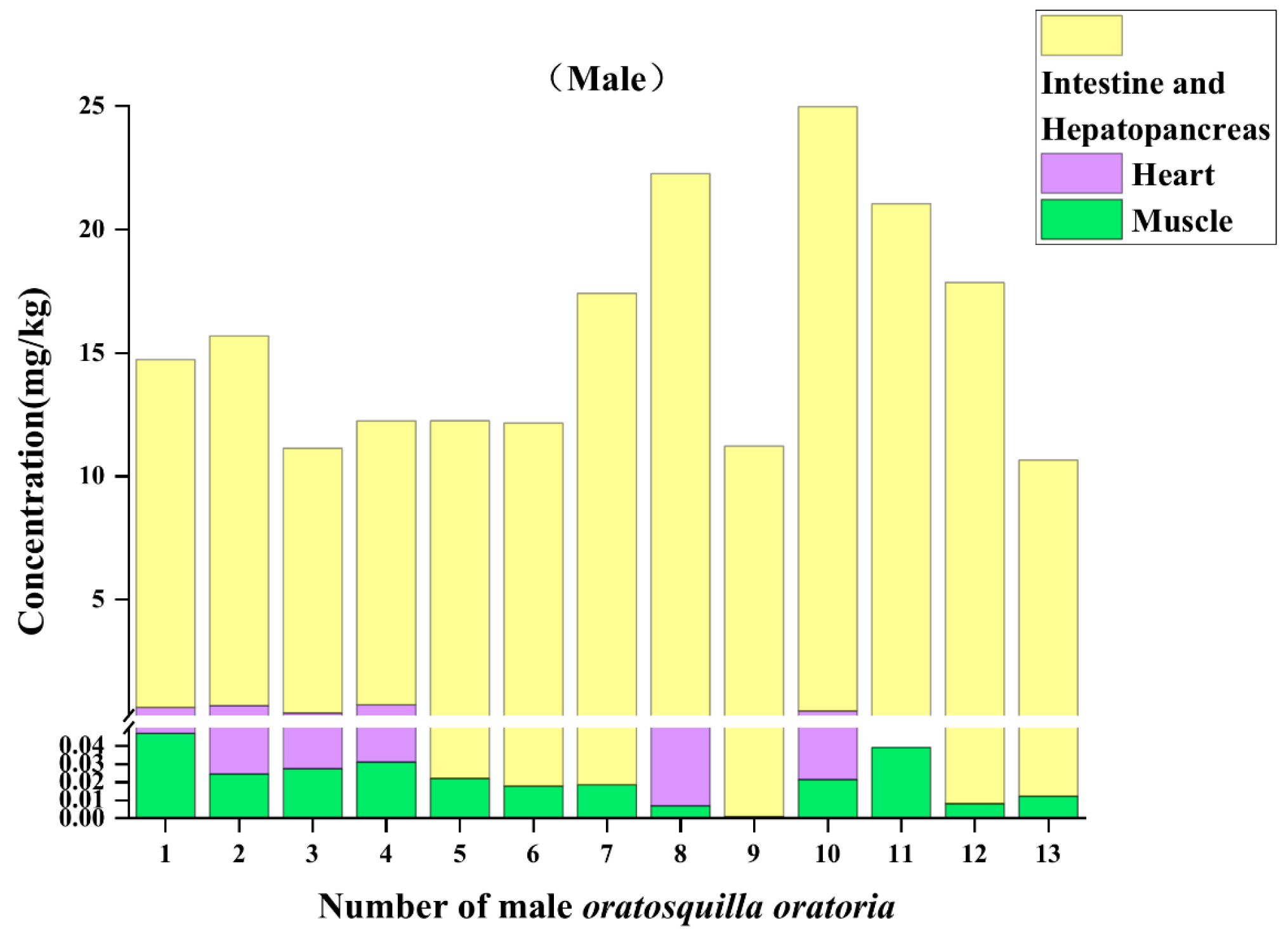
Oratosquilla oratoria are a highly popular edible marine seafood. Xu Xin et al. [23] found that all Oratosquilla oratoria encountered in fishery surveys originated from wild populations, with no records of artificial cultivation. According to data from the 2024 China Fishery Statistical Yearbook, the national catch of Oratosquilla oratoria in 2023 reached 227,265 tons, representing a 2.37% increase compared to 2022. However, the food safety issues concerning heavy metals in the edible tissues of Oratosquilla oratoria have also drawn widespread attention. Due to their benthic lifestyle, crustacean aquatic organisms like Oratosquilla oratoria are more prone to specifically accumulating toxic substances such as heavy metal cadmium. These substances can then be transmitted through the food chain and bioaccumulate in the human body, posing greater safety risks when consumed [24]. Their breeding season spans from April to August, with peak sexual maturity occurring in two periods: April to May and July to August. The Oratosquilla oratoria products during the sexual maturity period are more favored by consumers, hence the cadmium content in the gonadal tissues of mantis shrimp has attracted significant research attention. Research findings indicate that cadmium concentrations (wet weight) are higher in the intestine and hepatopancreas, while lower concentrations are observed in the gonads and muscle tissue. Consequently, significant variations in cadmium content exist across different edible tissues. The hepatopancreas serves as the crustacean’s primary digestive gland, performing both hepatic and pancreatic functions. The liver contains metallothionein, metallothionein-like proteins and nitrogen-containing heterocyclic small molecule compounds. The sulfhydryl group of metallothionein and the ligands of small molecule compounds have high affinity and complexing ability for heavy metals such as cadmium, so the cadmium accumulation is high [25]. The digestive tract, where Oratosquilla oratoria digest food, temporarily store nutrients, and excrete waste, shows higher cadmium content, indicating that cadmium primarily enters the mantis shrimp’s body through dietary intake. Consequently, its accumulation concentration is significantly higher than that of other tissues [26]. However, there are few relevant exposure experiments that point to the cadmium accumulation pathways in this species. This result is consistent with previous research by Han Dianfeng [24] indicating that the digestive tract is the primary tissue for cadmium accumulation in Oratosquilla oratoria, with cadmium accumulation concentrations and enrichment rates significantly higher than those in muscle and gonads. Additionally, this study is the first to determine cadmium levels in the gonads and other tissues of Oratosquilla oratoria, revealing extremely low cadmium concentrations in the gonads. Detailed data are shown in Figure 3 and Figure 4.
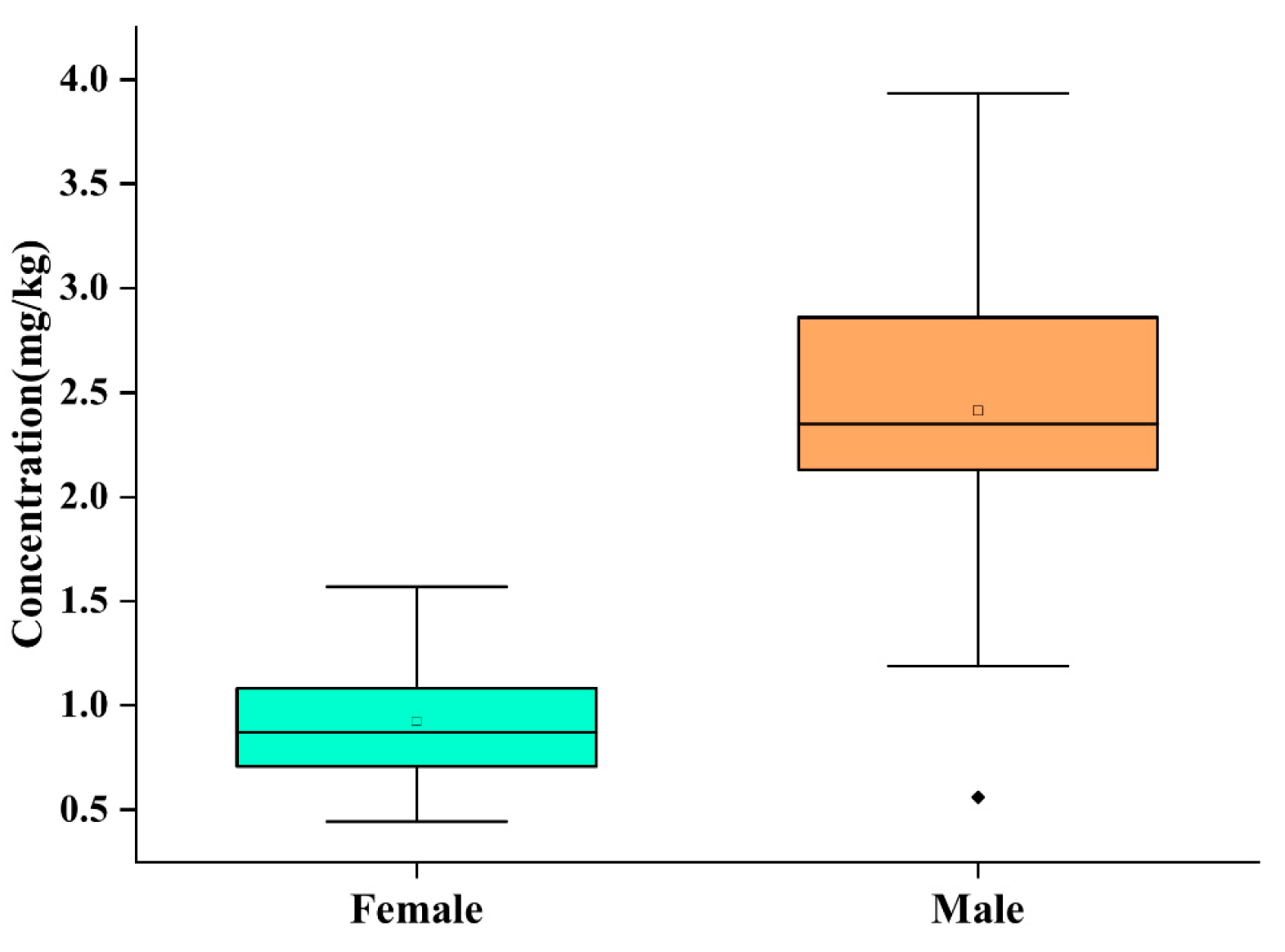
Figure 5 compares the cadmium (Cd) concentrations between female and male Oratosquilla oratoria. The results demonstrate that males exhibit significantly higher Cd burdens than females, indicating a stronger Cd-bioaccumulation capacity in the male cohort. This is consistent with the findings reported by Wu et al. Cadmium is primarily detoxified in vivo via complexation with metallothionein-like proteins (MTLP); the observed higher Cd levels in males may therefore reflect a more robust MTLP-binding capacity, facilitating greater internal sequestration of the metal. At present, studies addressing sex-specific Cd accumulation in Oratosquilla oratoria remain scarce, and the underlying biological mechanisms await further elucidation.

3.1.2. Variation Features of Cadmium Content in Oratosquilla oratoria Across Developmental Stages

The gonadosomatic index (GSI) is a critical indicator for revealing the reproductive status of a species and is widely used to determine the reproductive period in aquatic animals [9]. Sexual maturity is an important stage in the development of fishery resources, and it is an important turning point for fishery resources to develop from larvae to adults and begin to participate in reproductive activities [27]. At present, there are few studies on the relationship between the first sexual maturity and body size and age in crustaceans, and only a few studies have confirmed that the gonadal index in red-eyed shrimp is negatively correlated with body weight [28].
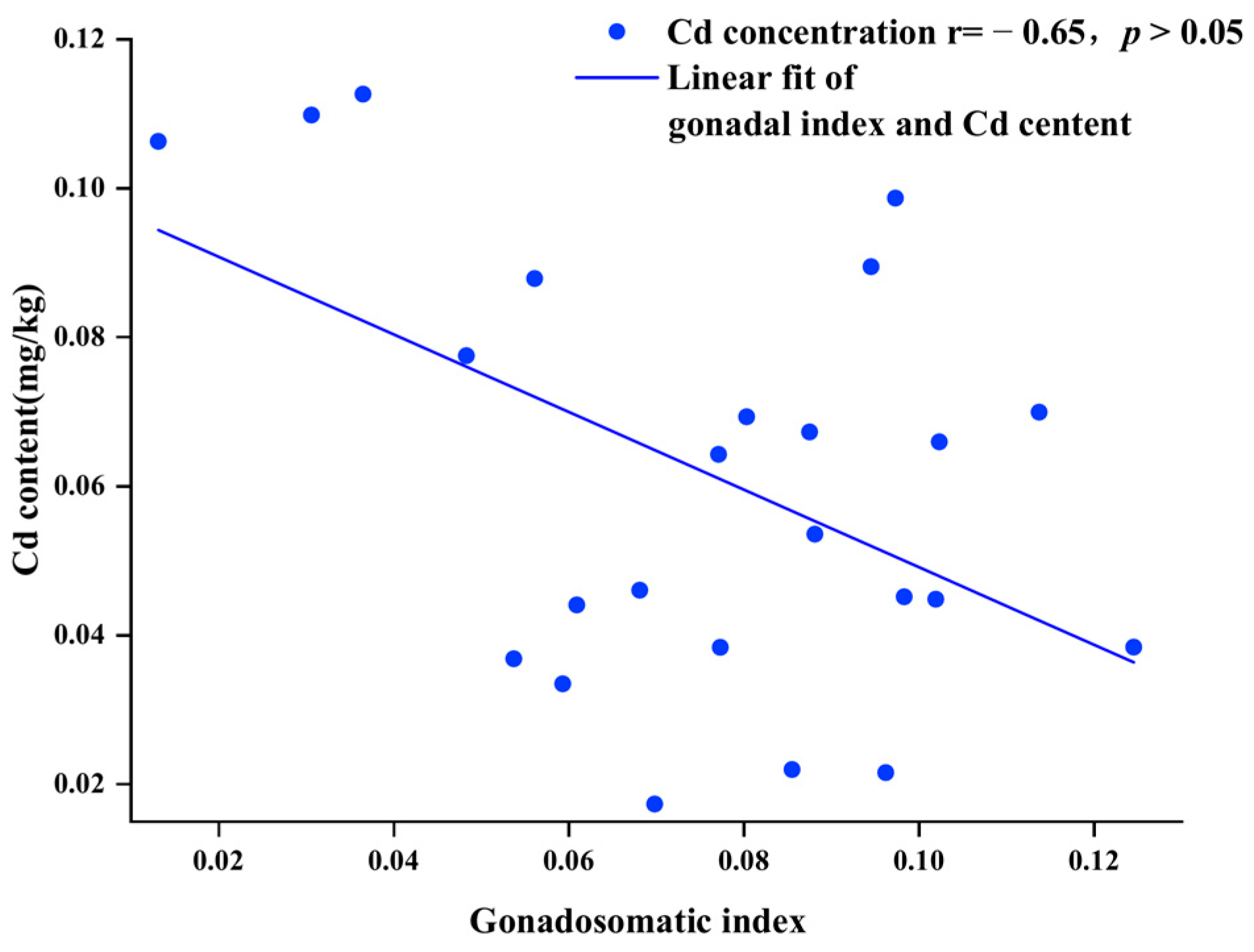
The gonadal index of the Oratosquilla oratoria serves as a crucial biological indicator, primarily used to assess the degree of gonadal development in individual specimens, determine their reproductive season, and investigate their reproductive biology. In this study, the gonadal index of female Chinese Oratosquilla oratoria wet specimens ranged from 1.31% to 12.45%, with an average value of 7.25%. As shown in Figure 6, the gonadal index of Oratosquilla oratoria exhibits an overall negative correlation with cadmium content.
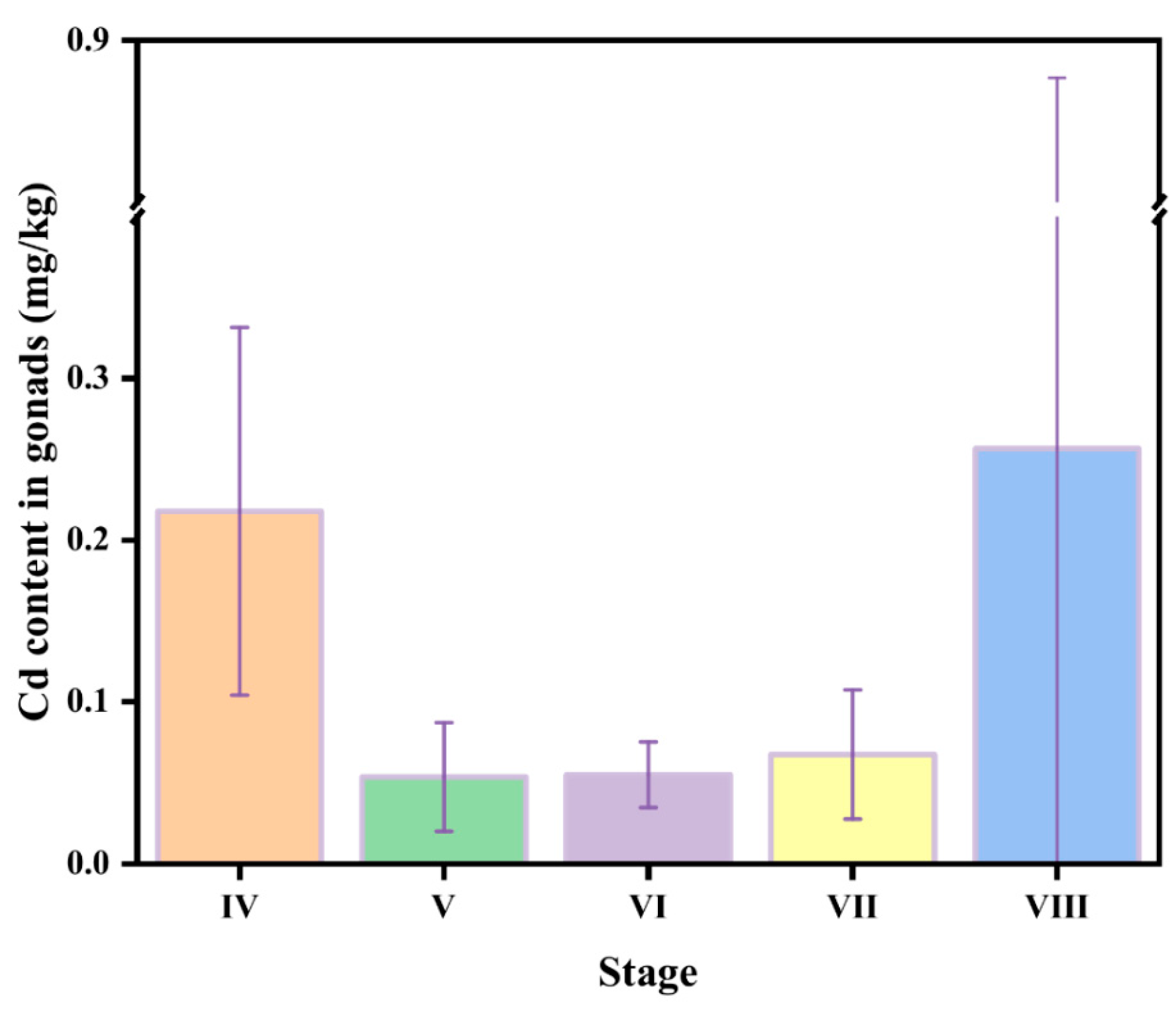
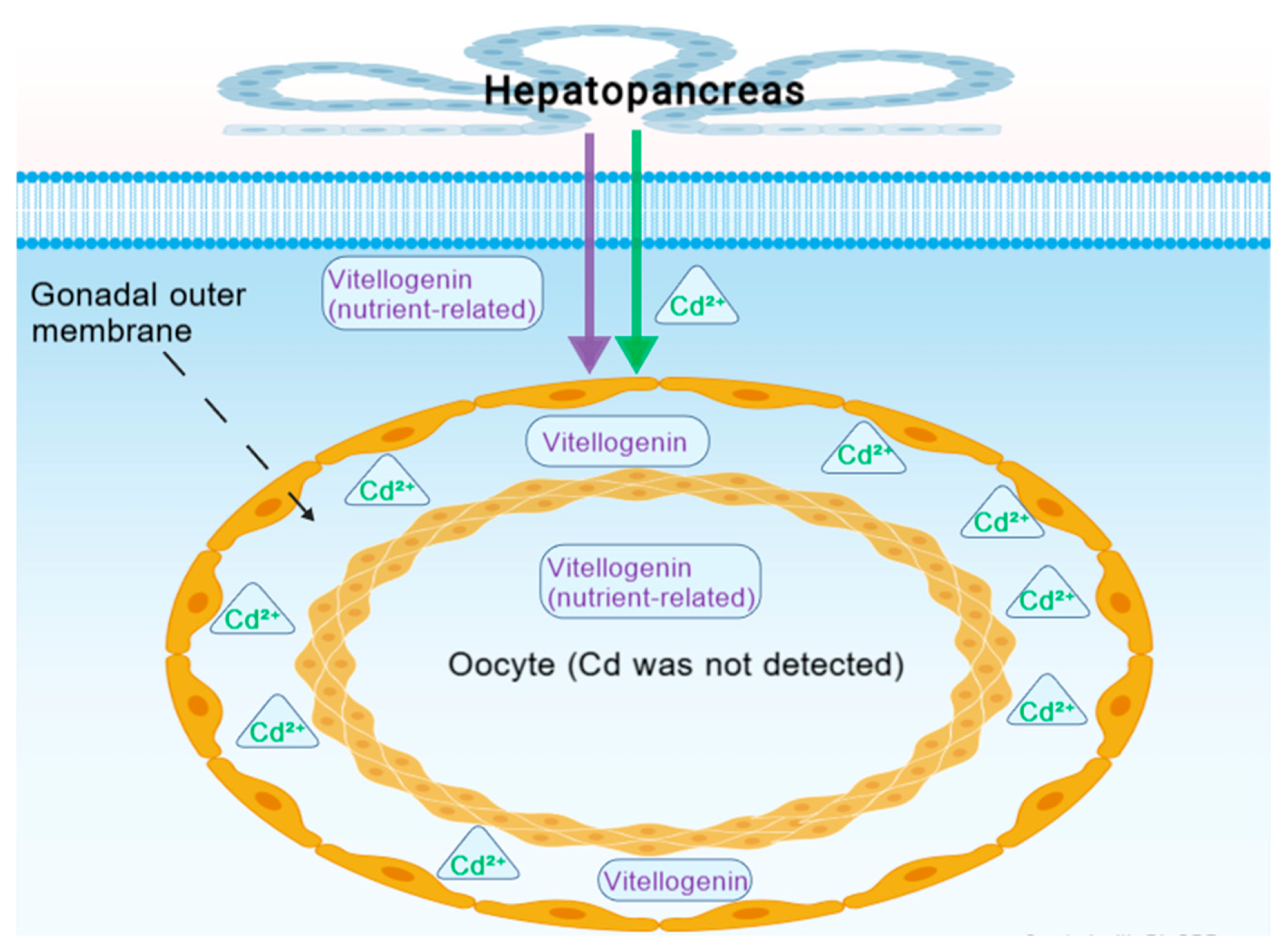
Combining the changes in ovarian growth and cadmium contentin in female mantis shrimp, we observed the pattern of cadmium accumulation during gonad development (Figure 7). Figure 8 shows the physiological structure of the female mantis shrimp gonad at different developmental stages. The ovary is the main reproductive organ of the female shrimp, and its development directly affects the reproduction of the offspring [29]. The ovary of the mantis shrimp is mainly composed of the ovary, oviduct and seminal receptacle. The outer membrane is a special stratified epithelium that produces oocytes and follicular cells in a radial manner [30]. Ovarian development includes the differentiation of oocytes and the accumulation of yolk, which leads to corresponding changes in the size and appearance of the gonads.
The cadmium content in the gonads of female shrimp is not constant, nor does it simply increase with the accumulation time. In the early and late stages of ovarian development, the cadmium level in the gonads is higher than that in other stages, especially in stages IV and VIII, which is significantly higher than that in other stages. This phenomenon may be related to the characteristics of ovarian development and the change in gonadal somatic index (GSI) of Oratosquilla oratoria. During the rapid development of gonads (stages V–VII), oocytes proliferate in large quantities and accumulate yolk substances, resulting in the deepening of the yellow appearance of the ovary, the increase in the overall volume, and the increase in GSI. The cadmium concentration in the gonads is extremely low at this stage.
During Phase VII, with the release of a large number of mature eggs, the ovarian volume decreases. However, at this stage, the cadmium concentration in the gonads soars to the highest point throughout the reproductive cycle, far exceeding that in any other period. The rise in ovarian cadmium levels during the ovulation process may suggest that the external structures of the ovary have retained most of the cadmium within the overall ovarian tissue. This is indirectly supported by the extremely low cadmium content found in the oocyte.
Cadmium exhibits significant reproductive toxicity to organisms [24]. However, this study indicates that as the gonads continue to develop, the cadmium content within them does not show a significant increasing trend, suggesting that the gonads of Oratosquilla oratoria do not possess the ability to accumulate cadmium. The hepatopancreas is the primary site for the synthesis of structural proteins such as vitellogenin. These proteins are subsequently transported via the hemolymph to the ovaries, where they are utilized for oocyte development and yolk deposition [31]. The research findings reveal that the cadmium content is relatively high in the hepatopancreas and digestive tract, indicating that cadmium does not enter the ovarian part of the gonads along with nutrients like proteins. This result suggests that there may exist a certain blocking mechanism in the gonads of Oratosquilla oratoria that retains cadmium in the outer membrane of the ovaries, preventing its entry into the reproductive cells and thus not affecting the production and development of the shrimp’s offspring.

3.1.3. A Hypothesis on Cadmium Interception in Oratosquilla oratoria

Previous research has often attributed cadmium accumulation in crustaceans to environmental factors, overlooking their physiological regulation [32]. In the Oratosquilla oratoria, the gonad has been reported to accumulate Cd at concentrations roughly ten times higher than those in muscle, and the majority of this Cd is bound in organic forms, with the highly toxic inorganic ion fraction typically below 20% [33]. During gonadal maturation, the hepatopancreas synthesizes and secretes large quantities of vitellogenin (VTG) and other nutritional proteins, which are transported through the hemolymph to the ovary to support oocyte development. In decapod crustaceans, the specific uptake of VTG by oocytes occurs via vitellogenin receptor (VgR)-mediated endocytosis; this receptor system has recently been reconceptualized as a selective molecular filter capable of buffering oocytes from toxic challenges during vitellogenesis [34].
To mechanistically explain this phenomenon, we propose a hypothetical “nutrient–toxicity shunt” model. Specifically, we hypothesize that during the massive hemolymph-borne transport of hepatopancreas-derived substances to the ovary, VTG is efficiently taken up into oocytes via VgR-mediated endocytosis, whereas the Cd–MT complex is largely excluded from this pathway. We further speculate that Cd–MT is secondarily captured and sequestered by the follicular cells, possibly through alternative receptors such as scavenger receptors or megalin/cubilin, thereby establishing a safeguard that physically separates Cd from the developing oocytes. If operative, this putative barrier would theoretically protect developing embryos from Cd toxicity during oogenesis and subsequent embryogenesis. Notably, Cd has been shown to disrupt VTG synthesis in the hepatopancreas and thereafter inhibit ovarian development in the red swamp crayfish Procambarus clarkii, indicating that the VTG transport axis is indeed vulnerable to Cd interference and underscoring the biological plausibility of an ovarian-level countermeasure [35].
Cd enters the hepatopancreas via Ca2+ channels/DMT1 and induces MT binding. While VTG and other nutritional proteins synthesized by the hepatopancreas are massively transported through the hemolymph to meet the demands of gonadal development, the Cd–MT complex does not accompany VTG, or even if it reaches the ovary, it is recaptured by the outer follicular cell layer. Experimental observations show that Cd remains almost completely in the ovarian outer membrane (follicular cell layer), with extremely low concentrations inside the oocytes. This supports the existence of a “nutrient–toxicity shunt” mechanism: VTG from the hepatopancreas is efficiently taken up by the ovary, whereas the Cd–MT complex is secondarily captured and immobilized in the outer membrane, thereby blocking the toxic route to germ cells and ensuring normal embryonic development.
It must be emphasized, however, that the “nutrient–toxicity shunt” model is at present speculative and awaits direct experimental validation. The evidence we present and the supporting literature discussed above provide only indirect and correlative clues; no molecular, histological, or biochemical verification—such as immunohistochemical co-localization of MT with the follicular cell layer, isotope or fluorescent tracer studies tracking the differential trafficking of VTG and Cd in vivo, or identification and functional characterization of the follicular receptors putatively responsible for Cd–MT capture—has yet been obtained.
Rather than claiming to have elucidated a verified mechanism, this study offers a clearly defined and experimentally testable hypothesis. It shifts the research focus from traditional food safety risk assessment toward a more mechanistic exploration of how crustaceans may actively partition toxic metals away from reproductive tissues. We argue that the ovary of Oratosquilla oratoria might not simply be a site of Cd accumulation but could harbor a regulated filter system that discriminates between essential nutritional proteins and potentially harmful metal complexes. This conceptual framework provides a concrete, experimentally addressable direction for future investigations, which should prioritize the direct localization of Cd–MT complexes, in vivo tracing of VTG and Cd trafficking, and receptor identification in the follicular layer. The validity of the “nutrient–toxicity shunt” hypothesis must now be tested through these targeted approaches. This study thus provides reference data and research directions for future studies on cadmium accumulation mechanisms in aquatic organisms.

3.2. Cadmium Pollution Assessment Results

Table 3 shows the cadmium contamination levels in different tissues of Oratosquilla oratoria. Current research findings on cadmium contamination in various tissues of Oratosquilla oratoria do not fully reflect the distribution patterns of cadmium in the surrounding environment. The midgut and hepatopancreas exhibit the highest cadmium accumulation in edible parts of Oratosquilla oratoria. The hepatopancreas serves as the primary metabolic gland in crustaceans, involved in nutrient conversion, synthesis, decomposition, and excretion. The gut functions as the main site for food digestion, and the complexes formed there are difficult to degrade. These factors contribute to cadmium biomagnification within organisms, as both organs are interconnected with food chains and food webs.
In the newly revised National Food Safety Standard: Maximum Contaminant Limits in Foods (GB 2762-2022) [13], separate provisions have been established for cadmium limits in two crustacean products—Oratosquilla oratoria and sea crabs—raising the threshold to 3 mg·kg−1. The results are presented in Table 5. While muscle, gonads, and heart tissues of Oratosquilla oratoria did not exceed the limit, their intestines and hepatopancreas exceeded the relevant standard. Notably, evaluation results indicate that cadmium contamination levels in the intestines and hepatopancreas of Oratosquilla oratoria reached heavily polluted levels. Therefore, it is necessary to conduct further dietary exposure risk assessments for different tissues through human health risk evaluations.

3.3. Human Health Risk Assessment

The dietary exposure risk assessment of cadmium holds significant importance for evaluating the health risks associated with local residents’ consumption of Shanghai Oratosquilla oratoria. Two risk assessment methods—target hazard quotient (THQ) and target cancer risk (TCR)—were employed to quantify the non-carcinogenic and carcinogenic risks posed by Shanghai Oratosquilla oratoria. This is illustrated in Figure 9 and Figure 10.
A study on cadmium levels in different parts of Oratosquilla oratoria collected from Shanghai markets and an associated dietary risk assessment. Results (Table 4) indicate that dietary exposure risk to cadmium is highest in the intestine and hepatopancreas, while the lowest risk is found in the gonads and muscle tissue. Notably, TCR analysis of the intestine and hepatopancreas revealed potential carcinogenic risks that warrant attention. The dietary exposure risk index (THQ) indicates that consuming the muscle tissue carries significantly lower dietary exposure risk than consuming the intestine or hepatopancreas. The assessment of cadmium contamination levels in different tissues and human consumption safety indicates that consuming the intestine and hepatopancreas carries higher risks than consuming the gonads and muscle tissue. This finding is consistent with the research conducted by Li Jie [36] and Lu Furong [37], which demonstrated that the Target Hazard Quotient (THQ) decreases following the removal of the digestive gland, suggesting a higher risk of cadmium exposure associated with the consumption of mantis shrimp when the digestive gland is retained. Furthermore, consuming male Oratosquilla oratoria carries slightly higher risks than consuming female Oratosquilla oratoria, with similar findings observed in target cancer risk results. As one of China’s most common economically important shrimp species, we place particular emphasis on the potential bioaccumulation of cadmium in different edible tissues. Furthermore, the exposure risks associated with consuming different edible tissues warrant additional attention. Detailed data are shown in Table 6.
Cadmium, as a toxic heavy metal, accumulates in marine organisms and can induce various toxic effects such as oxidative stress, neurotoxicity, and growth inhibition, posing potential risks to aquatic ecosystems [38]. Cadmium entering coastal environments through rivers and atmospheric deposition as a result of industrial and agricultural activities readily accumulates in aquatic organisms, particularly in benthic organisms. Through the amplification effect of the food chain, it ultimately poses a threat to the health of humans as the terminal consumers [38]. Therefore, seafood consumption, particularly among coastal populations where seafood constitutes a significant portion of the diet, represents a major pathway for cadmium exposure. The migration and transformation of cadmium in marine environments are significantly influenced by its chemical form and sediment characteristics [38], while its bioaccumulation efficiency is closely related to species-specific physiological and ecological traits, exposure pathways, and their position within the food web [39]. This complex biogeochemical process makes seafood a key conduit for cadmium entering the human body from the environment, increasing the likelihood of chronic health damage—such as nephrotoxicity—from long-term dietary exposure [40]. Therefore, conducting cadmium contamination studies on specific economic species is crucial for accurately assessing health risks.
In estuarine and coastal areas significantly impacted by human activities, cadmium levels in sediments often increase, leading to benthic organisms inhabiting these regions becoming highly enriched cadmium populations. Table 7 presents cadmium (Cd) concentrations in sediments from various regions of China, including bays, estuaries, and rivers. Using the Oratosquilla oratoria commonly found in Shanghai markets as a study subject, analyzing cadmium concentrations in its various tissues not only indicates the cadmium pollution background in the Yangtze River Delta estuary region but also directly assesses the health risks local residents face through dietary intake. Research has consistently confirmed that the visceral organs of crustaceans (such as hepatopancreas and intestinal glands) serve as primary accumulation sites for heavy metals. Consumers can effectively reduce cadmium exposure by selectively consuming muscle tissue. This dietary recommendation is supported by food safety risk assessments in multiple countries [41]. Furthermore, this study reveals extremely low cadmium levels in the neutral gland tissue of Oratosquilla oratoria, confirming that consumers can safely consume this part. This study provides scientific evidence for formulating targeted consumption recommendations and regional food safety regulations by analyzing cadmium distribution differences across edible parts of Oratosquilla oratoria.

4. Conclusions

This study investigated the differences in cadmium accumulation in the edible tissues of Oratosquilla oratoria from Shanghai markets. The results indicate that Oratosquilla oratoria exhibits cadmium accumulation capacity, although accumulation varies among body parts. Cadmium levels in the gonads are extremely low, while the intestine and hepatopancreas serve as the primary cadmium storage sites. These results clearly show for the first time that the gonads of Oratosquilla oratoria do not accumulate cadmium, nor is the metal passed on to future generations. Because the reproductive glands contain almost no cadmium, we speculate that a “nutrient–toxicity shunt” mechanism exists in the body to ensure reproductive safety. In addition, many unresolved questions remain regarding the cadmium accumulation mechanism in Oratosquilla oratoria. Future research directions may include morphological analysis of cadmium, exploration of cell signaling pathways, and studies on the expression of related proteins. Health risk assessment revealed that for the general consumer population, the target hazard quotient (THQ) for cadmium exposure from consuming only muscle and gonadal tissues falls within acceptable limits, indicating low non-carcinogenic health risks. However, consumption practices that include the intestine and hepatopancreas pose clear potential health risks. These risks are particularly pronounced for sensitive groups such as high-frequency consumers, children, and pregnant women. This study reveals the bioaccumulation of cadmium in Oratosquilla oratoria, providing guidance for Shanghai residents consuming this species. It should be noted that systematic data on the lifetime average consumption of Oratosquilla oratoria among Shanghai residents are currently unavailable. In contrast, Xu and Li [54] reported that residents in the Yangtze River Delta share common influencing factors for aquatic product consumption (e.g., product preference and purchasing habits), resulting in highly consistent consumption behavior within this region. Given that Suzhou and Shanghai are both located in the Yangtze River Delta, are geographically adjacent, and belong to the same cultural and economic zone, intraregional extrapolation of consumption data from Suzhou to Shanghai is justifiable.
According to the latest revision of national food safety standards, the cadmium limit has been raised from 0.5 mg/kg to 3.0 mg/kg. While this increase has slightly reduced the rate of non-compliance, it does not guarantee food safety. The provisional tolerable monthly intake (PTMI) for cadmium set by the Joint FAO/WHO Expert Committee on Food Additives (JECFA) remains unchanged at 0.025 mg/kg body weight. As cadmium is a heavy metal prone to bioaccumulation in the body, long-term excessive intake poses health risks, particularly affecting organs such as the kidneys and bones. Therefore, strict control of cadmium intake is necessary, along with a reduction in the consumption of highly contaminated parts of Oratosquilla oratoria (especially the intestine and hepatopancreas).

Limitations and Future Directions

The primary limitation of this study lies in the fact that the proposed “nutrient–toxicity shunt” hypothesis, although logically inferred from the observed differential distribution of cadmium across ovarian compartments and from established models of vitellogenin uptake and oogenesis, currently lacks direct molecular, histological, and biochemical validation. Specifically, critical experimental evidence—such as immunohistochemical co-localization of metallothionein within the follicular cell layer, in vivo tracer studies tracking the differential trafficking routes of vitellogenin and cadmium, and functional characterization of the putative follicular receptors responsible for the secondary capture of Cd–MT complexes—has not yet been obtained. The hypothesis must therefore be regarded as a speculative but clearly formulated and testable working model. A secondary limitation concerns the extrapolation of our findings to human health risk assessment. The present study is based on a limited number of samples collected within a confined spatial and temporal window and toxicokinetic models of cadmium bioavailability in humans. Expanding future sampling to broader spatiotemporal scales, systematically monitoring pollution dynamics, and integrating bioavailability assessments would help translate the observed internal partitioning of cadmium into more precise and population-specific exposure estimates.
The current conclusion remains valid for the scope of method establishment.
Accordingly, future research should pursue two parallel priorities: first, targeted molecular and imaging studies designed to directly test the nutrient–toxicity shunt hypothesis, and second, large-scale surveys integrated with advanced bioavailability modeling to refine the risk assessment framework for cadmium in edible crustaceans. Notwithstanding its current limitations, the present study offers a concrete conceptual model and a set of clearly testable predictions that can productively guide both lines of investigation.

Author Contributions

N.S.: Writing—original draft, Writing—review & editing, Conceptualization, Methodology, Software. R.H.: Visualization, Resources. Y.S.: Writing—review & editing, Supervision, Conceptualization, Visualization, Project administration, Resources. R.L.: Resources. Q.L.: Resources. X.Z.: Supervision, Conceptualization. D.H.: Resources. C.F.: Resources. F.H.: Resources. L.T.: Resources. All authors have read and agreed to the published version of the manuscript.

Funding

Funding for this research was supported by National Natural Science Foundation of China (32372446).

Institutional Review Board Statement

The animal study protocol was approved by the animal care welfare of East China Sea Fisheries Research Institute, Chinese Academy of Fishery Sciences (protocol code: ECSFRI 11 and date of approval: 15 March 2025).

Informed Consent Statement

Not applicable.

Data Availability Statement

The original contributions presented in the study are included in the article, further inquiries can be directed to the corresponding author.

Conflicts of Interest

The authors declare that they have no known competing financial interests or personal relationships that could have appeared to influence the work reported in this paper.

References

  1. Guan, L.; Shan, X.; Yang, T.; Wu, Q.; Jin, X. Early Recruitment Pattern of Oratosquilla oratoria in Relation to the Seasonal Pattern of Juvenile Occurrence in the Bohai Sea, China. Adv. Fish. Sci. 2022, 43, 168–178. [Google Scholar] [CrossRef]
  2. Zhao, Y.F.; Kang, X.M.; Ning, J.S.; Zhai, Y.X.; Shang, D.R.; Ding, H.Y.; Sheng, X.F. Speciation and Distribution Characteristics of Cadmium and Arsenic in the Edible Tissues of Oratosquilla oratoria. Food Sci. 2020, 41, 282–287. [Google Scholar]
  3. Qu, R.; Liu, J.; Wang, L.; Wang, Z. The toxic effect and bioaccumulation in aquatic oligochaete limnodrilus hoffmeisteri after combined exposure to cadmium and perfluorooctane sulfonate at different pH values. Chemosphere Environ. Toxicol. Risk Assess. 2016, 152, 496–502. [Google Scholar] [CrossRef]
  4. Kakei, M.; Sakae, T.; Yoshikawa, M. Combined effects of estrogen deficiency and cadmium exposure on calcified hard tissues: Animal model relating to itai-itai disease in postmenopausal women. Proc. Jpn. Acad. Ser. A. Math. Sci. 2013, 89A, 340–347. [Google Scholar] [CrossRef] [PubMed]
  5. Baba, H.; Tsuneyama, K.; Yazaki, M.; Nagata, K.; Minamisaka, T.; Tsuda, T.; Nomoto, K.; Hayashi, S.; Miwa, S.; Nakajima, T.; et al. The liver in itai-itai disease (chronic cadmium poisoning): Pathological features and metallothionein expression. Mod. Pathol. 2013, 26, 1228–1234. [Google Scholar] [CrossRef] [PubMed]
  6. Dong, X.; Song, C.; Zhang, C.; Wang, Q.; Qiu, L.; Chen, J. Current Situation and Dietary Risk Assessment of Cadmium Residues in Aquaculture of Eriocheir sinensis in China. J. Ecol. Environ. 2019, 28, 564–570. [Google Scholar] [CrossRef]
  7. An, J.Z.; Xu, H.L.; Wang, Y.H.; Tian, Y.G.; Zhang, S.L. Morphological and histological observation of the pyloric stomach, midgut, hindgut and midgut gland of Oratosquilla oratoria. Hebei Fish. 2018, 8, 14–16+29. [Google Scholar]
  8. Shao, D.M.; Xing, K.; Chen, L. Morphological structure of the androgenic gland in Oratosquilla oratoria. J. Anhui Agric. Sci. 2016, 44, 6–7. [Google Scholar] [CrossRef]
  9. Xue, M.; Yan, H.; Liu, H.; Liu, Q.; Xing, K.; Chen, L.; Lü, H.; Lu, Y.; Zhang, T.; Chi, Q. Reproductive biology of mantis shrimp Oratosquilla oratoria in Pikou Bay in coastal Dalian. J. Dalian Ocean Univ. 2016, 31, 237–245. [Google Scholar] [CrossRef]
  10. GB 5009.268-2016; National Health and Family Planning Commission of the People’s Republic of China; China Food and Drug Administration. National Food Safety Standard—Determination of Multi-Elements in Foods. 2016. Available online: http://down.foodmate.net/standard/yulan.php?itemid=50423 (accessed on 20 October 2025).
  11. Zhang, N.G.; Pan, P.; Zhou, W.Y. Reproductive Characteristics and Early Development of Oratosquilla oratoria. Chin. Agric. Sci. Bull. 2018, 34, 133–139. [Google Scholar]
  12. Ghannam, H.E. Risk assessment of pollution with heavy metals in water and fish from river Nile, Egypt. Appl. Water Sci. 2021, 11, 125. [Google Scholar] [CrossRef]
  13. GB 2762—2022; National Food Safety Standard—Limits of Contaminants in Food. Standards Press of China: Beijing, China, 2022.
  14. Baki, M.A.; Hossain, M.M.; Akter, J.; Quraishi, S.B.; Shojib, M.F.H.; Ullah, A.A.; Khan, M.F. Concentration of heavy metals in seafood (fishes, shrimp, lobster and crabs) and human health assessment in Saint Martin Island, Bangladesh. Ecotoxicol. Environ. Saf. 2018, 159, 153–163. [Google Scholar] [CrossRef]
  15. Yao, X.-M.; Xia, Y.; Ma, X.-Y.; Jiang, J.-R.; Wang, X.; Zhang, Q.-P. Dietary exposure and health risk assessment of lead and cadmium in market-sold mantis shrimp and Chinese mitten crab in Suzhou. Mod. Prev. Med. 2025, 52, 1969–1973+2008. [Google Scholar] [CrossRef]
  16. Zhong, W.; Zhang, Y.; Wu, Z.; Yang, R.; Chen, X.; Yang, J.; Zhu, L. Health risk assessment of heavy metals in freshwater fish in the central and eastern North China. Ecotoxicol. Environ. Saf. 2018, 157, 343–349. [Google Scholar] [CrossRef] [PubMed]
  17. Huang, Y.; Tan, K.; Lei, X.; Jiang, C. Determination of Pb Content in Gingers by ICP-MS Method and Pollution Evaluation and Dietary Risk Assessment. Mod. Food 2023, 29, 198–201. [Google Scholar] [CrossRef]
  18. Wang, L.; Xu, Y.; Ding, Y.; Chen, W.; Shang, H.; Yang, T. Potential Risk Assessment of Lead and Cadmium in Shellfish to Human Health in Dalian Area. Mod. Agric. Sci. Technol. 2022, 6, 187–191. [Google Scholar]
  19. Raknuzzaman, M.; Ahmed, M.K.; Islam, M.S.; Habibullah-Al-Mamun, M.; Tokumura, M.; Sekine, M.; Masunaga, S. Trace metal contamination in commercial fish and crustaceans collected from coastal area of Bangladesh and health risk assessment. Environ. Sci. Pollut. Res. 2016, 23, 17298–17310. [Google Scholar] [CrossRef]
  20. US EPA. Region 9, Regional Screening Level (RSL) Summary Table (TR=1E−6, HQ=1.0). 2014. Available online: https://archive.epa.gov/region9/superfund/web/pdf/master_sl_table_run_june2015_rev.pdf (accessed on 20 October 2025).
  21. Wu, D.; Shi, Y.; Wang, M.; Ran, M.; Wang, Y.; Tian, L.; Ye, H.; Han, F. A baseline study on the distribution characteristics and health risk assessment of cadmium in edible tissues of the swimming crabs (Portunus trituberculatus) from Shanghai, China. Mar. Pollut. Bull. 2022, 185, 289–299. [Google Scholar] [CrossRef]
  22. Ministry of Ecology and Environment of the People’s Republic of China. Technical Guidelines for Risk Assessment of Soil Contamination of Land for Construction. 2019. Available online: https://www.mee.gov.cn/ywgz/fgbz/bz/bzwb/trhj/201912/t20191224_749893.shtml (accessed on 20 October 2025).
  23. Xu, X.; Wang, L.; Qiu, S.; Liu, S.; Dong, X. Drift Net Survey of Oratosquilla oratoria Fishery Biology in the Nearshore Region of Haiyang. Adv. Fish. Sci. 2022, 43, 56–65. [Google Scholar] [CrossRef]
  24. Han, D.F. Enrichment Law and Response Mechanism of Cadmium in Shrimp Mantis. Ph.D. Thesis, Yantai University, Yantai, China, 2021. [Google Scholar]
  25. Hou, L.P. Effects of Cadmium Ions on SOD and ATPase in Grass Carp (Ctenopharyngodon idellus) and a Study of its Toxicity. Ph.D. Thesis, South China Normal University, Guangzhou, China, 2003. [Google Scholar]
  26. Longbo, C.; Xueying, Z.; Xuelian, Q.; Yaohua, L. Histological and histochemical studies on the digestive system of Squilla oratoria. J. Fish. Sci. China 1999, 6, 13–17. [Google Scholar]
  27. Waiho, K.; Fazhan, H.; Baylon, J.C.; Madihah, H.; Noorbaiduri, S.; Ma, H.; Ikhwanuddin, M. On types of sexual maturity in brachyurans, with special reference to size at the onset of sexual maturity. J. Shellfish Res. 2017, 36, 807–839. [Google Scholar] [CrossRef]
  28. Qiu, C.; Dong, L.; Xiao, S.; Xu, S.; Fang, M.; Wang, Z. Genetic parameter estimation of nine quantitative traits by a marker-based method in Large Yellow Croaker, Larimichthys crocea (Richardson). Aquac. Res. 2017, 48, 5892–5900. [Google Scholar] [CrossRef]
  29. Bo, Q.K.; Lu, Y.Z.; Ma, C.; Mi, H.J.; Jia, L.; Meng, Y.G.; Yu, Y.G.; Geng, X.Y. Reproductive biology and biochemical changes in female mantis shrimp Oratosquilla oratoria (Stomatopoda) with ovary development from the Tianjin coastal zone of Bohai Bay. Aquaculture 2021, 534, 736239. [Google Scholar] [CrossRef]
  30. Wortham-Neal, J.L. Reproductive morphology and biology of male and female mantis shrimp (Stomatopoda: Squillidae). J. Crustac. Biol. 2002, 22, 728–741. [Google Scholar] [CrossRef][Green Version]
  31. Li, Z.; Lu, J.T.; Liu, Z.J. Biochemical Composition Changes of Hepatopancreas during Gonadal Development of Female Crayfish Procambarus clarkia. Open J. Fish. Res. 2020, 7, 156–162. [Google Scholar] [CrossRef]
  32. Batvari, B.P.D.; Sivakumar, S.; Shanthi, K.; Lee, K.J.; Oh, B.T.; Krishnamoorthy, R.R.; Kamala-Kannan, S. Heavy metals accumulation in crab and shrimps from Pulicat lake, north Chennai coastal region, southeast coast of India. Toxicol. Ind. Health 2016, 32, 1–6. [Google Scholar] [CrossRef]
  33. Zhao, Y.F.; Shang, D.R.; Ning, J.S.; Zhai, Y.X.; Ding, H.Y.; Sheng, X.F. Chemical speciation analysis of cadmium in Portunus trituberculatus and Oratosquilla oratoria. Mod. Food Sci. Technol. 2017, 33, 259–264. [Google Scholar] [CrossRef]
  34. Ruan, Y.; Wong, N.K.; Zhang, X.; Zhu, C.; Wu, X.; Ren, C.; Luo, P.; Jiang, X.; Ji, J.; Wu, X.; et al. Vitellogenin receptor (VgR) mediates oocyte maturation and ovarian development in the Pacific white shrimp (Litopenaeus vannamei). Front. Physiol. 2020, 11, 485. [Google Scholar] [CrossRef] [PubMed]
  35. Yang, H.; Yang, Y.; Mo, A.; Yuan, Y. Selenium mitigated cadmium-induced ovarian retardation in female Procambarus clarkii by regulating vitellogenin synthesis and transfer in the hepatopancreas. Ecotoxicol. Environ. Saf. 2024, 288, 117339. [Google Scholar] [CrossRef] [PubMed]
  36. Li, J.; Lv, R.; Chen, R.; Li, L.L.; Lu, F.R.; Li, J.H.; Liu, Y.Z.; Shao, Y. Study on the Risk of Cadmium Based on the Dietary Habits of Mantis Shrimp. Mod. Food 2024, 30, 205–207. [Google Scholar]
  37. Lu, F.R.; Liu, Y.Z.; Shao, Y.; Ding, H.; Li, C.; Han, X.; Hou, L. Risk Assessment of Dietary Exposure to Cadmium in Yingkou City Mantis Shrimp. China Food Saf. Mag. 2024, 22, 60–62. [Google Scholar]
  38. Garcia-Santos, S.; Monteiro, S.; Malakpour-Kolbadinezhad, S.; Fontaínhas-Fernandes, A.; Wilson, J. Effects of Cd injection on osmoregulation and stress indicators in freshwater nile tilapia. Comp. Biochem. Physiol. Toxicol. Pharmacol. C Toxicol. Pharmacol. 2015, 167, 81–89. [Google Scholar] [CrossRef]
  39. Arnot, J.A.; Gobas, F.A.P.C. A food web bioaccumulation model for organic chemicals in aquatic ecosystems. Environ. Toxicol. Chem. 2004, 23, 2343–2355. [Google Scholar] [CrossRef]
  40. Singh, G.; Sharma, S. Heavy metal contamination in fish: Sources, mechanisms and consequences. Aquat. Sci. 2024, 86, 107. [Google Scholar] [CrossRef]
  41. Schaefer, H.R.; Dennis, S.; Fitzpatrick, S. Cadmium: Mitigation strategies to reduce dietary exposure. J. Food Sci. 2020, 85, 260–267. [Google Scholar] [CrossRef] [PubMed]
  42. Gao, X.; Li, P. Concentration and fractionation of trace metals in surface sediments of intertidal Bohai Bay, China. Mar. Pollut. Bull. 2012, 64, 1529–1536. [Google Scholar] [CrossRef]
  43. Lin, C.; Liu, Y.; Li, W.; Sun, X.; Ji, W. Speciation, distribution, and potential ecological risk assessment of heavy metals in Xiamen Bay surface sediment. Acta Oceanol. Sin. 2014, 33, 13–21. [Google Scholar] [CrossRef]
  44. Jun, R.; Shang, Z.; Tao, L.; Wang, X. Multivariate Analysis and Heavy Metals Pollution Evaluation in Yellow River Surface Sediments. Pol. J. Environ. Stud. 2015, 24, 1041–1048. [Google Scholar] [CrossRef] [PubMed]
  45. Yang, J.; Cao, L.; Wang, J.; Liu, C.; Huang, C.; Cai, W.; Fang, H.; Peng, X. Speciation of Metals and Assessment of Contamination in Surface Sediments from Daya Bay, South China Sea. Sustainability 2014, 6, 9096–9113. [Google Scholar] [CrossRef]
  46. Qiu, X.; Wang, Z.; Xing, J.; Gong, H.; Zhao, Z.; Chang, F.; Wang, K.; Sun, S. Seasonal variation characteristics and ecological risk assessment of heavy metals in sediments of the Yellow River Estuary area. Mar. Geol. Quat. Geol. 2025, 45, 56–68. [Google Scholar] [CrossRef]
  47. Sun, K.; Hou, Q.-Y.; Yang, Z.-F.; Yu, T.; Wang, J.-X. Distribution characteristics and risk assessment of heavy metal elements in river sediments of the Pearl River Delta. Chin. J. Ecol. 2025, 44, 175–184. [Google Scholar] [CrossRef]
  48. Li, L.; Wei, T.-Q.; Ma, J.-K.; Xin, C.-Z.; Jiang, M.; Chen, X.-J. Pollution status and source identification of heavy metals in sediments of the adjacent waters of the Yangtze River Estuary. Mar. Fish. 2025, 47, 93–102. [Google Scholar] [CrossRef]
  49. Zhu, Y.; Hao, Q.; Sun, Y.; She, Y.-Y.; Chen, Y.; Li, J.-L.; Zou, W.-M.; Zhang, L.; Yan, Z.-Y. Distribution characteristics of heavy metals and environmental impact factors in Hangzhou Bay. Chin. J. Inorg. Anal. Chem. 2025, 15, 1330–1340. [Google Scholar] [CrossRef]
  50. Liu, Y.T.; Jing, J.P.; Zhang, P.; Li, F. Analysis and Evaluation of Heavy Metal Pollution in Seawater and Sediments in the Sea near China-Singapore Tianjin Eco-City. J. Ocean Technol. 2025, 44, 60–69. [Google Scholar]
  51. Zou, Y.; Luo, C.; Chi, J.; Yang, Y.-Y.; Zhang, S.-Y.; Liu, B.-L.; Yang, J. Ecological risk assessment and source identification of heavy metals in coastal sediments of Beibu Gulf, Guangxi. Geoscience 2025, 39, 1392–1403. [Google Scholar] [CrossRef]
  52. Fu, J.; Zhao, C.; Luo, Y.; Liu, C.; Kyzas, G.Z.; Luo, Y.; Zhao, D.; An, S.; Zhu, H. Heavy metals in surface sediments of the Jialu River, China: Their relations to environmental factors. J. Hazard. Mater. 2014, 270, 102–109. [Google Scholar] [CrossRef] [PubMed]
  53. Luo, P.; Xu, C.; Kang, S.; Huo, A.; Lyu, J.; Zhou, M.; Nover, D. Heavy metals in water and surface sediments of the Fenghe River Basin, China: Assessment and source analysis. Water Sci. Technol. 2021, 84, 3072–3090. [Google Scholar] [CrossRef]
  54. Xu, M.Z.; Li, X. Research on the consumption behavior and influencing factors of aquatic products among Chinese residents: A case study of the Yangtze River Delta. Ocean Dev. Manag. 2025, 42, 154–164. [Google Scholar] [CrossRef]
Figure 1. Study area and sampling locations of Oratosquilla oratoria from shanghai.
Foods 15 01937 g001
Figure 2. (A) Schematic diagram of the internal structure of female Oratosquilla oratoria. (B) Schematic diagram of the internal structure of male Oratosquilla oratoria.
Foods 15 01937 g002
Figure 3. Cadmium accumulation in different edible tissues of female Oratosquilla oratoria.
Foods 15 01937 g003
Figure 4. Cadmium accumulation in different edible tissues of male Oratosquilla oratoria.
Foods 15 01937 g004
Figure 5. Cadmium concentration in mixed edible tissues of female/male Oratosquilla oratoria.
Foods 15 01937 g005
Figure 6. Linear fit of Gonadosomatic Index and Cadmium Concentration.
Foods 15 01937 g006
Figure 7. Cadmium in the ovary at different stages of ovarian development.
Foods 15 01937 g007
Figure 8. “Nutrient–toxicity shunt” mechanism: the vitellogenin from the hepatopancreas was efficiently taken up by the ovary, while the cadmium–MT complex was secondarily captured and fixed in the outer membrane, thereby blocking the toxic pathway to germ cells and ensuring normal embryonic development.
Foods 15 01937 g008
Figure 9. Hazard quotients of Cd via consumption of the different edible tissues of Oratosquilla oratoria.
Foods 15 01937 g009
Figure 10. Target cancer risk of Cd via consumption of the different edible tissues of Oratosquilla oratoria.
Foods 15 01937 g010
Table 1. Procedure of microwave digestion.
ProcedureRising Time/minHolding Time/minTemperature/°CPower/W
Heating15/2001200
Digestion/302001200
Table 2. Gonadal developmental stage classification criteria in female Oratosquilla oratoria [9].
StageClassification Characteristics
IThe ovaries are thin and thread-like; there are a large number of oocytes in the left and right ovaries
IIThe ovary is enlarged and band-shaped, with a large number of primary oocytes and a small number of oogonia
IIIA small amount of yolk appears, and the ovary is light yellow
IVThe ovary volume increases, and the oocytes are arranged tightly
VThe two sides of the ovary are concave and convex in a wave shape, and the S-shaped proliferation zone begins to appear
VIThe ovary is full, the ovary wall becomes thin, and the early mature oocytes occupy the entire ovarian tissue
VIIThe ovary is extremely enlarged, and a yellow triangle appears in the middle of the tail section. The oocyte particles can be seen with the naked eye
VIIIAfter ovulation, the entire ovary begins to shrink, and the oocytes are sparsely distributed
Table 3. Gonadal developmental stage classification criteria in male Oratosquilla oratoria [9].
StageClassification Characteristics
IThe testis is not developed and only contains spermatogonia
IIThe spermatogonia area is wrapped in the spermatocyte area
IIIFrom the inside to the outside, there are sperm, spermatocytes, and spermatogonia. There are fewer sperm
IVThere are a large number of sperm in the testis, and there are also a small number of spermatocytes
Table 4. Cadmium accumulation in different edible tissues of Oratosquilla oratoria (mg/kg, wet weight).
GenderTissueMinMaxMean ± SD
FemaleIntestine and
Hepatopancreas
10.8458.2725.522 ± 11.978
GonadND0.410.083 ± 0.778
Muscle0.020.480.129 ± 0.117
Heart0.095.081.414 ± 1.323
Mixed edible tissues0.441.5690.925 ± 0.386
MaleIntestine and
Hepatopancreas
10.6424.4915.462 ± 4.793
MuscleND0.050.021 ± 0.030
HeartND0.700.422 ± 0.264
Mixed edible tissues0.563.932.414 ± 0.893
ND: no detected (values below the LOD of 0.02 mg/kg). SD: standard deviation (mg/kg, wet weight).
Table 5. Evaluation results of cadmium pollution in edible tissues of Oratosquilla oratoria.
GenderTissuesSi (mg/kg)PiPollution Level
FemaleIntestine and hepatopancreas38.507Heavy pollution
Gonad0.028Normal
Muscle0.043Normal
Heart0.471Light pollution
Mixed edible tissues0.308Light pollution
MaleIntestine and hepatopancreas5.154Heavy pollution
Gonad0.007Normal
Heart0.141Normal
Mixed edible tissues0.805Moderate pollution
Table 6. Target hazard quotient (THQ) values of cadmium from different edible tissues of Oratosquilla oratoria.
GenderTissuesEstimated Daily Intake
(EDI, mg/kg·day)
Oral Reference Dose (RfDo, mg/kg bw/day)THQOral Ingestion of Carcinogenic Slope Factor (CSFo, mg/kg/day)TCR
FemaleIntestine and
Hepatopancreas
3.53 × 10−31.00 × 10−33.53 × 1003.80 × 10−11.34 × 10⁻⁶
Gonad1.15 × 10−51.15 × 10−24.37 × 10−9
Muscle1.78 × 10−51.78 × 10−26.76 × 10−9
Heart1.96 × 10−41.96 × 10−17.45 × 10−8
Mixed edible tissues1.27 × 10−41.27 × 10−14.83 × 10−8
MaleIntestine and
Hepatopancreas
2.14 × 10−32.14 × 1008.13 × 10−7
Muscle2.91 × 10−62.91 × 10−31.11 × 10−9
Heart5.83 × 10−55.83 × 10−22.22 × 10−8
Mixed edible tissues3.33 × 10−43.33 × 10−11.27 × 10−7
Table 7. Cadmium concentrations in sediments from different regions of China.
Sample SitesCd (mg/kg)References
Bohai bay0.22[42]
Xiamen, East China Sea1.74–17.2[43]
Yellow river0.27–1.43[44]
Daya bay18.68–89.58[45]
Yellow River Estuary0.14[46]
Pearl River Delta1.04[47]
Yangtze River Estuary adjacent waters0.67 ± 0.25[48]
Hangzhou Bay0.11[49]
Near Sino-Singapore Tianjin Eco-City0.17[50]
Guangxi Beibu Gulf coastal zone0.088[51]
The Jialu River2.12–3.64[52]
The Fenghe River Basin0.18–0.48[53]
Disclaimer/Publisher’s Note: The statements, opinions and data contained in all publications are solely those of the individual author(s) and contributor(s) and not of MDPI and/or the editor(s). MDPI and/or the editor(s) disclaim responsibility for any injury to people or property resulting from any ideas, methods, instructions or products referred to in the content.