Article

Beluga Optimization Algorithm for Near-Infrared Spectral Variable Selection of Complex Samples

1
State Key Laboratory of Advanced Separation Membrane Materials, School of Chemical Engineering and Technology, Tiangong University, Tianjin 300387, China
2
School of Pharmaceutical Sciences, Tiangong University, Tianjin 300387, China
3
NMPA Key Laboratory for Technology Research and Evaluation of Drug Products, Shandong University, Jinan 250012, China
4
Key Laboratory of Process Analysis and Control of Sichuan Universities, Yibin University, Yibin 644000, China
*
Author to whom correspondence should be addressed.
These authors contributed equally to this work.
Foods 2025, 14(24), 4266; https://doi.org/10.3390/foods14244266
Submission received: 13 November 2025 / Revised: 5 December 2025 / Accepted: 8 December 2025 / Published: 11 December 2025
(This article belongs to the Special Issue Chemometrics in Food Authenticity and Quality Control)

Abstract

Near-infrared (NIR) spectroscopy combined with multivariate calibration methods is widely used for the quantitative analysis of complex samples. However, the high-dimensional redundancy of spectra may compromise model predictive accuracy, making it necessary to select variables before modeling. The beluga whale optimization (BWO) algorithm is known for its fast convergence speed, high accuracy and few parameters. The present study employed the discretized BWO (DBWO) algorithm in conjunction with partial least squares (PLS) for spectral quantitative analysis of complex samples. After the optimal number of iterations and transfer function were determined, the PLS models were established based on the randomization test (RT), uninformative variable elimination (UVE) and Monte Carlo uninformative variable elimination (MC-UVE). The predictive performance of DBWO-PLS was compared with full-spectrum PLS, RT-PLS, UVE-PLS and MC-UVE-PLS using wheat, tablet and cocoa bean samples. The results show that all four variable selection methods enhanced model prediction accuracy, with the DBWO-PLS model notably achieving superior performance.

1. Introduction

The quantitative analysis of complex samples is essential in various fields, including environmental chemistry, medicine, and food [1]. Nevertheless, in practical applications, complex samples often encompass mixtures of different substances, uncontrolled lighting and intricate features in the spectroscopic signals [2]. These factors make the quantitative analysis of complex samples challenging. Spectral analytical methods are powerful analytical tools that are used in many fields, including food safety, environmental monitoring and medical diagnosis [3]. Among them, near-infrared (NIR) spectroscopy has been increasingly used to analyze complex samples due to its rapid, cost-effective and non-destructive characteristics [4,5,6,7,8]. By constructing quantitative analysis models, the contents of various components in the sample can be determined. However, NIR often exhibits weak signals and significant overlaps, which can increase the complexity of the model [9]. The multivariate calibration technique of chemometrics can determine the content of multiple components without chemical separation [10], effectively avoiding the interference of coexisting components and complex backgrounds in samples [11]. Therefore, multivariate calibration methods are widely used for the quantitative analysis of complex samples.
Many multivariate calibration methods including artificial neural network (ANN) [12], principal component regression (PCR) [13], partial least squares (PLS) [14], support vector regression (SVR) [15], Gaussian process regression (GPR) [16] and extreme learning machine (ELM) [17] have been proposed. Among these methods, PLS is a classical statistical regression model that serves as an effective tool for quantitative prediction [18,19,20,21]. It combines simplicity and good performance for chemical data [22]. However, NIR usually contains thousands of variables, some of which may be irrelevant to the target values. This irrelevance can render the prediction performance of the model unreliable [23,24]. Variable selection methods can extract feature information variables from numerous and complex measurement data, thereby simplifying the multivariate model and even improving its prediction performance [25,26,27]. Therefore, selecting relevant variables is essential before constructing a PLS model.
More and more variable selection methods are being proposed, such as randomization test (RT) [28], uninformative variable elimination (UVE) [29], Monte-Carlo uninformative variable elimination (MC-UVE) [30] and swarm intelligence (SI) optimization algorithms [31]. SI is applied to optimization problems due to its robustness, scalability, generality and flexibility. Beluga whale optimization (BWO) is an SI method known for its strong global search capability and rapid convergence [32,33,34]. This study applies discretized BWO (DBWO) to the spectral variable selection for the first time based on the advantages of the BWO.
In this study, the feasibility of BWO to select spectral variables for the PLS model was discussed using the three near-infrared datasets of wheat, tablets and cocoa beans. Firstly, three transfer functions of V1, V2 and sigmoid were used to discretize BWO, and the optimal transfer function V2 was obtained. Then, the optimal number of iterations of BWO was determined. Finally, the PLS combined with variable selection methods, such as UVE-PLS, MC-UVE-PLS, RT-PLS and DBWO-PLS, were used to establish the model. In the process, the performance of the different regression models was compared. The results demonstrate the robust and competitive performance of the DBWO-PLS model, which achieved high stability with among the smallest number of variables.

2. Theory and Algorithm

2.1. Beluga Whale Optimization

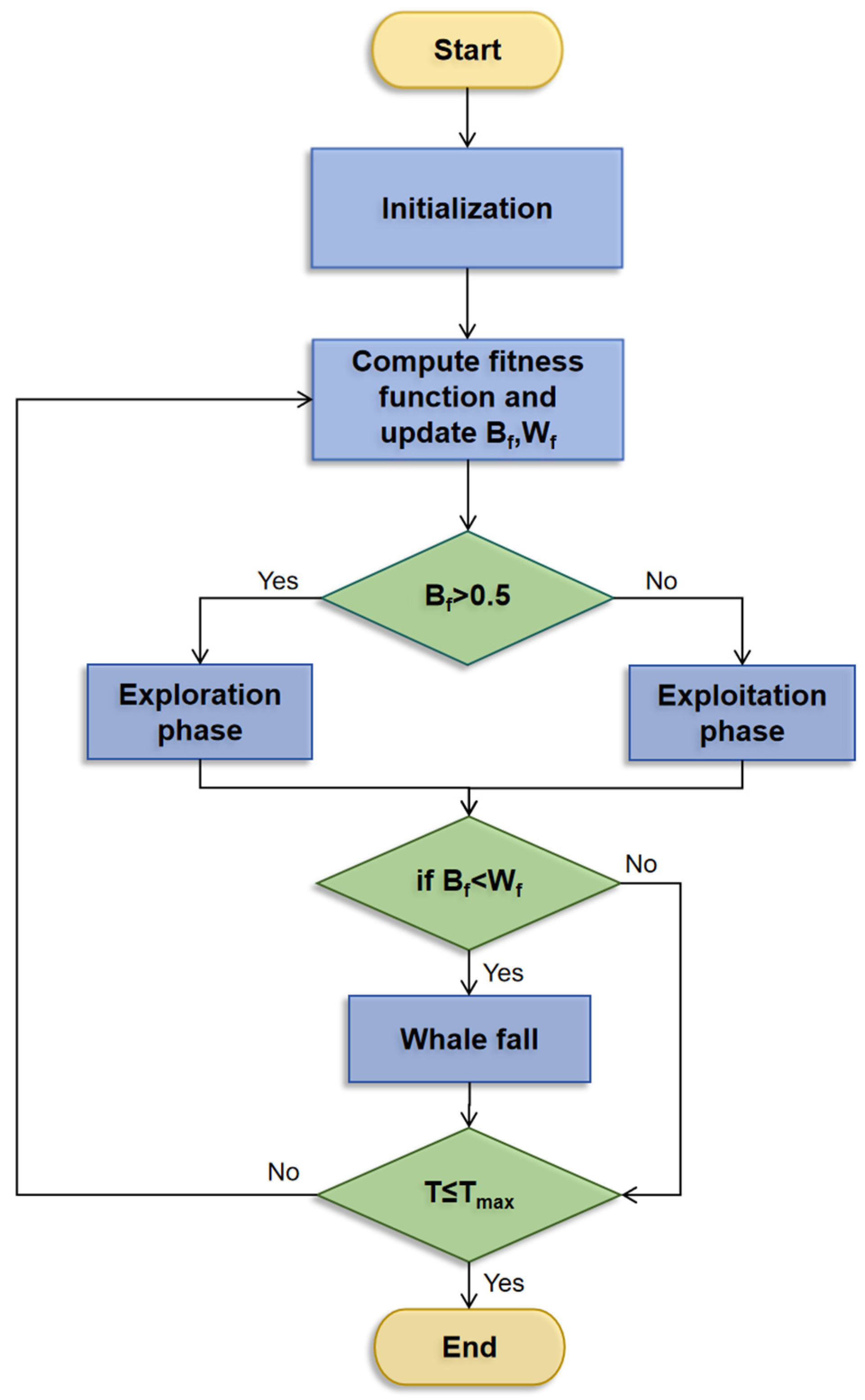
The design inspiration for BWO mainly comes from three typical behavioral patterns of beluga whales, namely swimming, preying and whale fall [32]. Its mathematical model integrates the exploration, exploitation and whale fall phases. The exploration process is designed to simulate the swimming behavior of beluga whales. In the exploration phase, the design space can be explored globally. The exploitation process is designed to simulate the preying behavior of beluga whales. During the exploitation phase, local searches are performed through a random selection of beluga whales. Additionally, during the exploitation process of the algorithm, the Levy flight function was introduced to improve the convergence capability of the algorithm [35]. The schematic diagram of BWO is shown in Figure 1. The balance factor (Bf) controls the transition between the exploration and exploitation stages in the BWO algorithm. When Bf > 0.5, the algorithm transitions into the exploration phase. Otherwise, it proceeds to the exploitation phase. The whale fall probability is denoted as Wf and when Wf ≥ Bf, the algorithm proceeds to the whale fall stage.

2.2. Chemometric Methods

PLS is a multivariate regression method widely used in spectroscopy, with its core objective being to establish a statistical relationship between two data matrices. This method characterizes the linear relationship between the spectral matrix X and chemical components mathematically by performing orthogonal decomposition on the spectral matrix X and the concentration matrix Y. Latent variables (LVs) are important parameters in PLS regression which significantly influence model performance [36]. An insufficient number of LVs may fail to capture all useful information from the original matrix, while an excessive number can introduce irrelevant noise. Hence, determining the optimal count of LVs is a critical prerequisite for modeling. This study uses the Monte Carlo cross validation (MCCV) method to determine the optimal number of LVs. After calculation, the optimal number of LVs for the wheat, tablet and cocoa bean datasets are 15, 5 and 7, respectively. In addition, this study also uses the UVE, MC-UVE and RT variable selection methods for comparative analysis. The principle of the UVE method is predicated on assessing stability in coefficients estimated by PLS regression. This method introduces a set of random noise variables and sets thresholds based on the distribution of their coefficients, thereby achieving the selection of feature variables. MC-UVE introduces Monte Carlo sampling based on UVE to improve the reliability of stability estimation. It has stronger stability and robustness and is suitable for handling small sample data. RT establishes a null distribution by randomizing the response variable to test the statistical significance of each variable. It is based on the principle of substitution and has both precision and flexibility.

2.3. Discretized BWO-PLS

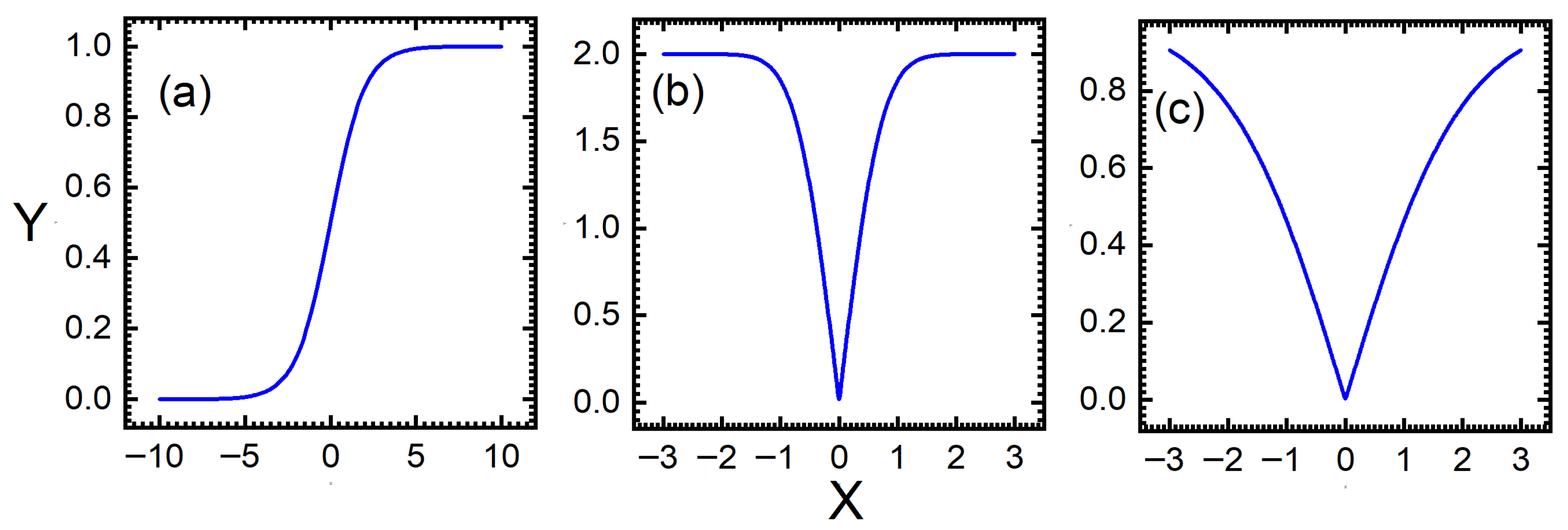
The traditional BWO algorithm is mainly used to deal with the problem of continuity optimization. Before applying the BWO to variable selection in NIR spectroscopy, it needs to be converted from a continuous optimization algorithm to a binary one. Therefore, discretization is a key step in variable selection. In this study, the BWO algorithm is discretized by converting the original vectors into binary vectors using different transfer functions. Three transfer functions, namely V1, V2 and Sigmoid, are studied for optimal results. The sigmoid function is a type of S-shaped curve function and its output values are constrained within the range [0, 1]. When the absolute value of the input is very large, the function curve becomes very flat, which makes model training difficult. The V1 function and V2 function are based on the error function and the hyperbolic tangent function, respectively. The calculations of V1 and V2 are very efficient and can effectively train deep networks. The curve variations of the three transfer functions are shown in Figure 2.
As shown in Figure 2, the sigmoid function exhibits an S-shaped monotonic increase. The V1 function and the V2 function are even functions symmetrical about the origin. V2 has a shape similar to V1 but different saturation characteristics. Additionally, the detailed procedures of DBWO-PLS for variable selection can be described as follows.
  • The algorithm initializes a population of beluga whales.
  • For the position of each beluga whale, use the corresponding spectral variables and target vector to construct a PLS model and calculate the fitness.
  • Beluga whale positions are updated in accordance with BWO. Subsequently, a transfer function is applied to convert these updated continuous positions into new binary vectors.
  • The fitness of each beluga whale is re-evaluated based on its new binary position vector after each update. This process continues until the fitness values converge.
  • The binary position vector of the whale with the highest fitness is output as the optimal variable combination. A final PLS model is constructed from this optimal variable subset for predicting the target property.

3. Experiments

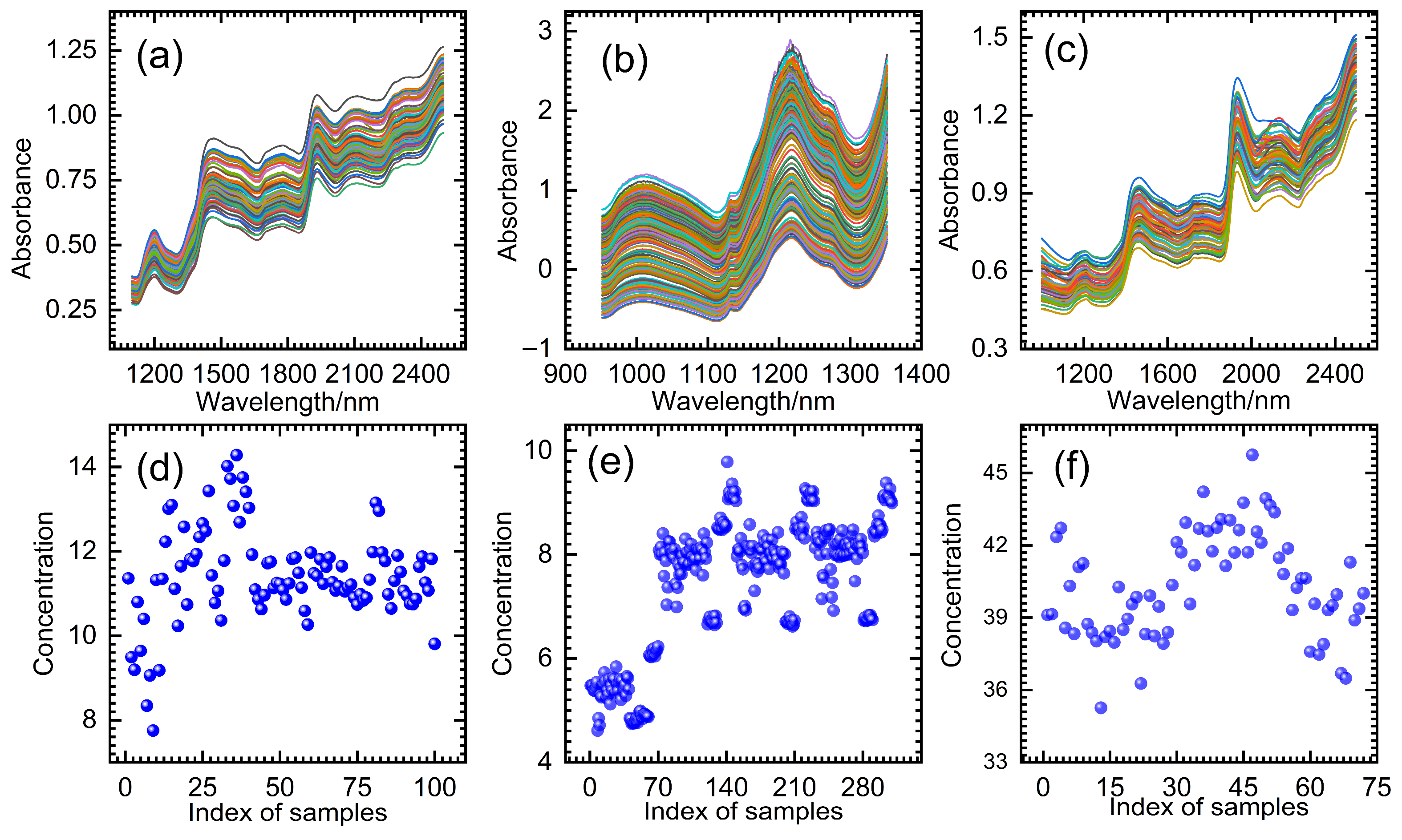
The BWO-PLS model was evaluated for its performance using three near-infrared spectral datasets of wheat, tablets and cocoa beans. The wheat dataset was provided by John H. Kalivas [37]. It can be accessed via the FTP server ftp://ftp.clarkson.edu/pub/hopkepk/Chemdata/Kalivas/ (accessed on 6 October 2011). It contains 100 wheat samples with specified protein content. In this study, the NIR spectra of these samples were acquired using diffuse reflectance over a spectral range of 1100–2500 nm at 2 nm intervals. Figure 3a and Figure 3d show the NIR spectra and protein contents measured from the wheat samples, respectively.
The tablet dataset was provided by M. Dyrby et al. [38]. It is available for download via http://www.models.life.ku.dk/Tablets (accessed on 10 April 2024) It contains NIR spectra of 310 samples and the content of active pharmaceutical ingredients. The spectrometer used is the ABB Bomem FT-NIR model MB-160 and the spectral resolution is 16 cm−1. The spectra cover a range of 7400–10,507 cm−1, which corresponds to 404 predictors. This specific spectral range was used in the experimental analysis. The NIR spectra of the 310 tablet samples and their active pharmaceutical ingredient contents are shown in Figure 3b and Figure 3e, respectively.
The cocoa bean dataset includes NIR spectra of 72 cocoa bean samples and the content of water and fat components. It was provided by Agussabti et al. [39] and can be downloaded at https://data.mendeley.com/datasets/7734j4fd98/1 (accessed on 10 April 2024) In this study, the NIR spectra of the cocoa bean dataset were collected by portable near-infrared spectroscopy (FTIR PSD i15). Spectral data were recorded over the 1000–2500 nm wavelength range, with 32 co-added scans and a spectral resolution of 0.2 nm. The NIR spectra and fat content of the cocoa bean samples are shown in Figure 3c and Figure 3f, respectively.
The three NIR spectral datasets were partitioned into training and prediction sets. The training set was utilized for model construction, while the prediction set was used for external assessment. The study used the Kennard–Stone (KS) grouping method to split the spectral data, with two-thirds comprising the training set and one-third forming the prediction set. For the wheat dataset, there were 67 training samples and 33 prediction samples, respectively. The tablet dataset was partitioned into a training set comprising 207 samples and a prediction set of 103 samples. Based on the KS grouping method, 48 training samples and 24 prediction samples were created from the cocoa bean dataset. However, as shown in Figure 3, the original spectrum contains highly overlapping bands and obvious scattering. Therefore, preprocessing is required before building the model. Various preprocessing methods were studied on the original NIR spectra, such as standard normal variate (SNV), multiplicative scatter correction (MSC) and 1st and 2nd derivatives. Finally, the wheat dataset uses the SNV method, while the tablet and cocoa bean datasets use the MSC method. When comparing the DBWO-PLS, UVE-PLS, MC-UVE-PLS, RT-PLS and single PLS models, the same training set, prediction set and preprocessing method were used.
The performance of the model is assessed using the determination coefficients (R2), root mean square error of prediction (RMSEP) and root mean square error of cross validation (RMSECV) in this study. A key criterion for evaluating model performance is a higher R2 (up to 1) coupled with lower RMSECV or RMSEP values.

4. Results and Discussion

4.1. Iteration Number of BWO

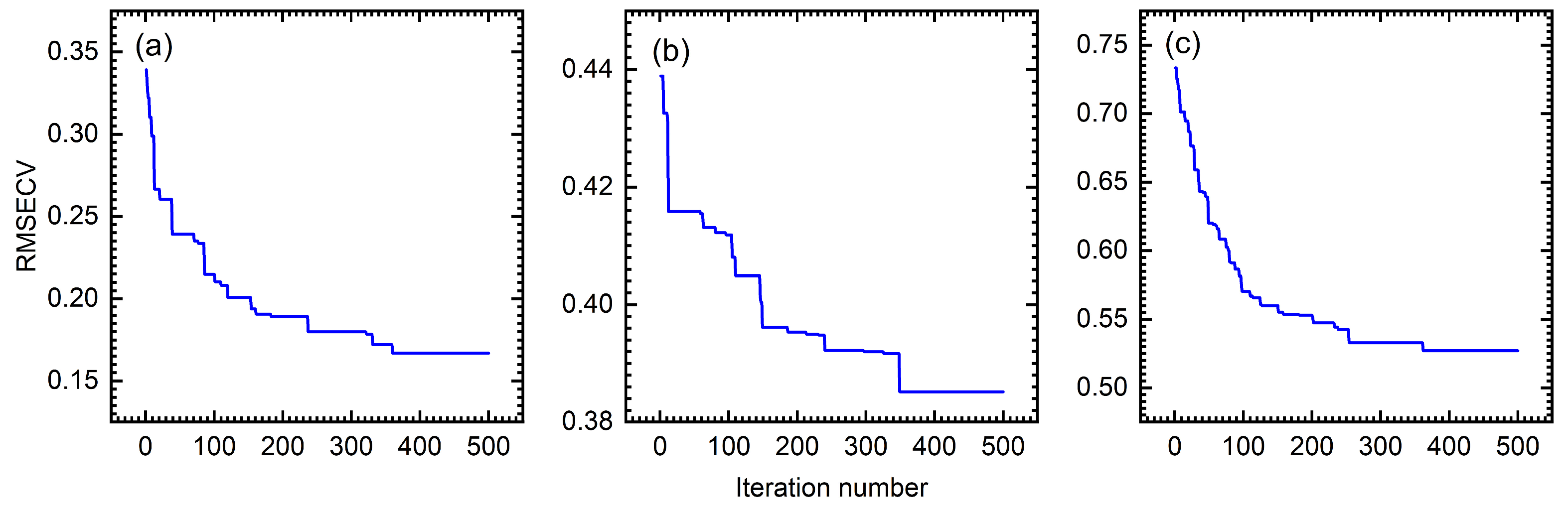
The prerequisite for ensuring algorithm efficiency is determining the appropriate number of iterations. In this study, three datasets were used to execute the DBWO-PLS model. The RMSECV variation with the iteration number for the wheat, tablet and cocoa bean datasets is displayed in Figure 4.
Taking the wheat dataset as an example, the changes in the relevant parameters during the iteration process are presented in Figure 4a. The optimization process can be divided into distinct phases. When the number of iterations is between 0 and 100, the RMSECV value decreases rapidly, indicating that the algorithm is in the optimization process. Subsequently, when the number of iterations is between 100 and 350, the decrease in the RMSECV is significantly slowed. This stage indicates that the performance of the model is gradually converging. Finally, the RMSECV value tends to stabilize when the number of iterations is between 350 and 500. This stage shows that the algorithm has fully converged and approached the optimal solution. A similar trend is observed for the other two datasets. Based on these convergence patterns, the optimal number of iterations is determined to be 500.

4.2. Discretization Function

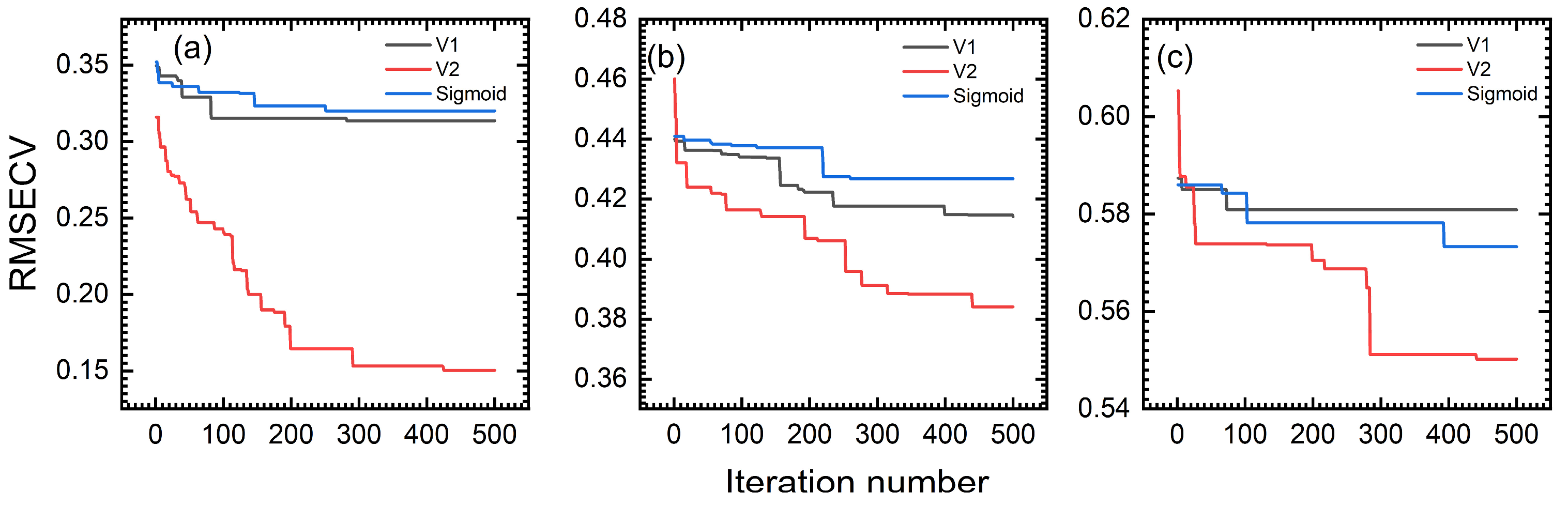
The method of transfer function is applied to realize the discretization of variables in this study. The RMSECV is used as an indicator for evaluating model performance.
Figure 5 illustrates the trends of the three transfer functions, which demonstrate similar convergence patterns. As exemplified by the wheat dataset in Figure 5a, the initial RMSECV is relatively high. It quickly decreases as the number of iterations increases, eventually reaching a stable value. Among them, the V2 function exhibits the best performance. Throughout the entire iteration process, it converges the fastest and reaches the lowest RMSECV after stabilizing. Consequently, this study uses the V2 function as the transfer function for the three datasets, which provides a more efficient discretization strategy for the BWO algorithm.

4.3. Prediction Results

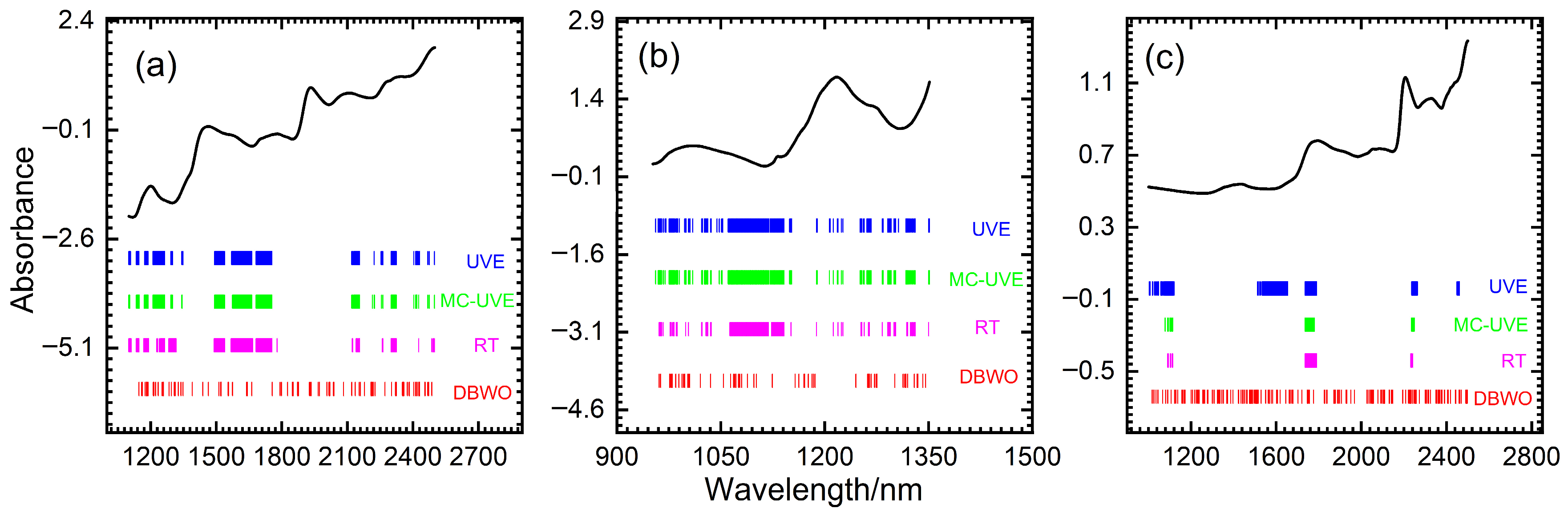
Based on the optimal parameters, the DBWO algorithm was applied to select variables and establish the PLS model. This study compared the established DBWO-PLS model with RT-PLS, UVE-PLS, MC-UVE-PLS and full-spectrum PLS models to evaluate the efficacy of the DBWO algorithm for variable selection. Figure 6 shows the distribution of selected variables by the four selection methods for the three datasets.
Analysis of the variable selection results for the wheat and tablet datasets shows that UVE, MC-UVE and RT exhibit obvious localization characteristics. The variables selected by these three methods are mainly concentrated in several specific spectral regions, yielding a significantly large set of variables. In contrast, the variables selected by the DBWO algorithm are fewer and more evenly distributed. This distribution pattern demonstrates that the DBWO algorithm can more effectively identify critical informative variables from different spectral regions. According to the variable distribution results of the cocoa bean dataset, the RT and MC-UVE methods exhibit similar distribution characteristics in variable selection. Although the variables selected by MC-UVE and RT are fewer than those selected by the DBWO algorithm, the chosen variables are mainly concentrated in a few specific spectral regions. Based on the variable distribution results of the three datasets, it can be seen that DBWO is not only capable of efficiently extracting key information for target prediction but also achieving superior prediction performance with the fewest variables. In addition, the performance of the PLS model and the DBWO-PLS model in predicting the target properties of the three datasets is shown in Figure 7.
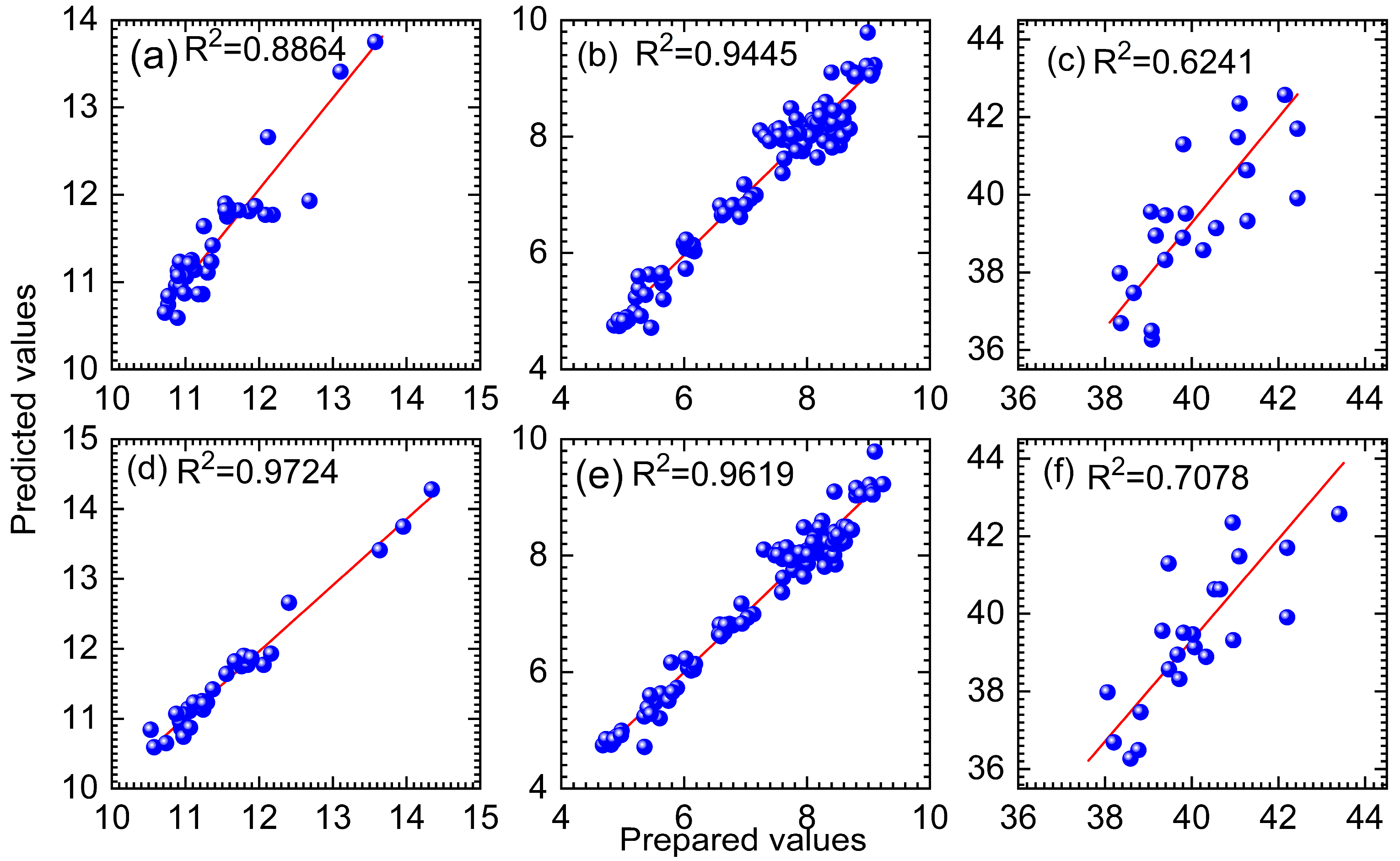
Figure 7 presents a comparison of the PLS and DBWO-PLS models for predicting target properties for the three datasets. Taking the wheat dataset as an example, the data points in the PLS model are relatively dispersed and clearly deviate from the fitting line. In contrast, the data points in the DBWO-PLS model are distributed more tightly and evenly, showing better predictive performance. In addition, the R2 of wheat, tablets and cocoa beans is increased from 0.8864, 0.9445 and 0.6241 to 0.9724, 0.9619 and 0.7078, respectively. This indicates that the predicted values of the DBWO-PLS model have a strong linear correlation with the true values, and its prediction accuracy is much higher than that of the conventional PLS model. The RMSEP values, R2 and the number of selected variables for the three datasets are summarized in Table 1 below.
For the wheat dataset, the DBWO-PLS method demonstrates excellent predictive performance. It selected only 87 variables, which was the smallest number selected among all methods. At the same time, it improved R2 from 0.8864 to 0.9724 and reduced RMSEP from 0.2846 to 0.1419. Although conventional variable selection methods can achieve variable reduction in feature spaces, their improvement in predictive performance is limited. This highlights the outstanding variable selection capability of the DBWO-PLS method. The DBWO-PLS method also showed the best performance on the tablet and cocoa bean datasets. It selected 55 and 167 variables, respectively, and increased the R2 to 0.9619 and 0.7078. Traditional variable selection methods perform similarly to PLS models on tablet data but show limited improvement on the cocoa bean data. This demonstrates that their adaptability to complex matrices is not as good as DBWO-PLS. In conclusion, DBWO-PLS is an effective method for NIR spectral quantitative analysis.

5. Conclusions

This study establishes the viability of combining NIR spectroscopy with chemometric techniques for the quantitative analysis of complex samples. A new method combining PLS with DBWO is proposed. After parameter optimization, the PLS, UVE-PLS, MC-UVE-PLS, RT-PLS and DBWO-PLS prediction models were established. The performance of the models was evaluated using three NIR datasets. The results indicate that the DBWO-PLS model significantly improved prediction performance. Compared with the traditional full-spectrum PLS model, its RMSECV decreased by 50.14%, 17.12% and 15.01%, respectively, while the R2 were all significantly improved. In comparison with variable selection methods such as UVE-PLS, MC-UVE-PLS and RT-PLS, DBWO-PLS demonstrated overall superiority. It achieves lower RMSECV and higher R2 with fewer variables. This indicates that the DBWO algorithm can effectively reduce the complexity of quantitative prediction models. In conclusion, the DBWO-PLS method demonstrates significant potential for the quantitative analysis of complex samples.

Author Contributions

Methodology, visualization and writing—original draft, J.K.; Investigation, validation, software and writing—original draft, L.Y.; Methodology, investigation and writing—review and editing, J.X.; Data curation, visualization and writing—review and editing, Q.M.; Conceptualization, software, funding acquisition, supervision and writing—review and editing, X.B. All authors have read and agreed to the published version of the manuscript.

Funding

This study was funded by the Key Laboratory of Process Analysis and Control of Sichuan Universities, Xihui Bian, grant number GCFX2024003, and the Open Projects Fund of NMPA Key Laboratory for Technology Research and Evaluation of Drug Products, Xihui Bian, grant number 2023TREDP01.

Institutional Review Board Statement

Not applicable.

Informed Consent Statement

Not applicable.

Data Availability Statement

The original contributions presented in the study are included in the article, further inquiries can be directed to the corresponding author.

Conflicts of Interest

The authors declare no conflicts of interest.

Abbreviations

The following abbreviations are used in this manuscript:
NIRNear-infrared
BWOBeluga whale optimization
DBWODiscretized BWO
PLSPartial least squares
RTRandomization test
UVEUninformative variable elimination
MC-UVEMonte Carlo uninformative variable elimination
ANNArtificial neural network
PCRPrincipal component regression
SVRSupport vector regression
GPRGaussian process regression
ELMExtreme learning machine
SISwarm intelligence
LVsLatent variables
RMSEPRoot mean square error of prediction
R2Determination coefficients
KSKennard–Stone
RMSECVRoot mean square error of cross validation

References

  1. Liu, Y.X.; Sun, H.; Zhao, C.Y.; Ai, C.K.; Bian, X.H. Extreme Learning Machine Combined with Whale Optimization Algorithm for Spectral Quantitative Analysis of Complex Samples. J. Chemom. 2024, 38, e3590. [Google Scholar] [CrossRef]
  2. Wu, D.Y.; Johnson, J.B.; Zhang, K.; Guo, Y.G.; Liu, D.; Wang, Z.G.; Bian, X.H. Variational mode decomposition unfolded partial least squares regression for ultraviolet–visible spectral analysis of edible oil blend, fuel oil and aqueous samples. Microchem. J. 2024, 196, 109587. [Google Scholar] [CrossRef]
  3. Chen, C.; Wang, X.M.; Wang, R.Q.; Waterhouse, G.I.N.; Xu, Z.X. SERS-tag technology in food safety and detection: Sensing from the “fingerprint” region to the “biological-silent” region. J. Future Foods 2024, 4, 309–323. [Google Scholar] [CrossRef]
  4. Feng, X.Y.; Chen, Z.G.; Yi, S.J.; Wang, P.H. A three-stage wavelength selection algorithm for near-infrared spectroscopy calibration. Spectrochim. Acta A 2025, 324, 125029. [Google Scholar] [CrossRef]
  5. Jiao, X.B.; Guo, D.L.; Zhang, X.J.; Su, Y.P.; Ma, R.; Chen, L.W.; Tian, K.; Su, J.Y.; Sahati, T.; Aierkenjiang, X.; et al. The Application of Near-Infrared Spectroscopy Combined with Chemometrics in the Determination of the Nutrient Composition in Chinese Cyperus esculentus L. Foods 2025, 14, 366. [Google Scholar] [CrossRef]
  6. Sem, V. Interpretability of selected variables and performance comparison of variable selection methods in a polyethylene and polypropylene NIR classification task. Spectrochim. Acta A 2021, 258, 119850. [Google Scholar] [CrossRef]
  7. Yun, T. Quantitative Analysis of Near-Infrared Spectroscopy of Blended Fabrics Based on Convolutional Neural Network. IEEE Access 2023, 11, 46644–46652. [Google Scholar] [CrossRef]
  8. Sun, J.Q.; Zhang, Y.Y.; Zhang, Y.M.; Zhao, H.G.; Han, G.T.; Via, B.K.; Jiang, W. Determination of natural turmeric dyes using near-infrared spectroscopy. Ind. Crops Prod. 2024, 222, 119817. [Google Scholar] [CrossRef]
  9. Long, T.Z.; Yi, H.; Kang, Y.T.; Qiao, Y.; Guan, Y.; Chen, C. Study on bionics-based swarm intelligence optimization algorithms for wavelength selection in near-infrared spectroscopy. Infrared Phys. Technol. 2024, 143, 105594. [Google Scholar] [CrossRef]
  10. Yun, Y.H.; Li, H.D.; Deng, B.C.; Cao, D.S. An overview of variable selection methods in multivariate analysis of near-infrared spectra. Trends Anal. Chem. 2019, 113, 102–115. [Google Scholar] [CrossRef]
  11. Wang, H.P.; Chen, P.; Dai, J.W.; Liu, D.; Li, J.Y.; Xu, Y.P.; Chu, X.L. Recent advances of chemometric calibration methods in modern spectroscopy: Algorithms, strategy, and related issues. Trends Anal. Chem. 2022, 153, 116648. [Google Scholar] [CrossRef]
  12. Firouz, M.S.; Omid, M.; Babaei, M.; Rashvand, M. Dielectric spectroscopy coupled with artificial neural network for classification and quantification of sesame oil adulteration. Inf. Process. Agric. 2022, 9, 233–242. [Google Scholar] [CrossRef]
  13. Ma, Y.Y.; Shi, S.J.; Zhang, K.D.; Li, L.; Jiang, Y. Application of two near-infrared instruments combined with chemometrics and key variable selection algorithms for the determination of anthocyanins content in black rice. Microchem. J. 2024, 207, 112034. [Google Scholar] [CrossRef]
  14. Wang, Z.J.; Zuo, C.Z.; Chen, M.; Song, J.; Tu, K.; Lan, W.J.; Li, C.Y.; Pan, L.Q. A Novel Variable Selection Method Based on Ordered Predictors Selection and Successive Projections Algorithm for Predicting Gastrodin Content in Fresh Gastrodia elata Using Fourier Transform Near-Infrared Spectroscopy and Chemometrics. Foods 2023, 12, 4435. [Google Scholar] [CrossRef]
  15. Yu, Y.; Chai, Y.H.; Li, Z.T.; Li, Z.M.; Ren, Z.Y.; Dong, H.; Chen, L. Quantitative predictions of protein and total flavonoids content in Tartary and common buckwheat using near-infrared spectroscopy and chemometrics. Food Chem. 2025, 462, 141033. [Google Scholar] [CrossRef]
  16. Cui, C.H.; Caporaso, N.; Chen, J.W.; Fearn, T. Farinograph characteristics of wheat flour predicted by near infrared spectroscopy with an ensemble modelling method. J. Food Eng. 2023, 359, 111689. [Google Scholar] [CrossRef]
  17. Li, H.H.; Nunekpeku, X.; Zhang, W.; Adade, S.Y.S.S.; Ahmad, W.; Sheng, W.; Chen, Q.S. Quantitative prediction of minced chicken gel strength under ultrasonic treatment by NIR spectroscopy coupled with nonlinear chemometric tools evaluated using APaRPs. Food Chem. 2025, 463, 141373. [Google Scholar] [CrossRef]
  18. Liu, J.J.; Xu, Y.F.; Liu, S.K.; Yu, S.X.; Yu, Z.R.; Low, S.S. Application and Progress of Chemometrics in Voltammetric Biosensing. Biosensors 2022, 12, 494. [Google Scholar] [CrossRef]
  19. de Paulo, E.H.; Rech, A.M.; Weiler, F.H.; Nascimento, M.H.C.; Filgueiras, P.R.; Ferrao, M.F. Determination of total protein and sugar content in soy-based beverages using variable selection methods applied to ATR-FTIR spectroscopy. J. Food Compos. Anal. 2024, 135, 106639. [Google Scholar] [CrossRef]
  20. Zhu, J.J.; Jiang, X.; Wang, Q.J.; Wu, J.Z.; Wu, S.D.; Chen, X.J.; Chen, Q.S. A novel hybrid variable selection strategy with application to molecular spectroscopic analysis. Chemom. Intell. Lab. Syst. 2023, 236, 104795. [Google Scholar] [CrossRef]
  21. Abrantes, G.; Almeida, V.; Maia, A.J.; Nascimento, R.; Nascimento, C.; Silva, Y.; Silva, Y.; Veras, G. Comparison between Variable-Selection Algorithms in PLS Regression with Near-Infrared Spectroscopy to Predict Selected Metals in Soil. Molecules 2023, 28, 6959. [Google Scholar] [CrossRef] [PubMed]
  22. Moro, M.K.; dos Santos, F.D.; Folli, G.S.; Romao, W.; Filgueiras, P.R. A review of chemometrics models to predict crude oil properties from nuclear magnetic resonance and infrared spectroscopy. Fuel 2021, 303, 121283. [Google Scholar] [CrossRef]
  23. Wang, H.H.; Zhang, M.J.; Xiong, Z.X.; Yang, W.Y.; Wu, T.; Du, Y.P. Flexible optimization of variables based on exponential and linear attenuation elimination-binary dragonfly algorithm in near infrared spectroscopic analysis. Infrared Phys. Technol. 2024, 140, 105374. [Google Scholar] [CrossRef]
  24. Bian, X.H.; Zhao, Z.Z.; Liu, J.W.; Liu, P.; Shi, H.B.; Tan, X.Y. Discretized butterfly optimization algorithm for variable selection in the rapid determination of cholesterol by near-infrared spectroscopy. Anal. Methods 2023, 15, 5190–5198. [Google Scholar] [CrossRef]
  25. Kamruzzaman, M.; Kalita, D.; Ahmed, T.M.; ElMasry, G.; Makino, Y. Effect of variable selection algorithms on model performance for predicting moisture content in biological materials using spectral data. Anal. Chim. Acta 2021, 1202, 339390. [Google Scholar] [CrossRef]
  26. Morelli, J.B.; Mcgoverin, C.; Nieuwoudt, M.; Holroyd, S.E.; Pilkington, L.I. Chemometric techniques for the prediction of milk composition from MIR spectral data: A review. Food Chem. 2024, 469, 142465. [Google Scholar] [CrossRef]
  27. Chen, T.; Wang, B. Bayesian variable selection for gaussian process regression: Application to chemometric calibration of spectrometers. Neurocomputing 2010, 73, 2718–2726. [Google Scholar] [CrossRef]
  28. Bian, X.H.; Zhang, R.L.; Liu, P.; Xiang, Y.; Wang, S.Y.; Tan, X.Y. Near infrared spectroscopic variable selection by a novel swarm intelligence algorithm for rapid quantification of high order edible blend oil. Spectrochim. Acta A 2022, 284, 121788. [Google Scholar] [CrossRef]
  29. Su, Y.; He, K.; Liu, W.Z.; Li, J.; Hou, K.Y.; Lv, S.Y.; He, X.W. Detection of soluble solid content in table grapes during storage based on visible-near-infrared spectroscopy. Food Innov. Adv. 2025, 4, 10–18. [Google Scholar] [CrossRef]
  30. Jiang, H.; Chen, Q.S. Determination of Adulteration Content in Extra Virgin Olive Oil Using FT-NIR Spectroscopy Combined with the BOSS-PLS Algorithm. Molecules 2019, 24, 2134. [Google Scholar] [CrossRef]
  31. Brezocnik, L.; Fister, I.; Podgorelec, V. Swarm Intelligence Algorithms for Feature Selection: A Review. Appl. Sci. 2018, 8, 1521. [Google Scholar] [CrossRef]
  32. Zhong, C.T.; Li, G.; Meng, Z. Beluga whale optimization: A novel nature-inspired metaheuristic algorithm. Knowl.-Based Syst. 2022, 251, 109215. [Google Scholar] [CrossRef]
  33. Sun, X.X.; Zhu, L.K.; Liu, D.Y. Blueberry bruise non-destructive detection based on hyperspectral information fusion combined with multi-strategy improved Beluga Whale Optimization algorithm. Front. Plant Sci. 2024, 115, 1411485. [Google Scholar] [CrossRef] [PubMed]
  34. Chen, X.Y.; Zhang, M.J.; Yang, M.; Wang, D.G. NHBBWO: A novel hybrid butterfly-beluga whale optimization algorithm with the dynamic strategy for WSN coverage optimization. Peer-to-Peer Netw. Appl. 2025, 18, 80. [Google Scholar] [CrossRef]
  35. Esfahani, K.K.; Zade, B.M.H.; Mansouri, N. Multi-objective feature selection algorithm using Beluga Whale Optimization. Chemom. Intell. Lab. Syst. 2025, 257, 105295. [Google Scholar] [CrossRef]
  36. Wang, Z.Y.; Deng, J.H.; Ding, Z.D.; Jiang, H. Quantification of heavy metal Cd in peanut oil using near-infrared spectroscopy combined with chemometrics: Analysis and comparison of variable selection methods. Infrared Phys. Technol. 2024, 141, 105447. [Google Scholar] [CrossRef]
  37. Kalivas, J.H. Two data sets of near infrared spectra. Chemom. Intell. Lab. Syst. 1997, 37, 255–259. [Google Scholar] [CrossRef]
  38. Dyrby, M.; Engelsen, S.B.; Norgaard, L.; Bruhn, M.; Lundsberg-Nielsen, L. Chemometric quantitation of the active substance in a pharmaceutical tablet using near-infrared (NIR) transmittance and NIR FT-Raman spectra. Appl. Spectrosc. 2002, 56, 579–585. [Google Scholar] [CrossRef]
  39. Agussabti; Rahmaddiansyah; Satriyo, P.; Munawar, A.A. Data analysis on near infrared spectroscopy as a part of technology adoption for cocoa farmer in Aceh Province, Indonesia. Data Brief 2020, 29, 105251. [Google Scholar] [CrossRef]
Figure 1. Flowchart of the proposed BWO.
Foods 14 04266 g001
Figure 2. Transfer function curve (the blue curves) of (a) sigmoid, (b) V1 and (c) V2.
Foods 14 04266 g002
Figure 3. NIR spectra of (a) wheat, (b) tablets, (c) cocoa beans and the content (blue ball) of (d) protein, (e) active pharmaceutical ingredients and (f) fat components, respectively.
Foods 14 04266 g003
Figure 4. The variation in RMSECV with iteration number in BWO for (a) wheat, (b) tablets and (c) cocoa beans, respectively.
Foods 14 04266 g004
Figure 5. Variation of RMSECV with iteration number by different transfer functions in BWO for (a) wheat, (b) tablets and (c) cocoa beans, respectively.
Foods 14 04266 g005
Figure 6. Distribution of variables selected by the four variable methods for (a) wheat, (b) tablets and (c) cocoa beans, respectively.
Foods 14 04266 g006
Figure 7. Relationship between the prepared and predicted values by PLS for (a) wheat, (b) tablets, and (c) cocoa beans and by DBWO-PLS for (d) wheat, (e) tablets, and (f) cocoa beans, respectively. (The red line indicates the fitted line).
Foods 14 04266 g007
Table 1. Prediction results of different methods for the three datasets.
DatasetMethodsVariable NumberRMSEPR2
WheatPLS7010.28460.8864
UVE-PLS2100.31380.8619
MC-UVE-PLS2050.32090.8556
RT-PLS2000.29750.8759
DBWO-PLS870.14190.9724
TabletsPLS4040.31190.9445
UVE-PLS1900.30810.9458
MC-UVE-PLS1850.30190.9455
RT-PLS1350.30230.9478
DBWO-PLS550.25850.9619
Cocoa beansPLS15571.62150.6241
UVE-PLS2901.56020.6389
MC-UVE-PLS751.63840.6368
RT-PLS701.59620.6357
DBWO-PLS1671.37810.7078
Disclaimer/Publisher’s Note: The statements, opinions and data contained in all publications are solely those of the individual author(s) and contributor(s) and not of MDPI and/or the editor(s). MDPI and/or the editor(s) disclaim responsibility for any injury to people or property resulting from any ideas, methods, instructions or products referred to in the content.