Article

Antispasmodic Activity of Light-Roasted Coffee Extract and Its Potential Use in Gastrointestinal Motility Disorders


by
Acharaporn Duangjai
1,*,
Anchalee Rawangkan
2,
Atchariya Yosboonruang
2,
Atcharaporn Ontawong
1,
Surasak Saokaew
3,4,5,6,
Bey-Hing Goh
7,8,9,
Masami Suganuma
10 and
Pochamana Phisalprapa
11,*
1
Unit of Excellence in Research and Product Development of Coffee, Division of Physiology, School of Medical Sciences, University of Phayao, Phayao 56000, Thailand
2
Division of Microbiology and Parasitology, School of Medical Sciences, University of Phayao, Phayao 56000, Thailand
3
Center of Health Outcomes Research and Therapeutic Safety (Cohorts), School of Pharmaceutical Sciences, University of Phayao, Phayao 56000, Thailand
4
Unit of Excellence on Clinical Outcomes Research and Integration (UNICORN), School of Pharmaceutical Sciences, University of Phayao, Phayao 56000, Thailand
5
Unit of Excellence on Herbal Medicine, School of Pharmaceutical Sciences, University of Phayao, Phayao 56000, Thailand
6
Division of Pharmacy Practice, Department of Pharmaceutical Care, School of Pharmaceutical Sciences, University of Phayao, Phayao 56000, Thailand
7
Biofunctional Molecule Exploratory Research Group (BMEX), School of Pharmacy, Monash University Malaysia, Bandar Sunway 47500, Malaysia
8
College of Pharmaceutical Sciences, Zhejiang University, Hangzhou 310058, China
9
Sunway Biofunctional Molecules Discovery Centre, School of Medical and Life Sciences, Sunway University, Sunway City 47500, Malaysia
10
Graduate School of Science and Engineering, Saitama University, Saitama 3388570, Japan
11
Division of Ambulatory Medicine, Department of Medicine, Faculty of Medicine Siriraj Hospital, Mahidol University, Bangkok 10700, Thailand
*
Authors to whom correspondence should be addressed.
Foods 2024, 13(15), 2307; https://doi.org/10.3390/foods13152307
Submission received: 24 May 2024 / Revised: 16 July 2024 / Accepted: 19 July 2024 / Published: 23 July 2024

Abstract

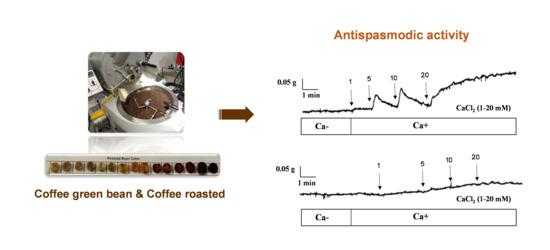
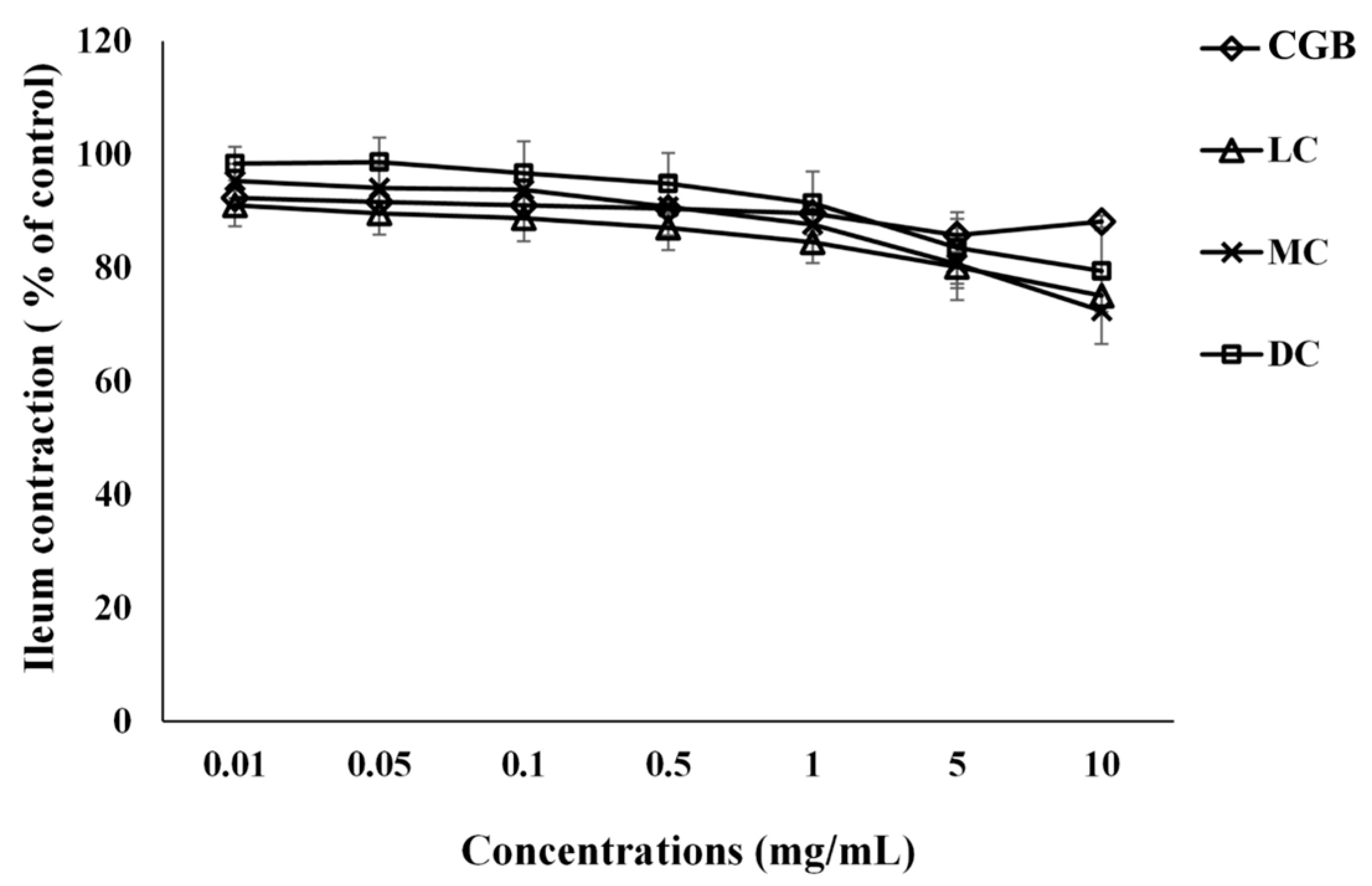
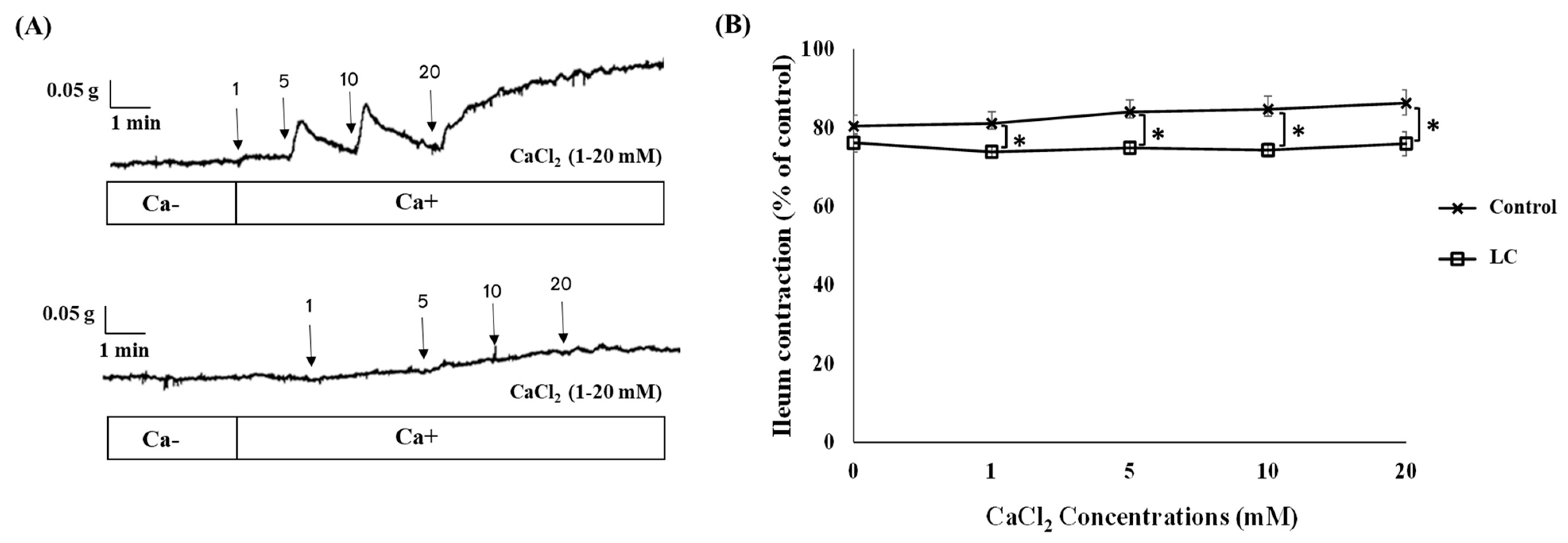
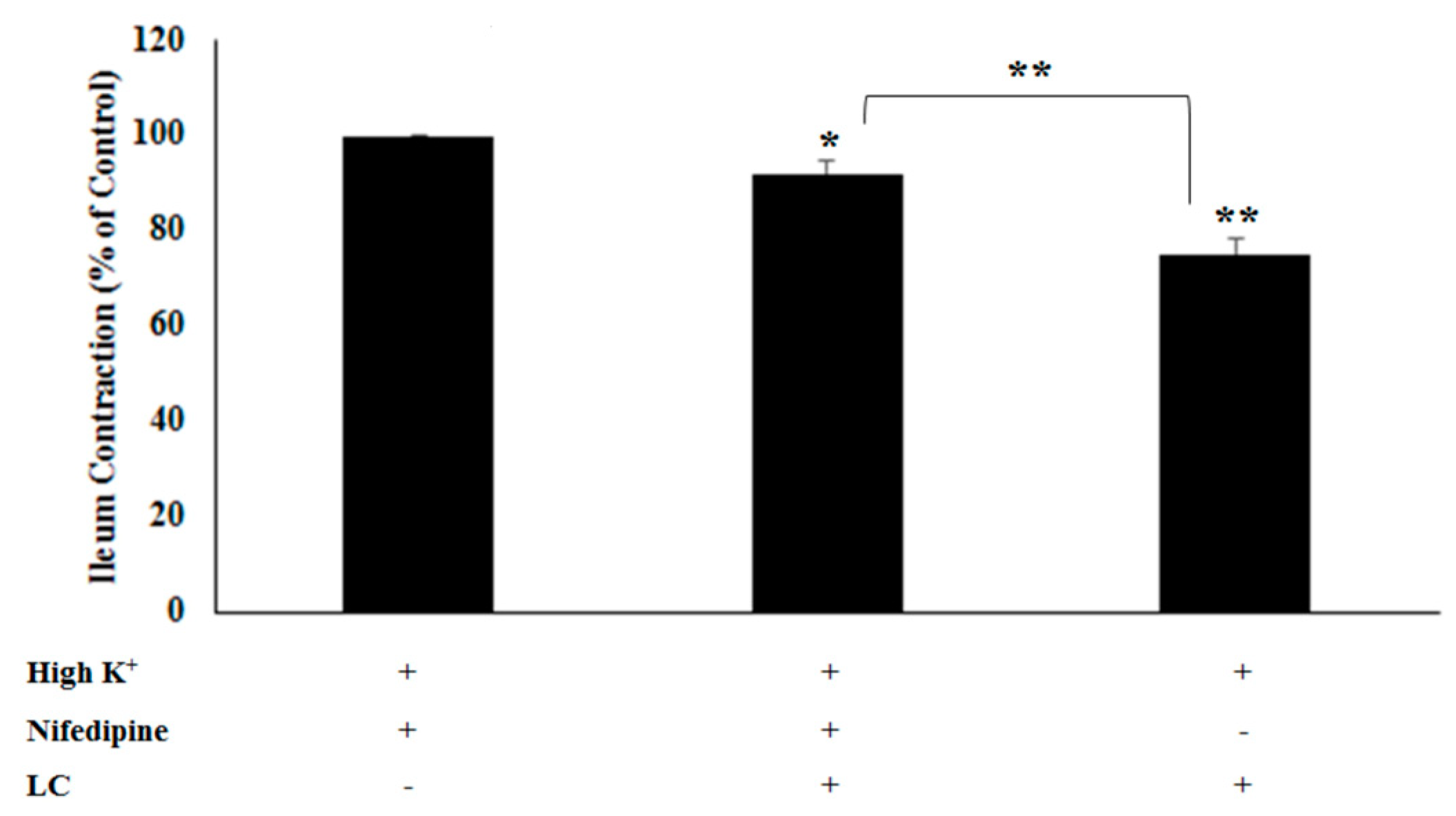
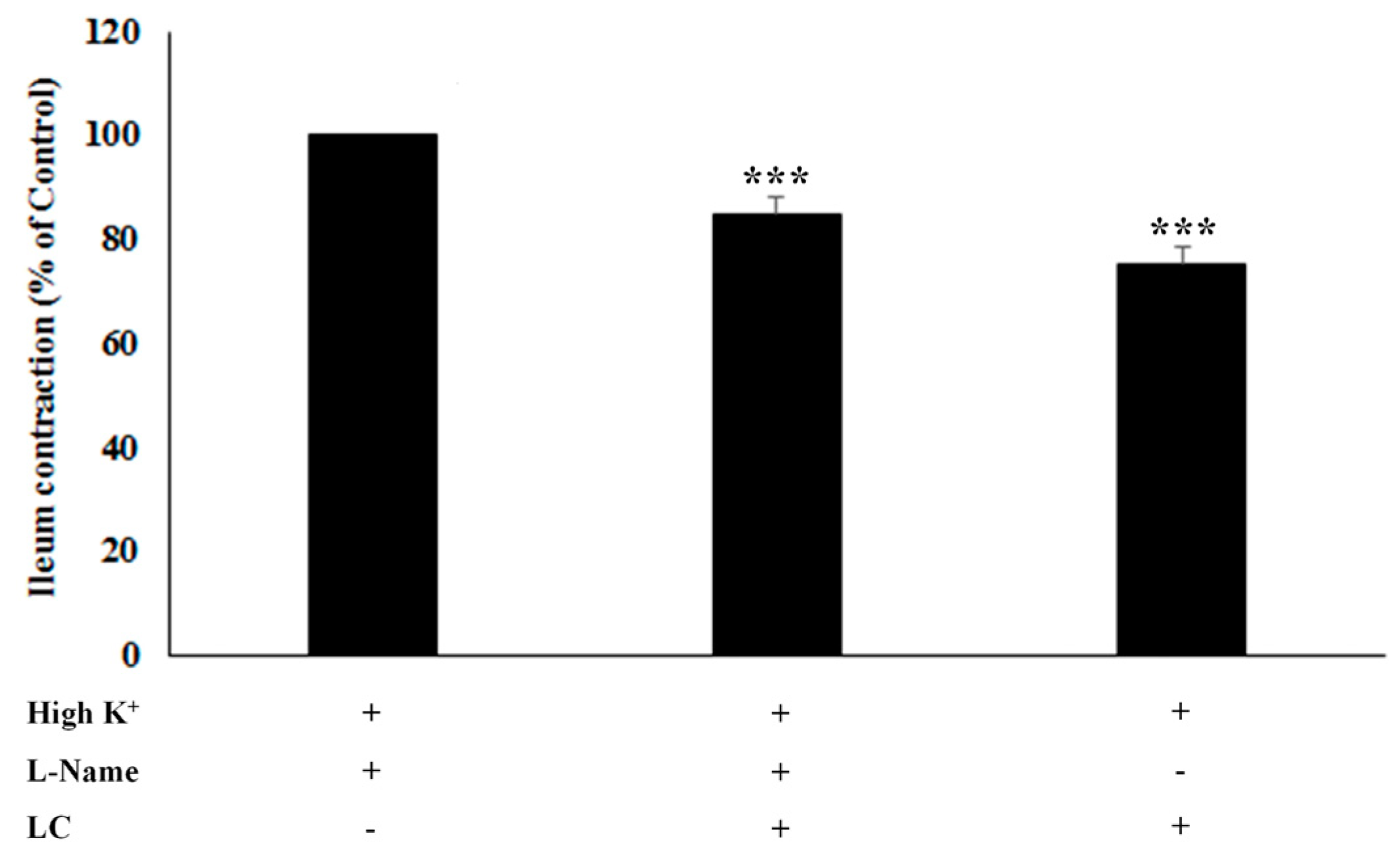
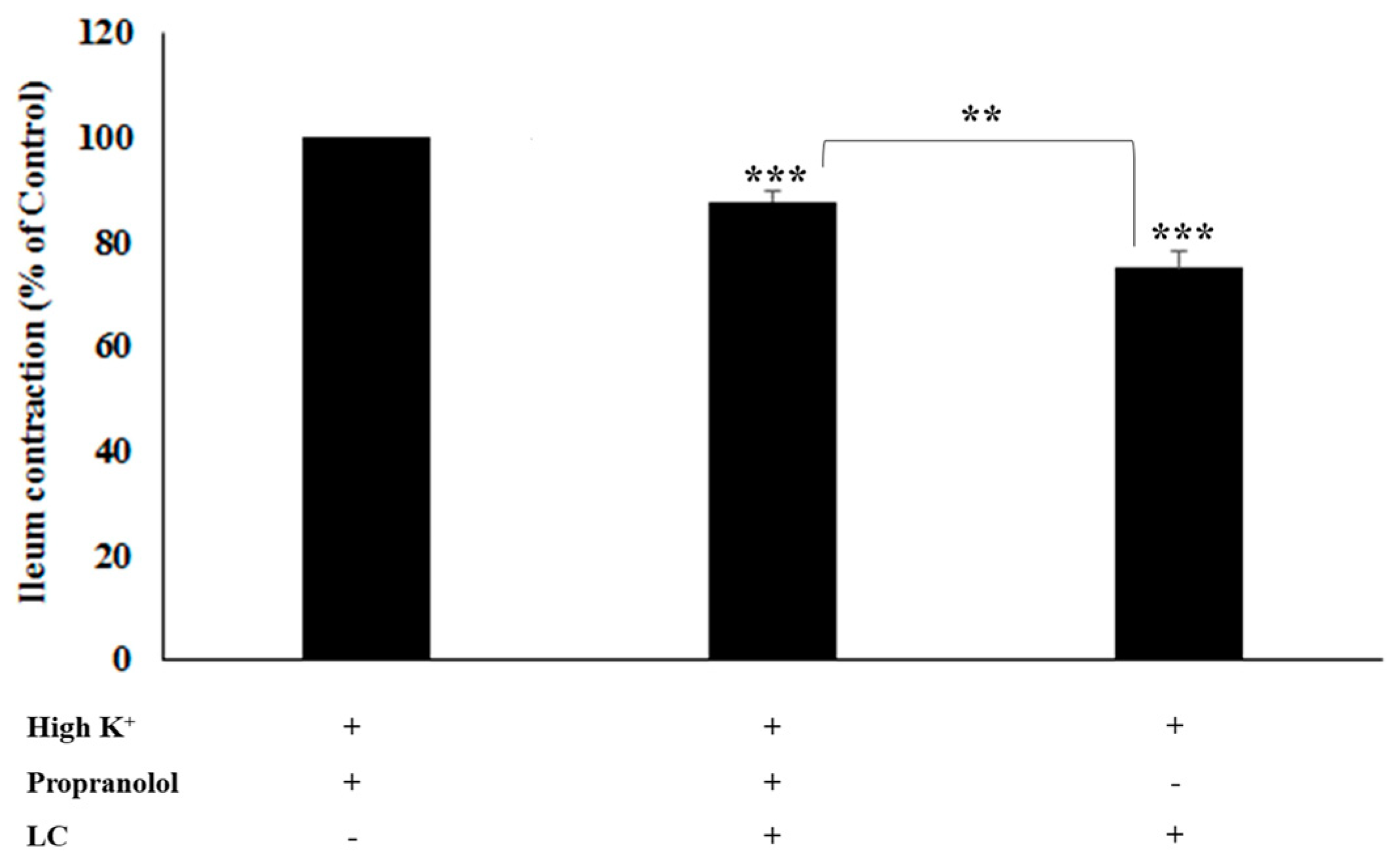
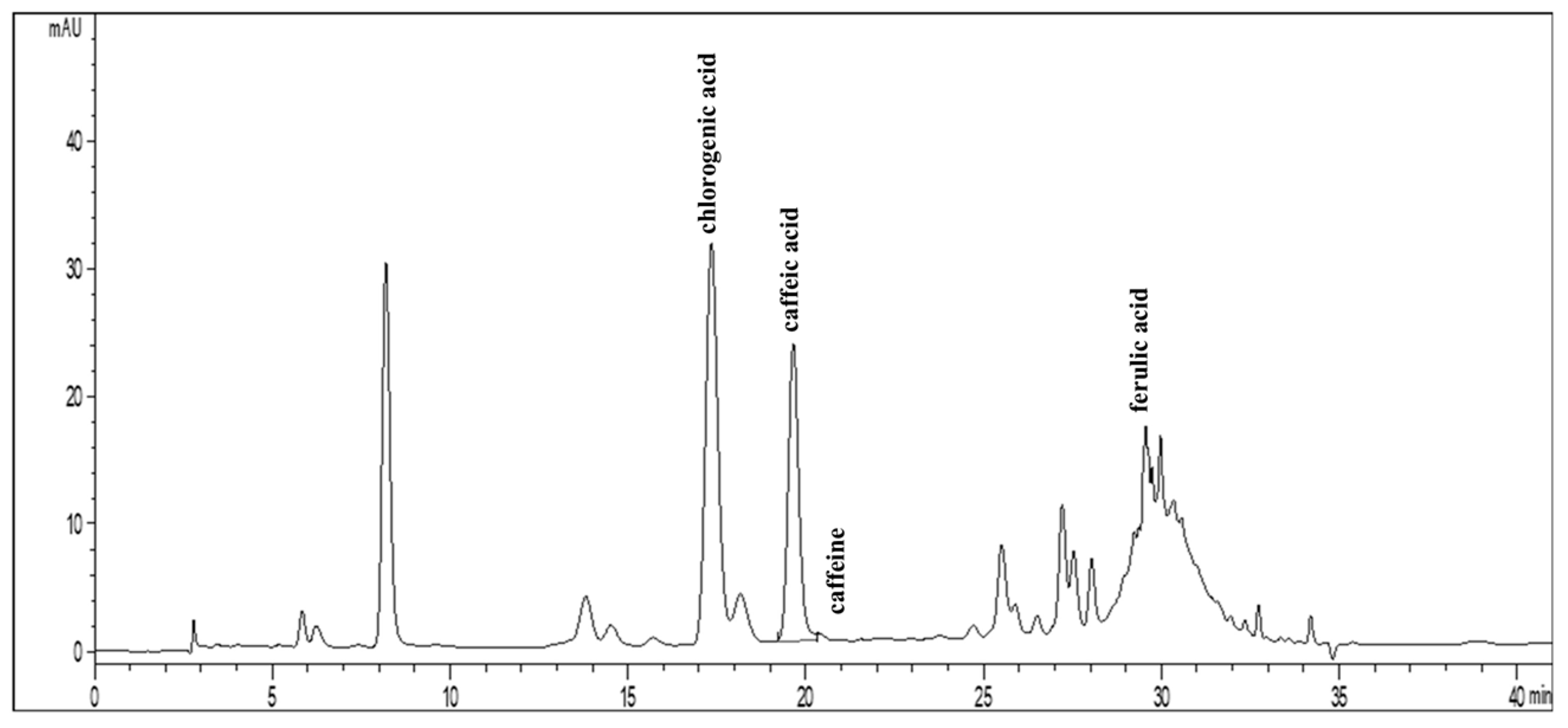
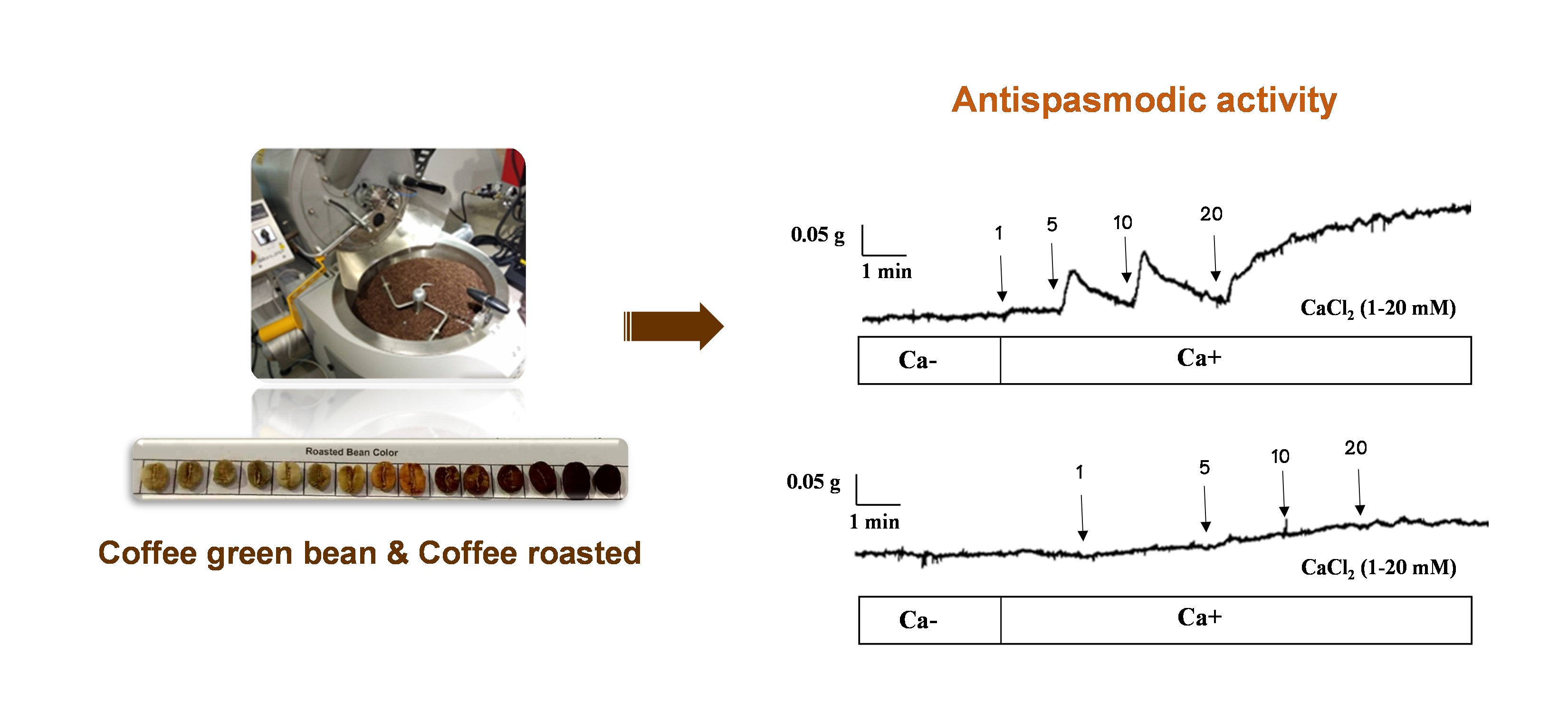
Antispasmodic agents are crucial in managing gastrointestinal motility disorders by modulating muscle contractions and reducing symptoms like cramping and diarrhea. This study investigated the antispasmodic potential of different coffee bean extracts, including light coffee (LC), medium coffee (MC), and dark coffee (DC), on ileum contractions induced by potassium chloride (KCl), and elucidated their mechanisms of action using in vitro isolated tissue techniques. The results demonstrated that all coffee extracts reduced spontaneous contractions of rat ileum tissue in a dose-dependent manner. Among these, LC showed the most significant reduction in ileum contractions, particularly at higher concentrations. The key findings reveal that LC at 5 mg/mL significantly reduced CaCl2-induced contractions in isolated rat ileum tissue, indicating that LC may inhibit calcium influx or interfere with calcium signaling pathways. The presence of nifedipine, propranolol, and N-nitro-L-arginine methyl ester (L-NAME) have been confirmed in their involvement; they block calcium influx and calcium channels and activate β-adrenergic pathways as part of LC’s mechanism of action. The presence of their active compounds, particularly chlorogenic acid and caffeine, likely contributes to the observed antispasmodic effects. These findings suggest that LC exerts its antispasmodic effects by targeting key mechanisms involved in muscle spasms and intestinal motility, providing a potential for managing such conditions.
Keywords: antispasmodic activity; light roast coffee extract; gastrointestinal motility disorders antispasmodic activity; light roast coffee extract; gastrointestinal motility disorders
Graphical Abstract