Article

Modulation Effects of Sargassum pallidum Extract on Hyperglycemia and Hyperlipidemia in Type 2 Diabetic Mice


1
SCUT-Zhuhai Institute of Modern Industrial Innovation, School of Food Science and Engineering, South China University of Technology, Guangzhou 510640, China
2
College of Health, Jiangxi Normal University, Nanchang 330022, China
3
School of Food Science and Engineering, Guangdong Province Key Laboratory for Green Processing of Natural Products and Product Safety, Engineering Research Center of Starch and Vegetable Protein Processing Ministry of Education, South China University of Technology, Guangzhou 510640, China
*
Author to whom correspondence should be addressed.
Foods 2023, 12(24), 4409; https://doi.org/10.3390/foods12244409
Submission received: 7 November 2023 / Revised: 1 December 2023 / Accepted: 5 December 2023 / Published: 7 December 2023
(This article belongs to the Special Issue Analysis of Natural Compounds Exercising Health Importance from Food)

Abstract

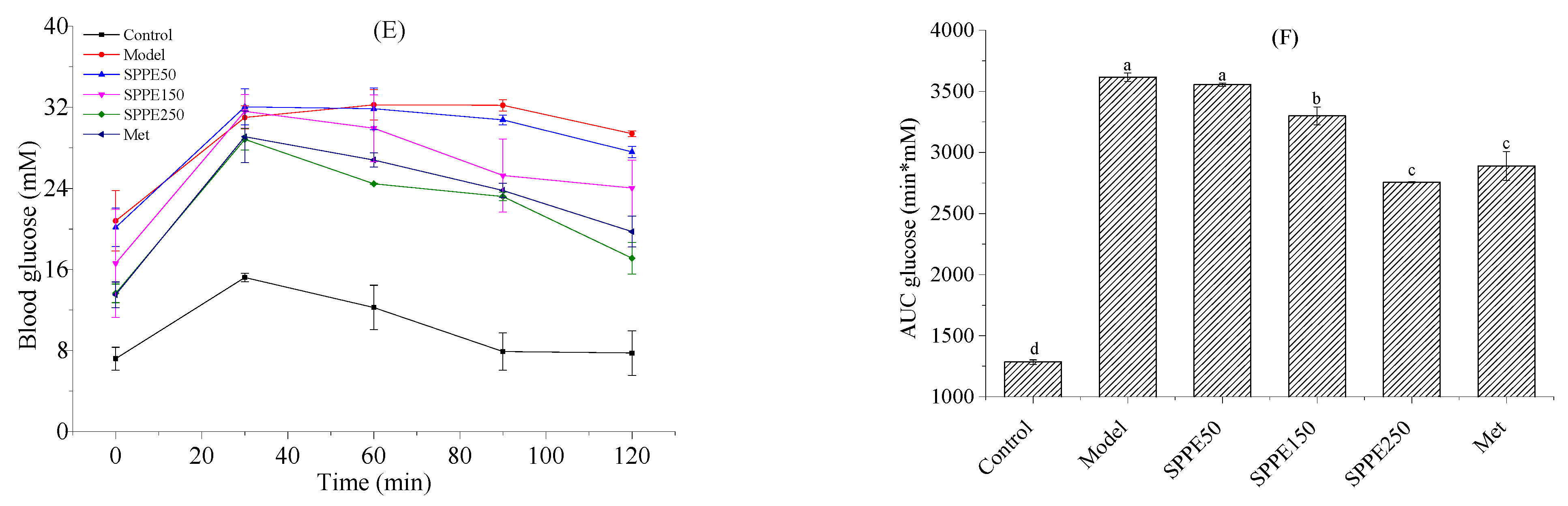
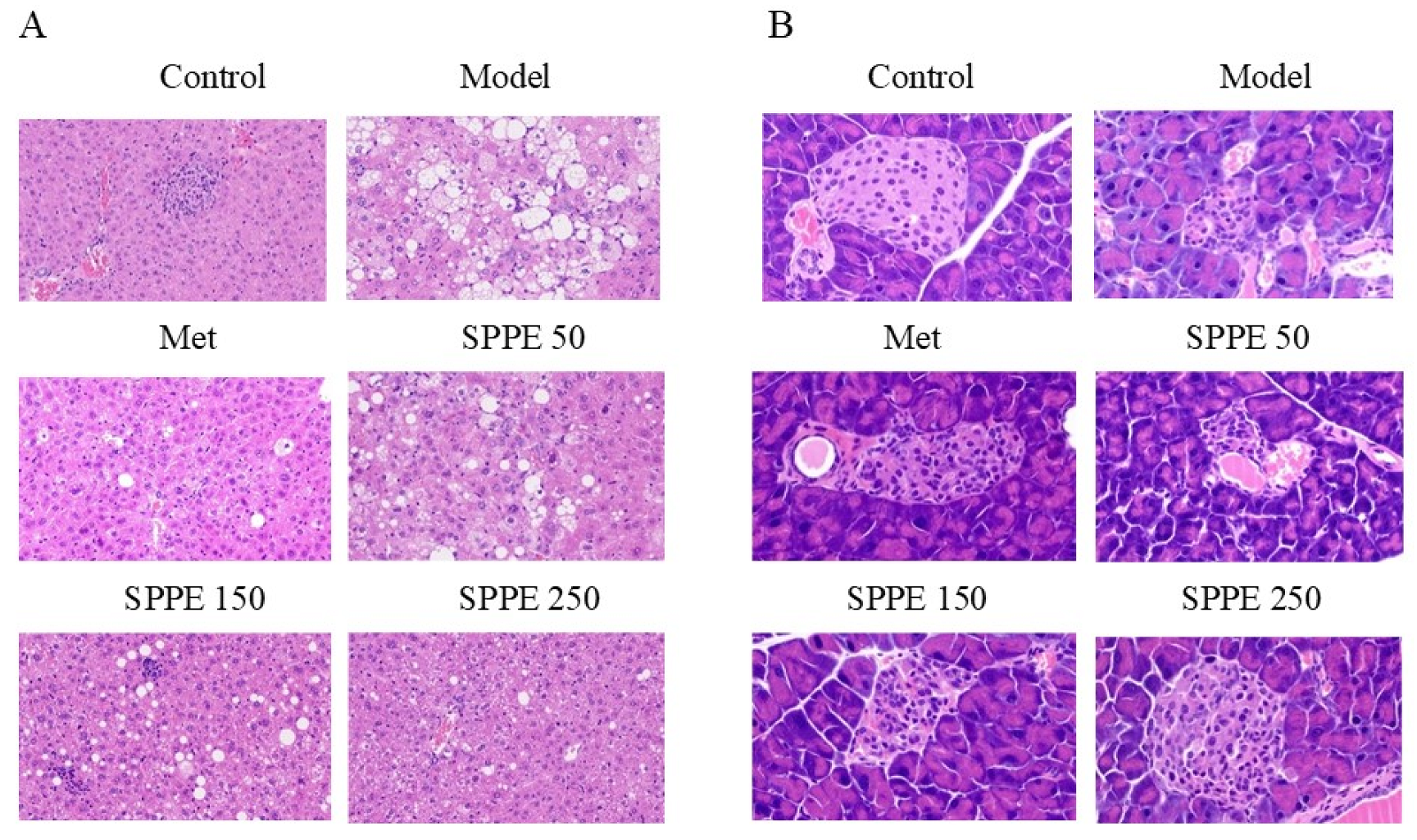
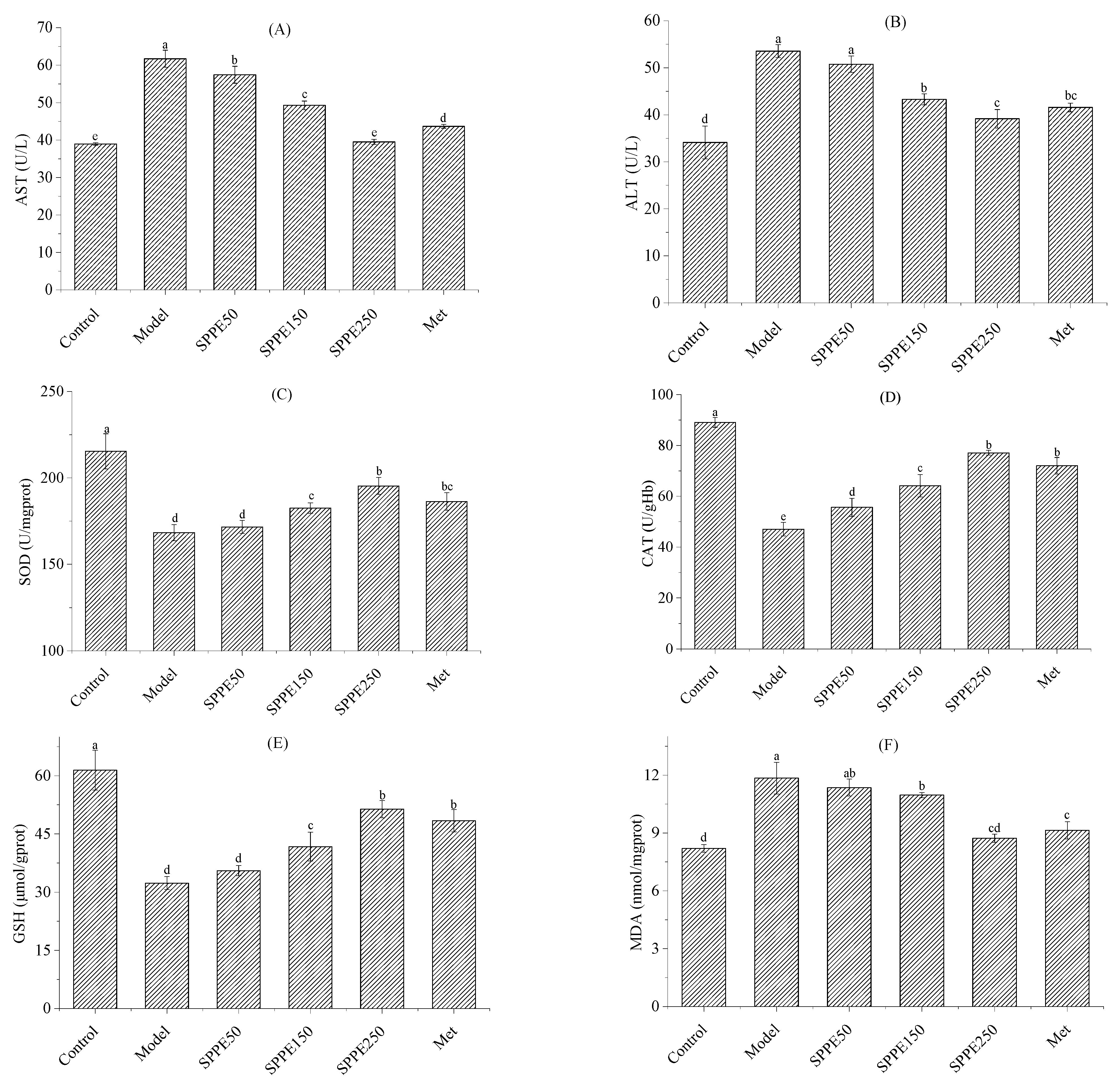
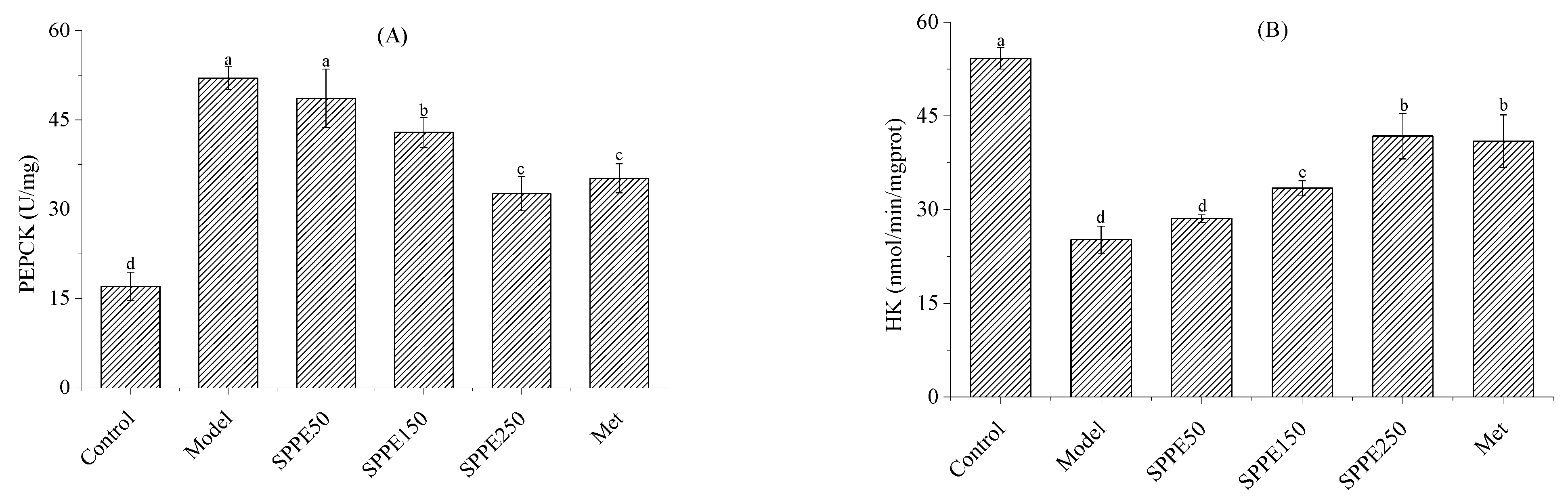
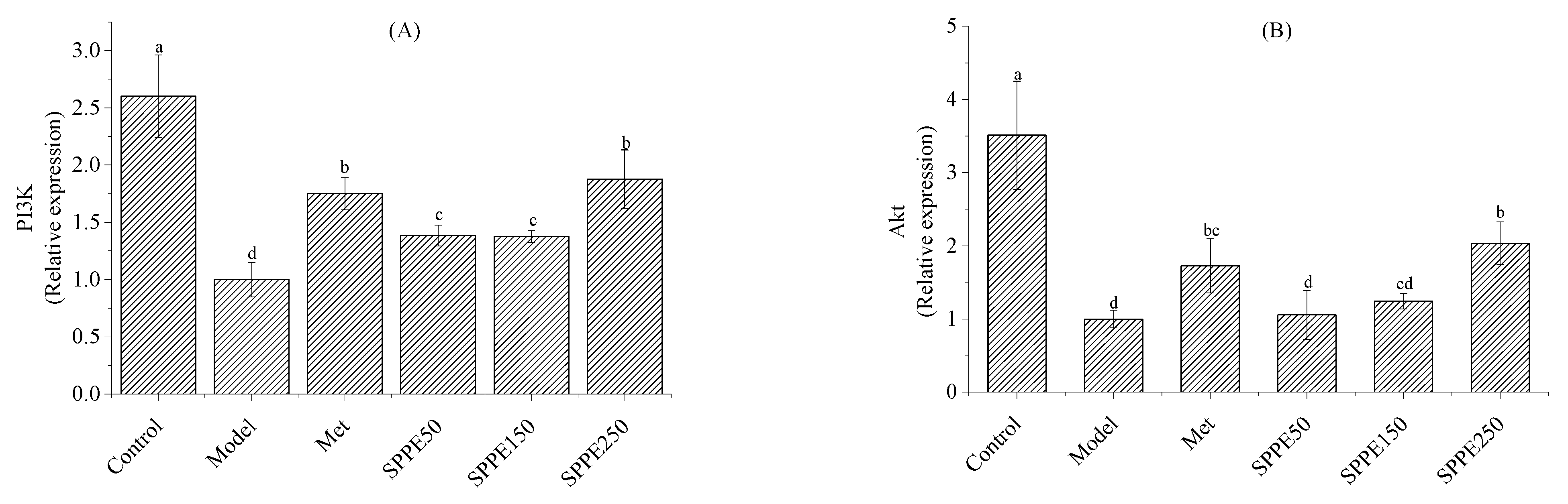
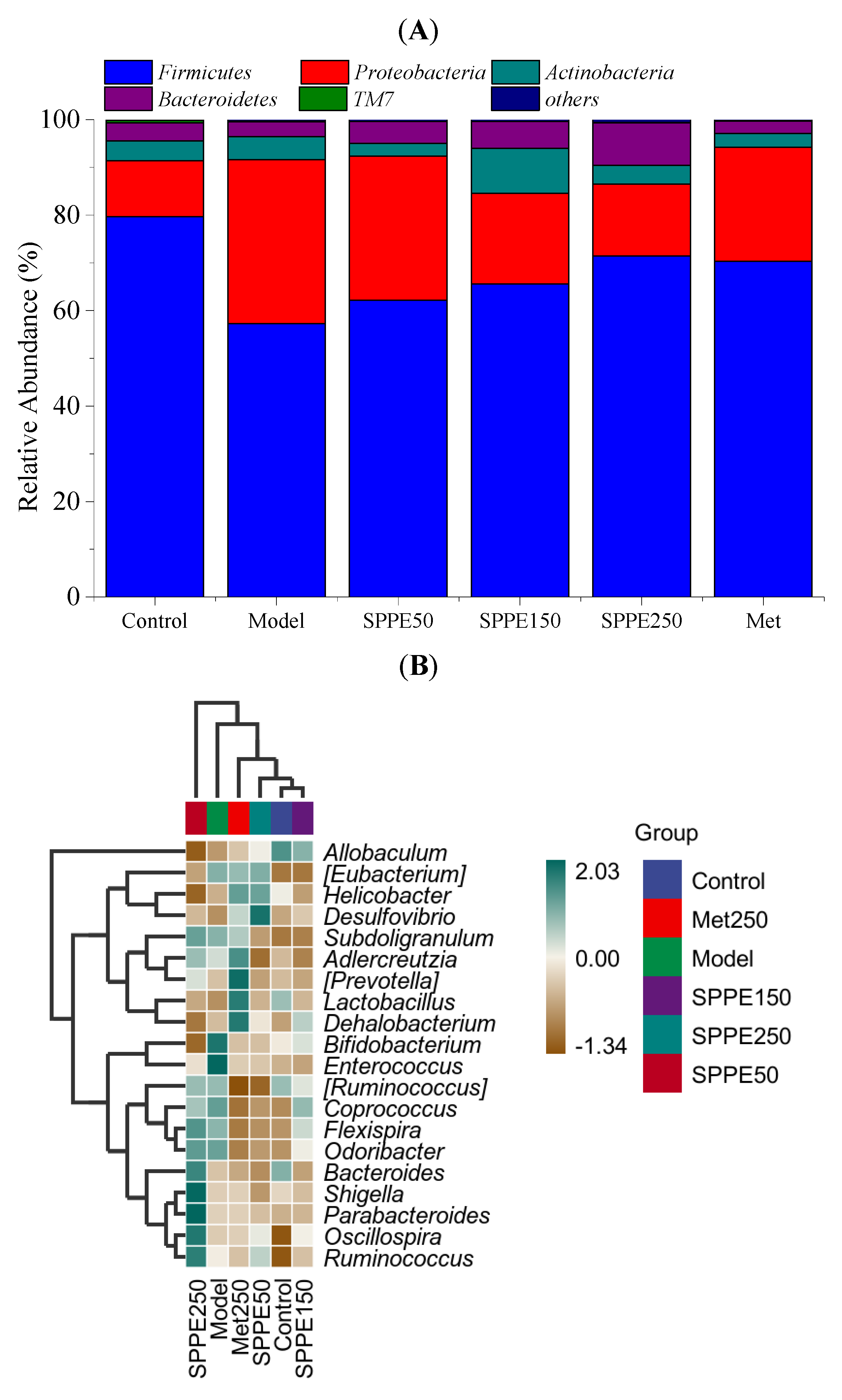
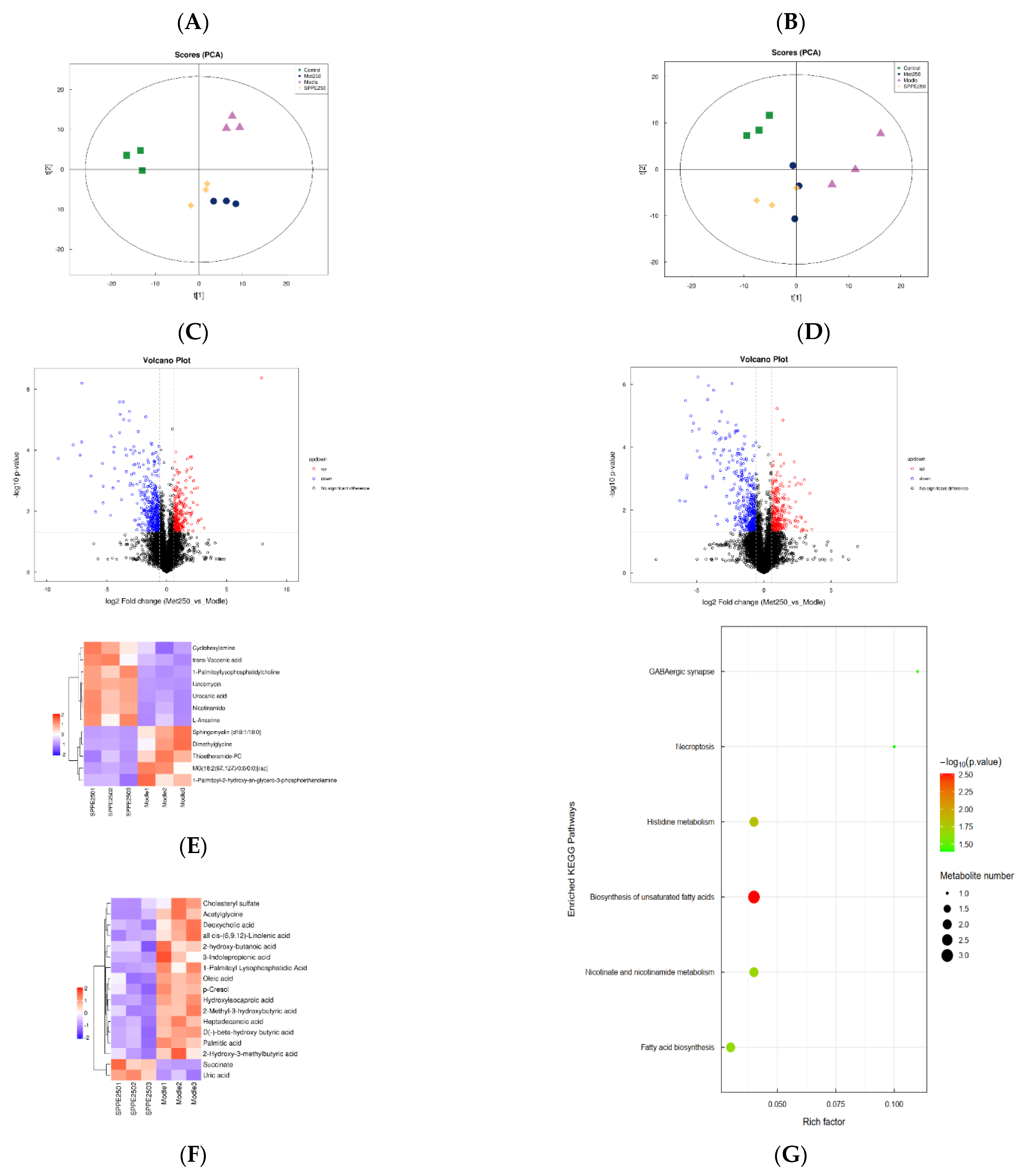
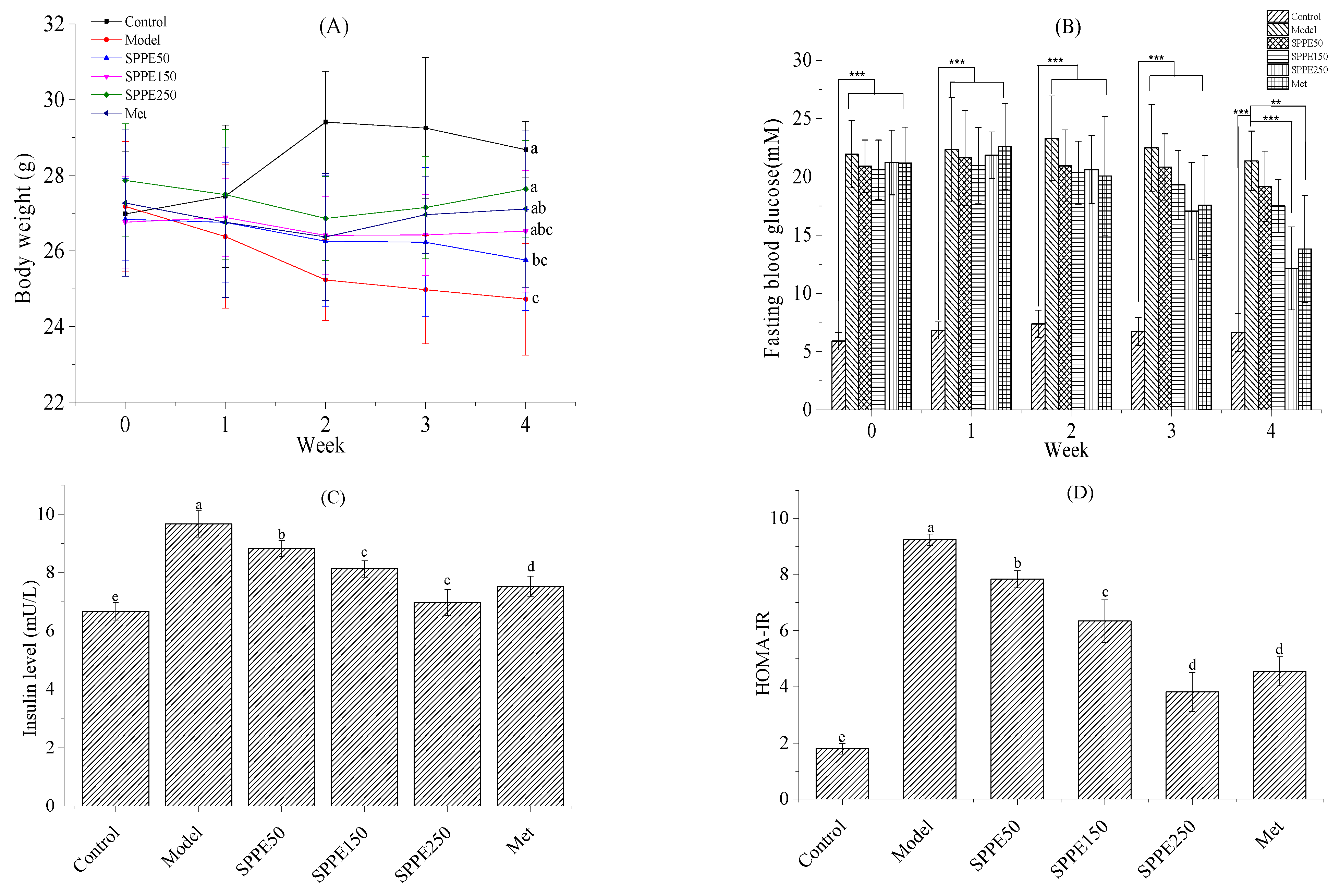
The aim of this study was to investigate the antidiabetic effect of the extract from Sargassum pallidum (SPPE) on type 2 diabetes mellitus (T2DM) mice. SPPE treatment alleviated hyperglycemia, insulin resistance (IR), liver and pancreatic tissue damage, hyperlipidemia and hepatic oxidative stress resulting from T2DM. SPPE reversed phosphoenolpyruvate carboxylase (PEPCK) and hexokinase (HK) activities to improve gluconeogenesis and glycogen storage in the liver. Furthermore, SPPE modulated glucose metabolism by regulating the levels of mRNA expression involving the PI3K/Akt/FOXO1/G6pase/GLUT2 pathway and could inhibit fatty acid synthesis by reducing the gene expression levels of fatty acid synthase (FAS) and acetyl-CoA carboxylase-1 (ACC-1). A 16 sRNA analysis indicated that SPPE treatment also reversed gut dysbiosis by increasing the abundance of beneficial bacteria (Bacteroides and Lactobacillus) and suppressing the proliferation of harmful bacteria (Enterococcus and Helicobacter). Untargeted metabolomics results indicated that histidine metabolism, nicotinate and nicotinamide metabolism and fatty acid biosynthesis were significantly influenced by SPPE. Thus, SPPE may be applied as an effective dietary supplement or drug in the management of T2DM.
Keywords: Sargassum pallidum; gut microbiota; serum metabolites; lipid metabolism; glucose metabolism Sargassum pallidum; gut microbiota; serum metabolites; lipid metabolism; glucose metabolism