Review

Towards Substitution of Hexane as Extraction Solvent of Food Products and Ingredients with No Regrets


by
Christian Cravotto
1,
Anne-Sylvie Fabiano-Tixier
1,
Ombéline Claux
1,
Maryline Abert-Vian
1,
Silvia Tabasso
2,
Giancarlo Cravotto
2,* and
Farid Chemat
1,*
1
GREEN Extraction Team, INRAE, UMR 408, Avignon University, F-84000 Avignon, France
2
Department of Drug Science and Technology, University of Turin, Via P. Giuria 9, 10125 Turin, Italy
*
Authors to whom correspondence should be addressed.
Foods 2022, 11(21), 3412; https://doi.org/10.3390/foods11213412
Submission received: 11 September 2022 / Revised: 20 October 2022 / Accepted: 24 October 2022 / Published: 28 October 2022
(This article belongs to the Special Issue Green Innovative Techniques for Foods)

Abstract

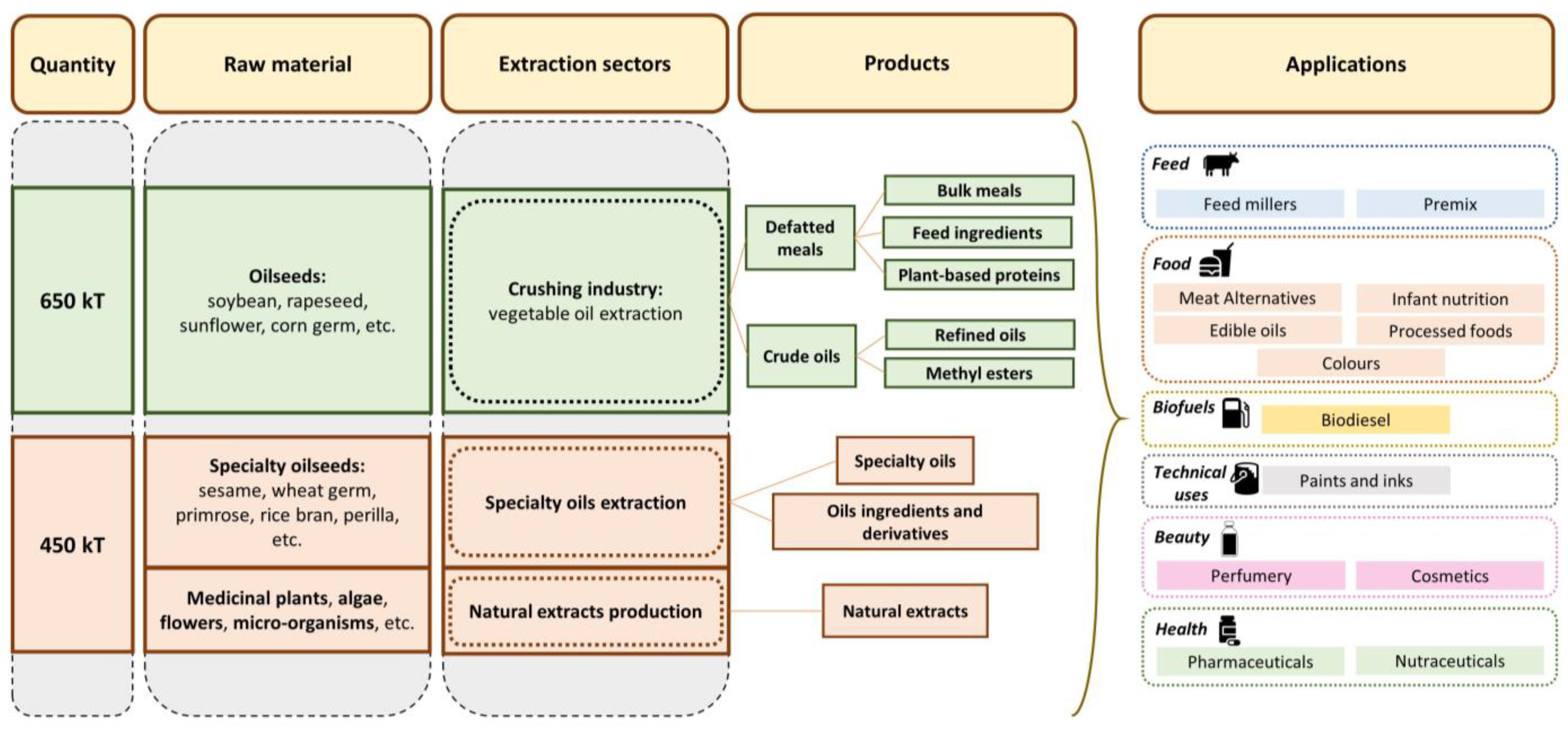
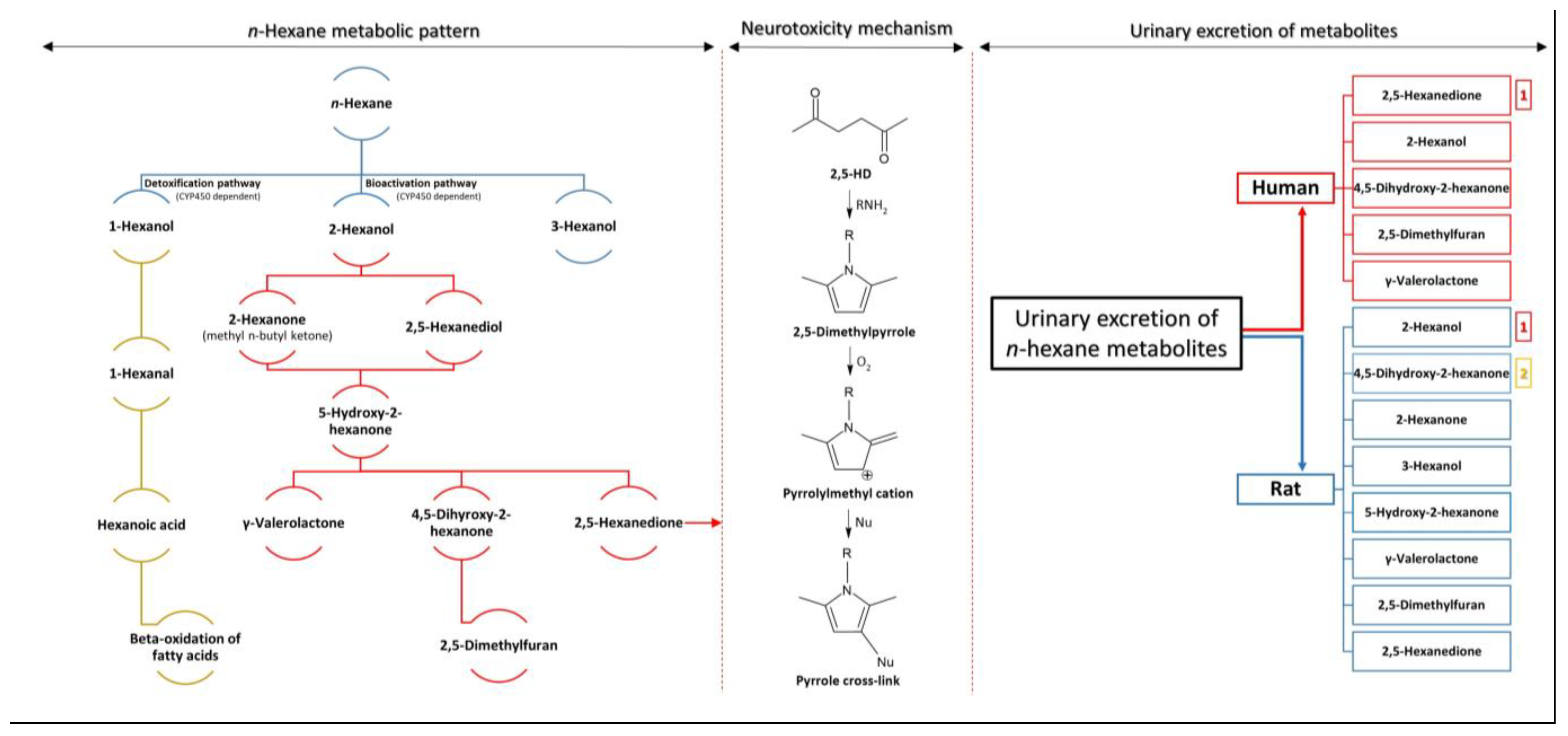
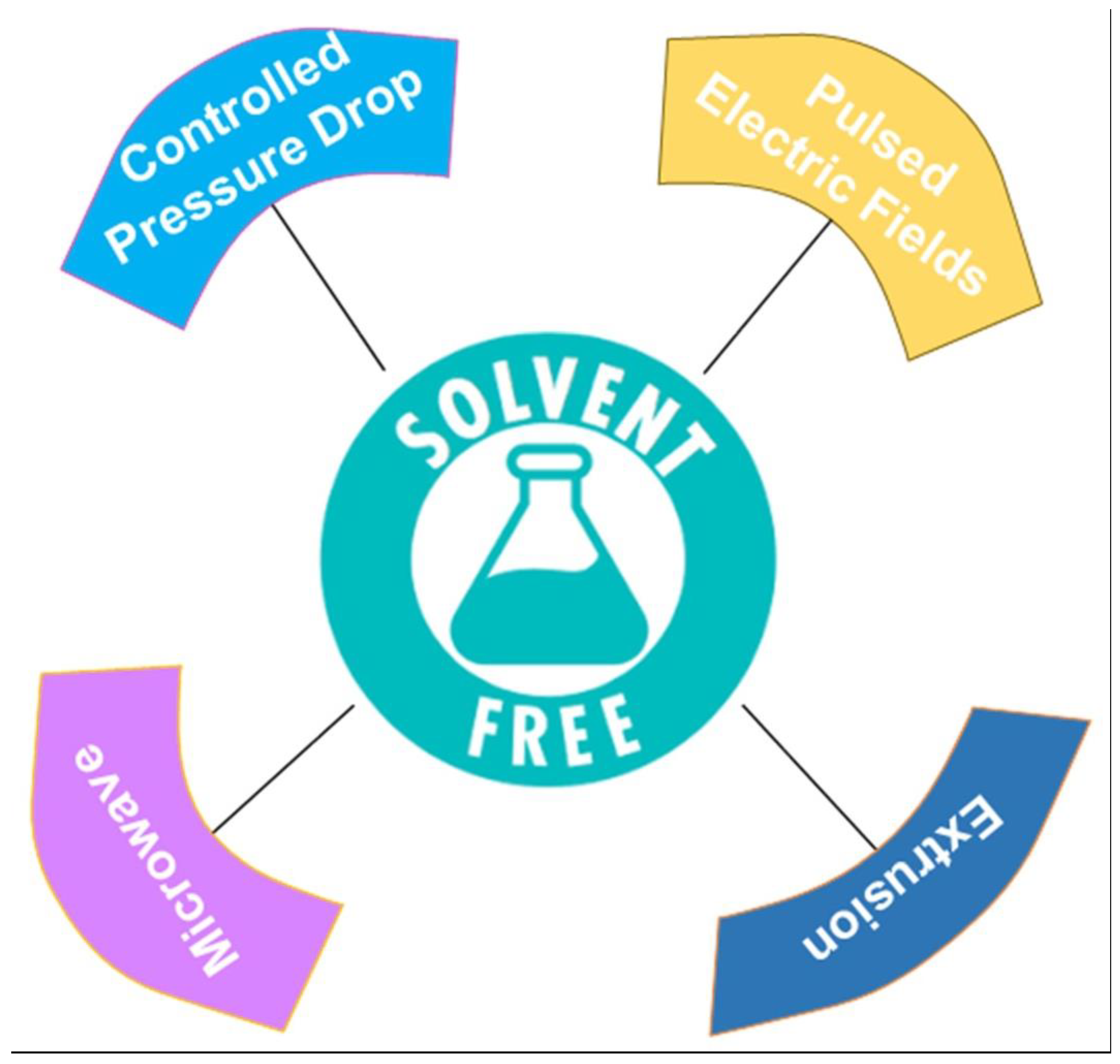
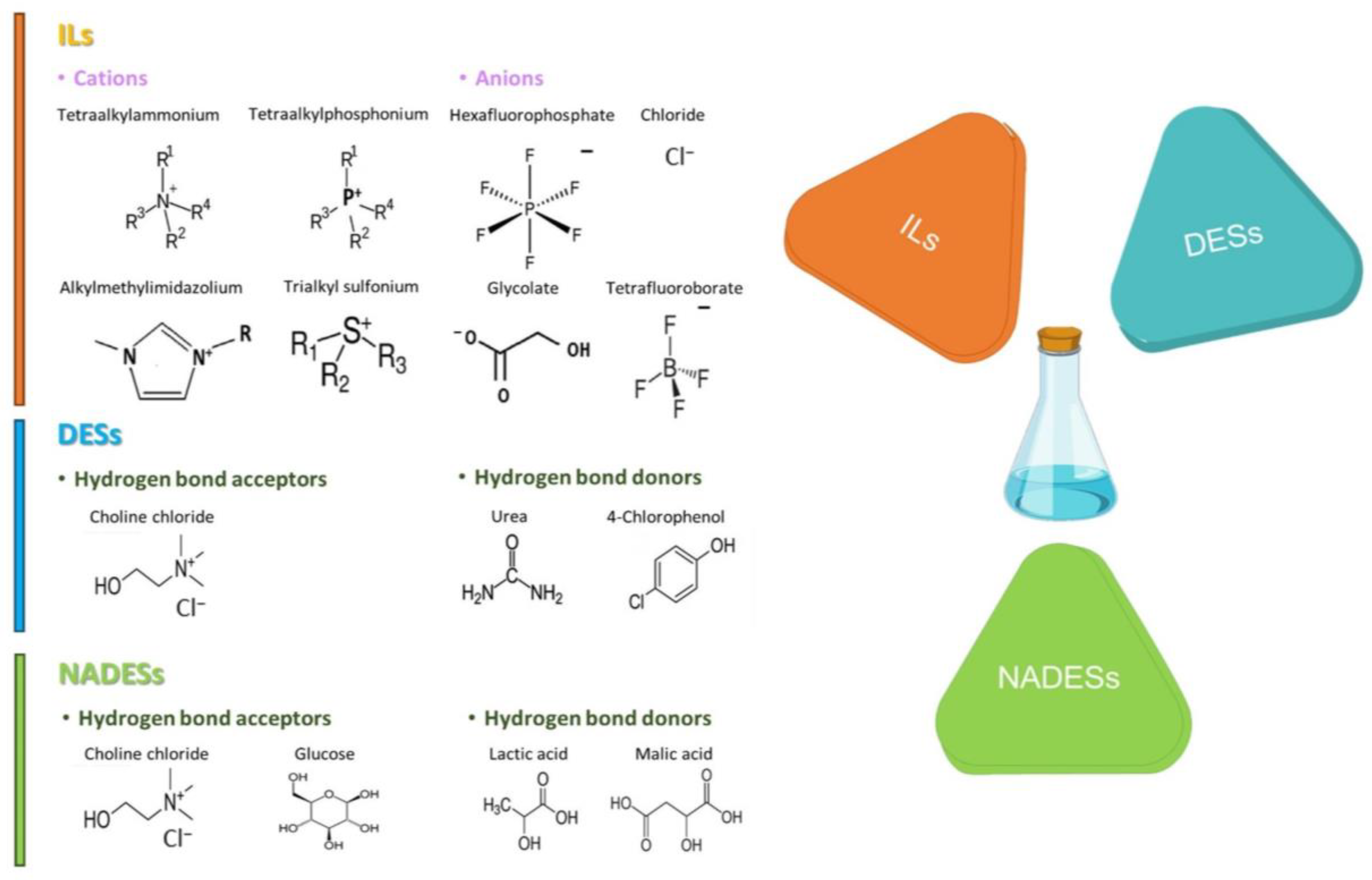
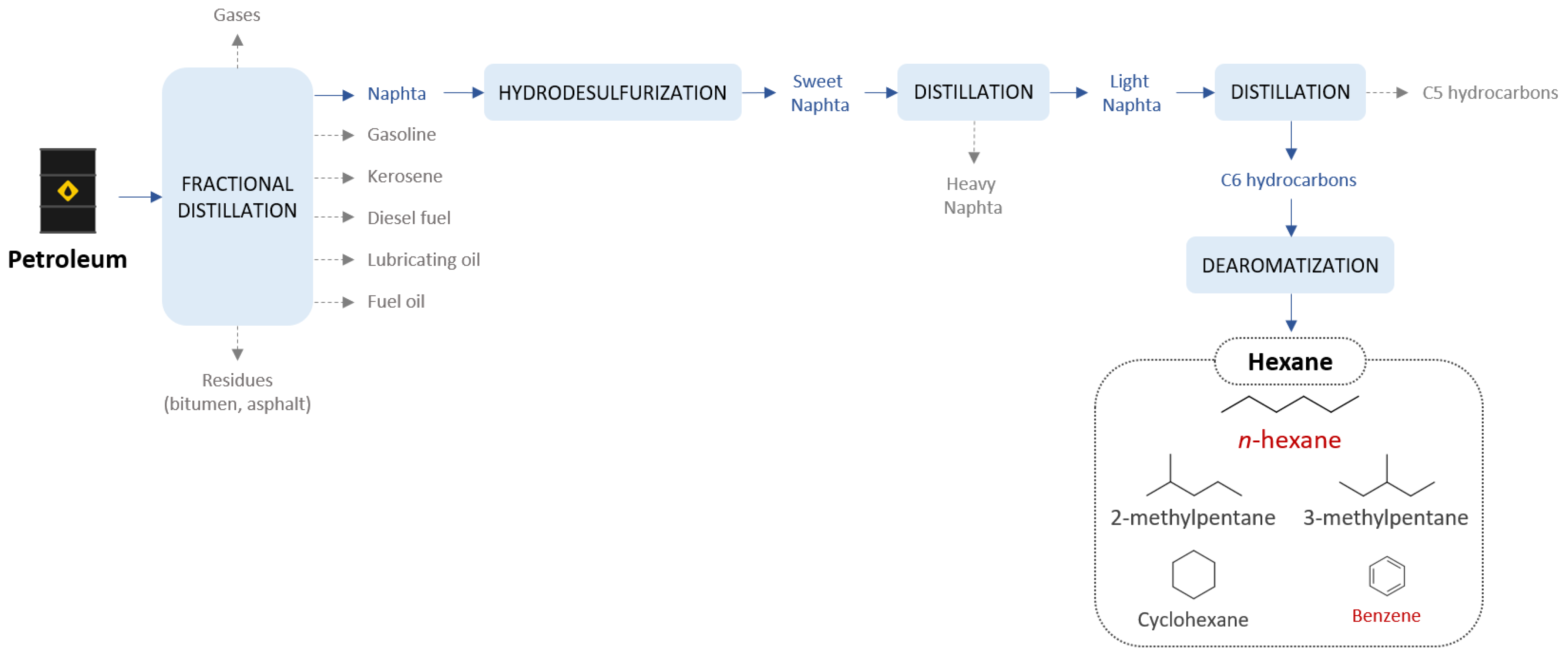
Hexane is a solvent used extensively in the food industry for the extraction of various products such as vegetable oils, fats, flavours, fragrances, colour additives or other bioactive ingredients. As it is classified as a “processing aid”, it does not have to be declared on the label under current legislation. Therefore, although traces of hexane may be found in final products, especially in processed products, its presence is not known to consumers. However, hexane, and in particular the n-hexane isomer, has been shown to be neurotoxic to humans and has even been listed as a cause of occupational diseases in several European countries since the 1970s. In order to support the European strategy for a toxic-free environment (and toxic-free food), it seemed important to collect scientific information on this substance by reviewing the available literature. This review contains valuable information on the nature and origin of the solvent hexane, its applications in the food industry, its toxicological evaluation and possible alternatives for the extraction of natural products. Numerous publications have investigated the toxicity of hexane, and several studies have demonstrated the presence of its toxic metabolite 2,5-hexanedione (2,5-HD) in the urine of the general, non-occupationally exposed population. Surprisingly, a tolerable daily intake (TDI) has apparently never been established by any food safety authority. Since hexane residues are undoubtedly found in various foods, it seems more than necessary to clearly assess the risks associated with this hidden exposure. A clear indication on food packaging and better information on the toxicity of hexane could encourage the industry to switch towards one of the numerous other alternative extraction methods already developed.
Keywords: hexane; toxicity; 2,5-hexanedione; food industry; alternative extraction methods hexane; toxicity; 2,5-hexanedione; food industry; alternative extraction methods