
Class II Malocclusion Correction Using “Distalizing Bar Appliances” and Clear Aligners: A Case Series and Clinical Technique

 and
and 
Abstract
1. Introduction
2. Case Presentation and Inclusion Criteria
Inclusion Criteria
3. Treatment Protocol
3.1. Distalization Phase
- Digital planning: Digital models are used to select the correct appliance size. For the aligner setup, we recommend instructing the technician to “simulate a one-step distalization of the upper arch and produce only the lower aligners”. This allows for immediate lower arch coordination.
- Elastic protocol: Patients wear 6 oz ¼” elastics full-time for the first month, then increase to 8 oz 3/16” full-time from the second month. The simultaneous reduction in elastic diameter and increase in force magnitude is intended to deliver a higher initial force while maintaining a working range appropriate for the increased interarch distance that develops as distalization progresses. Patients are instructed to replace the elastics at least twice daily to maintain consistent force delivery.
- Lower anchorage and mechanics: To manage lower anchorage and resolve crowding, active lower aligners are changed every 10 days. This 10-day cadence is shorter than the standard 14-day protocol typically recommended for clear aligners and is adopted empirically with the aim of delivering the planned tooth movements within a relatively narrow time window, so that the lower arch can keep pace with the upper distalization achieved by the DBA; the choice should not be interpreted as evidence of superior anchorage, and warrants confirmation in future controlled studies. Horizontal gingival beveled attachments (3 mm) are placed from the second molar to the canine. Buttons for elastics are bonded directly to the lower first molars via aligner cut-outs.
- ○
- Clinical tip: To counteract mesial tipping of the lower first molar, the button should be bonded on the mesial half of the buccal surface. Additionally, a distal tipping movement should be incorporated into the digital plan for this tooth.
- Endpoint: The phase concludes when an overcorrected Class I to a mild Class III relationship is achieved. Overcorrection is mandatory to compensate for the tipping component of the distalization and prevent relapse during the subsequent phase.
- Re-scan: We strongly advise removing the DBA before taking the intermediate scan to ensure a precise fit for the upper aligners in Phase 2.
3.2. Alignment Phase
3.3. Finishing Phase
3.4. Cases Presentations
- (1)
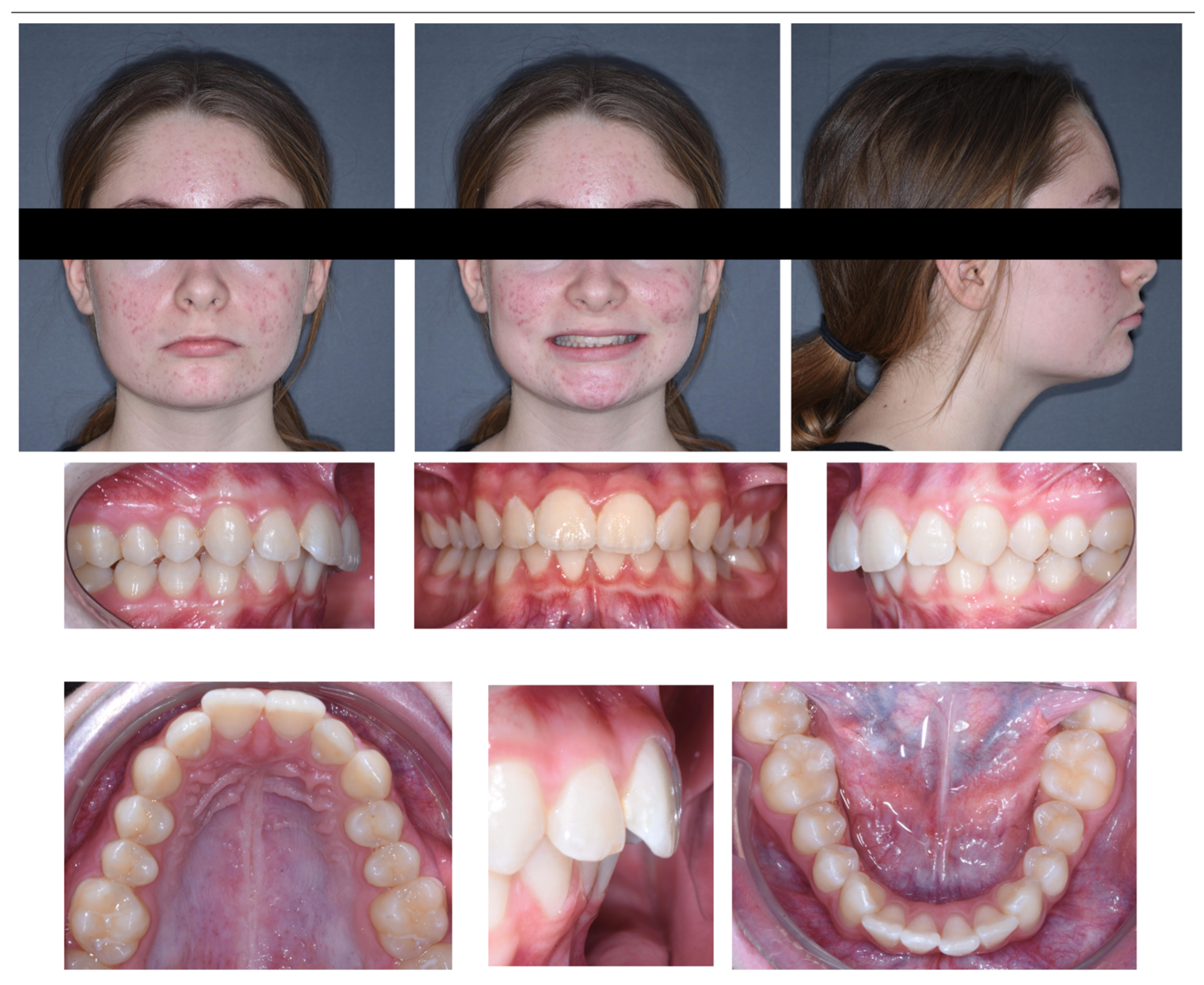
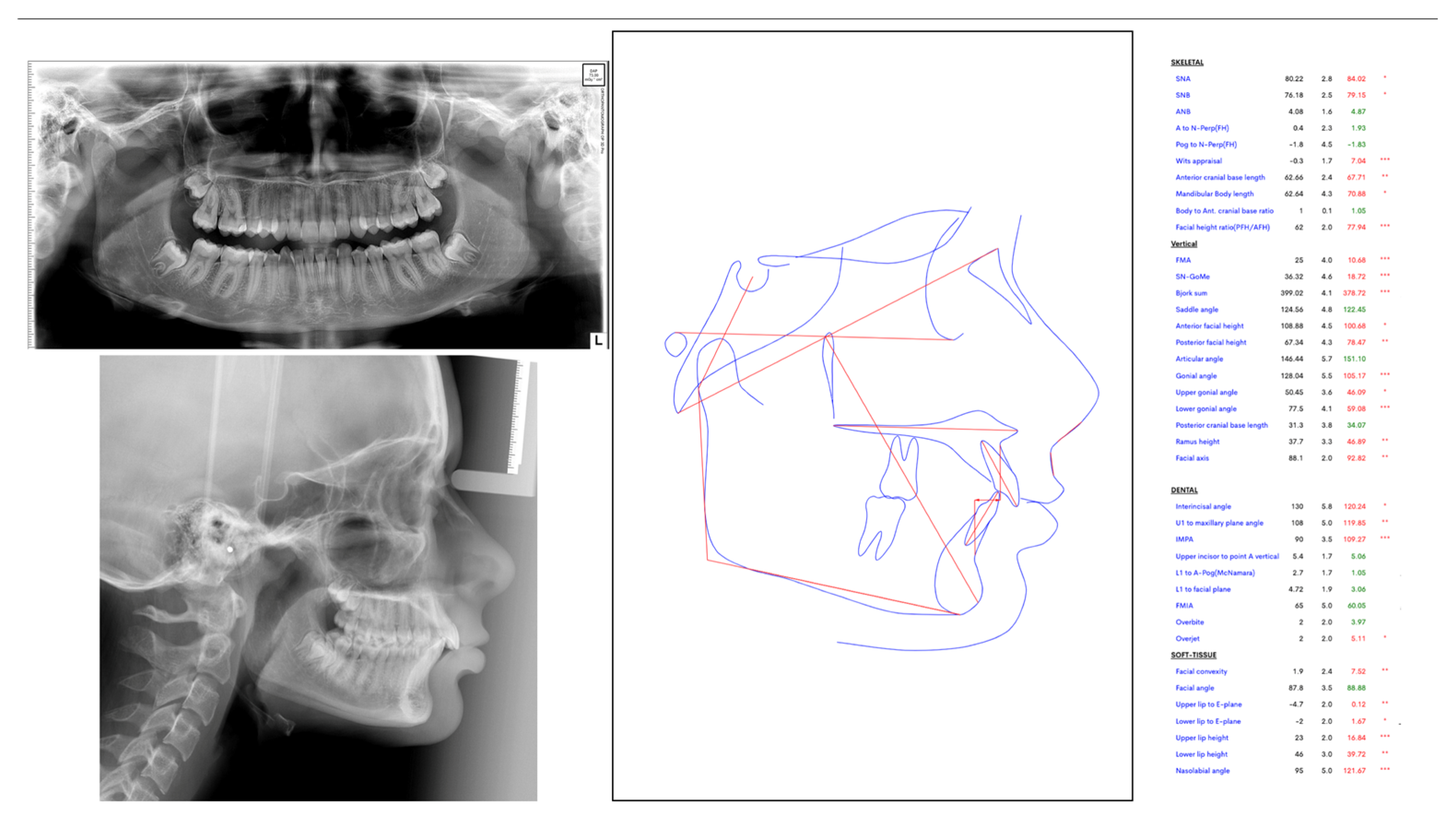
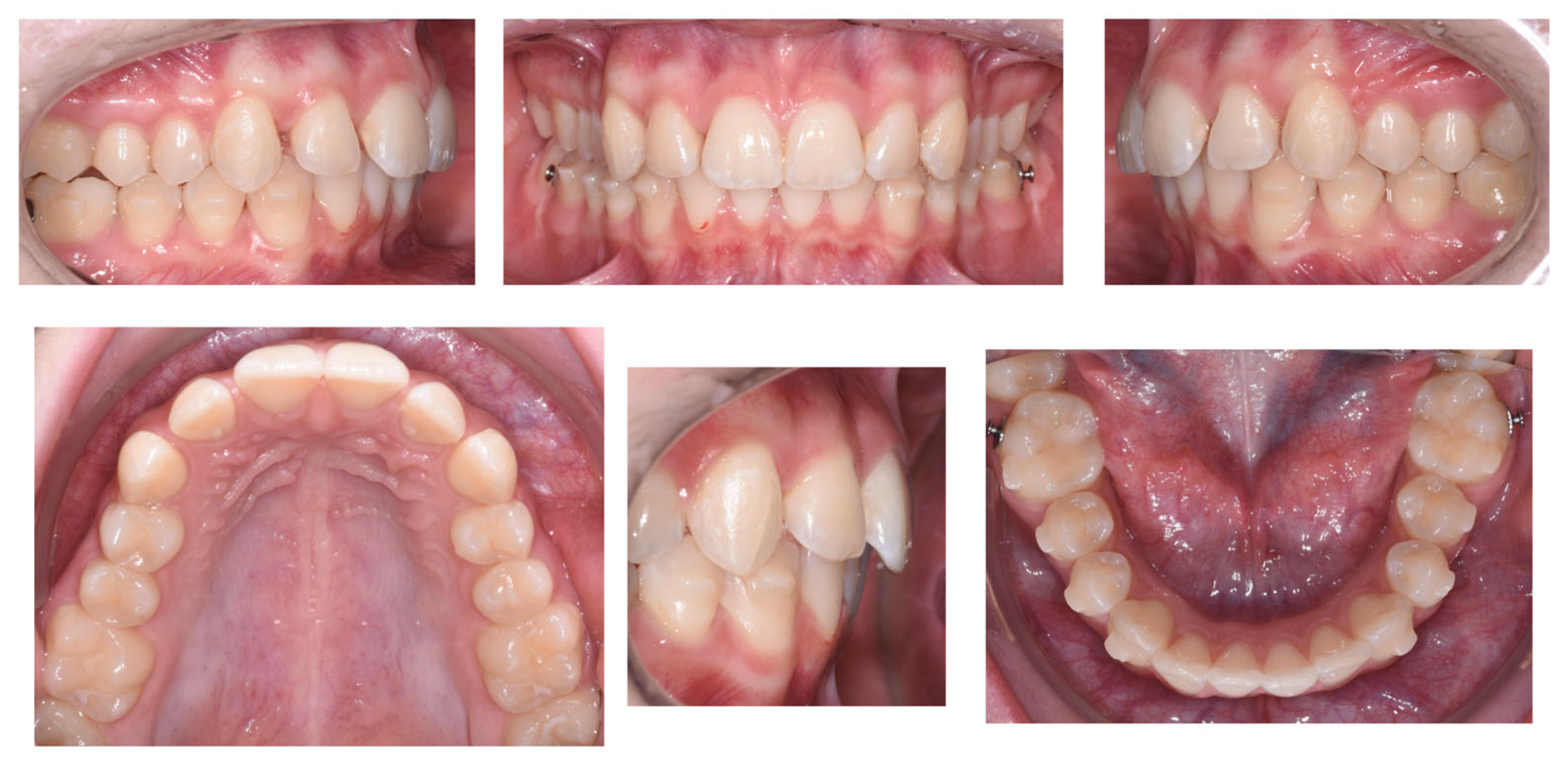
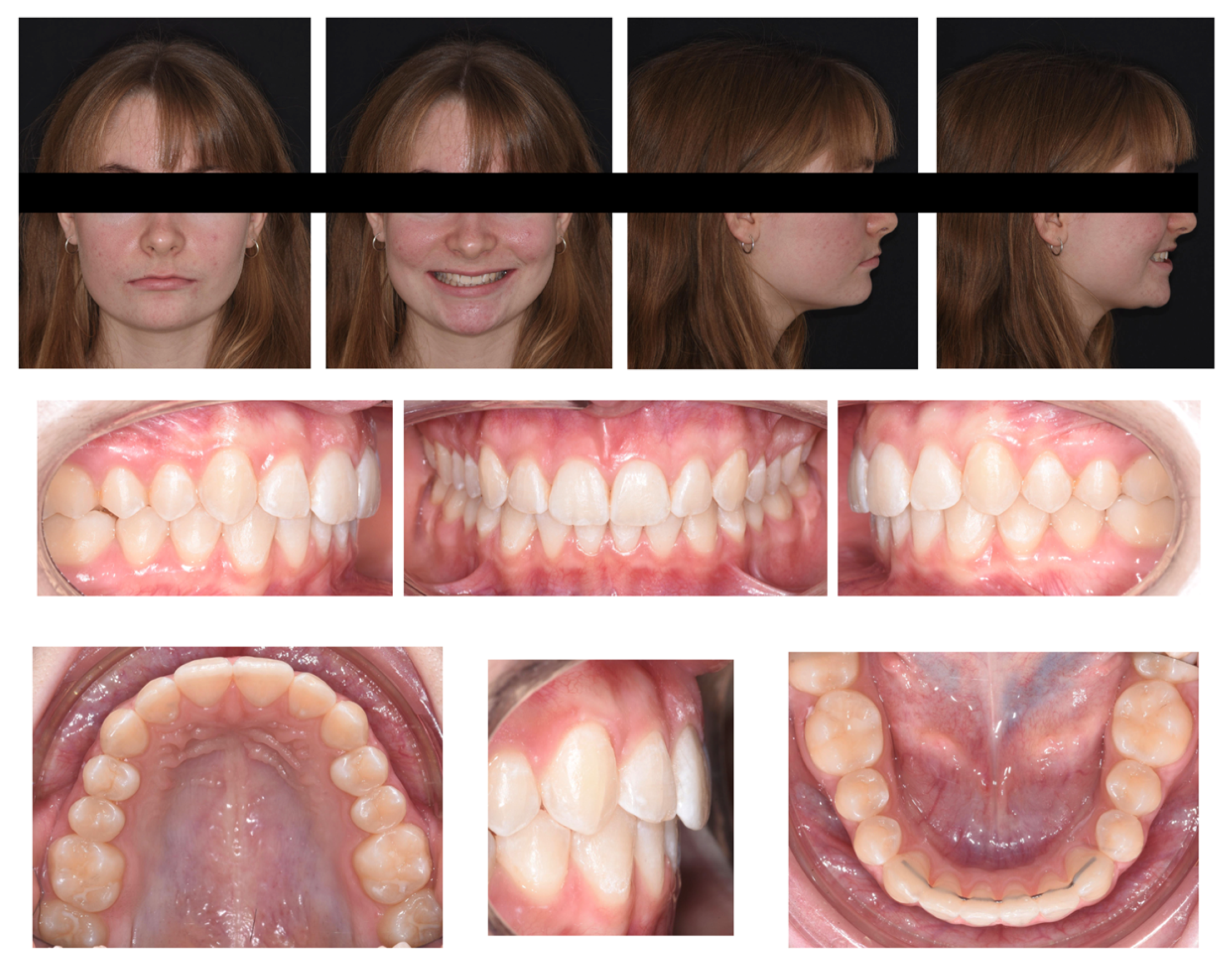
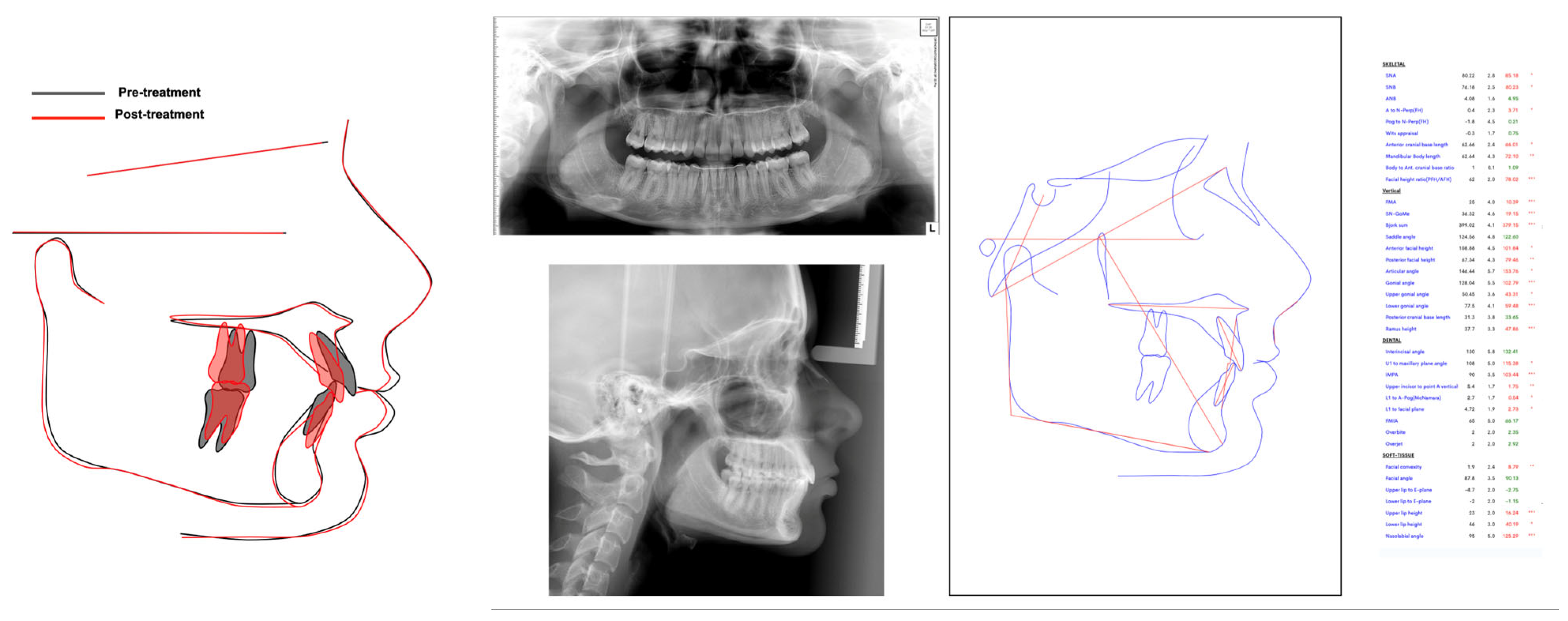
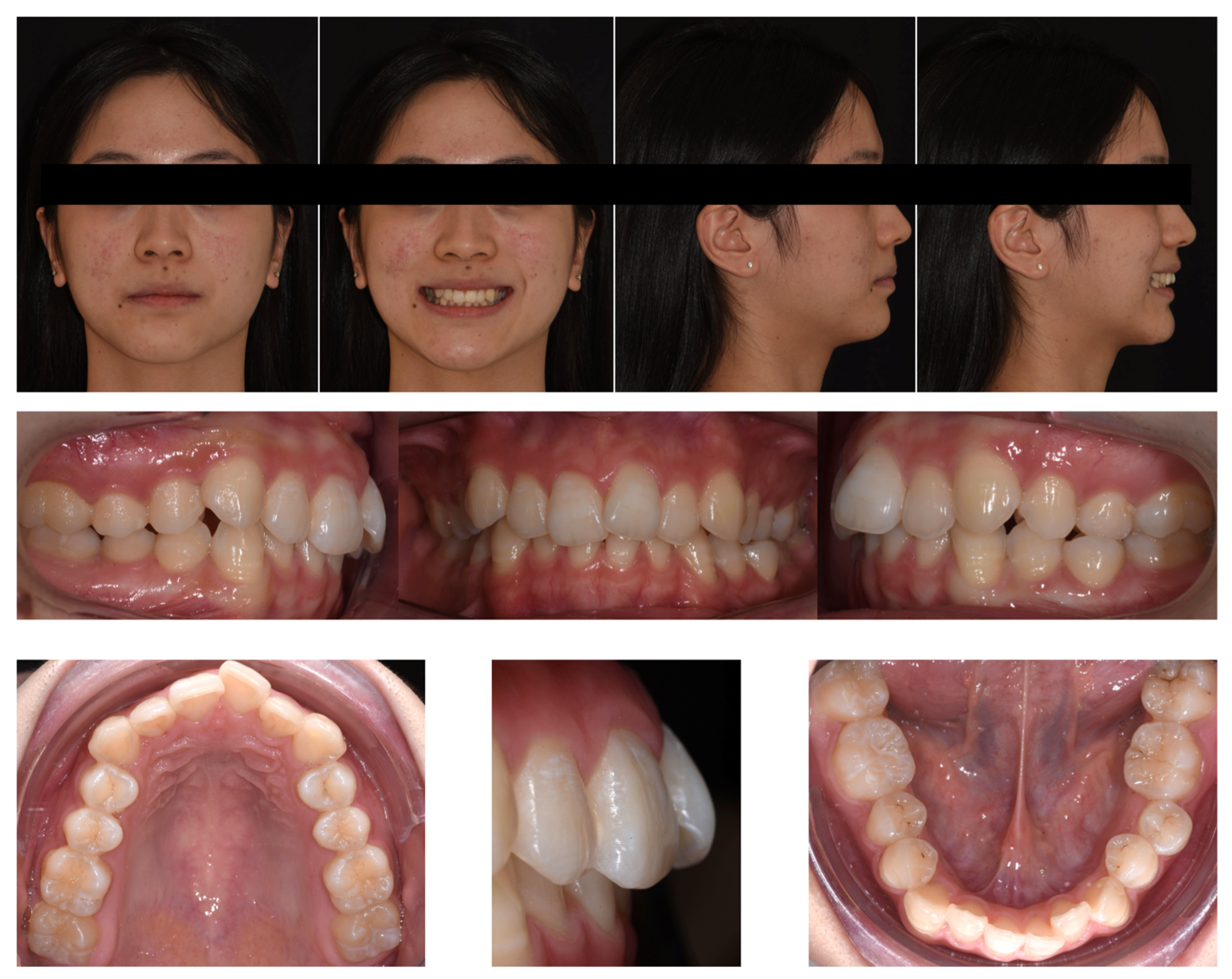
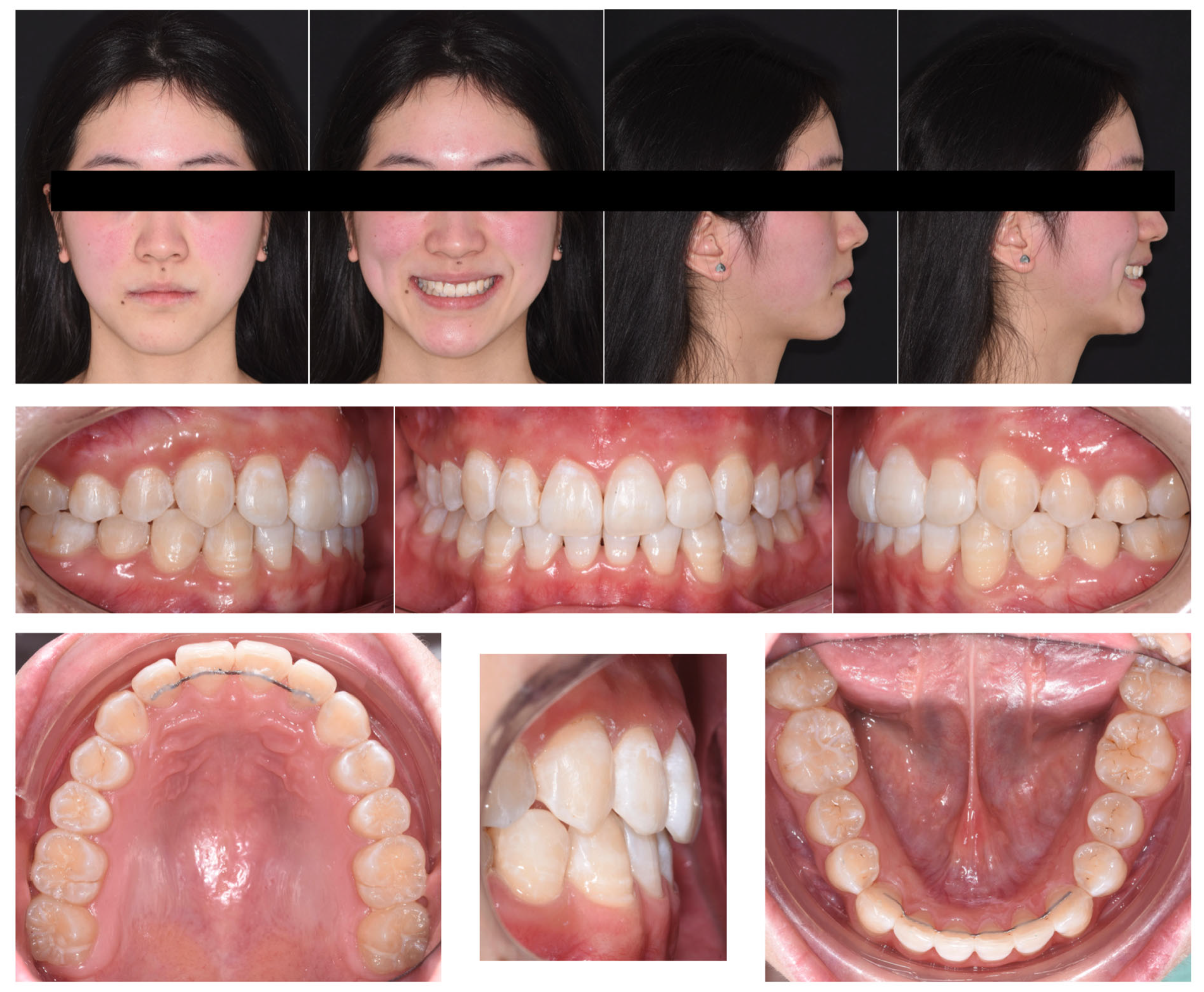
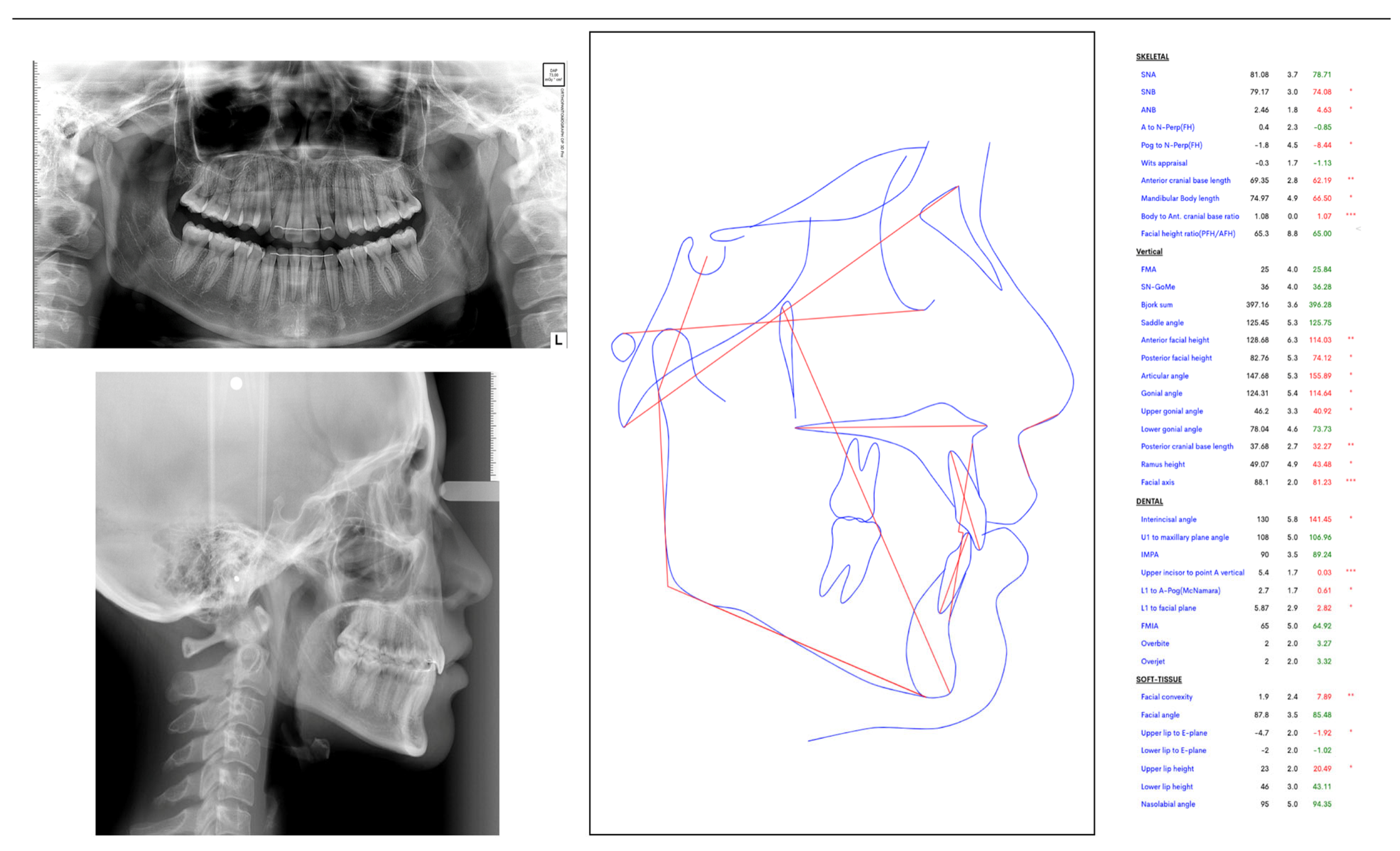
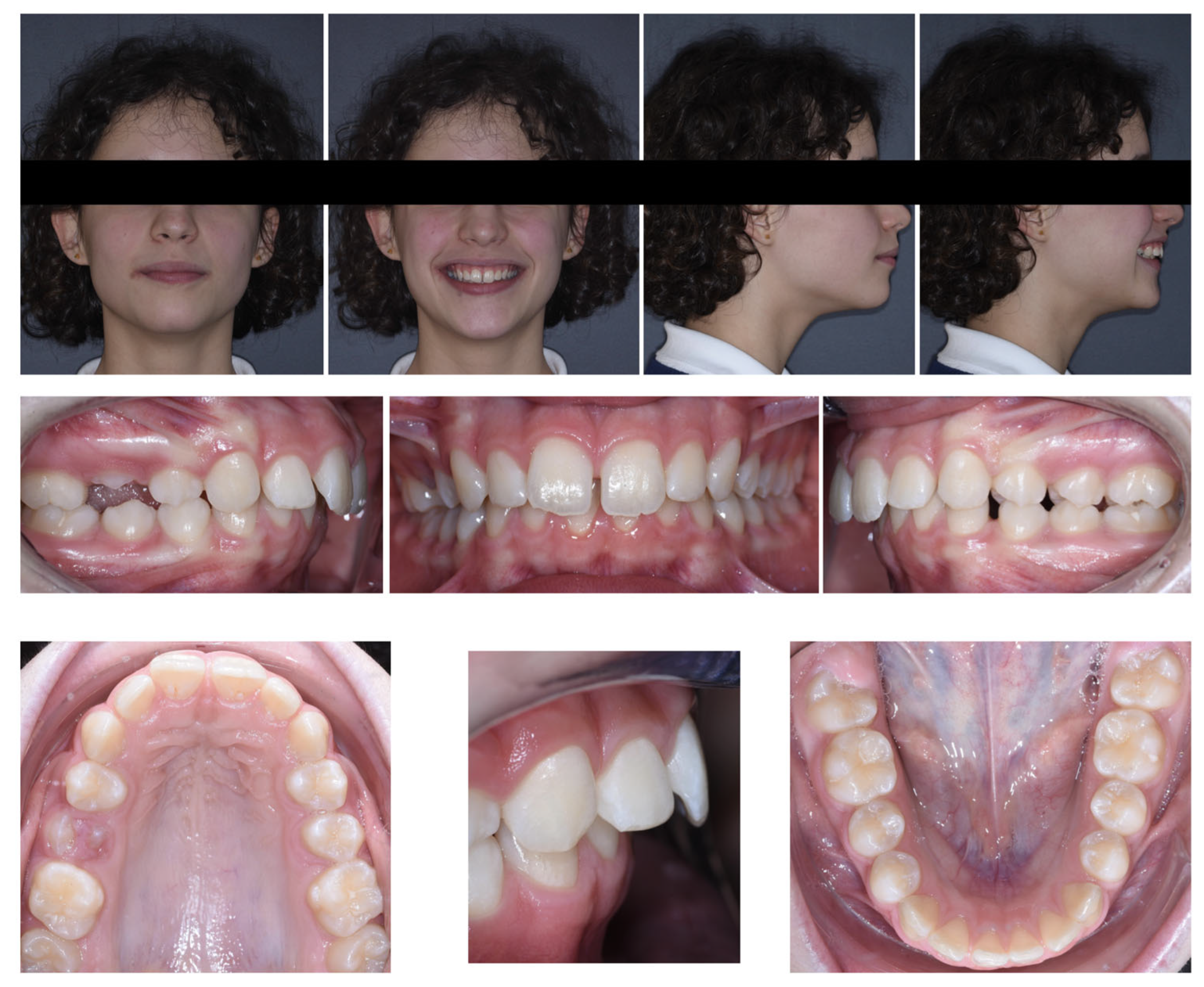
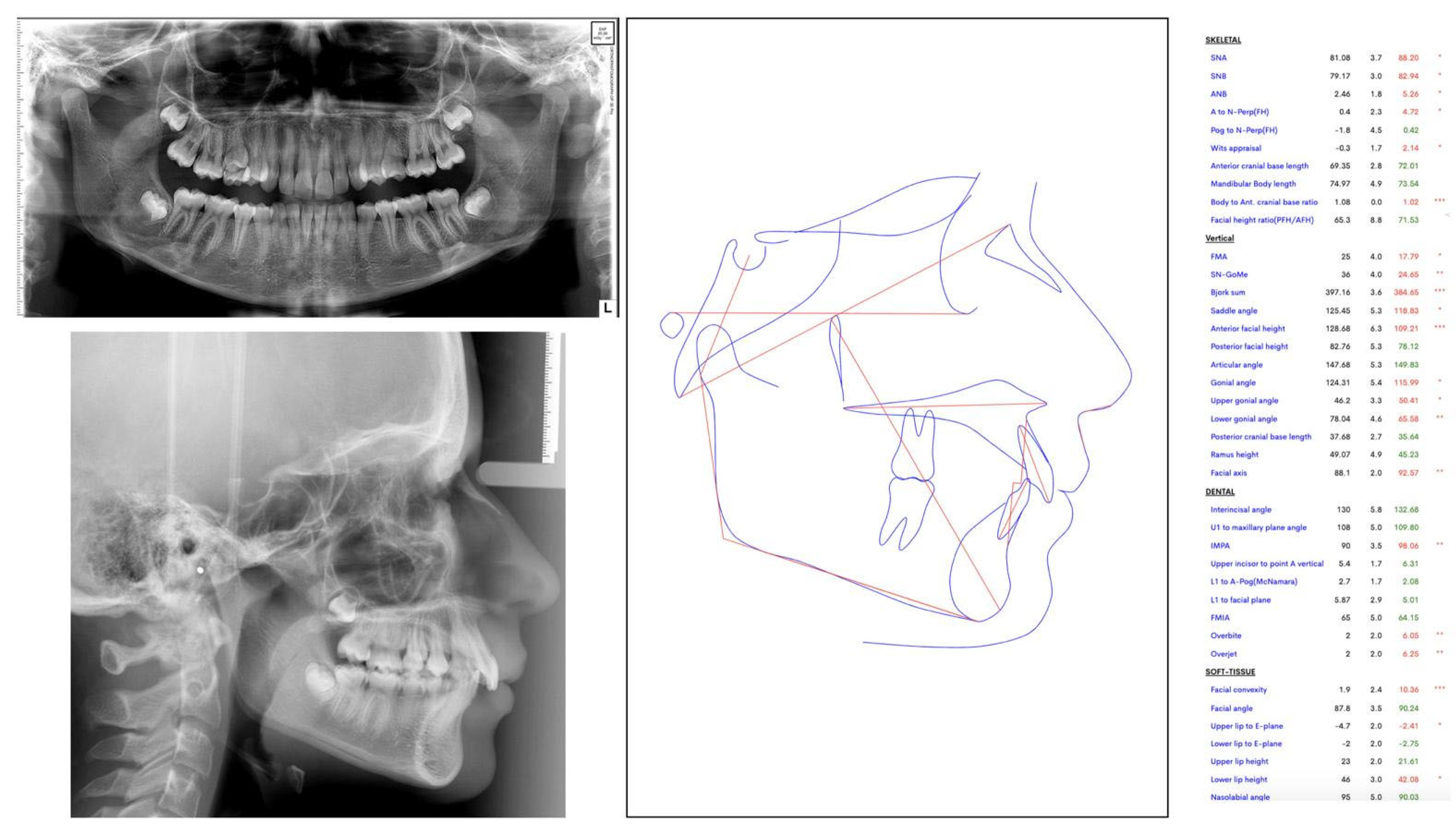
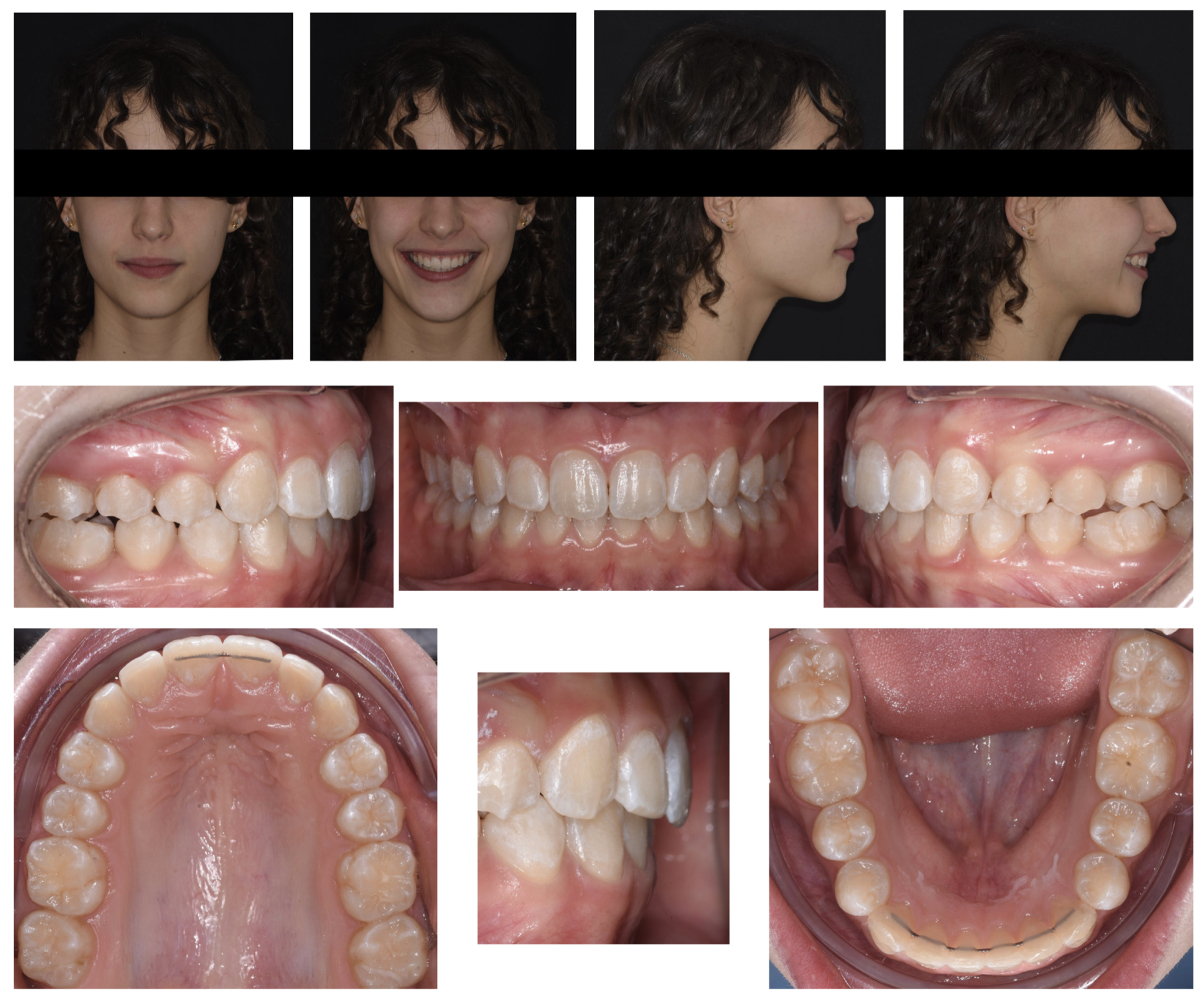
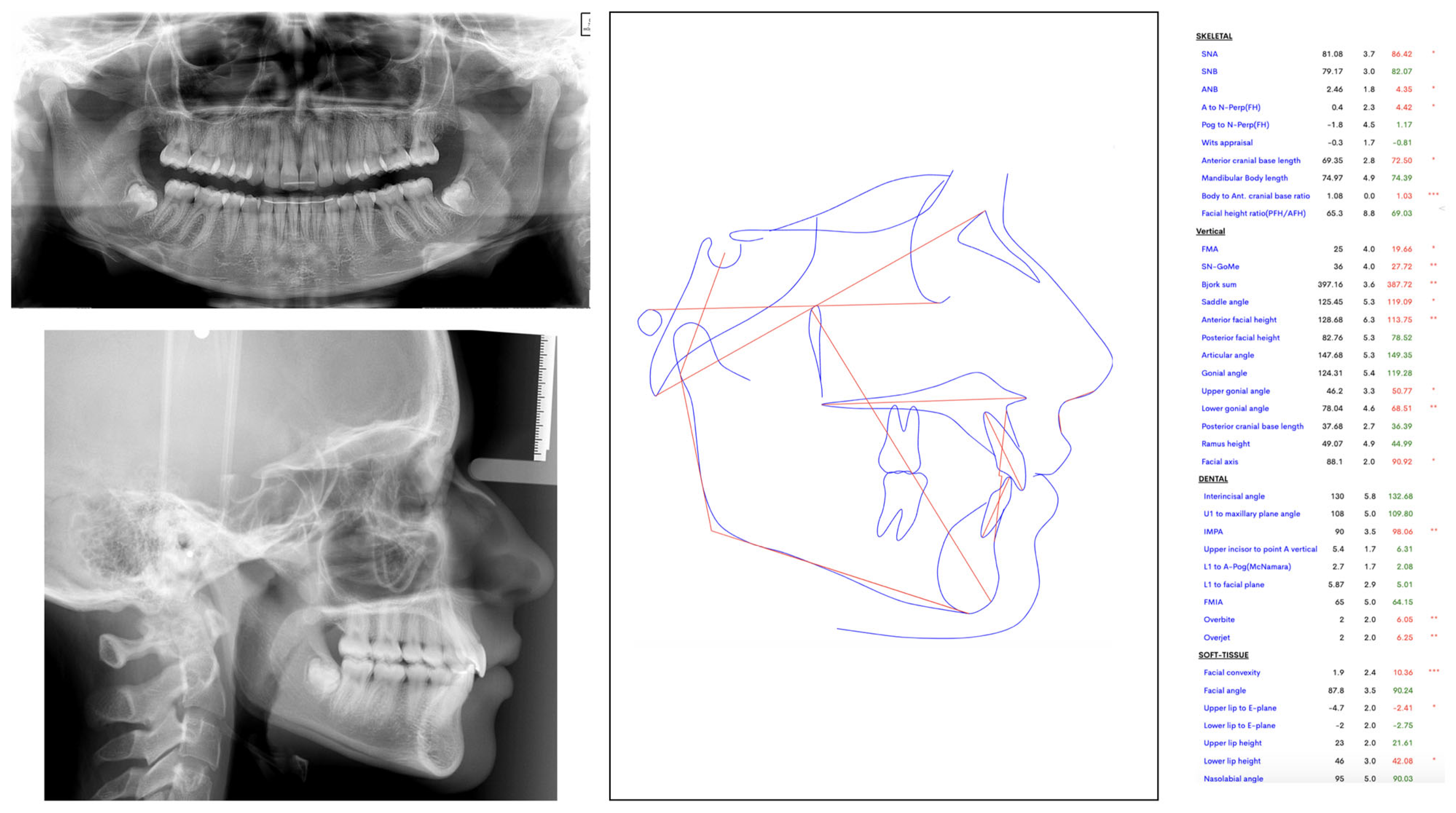
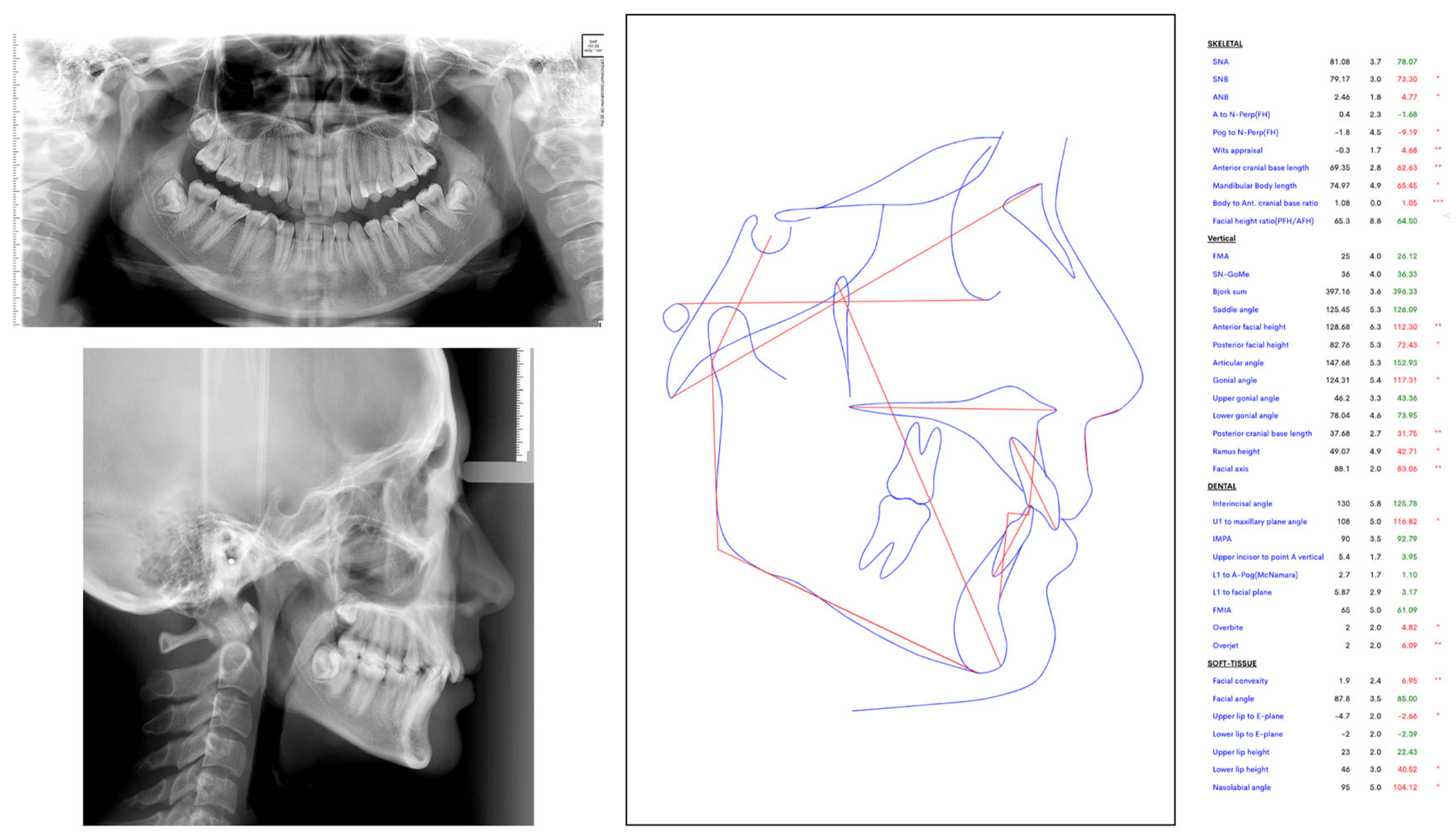
- Case 1: A 15-year-old female patient presented with a Class II division 1 malocclusion, a deep bite, and a request to correct her increased overjet. Diagnosis revealed a full Class II molar relationship on the right side and a mild Class II on the left, with a non-concordant smile line. Following the digital plan, Phase 1 (distalization) was completed in 5 months. Phase 2 (alignment with clear aligners) lasted 6 months, utilizing asymmetric elastics (8 oz on the right, 6 oz on the left) to coordinate the midlines. Finishing (Phase 3) required 2 months. Total treatment time was 14 months. Post-treatment records show a bilateral Class I molar and canine relationship, correction of the deep bite, and significant aesthetic improvement (Table 2, Figure 2, Figure 3, Figure 4, Figure 5 and Figure 6).
- (2)
- Case 2: Similar to the previous case, this 18-year-old patient sought treatment to resolve crowding and improve aesthetics (Table 3, Figure 7, Figure 8, Figure 9 and Figure 10). The diagnosis included a bilateral Class II relationship complicated by a crossbite at the second premolars (25–35) and a lower midline deviation. This case highlights the protocol’s efficiency: Phase 1 was completed in just 4 months. Phase 2 (alignment and crossbite correction) required 16 aligners over 4 months. After a 2-month finishing phase (Phase 3), the treatment concluded in a total of 12 months. A solid bilateral Class I was achieved, with full resolution of the crossbite and coincident midlines (Figure 7, Figure 8, Figure 9 and Figure 10).
- (3)
- Case 3: A 14-year-old patient presented with generalized spacing and upper diastemas (Table 4, Figure 11, Figure 12, Figure 13 and Figure 14). While the final aesthetic result was successful, this case serves as a critical example regarding anchorage management. Phase 1 (distalization) lasted 5 months, followed by a 9-month Phase 2 (45 aligners). Total treatment time was 18 months. Although a Class I molar relationship and space closure were achieved, a specific adverse event occurred: the prolonged use of Class II mechanics resulted in mesial tipping of the lower first molars (36 and 46), which was not fully resolved at the end of treatment. To quantify the mandibular molar mesial tipping in this case, the pre- and post-treatment change in the angle formed on the lateral cephalogram by the mandibular plane (Go-Me) and the molar axis (a line passing through the root furcation and the groove separating the two buccal cusps) was calculated. The variation in this angle between pre- and post-treatment was 5.4°. This finding underscores the necessity of the reinforced anchorage protocols emphasized in the discussion section (Figure 11, Figure 12, Figure 13 and Figure 14).
4. Discussion
5. Conclusions
Author Contributions
Funding
Institutional Review Board Statement
Informed Consent Statement
Data Availability Statement
Conflicts of Interest
References
- Lombardo, G.; Vena, F.; Negri, P.; Pagano, S.; Barilotti, C.; Paglia, L.; Colombo, S.; Orso, M.; Cianetti, S. Worldwide prevalence of malocclusion in the different stages of dentition: A systematic review and meta-analysis. Eur. J. Paediatr. Dent. 2020, 21, 115–122. [Google Scholar] [PubMed]
- McNamara, J.A., Jr.; Brudon, W.L. Orthodontics and Dentofacial Orthopedics; Needham Press: Ann Arbor, MI, USA, 2001. [Google Scholar]
- Carriere, L.A. New Class II distalizer. J. Clin. Orthod. 2004, 38, 224–231. [Google Scholar] [PubMed]
- Lombardo, L.; Cremonini, F.; Oliverio, T.; Cervinara, F.; Siciliani, G. Class II correction with Carriere Motion 3D Appliance and clear aligner therapy. J. Clin. Orthod. 2022, 56, 187–193. [Google Scholar] [PubMed]
- Schmid-Herrmann, C.U.; Delfs, J.; Mahaini, L.; Schumacher, E.; Hirsch, C.; Koehne, T.; Kahl-Nieke, B. Retrospective investigation of the 3D effects of the Carriere Motion 3D appliance using model and cephalometric superimposition. Clin. Oral Investig. 2023, 27, 631–643. [Google Scholar] [CrossRef] [PubMed]
- Kim-Berman, H.; McNamara, J.A., Jr.; Lints, J.P.; McMullen, C.; Franchi, L. Treatment effects of the Carriere® Motion 3D™ appliance for the correction of Class II malocclusion in adolescents. Angle Orthod. 2019, 89, 839–846. [Google Scholar] [CrossRef] [PubMed]
- Pattanaik, S.; Veeraraghavan, V.P.; Dasari, A.K.; Patil, S.R.; Alzahrani, S.G.; Fareed, M. Orthodontic treatment in adults: Challenges, outcomes, and factors affecting compliance and satisfaction. J. Orthod. Sci. 2024, 13, 14. [Google Scholar] [CrossRef] [PubMed]
- Hamilton, C.F.; Saltaji, H.; Preston, C.B.; Flores-Mir, C.; Tabbaa, S. Adolescent patients’ experience with the Carriere distalizer appliance. Eur. J. Paediatr. Dent. 2013, 14, 219–224. [Google Scholar] [PubMed]
- Fracchia, D.E.; Janson, G.; Sathler, R.; Fernandes, T.M.F.; Castello Branco, N.C.; de Freitas, M.R. Correction of Class II malocclusion with Class II elastics: A systematic review. Am. J. Orthod. Dentofac. Orthop. 2013, 143, 383–392. [Google Scholar] [CrossRef] [PubMed]
- Wilson, B.; Konstantoni, N.; Kim, K.B.; Foley, P.; Ueno, H. Three-dimensional cone-beam computed tomography comparison of shorty and standard Class II Carriere Motion appliance. Angle Orthod. 2021, 91, 423–432. [Google Scholar] [CrossRef] [PubMed] [PubMed Central]
- Plaza-Ruiz, S.P.; Rojas-Plaza, P.A.; Basto-Tacuma, J.; Velandia-Palacio, L.A.; Jara-López, L. Comparative evaluation of the dentoalveolar effects of three Class II correctors: A finite element analysis study. J. Orthod. 2024, 51, 41–52. [Google Scholar] [CrossRef] [PubMed]
- Benedetti, G.; Sicca, N.; Spinas, E. Evaluating the Clinical Success of Clear Aligners for Rotational Tooth Movements in Adult Patients: A Systematic Review. Dent. J. 2025, 13, 440. [Google Scholar] [CrossRef] [PubMed]
- Vitral, R.W.F.; Azevedo, D.G.R.; Campos, J.D.F.A.; Campos, M.J.D.S. Considerations on distalization of maxillary molars with Invisalign aligners in nonextraction patients with Class II malocclusion. Am. J. Orthod. Dentofac. Orthop. 2023, 163, 295. [Google Scholar] [CrossRef] [PubMed]
- Wilmes, B.; Drescher, D. Application and effectiveness of the Beneslider: A device to move molars distally. World J. Orthod. 2010, 11, 331–340. [Google Scholar] [PubMed]
- Janson, G.; Nakamura, A.; Barros, S.E.; Bombonatti, R.; Chiqueto, K. Efficiency of class I and class II malocclusion treatment with four premolar extractions. J. Appl. Oral Sci. 2014, 22, 522–527. [Google Scholar] [CrossRef] [PubMed] [PubMed Central]





| DIAGNOSTIC INCLUSION CRITERIA | |
|---|---|
| Aesthetic | Proportioned profile with good mandible’s projection, chin shape, normal dimension of the note. Lower lips can be slightly protruded or in good position with a normal width. |
| Skeletal class | Class I skeletal or moderate Class II skeletal pattern with adequate length of the body and mandibular ramus. |
| Skeletal divergence | Normodivergent or hypodivergent patient. |
| Molar dental class | At least one side in Class II, end-to-end, or with the palatal cusp of the upper sixth resting more mesially than the fossa of the lower first molar. |
| Canine molar class | Class II or ectopic canine. |
| Rotation of upper first molars | Mesiorotated. |
| Overjet | Increased. |
| Overbite | Normal or increased. |
| Upper incisors | Preferably proclined. |
| Lower incisors | With potential for proclination or in good position relative to the symphysis and the mandibular plane. |
| Transverse diameter of the upper arch | Good or mildly reduced. Avoid patients with a very contracted arch or in crossbite. |
| Upper crowding | From mild to severe. |
| Lower crowding | Mild or with potential for proclination. |
| Growth | If present, it must be favorable (normal or in anterotation). |
| Section | Details |
|---|---|
| Diagnosis and Etiology |
|
| |
| |
| |
| |
| Treatment Objectives |
|
| Treatment Protocol and Progress |
|
| |
| |
| |
| |
| Results |
|
| |
| |
|
| Section | Details |
|---|---|
| Diagnosis and Etiology |
|
| |
| |
| |
| |
| Treatment Objectives |
|
| Treatment Protocol and Progress |
|
| |
| |
| |
| |
| Results |
|
| |
| |
|
| Section | Details |
|---|---|
| Diagnosis and Etiology |
|
| |
| |
| |
| Treatment Objectives |
|
| Treatment Protocol and Progress |
|
| |
| |
| |
| |
| Results |
|
| |
| |
|
Disclaimer/Publisher’s Note: The statements, opinions and data contained in all publications are solely those of the individual author(s) and contributor(s) and not of MDPI and/or the editor(s). MDPI and/or the editor(s) disclaim responsibility for any injury to people or property resulting from any ideas, methods, instructions or products referred to in the content. |
© 2026 by the authors. Licensee MDPI, Basel, Switzerland. This article is an open access article distributed under the terms and conditions of the Creative Commons Attribution (CC BY) license.
Share and Cite
Bignotti, D.; Fracchia, D.; Lai, S.; Curreli, F.; Verdecchia, A.; Spinas, E. Class II Malocclusion Correction Using “Distalizing Bar Appliances” and Clear Aligners: A Case Series and Clinical Technique. Dent. J. 2026, 14, 334. https://doi.org/10.3390/dj14060334
Bignotti D, Fracchia D, Lai S, Curreli F, Verdecchia A, Spinas E. Class II Malocclusion Correction Using “Distalizing Bar Appliances” and Clear Aligners: A Case Series and Clinical Technique. Dentistry Journal. 2026; 14(6):334. https://doi.org/10.3390/dj14060334
Chicago/Turabian StyleBignotti, Denis, David Fracchia, Stefano Lai, Fabio Curreli, Alessio Verdecchia, and Enrico Spinas. 2026. "Class II Malocclusion Correction Using “Distalizing Bar Appliances” and Clear Aligners: A Case Series and Clinical Technique" Dentistry Journal 14, no. 6: 334. https://doi.org/10.3390/dj14060334
APA StyleBignotti, D., Fracchia, D., Lai, S., Curreli, F., Verdecchia, A., & Spinas, E. (2026). Class II Malocclusion Correction Using “Distalizing Bar Appliances” and Clear Aligners: A Case Series and Clinical Technique. Dentistry Journal, 14(6), 334. https://doi.org/10.3390/dj14060334