


Abstract
Background: Psoriasis is a chronic immune-mediated inflammatory disease characterized by systemic inflammation and complex immune dysregulation that extends beyond the skin and may affect the oral environment. Increasing evidence suggests that saliva may serve as a non-invasive diagnostic medium reflecting both local and systemic pathological processes. This systematic review aimed to critically evaluate current evidence on salivary biomarkers in psoriasis, focusing on inflammatory mediators, oxidative stress parameters, immune-related factors, and oral microbiota alterations, and to assess their potential clinical and diagnostic relevance. Methods: A systematic literature search was performed according to PRISMA guidelines using PubMed, Scopus, and Web of Science databases, covering studies published between 1994 and October 2024. Original human studies evaluating salivary biomarkers in patients with psoriasis were included based on predefined PECOS criteria. Studies involving confounding inflammatory oral diseases without separate analysis were excluded. Eleven eligible studies were included in a qualitative synthesis. Results: The analyzed studies consistently demonstrated multidimensional alterations in salivary composition in psoriasis patients compared with healthy controls. Increased levels of pro-inflammatory cytokines (TNF-α, IFN-γ, IL-2) and reduced anti-inflammatory IL-10 indicated persistent immune activation. Elevated oxidative stress markers, including total oxidant status and oxidative stress index, supported the role of redox imbalance in disease pathogenesis. Alterations in innate immune components, such as salivary α-amylase, immunoglobulin A, and lysozyme, suggested impaired oral immune regulation. Moreover, emerging microbiome data revealed shifts toward pro-inflammatory bacterial taxa, including Prevotella and Porphyromonas. Some studies indicated that biologic therapy may modulate salivary biomarker profiles. Conclusions: Salivary biomarkers reflect systemic inflammatory and immunological alterations associated with psoriasis and represent promising non-invasive tools for disease monitoring and clinical assessment. Nevertheless, substantial methodological heterogeneity and limited sample sizes highlight the need for large-scale, standardized, and longitudinal studies to validate their diagnostic applicability.
1. Introduction
1.1. Definition of Psoriasis
Psoriasis is a chronic, immune-mediated inflammatory skin disease. It is characterized by excessive proliferation of keratinocytes, hyperkeratinization, and increased angiogenesis, leading to the formation of typical erythematous, scaly plaques [1,2,3]. Psoriasis is estimated to affect between 0.3% and 2.5% of the global population, with a higher prevalence in high-income countries and in regions farther from the equator [4]. The most common clinical phenotype is plaque psoriasis (psoriasis vulgaris), accounting for approximately 90% of all cases [1,5]. In this form, patients develop characteristic, symmetrically distributed red lesions covered with silvery scales, most commonly affecting the scalp, lumbar region, and extremities [2,3].
Psoriasis is a systemic condition and, during exacerbations, may significantly reduce quality of life, causing both physical discomfort and psychological burden, including depression and anxiety disorders [6,7,8].
1.2. Etiology
Psoriasis is a multifactorial disease involving genetic, immunological, and environmental factors. Studies have shown that genetic predisposition plays an important role in disease development. In particular, the presence of the HLA-Cw6 allele is associated with increased susceptibility to plaque psoriasis [9,10,11]. Environmental factors, including trauma, infections, psychological stress, alcohol consumption, and tobacco use, may exacerbate psoriasis or trigger disease onset [9,12].
The pathophysiology of psoriasis involves immune system dysfunction, particularly excessive activation of T lymphocytes, dendritic cells, and macrophages [10,13]. These immune cells contribute to the production of numerous pro-inflammatory cytokines, including interleukins (IL-1β, IL-6), interferon gamma (IFN-γ), and tumor necrosis factor alpha (TNF-α) [14,15,16]. Cytokines associated with the T helper 1 (Th1) and T helper 17 (Th17) immune profiles, such as IL-17 and TNF-α, play a key role in amplifying cutaneous inflammation. This process leads to uncontrolled keratinocyte proliferation and increased migration of immune cells into the skin [17,18].
Excessive oxidative activity is another important factor in the pathogenesis of psoriasis and contributes to cellular damage and intensification of inflammation [19,20]. Reactive oxygen species (ROS) induce cellular injury, lipid peroxidation, and protein modifications, thereby aggravating inflammation and exacerbating psoriasis symptoms [19,20,21,22]. Therefore, oxidative stress biomarkers may represent promising candidates for diagnostic and prognostic assessment, as discussed later in this paper.
1.3. Associations with Other Diseases
As a systemic disease, psoriasis is strongly associated with a range of other conditions. As an autoimmune-related disorder, it frequently co-occurs with other autoimmune diseases, suggesting shared pathogenic mechanisms. Studies have shown that patients with psoriasis have an increased risk of developing type 2 diabetes, metabolic syndrome, and chronic kidney disease [23,24,25,26,27]. One of the most commonly coexisting craniofacial conditions in patients with psoriasis is periodontitis. Epidemiological studies indicate that periodontitis may increase the risk of early-onset psoriasis [28,29]. Conversely, individuals with psoriasis have a higher risk of developing periodontitis. The severity of periodontal disease is also significantly greater compared to healthy individuals [30]. Dysbiosis in the periodontal pocket is considered a key factor in this bidirectional relationship, which contributes to the chronic inflammatory state. It promotes the production of interleukins [31,32,33,34], prostaglandins [35], and leukotrienes [36], activates osteoclasts [37], leads to bone destruction, and facilitates the translocation of oral bacteria into the systemic circulation [38]. The systemic inflammatory nature of psoriasis is characterized by persistent immune activation, increased cytokine production, and enhanced oxidative stress [39]. As a result, disease-related molecular changes are not limited to the skin but can also be detected in various body fluids [40]. Circulating inflammatory mediators, oxidative stress markers, and immune-related proteins may enter exocrine secretions, including saliva [41]. Therefore, the analysis of salivary biomarkers may reflect not only local oral conditions but also systemic pathological processes associated with psoriasis. This supports the use of saliva as a non-invasive source of biomarkers for monitoring disease activity.
1.4. Saliva as a Diagnostic Material in Psoriasis
Saliva, as a biological fluid, has gained increasing interest in the diagnosis of various inflammatory diseases [41,42]. It contains numerous components, such as enzymes, proteins, cytokines, and antioxidants, which reflect the physiological and pathological state of the body and may serve as biomarkers of different disease processes [43,44,45]. The literature describes the use of saliva in the diagnosis of diabetes, chronic heart and kidney diseases, autoimmune disorders, as well as in monitoring the abuse of psychoactive substances [46,47,48,49,50]. Due to its ease of collection, non-invasiveness, and low cost, saliva is increasingly used as a diagnostic material and a potential alternative to blood testing, making it a practical tool for clinicians [51,52].
1.5. Objectives and Rationale
The objective of this study was to systematically review research on the use of saliva as a diagnostic material in psoriasis, with particular emphasis on oxidative stress and inflammatory biomarkers. This review analyzes changes in salivary biomarker levels in patients with psoriasis and the analytical methods used for their detection.
Unlike other reviews that include patients with accompanying periodontitis, the present analysis focuses exclusively on patients diagnosed with psoriasis [53,54,55]. This approach is important because other chronic inflammatory diseases, especially periodontal disease, may significantly influence salivary biomarker levels and act as confounding factors. By limiting the analysis to psoriasis alone, a more objective assessment of the diagnostic and monitoring potential of salivary biomarkers can be achieved.
This review also evaluates the usefulness of saliva as a non-invasive diagnostic tool for monitoring disease progression, assessing disease activity, and identifying potential systemic complications in patients with psoriasis.
2. Materials and Methods
2.1. Search Strategy and Data Extraction
This systematic review was conducted and reported in accordance with the Preferred Reporting Items for Systematic Reviews and Meta-Analyses (PRISMA 2020) guidelines [56]. The completed PRISMA 2020 checklist is provided in the Supplementary Materials. The methodological approach of the review was additionally guided by the recommendations of the Joanna Briggs Institute (JBI) for systematic reviews of observational studies. A systematic literature search was performed from 1994 to October 2024. The literature search was conducted in the following databases: PubMed, Scopus, and Web of Science. The detailed search strategy was developed a priori to ensure reproducibility. For each database, controlled vocabulary (where applicable) and free-text terms related to psoriasis, saliva, and salivary biomarkers were combined using Boolean operators (AND, OR). The following example search string was used in PubMed: (“Psoriasis”[Mesh] OR psoriasis[tiab]) AND (“Saliva”[Mesh] OR saliva*[tiab] OR salivary[tiab]) AND (“Oxidative Stress”[Mesh] OR oxidat*[tiab] OR antioxidant*[tiab] OR “Inflammation”[Mesh] OR inflammat*[tiab] OR cytokine*[tiab] OR biomarker*[tiab] OR proteomic*[tiab] OR “Microbiota”[Mesh] OR microbiot*[tiab] OR microbial[tiab]). For Scopus, the search was conducted in titles, abstracts, and keywords using the following string: TITLE-ABS-KEY (psoriasis AND (saliva* OR salivary) AND (“oxidative stress” OR oxidative OR antioxidant* OR inflammation OR cytokine* OR biomarker* OR proteomic* OR microbiot*)). For Web of Science, an analogous strategy was applied: TS = (psoriasis AND (saliva* OR salivary) AND (“oxidative stress” OR oxidative OR antioxidant* OR inflammation OR cytokine* OR biomarker* OR proteomic* OR microbiot*)).
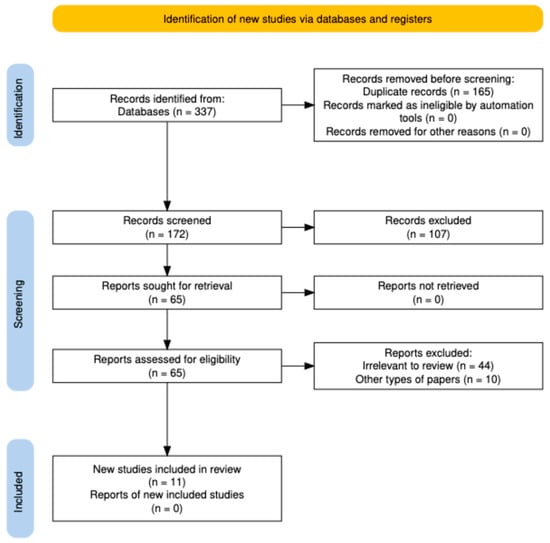
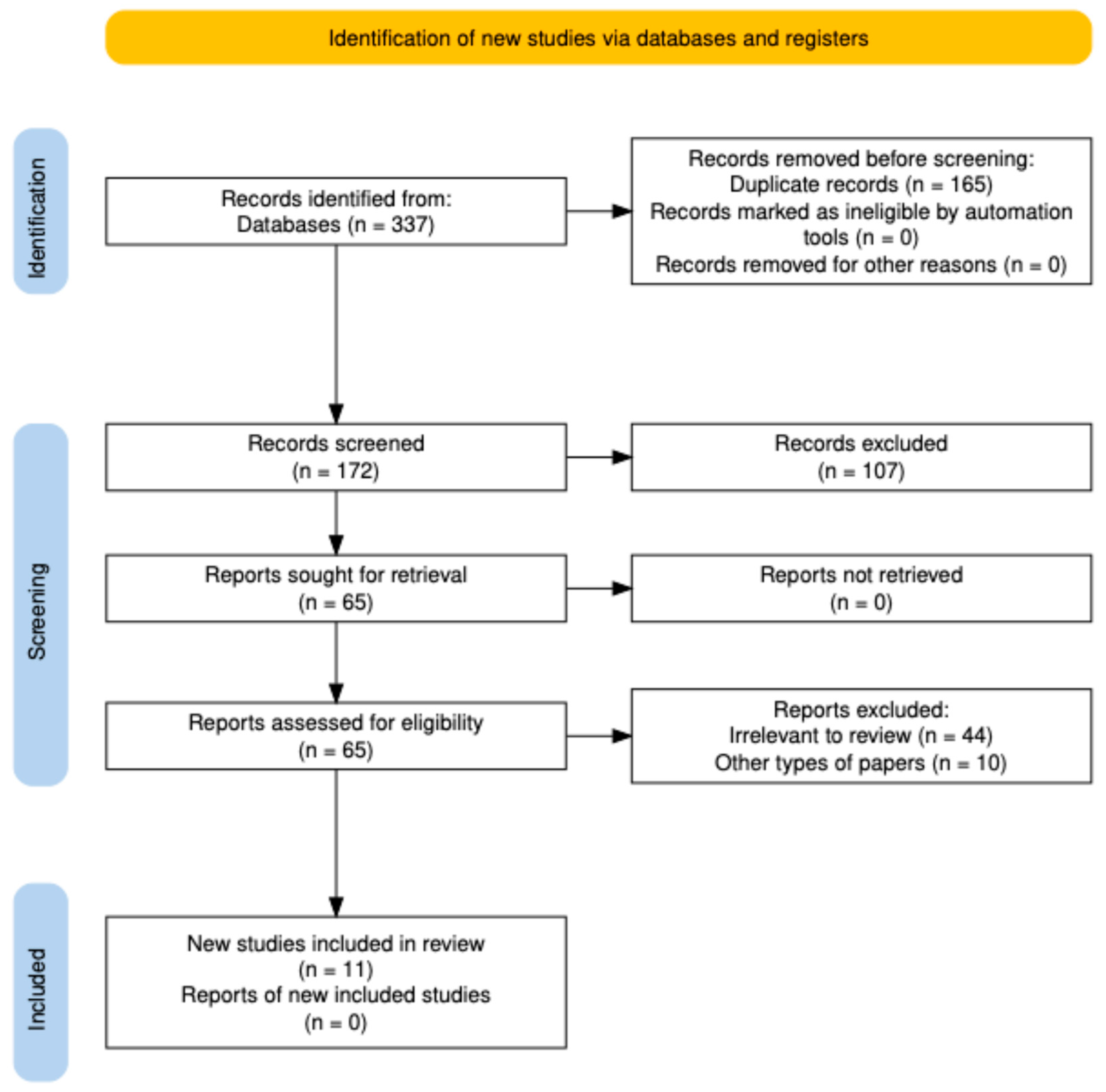
Duplicate and overlapping records were manually removed using Zotero reference management software (Zotero, version 6.0, Corporation for Digital Scholarship, Vienna, VA, USA) by one reviewer (A.S.-R.). Records were screened based on title, abstract, and full text by two independent reviewers (A.S.-R. and V.L.). Data extraction was performed independently by two reviewers (A.S.-R. and V.L.) using a standardized data extraction form developed prior to the review. The following data were extracted from each included study: study design, sample size, participant characteristics, type of saliva analyzed (stimulated or non-stimulated), saliva collection protocol, analytical methods, assessed biomarkers, and main outcomes. Any discrepancies between reviewers were resolved through discussion and, if necessary, consultation with a third reviewer (A.Z.). Studies were included if they fully met the predefined criteria based on the PECOS framework (Population, Exposure, Comparison, Outcomes, Study Design), as detailed in Table 1. A detailed flow diagram of the search process is presented in Figure 1.
Table 1.
Inclusion and exclusion criteria according to the PECOS framework.
Figure 1.
PRISMA flow diagram of the study selection process. Records removed before screening (duplicate records removed). Full-text articles excluded after eligibility assessment with reasons.
The PECOS criteria were defined as follows:
Population (P): human subjects diagnosed with psoriasis, regardless of age, sex, or disease severity. Exposure (E): assessment of salivary biomarkers, including oxidative stress markers, inflammatory mediators, proteins, antioxidants, or microbiological parameters. Comparator (C): healthy control subjects without psoriasis or, where applicable, intra-group comparisons based on disease activity or severity. Outcomes (O): quantitative or qualitative changes in salivary biomarker levels and their association with the presence, activity, or severity of psoriasis. Study Design (S): original observational studies, including cross-sectional, case–control, and cohort studies [57].
Studies were excluded if they: (1) included patients with coexisting chronic inflammatory oral diseases (e.g., periodontitis) without separate subgroup analysis for psoriasis; (2) were case reports, narrative reviews, conference abstracts, or animal studies; (3) lacked original data on salivary biomarkers; or (4) were not published in English. Research letters were eligible for inclusion only if they contained original quantitative data.
Given the long search period (1994–2024), analytical techniques used for salivary biomarker assessment have evolved substantially over time. Earlier studies predominantly relied on conventional methods such as spectrophotometric assays and single-analyte enzyme-linked immunosorbent assays (ELISA), whereas more recent investigations increasingly employ high-sensitivity and high-throughput techniques, including multiplex immunoassays, mass spectrometry, and molecular-based analytical methods. These methodological advancements have significantly improved the sensitivity, specificity, and reliability of salivary biomarker measurements, which were taken into account during data interpretation.
Quantitative synthesis (meta-analysis) was not performed due to substantial heterogeneity among the included studies. The heterogeneity concerned the types of salivary biomarkers analyzed (oxidative stress markers, cytokines, proteins, and microbiological parameters), laboratory methodologies, assay platforms, study populations, clinical severity scales, and outcome reporting formats. This level of variability precluded meaningful statistical pooling of the results and therefore justified the use of a qualitative systematic synthesis.
2.2. Registration
This systematic review was registered in the OSF Registries (Open Science Framework) under the identifier DJSQM (https://doi.org/10.17605/OSF.IO/DJSQM), accessed on 26 November 2025. The full review protocol, including the eligibility criteria, search strategy, and data extraction plan, is openly accessible at the registration website. No amendments to the protocol were introduced after registration. Minor editorial clarifications were made that did not affect the predefined objectives, inclusion/exclusion criteria, or analysis strategy.
2.3. Quality Assessment and Critical Appraisal for the Systematic Review of Included Studies
The risk of bias in each included study was assessed using the quality assessment tools developed by the National Heart, Lung, and Blood Institute [58]. The NIH assessment tools evaluate key methodological domains, including clarity of the research question, adequacy of the study population definition, participation rate, sample size justification, validity and reliability of exposure and outcome measurements, consistency of outcome assessment, blinding of outcome assessors, and control for potential confounding variables. Each criterion is rated as “yes,” “no,” “cannot determine,” “not applicable,” or “not reported.” For quantitative quality summarization, each study was assigned a numerical score (1 point for low risk of bias, 0.5 for unclear risk, and 0 for high risk). Based on the total score, studies were classified as having good, intermediate, or poor quality. The results of the quality assessment were interpreted primarily at the domain level rather than relying solely on the aggregated numerical score. The overall level of evidence was additionally determined according to the Oxford Centre for Evidence-Based Medicine (OCEBM) classification for diagnostic studies. This system ranks evidence from level 1 (highest) to level 5 (lowest) based on study design and methodological rigor.
The checklists were completed independently by two reviewers (A.S.-R., A.Z.), and any discrepancies were resolved through discussion. The quality assessment results for individual studies are presented in Table 2. The most frequently identified methodological limitations included the lack of information regarding blinding and the absence of sample size justification, which were observed in several studies. Because the majority of included studies were observational case–control designs, randomization was not expected and therefore was not interpreted as a major methodological limitation. Seven studies were rated as having good quality, while four were considered of intermediate quality. All included studies were classified as level three or four on the five-level Oxford Centre for Evidence-Based Medicine scale [59].
Table 2.
Quality assessment, including the main potential risk of bias.
3. Results
3.1. Study Selection
The database search identified a total of 337 records across PubMed, Scopus, and Web of Science. After removing duplicates, 172 records remained for title and abstract screening. During this stage, 107 articles were excluded because they did not meet the inclusion criteria. The full texts of 65 studies were subsequently assessed for eligibility. Of these, 54 were excluded due to reasons such as lack of salivary biomarker data, absence of a psoriasis study group, non-original study design, or insufficient methodological information. Finally, 11 studies met the predefined eligibility criteria and were included in the qualitative synthesis. The detailed process of study identification, screening, eligibility assessment, and inclusion is presented in Figure 1. The most common reasons for exclusion at the full-text stage included lack of salivary biomarker data, absence of a psoriasis study group, non-original study design, or insufficient methodological information.
3.2. Study Characteristics
A total of 11 studies published between 2004 and 2024 were included in the systematic review. The characteristics of the included studies are summarized in Table 3. The studies evaluated a wide range of salivary biomarkers in patients with psoriasis, including pro- and anti-inflammatory cytokines, oxidative and nitrosative stress markers, immune defense proteins, neuroendocrine mediators, and components of the oral microbiota. The sample sizes of the included studies varied considerably, and most investigations used case–control designs comparing patients with psoriasis to healthy control groups.
Table 3.
General characteristics of included studies.
The saliva analyzed in the studies included both non-stimulated whole saliva (NWS) and stimulated whole saliva (SWS). Detailed pre-analytical characteristics of saliva sampling protocols used in the included studies are presented in Supplementary Table S1. Different analytical techniques were used across the studies, including enzyme-linked immunosorbent assay (ELISA), spectrophotometry, electrochemiluminescence immunoassay (ECLIA), and high-throughput sequencing approaches for microbiota analysis.
3.3. Risk of Bias in Included Studies
The methodological quality of the included studies was assessed using the National Institutes of Health (NIH) Quality Assessment Tool for Observational Cohort and Cross-Sectional Studies. The results of the risk-of-bias assessment are presented in Table 2.
Overall, most studies demonstrated intermediate methodological quality. The most common methodological limitations included relatively small sample sizes, limited reporting of saliva collection standardization, and insufficient control for potential confounding variables such as oral health status, systemic comorbidities, or medication use. However, most studies clearly defined the study population and applied appropriate laboratory methods for biomarker detection.
3.4. Results of Individual Studies
The included studies investigated a diverse set of salivary biomarkers associated with inflammatory processes, oxidative stress, immune defense mechanisms, neuroendocrine activity, and microbial composition.
Several studies reported elevated concentrations of pro-inflammatory cytokines in the saliva of patients with psoriasis, including tumor necrosis factor alpha (TNF-α), interferon gamma (IFN-γ), interleukin-2 (IL-2), and interleukin-1β (IL-1β). In contrast, decreased levels of the anti-inflammatory cytokine interleukin-10 (IL-10) were reported in some studies.
Markers of oxidative stress were also frequently altered in patients with psoriasis. Increased levels of total oxidant status (TOS), oxidative stress index (OSI), and lipid peroxidation products were reported, suggesting the presence of redox imbalance in saliva.
Changes in immune defense proteins were observed as well. Some studies reported reduced concentrations of secretory immunoglobulin A (sIgA) and lysozyme, which may indicate impaired local immune defense mechanisms within the oral cavity.
Neuroendocrine markers such as salivary α-amylase, cortisol, and chromogranin A were also evaluated. These markers were suggested to reflect activation of stress-related neuroendocrine pathways potentially associated with inflammatory disease activity.
Recent studies applying high-throughput sequencing approaches also identified alterations in the composition of the oral microbiota in patients with psoriasis. Increased relative abundance of certain bacterial genera, including Alloprevotella and Porphyromonas, was reported, suggesting potential associations between microbial dysbiosis and inflammatory processes.
3.5. Synthesis of Results
Across the included studies, a consistent pattern emerged indicating that psoriasis is associated with multidimensional alterations in salivary composition. These changes include increased levels of pro-inflammatory cytokines, elevated oxidative stress markers, alterations in immune defense proteins, changes in neuroendocrine mediators, and shifts in oral microbial communities.
Taken together, the available evidence suggests that saliva reflects both local oral immune activity and systemic inflammatory processes associated with psoriasis. These findings highlight the potential of salivary biomarkers as non-invasive indicators of disease activity and inflammatory status in patients with psoriasis.
Due to the heterogeneity of study designs, biomarker panels, and analytical methods, a quantitative meta-analysis was not performed. Instead, a qualitative synthesis of the findings was conducted. Due to substantial heterogeneity in study designs, biomarker panels, and analytical methodologies, a quantitative meta-analysis was not performed.
3.6. Reporting Bias
No formal assessment of reporting bias was performed due to the limited number of included studies and the heterogeneity of reported outcomes. The detailed risk-of-bias assessments for each individual study are presented in Table 2.
4. Discussion
4.1. Dysfunctions of Innate and Adaptive Immune Mechanisms—Salivary Enzymes and Their Role in the Pathogenesis of Psoriasis
Innate and adaptive salivary immunity plays a crucial role in maintaining oral homeostasis and protection against pathogens. Innate immunity is mediated by antimicrobial proteins such as lysozyme, lactoferrin, defensins, and histatins, which inhibit microbial growth and adhesion through direct bactericidal activity, iron sequestration, and membrane disruption. Adaptive immunity, primarily dependent on sIgA, neutralizes pathogens and prevents their adhesion to mucous membranes by immune exclusion and inhibition of microbial epithelial attachment, providing protection against bacterial, viral, and fungal infections [70,71,72].
Soudan et al. demonstrated increased salivary amylase activity in non-stimulated whole saliva (NWS) of patients with psoriasis compared to healthy individuals [67]. This finding is consistent with observations by Syrjanen, who reported a significant increase in this enzyme’s activity in parotid saliva of psoriatic patients [73]. The authors suggested that elevated salivary amylase activity may result from beta-adrenergic system stimulation and may reflect the emotional state of individuals with psoriasis. At the molecular level, β-adrenergic receptor activation in salivary acinar cells leads to increased intracellular cyclic adenosine monophosphate (cAMP) signaling, which directly enhances α-amylase gene transcription and secretion. These conclusions were supported by studies by Inagaki et al. and Kivlighan and Granger [74,75], which indicated a predominant role of the sympathetic nervous system and a marginal role of the parasympathetic system in amylase secretion under psychosocial stress. Findings on other components of salivary immunity, including sIgA and lysozyme, are inconsistent, possibly due to variations in study group sizes and the lack of standardized saliva collection protocols. Due to the time frame of this review, we cite the results of Koh et al. [69]. These authors observed significantly lower concentrations of sIgA and lysozyme in the saliva of psoriatic patients compared to controls; however, in NWS, sIgA levels were only slightly lower and lysozyme levels slightly higher in patients with more severe psoriasis than in those with moderate disease severity [69]. A reduction in the concentration or activity of immune components may be associated with decreased mucosal immunity in the oral cavity and increased susceptibility to bacterial infections. Mechanistically, reduced sIgA impairs immune exclusion at the mucosal surface, while decreased lysozyme limits bacterial cell wall degradation, facilitating oral microbial overgrowth and low-grade mucosal inflammation. An interesting observation from both studies (Soudan et al. and Koh et al.) is the lack of correlation between the activity/concentration of the examined parameters and the Psoriasis Area and Severity Index (PASI) score or disease duration [67,69].
Recent narrative reviews have emphasized that oral fluids, including saliva and gingival crevicular fluid, are promising non-invasive sources of diagnostic and monitoring biomarkers in psoriasis, further supporting the rationale for salivary biomarker research in this disease [76].
4.2. Oxidative and Nitrosative Stress Biomarkers in Psoriasis
Oxidative stress plays a significant role in the pathogenesis of psoriasis, leading to an imbalance between ROS and antioxidant defense mechanisms. In patients with psoriasis, significantly elevated levels of salivary antioxidant enzymes such as catalase (CAT), peroxidase (Px), and superoxide dismutase (SOD) have been observed, suggesting a compensatory upregulation of endogenous antioxidant defense systems in response to excessive reactive oxygen species generation [42]. This finding supports the systemic nature of psoriasis and highlights the role of redox imbalance in activating pro-inflammatory signaling pathways, sustaining chronic inflammation, promoting keratinocyte hyperproliferation, and potentially contributing to endothelial dysfunction and vascular complications.
Skutnik-Radziszewska et al. reported significantly increased TOS and OSI levels in the saliva of psoriasis patients compared to healthy controls [42]. A similar plasma redox imbalance shifting toward oxidation has been confirmed by other researchers investigating plaque psoriasis [77,78]. The authors suggest that the positive correlation between salivary levels of TOS, OSI, and lipid hydroperoxides (LOOH) and psoriasis severity indicates that oxidative stress in the oral cavity may exacerbate inflammatory processes in psoriasis through lipid peroxidation, membrane damage, and amplification of cytokine-driven signaling cascades. Furthermore, Skutnik-Radziszewska et al. point to the potential role of TOS and OSI as diagnostic and prognostic biomarkers [42]. Their reported sensitivity and specificity in differentiating psoriatic patients from healthy individuals may indicate potential usefulness in monitoring disease progression and assessing treatment efficacy.
Elevated levels of salivary nitric oxide (NO) in psoriasis patients result from enhanced nitrosative stress associated with chronic inflammation. Studies have shown significantly elevated concentrations of NO and nitrotyrosine in both NWS and stimulated whole saliva (SWS) samples of psoriatic patients, with these increases correlating with disease duration and severity of skin lesions as measured by the PASI [41]. Additionally, the overproduction of NO is driven by the activation of inducible nitric oxide synthase (iNOS) in response to pro-inflammatory cytokines (IL-2, TNF-α), which may contribute to nitrosative modification of proteins, mitochondrial dysfunction, structural damage of salivary glands, reduced secretory function, and subsequent exacerbation of psoriatic symptoms [79,80].
4.3. Pro-Inflammatory Cytokines in Saliva as a Reflection of Chronic Inflammation and Psoriasis Progression
Evidence indicates that the activation of phospholipase A2 (PLA2) leads to the release of arachidonic acid (AA) from cell membranes, a key component of inflammatory signaling pathways. AA is subsequently metabolized by cyclooxygenases (COX) and lipoxygenases (LOX) into eicosanoids, such as prostaglandins, leukotrienes, and thromboxanes. These lipid mediators amplify inflammatory responses in the skin through activation of nuclear factor κB (NF-κB), mitogen-activated protein kinase (MAPK) pathways, and downstream transcription of pro-inflammatory genes. In the context of psoriasis and other chronic inflammatory diseases, the overactivation of these signaling pathways promotes increased production of pro-inflammatory cytokines (e.g., IL-1, IL-6, TNF-α), through sustained activation of immune effector cells, enhanced leukocyte recruitment, and stimulation of keratinocyte proliferation and aberrant differentiation.
Chronic inflammation in psoriasis is reflected in altered salivary cytokine profiles. Studies by Sharma et al. and Skutnik-Radziszewska et al. demonstrated significantly elevated levels of TNF-α, IFN-γ, and IL-2 in patients with psoriasis compared to healthy controls, alongside a concurrent reduction in IL-10 levels [41,61,62,63]. This imbalance between pro- and anti-inflammatory cytokines indicates a disruption in immune regulation that may contribute to the persistence of inflammation in the salivary glands through continuous cytokine-driven immune cell infiltration and local tissue remodeling.
Moreover, a positive correlation between the levels of TNF-α, IL-2, and IFN-γ and disease severity as measured by the PASI suggests their potential role as biomarkers of disease progression [41]. Conversely, the absence of a significant relationship between IL-10 levels and PASI indicates that this cytokine may have limited prognostic value for psoriasis severity, despite its known regulatory function in immune responses [61]. Skutnik-Radziszewska et al. propose that the reduced salivary flow in psoriatic patients, correlated with elevated levels of pro-inflammatory cytokines, may result from chronic inflammation affecting salivary gland function through cytokine-mediated microvascular alterations, acinar cell dysfunction, and impaired secretory signaling [41]. This could promote dysbiosis of the oral microbiota and increase the risk of secondary bacterial and fungal infections—factors that may further aggravate inflammation and contribute to disease progression.
The elevated salivary IL-1β levels observed in psoriatic patients compared to controls suggest that production of this cytokine is upregulated due to the chronic inflammatory state associated with psoriasis [54,66,68,81]. The phenomenon of no further increase in IL-1β in response to stress (the so-called “ceiling effect”) may indicate dysregulation of the neuroimmune axis in psoriasis, possibly due to persistently elevated IL-1β levels leading to desensitization of stress-responsive signaling pathways and impaired adaptive neuroimmune responses [68]. This altered regulation may contribute to the maintenance of chronic cutaneous inflammation and exacerbation of psoriatic symptoms.
These observations are in line with recent reviews on systemic biomarkers of psoriasis severity, which identify inflammatory and oxidative stress markers as particularly promising candidates for quantifying disease activity and treatment response through direct reflection of immune activation and redox-dependent signaling pathways [82].
4.4. The Impact of Biologic Therapy on Salivary Biomarkers—A Potential Tool for Monitoring Treatment Efficacy
Biologic therapy is a key strategy for managing severe psoriasis, and its effects on salivary biomarkers may provide valuable insight into treatment efficacy and disease pathophysiology through targeted inhibition of key inflammatory signaling pathways, including TNF-α-, IL-17-, and IL-23-dependent cascades. Findings from Foks-Ciekalska et al. and Ganzetti et al. demonstrated significant changes in salivary biomarker levels, including sIgA, salivary alpha-amylase (sAA), chromogranin A (CgA), and IL-1β, in response to biologic treatment [64,81].
Foks-Ciekalska et al. reported that biologic therapy was associated with an increase in sIgA and sAA concentrations in NWS of patients with psoriasis, compared to pre-treatment levels. This may indicate improved mucosal immune function and enhanced oral defense mechanisms as a result of reduced cytokine-mediated epithelial barrier disruption and restored immune homeostasis [64]. The post-treatment increase in sIgA may reflect improved immune status and decreased susceptibility to infections, consistent with previous research on the mechanisms of biologic therapy in autoimmune diseases [83,84,85]. Meanwhile, the rise in sAA during treatment may reflect adaptive modulation of sympathetic nervous system activity and its role in regulating salivary gland secretory signaling via β-adrenergic receptor-dependent pathways. A similar phenomenon has been observed in other autoimmune conditions, such as Sjögren’s syndrome [85,86,87].
An interesting observation is the concurrent decrease in CgA levels after biologic therapy, suggesting a reduction in psychosocial stress in psoriatic patients [64]. CgA is considered a marker of hypothalamic–pituitary–adrenal (HPA) axis activation. Its decline following treatment may indicate reduced stress and improved psychophysical well-being through normalization of hypothalamic–pituitary–adrenal (HPA) axis activity and attenuation of stress-induced immune activation [88,89]. Similar patterns have been reported in inflammatory bowel diseases (IBD), where elevated CgA levels were linked to active inflammation and responded to biologic therapy [90].
Ganzetti et al. observed a significant reduction in IL-1β levels in the saliva of patients treated with TNF-α inhibitors, suggesting that biologic therapy may contribute to the alleviation of inflammation at the level of the salivary glands through direct suppression of TNF-α–driven inflammatory cascades and downstream IL-1β production [66,81]. Comparable findings were obtained in studies on the use of anti-TNF therapy in ulcerative colitis and Crohn’s disease, where reductions in IL-1β levels correlated with clinical improvement and disease activity in colonic tissue [90,91].
Additionally, a correlation was found between IL-1β salivary levels and the severity of psoriatic skin lesions, as measured by PASI, after biologic treatment. This finding supports IL-1β as a potentially sensitive candidate biomarker of treatment efficacy in psoriasis [66,81]. The absence of such a correlation prior to treatment suggests that the observed reduction in IL-1β may result directly from the immunomodulatory effects of biologic therapy mediated by targeted cytokine neutralization and downstream suppression of inflammatory gene transcription.
4.5. Oral Microbiota Alterations in Psoriasis Patients—New Perspectives in Disease Pathogenesis Research
Zhao et al. demonstrated significantly higher alpha diversity of the oral microbiota in patients with psoriasis compared to healthy controls, suggesting greater richness and evenness of microbial composition [92,93]. These findings are consistent with previous reports of microbiota alterations in other inflammatory diseases such as rheumatoid arthritis and systemic lupus erythematosus [94]. In contrast, Belstrøm et al. found no significant differences in alpha diversity between groups, a discrepancy potentially due to different sequencing methodologies, population characteristics, and racial backgrounds [95]. At the same time, beta diversity analysis revealed significant differences in bacterial community structure between psoriasis patients and healthy individuals, potentially reflecting different immune activity in psoriasis [60]. Recent systematic reviews of oral and gut microbiota in psoriatic disease have similarly reported that patients with psoriasis tend to exhibit distinct microbial profiles compared with healthy controls. However, the available results are heterogeneous and largely based on small observational studies with variable methodology [96]. At the molecular level, these microbial shifts are thought to influence psoriasis through modulation of innate immune signaling, particularly via Toll-like receptor (TLR) activation and downstream NF-κB-dependent cytokine transcription.
Similar findings have been reported for other anatomical sites. A recent study of the scalp microbiome in psoriasis demonstrated increased bacterial diversity and a higher relative abundance of Pseudomonas in patients with severe scalp involvement compared with those with mild disease, further supporting the concept that site-specific dysbiosis may be linked to psoriasis severity [97].
The presence of Alloprevotella, Porphyromonas, and Neisseria has been associated with increased disease severity, whereas Veillonella appears to play a protective role [93]. Alloprevotella has been proposed to contribute to inflammatory processes through activation of Toll-like receptor 2 (TLR2)-dependent signaling and subsequent NF-κB activation, leading to increased production of IL-23 and IL-1 and downstream expansion of Th17 lymphocytes, which play a central pathogenic role in psoriasis [60]. Porphyromonas species have been reported to produce arginine-rich peptides and proteolytic enzymes that may promote protein citrullination, disrupt epithelial barrier integrity, and enhance local cytokine release, thereby intensifying inflammatory processes, similarly to mechanisms described in rheumatoid arthritis [60]. Neisseria may promote inflammation by enhancing antigen-presenting cell activation, upregulating costimulatory molecules, and increasing downstream production of inflammatory mediators and effector T-cell activation [60]. Veillonella, on the other hand, was negatively correlated with psoriasis severity, suggesting a potential protective role. This bacterium is known to produce propionic acid, a short-chain fatty acid with anti-inflammatory properties, which suppresses NF-κB signaling and reduces the production of key psoriasis-related cytokines, including IL-17 and TNF-α [60]. Reduced levels of Veillonella in psoriasis patients may be associated with lower propionic acid production, which could weaken anti-inflammatory responses and potentially contribute to chronic skin inflammation. In addition to bacterial shifts, culture-based studies summarized in a recent systematic review showed an increased prevalence and load of oral Candida spp. in patients with psoriasis compared with healthy controls. In some cohorts, this colonization correlated with disease severity, potentially through enhancement of IL-17-driven mucosal immune responses and chronic activation of antifungal Th17 immunity [96].
Prevotella and Porphyromonas gingivalis have been proposed to activate TLR2 signaling pathways, which may enhance the production of IL-23 and IL-1β involved in inflammatory responses associated with psoriasis [60]. Meanwhile, the decreased abundance of Haemophilus, also observed in rheumatoid arthritis, may impair the microbiota’s ability to regulate immune responses and contribute to chronic inflammation [98]. Previous studies have shown that alterations in skin and gut microbiota play a central role in inflammatory skin diseases [99,100]. This concept is further supported by recent systematic reviews of the gut microbiome in psoriasis, which consistently describe intestinal dysbiosis, altered Firmicutes/Bacteroidetes ratios, and significant differences in β-diversity between patients and controls, reinforcing the hypothesis of a gut–skin axis and microbiota-driven immune modulation in psoriasis through short-chain fatty acid-dependent regulation of Treg/Th17 balance and systemic cytokine signaling [101].
LEfSe analysis revealed that the saliva of psoriasis patients was significantly enriched in Bacteroidetes, Patescibacteria, Prevotellaceae, Porphyromonadaceae, Alloprevotella, Porphyromonas, and Prevotella_7, indicating their potential involvement in promoting inflammatory responses through activation of pro-inflammatory pathways such as the Th17 axis and cytokine production (including IL-23 and IL-1) [60]. In contrast, healthy individuals had saliva dominated by Proteobacteria and Haemophilus, indicating a more balanced microbiota and potentially better immune regulation [60]. These findings support the hypothesis that oral microbiota dysbiosis may be associated with heightened inflammatory responses and disease progression in psoriasis.
Nevertheless, both oral and gut microbiome studies in psoriasis are limited by small sample sizes, heterogeneous inclusion criteria, and differences in sampling procedures, sequencing platforms, and bioinformatic pipelines. These limitations currently preclude the definition of a psoriasis-specific microbial signature and highlight the need for larger, methodologically standardized studies to precisely define causal microbe–host immune interactions driving psoriasis-associated oral and intestinal dysbiosis [96,101].
5. Limitations and Future Perspectives
Potential confounding factors should be considered when interpreting the results of studies assessing salivary biomarkers in psoriasis. Medications commonly used in psoriasis management, including systemic therapies and biologic agents, can influence immune responses, oxidative stress parameters, and salivary gland function. Dietary habits and nutritional status can modulate antioxidant capacity and inflammatory markers, while oral hygiene practices and periodontal status may directly affect salivary cytokine levels, oxidative stress markers, and oral microbiota composition. Additionally, comorbidities frequently associated with psoriasis, such as metabolic syndrome, diabetes mellitus, cardiovascular diseases, and other autoimmune disorders, may independently alter salivary biomarker profiles. Furthermore, substantial heterogeneity exists in saliva collection, processing, and storage methods across the included studies. Differences regarding the type of saliva collected (non-stimulated versus stimulated), time of sampling, and fasting status may significantly affect biomarker stability and measured concentrations. Additional sources of variability include pre-sampling restrictions (food intake, smoking, oral hygiene), centrifugation protocols, storage temperature, and storage duration. The lack of uniform control for these confounding and methodological variables across the included studies represents an important source of heterogeneity and must be taken into account when interpreting the reported findings. Future studies should aim to standardize participant selection, saliva collection, and processing protocols to improve the reliability and clinical applicability of salivary biomarkers in psoriasis.
Future research should focus on large-scale, multicenter, and longitudinal studies with standardized saliva collection and processing protocols. The inclusion of well-defined clinical phenotypes, detailed medication profiles, and rigorous control of confounding factors will be essential to improve data comparability. Moreover, the integration of salivary biomarkers with clinical indices, imaging data, and other biological matrices may help establish their diagnostic, prognostic, and therapeutic monitoring value in psoriasis.
Recent machine learning-based transcriptomic studies in psoriatic skin have identified novel diagnostic gene signatures and dynamic patterns of immune cell infiltration. These findings illustrate how omics-driven approaches could be combined in the future with salivary biomarker profiling to develop integrated, multi-parameter diagnostic and monitoring tools in psoriasis [102].
6. Conclusions
Current evidence suggests a potential role of salivary biomarkers in the pathogenesis and clinical monitoring of psoriasis. Elevated salivary amylase activity and alterations in sIgA and lysozyme levels may be associated with impaired innate immunity in the oral cavity of patients with psoriasis, which may increase susceptibility to infections. An increase in TOS and OSI appears to be associated with the severity of skin lesions, supporting the potential involvement of oxidative stress in disease mechanisms. Disturbances in the salivary cytokine profile, including elevated levels of TNF-α, IL-2, and IFN-γ and reduced IL-10, may reflect a chronic inflammatory state and a broader pro-inflammatory immune milieu, including Th1-related signals within the broader IL-23/Th17-driven immunopathology of psoriasis. Biological therapy has been associated with beneficial changes in salivary biomarker levels, suggesting a potential immunomodulatory effect, although the available evidence remains limited. Alterations in the oral microbiota, including increased abundance of Alloprevotella and Porphyromonas, may be associated with inflammatory processes; however, current evidence is limited and does not allow causal conclusions. Salivary biomarkers such as amylase, sIgA, TNF-α, and oxidative stress parameters may serve as potential non-invasive indicators of disease activity and treatment response in psoriasis; however, their clinical utility requires further validation in large-scale, standardized, and longitudinal studies.
Supplementary Materials
The following supporting information can be downloaded at: https://www.mdpi.com/article/10.3390/dj14030184/s1, Supplementary Table S1: Pre-analytical characteristics of saliva sampling protocols in the included studies; PRISMA Checklist.
Author Contributions
Conceptualization, A.S.-R. and A.Z.; methodology, A.S.-R. and V.E.L.; software, V.E.L.; validation, A.S.-R., V.E.L. and A.Z.; formal analysis, A.S.-R. and V.E.L.; investigation, A.S.-R., V.E.L. and A.S.; resources, A.S.-R.; data curation, V.E.L.; writing—original draft preparation, V.E.L.; writing—review and editing, A.S.-R., A.Z. and J.S.; visualization, V.E.L.; supervision, A.S.-R. and A.Z.; project administration, A.S.-R.; funding acquisition, not applicable. All authors have read and agreed to the published version of the manuscript.
Funding
This research was funded by the Medical University of Bialystok, grant number BSUB.26.387.
Institutional Review Board Statement
Not applicable.
Informed Consent Statement
Not applicable.
Data Availability Statement
All data supporting the findings of this study are available within the article.
Conflicts of Interest
The authors declare no conflicts of interest.
References
- Roszkiewicz, M.; Dopytalska, K.; Szymańska, E.; Jakimiuk, A.; Walecka, I. Environmental risk factors and epigenetic alternations in psoriasis. Ann. Agric. Environ. Med. 2020, 27, 335–342. [Google Scholar] [CrossRef] [Scilit]
- Torres, T.; Bettencourt, N. Psoriasis: The visible killer. Rev. Port. Cardiol. 2014, 33, 95–99. [Google Scholar] [CrossRef] [Scilit] [PubMed]
- Raharja, A.; Mahil, S.K.; Barker, J.N. Psoriasis: A brief overview. Clin. Med. 2021, 21, 170–173. [Google Scholar] [CrossRef] [Scilit] [PubMed]
- Boehncke, W.-H.; Schön, M.P. Psoriasis. Lancet 2015, 386, 983–994. [Google Scholar] [CrossRef] [Scilit] [PubMed]
- Naldi, L. Epidemiology of psoriasis. Curr. Drug Targets. Inflamm. Allergy 2004, 3, 121–128. [Google Scholar] [CrossRef] [Scilit]
- Langley, R.G.B.; Krueger, G.G.; Griffiths, C.E.M. Psoriasis: Epidemiology, clinical features, and quality of life. Ann. Rheum. Dis. 2005, 64, II18–II23. [Google Scholar] [CrossRef] [Scilit]
- Bell, K.A.; Balogh, E.A.; Feldman, S.R. An update on the impact of depression on the treatment of psoriasis. Expert Opin. Pharmacother. 2021, 22, 695–703. [Google Scholar] [CrossRef] [Scilit]
- Nicholas, M.N.; Gooderham, M. Psoriasis, Depression, and Suicidality. Skin Therapy Lett. 2017, 22, 1–4. [Google Scholar]
- Armstrong, A.W.; Read, C. Pathophysiology, Clinical Presentation, and Treatment of Psoriasis: A Review. JAMA 2020, 323, 1945–1960. [Google Scholar] [CrossRef] [Scilit]
- Kamiya, K.; Kishimoto, M.; Sugai, J.; Komine, M.; Ohtsuki, M. Risk Factors for the Development of Psoriasis. Int. J. Mol. Sci. 2019, 20, 4347. [Google Scholar] [CrossRef] [Scilit]
- Petit, R.G.; Cano, A.; Ortiz, A.; Espina, M.; Prat, J.; Muñoz, M.; Severino, P.; Souto, E.B.; García, M.L.; Pujol, M.; et al. Psoriasis: From Pathogenesis to Pharmacological and Nano-Technological-Based Therapeutics. Int. J. Mol. Sci. 2021, 22, 4983. [Google Scholar] [CrossRef] [Scilit] [PubMed]
- Tokuyama, M.; Mabuchi, T. New Treatment Addressing the Pathogenesis of Psoriasis. Int. J. Mol. Sci. 2020, 21, 7488. [Google Scholar] [CrossRef] [Scilit] [PubMed]
- Griffiths, C.E.M.; Armstrong, A.W.; Gudjonsson, J.E.; Barker, J.N.W.N. Psoriasis. Lancet 2021, 397, 1301–1315. [Google Scholar] [CrossRef] [Scilit] [PubMed]
- de Alcantara, C.C.; Reiche, E.M.V.; Simão, A.N.C. Cytokines in psoriasis. Adv. Clin. Chem. 2021, 100, 171–204. [Google Scholar] [CrossRef] [Scilit]
- Baliwag, J.; Barnes, D.H.; Johnston, A. Cytokines in psoriasis. Cytokine 2015, 73, 342–350. [Google Scholar] [CrossRef] [Scilit]
- Alsabbagh, M.M. Cytokines in psoriasis: From pathogenesis to targeted therapy. Hum. Immunol. 2024, 85, 110814. [Google Scholar] [CrossRef] [Scilit]
- Iznardo, H.; Puig, L. The interleukin-1 family cytokines in psoriasis: Pathogenetic role and therapeutic perspectives. Expert Rev. Clin. Immunol. 2021, 17, 187–199. [Google Scholar] [CrossRef] [Scilit]
- Liu, X.-Q.; Zhou, P.-L.; Yin, X.-Y.; Wang, A.-X.; Wang, D.-H.; Yang, Y.; Liu, Q. Circulating inflammatory cytokines and psoriasis risk: A systematic review and meta-analysis. PLoS ONE 2023, 18, e0293327. [Google Scholar] [CrossRef] [Scilit]
- Dobrică, E.-C.; Cozma, M.-A.; Găman, M.-A.; Voiculescu, V.-M.; Găman, A.M. The Involvement of Oxidative Stress in Psoriasis: A Systematic Review. Antioxidants 2022, 11, 282. [Google Scholar] [CrossRef] [Scilit]
- Medovic, M.V.; Jakovljevic, V.L.; Zivkovic, V.I.; Jeremic, N.S.; Jeremic, J.N.; Bolevich, S.B.; Ravic Nikolic, A.B.; Milicic, V.M.; Srejovic, I.M. Psoriasis between Autoimmunity and Oxidative Stress: Changes Induced by Different Therapeutic Approaches. Oxid. Med. Cell. Longev. 2022, 2249834. [Google Scholar] [CrossRef] [Scilit]
- Blagov, A.; Sukhorukov, V.; Guo, S.; Zhang, D.; Eremin, I.; Orekhov, A. The Role of Oxidative Stress in the Induction and Development of Psoriasis. Front. Biosci. 2023, 28, 118. [Google Scholar] [CrossRef] [Scilit]
- Pleńkowska, J.; Gabig-Cimińska, M.; Mozolewski, P. Oxidative Stress as an Important Contributor to the Pathogenesis of Psoriasis. Int. J. Mol. Sci. 2020, 21, 6206. [Google Scholar] [CrossRef] [Scilit] [PubMed]
- Mirghani, H.; Altemani, A.; Alsaedi, E.; Aldawish, R.; Alharbi, M.; Alzahrani, R.; Alatawi, S.; Altemani, S.; Alanazi, A.H. The Association of Psoriasis, Diabetes Mellitus, and Hypertension: A Meta-Analysis. Cureus 2023, 15, e48855. [Google Scholar] [CrossRef] [Scilit] [PubMed]
- Gisondi, P.; Fostini, A.C.; Fossà, I.; Girolomoni, G.; Targher, G. Psoriasis and the metabolic syndrome. Clin. Dermatol. 2018, 36, 21–28. [Google Scholar] [CrossRef] [Scilit] [PubMed]
- Takeshita, J.; Grewal, S.; Langan, S.M.; Mehta, N.N.; Ogdie, A.; Van Voorhees, A.S.; Gelfand, J.M. Psoriasis and comorbid diseases: Epidemiology. J. Am. Acad. Dermatol. 2017, 76, 377–390. [Google Scholar] [CrossRef] [Scilit]
- Xu, J.R.; Zheng, D.X.; Ahn, A.B.; Ahmad, A.S.; O’Connell, K.A.; Cwalina, T.B.; Sharma, T.R.; Ho, R.S. Psoriasis and chronic kidney disease among the United States adult population. J. Am. Acad. Dermatol. 2023, 89, 834–837. [Google Scholar] [CrossRef] [Scilit]
- Lu, J.; Li, H.; Wang, S. Interaction effect of psoriasis and chronic kidney disease on the risk of all-cause mortality: A prospective cohort study of NHANES data. Nephrol. Dial. Transplant. 2023, 38, 2474–2484. [Google Scholar] [CrossRef] [Scilit]
- Keller, J.J.; Lin, H.-C. The effects of chronic periodontitis and its treatment on the subsequent risk of psoriasis. Br. J. Dermatol. 2012, 167, 1338–1344. [Google Scholar] [CrossRef] [Scilit]
- Baeta, I.G.R.; Bittencourt, F.V.; Gontijo, B.; Goulart, E.M.A. Comorbidities and cardiovascular risk factors in patients with psoriasis. An. Bras. Dermatol. 2014, 89, 735–744. [Google Scholar] [CrossRef] [Scilit]
- Skudutyte-Rysstad, R.; Slevolden, E.M.; Hansen, B.F.; Sandvik, L.; Preus, H.R. Association between moderate to severe psoriasis and periodontitis in a Scandinavian population. BMC Oral Health 2014, 14, 139. [Google Scholar] [CrossRef] [Scilit]
- Keren, A.; Gilhar, A.; Ullmann, Y.; Zlotkin-Frušić, M.; Soroka, Y.; Domb, A.J.; Levite, M. Instantaneous depolarization of T cells via dopamine receptors, and inhibition of activated T cells of Psoriasis patients and inflamed human skin, by D1-like receptor agonist: Fenoldopam. Immunology 2019, 158, 171–193. [Google Scholar] [CrossRef] [Scilit] [PubMed]
- Simon, M.-C.; Reinbeck, A.L.; Wessel, C.; Heindirk, J.; Jelenik, T.; Kaul, K.; Arreguin-Cano, J.; Strom, A.; Blaut, M.; Bäckhed, F.; et al. Distinct alterations of gut morphology and microbiota characterize accelerated diabetes onset in nonobese diabetic mice. J. Biol. Chem. 2020, 295, 969–980. [Google Scholar] [CrossRef] [PubMed]
- Payne, M.A.; Hashim, A.; Alsam, A.; Joseph, S.; Aduse-Opoku, J.; Wade, W.G.; Curtis, M.A. Horizontal and Vertical Transfer of Oral Microbial Dysbiosis and Periodontal Disease. J. Dent. Res. 2019, 98, 1503–1510. [Google Scholar] [CrossRef] [Scilit] [PubMed]
- Marre, A.T.d.O.; Domingues, R.M.C.P.; Lobo, L.A. Adhesion of anaerobic periodontal pathogens to extracellular matrix proteins. Braz. J. Microbiol. 2020, 51, 1483–1491. [Google Scholar] [CrossRef] [Scilit]
- Hayata, M.; Watanabe, N.; Tamura, M.; Kamio, N.; Tanaka, H.; Nodomi, K.; Miya, C.; Nakayama, E.; Ueda, K.; Ogata, Y.; et al. The Periodontopathic Bacterium Fusobacterium nucleatum Induced Proinflammatory Cytokine Production by Human Respiratory Epithelial Cell Lines and in the Lower Respiratory Organs in Mice. Cell. Physiol. Biochem. 2019, 53, 49–61. [Google Scholar] [CrossRef] [Scilit]
- Uribe, G.; Villéger, R.; Bressollier, P.; Dillard, R.N.; Worthley, D.L.; Wang, T.C.; Powell, D.W.; Urdaci, M.C.; Pinchuk, I.V. Lactobacillus rhamnosus GG increases cyclooxygenase-2 expression and prostaglandin E2 secretion in colonic myofibroblasts via a MyD88-dependent mechanism during homeostasis. Cell. Microbiol. 2018, 20, e12871. [Google Scholar] [CrossRef] [Scilit]
- Moura, A.P.; Taddei, S.R.A.; Queiroz-Junior, C.M.; Madeira, M.F.M.; Rodrigues, L.F.D.; Garlet, G.P.; Souza, D.G.; Machado, F.S.; Andrade, I.J.; Teixeira, M.M.; et al. The relevance of leukotrienes for bone resorption induced by mechanical loading. Bone 2014, 69, 133–138. [Google Scholar] [CrossRef] [Scilit]
- Xu, W.; Chen, X.; Wang, Y.; Fan, B.; Guo, K.; Yang, C.; Yu, S.; Pang, Y.; Zhang, S. Chitooligosaccharide inhibits RANKL-induced osteoclastogenesis and ligation-induced periodontitis by suppressing MAPK/c-fos/NFATC1 signaling. J. Cell. Physiol. 2020, 235, 3022–3032. [Google Scholar] [CrossRef] [Scilit]
- Boehncke, W.-H.; Brembilla, N.C. Autoreactive T-Lymphocytes in Inflammatory Skin Diseases. Front. Immunol. 2019, 10, 1198. [Google Scholar] [CrossRef] [Scilit]
- Lin, X.; Huang, T. Oxidative stress in psoriasis and potential therapeutic use of antioxidants. Free Radic. Res. 2016, 50, 585–595. [Google Scholar] [CrossRef] [Scilit]
- Skutnik-Radziszewska, A.; Maciejczyk, M.; Flisiak, I.; Kołodziej, J.K.U.; Kotowska-Rodziewicz, A.; Klimiuk, A.; Zalewska, A. Enhanced Inflammation and Nitrosative Stress in the Saliva and Plasma of Patients with Plaque Psoriasis. J. Clin. Med. 2020, 9, 745. [Google Scholar] [CrossRef] [Scilit]
- Skutnik-Radziszewska, A.; Maciejczyk, M.; Fejfer, K.; Krahel, J.; Flisiak, I.; Kołodziej, U.; Zalewska, A. Salivary Antioxidants and Oxidative Stress in Psoriatic Patients: Can Salivary Total Oxidant Status and Oxidative Status Index Be a Plaque Psoriasis Biomarker? Oxid. Med. Cell. Longev. 2020, 2020, 9086024. [Google Scholar] [CrossRef] [Scilit] [PubMed]
- Maciejczyk, M.; Szulimowska, J.; Skutnik, A.; Taranta-Janusz, K.; Wasilewska, A.; Wiśniewska, N.; Zalewska, A. Salivary Biomarkers of Oxidative Stress in Children with Chronic Kidney Disease. J. Clin. Med. 2018, 7, 209. [Google Scholar] [CrossRef] [Scilit] [PubMed]
- Klimiuk, A.; Zalewska, A.; Knapp, M.; Skutnik-Radziszewska, A.; Maciejczyk, M. Could inflammation contribute to salivary gland dysfunction in patients with chronic heart failure. Front. Immunol. 2022, 13, 1005981. [Google Scholar] [CrossRef] [Scilit] [PubMed]
- Maciejczyk, M.; Skutnik-Radziszewska, A.; Zieniewska, I.; Matczuk, J.; Domel, E.; Waszkiel, D.; Żendzian-Piotrowska, M.; Szarmach, I.; Zalewska, A. Antioxidant Defense, Oxidative Modification, and Salivary Gland Function in an Early Phase of Cerulein Pancreatitis. Oxid. Med. Cell. Longev. 2019, 2019, 8403578. [Google Scholar] [CrossRef] [Scilit]
- Zalewska, A.; Knaś, M.; Waszkiewicz, N.; Waszkiel, D.; Sierakowski, S.; Zwierz, K. Rheumatoid arthritis patients with xerostomia have reduced production of key salivary constituents. Oral Surg. Oral Med. Oral Pathol. Oral Radiol. 2013, 115, 483–490. [Google Scholar] [CrossRef] [Scilit]
- Knaś, M.; Maciejczyk, M.; Sawicka, K.; Hady, H.R.; Niczyporuk, M.; Ładny, J.R.; Matczuk, J.; Waszkiel, D.; Żendzian-Piotrowska, M.; Zalewska, A. Impact of morbid obesity and bariatric surgery on antioxidant/oxidant balance of the unstimulated and stimulated human saliva. J. Oral Pathol. Med. 2016, 45, 455–464. [Google Scholar] [CrossRef] [Scilit]
- Maciejczyk, M.; Szulimowska, J.; Taranta-Janusz, K.; Werbel, K.; Wasilewska, A.; Zalewska, A. Salivary FRAP as a marker of chronic kidney disease progression in children. Antioxidants 2019, 8, 409. [Google Scholar] [CrossRef] [Scilit]
- Zygula, A.; Kosinski, P.; Zwierzchowska, A.; Sochacka, M.; Wroczynski, P.; Makarewicz-Wujec, M.; Pietrzak, B.; Wielgos, M.; Rzentala, M.; Giebultowicz, J. Oxidative stress markers in saliva and plasma differ between diet-controlled and insulin-controlled gestational diabetes mellitus. Diabetes Res. Clin. Pract. 2019, 148, 72–80. [Google Scholar] [CrossRef] [Scilit]
- Ahmad, S.M.; Gonçalves, O.C.; Oliveira, M.N.; Neng, N.R.; Nogueira, J.M.F. Application of Microextraction-Based Techniques for Screening-Controlled Drugs in Forensic Context-A Review. Molecules 2021, 26, 2168. [Google Scholar] [CrossRef] [Scilit]
- Krahel, A.; Hernik, A.; Dmitrzak-Weglarz, M.; Paszynska, E. Saliva as Diagnostic Material and Current Methods of Collection from Oral Cavity. Clin. Lab. 2022, 68, 2072. [Google Scholar] [CrossRef] [Scilit]
- Chojnowska, S.; Baran, T.; Wilińska, I.; Sienicka, P.; Cabaj-Wiater, I.; Knaś, M. Human saliva as a diagnostic material. Adv. Med. Sci. 2018, 63, 185–191. [Google Scholar] [CrossRef] [Scilit] [PubMed]
- Dalmády, S.; Kemény, L.; Antal, M.; Gyulai, R. Periodontitis: A newly identified comorbidity in psoriasis and psoriatic arthritis. Expert Rev. Clin. Immunol. 2020, 16, 101–108. [Google Scholar] [CrossRef] [Scilit] [PubMed]
- Wu, K.J.; Tu, C.C.; Hu, J.X.; Chu, P.H.; Ma, K.S.K.; Chiu, H.Y.; Kuo, M.Y.P.; Tsai, T.F.; Chen, Y.W. Severity of periodontitis and salivary interleukin-1β are associated with psoriasis involvement. J. Formos. Med. Assoc. 2022, 121, 1908–1916. [Google Scholar] [CrossRef] [Scilit] [PubMed]
- Baurecht, H.; Freuer, D.; Welker, C.; Tsoi, L.C.; Elder, J.T.; Ehmke, B.; Leitzmann, M.F.; Holtfreter, B.; Baumeister, S.-E. Relationship between periodontitis and psoriasis: A two-sample Mendelian randomization study. J. Clin. Periodontol. 2022, 49, 573–579. [Google Scholar] [CrossRef] [Scilit]
- Page, M.J.; McKenzie, J.E.; Bossuyt, P.M.; Boutron, I.; Hoffmann, T.C.; Mulrow, C.D.; Shamseer, L.; Tetzlaff, J.M.; Akl, E.A.; Brennan, S.E.; et al. The PRISMA 2020 statement: An updated guideline for reporting systematic reviews. BMJ 2021, 372, n71. [Google Scholar] [CrossRef] [Scilit]
- da Silva, A.T.; Hauschild, D.B.; de Almeida Oliveira, L.D.; de Fragas Hinnig, P.; Franco Moreno, Y.M.; Wazlawik, E. Association of hyperhydration evaluated by bioelectrical impedance analysis and mortality in patients with different medical conditions: Systematic review and meta-analyses. Clin. Nutr. ESPEN 2018, 28, 12–20. [Google Scholar] [CrossRef] [Scilit]
- Study Quality Assessment Tools|NHLBI, NIH. 2020. Available online: https://www.nhlbi.nih.gov/health-topics/study-quality-assessment-tools (accessed on 26 November 2025).
- OCEBM Levels of Evidence. 2020. Available online: https://www.cebm.net/2016/05/ocebm-levels-of-evidence/ (accessed on 26 November 2025).
- Zhao, K.; Zhao, Y.; Guo, A.; Xiao, S.; Tu, C. Oral Microbiota Variations in Psoriasis Patients Without Comorbidity. Clin. Cosmet. Investig. Dermatol. 2024, 17, 2231–2241. [Google Scholar] [CrossRef] [Scilit]
- Sharma, R.K.; Sharma, M.R.; Mahendra, A.; Sood, S.; Kumar, A.; Sharma, A.K. Cytokine profile in the saliva of patients with active psoriasis revealed significant upregulation of TNF-α, IFN-γ, IL-2 and downregulation of IL-10. Arch. Dermatol. Res. 2024, 316, 3–5. [Google Scholar] [CrossRef] [Scilit]
- Sharma, R.K.; Sharma, M.R.; Singh, S.; Mahendra, A.; Kumar, A.; Sharma, S.P.; Kapur, V.; Sharma, A.K. Dysbiosis of pro-inflammatory and anti-inflammatory salivary cytokines during psoriasis providing a therapeutic window and a valuable diagnostic aid in future. Biotechnol. Appl. Biochem. 2025, 72, 369–376. [Google Scholar] [CrossRef] [Scilit]
- Sharma, R.K.; Sharma, M.R.; Mahendra, A.; Singh, S.; Sood, S.; Upadhyay, S.K.; Sharma, A.K. Hyposalivation in patients with psoriasis: Association with severity, inflammatory, and anti-inflammatory cytokine biomarkers of the disease. Biotechnol. Appl. Biochem. 2023, 71, 1170–1180. [Google Scholar] [CrossRef] [Scilit] [PubMed]
- Foks-Ciekalska, A.; Jarząb, J.; Hadas, E.; Świętochowska, E.; Gumieniak, K.; Ciekalski, W.; Bożek, A. The Effect of Biological Treatment on Stress Parameters Determined in Saliva in Patients with Severe Psoriasis. Medicina 2023, 59, 692. [Google Scholar] [CrossRef] [Scilit] [PubMed]
- Repousi, N.; Fotiadou, S.; Chaireti, E.; Makris, G.; Chouliaras, G.; Mantzou, A.; Vavouli, C.; Chrousos, G.P.; Stratigos, A.; Pervanidou, P. Circadian cortisol profiles and hair cortisol concentration in patients with psoriasis: Associations with anxiety, depressive symptomatology and disease severity. Eur. J. Dermatol. 2022, 32, 357–367. [Google Scholar] [CrossRef] [Scilit] [PubMed]
- Ganzetti, G.; Campanati, A.; Santarelli, A.; Sartini, D.; Molinelli, E.; Brisigotti, V.; Di Ruscio, G.; Bobyr, I.; Emanuelli, M.; Offidani, A. Salivary interleukin-1β: Oral inflammatory biomarker in patients with psoriasis. J. Int. Med. Res. 2016, 44, 10–14. [Google Scholar] [CrossRef] [Scilit]
- Soudan, R.A.; Daoud, S.A.; Mashlah, A.M. Study of some salivary changes in cutaneous psoriatic patients. Saudi Med. J. 2011, 32, 386–389. [Google Scholar]
- Mastrolonardo, M.; Alicino, D.; Zefferino, R.; Pasquini, P.; Picardi, A. Effect of Psychological Stress on Salivary Interleukin-1β in Psoriasis. Arch. Med. Res. 2007, 38, 206–211. [Google Scholar] [CrossRef] [Scilit]
- Koh, D.; Yang, Y.; Khoo, L.; Nyunt, S.Z.; Ng, V.; Goh, C.L. Salivary immunoglobulin A and lysozyme in patients with psoriasis. Ann. Acad. Med. 2004, 33, 307–310. [Google Scholar] [CrossRef] [Scilit]
- Yoon, Y.-J.; Kim, D.; Tak, K.Y.; Hwang, S.; Kim, J.; Sim, N.S.; Cho, J.-M.; Choi, D.; Ji, Y.; Hur, J.K.; et al. Salivary gland organoid culture maintains distinct glandular properties of murine and human major salivary glands. Nat. Commun. 2022, 13, 3291. [Google Scholar] [CrossRef] [Scilit]
- Waasdorp, M.; Krom, B.P.; Bikker, F.J.; van Zuijlen, P.P.M.; Niessen, F.B.; Gibbs, S. The Bigger Picture: Why Oral Mucosa Heals Better Than Skin. Biomolecules 2021, 11, 1165. [Google Scholar] [CrossRef] [Scilit]
- Vila, T.; Sultan, A.S.; Montelongo-Jauregui, D.; Jabra-Rizk, M.A. Oral Candidiasis: A Disease of Opportunity. J. Fungi 2020, 6, 15. [Google Scholar] [CrossRef] [Scilit]
- Syrjänen, S.M. Chemical analysis of parotid saliva and lacrimal fluid in psoriatics. Arch. Dermatol. Res. 1983, 275, 152–155. [Google Scholar] [CrossRef] [Scilit] [PubMed]
- Inagaki, T.; Miyaoka, T.; Okazaki, S.; Yasuda, H.; Kawamukai, T.; Utani, E.; Wake, R.; Hayashida, M.; Horiguchi, J.; Tsuji, S. High salivary alpha-amylase levels in patients with schizophrenia: A pilot study. Prog. Neuropsychopharmacol. Biol. Psychiatry 2010, 34, 688–691. [Google Scholar] [CrossRef] [Scilit] [PubMed]
- Kivlighan, K.T.; Granger, D.A. Salivary alpha-amylase response to competition: Relation to gender, previous experience, and attitudes. Psychoneuroendocrinology 2006, 31, 703–714. [Google Scholar] [CrossRef] [Scilit] [PubMed]
- Jiménez, C.; Bordagaray, M.J.; Villarroel, J.L.; Flores, T.; Benadof, D.; Fernández, A.; Valenzuela, F. Biomarkers in Oral Fluids as Diagnostic Tool for Psoriasis. Life 2022, 12, 501. [Google Scholar] [CrossRef] [Scilit]
- Pujari, V.K.M. The Serum Levels of Malondialdehyde, Vitamin E and Erythrocyte Catalase Activity in Psoriasis Patients. J. Clin. Diagn. Res. 2014, 8, CC14–CC16. [Google Scholar] [CrossRef] [Scilit]
- Houshang, N.; Reza, K.; Sadeghi, M.; Ali, E.; Mansour, R.; Vaisi-Raygani, A. Antioxidant status in patients with psoriasis. Cell Biochem. Funct. 2014, 32, 268–273. [Google Scholar] [CrossRef] [Scilit]
- Stichtenoth, D.O.; Frölich, J.C. Nitric oxide and inflammatory joint diseases. Br. J. Rheumatol. 1998, 37, 246–257. [Google Scholar] [CrossRef] [Scilit]
- Soinila, J.; Nuorva, K.; Soinila, S. Nitric oxide synthase in human salivary glands. Histochem. Cell Biol. 2006, 125, 717–723. [Google Scholar] [CrossRef] [Scilit]
- Ganzetti, G.; Campanati, A.; Santarelli, A.; Pozzi, V.; Molinelli, E.; Minnetti, I.; Brisigotti, V.; Procaccini, M.; Emanuelli, M.; Offidani, A. Involvement of the oral cavity in psoriasis: Results of a clinical study. Br. J. Dermatol. 2015, 172, 282–285. [Google Scholar] [CrossRef] [Scilit]
- Tampa, M.; Mitran, M.I.; Mitran, C.I.; Matei, C.; Georgescu, S.R. Psoriasis: What Is New in Markers of Disease Severity? Medicina 2024, 60, 337. [Google Scholar] [CrossRef] [Scilit]
- Schett, G.; Nagy, G.; Krönke, G.; Mielenz, D. B-cell depletion in autoimmune diseases. Ann. Rheum. Dis. 2024, 83, 1409–1420. [Google Scholar] [CrossRef] [Scilit] [PubMed]
- Marinho, A.; Delgado Alves, J.; Fortuna, J.; Faria, R.; Almeida, I.; Alves, G.; Araújo Correia, J.; Campar, A.; Brandão, M.; Crespo, J.; et al. Biological therapy in systemic lupus erythematosus, antiphospholipid syndrome, and Sjögren’s syndrome: Evidence- and practice-based guidance. Front. Immunol. 2023, 14, 1117699. [Google Scholar] [CrossRef] [Scilit] [PubMed]
- De Benedetti, F.; Diomedi Camassei, F.; Locatelli, F. CAR T-Cell Therapy in Autoimmune Disease. N. Engl. J. Med. 2024, 390, 1629. [Google Scholar] [CrossRef] [Scilit] [PubMed]
- Pringle, S.A.; Berkhof, B.; van Ginkel, M.; Liefers, S.; van der Vegt, B.; Spijkervet, F.K.L.; Bootsma, H.; Vissink, A.; Kroese, F.G.M. Parotid salivary sodium levels of Sjögren’s syndrome patients suggest B-cell mediated epithelial sodium channel disruption. Clin. Exp. Rheumatol. 2021, 39, 30–38. [Google Scholar] [CrossRef] [Scilit]
- Stankeviciene, I.; Puriene, A.; Brukiene, V.; Mieliauskaite, D.; Bække, S.; Tommeras, B.; Al-Mahdi, R.; Rimkevicius, A.; Stangvaltaite-Mouhat, L. AMY1 gene copy number associated with xerostomia and Sjögren’s syndrome: A cross-sectional study. BMC Oral Health 2025, 25, 239. [Google Scholar] [CrossRef] [Scilit]
- Bralewska, M.; Pietrucha, T.; Sakowicz, A. Chromogranin A: An Endocrine Factor of Pregnancy. Int. J. Mol. Sci. 2023, 24, 4986. [Google Scholar] [CrossRef] [Scilit]
- Ploussard, G.; Rozet, F.; Roubaud, G.; Stanbury, T.; Sargos, P.; Roupret, M. Chromogranin A: A useful biomarker in castration-resistant prostate cancer. World J. Urol. 2023, 41, 361–369. [Google Scholar] [CrossRef] [Scilit]
- Glinicki, P.; Jeske, W. Chromogranin A (CgA)—Characteristic of the currently available laboratory methods and conditions which can influence the results. Endokrynol. Pol. 2009, 60, 415–419. [Google Scholar]
- Yu, M.; Shi, Y.; Gao, Y.; Luo, Y.; Jin, Y.; Liang, X.; Tao, Z.; Zhu, G.; Lin, H.; Li, H.; et al. Targeting AQP9 enhanced the anti-TNF therapy response in Crohn’s disease by inhibiting LPA-hippo pathway. Pharmacol. Res. 2024, 203, 107172. [Google Scholar] [CrossRef] [Scilit]
- Steere, B.; Schmitz, J.; Powell, N.; Higgs, R.; Gottlieb, K.; Liu, Y.; Jia, B.; Tuttle, J.L.; Sandborn, W.J.; Sands, B.E.; et al. Mirikizumab Regulates Genes Involved in Ulcerative Colitis Disease Activity and Anti-TNF Resistance: Results from a Phase 2 Study. Clin. Transl. Gastroenterol. 2023, 14, e00578. [Google Scholar] [CrossRef] [Scilit]
- Guo, J.; Cui, G.; Huang, W.; Zheng, Z.; Li, T.; Gao, G.; Huang, Z.; Zhan, Y.; Ding, S.; Liu, S.; et al. Alterations in the human oral microbiota in systemic lupus erythematosus. J. Transl. Med. 2023, 21, 95. [Google Scholar] [CrossRef] [Scilit]
- Chen, B.; Zhao, Y.; Li, S.; Yang, L.; Wang, H.; Wang, T.; Shi, B.; Gai, Z.; Heng, X.; Zhang, C.; et al. Variations in oral microbiome profiles in rheumatoid arthritis and osteoarthritis with potential biomarkers for arthritis screening. Sci. Rep. 2018, 8, 17126. [Google Scholar] [CrossRef] [Scilit] [PubMed]
- Belstrøm, D.; Eiberg, J.M.; Enevold, C.; Grande, M.A.; Jensen, C.A.J.; Skov, L.; Hansen, P.R. Salivary microbiota and inflammation-related proteins in patients with psoriasis. Oral Dis. 2020, 26, 677–687. [Google Scholar] [CrossRef] [Scilit] [PubMed]
- Todberg, T.; Kaiser, H.; Zachariae, C.; Egeberg, A.; Halling, A.-S.; Skov, L. Characterization of the Oral and Gut Microbiota in Patients with Psoriatic Diseases: A Systematic Review. Acta Derm. Venereol. 2021, 101, adv00512. [Google Scholar] [CrossRef] [Scilit] [PubMed]
- Choi, J.-Y.; Kim, H.; Koo, H.-Y.-R.; You, J.; Yu, D.-S.; Lee, Y.-B.; Lee, M. Severe Scalp Psoriasis Microbiome Has Increased Biodiversity and Relative Abundance of Pseudomonas Compared to Mild Scalp Psoriasis. J. Clin. Med. 2022, 11, 7133. [Google Scholar] [CrossRef] [Scilit]
- Kozhakhmetov, S.; Babenko, D.; Issilbayeva, A.; Nurgaziyev, M.; Kozhakhmetova, S.; Meiramova, A.; Akhmetova, Z.; Kunz, J.; Ainabekova, B.; Marotta, F.; et al. Oral Microbial Signature of Rheumatoid Arthritis in Female Patients. J. Clin. Med. 2023, 12, 3694. [Google Scholar] [CrossRef] [Scilit]
- Zhang, X.-E.; Zheng, P.; Ye, S.-Z.; Ma, X.; Liu, E.; Pang, Y.-B.; He, Q.-Y.; Zhang, Y.-X.; Li, W.-Q.; Zeng, J.-H.; et al. Microbiome: Role in Inflammatory Skin Diseases. J. Inflamm. Res. 2024, 17, 1057–1082. [Google Scholar] [CrossRef] [Scilit]
- Aguwa, C.; Enwereji, N.; Santiago, S.; Hine, A.; Kels, G.G.; McGee, J.; Lu, J. Targeting dysbiosis in psoriasis, atopic dermatitis, and hidradenitis suppurativa: The gut-skin axis and microbiome-directed therapy. Clin. Dermatol. 2023, 41, 640–649. [Google Scholar] [CrossRef] [Scilit]
- Sikora, M.; Stec, A.; Chrabaszcz, M.; Knot, A.; Waskiel-Burnat, A.; Rakowska, A.; Olszewska, M.; Rudnicka, L. Gut Microbiome in Psoriasis: An Updated Review. Pathogens 2020, 9, 463. [Google Scholar] [CrossRef] [Scilit]
- Zhou, X.; Zhou, H.; Luo, X.; Wu, R.-F. Discovery of biomarkers in the psoriasis through machine learning and dynamic immune infiltration in three types of skin lesions. Front. Immunol. 2024, 15, 1388690. [Google Scholar] [CrossRef] [Scilit]

Disclaimer/Publisher’s Note: The statements, opinions and data contained in all publications are solely those of the individual author(s) and contributor(s) and not of MDPI and/or the editor(s). MDPI and/or the editor(s) disclaim responsibility for any injury to people or property resulting from any ideas, methods, instructions or products referred to in the content. |
© 2026 by the authors. Licensee MDPI, Basel, Switzerland. This article is an open access article distributed under the terms and conditions of the Creative Commons Attribution (CC BY) license.