Article

Inhibition of Streptococcus Biofilm Formation by 6′-Sialyllactose and N-Acetylneuraminic Acid

Institute of Health Sciences, Kirin Holdings Co., Ltd., 2-26-1-12-12 Muraoka-Higashi, Fujisawa 251-8555, Japan
*
Author to whom correspondence should be addressed.
Dent. J. 2026, 14(1), 41; https://doi.org/10.3390/dj14010041
Submission received: 29 September 2025 / Revised: 19 December 2025 / Accepted: 26 December 2025 / Published: 7 January 2026

Abstract

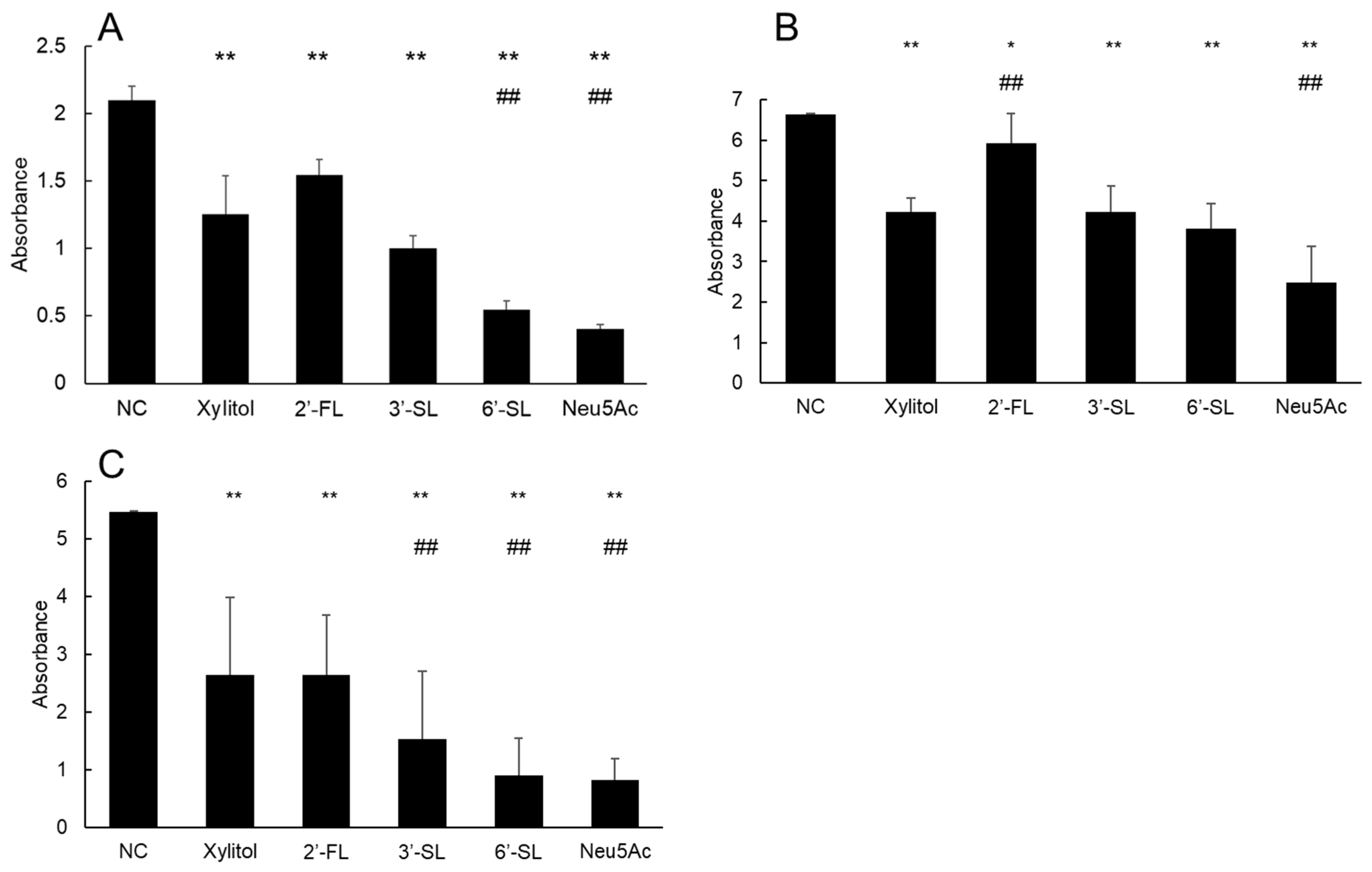
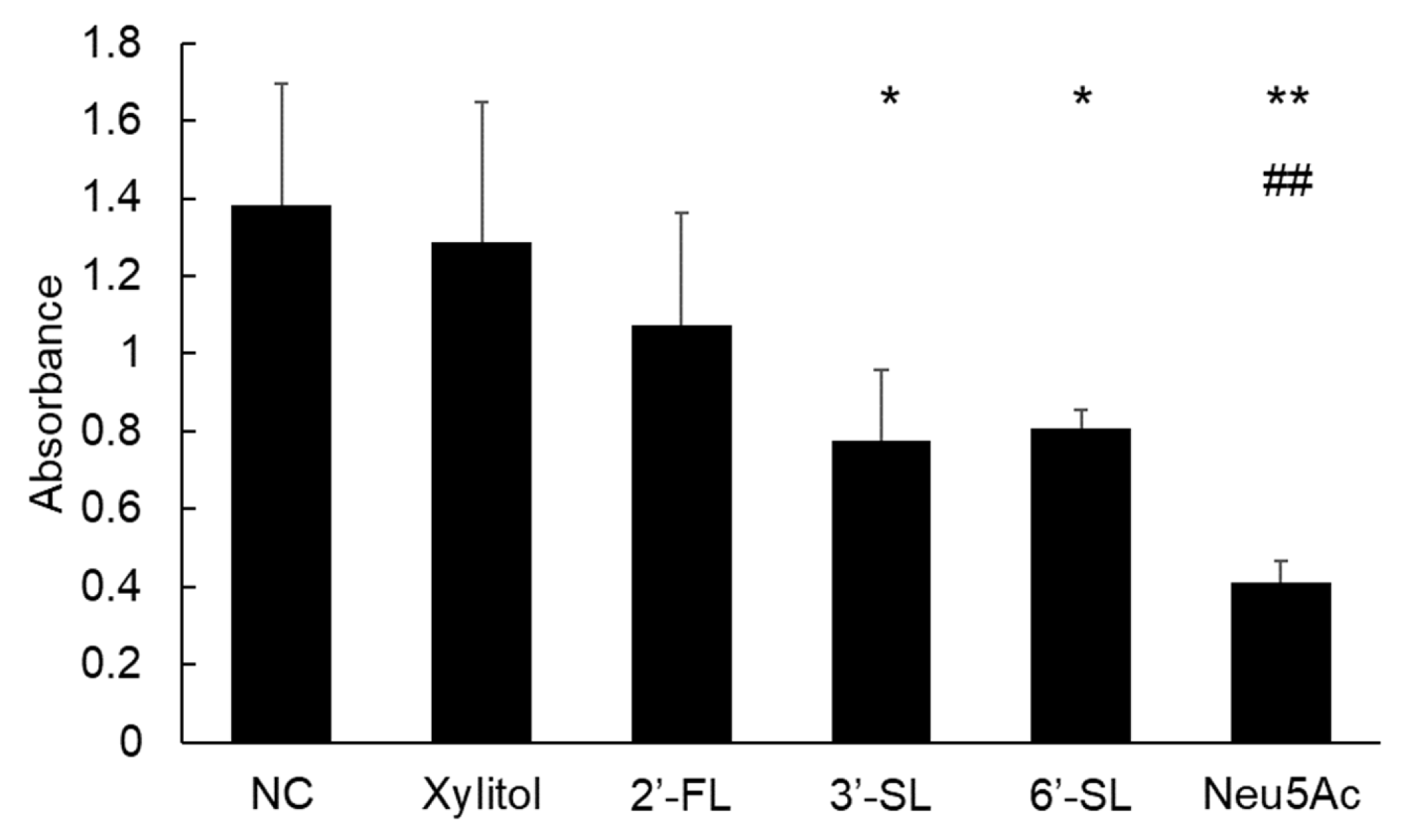
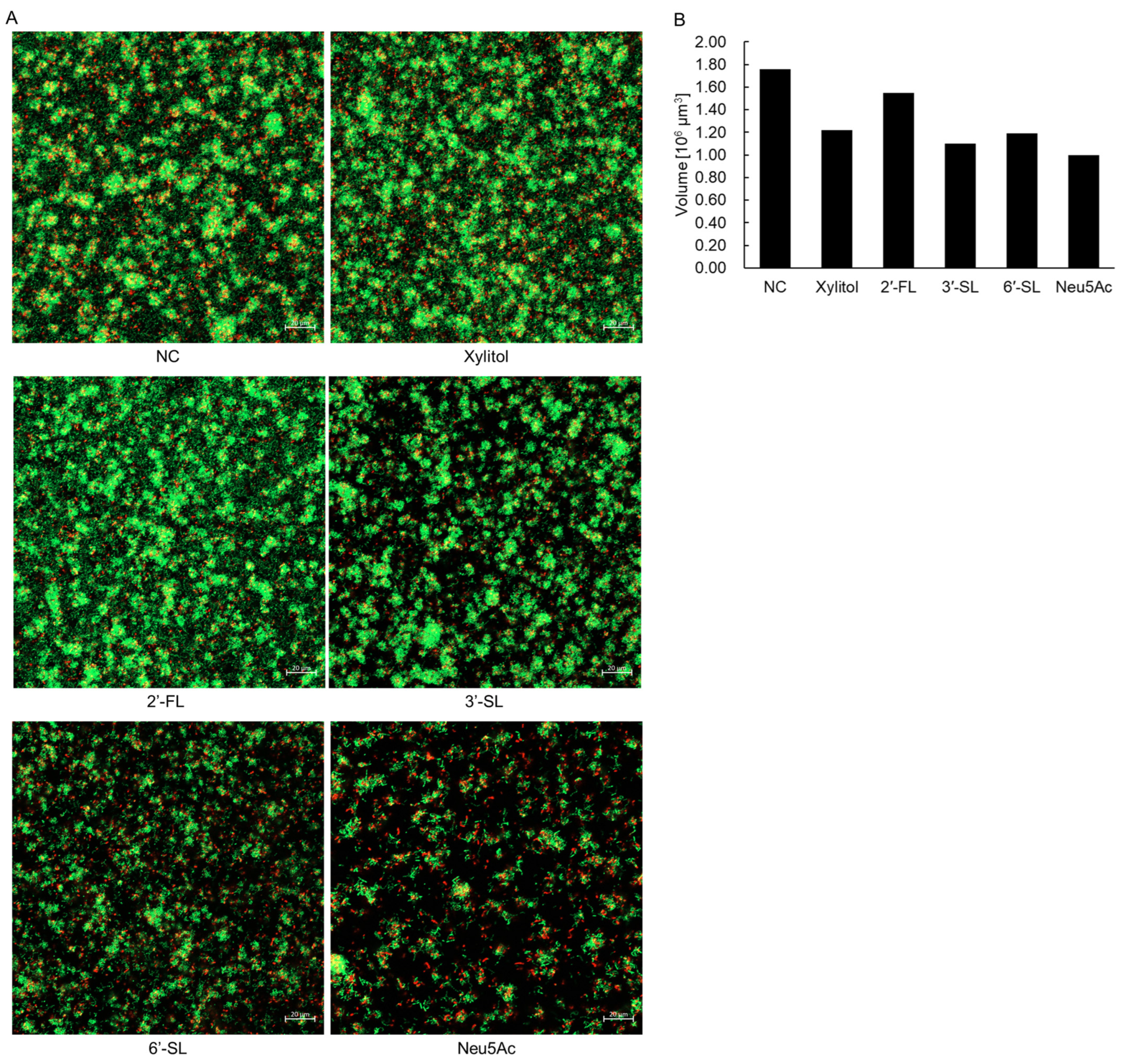
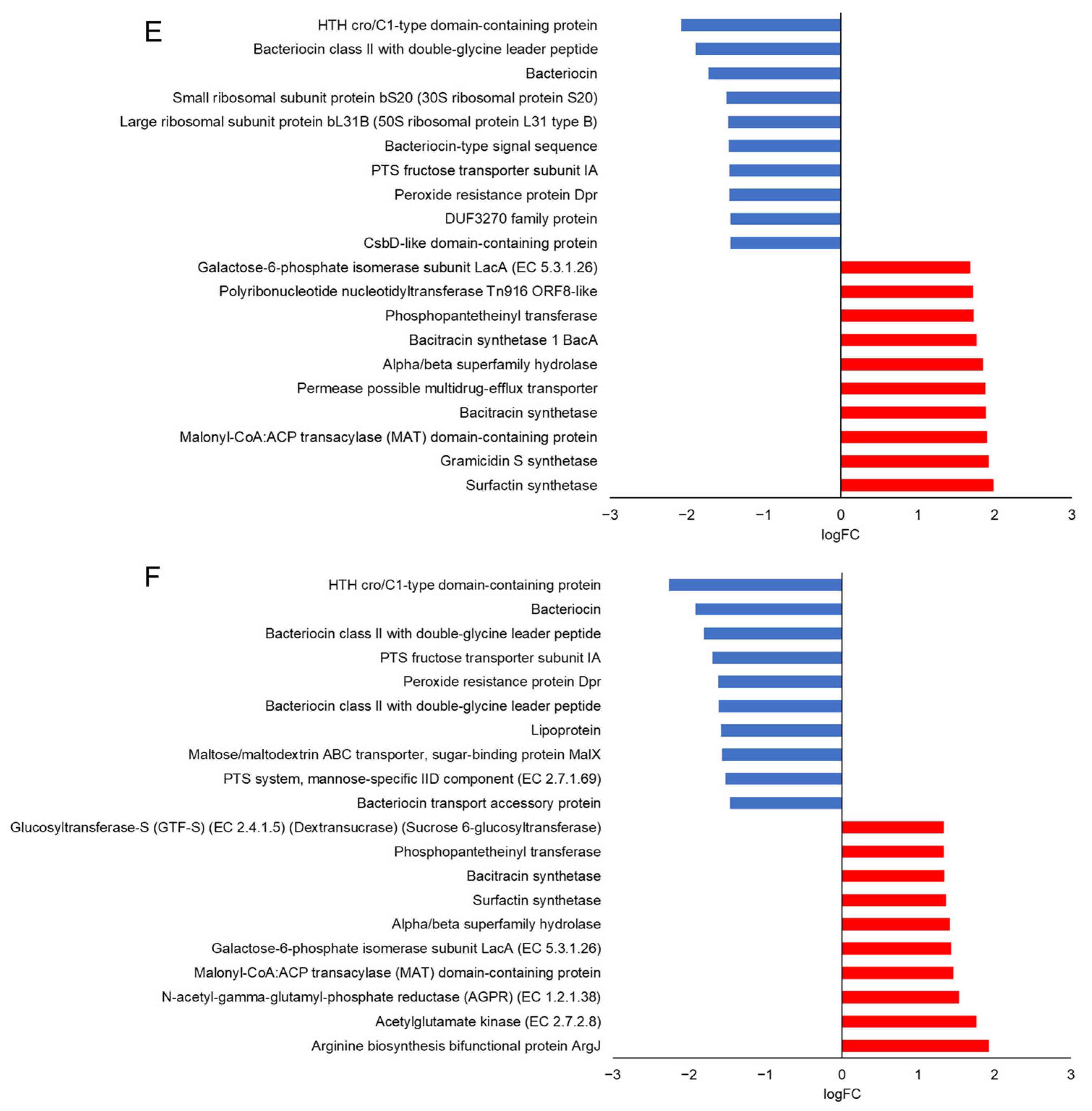
Background/Objectives: Oral hygiene is crucial for maintaining overall health, as poor oral care can lead to various systemic diseases. Although xylitol is widely used to inhibit plaque formation, more effective agents are needed to control oral biofilms. Herein, we evaluated the inhibitory effects of sialyllactose (SL), a type of human milk oligosaccharide (HMO), and its partial structure N-acetylneuraminic acid (Neu5Ac) against Streptococcus biofilm. Methods: Under a CO2 atmosphere, Streptococcus mutans and mixed Streptococcus species were each cultivated in vitro, and the inhibitory effects of HMOs [2′-fucosyllactose, 3′-sialyllactose (3′-SL) and 6′-sialyllactose (6′-SL)] and Neu5Ac on biofilm formation were evaluated. Bacterial biofilm formation was quantified using the crystal violet assay. Biofilm architecture and viability were visualized using confocal laser-scanning microscopy (CLSM) with SYTO9/propidium iodide staining. Transcriptomic responses of S. mutans biofilms to the test compounds were analyzed by RNA-Seq. Statistical analysis was performed using one-way analysis of variance followed by Tukey’s test. Results: SLs and Neu5Ac at 100 mM significantly inhibited S. mutans biofilm formation, with stronger effects than those of xylitol. The inhibitory effects varied among HMOs, with 6′-SL being more effective than 3′-SL and Neu5Ac being most effective. These effects were consistent in assays targeting biofilms formed by other S. mutans strains and in a mixed biofilm comprising Streptococcus species. Gene expression analysis suggested that the inhibitory mechanism involves the physical inhibition of surface adhesion and stress-induced regulation of gene expression. Conclusions: This study provides insights into the physiological significance of HMOs in the oral cavities of humans. HMOs exhibited potential as functional foods to control oral biofilm formation and reduce the risk of oral and systemic diseases.
Keywords: biofilm; oral microbiome; Streptococcus mutans; human milk oligosaccharides; dentistry; microbiology biofilm; oral microbiome; Streptococcus mutans; human milk oligosaccharides; dentistry; microbiology