1. Introduction
Photonic crystal fibers (PCFs) have gradually become an important platform for guided-wave devices because of their flexible index control and structural tunability, something that ordinary step-index fibers cannot easily offer. Since the early demonstrations of PCFs and their unusual waveguiding properties [
1], many designs have been explored for different purposes—ranging from high-power operations to sensing in complex environments. The demand for better pump delivery fibers in erbium-doped fiber amplifiers (EDFAs) has also pushed researchers to look at PCF-based solutions, especially near 980 nm, where most commercial EDFA pump lasers operate [
2], and where thermal and reliability limitations in diode modules are a recurring concern [
3,
4]. Because the coupling efficiency and confinement behavior of the pump strongly influence the gain and noise of EDFAs, the idea of designing PCFs that can support stable pump guidance with a controlled effective area and low loss has naturally attracted interest. Some earlier works have discussed coupling enhancement strategies in pump lasers and fiber modules [
5], but structural improvements in the fiber itself can also reduce the complexity of external optics.
Various PCF geometries have already been reported for different target performances. Hybrid-cladding PCFs, for example, can offer bend resistance and enhanced confinement, which can be useful for routing fibers in amplifier modules [
6,
7]. Other designs have aimed for ultrahigh effective areas for high-power transportation [
8] or single-polarization single-mode behavior using special cladding patterns [
9]. More exotic structures, such as hexa-octagonal or quasi-crystal fibers, have been used for sensing and special modal characteristics [
10,
11]. Even slotted-core or infiltrated-core PCFs have been explored to modify the field distribution or to tune refractive indices by introducing materials inside the slots [
12]. THz PCFs have also shown that porous or umbrella-like cladding arrangements can control mode leakage and polarization behavior [
13,
14,
15]. These examples show how PCF geometry strongly affects field distribution and confinement, so a design specifically tuned for 980 nm pump delivery should also give strong improvements. Recent studies have further highlighted how careful structural engineering of optical fibers can influence dispersion, bandwidth, and modal confinement characteristics. For instance, photonic crystal fibers with tailored dispersion profiles and multiple zero-dispersion wavelengths have been investigated for broadband nonlinear optical applications and supercontinuum generation [
16]. Further investigations of multimode step-index silica photonic crystal fibers have demonstrated that parameters such as airhole diameter and pitch directly influence numerical aperture and transmission bandwidth [
17]. Other optical fiber configurations, including W-type fibers and ring-core fibers, have also been examined to control optical power distribution and support advanced modal transmission schemes in optical communication systems [
18,
19,
20]. These investigations have further emphasized the importance of structural geometry in determining the guiding behavior and modal properties of modern optical fibers.
In high-power EDFA pump lasers, maintaining optical stability and avoiding thermal degradation is crucial [
2,
3,
4]. The 980 nm pump typically needs to be delivered into the doped region with high overlap and low leakage, as even small confinement loss can lower pump efficiency. Standard fibers sometimes show mode expansion or bending sensitivity, which is why PCFs have become attractive. A PCF with an appropriately chosen airhole diameter, pitch, and core index can give a stable fundamental mode across pump and signal wavelengths. It is also helpful that PCFs enable natural control of the effective area and doped region overlap without needing complex doping profiles or special refractive index engineering. As shown in several studies, careful tuning of the hole-to-pitch ratio can regulate loss and make high-power delivery safer [
8,
9], and this behavior extends well into the telecom range too. From a physical standpoint, the guiding behavior of index-guiding PCFs is largely determined by the effective refractive index contrast between the silica core and the microstructure cladding formed by periodic airholes. Increasing the airhole radius lowers the effective cladding index and modifies modal confinement and field distribution inside the core region. Such structural control enables designers to tune parameters such as effective area, confinement loss, and optical power overlap with the doped region, which are particularly important for efficient pump delivery in EDFA systems.
In this work, the PCF analyzed is a simple hexagonal lattice structure with three rings of airholes and a silica core, designed to support the pump at 0.98 μm along with the signal wavelengths around 1.48–1.55 μm. The workflow followed in the simulation focuses mainly on varying the airhole radius for all wavelengths, as well as the core index for a selected geometry. This helps in understanding how the effective area, confinement loss, core power fraction, and doped region fraction behave under parameter changes. The idea is not to push for extreme theoretical performance but to check whether practical and fabricable geometry can maintain stable guiding for both the pump and signal. Some earlier works on pump fibers emphasized reducing coupling optics complexity by having a stable mode size over the wavelength and low bending sensitivity [
2,
5]. A well-designed PCF can naturally give this behavior without involving additional modules. The choice of a three-ring hexagonal structure in this study is motivated by the need to balance modal confinement with fabrication simplicity. Compared with more complex multi-ring or hybrid-cladding PCFs reported in the literature, a reduced number of airhole rings can still provide sufficient confinement while simplifying fabrication and improving tolerance to structural variations during the fiber drawing process.
Another motivation for this study comes from the availability of different PCF categories in the recent literature. Some hybrid-cladding designs have demonstrated reduced leakage and strong mode control [
6,
7], while PCFs with modified lattice shapes produced unique single-frequency or single-mode behaviors [
10,
16]. Although these ideas belong to different application areas, the underlying principle is the same: structural degrees of freedom in PCFs allow tailoring of modal properties. Therefore, evaluating a simple hexagonal PCF for EDFA pump delivery is a practical direction, especially if the design ensures smooth trends in Aeff, low confinement loss, and a good doped region overlap. A structure that behaves predictably also benefits fabrication, because even ±1–2 μm variations in the hole radius should not break guiding.
The simulated results in this study follow these expectations. The effective area steadily increases with hole radius, the confinement loss remains low across the pump and signal wavelengths, and the mode field profiles indicate stable fundamental-mode propagation. These observations are consistent with general PCF behavior discussed in earlier works [
1,
6,
11], and they also align with the needs of pump lasers described in [
2,
3,
4,
5]. The stable overlap with the doped region at 0.98 μm suggests that efficient pump absorption would be possible in the actual EDFA stage. Although this design is not intended to outperform the extreme large-mode-area fibers in [
8,
9], it provides a simple and fabrication-friendly architecture that still satisfies the essential performance requirements for EDFA modules.
Overall, the introduction, supported by the cited studies, shows that PCFs remain a good platform for designing stable pump delivery fibers, and the chosen hexagonal PCF geometry demonstrates behavior that matches both fundamental PCF theory and practical amplifier needs.
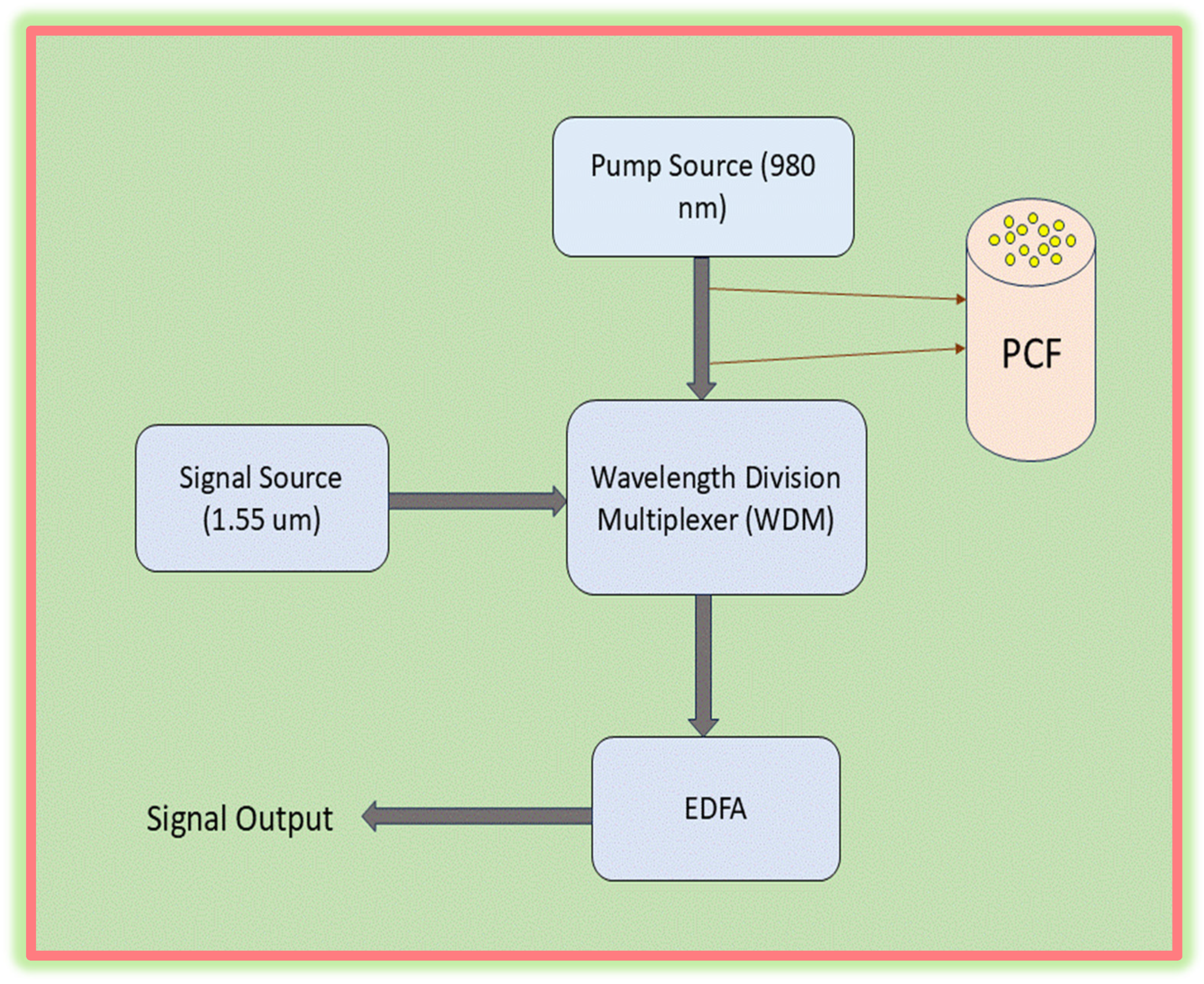
Figure 1 shows how the 980 nm pump is launched into the proposed PCF before being combined with the 1.55 µm signal inside a WDM. The WDM output feeds the EDFA, where the erbium-doped fiber amplifies the incoming signal. This arrangement highlights the role of the PCF as a dedicated pump delivery fiber in the system.
2. Materials and Methods
The fiber structure was analyzed using the finite element method (FEM), which is commonly used for solving electromagnetic wave equations in two-dimensional optical fiber cross-sections. The designed geometry was based on a three-ring hexagonal lattice, where the pitch Λ = 2.8 × 10⁻⁵ m was maintained, which defined the periodic spacing of the structure. The radius of each airhole was kept around rhole = 1.12 × 10⁻⁵ m, though for the study it was varied from 7.0 × 10⁻⁶ m to 1.26 × 10⁻⁵ m, from which shifts in modal quantities were observed. The cladding refractive index nclad = 1.444 was taken, while the core index was initially kept near ncore ≈ 1.45 and later small variations were tested, which indicated confinement tuning. The fiber outer radius was kept approximately at 1.45 × 10⁻⁴ m, and the core region was circular because the ellipticity value was set to 1. The chosen geometric parameters correspond to values commonly used in index-guiding silica PCFs, ensuring that the airhole lattice can provide a sufficient refractive index contrast between the core and cladding region. Maintaining a three-ring lattice structure also allowed the model to capture the essential modal behavior while keeping the computational domain relatively compact, which improved numerical efficiency and stability during FEM simulations.
To obtain guided modes, the full-vector wave equation was solved using the FEM approach, which provides an accurate field representation:
where E represents the electric field, ε shows the permittivity distribution, and k
0 = 2π/λ defines the free-space wave number. After meshing, the FEM procedure expanded the field through small polynomial basis functions, which formed a generalized eigenvalue problem. The solver returned the propagation constant β, from which the effective index can be calculated using:
which indicates mode propagation. This value is used to analyze how mode behavior varies when structural parameters are changed, which shows system sensitivity. In order to accurately represent open-boundary conditions for the optical fiber cross-section, perfectly matched layer (PML) absorbing boundaries were implemented around the outer region of the computational domain. The PML prevented artificial reflections of the electromagnetic field at the simulation boundary and enabled the accurate estimation of modal confinement and leakage characteristics in the PCF structure.
The effective area A
eff was calculated from the simulated modal field using the standard definition:
This definition highlights field concentration and is widely adopted in PCF studies. In PCF geometry, interesting confinement patterns of the field are observed, but this integral form can give reliable results for all wavelengths. The core power fraction η
core represents overlap of the field inside the core region and is defined as:
The core boundary was taken as a circular region whose radius was kept consistent according to the structural model, which indicates geometry alignment. This parameter is important for pump delivery because it shows how much optical power remains confined in the silica core instead of leaking outward.
The mesh distribution was carefully controlled so that accuracy was maintained and the computational load did not become excessive, ensuring efficient simulation. Inside the core, the maximum element size was kept at 0.4 µm so that rapid field variations near the center can be properly captured, which improves resolution. Inside the airholes, the mesh was kept slightly coarse where the maximum size was set to 2.8 µm, as this maintained computational efficiency. For background silica, the maximum element size was kept at 5 µm and the same limit was applied to the absorbing boundary layers, showing a uniform meshing strategy. This balance ensured that the FEM solution remained stable and calculated converging field profiles smoothly, indicating numerical reliability. Mesh convergence was verified by refining the mesh until the change in Aeff and neff became less than 0.5%, which confirmed solution accuracy. Such convergence testing ensured that the calculated modal parameters were independent of mesh density and that the obtained solutions corresponded to physically meaningful guided modes of the PCF structure.
The operating wavelengths selected for the simulation were mainly 0.98 µm, 1.48 µm, and 1.55 µm, which represented the EDFA pump and signal bands. For each wavelength, parameter sweeps were performed on both the airhole radius and core refractive index, from which their effects on effective index, Aeff, and core confinement were observed. This overall approach provided a clean and systematic framework through which modal behavior can be analyzed in a simple three-ring PCF design using FEM-based techniques.
3. Results and Discussion
The analyzed PCF structure shows behavior that fits well with the EDFA pump delivery requirements. The simulation workflow—covering geometry settings wavelength sweeps and material variations—helps clearly capture how the mode properties change when the airhole radius or the core index is modified. The smooth and predictable variation in the modal parameters is beneficial for fabrication tolerance and operational stability. In addition, the imaginary part of the effective index remained below the numerical noise level (≤10−12) across all investigated wavelengths and geometrical variations, indicating negligible confinement loss in the proposed PCF. Such extremely small imaginary components of the effective index confirm that radiation leakage from the core into the cladding region is practically negligible within the investigated wavelength range. This behavior indicates that the proposed PCF structure provides strong modal confinement, which is an essential requirement for efficient pump delivery in EDFA systems where optical power must remain well confined within the doped region.
In
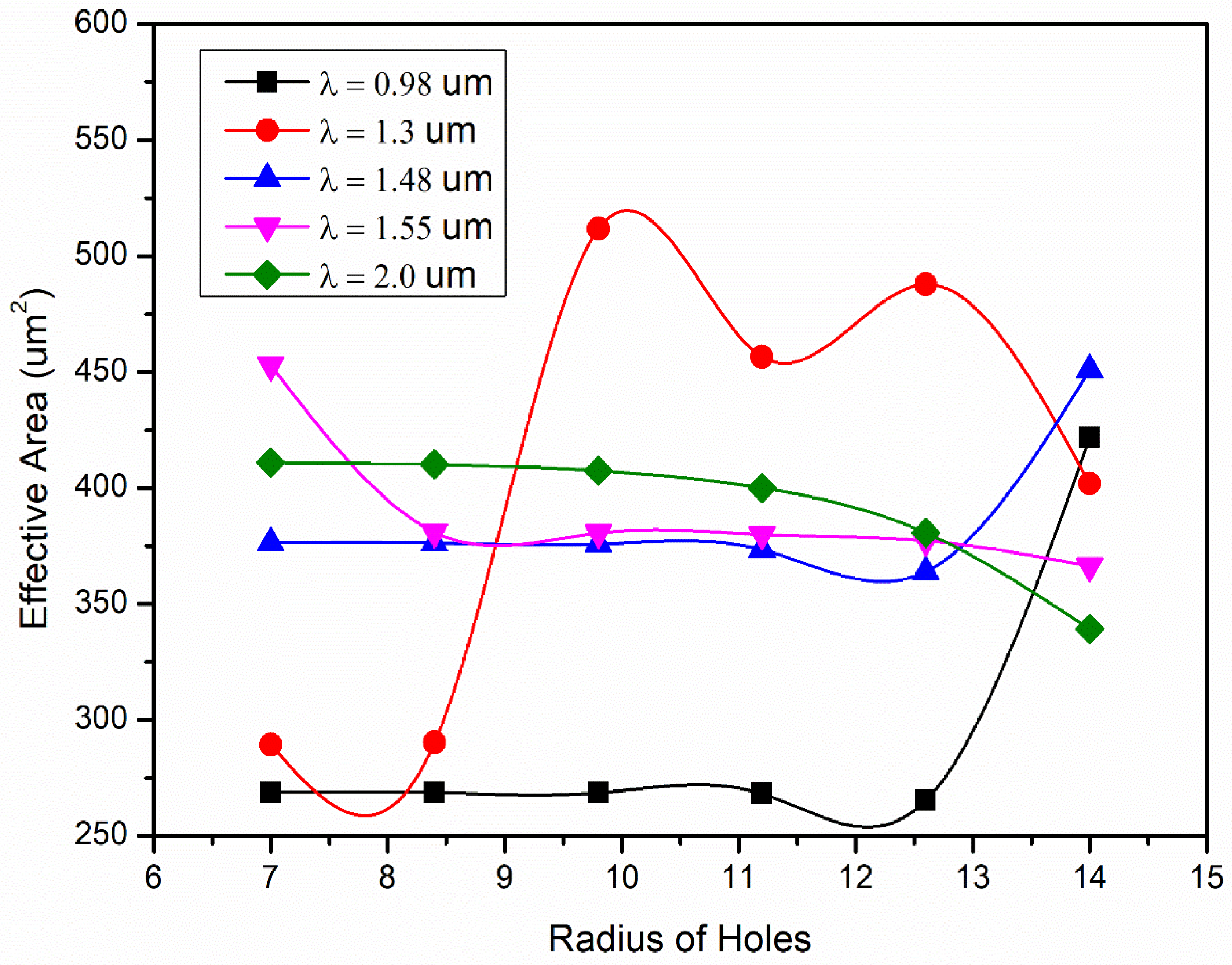
Figure 2, the effective area varies with the airhole radius for multiple wavelengths. At 0.98 μm, the A
eff stays relatively low and increases slowly as r
hole becomes larger, showing strong confinement that is desirable for pump coupling. Near 1.3 μm, the curve rises more noticeably from the lower side and then follows a stable smooth behavior. At 2 μm, the mode expands further and the average A
eff is high. Most plots follow a somewhat linear rising pattern, suggesting that tuning the hole size provides flexible control over Aeff for different wavelengths. This trend can be explained by the reduction in the effective refractive index of the cladding as the airhole radius increases. Larger airholes increase the air-filling fraction in the cladding, which lowers the effective cladding index and modifies the modal field distribution. As a result, the optical mode expands slightly toward the surrounding region, leading to a gradual increase in effective mode area.
In
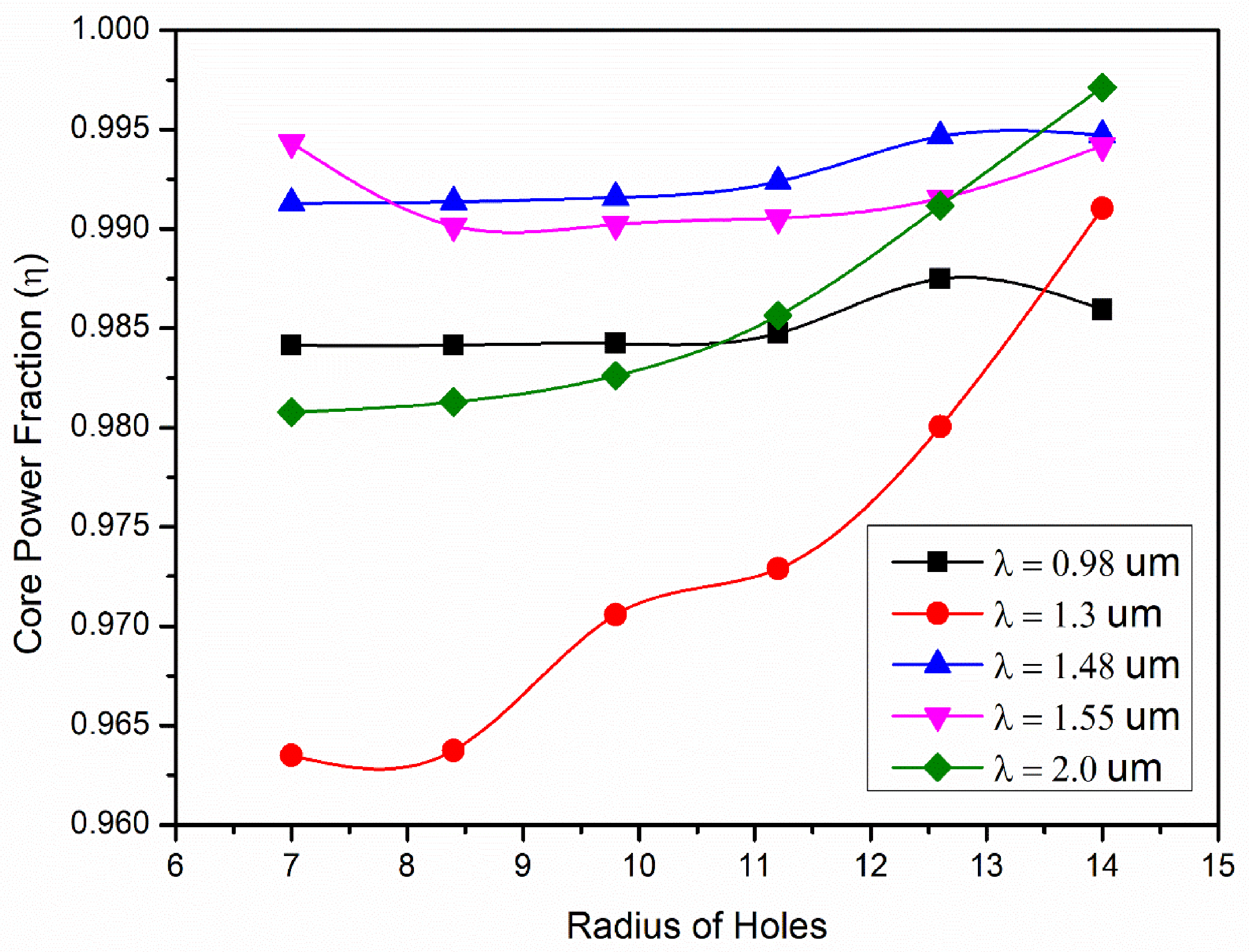
Figure 3, the core power fraction η
core is shown as a function of hole radius, where increasing r
hole strengthens confinement slightly and raises the core power fraction before it stabilizes. At the pump wavelength, η
core stays noticeably high, indicating strong overlap between the pump mode and the doped region. For the signal wavelengths, the fraction drops slightly but remains in a comfortable range. The curves are gentle and do not show sudden changes, which means small fabrication errors will not create any major performance issues. The relatively high value of η
core at the pump wavelength indicates that a significant portion of the optical field remains concentrated within the central silica region. Such behavior is beneficial for pump absorption efficiency in EDFAs because the pump power interacts more effectively with the erbium-doped region when the modal overlap is high.
In
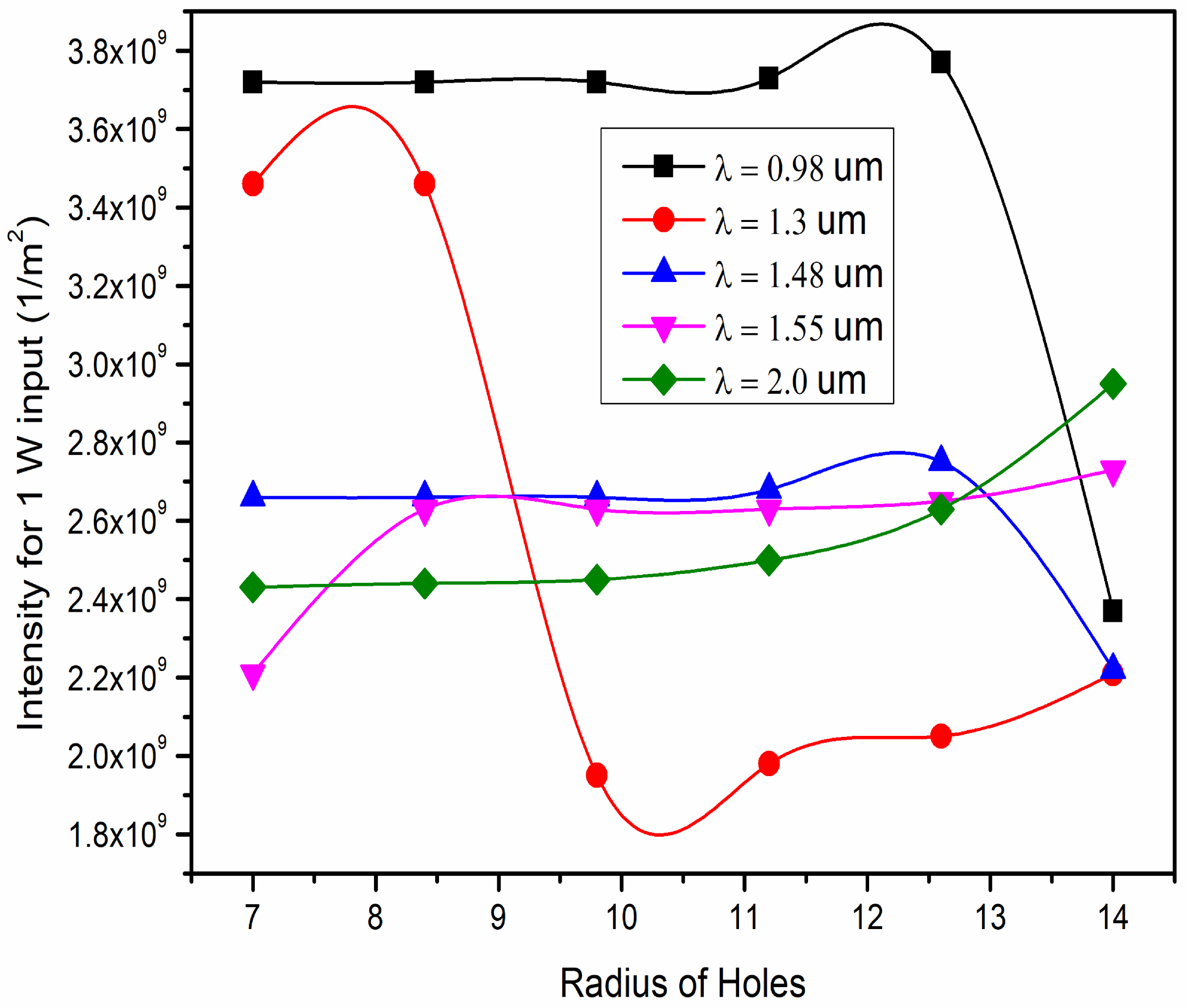
Figure 4, the normalized optical intensity (per 1 W input) is plotted against the hole radius. As r
hole increases, the peak intensity reduces slightly and the mode broadens a little, showing smoother modal expansions at larger radii. The behavior stays stable across wavelengths, and the plot does not show any abrupt variations. This gradual redistribution of optical intensity indicates that the modal field adapts smoothly to structural variations in the cladding geometry. Such behavior confirms that the PCF design does not introduce abrupt modal transitions when the airhole size is modified, which is favorable for maintaining stable guiding characteristics.
In
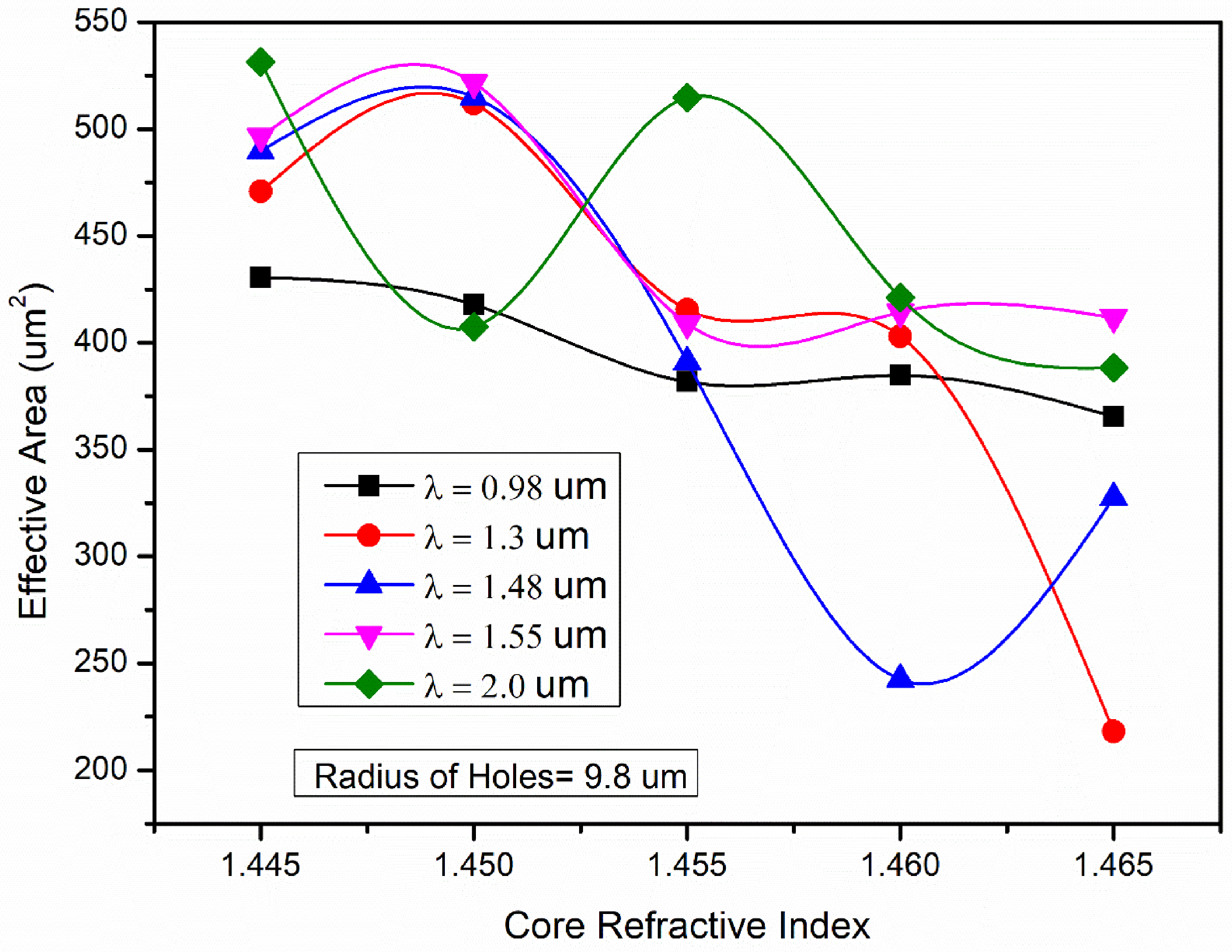
Figure 5, the effective area response to the change in core index is plotted. Increasing n
core enhances confinement while reducing the effective area, and this reduction is more prominent at the pump wavelength. For the signal wavelengths, the decrease is softer but still follows the same downward behavior. The curves are smooth and predictable, showing good agreement with standard index-guided behavior. Increasing the core refractive index strengthens the index contrast between the core and the surrounding microstructure cladding, which pulls the optical mode more strongly toward the center of the fiber. This stronger confinement reduces the spatial extent of the modal field and therefore decreases the effective mode area.
In
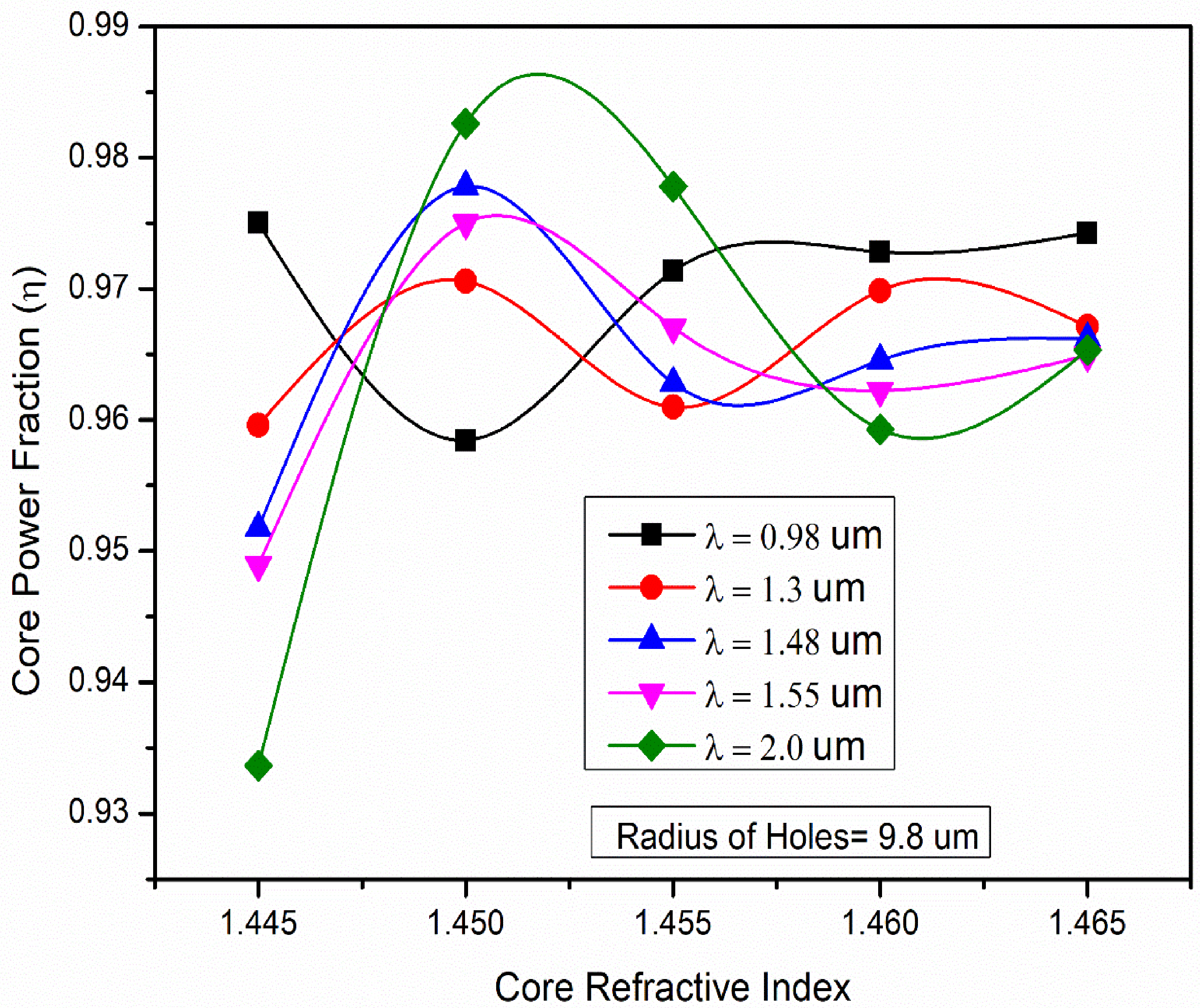
Figure 6, the variation in core power fraction with the core index is shown. As n
core increases, the index contrast becomes stronger and the power fraction inside the core increases steadily. The behavior remains smooth across all wavelengths, confirming stronger confinement and better doped region overlap when the core index is raised. This behavior further confirms that moderate adjustments of the core refractive index provide an effective mechanism for tuning pump confinement without significantly disturbing the overall modal structure of the PCF.
In
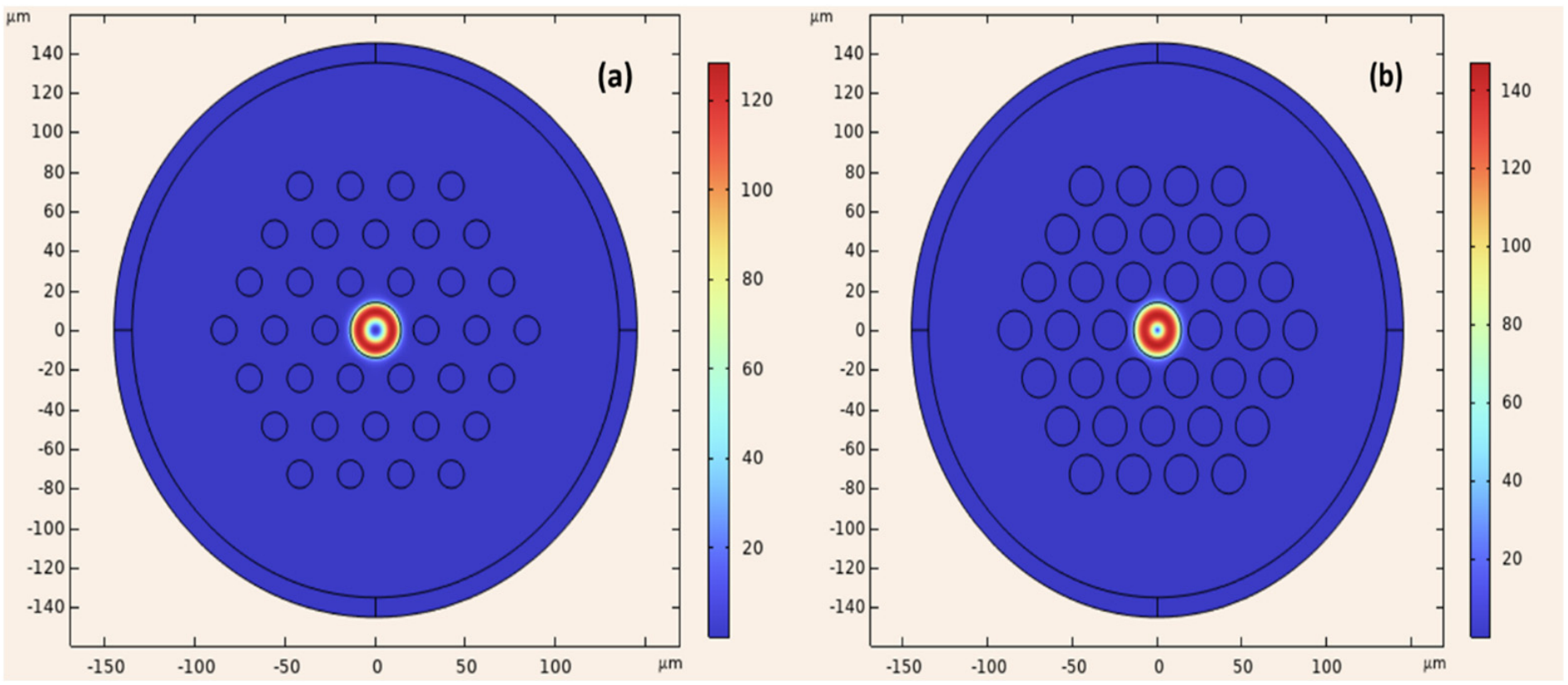
Figure 7a,b, the transverse mode field distributions are displayed for 1.3 and 1.55 μm wavelengths. The pump mode region stays tightly centered with very minimal spreading into the cladding region, demonstrating clean confinement and good overlap with the doped area. The symmetry is well preserved. For the signal wavelengths, the mode expands slightly but remains well confined and stable, which is normal at longer wavelengths. The overall field patterns confirm that the PCF supports a robust fundamental mode across all key wavelengths. The symmetric field distribution and absence of higher-order modal patterns also indicate that the investigated structure operates close to single-mode conditions within the considered wavelength range, which is beneficial for maintaining stable beam quality during pump delivery.
Altogether, the combined observation—from effective area behavior to confinement loss and mode field structures—show that the designed PCF maintains strong confinement, useful Aeff control, low leakage, and stable fundamental modes. The responses to rhole and ncore remain smooth and fabrication-friendly, making the structure a strong candidate for EDFA pump delivery and possibly dual-wavelength signal guidance. These results indicate that even a relatively simple three-ring hexagonal PCF geometry can provide the modal stability and confinement properties required for pump delivery in practical EDFA configurations, all while avoiding the structural complexity associated with some advanced PCF architectures reported in the literature.
4. Conclusions
The PCF shows strong confinement and very low loss at 0.98 µm, 1.3 µm, 1.48 µm, 1.55 µm, and even 2 µm. This makes the design suitable not only for EDFA pump de-livery but also for general broadband guidance. When the airhole radius moves from 7 µm to 12.6 µm, the effective area increases slowly. At 0.98 µm, the area stays at its smallest and the pump remains tightly focused. The signal wavelengths, including 1.3 µm and 2 µm, achieve a larger area yet the guiding stays stable. The power in the core or doped region stays high at the pump wavelength and changes only slightly, so the pump absorption remains effective. This behavior indicates that the proposed PCF maintains strong modal confinement over a wide spectral range while preserving an efficient overlap between the pump field and the doped region, which is a key requirement for stable EDFA operation.
Increasing the core index strengthens the confinement further. The effective area becomes smaller, while the leakage almost disappears. The pump mode stays tight and centered with very little spreading into the cladding. The signal modes from 1.3 µm to 2 µm also remain stable and expand only slightly at longer wavelengths. All parameters such as Aeff, neff, loss, and power fraction vary smoothly and predictably, which shows that the design can tolerate fabrication errors of about ±1–2 µm. Overall, this PCF is simple to fabricate, behaves reliably with stable modes, and has extremely low leakage across the pump and the full set of signal wavelengths. Therefore, the results demonstrate that a relatively simple three-ring hexagonal PCF structure can achieve the modal stability and confinement performance required for pump delivery fibers without requiring complex multi-ring or hybrid-cladding architectures reported in some previous PCF designs. Such a structure provides a practical balance between optical performance and fabrication simplicity, making it a promising candidate for integration into EDFA modules and related optical amplifier systems.