Article

Recognizable Languages of k-Forcing Automata


by
Marzieh Shamsizadeh
1,
Mohammad Mehdi Zahedi
2,
Khadijeh Abolpour
3 and
Manuel De la Sen
4,*
1
Department of Mathematics, Behbahan Khatam Alanbia University of Technology, Behbahan 47189-63616, Iran
2
Department of Mathematics, Graduate University of Advanced Technology, Kerman 76311-33131, Iran
3
Department of Mathematics, Islamic Azad University, Shiraz Branch, Shiraz 71987-74731, Iran
4
Institute of Research and Development of Processes, Department of Electricity and Electronics, Faculty of Science and Technology, University of the Basque Country (UPV/EHU), 48940 Leioa, Bizkaia, Spain
*
Author to whom correspondence should be addressed.
Math. Comput. Appl. 2024, 29(3), 32; https://doi.org/10.3390/mca29030032
Submission received: 11 March 2024 / Revised: 21 April 2024 / Accepted: 22 April 2024 / Published: 25 April 2024

Abstract

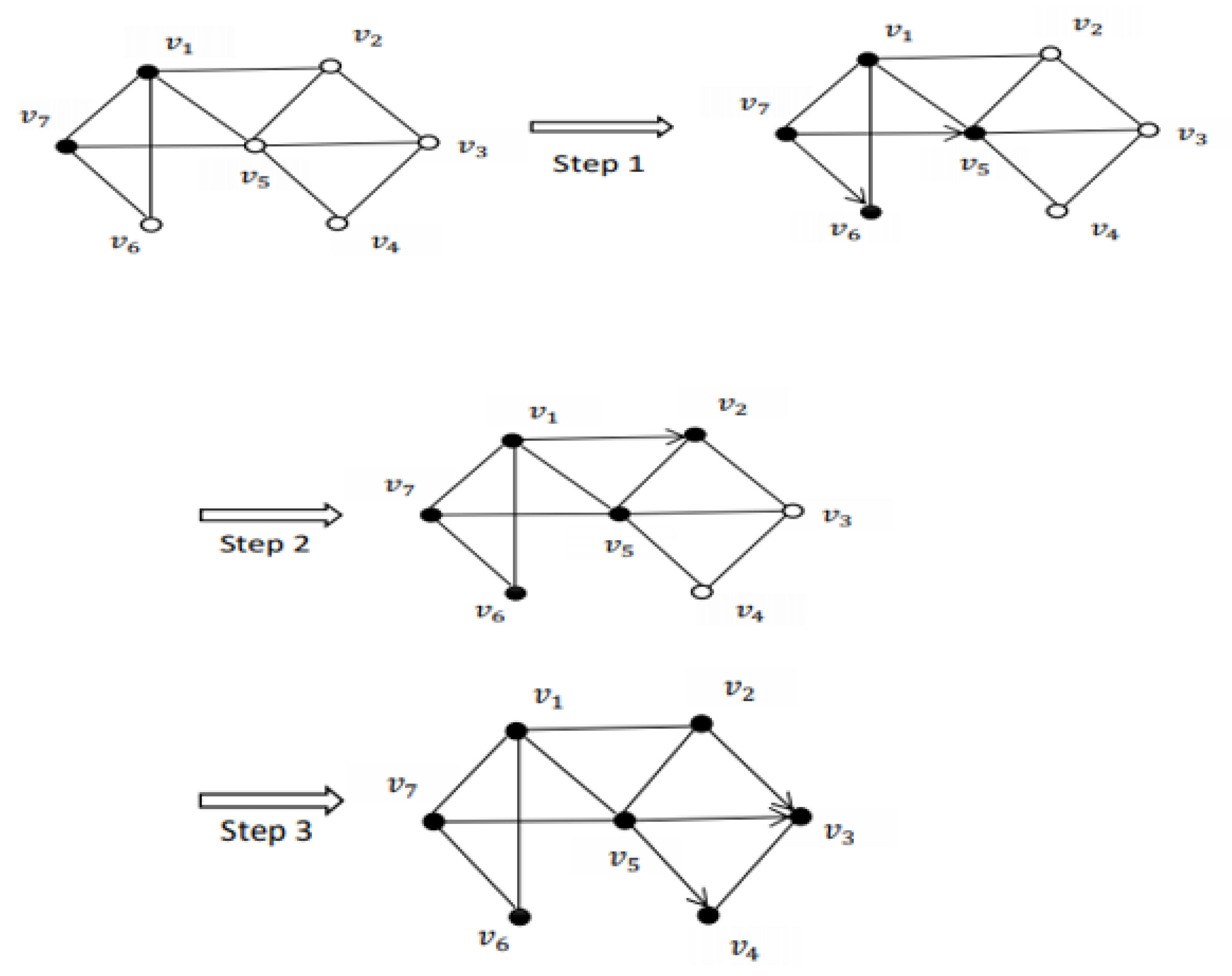
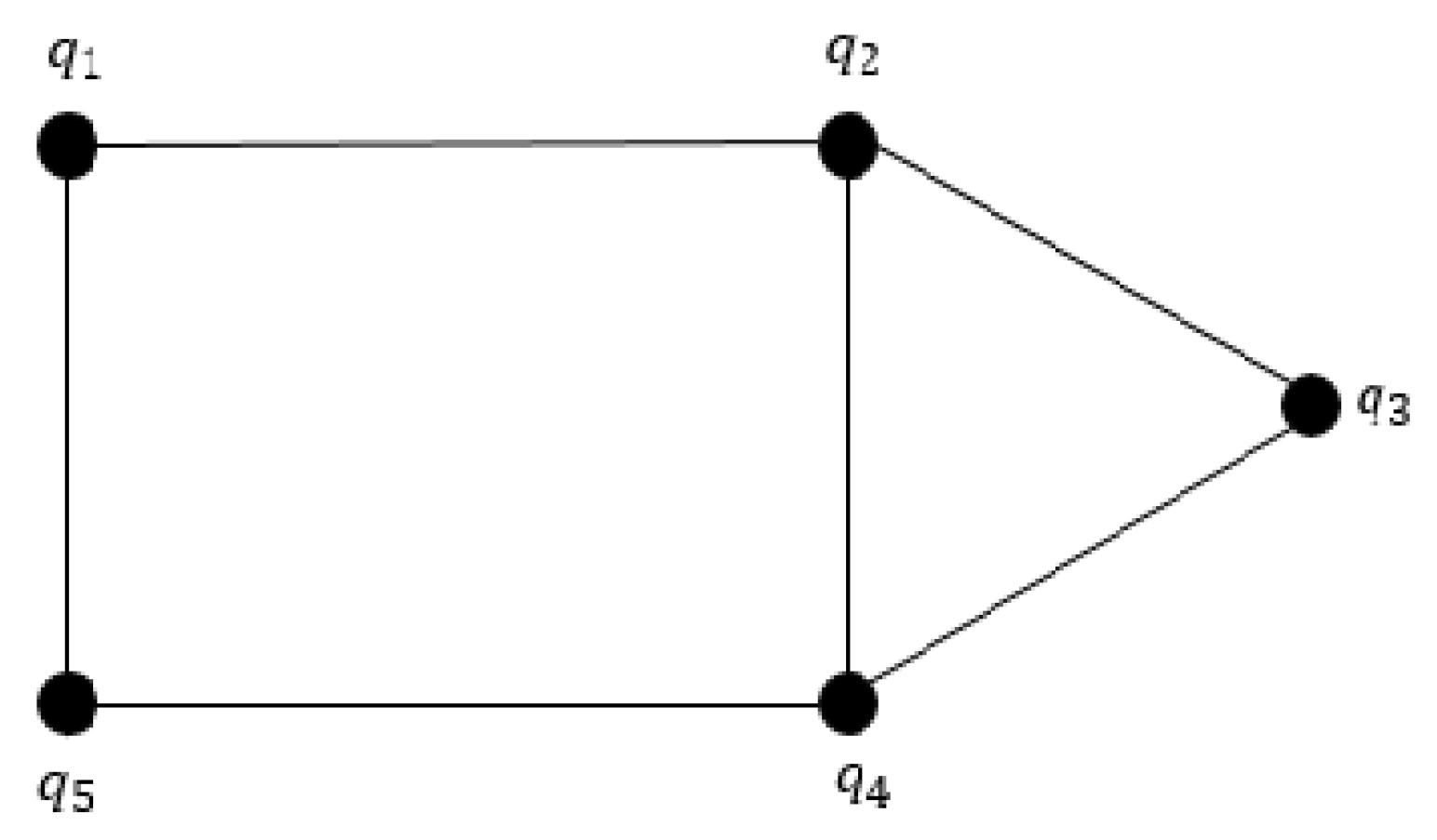
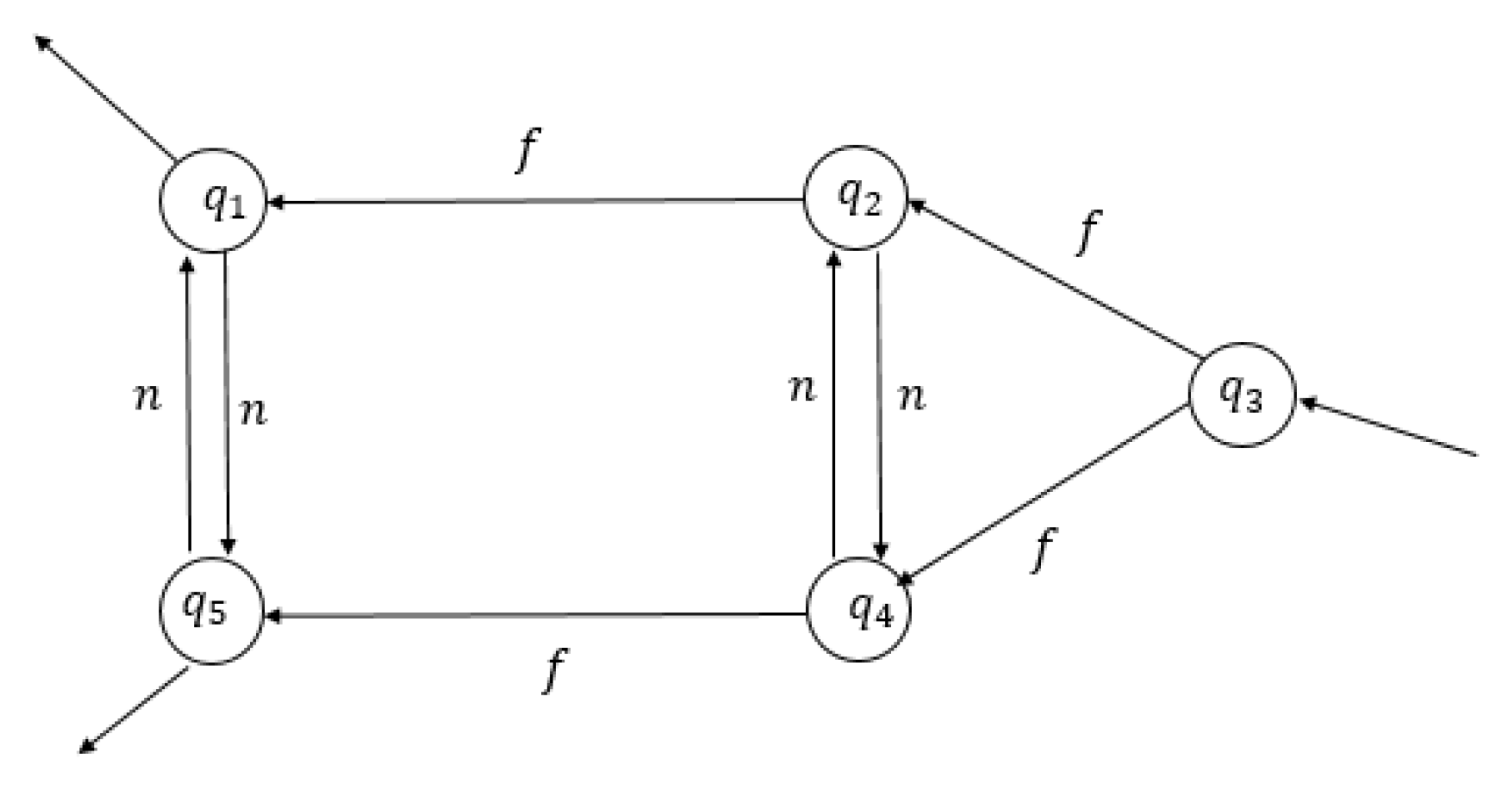
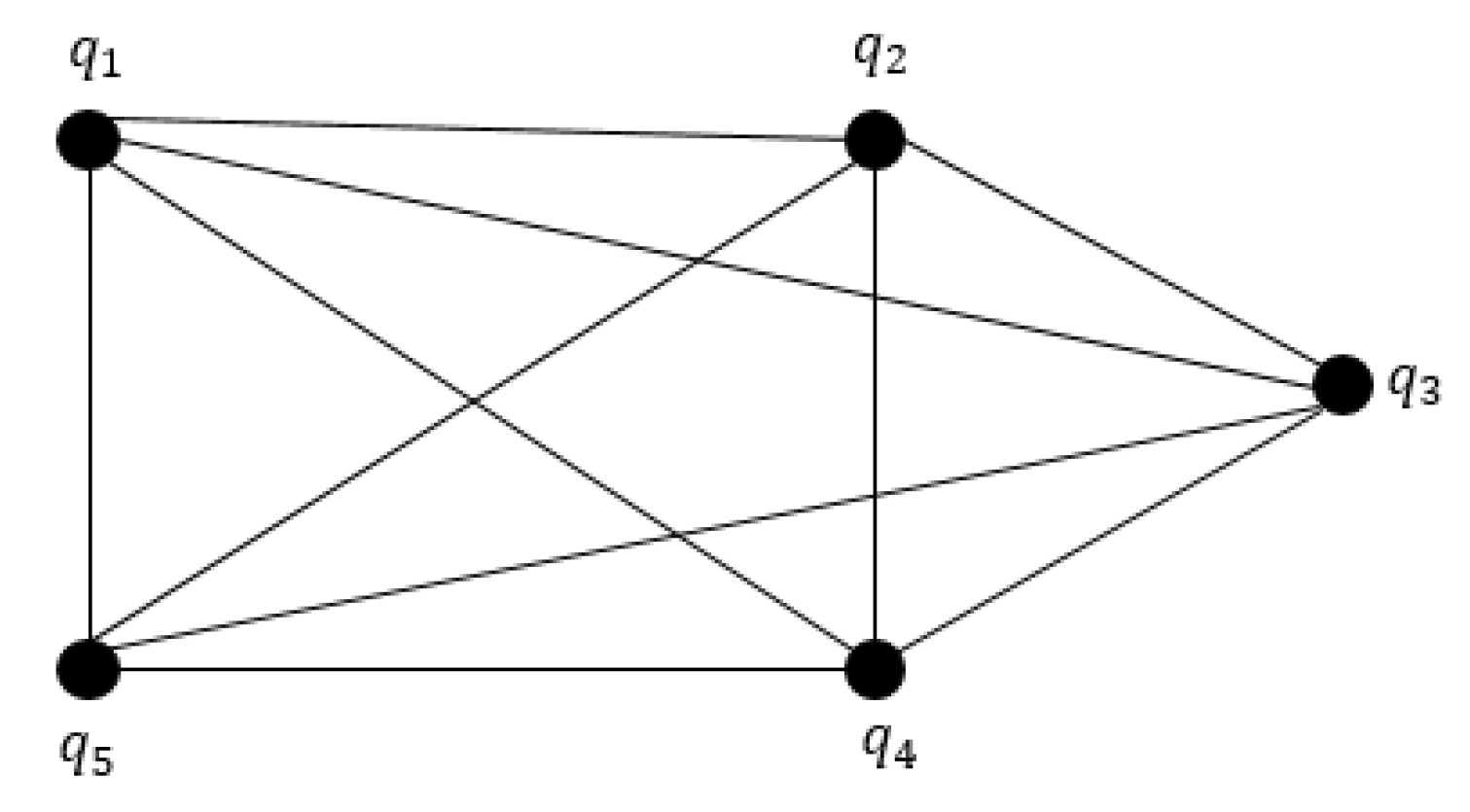
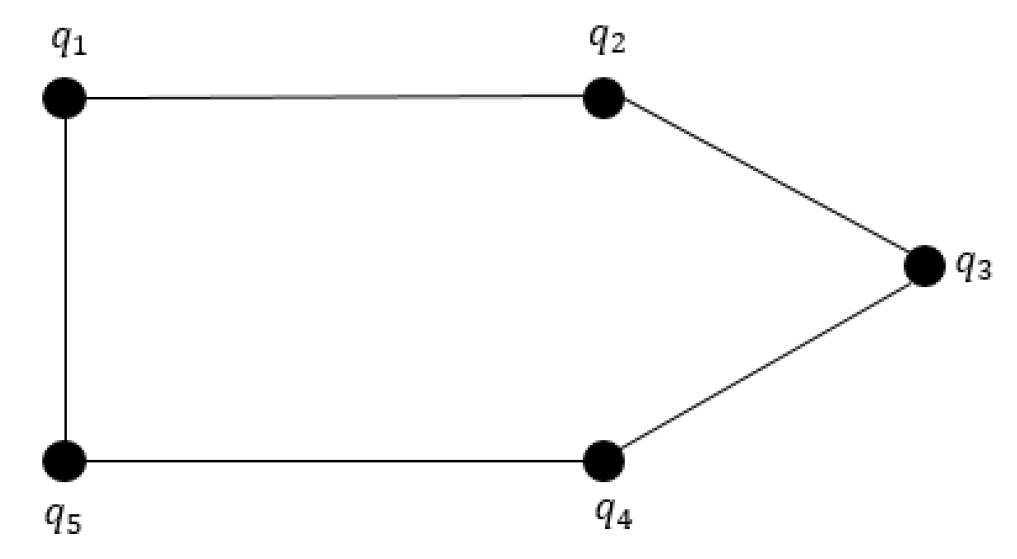
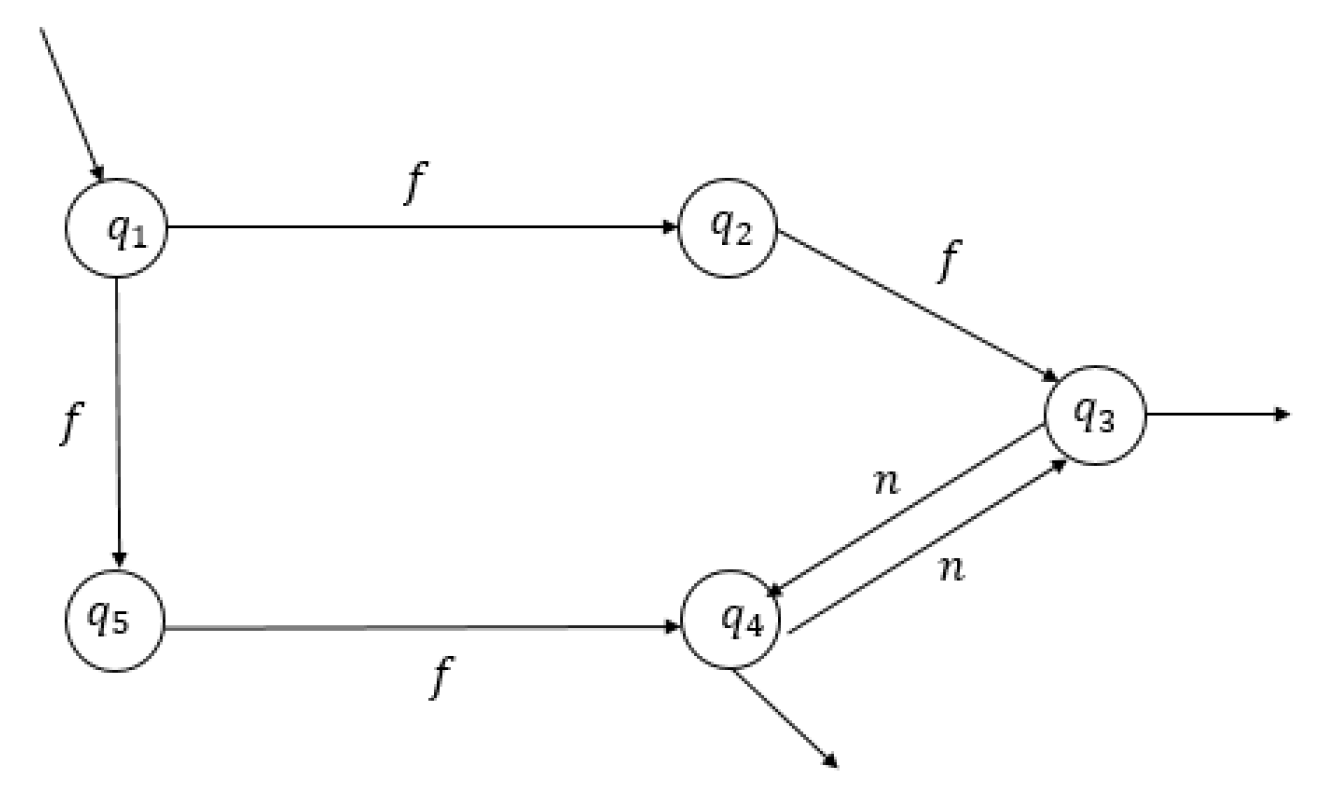
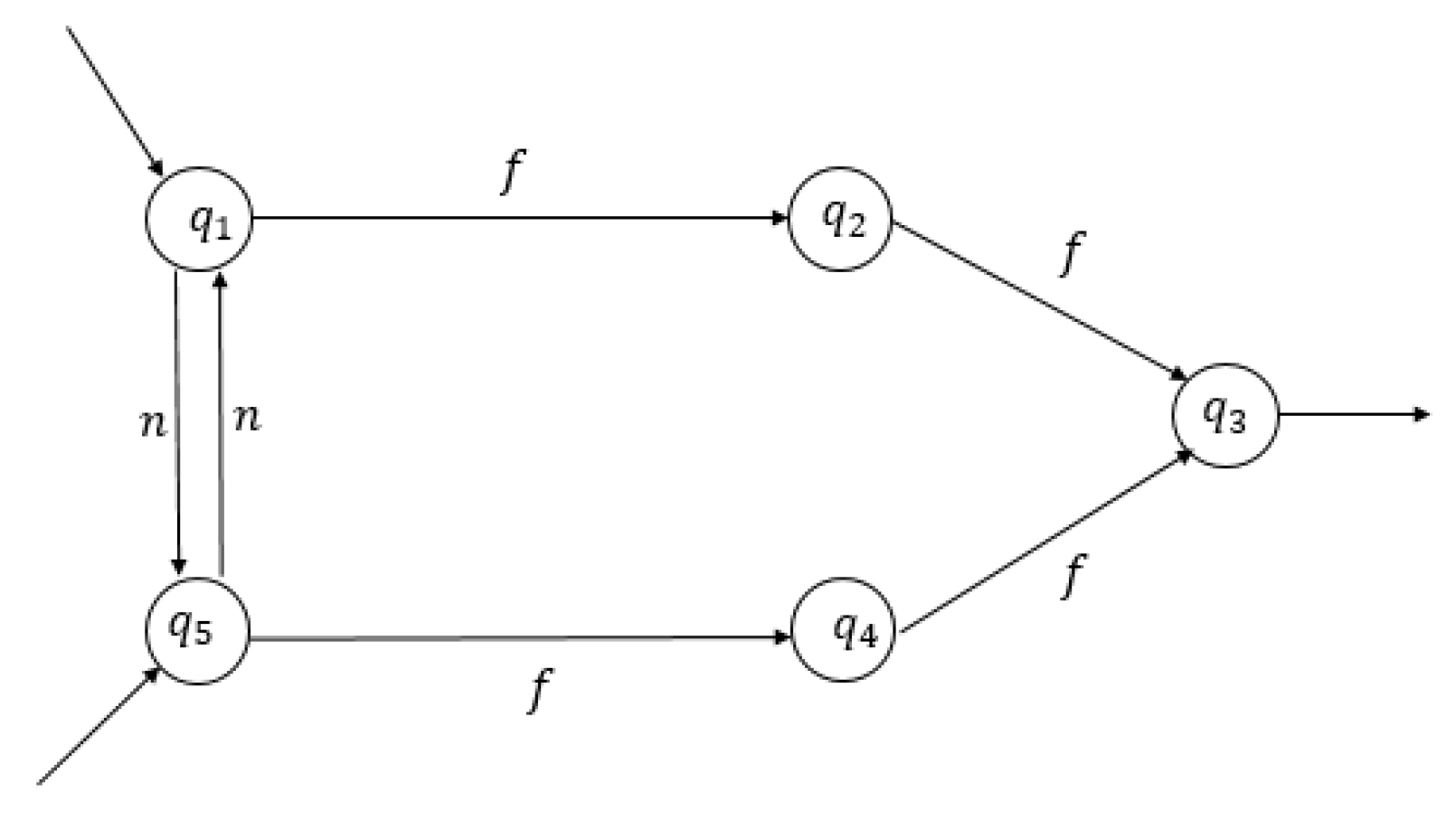
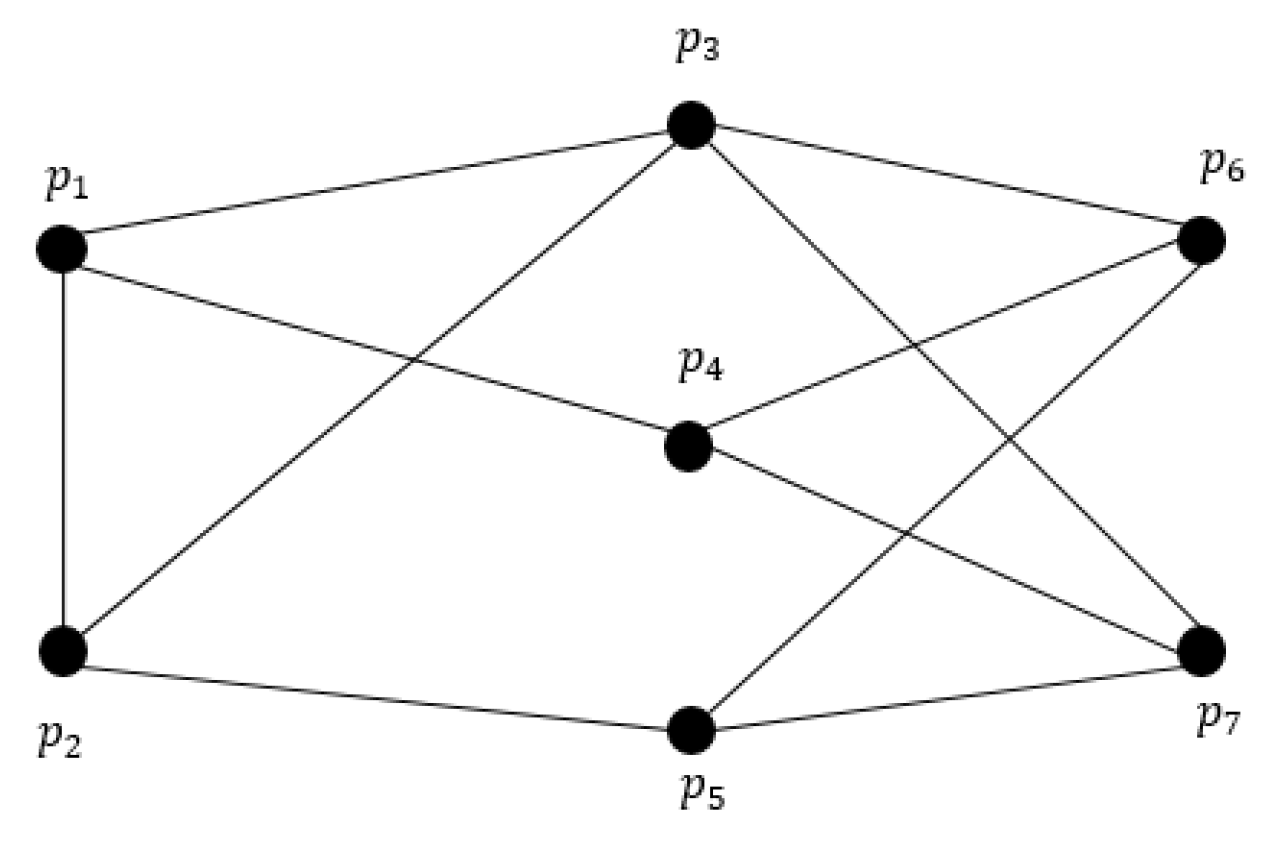
In this study, we show that automata theory is also a suitable tool for analyzing a more complex type of the k-forcing process. First, the definition of k-forcing automata is presented according to the definition of k-forcing for graphs. Moreover, we study and discuss the language of k-forcing automata for particular graphs. Also, for some graphs with different k-forcing sets, we study the languages of their k-forcing automata. In addition, for some given recognizable languages, we study the structure of graphs. After that, we show that k-forcing automata arising from isomorph graphs are also isomorph. Also, we present the style of words that can be recognized with k-forcing automata. Moreover, we introduce the structure of graphs the k-forcing automata arising from which recognize some particular languages. To clarify the notions and the results obtained in this study, some examples are submitted as well.
Keywords: graph; zero forcing set; k-forcing; automata; network graph; zero forcing set; k-forcing; automata; network