Next Article in Journal
Empfehlungen zur Diagnostik und Therapie der Aufmerksamkeitsdefizit-Hyperaktivitätsstörung (ADHS) im Erwachsenenalter
Previous Article in Journal
Zur Diagnostik des idiopathischen Normaldruckhydrozephalus aus der Perspektive von Langzeitbeobachtungen
 
 
Swiss Archives of Neurology, Psychiatry and Psychotherapy is published by MDPI from Volume 176 Issue 1 (2026). Previous articles were published by another publisher in Open Access under a CC-BY (or CC-BY-NC-ND) licence, and they are hosted by MDPI on mdpi.com as a courtesy and upon agreement with EMH Editores Medicorum Helveticorum.
Case Report

Life-threatening myasthenia gravis masked by a psychiatric disorder

by
Stephan J. Rüegg
1,*,
S. Dirnhofer
2,
C. H. Buitrago-Tellez
3,
A. J. Steck
4 and
S. Marsch
4
1
Department of Neurology, University Hospitals, Petersgraben 4, CH-4031 Basel, Switzerland
2
Department of Pathology, University Hospitals, Basel
3
Department of Radiology, University Hospitals, Basel
4
Department of Intensive Care Medicine, University Hospitals, Basel
*
Author to whom correspondence should be addressed.
Swiss Arch. Neurol. Psychiatry Psychother. 2007, 158(4), 150-154; https://doi.org/10.4414/sanp.2007.01850
Published: 1 January 2007

Simple Summary

Rüegg SJ, Dirnhofer S, Buitrago-Tellez CH, Steck AJ, Marsch S. Life-threatening myasthenia gravis masked by a psychiatric disorder. Schweiz Arch Neurol Psychiatr. 2007;158:150–4. The coincidence of a psychiatric and a neurological disorder in the same patient may be an especially challenging clinical situation. The diagnosis of myasthenia gravis (MG) risks to be missed when additional factors complicating the clinical picture are present. We report the case of a young female refugee with posttraumatic stress disorder (PTSD) and myasthenia gravis. Progressive adynamia, generalised weakness, inappetence and weight loss led to more then ten visits in the emergency room from where she was discharged with a diagnosis of severe depression resulting from PTSD. She eventually near-choked after eating solid foods and showed persistent muscle weakness requiring respiratory support despite deblocking bronchoscopy. The history and clinical examination prompted the consulting neurologist to suspect severe generalised myasthenia gravis. Myasthenia gravis was confirmed after performing an edrophonium chloride test, repetitive nerve stimulation and positive testing for anti-acetylcholine receptor antibodies. Further exploration revealed a retrosternal mass which was removed by thymectomy and histologically proved to be a microinvasive thymoma. Medical treatment with acetylcholinesterase inhibitors, steroids and azathioprine markedly improved the patient’s condition. Unfortunately, the patient was killed by relatives six months later due to unique ethnic practices. The complex situation of the patient obscured by the coincidence of myasthenia gravis and PTSD is discussed, as well as diseases masking the diagnosis of myasthenia gravis, and the prevalence of bulbar symptoms, neurocognitive and psychiatric comorbidities of patients with myasthenia gravis.

Introduction

Patients with posttraumatic stress disorder (PTSD) and depression may present with various somatic symptoms and complaints [1,2]. On the other hand, numerous neurological disorders share psychiatric symptoms and may be mistaken as psychiatric disorders. Myasthenia gravis is often difficult to diagnose and can mimick several neurological and psychiatric disorders [3,4,5,6,7,8,9,10,11]. In one study the diagnostic delay was more than two years in one third of the female patients [5]. Myasthenic symptoms may mislead the clinician to diagnose depression and the diagnosis of myasthenia gravis is at a particular risk to be missed when an obvious psychiatric disorder is present. This risk may be especially high in the setting of an emergency unit where numerous and seriously ill patients have to be diagnosed and treated under pressure of time [12]. In addition, the working shifts of emergency room staff make it difficult to compare the symptoms and observe the evolution of a disease in a patient with repeated visits. The situation can be even more challenging when communication with the patient is hampered by language barriers.
This paper aims to (1) highlight that myasthenia gravis may be life threatening if undiagnosed, (2) raise the awareness that myasthenia gravis can be masked by a psychiatric disorder,(3) underscore that repetitive emergency room visits of a patient with the same symptoms and signs warrant careful re-evaluation of the working hypothesis, and (4) point to the difficulties encountered in the diagnostic process and care for traumatised refugees in emergency departments.

Case report

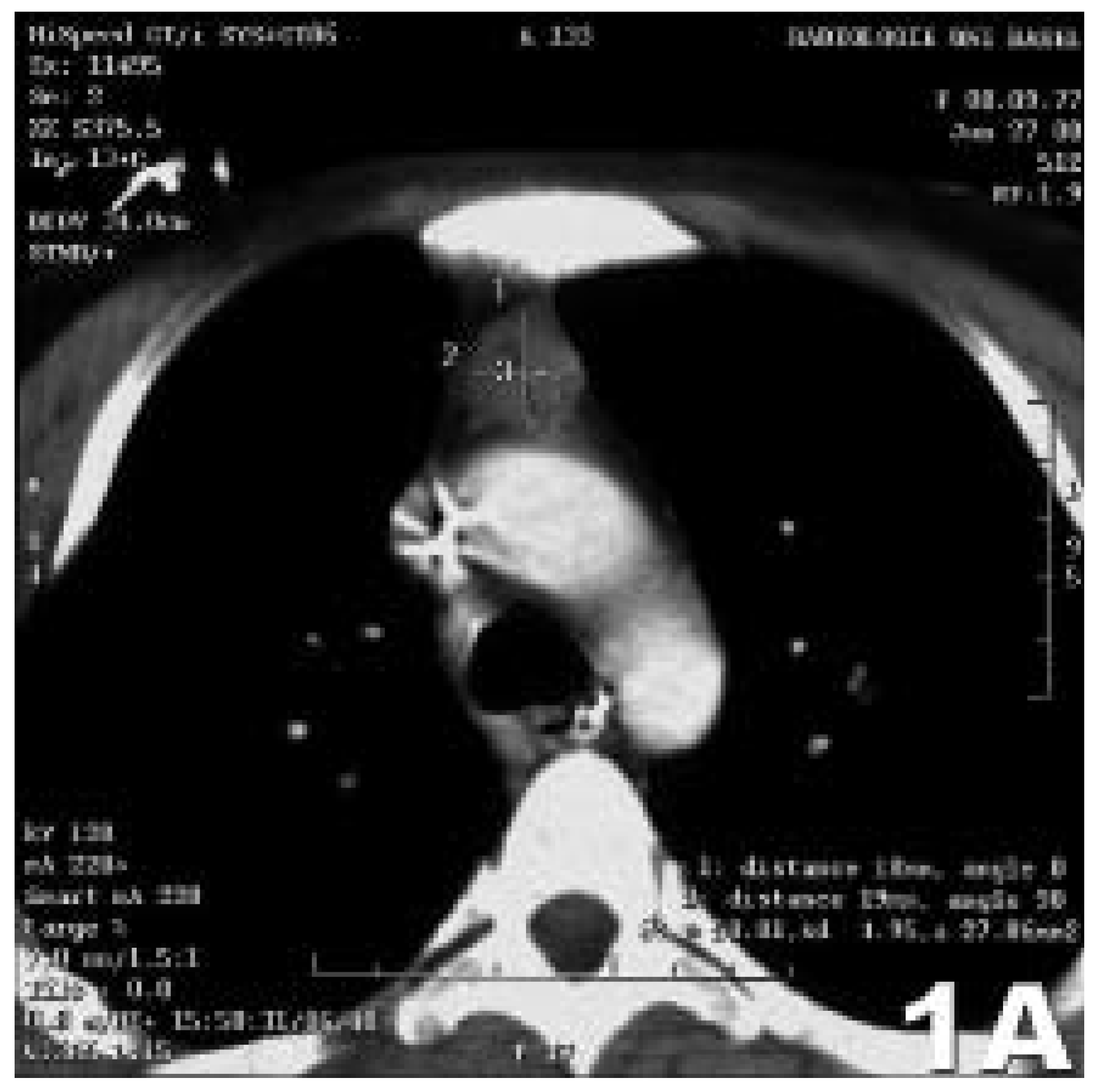
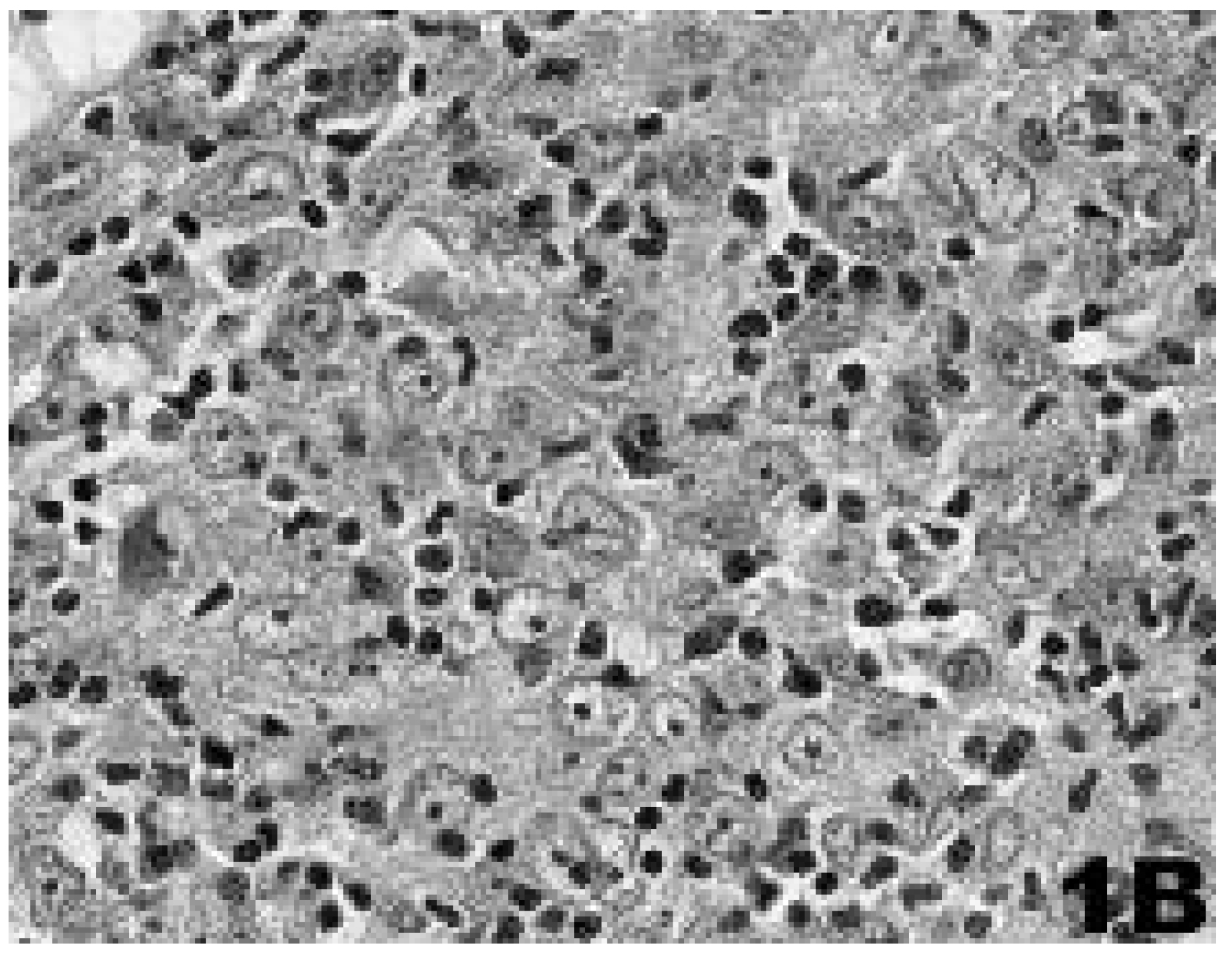
We report on a 22-year-old woman seen in the intensive care unit (ICU). She was a refugee from the Kosovar-Albanian region of former Yugoslavia. During the civil war of the late 1990s, she witnessed the murder of her husband, and she was raped. After her arrival in our country, she had more than ten emergency room visits where her relatives reported that she complained of nightmares, sadness, adynamia, as well as of generalised weakness, inappetence, difficulty to swallow and weight loss of more than 10 kg. The patient could not leave the apartment alone and almost always appeared at night in the emergency room because her relatives worked during the day. Direct communication with the patient was virtually impossible because of language barriers; her relatives closely watching over her were the only translators available during these nightly visits. Physical examination performed by emergency doctors, but not a neurologist, repeatedly did not reveal a somatic disorder and all laboratory tests were normal. After psychiatric consults and given her past, she was diagnosed with posttraumatic stress disorder and reactive depression. Psychiatric counselling was recommended; however, she did not show up at the appointments. The day of her current admission, she near-choked after eating a croissant. Unblocking bronchoscopy restored spontaneous respiration. However, she continued to have difficulties with breathing, showed generalised exhaustion and was therefore transferred to the ICU where her condition worsened despite treatment for aspiration pneumonia. Neurological examination revealed bilateral ptosis, facial biplegia and she was unable to swallow and lift her extremities against gravity. Her voice was low and her speech nasal and dysarthric. The clinical picture raised the suspicion of myasthenia gravis. After injection of 1 mg of the short-acting acetylcholinesterase inhibitor edrophonium chloride, she coughed so forcefully that she spat some left debris of the croissant into the face of the examiner, ptosis immediately disappeared and she could lift her extremities for a short time. Therapy with IV neostigmine (6 mg per day) and methylprednisolone (40 mg per day) was started and the patient stopped to deteriorate. Testing for anti-acetylcholine receptor antibodies was positive and repetitive stimulation showed a decrement of the compound muscle action potential of 14 and 10% at a frequency of 3 Hz and 5 Hz, respectively. Computed tomography of the chest disclosed a mediastinal precardial rounded soft-tissue mass compatible with thymoma (fig. 1A). Histopathological examination after thymectomy showed a microinvasive type B3 thymoma (WHO classification) (fig. 1B). She was staged Masaoka II, recovered steadily and was switched to oral medication with pyridostigmine (300 mg per day), prednisone (50 mg per day) and azathioprine (125 mg per day). She continued to improve, but missed her monthly control after five months: tragically, she was murdered by relatives according to unique ethnic practices because she spoilt the honour of her family when she was raped during the civil war (the trial in Switzerland is still pending).

Discussion

Myasthenia gravis is an autoimmune neuromuscular disorder mediated by the production of blocking autoantibodies targeting different epitopes of the postsynaptic part of the neuromuscular junction, leading to use-dependent muscular weakness [7,13,14]. The history, signs and symptoms, paraclinical testing and therapy of myasthenia gravis, as well as the radiological and histopathological aspects of the associated thymoma are exemplarily represented in our case.
Depression and PTSD rank among the most prevalent psychiatric disorders [2], affecting persons of all ages and cultures. Beyond the essentially psychiatric symptoms, patients also may complain of somatic symptoms. The caring psychiatrist is challenged to recognise when to attribute these symptoms to the psychiatric disorder itself and when to suspect an additional illness. Somatic disorders with symptoms and signs close to that of psychiatric ones may be particularly intriguing.
Some features of this case merit special consideration with respect to the problems of recognising neurological-psychiatric co-morbidity. Myasthenia gravis may evolve to a lethal disease when not timely diagnosed, and when swallowing and breathing become critically involved [15]. Initial bulbar symptoms were present in 30% of 175 patients [16]; in another study impaired swallowing was noted by 6% of 1487 patients as the first symptom, and bulbar or oculobulbar symptoms manifested in 15% within one month after disease onset [17]. More recently, bulbar signs and symptoms have been reported to be initially present in 29% of 101 patients [18]. Dysphonia, stridor and unilateral abducens nerve palsy as the first sign of myasthenia gravis were also reported [4,10,11,19]. The neurological differential diagnosis of myasthenia gravis with predominantly bulbar symptoms and absent or only weak fatigability are summarised in table 1. The patient showed an impressive reaction to edrophonium chloride that was not only diagnostic, but also therapeutic by clearing tracheal obstruction. The initially often unspecific and changing symptoms of myasthenia gravis may be misdiagnosed as depression or – even more complicating – masked by concomitant depression [3,7,12,21]. The waxing and waning of symptoms often misleads to the initial diagnosis of a psychiatric disorder (cf. table 2A). Conversely, myasthenia gravis as a chronic illness with unpredictable course and symptoms that daily interfere with personal activities can lead to psychiatric, predominantly depressive symptoms and neurocognitive impairment (table 2B). However, sound epidemiological data about the prevalence of neurocognitive and psychiatric comorbidity in patients with myasthenia gravis are rare and range within 10 and 60% depending on the criteria used in these studies [22,23].
Physicians in Western countries increasingly face refugees with a past of horrible war crimes and suffering from depression and PTSD [30,31]. Beyond the psychological difficulties to take the history in these deeply violated patients, simple language and ethnic barriers (e.g. female patients not allowed to talk to a male doctor) may substantially impede the demanding diagnostic and therapeutic process of disorders like myasthenia gravis [32]. Medical teaching stresses the importance of a unifying diagnosis that comprehensively covers for almost all aspects of the disease of the patient (“one diagnosis fits it all”). However, some patients may not comply with this rule and suffer from two different diseases. Special caution is warranted in patients with recurrent emergency room visits despite an “obvious” diagnosis and in whom the history cannot be taken reliably.

References

  1. Porter SC, Fein JA, Ginsburg KR. Depression screening in adolescents with somatic complaints presenting to the emergency department. Ann Emerg Med. 1997;29:141–5.
  2. Zatzick D. Posttraumatic stress, functional impairment, and service utilization after injury: a public health approach. Semin Clin Neuropsychiatry. 2003;8:149–57.
  3. Sneddon J. Myasthenia gravis – the difficult diagnosis. Br J Psychiatry. 1980;136:92–3.
  4. Hanson JA, Lueck CJ, Thomas DJ. Myasthenia gravis presenting with stridor. Thorax. 1996;51:108–9.
  5. Beekman R, Kuks JB, Oosterhuis HJ. Myasthenia gravis: diagnosis and follow-up of 100 consecutive patients. J Neurol. 1997;244:112–8.
  6. LoVecchio F, Jacobson S. Approach to generalized weakness and peripheral neuromuscular disease. Emerg Med Clin North Am. 1997;15:605–23.
  7. Pourmand R. Myasthenia gravis. Dis Mon. 1997;43:69–105.
  8. Maher J, Grand’Maison F, Nicolle MW, Strong MJ, Bolton CF. Diagnostic difficulties in myasthenia gravis. Muscle Nerve. 1998;21:577–83.
  9. Gyawali P, Rangedara DC. Iatrogenically revealed myasthenia gravis. Int J Clin Pract. 1999;53:645.
  10. Cridge PB, Allegra J, Gerhard H. Myasthenic crisis presenting as isolated vocal cord paralysis. Am J Emerg Med. 2000;18:232–3.
  11. Feuer H, Jagoda A. Myasthenia gravis presenting as a unilateral abducens nerve palsy. Am J Emerg Med. 2001;19:410–2.
  12. Santy PA. Undiagnosed myasthenia gravis in emergency psychiatric referrals. Ann Emerg Med. 1983;12:397–8.
  13. Siao P, Cros DP, Zuckerberg LR. Case records of the Massachusetts General Hospital. Case 15-2000. N Engl J Med. 2000;342:1508–14.
  14. Vincent A. Unravelling the pathogenesis of myasthenia gravis. Nat Rev Immunol. 2002;2:797–804.
  15. Salazar Cabrera C, del Rosario de Saa Alvarez M, Aparicio Perez MS, Marcos Calle J, Garcia Garcia B. Myasthenia gravis: the otolaryngologist’s perspective. Am J Otolaryngol. 2002;23:169–72.
  16. Carpenter RC, Mc Donald TJ, Howard EM. The otolaryngologic presentation of myasthenia gravis. Laryngoscope. 1979;89:922–8.
  17. Grob D, Arsura EL, Brunner NG, Namba T. The course of myasthenia gravis and therapies affecting outcome. Ann N Y Acad Sci. 1987;505:472–99.
  18. Wirtz PW, Sotodeh M, Nijnuis M, Van Doorn PA, Van Engelen BG, Hintzen RQ, et al. Difference in distribution of muscle weakness between myasthenia gravis and the Lambert-Eaton myasthenic syndrome. J Neurol Neurosurg Psychiatry. 2002;73:766–8.
  19. Emeryk-Szajewska B, Maniecka-Aleksandrowicz B, Michalska T, Trugalska H, Rowinska-Marcinska K. Dysphonia as the first sign of myasthenia gravis. Otolaryngol Pol. 1998;52(5):565–70.
  20. Engstrom JW. Myasthenia gravis: diagnostic mimics. Semin Neurol. 2004;24:141–7.
  21. Ueda N, Nakamura J, Amano T, Tsuji S. A case of myasthenia gravis preceded by major depression. J Neuropsychiatry Clin Neurosci. 2001;13:116–7.
  22. Magni G, Micaglio GF, Lalli R, Bejato L, Candeago MR, Merskey H, et al. Psychiatric disturbances associated with myasthenia gravis. Acta Psychiatr Scand. 1988;77:443–5.
  23. Paul RH, Cohen RA, Gilchrist JM, Aloia MS, Goldstein JM. Cognitive dysfunction in individuals with myasthenia gravis. J Neurol Sci. 2000;179:59–64.
  24. Chafetz ME. Psychological disturbances in myasthenia gravis. Ann N Y Acad Sci. 1966;135:424–7.
  25. Tennant C, Wilby J, Nicholson GA. Psychological correlates of myasthenia gravis: a brief report. J Psychosom Res. 1986;30:575–80.
  26. Keesey JC. Does myasthenia gravis affect the brain? J Neurol Sci. 1999;170:77–89.
  27. Paul RH, Cohen RA, Goldstein JM, Gilchrist JM. Severity of mood, self-evaluative, and vegetative symptoms of depression in myasthenia gravis. J Neuropsychiatry Clin Neurosci. 2000;12:499–501.
  28. Paul RH, Nash JM, Cohen RA, Gilchrist JM, Goldstein JM. Quality of life and well-being of patients with myasthenia gravis. Muscle Nerve. 2001;24:512–6.
  29. Paul RH, Cohen RA, Gilchrist JM. Ratings of subjective mental fatigue relate to cognitive performance in patients with myasthenia gravis. J Clin Neurosci. 2002;9:243–6.
  30. Cheung P. Somatisation as a presentation in depression and posttraumatic stress disorder among Camodian refugees. Aust N Z J Psychiatry. 1993;27:422–8.
  31. Moreno A, Grodin MA. Torture and its neurological sequelae. Spinal Cord. 2002;40:213–23.
  32. Burnett A, Peel M. Health needs of asylum seekers and refugees. Br Med J. 2001;322:544–7.
Figure 1A. CT scan showing thymoma. Contrast-enhanced CT scan reveals a well-circumscribed rounded mass in the anterior mediastinum outlined by fat and with homogeneous enhancement (58 Hounsfield units at region-of-interest) compatible with a thymoma; the lesion measures 19 × 18 mm.
Sanpp 158 00150 g001
Figure 1B. Histopathology of thymoma. Type B3 thymoma; lymphoepithelial tumour with predominance of neoplastic epithelial cells with round or polygonal shape and some degree of atypia. They are admixed with a minor component of lymphocytes (HE; 63x).
Sanpp 158 00150 g002
Table 1. Neurological differential diagnosis of myasthenia gravis with predominantly bulbar symptoms and signs (adapted from Engstrom [20]).
Sanpp 158 00150 i001
Tabelle 2. Psychiatric aspects of myasthenia gravis.
Sanpp 158 00150 i002