
Article

Preliminary Study on Prevalence of Obesity and Lifestyle Behaviors Among People Living with HIV in Romania: A Cross-Sectional Analysis

by
Manuela Arbune
1,2,3,
Alina Plesea-Condratovici
1,4,*,
Anca Adriana Arbune
5,6,
Lavinia-Alexandra Moroianu
1,2,7,
Mariana Stuparu-Cretu
1 and
Catalin Plesea-Condratovici
1,8
1
Faculty of Medicine and Pharmacy, Research Centre in the Field of Medical and Pharmaceutical Sciences (ReForm-UDJ), “Dunărea de Jos” University, 800008 Galati, Romania
2
Clinical Medical Department, “Dunărea de Jos” University, 800008 Galati, Romania
3
Clinical Hospital for Infectious Diseases “Sf. Cuv. Parascheva”, 800179 Galati, Romania
4
Clinical Department, “Dunărea de Jos” University, 800008 Galati, Romania
5
Multidisciplinary Integrated Center of Dermatological Interface Research (MIC-DIR), “Dunărea de Jos” University, 800008 Galati, Romania
6
Department of Stress Prevention and Research, “Prof. Dr. Al. Obregia” Psychiatry Clinical Hospital, 041914 Bucharest, Romania
7
Clinical Hospital of Psychiatry “Elisabeta Doamna”, 800179 Galati, Romania
8
Department of Morphological and Functional Sciences, “Dunărea de Jos” University, 800008 Galati, Romania
*
Author to whom correspondence should be addressed.
Germs 2026, 16(2), 14; https://doi.org/10.3390/germs16020014 (registering DOI)
Submission received: 25 January 2026 / Revised: 27 February 2026 / Accepted: 26 May 2026 / Published: 12 June 2026

Abstract

Background/Objectives: Obesity is an increasing challenge among people living with HIV (PLWH). This study aimed to assess the prevalence of general and abdominal obesity and its association with lifestyle in adult Romanian PLWH, providing the first national data. Methods: A single-center, cross-sectional study involved 106 adult PLWH. Eating behavior was assessed using the Rapid Eating Assessment for Participants—Short Version (REAP-S) and physical activity with the General Practice Physical Activity Questionnaire (GPPAQ), both standardized and validated. Anthropometric, clinical, and virological data were collected from medical records and direct measurement. Results: Median age was 36 years [IQR 33–42], 83.3% were male, and 73.6% lived in urban areas. Median time since HIV diagnosis was 11 years, and 60.4% had AIDS-defining illness. General obesity (BMI ≥ 30 kg/m2) occurred in 17.9%, overweight in 29.2%, and high-risk abdominal obesity in 22.6%. Physical inactivity was reported by 20.8%. Multivariable analysis showed that being moderately or physically active was the only independent predictor of abdominal obesity (OR 0.19; 95% CI, 0.07–0.51; p = 0.001). Conclusions: In this young Romanian cohort of PLWH, physical activity reduces the risk of abdominal obesity, underscoring the need to integrate such interventions into the standard of care to reduce metabolic risk associated with HIV.

1. Introduction

The prognosis of human immunodeficiency virus (HIV) infection and acquired immunodeficiency syndrome (AIDS) has dramatically improved with the development of antiretroviral therapies (ARTs), which enable sustained viral suppression, immune recovery, and the turning of this infection into a chronic condition with a life expectancy comparable to that of the general population [1,2]. Although current therapies are highly effective, adherence is essential to maintain viral control over a lifetime.
As life expectancy and quality of life increase among people living with HIV (PLWH), new health challenges have emerged that are independent of HIV itself. The clinical focus has shifted from managing weight loss and wasting to addressing obesity. In the era of effective antiretroviral therapy, weight gain—once a marker of immune recovery and viral suppression—now poses significant cardiometabolic risk, including increased incidence of diabetes, hypertension, dyslipidemia, and ectopic fat deposition, particularly in the liver and pericardium [2,3,4].
Weight gain is a well-recognized phenomenon in the general population worldwide, particularly among middle-aged adults, and is attributed to factors such as diet, physical inactivity, and the physiological decline of basal metabolism. Globally, the prevalence of overweight and obesity in the adult general population is estimated at 43%, with regional variations ranging from 31% in Asia and Africa to 67% in the Americas [5].
Weight dynamics in PLWH follow general population trends but also show specific characteristics. Obesity is a defining component of metabolic syndrome, a major public health concern worldwide, and its prevalence is rising among PLWH, with variations depending on geographic region [6,7]. The risk of metabolic disorders is associated with traditional factors, such as unhealthy lifestyle habits, as well as HIV-related and ART-related factors [8,9]. A meta-analysis of 102 studies across five continents reported an overall prevalence of metabolic syndrome among PLWH of 25.3%, with a 1.5-fold higher risk in individuals exposed to ART and a 1.6-fold higher risk compared to HIV-uninfected populations [10].
The weight gain observed among PLWH in recent years mirrors global obesity trends, coinciding with the introduction of newer antiretroviral agents [11]. Specific agents, such as integrase strand transfer inhibitors and Tenofovir Alafenamide, have been associated with greater increases in body weight in real-world cohorts, and ART-related weight gain has been linked to deteriorations in health-related quality of life [1,11,12]. Beyond the general factors contributing to weight gain, ART represents an additional risk factor for obesity, affecting populations unequally [1,2,12,13,14,15]. Factors associated with weight gain following ART initiation include immune recovery in individuals with advanced immunosuppression, metabolic changes due to exposure to newer antiretroviral agents, older age, genetic predisposition, and lifestyle factors. In the coming years, obesity and its related complications are expected to rank among the leading causes of death and disability [16,17,18].
Despite numerous studies, key questions remain regarding the mechanisms by which ART contributes to weight gain, interactions with genetic and environmental factors, and the long-term clinical implications of obesity in PLWH [19].
Weight gain often occurs more rapidly during the first two years after ART initiation, suggesting an additional effect attributable to HIV infection and antiretroviral medication [17,20]. To date, research on lifestyle factors contributing to obesity in PLWH remains limited, and standardized, comparable methodologies remain scarce [21].
While international studies report rising obesity and metabolic syndrome among PLWH, data from Romania are scarce. Although over 18,000 PLWH are currently registered, obesity prevalence in this population is unknown [22]. This gap is particularly relevant given Romania’s high background obesity rate (38.2%), the highest in Europe [5]. Generating local evidence is therefore essential to inform targeted prevention strategies and optimize long-term HIV care.
Accordingly, this study aims to evaluate the frequency of obesity and the influence of lifestyle behaviors among PLWH at a single center in southeastern Romania. Secondary objectives include exploring how ART regimen, demographic factors, and modifiable lifestyle behaviors contribute to obesity, providing evidence to guide clinical care and public health interventions.

2. Materials and Methods

2.1. Study Design and Participants

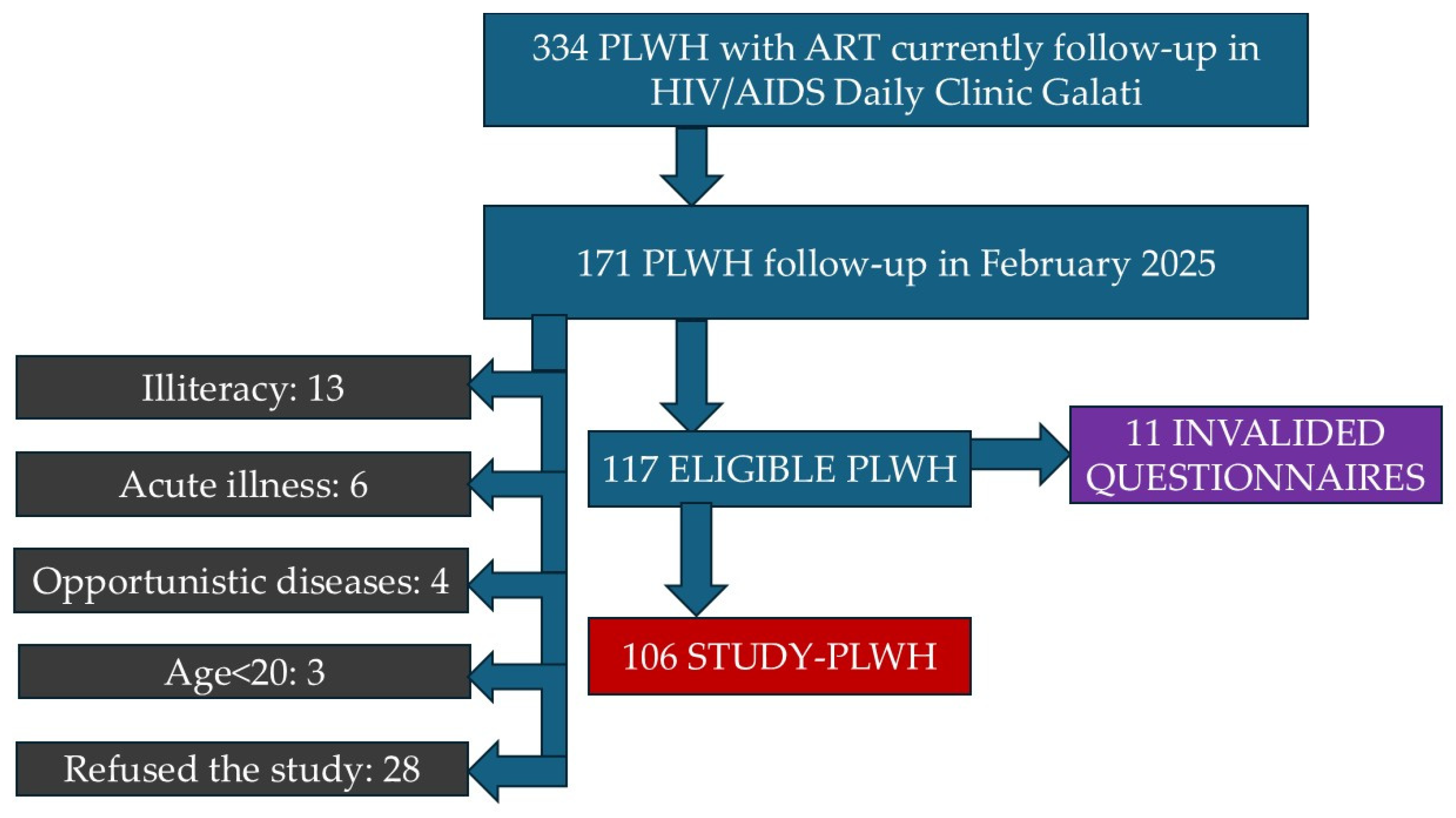
We conducted a single-center, cross-sectional study to evaluate the prevalence of obesity and to identify associated sociodemographic, clinical, and lifestyle factors among PLWH in southeastern Romania. Participants were recruited consecutively from those attending routine follow-up visits at the HIV/AIDS Day Clinic of the Clinical Hospital of Infectious Diseases Galați during February 2025. All participants provided written informed consent.

2.2. Inclusion and Exclusion Criteria

Eligible participants were adults (>20 years) with a documented HIV diagnosis, receiving ART for at least one year and able to complete the study questionnaire. Exclusion criteria included illiteracy, presence of opportunistic infections or acute illnesses, and incomplete questionnaires. A consecutive sampling strategy was applied, and all eligible individuals during the study period were invited (Figure 1).

2.3. Data Collection and Variables

Demographic information (age, sex, residence, education level) and HIV-related data (duration since diagnosis, number of previous ART regimens, current ART regimen and duration) were collected through a structured questionnaire and supplemented medical record review.
Eating behaviors were assessed with the Rapid Eating Assessment for Participants—Shortened Version (REAP-S), a 15-item internationally validated tool for evaluating eating habits in adults [23]. For use in Romania, the REAP-S was translated into Romanian, following standard forward–backward translation procedures in line with internationally recommended guidelines for cross-cultural adaptation of self-report measures [24]. This process ensures that the questionnaire is linguistically and conceptually equivalent to the original instrument and is appropriate for the local cultural context [24,25,26]. Each question was scored on a 3-point Likert-type scale. Motivation to change dietary habits was self-reported on a 5-point scale (“Not at all”, “I have gained weight, but it does not bother me”, “It bothers me somewhat,” “It bothers me considerably,” and “It majorly affects my life”).
Physical activity was evaluated with the General Practice Physical Activity Questionnaire (GPPAQ), validated internationally for adults [27,28,29,30]. Participants were categorized as Active (physically demanding occupation and/or ≥3 h per week of moderate-to-vigorous physical activity), Moderately Active (moderate occupational activity and/or 1–2.9 h per week of moderate-to-vigorous activity), Moderately Inactive (sedentary occupation with <1 h per week of moderate-to-vigorous activity), and Inactive (sedentary occupation and no reported moderate or vigorous physical activity). For the purpose of statistical analysis, these categories were further dichotomized into Active/Moderately Active/Moderately Inactive versus Inactive. ART adherence was assessed as self-reported percentage of doses taken in the previous month.
All procedures, including instrument administration, translation, and adaptation, were conducted following internationally recognized methodological standards to ensure the internal and external validity of the study.

2.4. Clinical and Laboratory Assessment

Clinical records were reviewed to collect data on CDC HIV stage that were grouped as AIDS or non-AIDS [31]. CD4 count and HIV viral load were measured at the visit. CD4 counts were determined via flow cytometry (CyFlow Counter, Sysmex Partec GmbH, Gorlitz, Germany), and HIV RNA levels were quantified using the GeneXpert® System (Cepheid, Sunnyvale, CA, USA). Clinical examination included anthropometric measurements: weight (W, kg), height (H, cm), and abdominal circumference (AC, cm).
BMI (Body Mass Index) was calculated as BMI = W/H2 (kg/m2) and categorized according to WHO criteria: underweight (<18.5 kg/m2), normal weight (18.5–24.9 kg/m2), overweight (25–29.9 kg/m2), and obese (≥30 kg/m2). Abdominal obesity was defined using sex-specific AC thresholds and classified into three ordinal categories: Normal (man < 94 cm; women < 80 cm), Increased (Borderline men: 94–102 cm; women: 80–88 cm), or High (Obese, men > 102 cm; women > 88 cm) [32,33].

2.5. Statistical Analysis

An initial statistical analysis was performed using XLSTAT v19.1 (Addinsoft, Paris, France). To ensure maximum rigor and validate all findings, the entire dataset was subsequently re-analyzed independently using IBM SPSS Statistics for Windows, Version 28.0 (IBM Corp., Armonk, NY, USA). Publication-quality figures were generated using the Matplotlib and Seaborn libraries in Python, version 3.11. A two-sided p-value of <0.05 was considered to indicate statistical significance for all tests.
Collected data were organized into continuous and categorical variables and analyzed using descriptive and comparative statistical methods.
Descriptive statistics were used to characterise the study cohort. Continuous variables were first assessed for normality of distribution using the Shapiro–Wilk test. Normally distributed data were presented as mean and standard deviation (SD), while non-normally distributed data were presented as median and Interquartile Range (IQR). Categorical variables were described using frequencies (n) and percentages (%).
For bivariate analyses, the Independent-Sample T-test was used to compare normally distributed continuous variables between two groups (males vs. females), whereas the Mann–Whitney U test was applied for non-normally distributed data. For comparisons of continuous variables across the three abdominal obesity categories, One-Way ANOVA with Tukey’s post-hoc test or the Kruskal–Wallis test was used, as appropriate. Associations between categorical variables were evaluated using Pearson’s Chi-Square test.
To identify independent predictors of abdominal obesity, a multivariable binary logistic regression model was constructed to predict high-risk abdominal obesity. The model included age, sex, physical activity level, education level, and viral load status as covariates, based on their clinical relevance and significance in bivariate analyses. Abdominal obesity was dichotomized (Normal vs. Increased WC/High WC) for this analysis. Variables that were significant in the bivariate analysis or were of key clinical importance were included as covariates. Due to the issue of complete separation observed with the three-level physical activity variable, it was dichotomized into Inactive versus Moderately Active/Inactive or Active for the final model. Odds ratios (OR) and their 95% confidence intervals (CI) were reported. Exploratory stratified analyses were also performed to investigate sex-specific associations.

2.6. Ethical Considerations

Data confidentiality was maintained in accordance with the General Data Protection Regulation (GDPR). Participation was independent of sex, race, or religious/political beliefs. The study adhered to the updated Declaration of Helsinki and was approved by the Medical Council of the Clinical Hospital of Infectious Diseases “Sf. Cuv. Parascheva” Galați [No. 1/2, 21 January 2025]. The study methodology followed the regulations of “Dunărea de Jos” University, Galați.

3. Results

3.1. Demographic and HIV-Related Characteristics

The study cohort comprised 106 participants, with a predominance of males (56.6%, n = 60). The median age of the cohort was 36.0 years (Interquartile Range [IQR] 33.0–42.0), with no significant difference between sexes. Most participants resided in urban areas (73.6%). Urban residence was significantly more common in males compared to females (83.3% vs. 60.9%, p = 0.009). Although 72.7% of PLWH had completed at least a high school education, a greater proportion of females had a lower level of formal education (p = 0.012).
The clinical profile indicated a population with long-standing HIV infection, with a median duration since diagnosis of 11.0 years (IQR 4.0–15.0). Most participants (60.4%) had a history of an AIDS-defining illness. At the time of assessment, the cohort was immunologically stable, with a median CD4 count of 614.5 cells/mm3 (IQR 354.0–796.0), and exhibited good virological control, with 79.2% of individuals having an undetectable HIV viral load. There were no statistically significant differences in these key clinical parameters between males and females (Table 1).

3.2. Characteristics of HIV Antiretroviral Therapy

All participants were receiving ART at the time of the study. The cohort was largely treatment-experienced, with a median of 3.0 prior ART regimens (Interquartile Range [IQR] 2.0–5.0). The median duration of the current regimen was 2.0 years (IQR 1.0–4.0).
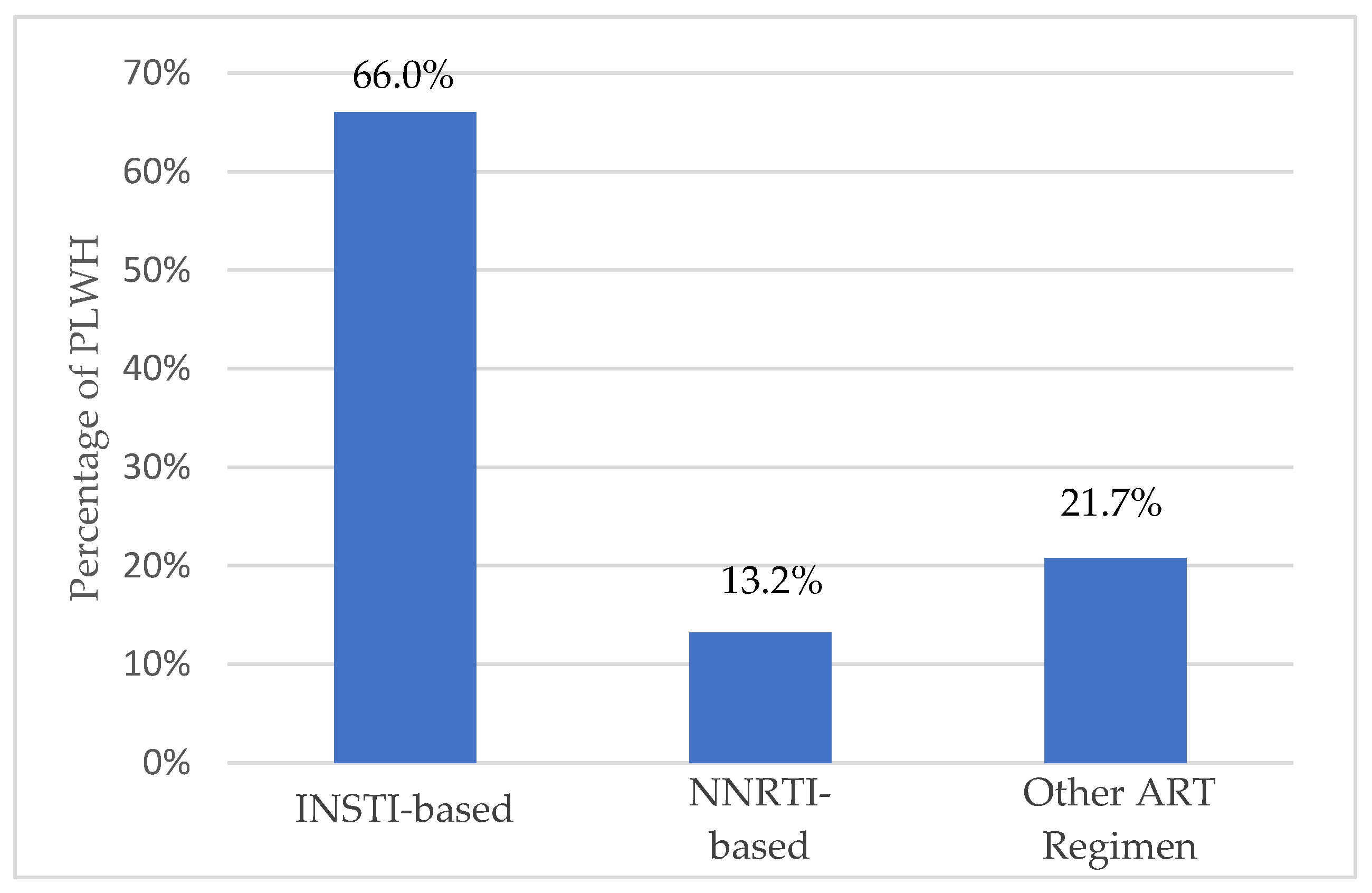
Most participants (66.0%, n = 70) were on an integrase strand transfer inhibitor (INSTI)-based regimen (Figure A1). The most frequently used specific combination was Bictegravir/Emtricitabine/Tenofovir Alafenamide, accounting for 43.4% of prescriptions. Self-reported adherence to therapy was high, with a median adherence rate of 97.0% (IQR 93.0–100.0). Overall, 74.5% of participants reported an optimal adherence of over 95% in the previous month.

3.3. Prevalence of General and Abdominal Obesity

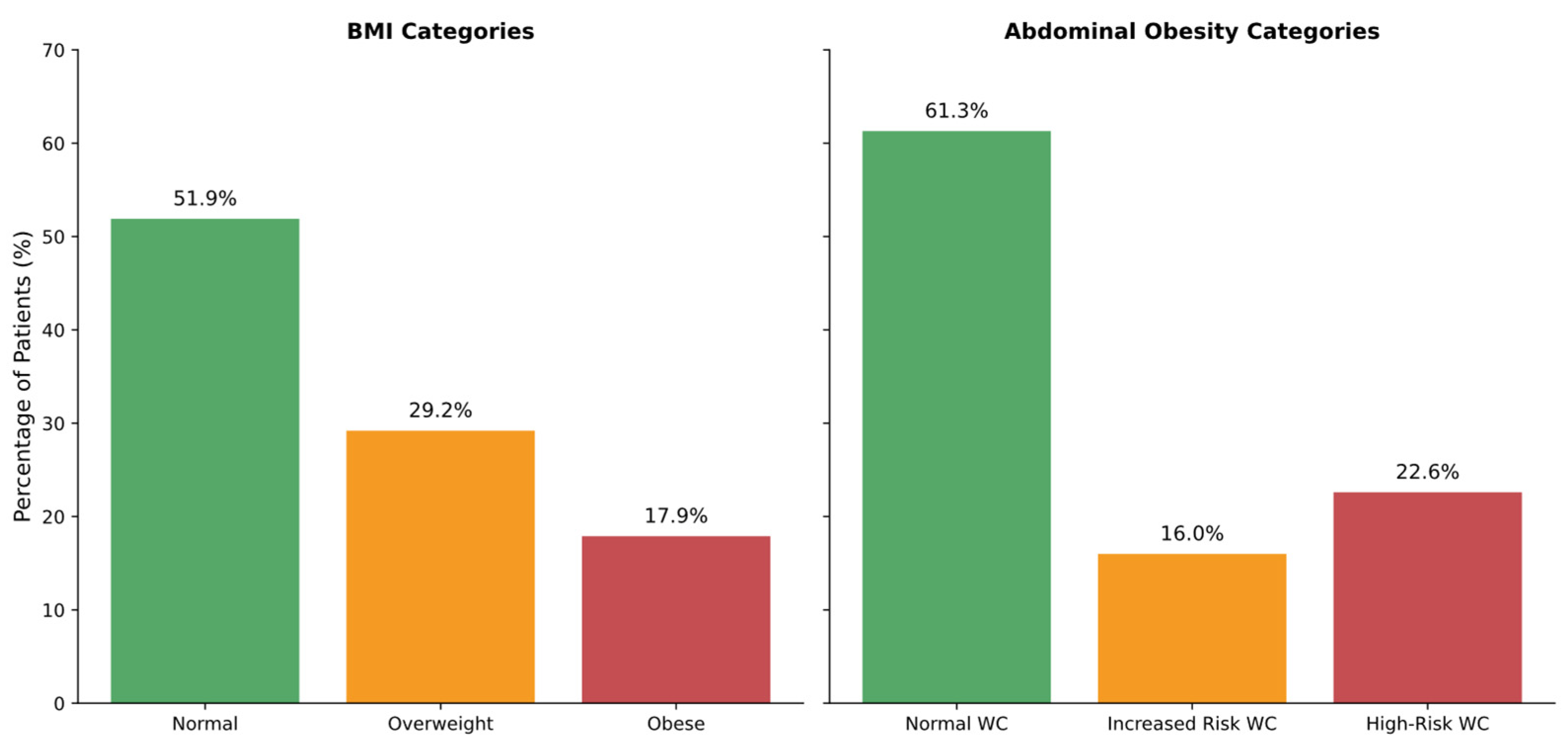
The anthropometric analysis revealed a significant burden of excess weight within the cohort. The prevalence of general obesity, defined as a Body Mass Index (BMI) ≥ 30.0 kg/m2, was 17.9% (n = 19). A further 29.2% (n = 31) of participants were classified as overweight (BMI 25.0–29.9 kg/m2), indicating that nearly half of the cohort (47.1%) exceeded the normal weight range.
When assessed by waist circumference, 22.6% (n = 24) of participants met the criteria for high-risk abdominal obesity, a key indicator of cardiometabolic risk. High-risk abdominal obesity (waist circumference >102 cm in men, >88 cm in women) was observed in 16.7% of males and 30.4% of females. An additional 16.0% (n = 17) were in the increased (borderline) category (Figure A2). There were no statistically significant differences in the prevalence of either general obesity (p = 0.239) or abdominal obesity (p = 0.239) between males and females.

3.4. Lifestyle Behaviors

The assessment of lifestyle behaviors revealed areas of concern for alcohol consumption, smoking, eating habits, and physical activity.
Almost one-third of PLWH (31.1%) reported alcohol use, with a significantly higher proportion among males (46.7% vs. 10.9%, p < 0.001). Current smoking was reported by 46.2% of PLWH, with no significant differences between sexes.
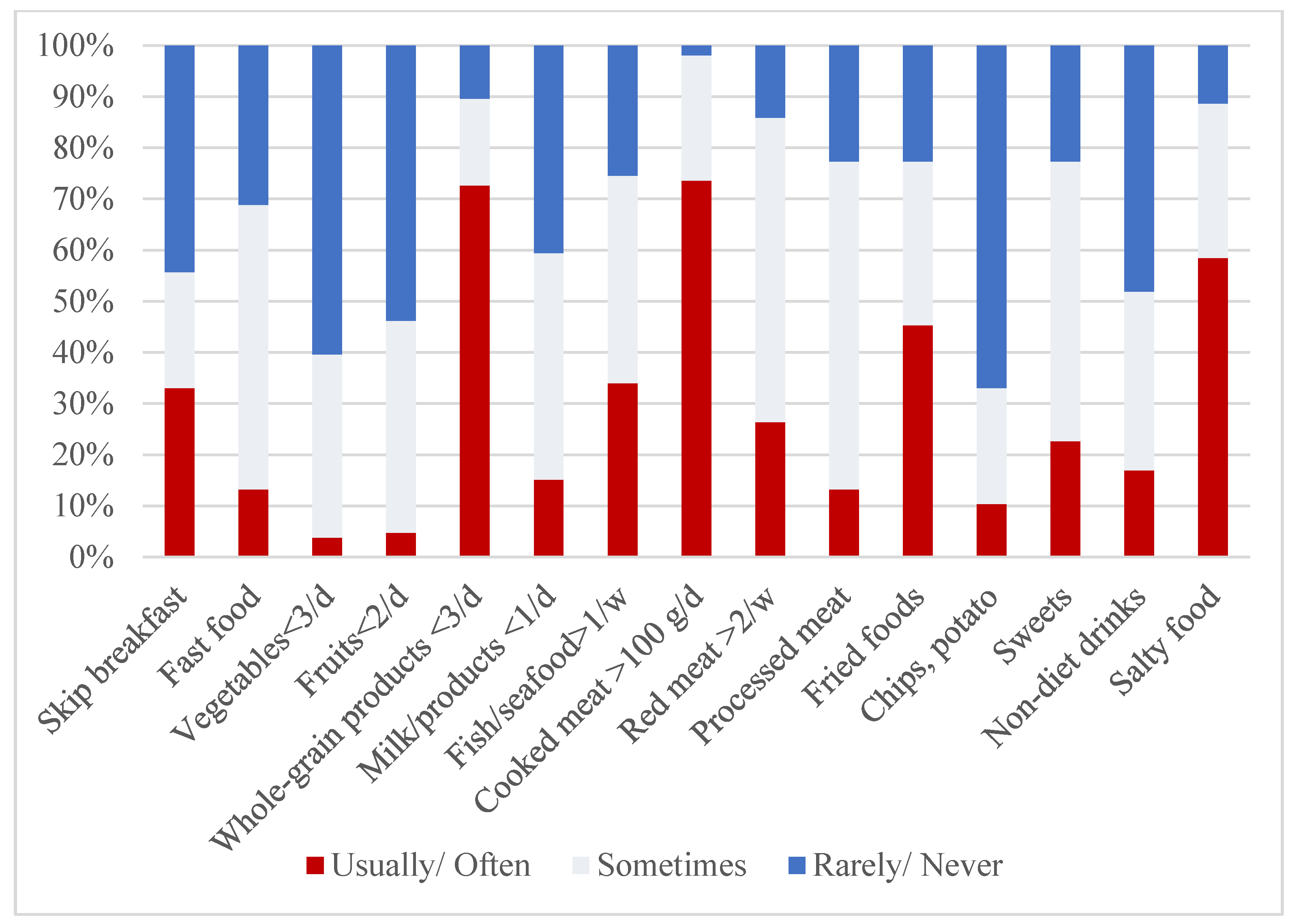
The dietary habits, as measured by the REAP-S score, had a median [IQR] of 27.0 [25.0–30.0]. Females reported significantly higher scores, indicating less favorable dietary patterns compared to males (median 28.0 vs. 26.5, p = 0.044). The most common eating pattern was low consumption of fast food, chips, processed meat products, or sugar-sweetened/carbonated beverages, reported by fewer than 20% of participants. Frequent consumption of whole grains and cooked meat was observed. The most common unfavorable dietary practices included skipping breakfast, low intake of fruits and vegetables, limited consumption of milk and dairy products, and frequent intake of salty foods. In addition, one-third of participants reported low consumption of fish and seafood, while nearly half reported a preference for fried foods (Figure A3).
However, no significant correlations were found between these habits and obesity, either in males or females, as assessed by BMI and waist circumference.
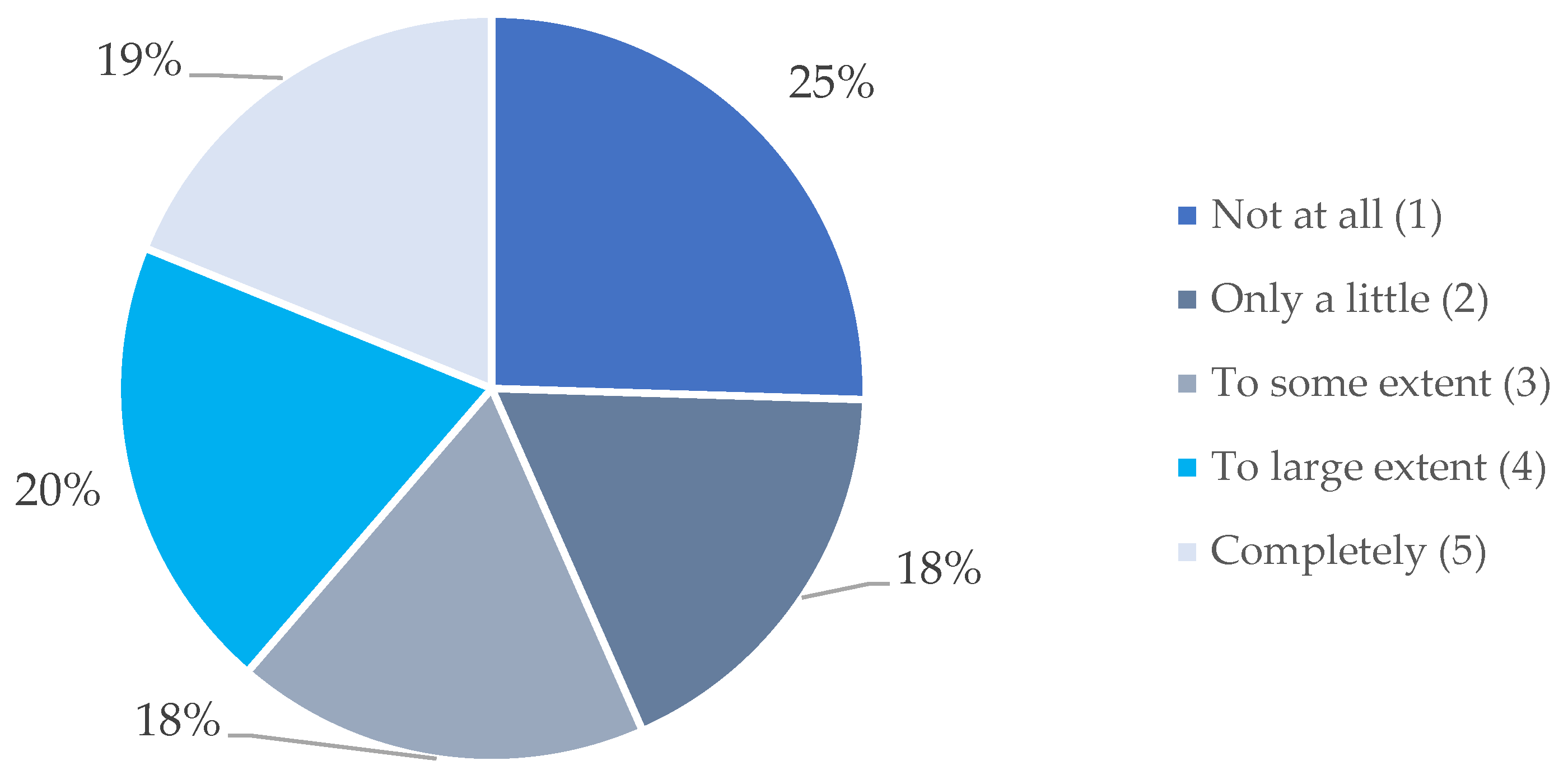
In response to the question regarding perceived weight gain over the past year, 86% of PLWH did not consider themselves to have gained weight, 7.5% acknowledged weight gain but reported no concern, and 6.5% indicated that weight gain affected them. Only 19% of participants considered their diet to be healthy, while the remaining participants expressed a desire to improve their dietary behaviors, assessed on a 1-to-5 scale (Figure A4).
In terms of physical activity, 20.8% of participants were classified as inactive, with more women than men, although the difference was not statistically significant (26.1% vs. 16.7%; p = 0.480).

3.5. Analysis of Factors Associated with Obesity in PLWH

To identify factors associated with central adiposity, we first conducted bivariate analyses, the results of which are summarized in Table 2.
In the overall cohort, a higher prevalence of high-risk abdominal obesity was significantly associated with physical inactivity (p < 0.001), an older age group (≥40 years) (p = 0.039), and a detectable HIV viral load (p = 0.021). Among participants, obesity prevalence was 19% in the INSTI group and 15% in the non-INSTI group; abdominal obesity prevalence was 24% vs. 21%, respectively. Due to the small sample size, multivariable analysis stratified by regimen type was not performed. Notably, no statistically significant bivariate associations were found for ART-related variables, including specific regimen classes or a history of multiple prior therapies.
An exploratory sex-stratified analysis suggested possible differences between groups. Among women (n = 46), increased WC was more frequently observed in physically inactive participants (OR = 6.27, 95% CI: 1.53–25.55; p = 0.010), with a borderline association observed in those over 40 years of age (OR = 3.33, 95% CI: 0.96–11.53; p = 0.053). In men (n = 60), increased WC appeared to be associated with detectable viral load (OR = 7.00, 95% CI: 1.53–32.00; p = 0.012); however, this relationship did not remain statistically significant after adjustment in the multivariable model (Table 3).
Physical activity was independently associated with high-risk waist circumference in the multivariable logistic regression model, after adjusting for age, sex, viral load, and education (Table 3). Dietary habits were not independently associated. The lack of correlations between obesity and dietary habits, smoking, alcohol consumption, or education level may be explained by the small sample size, the relative homogeneity of behaviors and Caucasian race within a limited geographic area, and the possible underreporting of consumption in this questionnaire-based study. This hypothesis should be interpreted cautiously, as these mechanisms were not assessed in this study.

4. Discussion

Our study indicates that physical activity is the strongest independent factor protecting against abdominal obesity among stable PLWH. Although ART-related factors are often highlighted in the literature, our findings suggest that in virologically suppressed and immunologically stable participants, modifiable lifestyle behaviors—particularly exercise exert a dominant role.

4.1. Obesity and Lifestyle in PLWH

In our cohort of PLWH receiving ART, physical activity as a lifestyle factor appeared to influence the prevalence of increased WC (Table 2). However, the prevalence and patterns of obesity and weight gain among PLWH on ART may vary according to populations and geographic regions. A large meta-analysis showed higher obesity risk among women, ethnic minorities, and individuals with lower socioeconomic status [34]. In the United States, the proportion of obese individuals at ART initiation increased from 9% (1998) to 18% (2010), reflecting broader population trends influenced by food insecurity, limited opportunities for physical activity, and mental health challenges [34].
A 12-year retrospective study from Italy evaluated PLWH with BMI > 25 kg/m2 (OBHIV cohort), of whom 67% were overweight and 33% obese. Compared with the general population, this cohort had a higher risk of metabolic and cardiovascular complications, which should be considered in ART management [35]. The LIFEH study is a prospective observational cohort launched in Italy (Brescia), designed to investigate lifestyle-related risks for weight gain, overweight, and obesity among PLWH treated with ART for at least two years [24]. Alongside the OBHIV cohort, the LIFEH study emphasized that baseline obesity, diet, and physical activity are primary determinants of weight gain, independent of ART or immuno-virological parameters [24,35,36].
Current evidence shows that the relationship between abdominal obesity and CD4 cell count is highly variable, with no consistent correlation in virologically suppressed participants on modern ART [37,38]. While higher BMI or body fat at therapy initiation may be associated with short-term immunological recovery [39,40] and “return-to-health”, this effect does not persist long-term. The underlying mechanisms are multifaceted. Abdominal obesity drives chronic adipose tissue inflammation, CD4 cell activation, exhaustion, and senescence, contributing more to systemic inflammation than to changes in total CD4 count [41,42]. Genetic and epigenetic factors further explain interindividual variability [24,39,41,42,43,44,45]. In our cohort, no significant association was observed between current CD4 count or nadir CD4 < 200/mm3 and increased waist circumference (Table 2), supporting the view that central adiposity in stable PLWH reflects metabolic and inflammatory dysfunction rather than a direct predictor of CD4 count.
Modern ARTs, particularly integrase strand transfer inhibitors (INSTIs), are associated with significant weight gain, especially in the first 1–2 years after ART initiation, especially in women and Black individuals [46,47,48,49]. However, in virologically suppressed and immunologically stable participants, they were not independent predictors of abdominal obesity, while physical activity emerged as the dominant predictive factor.
This aligns with the consensus that, although ART may drive early weight gain, long-term obesity risk [46,47,48,49] is increasingly determined by traditional lifestyle factors, particularly physical inactivity [2,4,14,46,47,48,49]. Clinical guidelines emphasize lifestyle interventions—diet and exercise—over ART switching for weight management in stable PLWH, as changing regimens rarely reverses established weight gain and may pose additional risks [2,14].
Routine monitoring of weight and counseling on physical activity are essential, and pharmacologic anti-obesity agents may be considered in select cases [1,11,50].

4.2. Physical Activity in PLWH

Physical activity is a key lifestyle dimension linked to obesity, yet sedentary behavior is prevalent among PLWH, with 20.8% of participants in our study reporting no exercise or less than one hour of daily activity. Consistent with Table 2, sedentary participants were more likely to have increased waist circumference, and although dietary habits were not directly correlated with waist circumference, some suboptimal patterns—such as low intake of fruits and vegetables, skipping breakfast, and preference for fried or salty foods—may contribute to metabolic risk.
Physical activity is a key lifestyle dimension in PLWH. In our cohort, sedentary behavior was associated with increased waist circumference, highlighting the relevance of physical inactivity in relation to central obesity risk (Table 2). While dietary habits were assessed, they were not directly correlated with waist circumference in this analysis; nevertheless, some participants reported suboptimal eating patterns that may contribute to metabolic risk.
Beyond general health benefits, exercise can improve gut barrier function, modulate systemic inflammation, and complement ART [50,51,52].
Although evidence suggests that physical exercise can reduce inflammatory markers and improve body composition in people living with HIV, study results remain inconsistent. This indicates that an active lifestyle should be incorporated into treatment plans through individualized exercise programs tailored to each person’s comorbidities, capacities, and preferences [52,53].
Barriers to physical activity include fatigue, pain, environmental limitations, psychosocial challenges, and subtle neurocognitive deficits, while facilitators include social support, goal-setting, and access to physiotherapy [54,55,56,57]. In our cohort, integrated programs with psychological support are particularly relevant, given participants’ unique nosocomial infection history and associated psychosocial patterns.

4.3. Obesity in PLWH in Romania Compared to Other Regions

Our study addresses the regional issue of obesity among PLWH in Romania from a lifestyle perspective, focusing on two key dimensions: dietary habits and physical activity. The prevalence of obesity in our cohort falls within the wide variability reported globally in PLWH. Consistent with the OBHIV study, our results did not show significant correlations between abdominal obesity and HIV-specific parameters or characteristics of ART. A numerical difference in abdominal obesity prevalence was observed between women (30.4%) and men (16.7%), although this was not statistically significant. This contrasts with studies from regions such as Kenya, where women show a significantly higher prevalence, suggesting a potential role of distinct genetic and socio-behavioral factors [58].
The lack of statistical significance suggests that, in the Romanian population, sex-based disparities in abdominal obesity are less pronounced than in sub-Saharan Africa or other low- and middle-income countries, where meta-analyses consistently show women at substantially higher risk [8,59,60]. Global data indicate that such differences are shaped by multiple factors, including age, socioeconomic status, income, education, cultural determinants, lifestyle, and dietary habits [57,58,59,60,61,62].
In contrast, European and North American cohorts show more modest sex differences, with obesity prevalence in women sometimes exceeding that of men, but not always reaching statistical significance after adjustment for confounders [63]. Our findings suggest that local lifestyle factors—particularly physical activity, which showed a strong association with increased waist circumference in bivariate analysis (Table 2) and emerged as the only behavioral variable independently associated with waist circumference in multivariable analysis (Table 3)—may override sex-based biological or cultural influences in this context.
For prevention strategies in Romania, these results indicate that interventions should target modifiable lifestyle factors such as physical activity for both sexes, rather than focusing exclusively on women. This approach aligns with recent systematic reviews emphasizing the need for holistic, lifestyle-centered obesity prevention in people living with HIV, tailored to local epidemiology and risk profiles [34].

4.4. Obesity in PLWH Compared to the General Population in Romania

The prevalence of obesity BMI > 30 kg/m2 among PLWH in our center was 17.9%, lower than in the general population (38.2%), according to the World Obesity Atlas 2024 [19]. Similarly, abdominal obesity was less frequent in PLWH compared to the national reference study PREDATORR, which reported 73.9% in adults [7]. This lower prevalence may reflect the younger age distribution of our cohort (predominantly under 40 years), as age is a known factor affecting weight gain [63].
A cross-sectional study of Romanian adults highlighted low consumption of fruits and vegetables and prevalent sedentary behaviors, findings that mirror patterns observed in PLWH [64]. In our cohort, suboptimal eating habits, together with physical inactivity, contribute to increased waist circumference (Table 2) and a substantial cardiovascular risk burden. These lifestyle factors are not only drivers of adiposity but also key components of a broader cardiometabolic risk profile, underscoring the need for proactive clinical.

4.5. Future Directions

Future studies should include larger samples, HIV-negative controls, and assessment of psychosocial factors such as stigma and mental health. Longitudinal, multicenter designs with objective lifestyle measures and validated dietary assessments are needed to clarify causal pathways between ART, lifestyle, and obesity. Interventional studies testing structured, multidisciplinary programs could guide evidence-based strategies to improve adherence, promote healthy behaviors, and reduce long-term cardiometabolic risk in PLWH [65].

4.6. Study Limitations

Several limitations of this study must be acknowledged. The cross-sectional design precludes causal inference, and findings should be interpreted with caution. Furthermore, the cohort was recruited from a single center using non-probabilistic convenience sampling; therefore, the findings may not be generalizable to the wider population of people living with HIV in Romania. The absence of a concurrently recruited HIV-negative control group also limits our ability to definitively disentangle the effects of HIV-specific factors from general population trends.
The primary methodological limitation relates to its modest sample size. While the study was sufficiently powered to detect the robust, independent effect of physical activity on abdominal obesity, it lacked the power to evaluate more nuanced associations, including those related to prior ART exposure. This limitation may also explain the absence of correlations between obesity and dietary habits, smoking, alcohol consumption, or education level. Consequently, the stratified multivariable models were somewhat unstable, and the sex-specific trends observed in the bivariate analyses should be interpreted as exploratory and require confirmation in larger, targeted cohorts.
Finally, certain measurement tools presented challenges. The REAP-S dietary questionnaire demonstrated poor internal consistency within our sample (Cronbach’s α = 0.45), which prevented its use as a reliable composite score in multivariable models and necessitated a cautious, exploratory approach to its interpretation. The assessment of adherence was based on self-report, which may be subject to recall and social desirability bias. Our analysis was also unable to account for other potentially important confounders, such as socioeconomic status, mental health, food insecurity, or disabilities limiting physical activity, which should be incorporated into the design of future, larger-scale studies. This is particularly pertinent as social conformity, or “social subscribing,” has been shown to be a powerful driver of behavioral choices within the young Romanian population, potentially influencing dietary and lifestyle habits through the pressure of perceived social norms [66]. The importance of these unmeasured psychosocial factors is underscored by research within the Romanian context, which has identified stigma, financial constraints, and lack of information as significant barriers to accessing care, potentially impacting the adoption of healthy lifestyle behaviors as well [67].

5. Conclusions

In this Romanian PLWH cohort, physical activity emerged as the behavioral factor most strongly associated with increased waist circumference. These findings highlight the potential value of incorporating lifestyle-focused interventions into routine HIV care. While ART initiation and HIV-related factors may influence early weight changes, long-term central obesity in stable patients appears increasingly shaped by modifiable behaviors. Future larger-scale studies are warranted to further explore these associations and guide targeted preventive strategies.

Author Contributions

Conceptualization, M.A., L.-A.M. and C.P.-C.; Methodology, A.A.A., L.-A.M. and M.S.-C.; Formal Analysis, A.A.A. and A.P.-C.; Investigation, M.A., A.A.A., M.S.-C. and A.P.-C.; Data Curation, M.A., A.P.-C. and C.P.-C.; Writing—Original Draft Preparation, L.-A.M., A.P.-C. and M.S.-C.; Writing—Review and Editing, M.A., C.P.-C. and A.A.A.; Visualization, L.-A.M.; Supervision, C.P.-C. and M.A. Project Administration, M.S.-C. All authors have read and agreed to the published version of the manuscript.

Funding

This research received no external funding.

Institutional Review Board Statement

The study was conducted in accordance with the Declaration of Helsinki and approved by the Institutional Review Board of the Medical Council of the Clinical Hospital of Infectious Diseases “Sf. Cuv. Parascheva” Galați [No. 1/2, 21 January 2025].

Informed Consent Statement

Informed consent was obtained from all subjects involved in the study.

Data Availability Statement

Data supporting reported results are unavailable due to privacy and ethical restrictions but can be provided by the authors upon request.

Acknowledgments

The authors would like to acknowledge “Dunarea de Jos” University of Galați, Romania, for funding the Article Processing Charge (APC) associated with this publication. The authors have reviewed and edited the resulting text and take full responsibility for the content of this publication.

Conflicts of Interest

The authors declare no conflicts of interest.

Abbreviations

The following abbreviations are used in this manuscript:
ACAbdominal Circumference
AIDSAcquired Immunodeficiency Syndrome
aORAdjusted Odds Ratio
ARTAntiretroviral Therapy
BB Coefficient (în regresia logistică)
BICBictegravir
BMIBody Mass Index
CDCCenters for Disease Control and Prevention
CIConfidence Interval
CNLASCompartimentul Național de Monitorizare și Evaluare a Infecției HIV/SIDA
DELDoravirine/Lamivudine/Tenofovir Disoproxil
DLGDolutegravir
GDPRGeneral Data Protection Regulation
GPPAQGeneral Practice Physical Activity Questionnaire
HIVHuman Immunodeficiency Virus
INSPInstitutul Național de Sănătate Publică
INSTIIntegrase Strand Transfer Inhibitor
IQRInterquartile Range
NNRTINon-Nucleoside Reverse-Transcriptase Inhibitor
NRTINucleoside Reverse-Transcriptase Inhibitor
PLWHPeople Living with HIV
REAP-SRapid Eating Assessment for Participants—Shortened Version
SDStandard Deviation
SEStandard Error
SPSSStatistical Package for the Social Sciences
WCWaist Circumference
WHOWorld Health Organization

Appendix A

Figure A1. Distribution of current ART regimen classes. Legend: PLWH: people living with HIV; INSTI: Integrase Strand Transfer Inhibitor-based regimens included Bictegravir/Emtricitabine/Tenofovir Alafenamide (47 cases) and Dolutegravir-based regimens (23 cases); NNRTI: Non-Nucleoside Reverse-Transcriptase Inhibitor regimen refers to Doravirine/Lamivudine/Tenofovir Disoproxil (14 cases); other antiretroviral treatment (ART) regimens included other combinations.
Germs 16 00014 g0a1
Figure A2. Prevalence of Body Mass Index (BMI) and abdominal obesity categories (N = 106). (The left panel) displays the distribution of BMI categories (Normal, Overweight, Obese). (The right panel) displays the distribution of abdominal obesity categories based on waist circumference (Normal WC, Increased Risk WC, High-Risk WC).
Germs 16 00014 g0a2
Figure A3. Frequency of consumption of various categories of food products among PLWH. Legend: d, per day; w, per week.
Germs 16 00014 g0a3
Figure A4. PLWH by healthy eating perception and behavior change intention.
Germs 16 00014 g0a4

References

  1. Gandhi, R.T.; Landovitz, R.J.; Sax, P.E.; Smith, D.M.; Springer, S.A.; Günthard, H.F.; Thompson, M.A.; Bedimo, R.J.; Benson, C.A.; Buchbinder, S.P.; et al. Antiretroviral Drugs for Treatment and Prevention of HIV in Adults: 2024 Recommendations of the International Antiviral Society–USA Panel. JAMA 2025, 333, 609–628. [Google Scholar] [CrossRef]
  2. Horberg, M.; Thompson, M.; Agwu, A.; Colasanti, J.; Haddad, M.; Jain, M.; McComsey, G.; Radix, A.; Rakhmanina, N.; Short, W.R.; et al. Primary Care Guidance for Providers Who Care for Persons With Human Immunodeficiency Virus: 2024 Update by the HIV Medicine Association of the Infectious Diseases Society of America. Clin. Infect. Dis. 2024, ciae479. [Google Scholar] [CrossRef]
  3. Ramirez Bustamante, C.E.; Agarwal, N.; Cox, A.R.; Hartig, S.M.; Lake, J.E.; Balasubramanyam, A. Adipose Tissue Dysfunction and Energy Balance Paradigms in People Living With HIV. Endocr. Rev. 2024, 45, 190–209. [Google Scholar] [CrossRef]
  4. Kumar, S.; Samaras, K. The Impact of Weight Gain During HIV Treatment on Risk of Pre-Diabetes, Diabetes Mellitus, Cardiovascular Disease, and Mortality. Front. Endocrinol. 2018, 9, 705. [Google Scholar] [CrossRef]
  5. World Obesity Federation. World Obesity Atlas 2024; World Obesity Federation: London, UK, 2024. [Google Scholar]
  6. Bailin, S.S.; Gabriel, C.L.; Wanjalla, C.N.; Koethe, J.R. Obesity and Weight Gain in Persons with HIV. Curr. HIV/AIDS Rep. 2020, 17, 138–150. [Google Scholar] [CrossRef] [PubMed]
  7. Thompson-Paul, A.M.; Wei, S.C.; Mattson, C.L.; Robertson, M.; Hernandez-Romieu, A.C.; Bell, T.K.; Skarbinski, J. Obesity Among HIV-Infected Adults Receiving Medical Care in the United States: Data From the Cross-Sectional Medical Monitoring Project and National Health and Nutrition Examination Survey. Medicine 2015, 94, e1081. [Google Scholar] [CrossRef] [PubMed]
  8. Duro, M.; Manso, M.C.; Barreira, S.; Rebelo, I.; Medeiros, R.; Almeida, C. Metabolic Syndrome in Human Immunodeficiency Virus-Infected Particpants. Int. J. STD AIDS 2018, 29, 1089–1097. [Google Scholar] [CrossRef] [PubMed]
  9. Duncan, A.D.; Goff, L.M.; Peters, B.S. Type 2 Diabetes Prevalence and Its Risk Factors in HIV: A Cross-Sectional Study. PLoS ONE 2018, 13, e0194199. [Google Scholar] [CrossRef]
  10. Trachunthong, D.; Tipayamongkholgul, M.; Chumseng, S.; Darasawang, W.; Bundhamcharoen, K. Burden of Metabolic Syndrome in the Global Adult HIV-Infected Population: A Systematic Review and Meta-Analysis. BMC Public Health 2024, 24, 2657. [Google Scholar] [CrossRef]
  11. Chandiwana, N.C.; Siedner, M.J.; Marconi, V.C.; Hill, A.; Ali, M.K.; Batterham, R.L.; Venter, W.D.F. Weight Gain After HIV Therapy Initiation: Pathophysiology and Implications. J. Clin. Endocrinol. Metab. 2024, 109, e478–e487. [Google Scholar] [CrossRef]
  12. Diggins, C.E.; Russo, S.C.; Lo, J. Metabolic Consequences of Antiretroviral Therapy. Curr. HIV/AIDS Rep. 2022, 19, 141–153. [Google Scholar] [CrossRef]
  13. Patel, Y.S.; Doshi, A.D.; Levesque, A.E.; Lindor, S.; Moranville, R.D.; Okere, S.C.; Robinson, D.B.; Taylor, L.; Lustberg, M.E.; Malvestutto, C.D. Weight Gain in People with HIV: The Role of Demographics, Antiretroviral Therapy, and Lifestyle Factors on Weight. AIDS Res. Hum. Retroviruses 2023, 39, 652–661. [Google Scholar] [CrossRef]
  14. Arama, V.; Munteanu, D.I.; Streinu-Cercel, A.; Ion, D.A.; Mihailescu, R.; Tiliscan, C.; Tudor, A.M.; Arama, S.S. Lipodystrophy syndrome in HIV treatment-multiexperienced patients: Implication of resistin. J. Endocrinol. Investig. 2014, 37, 533–539. [Google Scholar] [CrossRef]
  15. Stires, H.; LaMori, J.; Chow, W.; Zalewski, Z.; Vidulich, A.; Avina, M.; Sloan, C.; Hughes, R.; Hardy, H. Weight Gain and Related Comorbidities Following Antiretroviral Initiation in the 2000s: A Systematic Literature Review. AIDS Res. Hum. Retroviruses 2021, 37, 834–841. [Google Scholar] [CrossRef] [PubMed]
  16. Pantazis, N.; Porter, K.; Sabin, C.A.; Burns, F.; Touloumi, G. Antiretrovirals and Obesity. Lancet HIV 2024, 11, e802–e803. [Google Scholar] [CrossRef]
  17. Chandiwana, N.C.; Manne-Goehler, J.; Gaayeb, L.; Calmy, A.; Venter, W.D.F. Novel Anti-Obesity Drugs for People with HIV. Lancet HIV 2024, 11, e502–e503. [Google Scholar] [CrossRef] [PubMed]
  18. Manne-Goehler, J.; Siedner, M.J. Untangling the Causal Ties between Antiretrovirals and Obesity. Lancet HIV 2024, 11, e650–e651. [Google Scholar] [CrossRef] [PubMed]
  19. Freitas, P.; Ribeiro, S.; Freitas, P.; Ribeiro, S. HIV Treatment and Obesity: What’s New? In HIV Treatment—New Developments; IntechOpen: London, UK, 2023; ISBN 978-1-83769-073-2. [Google Scholar]
  20. Chang, H.-H. Weight Gain and Metabolic Syndrome in Human Immunodeficiency Virus Particpants. Infect. Chemother. 2022, 54, 220–235. [Google Scholar] [CrossRef]
  21. Zanini, B.; Salvi, M.; Marconi, S.; Tiecco, G.; Gilberti, G.; Castellano, M.; Quiros-Roldan, E.; LIFEH Collaboration Group. Protocol for the LIFEH Project: A Prospective Observational Study to Explore Lifestyle among People Living with HIV Experiencing Weight Gain, Looking beyond Antiretroviral Therapy. BMJ Open 2024, 14, e086866. [Google Scholar] [CrossRef]
  22. Compartimentul Pentru Monitorizarea si Evaluarea Infectiei HIV/SIDA. Evoluția HIV În România: 31 Decembrie 2024; Institutul Național de Boli Infecțioase “Prof. Dr. Matei Balș”: Bucharest, Romania, 2024. [Google Scholar]
  23. Köhler, A.; Heinrich, J.; Von Schacky, C. Bioavailability of Dietary Omega-3 Fatty Acids Added to a Variety of Sausages in Healthy Individuals. Nutrients 2017, 9, 629. [Google Scholar] [CrossRef]
  24. Wild, D.; Grove, A.; Martin, M.; Eremenco, S.; McElroy, S.; Verjee-Lorenz, A.; Erikson, P. ISPOR Task Force for Translation and Cultural Adaptation. Principles of Good Practice for the Translation and Cultural Adaptation Process for Patient-Reported Outcomes (PRO) Measures: Report of the ISPOR Task Force for Translation and Cultural Adaptation. Value Health 2005, 8, 94–104. [Google Scholar] [CrossRef] [PubMed]
  25. Segal-Isaacson, C.J.; Wylie-Rosett, J.; Gans, K.M. Validation of a Short Dietary Assessment Questionnaire: The Rapid Eating and Activity Assessment for Participants Short Version (REAP-S). Diabetes Educ. 2004, 30, 774–781. [Google Scholar] [CrossRef] [PubMed]
  26. Beaton, D.E.; Bombardier, C.; Guillemin, F.; Ferraz, M.B. Guidelines for the process of cross-cultural adaptation of self-report measures. Spine 2000, 25, 3186–3191. [Google Scholar] [CrossRef] [PubMed]
  27. Gans, K.M.; Risica, P.M.; Wylie-Rosett, J.; Ross, E.M.; Strolla, L.O.; McMurray, J.; Eaton, C.B. Development and Evaluation of the Nutrition Component of the Rapid Eating and Activity Assessment for Particpants (REAP): A New Tool for Primary Care Providers. J. Nutr. Educ. Behav. 2006, 38, 286–292. [Google Scholar] [CrossRef]
  28. Institutul Național de Sănătate Publică. Stilul De Viață Sănătos Și Alte Intervenții Preventive Prioritare Pentru Boli Netransmisibile, În Asistența Medicală Primară; Ghid de Prevenție; Institutul Național de Sănătate Publică: Bucharest, Romania, 2016; Volume 2, ISBN 978-973-0-22797-0. [Google Scholar]
  29. Ahmad, S.; Harris, T.; Limb, E.; Kerry, S.; Victor, C.; Ekelund, U.; Iliffe, S.; Whincup, P.; Beighton, C.; Ussher, M.; et al. Evaluation of Reliability and Validity of the General Practice Physical Activity Questionnaire (GPPAQ) in 60-74 Year Old Primary Care Particpants. BMC Fam. Pr. 2015, 16, 113. [Google Scholar] [CrossRef]
  30. Grant, P.M.; Ryan, C.G.; Tigbe, W.W.; Granat, M.H. The General Practice Physical Activity Questionnaire: Validation and use in adult populations. Br. J. Gen. Pract. 2009, 59, e145–e153. [Google Scholar]
  31. Castro, K.G.; Ward, J.W.; Slutsker, L.; Buehler, J.W.; Jaffe, H.W.; Berkelman, R.L.; Curran, J.W. 1993 revised classification system for HIV infection and expanded surveillance case definition for AIDS among adolescents and adults. Clin. Infect. Dis. 1993, 17, 802–810. [Google Scholar] [CrossRef]
  32. World Health Organization; Regional Office for Europe. WHO European Regional Obesity Report 2022; WHO Regional Office for Europe: Copenhagen, Denmark, 2022; ISBN 978-92-890-5773-8. [Google Scholar]
  33. Institutul Național de Sănătate Publică. Intervenții Preventive Integrate Adresate Stilului De Viață—Alimentația. Activitatea fizică. In Ghid De Prevenție Pentru Medicul De Familie; Institutul Național de Sănătate Publică: Bucharest, Romania, 2023. [Google Scholar]
  34. Gilberti, G.; Tiecco, G.; Marconi, S.; Marullo, M.; Zanini, B.; Quiros-Roldan, E. Weight Gain, Obesity, and the Impact of Lifestyle Factors among People Living with HIV: A Systematic Review. Obes. Rev. 2025, 26, e13908. [Google Scholar] [CrossRef]
  35. Taramasso, L.; Dettori, S.; Ricci, E.; Lerta, S.; Mora, S.; Blanchi, S.; Giacomini, M.; Vena, A.; Bassetti, M.; Di Biagio, A. Weight Gain in Overweight and Obese People with HIV—The OBHIV Cohort. J. Clin. Med. 2024, 13, 1211. [Google Scholar] [CrossRef]
  36. Guaraldi, G.; Bonfanti, P.; Di Biagio, A.; Gori, A.; Milić, J.; Saltini, P.; Segala, F.V.; Squillace, N.; Taramasso, L.; Cingolani, A. Evidence Gaps on Weight Gain in People Living with HIV: A Scoping Review to Define a Research Agenda. BMC Infect. Dis. 2023, 23, 230. [Google Scholar] [CrossRef]
  37. Koethe, J.R.; Jenkins, C.A.; Furch, B.D.; Lake, J.E.; Barnett, L.; Hager, C.C.; Smith, R.; Hulgan, T.; Shepherd, B.E.; Kalams, S.A. Brief Report: Circulating Markers of Immunologic Activity Reflect Adiposity in Persons With HIV on Antiretroviral Therapy. J. Acquir. Immune Defic. Syndr. 2018, 79, 135–140. [Google Scholar] [CrossRef]
  38. Crum-Cianflone, N.F.; Roediger, M.; Eberly, L.E.; Vyas, K.; Landrum, M.L.; Ganesan, A.; Weintrob, A.C.; Barthel, R.V.; Agan, B.K. Obesity among HIV-Infected Persons: Impact of Weight on CD4 Cell Count. AIDS 2010, 24, 1069–1072. [Google Scholar] [CrossRef][Green Version]
  39. Shoji, K.; Shirano, M.; Konishi, M.; Toyoshima, Y.; Matsumoto, M.; Goto, T.; Kasamatsu, Y.; Ichida, Y.; Kagawa, Y.; Kawabata, T.; et al. The Body Fat Percentage Rather Than the BMI Is Associated with the CD4 Count among HIV Positive Japanese Individuals. Nutrients 2022, 14, 428. [Google Scholar] [CrossRef] [PubMed]
  40. Zhu, J.; Huang, H.; Wang, M.; Zhang, Y.; Mo, J.; Tian, W.; Tan, S.; Jiang, L.; Meng, Z.; Qin, S.; et al. High Baseline Body Mass Index Predicts Recovery of CD4+ T Lymphocytes for HIV/AIDS Particpants Receiving Long-Term Antiviral Therapy. PLoS ONE 2022, 17, e0279731. [Google Scholar] [CrossRef]
  41. Shirakawa, K.; Sano, M. Drastic Transformation of Visceral Adipose Tissue and Peripheral CD4 T Cells in Obesity. Front. Immunol. 2022, 13, 1044737. [Google Scholar] [CrossRef] [PubMed]
  42. Savinelli, S.; Wrigley Kelly, N.E.; Feeney, E.R.; O’Shea, D.B.; Hogan, A.E.; Overton, E.T.; Landay, A.L.; Mallon, P.W. Obesity in HIV Infection: Host-Pathogen Interaction. AIDS 2022, 36, 1477–1491. [Google Scholar] [CrossRef] [PubMed]
  43. Tiliscan, C.; Arama, V.; Mihailescu, R.; Munteanu, D.; Iacob, D.G.; Popescu, C.; Catana, R.; Negru, A.; Lobodan, A.; Arama, S.S. Association of adiponectin/leptin ratio with carbohydrate and lipid metabolism parameters in HIV-infected patients during antiretroviral therapy. Endocr. Res. 2018, 43, 149–154. [Google Scholar] [CrossRef]
  44. Wanjalla, C.N.; McDonnell, W.J.; Barnett, L.; Simmons, J.D.; Furch, B.D.; Lima, M.C.; Woodward, B.O.; Fan, R.; Fei, Y.; Baker, P.G.; et al. Adipose Tissue in Persons With HIV Is Enriched for CD4+ T Effector Memory and T Effector Memory RA+ Cells, Which Show Higher CD69 Expression and CD57, CX3CR1, GPR56 Co-Expression With Increasing Glucose Intolerance. Front. Immunol. 2019, 10, 408. [Google Scholar] [CrossRef]
  45. Fuseini, H.; Smith, R.; Nochowicz, C.H.; Simmons, J.D.; Hannah, L.; Wanjalla, C.N.; Gabriel, C.L.; Mashayekhi, M.; Bailin, S.S.; Castilho, J.L.; et al. Leptin Promotes Greater Ki67 Expression in CD4+ T Cells From Obese Compared to Lean Persons Living With HIV. Front. Immunol. 2021, 12, 796898. [Google Scholar] [CrossRef]
  46. Lake, J.E. The Fat of the Matter: Obesity and Visceral Adiposity in Treated HIV Infection. Curr. HIV/AIDS Rep. 2017, 14, 211–219. [Google Scholar] [CrossRef]
  47. Sax, P.E.; Erlandson, K.M.; Lake, J.E.; Mccomsey, G.A.; Orkin, C.; Esser, S.; Brown, T.T.; Rockstroh, J.K.; Wei, X.; Carter, C.C.; et al. Weight Gain Following Initiation of Antiretroviral Therapy: Risk Factors in Randomized Comparative Clinical Trials. Clin. Infect. Dis. 2020, 71, 1379–1389. [Google Scholar] [CrossRef]
  48. Zhang, L.; Wu, X.; He, Y.; Song, Y.; Li, B.; Zhang, Q.; Zhao, F.; Peng, Q.; Rao, M.; Sun, L.; et al. Impact of Different INSTIs on BMI among People Living with HIV Who Newly Started ART in Shenzhen, China: A Real-World Data Analysis. Clin. Infect. Dis. 2026, 82, 252–261. [Google Scholar] [CrossRef]
  49. Lake, J.E.; Wu, K.; Bares, S.H.; Debroy, P.; Godfrey, C.; Koethe, J.R.; McComsey, G.A.; Palella, F.J.; Tassiopoulos, K.; Erlandson, K.M.; et al. Risk Factors for Weight Gain Following Switch to Integrase Inhibitor–Based Antiretroviral Therapy. Clin. Infect. Dis. 2020, 71, e471–e477. [Google Scholar] [CrossRef] [PubMed]
  50. Goupil de Bouillé, J.; Vigouroux, C.; Plessis, L.; Ghislain, M.; Teglas, J.-P.; Boufassa, F.; Goujard, C.; Vignes, D.; Bouchaud, O.; Salmon, D.; et al. Factors Associated With Being Overweight and Obesity in People Living With Human Immunodeficiency Virus on Antiretroviral Therapy: Socioclinical, Inflammation, and Metabolic Markers. J. Infect. Dis. 2021, 224, 1570–1580. [Google Scholar] [CrossRef]
  51. Enichen, E.; Adams, R.B.; Demmig-Adams, B. Physical Activity as an Adjunct Treatment for People Living with HIV? Am. J. Lifestyle Med. 2022, 17, 502–517. [Google Scholar] [CrossRef]
  52. Bonato, M.; Galli, L.; Passeri, L.; Longo, V.; Pavei, G.; Bossolasco, S.; Bertocchi, C.; Cernuschi, M.; Balconi, G.; Merati, G.; et al. A Pilot Study of Brisk Walking in Sedentary Combination Antiretroviral Treatment (cART)- Treated Particpants: Benefit on Soluble and Cell Inflammatory Markers. BMC Infect. Dis. 2017, 17, 61. [Google Scholar] [CrossRef]
  53. Bonato, M.; Turrini, F.; DE Zan, V.; Meloni, A.; Plebani, M.; Brambilla, E.; Giordani, A.; Vitobello, C.; Caccia, R.; Piacentini, M.F.; et al. A Mobile Application for Exercise Intervention in People Living with HIV. Med. Sci. Sports Exerc. 2020, 52, 425–433. [Google Scholar] [CrossRef]
  54. Song, D.; Hightow-Weidman, L.; Yang, Y.; Wang, J. Barriers and Facilitators of Physical Activity in People Living With HIV: A Systematic Review of Qualitative Studies. J. Int. Assoc. Provid. AIDS Care 2024, 23, 23259582241275819. [Google Scholar] [CrossRef] [PubMed]
  55. Arbune, M.; Debita, M.; Mutica, M. Illness Perception of Young Particpants with HIV Infection. BRAIN. Broad Res. Artif. Intell. Neurosci. 2019, 10, 57–65. [Google Scholar] [CrossRef]
  56. Saito, A.; Karama, M.; Kamiya, Y. HIV Infection, and Overweight and Hypertension: A Cross-Sectional Study of HIV-Infected Adults in Western Kenya. Trop. Med. Health 2020, 48, 31. [Google Scholar] [CrossRef] [PubMed]
  57. Rocha, T.; Melson, E.; Zamora, J.; Fernandez-Felix, B.M.; Arlt, W.; Thangaratinam, S. Sex-Specific Obesity and Cardiometabolic Disease Risks in Low- and Middle-Income Countries: A Meta-Analysis Involving 3 916 276 Individuals. J. Clin. Endocrinol. Metab. 2024, 109, 1145–1153. [Google Scholar] [CrossRef]
  58. Huis in ’t Veld, D.; Pengpid, S.; Colebunders, R.; Peltzer, K. Body Mass Index and Waist Circumference in Particpants with HIV in South Africa and Associated Socio-Demographic, Health Related and Psychosocial Factors. AIDS Behav. 2018, 22, 1972–1986. [Google Scholar] [CrossRef]
  59. McCormick, C.L.; Francis, A.M.; Iliffe, K.; Webb, H.; Douch, C.J.; Pakianathan, M.; Macallan, D.C. Increasing Obesity in Treated Female HIV Particpants from Sub-Saharan Africa: Potential Causes and Possible Targets for Intervention. Front. Immunol. 2014, 5. [Google Scholar] [CrossRef] [PubMed]
  60. Ilozue, C.; Howe, B.; Shaw, S.; Haigh, K.; Hussey, J.; Price, D.A.; Chadwick, D.R. Obesity in the HIV-Infected Population in Northeast England: A Particular Issue in Black-African Women. Int. J. STD AIDS 2017, 28, 284–289. [Google Scholar] [CrossRef]
  61. NCD Risk Factor Collaboration (NCD-RisC). Worldwide trends in underweight and obesity from 1990 to 2022: A pooled analysis of 3663 population-representative studies with 222 million children, adolescents, and adults. Lancet 2024, 403, 1027–1050. [Google Scholar] [CrossRef] [PubMed]
  62. Islam, A.N.M.S.; Sultana, H.; Refat, M.N.H.; Farhana, Z.; Kamil, A.A.; Rahman, M.M. The global burden of overweight-obesity and its association with economic status, benefiting from STEPs survey of WHO member states: A meta-analysis. Prev. Med. Rep. 2024, 46, 102882. [Google Scholar] [CrossRef]
  63. Popa, S.; Moţa, M.; Popa, A.; Moţa, E.; Serafinceanu, C.; Guja, C.; Catrinoiu, D.; Hâncu, N.; Lichiardopol, R.; Bala, C.; et al. Prevalence of Overweight/Obesity, Abdominal Obesity and Metabolic Syndrome and Atypical Cardiometabolic Phenotypes in the Adult Romanian Population: PREDATORR Study. J. Endocrinol. Invest. 2016, 39, 1045–1053. [Google Scholar] [CrossRef] [PubMed]
  64. Tirintica, A.R.; Andjelkovic, I.; Sota, O.; Pirlog, M.C.; Stoyanova, M.; Mihai, A.; Wallace, N. Factors That Influence Access to Mental Health Services in South-Eastern Europe. Int. J. Ment. Health Syst. 2018, 12, 75. [Google Scholar] [CrossRef]
  65. Cao, X.; Yang, G.; Li, X.; Fu, J.; Mohedaner, M.; Danzengzhuoga; Høj Jørgensen, T.S.; Agogo, G.O.; Wang, L.; Zhang, X.; et al. Weight Change across Adulthood and Accelerated Biological Aging in Middle-Aged and Older Adults. Am. J. Clin. Nutr. 2023, 117, 1–11. [Google Scholar] [CrossRef]
  66. Arbune, M.; Plesea-Condratovici, A.; Arbune, A.-A.; Andronache, G.; Plesea-Condratovici, C.; Gutu, C. Cardiovascular Risk in People Living with HIV: A Preliminary Case Study from Romania. Medicina 2025, 61, 1468. [Google Scholar] [CrossRef]
  67. Surugiu, R.; Iancu, M.A.; Lăcătus, A.M.; Dogaru, C.A.; Stepan, M.D.; Eremia, I.A.; Neculau, A.E.; Dumitra, G.G. Unveiling the Presence of Social Prescribing in Romania in the Context of Sustainable Healthcare—A Scoping Review. Sustainability 2023, 15, 11652. [Google Scholar] [CrossRef]
Figure 1. Flow diagram of participant screening, exclusion criteria, and final inclusion. Legend: Blue: PLWH in follow-up and recruitment; grey: excluded cases (illiteracy, acute illness, opportunistic diseases, age < 20, refusal); purple: excluded invalid questionnaires; red: final study participants.
Germs 16 00014 g001
Table 1. Baseline demographic, lifestyle, and clinical characteristics of PLWH sample, stratified by sex (n = 106).
CharacteristicTotal (n = 106)Female (n = 46)Male (n = 60)p-Value
Age (years), median [IQR]36.0 [33.0–42.0]37.0 [34.0–42.0]36.0 [32.0–42.0]0.811 †
Residence Area, n (%) 0.009
Rural28 (26.4)18 (39.1)10 (16.7)
Urban78 (73.6)28 (60.9)50 (83.3)
Education Level, n (%) 0.012
Primary/Gymnasium30 (28.3)18 (39.1)12 (20.0)
High School/Superior76 (71.7)28 (60.9)48 (80.0)
HIV Duration (years), median [IQR]11.0 [4.0–15.0]14.5 [6–16]8.5 [3–16]0.603 †
AIDS Stage (CDC C), n (%)64 (60.4)29 (63.0)35 (58.3)0.623 ‡
CD4 Count (cells/mm3), median [IQR]614.5 [354–796]655.0 [353–780]550.0 [371–764]0.490 †
Viral Load Detectable, n (%)22 (20.8)13 (28.3)9 (15.0)0.146 ‡
REAP-S Score, median [IQR]27.0 [25.0–30.0]28.0 [26.0–31.0]26.5 [24.0–29.0]0.044 †
Physical Activity, n (%) 0.480 ‡
Inactive22 (20.8)12 (26.1)10 (16.7)
Moderate/Active84 (79.2)34 (73.9)50 (83.3)
Current Smoking, n (%)49 (46.2)18 (39.1)31 (51.7)0.187 ‡
Alcohol Use, n (%)33 (31.1)5 (10.9)28 (46.7)<0.001
Legend: Data are presented as median [Interquartile Range, IQR] or n (%). IQR corresponds to the 25th and 75th percentiles. † p-value derived from the Mann–Whitney U test for continuous variables. ‡ p-value derived from Pearson’s Chi-Square test or Fisher’s Exact Test for categorical variables. Statistically significant differences (p < 0.05) are shown in bold.
Table 2. Bivariate analysis of key factors associated with abdominal obesity category (n = 106).
CharacteristicCategoryNormal WC
n (%)
Increased WC/Abdominal obesity n (%)OR (95% CI)p-Value
Physical ActivityInactive7 (11.5)15 (33.3)3.85 (1.46;10.12)0.006
Active/Moderate54 (88.5)30 (66.7)
Age Group20–39 years42 (68.9)21 (46.7)2.52 (1.14;5.56)0.021
≥40 years19 (31.1)24 (53.3)
Detectable c-HIV-VLNo53 (86.9)32 (71.1)0.37 (0.14; 0.97)0.044
Yes8 (13.1)13 (28.9)
Nadir CD4 <
200/mm3
Yes37 (59.7)22 (50)1.48 (0.68;3.22)0.232
No25 (40.3)22 (50)
c-CD4 > 200/mm3Yes38 (61.3)26 (59.1)1.09 (0.49; 2.41)0.819
No24 (38.7)18 (40.9)
Data are presented as n (column %). WC, waist circumference. VL = viral load; c- = current; OR = odds ratio, CI = confidence interval; OR calculated with reference categories as indicated. Bivariate associations tested using Pearson’s Chi-Square.
Table 3. Multivariable logistic regression predicting high-risk abdominal obesity (n = 106).
PredictorAdjusted Odds Ratio (aOR)95% Confidence Interval (CI) p-Value
Physical Activity 0.001
InactiveReference
Moderate/Active0.190.07–0.51
Age (per year)1.040.97–1.120.267
Sex (Male vs. Female)0.600.20–1.840.372
Viral Load (Detectable vs. Undetectable)2.320.67–8.060.185
Education (Superior vs. ≤High School)0.910.44–1.890.805
The model adjusted for all listed variables using the enter method. Hosmer–Lemeshow χ2 = 6.12, p = 0.63; Nagelkerke R2 = 0.332. Variance inflation factors < 2, indicating no multicollinearity.
Disclaimer/Publisher’s Note: The statements, opinions and data contained in all publications are solely those of the individual author(s) and contributor(s) and not of MDPI and/or the editor(s). MDPI and/or the editor(s) disclaim responsibility for any injury to people or property resulting from any ideas, methods, instructions or products referred to in the content.