Article

Multi-Objective Coordinated Optimal Allocation of DG and EVCSs Based on the V2G Mode


1
Department of Electrical Engineering and Automation, Fuzhou University, Fuzhou 350108, China
2
State Grid Quanzhou Power Supply Company, Quanzhou 362018, China
3
Department of Electrical and Computer Engineering, University of Michigan-Dearborn, Dearborn, MI 48128, USA
*
Author to whom correspondence should be addressed.
Processes 2021, 9(1), 18; https://doi.org/10.3390/pr9010018
Submission received: 4 December 2020 / Revised: 17 December 2020 / Accepted: 17 December 2020 / Published: 23 December 2020
(This article belongs to the Special Issue Multi-Period Optimization of Sustainable Energy Systems)

Abstract

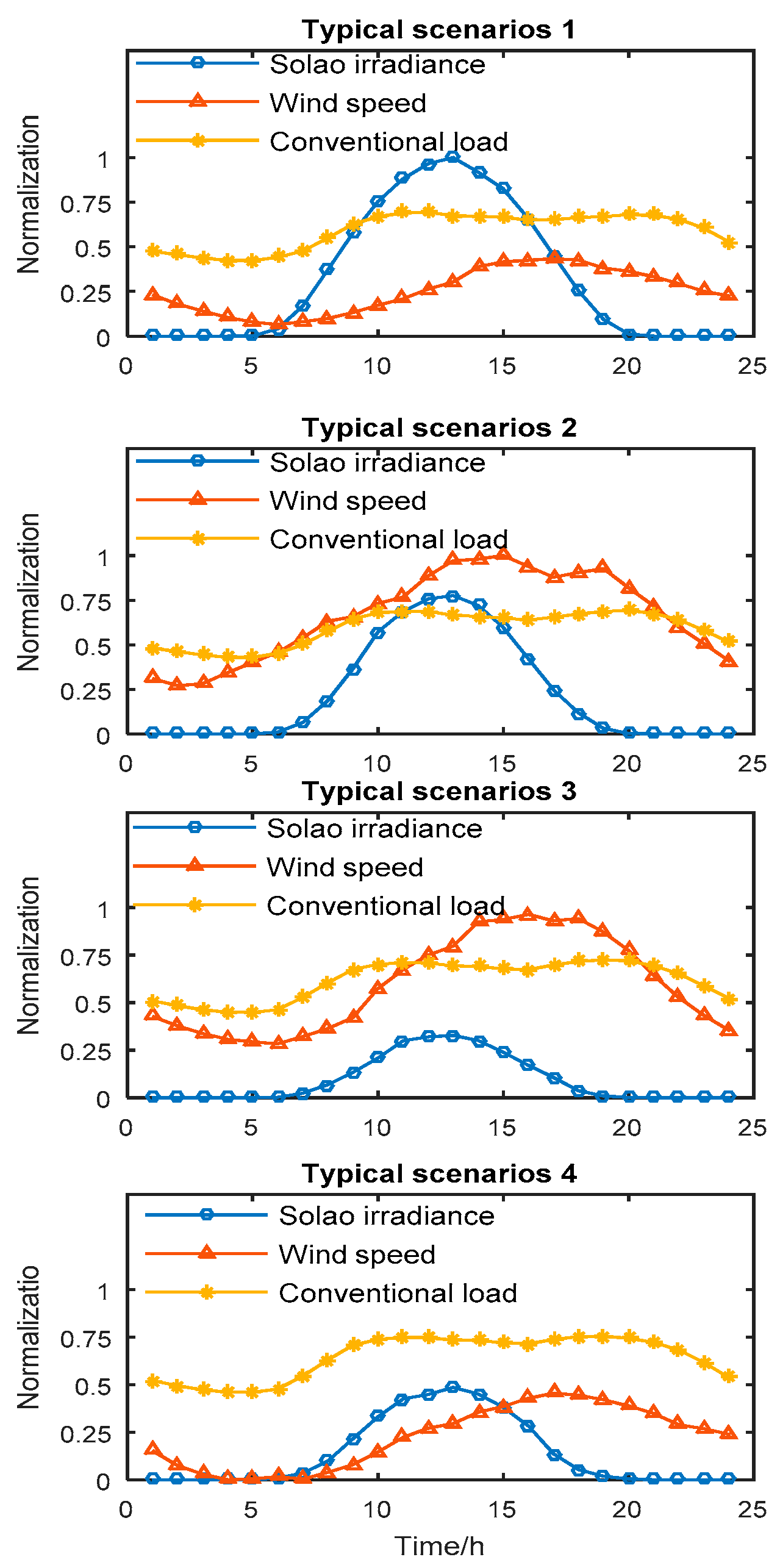
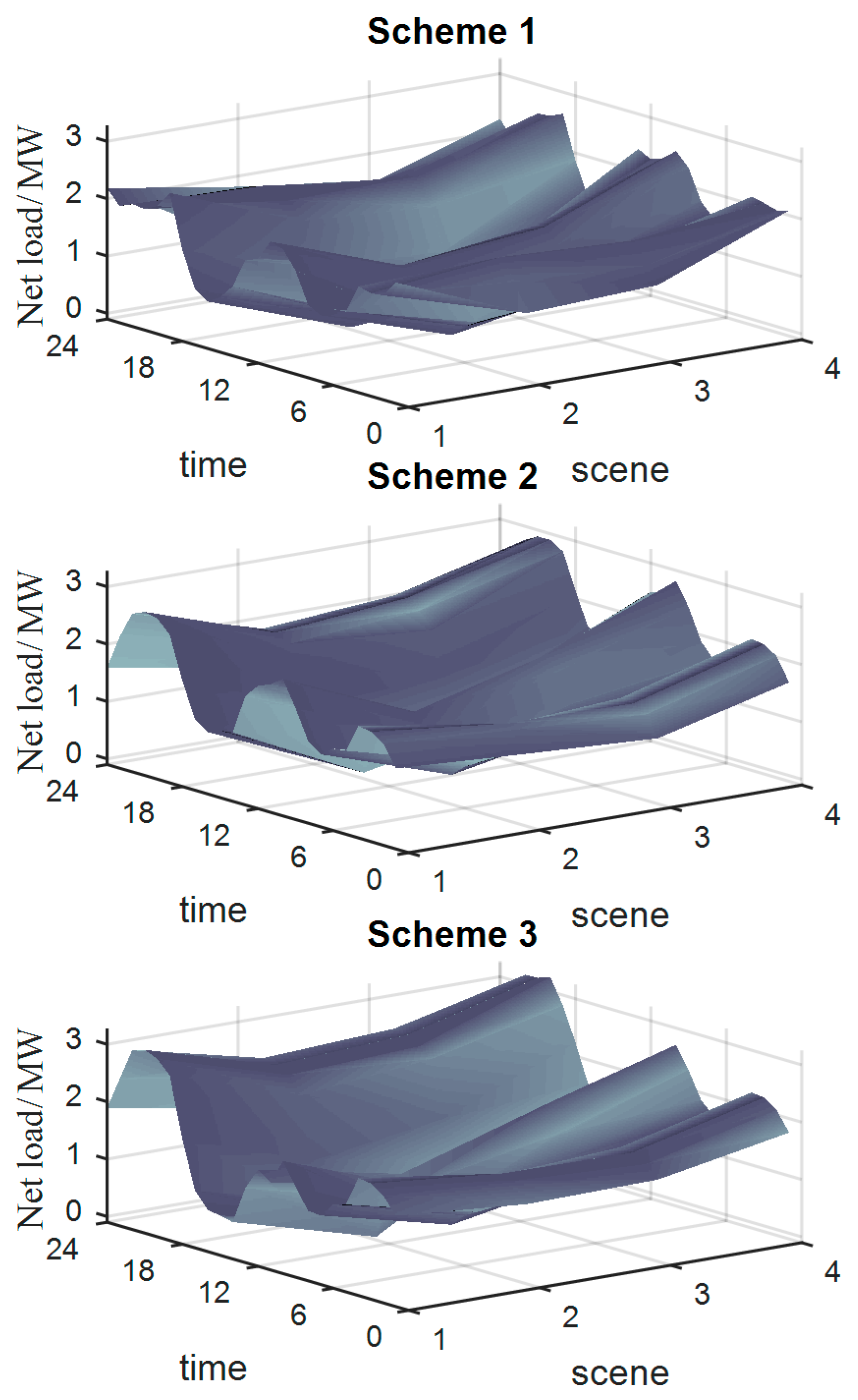
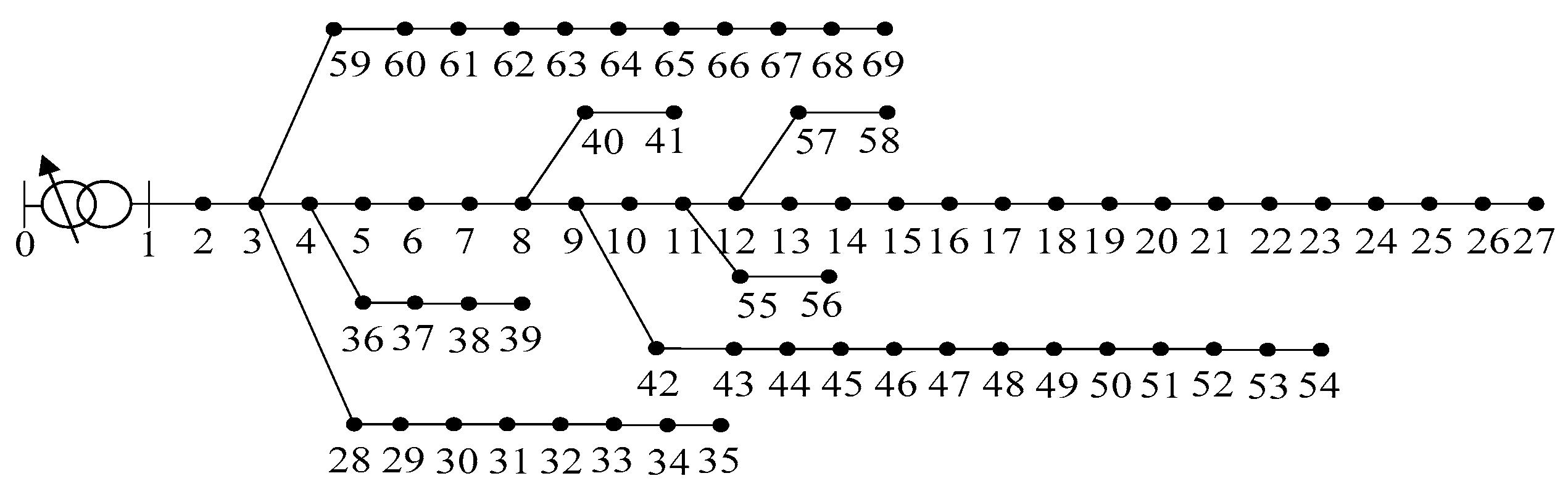
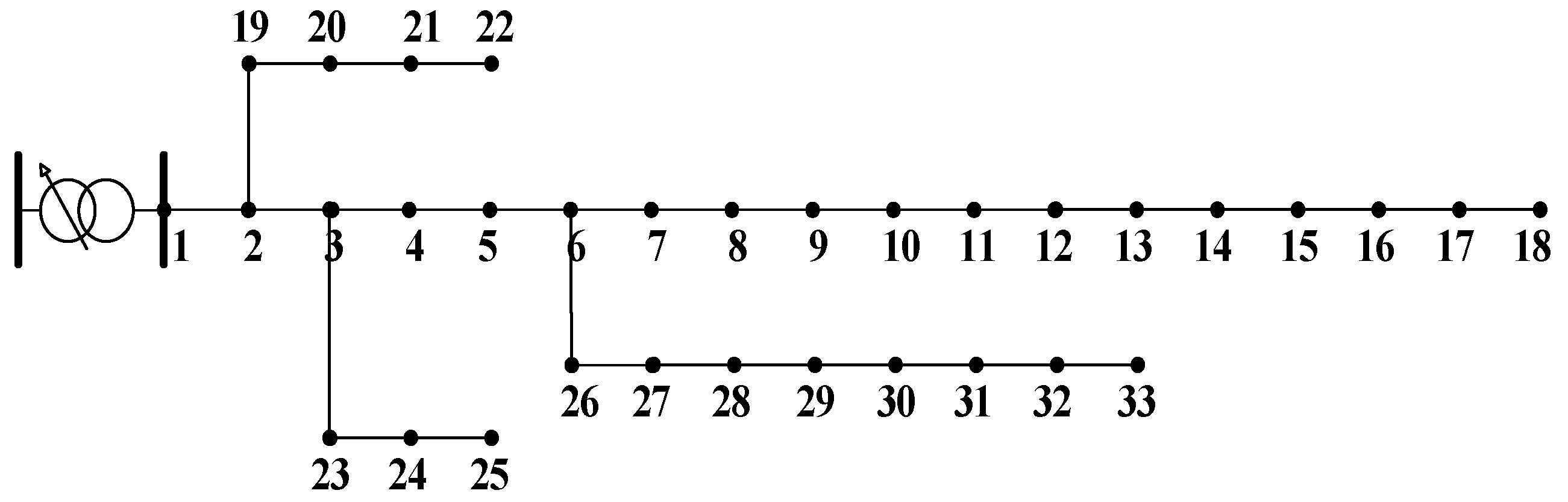
With the vigorous promotion of new energy sources and the development of vehicle-to-grid (V2G) technology, the influence of the V2G mode should be considered in the joint optimal allocation of Distributed Generation (DG) and electric vehicle charging stations (EVCSs). The timing characteristics of the intermittent output of DG, conventional demand for load, and charging load of the electric vehicle (EV) are considered, as is its participation in grid interaction to examine the construction of typical scenarios and the EV cluster dispatching strategy. From the perspective of comprehensively planning the coordination of the distribution network, a DG-EVCSs bi-level joint planning model is established under the peak and valley price mechanism, with the sub-objectives of obtaining a comprehensive profit and high quality of voltage, curbing system load fluctuations, and satisfactorily charging the EV. An improved harmony particle swarm optimization algorithm is proposed to solve the bi-level model. The proposed method was tested on the IEEE-33 and the PG&E-69 (Pacific Gas and Electric Company) bus distribution systems, and the results show that the optimized configuration model that considers the V2G mode can improve the overall performance of the planning scheme, promote the use of clean energy, smoothen the load fluctuations of the system, and improve the quality of voltage and charging satisfaction of EV users.
Keywords: distributed power supply; EV charging station; V2G mode; peak and valley electricity prices; cluster dispatching distributed power supply; EV charging station; V2G mode; peak and valley electricity prices; cluster dispatching