Article

Molecular Recognition and Cell Surface Biochemical Response of Bacillus thuringiensis on Triphenyltin

Guangdong Key Laboratory of Environmental Pollution and Health, School of Environment, Jinan University, Guangzhou 510632, China
*
Author to whom correspondence should be addressed.
Processes 2019, 7(6), 358; https://doi.org/10.3390/pr7060358
Submission received: 29 April 2019 / Revised: 26 May 2019 / Accepted: 5 June 2019 / Published: 10 June 2019
(This article belongs to the Section Biological Processes and Systems)

Abstract

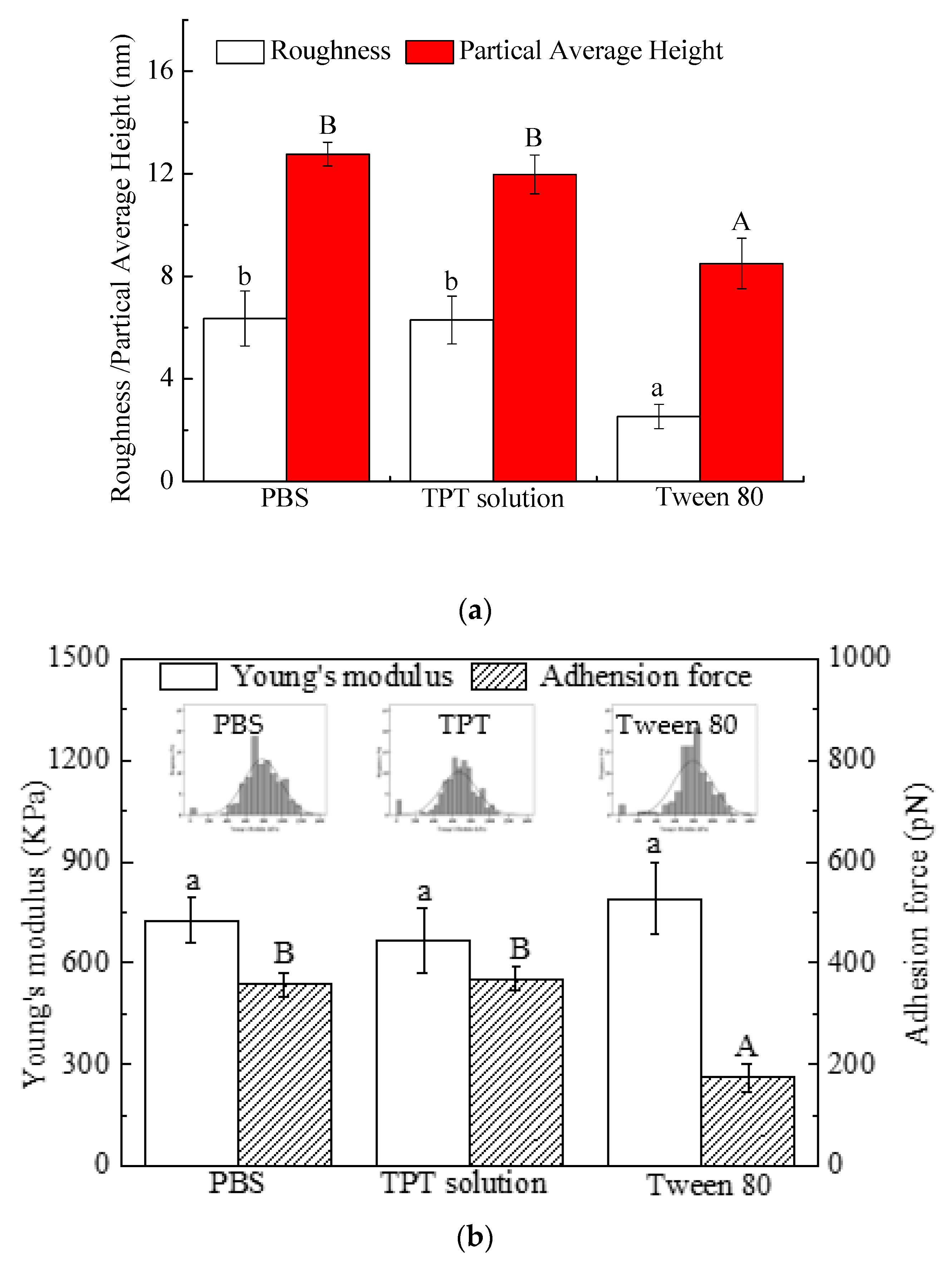
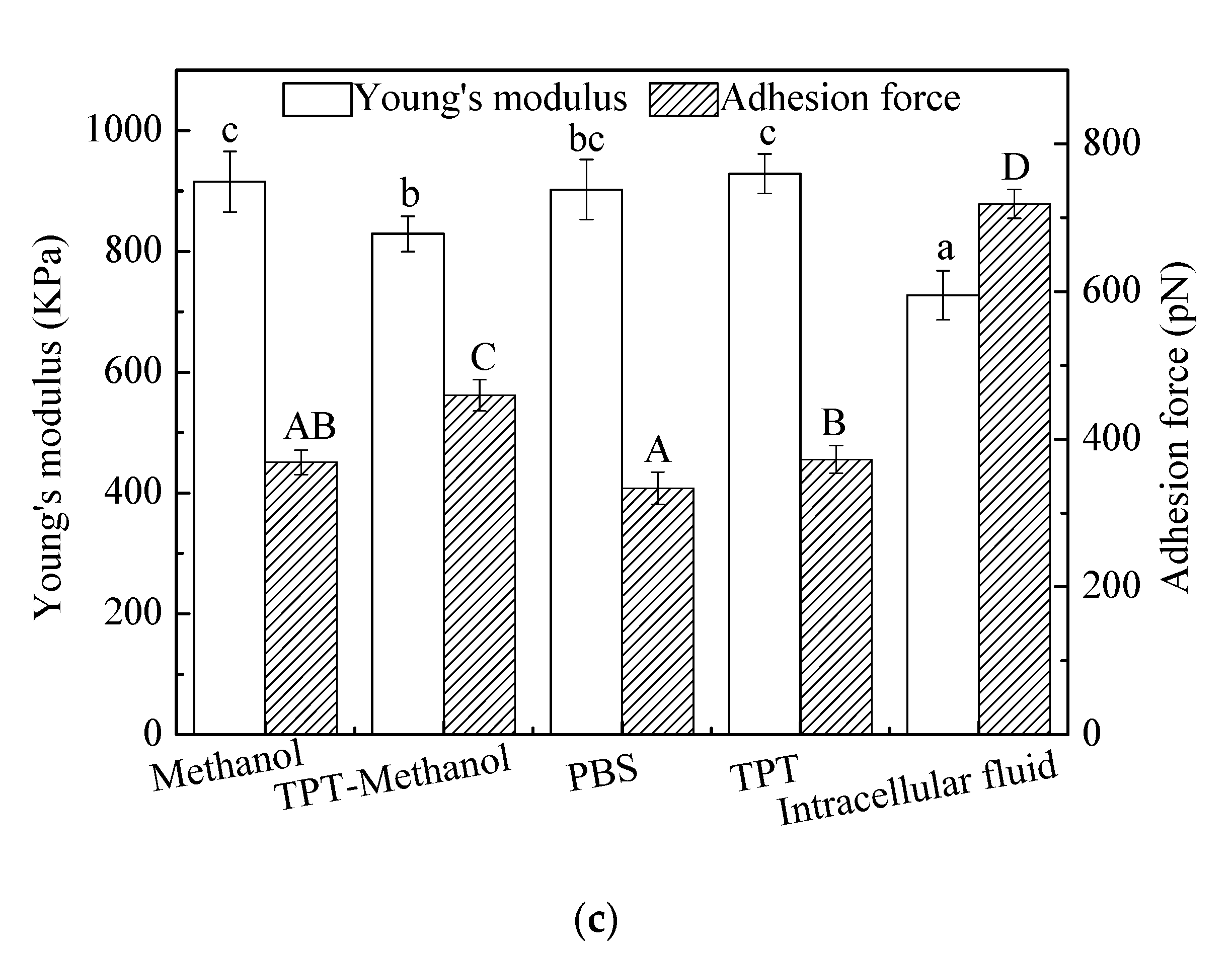
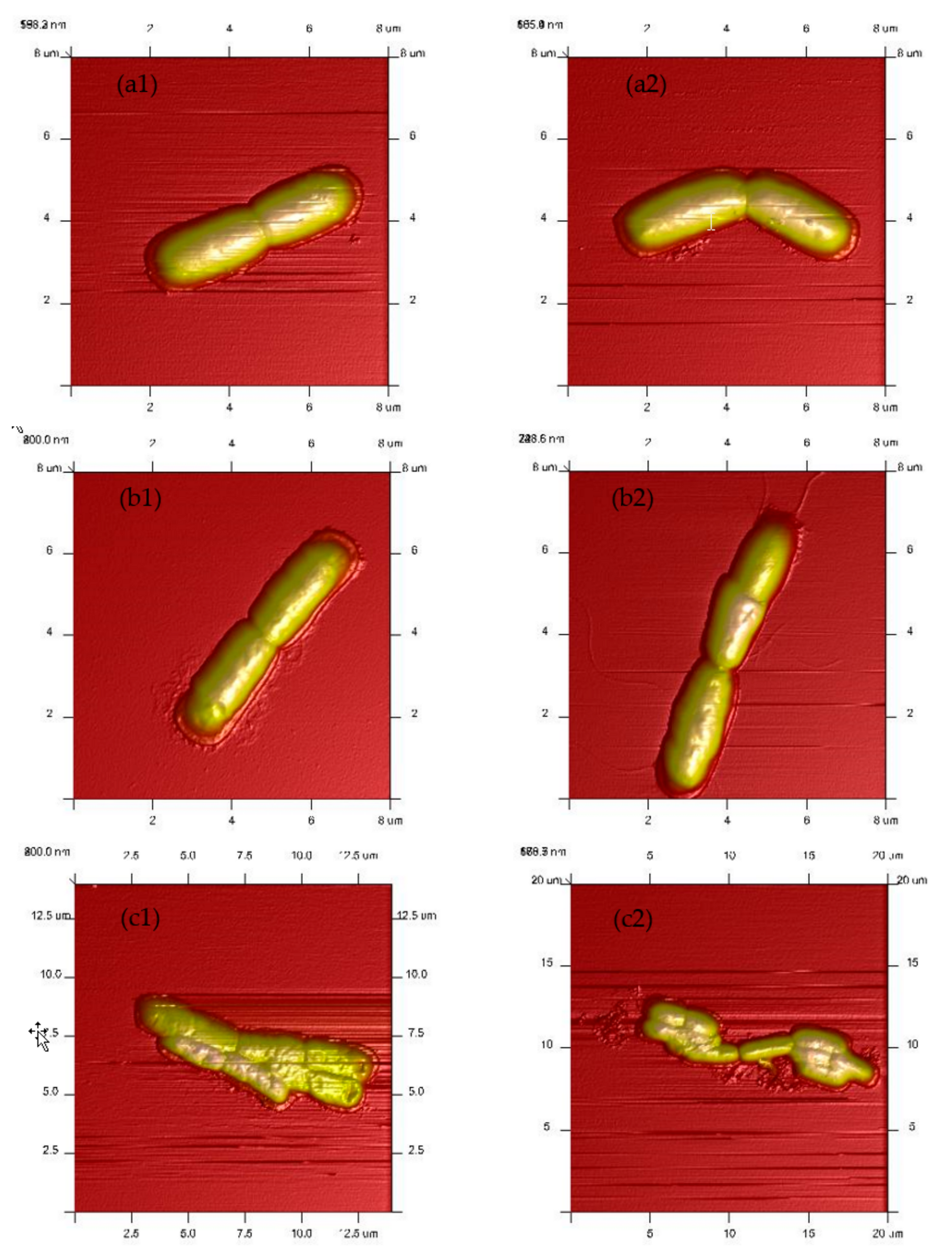
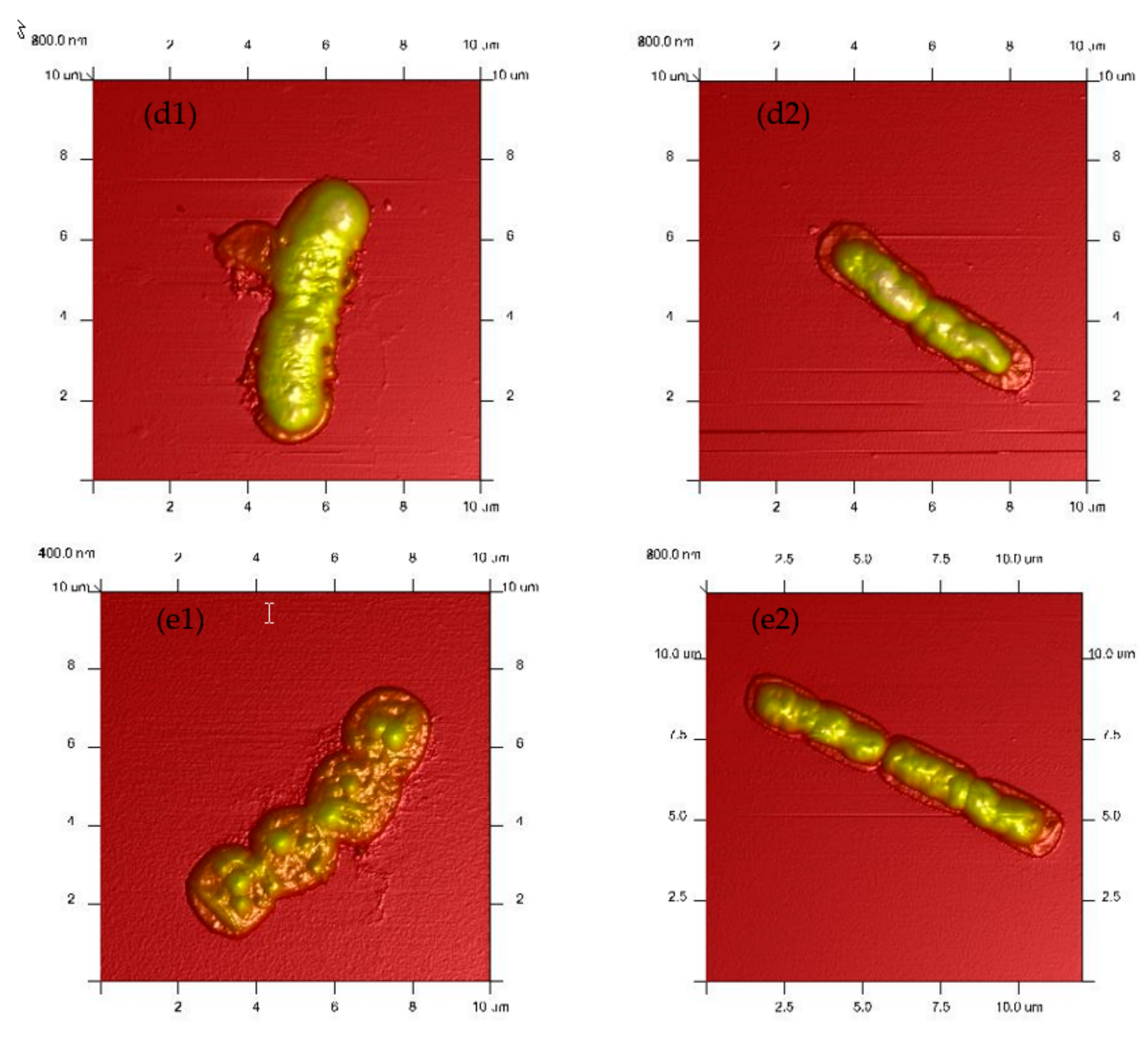
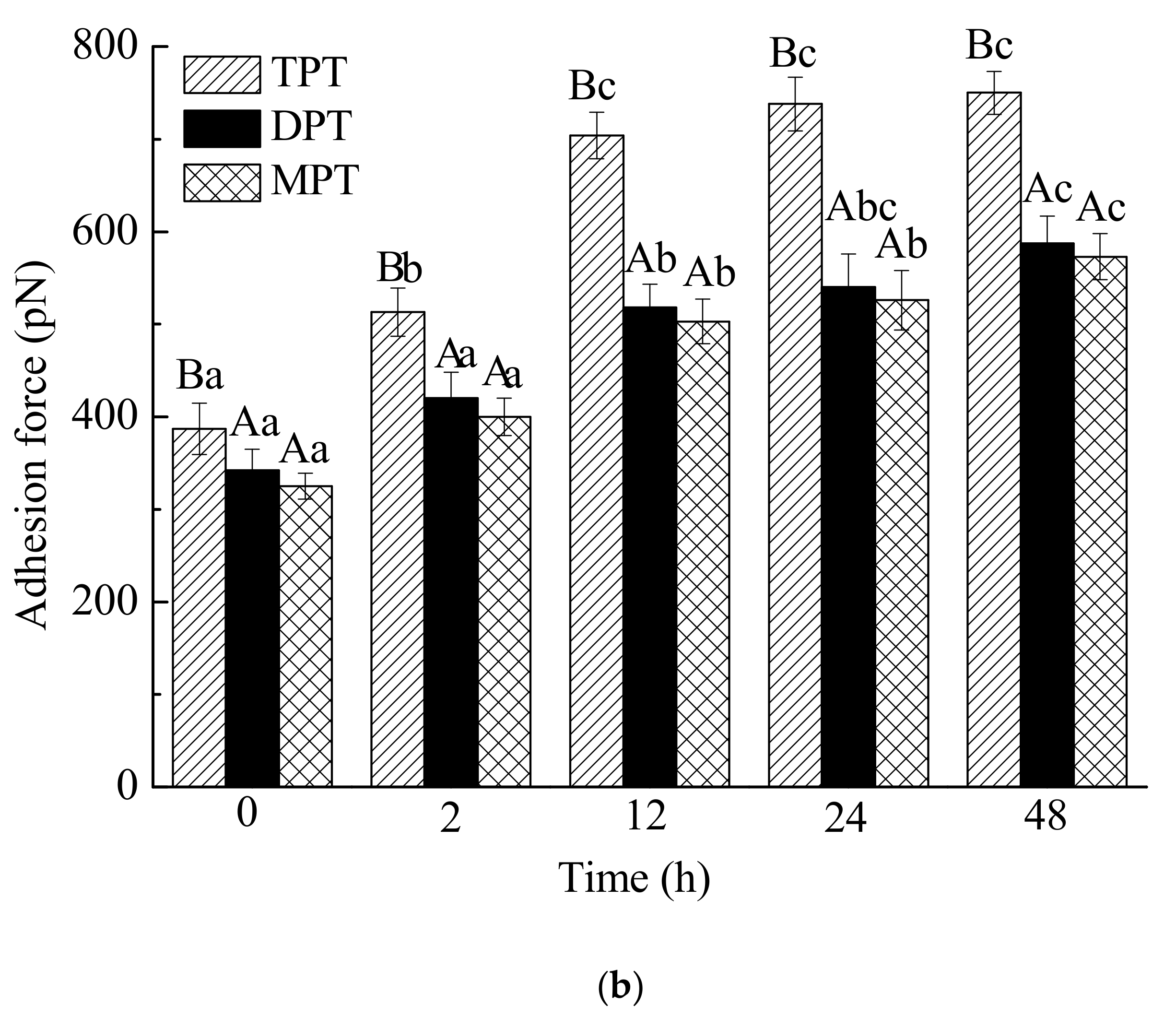
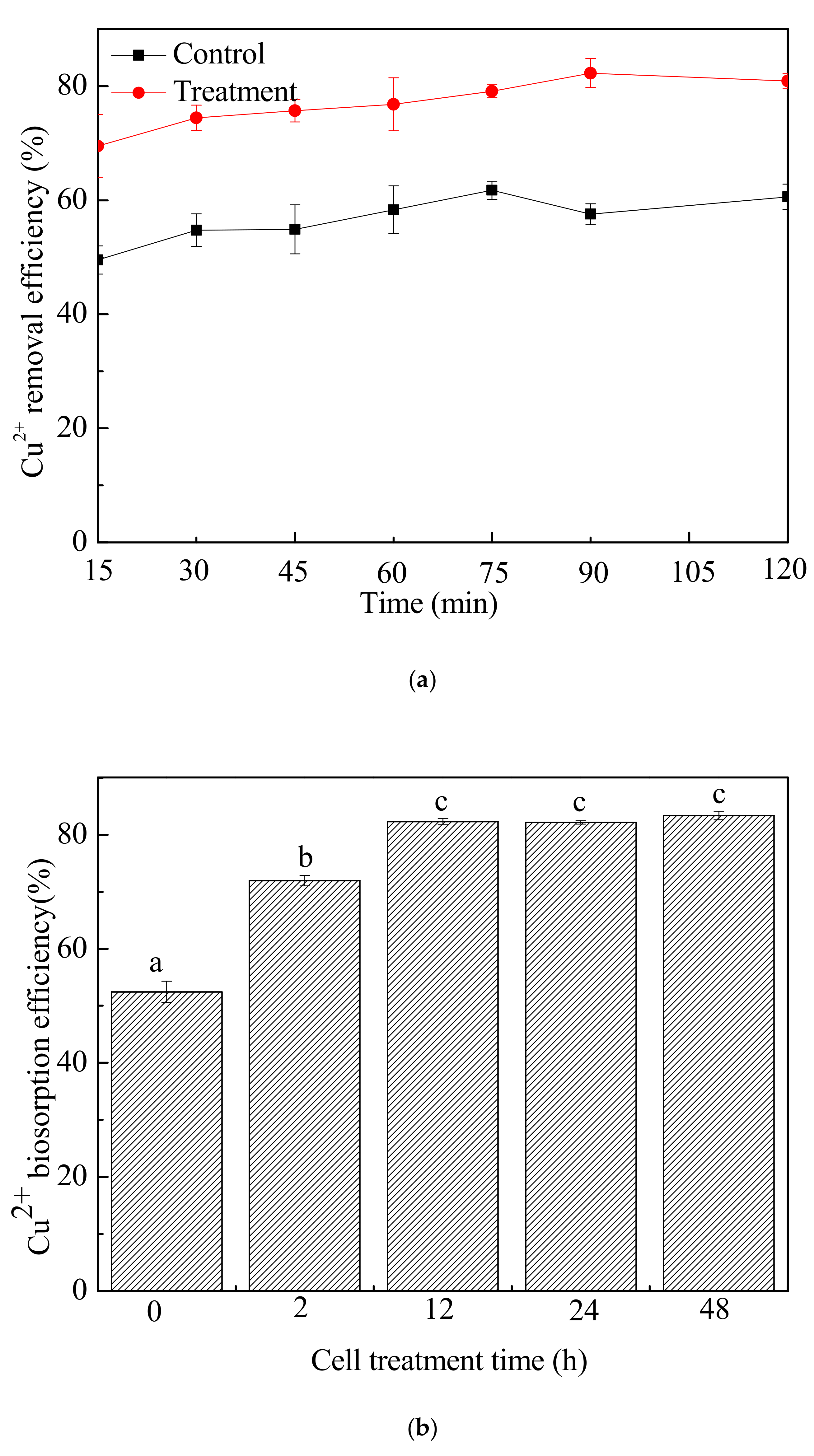
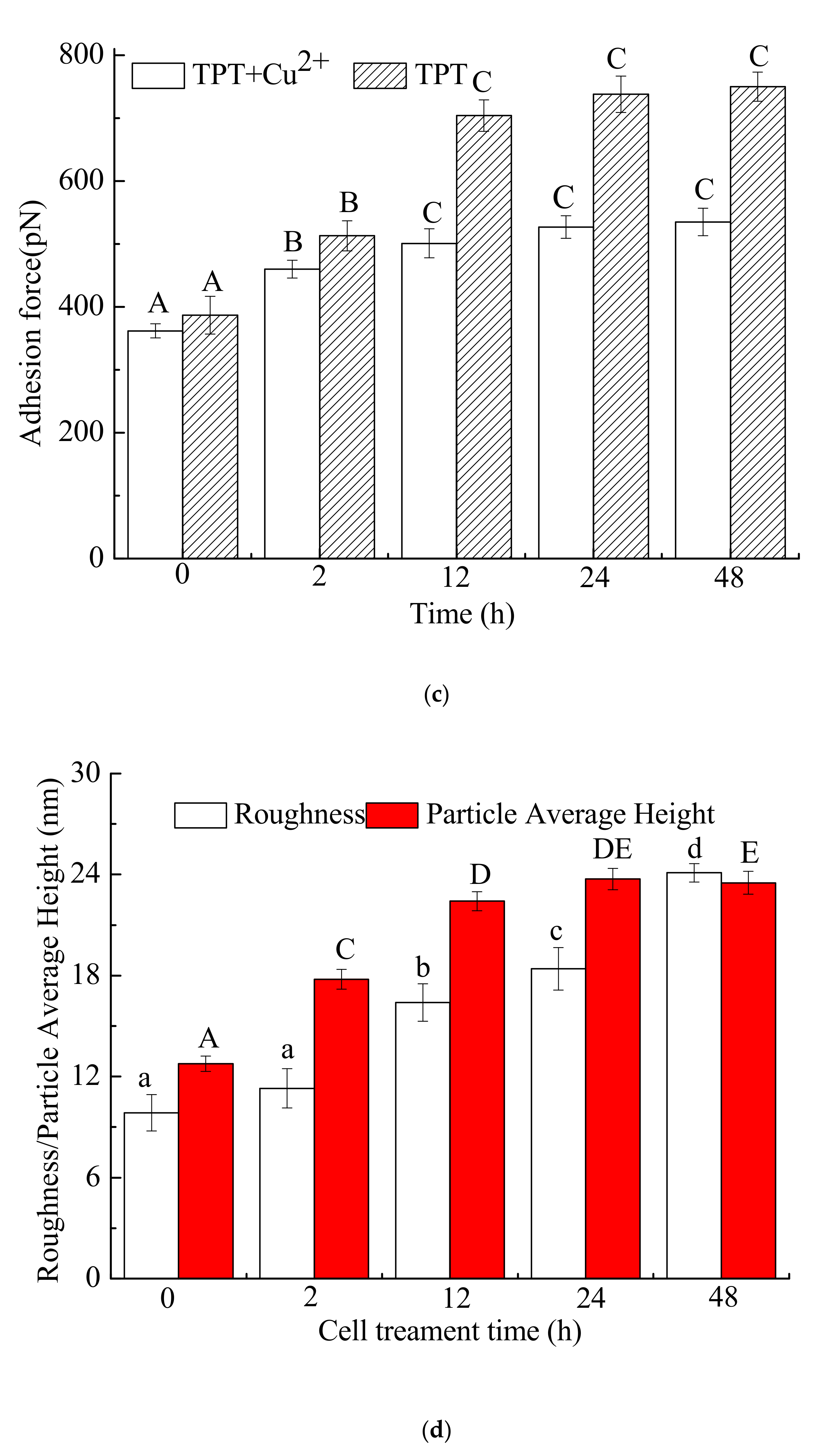
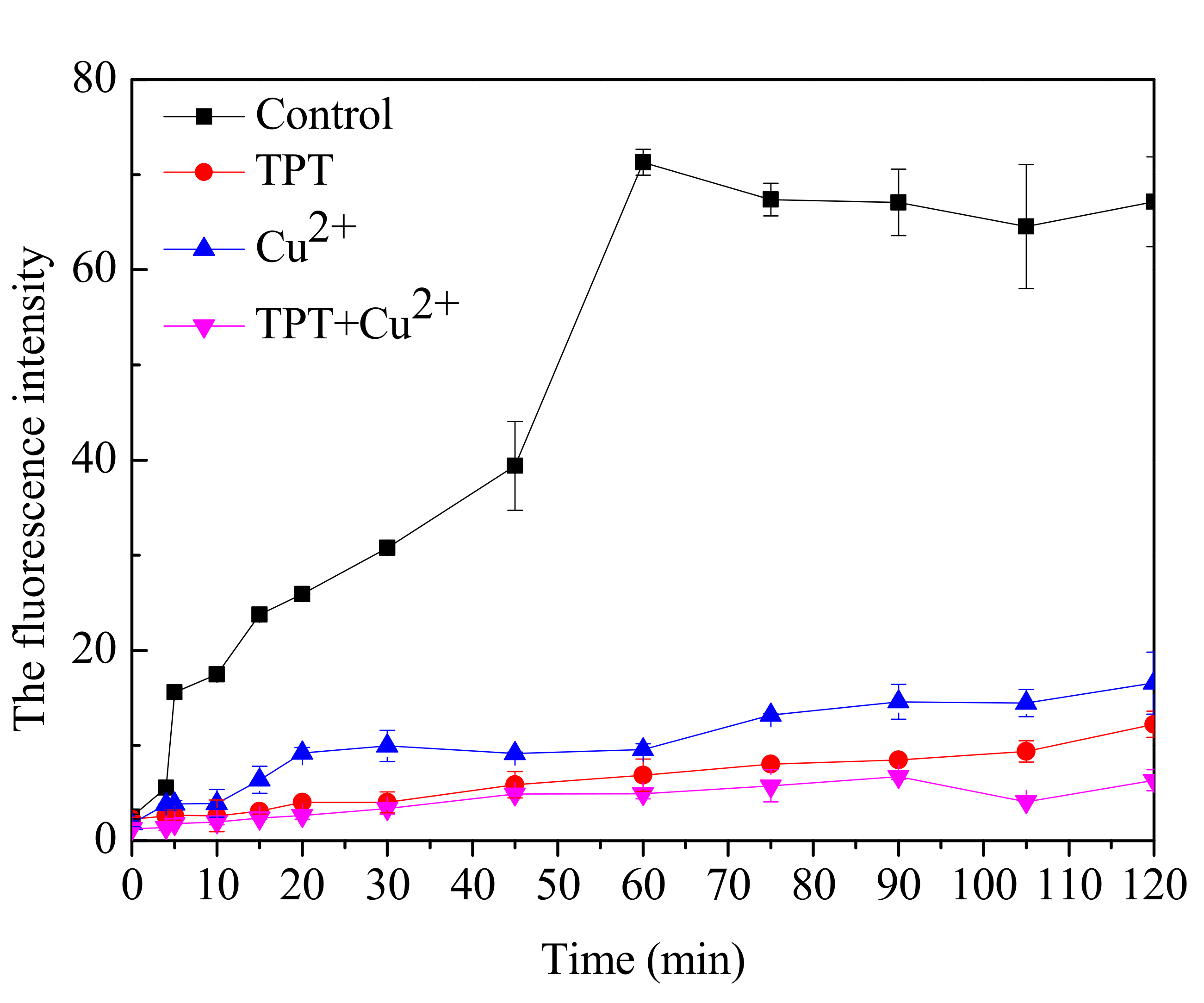
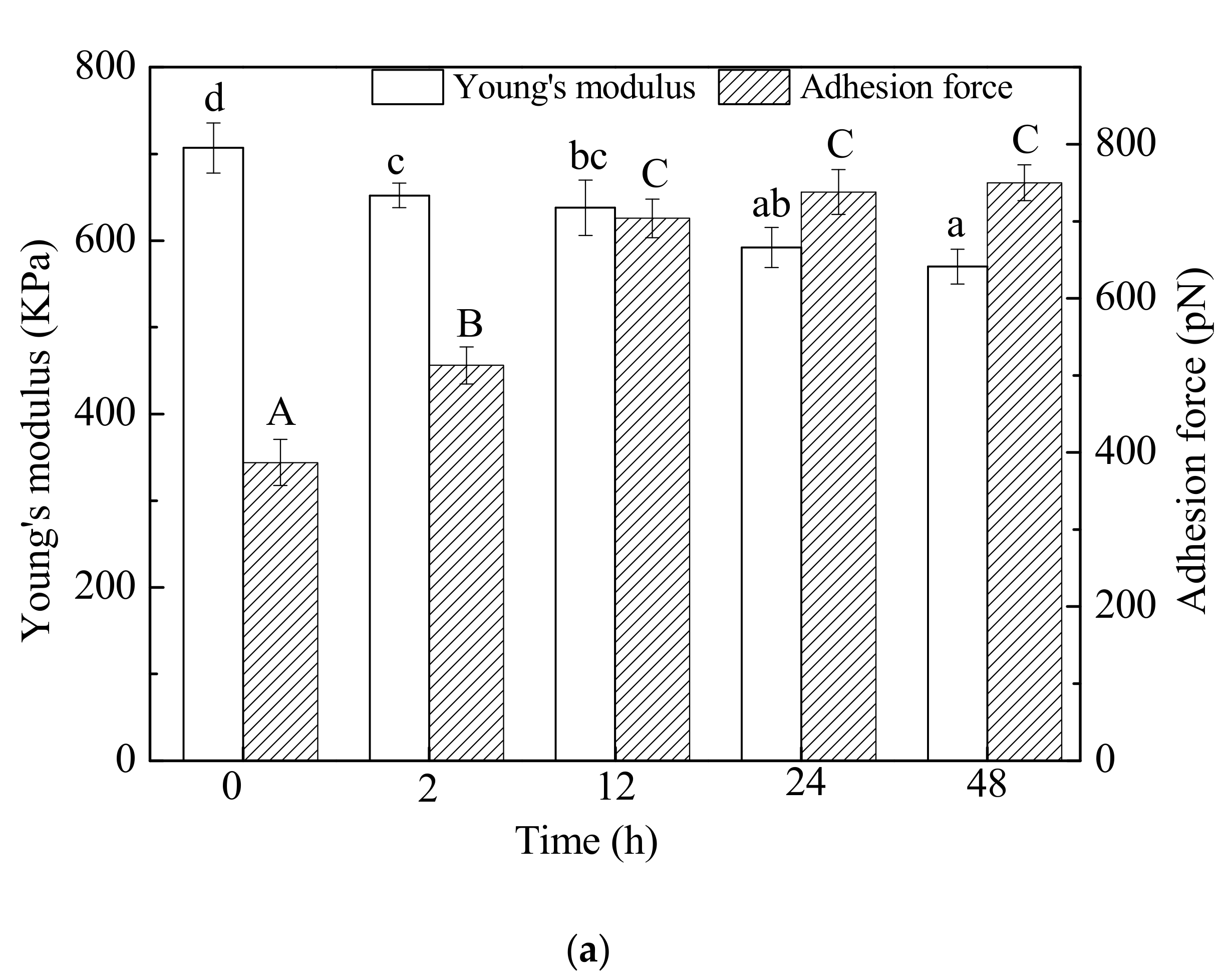
Triphenyltin (TPT) has severely polluted the environment, and it often coexists with metal ions, such as Cu2+. This paper describes the cell’s molecular recognition of TPT, the interaction between TPT recognition and Cu2+ biosorption, and their effect on cell permeability. We studied the recognition of TPT by Bacillus thuringiensis cells and the effect of TPT recognition on Cu2+ biosorption by using atomic force microscopy to observe changes in cell surface mechanical properties and cellular morphology and by using flow cytometry to determine the cell growth status and cell permeability. The results show that B. thuringiensis can quickly recognize different media. The adhesion force of cells in contact with Tween 80 was significantly reduced to levels that were much lower than that of cells in contact with PBS. Conversely, the cell surface adhesion force increased as TPT became more degraded. B. thuringiensis cells maintained their original morphology after 48 h of TPT treatment. The amount of Cu2+ adsorption by TPT-treated cells was positively correlated with the surface adhesion force (r = 0.966, P = 0.01). The cell adhesion force significantly decreased after Cu2+ adsorption, and cell recognition of TPT and/or Cu2+ hindered the entrance of 2’,7’-dichlorodihydrofluorescein diacetate (DCFH-DA) into the cell. The initial diffusion time of DCFH-DA into cells treated by PBS, Cu2+, TPT, and TPT+Cu2+ was 4, 10, 30, and 30 min, respectively, and the order of the fluorescence intensity was PBS >> Cu2+ > TPT > TPT+Cu2+. We conclude that changes in the cell surface properties of the microbe during recognition of pollutants depend on the contaminant’s properties. B. thuringiensis recognized TPT and secreted intracellular substances that not only enhanced the adsorption of Cu2+, but also formed a “barrier” on the cell surface that reduced permeability. These findings provide a novel insight into the mechanism of microbial removal of pollutants.
Keywords: Triphenyltin; molecular recognition; mechanical properties; biodegradation; biosorption Triphenyltin; molecular recognition; mechanical properties; biodegradation; biosorption