Article

Extraction of Soil-Based Fungal Urease and Its Application for Bio-Cementing Sands with Subtle Permeability Reduction


1
Dr. Ikram-ul-Haq Institute of Industrial Biotechnology, Government College University, Lahore 54890, Punjab, Pakistan
2
Department of Civil Engineering, University of Engineering and Technology, Lahore 54890, Punjab, Pakistan
3
School of Civil and Hydraulics Engineering, Ningxia University, Yinchuan 750021, China
*
Authors to whom correspondence should be addressed.
Processes 2026, 14(9), 1454; https://doi.org/10.3390/pr14091454
Submission received: 7 March 2026 / Revised: 6 April 2026 / Accepted: 20 April 2026 / Published: 30 April 2026
(This article belongs to the Section Environmental and Green Processes)

Abstract

In this study, multiple samples were collected from different urea-fertilized agricultural lands, and their fungal strains were isolated using the tenfold serial dilution method on potato dextrose agar plates. In total, 21 strains were identified as urease-positive through primary screening on Christensen medium. Secondary screening of selected fungal isolates conducted through submerged fermentation could then identify the fungal strain 10−5 S11 brown as the most effective urease producer that exhibited maximum urease activity (682 U/mL/min). It was identified by scotch tape microscopy for morphological characterization and subsequently confirmed through 18S rRNA sequencing as Aspergillus terreus. Further, optimization of fermentation conditions showed that M9 medium containing 1.5% urea as a nitrogen source at pH 5.5, in addition to 3% sucrose as a carbon source, 4% inoculum size, and 7 days of incubation at 30 °C, produced the best fermentation and enhanced the urease activity from 682 U/mL/min to 1050 U/mL/min. Subsequently, the optimized urease enzyme was mixed with clean sand to induce carbonate precipitation to enhance its unconfined compressive strength from 22.5 kPa for untreated samples to 154.2 kPa for treated samples after 28 days, with subtle permeability reduction from 4.26 × 10⁻³ cm/s to 1.7 × 10⁻³ cm/s.

1. Introduction

Enzymes present in soils control the processes of degradation in organic matter, stabilization of soil composition, nutrient cycling, and vital microbial activities. The breakdown of organic substances is a complicated process that requires interactions between various species, particularly the formation of multiple enzymes, which are found outside the cell. Soil microbes aid in the depolymerization and mineralization of complex chemical substances into smaller molecules and have evolved as a valuable tool for assessing soil efficiency in terms of microbial nutrient needs and nutrient cycling [1]. The community ecology of microbial decomposers and their functional variety in one study clearly suggests that the plant-centered concept of nutrient cycling is replaced with a plant–microbe–soil feedback system [2].However, the cycling of organic carbon in soils is essential for regulating atmospheric carbon dioxide (CO2) and global climate change. Soil is the greatest terrestrial reservoir of organic matter [3]. Although soil microbial activity and growth depend on the availability of nitrogen (N) and phosphorus (P), little is known about the global patterns of N and P limitation in soil microbial metabolism [4]. The functioning of soil microbial communities is impacted by the continuously shifting moisture content of soil that also affects gas and nutrient transport through soil pores. Because organic carbon frequently acts as a binding agent and because oxygen transport into the core of soil aggregates is restricted, the circumstances within these aggregates are particularly interesting [5].
The extracellular nitrogen-related enzyme, urease, also referred to as urea amidohydrolase, plays the role of breaking down one of the organic compounds, such as urea. Urease is a member of amidohydrolases, having Enzyme Commission Number 3.5.1.5., that undergoes a set of biochemical reactions involving nitrogen, splitting of urea, and formation of ammonia and carbon dioxide [6].
Urease is a highly efficient catalyst that can hydrolyze urea at a rate approximately 1014 times faster than the noncatalyzed process. Nevertheless, the evolution of enzymology has an extensive and illustrious historical background because of urease [7]. The urease enzyme catalyzes the breakdown of urea in the presence of water, producing carbon dioxide and ammonia [8].
CO (NH2)2 + H2O → CO2 + 2NH3
A basic substance called ammonia is produced when urease activity occurs, raising the pH of the surrounding environment [8]. Animals are unable to manufacture the urease enzyme, although many plants, filamentous fungi, yeast, bacteria, and algae can produce urease [6]. The urease from plants is isolated in the forms of Canavalia ensiformis (jack bean), crude extract of watermelon (Citrullus lanatus seeds), and soybean [9]. Numerous bacterial species, including Proteus sp., Morganella sp., Serratia sp., Pseudomonas sp., Clostridium sp., Fusobacterium sp., Ureaplasma sp., Providencia sp., Sarcina sp., Lactobacillus sp., Streptococcus sp., and Enterobacter sp., as well as numerous fungi, including Aspergillus, Coprinus, Neurospora, Penicillium, and Ustilago, produce urease. Researchers are still looking for additional microbial sources of enzyme. Although urease derived from plants has been thoroughly examined and proven highly effective, its broad application is limited by high extraction and purification costs, reliance on agricultural resources, and limited scalability for industrial use [10,11]. However, bacterial urease is frequently used in bio-mediated processes such as MICP; it requires specific culture conditions. There are also potential biosafety concerns, such as the pathogenicity of the strains. Moreover, cellular viability and environmental response are often linked to urease production. Fungal urease offers several advantages in this study, such as cost-effective production from inexpensive substrates, simpler growth requirements, higher biomass yield for more enzyme output, enhanced environmental resilience, and applicability for a variety of field situations. Compared to bacteria, this approach is safer and more sustainable, and it may produce extracellular enzymes that aid in downstream processing. In light of these considerations, fungal urease is a viable and scalable choice for applications such as EICP [12].
When grown in both submerged and solid-state fermentation conditions, fungi such as Aspergillus and Penicillium frequently produce better enzyme yields than bacterial cultures [13].
Moreover, bacterial urease is primarily intracellular, while most fungi release urease extracellularly and could be easily extracted from the surrounding medium by centrifugation or simple filtration without requiring cell disruption. This ability is inherited from the genetic makeup of fungi, where complex substrates in the environment are broken down by released enzymes. Direct extracellular extraction improves sustainability and industrial efficiency while additionally minimizing the subsequent processing stages. This distinction greatly simplifies the fungal urease extraction and purification procedure and lowers the expense and complexity of large-scale manufacturing [14]. However, bacteria must be extracted by mechanical or chemical cell lysis, which adds stages, raises costs, and complicates conditions [15]. Since fungal urease is mostly produced directly into the culture medium, purification expenses are reduced, and downstream processing is simplified. Conversely, bacterial ureases are frequently intracellular or periplasmic, while plant-derived ureases need a significant amount of extraction. According to industrial media research, fungi, including Fusarium cerealis, Phoma herbarum, and Mucor hiemalis, can produce more urease extracellularly [16]. Urease is widely recognized as a non-chemical soil stabilizer, particularly for controlling the expansion and contraction of soil matter, and for this reason, the enzyme is considered suitable to supplement urea to solve geotechnical problems associated with the strength of soil [17].
Microbially induced calcium carbonate precipitation (MICP), a natural bio-cementation process, is one of the most exciting and well-studied applications of fungal urease. This method creates insoluble calcium carbonate (CaCO3) by reacting carbonate ions with calcium ions after urease hydrolyses the urea. This results in soil particles binding, concrete fracture repair, and increased strength of building materials etc. In this regard, the urease activity of fungi like Aspergillus niger and Penicillium chrysogenum has been assessed by several researchers. In soil systems, the extracellular urease activity permits continuous urea hydrolysis and streamlines downstream processing depending upon the pore connectivity [18]. Not surprisingly, the efficiency of MICP in fine-grained soils with poor void connections reduces substantially due to calcite deposition and subsequent clogging of voids. With the intention to induce the deposition of calcium carbonate for the reinforcement of structural materials, a novel bio-geotechnical process called enzyme-induced calcium carbonate precipitation (EICP) uses urease enzymes to catalyze the hydrolysis of urea into carbonate and ammonium ions. For completeness, specific details of EICP have been summarized in Appendix A.
The distinctive characteristics of fungal urease markedly increase the unconfined compression strength (UCS) of treated soils with a notable reduction in permeability. The placement is made easier by extracellular secretion, since crude enzyme extracts can be injected straight into soil without the use of cell carriers. More homogeneous calcite deposition is achieved by small enzyme molecules (~12 nm) penetrating narrow pores significantly more than both bacterial and fungal cells. According to studies, compared to conventional sealing techniques, exterior surfaces treated with EICP exhibit 90% less abiotic variables and 3% less potential for global warming [19], although the effectiveness of fungal urease-mediated EICP in enhancing the engineering properties of sands warrants thorough examination through additional laboratory and field tests, in addition to UCS and permeability. However, by providing more detailed information on calcite dispersion, microstructural alterations, and strength, these tests guarantee the bio-stabilization method’s dependability and field-scale consumption [20]. Since the enzyme frequently contributes 70–80% of treatment costs, urease concentration, urea–Ca2+ ratios, and environmental factors must be optimized for fungal EICP to be successful. For ground improvement and building clean-up, fungal EICP offers a strong substitute for conventional microbial or plant-based systems with high effectiveness, process simplicity, and environmental durability. Furthermore, fungal EICP satisfies international expectations for environmentally acceptable infrastructure and contaminant mitigation by its accurate precipitation capabilities, cost-effective extracellular enzyme synthesis, and environmental durability [21].
Although research on the application of urease-producing fungi in enzyme-induced calcium carbonate precipitation is still in its infancy, it offers a promising path towards an environmentally friendly improvement of soils. Hence, this study aims at moving the EICP technology from the limited laboratory uses to field-scale problems related to undrained shear strength and saturated hydraulic conductivity of cohesionless fine sands. Fungal urease application in enzyme-induced carbonate precipitation (EICP) provides a good alternative to long-term soil stabilization; a comprehensive evaluation of its overall environmental impact is required. The process may reduce ecological risks associated with living microbial systems, even if the production, purification, and storage of urease enzymes may increase energy consumption and related carbon emissions. Additionally, the usage of urea and calcium chloride as cementing agents may result in environmental problems such ammonia emissions and soil chemistry changes. Long-term enzyme stability in the field, cost-effective enzyme synthesis, and uniform distribution of the cementing solution in diverse soil systems are still problems in terms of scalability [22,23]. In addition to addressing ecological concerns with chemical and cementitious treatments, the use of fungal urease in sandy soil stabilization offers new possibilities in carbon-neutral construction, bio-geotechnics, and biomineralization.

2. Experimental Program

2.1. Test Material and Media Preparation

2.1.1. Sample Collection and Isolation of Fungal Strains

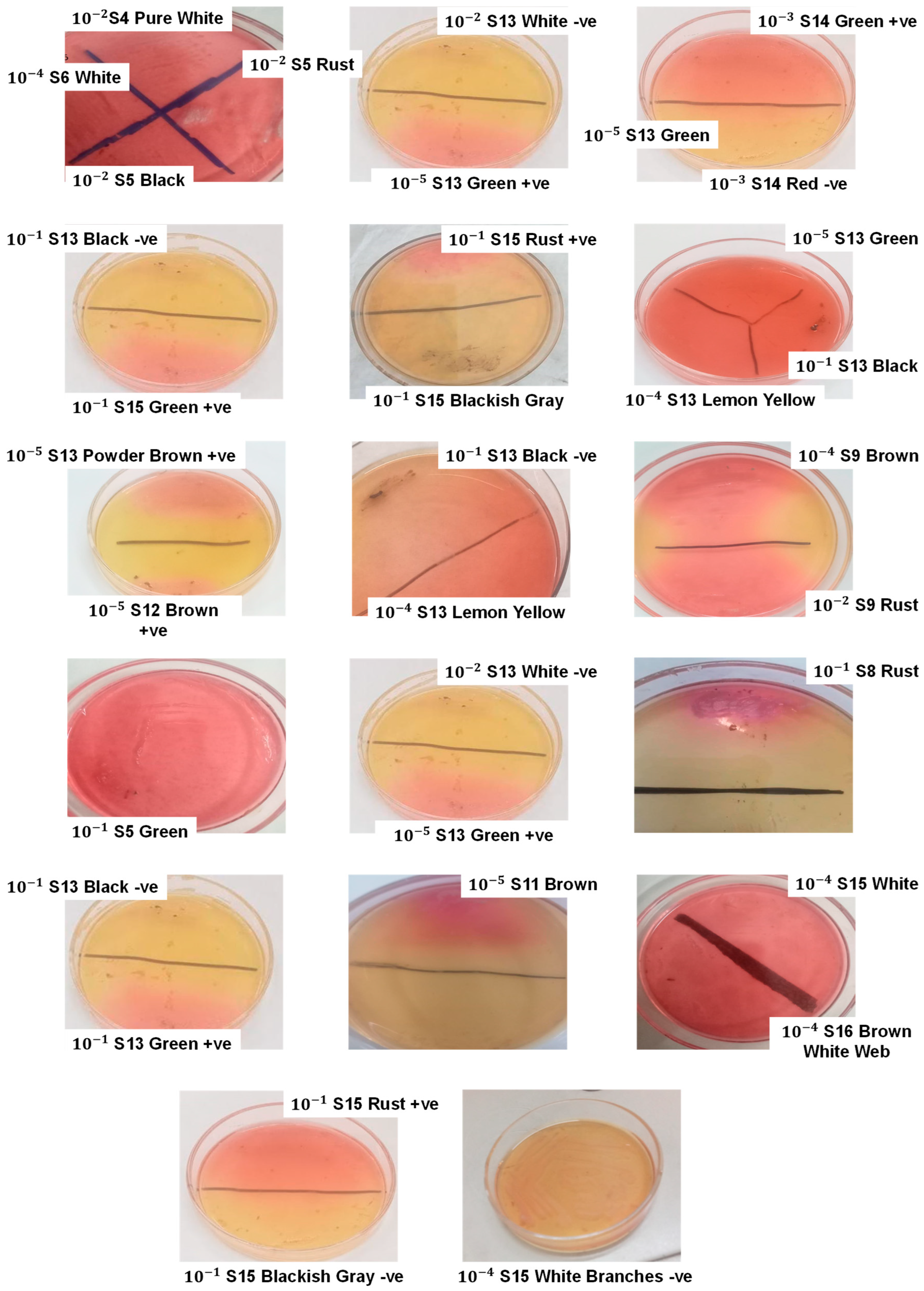
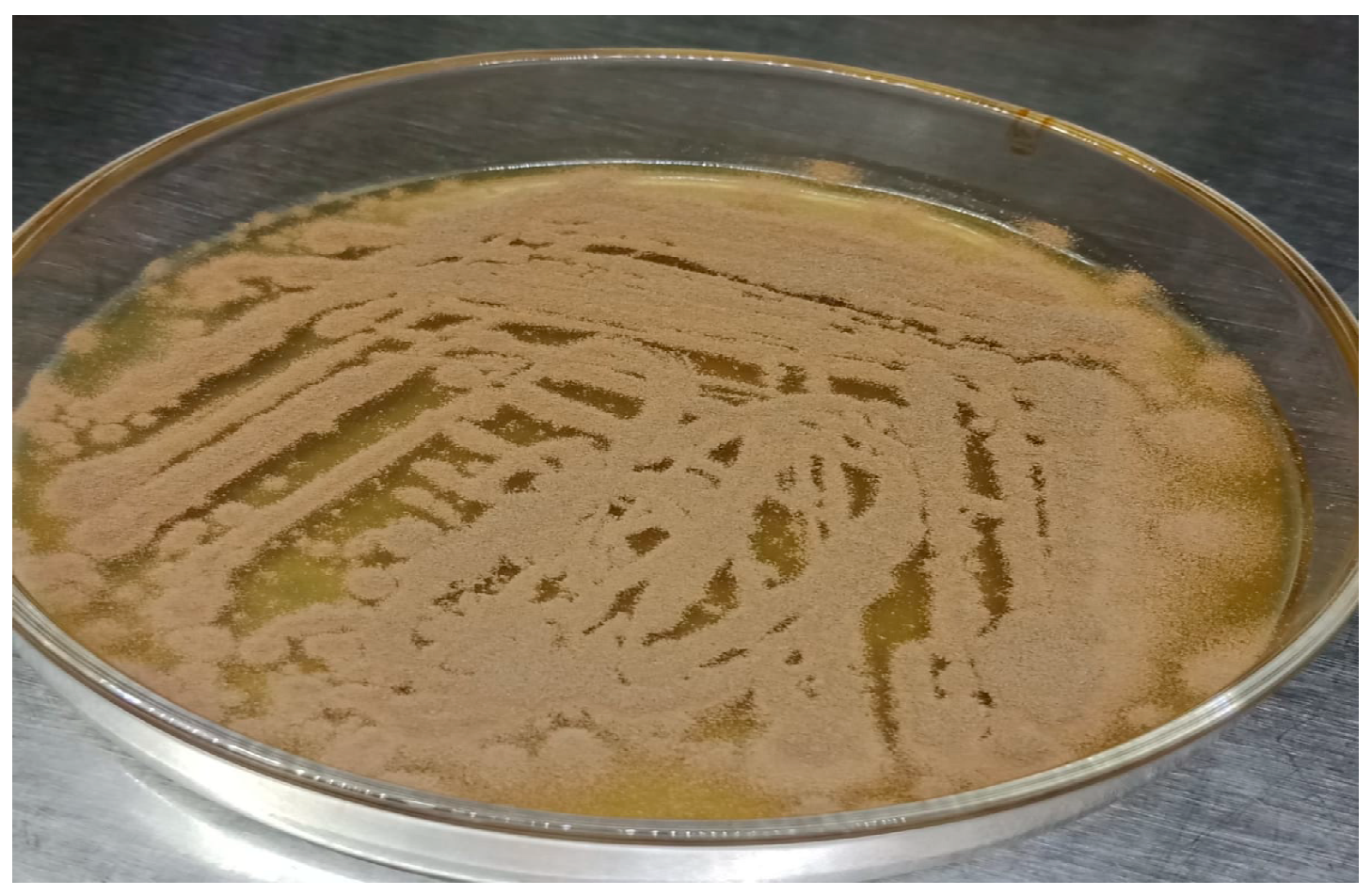
A total of 20 soil samples from urea-fertilized agricultural lands in the neighborhoods of Lahore, Gujranwala, and Sheikhupura cities of Punjab, Pakistan, were collected for the purpose of isolating fungal strains that produce urease. A total of 30 fungal strains were isolated for further screening, as shown in Figure 1. For instance, the initial screening for fungi capable of producing urease was performed using a differential medium known as Christensen’s medium. From the 30 fungal strains isolated, 21 were identified as urease-positive during the primary screening, as indicated by their pink coloration after 19 h (Figure 2). The selected fungal isolate was re-cultured on a new plate to obtain a pure culture, as shown in Figure 3. Secondary screening for fungal strains that tested positive for urease was performed using submerged fermentation, with a quantitative assessment of enzyme units. Among all the chosen positive isolates, 10−5 S11 brown demonstrated the highest urease production at 682 U/mL/min and was subsequently chosen for further investigation and application to soil.
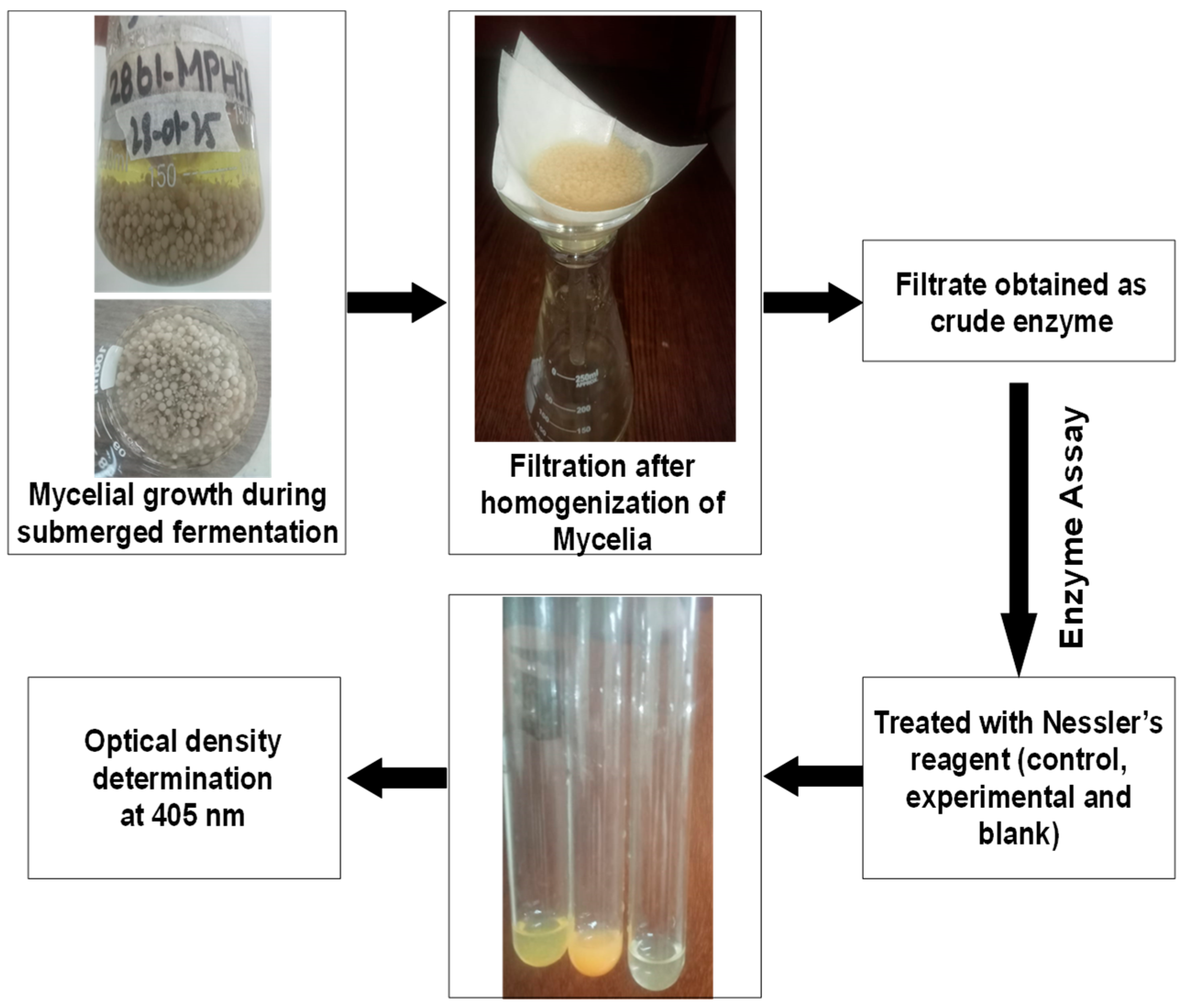
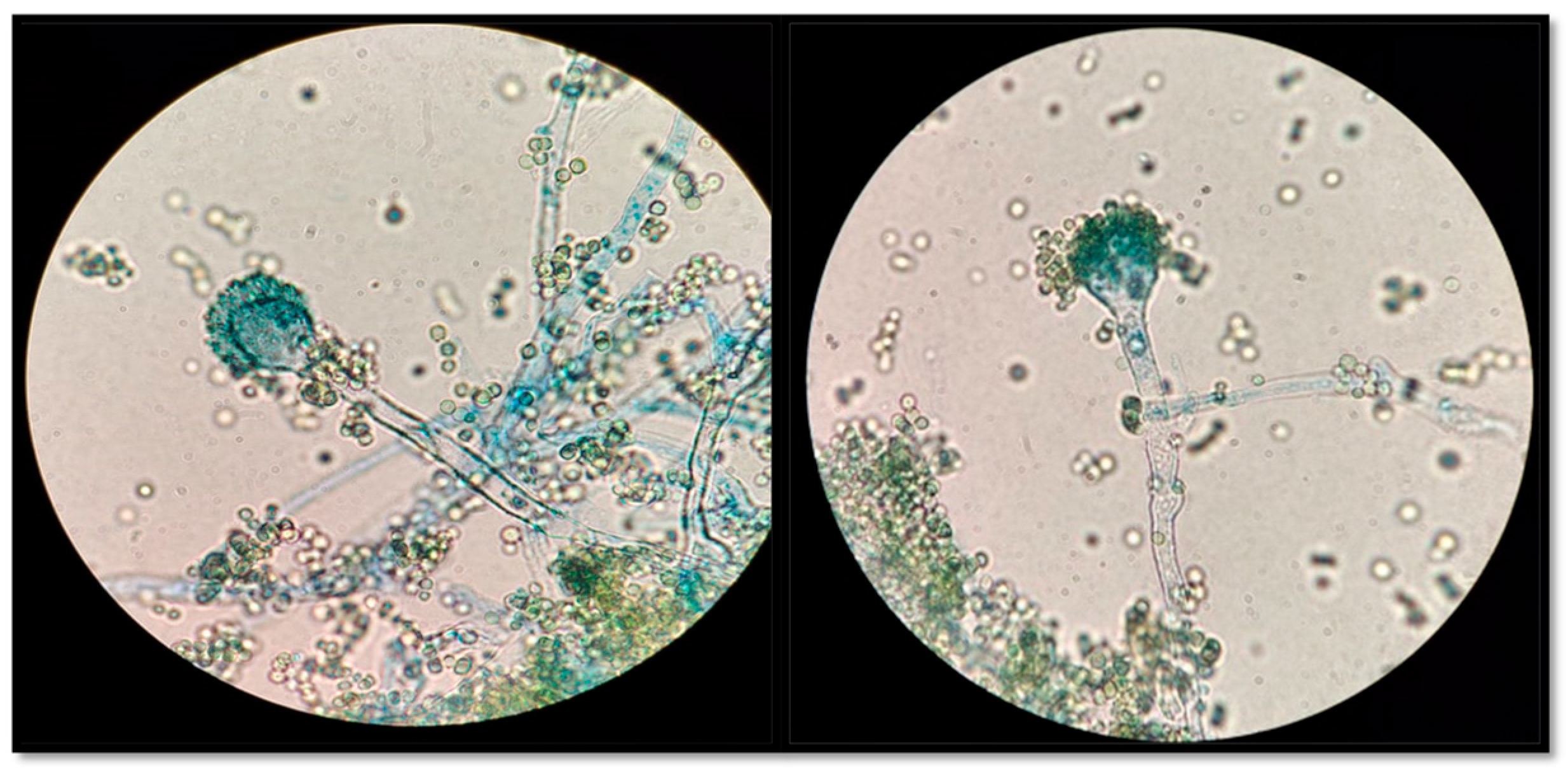
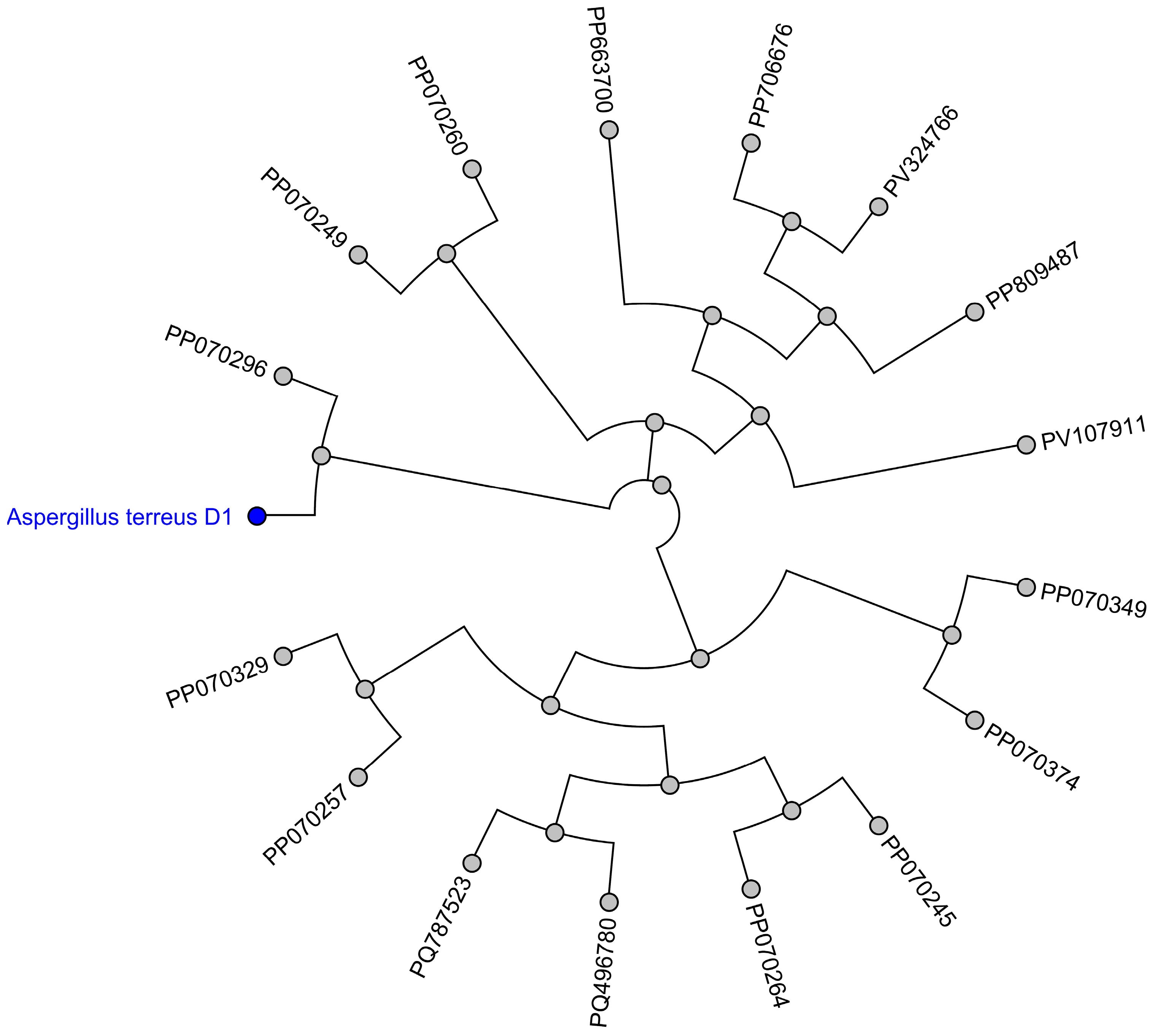
Figure 4 illustrates the flow chart of the secondary screening conducted via submerged fermentation. Table 1 presents the enzyme activity levels of urease-positive strains used in this study. The microscopic examination of the fungal strain through scotch tape microscopy was done with the help of lactophenol blue dye, showing septate hyphae with columnar conidial heads, as shown in Figure 5. Similarly, molecular identification was carried out through 18S rRNA sequencing. The results of sequencing were compared with other correlated strains using NCBI BLAST+ 2.17.0, as illustrated in Appendix B. As shown in Figure 6, a phylogenetic tree was constructed that could recognize the strain 10−5 S11 brown as Aspergillus terreus.
The chemicals utilized in the research were of high analytical quality. For instance, to prepare 100 mL of Potato Dextrose Agar (PDA), 3.9 g of PDA was mixed with 80 mL of distilled water in a conical flask. The volume was then adjusted to 100 mL with distilled water after setting the pH to 5.6. The flask was subsequently cotton-plugged and sterilized in an autoclave under standard conditions, which involved 121 °C and 15 psi for 20 min. Similarly, to prepare 100 mL of urea supplemented Potato Dextrose Broth (PDB), 2.4 g of PDB was mixed with 70 mL of distilled water in a conical flask. The volume was subsequently increased to 90 mL with distilled water after adjusting the pH to 5.6. After plugging the flask with cotton, it was sterilized in an autoclave under standard conditions (121 °C and 15 psi for 20 min). Once autoclaving was complete, the medium was allowed to cool to room temperature, and 1.3 g of urea dissolved in 10 mL of autoclaved distilled water was introduced to the medium using the syringe filter method to enhance urease production.

2.1.2. Preparation of Media, Reagents, and Buffer

To prepare Christensen Medium, 2.1 g of urea agar was mixed with 70 mL of distilled water in a conical flask. The volume was adjusted to 90 mL using distilled water. After plugging the flask with cotton, it was sterilized in an autoclave under standard conditions. Once autoclaving was complete, the medium was allowed to cool to room temperature, and then 10 mL of a 40% urea solution was introduced after being filtered through a syringe filter under sterile conditions. Similarly, the 70% ethanol solution was prepared by adding distilled water to 70 mL of pure ethanol to bring the total volume to 100 mL. A 20% trichloroacetic acid (TCA) solution was prepared by dissolving 2 g of TCA in 8 mL of distilled water and then adjusting the total volume to 10 mL with additional distilled water. To make a 40% urea solution, 4 g of urea was mixed with 6 mL of distilled water, and the total volume of the solution was adjusted to 10 mL using distilled water. To prepare a 0.2 M urea solution as a substrate, 1.2 g of urea were dissolved in 8.8 mL of distilled water to obtain 10 mL using distilled water. A solution of urea with a concentration of 1.85 M was made by dissolving 11.1 g of urea in 40 mL of distilled water, then adding additional distilled water to bring the total volume of the solution to 100 mL. To prepare a 2% calcium lactate solution, 2 g of calcium lactate were measured and dissolved in distilled water to bring the total volume up to 100 mL. To prepare a 1 M solution of calcium chloride, 11.1 g of calcium chloride were measured and dissolved in distilled water, ensuring the total volume of the solution reached 100 mL by adding distilled water. To make a 10 mM stock solution of ammonium sulphate, 0.0132 g of ammonium sulphate was measured and dissolved in distilled water, adjusting the final volume to 10 mL with distilled water. To prepare a 0.5 M Tris-Cl buffer at pH 7.3, 0.6057 g of Tris-Cl was dissolved in distilled water until the total volume reached 10 mL. To make a phosphate buffer solution with a concentration of 0.1 M and a pH of 7.4, 1.3609 g of potassium dihydrogen phosphate (KH2PO4) and 1.7 g of dipotassium hydrogen phosphate (K2HPO4) were dissolved in distilled water until the total volume of the buffer solution reached 100 mL.

2.2. Test Scheme, Setup, and Procedure

To isolate a fungal strain that is urease positive, tenfold serial dilutions of the soil samples were created by mixing 1 g of soil with 9 mL of autoclaved distilled water, continuing up to a dilution of 10−6. Each of the diluted samples was spread onto a Potato Dextrose Agar plate to promote fungal growth. The plates were incubated at 30 °C for a duration of 7 days to allow the fungal colonies to form. The primary screening of urease-positive fungal strains was conducted using the urease test on Christenson Media. For this assessment, each fungal strain was aseptically inoculated onto Christenson Medium plates with a sterile inoculating loop. The plates were then incubated for 19 h at 30 °C. The fungal strains produced urease, leading to the breakdown of urea into ammonia, which raised the pH of the medium and resulted in a color change from orange-yellow to deep pink. The color shift in the medium after a 19h incubation period was deemed urease-positive. Moreover, experiments were carried out in triplicates. Fungal colonies were tested on urea agar i.e., Christenson medium containing phenol red as a pH indicator after being chosen based on unique morphological traits. For the first screening, urease activity was indicated by a color shift from yellow to pink. To guarantee validity, negative controls (uninoculated media) were used. Isolates with positive qualitative results underwent quantitative urease activity testing to reduce subjectivity. These fungal strains were then selected for secondary screening to confirm their urease-positive status [24,25]. The secondary screening was conducted through submerged fermentation. Potato dextrose broth supplemented with urea as an inducer of urease synthesis was used for submerged fermentation. The medium’s composition was chosen to promote both enzyme synthesis and fungus growth. Under aerobic circumstances, fermentation was carried out for seven days at 30 °C
Spore suspension preparation was carried out by taking 10 mL of autoclaved distilled water and inoculating it with a loopful of fungal culture. A hemocytometer was used to create standardized spore suspensions, which were then adjusted to a concentration of 106 spores/mL The resulting suspension was then used for the next step. The fermentation medium, such as potato dextrose broth for urease production, was prepared, and the pH was adjusted to 5.6 and autoclaved. Following the sterilization of the medium, 10 mL of urea solution was introduced into the medium using a syringe filter to promote urease production. The medium was then inoculated with 1 mL of the selected spore suspension and placed in a shaking incubator at 30 °C for a duration of 7 days.
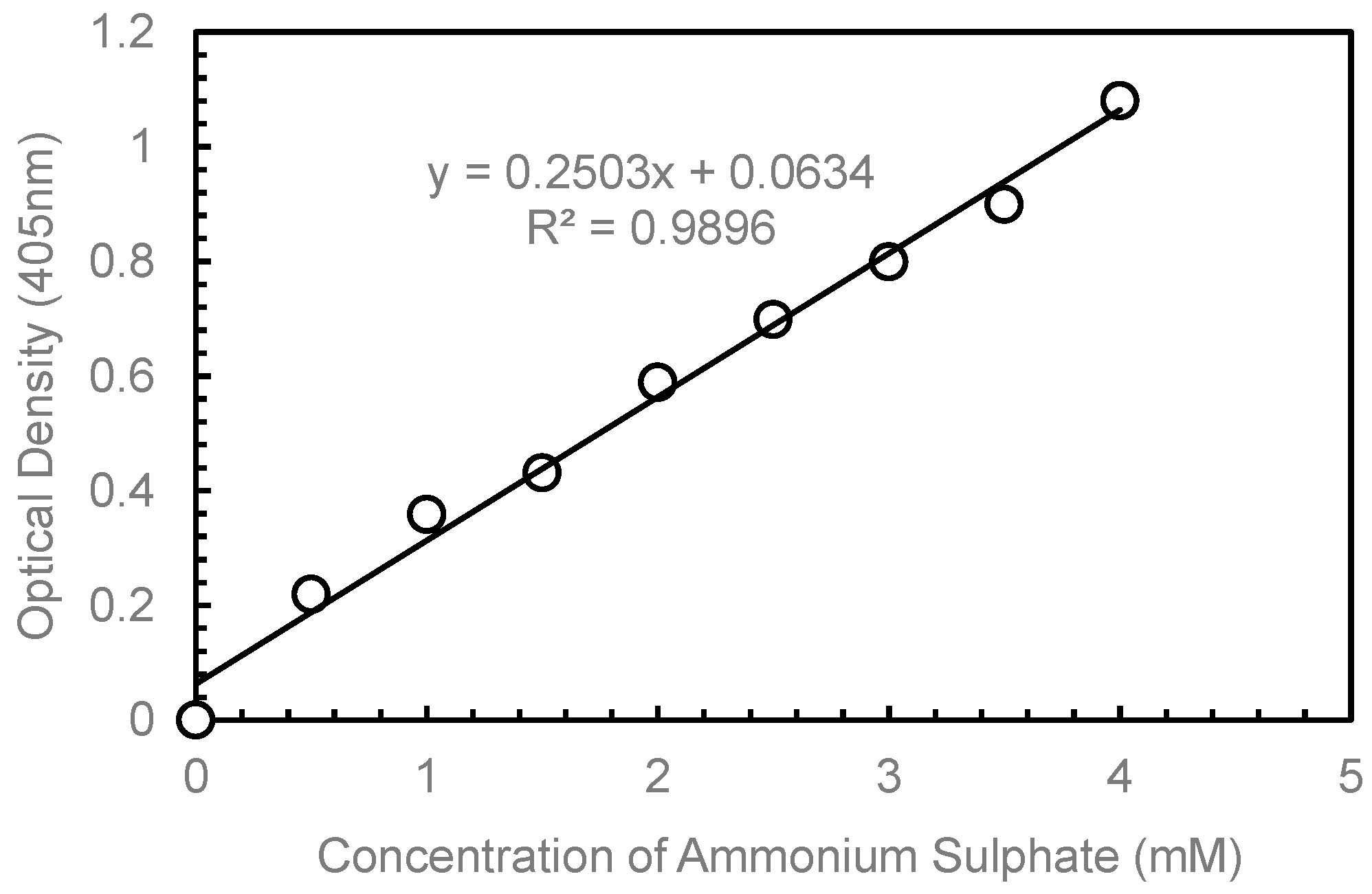
Mycelial growth was assessed after the 7-day incubation period. For brevity, mycelia were separated using Whatman Filter Paper, washed with 0.1 M potassium phosphate buffer at pH 7, and then homogenized with 0.1 M phosphate buffer having 7.4 pH; a ratio of 1:10 (w/v) mycelia to buffer was used (1 g of mycelia per 10 mL of buffer) in a tissue homogenizer until the mycelia were homogenized properly. The homogenized mixture was filtered through Whatman Filter Paper. The filtrate obtained through filtration was collected and used as crude urease enzyme [25]. Notably, the enzyme assay involves several steps to measure the activity of urease. Therefore, three test tubes were taken and labelled as experimental, control, and blank, and the urease activity was measured by introducing 1 mL of a 0.2 M urea solution into both experimental and control tubes, while the blank received 1 mL of distilled water instead of urea. Subsequently, 0.9 mL of a 0.5 M Tris-Cl buffer at 7.3 pH was added to each of the three test tubes. In the blank, neither the urease enzyme nor the urea substrate was included, whereas 0.1 mL of urease was added solely to the experimental tube. The test tubes were then incubated at 30 °C for half an hour. After incubation, 0.1 mL of extracted fungal urease was introduced to the control tube. To halt the reaction, 1 mL of 20% trichloroacetic acid was added to all the test tubes. Following this, 1 mL of the mixture from each test tube was collected, and 1 mL of Nessler’s Reagent was combined with all test tubes. As a result, the reagent reacted with ammonia, leading to a yellow color change. The optical density (O.D.) of each reaction mixture was then measured at a wavelength of 405 nm using spectrophotometry. This procedure was repeated for various fungal strains that tested positive for urease. The absorbance was recorded at 405 nm, allowing for the quantification of ammonia produced during the reaction. The recorded absorbance correlates with the level of urease activity found in the sample. Urease activity was calculated by using the values obtained from the appropriate ammonium sulphate standard curve [26], as follows:
E n z y m e   a c t i v i t y   ( U / m L / m i n ) =   µ M   o f   a m m o n i a   l i b e r a t e d ×   t o t a l   v o l u m e   o f   r e a c t i o n   m i x t u r e   v o l u m e   o f   e n z y m e ×   t e s t   v o l u m e ×   i n c u b a t i o n   t i m e
It is noteworthy that one unit of urease was defined as the amount of urease that liberates 1 µmol NH3 per minute at the desired pH and temperature (30 °C) [27].
To quantify the released ammonia, a standard curve was plotted by changing the concentration of ammonium sulphate from 2 mM to 5 mM (2 mM, 2.5 mM, 3 mM, 3.5 mM, 4 mM, 4.5 mM, and 5 mM) and its optical densities at absorbance 405 nm (Figure 7). The best fungal strain was identified through microscopy and fungal strain sequencing. A small piece of scotch tape was used to take a sample of the selected fungal strain, which was then gently pressed onto the fungal culture before being transferred to a glass slide. Observation of a select fungal strain was carried out to identify the morphology under a microscope [28].

Molecular Identification and Optimization of Fermentation Medium

The chosen strain underwent 18S rRNA sequencing for molecular identification. To optimize the production of the ureolytic enzyme, a trial-and-error approach was adopted to ascertain the effects of different factors and their effects on enzyme production. All-important optimization factors influencing urease production were methodically changed while keeping the proper controls in place. For instance, media composition, temperature, pH, incubation time, inoculum size, the culture medium, carbon and nitrogen sources used, and their respective percentages used were changed in separate runs to understand how these parameters affect the rate of production of the enzyme [29,30].
Various fermentation media were formulated to identify an appropriate and effective medium for producing urease under submerged conditions. In this study, a control medium of PDB (M1) and eight distinct fermentation media (M2 to M9) were produced to identify the best fermentation medium for Aspergillus terreus growth. These media were sterilized using autoclave conditions of 121 °C at 15 psi for 15 min and subsequently inoculated with a chosen fungal strain. In addition, urea, glucose, and sucrose solutions were introduced into the respective media using a syringe filter post-autoclaving. The formulations of all nine media have been given in Table 2. The optimization of incubation temperature for urease production was performed at various temperatures (20 °C, 25 °C, 30 °C, 35 °C, 40 °C, 45 °C, and 50 °C), while maintaining consistent cultural conditions in the optimized fermentation medium. The ideal incubation period for maximum urease production was established by maintaining consistent cultural conditions in a refined medium across various time intervals, specifically at 3 days, 5 days, 7 days, 9 days, 11 days, 13 days, and 15 days. The pH of a specifically optimized medium was adjusted by varying the pH levels to 4.0, 4.5, 5.0, 5.5, 6.0, 6.5, 7.0, 7.5, and 8.0, while keeping all other cultural factors unchanged. The inoculum size was fine-tuned by adjusting the inoculum volume to 1%, 2%, 3%, 4%, and 5% in the chosen fermentation medium while keeping the previously optimized cultural conditions consistent. Carbon source optimization was performed using various organic and inorganic carbon sources, i.e., maltose, malt extract, dextrose, glucose, galactose, lactose, and sucrose. The optimization of the nitrogen source was done by using different inorganic and organic nitrogen sources, i.e., ammonium chloride (NH4Cl), ammonium nitrate (NH4NO3), ammonium sulphate (NH4SO4), yeast extract, peptone, glutamic acid, aspartic acid, and urea. To find the best percentage of carbon source, different amounts of carbon, specifically 1%, 2%, 3%, 4%, and 5%, were incorporated into a refined fermentation medium while maintaining consistent pre-optimized cultural conditions. The optimal percentage of select nitrogen source medium was determined using different concentrations of nitrogen, i.e.,0.5%, 1%, 2%, 2.5%, and 3% under constant pre-optimized cultural conditions. To ensure accuracy and minimize experimental error, all tests were conducted in triplicate. The data are presented as mean ± standard deviation (SD). One-way analysis of variance (ANOVA) was used to assess differences between several groups. Statistical significance was defined as a p-value of less than 0.05 (p < 0.05).

2.3. Application of Fungal Urease to Soil

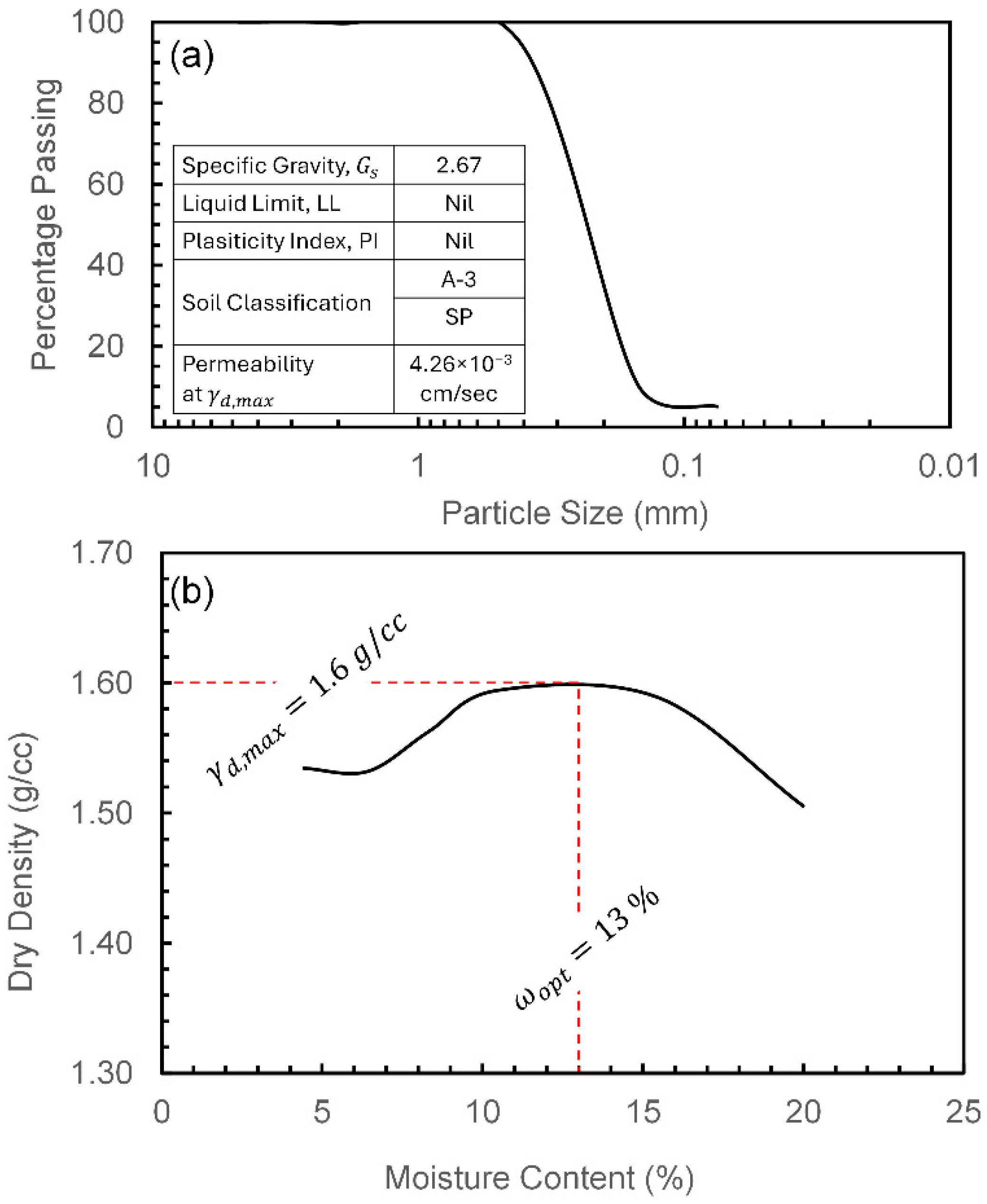
In this study, fungal urease was used to induce bio-cementation in a clean sandy soil. Figure 8a,b present particle size distribution [31] and standard Proctor density [32] of sand, respectively. For completeness, fine-grained sand obtained from the river Ravi was passed through five different sieves between #4 and #200 to remove concretions, thoroughly washed, and oven dried at 110 °C for 24 h to overcome humidity and contamination. Similarly, the optimum moisture content and maximum dry density values could be deduced from the results of the standard Proctor test. Subsequently, the Enzyme-Induced Carbonate Precipitation treatment of clean sand could be done by mixing it with an enzyme and a binder solution composed of 1 M calcium chloride, 2% calcium lactate, and 1.85 M urea. To assess how pre-mixing of fungal urease affects the original characteristics of sandy soil, both unconfined compressive strength [33] and permeability [34] tests were carried out on select samples. For completeness, a 1.5-inch diameter and 3-inch-long sand sample of pre-calculated mass to achieve 95% of maximum standard Proctor dry density or above could be mixed with pre-determined volumes of enzyme and binder solutions to ensure 100% optimum moisture content replacement. Each batch of samples was prepared in sets of three and evaluated for unconfined compressive strength after allowing them to cure for varying periods: 0 to 7 days, followed by 14, 21, and 28 days, to assess the strength of the sand specimen treated with the urease enzyme. Control samples were also prepared and tested in a parallel testing campaign on the same days, whereby the exact volume of distilled water was used in test sample preparation in place of the enzyme, along with the cementing solution. To assess the formation of calcium carbonate, permeability testing was carried out on treated samples. For brevity, both treated and control soil samples were compacted in a standard-sized mold of 1 L capacity and tested for deducing permeability in a constant head parameter by recording time to collect a known amount of water through the soil sample.
Table 2. Fermentation Media Formulations.
Sr. No.Formulation of Medium (g/100 mL)References
1Urea:1 g, Glucose: 0.5 g, Peptone: 0.5 g[25]
2Urea: 1 g, Glucose: 0.5 g, Yeast extract: 0.5 g[23]
3Urea:1 g, Glucose: 0.5 g, Peptone: 0.5 g, Phenol red: 0.001 g[35]
4Sucrose: 2 g, Urea: 0.085 g, Yeast extract: 0.34 g, Nickel sulfate hexahydrate (NiSO4.6H2O): 0.003 g, Magnesium sulphate heptahydrate (MgSO4.7H2O): 0.05 g, Calcium chloride (CaCl2): 0.004 g, Potassium dihydrogen phosphate (KH2PO4): 0.55 g, Dipotassium hydrogen phosphate (K2HPO4): 0.035 g[26,29,36]
5Potato Dextrose Broth (PDB): 2.4 g, Urea: 1.3 g[37]
6Yeast extract: 1 g, Dipotassium hydrogen phosphate (K2HPO4): 0.1 g, Magnesium sulphate (MgSO4): 0.05 g, Urea:1 g[26,38]
7Malt extract: 3 g, Dipotassium hydrogen phosphate (K2HPO4): 0.1 g, Magnesium sulphate (MgSO4): 0.05 g, Urea:1 g[39]
8Dextrose:4 g, Peptone:1 g, Dipotassium hydrogen phosphate (K2HPO4):0.1 g, Magnesium sulphate (MgSO4), Urea:1 g[36]
9Sucrose: 3 g, Sodium nitrite (NaNO2): 0.05 g, Dipotassium hydrogen phosphate (K2HPO4): 0.1 g, Magnesium sulphate (MgSO4): 0.05 g, Ferrous sulphate (FeSO4): 0.001 g, Urea: 1.5 g[40]

3. Results and Discussion

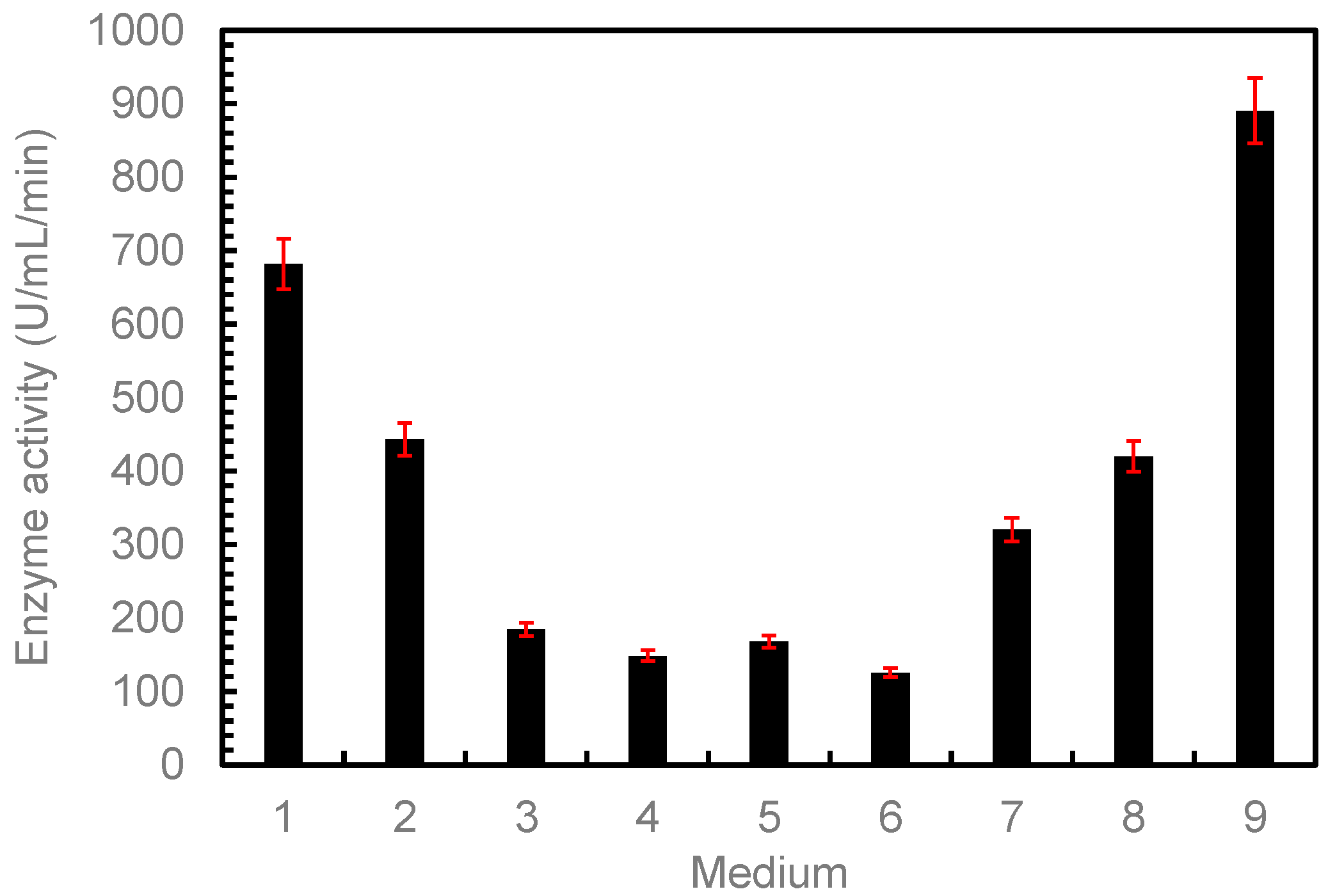
The standard deviation of the mean values is shown by error bars in Figure 9, Figure 10 and Figure 11. As Figure 9 shows, out of the nine-ferment media, M9 produced the highest number of units, i.e., 890 ± 0.013 U/mL/min. However, the medium (M1) that was used as a control showed the greatest urease activity after M9, i.e., 682 ± 0.012 U/mL/min. The fermentation media M2 and M8 showed significant results after M1 and M9, giving 443 ± 0.112 U/mL/min and 420   ± 0.019 U/mL/min, respectively. In addition, the least enzyme activity was produced by Aspergillus terreus using M6 fermentation medium.
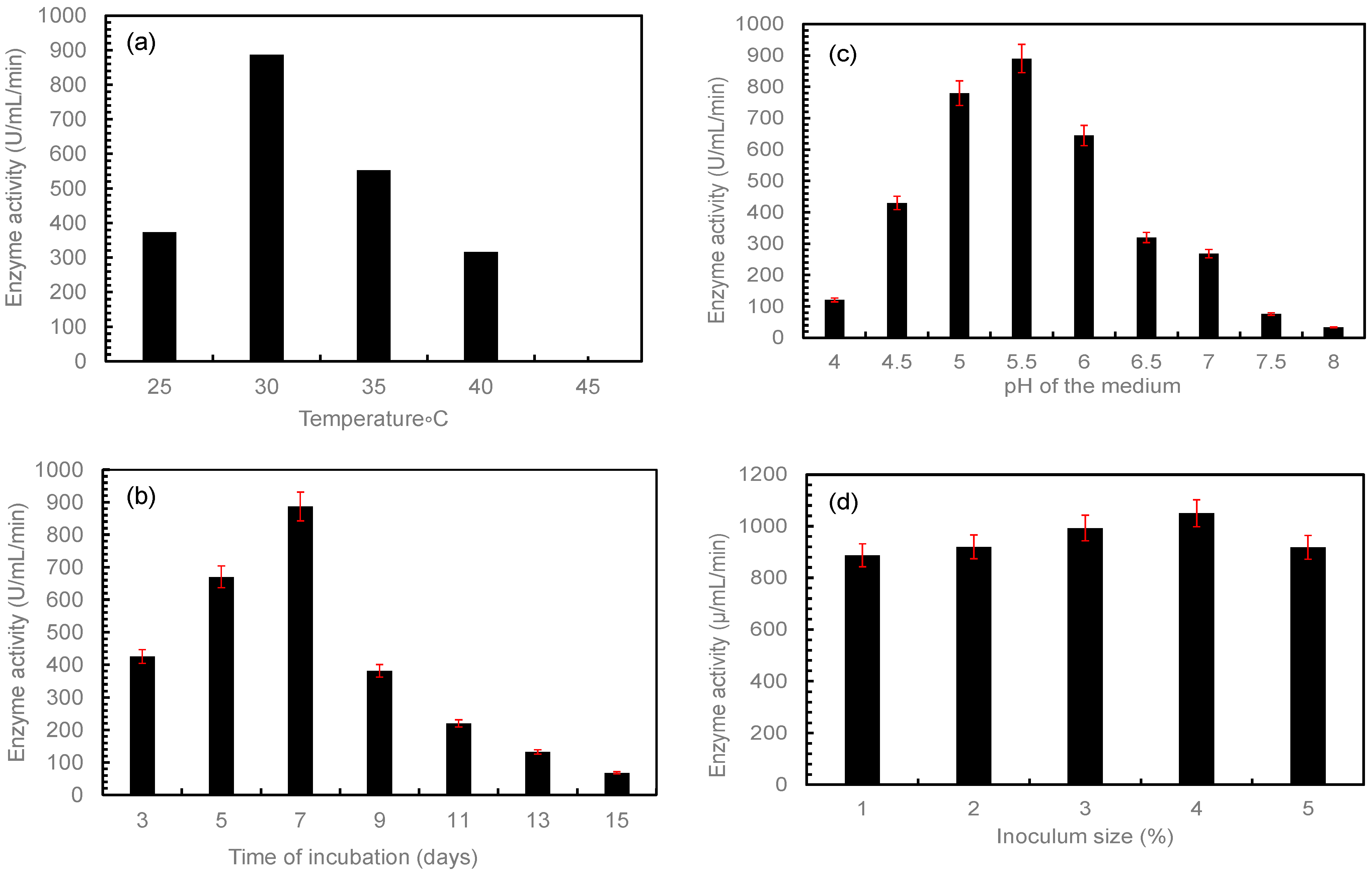
Figure 10a presents the data of urease production at various temperatures, such as 20 °C, 25 °C, 30 °C, 35 °C, 40 °C, and 45 °C. For instance, by keeping other culture parameters in the optimized fermentation medium constant, the incubation temperature for optimized urease production could be obtained. It was observed that the urease production was rather optimal at 30 °C, giving 887 ± 0.013 U/mL/min, whichcould be regarded asthe optimal temperature for Aspergillus terreus production. However, the urease activity was reduced to 552 ± 0.014 U/mL/min at 35 °C and then further decreased at 25 °C and 40 °C, i.e., 374 ± 0.014 U/mL/min and 312 ± 0.014 U/mL/min, respectively. Furthermore, no urease activity was observed at 45 °C.
Figure 10b presents the temporal variations in urease production at constant cultural conditions in the optimized medium recorded at various intervals, such as 3rd, 5th, 7th, 9th, 11th, 13th, and 15th days, for determining the ideal incubation period for the best urease production. Notably, the 7-day incubation period was identified to yield optimal growth of Aspergillus terreus with urease activity of 890 ± 0.013 U/mL/min. However, the significant increase in urease activity was observed on the 3rd and 5th day, with units, i.e., 425 ± 0.113 U/mL/min and 670 ± 0.014 U/mL/min, respectively. Notably, there was a gradual decrease in enzyme activity with the increase in time of incubation after the 7th day, which was consequently selected as the incubation period for further testing in this study.
Figure 10c presents the effects of varying the pH values of 4.0, 4.5, 5.0, 5.5, 6.0, 6.5, 7.0, 7.5, and 8.0 on urease production at constant cultural conditions to obtain the optimized pH value for further testing in the current study. For instance, at p H = 5.5 , the urease activity was observed to be the highest (i.e., 890 ± 0.013 U/mL/min), while that at p H = 5 was reduced to 780 ± 0.043 U/mL/min. However, at p H = 6 and 8, the urease production continued to decrease substantially. Thus, p H = 5.5 was considered the optimal value for the fermentation medium in the subsequent testing.
The optimization of inoculum size was achieved by varying the percentage of inoculum, i.e., 1%, 2%, 3%, 4%, and 5% in the selected fermentation medium with pre-optimized cultural conditions constant. Figure 10d shows that the maximum production of urease was obtained using an inoculum volume of 4% i.e., 1050 ± 0.046 U/mL/min. Notably, there is a slight decrease in the urease activity both above and below this concentration. Therefore, 4% inoculum size was selected for subsequent tests in this study.
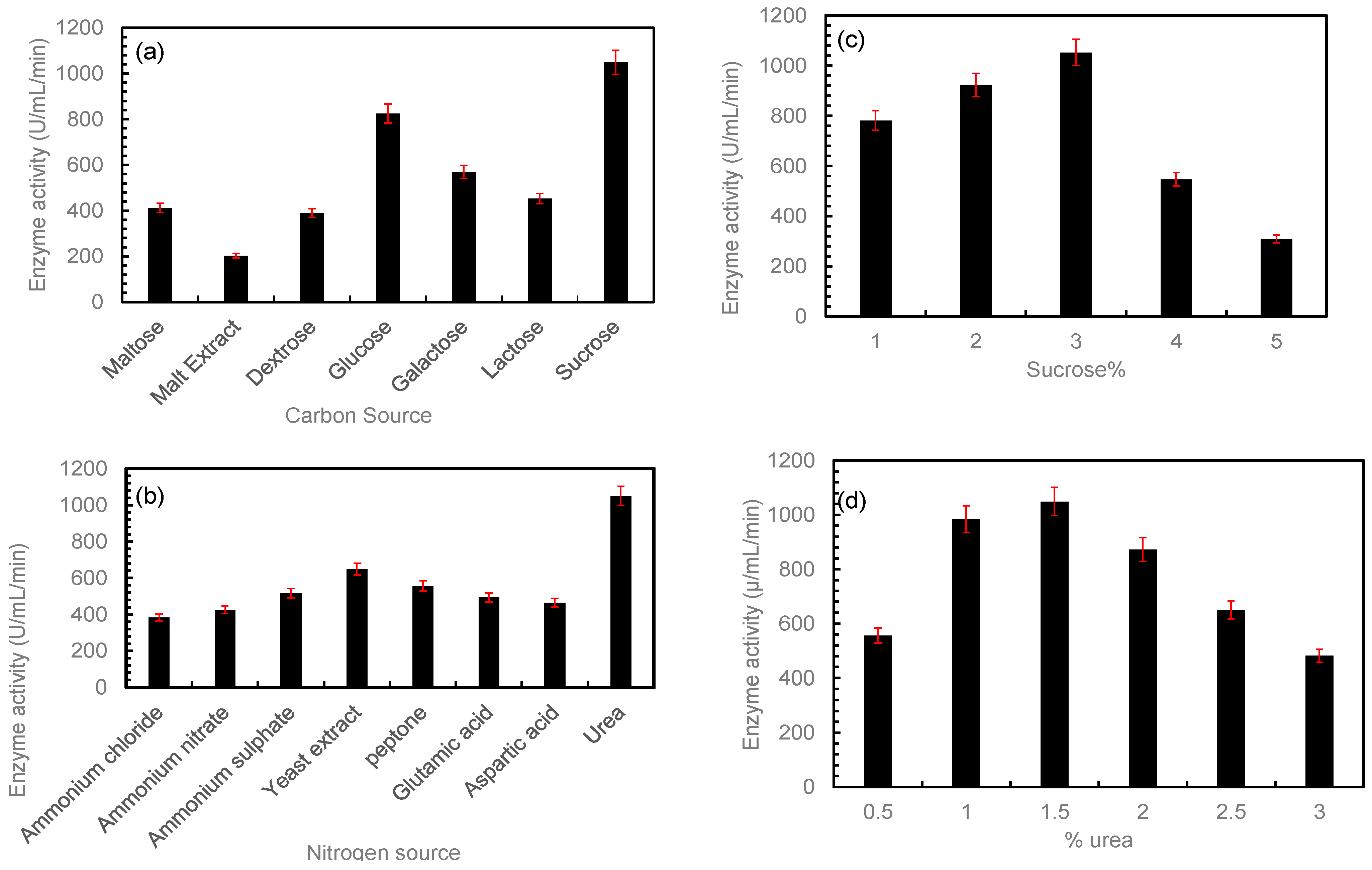
The optimization of the carbon source was conducted using different organic and inorganic options, including maltose, malt extract, dextrose, glucose, galactose, lactose, and sucrose. Among all the carbon sources, sucrose yielded the best activity for the optimal growth of Aspergillus terreus, i.e., 1048 ± 0.013 U/mL/min, as shown in Figure 11a. After sucrose, the maximum urease activity was observed with glucose, producing 825 ± 0.023 U/mL/min. However, the least enzyme activity was noted by using malt extract in the fermentation medium, i.e., 203 ± 0.043 U/mL/min. Therefore, sucrose was considered an optimal carbon source for further testing in this study.
The optimization of the nitrogen source was done by using different inorganic and organic nitrogen sources, including ammonium chloride (NH4Cl), ammonium nitrate (NH4NO3), ammonium sulphate (NH4SO4), yeast extract, peptone, glutamic acid, aspartic acid, and urea. Out of all nitrogen sources, urea produced the best result with units 1050 ± 0.013 U/mL/min as shown in Figure 11b. After urea, yeast extract showed significant urease activity, i.e., 649 ± 0.023 U/mL/min. However, among all the used nitrogen sources, ammonium chloride produced the lowest number of units, i.e.,   383 ± 0.023 U/mL/min. So, urea was then considered best for further use in subsequent fermentation procedures.
Sucrose was considered the best carbon source, which was then further used in different percentages, i.e., 1%, 2%, 3%, 4%, and 5% to add in an optimized fermentation medium under constant pre-optimized cultural conditions. Figure 11c shows 3% sucrose is best for optimal urease production, whereas further increase in sucrose concentration from 1% to 3%, there was an increase in the urease production from 781 ±   0.041 U/mL/min to 1052 ±   0.013 U/mL/min, respectively. However, with the further increase in concentration, the enzyme production decreased, showing 309 ±   0.044 U/mL/min at 5% sucrose.
Figure 11d shows the maximum activity of Aspergillus terreus at a 1.5% concentration of urea, which was then selected for further use in different concentrations, i.e., 0.5%, 1%, 1.5%, 2%, 2.5%, and 3% under constant pre-optimized cultural conditions. Notably, the increase in the concentration of urea from 0.5% to 1.5% resulted in increased production of the enzymes from 543 ± 0.045 U/mL/min to 1049 ± 0.045 U/mL/min. However, with the further increase in the concentration of urea beyond 1.5%, the enzyme production decreased by 3%.
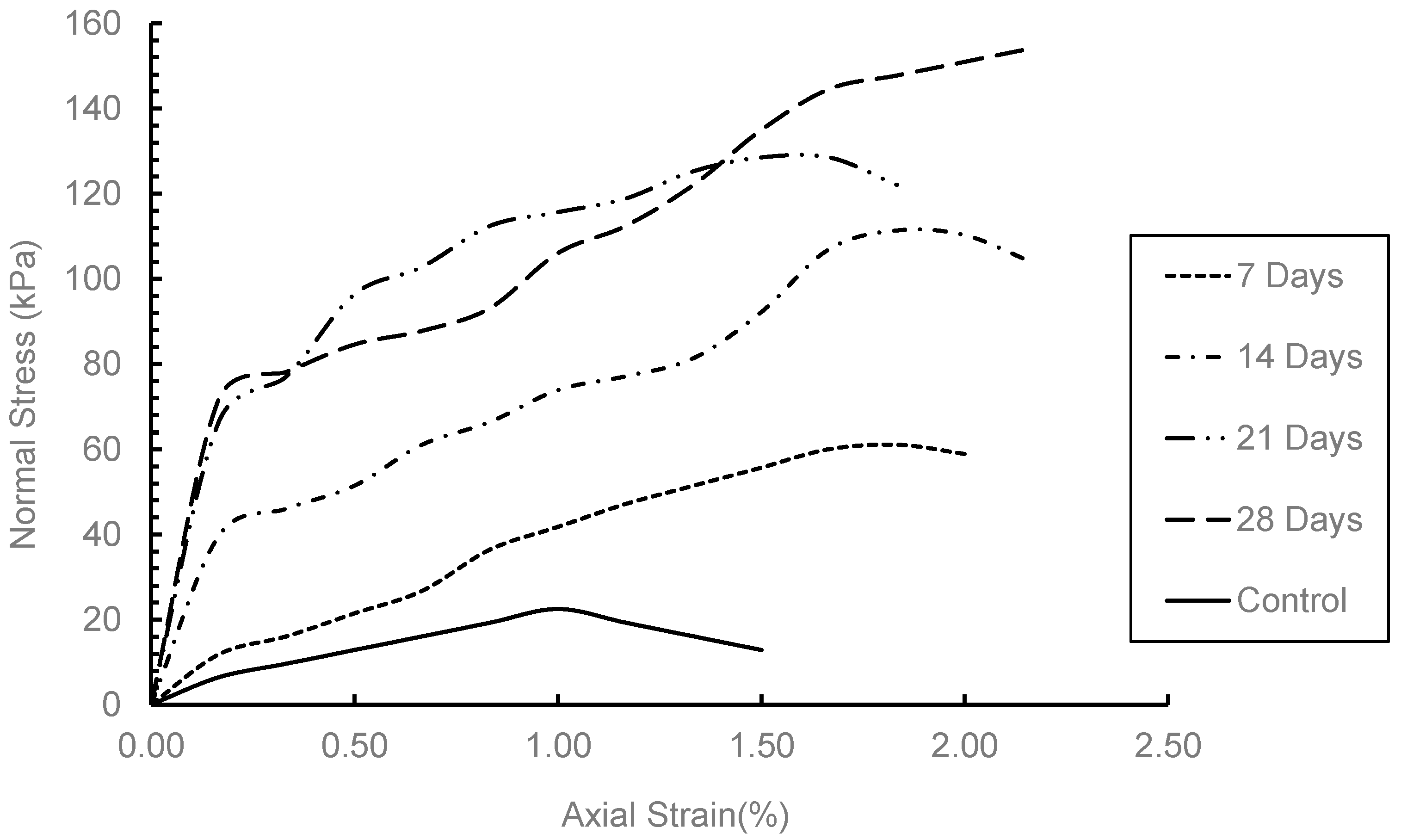
Figure 12 shows the results of unconfined compression testing on select soil samples improved with the addition of binder solution and optimum dosage of urease enzyme from Aspergillus terreus. For instance, stress–strain curves of an untreated soil sample (i.e., control sample) and treated soil samples at 0, 7, 14, 21, and 28 days have been presented. The control sample sustained 17.67 kPa of unconfined compressive stress before failing in rupture, while the average compressive stress sustained before failure by the triplicate samples of EICP at days 7, 14, 21, and 28 were recorded as 61.03 kPa, 111.37 kPa, 128.49 kPa, and 154.19 kPa, respectively. The production of calcium carbonate precipitates between soil particles was examined by the water permeability test of a soil sample treated with the urease enzyme. Both control and urease-treated samples were kept for 7 days to determine the water permeability of sandy soil. According to the results, water discharge for the control sample was 10 mL, and for the experimental sample was 4 mL. The permeability constant (K) for control and experimental samples was calculated to be 4.26 × 10⁻³ cm/s and 1.7 × 10⁻³ cm/s, respectively.
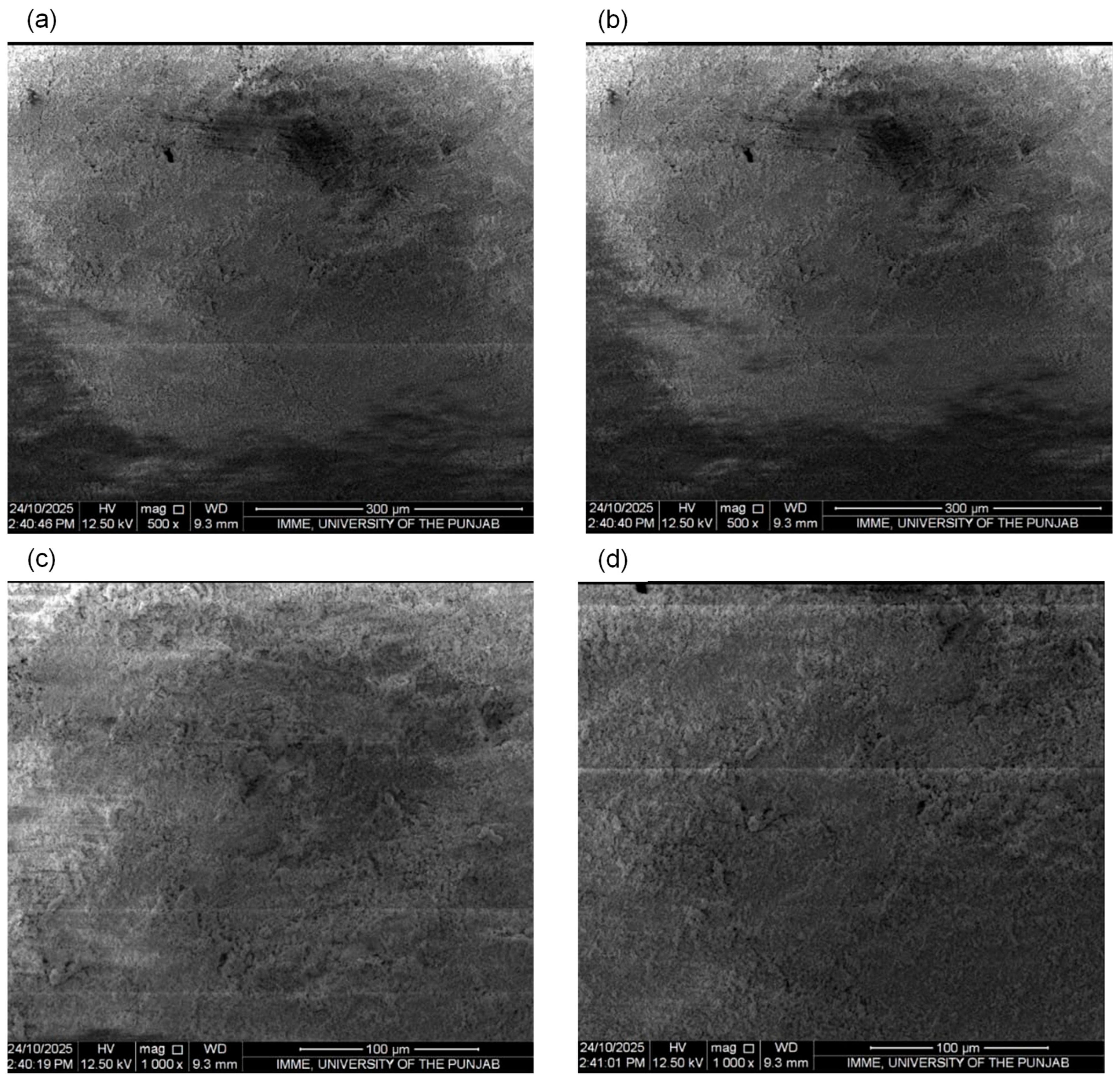
Figure 13 presents the two-dimensional scanning electron microscopy (2D SEM) results of select soil samples before and after treatment. For instance, Figure 13a,b shows untreated and treated sand samples on 0-day at 300 µm scale, showing no significant difference in the microstructures at both particle and pore space levels. Figure 13c shows the SEM images of the microstructure of the treated sand sample at 100 µm scale on 0-day, which shows the presence of several pore spaces between particles. However, no marked reduction in these pore spaces has been observed in the SEM image of the same sand sample on the 28th day of treatment (Figure 13d), whereby bio-cementation resulting from the EICP could subtly reduce the number of pore spaces, while significantly enhancing the particle–particle bonding that is consistent with the increased unconfined compressive strength and subtly reduced permeability of the treated soil samples. Nevertheless, a qualitative comparison between 2D SEM images before and after treatment using open-source package of ImageJ version 1.54s revealed no significant changes to the numbers and overall areas of pore spaces.

4. Limitations of This Study

In this study, several fungal urease samples were retrieved from different urea-fertilized agricultural lands. Subsequently, a limited number of small-scale laboratory tests were carried out on a sandy soil to ascertain the efficacy of enzyme-based soil cementations. Nevertheless, the fungal urease application in enzyme-induced carbonate precipitation (EICP) proved to be a viable alternate to long-term soil stabilization that still warrants a comprehensive evaluation of overall environmental impact, which is not covered in this study. For instance, the process may reduce ecological risks associated with living microbial systems; however, production, purification, and storage of urease enzymes may increase energy consumption and associated carbon emissions. Additionally, the use of urea and calcium chloride as cementing agents may result in environmental problems such as ammonia emissions and soil chemistry changes. Long-term enzyme stability in the field, cost-effective enzyme synthesis, and uniform distribution of the cementing solution in diverse soil systems are still problems in terms of both cost and scalability [22,23]. Thus, as an obvious limitation associated with most laboratory modeling, both scale and weight of soil specimens tested in this study may not be compared directly with those of actual field problems. Given that the analysis using image processing packages such as ImageJ exhibit serious limitations in terms of scalability, resolution, and area approximations, this study only relied on qualitative assessments of pore space reductions and inter-particle cementations before and after the treatment. Lastly, the study did not cover the cost analysis of current propositions that could vary due to several constraints including specialized labor, machinery, material costs, and supply chain.

5. Conclusions

This study demonstrates the successful production and application of fungal urease for enzyme-induced carbonate precipitation (EICP) in soil stabilization. Urease-positive fungal strains were found in urea-fertilized soils in Punjab, Pakistan. 18S rRNA sequencing was used to identify the most successful strain, Aspergillus terreus (10−5 S11 brown). Following filter-homogenization extraction, a spectrophotometric assay showed a maximum urease activity of 682 U/mL/min. By improving fermentation conditions, urease output could be significantly raised to 1050 U/mL/min. It was observed that the optimal conditions contained M9 medium with 1.5% urea, 3% sucrose, pH 5.5, 4% inoculum size, and 7 days of incubation at 30 °C. The extracted enzyme was mixed in clean sand with a binder solution containing 1 M CaCl2, 2% calcium lactate, and 1.85 M urea. After 28 days, soil permeability slightly dropped from 4.26 × 10⁻³ cm/s to 1.7 × 10⁻³ cm/s, indicating effective carbonate precipitation, while the unconfined compressive strength markedly increased from 22.5 kPa (untreated) to 154.2 kPa. The results of SEM analyses of untreated and enzyme-treated soil revealed that the carbonate crystallization occurred at the particle surfaces with a subtle reduction in the pore spaces between the particles. These carbonate crystals at the particle surfaces provided particle–particle bonding at their contact points that could markedly increase the unconfined compression strength of enzyme-treated soil. Notably, the pore spaces between the particles experienced a relatively smaller reduction in the original volume due to carbonate precipitation that resulted in subtle permeability reductions. In essence, the fungal urease has been proven to be a viable alternate to bacterial urease for long-term soil stabilization utilizing EICP.

Author Contributions

Conceptualization, Y.A. and J.I.; methodology, L.A.; software, J.I.; validation, Y.A., L.A. and G.Z.; formal analysis, L.A.; investigation, L.A.; resources, Y.A.; data curation, L.A.; writing—original draft preparation, J.I.; writing—review and editing, Y.A.; visualization, G.Z.; supervision, Y.A. and J.I.; project administration, Y.A.; funding acquisition, Y.A. All authors have read and agreed to the published version of the manuscript.

Funding

This research was funded by National Natural Science Foundation of China (52369020) and Key Projects of the Natural Science Foundation of Ningxia Province (2023AAC02024).

Data Availability Statement

The original contributions presented in this study are included in the article. Further inquiries can be directed to the corresponding author.

Acknowledgments

Technical support from the University of Engineering and Technology Lahore and Government College University Lahore is gratefully acknowledged.

Conflicts of Interest

The authors declare no conflicts of interest.

Abbreviations

The following abbreviations are used in this manuscript:
gGram
LLiter
mMMillimeter
cmCentimeter
UUnits
minMinutes
mLMilliliter
PDAPotato Dextrose Agar
PDBPotato Dextrose Broth
°CDegrees Celsius
%Percentage
TCATrichloroacetic acid
MICPMicrobially-induced carbonate precipitation
EICPEnzyme-induced carbonate precipitation
UCSUnconfined compressive strength

Appendix A. Enzyme-Induced Calcite Precipitation (EICP)

The EICP uses urease enzymes to catalyze the hydrolysis of urea into carbonate and ammonium ions. The majority of EICP research has concentrated on urease derived from bacterial (e.g., Bacillus spp.) or plant (e.g., Canavalia ensiformis) sources; however, new research shows that fungal urease has important benefits, especially in extracellular production, enzyme stability, and reliability, which makes fungi appealing for environmentally friendly ground improvement, remediation, and construction engineering applications [41]. The reaction media are directly supplemented with the urease enzyme (as in EICP). However, the process is started by the enzyme catalyzing the hydrolysis of urea:
CO(NH2)2 + H2O → NH2COOH + NH3
The urea hydrolyses to form ammonia and carbamic acid, raising the pH, as shown in the above equation. Further hydrolysis of the carbamic acid yields ammonia and carbonic acid.
NH2COOH + H2O → NH3 + H2CO3
The reactions subsequently produce ammonium ions, hydroxide ions, and carbonate ions, increasing the pH of the reaction medium even more.
2NH3 + 2H2O → 2NH4++2OH
2OH+H2CO3 → CO32−+2H2O
Two moles of ammonium and one mole of carbonate ions are produced when one mole of urea is hydrolyzed, according to the following equation, which summarizes the four reactions mentioned above.
CO(NH2)2 + 2H2O → 2NH4++CO32−
Lastly, the subsequent equation shows that when supersaturation is reached, the reaction between calcium and carbonate ions causes calcium carbonate to precipitate:
Ca2++CO32− → CaCO3
As calcium carbonate accumulates in the space between pores and at the contacts between soil grains, it fills the intergranular spaces and binds the small fragments together. Usually, this enhances the qualities of the soil, reducing porosity and boosting firmness and stiffness [41,42]. However, bio-based soil improvement methods, such as EICP, provide sustainable, economical, and environmentally beneficial alternatives. Calcium carbonate, which holds soil particles together, is produced when carbonate ions react with calcium through the enzymatic hydrolysis of urea, which is catalyzed by urease. New research shows that fungal urease is a practical and effective substitute for plant or bacterial urease, which has been the subject of the majority of studies on improving sandy soils [19].
Direct enzyme treatment allows EICP to control the formation of crystals and dispersion, in contrast to MICP, which depends on organisms that require oxygen for survival, and pore-size limitation is a major restricting factor [16]. It has been found that EICP strengthens soil, lowers permeation, and prevents deformation. With even calcite dispersion, a crucial characteristic, EICP performs better than MICP when used with plant or bacterial urease [20]. Since fungal urease has improved enzyme motility and dispersion in fine pore infrastructure, it can adapt effectively to a variety of soil types, overcoming MICP constraints brought on by bacterial cell size. A less expensive and more efficient option for dust control than chemical suppressors or water treatment is EICP-based soil remediation. Studies employing urease generated from plants demonstrate a 94% decrease in airborne particles; given its durability and effectiveness, fungal urease offers comparable or better results [43].
The long-term stability of fungal urease in challenging environments, like concrete or carbonate-treated soils, is enhanced by its capacity to withstand high temperatures and alkaline pH levels (up to around 10–10.6) [44]. Their capacity to operate at higher pH levels also makes them suitable for industrial use in natural healing sealants and concrete recovery.
Since urease accounts for about 70–80% of treatment expenses, crude fungal urease extracts lower the demand for ultrapure enzymes and EICP operating costs [16]. A crucial factor in geotechnical and civil engineering, especially when building infrastructure on porous or cohesive surfaces, is the structural integrity of sandy soils. Although cementation and mechanical fixing are efficient methods of stabilizing soil, they are costly, environmentally intrusive, and frequently unsustainable.
One important parameter for assessing the efficacy of soil stabilization is Unconfined Compressive Strength (UCS) testing, which tests longitudinal compressive load without lateral assistance. Low UCS values (<0.1 MPa) are commonly observed in untreated sandy soils [19]. However, by forming CaCO3 bridges between grains, EICP-treated sand greatly enhances UCS. According to a study on fine-grained sand treated with EICP, UCS reached 0.9 MPa following treatment cycles [44]. EICP is a reliable technique for mechanically reinforcing sandy soils because of these improvements, which show a direct relationship between calcium carbonate content and compressive capacity. Sandy soils with a high degree of permeability allow water to travel quickly, which compromises the strength of the structure. EICP-treated soil exhibits notable decreases in the conductivity of water, according to permeability measurements. Permeability decreases with the application of the enzyme, indicating the effectiveness of pore-blocking in sandy soil. These declines not only increase soil strength but also lessen the likelihood of degradation and increase the soil’s ability to withstand damage from water [19]. Nevertheless, innovations in urease enzyme synthesis, fungal strain genetic modification, and the effective expansion of EICP procedures to field settings are critical to the future of fungal urease in geotechnical applications. Fungal EICP has the potential to develop environmentally friendly and sustainable soil stabilization technologies through low-cost fermentation, bioengineering, and multiple soil testing.

Appendix B. Gene Sequencing of 18S rRNA of a Select Isolate

LOCUS    PV653669   511 bp  DNA    linear    PLN 19-MAY-2025
DEFINITION  Aspergillus terreus isolate GCU 2861 internal transcribed spacer 1,
                      partial sequence; 5.8S ribosomal RNA gene and internal transcribed
                      spacer 2, complete sequence; and large subunit ribosomal RNA gene,
                      partial sequence.
ACCESSION   PV653669
VERSION     PV653669
KEYWORDS.
SOURCE        Aspergillus terreus
  ORGANISM  Aspergillus terreus
                      Eukaryota; Fungi; Dikarya; Ascomycota; Pezizomycotina;
Eurotiomycetes; Eurotiomycetidae; Eurotiales; Aspergillaceae;
Aspergillus; Aspergillus subgen. Circumdati.
REFERENCE   1(bases 1 to 511)
  AUTHORS   Liza, L.
  TITLE           Direct Submission
  JOURNAL   Submitted (19-MAY-2025) Microbiology, Government College University
                      Lahore, Punjab 540000, Pakistan
COMMENT        ##Assembly-Data-START##
                      Sequencing Technology: Sanger dideoxy sequencing
                      ##Assembly-Data-END##
FEATURES                        Location/Qualifiers
      source                      1.511
                                        /organism=“Aspergillus terreus
                                        /mol_type=“genomic DNA”
                                        /isolate=“GCU 2861”
                                        /db_xref=“taxon:33178”
                                        /geo_loc_name=“Pakistan”
                                        /collection_date=“20-Mar-2025”
      misc_RNA                   <1..>511
                                        /note=“ contains internal transcribed spacer 1, 5.8S
                                        ribosomal RNA, internal transcribed spacer 2, and large
                                        subunit ribosomal RNA”
ORIGIN
                1 tgcttcggcg ggcccgccag cgttgctggc cgccgggggg cgactcgccc ccgggcccgt
              61 gcccgccgga gaccccaaca tgaaccctgt tctgaaagct tgcagtctga gtgtgattct
              121 ttgcaatcag ttaaaacttt caacaatgga tctcttggtt ccggcatcga tgaagaacgc
              181 agcgaaatgc gataactaaa gtgaattgca gaattcagtg aatcatcgag tctttgaacg
              241 cacattgcgc cccctggtat tccggggggc atgcctgtcc gagcgtcatt gctgccctca
              301 agcccggctt gtgtgttggg ccctcgtccc ccggctcccg ggggacgggc ccgaaaggca
              361 gcggcggcac cgcgtccggt cctcgagcgt atggggcttc gtcttccgct ccgtaggccc
              421 ggccggcgcc cgccgacgca tttatttgca acttgttttt ttccaggttg acctcggatc
              481 aggtagggat acccgctgaa cttaagcata t //

References

  1. Rao, M.; Scelza, R.; Gianfreda, L. Soil enzymes. In Enzymes in Agricultural Sciences; OMICS Group eBooks: Foster City, CA, USA, 2014; pp. 10–43. [Google Scholar]
  2. Miki, T.; Ushio, M.; Fukui, S.; Kondoh, M. Functional diversity of microbial decomposers facilitates plant coexistence in a plant–microbe–soil feedback model. Proc. Natl. Acad. Sci. USA 2010, 107, 14251–14256. [Google Scholar] [CrossRef]
  3. Jia, M.; Jacques, D.; Gerard, F.; Su, D.; Mayer, K.; Šimůnek, J. A benchmark for soil organic matter degradation under variably saturated flow conditions. Comput. Geosci. 2021, 25, 1359–1377. [Google Scholar] [CrossRef]
  4. Cui, Y.; Peng, S.; Rillig, M.C.; Camenzind, T.; Delgado-Baquerizo, M.; Terrer, C.; Xu, X.; Feng, M.; Wang, M.; Fang, L.; et al. Global patterns of nutrient limitation in soil microorganisms. Proc. Natl. Acad. Sci. USA 2025, 122, e2424552122. [Google Scholar] [CrossRef]
  5. Ebrahimi, A.; Or, D. Hydration and diffusion processes shape microbial community organization and function in model soil aggregates. Water Resour. Res. 2015, 51, 9804–9827. [Google Scholar] [CrossRef]
  6. Koçak, B. Importance of urease activity in soil. In Proceedings of the International Scientific and Vocational Studies Congress–Science and Health, Diyarbakır, Turkey, 5–6 November 2020; Volume 12. [Google Scholar]
  7. Sujoy, B.; Aparna, A. Potential clinical significance of urease enzyme. Eur. Sci. J. 2013, 9, 20. [Google Scholar]
  8. Arshad, Y.; Haq, I.U.; Israr, J.; Nawaz, A. Efficacy of microbial and bacterial enzyme induced calcite precipitations for bio-cementation in sand. Acta Geotech. 2026, 1–12. [Google Scholar] [CrossRef]
  9. Dilrukshi, R.; Kawasaki, S. Effect of plant-derived urease-induced carbonate formation on the strength enhancement of sandy soil. In Ecological Wisdom Inspired Restoration Engineering; Springer: Berlin/Heidelberg, Germany, 2018; pp. 93–108. [Google Scholar]
  10. Botha, A.; Toplis, B. Fungal ureases. In Ureases; Elsevier: Amsterdam, The Netherlands, 2024; pp. 147–161. [Google Scholar]
  11. Sirko, A.; Brodzik, R. Plant ureases: Roles and regulation. Acta Biochim. Pol. 2000, 47, 1189–1195. [Google Scholar] [CrossRef] [PubMed]
  12. Salehi, S.; Karami, A.; Ghezelbash, G.R. Extracellular urease from Arthrobacter sp. strain 169 for enzyme-induced calcium carbonate precipitation (EICP) applications. Ann. Microbiol. 2026, 76, 18. [Google Scholar] [CrossRef]
  13. Maghsoudi, V.; Yaghmaei, S. Comparison of solid substrate and submerged fermentation for chitosan production by Aspergillus niger. Sci. Iran. Trans. C Chem. Chem. Eng. 2010, 7, 153–157. [Google Scholar]
  14. Burns, R.G.; DeForest, J.L.; Marxsen, J.; Sinsabaugh, R.L.; Stromberger, M.E.; Wallenstein, M.D.; Weintraub, M.N.; Zoppini, A. Soil enzymes in a changing environment: Current knowledge and future directions. Soil Biol. Biochem. 2013, 58, 216–234. [Google Scholar] [CrossRef]
  15. Sekaran, U.; Sagar, K.L.; Denardin, L.G.D.O.; Singh, J.; Singh, N.; Abagandura, G.O.; Kumar, S.; Farmaha, B.S.; Bly, A.; Martins, A.P. Responses of soil biochemical properties and microbial community structure to short and long-term no-till systems. Eur. J. Soil Sci. 2020, 71, 1018–1033. [Google Scholar] [CrossRef]
  16. Zhao, J.; Csetenyi, L.; Gadd, G.M. Fungal-induced CaCO3 and SrCO3 precipitation: A potential strategy for bioprotection of concrete. Sci. Total Environ. 2022, 816, 151501. [Google Scholar] [CrossRef]
  17. Pan, M.; Heinecke, G.; Bernardo, S.; Tsui, C.; Levitt, J. Urea: A comprehensive review of the clinical literature. Dermatol. Online J. 2013, 19, 20392. [Google Scholar] [CrossRef] [PubMed]
  18. Devgon, I.; Sachan, R.S.K.; Rajput, K.; Kumar, M.; Al-Tawaha, A.R.M.S.; Karnwal, A.; Malik, T. Exploring fungal potential for microbial-induced calcite precipitation (MICP) in bio-cement production. Front. Mater. 2024, 11, 1396081. [Google Scholar] [CrossRef]
  19. Yuan, L.; Li, G.; Liu, J.; Wang, P.; Liu, C.; Zhang, J. Study on Mechanical Properties of Sandy Soil Solidified by Enzyme-Induced Calcium Carbonate Precipitation (EICP). Buildings 2024, 14, 1977. [Google Scholar] [CrossRef]
  20. Zomorodian, S.M.A.; Nikbakht, S.; Ghaffari, H.; O’Kelly, B.C. Enzymatic-induced calcite precipitation (EICP) method for improving hydraulic erosion resistance of surface sand layer: A laboratory investigation. Sustainability 2023, 15, 5567. [Google Scholar] [CrossRef]
  21. Hamdan, N.M. Applications of Enzyme Induced Carbonate Precipitation (EICP) for Soil Improvement. Ph.D. Thesis, Arizona State University, Tempe, AZ, USA, 2015. [Google Scholar]
  22. Wani, K.M.N.S.; Ali, A.; Muzafar, Z.; Kashani, S.N.F.; Jan, A.; Showkat, R.; Kumar, R. Bio-stabilisation of soils using crude urease enzymes: Mechanisms, applications and challenges. Geomech. Geoengin. 2026, 1–28. [Google Scholar] [CrossRef]
  23. Roksana, K. Efficiency of Enzyme Induced Carbonate Precipitation (EICP) by Crude Extract Urease for Geotechnical and Geoenvironmental Applications. Ph.D. Thesis, Rowan University, Glassboro, NJ, USA, 2025. [Google Scholar]
  24. Oghomwenakhin, E.; Eboigbe, L. Screening and Selection of Cryptococcus Neoformans Using Urease Activity and Temperature Range. Niger. J. Basic Appl. Sci. 2019, 27, 57–61. [Google Scholar] [CrossRef]
  25. Lerm, B.; Kenyon, C.; Schwartz, I.S.; Kroukamp, H.; de Witt, R.; Govender, N.P.; de Hoog, G.S.; Botha, A. First report of urease activity in the novel systemic fungal pathogen Emergomyces africanus: A comparison with the neurotrope Cryptococcus neoformans. FEMS Yeast Res. 2017, 17, fox069. [Google Scholar] [CrossRef]
  26. Ghasemi, M.F.; Bakhtiari, M.R.; Fallahpour, M.; Noohi, A.; Moazami, N.; Amidi, Z. Screening of urease production by Aspergillus niger strains. Iran. Biomed. J. 2004, 8, 47–50. [Google Scholar]
  27. Kayastha, A.M.; Das, N. A simple laboratory experiment for teaching enzyme immobilization with urease and its application in blood urea estimation. Biochem. Educ. 1999, 27, 114–117. [Google Scholar] [CrossRef]
  28. Gouli, V.; Gouli, S.Y.; Costa, S.; Shternshis, M. Comparison of wash, leaf imprint and adhesive tape methods for estimation of fungal spore deposition on leaves. Микoлoгия и фитoпатoлoгия 2005, 39, 99–103. [Google Scholar]
  29. Bakhtiari, M.; Faezi, M.; Fallahpour, M.; Noohi, A.; Moazami, N.; Amidi, Z. Medium optimization by orthogonal array designs for urease production by Aspergillus niger PTCC5011. Process Biochem. 2006, 41, 547–551. [Google Scholar] [CrossRef]
  30. Maleki-Kakelar, M.; Aghaeinejad-Meybodi, A.; Sanjideh, S.; Azarhoosh, M.J. Cost-effective optimization of bacterial urease activity using a hybrid method based on response surface methodology and artificial neural networks. Environ. Process. 2022, 9, 7. [Google Scholar] [CrossRef]
  31. ASTM D6913-04; Standard Test Methods for Particle-Size Distribution (Gradation) of Soils Using Sieve Analysis. ASTM International: West Conshohocken, PA, USA, 2009.
  32. ASTM D698-12; Standard Test Methods for Laboratory Compaction Characteristics of Soil Using Standard Effort (12,400 ft-lbf/ft3 (600 kN-m/m3)). ASTM International: West Conshohocken, PA, USA, 2021.
  33. ASTM D2166M-16; Standard Test Method for Unconfined Compressive Strength of Cohesive Soil. ASTM International: West Conshohocken, PA, USA, 2016.
  34. ASTM D2434-22; Standard Test Methods for Measurement of Hydraulic Conductivity of Coarse-Grained Soils. ASTM International: West Conshohocken, PA, USA, 2022.
  35. Brink, B. Urease Test Protocol; American Society for Microbiology: Washington, DC, USA, 2010; pp. 1–7. [Google Scholar]
  36. Abbas, A.A. Extraction, Optimization of Uricase from Aspergillus niger. Int. J. Adv. Res. 2016, 4, 1865–1872. [Google Scholar]
  37. Liu, Y.; Xue, Z.-L.; Zheng, Z.-M.; Gong, G.-H.; Wang, P.; Nie, G.-J. He-Ne laser irradiation of folate-producing Candida utilis and optimization of culture conditions under submerged fermentation. Ann. Microbiol. 2013, 63, 641–647. [Google Scholar] [CrossRef]
  38. Dar, G.H.; Kamili, A.N.; Nazir, R.; Bandh, S.A.; Jan, T.R.; Chishti, M.Z. Enhanced production of α-amylase by Penicillium chrysogenum in liquid culture by modifying the process parameters. Microb. Pathog. 2015, 88, 10–15. [Google Scholar] [CrossRef]
  39. Saif, A.; Cuccurullo, A.; Gallipoli, D.; Perlot, C.; Bruno, A.W. Advances in enzyme induced carbonate precipitation and application to soil improvement: A review. Materials 2022, 15, 950. [Google Scholar] [CrossRef] [PubMed]
  40. Rodríguez-Jasso, R.M.; Mussatto, S.I.; Pastrana, L.; Aguilar, C.N.; Teixeira, J.A. Fucoidan-degrading fungal strains: Screening, morphometric evaluation, and influence of medium composition. Appl. Biochem. Biotechnol. 2010, 162, 2177–2188. [Google Scholar] [CrossRef]
  41. Souagui, S.; Boudries, H.; Djoudi, W.; Djinni, I.; Laincer, F.; Keramane, B.; Kecha, M. Characterization of a Haloalkaline nocardiopsis sp. Strain S10 Isolated from Wastewater and Optimization of Culture Medium for Improving Production of Antifungal Compounds. Anti-Infect. Agents 2023, 21, 34–52. [Google Scholar] [CrossRef]
  42. Tao, H.; Zhou, Y.; Deng, J.; Du, C.; Yi, F.; Huang, H. Plant-derived urease-induced calcium carbonate precipitation for solidifying limestone dust: Preparation, performance, and mechanism. Int. J. Biol. Macromol. 2025, 309, 142758. [Google Scholar] [CrossRef]
  43. Wang, Y.; Sun, X.; Miao, L.; Wang, H.; Wu, L.; Shi, W.; Kawasaki, S. State-of-the-art review of soil erosion control by MICP and EICP techniques: Problems, applications, and prospects. Sci. Total Environ. 2024, 912, 169016. [Google Scholar] [CrossRef]
  44. Fang, C.; Kumari, D.; Zhu, X.; Achal, V. Role of fungal-mediated mineralization in biocementation of sand and its improved compressive strength. Int. Biodeterior. Biodegrad. 2018, 133, 216–220. [Google Scholar] [CrossRef]
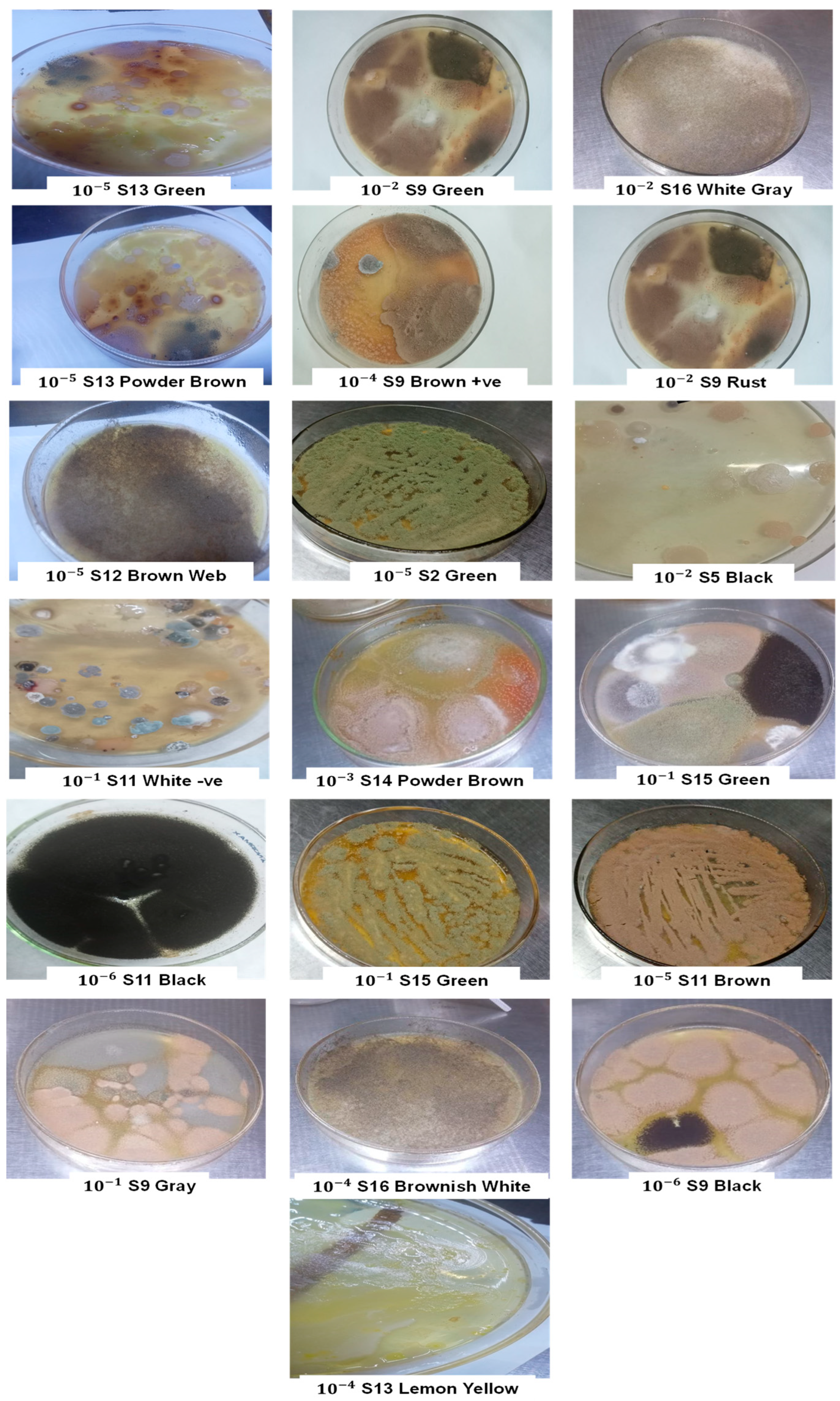
Figure 1. Fungal strains isolation.
Processes 14 01454 g001
Figure 2. Isolation of fungal strains that test positive for urease on Christensen’s medium, resulting in a pink coloration.
Processes 14 01454 g002
Figure 3. Pure culture of a selected isolate.
Processes 14 01454 g003
Figure 4. Submerged fermentation and secondary screening.
Processes 14 01454 g004
Figure 5. Two different images of microscopic examinations of select Aspergillus terreus fungal isolate stained with lactophenol cotton blue at 100X resolution, showing septate hyphae with columnar conidial heads.
Processes 14 01454 g005
Figure 6. Phylogenetic tree of the strain 10−5 S11 brown alongside closely linked species.
Processes 14 01454 g006
Figure 7. A standard curve of ammonia was plotted by varying the concentration of ammonium sulfate and measuring the optical densities at an absorbance of 405 nm.
Processes 14 01454 g007
Figure 8. Illustration of (a) Particle Size Distribution Curve and (b) Standard Compaction test results.
Processes 14 01454 g008
Figure 9. Effect of different fermentation media on the production of urease by Aspergillus terreus.
Processes 14 01454 g009
Figure 10. Effect of (a) different temperatures, (b) different incubation periods, (c) different pH values of a medium, and (d) inoculum size on the production of urease by Aspergillus terreus.
Processes 14 01454 g010
Figure 11. Effect of (a) different carbon sources in a medium, (b) different nitrogen sources in a medium, (c) different percentages of sucrose in a medium, and (d) different percentages of urea in a medium on the production of urease by Aspergillus terreus.
Processes 14 01454 g011
Figure 12. Unconfined compressive strength (kPa).
Processes 14 01454 g012
Figure 13. SEM test results of select samples: (a) untreated sample, (b) treated sample on day 0 at 300 µm scale, (c) treated sample on day 0 at 100 µm scale, and (d) treated sample on day 28 at 100 µm scale.
Processes 14 01454 g013
Table 1. Outcomes of the secondary evaluation of urease-positive fungal strains.
Sr. No.Strain No.Enzyme Activity (U/mL/min)Sr. No.Strain No.Enzyme Activity (U/mL/min)
110−5 S2 green380 ± 0.0121210−3 S14 brown78.306 ± 0.042
210−1 S5 green red182.98 ± 0.1341310−3 S14 green132.8 ± 0.014
310−2 S5 rust204.31 ± 0.0191410−4 S14 brown powder12.784 ± 0.015
410−1 S8 rust283 ± 0.0241510−1 S15 green489 ± 0.021
510−1 S9 grey28.76 ± 0.0131610−1 S15 rust478 ± 0.018
610−4 S9 pure rust311.82 ± 0.0491710−2 S16 white grayish black156 ± 0.112
710−5 S11 brown682 ± 0.0121810−4 S16 brown white web120.35 ± 0.056
810−5 S12 brown web152.25 ± 0.0131910−5 S16 black white web240 ± 0.010
910−4 S13 lemon yellow540 ± 0.0222010−1 S17 white brown310 ± 0.035
1010−5 S13 green86.3 ± 0.1052110−2 S17 skin brown298 ± 0.016
1110−5 S13 brown141.3 ± 0.019
Disclaimer/Publisher’s Note: The statements, opinions and data contained in all publications are solely those of the individual author(s) and contributor(s) and not of MDPI and/or the editor(s). MDPI and/or the editor(s) disclaim responsibility for any injury to people or property resulting from any ideas, methods, instructions or products referred to in the content.