Article

Anaerobic Digestion of Wastewater Treatment Plant Primary Sludge for Biogas and Energy Recovery


by
Simla D. Maharaj
1,2,
Charles Rashama
2,3,4,
Riann Christian
2,3,
Tracy Masebe
3,
Melissa Inderpal-Pillay
3 and
Tonderayi S. Matambo
2,4,*
1
Institute for Catalysis and Energy Solutions, College of Science, Engineering and Technology, University of South Africa, Corner of Christiaan de Wet & Pioneer Rds., Florida Park, Roodepoort, Johannesburg 1709, South Africa
2
The Bioenergy Consortium, College of Agriculture and Environmental Sciences, University of South Africa, Corner of Christiaan de Wet & Pioneer Rds., Florida Park, Roodepoort, Johannesburg 1709, South Africa
3
Department of Life and Consumer Sciences, University of South Africa, Corner of Christiaan de Wet & Pioneer Rds., Florida Park, Roodepoort, Johannesburg 1709, South Africa
4
Centre for Competence in Environmental Biotechnology, Department of Environmental Sciences, College of Agriculture and Environmental Sciences, University of South Africa, Corner of Christiaan de Wet & Pioneer Rds., Florida Park, Roodepoort, Johannesburg 1709, South Africa
*
Author to whom correspondence should be addressed.
Processes 2026, 14(8), 1277; https://doi.org/10.3390/pr14081277
Submission received: 4 March 2026 / Revised: 13 April 2026 / Accepted: 13 April 2026 / Published: 16 April 2026
(This article belongs to the Section Biological Processes and Systems)

Abstract

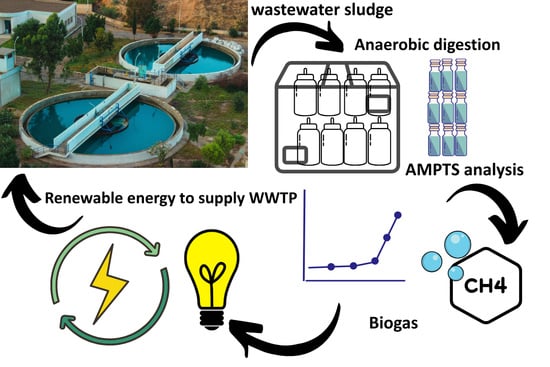
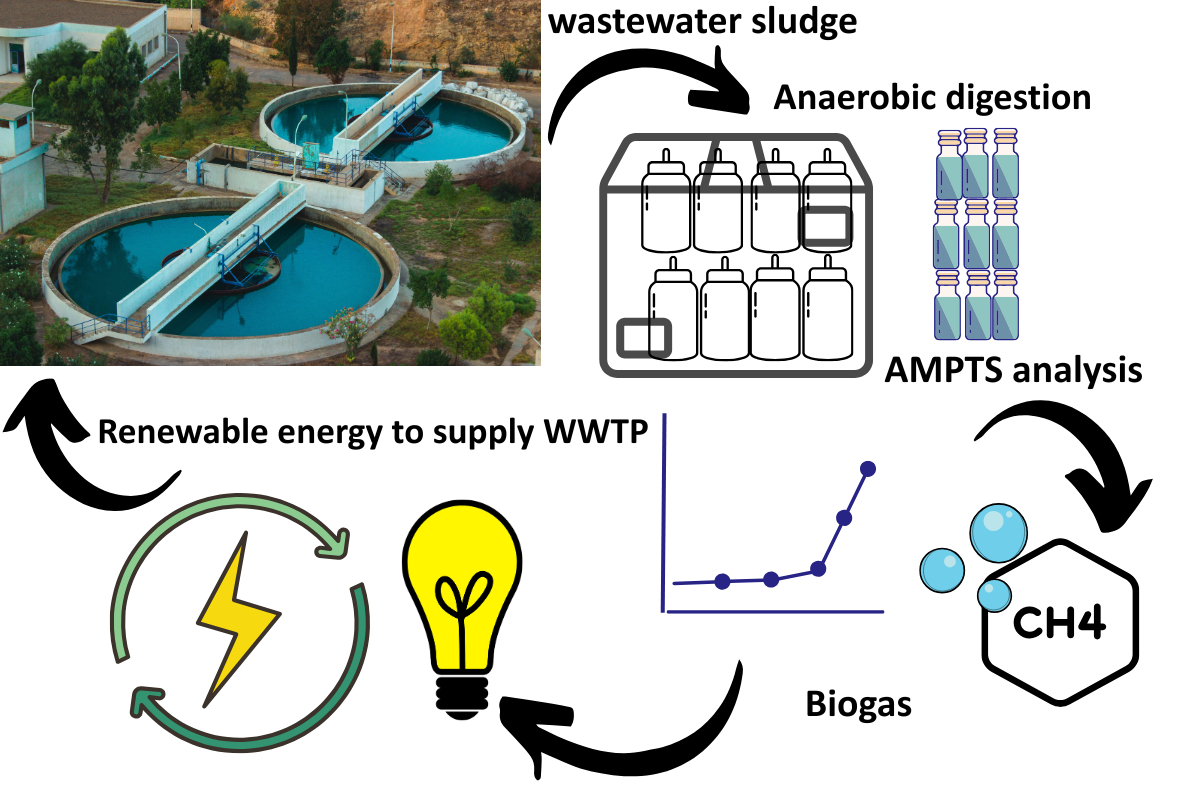
This study evaluated the anaerobic digestibility of primary sludge from two wastewater treatment plants (WWTPs), Leeuwkuil and Rietspruit. Anaerobic biodegradation produces biogas as an energy carrier. Sludge from the primary settling tanks was tested in batch mode as a mono-substrate, without pretreatment or external inoculum. Proximate and ultimate analyses were used to estimate theoretical methane production. Anaerobic digestibility tests were then performed using an Automatic Methane Potential System (AMPTS® II, Bioprocess Control). The volatile-to-total solid (VS/TS) ratios were 71 for Leeuwkuil and 13 for Rietspruit. Theoretical methane yields for Leeuwkuil sludge were 257–293 L/kg VS. For Rietspruit, the Buswell and Dulong methods gave negative theoretical BMP values (−76 and −15 L/kg VS), suggesting these models may be unsuitable for high-oxygen-content substrates. Measured methane production was 11.3 L/kg VS for Leeuwkuil and 4.8 L/kg VS for Rietspruit, indicating low anaerobic digestibility relative to solid content. Leeuwkuil primary sludge nevertheless showed better potential as a co-substrate for methane production than Rietspruit sludge. Rietspruit sludge may pose challenges for anaerobic digestion, though pretreatment or co-digestion could improve performance. Based on measured methane productivities, each WWTP could generate about 0.5 MWh of electricity per day from biogas. The study shows that primary sludge digestibility depends strongly on the physico-chemical characteristics of the influent wastewater. Primary sludge can often be improved for digestion through chemical/physical pretreatment and co-digestion with secondary sludge or suitable agro-industrial organic residues.

Graphical Abstract

1. Introduction

Wastewater treatment consumes large amounts of energy [1]. Conventional South African WWTPs, mostly linear in design, rely on grid electricity generated mainly from coal-fired power stations. Coal is highly polluting, and the aging power infrastructure frequently breaks down. High and poorly managed energy use at WWTPs significantly burdens the South African economy and others globally [2]. Rietspruit WWTP, for example, uses about 5252.7 kWh/ML, averaging 164,911.5 kWh/day. Even with special municipal tariffs, electricity costs of ZAR2.50-ZAR9.23/kWh remain very high [3]. Most WWTPs do not use the sewage sludge produced by linear treatment; instead, they dump primary and secondary sludge in landfills, causing greenhouse gas emissions [4]. This linear model is less energy-efficient than circular approaches that recover energy and other resources.
Old WWTPs also suffer frequent equipment failures [5]. Improving primary sludge circularity and resolving equipment breakdowns enhances WWTP sustainability. Anaerobic digestion (AD) of sludge can produce biogas for electricity generation [6], while sanitizing sludge for use as a soil conditioner. This creates additional revenue from electricity, heat, and biofertilizer and reduces anthropogenic methane emissions that drive climate change [7]. AD is commonly applied to a mixture of primary and secondary sludge. Characterisation and AD tests of primary sludge alone are less studied, despite their importance. At Rietspruit WWTP, the activated sludge process (the main secondary sludge-producing unit) undergoes prolonged maintenance, disrupting sludge removal from secondary tanks. The frequent breakdowns observed at Rietspruit motivated investigating the feasibility of integrating AD into a WWTP without co-digesting secondary sludge. To assess how differently sourced wastewater behaves, particularly due to autochthonous microbial variations, primary sludge AD performance was compared at two plants, Rietspruit and Leeuwkuil WWTP. Both are operated by the same municipality but receive influent from different sources/industries, as reported in our previous study [8]. The different sources are expected to infer different physico-chemical properties to the WWTP influent with subsequent impact on anaerobic digestibility of the primary sludge. Testing the primary sludge’s anaerobic digestibility using autochthonous microorganisms for biogas production unpacks the preliminary information essential for deciding on investment in further substrate evaluation tests. Previous studies of primary sludge anaerobic digestion have included pretreatment of a chemical or physical nature and inoculation [9,10,11,12,13]. The current study aims to understand biodegradability potential and limitations prior to these expensive pretreatments and without external microbial inoculation. This approach is a useful preliminary step that will guide inoculum selection, co-substrate selection and pretreatment strategy selections in future more informative and detailed and standard BMP tests. If economic anaerobic digestibility levels are achieved without external microbial inoculation, industrial-scale AD systems using these substrates will be easier and cheaper to optimise. In general, AD systems started without external inoculation develop greater resistance and resilience to short-term, extreme overloads [14]. This external microbial inoculation of AD systems involves operational challenges and costs. The objectives of this study were to: (i) to assess the primary sludge’s innate autochthonous methanogenic capability and (ii) to determine the electrical energy production potential of the primary sludge. According to the best of our knowledge, the first objective of our study is being investigated for the first time as no similar studies could be found after literature searches from Google scholar and Web of Science were conducted. Key phrase searches included primary sludge digestion without pretreatment and/or inoculum.

2. Materials and Methods

2.1. Description of the Study Site

The two WWTPs studied are located in the Emfuleni municipality within Sedibeng district in the Gauteng province of South Africa (Figure 1).
Leeuwkuil WWTP [−26.67271, 27.89622] and Rietspruit WWTP [−26.68404, 27.77062] collectively treat municipal and industrial effluent. Sedibeng district has a large manufacturing sector and is a major contributor to the Gauteng economy [15]. Leeuwkuil WWTP is designed to treat 36 ML of wastewater per day, with a loading capacity of 18,000 kg/COD per day. It however receives 45 ML of wastewater daily and treats only 8100 kg/COD per day. The main treatment process is activated sludge and biological trickling filter filtration. Rietspruit WWTP receives 28 ML of wastewater daily, with a design capacity of 36 ML per day. It treats 11,340 kg/COD per day, with a loading capacity of 25,200 kg/COD per day. Wastewater is treated using biological trickling filters only at the moment as the activated sludge processes have not been operational for an extended period of time. Annotated process flow diagrams of Leeuwkuil and Rietspruit WWTPs are included in our previous study [8].

2.2. Sample Collection

Sludge samples were collected in triplicate from the primary settling tanks from both WWTPs in 1 L plastic buckets and sealed with a lid. The sampling buckets were cleaned prior to use by soaking them in a 5% HNO3 solution and rinsed with distilled water thereafter. The samples were transported on ice to the laboratory and stored at 4 °C until further analysis. The consistency of the samples was noted prior to storage.

2.3. Physical Analysis and Characterisation of the Feedstock

Physicochemical analysis was conducted following the American Public Health Association (APHA) standard methods (APHA/WEF 2012) [16]. The pH of the samples was measured using a pH meter (70 Vio, XS Instruments, Carpi, Italy) in the laboratory. A portion of each of two samples was dried at 105 °C until no weight changes could be detected on the dry sample. Then, dry samples were ground to powder before undertaking elemental analysis following standard procedures at the University of the Witwatersrand analytical laboratories to determine the composition of carbon (C), hydrogen (H), nitrogen (N) and sulfur (S). Briefly, the samples were weighed between a mass of 2.5 and 4.0 mg and then combusted in the Elementar vario EL cube elemental analyser (Elementar Analysensysteme, Langenselbold, Germany) using an autosampler (Elementar Analysensysteme, Langenselbold, Germany). The combustion tube temperature was set at 1150 °C and the reduction tube at 850 °C with He as the carrier gas. After combustion the gases produced were separated by three selective trap columns into the target analyte gases and peaks detected using a thermal conductivity detector (Elementar Analysensysteme, Langenselbold, Germany). The element concentration from the detector signal and the sample weight were calculated by a connected PC using calibration curves that have been stored. For determination of total and volatile solids, a measured amount of sample (mwet) was placed in a clean glass beaker and dried at 105 °C in a pre-heated oven for 2 h. The samples were allowed to cool and reweighed (mdried). Total solids (TS) was calculated using Equation (1):
T S % = m d r i e d m w e t   ×   100  
Volatile solids were determined by burning the weighed dried sample (mdried) in a crucible at 550 °C for 2 h in a pre-heated muffle furnace. The residue (mburned) was cooled and weighed and volatile solid (VS) content calculated using Equation (2)
V S % = m d r i e d m b u r n e d m w e t × 100  

2.4. Theoretical Bio-Methane Potential Predictions

Theoretical bio-methane potential calculations based on results from the ultimate elemental analysis of the substrate, in this case, the primary sludge, were determined using both Buswell’s and Dulong’s methods. Buswell and Symons initially postulated the stoichiometric degradation of organic compounds containing carbon (C), hydrogen (H) and oxygen (O) to produce methane [17]. Researchers have later modified the Buswell equation to cater for nitrogen and sulfur and thus, for an organic compound with an empirical formula of CaHbOcNdSe, undergoing biodegradation through reaction (3), the stoichiometric bio-methane production (TBMP) is calculated using Equation (4)
C a H b O c N d S e + 1 4 4 a b 2 c + 3 d + 2 e H 2 O 1 8 4 a b 2 c + 3 d + 2 e C O 2 + 1 8 4 a b 2 c + 3 d + 2 e C H 4 + d N H 3 + e H 2 S
T B M P = ( a 2 + b 8 c 4 3 d 8 e 4 ) 12 a + b + 16 c + 14 d + 32 e × 22,400
whereby TBMP is reported in L/kg VS.
Using the Dulong’s energetics approach, the substrate’s energy value, E0, can be calculated from the Dulong Equation (5) [18]. Also using elemental analysis of the substrate, E0 is correlated to BMP through Equation (6)
E 0 = 337 C + 1419 H 1 80 + 93 S + 23.26 N
B M P = E 0 37.78
where E0 is reported in MJ/t, capital letters in Equation (5) represent percentage composition of each element in the substrate and 37.78 MJ m−3 is the energy content of methane.

2.5. Anaerobic Digestibility Tests

Anaerobic digestibility tests of the sludge samples were carried out in an Automatic Methane Potential System (AMPTS® II) (Bioprocess, Lund, Sweden) following the manufacturer’s operating instruction with some modifications to the steps followed in a standard BMP assay [19,20,21]. Briefly, 500 mL reactors were cleaned and dried and 400 mL working volumes of sludge were deposited into the reactors in triplicate. Based on this volume and the physicochemical properties of the sludges, it follows that the Leeuwkuil reactors had an initial VS load of 30.5 g while the Rietspruit ones contained 87.5 g at the beginning of the digestibility trials. The reactors were then purged with N2 gas for 30 s to create anaerobic conditions within the reactors, before placing them in a water bath that was set at a temperature of 37 °C. There was no initial inoculum charge into the reactors as we also wanted to investigate if the substrate had a sufficient methanogenic population that could drive AD without external bioaugmentation. No pretreatments to the sludge were implemented as commonly practised in standard BMP assays (for example adjustments of pH, solids content or mineral supplements). The reactors were agitated for 60 min at 60 rev/min every 2 h for a period of 18 days. The total biogas volume produced was measured by the gas endeavour unit which consists of flow cells arranged to measure wet gas flow through liquid displacement and buoyancy [22]. The CO2 absorption unit composed of corresponding 100 mL bottles containing a solution of 3 M NaOH and 0.4% pH indicator Thymolphthalein connected to the gas endeavour unit. Through chemical interaction with NaOH, several acid gas components, including CO2 and H2S, are absorbed in a scrubbing solution, leaving only CH4 to flow through to the bio-methane Gas Volume Measuring Device. This measuring device operates on the principle of liquid displacement and buoyancy which generates a digital pulse when a volume of gas flows through it [23]. The results were recorded, displayed, and analysed using an integrated embedded data acquisition system [23]. During the final stages of the incubation when consecutively over a three-day period, the average daily output of biogas was less than 1% of the total biogas potential, the experiments were terminated. The cumulative biomethane volume recorded in ml on the AMPTS system were divided by 1000 to convert these readings to L. Results recorded as the AMPTS output were already normalised using an in-built computer algorithm that considers operating temperature, pressure and gas moisture content. The final reported values were normalised to a temperature of 273 K and pressure 1 atm.

2.6. Electrical Energy Production Potential

Biogas is estimated to have a heating value of 21.5 MJ/m3 which translates to 5.97 kWh/m3 of electricity equivalent whereas pure methane has a heating value of 35.8 MJ/m3 that equates to 9.94 kWh/m3 electricity equivalent at standard temperature and pressure [24]. The electrical energy potential of biogas that can be produced at each WWTP site was therefore computed through Equation (7) which uses the methane component of the biogas. As reported from the AMPTS per VS generated at each WWTP plant.
E e l e c t r i c   = V × 9.94 × η  
where
V m e t h a n e   = volume of methane gas produced
9.94 kWh/m3 = electrical power equivalence value of methane
η = electrical efficiency (estimated at 35% = 0.35)
It must however be noted that, the electrical energy potentials derived from this calculation are on the lower end for each site because the biodegradability experiments are non-optimised. There is scope to increase these energy potentials by external microbial inoculation to the AD reactors and implementing co-digestion strategies.

2.7. Statistical Analysis

Statistical analysis was conducted using Microsoft Excel for descriptive and inferential statistics.

3. Results and Discussion

3.1. Physical and Elemental Analysis of Feedstock

The physico-chemical characteristics of the primary settling tank sludge samples (mean ± standard deviation) from the two WWTPs are indicated in Table 1.
In their study of the anaerobic co-digestion of sewage sludge and cattle manure, Dai et al. (2016) [25] indicated a TS of 2.5 and a VS of 47% for the dewatered sewage sludge. Mudzanani et al. (2021) [26] reported the TS and VS of sewage sludge during their study of sewage sludge anaerobic digestion as 3.60 and 98.70% respectively. Azarmanesh et al. (2020) [27] determined the TS and VS of primary sewage sludge as 2.40 and 2.14% respectively in their study of anaerobic co-digestion of food waste and sewage sludge. The secondary sludge was reported to have a TS of 4.96% and a VS of 4.20% [27]. In their study of the anaerobic digestion of sedimented primary sewage sludge and fine mesh sieved primary sewage sludge, Odirile et al. (2021) [13] indicated a TS of 2.61 and a VS of 78.77% for the primary sludge. A combination of a high TS and a low VS for the Rietspruit sludge indicates potential anaerobic digestibility problems. This shows that the Rietspruit primary sludge could be a poor feedstock for biodigesters compared to that reported in other studies as well as the one from Leeuwkuil WWTP. The high TS of Rietspruit was therefore mainly inorganics that are highly oxygenated. This most likely contributed to the sludge’s poor biogas yields under AD. The amount of nutrients that anaerobic bacteria may access from any biogas feedstock is indicated by the C/N ratio [22]. The C/N ratios of the study samples were lower than that recommended by various biogas studies of 20–30 [22,28,29]. However, Matjuda et al. (2024) [30] and Mudzanani et al. (2021) [26] indicated that lower C/N ratio values in the range 15–30 can also be accepted for feasible AD. In this study, Leeuwkuil had a C/N ratio of 16 and Rietspruit was at 19 which were both within the acceptable range to promote microbial degradation through AD.

3.2. Theoretical Bio-Methane Potentials

The elemental analysis of the two WWTP sludges yielded the empirical molecular formulae C138H115O121N7S for Leeuwkuil sludge and C61H42O192N3S for Rietspruit sludge. Based on the formulae the calculated TBMP according to Buswell and Dulong are 293 and 257.22 L/kg VS for Leeuwkuil, respectively. Rietspruit reported values of −76 and −15.52 for Buswell and Dulong methods, respectively.
It is generally known that theoretical BMP prediction approaches overestimate BMP values because they assume that 100% biodegradation takes place [29,31]. Calculations from elemental composition of substrates are considerably higher than those based on substrate nutritional composition in that it also incorporates the non-biodegradable waste components [32]. However, theoretical BMPs are useful indicators of the potential of substrates to generate bio-methane [29,33]. Theoretical BMPs should therefore be corrected by multiplying the theoretical BMP calculated based on nutritional composition with a factor called biodegradability to better represent real BMPs [34]. The theoretical BMPs of Leeuwkuil sludge ranged from 257 to 293 L/kg VS and that of Rietspruit from −76 to −15 L/kg VS. The negative values for Rietspruit indicate that possibly the Buswell and Dulong model assumptions are not valid for these substrates that assay a high O/C ratio. It is therefore suggested that alternative approaches to estimating theoretical BMPs be used for such substrates. A review of the ultimate analysis of cow manure, which is regarded as the gold standard feedstock for the generation of biogas, yields a theoretical BMP of 397 L/kg VS that is accompanied by a O/C ratio of 0.84 [35]. Cow manure has a large calorific value (HHV of 8.7–18.7 MJ/kg dry basis) and the AD of cow manure produces a biogas yield of approximately 63% [36]. Leeuwkuil sludge demonstrates reasonable potential as feedstock, but the bio-methane yield can be increased by co-digestion with common co-substrates such as cow manure. The negative TBMP values are therefore non-physical but only reflect model limitations. The oxygen composition of Rietspruit sludge is unusually high for municipal wastewater sludge especially in view of Díaz et al. (2019) [37] who reported oxygen compositions ranging from 12.51 to 27.16% for 12 different municipal WWTPs in their study of sewage sludge composition. Thus, by virtue of the theoretical equations, the oxygen composition has greatly influenced the estimation of theoretical BMPs for Rietspruit WWTP. Highly oxygenated organic compounds have low calorific values and therefore also contribute to low methane production potential from those organics.

3.3. Bio-Methane Potential Results

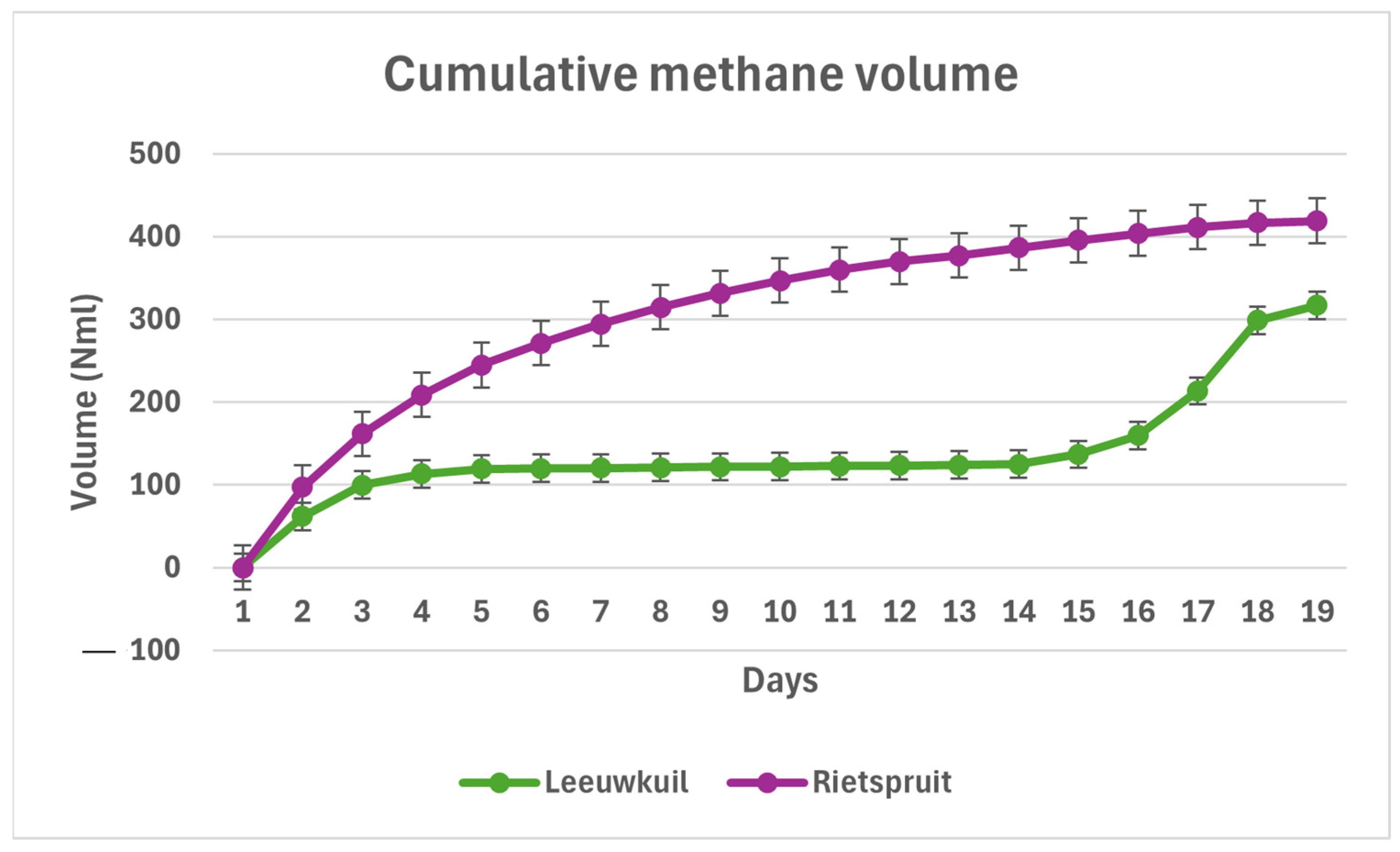
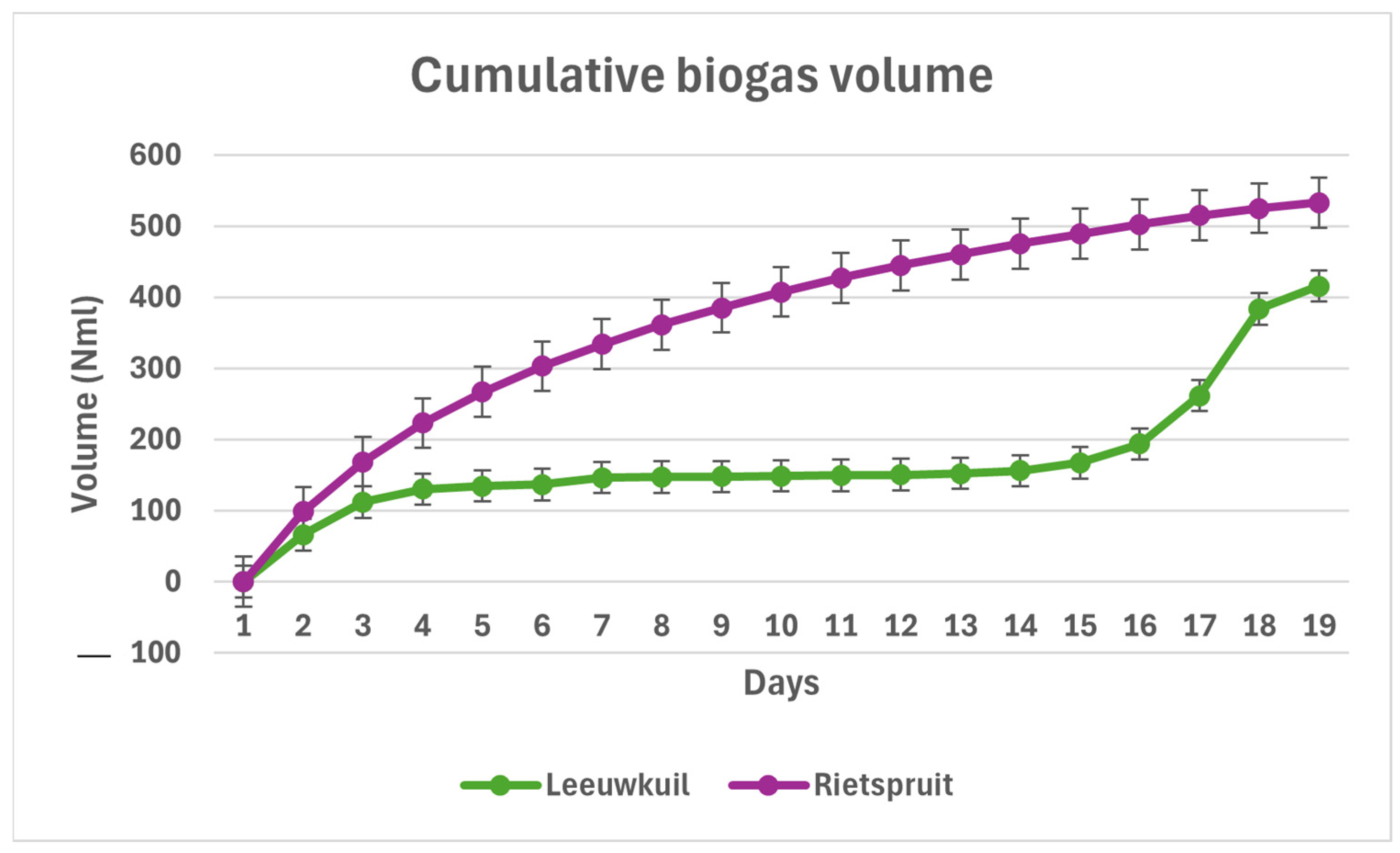
The total biogas and biomethane volumes were recorded over an 18-day period and terminated on day 19 when the daily output of biogas was less than 1% of the total gas accumulated over the incubation period. This incubation period is lower compared to that normally reported in standard BMP assays of WWTP activated sludge which ranges ±30 days. This lower incubation could be a confirmation of low methanogenic activity in primary sludge (at both WWTP sites) of the native microorganisms compared to that shown by inoculum derived from operating digesters. The cumulative biogas volume trend is shown in Figure 2 and the cumulative bio-methane yield is depicted in Figure 3.
The critical steps of AD are hydrolysis, acidogenesis, acetogenesis and methanogenesis [22]. A lag-phase and a sigmoid profile was observed for Leeuwkuil. This type of curve is typical when the hydrolysis stage is limited due to various reasons such as hemicellulose and lignin locking up cellulose. Leeuwkuil and Rietspruit receive domestic sewage, industrial effluent and stormwater which is treated collectively at the plant. Therefore, many recalcitrant organic compounds and pollutants may contribute to the prolonged hydrolysis. Ammonia is present in high concentrations (25.26 mg/L) in primary sludge, as indicated by Xie et al. (2021) [38] in their study of wastewater sludge of various WWTPs. A prolonged hydrolysis step is indicative of the longer period microorganisms require to hydrolyse the substrate [17]. Factors such as pH, temperature, hydraulic retention time (HRT), organic loading rate (OLR) and C/N ratio also affect biogas production [4]. The initial pH of Leeuwkuil sludge was 6.39, which is in the favourable range (5.5–7.0) for the process of hydrolysis [4]. The absence of inoculum in the digesters greatly affects the onset of hydrolysis, whereby the recalcitrant compounds would be hydrolysed rapidly by microorganisms present in commonly used inoculum such as cow manure [22]. The surrounding geographical area of Rietspruit WWTP has both human settlements and industries. The composition of the primary sludge from Rietspruit may also contain cow manure due to cattle farming in the surrounds. The cumulative methane curve representing anaerobic digestion of Rietspruit primary sludge indicates a rapid onset of hydrolysis, with a steady increase in methane production. The curve tapers off on the 18th day of AD. Probable causes include the depletion of substrate, or inactivity of the microorganisms [26]. The values infer indicative methane compositions in biogas of 76% and 80% for Leeuwkuil and Rietspruit, respectively. Welch’s t-test (α = 0.05) was conducted on the cumulative bio-methane yield of the two WWTPs which indicated no significant difference between the two sites (t = −2.46, df = 2.25, p = 0.12). Mudzanani et al. (2021) [26] reported a cumulative methane yield of 95 Nml in their study of anaerobic digestion of sewage sludge with a methane content of 78%. A low bio-methane yield is expected from mono-digestion of sewage sludge, especially secondary sludge, which can range from 209.4 to 264.5 L/kg VS organic dry matter [39], which concurs with the study by Mudzanani et al. (2021) [26] where the sewage sludge used was secondary only or a mix of primary and secondary. The literature has indicated that bio-methane yields from mono-digestion of sewage sludge are low due to low/high C/N ratios, which affect anaerobic digestibility [25,26,40,41,42]. Bachmann (2015) [39] has however indicated that primary sewage sludge, as used in this study, which has a high organic matter content and is easily biodegradable, can produce biogas between 347.2 and 440.9 L/kg VS dry organic matter. Solé-Bundó et al. (2019) [43] indicated in their study of microalgae and primary sewage sludge anaerobic co-digestion that methane production increased by 65% compared to mono-digestion of microalgae. Odirile et al. (2021) [13], however, reported very similar cumulative biogas volumes for settled primary sewage sludge and fine mesh sieved primary sludge of 442.29 L/kg VS and 434.73 L/kg VS, respectively. The primary sludge, however, reached peak production before the fine mesh sieved primary sludge; an indication that the primary sludge is easier to digest than the fine mesh sieved primary sludge [13].
Methane gas production was computed per volatile solids added to obtain 11.30 and 4.8 L/kg VS for Leeuwkuil and Rietspruit, respectively. The extremely low anaerobic digestibility values reported in the current study may also be attributed to low microbial populations and diversity since no external inoculum was used during the experiments. Additionally, both feedstocks had low C/N ratios, below 19 versus the recommended 30–40 for optimal methanogenic activities. Rietspruit sludge’s poor anaerobic digestibility may be due to its high inorganic solid content, which does not promote bio methanation. For comparison sake, BMPs measured using standard protocols from sewage sludge (mono-digestion) recorded values of between 143 L/kg VS and 460 L/kg VS when performed with external microbial inoculations [1].

3.4. Electrical Energy Potential

The estimated electrical energy production potential from primary sludge anaerobic digestion was 496 kWh/day at Leeuwkuil and 510 kWh/day at Rietspruit. The estimates represent 0.3% of the WWTPs daily energy requirements. These results are based on the conservatively low anaerobic digestibility values where the sludge was not initially inoculated with a starting microbial starter culture or pretreated (for example through adjustments of solids content, pH, mineral supplementation) as is the normal practice in industrial biodigesters. The strategies to improve primary sludge bio methanation can include co-digestion with substrates of higher C/N ratios, adding biodegradation improving materials such as nanomaterials and pre-treating the sludge to enhance hydrolysis [44,45]. The Leeuwkuil plant receives more wastewater for treatment than it can handle. If the plant could be upgraded to handle this extra volume of 9 ML and treat it efficiently then additional electrical power generation of 124 KWh will also be factored through sludge-based biogas generation. Conversely, the Rietspruit WWTP sludge appears to be underutilised at 510 KWh electrical generation as this leaves an untapped generation capacity of 146 KWh per day due to lower quantities of wastewater delivered to this site.

4. Conclusions

This study has unpacked the anaerobic digestibility of primary sewage sludge from two different WWTPs which indicated that mono-digestion of sewage sludge without external microbial inoculum may be technically challenging. Furthermore, the low digestibility may be due to slowly hydrolysable organics present in primary sludge. There is however potential to recover more energy from biodegrading primary sludge from the Leeuwkuil WWTP based on its high VS, higher theoretical BMP, and slightly higher anaerobic digestibility results than that of Rietspruit sludge. The compatibility of the theoretical models used in this study was not suitable for the substrate and other models need to be explored in terms of nutritional/physicochemical parameters to make conclusive deductions. However, the experimental results indicate a gap in research of primary sludge AD which can be further explored. It is also evident from this study that primary WWTP sludge as AD feedstocks respond differently to the technology, hence site-specific evaluations are crucial before making any AD decisions. Rietspruit has a similar process configuration to Leeuwkuil, but due to the infrastructure breakdown at the plant, its full potential to effectively manage primary and secondary sludge has not been realised. Based on the electrical energy potential determination of the two WWTPs, the prospect of mitigating a portion of energy costs for process operations can be realised.

5. Recommendations

Optimisation of AD of primary WWTP sludge can be achieved through many strategies such as co-digestion with suitable feedstocks, physical and chemical pre-treatment and microbial bioaugmentation. When these detailed evaluations are performed, it is recommended to incorporate measurements of slurry COD, VFAs, ammonia, conductivity, or heavy metals so that more informed deductions regarding potential inhibition are made. In the case of Leeuwkuil, which has a functioning activated sludge process, plant operators should monitor the physico-chemical properties of both the primary and secondary sludge. The sewage sludge should be fed into the anaerobic digester located at the plant with pre-treatments such as dewatering, and temperature of the digester maintained at mesophilic range as described by Romero-Güiza et al. (2022) [10]. Furthermore, parameters such as the organic loading rate (OLR) and hydraulic retention time (HRT) should be optimised to achieve high methane yields from the digester. These results can be used towards the development of effective sludge management strategies for wastewater treatment plants that treat wastewater of similar chemical characterization. No analysis was done specifically on this study’s digestate, but previous studies have indicated that sewage sludge digestate has good potential as a fertiliser and soil conditioner due to its high availability of N,P,K and organic matter [46,47,48,49]. At their maximum potency, several liquid digestates can be phytotoxic, but their effects decrease with dilution [49]. Combining mature compost with sewage digestate increases stability, preserves healthy nutrient levels, and lowers risk [48]. Site-specific characterisation is crucial prior to land or product usage since sewage sludge digestate performance and risks are highly dependent on feedstock, digestion conditions, and post-treatments. Further studies are therefore required to validate the proposed bioaugmentation (inoculum addition) and explore co-digestion options and other possible pre-treatments especially for Rietspruit primary sludge.

Supplementary Materials

The following supporting information can be downloaded at: https://www.mdpi.com/article/10.3390/pr14081277/s1, Table S1: AMPTS bio-methane raw data, Table S2: Gas endeavour (total biogas) raw data, Table S3: Elemental analysis raw data.

Author Contributions

Conceptualization, S.D.M. and C.R.; methodology, S.D.M.; validation, S.D.M. and C.R.; formal analysis, S.D.M. and C.R.; investigation, S.D.M. and C.R.; resources, T.S.M.; data curation, S.D.M.; writing—original draft preparation, S.D.M. and C.R.; writing—review and editing, S.D.M., T.S.M., R.C., T.M. and M.I.-P.; visualization, S.D.M.; supervision, T.S.M.; project administration, S.D.M. and C.R.; funding acquisition, R.C., T.M. and M.I.-P. All authors have read and agreed to the published version of the manuscript.

Funding

This research was partly funded by the Women in Research (WiR) Support Programme.

Data Availability Statement

The original contributions presented in this study are included in the article/Supplementary Materials. Further inquiries can be directed at the corresponding author.

Acknowledgments

Authors of this manuscript are grateful to the Emfuleni Municipality who granted the researchers permission to carry out studies using samples from their two wastewater treatment plants.

Conflicts of Interest

The authors declare no conflicts of interest. The funders had no role in the design of the study; in the collection, analyses, or interpretation of data; in the writing of the manuscript; or in the decision to publish the results.

Abbreviations

The following abbreviations are used in this manuscript:
ADAnaerobic digestion
APHAAmerican Public Health Association
BMPBio-methane potential
CODChemical oxygen demand
KWhKilowatt hour
MLMegalitre
MWhMegawatt hour
TBMPTheoretical bio-methane potential
TSTotal solids
VSVolatile solids
WWTPWastewater treatment plant
ZARZuid Afrika Rand (South African rand)

References

  1. Grosser, A. Determination of methane potential of mixtures composed of sewage sludge, organic fraction of municipal waste and grease trap sludge using biochemical methane potential assays. A comparison of BMP tests and semi-continuous trial results. Energy 2018, 143, 488–499. [Google Scholar] [CrossRef]
  2. Cassidy, J.; Silva, T.; Semião, N.; Ramalho, P.; Santos, A.; Feliciano, J. Improving wastewater treatment plants operational efficiency and effectiveness through an integrated performance assessment system. H2Open J. 2020, 3, 276–287. [Google Scholar] [CrossRef]
  3. Eskom. Tariffs and Charges Booklet 2025–2026; Eskom Holdings: Johannesburg, South Africa, 2025; pp. 1–59. Available online: https://www.eskom.co.za/distribution/wp-content/uploads/2025/07/Tariff-booklet2.pdf (accessed on 17 August 2025).
  4. Periyasamy, S.; Temesgen, T.; Karthik, V.; Isabel, J.B.; Kavitha, S.; Banu, J.R.; Sivashanmugam, P. Wastewater to biogas recovery. In Clean Energy and Resource Recovery: Wastewater Treatment Plants as Biorefineries; Tyagi, V.K., Kumar, M., An, A.K., Cetecioglu, Z., Eds.; Elsevier Inc.: Amsterdam, The Netherlands, 2022; Volume 2, pp. 301–314. [Google Scholar]
  5. Department of Water and Sanitation (DWS). Green Drop National Report 2022; DWS: Pretoria, South Africa, 2022. Available online: https://ws.dws.gov.za/IRIS/latestresults.aspx (accessed on 17 August 2025).
  6. Daverey, A.; Pandey, D.; Verma, P.; Verma, S.; Shah, V.; Dutta, K.; Arunachalam, K. Recent advances in energy efficient biological treatment of municipal wastewater. Bioresour. Technol. Rep. 2019, 7, 100252. [Google Scholar] [CrossRef]
  7. Tulun, Ş.; Bilgin, M. Enhancement of anaerobic digestion of waste activated sludge by chemical pretreatment. Fuel 2019, 254, 115671. [Google Scholar] [CrossRef]
  8. Maharaj, S.D.; Nkuna, R.; Matambo, T. Shotgun metagenomic and physicochemical profiling of municipal wastewater treatment plants using activated sludge and trickling filters. Sci. Rep. 2026, 16, 5486. [Google Scholar] [CrossRef] [PubMed]
  9. Sakaveli, F.; Petala, M.; Tsiridis, V.; Darakas, E. Enhanced mesophilic anaerobic digestion of primary sewage sludge. Water 2021, 13, 348. [Google Scholar] [CrossRef]
  10. Romero-Güiza, M.S.; Flotats, X.; Asiain-Mira, R.; Palatsi, J. Enhancement of sewage sludge thickening and energy self-sufficiency with advanced process control tools in a full-scale wastewater treatment plant. Water Res. 2022, 222, 118924. [Google Scholar] [CrossRef] [PubMed]
  11. Wei, W.; Cai, Z.; Fu, J.; Xie, G.J.; Li, A.; Zhou, X.; Ni, B.J.; Wang, D.; Wang, Q. Zero valent iron enhances methane production from primary sludge in anaerobic digestion. Chem. Eng. J. 2018, 351, 1159–1165. [Google Scholar] [CrossRef]
  12. Wang, X.; Xie, Y.; Qi, X.; Chen, T.; Zhang, Y.; Gao, C.; Zhang, A.; Ren, W. A new mechanical cutting pretreatment approach towards the improvement of primary sludge fermentation and anaerobic digestion. J. Environ. Chem. Eng. 2022, 10, 107163. [Google Scholar] [CrossRef]
  13. Odirile, P.T.; Marumoloa, P.M.; Manali, A.; Gikas, P. Anaerobic digestion for biogas production from municipal sewage sludge: A comparative study between fine mesh sieved primary sludge and sedimented primary sludge. Water 2021, 13, 3532. [Google Scholar] [CrossRef]
  14. Stroot, P.G.; McMahon, K.D.; Mackie, R.I.; Raskin, L. Anaerobic Codiestion of Municipal Solid Waste and Biosolids under Various Mixing Conditions—I. Digester Performance. Water Res. 2001, 35, 1804–1816. [Google Scholar] [CrossRef]
  15. Sedibeng District Municipality. About Our Region; Sedibeng District Municipality: Sedibeng, South Africa, 2019. Available online: http://www.sedibeng.gov.za/about.html (accessed on 5 May 2023).
  16. American Public Health Association (APHA). Standard Methods for the Examination of Water and Waste Water, 22nd ed.; American Public Health Association: Washington, DC, USA; American Water Works Association: Denver, CO, USA; Water Environment Federation: Alexandria, VA, USA, 2012. [Google Scholar]
  17. Rashama, C.; Ijoma, G.N.; Matambo, T.S. Elucidating Biodegradation Kinetics and Biomethane Potential Trends in Substrates Containing High Levels of Phytochemicals: The Case of Avocado Oil Processing By-products. Waste Biomass Valorization 2022, 13, 2071–2081. [Google Scholar] [CrossRef]
  18. Rashama, C.; Motsetsi, E.M.; Christian, R.; Matambo, T.S. Preliminary biogas production assessment on insect frass and leachates of the organic wastes fed to larvae: A Johannesburg-based factory case study. Energy Sci. Eng. 2024, 12, 3986–3994. [Google Scholar] [CrossRef]
  19. Holliger, C.; Alves, M.; Andrade, D.; Angelidaki, I.; Astals, S.; Baier, U.; Bougrier, C.; Buffière, P.; Carballa, M.; De Wilde, V.; et al. Towards a standardization of biomethane potential tests. Water Sci. Technol. 2016, 74, 2515–2522. [Google Scholar] [CrossRef]
  20. Holliger, C.; Astals, S.; de Laclos, H.F.; Hafner, S.D.; Koch, K.; Weinrich, S. Towards a standardization of biomethane potential tests: A commentary. Water Sci. Technol. 2021, 83, 247–250. [Google Scholar] [CrossRef]
  21. Angelidaki, I.; Alves, M.; Bolzonella, D.; Borzacconi, L.; Campos, J.L.; Guwy, A.J.; Kalyuzhnyi, S.; Jenicek, P.; Van Lier, J.B. Defining the biomethane potential (BMP) of solid organic wastes and energy crops: A proposed protocol for batch assays. Water Sci. Technol. 2009, 59, 927–934. [Google Scholar] [CrossRef] [PubMed]
  22. Mutungwazi, A.; Awosusi, A.; Matambo, T.S. Comparative functional microbiome profiling of various animal manures during their anaerobic digestion in biogas production processes. Biomass Bioenergy 2023, 170, 106728. [Google Scholar] [CrossRef]
  23. Bioprocess Control. AMPTS II & AMPTS II Light; Bioprocess Control: Lund, Sweden, 2016; pp. 1–95. Available online: https://www.bioprocesscontrol.com (accessed on 30 October 2024).
  24. Surendra, K.C.; Takara, D.; Hashimoto, A.G.; Khanal, S.K. Biogas as a sustainable energy source for developing countries: Opportunities and challenges. Renew. Sustain. Energy Rev. 2014, 31, 846–859. [Google Scholar] [CrossRef]
  25. Dai, X.; Chen, Y.; Zhang, D.; Yi, J. High-solid anaerobic co-digestion of sewage sludge and cattle manure: The effects of volatile solid ratio and pH. Sci. Rep. 2016, 6, 4–13. [Google Scholar] [CrossRef] [PubMed]
  26. Mudzanani, K.; Van Heerden, E.; Mbhele, R.; Daramola, M.O. Enhancement of biogas production via co-digestion of wastewater treatment sewage sludge and brewery spent grain: Physicochemical characterization and microbial community. Sustainability 2021, 13, 8225. [Google Scholar] [CrossRef]
  27. Azarmanesh, R.; Zonoozi, M.H.; Ghiasinejad, H. Characterization of food waste and sewage sludge mesophilic anaerobic co-digestion under different mixing ratios of primary sludge, secondary sludge and food waste. Biomass Bioenergy 2020, 139, 105610. [Google Scholar] [CrossRef]
  28. Dioha, I.; Ikeme, T.N.; Soba, N.; Yusuf, M.B. Effect of Carbon To Nitrogen Ratio on Biogas Production. Int. Res. J. Nat. Sci. 2013, 1, 1–10. [Google Scholar]
  29. Rashama, C.; Ijoma, G.N.; Matambo, T.S. Appraising different models for predicting biomethane potential: The case of avocado oil processing by-products. J. Mater. Cycles Waste Manag. 2021, 23, 409–415. [Google Scholar] [CrossRef]
  30. Matjuda, D.S.; Tekere, M.; Thaela-Chimuka, M.J. Impact of Thermal Pretreatment on the Physicochemical Characteristics and Biomethane Yield Potential of Solid Slaughter Waste from High-Throughput Red Meat Abattoirs Valorized as a Potential Feedstock for Biogas Production. Sustainability 2024, 16, 2150. [Google Scholar] [CrossRef]
  31. Jingura, R.M.; Kamusoko, R. Methods for determination of biomethane potential of feedstocks: A review. Biofuel Res. J. 2017, 4, 573–586. [Google Scholar] [CrossRef]
  32. Yasim, N.S.E.M.; Buyong, F. Comparative of experimental and theoretical biochemical methane potential generated by municipal solid waste. Environ. Adv. 2023, 11, 100345. [Google Scholar] [CrossRef]
  33. Meegoda, J.N.; Li, B.; Patel, K.; Wang, L.B. A review of the processes, parameters, and optimization of anaerobic digestion. Int. J. Environ. Res. Public Health 2018, 15, 2224. [Google Scholar] [CrossRef]
  34. Labatut, R.A.; Angenent, L.T.; Scott, N.R. Biochemical methane potential and biodegradability of complex organic substrates. Bioresour. Technol. 2011, 102, 2255–2264. [Google Scholar] [CrossRef]
  35. Font-Palma, C. Methods for the Treatment of Cattle Manure—A Review. J. Carbon Res. 2019, 5, 27. [Google Scholar] [CrossRef]
  36. Caruso, M.C.; Braghieri, A.; Capece, A.; Napolitano, F.; Romano, P.; Galgano, F.; Altieri, G.; Genovese, F. Recent updates on the use of agro-food waste for biogas production. Appl. Sci. 2019, 9, 1217. [Google Scholar] [CrossRef]
  37. Díaz, E.; Pintado, L.; Faba, L.; Ordóñez, S.; González-LaFuente, J.M. Effect of sewage sludge composition on the susceptibility to spontaneous combustion. J. Hazard. Mater. 2019, 361, 267–272. [Google Scholar] [CrossRef]
  38. Xie, N.; Zhong, L.; Ouyang, L.; Xu, W.; Zeng, Q.; Wang, K.; Zaynab, M.; Chen, H.; Xu, F.; Li, S. Community composition and function of bacteria in activated sludge of municipal wastewater treatment plants. Water 2021, 13, 852. [Google Scholar] [CrossRef]
  39. Bachmann, N. Sustainable Biogas Production in Municipal Wastewater Treatment Plants; IEA Bioenergy: Paris, France, 2015. [Google Scholar]
  40. Mata-Alvarez, J.; Dosta, J.; Romero-Güiza, M.S.; Fonoll, X.; Peces, M.; Astals, S. A critical review on anaerobic co-digestion achievements between 2010 and 2013. Renew. Sustain. Energy Rev. 2014, 36, 412–427. [Google Scholar] [CrossRef]
  41. Liu, C.; Wang, J.; Ji, X.; Qian, H.; Huang, L.; Lu, X. The biomethane producing potential in China: A theoretical and practical estimation. Chin. J. Chem. Eng. 2016, 24, 920–928. [Google Scholar] [CrossRef]
  42. Shen, Y.; Linville, J.L.; Urgun-Demirtas, M.; Mintz, M.M.; Snyder, S.W. An overview of biogas production and utilization at full-scale wastewater treatment plants (WWTPs) in the United States: Challenges and opportunities towards energy-neutral WWTPs. Renew. Sustain. Energy Rev. 2015, 50, 346–362. [Google Scholar] [CrossRef]
  43. Solé-Bundó, M.; Garfí, M.; Matamoros, V.; Ferrer, I. Co-digestion of microalgae and primary sludge: Effect on biogas production and microcontaminants removal. Sci. Total Environ. 2019, 660, 974–981. [Google Scholar] [CrossRef] [PubMed]
  44. Xie, S.; Li, X.; Wang, C.; Kulandaivelu, J.; Jiang, G. Enhanced anaerobic digestion of primary sludge with additives: Performance and mechanisms. Bioresour. Technol. 2020, 316, 123970. [Google Scholar] [CrossRef]
  45. Xu, Y.; Lu, Y.; Zheng, L.; Wang, Z.; Dai, X. Perspective on enhancing the anaerobic digestion of waste activated sludge. J. Hazard. Mater. 2020, 389, 121847. [Google Scholar] [CrossRef]
  46. Scaglia, B.; Tambone, F.; Corno, L.; Orzi, V.; Lazzarini, Y.; Garuti, G.; Adani, F. Potential agronomic and environmental properties of thermophilic anaerobically digested municipal sewage sludge measured by an unsupervised and a supervised chemometric approach. Sci. Total Environ. 2018, 637–638, 791–802. [Google Scholar] [CrossRef]
  47. Cristina, G.; Camelin, E.; Tommasi, T.; Fino, D.; Pugliese, M. Anaerobic digestates from sewage sludge used as fertilizer on a poor alkaline sandy soil and on a peat substrate: Effects on tomato plants growth and on soil properties. J. Environ. Manag. 2020, 269, 110767. [Google Scholar] [CrossRef] [PubMed]
  48. Pecorini, I.; Peruzzi, E.; Albini, E.; Doni, S.; Macci, C.; Masciandaro, G.; Iannelli, R. Evaluation of MSW Compost and Digestate Mixtures for a Circular Economy Application. Sustainability 2020, 12, 3042. [Google Scholar] [CrossRef]
  49. Solé-bundó, M.; Cucina, M.; Gigliotti, G.; Garfí, M.; Ferrer, I. Assessing the agricultural reuse of the digestate from microalgae anaerobic digestion and co-digestion with sewage sludge. Sci. Total Environ. 2017, 586, 1–9. [Google Scholar] [CrossRef] [PubMed]
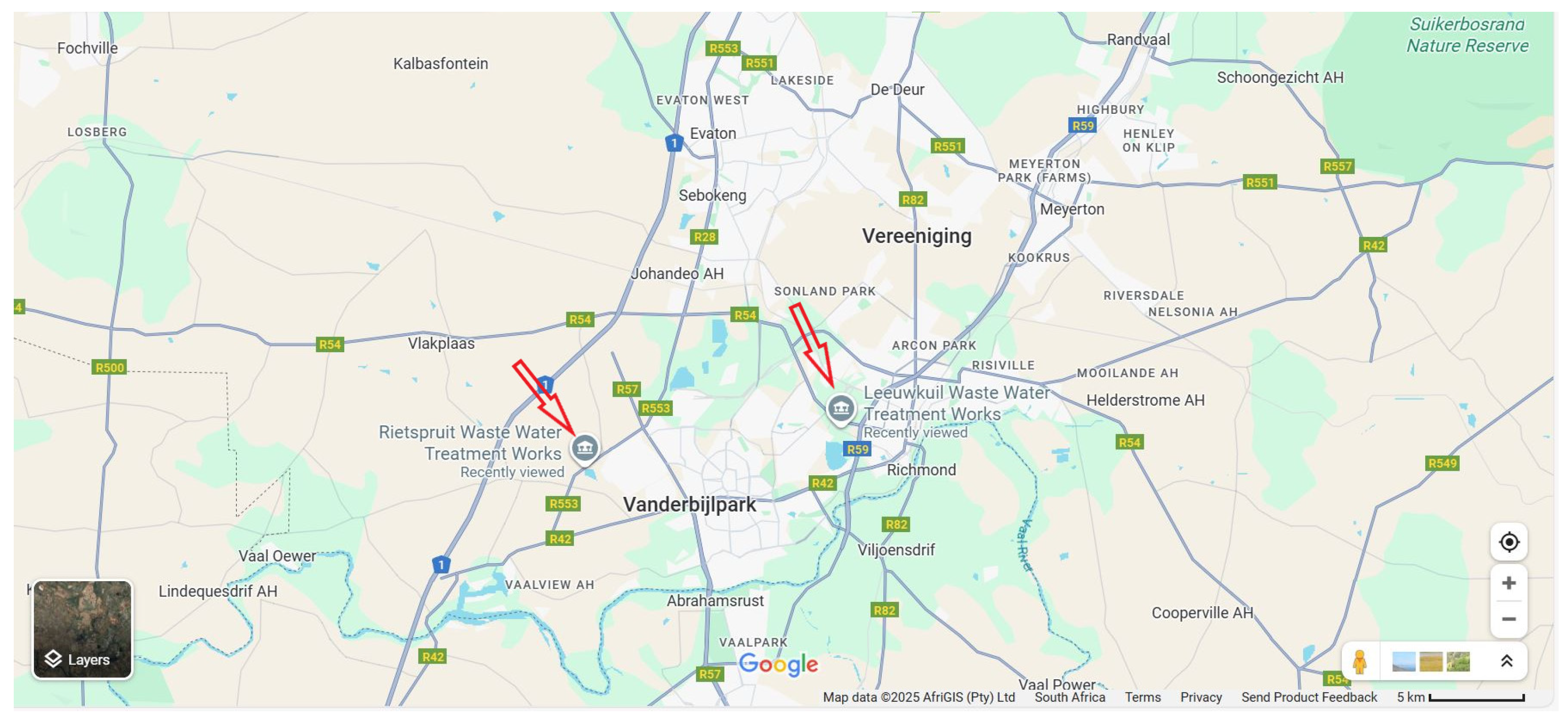
Figure 1. Location of the WWTPs studied (denoted by red arrows) (Google Earth Pro 2025 v7.3.6.1021).
Processes 14 01277 g001
Figure 2. The cumulative biogas volume of Leeuwkuil and Rietspruit sewage sludge.
Processes 14 01277 g002
Figure 3. The cumulative bio-methane yield of Leeuwkuil and Rietspruit sewage sludge.
Processes 14 01277 g003
Table 1. Characterisation of the WWTP sludge samples.
PropertyUnitLeeuwkuilRietspruit
pH-6.39 ± 0.137.24 ± 0.05
TS% of wet mass3.02 ± 0.1439.91 ± 1.66
VS% of TS70.61 ± 3.6613.44 ± 2.74
C% of TS41.96 ± 0.1118.58 ± 0.49
H% of TS5.80 ± 0.022.13 ± 0.08
N% of TS2.60 ± 0.020.99 ± 0.01
S% of TS0.81 ± 0.020.67 ± 0.03
O% of TS48.83 ± 0.1277.64 ± 0.58
C/N ratio-16.13 ± 0.1018.82 ± 0.45
Disclaimer/Publisher’s Note: The statements, opinions and data contained in all publications are solely those of the individual author(s) and contributor(s) and not of MDPI and/or the editor(s). MDPI and/or the editor(s) disclaim responsibility for any injury to people or property resulting from any ideas, methods, instructions or products referred to in the content.