Article

Current-Induced Scour Process Beneath Submarine Piggyback Pipelines: Influence of Geometry Configuration

1
School of Energy Resources, China University of Geosciences (Beijing), Beijing 100083, China
2
State Key Laboratory of Ocean Engineering, Shanghai Jiao Tong University, Shanghai 200240, China
3
School of Ocean and Civil Engineering, Shanghai Jiao Tong University, Shanghai 200240, China
*
Authors to whom correspondence should be addressed.
Processes 2026, 14(7), 1178; https://doi.org/10.3390/pr14071178
Submission received: 6 February 2026 / Revised: 31 March 2026 / Accepted: 3 April 2026 / Published: 6 April 2026
(This article belongs to the Topic Advanced Technology for Oil and Nature Gas Exploration)

Abstract

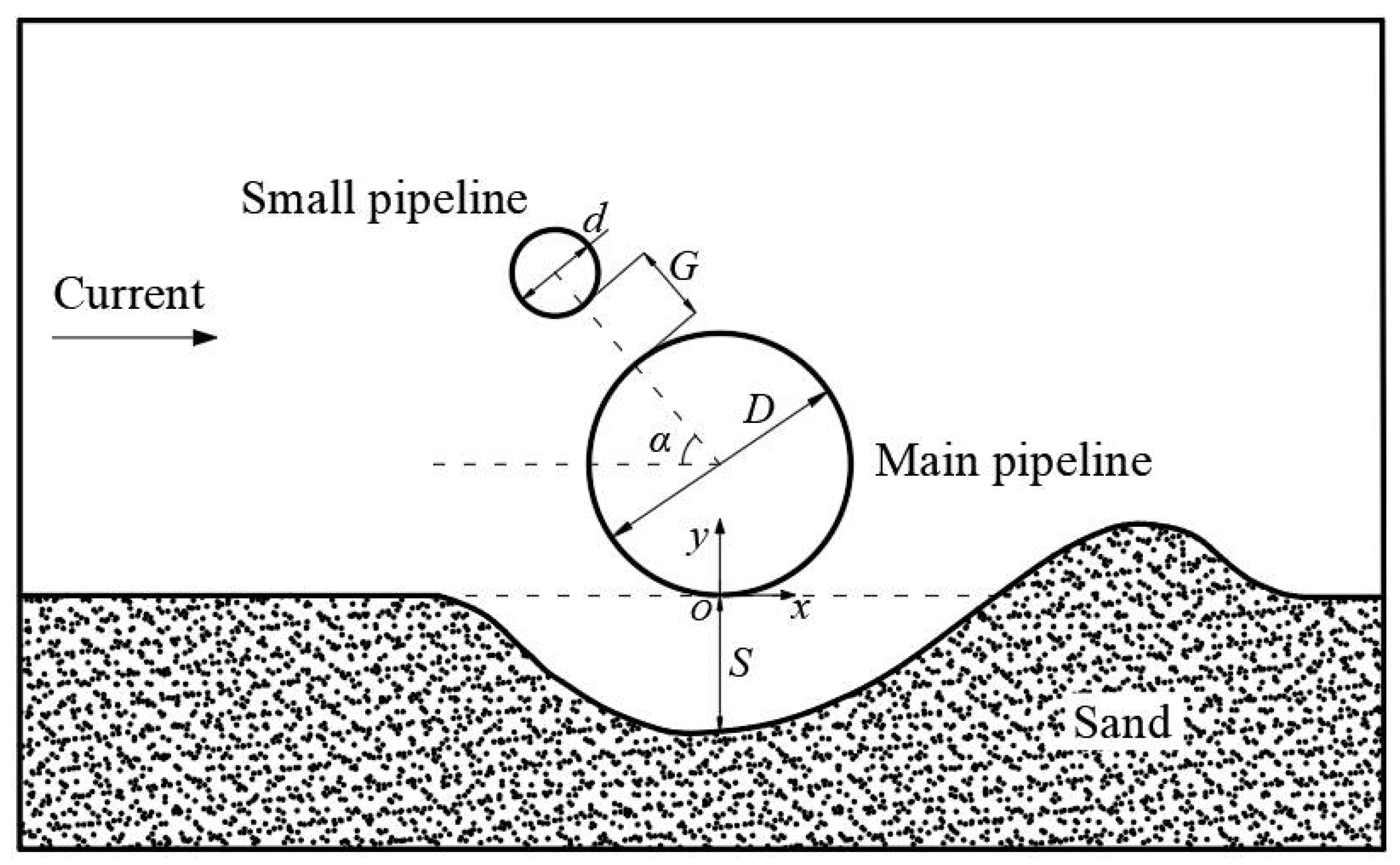
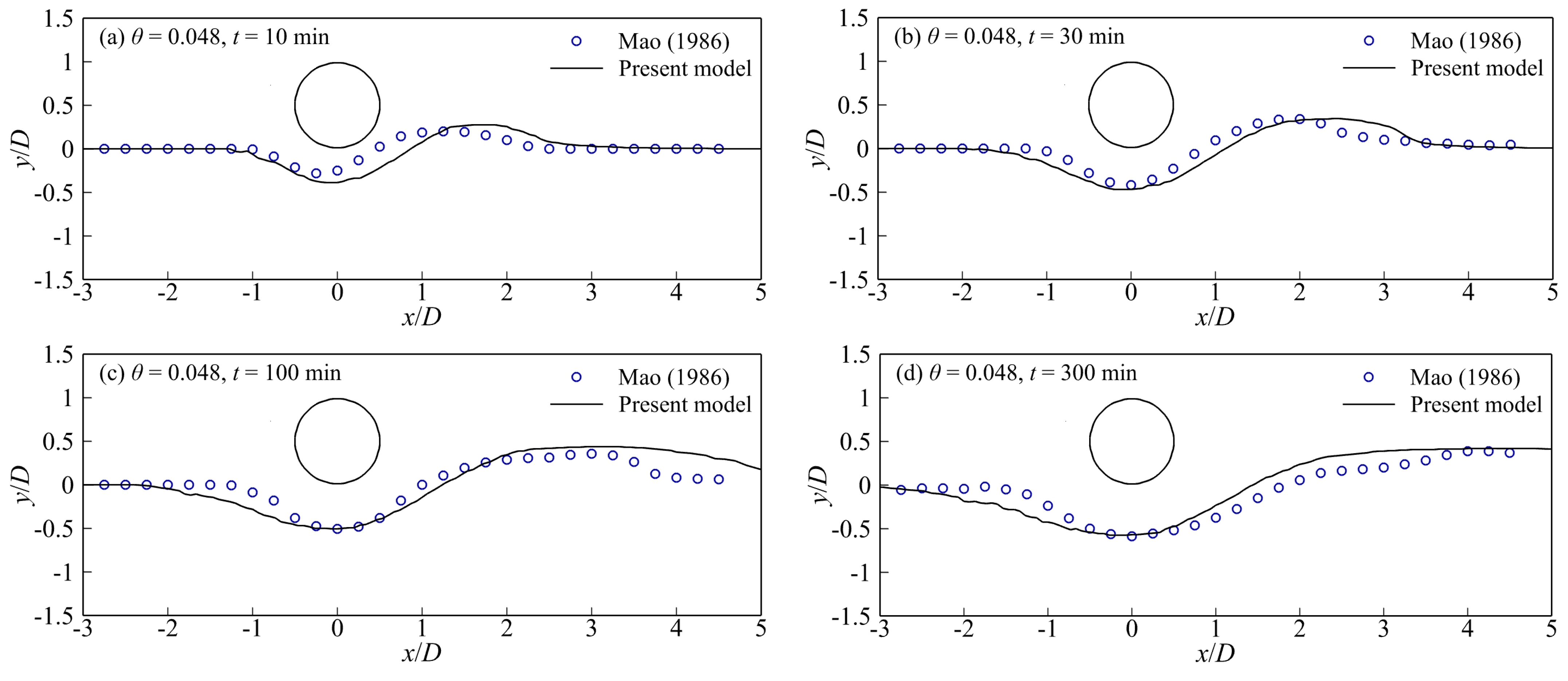
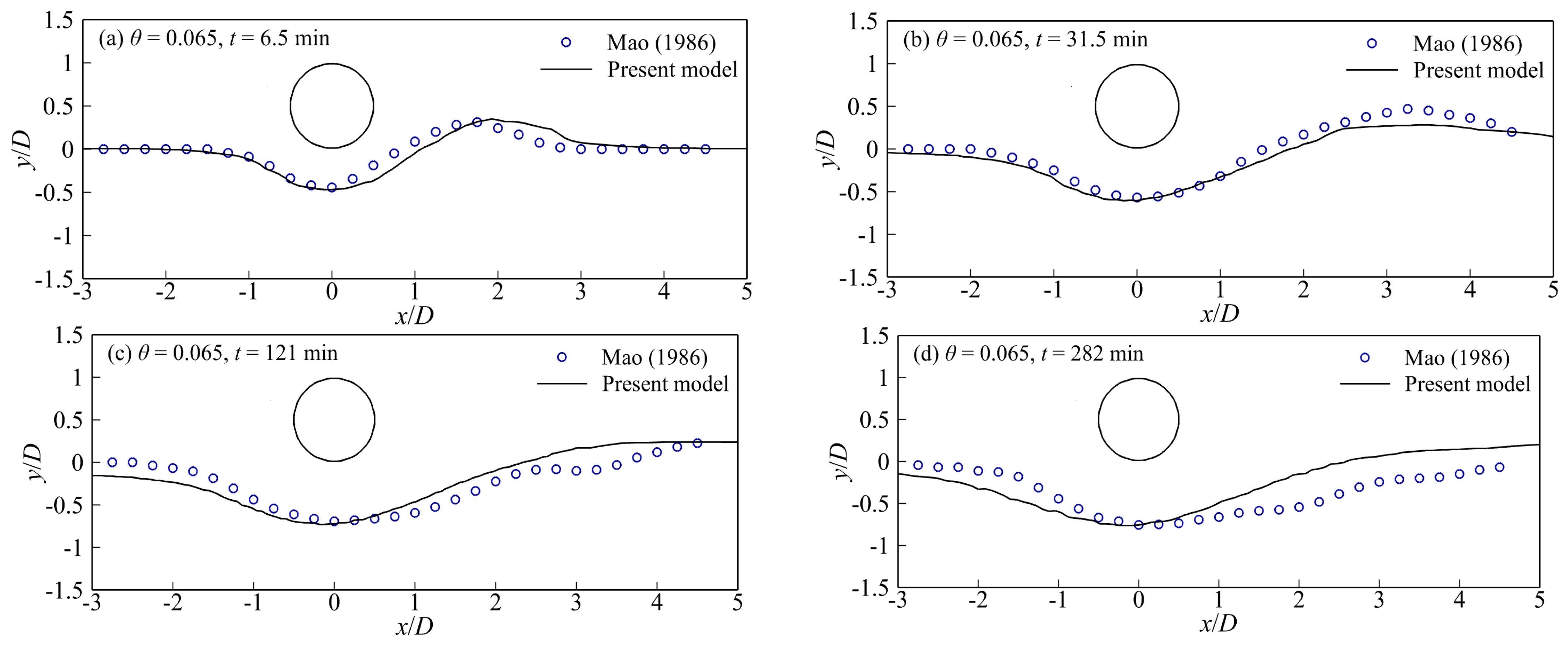
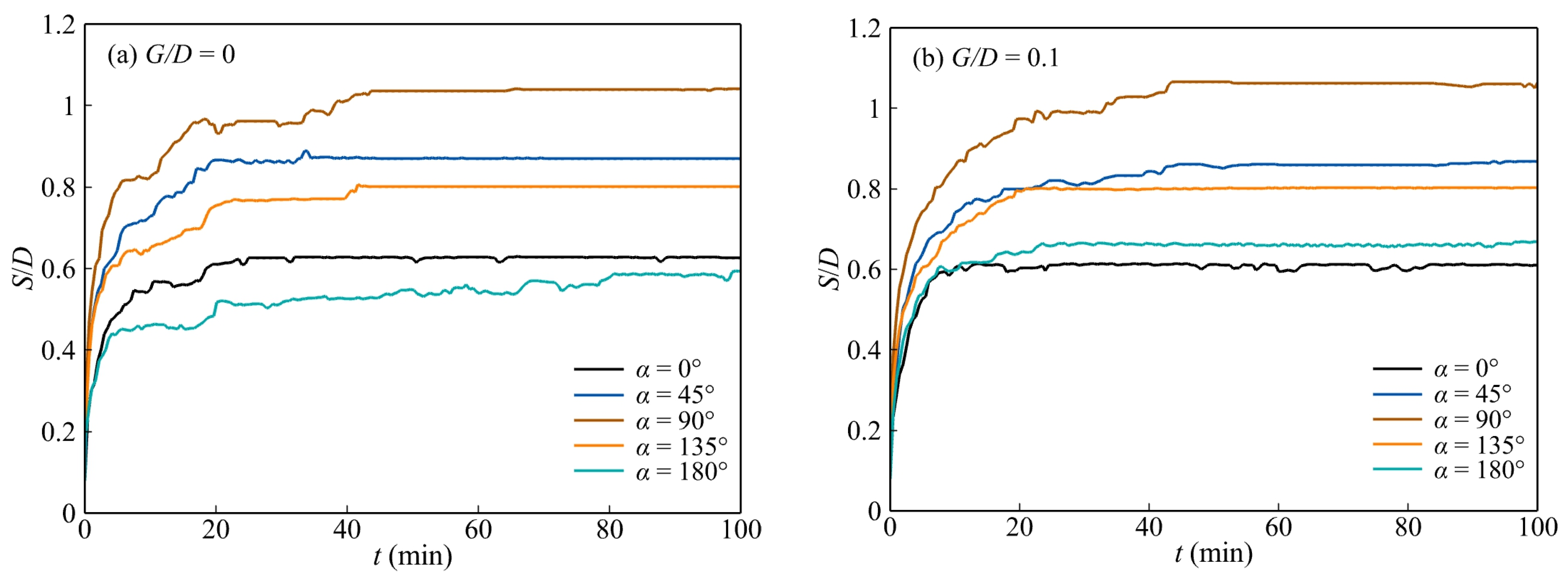
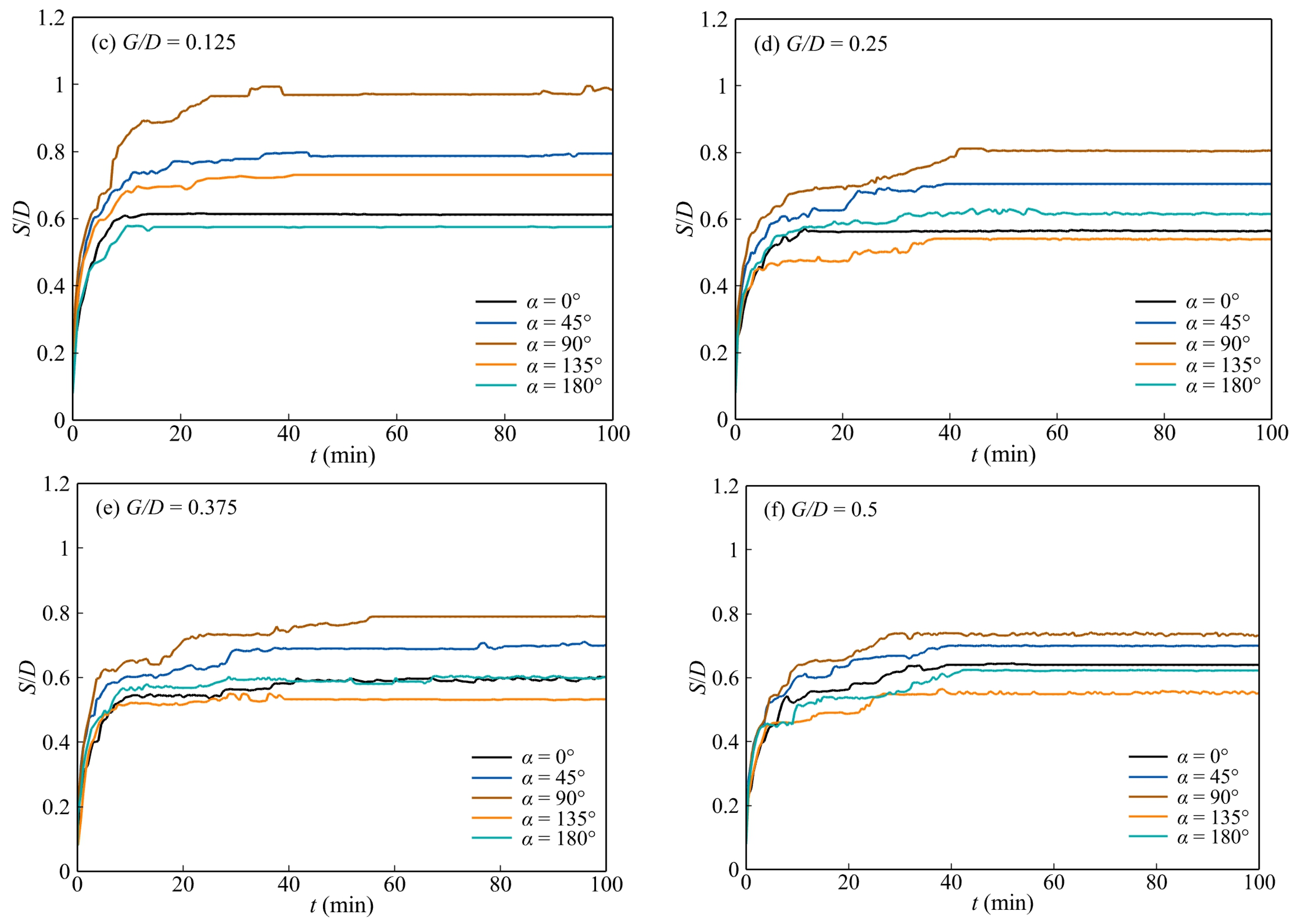
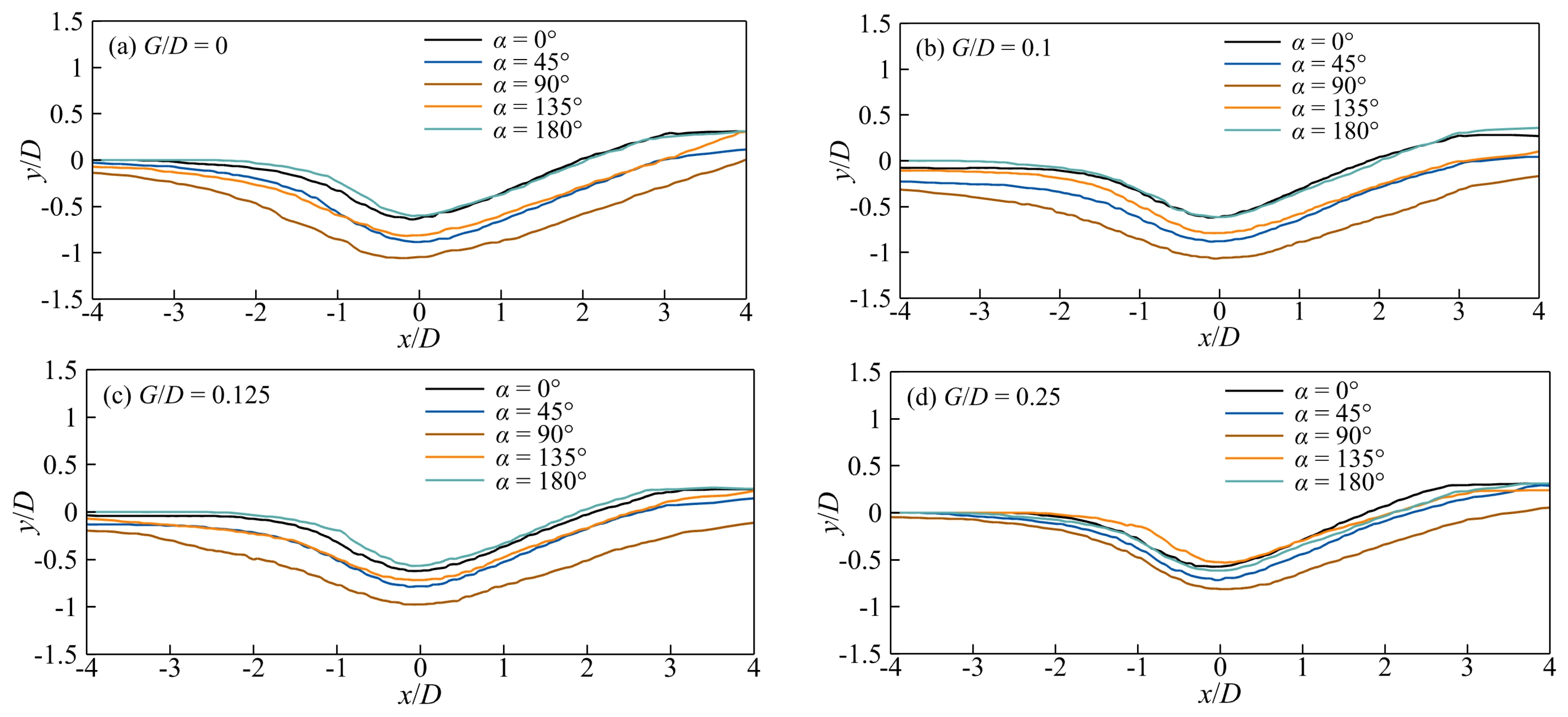
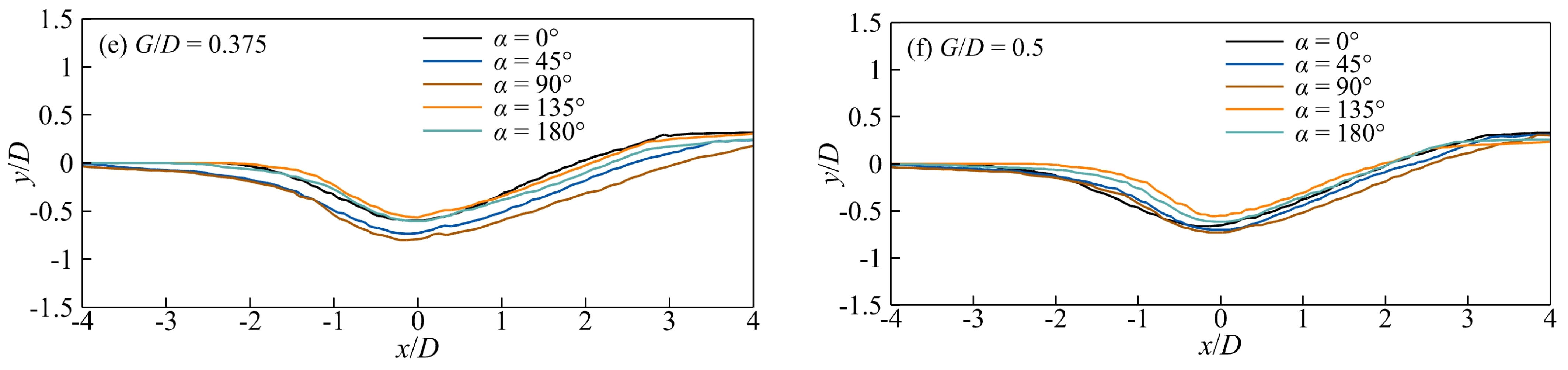
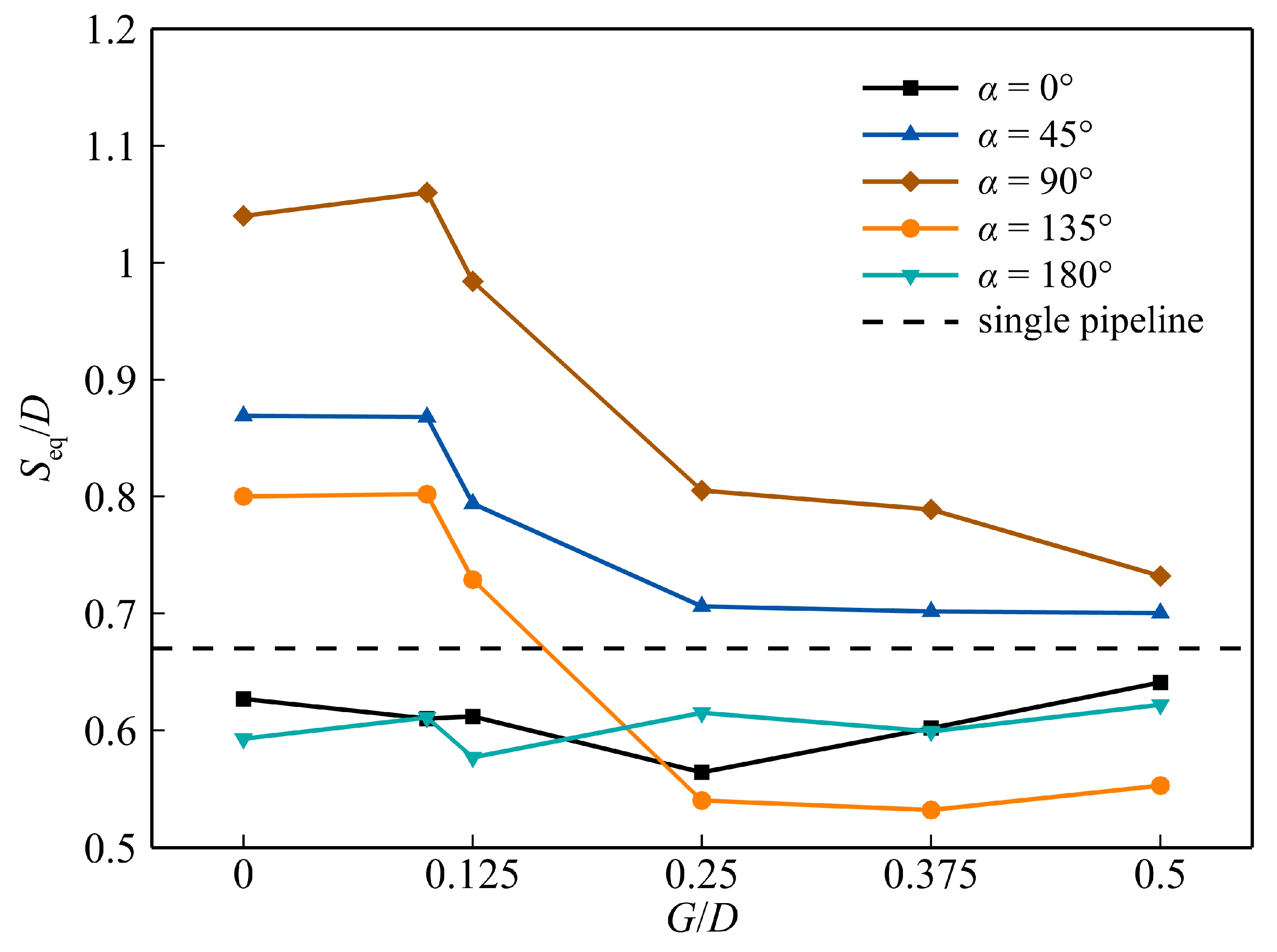
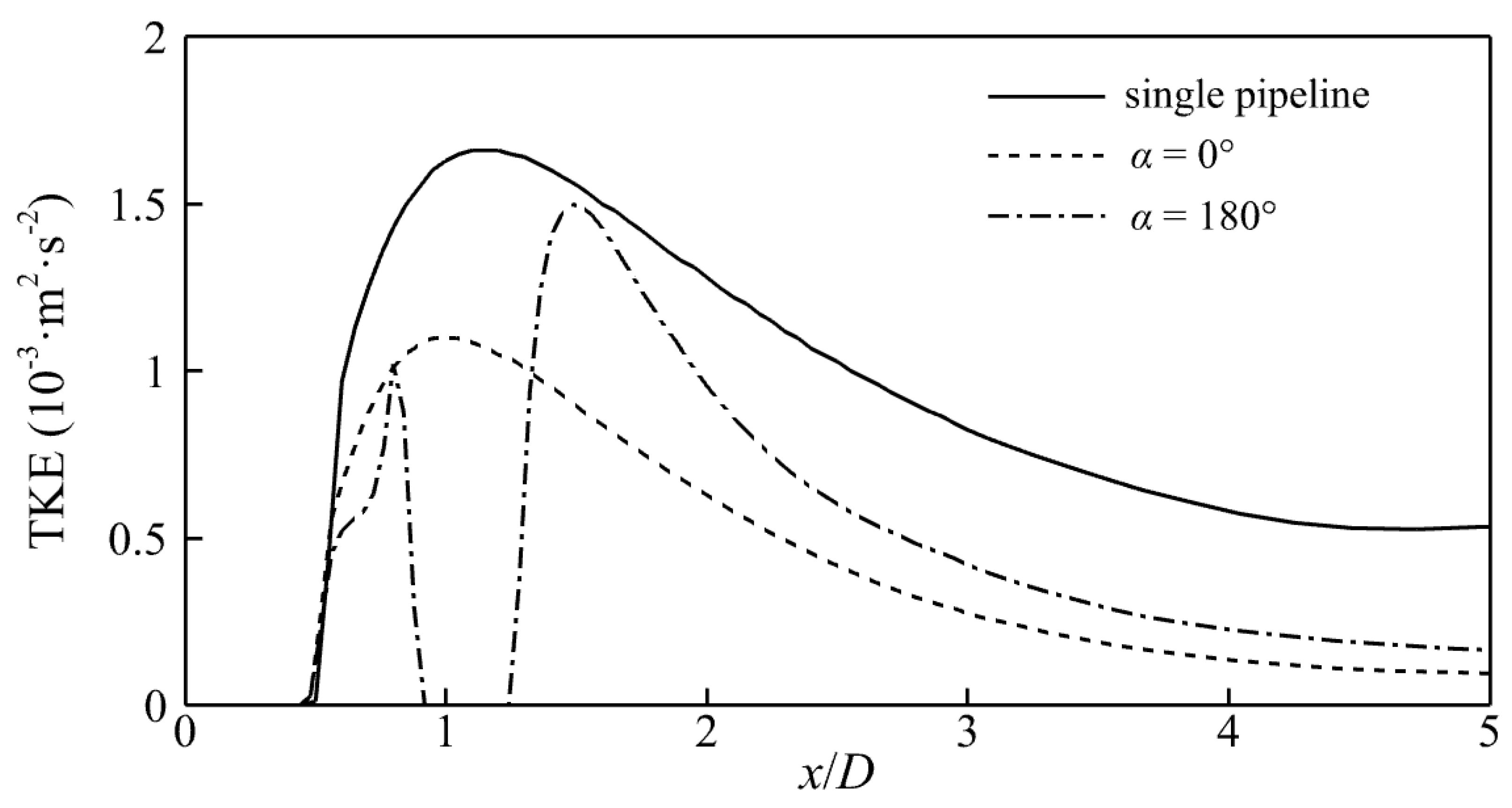
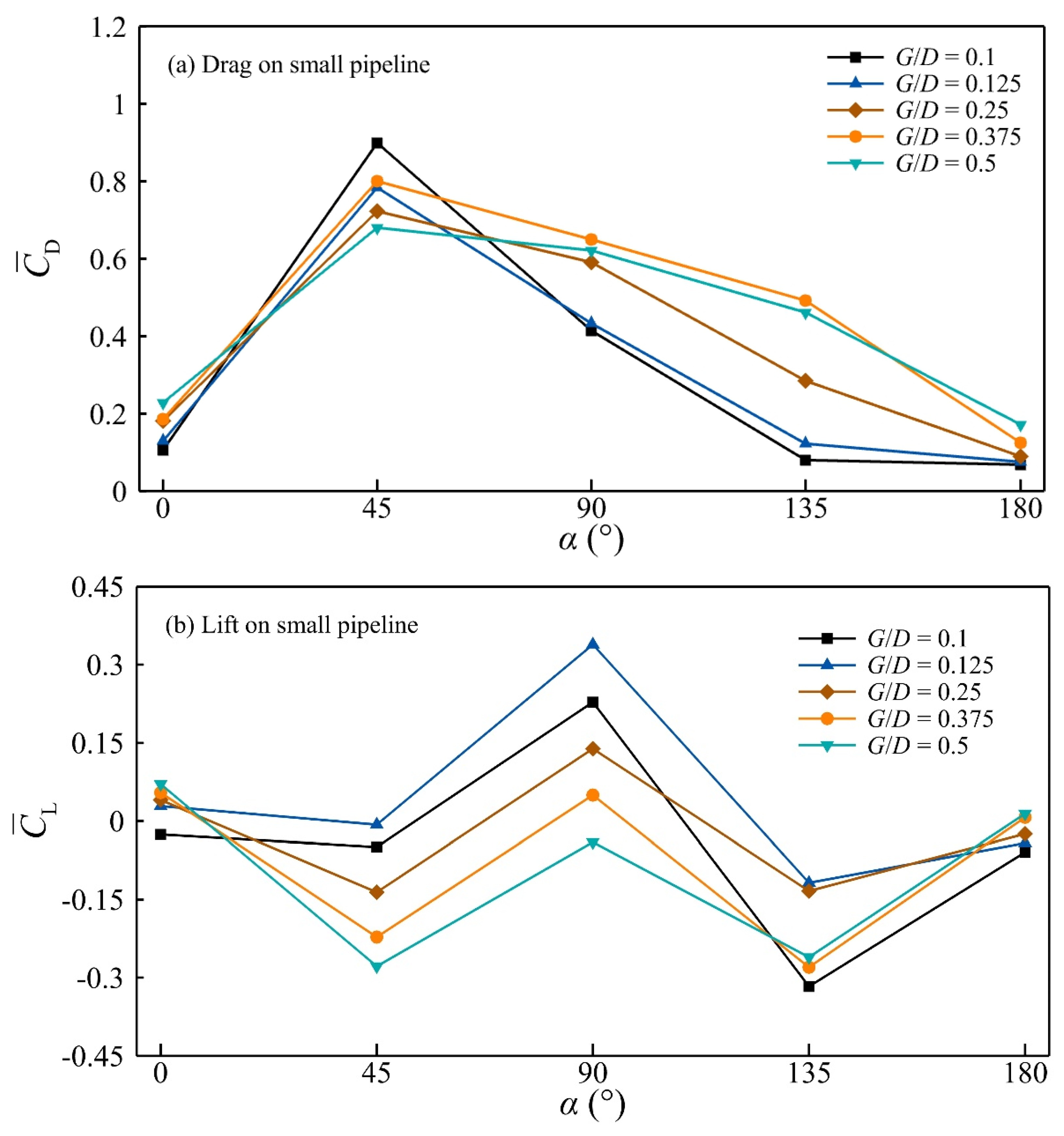
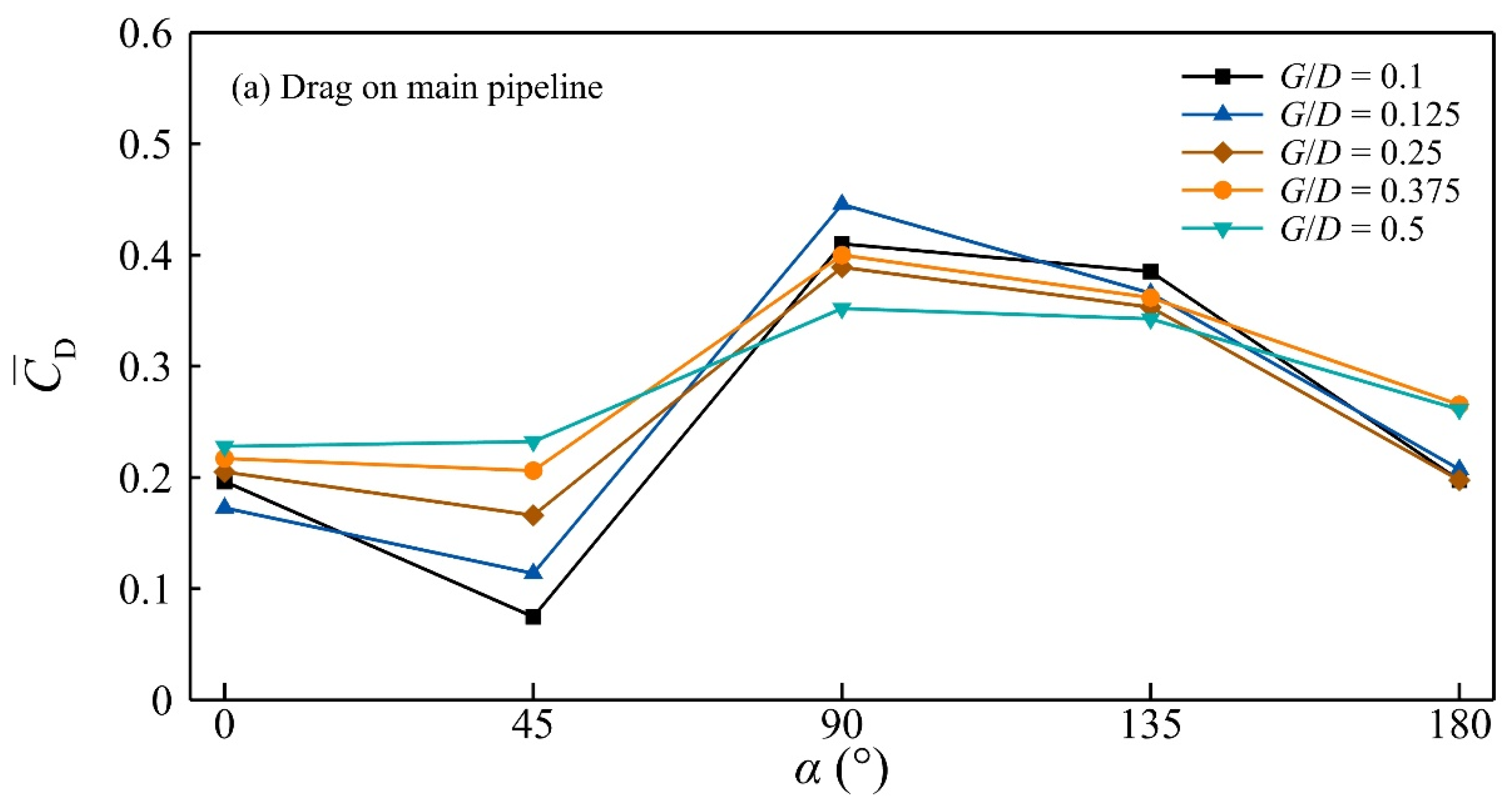
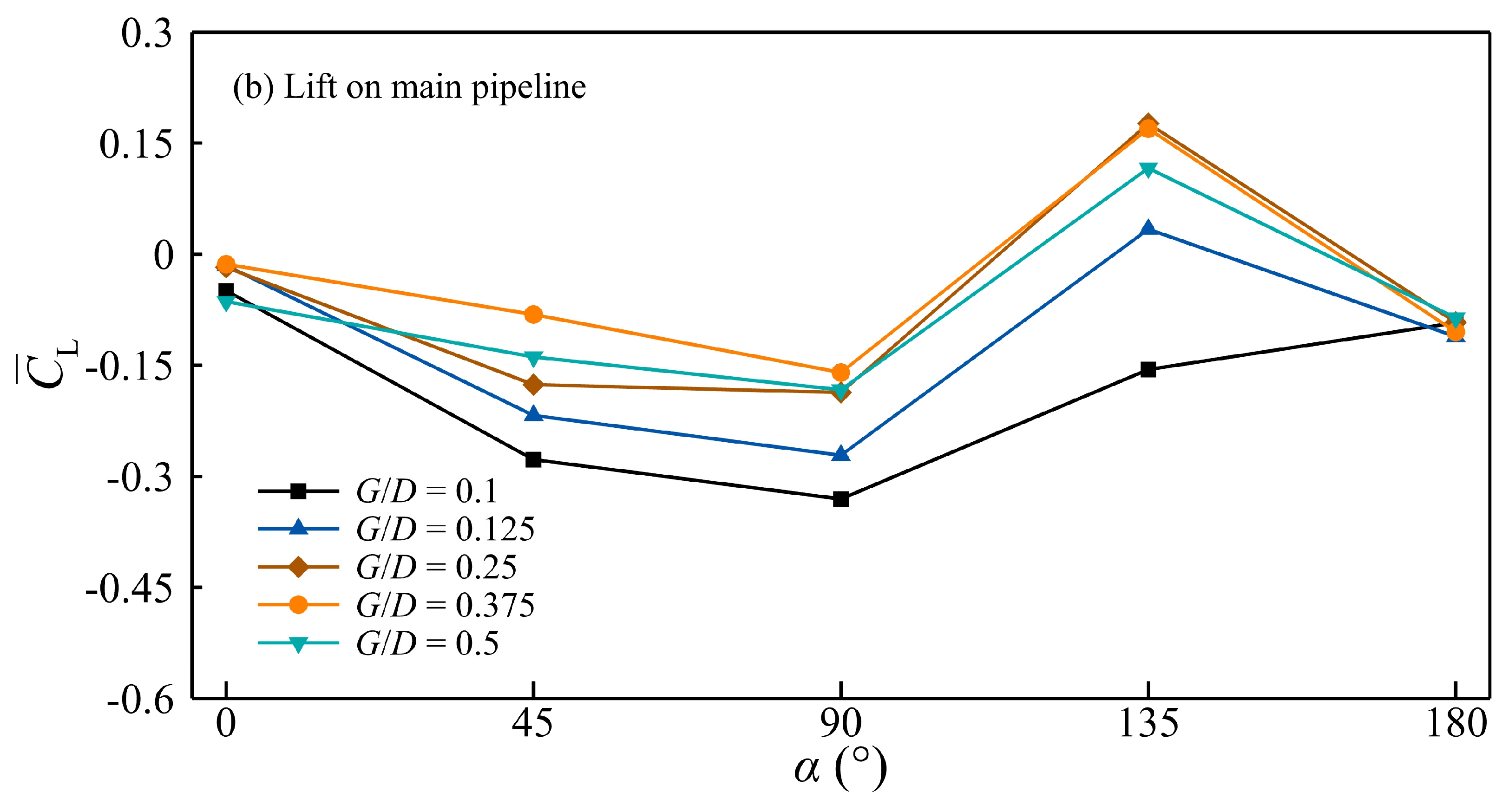
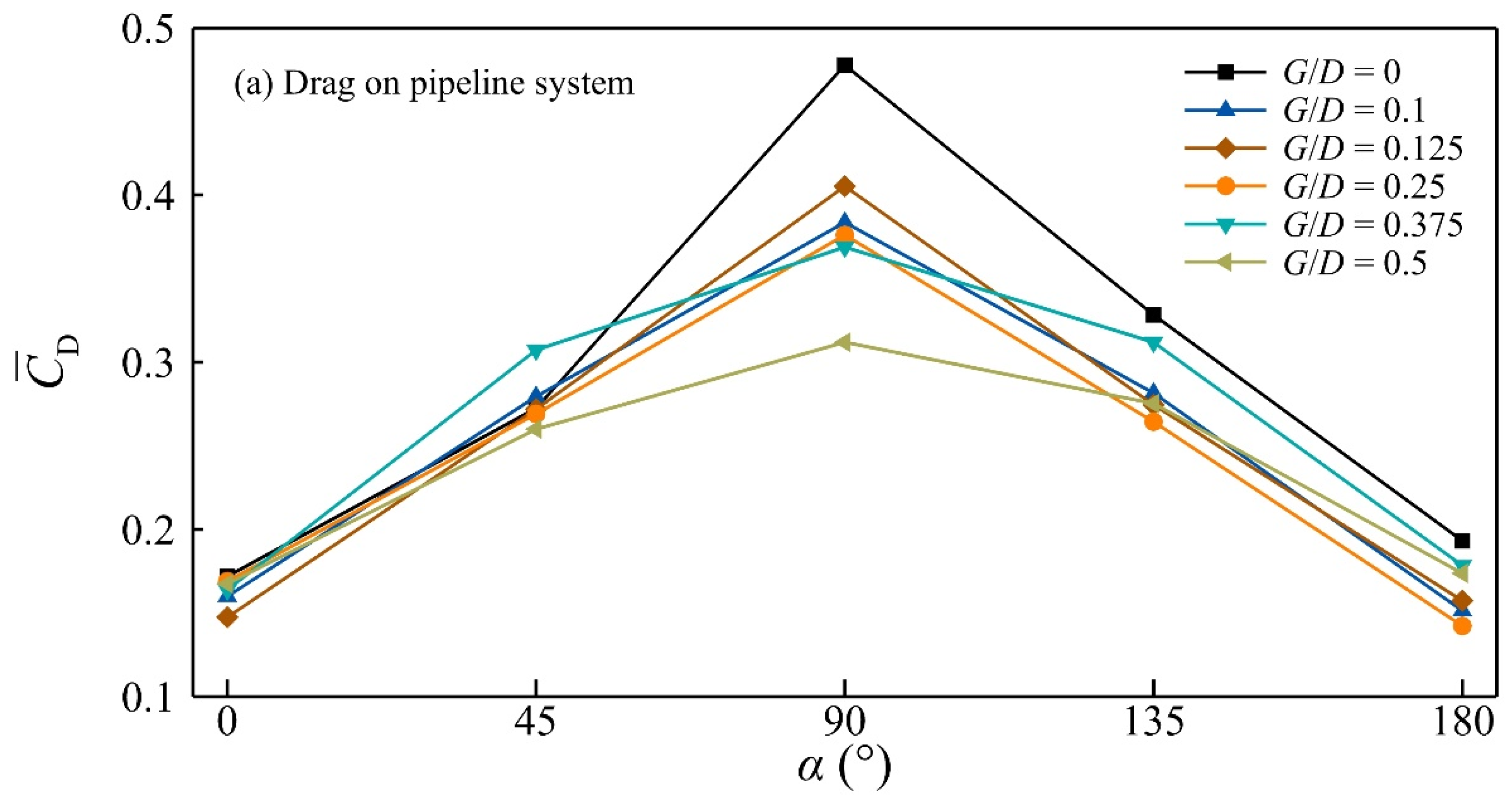
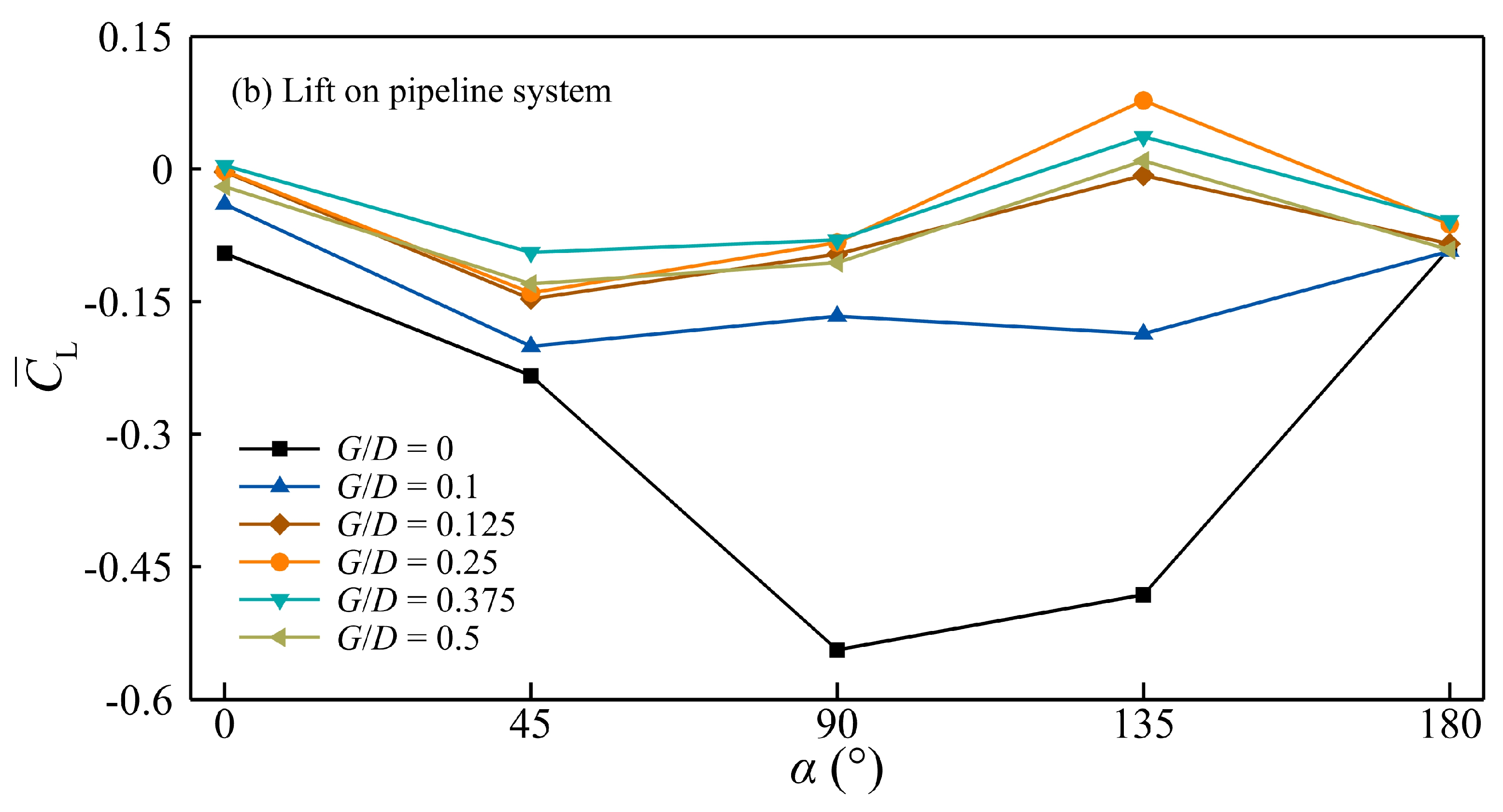
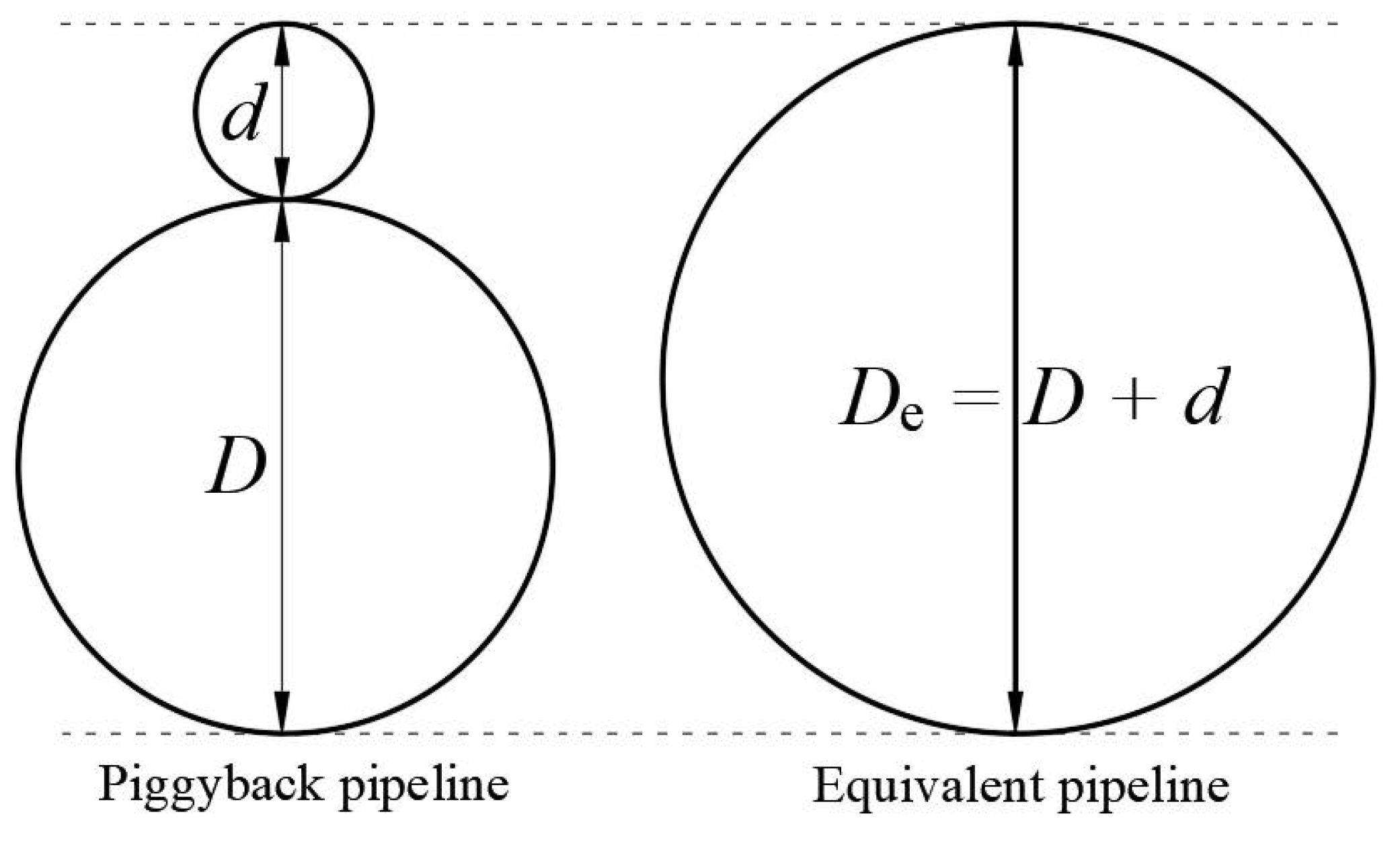
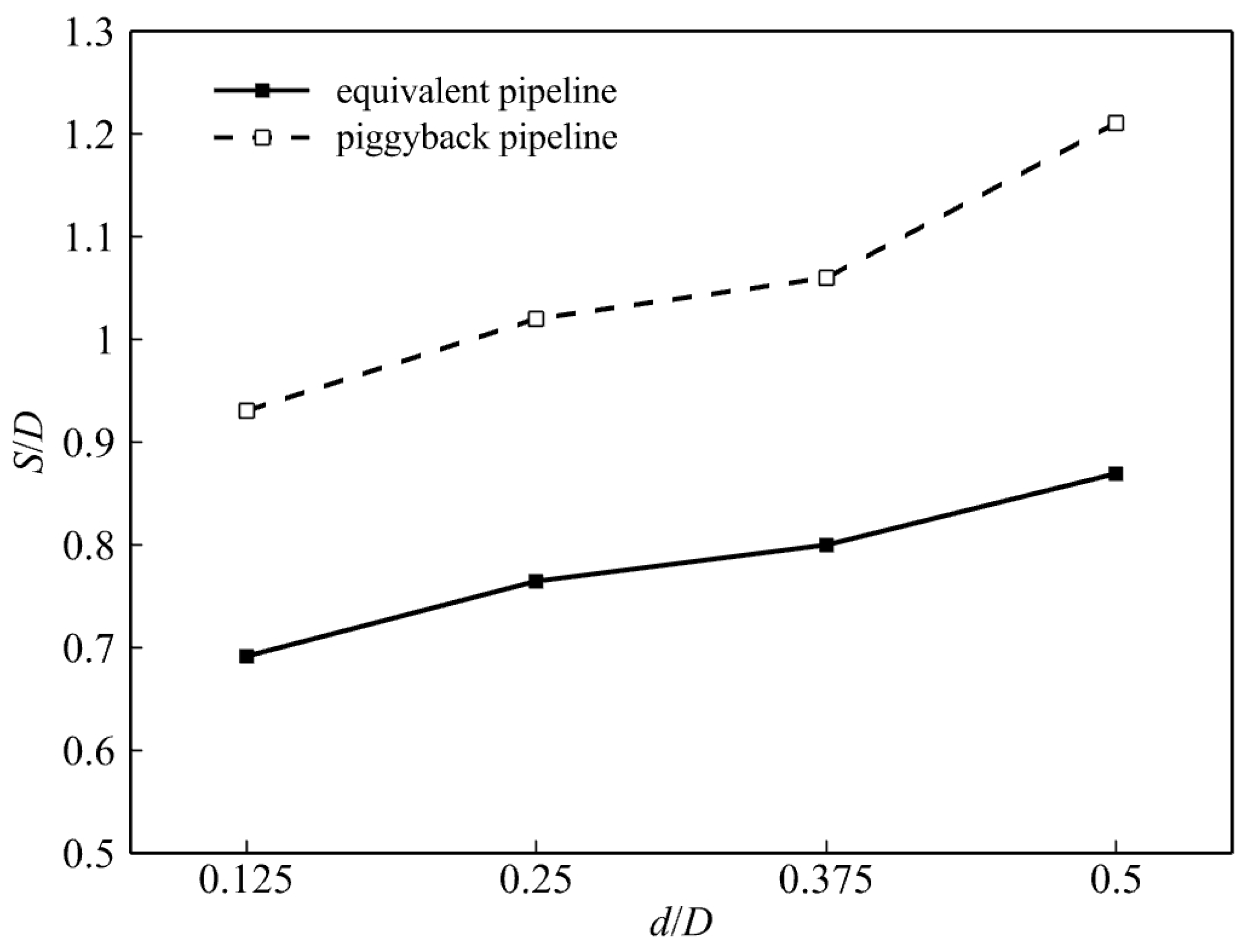
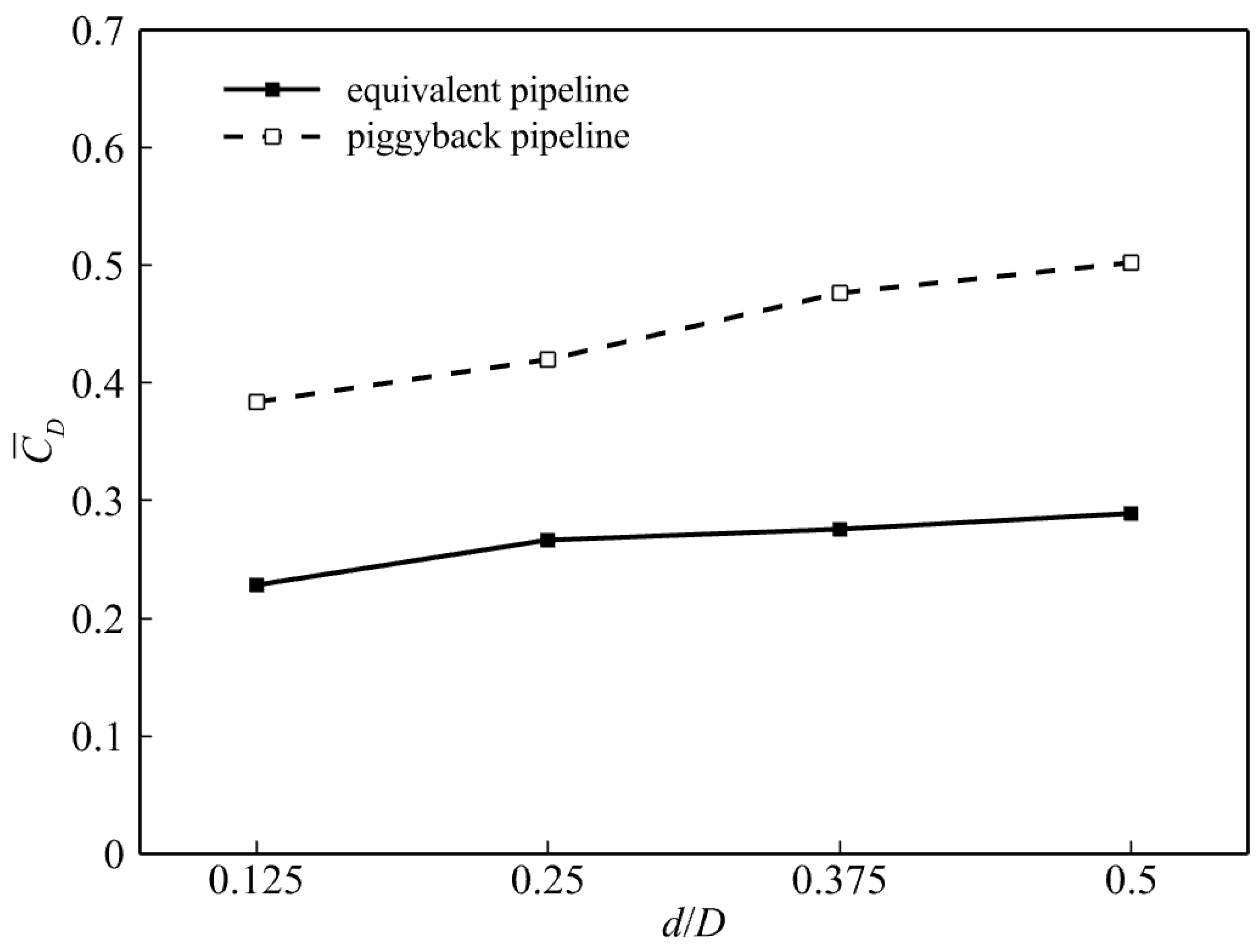
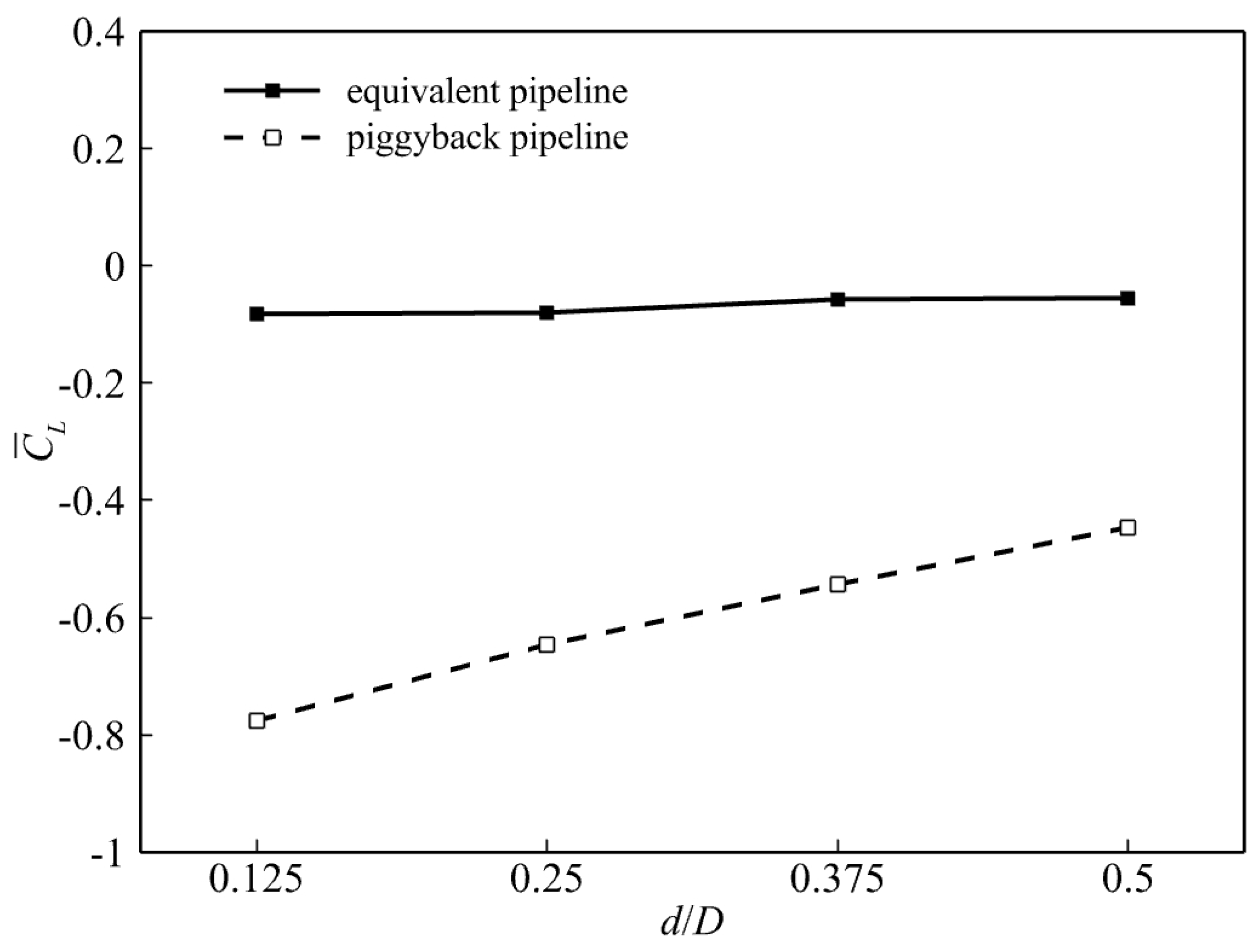
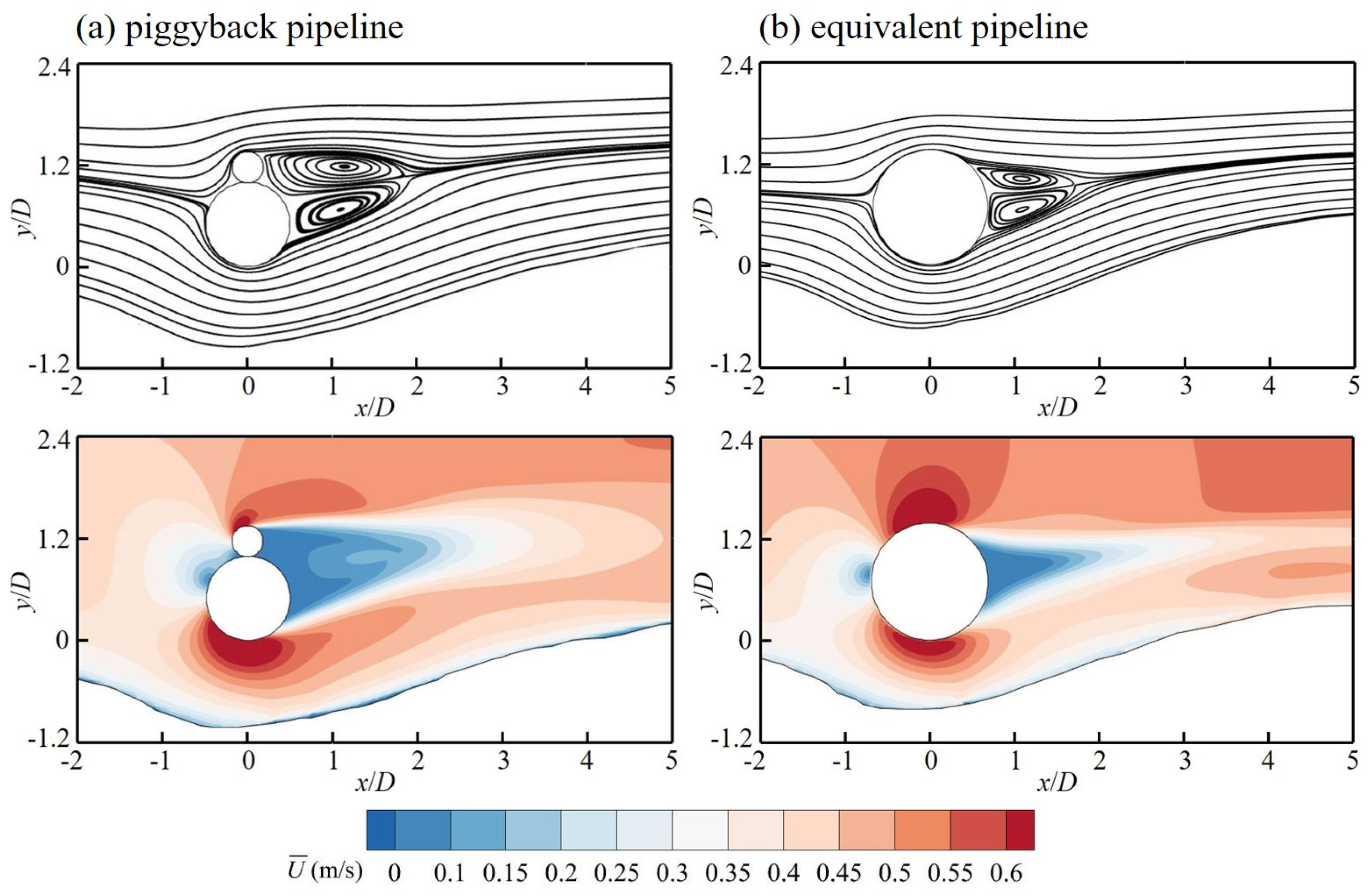
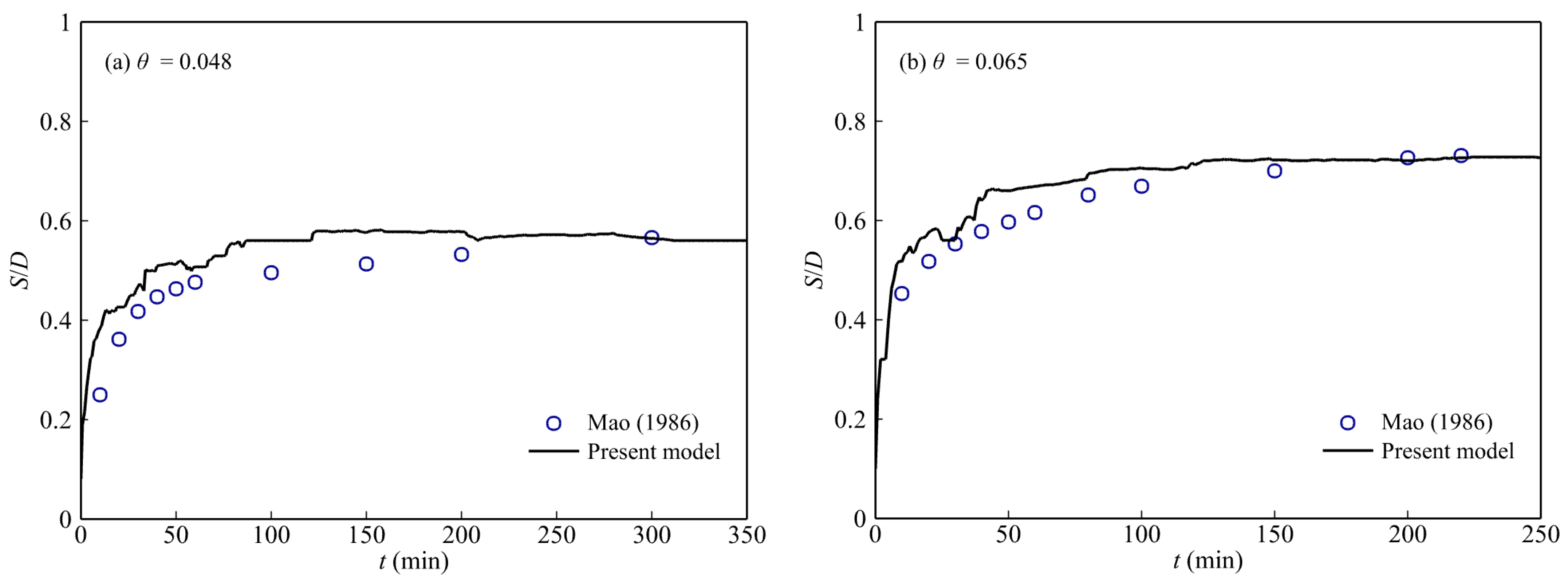
In offshore engineering, piggyback pipelines have been widely used in recent years, making it practically important to assess scour beneath such pipelines. In this study, the local scour beneath pipelines in a piggyback configuration is numerically investigated. The model is based on the two-dimensional Reynolds-Averaged Navier–Stokes (RANS) equations, utilizing the RNG k-ε turbulence model for closure. Sediment movement is characterized by incorporating both the bed load and suspended load transport. The numerical model is validated against published experimental data. The effect of the gap ratio G/D and the position angle α on the scour and time-averaged force coefficients of piggyback pipelines with a diameter ratio d/D = 0.375 is examined, where G is the gap between two pipelines, α is the angle between the line connecting centers of two pipelines and the inflow direction, D is the main pipeline diameter, and d is the small pipeline diameter. The results demonstrate that the largest scour depth is obtained at α = 90° regardless of the gap ratio G/D. At G/D = 0.25, 0.375 and 0.5, the smallest equilibrium scour depth is observed at α = 135°, which is characterized by the suppression of vortex formation behind the main pipeline. The effect of the position angle α on the time-averaged force coefficients of the small pipeline is more significant at smaller gap ratios. The mean drag coefficient on the main pipeline attains its maximum value at α = 90°, and reaches its minimum value when α = 45° for all of the gap ratios examined. The equivalent pipeline method will not only underestimate the equilibrium scour depth, but also significantly underestimate the magnitude of time-averaged force coefficients.
Keywords: piggyback pipeline; steady currents; local scour; force coefficient piggyback pipeline; steady currents; local scour; force coefficient