Article

An Integrated Analytical Approach for the Evaluation of Low-THC Cannabis sativa Products

by
Ana Cumbo
1,
Božidar Otašević
2,
Nataša Radosavljević-Stevanović
3,
Milica Jankov
4,
Gvozden Tasić
1,
Petar Ristivojević
5,* and
Ana Branković
6
1
Center for Science and Technology Compliance, VINČA Institute of Nuclear Sciences, National Institute of the Republic of Serbia, University of Belgrade, Mike Petrovića Alasa 12-14, 11351 Belgrade, Serbia
2
Department of Criminal Investigation Studies, Faculty of Criminal Investigation, University of Criminal Investigation and Police Studies, Cara Dušana 196, 11080 Belgrade, Serbia
3
The National Forensic Centre, Ministry of Interior of the Republic of Serbia, 11000 Belgrade, Serbia
4
Innovative Centre of the Faculty of Chemistry Ltd., Studentski Trg 12-16, 11158 Belgrade, Serbia
5
Department of Analytical Chemistry, Faculty of Chemistry, University of Belgrade, Studentski Trg 12-16, 11158 Belgrade, Serbia
6
Department of Forensic Sciences, Faculty of Forensic Sciences and Engineering, University of Criminal Investigation and Police Studies, Cara Dušana 196, 11080 Belgrade, Serbia
*
Author to whom correspondence should be addressed.
Processes 2026, 14(7), 1172; https://doi.org/10.3390/pr14071172
Submission received: 19 February 2026 / Revised: 15 March 2026 / Accepted: 2 April 2026 / Published: 5 April 2026

Abstract

Reliable analytical methods are essential for the assessment, effective quality control, and guarantee of consistent and reproducible performance of chemical profiles of non-psychoactive low-THC Cannabis sativa L. samples and their products. An integrated analytical approach was applied for the first time to evaluate low-THC C. sativa products on the Serbian legal market using chemometrics combined with five complementary techniques: ultraviolet–visible spectroscopy (UV–Vis), high-performance thin-layer chromatography (HPTLC), portable Raman spectroscopy, Fourier transform infrared spectroscopy (FTIR) and gas chromatography–mass spectrometry (GC–MS). HPTLC rapidly differentiated key cannabinoids with RF at 0.39 and 0.61, while GC–MS enabled comprehensive identification of major cannabinoids (CBG and CBD). Spectroscopic fingerprints provided characteristic UV–Vis absorption maximum (215, 235, and 275 nm), Raman (1700, 1550, 1517, 1224, 1096 cm−1) and FTIR marker bands (615, 1059, 1288, 1620, 2932 cm−1), supporting robust monitoring. Principal component analysis (PCA) across all five techniques revealed two major distinct sample clusters and identified the most influential analytical signals. The combined separation, spectroscopic, and multivariate approach is proven to be effective for systematic cannabinoid content assessment, authentication, and chemical profiling within a process-oriented context, thus enabling effective quality control in the cultivation process by targeting compounds of interest.

1. Introduction

Cannabis is a genus of flowering plants that is considered to be monospecific (Cannabis sativa L.); it is divided into several subspecies (C. sativa subsp. sativa, C. sativa subsp. indica, C. sativa subsp. ruderalis, C. sativa subsp. spontanea, C. sativa subsp. kafiristanca) belonging to the family Cannabaceae [1], all primarily originating from the regions of Central and Southern Asia. C. sativa is most extensively and successfully cultivated in Europe. C. sativa is distinguished by non-glandular cystolithic trichomes on the upper leaf surface and dense non-cystolithic hairs on the lower surface. The characteristic glandular trichomes on the C. sativa subspecies dominate and serve as the primary storage sites for cannabinoids and terpenes. These structures are mainly associated with the flowers but they are also found on the underside of the leaves and occasionally on the stems of young plants [1].
C. sativa is a complex plant containing more than 400 constituents of which over 60 are cannabinoid compounds [2] and more than 200 are non-cannabinoids. The sticky resin that is produced via trichome secretion on the leaves and apical flowers of the cannabis plant contains a variety of psychoactive substances known as phytocannabinoids. The most significant of these are ∆9–tetrahydrocannabinol (∆9–THC), cannabidiol (CBD), cannabinol (CBN), cannabigerol (CBG) cannabichromene (CBC), and β–caryophyllene, while the non-cannabinoid fraction primarily includes terpenoids and flavonoids [1,3,4]. Evidence suggests that the number of cannabinoids identified is variable, ranging from 60 to 110 depending on cultivation techniques and the specific hemp variety [1]. Due to the storage conditions and aging of harvested samples, the THC is converted to cannabinol (CBN).
Hemp is defined as a C. sativa characterized by a low content of ∆9–THC due to the predominant synthesis of CBD, whereas the THC predominant chemotype of C. sativa contains a higher content of ∆9–THC [5]. The potency of C. sativa is fundamentally determined by the concentration of its primary psychoactive constituent, ∆9–THC, while the specific cannabis type can be identified based on the ratio of ∆9–THC to CBD. Hemp is distinguished by its low ∆9–THC and high CBD concentrations, whereas cannabis cultivated for illicit use is characterized by elevated concentrations of ∆9–THC and diminished concentrations of CBD [6].
The Ministry of Internal Affairs of the Republic of Serbia identifies cannabis as the most prevalent illegal drug, accounting for 95% of seized narcotics [7]. Research consistently confirms cannabinoids as the most widely used drugs globally and nationally. Serbian law prohibits the possession, cultivation, and trade of cannabis, as well as the use of cannabis for medicinal or recreational purposes. Legal cultivation is allowed only under strict permits for industrial purposes, with approved varieties and mandatory oversight by the Ministry of Agriculture [8,9,10].
Extensive research has led to the development of analytical techniques designed for the comprehensive chemical profiling and potency testing of cannabis-derived compounds [11]. An initial comprehensive analytical workflow for C. sativa typically starts with morphological examination of macroscopic and microscopic characteristic or preliminary screening using colorimetric tests followed by thin-layer chromatography (TLC), or advanced chromatographic and spectroscopic techniques for detailed characterization and confirmation. Despite its simplicity, speed, and cost-effectiveness, thin-layer chromatography (TLC) suffers from limited separation efficiency and resolution [1]. Automated high-performance thin-layer chromatography (HPTLC) overcomes the drawback of conventional TLC by reducing operator error, improving resolution, and enabling high-throughput analysis (15 samples per one run) under sample experimental conditions, providing a reliable tool for efficient separation of cannabinoids from C. sativa samples [12].
To address the cost, highly trained staff, demining samples preparation, and destructive nature of chromatographic techniques, vibrational spectroscopic techniques that are non-destructive, such as near-infrared spectroscopy (NIR), mid-infrared spectroscopy (MIR), Raman spectroscopy, and Fourier transform infrared spectroscopy with attenuated total reflectance (FTIR–ATR), have gained prominence. These techniques enable rapid, minimal-sample preparation fingerprinting, cultivar differentiation, and on-site monitoring [13,14]. Additionally, UV–Vis spectroscopy provides a rapid and cost-effective approach for presumptive cannabinoid screening but is limited by spectral overlap in complex matrices, necessitating chromatographic confirmation in forensic applications [15,16]. To overcome these limitations and extract maximum information from dataset, multivariate chemometric techniques are increasingly coupled with spectroscopic data.
Pattern-recognition methods such as principal component analysis (PCA) and hierarchical cluster analysis (HCA) are widely employed to classify C. sativa samples without prior knowledge of class labels. Several studies have demonstrated the utility of pattern recognition techniques for comparison of C. sativa cultivars, revealing differences in chemical composition, identifying distinct chemovar groups based on major compounds, and discriminating between cannabis varieties [15]. Such multivariate analyses provide valuable insights into the chemical diversity of C. sativa and support robust classification and quality assessment strategies [17].
The study presents an integrated green analytical approach for the comprehensive assessment of cannabinoid content and chemical profiling of low-THC C. sativa products available on the Serbian legal market. To the best of our knowledge, commercially available low-THC C. sativa products from the Serbian market have not been previously systematically investigated in terms of their composition and THC-related analytical profile. Because of complex plant-based matrices, their reliable evaluation requires the combination of complementary analytical techniques. For this reason, chromatographic (GC–MS, HPTLC) and spectroscopic (UV–Vis, FTIR, and portable Raman spectroscopy) techniques were combined to exploit their respective strengths, including compound identification, rapid fingerprinting and non-destructive screening. Such a multi-technique approach enables a more comprehensive evaluation of low-THC products, particularly in complex commercial samples. Portable Raman spectroscopy enables rapid, non-destructive, and on-site analysis without sample preparation. Although Raman-based approaches for cannabis analysis have been reported, the application of portable Raman spectroscopy to low-THC commercial products remains limited. PCA was applied to identify groups of samples and key analytical signals responsible for differentiation. The working hypothesis is that combining multiple analytical techniques with chemometric analysis provides a more reliable and comprehensive assessment than any single method alone. In this way, the study highlights the novelty and scientific contribution of applying an integrated analytical strategy to low-THC C. sativa products from the legal market in Serbia. This multi-technique strategy can also provide an efficient and scalable tool for control, authentication, and regulatory compliance of low-THC C. sativa L. products.

2. Materials and Methods

2.1. Chemicals

Methanol, hexane, and diethyl ether were purchased from Sigma–Aldrich (St. Louis, MO, USA). Fast Blue B salt was supplied from Sigma–Aldrich (St. Louis, MO, USA). The details of the cannabinoids were as follows: Δ9–THC in methanol was provided from LGC Standards (Teddington, Middlesex, UK), while cannabidiol and cannabinol were supplied from Lipomed (Arlesheim, Switzerland). HPTLC silica gel 60 F254 20 × 10 cm glass plates (no. 1056420001) were purchased from Merck (Darmstadt, Germany). Helium as carrier gas was purchased from Messer Tehnogas AD (Belgrade, Serbia). All reagents and solvents employed throughout the study were of analytical grade purity.

2.2. Samples of C. sativa

Ten C. sativa samples, containing flowers, legally purchased from markets in the Belgrade, Republic of Serbia, were used in this study. The samples were acquired at different time points over the past five years, as detailed in Table 1. To ensure analytical comparability and minimize matrix heterogeneity, a parallel set of samples was homogenized via mechanical shredding using an electric grinder Bosch TSM6A017C (Munich, Germany) for 3 min. The specific samples and their forms subjected to this analysis are detailed in Table 1.

2.3. Extraction

Extracts were prepared by mixing 33.3 mg of C. sativa powdered plant material with 5 mL of methanol, followed by ultrasound-assisted extraction for 30 min. After filtering, the solution was heated at 150 °C for 15 min to induce decarboxylation of acidic cannabinoids into their neutral forms. After drying, the residue was re-dissolved in 2 mL of methanol. These methanolic extracts were analyzed by UV–Vis, HPTLC and GC–MS.

2.4. Ultraviolet Spectroscopy (UV–Vis)

Ultraviolet–visible (UV–Vis) spectrophotometric analysis was conducted using a Thermo Scientific Evolution 220 UV–Vis spectrophotometer (Waltham, MA, USA, SAD). The previously prepared methanolic extracts were diluted by mixing 100 µL of each extract with 2 mL of methanol. Subsequently, 0.6 mL of each extract was transferred into a quartz cuvette and placed into the instrument’s sample chamber. Spectral data were acquired over the wavelength range of 800 to 200 nm.

2.5. High-Performance Thin-Layer Chromatography (HPTLC)

Aliquots (1 µL) of each sample extract and standard cannabinoid solutions—CBD (1 µL, 0.05 mg/mL), CBN (1 µL, 0.05 mg/mL), and Δ9–THC (3 µL, 0.05 mg/mL)—were applied as 8 mm bands onto silica gel 60 F254 HPTLC plates (Figure 1). Extract application was performed at 10 mm from the lower edge and 15 mm from the left plate edge, with 10.6 mm spacing between tracks, using a CAMAG Linomat 5 TLC Sampler (Muttenz, Switzerland). Chromatographic separation of cannabinoids was carried out in a Twin-Trough Chamber using a mobile phase consisting of hexane and diethyl ether (4:1, V/V) [18]. The migration distance was 70 mm, measured from the lower plate edge. After development, the HPTLC chromatogram was derivatized by immersion in a 1% Fast Blue B salt solution prepared in a methanol–water mixture (3:1, V/V) using a CAMAG TLC Immersion Device (Muttenz, Switzerland), with an immersion time of 1 s and an immersion speed of 3.5 cm/s [19]. The plates were subsequently heated at 110 °C for 1 min to enhance color development. Chromatographic documentation was performed under white light illumination using a Fujifilm X–S10 digital camera (Tokyo, Japan).

2.6. Fourier Transform Infrared Spectroscopy (FTIR)

Fourier transform infrared (FTIR) analysis was performed using the Thermo Scientific Nicolet iS10 spectrometer (Waltham, MA, USA) equipped with a diamond ATR accessory. All samples were analyzed in their native state, requiring no sample pretreatment. Each final spectrum represents the average of 16 scans to enhance the signal-to-noise ratio. Spectral data were acquired across the mid-infrared range of 4000–400 cm−1.

2.7. Raman Spectroscopy

The native herbal samples were analyzed using a handheld Metrohm MIRA XTR Raman spectrometer (Herisau, Switzerland). The XTR option is a built-in processing function of the instrument software used to reduce fluorescence/background contribution and improve extraction of the Raman signal, resulting in more clearly resolved characteristic peaks. A total of ten samples were evaluated in their as-received state; additionally, samples were subjected to mechanical shredding and subsequently analyzed in that form to ensure a comprehensive characterization of the material. The experiments were carried out using a laser operating at wavelengths of 785 nm ± 0.5 nm. The instrument operated over a spectral range of 400–2300 cm−1 with a spectral resolution of approximately 8 to 10 cm−1. The laser power was set to 100 mW, and spectra were acquired using an integration time of 4.26 s per accumulation.

2.8. Gas Chromatography–Mass Spectrometry (GC–MS)

Separation was achieved on an Agilent GC–MS 6890N/5973MSD system (Agilent Technologies, Santa Clara, CA, USA) using a DB–35 ms capillary column (32.5 m × 0.25 mm i.d., 0.25 µm film thickness). Helium was used as the carrier gas at a constant flow rate of 1.4 mL min−1. The injector temperature was set to 250 °C, with a split ratio of 6.56:1. The oven temperature program was as follows: initial temperature of 70 °C was held for 1.0 min, followed by a ramp at 15 °C min−1 to 300 °C, which was held for 15.0 min. The total run time was 31.33 min. The transfer line temperature was maintained at 280 °C. Mass spectrometric detection (MSD) was performed in electron ionization (EI) mode at 70 eV, with data acquisition in full-scan mode over the mass range m/z 30–550. The ion source and quadrupole temperatures were set to 230 °C and 150 °C, respectively. A solvent delay of 3.0 min was applied. Compound identification was based on retention times, mass spectral fragmentation patterns, and comparison with reference spectral libraries and literature data.

2.9. Image Analysis of HPTLC Chromatogram

The obtained HPTLC chromatogram was processed using ImageJ software (version 1.48c; Wayne Rasband, National Institutes of Health, Bethesda, MD, USA). The recorded images were first cropped, inverted, and converted to greyscale. Noise reduction was applied using the median filter function, after which line profiles corresponding to each chromatographic track were generated and used for further data analysis.

2.10. Multivariate Analysis and Data Preprocessing

PCA was applied to analytical signals to evaluate similarities and dissimilarities among C. sativa samples. PCA was performed using MATLAB 7.12.0 (R2011a, MathWorks Inc., Natick, MA, USA) equipped with the PLS Toolbox (v6.2.1, Eigenvector Research). PCA was employed as an exploratory data analysis technique using a singular value decomposition (SVD) algorithm. Outliers were identified based on the Q residuals and Hotelling’s T2 statistics at a 95% confidence level [20].
Preprocessing steps were applied to improve PCA models for chromatographic and spectroscopic data. UV–Vis data were treated with Standard Normal Variate (SNV) normalization followed by mean centering. HPTLC, Raman, and GC–MS data sets underwent variable alignment (peaks, slack = 5), SNV normalization, and mean centering prior to PCA. FTIR data were preprocessed using autoscaling.

3. Results and Discussion

A proposed approach was employed for the comprehensive characterization of low-THC C. sativa samples providing rapid, and non-destructive analysis of raw plant material. Methanolic extracts were analyzed by UV–VIS spectroscopy, GC–MS, and HPTLC to profile cannabinoids, while raw herbal samples were examined using FTIR and Raman spectroscopy to provide complementary chemical and structural information.

3.1. UV–Vis Spectra of C. sativa Extracts

UV–Vis absorption spectroscopy was employed as a preliminary screening technique, providing a rapid and cost-effective evaluation of cannabinoid-related absorption features in C. sativa extracts over the 200–800 nm wavelength range. The UV region (200–400 nm) is characteristic because cannabinoids exhibit distinct absorption bands within this range (Figure 1). Cannabinoids and most other polyphenols generally absorb light in the UV region below 400 nm, and do not show significant absorption in the visible light region (400–800 nm). Prominent absorption bands were observed at approximately 210–235 nm and 250–275 nm in all extracts, which can be attributed to electronic transitions of conjugated systems such as CBD and CBC. These cannabinoids showed characteristic UV absorption with a strong band in the 210–235 nm region and weaker bands around 256–276 nm [21]. Above 300 nm, only weak and broad absorption features were observed, while no significant absorption was detected in the visible region (Figure 1).
Extracts 3, 4, 5, 7, 8 and 9 exhibited the high absorbance values across the entire spectral range, particularly at 230 nm and 275 nm, indicating a higher concentration of light-absorbing compounds, with extract 5 showing the highest absorbance. In contrast, extracts 1, 2, 6, and 10 showed lower absorbance intensities at 275 nm, suggesting reduced concentration of particular cannabinoids Although the qualitative spectral features were conserved across all extracts, notable differences in absorbance intensity were evident, reflecting quantitative qualitative and variability in pigment and cannabinoid content.

3.2. HPTLC Fingerprint Analysis of C. sativa Extracts

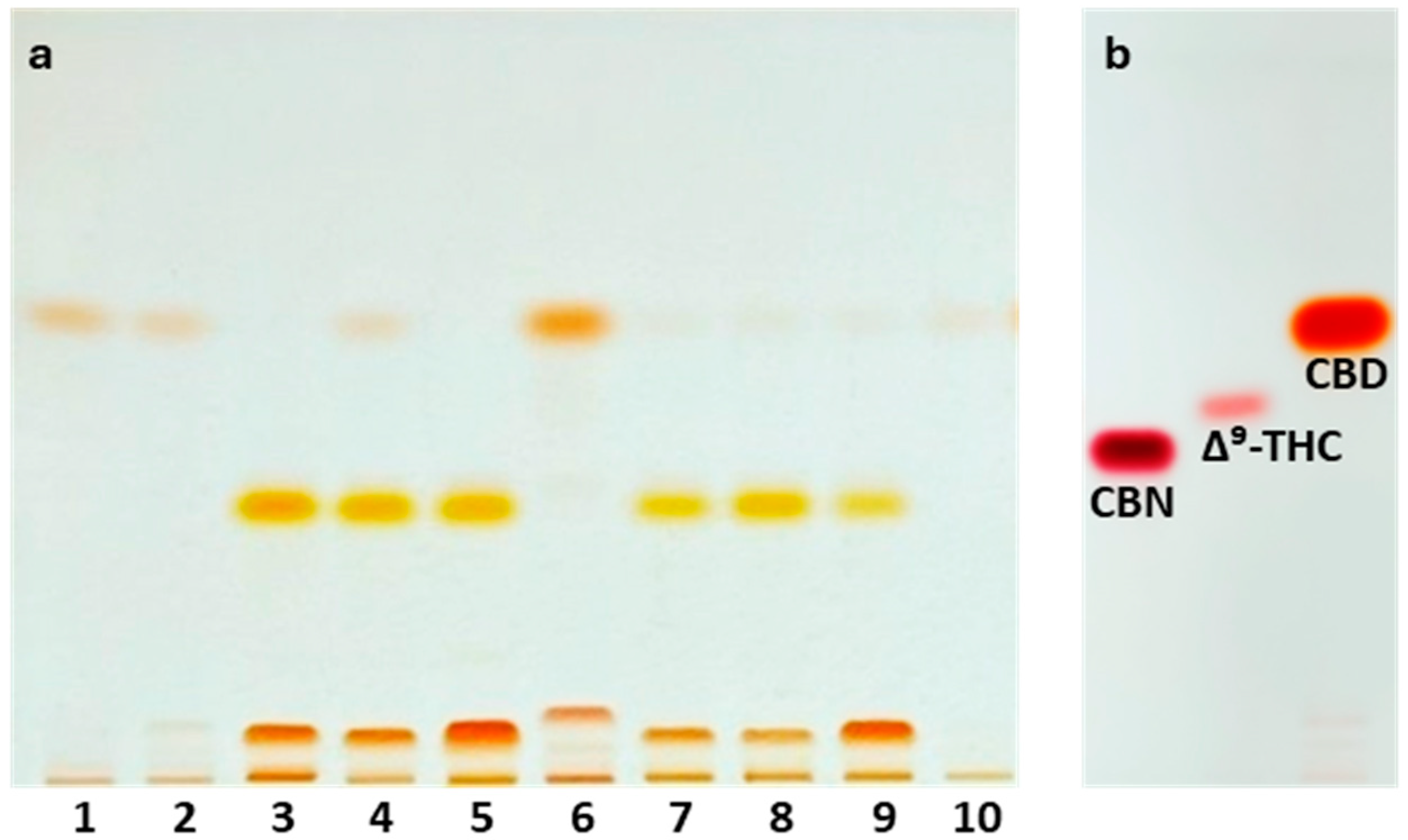
HPTLC provides a rapid, cost-effective, and simultaneous screening of up to 10 extracts under identical experimental conditions. After development and visualization with Fast blue Salt B, HPTLC analysis revealed clear and reproducible cannabinoid profiles for all analyzed extracts. A few orange and yellow bands were noted, indicating the presence of cannabinoids with different polarities. The C. sativa extracts exhibited both shared (RF value at 0.02, 0.05, 0.10) and distinct bands with RF at 0.39 and 0.61 which are assigned to CBD, suggesting the presence of two groups of C. sativa extracts in terms of cannabinoid composition (Figure 2). Almost all of the extracts contain these low Rf value compounds, which could originate from polar cannabinoids [19].
Extracts 3, 4, 5, 7, 8, and 9 showed highly similar band patterns with the presence of a band with RF at 0.39, while extracts 1, 2, 6, and 10 exhibited more pronounced deviations from the main profile with characteristic CBD, suggesting compositional variability within the dataset (Figure 2a). All extracts showed the absence of psychoactive Δ9–tetrahydrocannabinol (Δ9–THC) and cannabinol (CBN) (Figure 2b). HPTLC profiling revealed two closely related cannabinoid groups among the C. sativa extracts, characterized by non-psychoactive cannabinoids, variable CBD content, and a consistent absence of Δ9–THC and CBN, indicating good chemical quality and compliance with low-THC cannabis standards.

3.3. FTIR Analysis of C. sativa Samples

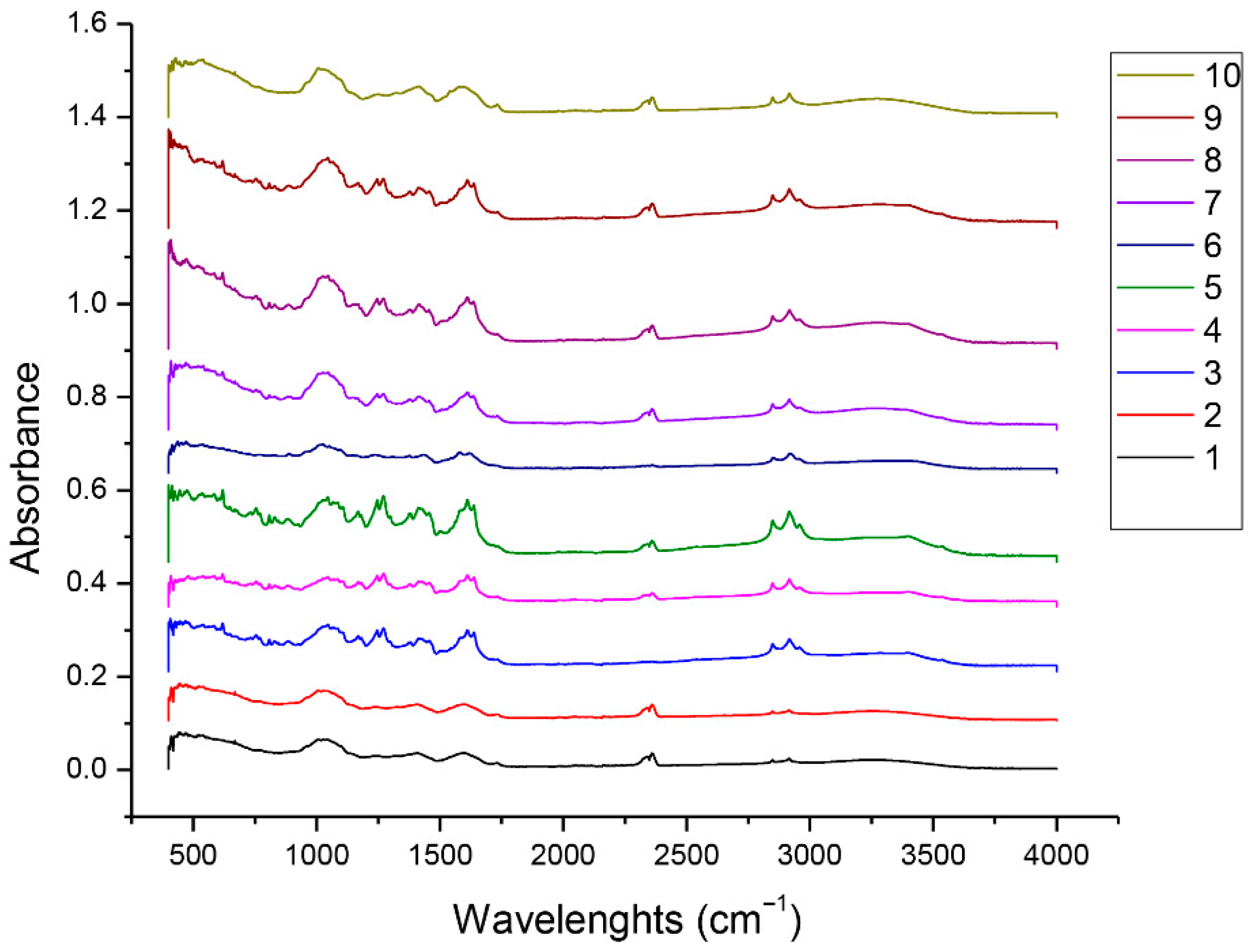
The FTIR spectra of C. sativa samples were analyzed directly without any sample preparation (Figure 3). Samples 1, 2, and 6 showed similar spectra, with characteristic peaks at 1000 cm−1, 1586 cm−1, 2340 cm−1, and 2930 cm−1. On the other hand, samples 3, 4, 5, 7, 8, 9, and 10 showed characteristics peaks in regions such as 1056 cm−1, 1288 cm−1, 1416 cm−1, 1620 cm−1, 2361 cm−1, 2855, 2923 cm−1 and 3402 cm−1 (Figure 3). Carbohydrate-associated peaks in the region 1000–1160 cm−1, specifically at 1059, 1109–1110, and 1160 cm−1, arise from functional group vibrations of polysaccharides [22]. Characteristic cellulose peaks were identified at 1427, 1373–1375, 1336, and 897 cm−1, corresponding to stretching and bending vibrations of CH2, CH, OH, and C–O bonds. Lignin-specific peaks at 1245 cm−1 (C–O stretch) and 1508 cm−1 (aromatic C=C symmetric stretch) showed significant variability.
The broad band around 2900 cm−1, contributed by C–H asymmetric stretching in cellulose and hemicellulose, as well as by waxes and oils, was associated with organic extractives. A weak broad hydroxyl-related band was observed in the 3385–3410 cm−1 region. Similar variations in the O–H stretching region have been described for lignocellulosic plant materials and are generally attributed to differences in hydrogen bonding and sample composition [22,23,24]. These included the 1427/897 cm−1 ratio (related to cellulose characteristics), the 1373–1375/667 cm−1 ratio (indicative of treatment effects on fiber structure), the ~3400/1336 cm−1 ratio (expressing hydrogen bond intensity), and the 1373–1375/~2900 cm−1 ratio. These ratios provide a robust means of monitoring changes in cellulose crystallinity and the degradation state of the lignocellulosic material over time [24,25].

3.4. Raman Spectra of C. sativa Samples

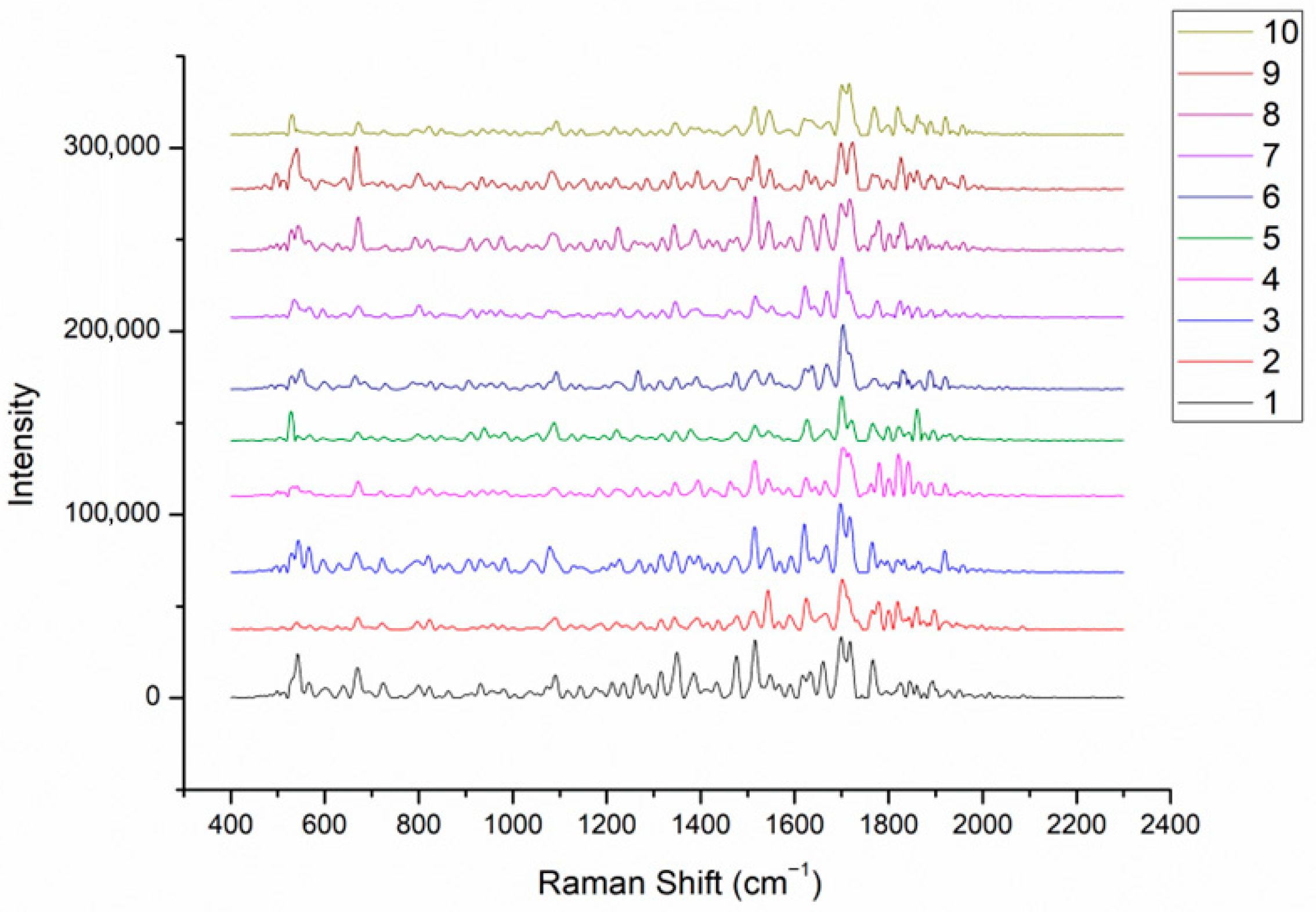
The Raman spectra of C. sativa exhibited similar fingerprints across most analyzed samples, characterized by consistent band positions and comparable intensities. Characteristic bands are observed at approximately 582, 672, 1096, 1224, 1517, 1550, 1700, 1775, and 1830 cm−1, reflecting the complex chemical composition of the plant matrix (Figure 4). However, visual inspection showed that samples 2, 4 and 10 showed traces of weaker intensity in the 700–1300 cm−1 regions compared to the remaining samples, which indicates the content of variant phytoconstituents. Spectral variability was primarily reflected in signal intensity rather than qualitative changes (Figure 4). The spectra shown in Figure 4 were plotted directly from the Raman instrument software output with the XTR option enabled, without any additional external preprocessing after export.
The bands observed in the 600–700 cm−1 region (582 and 672 cm−1) are commonly associated with skeletal vibrations of polysaccharides and ring deformations present in lignocellulosic materials. The prominent band at 1096 cm−1 is assigned to C–O–C symmetric stretching and C–OH bending vibrations of cellulose, which are major structural components of hemp fibers [14]. Similar considerations apply to the 1155–1228 cm−1 region, where bands attributed to cellulose and xylan vibrations are typically observed [14,26]. In this region, contributions from C–O–H stretching and CH bending modes, particularly from xylan, may overlap with signals originating from minor phenolic constituents. The relative intensity of these bands has been reported to be lower in hemp and cannabis samples compared to pure cellulose due to the presence of lignin and extractive compounds [27]. Bands detected at 1517 and 1550 cm−1 fall within the aromatic C=C stretching region, which may indicate contributions from lignin and, to a lesser extent, cannabinoid-related structures [26]. In cannabinoid-rich marijuana samples, this region is dominated by intense bands at approximately 1515–1585 cm−1, which are confidently assigned to C=C stretching vibrations of the aromatic rings in cannabinoids [28]. However, in fiber-rich samples, these bands appear with reduced intensity, consistent with the lower abundance of cannabinoids. The higher-wavenumber bands observed at ~1700 cm−1 can be attributed to C=O stretching vibrations, originating from ester or carboxylic functional groups present in hemicellulose, lignin, or oxidized extractives. Additional weak features at 1775 and 1830 cm−1 may be related to overtone or combination bands, or to carbonyl-containing structures formed during plant maturation or processing. For comparison, pure cannabidiol (CBD) exhibits a rich Raman fingerprint with bands at 775–1370 cm−1, 1437–1451 cm−1, and intense features in the 1515–1663 cm−1 region, corresponding to aromatic C=C stretching, CH bending, and C–O vibrations [14]. The absence or weak expression of these characteristic CBD bands in the analyzed fiber samples further confirms that lignocellulosic components, rather than cannabinoids, dominate the Raman spectra. The Raman analysis confirms that Cannabis sativa fiber spectra are primarily governed by cellulose and hemicellulose vibrations, with minor contributions from aromatic structures, while cannabinoid-related bands appear only as weak or overlapping features.

3.5. GC–MS Data of C. sativa Samples

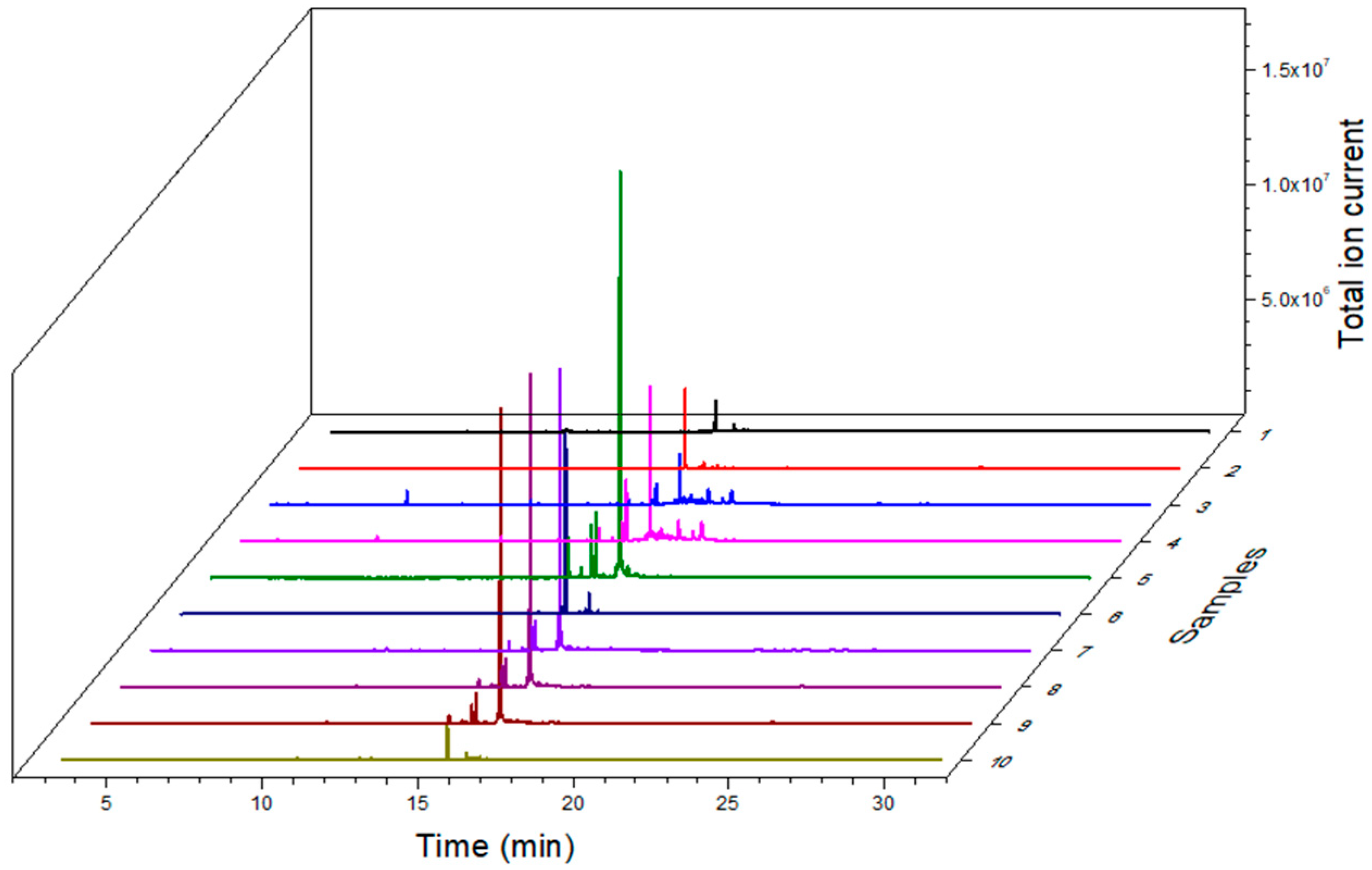
Eight samples exhibit a dominant peak eluting at 16.27 min, which was assigned to CBG based on the fragmentation of the molecules, as confirmed by complementary GC–MS analysis (Figure 5). Peak eluting at 15.46 min is assigned to CBD was detected in six samples. The chromatograms reflected variability in cannabinoid content among the analyzed materials.
Samples 3, 4 and 5–9 exhibited elevated CBG responses, indicating higher cannabinoid abundance, with sample 5 showing the highest CBG signal among all analyzed samples. In contrast, samples 1, 2, 6, and 10 displayed higher CBD signal intensities, while samples 5, 7, 8 and 9 exhibited presence of CBC responses (Figure 5). In addition to the main CBG and CBD peaks, several minor peaks with Rt at 7.45 min, 7.15 min, 15.61 min, 17.15 min, and 17.90 min eluting in proximity were detected in certain samples, indicating the presence of trace cannabinoids or thermally derived components. However, these compounds appear at substantially lower intensities compared to CBG, CBD or CBC. This variability in general may arise from differences in cultivar, plant part, growth conditions, harvest time (phonological stage), sample age, or post-harvest processing, which are known to influence cannabinoid biosynthesis. In analyzed chromatographic peaks (Rt = 16.24 min), the mass spectra were dominated by characteristic fragment ions at m/z 231 and 193 (Figure S1). These ions are considered diagnostic for cannabigerol (CBG) and originate from the terpenoid moiety. For peak at Rt = 15.46 min, the fragmentation ions were observed at mass spectra with m/z 231 and 246, corresponding to CBD. Due to its thermal lability and high degree of fragmentation under EI conditions, CBD commonly exhibits weak or undetectable molecular ions, while producing abundant diagnostic fragment ions. The third significant chromatographic peak at Rt = 15,31 min shows characteristic m/z fragments at 231 and 174 in mass spectra and corresponds to CBC. A lower intensity chromatographic signal was observed at Rt = 16.50 min with m/z 295 and 238 corresponding to CBN. Weak signals on chromatograms were detected for THC at approximately 16.70 min with m/z fragmentations of 299, 231, and 271. The presence of CBN confirms the degradation of THC due to aging and storing conditions.

3.6. Principal Component Analysis (PCA)

3.6.1. PCA of UV–Vis Data

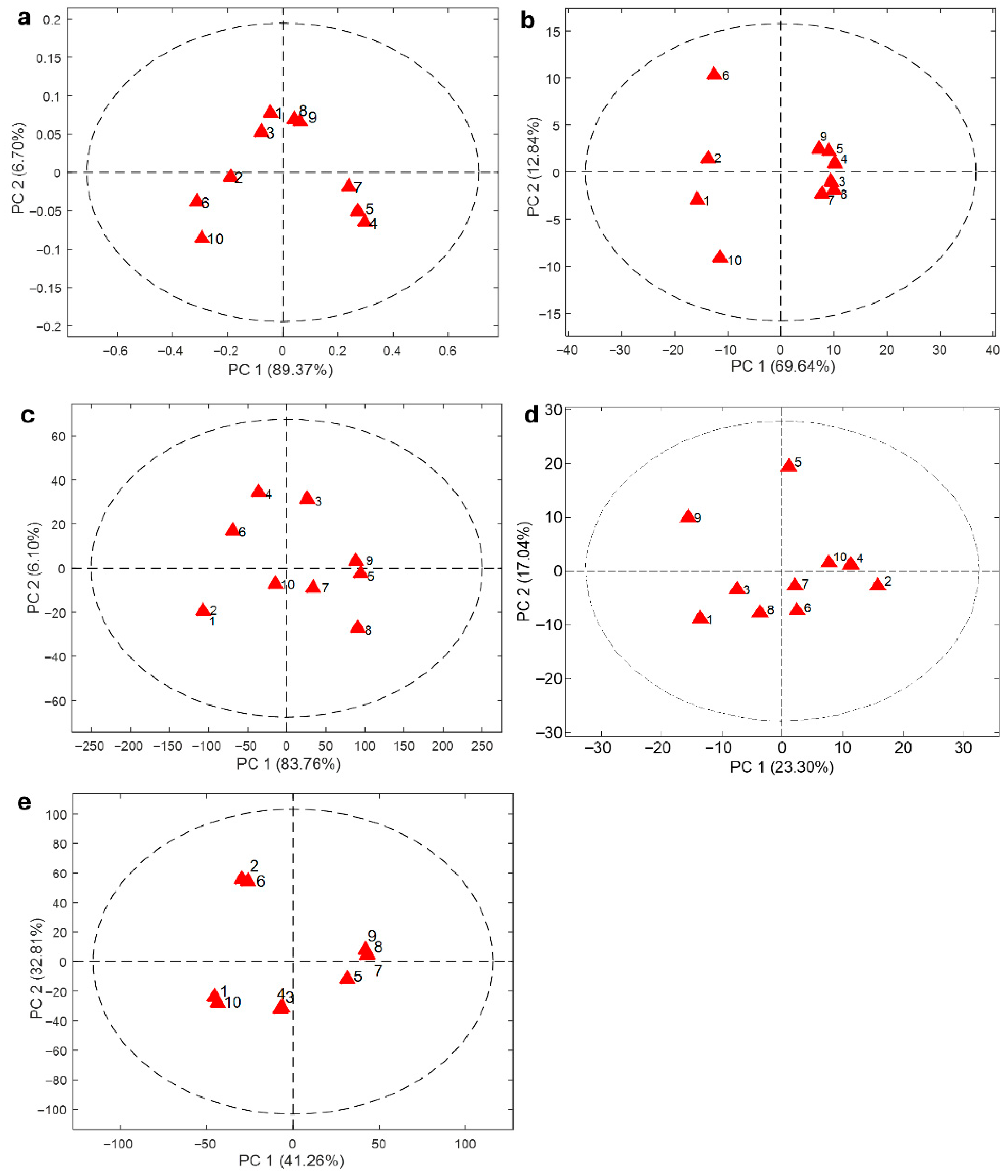
To evaluate sample discrimination PCA was applied to UV–Vis spectral data in the wavelength range of 200–400 nm, corresponding to the characteristic absorption region of cannabinoids. PC1 accounts for 89.37% of the variance and PC2 for 6.70%, together summarizing 96.07% of the total variability (Figure 6a). The primary differences between extracts are captured along PC1, likely reflecting the most significant chemical or physical factors affecting the UV–Vis absorption profiles.
Extracts 4, 5, and 7 are positioned on the positive side of PC1, indicating similar UV–Vis spectral characteristics associated with higher absorbance features. In contrast, samples 2, 6, and 10 are positioned on the negative side of PC1, reflecting lower spectral responses and distinct differences in their overall chemical profiles (Figure 6a). The separation of extracts 1, 3, 8, and 9 along the positive side of the PC2 axis suggests minor variations in the relative contribution of the main UV absorption regions. According to the loading plots, the most influential wavelengths for extract discrimination are located in the 210–235 nm and 250–275 nm regions, corresponding to characteristic absorption bands of conjugated cannabinoid structures and representing the most important spectral features responsible for discrimination among C. sativa samples (Figure S1).
In conclusion, PCA revealed that the majority of spectral variability is attributable to a single dominant factor. This finding simplifies the interpretation of complex spectral data and highlights the primary axis of variation for further investigation.

3.6.2. PCA Based on HPTLC Data

PCA was applied to the HPTLC-derived numerical data to evaluate similarities and differences among the C. sativa samples. The first two principal components (PCs) explained a substantial proportion of the total variance, with PC1 accounting for 69.64% and PC2 for 12.84%, resulting in a cumulative explained variance of 82.48%. The PCA score plot revealed two grouping patterns: samples 3, 4, 5, 7, 8, and 9 clustered closely together along the positive side of PC1, while samples 1, 2, 6, and 10 were separated along PC1 and/or PC2. Sample 6 showed strong separation along the positive PC2 axis, suggesting the presence of CBD was not that dominant in the other samples. Samples 1 and 10 were positioned on the negative side of PC1, indicating marked differences compared to the main cluster (the absence of compound with RF at 0.39), which is consistent with the observed variations in their HPTLC band patterns (Figure 6b).
Based on the loading plot, compounds with RF at 0.39 and 0.61 were recognized as the main cannabinoids responsible for the separation between C. sativa samples (Figure S1). Based on the PC1 loading plot, compounds with RF values of 0.07, 0.09, and 0.39 were identified as the most influential variables for sample classification. In contrast, the PC2 loading plot revealed that compounds with RF value of CBD acted as key marker compounds, contributing to secondary discrimination among the samples. HPTLC-based PCA effectively discriminated C. sativa samples, primarily due to variation in key cannabinoid zones (RF 0.07, 0.09, 0.36, 0.39, and CBD).

3.6.3. PCA of FTIR Data

PCA was applied to FTIR spectra to evaluate similarities and differences among herbal samples based on their infrared spectral features. The first two principal components explain 89.86% of the total variance, with PC1 and PC2 accounting for 83.76% and 6.10%, respectively. The PCA score plot showed a clear separation of samples along the PC1 axis, reflecting differences in functional groups such as hydroxyl, carbonyl, and aliphatic C–H moieties, which are commonly observed in FTIR spectra of complex organic mixtures. Samples located on the positive side of PC1 (3, 5, 7, 8, and 9) are characterized by higher contributions of these functional groups, whereas samples such as 1, 2, 4, 6, and 10 positioned on the negative side exhibit distinct spectral signatures, suggesting differences in their chemical composition or relative abundance of specific compound classes (Figure 6c). Based on loading plots, the peaks at 2300–2400 cm−1 and 3250–3350 cm−1 were recognized as important for discrimination (Figure S1).
Although FTIR-based PCA is associated with interpretations of a number of organic groups’ moieties present in the plant samples, it demonstrates high sensitivity to dominant chemical features present in the HPTLC fingerprints and enables effective differentiation among samples that appear similar when evaluated solely by chromatographic profiles.

3.6.4. PCA of Raman Data

Principal component analysis (PCA) explained 40.34% of the total variance, with PC1 accounting for 23.30% and PC2 for 17.04% of the overall variability, enabling clear differentiation of the analyzed samples. Samples 2, 4, 6, 7, 8, and 10 were grouped on the positive side of PC1, whereas samples 1, 3, and 9 were positioned on the negative side, forming a distinct cluster. This distribution indicates systematic differences in their chemical profiles, suggesting that PC1 captures the dominant compositional variability among the products.
Additional differentiation was observed along PC2. Sample 5 exhibited the highest positive PC2 score and was clearly separated from the remaining samples, indicating a distinct compositional pattern. Samples 4 and 9 were also located in the positive PC2 region, while samples 1, 6, and 8 were characterized by negative PC2 values. The remaining samples (2, 3, 7, and 10) were positioned closer to the PC2 axis, reflecting intermediate characteristics (Figure S1).

3.6.5. PCA of CG–MS Data

PCA was applied to the preprocessed GC–MS data to explore intrinsic sample similarities, identify major variables responsible for separation, and assess chemical variability among the analyzed samples. PC1 accounted for 41.26% of the total variance, while PC2 explained an additional 32.81%, resulting in a cumulative variance of 74.07%. The PCA score plot (Figure 6e) reveals clear clustering and separation trends among the samples. Samples 5, 7, 8, and 9 are clustered on the positive side of PC1, indicating similar GC–MS profiles characterized by comparable relative abundances of CBD. In contrast, samples 1, 2, 6, and 10 are positioned on the negative side of PC1, suggesting a different compositional pattern and clear separation from the former group. Additionally, sample 3 and 4 are located near the origin of the PCA space, indicating an intermediate chemical profile that shares characteristics with both clusters and does not exhibit strong discrimination along either PC1 or PC2. Further separation along PC2 differentiates samples 2 and 6, which appear at higher PC2 values, from samples 1 and 10, which are located at lower PC2 scores, highlighting secondary compositional differences within the PC1-negative group (Figure 6e). The loading plots for PC1 and PC2 indicate that only a limited number of variables contribute strongly to the observed variance, as evidenced by a pronounced loading peak identify as CBG. Variables with high absolute loadings on PC1 are associated with dominant GC–MS peaks, while PC2 loadings reflect additional, subtler compositional differences among samples (Figure S1).

4. Conclusions

This study demonstrated that an integrated analytical approach can provide a reliable and informative characterization of low-THC C. sativa products available on the Serbian legal market. The combination of spectroscopic (UV–Vis, FTIR, and Raman) and chromatographic (HPTLC and GC–MS) techniques provided complementary chemical and structural information, enabling a more comprehensive assessment. UV–Vis spectroscopy proved to be an effective initial screening tool for cannabinoid-related compounds, enabling separation of the samples into two major groups. Subsequent GC–MS analysis showed that these groups corresponded predominantly to CBG-rich and CBD-rich samples. HPTLC fingerprinting further distinguished the extracts based on their cannabinoid composition, revealing two primary profiles within the investigated sample set. Although HPTLC analyses indicated the absence of the psychoactive Δ9–THC and its degradation product CBN across all samples, GC–MS, owing to its higher sensitivity, confirmed presence of both compounds in all samples. The detection of trace amounts of Δ9–THC is contributed to the fact that Δ9–THC is always synthetized in C. sativa samples in a certain quantity, while the presence of CBN suggests partial oxidative degradation of Δ9–THC during storage prior to analysis. FTIR contributed additional structural insight into the plant matrix, particularly with respect to lignocellulosic components such as cellulose, hemicellulose, and lignin. Raman spectroscopy also provided complementary structural information and further demonstrated potential as a rapid and non-destructive screening method, despite the relatively weak cannabinoid contribution in the recorded spectra, which was consistent with the nature of the samples. PCA supported sample discrimination and confirmed that the integrated analytical approach enhanced classification and interpretation of chemical variability. In particular, the combination of UV–Vis, HPTLC, and GC–MS proved to be the most informative for differentiating low-THC C. sativa samples according to the content of other cannabinoids such as CBD, CBG, and CBC. To the best of our knowledge, this study represents one of the first integrated analytical evaluations of commercially available low-THC C. sativa products from the Serbian market. Despite the small number of samples, due to their limited availability on the open public market, the proposed strategy employs rapid, cost-effective methods with minimal sample preparation and provides a powerful tool for the comprehensive analysis of low-THC C. sativa products. It may enable verification of non-psychoactive status, assessment cannabinoid profile variability, and characterization of the structural composition of the raw plant material. The proposed workflow has practical relevance for authenticity assessment, quality control, and regulatory monitoring of non-psychoactive cannabis products. Future studies should include a larger number of samples and a broader range of minor cannabinoids in order to further strengthen the analytical applicability of this approach.

Supplementary Materials

The following supporting information can be downloaded at https://www.mdpi.com/article/10.3390/pr14071172/s1: Figure S1: Loading plots along PC1 and PC2 axes.

Author Contributions

Conceptualization, P.R. and A.C.; methodology, A.C., M.J., N.R.-S.; software, A.C., M.J., N.R.-S.; validation, A.C., M.J., N.R.-S.; formal analysis, G.T.; investigation, A.C., G.T.; resources, P.R.; data curation, A.B.; writing—original draft preparation, B.O., A.C., N.R.-S., M.J., P.R.; writing—review and editing, G.T., A.B., N.R.-S., P.R.; visualization, A.C., M.J.; supervision, P.R., N.R.-S., project administration, A.B., P.R.; funding acquisition, P.R. All authors have read and agreed to the published version of the manuscript.

Funding

This research was funded by the Ministry of Science, Technological Development and Innovation of the Republic of Serbia, Contract numbers: 451-03-33/2026-03/200168, and 451-03-33/2026-03/200288, as well as the Ministry of Interior of the Republic of Serbia.

Data Availability Statement

Data is contained within the article or Supplementary Material. The original contributions presented in this study are included in the article and Supplementary Material. Further inquiries can be directed to the corresponding author.

Conflicts of Interest

Author Milica Jankov was employed by Innovative Centre of the Faculty of Chemistry Ltd. The remaining authors declare that the research was conducted in the absence of any commercial or financial relationships that could be construed as a potential conflict of interest. Innovative Centre of the Faculty of Chemistry Ltd. had no role in the design of the study; in the collection, analyses, or interpretation of data; in the writing of the manuscript, or in the decision to publish the results.

References

  1. Vereinte Nationen. Recommended Methods for the Identification and Analysis of Cannabis and Cannabis Products: Manual for the Use by National Drug Analysis Laboratories; Rev. and updated; United Nations: New York, NY, USA, 2009; ISBN 978-92-1-148242-3. [Google Scholar]
  2. Knežević, N.; Pirvulescu, I. The Science behind Medical Marijuana and Research Challenges. Zdr. Zaštita 2021, 50, 7–20. [Google Scholar] [CrossRef]
  3. Lončarić-Katušin, M.; Arbanas, D.; Žilić, A.; Jančić, E.; Žunić, J. Kanabis u Liječenju Karcinomske Boli. Acta Medica Croat. 2019, 73, 65–69. [Google Scholar]
  4. Elsohly, M. (Ed.) Cannabis Chemistry and Biology: Fundamentals; De Gruyter: Berlin, Germany, 2023; ISBN 978-3-11-071836-2. [Google Scholar]
  5. Markus Klarić, M.; Klarić, D.; Brborović, O.; Capak, K. Marihuana–Zlouporaba i Medicinska Uporaba. J. Appl. Health Sci. 2020, 6, 137–151. [Google Scholar] [CrossRef]
  6. Otašević, B.; Kolarević, D. Characteristics of Illegal Laboratories for Marijuana Production in Serbia. Bezb. Beogr. 2020, 62, 5–27. [Google Scholar] [CrossRef]
  7. Koturevic, B.; Brankovic, A. A Rapid Method for the Extraction of Cannabionoids from Cannabis sativa Using Microwave Heating Technique. Nauka Bezb. Polic. 2014, 109–123. [Google Scholar] [CrossRef]
  8. Cmpameшкa Пpoцeнa Jaвнe Бeзбeднocmu; Министарствo Унутрашњих пoслoва Републике Србије: Belgrade, Serbia, 2026.
  9. Krivični Zakonik 2019; Službeni glasnik Republike Srbije, br. 85/2005, 88/2005–ispr., 107/2005–ispr., 72/2009, 111/2009, 121/2012, 104/2013, 108/2014, 94/2016 i 35/2019; Belgrade, Serbia, 2019.
  10. Zakon o Psihoaktivnim Kontrolisanim Supstancama 2018; Službeni glasnik Republike Srbije, br. 99/2010 i 57/2018; Belgrade, Serbia, 2018.
  11. Pravilnik o Uslovima Gajenja Konoplje 2013; Službeni glasnik Republike Srbije, br. 64/2013; Belgrade, Serbia, 2013.
  12. Liu, Y.; Brettell, T.A.; Victoria, J.; Wood, M.R.; Staretz, M.E. High Performance Thin-Layer Chromatography (HPTLC) Analysis of Cannabinoids in Cannabis Extracts. Forensic Chem. 2020, 19, 100249. [Google Scholar] [CrossRef]
  13. Grafinger, K.E.; Krönert, S.; Broillet, A.; Weinmann, W. Cannabidiol and Tetrahydrocannabinol Concentrations in Commercially Available CBD E-Liquids in Switzerland. Forensic Sci. Int. 2020, 310, 110261. [Google Scholar] [CrossRef]
  14. Ramos-Guerrero, L.; Montalvo, G.; Cosmi, M.; García-Ruiz, C.; Ortega-Ojeda, F.E. Classification of Various Marijuana Varieties by Raman Microscopy and Chemometrics. Toxics 2022, 10, 115. [Google Scholar] [CrossRef] [PubMed]
  15. Hazekamp, A.; Peltenburg, A.; Verpoorte, R.; Giroud, C. Chromatographic and Spectroscopic Data of Cannabinoids from Cannabis sativa L. J. Liq. Chromatogr. Relat. Technol. 2005, 28, 2361–2382. [Google Scholar] [CrossRef]
  16. Dos Santos, N.A.; Souza, L.M.; Domingos, E.; França, H.S.; Lacerda, V.; Beatriz, A.; Vaz, B.G.; Rodrigues, R.R.T.; Carvalho, V.V.; Merlo, B.B.; et al. Evaluating the Selectivity of Colorimetric Test (Fast Blue BB Salt) for the Cannabinoids Identification in Marijuana Street Samples by UV–Vis, TLC, ESI(+)FT-ICR MS and ESI(+)MS/MS. Forensic Chem. 2016, 1, 13–21. [Google Scholar] [CrossRef]
  17. Herrera, J.; Rolim, L.; Honorato, R.; Pimentel, M.F. Analysis of Cannabinoids in Medicinal Cannabis Products: A Comprehensive Review. J. Braz. Chem. Soc. 2024, 35, e-20240129. [Google Scholar] [CrossRef]
  18. Radosavljević-Stevanović, N.; Andrić, F.; Manojlović, D.; Ristivojević, P.M. Green Analytical Strategy for Distinguishing Cannabis sativa L. Chemotypes via Planar Chromatography and Partial Least Squares Regression. JPC—J. Planar Chromatogr.–Mod. TLC 2024, 37, 499–509. [Google Scholar] [CrossRef]
  19. Radosavljević-Stevanović, N.; Kovačević, A.; Manojlović, D.; Ristivojević, P. High-Performance Thin-Layer Chromatography Hyphenated with Image Processing and Chemometrics as a Tool for Forensic Discrimination of Cannabis sativa L. Chemotypes. Forensic Chem. 2023, 36, 100528. [Google Scholar] [CrossRef]
  20. Ristivojević, P.M.; Tahir, A.; Malfent, F.; Opsenica, D.M.; Rollinger, J.M. High-Performance Thin-Layer Chromatography/Bioautography and Liquid Chromatography-Mass Spectrometry Hyphenated with Chemometrics for the Quality Assessment of Morus Alba Samples. J. Chromatogr. A 2019, 1594, 190–198. [Google Scholar] [CrossRef] [PubMed]
  21. Seccamani, P.; Franco, C.; Protti, S.; Porta, A.; Profumo, A.; Caprioglio, D.; Salamone, S.; Mannucci, B.; Merli, D. Photochemistry of Cannabidiol (CBD) Revised. A Combined Preparative and Spectrometric Investigation. J. Nat. Prod. 2021, 84, 2858–2865. [Google Scholar] [CrossRef] [PubMed]
  22. Poletto, M.; Ornaghi, H.; Zattera, A. Native Cellulose: Structure, Characterization and Thermal Properties. Materials 2014, 7, 6105–6119. [Google Scholar] [CrossRef]
  23. Le Troedec, M.; Sedan, D.; Peyratout, C.; Bonnet, J.P.; Smith, A.; Guinebretiere, R.; Gloaguen, V.; Krausz, P. Influence of Various Chemical Treatments on the Composition and Structure of Hemp Fibres. Compos. Part A Appl. Sci. Manuf. 2008, 39, 514–522. [Google Scholar] [CrossRef]
  24. Dai, D.; Fan, M. Characteristic and Performance of Elementary Hemp Fibre. Mater. Sci. Appl. 2010, 01, 336–342. [Google Scholar] [CrossRef]
  25. Ona, A.; Vârban, R.; Crișan, I.; Vârban, D.; Pop, C.R.; Filip, M.; Stoie, A. Characterization of Hemp (Cannabis sativa L.) Raw Bast Fibers of Monoecious versus Dioecious Cultivars from Flowering to Senescence: FTIR of Lignocelluloses and Extract Bioactivities. Int. J. Biol. Macromol. 2025, 307, 141852. [Google Scholar] [CrossRef]
  26. Komisar, D.; Kutsyk, A.; Vasyliev, O.; Aulin, Y.; Boisen, S.; Stergiou, K.; Pilhun, Y.; Duelund, L.; Bahij, R.; Hedegaard, M.A.B.; et al. Portable Raman Spectroscopy for Non-Invasive Chemotype Identification and pCB Profiling in Cannabis. J. Raman Spectrosc. 2025, 56, 1498–1507. [Google Scholar] [CrossRef]
  27. Agarwal, U.P.; Ralph, S.A. Raman Spectra of Delignified Plant Fibers: Exploring the Impact of Xylan’s Presence on the Spectral Features of Cellulose. Fibers 2023, 12, 5. [Google Scholar] [CrossRef]
  28. Sanchez, L.; Baltensperger, D.; Kurouski, D. Raman-Based Differentiation of Hemp, Cannabidiol-Rich Hemp, and Cannabis. Anal. Chem. 2020, 92, 7733–7737. [Google Scholar] [CrossRef] [PubMed]
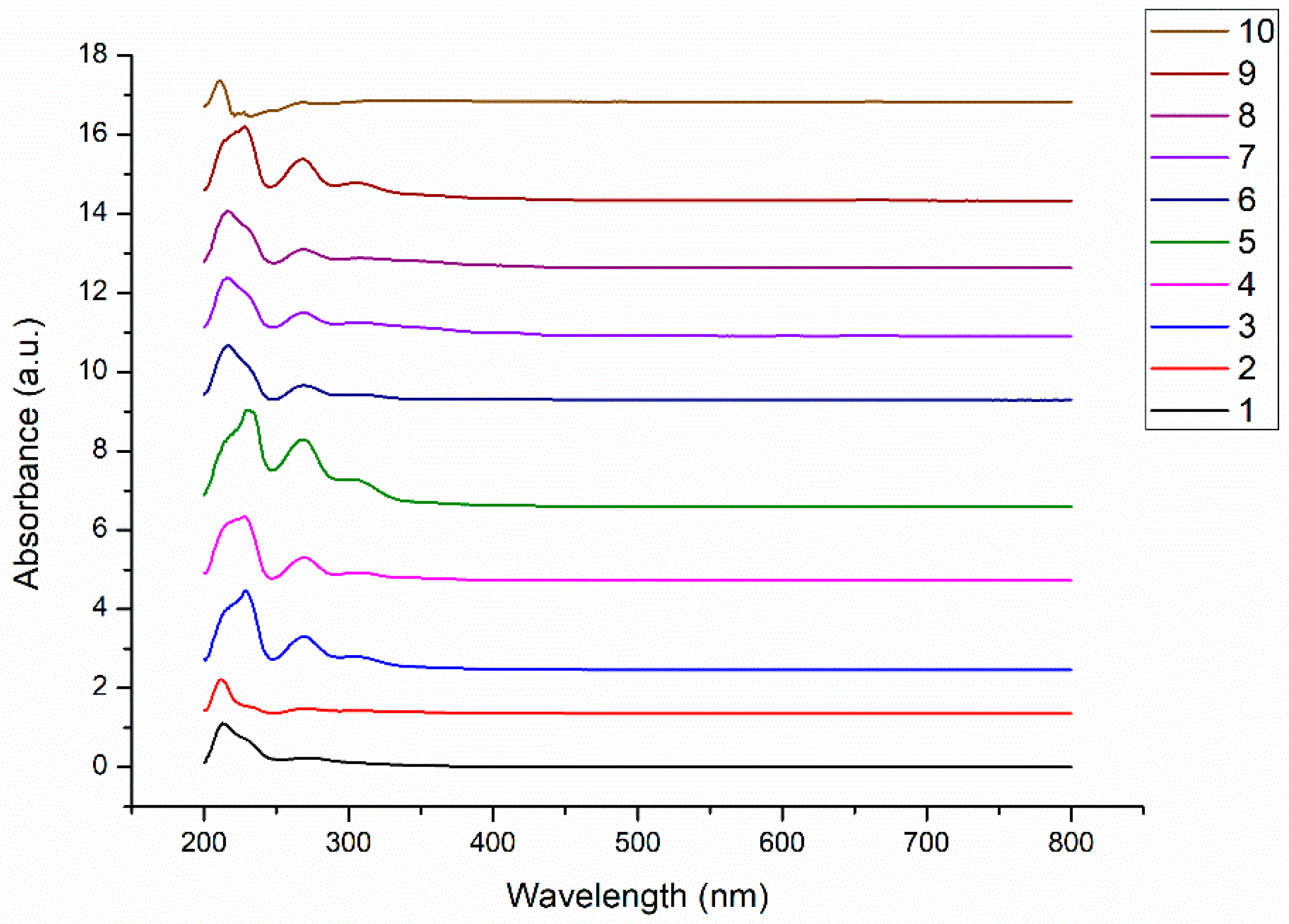
Figure 1. UV–Vis spectra of C. sativa methanolic extracts.
Processes 14 01172 g001
Figure 2. High-performance thin-layer chromatographic profiles of (a) Cannabis sativa samples and (b) standard cannabinoid compounds.
Processes 14 01172 g002
Figure 3. FTIR spectra of C. sativa herbal samples.
Processes 14 01172 g003
Figure 4. Raman spectra of C. sativa herbal samples.
Processes 14 01172 g004
Figure 5. Total current ion of analyzed C. sativa samples obtained by GC–MS.
Processes 14 01172 g005
Figure 6. Score plot of (a) UV–Vis spectral data, (b) HPTLC data, (c) FTIR data, (d) Raman data, and (e) GC–MS data.
Processes 14 01172 g006
Table 1. Commercially available Cannabis sativa samples purchased in Serbia.
No.NameFormYear
1Gramina 22Dried plant leaves2022
2Gramina 25Dried plant leaves2025
3Lemon Haze 21Dried Flower2021
4Lemon Haze 22Dried Flower2022
5Lemon Haze 25Dried Flower2025
6AmneziaDried Flower2025
7Lemon Haze PrerollRolled in a joint2025
8Gorilla Glue PrerollRolled in a joint2025
9Amnezia PrerollRolled in a joint2025
10BotanikosTea bags2021
Disclaimer/Publisher’s Note: The statements, opinions and data contained in all publications are solely those of the individual author(s) and contributor(s) and not of MDPI and/or the editor(s). MDPI and/or the editor(s) disclaim responsibility for any injury to people or property resulting from any ideas, methods, instructions or products referred to in the content.