1. Introduction
The treatment of textile wastewater remains a critical environmental concern due to the persistence and toxicity of synthetic dyes [
1]. These compounds can undergo biotic and abiotic transformations, forming more hazardous intermediates, or pass through conventional treatment systems largely unaltered, exerting toxic effects on aquatic ecosystems [
2,
3]. Consequently, there is a pressing need for advanced technologies capable of degrading such recalcitrant pollutants. Among these, advanced oxidation processes (AOPs) have emerged as promising solutions, owing to their ability to generate highly reactive hydroxyl (
•OH) and/or sulfate (SO
4•−) radicals (E
0 = 2.8 and 2.6 V, respectively), which can effectively break down persistent organic contaminants into carbon dioxide, biodegradable byproducts, and inorganic ions [
4,
5]. The non-selective nature of these radicals and their higher reactivity with most organics (rate constant range: 10
8 to 10
11 M
−1 s
−1) enable AOPs to achieve substantial, and in some cases complete, mineralization of a wide range of organic pollutants [
5,
6].
Among the various AOPs, iron-mediated oxidation systems—particularly Fenton and persulfate-based processes—have demonstrated significant promise. These approaches utilize the redox cycling of iron to activate oxidants, leading to the formation of both reactive radical species and high-valent iron intermediates [
7,
8,
9,
10,
11,
12]. The classical Fenton reaction, involving ferrous ions (Fe
2+) and hydrogen peroxide (H
2O
2), dates back over a century [
13]. This process relies on the generation of
•OH, which initiate a chain of oxidation reactions, i.e., Equations (1)–(8) of
Table 1 [
14,
15]. However, iron-derived reactive intermediates (Equation (9) in
Table 1) have also been reported as active oxidizing species in the system [
16,
17].
Despite its efficiency, the Fenton process faces notable limitations, including the instability and high cost of H
2O
2 and limited effectiveness at neutral or alkaline pH. As an alternative, persulfate-based systems have gained traction, particularly the Fe(II)-activated persulfate process using potassium persulfate (K
2S
2O
8, abbreviated PS). In this system, Fe
2+ activates persulfate to produce SO
4•−, which can further hydrolyze into
•OH (Equations (10) and (11),
Table 2) [
20]. Compared to
•OH, SO
4•− offers advantages such as a longer half-life and a reduced tendency to undergo self-recombination (k
16 = 4.4 × 10
8 M
−1 s
−1, Equation (16),
Table 2). Additionally, the slower reactivity of S
2O
82− with SO
4•− and
•OH (Equations (13) and (14),
Table 2) enables sustained radical concentrations, in contrast to the rapid consumption observed in Fenton systems [e.g., k
3 = (1.2–4.5) × 10
7 M
−1 s
−1 vs. k
13 = 6.6 × 10
5 M
−1 s
−1]. Recent investigations by Wang et al. [
21] and Dong et al. [
10] have confirmed the formation of high-valent FeIVO
2+ species during Fe(II)/persulfate activation at acidic pH. Depending on reaction conditions, FeIVO
2+ was found to act either as the dominant oxidant [
21] or as a major co-oxidant together with SO
4•− and
•OH [
10]. Mechanistically, FeIVO
2+ is produced according to Reaction (17) in
Table 2 [
21], and can undergo a subsequent series of reactions leading to the formation of
•OH and H
2O
2, along with possible side reactions with Fe(II), i.e., Reactions (19)–(24) in
Table 2.
To overcome the formation of Fe(III) sludge and expand the effective pH range of Fenton and Fe(II)/KPS systems, several strategies have been proposed [
13]. These include the replacement of ferrous iron with other transition metals, and the addition of quinones, humic substances, UV irradiation, and electrochemical assistance [
25,
26,
27,
28,
29,
30,
31,
32,
33,
34,
35,
36,
37]. However, many of these approaches still suffer from narrow operational pH windows, sometimes even more restrictive than the classical Fenton process. Reducing agents such as hydroxylamine have also been employed to extend the pH applicability, enabling effective degradation up to pH 5–6 before efficiency begins to drop [
18,
22,
38]. According to Chen et al. [
25], hydroxylamine significantly enhances Fe(III) reduction back to Fe(II), promoting stable Fe(II) recovery, accelerating the reaction rate, and widening the pH range up to 5.7. Similarly, Merouani et al. [
22] demonstrated effective degradation of dyes using Fe(II)/KPS/hydroxylamine up to pH 6. Other studies have also confirmed the effectiveness of hydroxylamine in improving the degradation of organic pollutants such as benzoic acid, tartrazine, glycerin, sulfamethoxazole, and benzoic acid in Fe(II)/HSO
5− systems [
26,
30,
31,
39,
40].
An alternative and promising approach for expanding the applicability of iron-catalyzed AOPs involves the use of chelating agents. These ligands can stabilize Fe(II)/Fe(III) in solution by forming complexes that remain soluble across a wider pH range (up to pH 10), thereby enabling more efficient and sustained catalytic activity [
41,
42,
43,
44,
45,
46]. Common chelating agents include citric acid/citrate, oxalic acid/oxalate, EDTA, disuccinic acid, and pyrophosphate [
47]. These ligands not only prevent iron precipitation but also modulate the redox cycling and release of Fe
2+, while reducing parasitic reactions between Fe(II) and reactive oxygen species (ROS) such as
•OH and SO
4•− during the initial stages of oxidation [
48]. This suppression of side reactions prevents premature ROS consumption, which otherwise results in degradation plateaus and diminished pollutant removal efficiency.
Liang et al. first reported the use of reducing agents to enhance the PS/Fe(II) system [
49], demonstrating an increase in trichloroethylene (TCE) degradation efficiency from 47% to 92% with the introduction of 1 mL thiosulfate. This strategy has been successfully employed to enhance persulfate activation for the degradation of antibiotics [
41,
50], pesticides [
51], and dyes [
52]. For instance, Gao et al. [
53] demonstrated that the Fe(II)/Citrate/KPS system efficiently degraded pyrene at neutral pH, achieving 94.4% removal with a molar ratio of Fe(II):citrate:KPS:pyrene of 2000:2000:2000:1 after 720 min of reaction. Yuan et al. [
54] further showed that the Fe(II)/Citrate/PS system improved SO
4•− productivity and enhanced the breakdown of extracellular polymeric substances, significantly improving sludge dewaterability.
The synergistic integration of light into chelated iron-based systems further enhances pollutant degradation. Ling et al. [
55] developed a photo-assisted process using Fe(II)/Citrate/UV/PMS, achieving 71% removal of carbamazepine within 20 min, significantly outperforming the system without UV. However, the use of artificial UV sources increases energy demand and operational costs. As a sustainable alternative, solar irradiation offers a low-cost and abundant energy source. Several studies have demonstrated that Fe(III)-ligand complexes can undergo ligand-to-metal charge transfer (LMCT) under sunlight exposure, enabling the photoreduction of Fe(III) back to Fe(II) and sustaining catalytic activity [
56,
57,
58].
While the use of chelating agents has shown promise in extending the operational pH range of Fenton and Fenton-like processes, existing studies on chelated iron-activated persulfate systems remain very limited, particularly in the context of textile dyes degradation. Most investigations have focused on isolated parameters—such as specific chelating agents or operating conditions—without providing a comprehensive understanding of the process performance under realistic conditions or pollutant mixtures. Another notable gap lies in the limited exploration of radical mechanisms, competitive degradation behavior in mixed dye effluents, and the role of external energy inputs such as UV, solar irradiation and ultrasound in enhancing degradation efficiency. These aspects are essential for evaluating the process’s robustness and viability in complex wastewater scenarios.
The present work aims to develop a comprehensive framework for the optimization of the Fe(II)/PS system in the presence of selected chelating agents, focusing on process efficiency, operational optimization, transition metal alternatives, reactive species identification, mixed pollutants degradation, energy (UV, solar light and ultrasounds)-assisted enhancement strategies, as well as kinetic evaluation and mineralization assessment. The study further integrates mineralization efficiency through TOC measurements. This work thus contributes a robust platform for advancing chelated iron-persulfate oxidation systems toward practical, effective treatment of recalcitrant dye-contaminated wastewaters under near-neutral conditions.
2. Material and Methods
All chemicals, reagents, and materials used in this study, along with detailed descriptions of the experimental procedures—including reactor setup, operational parameters, analytical techniques, and data processing—are provided in
Texts S1–S3 of the Supplementary Materials (SM).
The experiments were performed in a 200 mL open-to-air glass reactor equipped with magnetic stirring (350 rpm). Coomassie Brilliant Blue G-250 (CBB-G250) was selected as the primary model dye pollutant, while Safranin O and Methyl Green were used in competitive degradation tests. Citric acid served as the primary chelating agent, with oxalic acid, tartaric acid, and ascorbic acid employed for performance comparison. Fe(II)-based salts were used as the main catalyst, although other transition metal salts—including Fe(II), Mn(II), Zn(II), Cu(II), Co(II), and Ni(II)—were also tested for comparative evaluation.
UVC irradiation (254 nm), simulated solar light (280–800 nm, 500 W), and ultrasound-assisted processes were performed using the photochemical and sonochemical setups described in Text S2 of SM. The emission spectrum of the Suntest solar simulator contained ~0.5% of emitted photons below 300 nm and ~7% within 300–400 nm, whereas the 400–800 nm region closely reproduced the natural solar spectrum. Ultrasound experiments were carried out using a 40 kHz transducer operating at 60 W. Temperature control was ensured in all configurations via external cooling devices to avoid thermal artifacts during oxidation.
3. Results and Discussion
3.1. Preliminary Evaluation of Chelation Effects at Near-Neutral pH
Preliminary experiments were conducted to compare the performance of individual and combined systems involving Fe(II), persulfate (PS), and citric acid (CA) toward the degradation of CBB-G250 under near-neutral conditions (initial pH ≈ 6.5). Tests were performed using 20 mg L
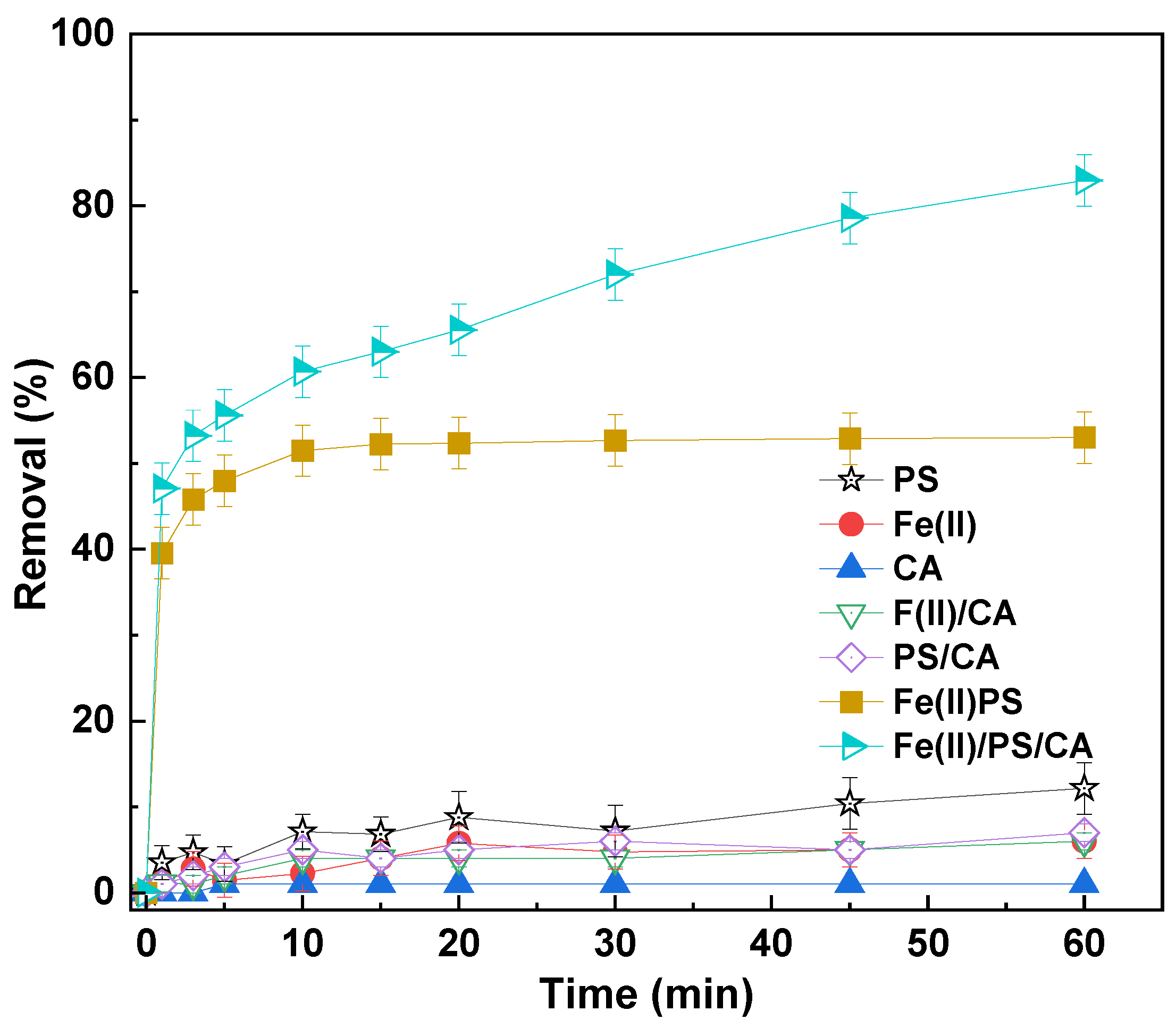
−1 CBB-G250, 0.25 mM Fe(II), 1 mM PS, and 0.1 mM CA. As shown in
Figure 1, CA, Fe(II), Fe(II)/CA, and PS/CA exhibited negligible activity, with a maximum dye removal of below 10%. In contrast, PS alone resulted in a removal efficiency of approximately 12.15% after 1 h of reaction time.
The Fe(II)/PS system demonstrated markedly higher initial degradation, achieving 39.56% within the first minute, followed by a pronounced deceleration leading to a plateau at ca. 50% removal after ≥5 min (
Figure 1). Such two-regime kinetics have been recurrently reported and are recognized as a characteristic limitation of Fe(II)-activated PS systems at circumneutral pH [
22,
48,
53]. The rapid decline in removal rate is primarily attributed to the fast consumption of Fe(II) by PS (Equation (10),
Table 2), yielding Fe(III), while the subsequent reduction in Fe(III) back to Fe(II) via PS (Equation (12)-
Table 2;
k12 = (2.66–6.16) × 10
−1 M
−1 s
−1) is significantly slower [
22]. Under the tested pH (6.5), Fe(III) precipitation is thermodynamically favored (precipitation onset reported above pH ≈ 3), further restricting catalyst recycling and reactive species generation.
The introduction of CA as chelating agent significantly improved dye degradation (
Figure 1). Within the first minute, the removal increased to 47.08% (vs. 39.56% for Fe(II)/PS), and—unlike the plateau observed without CA—degradation continued progressively, reaching 82.97% at 60 min, corresponding to ~ 56.53% enhancement relative to Fe(II)/PS. A comparable improvement (~35%) was reported by Gao et al. [
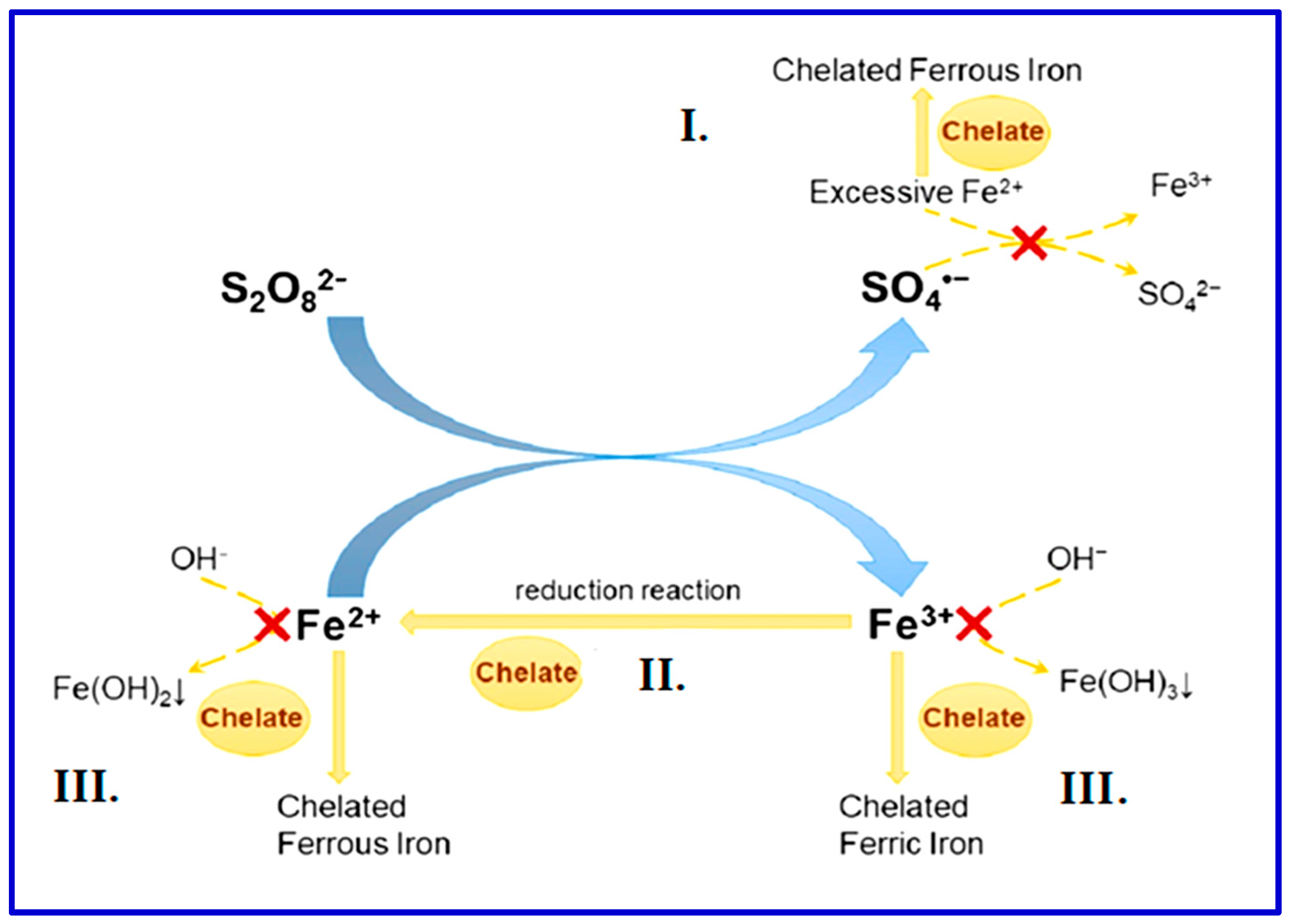
53] for pyrene degradation using Fe(II)/PS/citrate at initial pH 6.5. This enhancement observed in the presence of CA can be rationalized by three complementary mechanisms acting synergistically (
Figure 2). First, CA regulates excess Fe(II) by forming Fe(II)-citrate complexes, thereby limiting the direct scavenging of reactive species (SO
4•−,
•OH, Fe
IVO
2+) by uncomplexed Fe(II) and allowing a higher fraction of Fe(II) to participate in persulfate activation (Equations (11), (12) and (18),
Table 2) [
48,
59]. Second, CA can partially reduce Fe(III) to Fe(II), functioning as a mild reductant and effectively sustaining the Fe(II)/Fe(III) catalytic cycle, which prolongs radicals generation [
41]. Third, CA chelates both Fe(II) and Fe(III), suppressing the hydrolytic precipitation of ferric and ferrous species and consequently improving iron solubility and buffering Fe(II) availability; this ultimately reinforces persulfate activation efficiency [
47,
60].
Notably, neither of our experiments nor those reported by Gao et al. [
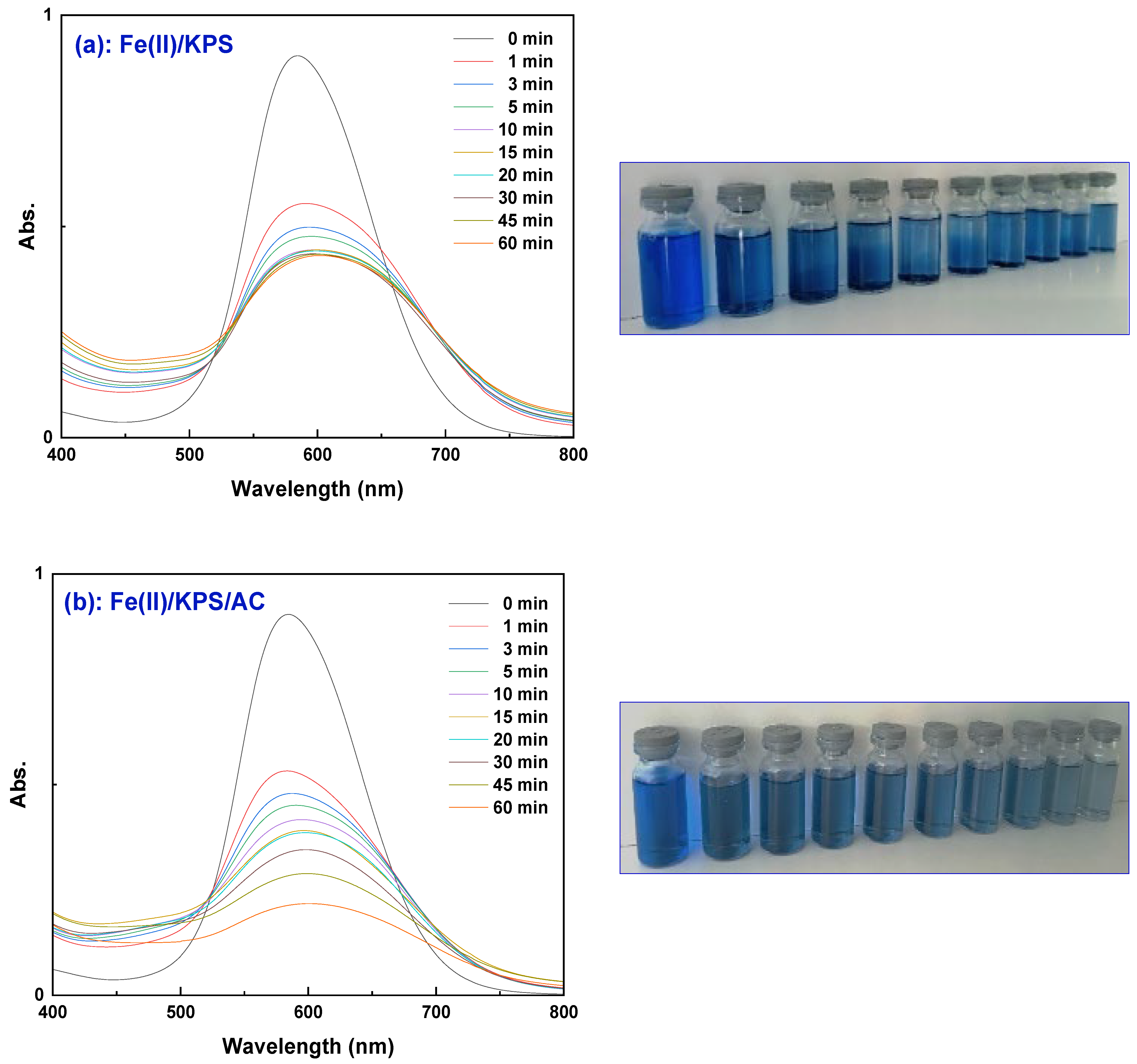
53] revealed any visible precipitation of Fe(II)/Fe(III) species during reaction. As illustrated in
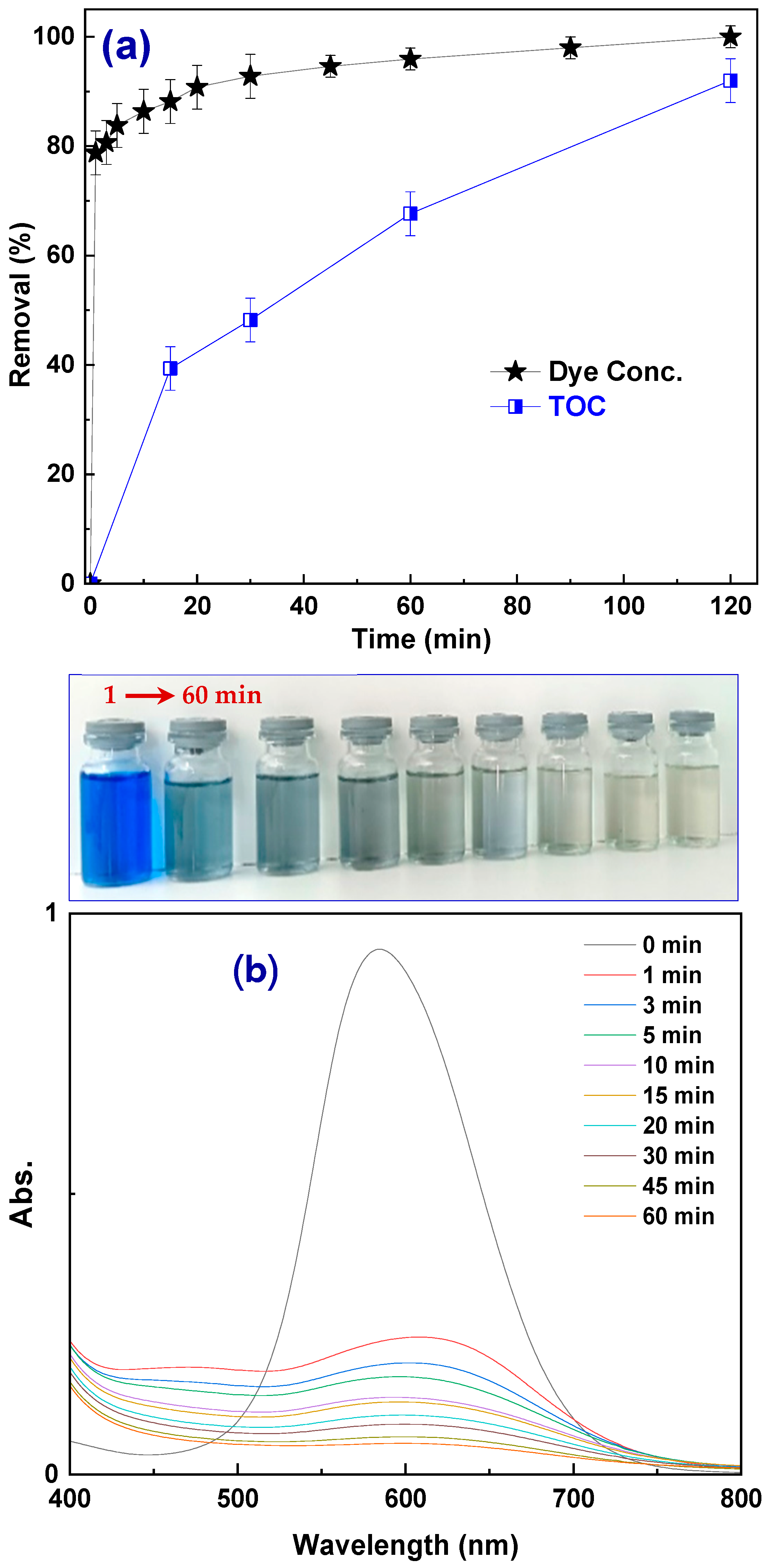
Figure 3b, the Fe(II)/PS/CA treatment of the CBB-G250 exhibits a smooth and continuous decrease in the visible absorption band (400–800 nm) accompanied by progressive color fading, without spectral perturbation or turbidity indicative of precipitated iron throughout the 60 min reaction. A similar absence of turbidity was observed for Fe(II)/PS,
Figure 3a, although the decay in absorbance and color saturation noticeably stopped after 5–10 min, consistent with the plateau behavior previously discussed. The combined visual and spectroscopic evidence confirms that iron precipitation does not contribute to catalyst deactivation under the tested conditions.
The absence of precipitation can be attributed, on one hand, to the chelating role of CA, which enhances Fe(II) solubility and prevents Fe(III) hydrolysis, and on the other hand to the subsequent acidification generated by persulfate activation (via sulfate release as the main decomposition product, Reaction (9). In our system, the pH dropped to ~4.5 within the first 5 min and subsequently stabilized at ~3.2 for t > 10 min in the Fe(II)/PS/CA process. The final pH of the reaction system (after 60 min) is reported in Figure 5b. This decrease can be attributed to sulfate generation as a main product of persulfate activation and CA release during reactions involving the Fe–citrate complex. In the Fe(II)/PS system, the absence of iron precipitation is attributed to acidification caused by persulfate decomposition, where the pH decreased to ~4.0 after 5 min and stabilized at ~3.1 for t > 10 min. Under such mildly acidic conditions, iron remains predominantly soluble, preventing hydrolytic precipitation of ferric species.
3.2. Screening of Chelating Agents for the PS/Fe(II) System
PS activation depends strongly on the accessibility of Fe
2+, which is influenced by the molecular size and coordination denticity of the chelating agent [
59]. Beyond Fe
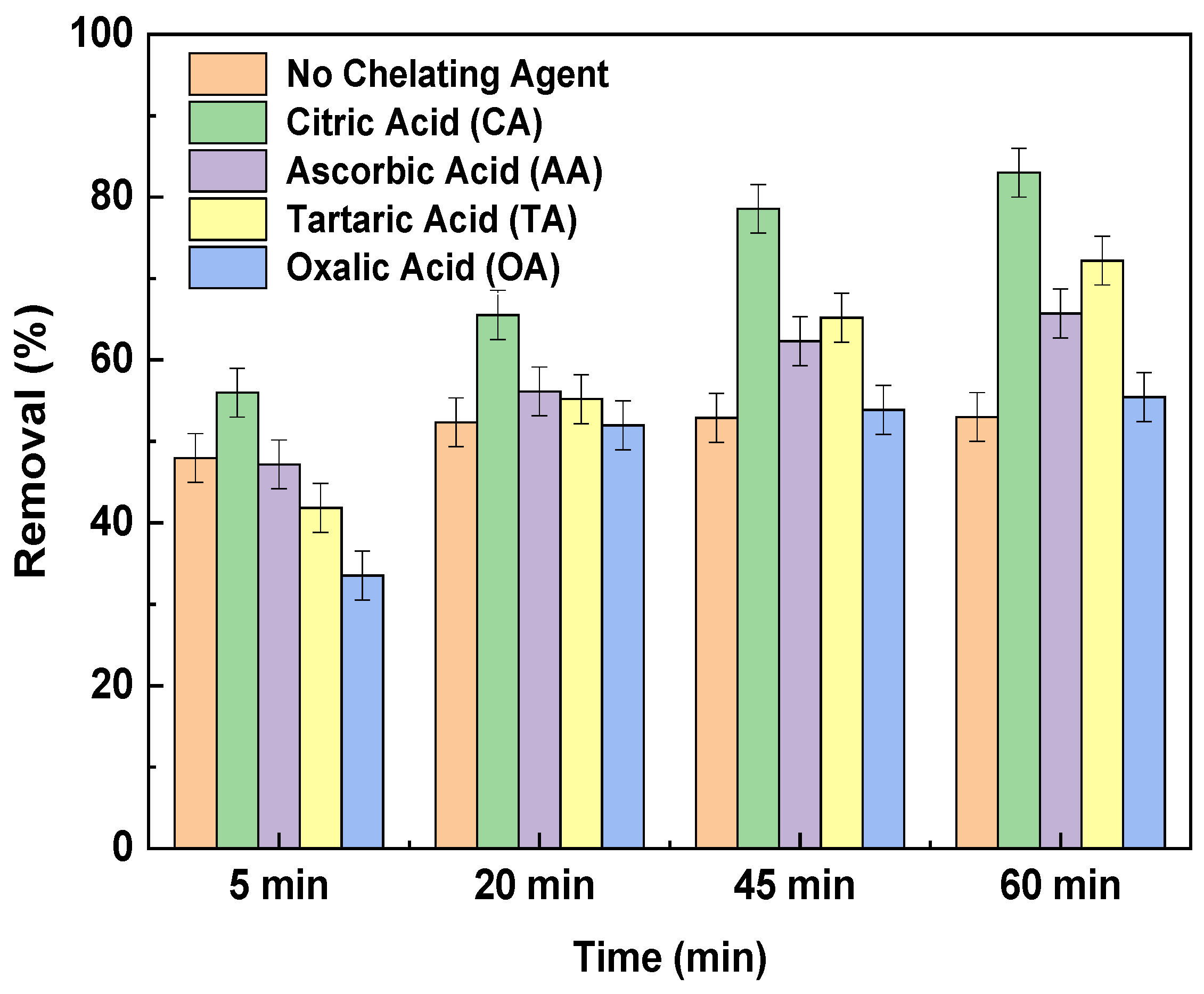
2+ accessibility, direct competition for radicals by the chelators is an additional determining factor that modulates contaminant degradation efficiency. Various chelating agents, including citric acid (CA), ascorbic acid (AA), tartaric acid (TA), and oxalic acid (OA), were evaluated at a fixed concentration of 0.1 mM for their ability to enhance Fe(II)/PS-mediated degradation of CBB-G250 (20 mg L
−1) at natural pH (6.5), using 1 mM PS and 0.25 mM Fe(II). The results are presented in
Figure 4. Among the screened ligands, CA exhibited the most favorable effect, leading to the highest removal efficiency throughout the entire reaction period. These findings are consistent with studies by Zhang et al. [
61] who reported that citric acid provided superior performance compared to oxalic acid in Fe(II)-activated persulfate oxidation of aniline at near-neutral pH, with citric acid achieving the highest degradation efficiencies among the tested ligands. Another study that compared CA, thiosulfate, DTPA, and EDTA in Fe(II)/PS systems found that citric acid (along with thiosulfate) was more effective than strong chelators such as DTPA and EDTA at maintaining Fe(II) availability and enhancing oxidation performance [
51].
At the early stage of reaction (5 min), the addition of AA, TA, or OA decreased dye removal relative to the Fe(II)/PS reference, indicating an inhibitory effect (
Figure 4). The inhibition followed the order OA > TA > AA. This behavior suggests that, at short times, these chelates predominantly act as radical scavengers rather than effective complexing agents, partially quenching reactive species (SO
4•−,
•OH, Fe
IVO
2+) generated from persulfate activation. As the reaction progressed (20 min), OA remained the only ligand exerting a persistent inhibitory effect, characterized by a slight decline in the CBB-G250 dye removal rate; in contrast, the other chelating agents, namely CA, AA, and TA, promoted substantial enhancements in degradation performance. The beneficial influence of AA and TA became increasingly pronounced after 45 min of reaction time, manifesting as relative improvements of 17.81% and 23.26%, respectively. At 60 min, TA and AA resulted in 36.23% and 24.02% enhancements in dye removal, whereas CA achieved 56.6% in effectiveness improvement.
Polycarboxylate ligands such as CA and TA possess multiple carboxylate (and hydroxyl) donor groups (CA, pKa
1,2,3 = 3.13, 4.76, 6.4; TA, pka
1,2 = 2.98, 2.4) that enable multidentate coordination to Fe
2+/Fe
3+, thereby increasing soluble and catalytically accessible iron relative to monocarboxylate chelators [
47,
48]. Among these, CA establishes a favorable balance between Fe(II) complexation strength, redox reactivity, and low radical scavenging propensity. Unlike OA and TA, which tend to form overly stable Fe(II) complexes that sequester Fe
2+ and slow PS activation, CA forms moderately stable Fe(II)–citrate complexes that suppress ferric hydrolysis while maintaining sufficient free Fe
2+ for efficient sulfate radical/Fe
IVO
2+ generation [
53]. In addition, citrate can partially promote Fe(III) to Fe(II) recycling, sustaining the Fe
2+/Fe
3+ catalytic cycle under operating conditions, while its triprotic polycarboxylate structure enhances iron solubility and provides mild buffering in the mildly acidic pH range [
62]. Importantly, the multicarboxylate geometry of citrate supports favorable ligand-exchange kinetics at the Fe(II)/Fe(III) center, enabling rapid iron turnover without forming kinetically inert complexes [
43]. In contrast, ascorbic acid, a strong reducing antioxidant, exhibits pronounced radical scavenging (e.g., k
•OH–AA ≈ 1.1 × 10
10 M
−1 s
−1) during the early stages of reaction and competes with both PS and target contaminants, while OA and TA restrict Fe redox cycling due to excessive complex stability [
63,
64]. Collectively, these features rationalize the superior persulfate activation and dye degradation performance observed for CA relative to the other chelators screened.
3.3. Optimization of the Fe(II)/KPS/CA Process Parameters
3.3.1. Initial Solution pH
pH plays a paramount role in chelating-based AOP, since the speciation of PS, CA, the target pollutant, iron ions, and their resulting complexes depends strongly on the medium acidity. To evaluate this effect, the removal of CBB-G250 (20 mg L
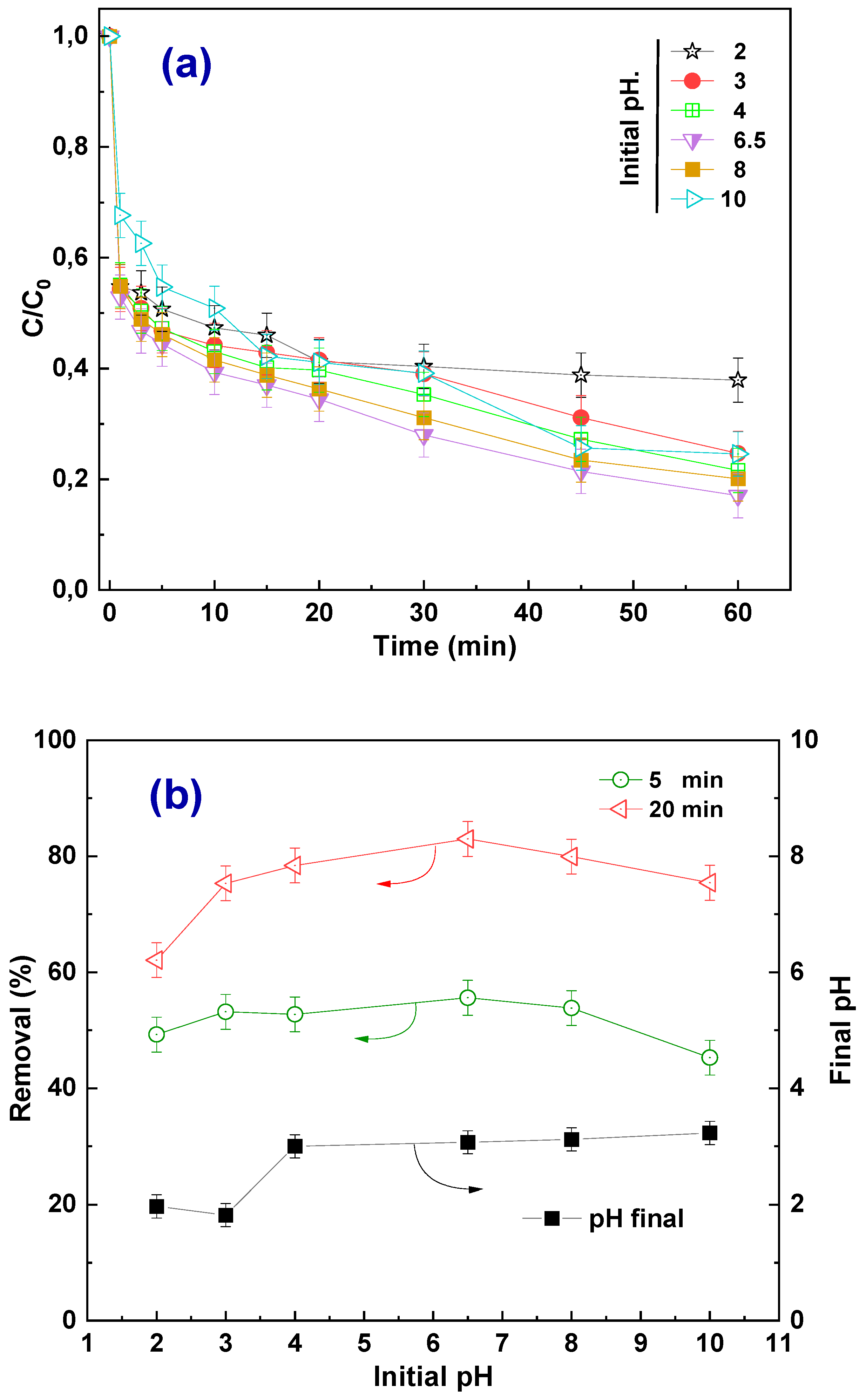
−1) was investigated over the pH range 2–10 using 0.10 mM CA and 0.25 mM Fe(II). The results, depicted in
Figure 5a, show that the system maintains a high and nearly constant removal efficiency (75–83%) for all tested pH values, except at pH 2, where a slightly lower removal (≈62%) was observed at an extended reaction time (1 h).
This behavior aligns well with the chelating-control approach, confirming the pivotal role of CA in extending the operational pH window of the PS–Fe(II) system, which is otherwise restricted to strongly acidic conditions in conventional Fenton chemistry. A similar trend was reported by Lin et al. [
44] for Rhodamine B degradation, where CA (0.025 mM), Fe(II) (0.5 mM), and PS (1 mM) achieved comparable removal efficiencies over pH 3–9, while performance dropped at pH 1. The CA-chelated process extended excellently up to pH 11 for the degradation of Pyrene without any indicated precipitation [
53]. The lower efficiency at strongly acidic media (pH 2 in the present study) is likely attributed to the dominance of Fe(OH)
2+ hydrolytic species, which are less reactive toward PS activation, and to the diminished complexation ability of CA under high H
+ concentration [
44].
As previously discussed in
Section 3.1, CA chelates Fe(II), enhancing both its solubility and usability, and prevents Fe(III) precipitation when Fe(III) is produced during PS activation by either free Fe(II) or Fe(II)–CA complexes. Notably, no visible precipitate was detected even after 24 h in the Fe(II)/PS/CA solution. The final pH after reaction was approximately three for initial pH values between four and 10 (
Figure 5b), likely due to sulfate generation as the principal decomposition product of PS (Equations (10) and (18), along with the possible formation of acidic intermediates.
3.3.2. Initial CA Dosage
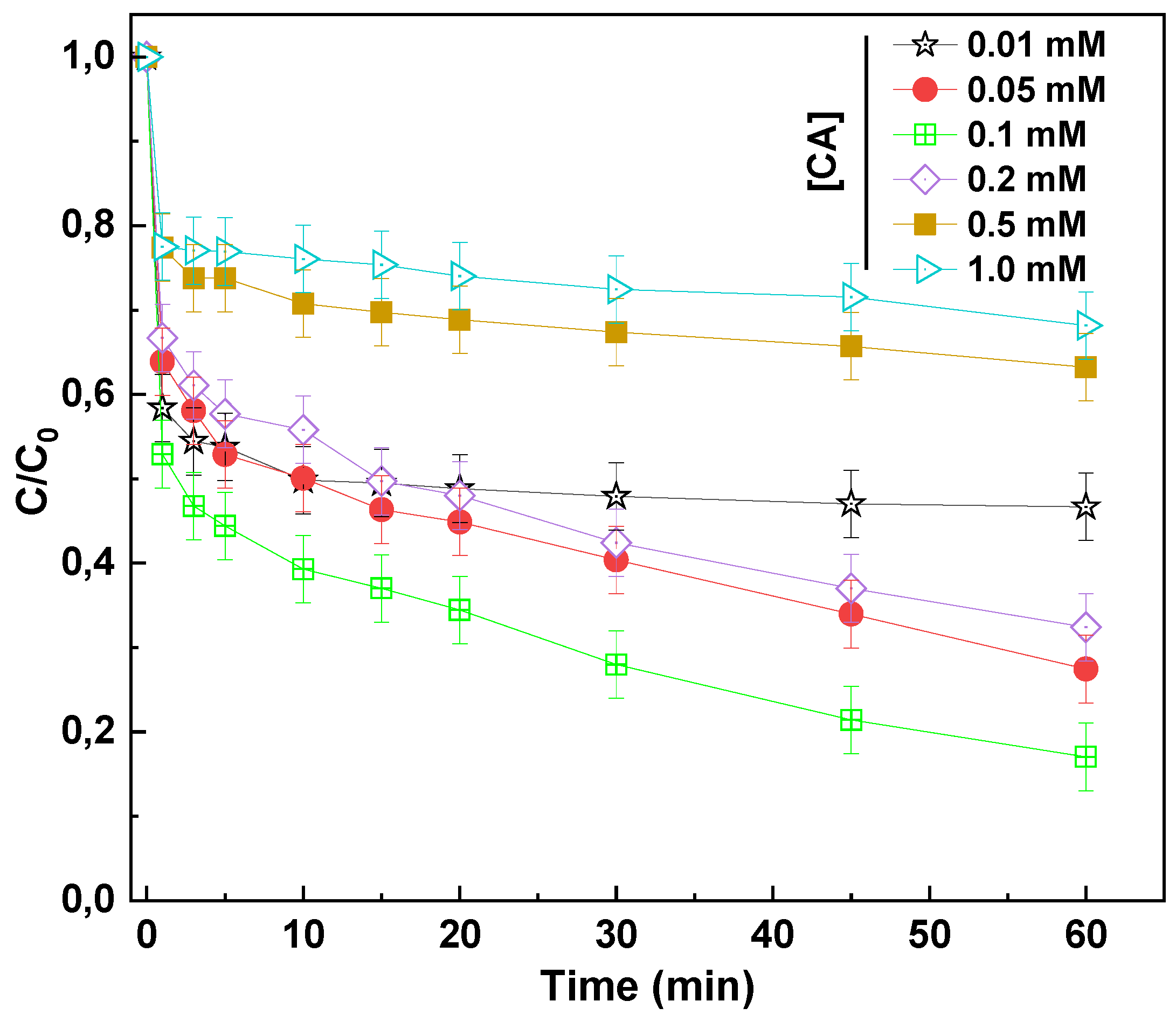
The degradation rate of CBB-G250 (20 mg L
−1, natural pH ≈ 6.5) increased substantially as the initial CA concentration rose from 0.01 to 0.10 mM, but declined sharply at higher dosages up to 1 mM (
Figure 6). The CBB-G250 removal efficiencies achieved 53.32, 72.55, 82.97, 67.60, 36.78, and 33.83% for 0.01, 0.05, 0.10, 0.50, and 1 mM CA, respectively, indicating an optimum at 0.10 mM. The corresponding CA/Fe(II) molar ratios were 0.04, 0.20, 0.40, 2.0, and 4.0, confirming that a CA/Fe(II) ratio of 0.4 provided the most favorable performance. Qualitatively, this trend is consistent with the previous literature. For instance, in the Fe(II)-PS system applied to TCE oxidation [
49], the removal efficiency increased to 82.3% at CA/Fe(II) = 0.10 and peaked at 100% when the ratio exceeded 0.20. A higher optimum chelator/Fe(II) ratio (~1.0) was reported for iopamidol (IPM) when gallic acid was used as the chelating ligand [
46], where IPM removal increased from 7.2% to 64.0% as GA/Fe(II) rose from 0 to 1.0.
At low-to-moderate dosages (0.01–0.10 mM), CA significantly accelerated CBB-G250 degradation by (i) preventing the premature consumption of SO
4•−/Fe
IVO
2+ through controlled complexation with Fe(II), and (ii) promoting Fe(III) to Fe(II) recycling via complex formation and mild reductive regeneration, thereby sustaining the Fe(II)/Fe(III) catalytic cycle [
49]. The formation of Fe(II)/Fe(III)-CA complexes additionally suppressed Fe hydrolysis and precipitation, maintaining soluble and catalytically accessible iron species under the mildly acidic operating pH [
47]. However, CA concentrations above 0.10 mM (CA/Fe(II) > 0.40) progressively impaired dye removal due to several drawbacks. Excess CA can partially shield Fe(II)/Fe(III) centers and hinder their interaction with persulfate, while free CA and Fe–CA complexes may scavenge
•OH, SO
4•− and Fe
IVO
2+ [
47,
51]. Consequently, degradation efficiency exhibited a typical “promotion–inhibition” pattern as CA transitioned from optimal to excess. Furthermore, elevated radical fluxes at high Fe–CA loadings may promote competing radical–radical recombination pathways (Equations (7), (16), and (17) in
Table 1 and
Table 2), decreasing the fraction of radicals available for dye oxidation. Indeed, the recombination rate constants of SO
4•−–SO
4•−,
•OH–
•OH, and
•OH–SO
4•− are extremely high (4.4 × 10
8, 5.5 × 10
9, and 1.0 × 10
10 M
−1 s
−1, respectively), making such parasitic reactions kinetically plausible under radical-rich conditions. Similar behavior has been reported for the hydroxylamine–Fe(II)/PS system [
22].
3.3.3. Initial Fe(II) Dosage
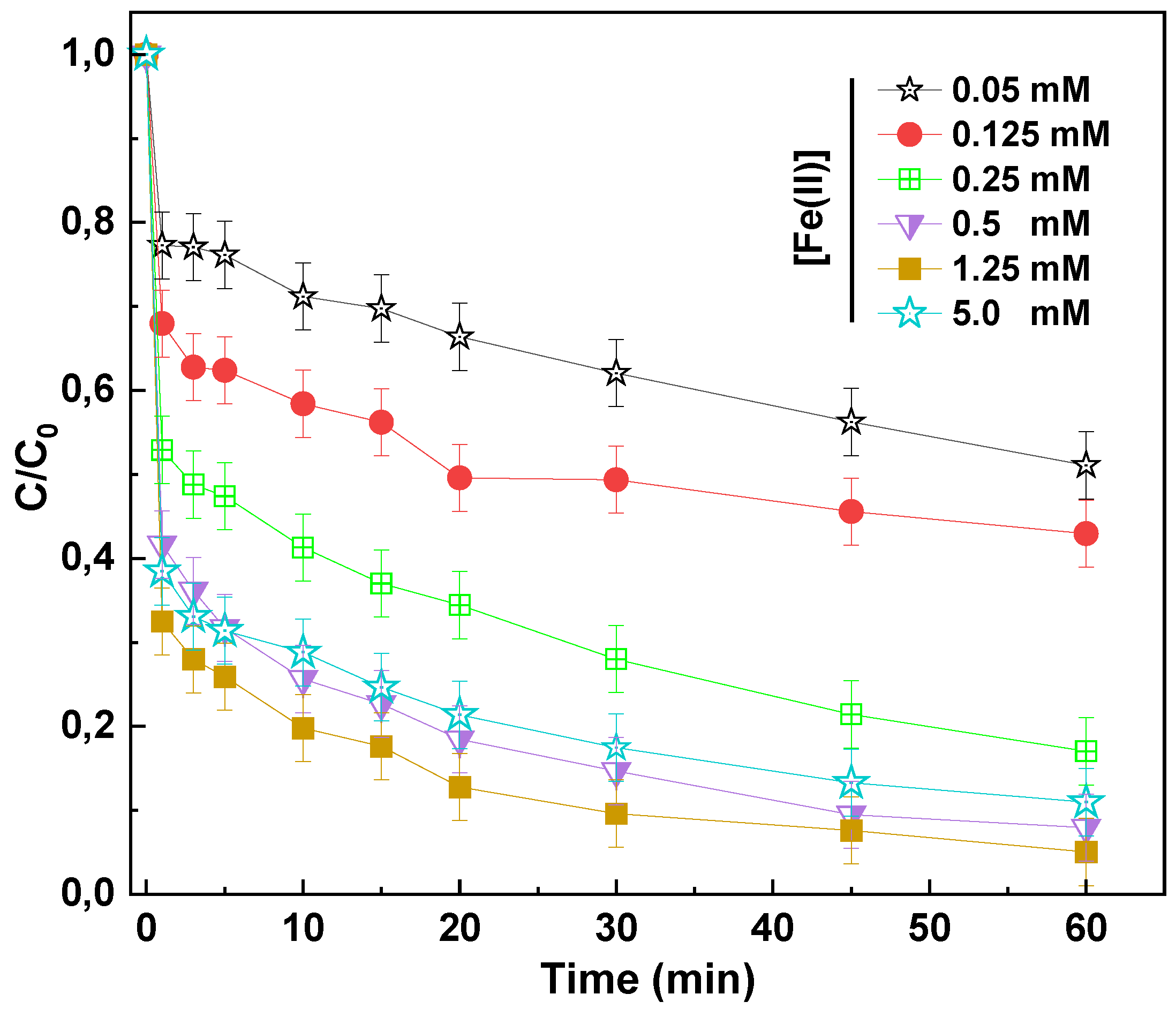
Analogous to the effect of CA dosage, the degradation rate of CBB-G250 (20 mg L
−1, natural pH ≈ 6.5) increased markedly as the initial Fe(II) concentration rose from 0.05 to 1.25 mM, but declined substantially at 5 mM Fe(II) (
Figure 7). The corresponding removal efficiencies at 60 min were 48.92, 82.97, 94.95 and 89.03% for 0.05, 0.25, 1.25, and 5 mM Fe(II), respectively, indicating a clear optimum at intermediate Fe(II) loading. These experimental findings clearly demonstrate that, under a fixed CA concentration of 0.1 mM, the optimal CA/Fe(II) molar ratio is 0.08, corresponding to a Fe(II) concentration of 1.25. Similar observations have been reported for other systems: Zhang et al. [
42] identified 0.50 mM Fe(II) as optimal for naphthalene (0.10 mM) oxidation in a Fe(II)/PS(1.50 mM)/CA (0.10 mM) system, whereas Chen et al. [
48] reported a much higher optimum Fe(II) concentration (≈35 mM) for triclosan degradation in soil using oxalic acid as the chelating agent.
The observed Fe(II) optimum can be rationalized similarly to the CA case. At moderate dosages, Fe(II) provides an appropriate concentration of Fe(II)–CA complexes that (i) suppress unproductive SO
4•−/Fe
IVO
2+ consumption through controlled iron complexation, and (ii) promote Fe(III) to Fe(II) recycling, sustaining the Fe(II)/Fe(III) catalytic cycle and enhancing persulfate activation [
42]. However, excess Fe(II) and Fe(II)–CA complexes may act as effective scavengers of both SO
4•−,
•OH and Fe
IVO
2+ [
48], thereby limiting dye degradation. Indeed, the reaction kinetics of Fe(II) with SO
4•− (k
15 = 4.6 × 10
9 M
−1 s
−1; Equation (15),
Table 2), with
•OH (
k4 = 3 × 10
8 M
−1 s
−1; Equation (4),
Table 1), and with Fe
IVO
2+ (k
23 = 3.56 × 10⁴ M
−1 s
−1; Equation (23),
Table 2) are orders of magnitude faster than the oxidation of Fe(II) by PS itself (
k10 < 30 M
−1 s
−1; Equation (10),
Table 2), illustrating that radical scavenging becomes kinetically favored at high Fe(II) concentrations relative to PS. Consequently, excessive Fe(II) shifts the system toward parasitic radical consumption pathways rather than productive oxidation of the target contaminant.
3.3.4. Initial PS Dosage
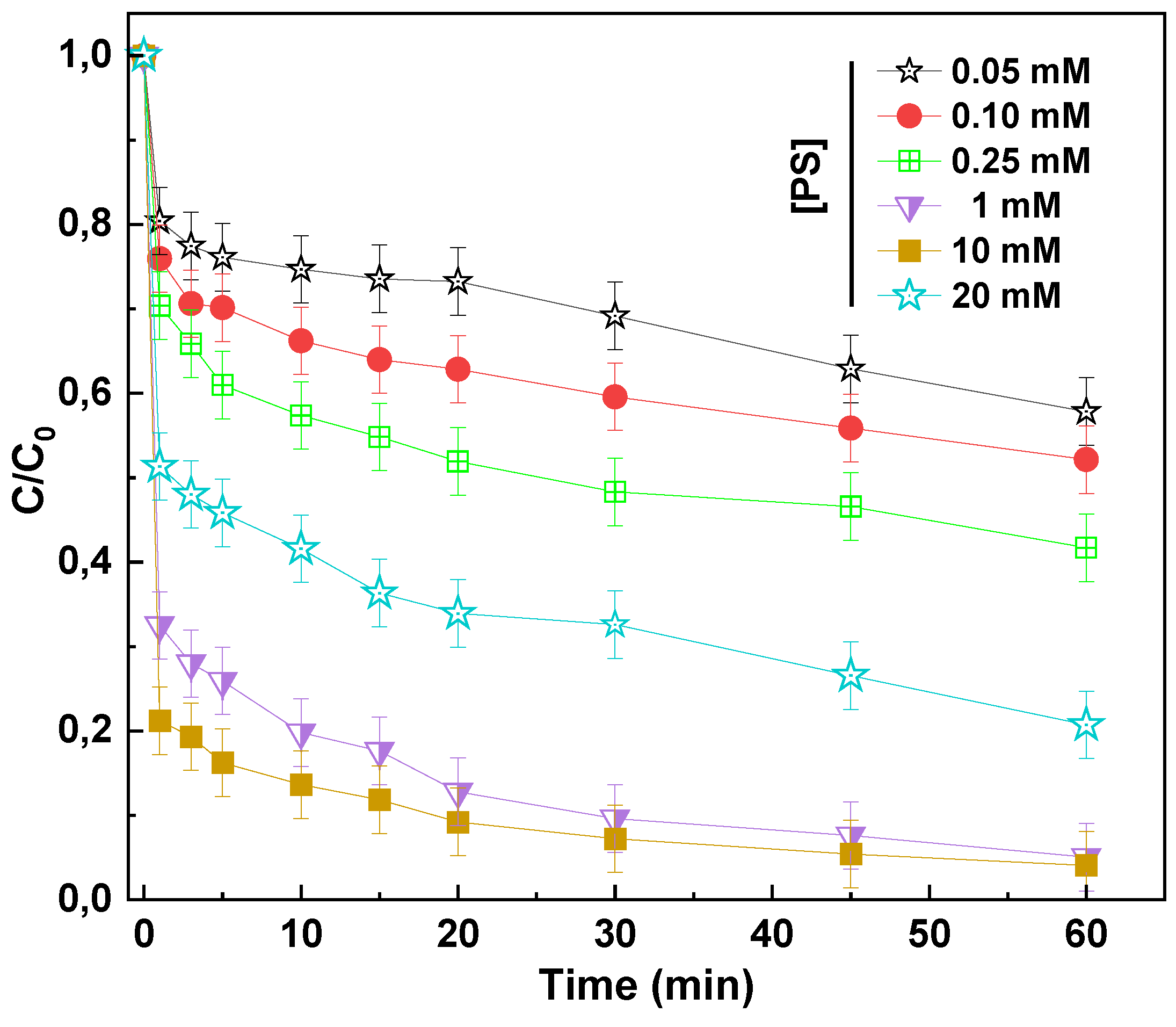
Using the previously optimized Fe(II) and CA concentrations (1.25 mM and 0.10 mM, respectively), the influence of PS dosage on CBB-G250 degradation was examined over the range 0.05–20 mM at pH ≈ 6.5 (
Figure 8). A pronounced enhancement in degradation was observed as PS increased from 0.05 to 10 mM; CBB-G250 removal during the first minute of treatment rose from 19.59 to 78.8%. However, a significant decline in removal efficiency was observed at 20 mM PS (48.68% at t = 1 min), revealing an optimal PS dose at 10 mM.
Kinetically, increasing PS enhances reactive species production through Fe(II)-mediated activation (Equations (10), (11), and (18) in
Table 2), thereby increasing their steady-state concentration. However, excess PS promotes parasitic radical scavenging pathways, including SO
4•− and
•OH scavenging by PS (Equations (13) and (14) in
Table 2,
k13 = 6.6 × 10
5 M
−1 s
−1,
k14~ 1 × 10
6 M
−1 s
−1), and SO
4•− self-consumption (k
16 = 4.4 × 10
8 M
−1 s
−1, Equation (16) of
Table 2) and cross-reactions between SO
4•− and
•OH (k
17 = 1.0 × 10
10 M
−1 s
−1, Equation (17) in
Table 2). Consequently, an optimum emerges from the balance between radical generation and radical scavenging, which in our system corresponds to 10 mM PS. Reported optima for Fe(II)/PS systems vary widely depending on pollutant identity, chelating agent, and reaction matrix—for example, 1.5 mM for naphthalene [
42], 0.75 mM for phenanthrene with citrate [
60], 1 mM for iopamidol with GA [
46], and up to 50 mM for triclosan in soil with citrate [
48]—reflecting system-specific demand for oxidative capacity.
3.3.5. Initial Dye Concentration
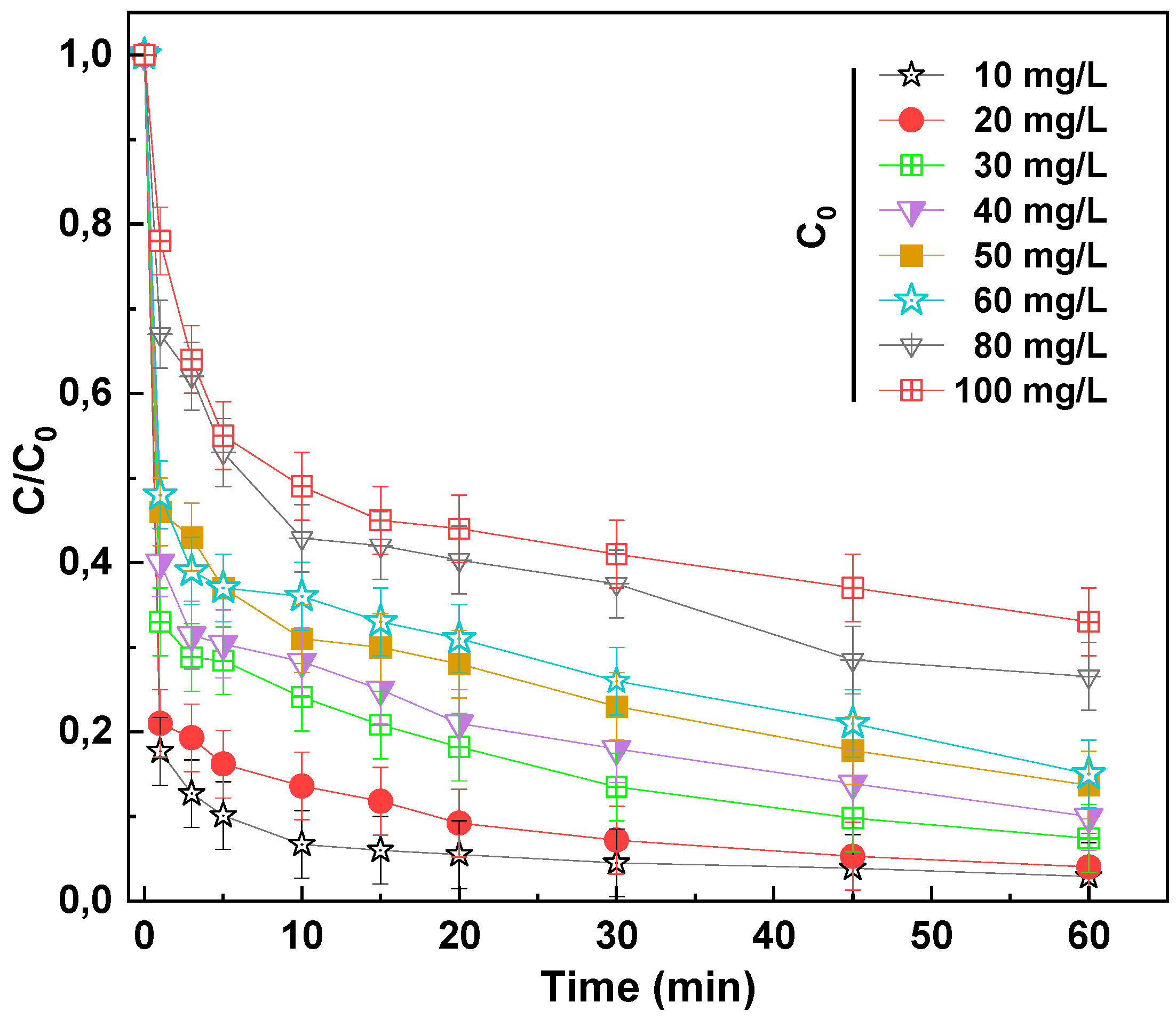
Using the previously optimized reactant concentrations (1.25 mM Fe(II), 10 mM PS, and 0.10 mM CA), the effect of initial CBB-G250 loading was evaluated in the range 10–100 mg L
−1 (
Figure 9). As expected, the dye removal efficiency decreased gradually with increasing pollutant concentration. After 10 min of reaction, CBB-G250 removal decreased from 93.3% at 10 mg L
−1 to 86.4% at 20 mg L
−1, 71.1% at 40 mg L
−1, 69% at 80 mg L
−1, and 51% at 100 mg L
−1.
This trend is largely reported for free radical-based AOP and can be attributed to two factors: (i) competition between dye molecules to react with radicals and Fe(IV) species, and (ii) the formation of degradation intermediates, which increase with initial dye concentration and may compete with the parent dye for SO
4•−,
•OH and Fe
IVO
2+, thereby reducing the effective oxidation rate [
18,
22,
65]. Notably, despite the increased radical demand at higher loadings, more than 50% removal was still achieved within only 10 min at 100 mg L
−1, demonstrating the capability of the Fe(II)/PS/CA process to treat low-to-moderate concentrations of CBB-G250 efficiently.
3.3.6. Temperature
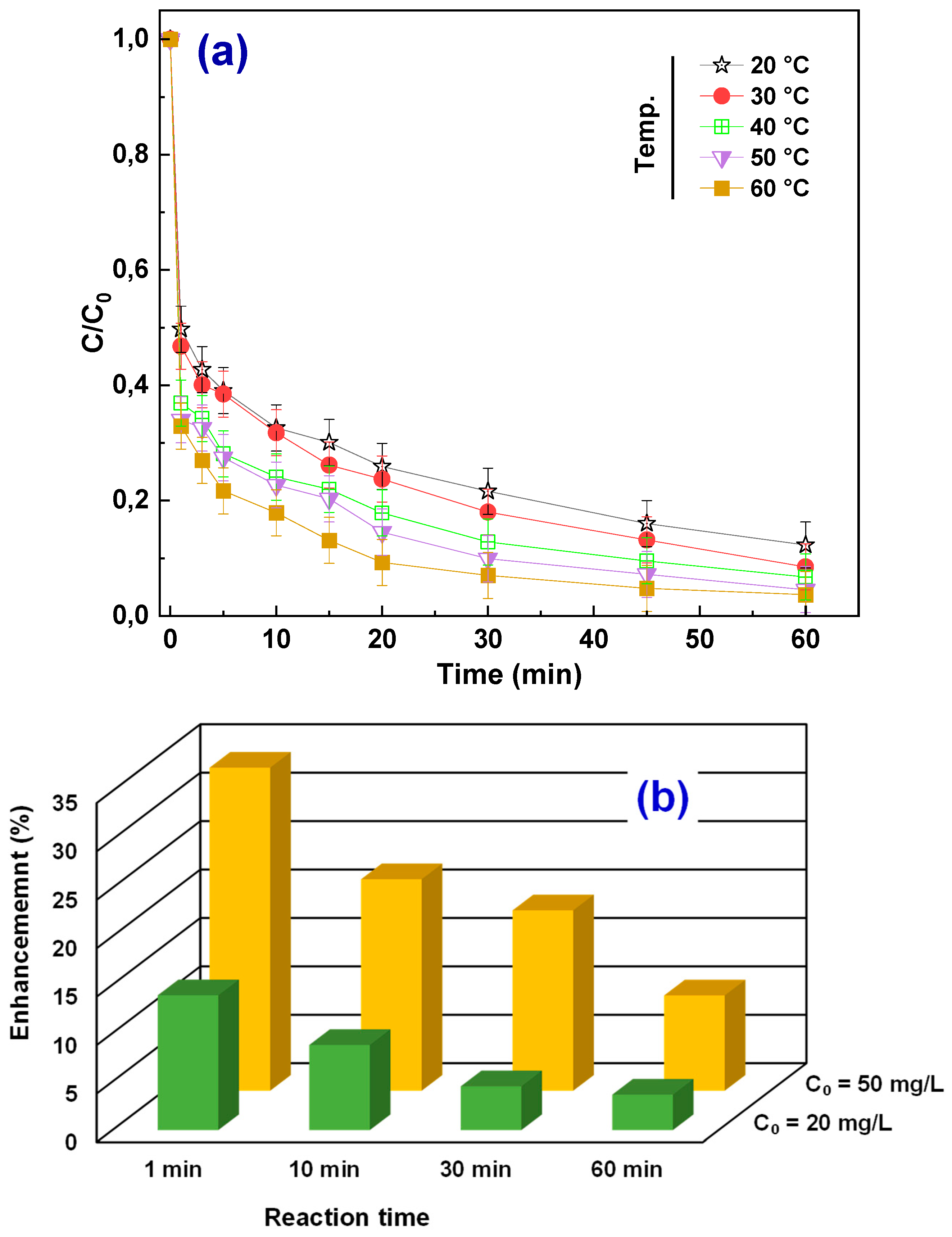
Increasing the reaction temperature from 20 to 60 °C significantly accelerated CBB-G250 (C
0 = 50 mg/L) degradation in the CA-chelated Fe(II)/PS system (
Figure 10a). At 10 min, dye removal improved from 67.4% at 20 °C to 75.92% and 82.12% at 40 and 60 °C, respectively. The enhancement profile produced from temperature increase from 20 to 60 °C is illustrated in
Figure 10b for two initial dye concentrations (20 and 50 mg L
−1). More pronounced enhancement was recorded at the higher pollutant loading (50 mg L
−1), with increases of 18–33% for t = 1–10 min. In contrast, only 9–14% enhancement was observed at 20 mg L
−1 for the same reaction period. These results suggest that the benefits of high temperature depend on the initial pollutant concentration, with stronger effects under higher C
0.
This positive temperature effect may arise from multiple coupled phenomena. First, elevated temperature enhances the solubility, diffusivity, and stability of Fe(II)–CA complexes, thereby improving iron mobility and mass-transfer to persulfate [
66]. Second, persulfate itself can undergo thermally assisted homolytic cleavage, producing SO
4•− via well-established heat-activated pathways, which constitute one of the earliest and most widely applied persulfate activation methods for recalcitrant contaminants [
67,
68]. Third, increased temperature may facilitate the controlled release and redox cycling of Fe(II) from the CA complex, promoting more efficient oxidative turnover via reactions such as Reactions (10) and (18) in
Table 2. Collectively, these effects contribute to faster radical production and higher degradation rates at elevated temperatures.
3.4. Evaluation of Transition Metal Catalysts
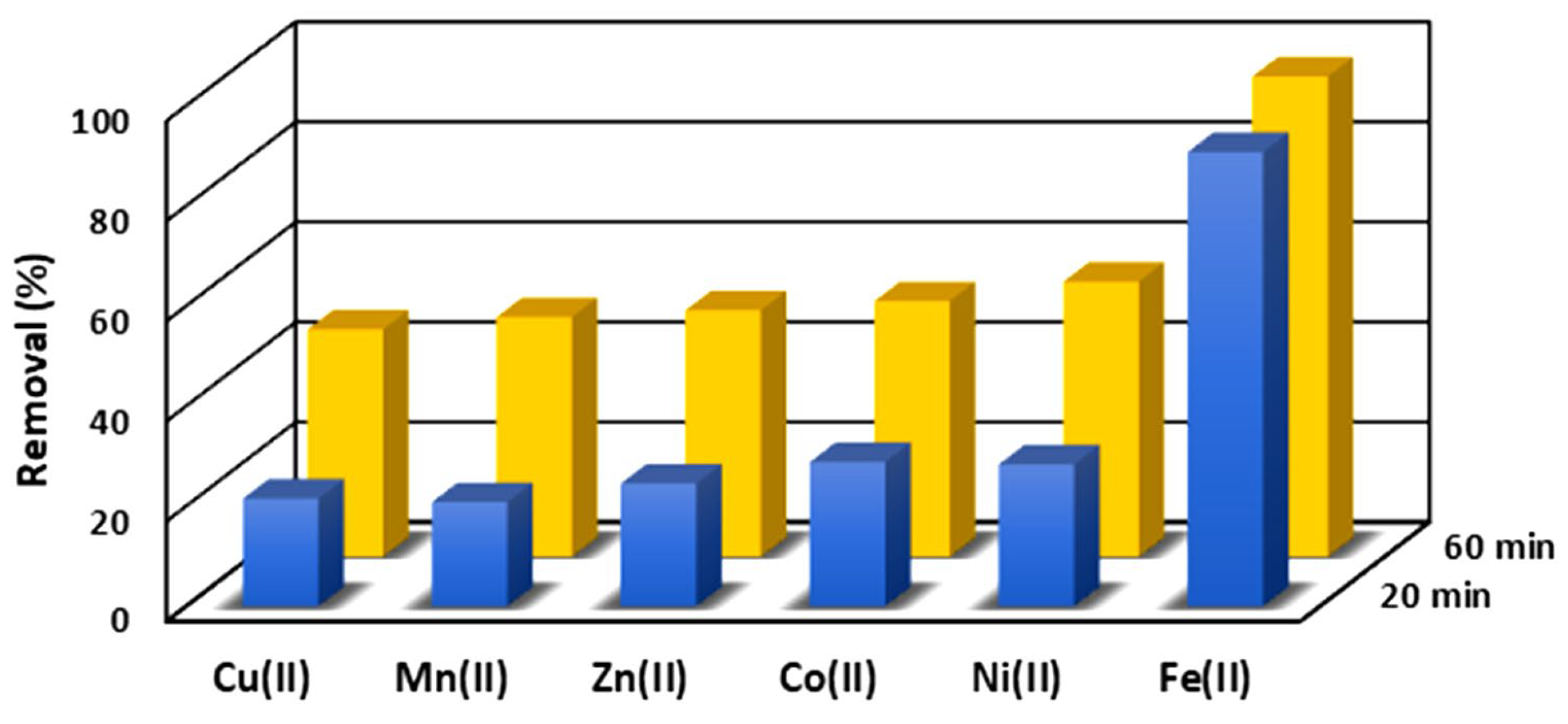
While Fe(II) was used as the primary catalyst, other transition metal ions (M(II) = Mn(II), Zn(II), Cu(II), Co(II), and Ni(II)) were screened for comparison under identical conditions. The initial dosages of citrate, M(II), and persulfate were fixed at 0.1, 1.25, and 10 mM, respectively, at pH 6.5. Under these conditions, the different M(II) species are soluble at the applied concentration and pH. The results (
Figure 11) indicate clear differences in catalytic performance: Fe(II) showed the highest activity, achieving approximately 91% removal of 20 mg L
−1 CBB-G250 after 20 min, while Cu(II) and Mn(II) exhibited much lower removal efficiencies (<30%). Based on the removal rates recorded at 20–60 min, the catalytic efficiency order can be summarized as: Fe(II) > Ni(II) > Co(II) > Zn(II) > Mn(II) > Cu(II).
The observed catalytic performance of the transition metals can be rationalized by differences in redox behavior, chelation with citric acid, hydrolytic stability, and possible radical side-reactions. Fe(II) showed the highest PS activation efficiency due to its favorable Fe(II)/Fe(III) redox cycling, fast electron transfer with persulfate, and formation of moderately stable yet labile Fe–CA complexes that remain soluble and reactive near-neutral pH. This combination ensures sustained generation of reactive species (SO4•−, •OH and FeIVO2+) and high dye removal. Ni(II) and Co(II) exhibited intermediate performance; both possess accessible M(II)/M(III) redox couples, but slower kinetics and more inert CA complexes reduce ligand exchange with persulfate. Their partial hydrolytic instability may further limit active speciation. Zn(II) and Mn(II) activated persulfate only weakly because their redox couples are less favorable and Mn(III) formed in situ tends to hydrolyze, reducing catalytic turnover. Cu(II) performed poorly, largely due to unfavorable redox energetics toward persulfate and/or strong CA complexation that passivates ligand exchange. Cu(II) may also participate in radical scavenging reactions.
Overall, efficient transition metal activation in chelating persulfate systems requires a balanced interplay of (i) accessible redox cycling, (ii) moderate chelation strength with ligand-exchange lability, (iii) solubility and resistance to hydrolysis near neutral pH, and (iv) minimal radical scavenging. Fe(II) fulfills these criteria best, explaining its superior performance relative to other metals.
3.5. Identification of Reactive Species
In chelated Fe(II)-activated persulfate systems, SO
4•− and
•OH are established through spin-trapping and scavenger-based studies for various pollutants [
10,
21,
41,
51,
53,
59,
60]. Alternatively, high-valent iron species (Fe
IVO
2+) are also evidenced to form a reaction to persulfate with Fe(II) species [
10,
21]. To elucidate the dominant oxidizing species in the Fe(II)/PS/CA system, scavenging experiments were performed using tert-butanol (TBA) and EtOH (Ethanol). TBA preferentially quenches
•OH (k ≈ 6 × 10
8 M
−1 s
−1) and reacts more slowly with SO
4•− (k ≈ 10
5 M
−1 s
−1), whereas EtOH effectively scavenges both
•OH (k ≈ 10
9 M
−1 s
−1) and SO
4•− (k ≈ 10
7 M
−1 s
−1) [
53,
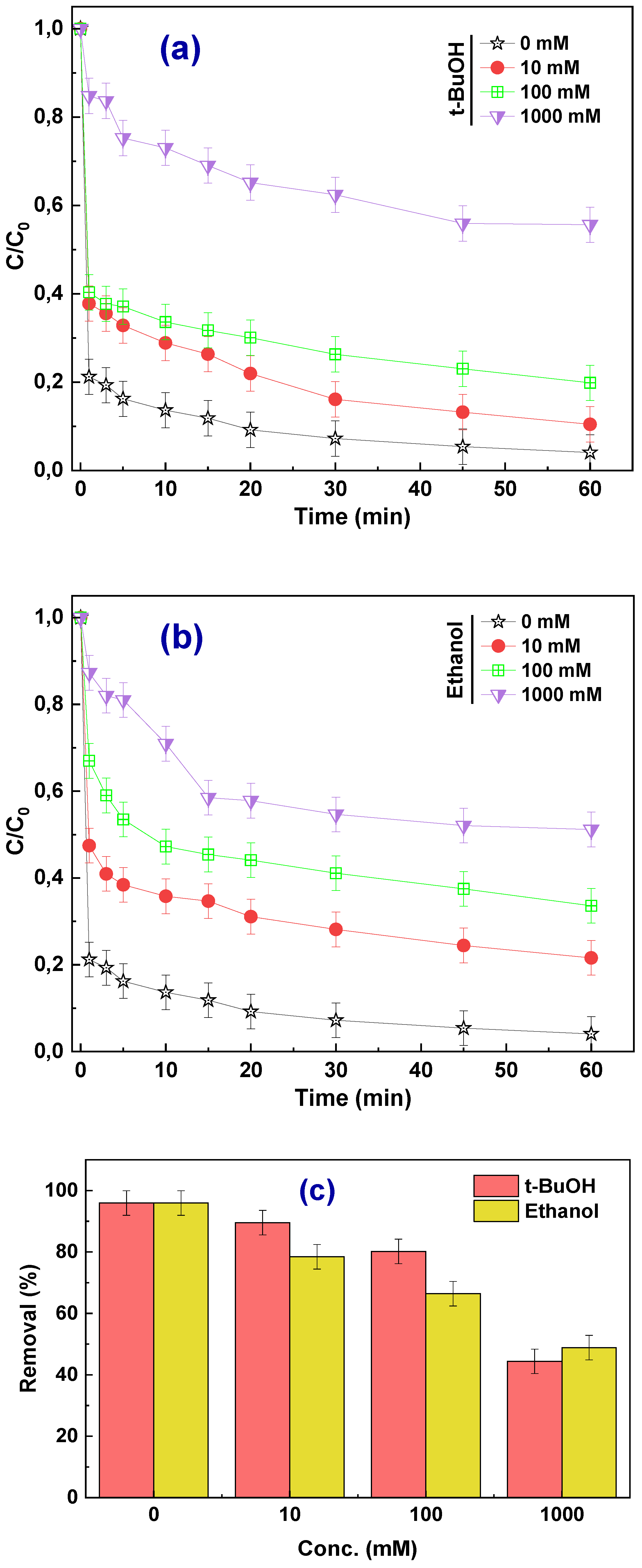
69]. In the radical scavenging experiments, 10 to 1000 µM gradable concentration of EtOH or TBA were added to a 20 mg L
−1 CBB-G250 degradation system using the Fe(II)/PS/CA, to ensure complete quenching of these radicals.
The results depicted in
Figure 12 revealed that increasing the concentration of scavengers (10–1000 µM) produced progressively stronger inhibition of CBB-G250 degradation. In the presence of TBA and after 60 min of reaction time, the removal efficiency markedly decreased from 89.56% to approximately 44.4%. Similarly, the addition of EtOH at concentrations ranging from 100 to 1000 µM reduced the degradation efficiency to 66.41–48.83%. At comparable concentrations, EtOH exhibited only a slightly stronger inhibitory effect than TBA, suggesting that
•OH plays a significant role alongside SO
4•− in this oxidation process.
Notably, even at an excessively high scavenger concentration (1 M), ~50% of the dye was still degraded, indicating the contribution of a non-radical oxidative pathway. This observation aligns with recent studies showing that high-valent Fe(IV) (i.e., Fe
IVO
2+ form) species can form in Fe(II)/persulfate systems under acidic to near-neutral pH [
10,
21]. Fe
IVO
2+ operates via oxygen-atom-transfer reactions and remains reactive even when radical pathways are effectively suppressed [
17]. With a redox potential of ~2 V [
17], Fe
IVO
2+ is a strong oxidant (see [
17]) and has been identified as the dominant species responsible for the degradation of reactive green H3G in Fe(II)/chlorine advanced oxidation systems, where
•OH and reactive chlorine species were initially presumed to govern the process [
65,
70].
Taken together, the limited additional inhibition by EtOH relative to TBA, combined with the substantial residual degradation under excess scavenging, suggests that both •OH and FeIVO2+ are key oxidants in the Fe(II)/PS/CA system at pH 6.5. These results support a mixed radical/non-radical mechanism for dye degradation under near-neutral conditions.
It should be noted that the previous results and trends were primarily discussed from the standpoint of persulfate radical chemistry (Reaction (10)–(16),
Table 2), namely enhanced radical production, scavenging, and self-consumption under excess PS, Fe(II), and chelating agent loadings. However, in light of the mechanistic evidence for Fe
IVO
2+, its generation, subsequent reactions, and sensitivity to operating and environmental parameters (e.g., PS, Fe(II), and CA dosage, pH, and temperature) should likewise be considered when rationalizing the observed degradation behaviors. Main reactions implicating Fe
IVO
2+ formation, interaction, and consumption are also inserted in
Table 2 (Reaction (18)–(24)) for reference. For instance, when increasing PS, Fe(II), or CA loadings led to higher degradation efficiencies and shifted the optimal dosages, such enhancements were previously attributed to intensified sulfate and hydroxyl radical pathways. Yet, based on the mechanistic study, these improvements may also arise from the concomitant formation and participation of Fe
IVO
2+, indicating that both radical (SO
4•−,
•OH) and non-radical (Fe
IVO
2+) routes are simultaneously involved in dye oxidation in this system. An interesting debate about Fe
IVO
2+ reactivity toward organic pollutants can be consulted in ref. [
17].
3.6. Mineralization Efficiency
TOC analyses were conducted under the optimized conditions (0.1 mM CA, 1.25 mM Fe(II), 10 mM PS, pH 6.5) to assess the mineralization capabilities of the Fe(II)/PS/CA system.
Figure 13a shows the TOC reduction profile for a 20 mg L
−1 CBB-G250 solution over 120 min. A substantial TOC decrease was observed, although mineralization kinetics proceeded more slowly than the decolorization of the dye. After 15 min, TOC reduction reached ~40%, whereas 88.17% dye removal was achieved at the same time. Complete loss of visible color was recorded after ~60 min (
Figure 13b), corresponding to 67.65% TOC removal. The mineralization continued beyond decolorization, exceeding 90% after 120 min, indicating further degradation of aromatic and organic intermediates.
The observed disparity between rapid chromophore cleavage and slower TOC reduction is consistent with the known oxidation sequence of triphenylmethane-type dyes, where conjugated structures are first fragmented into smaller aromatic and aliphatic intermediates before undergoing deeper oxidation toward CO
2, H
2O, and inorganic ions [
71]. Sulfate radicals are particularly effective in aromatic ring-opening reactions, while subsequent HO
• attack facilitates the conversion of short-chain organic acids into mineralized products [
71].
The chelating environment plays a key role in enhancing mineralization efficiency. Citric acid stabilizes Fe(II) and suppresses Fe(III) precipitation under near-neutral conditions, while forming Fe–citrate complexes with favorable ligand-exchange kinetics that sustain Fe(II)/Fe(III) redox cycling and continuous persulfate activation [
59]. This behavior limits iron passivation and maintains a steady radical flux over extended reaction times, allowing progressive oxidation of the parent dye and its transformation intermediates. In addition, persulfate decomposition generates sulfate ions that contribute to the observed pH decrease toward the end of the reaction (final pH ≈ 3;
Figure 5b). The resulting acidic conditions can further promote the oxidation of persistent short-chain carboxylates formed during the late stages of mineralization.
3.7. Competitive Degradation of Mixed Dyes
To assess the feasibility of the Fe(II)/PS/CA system toward mixtures of structurally distinct dyes, competitive degradation experiments were performed using Coomassie Brilliant Blue G-250 (CBB-G250, main dye), Methyl Green (MG), and Safranine O (SO). These dyes exhibit strong persistence (no degradation with KPS alone) and low biodegradability [
72,
73,
74]. Moreover, they belong to different dye families (triphenylmethane, cationic phenazinium, and azo-type structures), providing a representative mixture that mimics synthetic textile effluents, which typically contain diverse dye classes.
First, each dye was treated individually under the previously optimized reaction conditions (0.10 mM CA, 1.25 mM Fe(II), and 10 mM PS at pH 6.5). Subsequently, binary (CBB-G250–MG) and ternary (CBB-G250–MG–SO) mixtures were evaluated to investigate competitive effects among coexisting dyes. The initial concentration of each dye was set at 20 mg L
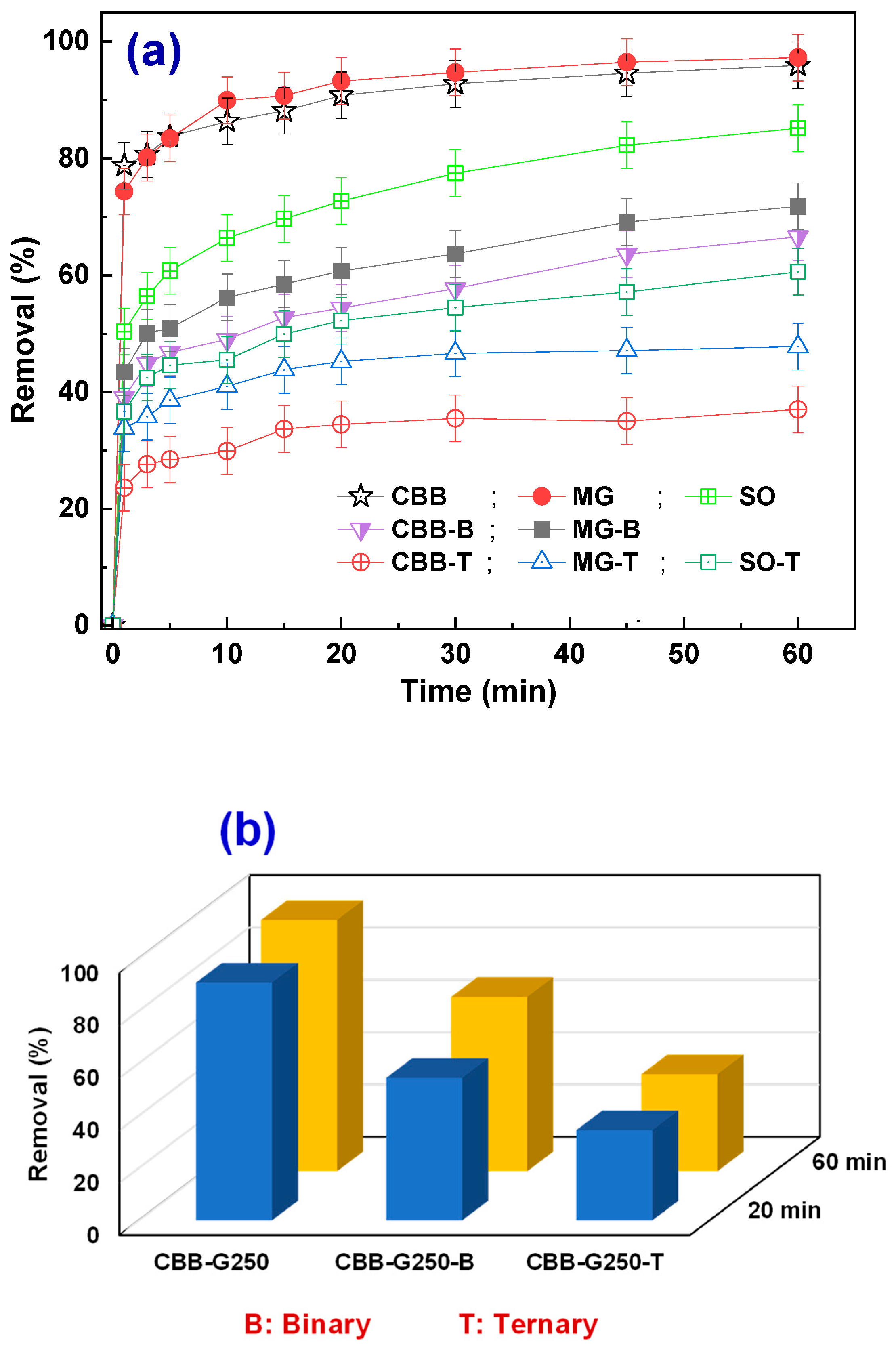
−1, corresponding to 23.41 µM for CBB, 43.66 µM for MG, and 57.14 µM for SO, respectively. The resulting degradation profiles and removal efficiencies for individual and mixed dye systems are presented in
Figure 14a,b.
When evaluated as single-solute systems, CBB-G250, MG, and SO reached degradation efficiencies of 95.95%, 97.29%, and 85.21% after 60 min, respectively. CBB-G250 and MG exhibited nearly overlapping degradation trajectories, consistent with their triphenylmethane architectures, which share similar chromophoric features and susceptibility to oxidative fragmentation. In contrast, SO degraded at a slower rate, mainly due to its higher initial concentration (57.14 µM). Despite these differences, the results collectively demonstrate that the Fe(II)/PS/CA system is effective for individual dye abatement even at elevated loadings, as evidenced by the successful degradation of MG (≈2 × [CBB-G250]0) and SO (≈3 × [CBB-G250]0).
Comparison of single-solute and multicomponent dye systems revealed pronounced competitive effects. The presence of a second or third dye reduced the degradation rates of both CBB-G250 and MG, following the trends:
For CBB-G250, the degradation efficiency in the single-solute system reached approximately 96%, but decreased to 66.57% in the binary (CBB-G250 + MG) system and 37.03% in the ternary system (
Figure 14b). This reduction reflects competitive interactions among coexisting dyes for the oxidizing agents (SO
4•−,
•OH, and Fe
IVO
2+) generated via persulfate activation. In mixed systems, the available radical flux becomes insufficient to sustain rapid and simultaneous degradation of all solutes, thereby decreasing the conversion of individual components. Competition may further involve secondary processes, such as the scavenging of short-lived radical intermediates by coexisting dyes and their transformation products. Despite these effects, substantial degradation was still achieved in binary and ternary mixtures, demonstrating that the Fe(II)/PS/CA system can effectively treat multi-dye solutions. This robustness underscores the operational relevance of chelation-assisted activation under near-neutral pH and supports its potential applicability in industrial wastewater treatment scenarios.
3.8. Process Assistance with UVC, Solar Irradiation and Ultrasound
The previously optimized Fe(II)/PS/CA system was further intensified using either UVC irradiation (254 nm), simulated solar light (Suntest CPS+,
Figure S3), or indirect ultrasonic irradiation in a cleaning bath operating at 40 kHz and 60 W. For light assisting processes. The incident irradiance at the solution surface was measured using a radiometer (Lutron; LX-107) for both light sources. The following values were obtained:
Solar simulator (Xe arc lamp, Suntest CPS+): total irradiance 3952.8 mW·cm−2, with 1.05 mW·cm−2 UVB (280–315 nm) and 7.3 mW·cm−2 UVA (315–400 nm).
UVC-307 (7 W, 254 nm) lamp: 2140 mW·cm−2 (primarily at 254 nm).
It should be noted that the exact determination of absorbed photons in the solution would require actinometry (e.g., ferrioxalate). However, the objective of this section is to qualitatively demonstrate the assisting performance of the light sources rather than provide fully quantitative comparisons. Therefore, reporting the measured external irradiance is sufficient for the purpose of this work.
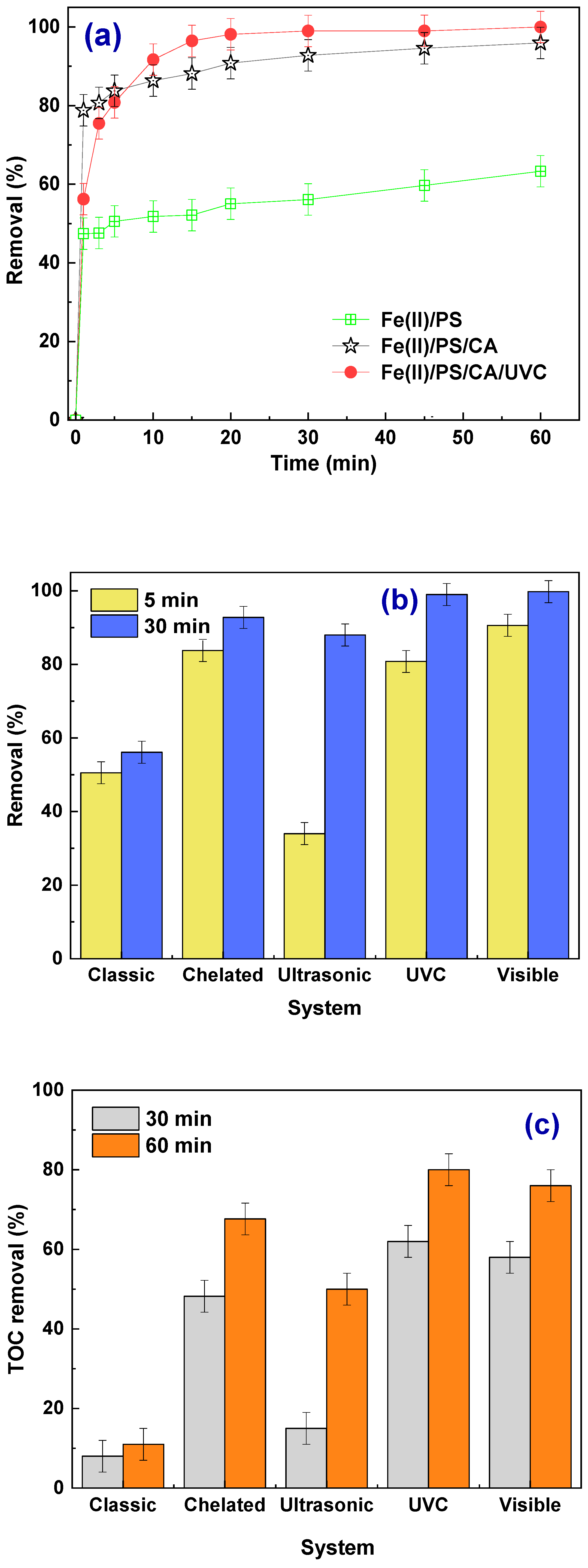
Figure 15a compares the kinetic removal of CBB-G250 in the classical Fe(II)/PS system, the chelated system, and the UVC-assisted chelated system. Coupling with UVC significantly enhanced dye removal, eliminating the initial induction period observed in the chelated system. After 1 h, near-complete photodegradation of CBB-G250 was achieved under UVC, whereas the chelated and classical systems reached 95.95% and 63.31% decolorization, respectively.
Under UV irradiation, persulfate can be efficiently activated, leading to additional SO
4•− generation through direct photolysis [
75]:
Figure 15b shows dye removal after 5 and 30 min for the different systems. Substituting UVC with solar light yielded a comparable enhancement, demonstrating that the 500 W solar spectrum is sufficiently energetic for PS activation, consistent with previous reports on Safranine O degradation [
76]. In contrast, the ultrasound-assisted system exhibited slower removal than the chelated system without light. This behavior is attributed to the limited mixing provided by the low-power (60 W) ultrasonic bath. Calorimetric measurements (Text S3 of the SM) showed that only 17.6 W of acoustic power was effectively dissipated into the solution, which is relatively low for a system operating at 40 kHz. In sonochemical systems, effective mixing arises from cavitation-induced microturbulence, microstreaming, and shock waves, which depends strongly on applied power [
77]; in this case, it was insufficient to match the efficiency of magnetic stirring used in the other setups (our US system allow only one working power, 60 W).
Figure 15c presents TOC reduction under the various hybrid conditions. Here, the benefits of light-assisted hybridization are even more apparent than in dye concentration measurements. After 1 h, TOC removal increased from 67.65% in the chelated system to 80% (18.26% enhancement) and 76% in the UVC- and solar-assisted systems, respectively, whereas the ultrasound-assisted process achieved only 50% TOC reduction, reflecting its limited mixing and radical distribution efficiency.
The superior performance of the light-assisted systems toward dye mineralization can be explained by two synergistic effects: (i) photolytic generation of additional SO
4•− radicals (Equation (25)), which accelerates the overall oxidation kinetics, (ii) partial photoreduction of Fe(III) to Fe(II) under UV or near-UV wavelengths, sustaining the Fe(II)/Fe(III) catalytic cycle [
78], and (iii) photodecomposition of Fe–citrate complexes, which can promote further oxidant production, including O
2•− species [
62]. The slightly lower TOC removal in the solar-assisted system compared to UVC may reflect the lower photon flux in the 300–400 nm region, which is still sufficient to activate persulfate but slightly less efficient in sustaining Fe redox cycling [
56]. In the ultrasound-assisted process, limited cavitation intensity and micro-mixing restrict the distribution of Fe(II)/Fe(III) and radicals, as well as Fe–CA complexes decomposition, resulting in lower mineralization. Overall, these findings confirm that light hybridization (UVC or solar) effectively accelerates both dye degradation and mineralization, whereas ultrasound at low power and frequency primarily affects physical mixing.
3.9. Kinetics Analysis
3.9.1. Kinetics Modeling
Three kinetic models were adopted to study the degradation of CBB-G250 dye: the pseudo-first-order model, the pseudo-second-order model, and the BMG-G250 (Behnajady–Modirshahla–Ghanbery) model. While the first two models are widely employed, the BMG model was developed by Chan and Chou [
79] to describe the two-stage degradation kinetics of the pesticide atrazine (ATZ). It relies on two simple but critical parameters: the initial reaction rate and the maximum oxidation capacity of the process [
79]. The equations for all three models and their linearized forms, used to determine the kinetic parameters, are summarized in
Table 3. The linearization plots for each model are provided in
Figures S4–S6 of the Supplementary Materials (SM), while the parameters (apparent rate constants, b and m) characterizing each model, along with the corresponding correlation coefficients (R
2), are reported in
Table 4.
Based on the correlation coefficients and linearization plots, the BMG kinetic model provided the best fit to the experimental data. It yielded R
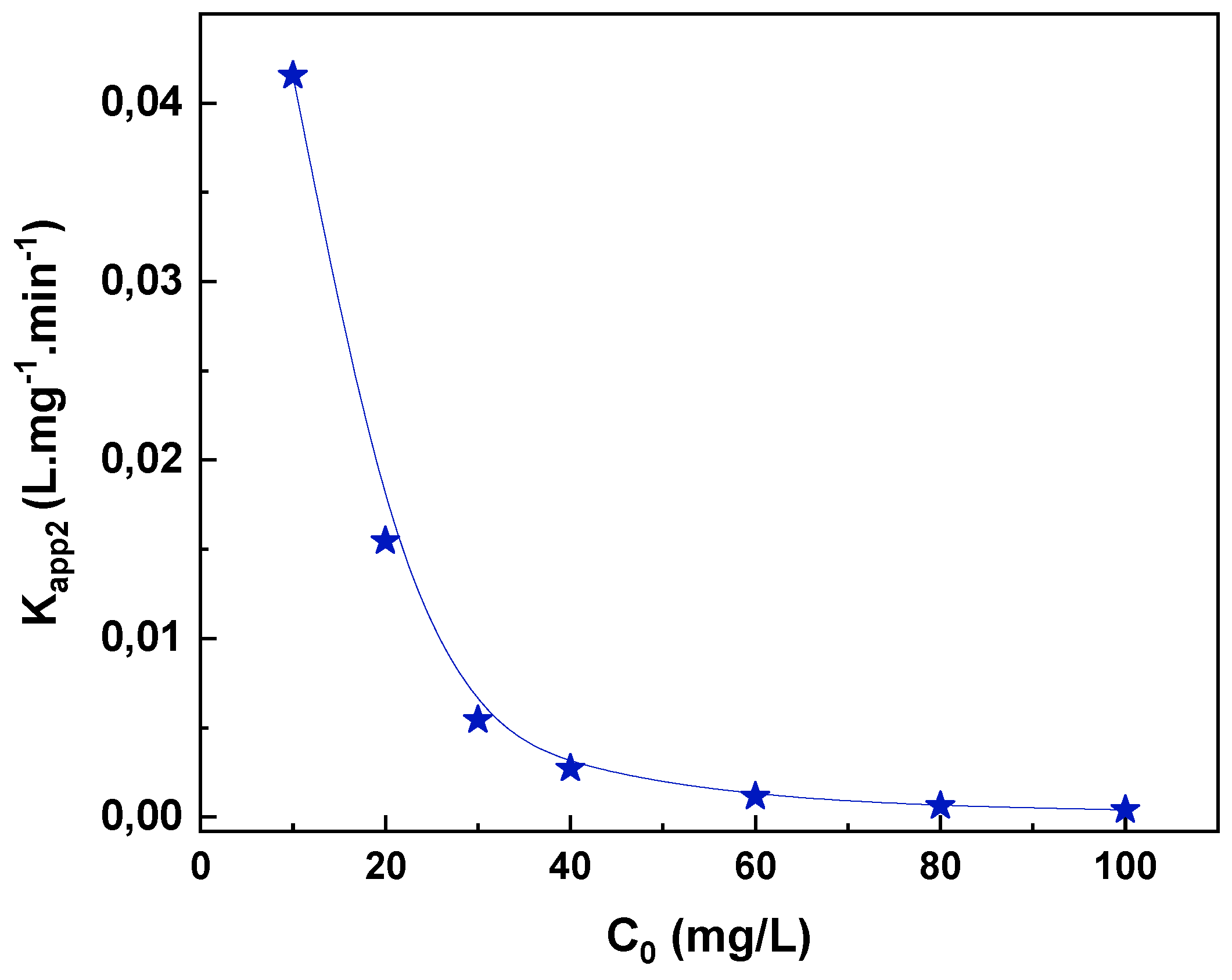
2 values very close to unity and displayed significantly better linearity than the pseudo-first- and pseudo-second-order models. Furthermore, an increase in the initial dye concentration led to a decrease in the rate constants, indicating that the Fe(II)/PS/CA oxidation system becomes less efficient at treating higher pollutant loads (
Figure 16).
3.9.2. Activation Energy Determination
The Arrhenius law relates the reaction rate constant to temperature as follows [
20]:
where
is the pre-exponential (frequency) factor,
is the activation energy (J·mol
−1),
is the universal gas constant (8.314 J·mol
−1 K
−1), and
is the temperature in Kelvin. The logarithmic transformation of Equation (26) gives:
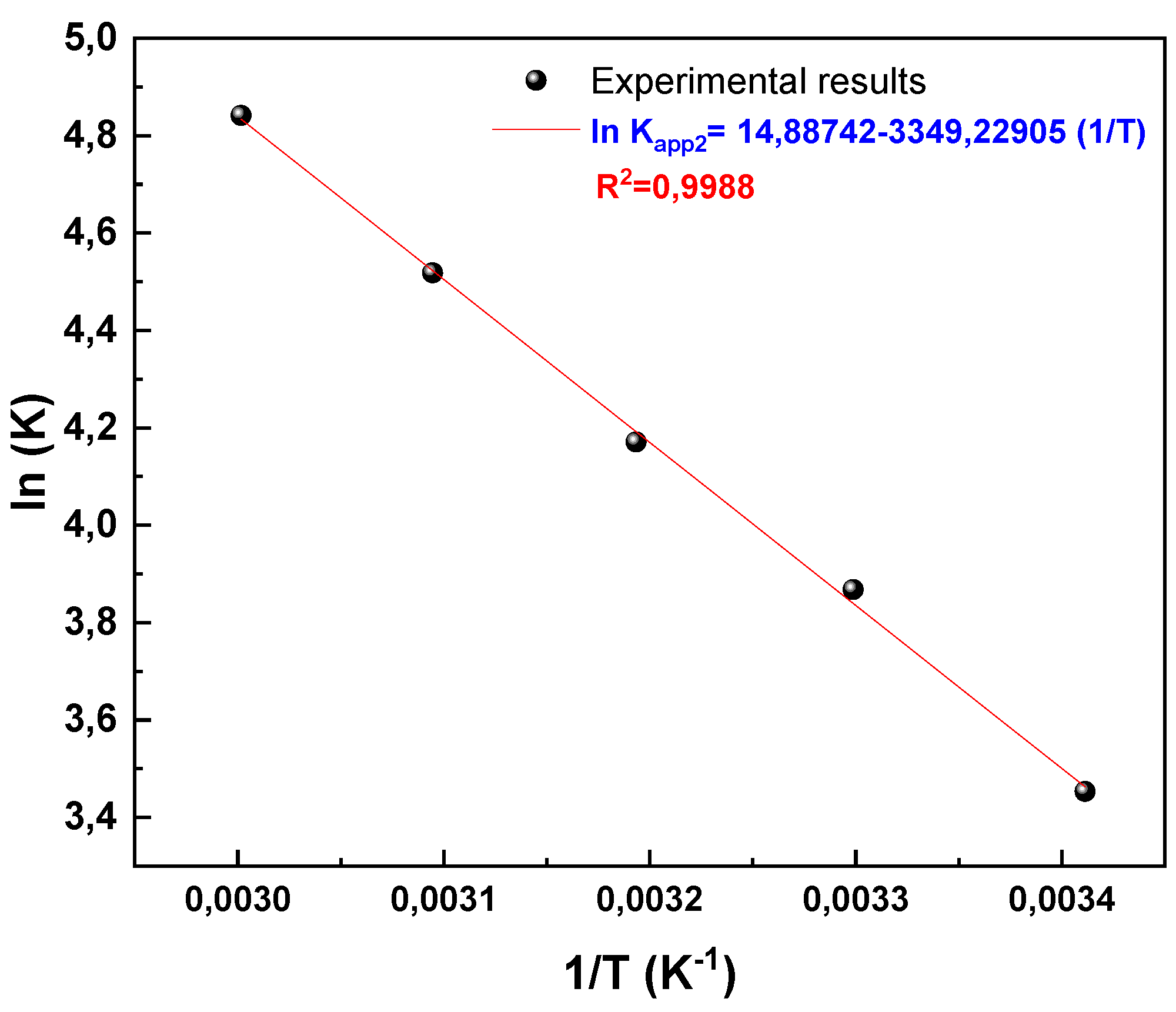
The rate constants obtained from the kinetic study over the temperature range 20–60 °C are listed in
Table 5, while the corresponding linear Arrhenius plot is shown in
Figure 17.
A strong linear relationship is observed between ln(k) and 1/T, with a regression coefficient very close to unity (R
2 = 0.9988) (
Figure 17). The activation energy for CBB-G250 oxidation was determined to be E
a = 27.84 kJ mol
−1, which is considerably lower than values reported in the literature for persulfate-mediated oxidation of other contaminants, such as atrazine (141 kJ mol
−1) [
80], trichloroethylene (108 kJ mol
−1) [
81], ibuprofen (168 kJ mol
−1) [
82], and naproxen (155 kJ·mol
−1) [
83]. This difference can be attributed to the dependence of the process on the molecular structure of the target compound, the nature of the oxidation system, and the operating conditions.
4. Conclusions
This work systematically screened and optimized metal/chelate-catalyzed persulfate (PS) systems for the degradation of persistent azo dyes under extended-pH conditions, with special attention to neutral pH operation and hybrid assistance by UVC, solar irradiation, and ultrasound. Among the tested configurations, Fe(II)/PS combined with citric acid emerged as the most efficient catalytic platform, enabling stable Fe redox cycling and minimizing iron precipitation for pH range of 3–10. Screening of various chelating agents confirmed that citrate offered a favorable balance between complexation strength, PS activation, and catalytic turnover, while tests with alternative transition metals indicated that Fe(II) remained the most selective and kinetically effective activator for the target dyes.
Parametric optimization revealed that dye degradation is strongly influenced by citrate/Fe and Fe/PS molar ratios, the PS dose, and solution pH. Under optimized conditions, the Fe(II)/PS/CA system consistently outperformed their Fe(II)/PS/CA counterparts. Reactive species identification and mechanistic analysis demonstrated that •OH and FeIVO2+ primary drive the oxidation pathway. Mixed-dye experiments further showed that the optimized processes remained competitive under multi-substrate conditions.
Importantly, light (UVC and solar)-assisted systems produced significant TOC reduction improvements, while ultrasonication reduced the process performance. UVC and solar irradiation enhanced mineralization through photolytic PS activation and partial Fe(III) photoreduction, whereas low-power ultrasound used (60 W) restricted mass transfer, radical distribution, and acoustic fragmentation of Fe(II)–CA complexes. TOC analyses confirmed that light-hybrid assistance was particularly effective for mineralization rather than mere apparent decolorization, indicating deeper oxidation of aromatic intermediates. Overall, the results highlight Fe(II)/citrate-catalyzed persulfate as a robust platform for persistent dye degradation for extended pH (up to 10), with light energy inputs enabling further gains in efficiency and mineralization. The study provides a comprehensive basis for rational design and scale-up of advanced PS-based oxidation processes for real wastewater treatment, while also pointing toward future optimization of chelate chemistry, hybrid coupling strategies, and catalyst recovery.
Although the present work was conducted in controlled aqueous media to elucidate mechanistic behavior and optimize operating conditions, future studies should evaluate the performance of the Fe(II)/CA/PS system in complex water matrices containing inorganic ions (e.g., HCO3−/CO32−, Cl−), natural organic matter, and real textile effluents to assess radical scavenging effects and practical applicability. Future work also could include inorganic carbon balance, sulfate evolution monitoring, and intermediate identification (e.g., LC–MS) to further elucidate degradation pathways and confirm complete mineralization.