An Analysis of the Vacuum Generation Mechanism and Prototype Study of Negative-Pressure Suction-Type Cuttings Reduction Equipment


Abstract
1. Introduction
- (1)
- Most systems are batch-operated rather than continuous;
- (2)
- Vacuum stability is compromised when handling high-moisture cuttings;
- (3)
- Real-time performance monitoring is rarely integrated.
2. The Design of a Negative-Pressure Suction-Based Cuttings Reduction System
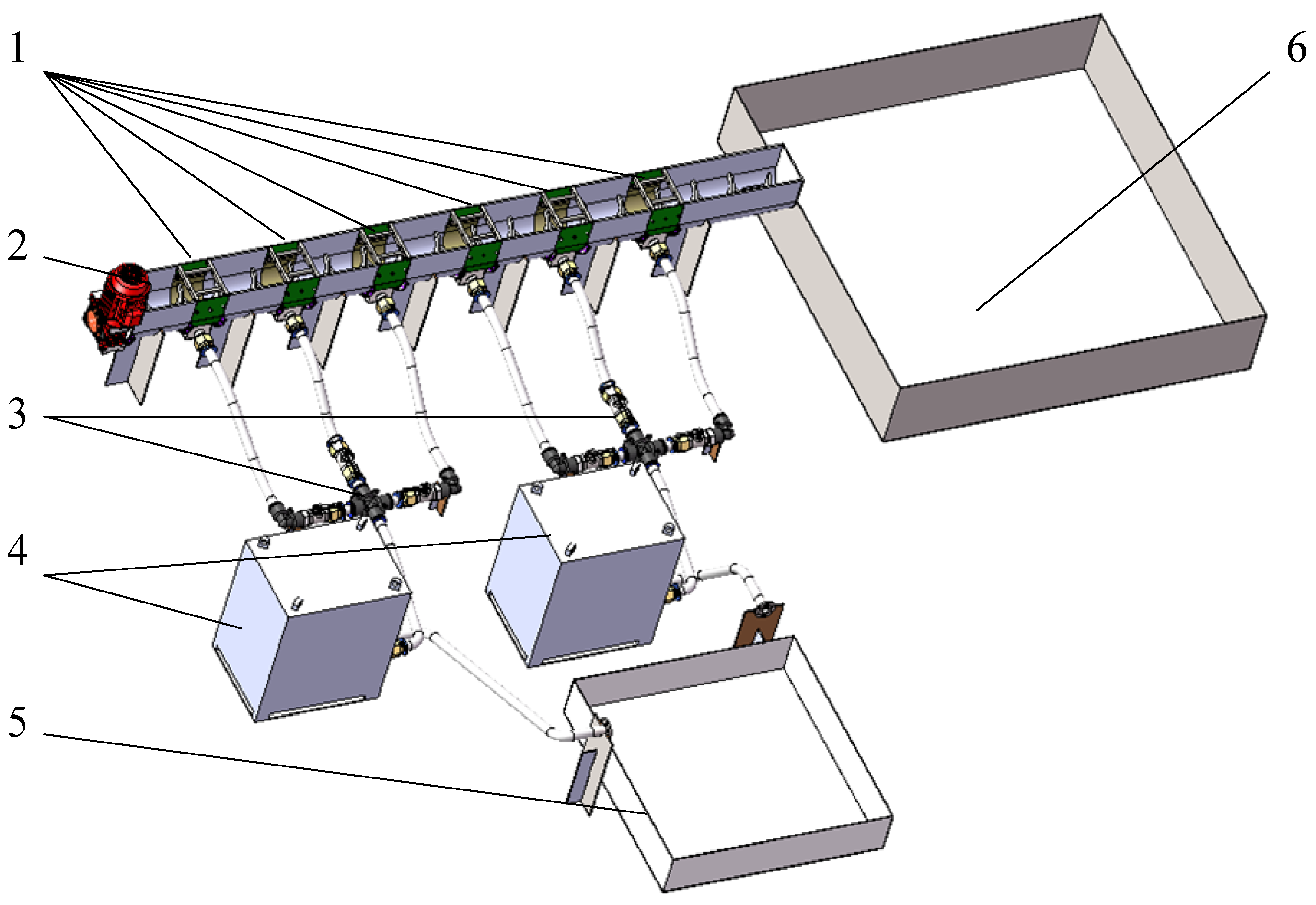
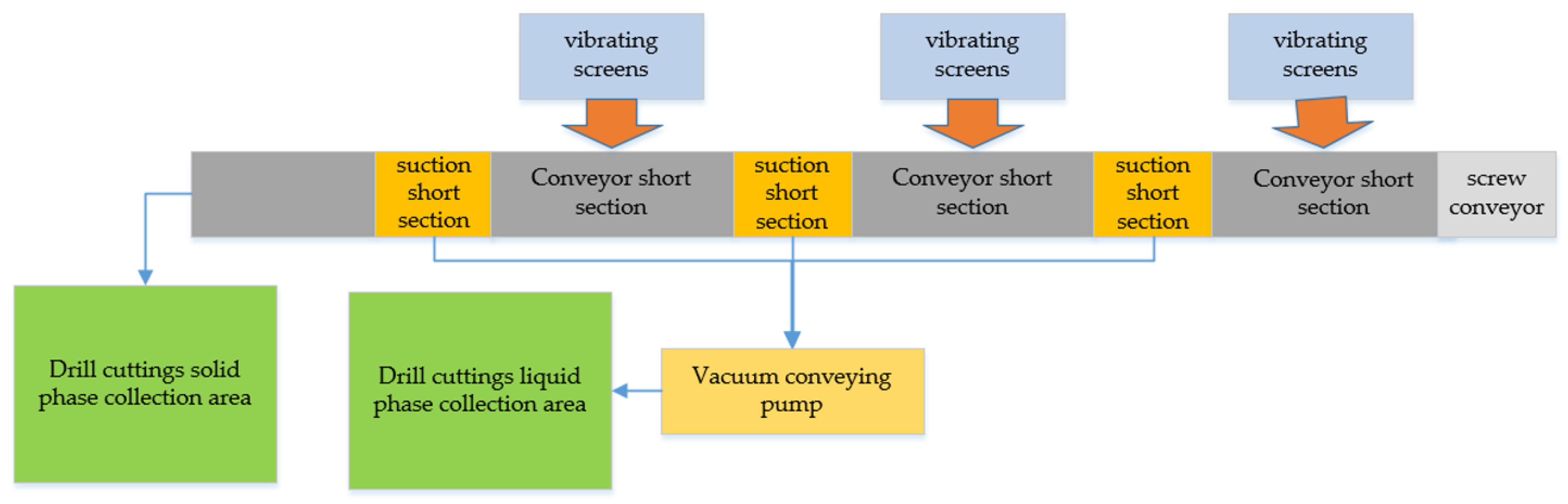
2.1. Overall Design Scheme of Negative-Pressure Suction-Based Cuttings Reduction Equipment
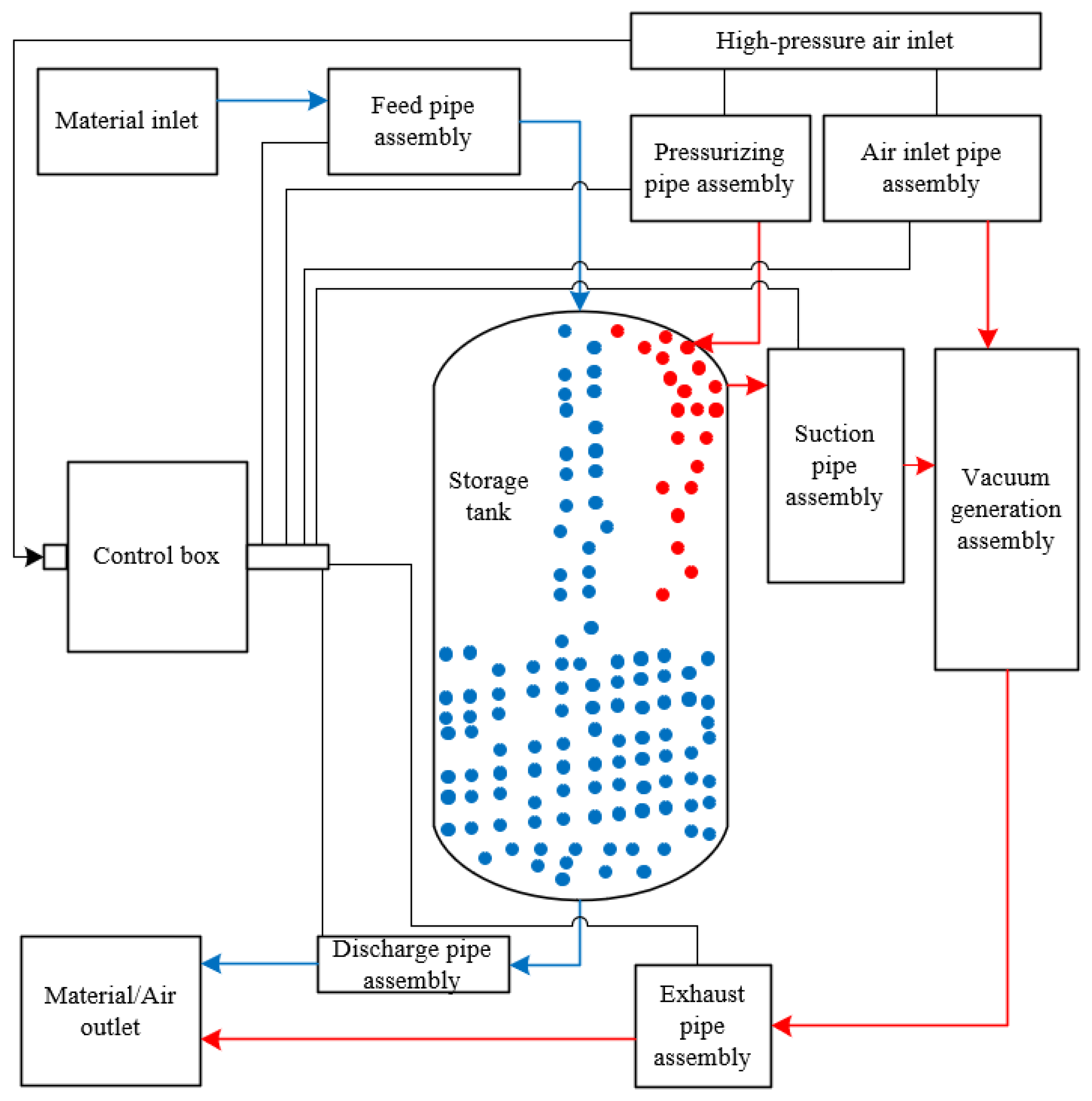
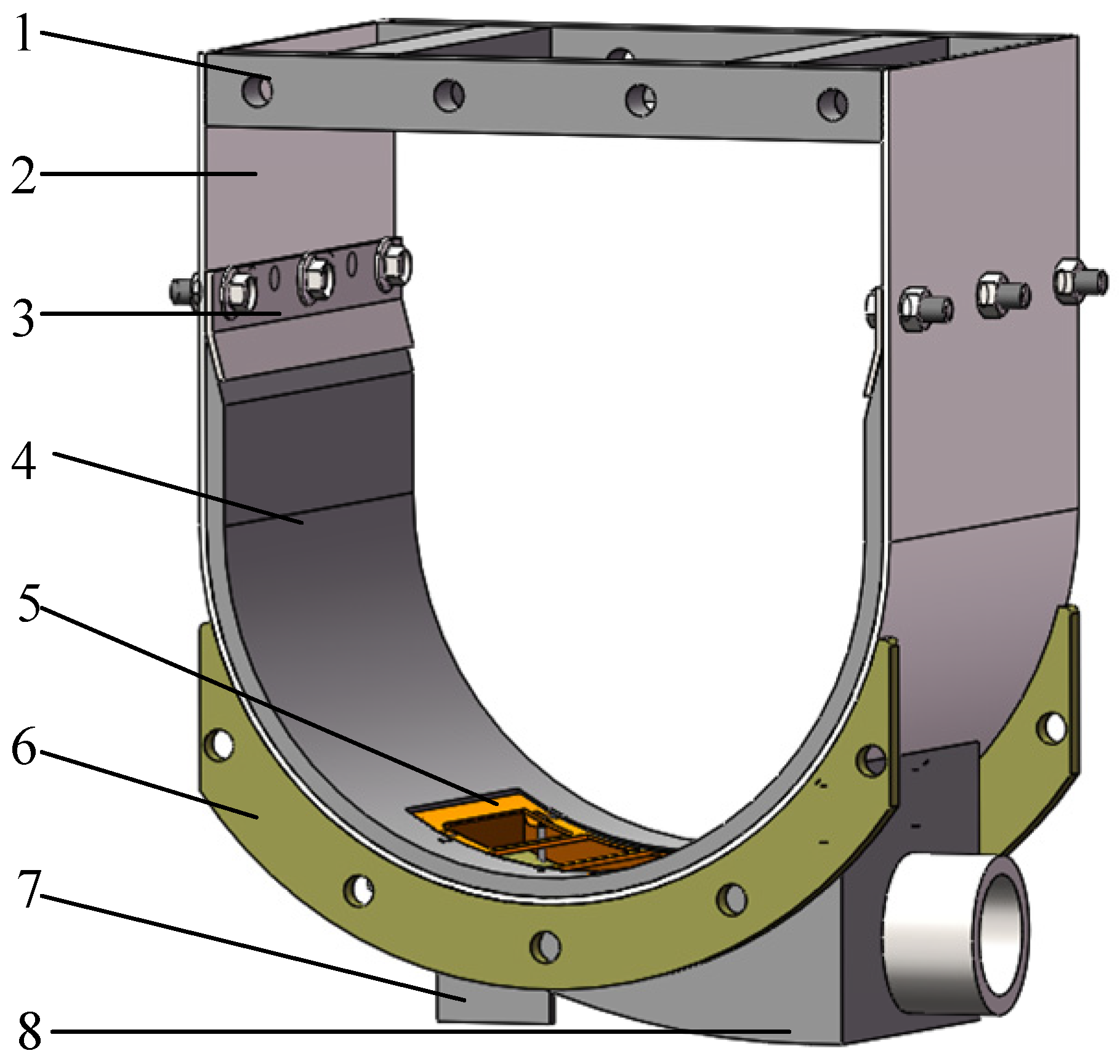
2.2. The Design of the Vacuum Suction Unit
- Material suction: High-pressure gas enters the vacuum generation unit through the air intake pipe, creating negative pressure at the suction pipe inlet. Air mixes with compressed gas and is discharged, forming a vacuum inside the tank. Driven by atmospheric pressure, the material is drawn through the negative-pressure suction sections and the transfer pipeline into the storage tank.
- Material discharge: After suction is complete, compressed gas stops entering the vacuum generation unit and instead enters the storage tank through the pressurizing pipe assembly, increasing the tank pressure. The material is expelled by the high-pressure gas, and the feed pipe assembly backflushes the filter screen.
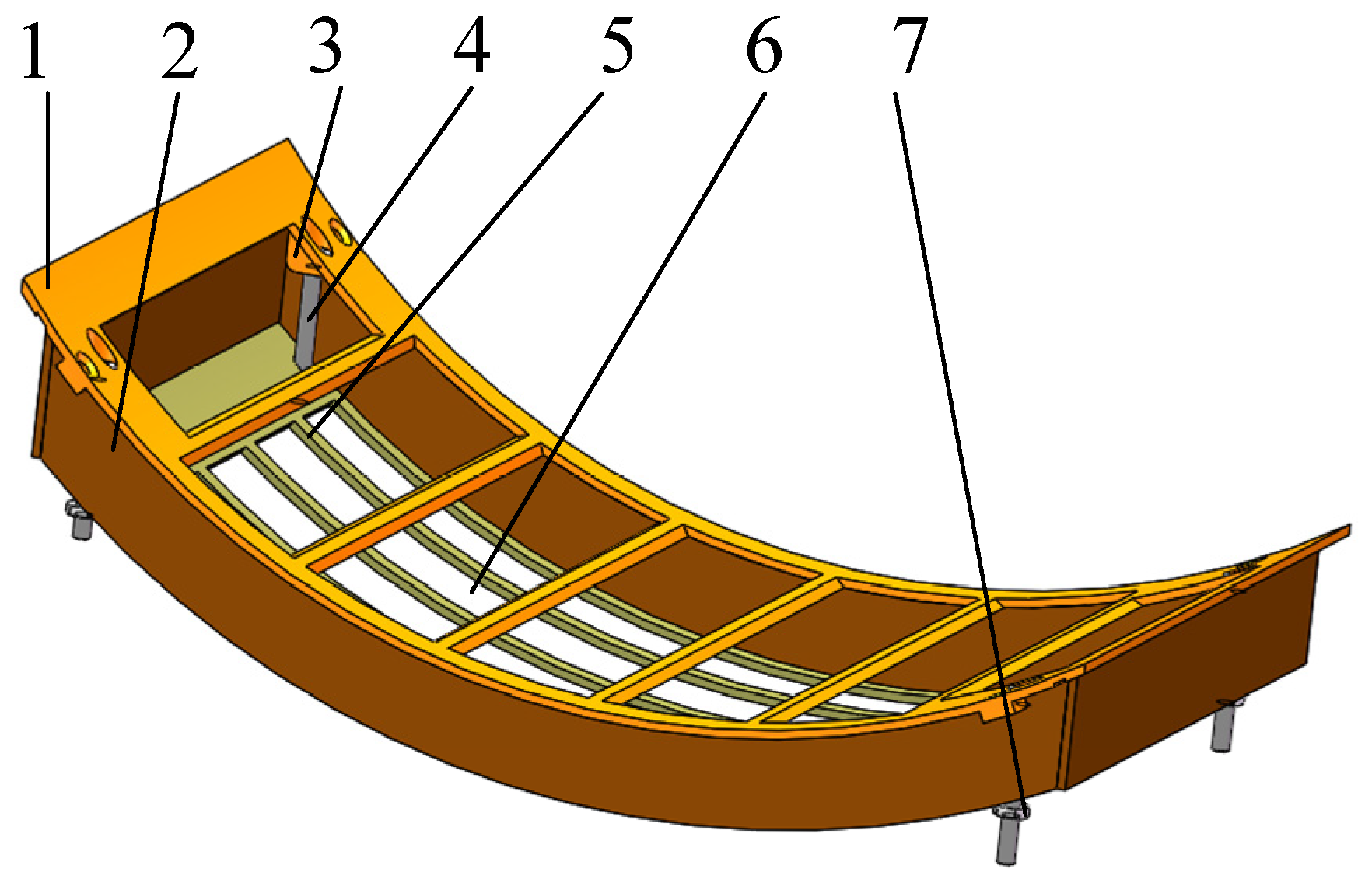
2.3. Design Rationale and Parameter Optimization
3. Analysis of the Vacuum Generation Mechanism in the Vacuum Suction Device
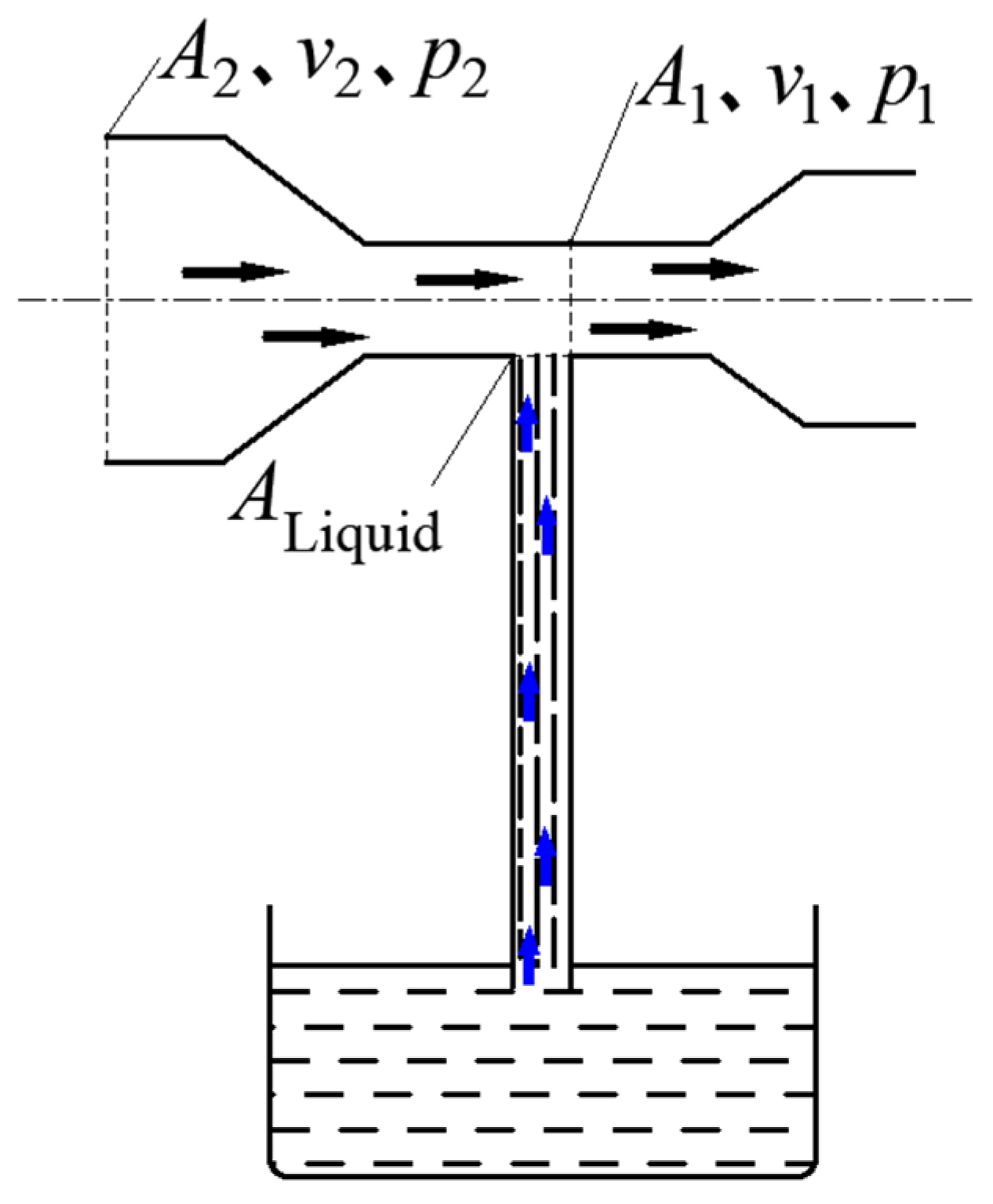
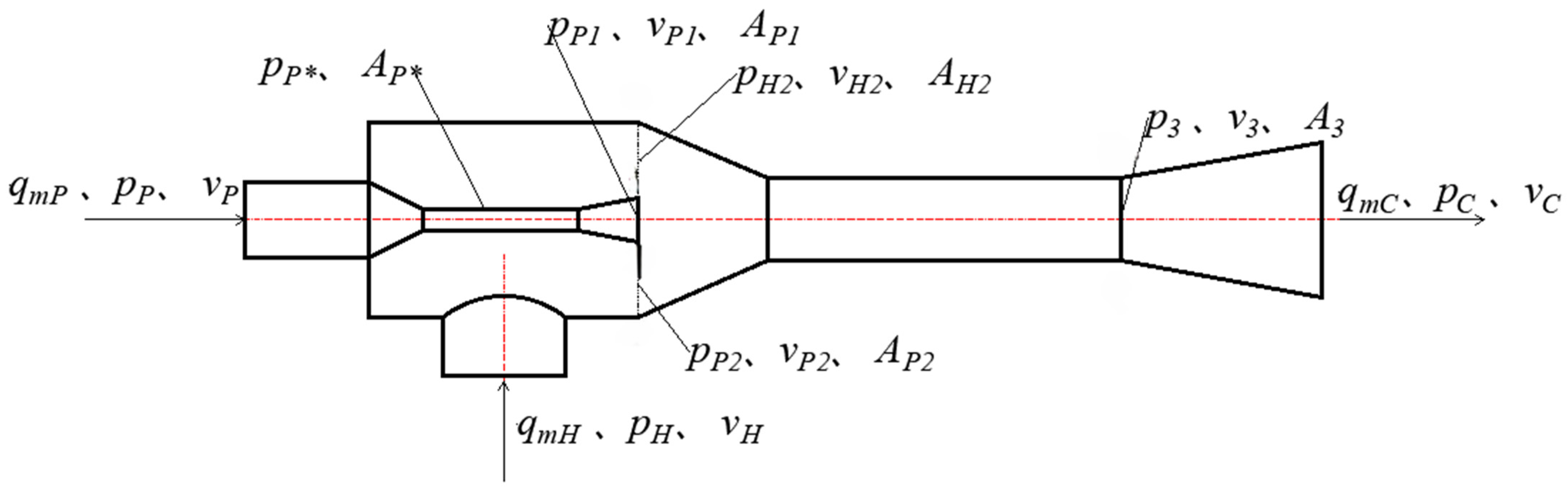
3.1. Analysis of Vacuum Generation Principle Based on Bernoulli’s Equation
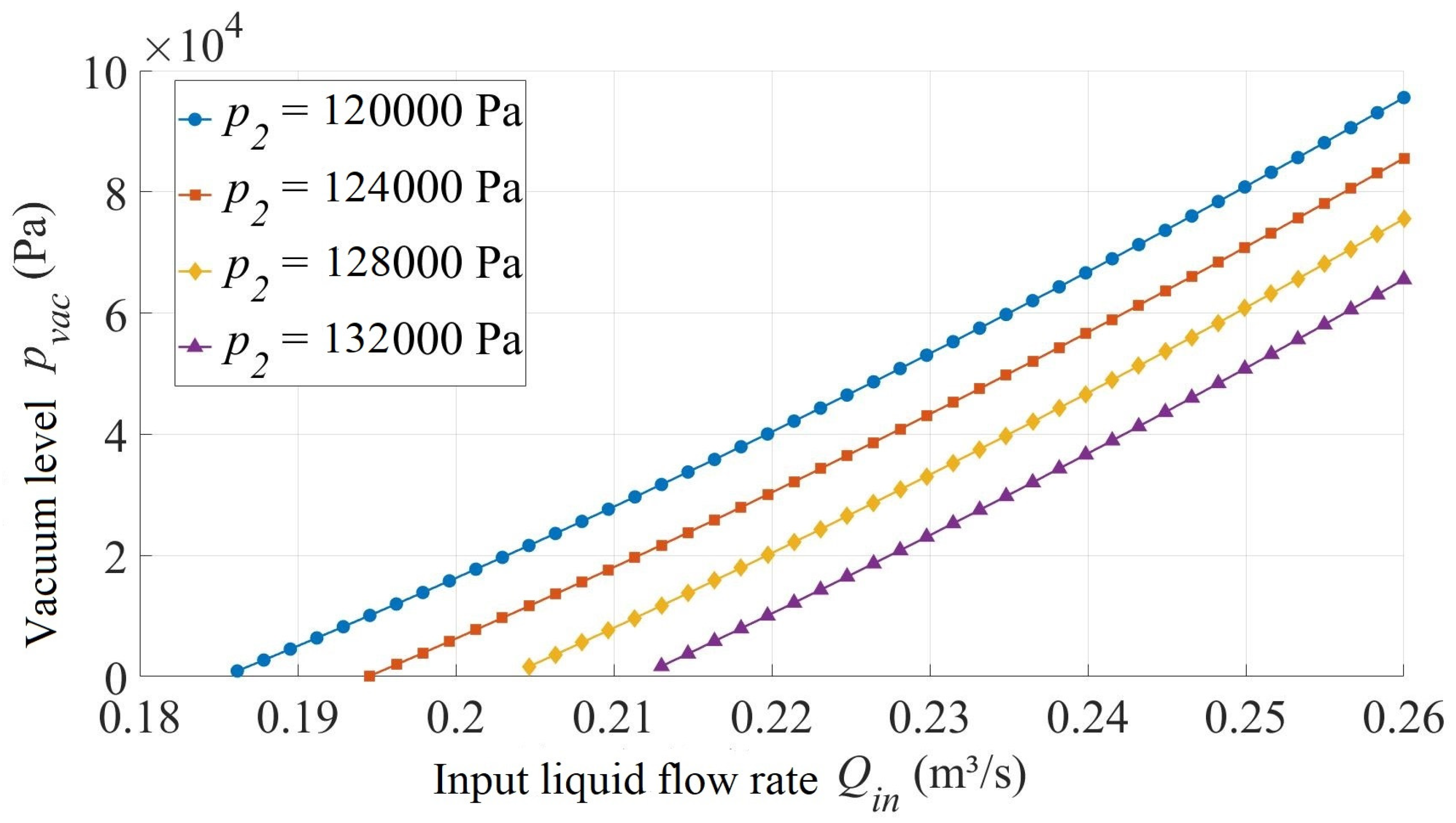
3.1.1. Analysis of Vacuum vs. Fluid Input Parameters
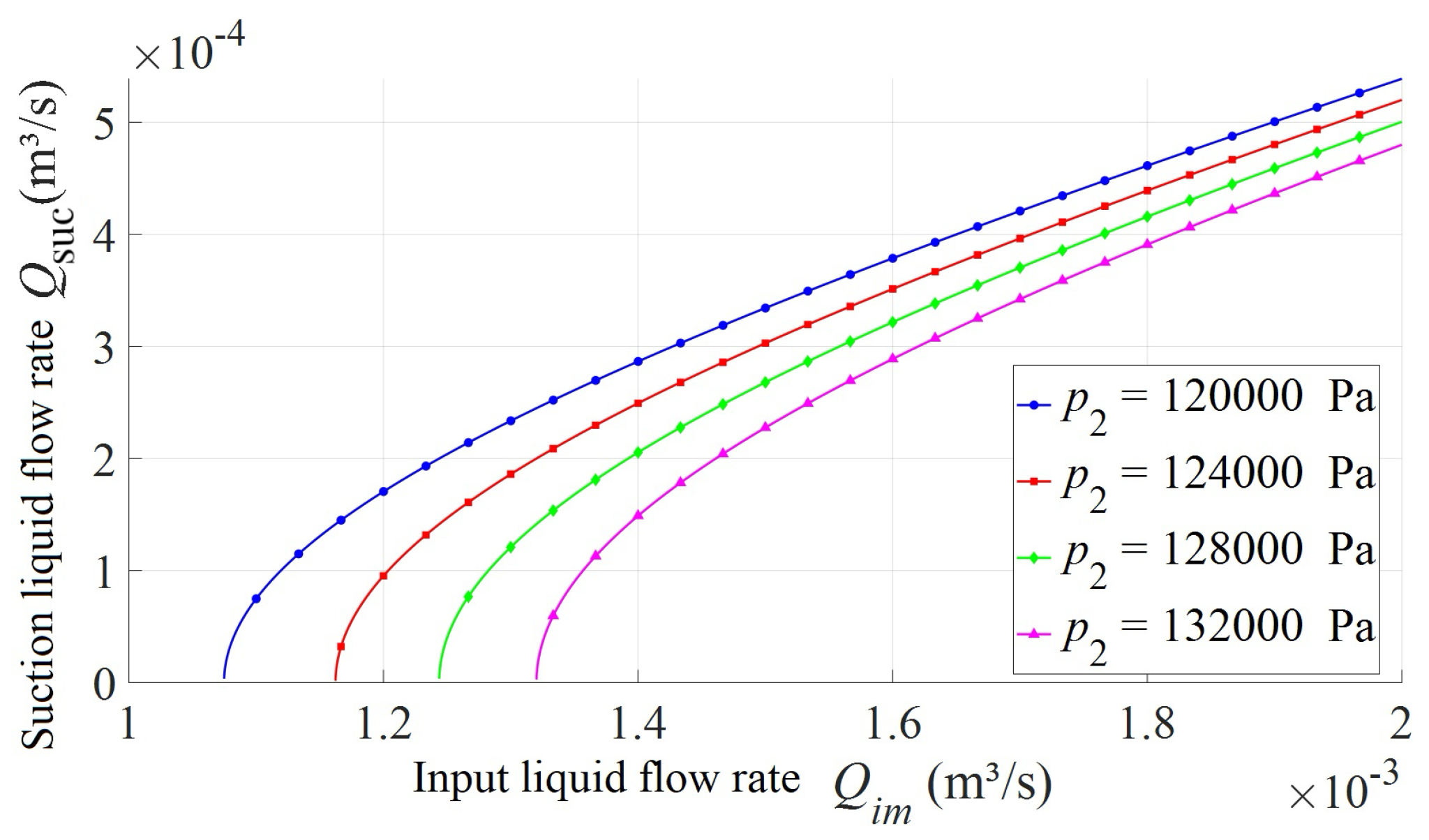
3.1.2. Analysis of the Correlation Between the Suction Liquid Flow Rate and Input Fluid Parameters
3.2. Vacuum Generator: Mechanism and Performance Analysis
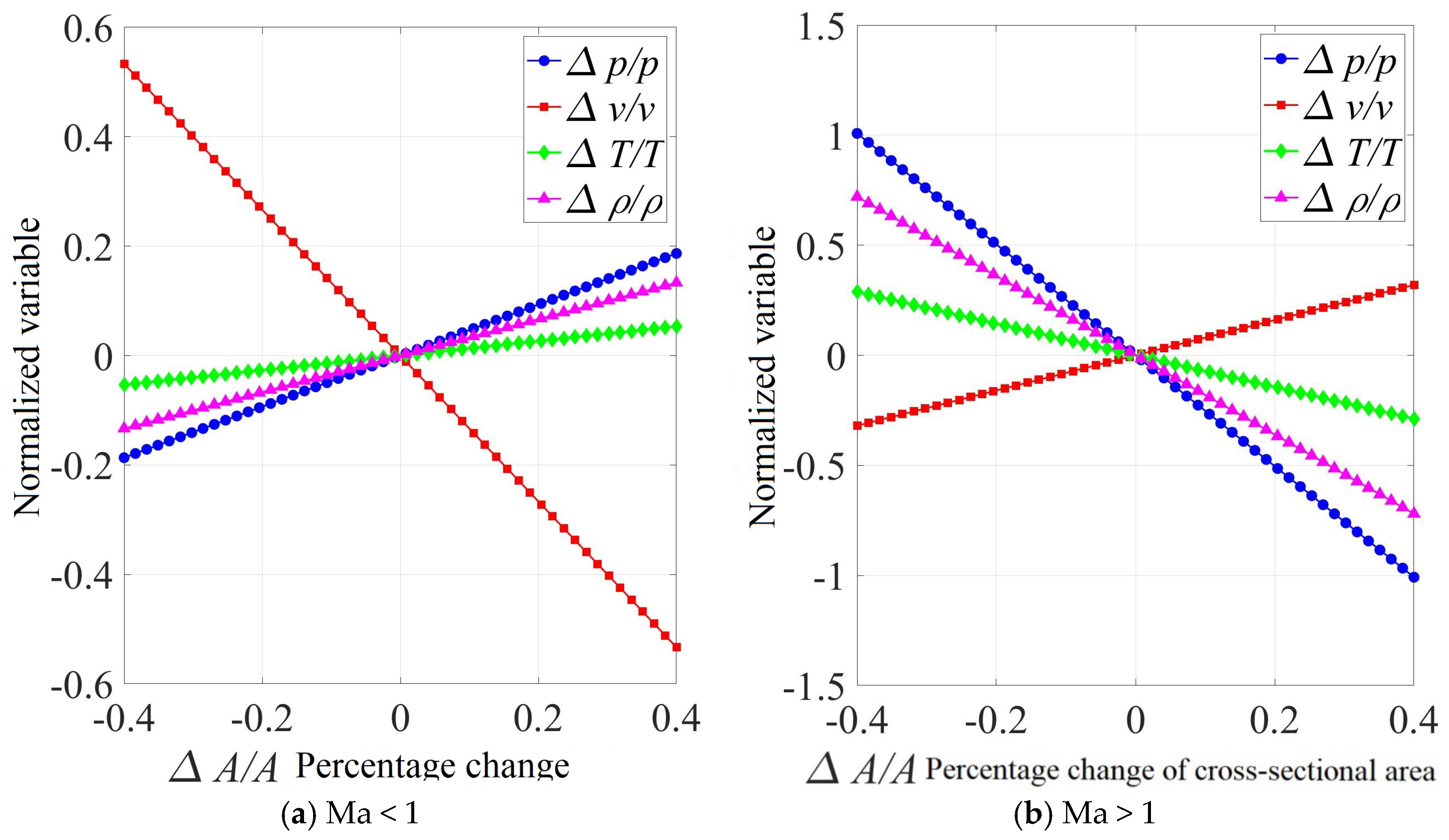
3.2.1. Hydrodynamic Analysis of the Laval Nozzle
3.2.2. The Ejector Coefficient and Geometric Parameter Analysis of the Vacuum Generator
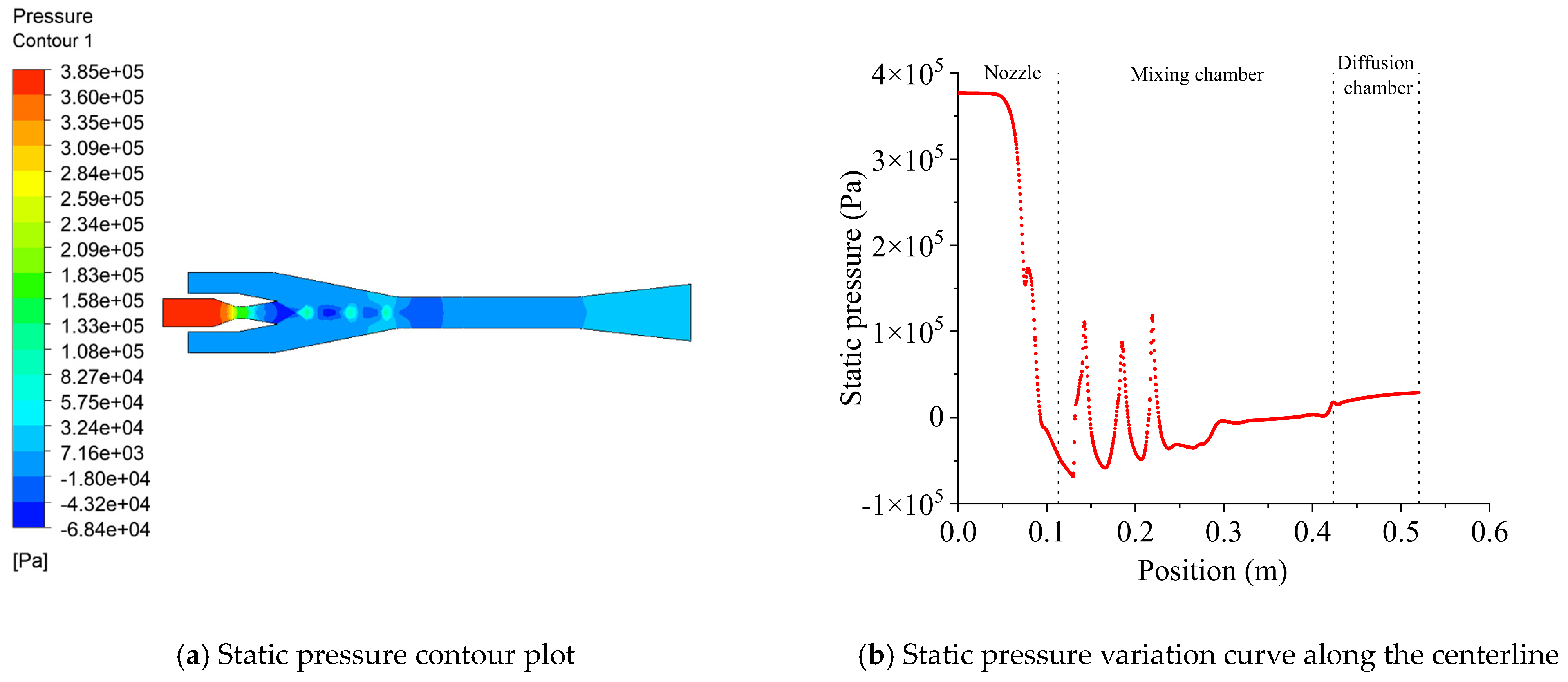
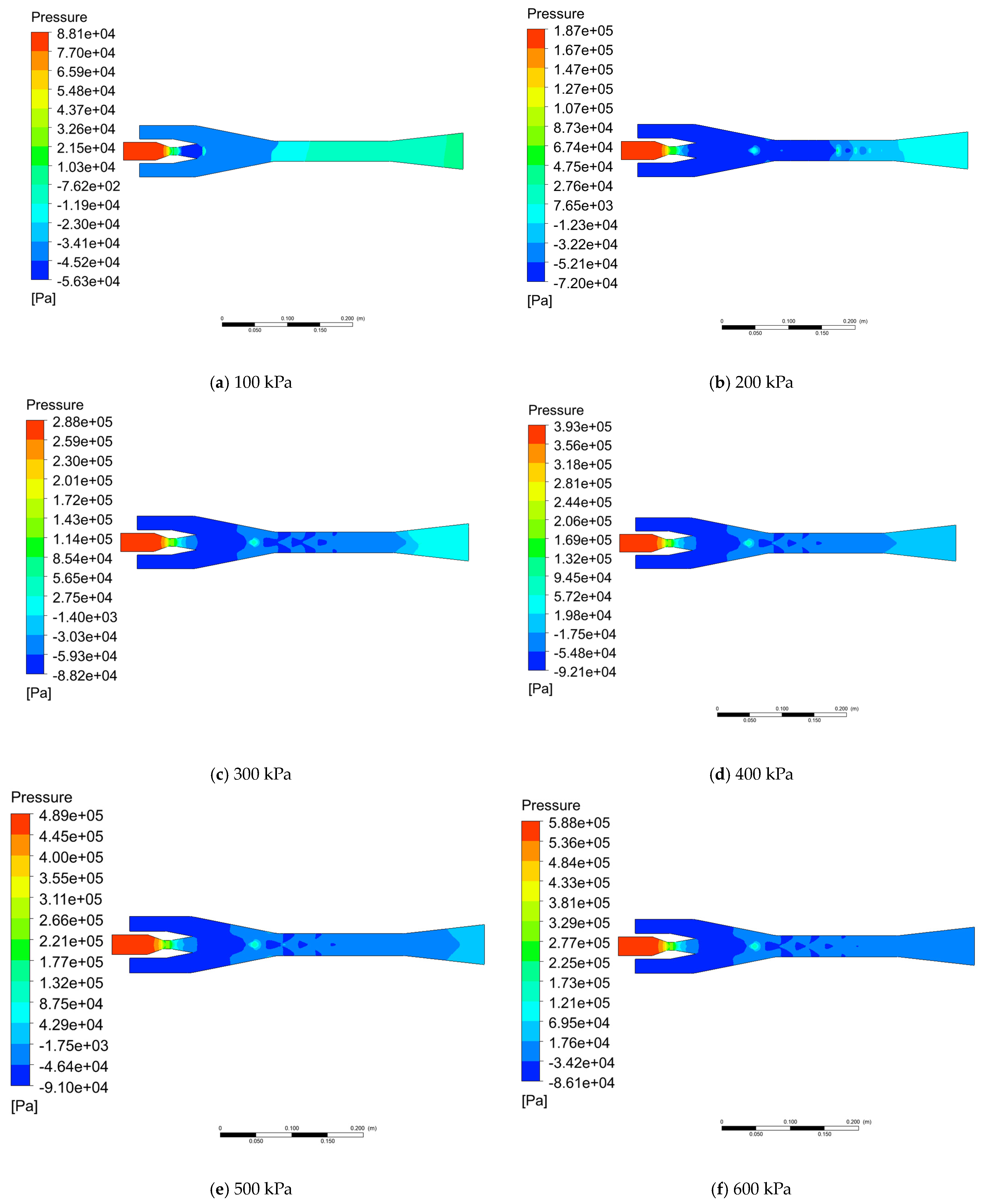
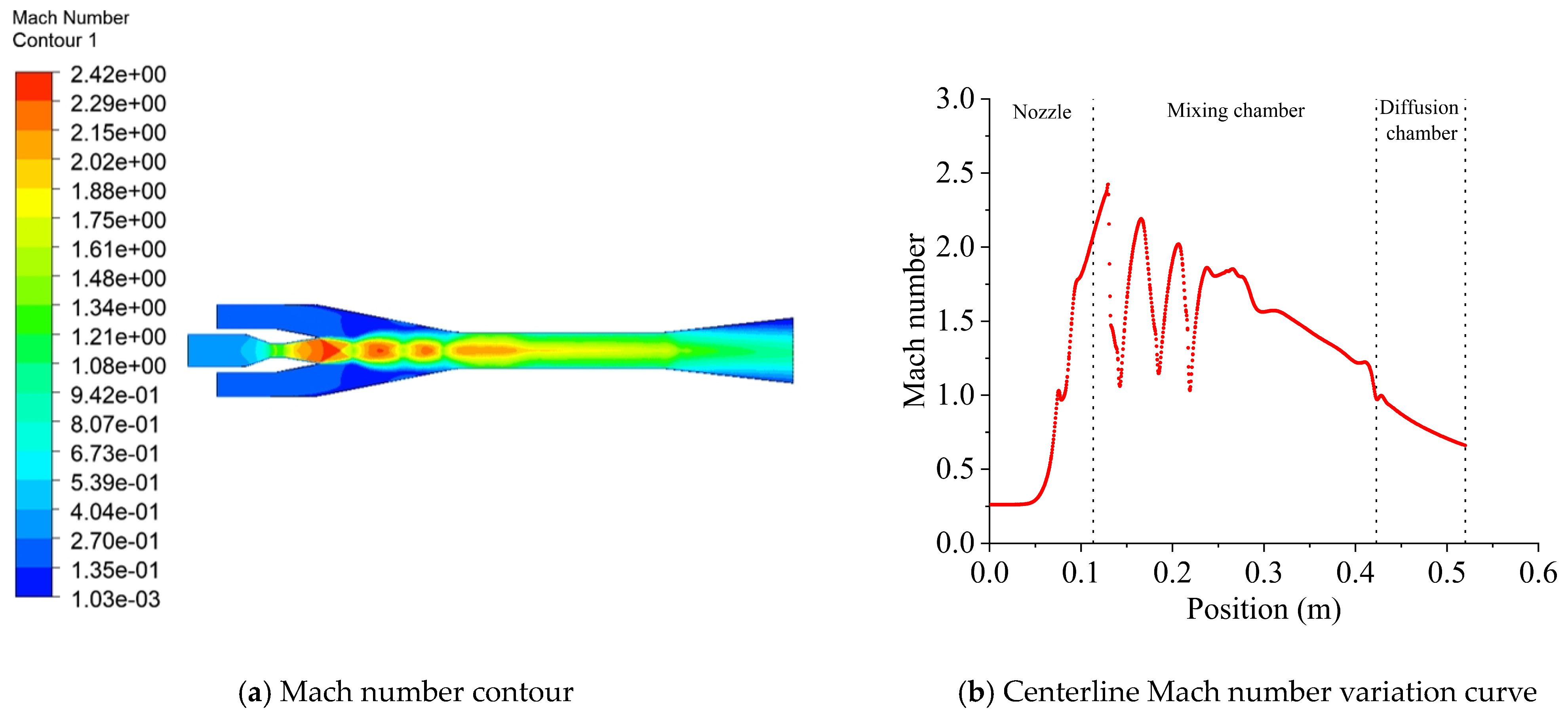
3.2.3. The Internal Flow Field Simulation and Analysis of the Vacuum Generator
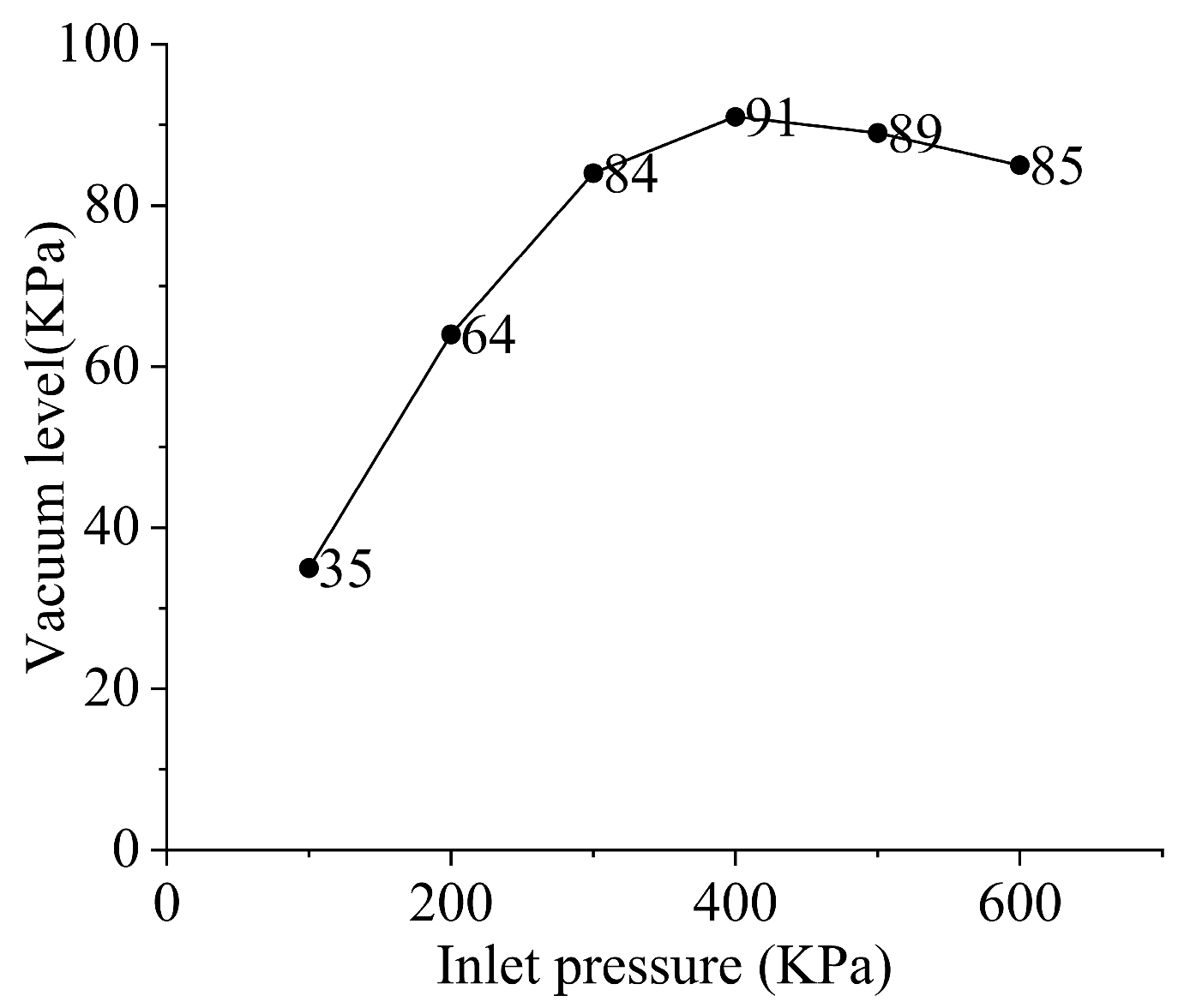
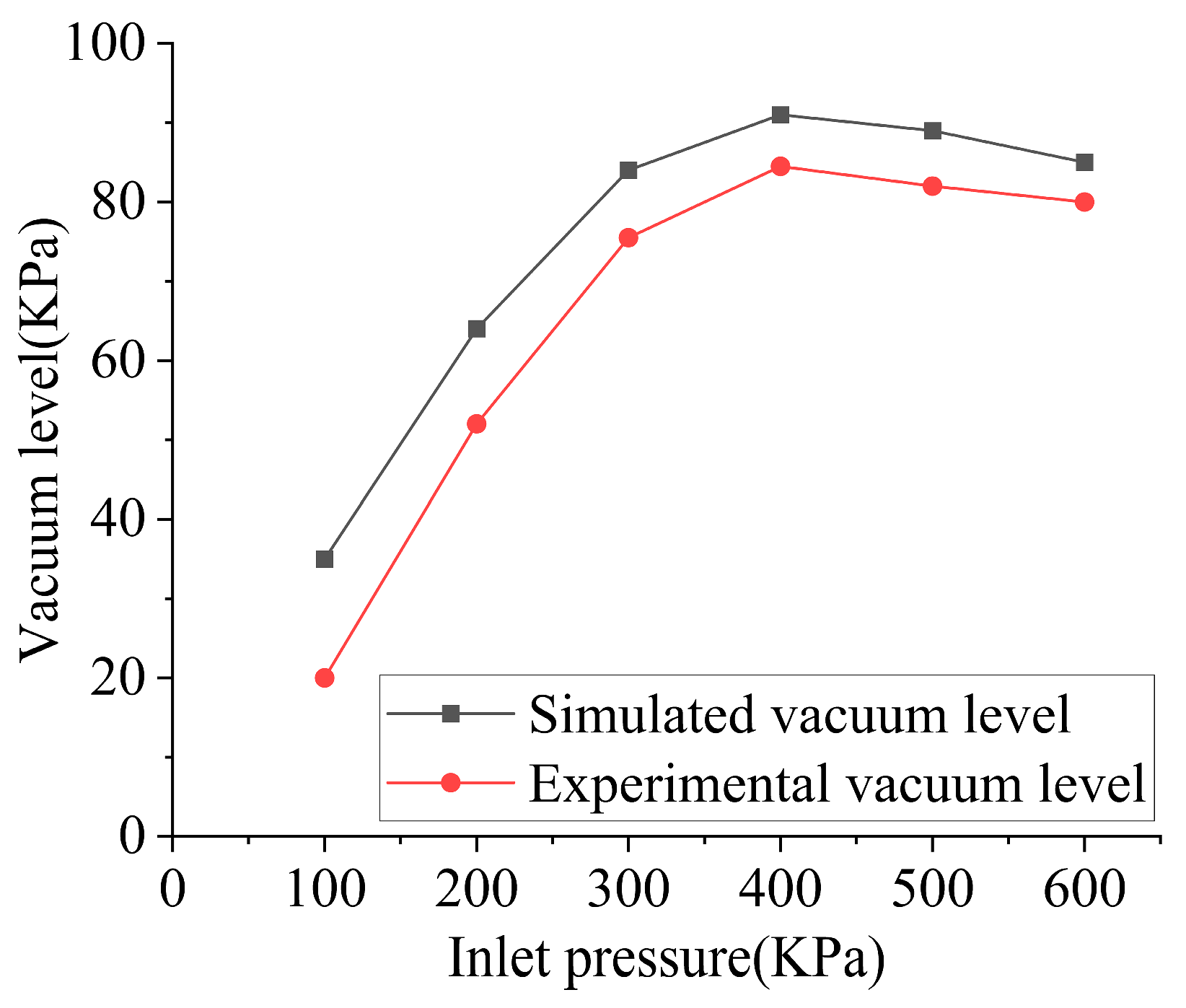
3.2.4. Analysis of the Effect of Inlet Pressure on Vacuum Degree
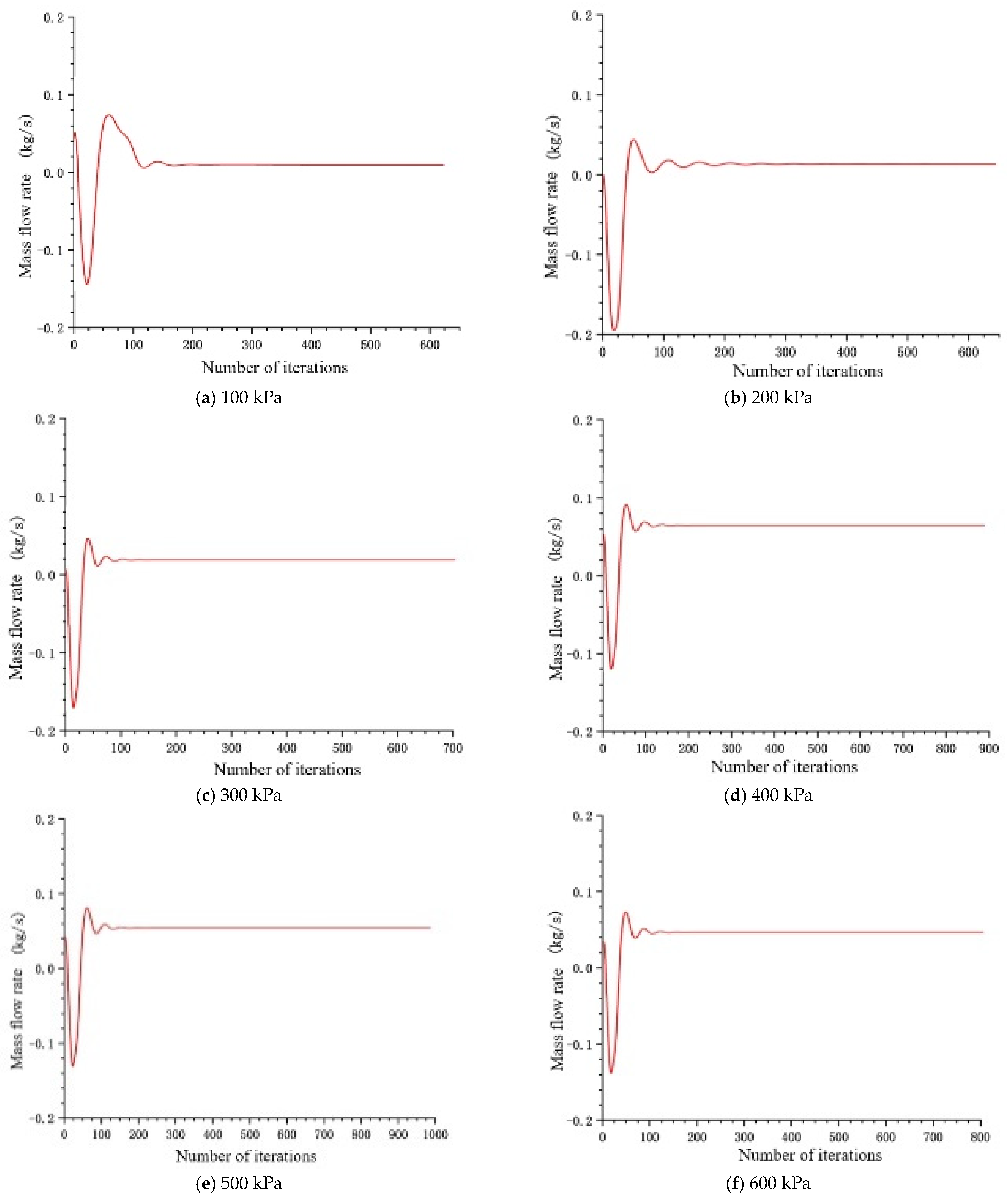
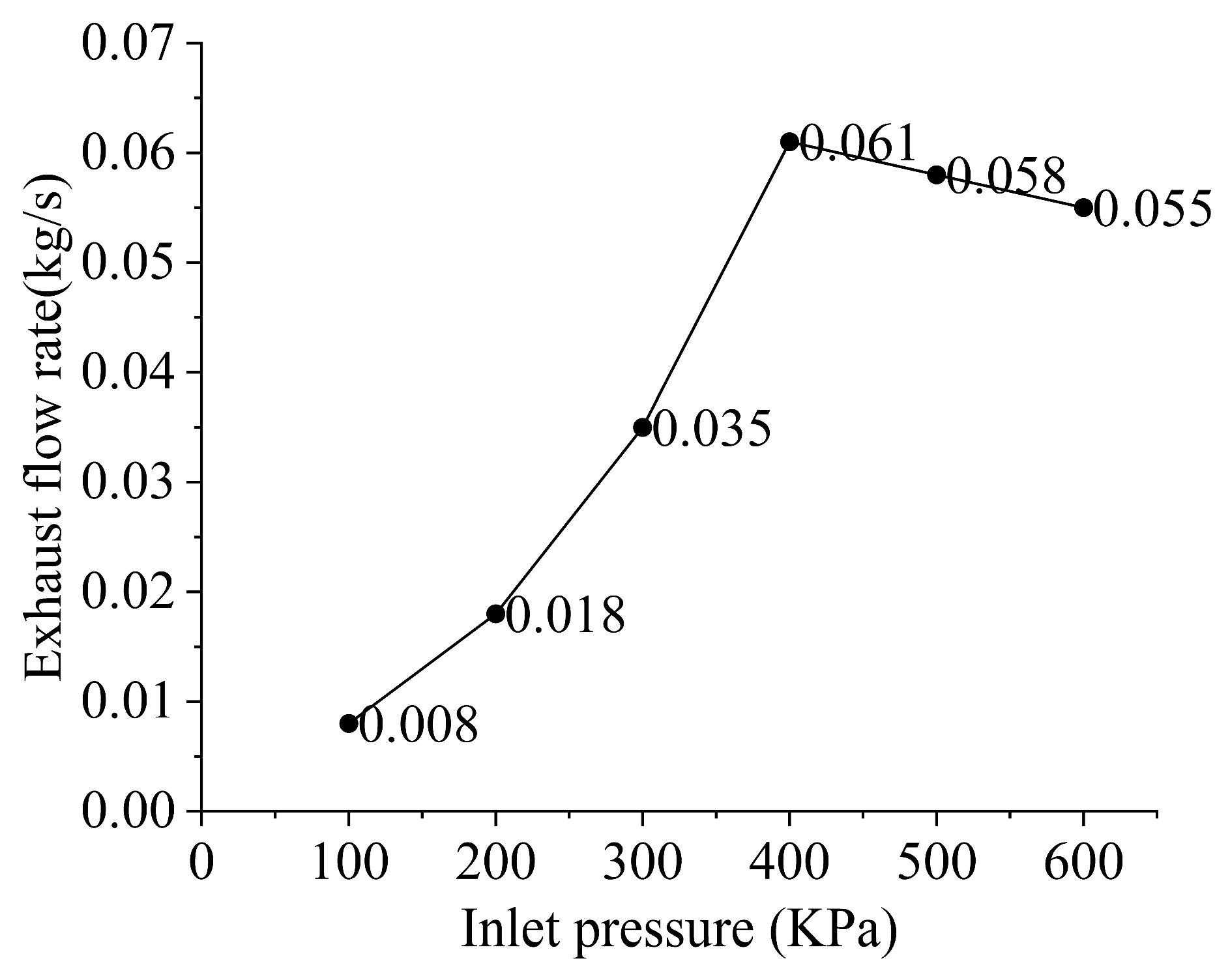
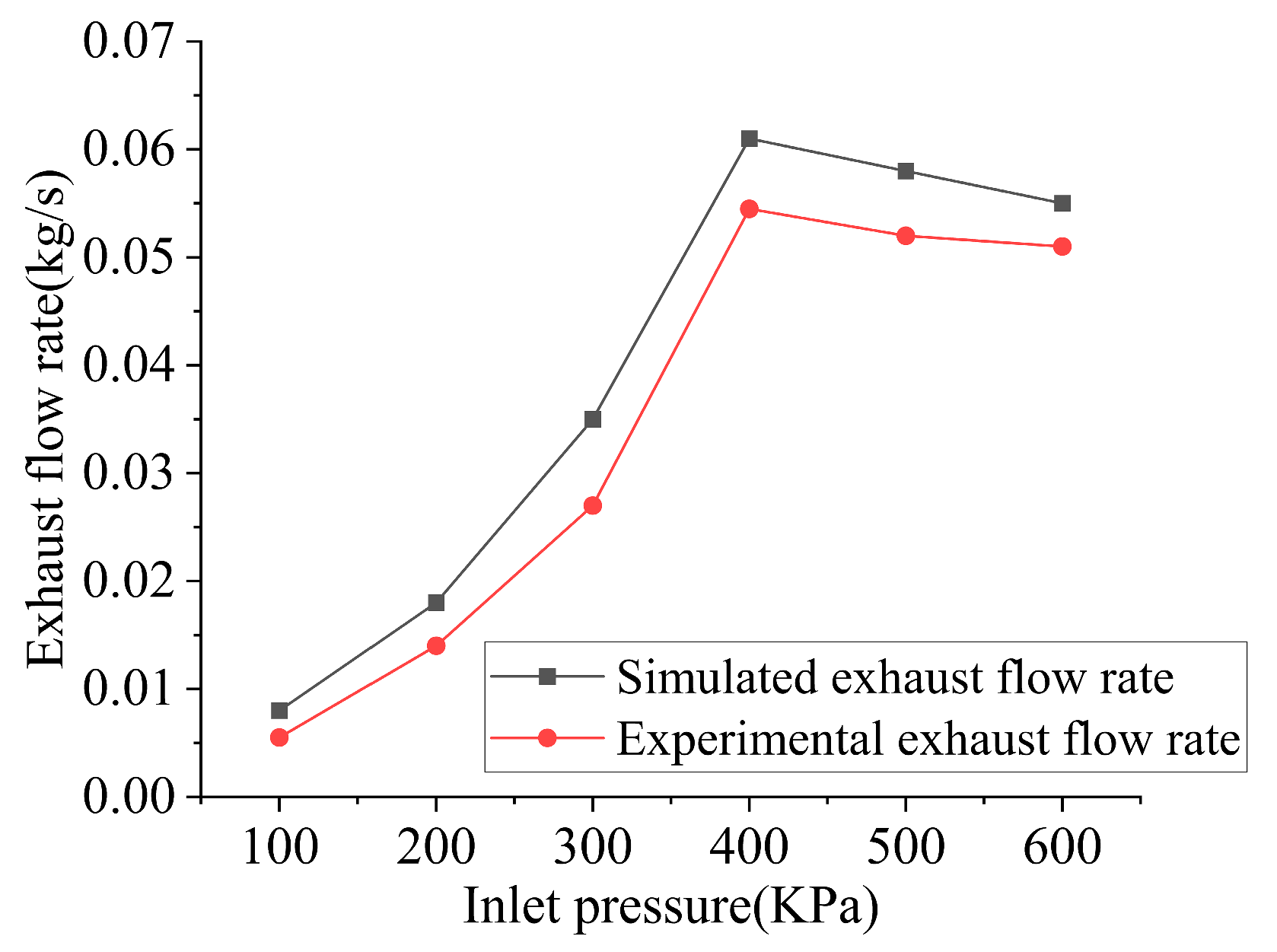
3.2.5. Analysis of the Effect of the Inlet Pressure on the Suction Flow Rate
4. Prototype Testing of Negative-Pressure Suction Drill-Cuttings Reduction Equipment
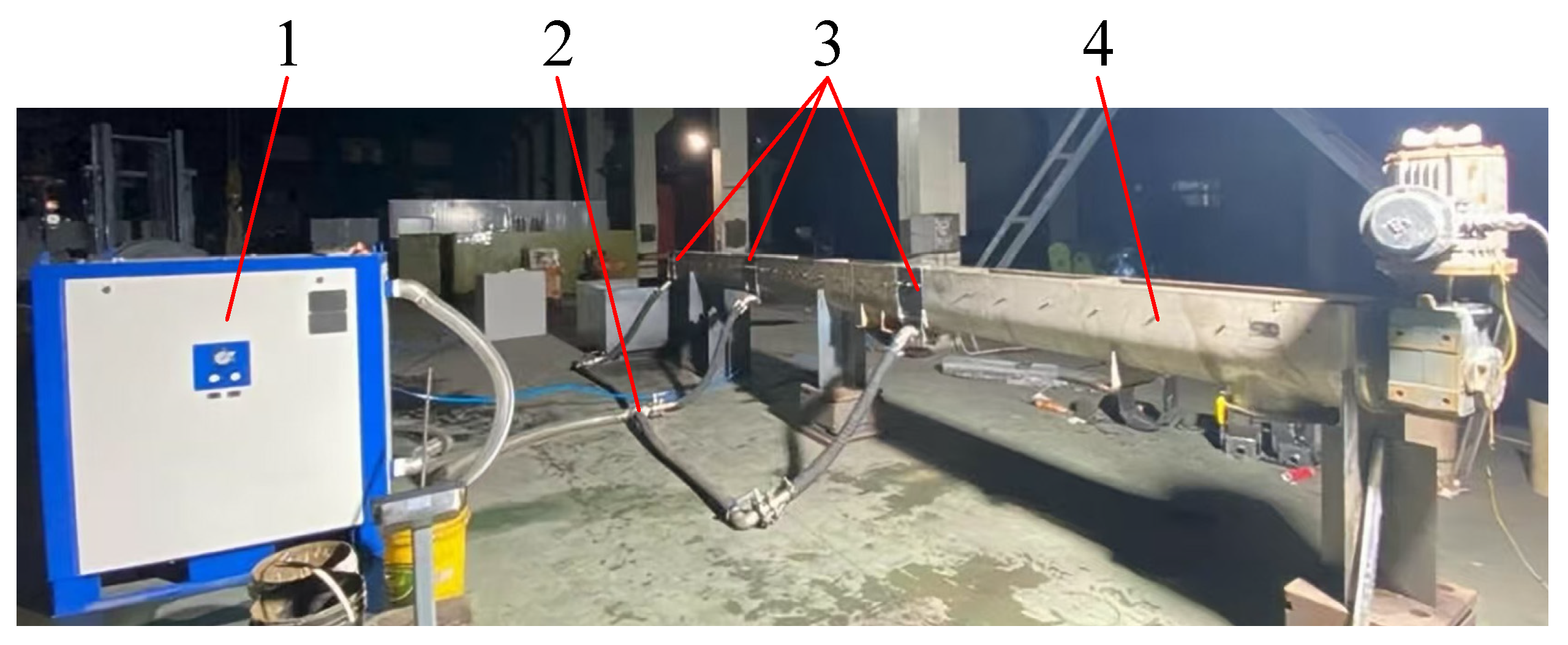
4.1. Experimental Scheme and Components
4.1.1. Prototype Components of Negative-Pressure Suction Drill-Cuttings Reduction Equipment
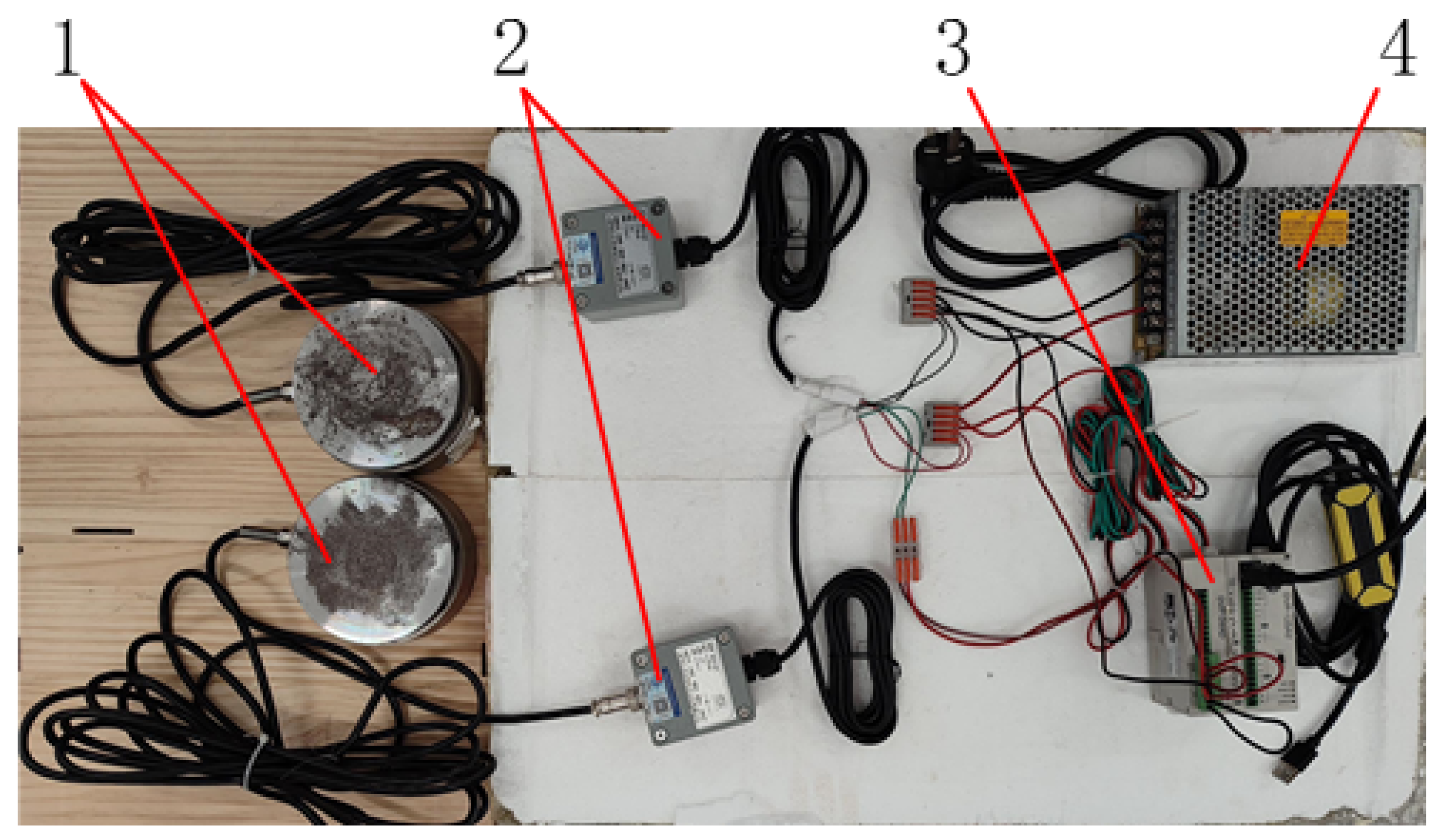
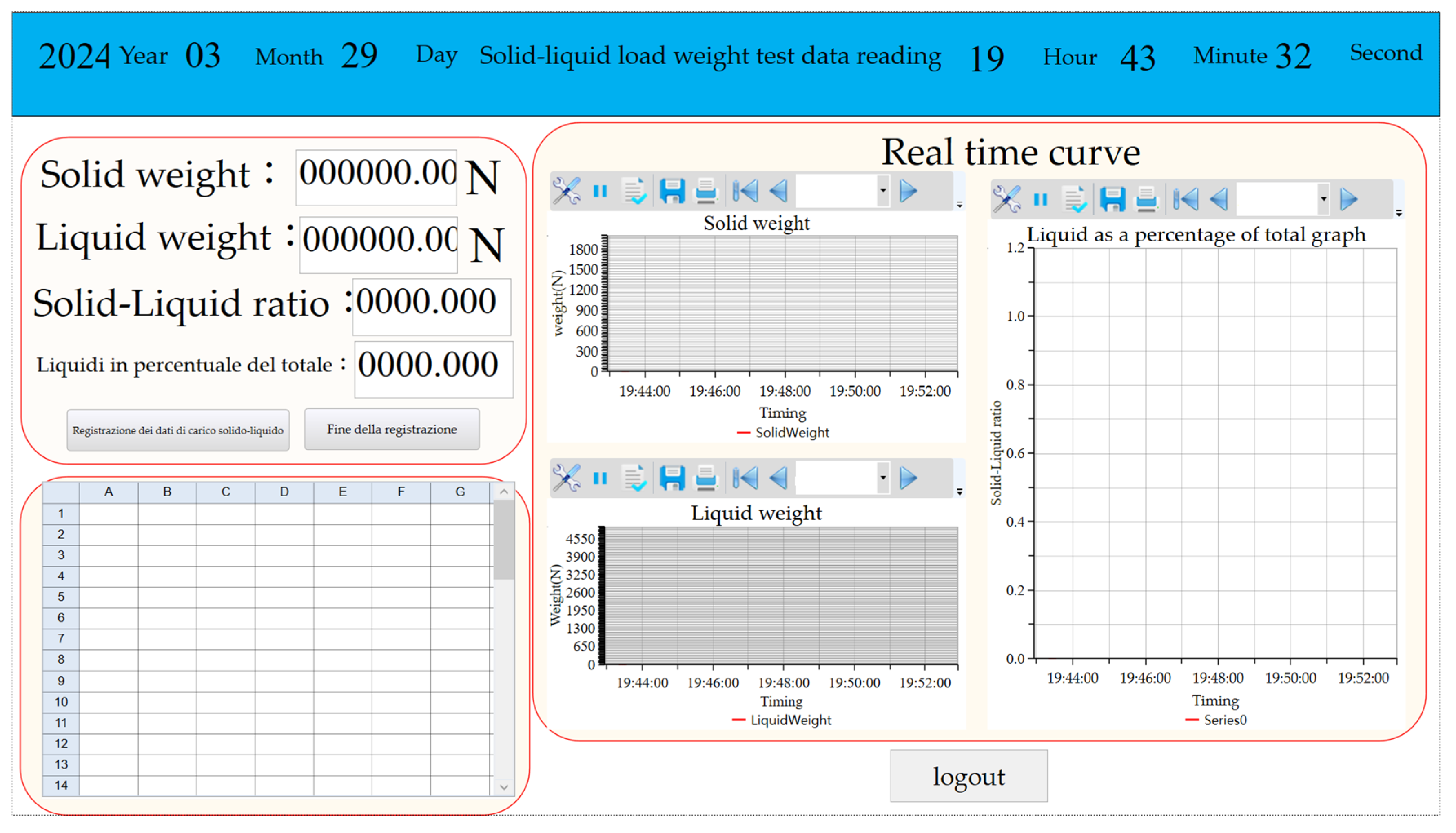
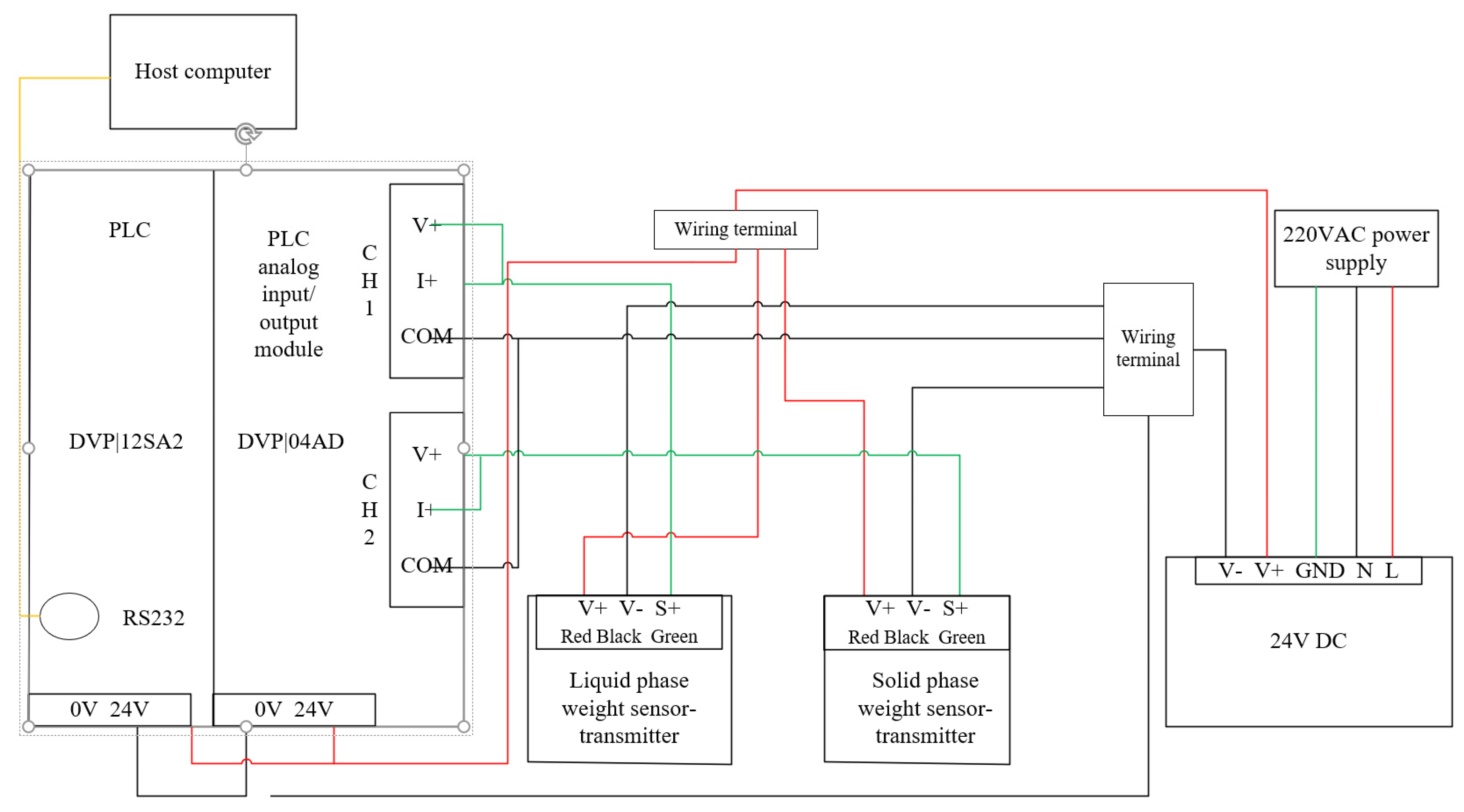
4.1.2. The Design and Configuration of the Monitoring System
4.2. Experimental Process and Data Analysis
4.2.1. Vacuum Conveying Pump Maximum Vacuum Level Test
4.2.2. Maximum Gas Extraction Rate Test of Vacuum Conveying Pump
4.2.3. Overall Equipment Reduction Efficiency Test
5. Conclusions
- (1).
- Overall Design: A novel negative-pressure suction cuttings reduction system was designed and fabricated, integrating a vacuum generator with a screw conveyor for enhanced solid–liquid separation.
- (2).
- Vacuum Generation Mechanism: The vacuum generation mechanism was analyzed theoretically and validated through CFD simulations. The optimal inlet pressure was identified as 400 kPa, yielding a maximum vacuum degree of 84.5 kPa and a suction flow rate of 0.0545 kg/s. The vacuum degree reached its maximum at an inlet pressure of 400 kPa. Beyond this point, the vacuum performance declined due to increased flow instability, shock wave formation, and energy losses within the Laval nozzle structure.
- (3).
- Experimental Validation: A complete prototype system and monitoring platform were built to conduct experiments on maximum vacuum level, maximum suction flow rate, and overall reduction efficiency. The experimental results showed good agreement with simulation predictions. The measured reduction efficiency reached 9.225–9.86%, more than double the target value set by the project. Compared with the vacuum performance reported by Wang Zhongyi et al. [21] for similar ejector structures, the vacuum degree achieved in this study (84.5 kPa at 400 kPa inlet pressure) represents a 12% improvement, likely due to the optimized Laval nozzle geometry and enhanced mixing chamber design.
- (4).
- This study provides a new theoretical framework and engineering foundation for the systematic application of vacuum negative-pressure technology in solids control during oil and gas drilling. Furthermore, after passing prototype testing, the developed equipment was successfully applied in offshore field trials on platforms Haiyang Shiyou 947M23 and Bo zhong BZ29-6A33H, achieving favorable results and meeting the specified performance indicators.
- (1).
- Energy Efficiency: The current system consumes approximately 15 kW at optimal operation (400 kPa inlet). For continuous 24/7 platform operation, energy optimization through variable-frequency drive control of the air compressor and waste heat recovery from compressed air should be investigated.
- (2).
- Long-term Durability: The filtration module, particularly the 100-mesh screen, showed visible wear after 50 h of continuous testing with abrasive cuttings. Material upgrades (e.g., tungsten carbide coating) or modular replacement designs are needed for extended service life.
- (3).
- Scalability to Platform Scale: Scaling from a laboratory prototype (500 kg/h) to full platform capacity (5–10 t/h) requires careful consideration of footprint constraints, integration with existing solids control equipment, and maintenance accessibility. A modular, containerized design approach is recommended.
- (4).
- Adaptability to Variable Feedstock: The system performance was validated with cuttings from a specific geological formation. Additional testing with cuttings of varying clay content, oil contamination, and particle size distribution is necessary to define operational envelopes.
6. Future Work Recommendations
- (1).
- Investigate the effects of varying drill-cuttings properties (e.g., particle size distribution and viscosity) on separation efficiency.
- (2).
- Optimize the multi-stage suction layout and cycle timing to further improve energy efficiency.
- (3).
- Develop a predictive maintenance model based on real-time sensor data to extend equipment service life in harsh offshore environments.
Author Contributions
Funding
Data Availability Statement
Conflicts of Interest
References
- Yang, J.; Li, L.; Song, Y.; Tong, G.; Zhang, M.; Zhang, H. Current status and prospects of offshore oil and gas drilling technology in China. Acta Pet. Sin. 2023, 44, 2308–2318. [Google Scholar] [CrossRef]
- Sui, D.; Zhan, M.; Sui, D.; Zhao, F. Regulations and methods for disposal of waste drilling fluid. IOP Conf. Ser. Earth Environ. Sci. 2021, 631, 012045. [Google Scholar] [CrossRef] [Scilit]
- Peng, B.; Liu, W.; Gao, J.; Yu, F.; Li, X. Research progress on harmless treatment technology of waste drilling fluids. Geol. Equip. 2024, 25, 39–44. Available online: https://kns.cnki.net/kcms2/article/abstract?v=cDHjH8kzCu2OQNSxn6hi9MxvPmMDD5nBAwvXIjptCT3PeNRgwG1nJj652GUZmxh6fR4ZpBCPLtDAfa2XOr_vEqOIVVnOCkUpUDvaNKzqSrVVlsG7vqu4THAl8NOl7k2jLSY2iXXFZv184swZLxQCCkBwdpJTNK79VxHg2oUJhwqiyGwumEN0PQ==&uniplatform=NZKPT&language=CHS (accessed on 4 February 2026).
- Zhang, Y.; Yue, M.; Chen, Y.; Liu, H.; Yang, X. Applicability analysis of drilling waste disposal technology in Bohai oilfield. Oil Gas Field Environ. Prot. 2019, 29, 26–28, 36. [Google Scholar] [CrossRef]
- Njuguna, J.; Siddique, S.; Bakah Kwroffie, L.; Piromrat, S.; Addae-Afoakwa, K.; Ekeh-Adegbotolu, U.; Oluyemi, G.; Yates, K.; Mishra, A.K.; Moller, L. The fate of waste drilling fluids from oil & gas industry activities in the exploration and production operations. Waste Manag. 2022, 139, 362–380. [Google Scholar] [CrossRef] [Scilit] [PubMed]
- Yue, M.; Liu, Y.; Li, Z.; Lin, J.; Liu, H. Discussion on cuttings reduction treatment technology of water-based drilling fluids. Unconv. Oil Gas 2021, 8, 39. [Google Scholar] [CrossRef]
- Liu, J.; Li, G.; Xia, Y. Technical Progress on Environmental-Friendly, High-Performance Water-Based Drilling Fluids. Environ. Earth Sci. Res. J. 2020, 7, 121–126. [Google Scholar] [CrossRef] [Scilit]
- Wang, Z. Current situation and development suggestions for drilling fluid technologies in China. Pet. Drill. Tech. 2023, 51, 114–123. [Google Scholar] [CrossRef]
- Luo, P.; Yan, C.; Chen, Z.; Zhao, Z.; Guan, H. Current status and development trends of drilling fluid solids control equipment research. Pet. Ind. Technol. Superv. 2024, 40, 67–71. [Google Scholar]
- Wang, W. Optimization of solid phase control technology in Jidong oilfield. Drill. Fluid Complet. Fluid 2018, 35, 47–52. [Google Scholar] [CrossRef]
- Xie, J.; Ma, Z.; Zhang, Y.; Shao, T.; Meng, D. Study on the migration law of solid particles on spiral belt negative-pressure vibrating screen. Pet. Field Mach. 2020, 49, 15–21. Available online: https://kns.cnki.net/kcms2/article/abstract?v=cDHjH8kzCu2o-1NSEDjy3x2PgQAkbZ_Qt62P_9MM4Ue6M6Y4H97W1m8VghKb26Mx6r9QSBBRSdSsCBwMT4sPpESmf2S_tTqE_iOsAlWwZpAkBXGnv-AVhHu6YTSARMgsFKWYgUhFzbUhjS4NzXFN677nN_PgR7lbgbL12tQnzZy4q9uJnz-ZuQ==&uniplatform=NZKPT&language=CHS (accessed on 4 February 2026).
- Schlumberger. Screen Pulse Fluid and Cuttings Separator [Product Page]. 1 May 2015. Available online: https://www.slb.com/products-and-services/innovating-in-oil-and-gas/well-construction/drilling-fluids/solids-control/shakers/screen-pulse-cuttings-separator (accessed on 1 July 2023).
- Zhou, S.; Li, X.; Lyu, Z.; Cui, Y. Dynamic characteristic analysis of negative pressure drilling vibrating screen. Mech. Des. Manuf. 2018, 10, 43–46. [Google Scholar] [CrossRef]
- Ma, W.; Wu, J.; Xu, Z.; Hu, X.; Mou, C.; Liu, S.; Zhang, H.; Zeng, Q.; Yang, Y. A Method for Screening and Drying Treatment of Drilling Fluid Mud and a Drilling Fluid Mud Screening Device. Chinese Patent No. CN106939773B, 15 March 2019. Available online: https://patents.google.com/patent/CN106939773B/en (accessed on 4 February 2026).
- Wu, J.; Ma, W.; Lei, X.; Chai, Z.; Hou, Z.; Liu, S.; Mei, X.; Chen, S.; Wang, G. A Vibrating Screen for Drilling Fluid Mud. Chinese Patent No. CN106955840B, 3 February 2023. Available online: https://patents.google.com/patent/CN106955840B/en (accessed on 4 February 2026).
- Ma, S.; Wang, X. Numerical simulation and optimization design of key structural parameters of ejector. Mech. Eng. Autom. 2024, 4, 55–57. [Google Scholar] [CrossRef]
- Sokolov, E.Y.; Zinger, N.M. Ejectors; Huang, Q., Translator; Science Press: Beijing, China, 1977. Original work published 1970. [Google Scholar]
- Croquer, S.; Poncet, S.; Aidoun, Z. Turbulence modeling of a single-phase R134a supersonic ejector. Part 1: Numerical benchmark. Int. J. Refrig. 2016, 61, 140–152. [Google Scholar] [CrossRef] [Scilit]
- Li, T. Structural Optimization and Study of New Nozzles for Ejector Vacuum Pumps. Master’s Thesis, China University of Petroleum (East China), Qingdao, China, 2016. Available online: https://kns.cnki.net/kcms2/article/abstract?v=cDHjH8kzCu151l4sIVXTWtVn5_9nKL67g1y-hbmHpNwh8SQ-qOHPfN5VqDhze75qtAyj_gMtvm_Q-c26aO25T63pg833PqVFiho_mVVDSI8zIrMzhRddo4VGeTiRuZtbqF2t64CeDbM-pNu8xXiNfPkSbZBie_5iFoV8pmZKcUt2uUXBj3EcX80-QiPepgSu&uniplatform=NZKPT&language=CHS (accessed on 4 February 2026).
- Dong, J.; Hu, Q.; Yu, M.; Han, Z.; Cui, W.; Liang, D.; Ma, H.; Pan, X. Numerical investigation on the influence of mixing chamber length on steam ejector performance. Appl. Therm. Eng. 2020, 174, 115204. [Google Scholar] [CrossRef] [Scilit]
- Wang, Z.; Jiang, P.; Li, Z.; Li, Y.; Guo, X. Analysis of vacuum level characteristics in vacuum generators for negative pressure conveyance. Mach. Manuf. Autom. 2021, 50, 215–218. [Google Scholar] [CrossRef]
- Zhao, Z.; Wang, Z.; Xiong, W.; Wang, H. Energy efficiency analysis of pneumatic vacuum generators based on the exergy field method. In Proceedings of the 2023 9th International Conference on Fluid Power and Mechatronics (FPM); IEEE: New York, NY, USA, 2023; pp. 1–10. [Google Scholar] [CrossRef] [Scilit]
- Zhang, B.; Lu, H.; Yang, J.; Sun, P.; Deng, L. Numerical study of the coupling collection flow field and collecting mechanism of swirling flow and negative pressure suction flow in deep sea mining. Ocean Eng. 2024, 309, 118373. [Google Scholar] [CrossRef] [Scilit]
- Liu, Y.; Xu, F. Hydraulic and Pneumatic Transmission, 4th ed.; China Machine Press: Beijing, China, 2018. [Google Scholar]








| Flow Region | Geometric Conditions | Conclusion |
|---|---|---|
| subsonic flow Ma < 1 | converging tube A decreases | v, Ma enlarge , p, T decrease |
| diverging tube A enlarge | v, Ma decrease , p, T enlarge | |
| supersonic flow Ma > 1 | converging tube A decreases | v, Ma decrease , p, T enlarge |
| diverging tube A enlarge | v, Ma enlarge , p, T decrease | |
| sonic flow Ma = 1 | constant cross-section A constant | all parameters remain constant |
| Inlet Pressure (kPa) | 100 | 200 | 300 | 400 | 500 | 600 | |
|---|---|---|---|---|---|---|---|
| Vacuum Level (kPa) | First Experiment | 21 | 51 | 76 | 85 | 79 | 79 |
| Second Experiment | 19 | 53 | 75 | 84 | 85 | 81 | |
| Mean Value | 20 | 52 | 75.5 | 84.5 | 82 | 80 | |
| Inlet Pressure (kPa) | 100 | 200 | 300 | 400 | 500 | 600 | |
|---|---|---|---|---|---|---|---|
| Gas Extraction Rate (kg/s) | First Experiment | 0.006 | 0.015 | 0.028 | 0.056 | 0.053 | 0.050 |
| Second Experiment | 0.005 | 0.013 | 0.026 | 0.053 | 0.051 | 0.052 | |
| Mean Value | 0.0055 | 0.014 | 0.027 | 0.0545 | 0.052 | 0.051 | |
| Total Mass of Material (N) | Solid-to-Liquid Ratio | Weight Percentage of Solid Phase (N) | Weight Percentage of Liquid Phase (N) |
|---|---|---|---|
| 4900 | 1:4 | 980 | 3920 |
| Effective Experimental Time (s) | Total Material Weight (N) | Weighed Solid Phase Mass (N) | Weighed Liquid Phase Mass (N) |
|---|---|---|---|
| 420 | 4625 | 4204 | 421 |
| Effective Experimental Time (s) | Total Material Weight (N) | Weighed Solid Phase Mass (N) | Weighed Liquid Phase Mass (N) |
|---|---|---|---|
| 435 | 4732 | 4249 | 483 |
Disclaimer/Publisher’s Note: The statements, opinions and data contained in all publications are solely those of the individual author(s) and contributor(s) and not of MDPI and/or the editor(s). MDPI and/or the editor(s) disclaim responsibility for any injury to people or property resulting from any ideas, methods, instructions or products referred to in the content. |
© 2026 by the authors. Licensee MDPI, Basel, Switzerland. This article is an open access article distributed under the terms and conditions of the Creative Commons Attribution (CC BY) license.
Share and Cite
Wang, X.; Zhang, B.; Wang, Z.; Ma, H. An Analysis of the Vacuum Generation Mechanism and Prototype Study of Negative-Pressure Suction-Type Cuttings Reduction Equipment. Processes 2026, 14, 618. https://doi.org/10.3390/pr14040618
Wang X, Zhang B, Wang Z, Ma H. An Analysis of the Vacuum Generation Mechanism and Prototype Study of Negative-Pressure Suction-Type Cuttings Reduction Equipment. Processes. 2026; 14(4):618. https://doi.org/10.3390/pr14040618
Chicago/Turabian StyleWang, Xin, Bo Zhang, Zhuo Wang, and Hongwen Ma. 2026. "An Analysis of the Vacuum Generation Mechanism and Prototype Study of Negative-Pressure Suction-Type Cuttings Reduction Equipment" Processes 14, no. 4: 618. https://doi.org/10.3390/pr14040618
APA StyleWang, X., Zhang, B., Wang, Z., & Ma, H. (2026). An Analysis of the Vacuum Generation Mechanism and Prototype Study of Negative-Pressure Suction-Type Cuttings Reduction Equipment. Processes, 14(4), 618. https://doi.org/10.3390/pr14040618