1. Introduction
Nuclear power, due to its environmental benefits, efficient productivity, and stable operation, has gradually become one of the key components in energy supply [
1]. However, in nuclear reactors, the operation of related facilities results in the production of tritiated water—a major radioactive byproduct—which needs to be discharged into the environment [
2,
3,
4,
5,
6,
7]. This has made tritiated water discharge a highly concerning environmental issue in the field of nuclear energy utilization, requiring careful management and strict regulatory oversight.
Tritiated water is mainly classified into two categories based on the level of radioactivity: one is tritiated water with low to medium radioactivity, and the other is tritiated water with high radioactivity. At present, in nuclear power plants, tritiated water with high radioactivity is usually discharged after being treated by processes such as WD, CECE, and LPCE [
8,
9,
10,
11,
12,
13]. Tritiated water with lower radioactivity is generally discharged into the surrounding environment, such as natural water bodies or the atmosphere [
14,
15,
16,
17]. However, inland nuclear power plants are built near rivers, lakes, and other water bodies to sustain the large amount of water required for cooling. After dilution, the main discharge is low-level liquid wastewater, but some tritium evaporates need to be discharged into the atmosphere through the chimney by air carrier and diffuse factors [
18,
19,
20,
21]. However, during the discharge process, due to the uncertainty of operating parameters under different environmental conditions, water vapor condensation can easily occur [
22,
23,
24,
25,
26], resulting in localized radiation overexposure [
27].
The prerequisite for avoiding condensation in the tritiated water vapor discharge process is that the water content during the mixture of exhaust gas with the atmosphere is below the level of the saturated water content in the real-time temperature [
28,
29,
30]. The saturated water content of air is associated with temperature and pressure; this value can be achieved by experiments or is in the literature [
31,
32].
The current research on the mixture of exhaust gas with the atmosphere is mainly conducted by means of numerical simulations. Previous research utilizes the enthalpy humidity diagram method to fit equations for saturated moist air (
, using the expansion of the Lambert W function) and by developing mathematical models to predict the condensation of water vapor during the mixing process between the exhaust moist air and the atmosphere [
32]. The main research objective is to analyze the operational strategies for discharging tritiated water via air transfer under different atmospheric conditions, thereby ensuring the safety and effective radiation control of the discharge process at nuclear power plants [
33]. However, these studies exhibit some imperfections. First, they are imperfect physical models: the current models do not fully take into account the heat transfer during the mixing process of moist air with the atmosphere, resulting in potentially significant deviations in predictive outcomes and an inability to accurately reflect the real situation. Second, there is an insufficient fitting accuracy: Although the fitting of saturated moist air equations provides a certain predictive basis under standard environmental conditions, the model accuracy diminishes under high-humidity scenarios. In particular, during extreme climatic events or under specific operational states, higher order fitting errors become more pronounced, potentially compromising the reliability of condensation predictions.
Therefore, in order to enhance predictive accuracy and practical applicability, it is crucial to further optimize models by incorporating comprehensive considerations of temperature transfer, in order to improve adaptability under complex environmental conditions.
To address the aforementioned issues, this study aims to simulate the dynamic diffusion process of exhaust gas in the atmosphere and explicitly considers the coupled transport of momentum, heat, and moisture during the mixing of exhaust moist air with the atmosphere. Through systematic parametric analyses, the influence of key environmental and operational parameters on the plume rise, humidity evolution, and condensation risk is clarified. To address the issue of reduced prediction accuracy in high-humidity atmospheric conditions due to higher order fitting errors in saturated moist air equations, this study undertakes a comprehensive analysis focusing on the following aspects: Based on the predictions from the improved model, operational strategies for tritiated water discharge that are adaptable to various environmental conditions will be formulated. The deviation of the enthalpy humidity chart method under high-humidity conditions is analyzed. The goal is to enhance the computational accuracy for predicting the discharge processes of tritiated water vapor in the atmosphere.
2. Research Strategies and Numerical Models
2.1. Geometric Model
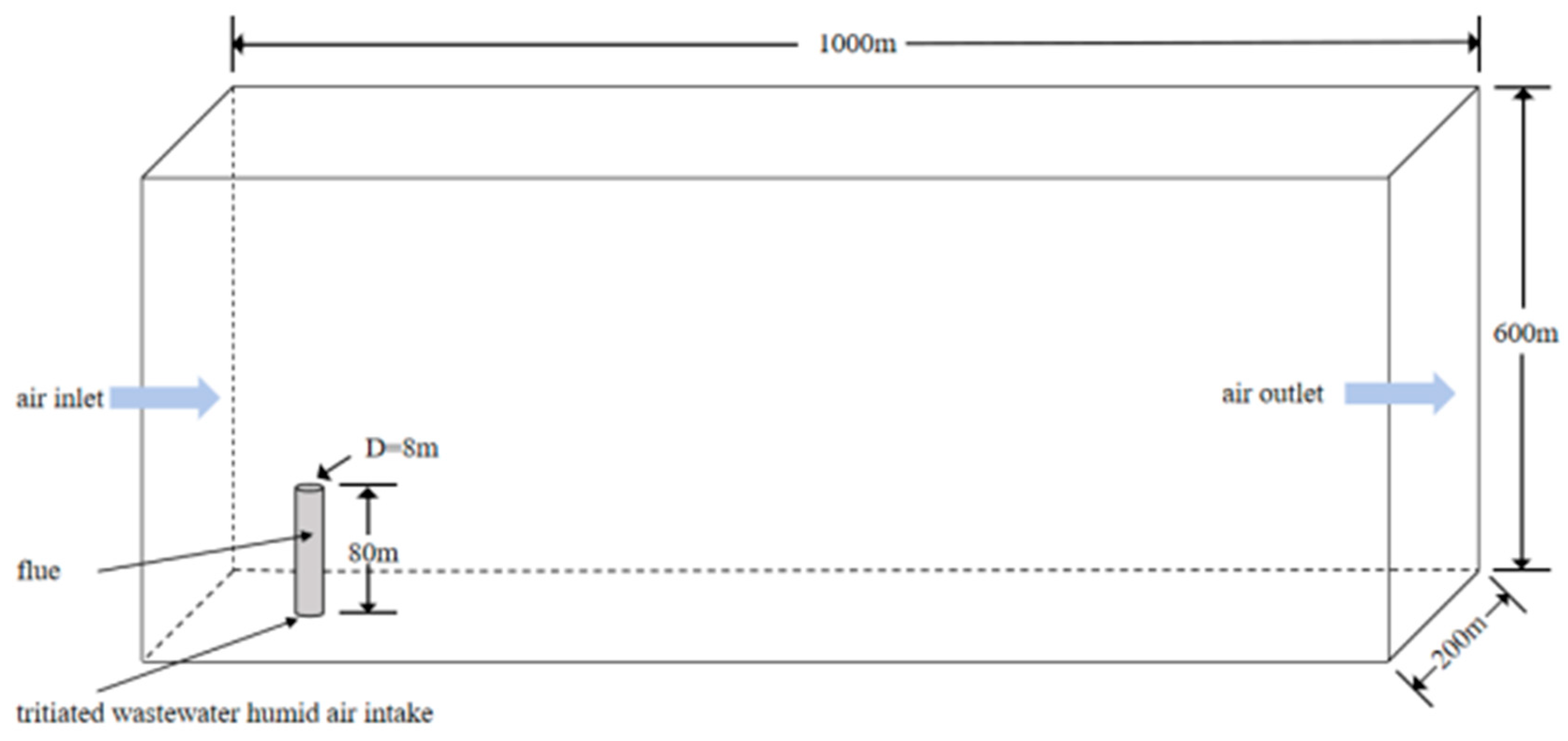
As shown in
Figure 1, the physical model used in this study is designed as a typical chimney for moist gas emissions, which is a vertical hollow cylinder with a height of 80 m and an exit diameter of 8 m. To study the diffusion process of tritiated water vapor in the atmosphere, the computational domain extends 100 m upstream and 900 m downstream from the chimney, 100 m laterally on each side, and vertically from the ground up to 600 m. The tritiated water vapor is discharged from the chimney, while atmospheric air enters through the left inlet of the computational domain; the two mix and undergo heat and mass transfer processes in the flow field.
Previous studies have systematically investigated the vapor–liquid equilibrium characteristics of water and its isotopologues over a temperature range of −60 °C to 80 °C, with a particular emphasis on the vaporization isotope effect of HTO and H
2O [
34]. The results indicate that within the conventional temperature range of engineering interest, the differences between tritiated water and ordinary water in terms of the saturated vapor pressure and the corresponding moisture content are extremely small, with magnitudes far below the uncertainty associated with engineering calculations and numerical simulations. Therefore, water is used as a substitute fluid in the present study.
2.2. Meshing Scheme
After the building of the geometric model for the tritiated water vapor discharge, the next step is mesh generation. The geometric model is imported into the Computational Fluid Dynamics (CFD) mesh generation tool, ICEM, for grid generation. In this study, ANSYS Fluent 2022 (PA, USA), a mature and widely adopted commercial CFD software, is utilized to simulate the coupled flow, heat transfer, and mass transfer processes.
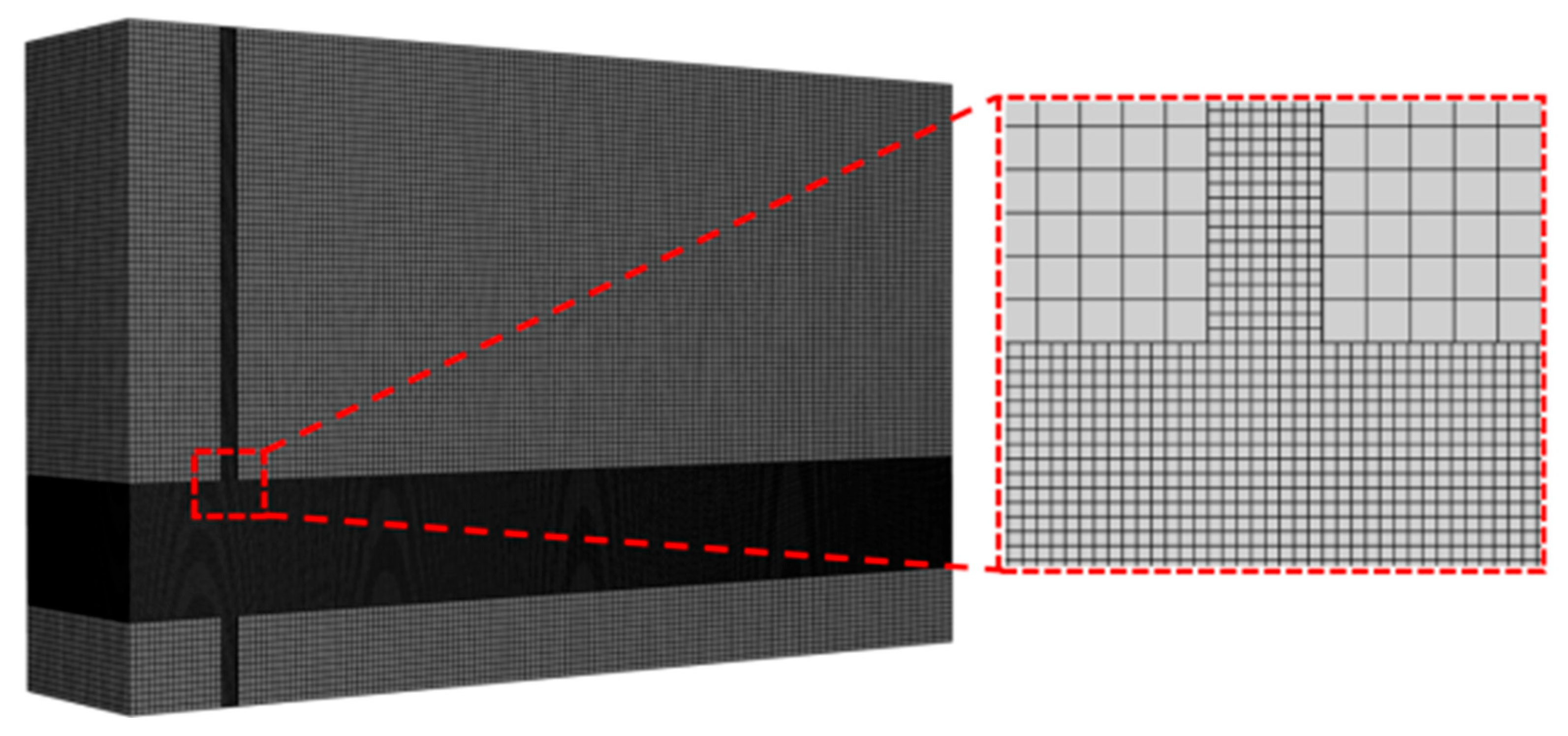
Figure 2 shows the distribution of the model’s mesh. Due to the relatively regular geometry, a structured mesh was employed in this study. In addition, local grid refinement was applied to the key regions where the tritiated water vapor and atmospheric air mix and undergo heat and mass transfer, thereby improving the accuracy of the simulation results.
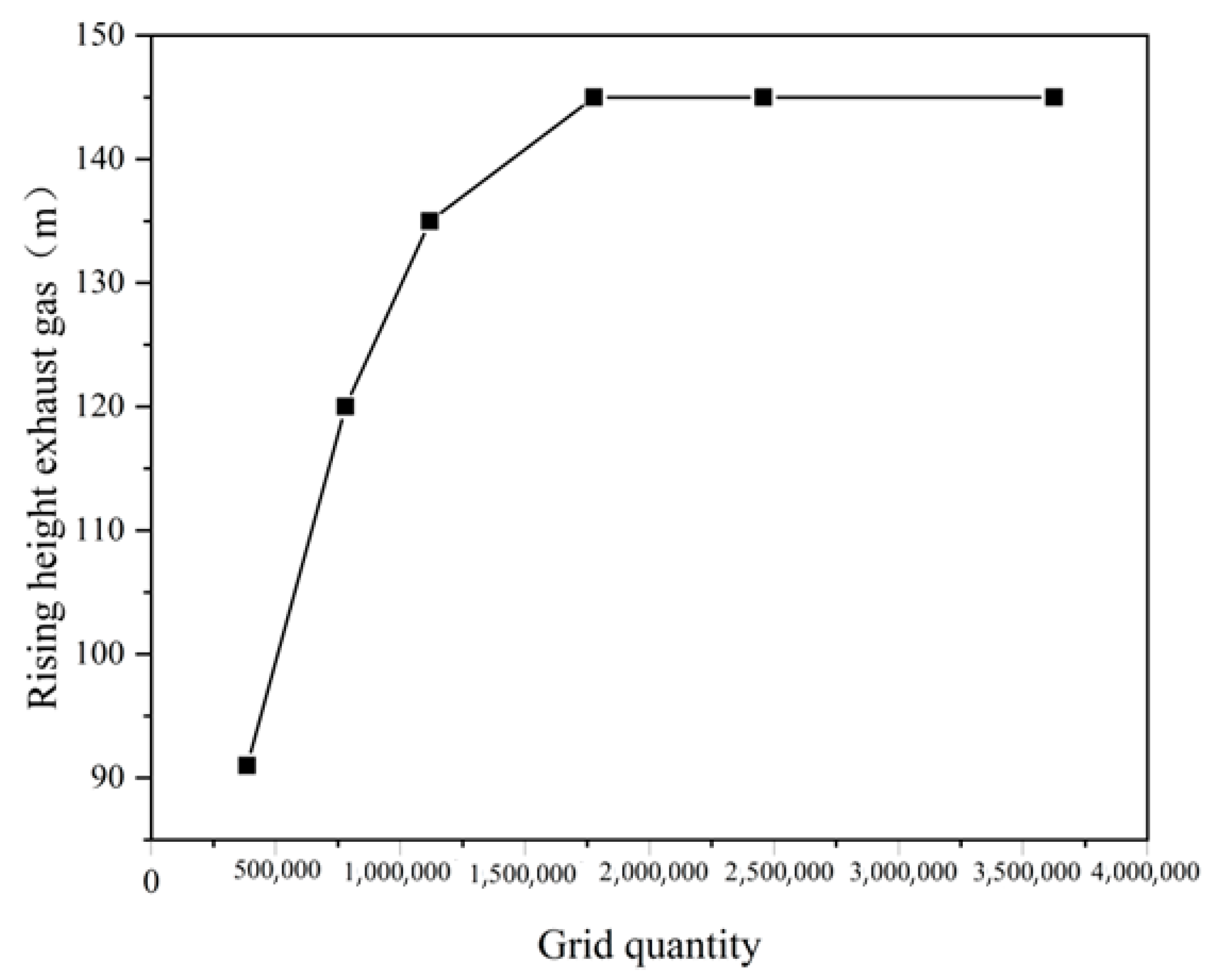
In order to avoid the influence of the size of the grid on the simulation results, six different grid division schemes are selected in turn to verify the grid independence. The number of grid cells for the different schemes are 385,000, 779,313, 1,117,920, 1,777,692, 2,457,369, and 3,624,960, respectively. During the grid independence verification process, the following operating conditions are selected for analysis: an atmospheric temperature of 20 °C, a relative humidity of 40%, an atmospheric turbulence intensity of 5%, and an atmospheric wind speed of 5 m/s; the carrier water vapor temperature is 40 °C, the relative humidity is 70%, and the carrier water vapor flow velocity at the chimney exit is 11 m/s. The outlet boundary is defined as a pressure outlet with a fixed static pressure equal to the atmospheric pressure. Backflow turbulence and moisture parameters are specified consistently with the ambient conditions. Since this study primarily focuses on the mixing and mass transfer processes between the carrier water vapor and the atmosphere, the grid independence analysis uses the lifting height of the carrier vapor as the evaluation metric to assess the sensitivity of the simulation results to different mesh densities.
As shown in
Figure 3, when the number of cells increases to 1,777,692, the lifting height of the carrier vapor tends to stabilize, indicating that the simulation results have become less dependent on the mesh density. Therefore, in subsequent numerical simulations, 1,777,692 cells are selected to achieve optimal accuracy while controlling computational costs.
2.3. Governing Equations
In this study, the air discharged from the chimney outlet, possessing a specific temperature and humidity, mixes and diffuses in the atmosphere. The energy conservation equation is applied to simulate the mass transfer during the mixing process of the moist air with the atmospheric air, ensuring the conservation of the total mass of the mixed gas [
35].
where ρ is the density, t is the time, and v is the velocity vector.
The momentum conservation equation (Navier–Stokes equations) is applied to simulate the flow behavior during the mixing process of the moist air with the atmospheric air, including velocity distribution and turbulence effects [
35].
where
p is the pressure, μ is the dynamic viscosity, and f usually includes gravity and buoyancy.
The energy conservation equation is used to simulate the temperature transfer during the mixing process of moist air with atmospheric air and to analyze the thermodynamic conditions for water vapor condensation [
35].
where E is the total quality capacity, T is temperature, k is thermal conductivity, and Q is the latent heat of the phase change.
The component transport equation is used to simulate the mixing process of the water vapor (tritiated water) with the atmospheric air within the moist air [
36].
where Yi is the mass fraction of the
i component, Di is the diffusion coefficient of the i component, and Si is the component source item of the i component.
Condensation phenomena are typically simulated using phase transition models. Common condensation models include thermodynamic models based on vapor pressure and temperature differences. The occurrence of condensation is generally related to the difference between the partial pressure of vapor in the gas and the saturated vapor pressure of the liquid phase [
37].
where m
cond is the condensation mass rate, h
fg is the latent heat of the vaporization of water, p
sat(T) is the saturated water vapor pressure, p
v is the partial pressure of the water vapor, and R is the gas constant.
The standard k-ε model is used to simulate the turbulence effects during the mixing process of moist air with atmospheric air [
38].
where k is turbulent kinetic energy, μt is dynamic viscosity, σk is the turbulent Prandtl number, P
k is the turbulent kinetic energy generation term, ε is the turbulent kinetic energy dissipation rate,
σε is the dissipation rate Prandtl number, and C
1ε and C
2ε are the empirical constants.
3. Results and Discussion
Before the CFD calculation, a previous model of the mixture between moist gas and the atmosphere is reviewed. The model provides a prediction for the operation temperature and RH of the exhaust moist gas for a certain atmospheric temperature and RH based on a fitting equation of saturated moist gas in a psychrometric chart. There are two factors that could introduce deviations in the calculation. First, the mixing between the exhaust moist gas and the ambient atmosphere is considered while neglecting the heat exchange related to the air mass and the dynamic differences among different gas components. Second, the fitting equation of the saturated moist air with different temperatures and Taylor’s expansion of Lambert W Function may introduce calculation deviations, especially for a high RH.
In order to evaluate the deviation caused by the two factors, different atmosphere and exhaust moist gas temperatures/humidities are simulated using CFD. The impact of atmospheric conditions on the operating parameters was examined. The operating temperature under various atmospheric conditions was calculated, and the critical value of the relative humidity was adjusted. The analysis revealed that the temperature and relative humidity exhibit specific variation patterns under different atmospheric conditions.
3.1. A Comparison of the Fitting Prediction and CFD Simulation
In order to evaluate the deviation of the previous fitting formula, the diffusion of the exhaust gas in the atmosphere is carried out via CFD. The simulation conditions are an atmospheric temperature of 20 °C, an RH ranging from 30 to 70%, and a wind speed of 5 m/s.
Critical temperatures of the exhaust gas calculated via the formula of previous research, at which the mixture of the saturated exhaust gas and atmosphere with the presented temperature and humidity would exactly avoid condensation, are chosen as operation temperatures of the exhaust gas in the CFD simulation. The parameters used in the simulation are summarized in
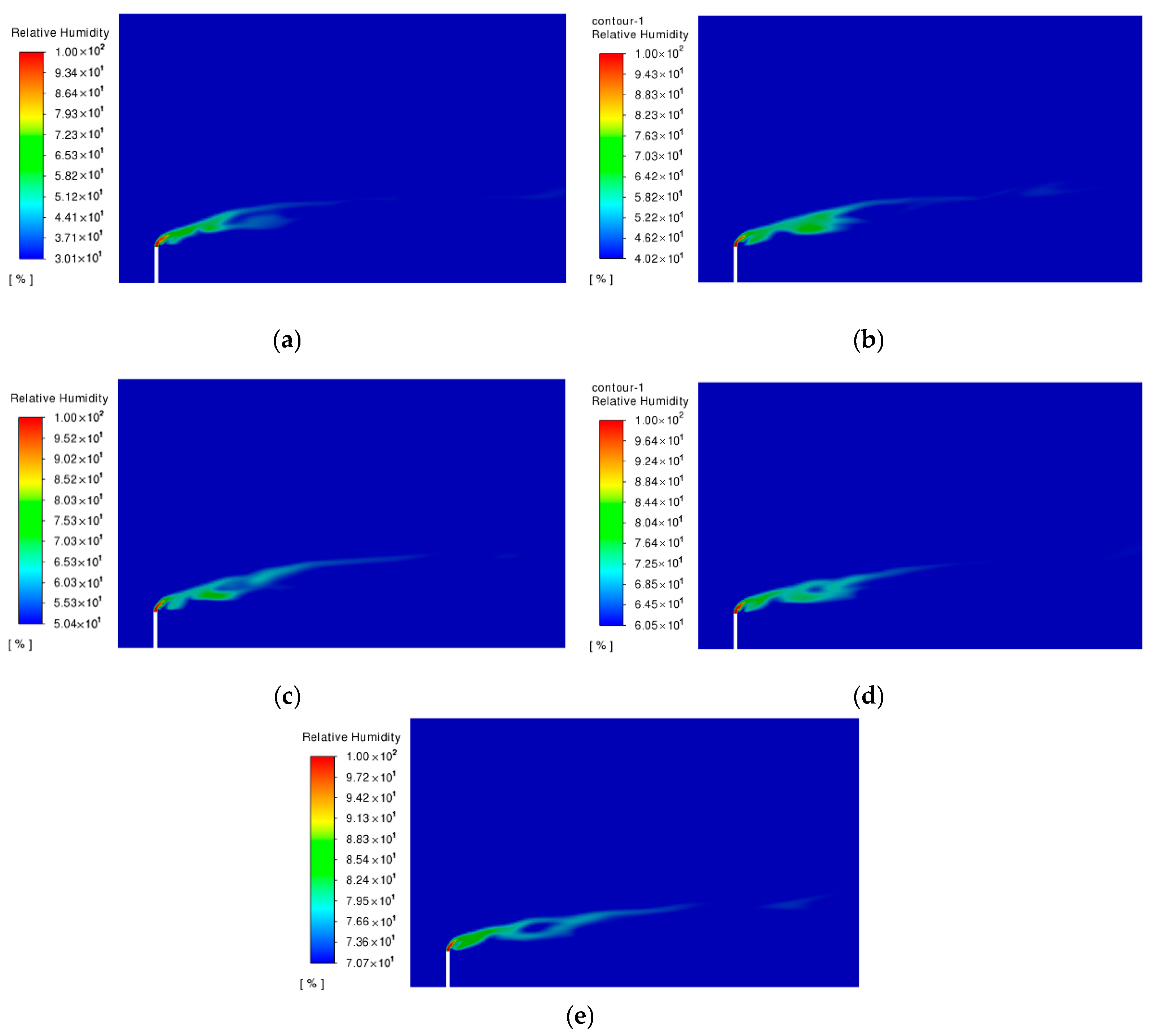
Table 1. The simulation results of the five test conditions are presented in
Figure 4.
From
Figure 4, it can be seen that the maximum ratio of the local moisture to the moisture of saturation is 103~104% for the five operation parameters. A localized ratio exceeding 100% indicates a supersaturated state in this region, posing a significant condensation risk. Water vapor could undergo a rapid phase transition, leading to local condensation and radiation during the emission process.
3.2. The Adjustment of the Operation Parameter by the CFD Simulation
The temperature and humidity of the exhaust gas are adjusted in the CFD simulation in order to avoid the occurrence of supersaturation. First, the temperature of the exhaust gas is corrected to avoid supersaturation. The corrected critical temperatures are 34.5/32.7/31.7/30.4/29.0 °C for an atmosphere temperature of 20 °C and an RH of 30/40/50/60/70%. The difference between the critical temperature calculated by the equation and the temperature corrected by CFD simulations increases with the increase in the atmosphere RH, which indicates that the deviation would be larger under high-RH conditions.
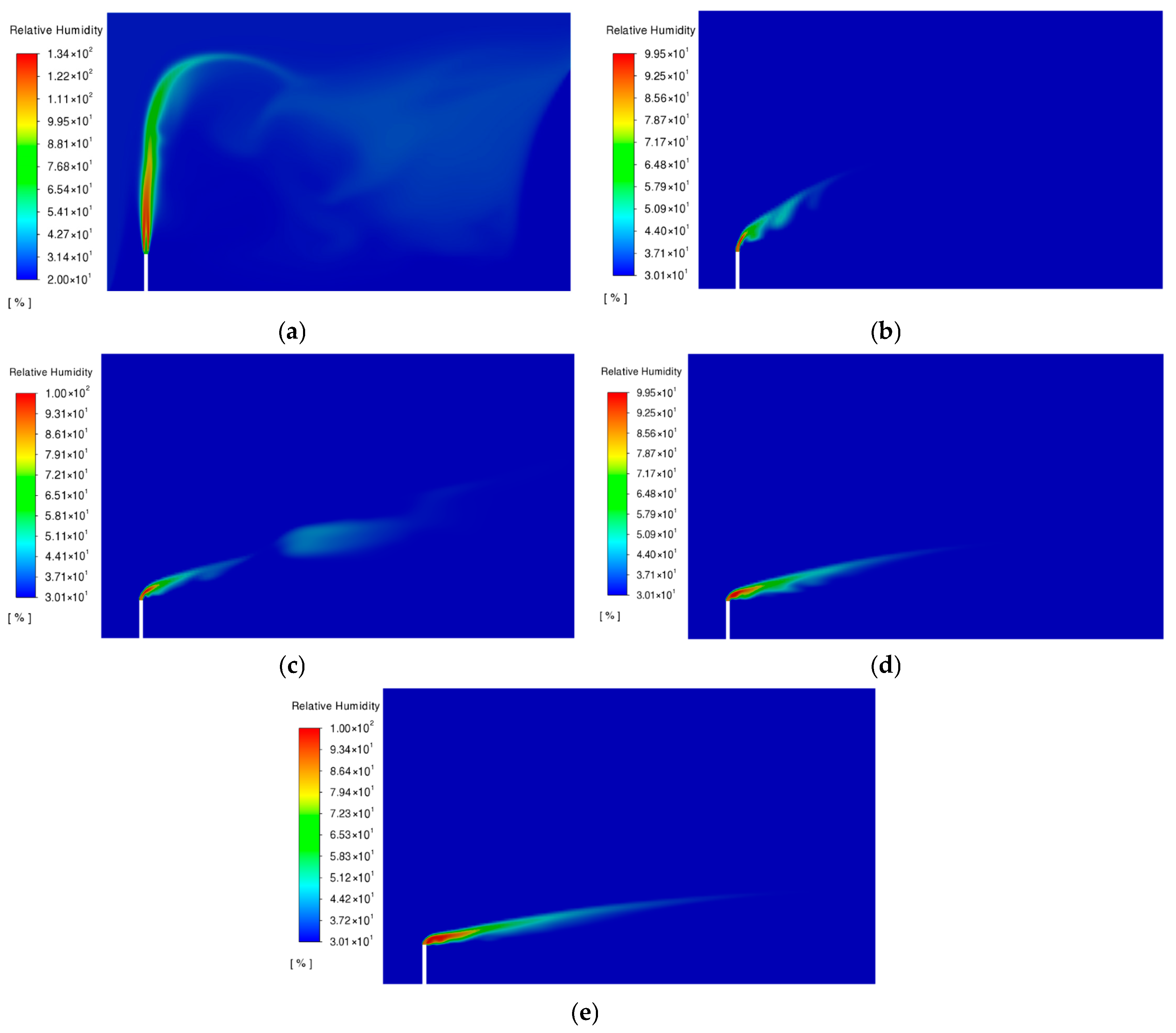
The other way to avoid supersaturation is to decrease the RH of the exhaust gas. The exhaust gas is emitted under a calculated critical temperature, but with an RH of 98.9/97.1/96.2/94.6/93.6%, the diffusion of the exhaust gas in the atmosphere via CFD simulations is summarized in
Figure 5. The maximum RH during the mixture of the exhaust gas with the atmosphere is 100%; no supersaturation occurs. The deviation of the RH between the corrected value and the calculated value also increased with the increase in the atmosphere RH, for a similar reason as mentioned above.
3.3. The Effect of the Atmospheric Wind Speed on the Operation Parameter of the Exhaust Gas
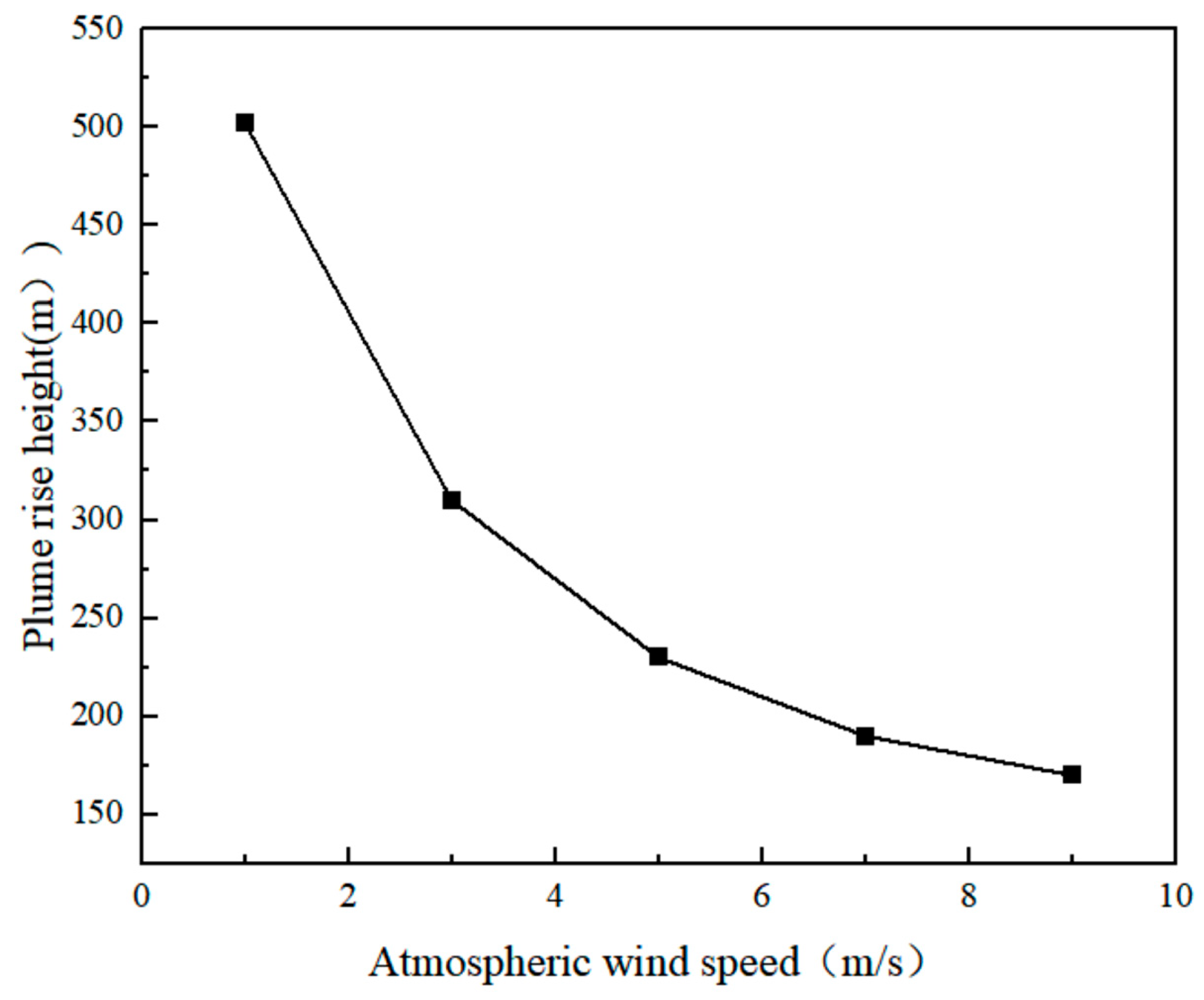
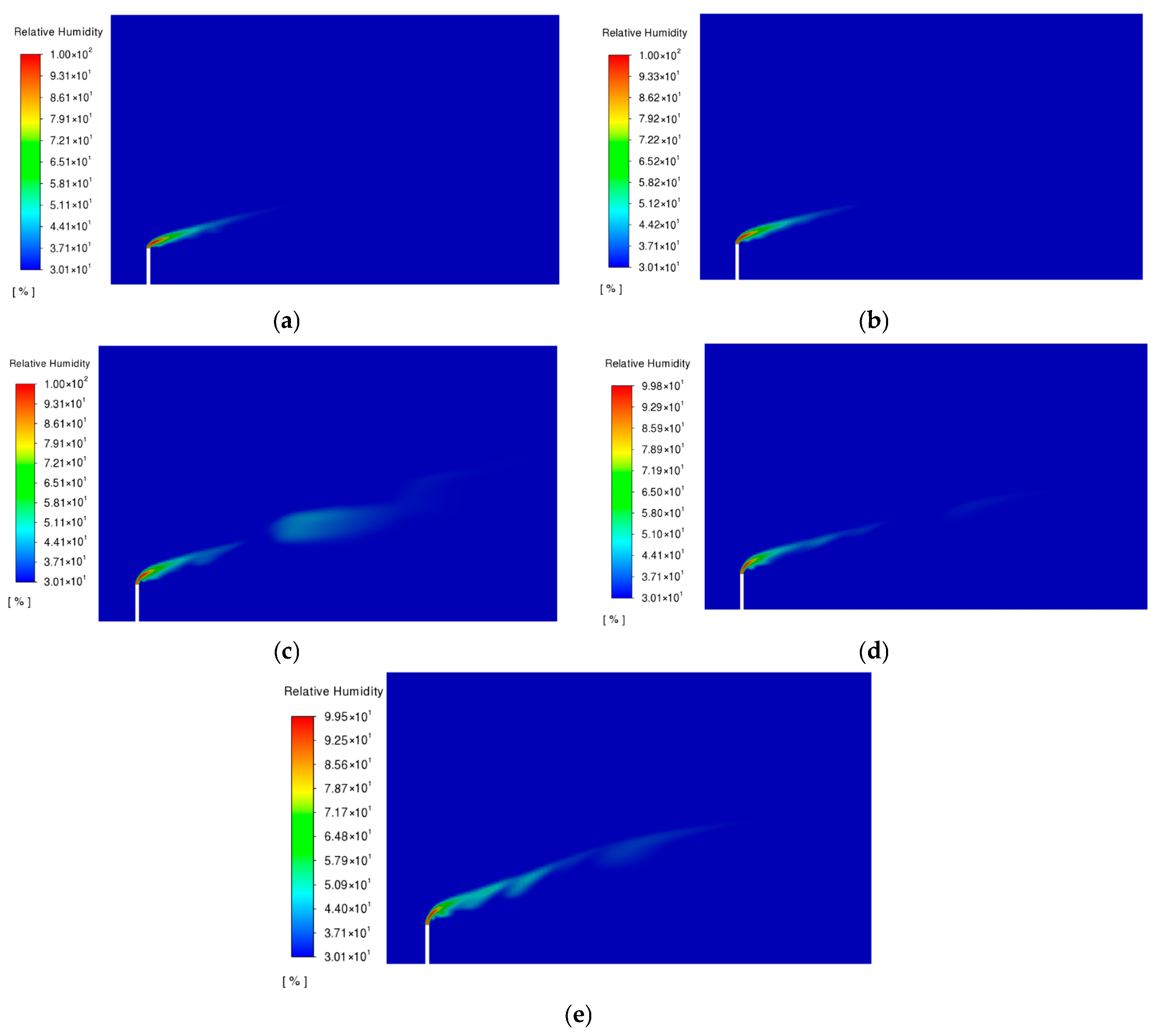
The operating conditions are as follows: the exhaust gas temperature is 50 °C, the exhaust gas relative humidity is 81.59%, the ambient air temperature is 20 °C, the ambient relative humidity is 30%, and the turbulence intensity is 5%. Simulations are conducted under atmospheric wind speeds of 1, 3, 5, 7, and 9 m/s. The relative humidity fields generated by the release of the tritiated water carried by the moist air exhibit significant differences. As the crosswind speed increases, the mixing process between the moist flue gas and the ambient atmosphere becomes increasingly influenced and constrained by the convective impact of the wind. This results in the visible white plume dispersing over greater downwind distances. Simultaneously, atmospheric disturbances within the computational domain intensify, promoting more vigorous mixing. This enhanced mixing accelerates the dissipation of thermal energy from the flue gas, leading to a reduction in the plume rise height.
As shown in
Figure 6, when the ambient wind speed is 1 m/s (
Figure 6a), the transport effect of the atmospheric airflow on the plume is extremely weak, and the moist air plume is mainly controlled by buoyancy, exhibiting a pronounced vertical rise. The region of high relative humidity rapidly ascends near the chimney outlet, forming a relatively large plume rise height. The local humidity peak is the highest, while the downwind transport distance is limited, representing the most unfavorable dispersion condition.
When the wind speed increases to 3 m/s (
Figure 6b), the background airflow begins to exert a noticeable influence on the moist air plume. The buoyant rise and horizontal transport act simultaneously. Compared with the 1 m/s case, the plume rise height decreases, but an upward trend is still maintained. The high-humidity region spreads along the downwind direction, and accumulation near the chimney outlet is partially alleviated.
When the wind speed further increases to 5 m/s (
Figure 6c), the transport capacity of the ambient airflow for the moist air plume is significantly enhanced. The high-humidity region extends much farther downwind, indicating that the increase in wind speed effectively strengthens the mixing between the moist air and the surrounding atmosphere, resulting in a more dispersed humidity field.
Under higher wind speed conditions of 7 m/s (
Figure 6d) and 9 m/s (
Figure 6e), the moist air plume is almost completely dominated by the ambient airflow. The buoyancy-driven rise is strongly suppressed, and the plume is rapidly stretched and transported in the downwind direction after release. The high-relative-humidity region is quickly diluted and forms a slender distribution, while the overall humidity gradient becomes more moderate, and localized high-humidity zones are no longer clearly concentrated near the chimney outlet. This indicates that under high-wind-speed conditions, moist-air-carried releases exhibit stronger dilution and long-range transport characteristics.
As shown in
Figure 7, the plume rise height exhibits a clear decreasing trend with the increasing ambient wind speed, indicating a significant negative correlation between the two. The numerical results further reveal that, with an increasing wind speed, the dispersion pattern of the moist air plume transitions from a “high-rise, short-range” regime to a “low-rise, long-range” regime. Under low-wind-speed conditions, the plume is primarily driven by buoyancy, leading to a strong vertical ascent and a relatively large plume rise height. Meanwhile, weak atmospheric transport confines the high-humidity region near the chimney, resulting in elevated local humidity peaks, limited dilution, and an increased potential for near-field accumulation, which is unfavorable for dispersion. As the wind speed increases, the horizontal advection and turbulent mixing are significantly enhanced, weakening the buoyancy-driven rise and causing a rapid reduction in the plume rise height. Consequently, the plume transport and mixing capacity improve, allowing the high-humidity region to extend farther downwind, while peak humidity levels are reduced, indicating a shift toward a far-field-dominated dispersion. At the highest wind speeds, the plume behavior is governed predominantly by the ambient airflow, characterized by rapid dilution and long-distance transport. Although local humidity peaks are effectively suppressed, the overall spatial extent of the affected area increases, implying that higher wind speeds mitigate near-field impacts while expanding the potential far-field influence of moist air releases.
3.4. The Effect of the Exhaust Gas Speed on the Operation Parameter of the Exhaust Gas
The operating conditions are as follows: The ambient air temperature is 20 °C, the ambient wind speed is 5 m/s, the ambient relative humidity is 30%, and the turbulence intensity is 5%. The exhaust gas temperature is 50 °C with a relative humidity of 81.59%, and exhaust velocities of 7, 9, 11, 13, and 15 m/s are considered. The relative humidity fields produced by tritiated-water-laden moist air releases show significant variation, underscoring the crucial role of the initial exhaust momentum in shaping the dispersion characteristics of the moist air plume.
As shown in
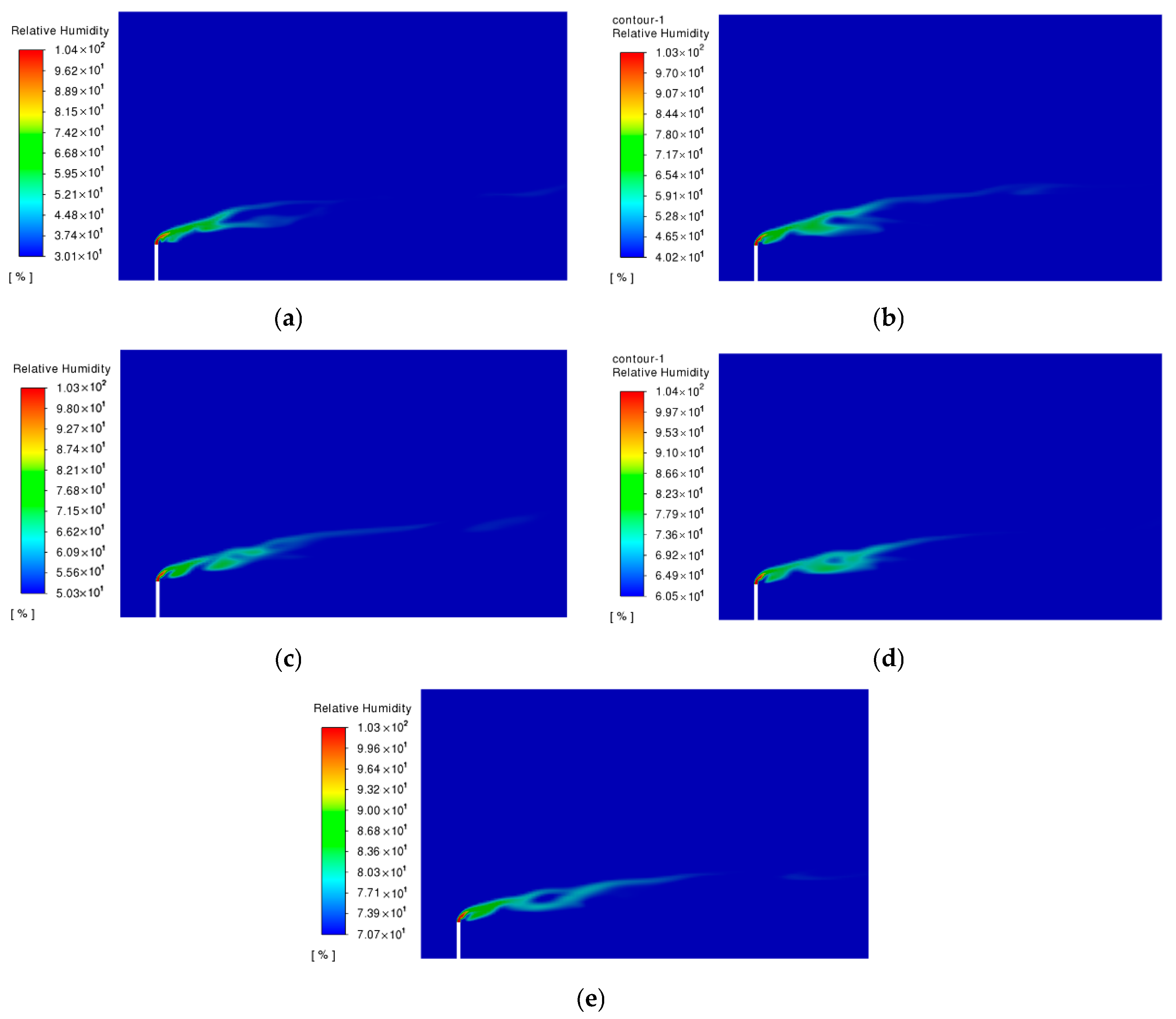
Figure 8, when the exhaust velocity is 7 m/s (
Figure 8a), the initial momentum of the moist air plume is relatively low, making it highly susceptible to influences from the ambient airflow. Consequently, the region of high relative humidity remains concentrated near the chimney outlet and extends only a short distance downwind. The plume rise is limited, and the overall dispersion range is small.
When the exhaust velocity increases to 9 m/s (
Figure 8b), the tritiated moist air plume gains some initial momentum, but it is still largely governed by the ambient airflow. The plume rise height remains limited, and the high-relative-humidity region is still confined to the near field of the chimney, gradually diminishing along the downwind direction.
When the exhaust velocity increases further to 11 m/s (
Figure 8c) and 13 m/s (
Figure 8d), the initial momentum of the exhaust flow is significantly strengthened. As a result, the rise and penetration abilities of the tritiated moist air plume near the outlet are improved, and the high-humidity region extends much farther downwind, with a more continuous plume core. This demonstrates that higher exhaust velocities can effectively counteract the suppressing influence of the ambient airflow, enabling the moist air plume to maintain greater coherence in the near field and enhancing its transport into the far field.
Under the highest exhaust velocity of 15 m/s (
Figure 8e), the initial momentum of the tritiated moist air plume becomes the dominant factor controlling its dispersion. Upon release, the plume forms a relatively slender and stable high-humidity band, with a further increase in the downwind transport distance, while lateral spreading is diminished. Although the spatial extent of the high-humidity region expands, the greater exhaust momentum promotes rapid mixing between the moist air and the ambient atmosphere, preventing any substantial increase in the local peak relative humidity.
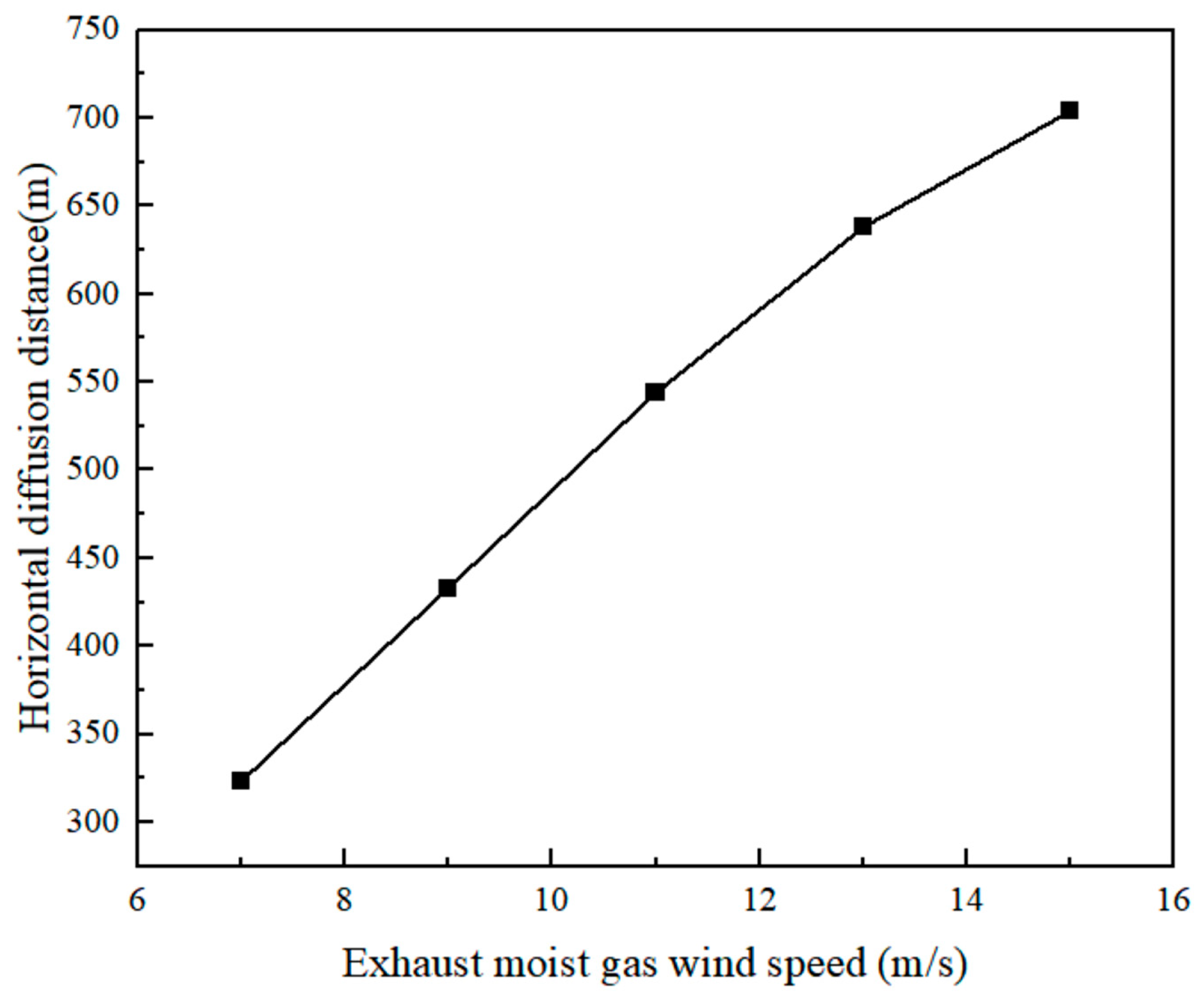
As shown in
Figure 9, the horizontal diffusion distance of the plume exhibits a monotonic increasing trend with the increasing exhaust moist gas wind speed. As the exhaust velocity increases from approximately 7 m/s to 15 m/s, the horizontal diffusion distance increases from about 320 m to 700 m, indicating that the exhaust moist gas wind speed has a significant influence on the horizontal transport capacity of the plume.
Overall, increasing the exhaust velocity enhances both the plume rise and downwind extension. This effect is largely due to the condensation of greater amounts of water vapor, which releases latent heat and provides additional buoyancy to the visible plume. As a result, the spatial extent of the high humidity influence expands, while the risk of local humidity accumulation near the chimney outlet is alleviated to some degree. These findings suggest that while higher exhaust velocities are effective at reducing near-field accumulation, they may also increase the transport distance of the moist air plume. Therefore, both the mitigation of local accumulation and the potential for broader dispersion should be taken into account when optimizing exhaust parameters.
3.5. The Effect of the Atmospheric Turbulence Intensity on the Operation Parameter of the Exhaust Gas
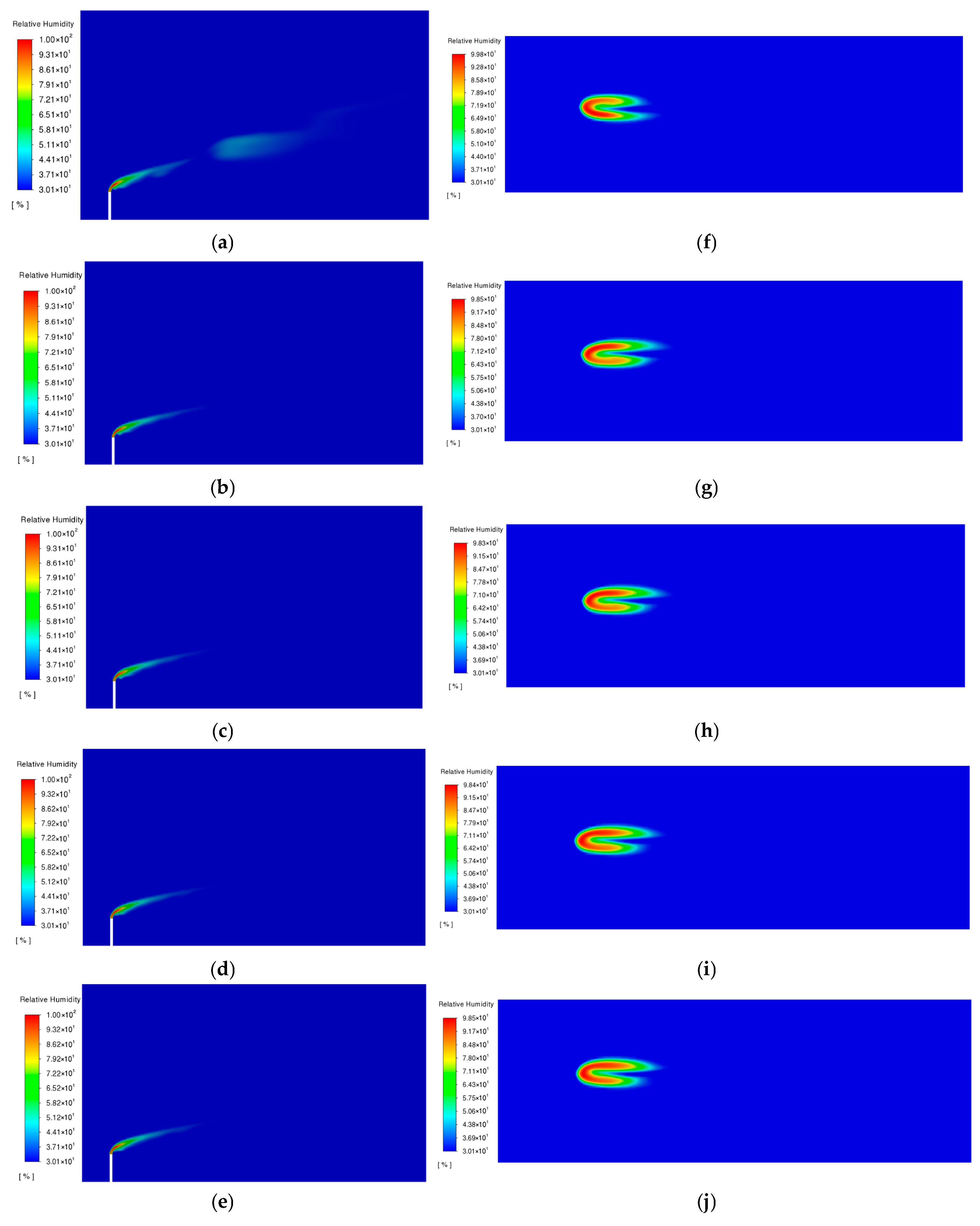
As shown in
Figure 10, panels (
Figure 10a–e) present contour plots on the x–z plane, these results indicate that the plume momentum has significantly decayed at a downstream distance of approximately 100 m. Therefore, variations in the plume behavior are further examined using the x–y plane contour plots (
Figure 10f–j), 20 m from the chimney outlet, corresponding to a vertical height of 100 m above the ground. As shown in
Figure 10, under atmospheric turbulence intensities of 5%, 10%, 15%, 20%, and 25%, respectively, the relative humidity fields formed by the release of the tritiated-water-laden moist air exhibit pronounced differences, demonstrating that the turbulence intensity plays an important role in governing plume mixing and dispersion.
At a low turbulence intensity of 5% (
Figure 10a,f), ambient turbulent disturbances are weak, and the moist air plume maintains a relatively intact structure. High-relative-humidity regions are mainly concentrated near the chimney outlet, with well-defined plume boundaries and a limited dispersion range. Large local humidity gradients are observed, indicating low mixing efficiency between the moist plume and the surrounding air and a pronounced accumulation near the chimney under low-turbulence conditions.
As the turbulence intensity increases to 10% (
Figure 10b,g) and 15% (
Figure 10c,h), atmospheric fluctuations become stronger, and noticeable oscillations appear in the jet wake within the velocity field. Shear-induced mixing both within the plume and between the plume and the ambient air is significantly enhanced. As a result, the spatial extent of high-humidity regions expands, plume boundaries become progressively blurred, and local peak humidity values decrease slightly. These results indicate that a moderate turbulence intensity effectively strengthens plume mixing and dilution.
At higher turbulence intensities of 20% (
Figure 10d,i) and 25% (
Figure 10e,j), atmospheric fluctuations become stronger, and noticeable oscillations appear in the jet wake within the velocity field. Shear-induced mixing both within the plume and between the plume and the ambient air is significantly enhanced. As a result, the spatial extent of high-humidity regions expands, plume boundaries become progressively blurred, and local peak humidity values decrease slightly. These results indicate that a moderate turbulence intensity effectively strengthens plume mixing and dilution.
Overall, as the atmospheric turbulence intensity increases, the moist air release transitions from a momentum-dominated regime to a turbulence-dominated regime. This transition is beneficial for reducing the local peak relative humidity and mitigating accumulation near the chimney. The accelerated momentum dissipation observed in the velocity field directly promotes the dispersion and dilution of the humidity field, thereby lowering local humidity maxima. This behavior is of significant importance for assessing the environmental impact of tritiated water vapor releases under different atmospheric turbulence conditions.
3.6. The Effect of the Atmospheric Temperature on the Operation Parameter of the Exhaust Gas
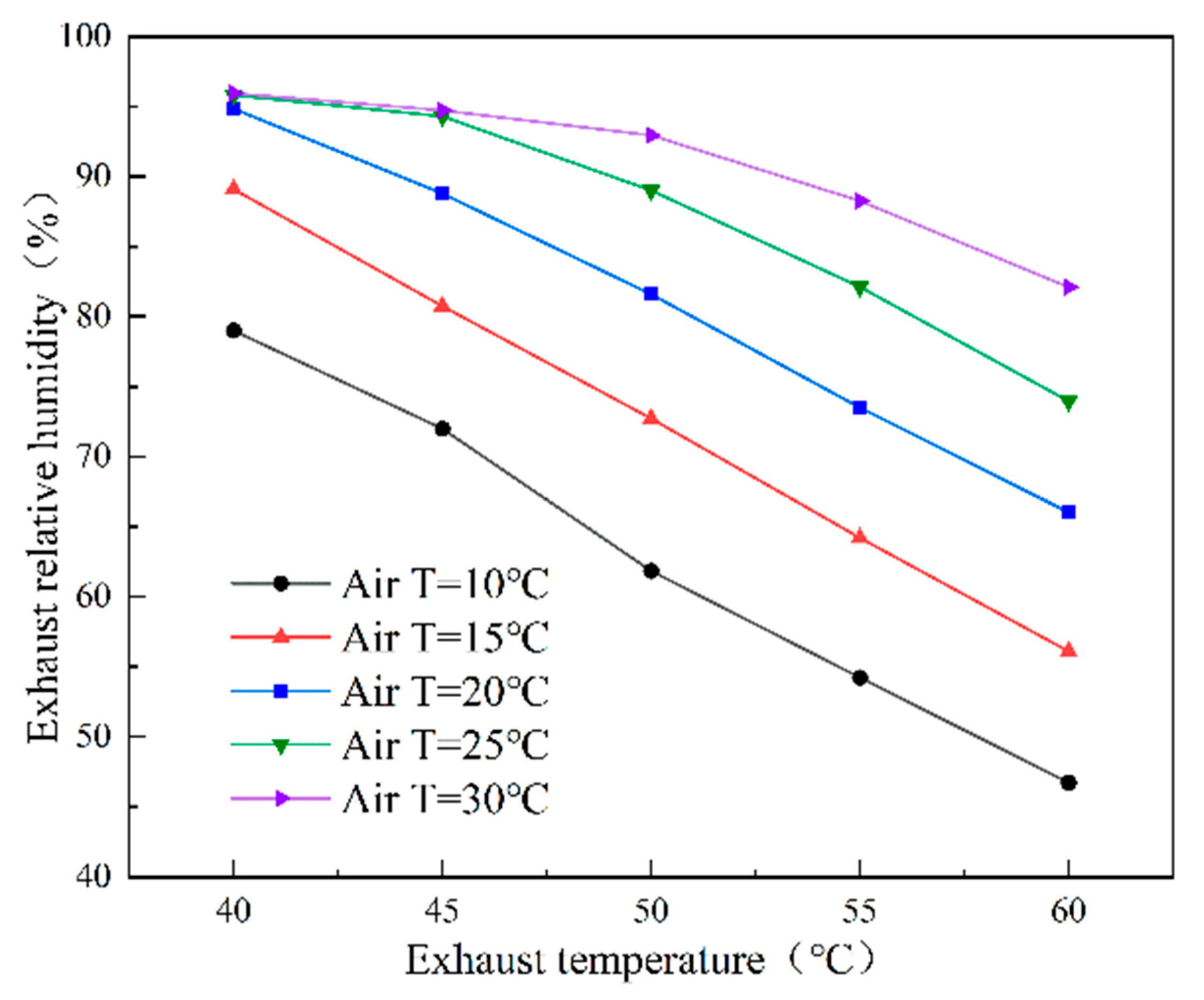
In practical operations, the atmospheric temperature often fluctuates. In order to evaluate the effect of the atmospheric temperature on the exhaust gas temperature and humidity, CFD simulations of exhaust gas emissions are carried out at atmospheric temperature ranging from 10 to 30 °C and an RH of 30%; the corresponding operation temperature and RH of the exhaust gas are shown in
Figure 6.
The operation RHs of the exhaust gas emitted at atmospheric temperatures ranging from 10 to 30 °C with an RH of 30% are summarized in
Table 2. It can be seen that the RH of the exhaust gas decreases with the increase in the exhaust gas. The exhaust gas could be emitted at 95.96% in 40 °C when the atmospheric RH was 30% and the temperature was 30 °C. The decrease in the atmospheric temperature allowed the exhaust gas’s RH to decrease to 79%. The water content of the exhaust gas decreased from 46.8 g/kg to 38 g/kg, which means that the waste water transfer ability per one kg of exhaust gas is about 81.1% at an atmospheric temperature of 10 °C compared with 30 °C.
The exhaust gas emitted at high operation temperatures undergoes a similar process. Five operation temperature conditions for the exhaust gas (40 °C, 45 °C, 50 °C, 55 °C, and 60 °C) were analyzed using CFD simulations.
It can be seen from
Figure 11, in a low-temperature atmospheric condition (such as 10 °C), that the saturation vapor pressure of water in air is relatively low; the water vapor carried by exhaust gas should be limited to a low level in order to avoid condensation. When the exhaust temperature increases, the temperature difference between the exhaust gas and the surrounding environment becomes significantly larger, which offers a larger vapor capacity for the water vapor carried by the exhaust gas, ensuring a higher RH for the exhaust gas. When the atmospheric temperature increases to 30 °C, the allowable RH of the exhaust gas at 40 °C is 95.96%, and the water content of the exhaust gas is 46.76 g/kg. When the operation temperature of the exhaust gas reaches 45 °C, the RH is 94.74%, and the water content is 61.28 g/kg. The water vapor transfer ability of the exhaust gas is about 130% at 45 °C compared with 40 °C. When the atmospheric temperature is quite high, the large moisture-holding capacity of warm air can be effectively utilized to release the exhaust gas under high-temperature conditions. As shown in
Figure 11, for high ambient temperatures, it is recommended that the exhaust temperature be maintained at approximately 20 °C higher than the ambient air temperature. Under this condition, a relatively high exhaust relative humidity can be allowed, while still remaining within a safe range during atmospheric dispersion and mixing.
3.7. The Effect of the Atmospheric RH on the Operation Parameter of the Exhaust Gas
In actual operations, the atmospheric RH varies with seasons and even throughout a single day under changing weather conditions. Therefore, this study examines cases at the same atmospheric temperature but with different relative humidities.
As shown in
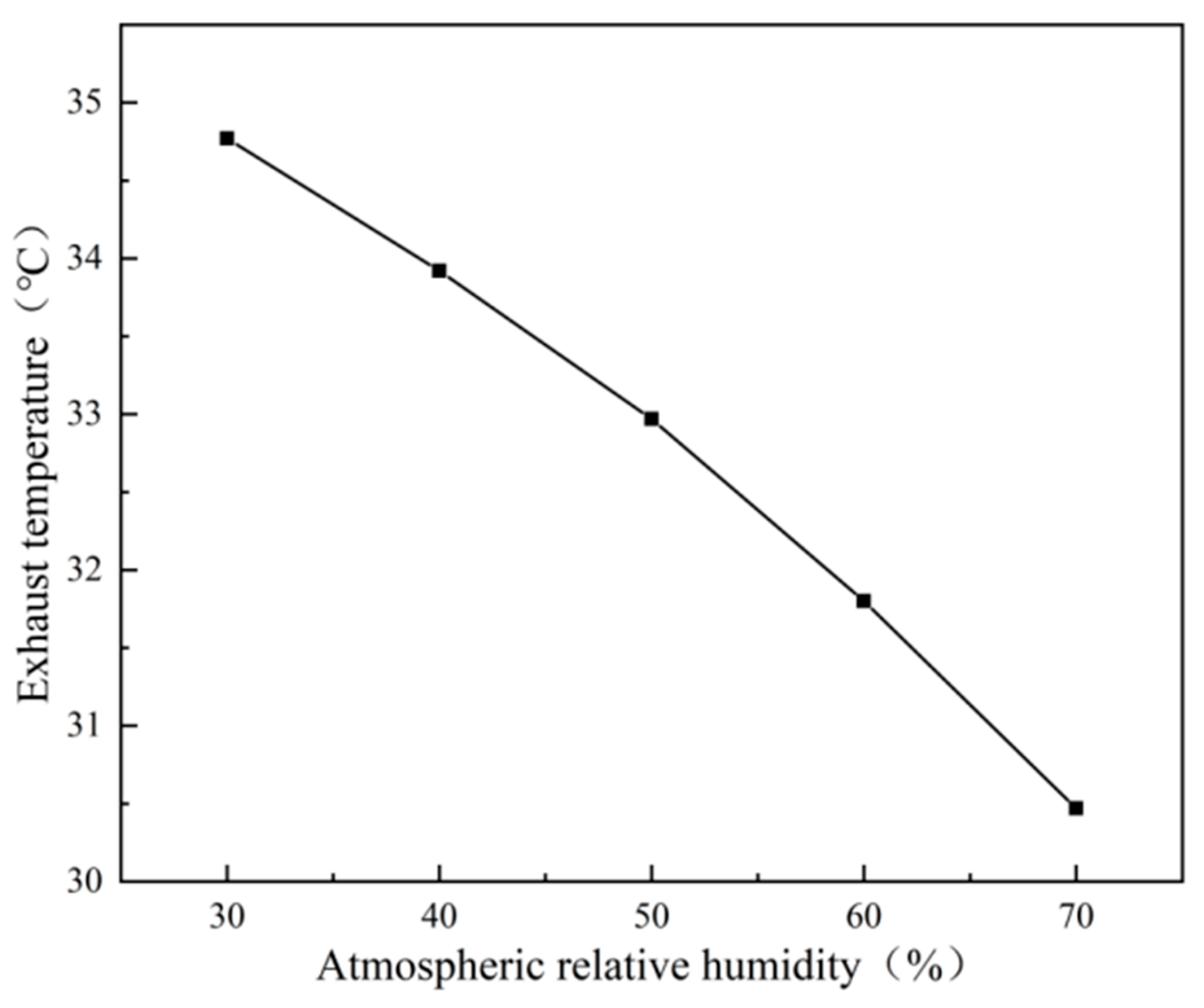
Figure 12, the critical exhaust gas temperature gradually decreases from 34.77 °C to around 30.47 °C and the increase in the atmospheric relative humidity rises from about 30% to 70% when the atmospheric temperature is 20 °C.
If the atmospheric RH is high, the capacity to absorb water vapor from the exhaust gas shrinks proportionally to the different saturation values and presented atmospheric values. The decrease in the water vapor capacity of the atmosphere limited the transfer of water vapor by the exhaust gas. It can be seen from
Figure 12 that the critical exhaust temperature decreases linearly with the increase in the atmospheric RH: 34.77/33.92/32.97/31.80/30.47 for atmospheric RHs of 30% to 70%. The decrease in the critical exhaust temperature in relation to the atmospheric relative humidity is nearly linear.
3.8. An Analysis of the Temperature Difference Between the Exhaust and the Atmosphere Under Different Conditions
The water vapor transfer ability of the exhaust gas has an important relationship with the exhaust gas temperature. The definition of the operation temperature of the exhaust gas according to atmospheric conditions—like the temperature, RH, etc.—is crucial in practical operations. In
Section 3.4, it is advised that the exhaust gas should be emitted at 45 °C rather than 40 °C for an atmospheric temperature of 30 °C and an RH of 30%. Here we want to expand the advised temperature for the exhaust gas for different atmosphere temperatures and RHs.
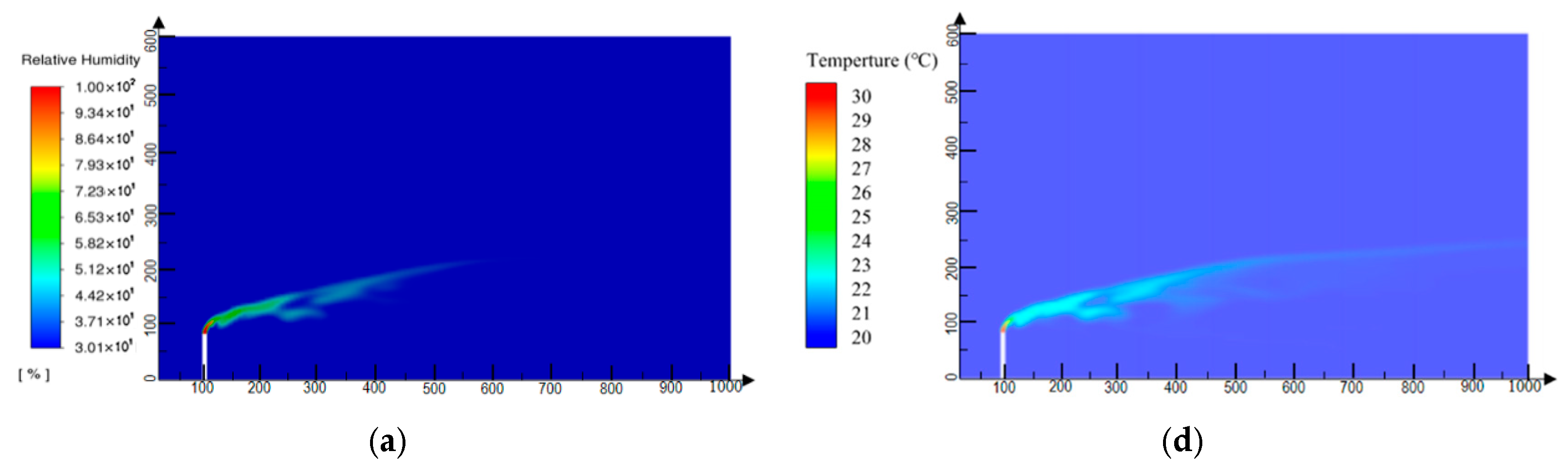
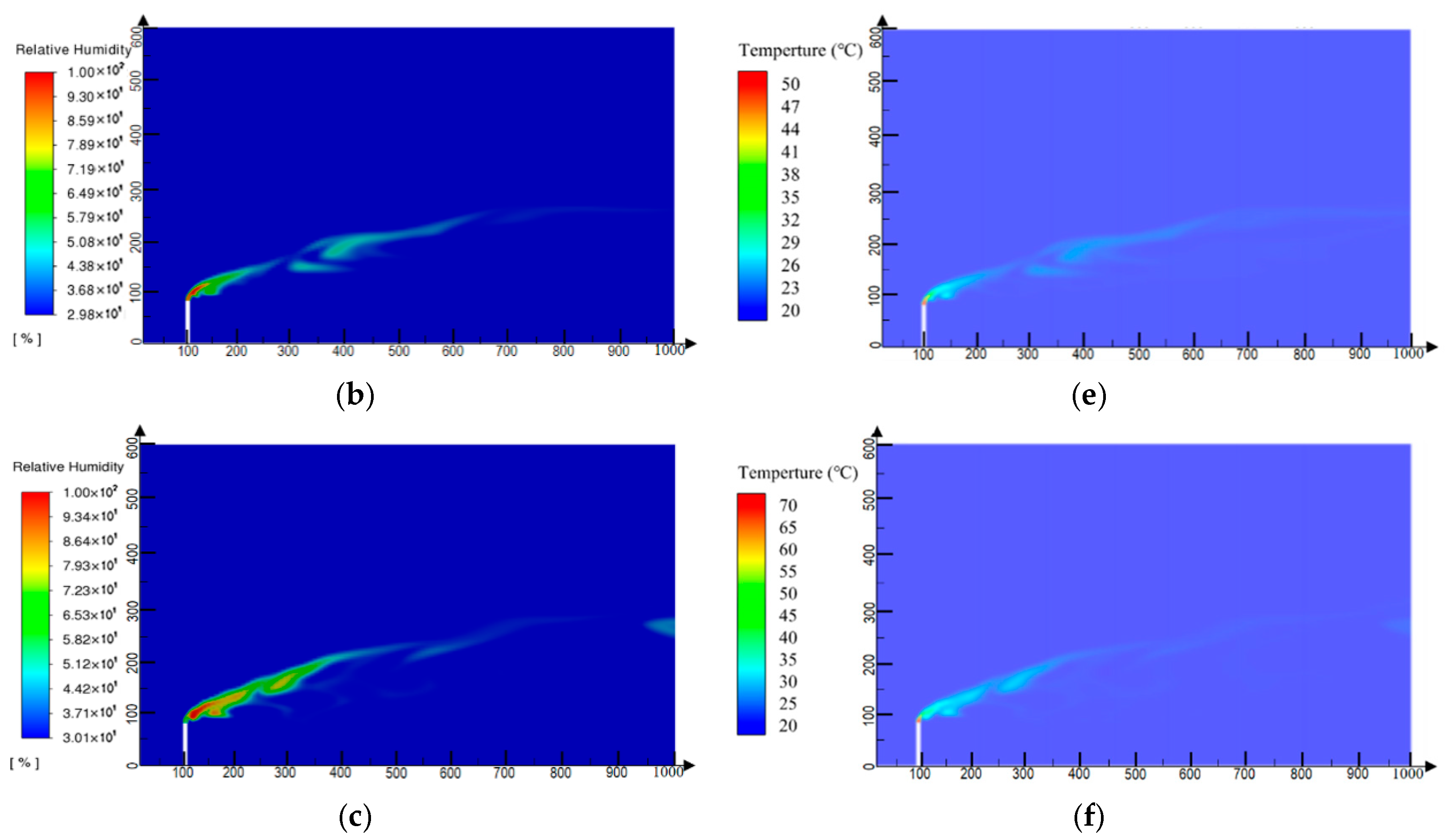
Figure 13 shows a relative humidity cloud chart (
Figure 13a–c) and temperature cloud chart (
Figure 13d–f) at the point when the exhaust reaches its critical relative humidity under atmospheric conditions of 20 °C and a 30% RH, for exhaust temperatures of 30 °C, 50 °C, and 70 °C.
In
Figure 13a–c, the cloud chart expands with the increase in temperature, which means a stronger mixture of the exhaust gas and air for high temperatures rather than low temperatures. As the exhaust temperature increases, the temperature gradient between the exhaust and the environment grows, significantly enhancing the driving force for the heat transfer between the exhaust gas and atmospheric air. The greater turbulence caused by the temperature gradient can induce the mixing of vapor clouds, which is beneficial for the diffusion of the exhaust gas in the air and avoids condensation.
When the exhaust gas temperature is 30 °C, it can be emitted with an RH of 97.85%, with a corresponding moisture of 26.59 g/kg. When the exhaust gas is 70 °C, it is emitted at an RH of 51.41% and a moisture of 116.96 g/kg. With the increase in the temperature from 30 °C to 70 °C, the moisture of the exhaust gas increases from 26.59 g/kg to 116.96 g/kg, although the RH decreases from 97.85% to 51.41%. At high temperatures, the heat plume shows a more obvious upward trend and displays a large high-temperature region. The greater turbulence caused can induce the mixing of vapor clouds, which means a strong mixture of the exhaust gas and air.
In
Figure 13d–f, it can be seen that the mixture of the exhaust gas shows a certain upward trend. And this upward trend is enhanced with the increase in the exhaust temperature. It can be seen that the distribution of the high-RH area ranges from a height of 250 m to 350 m when the temperature increases from 30 °C to 70 °C. In practical operations, the wind velocity increases with the increase in height, and the increase in the mixture area tends to move the mixture under a high velocity, which enhances the diffusion and avoids condensation.
In a word, with the broadening of the mixing zone of the exhaust and the atmosphere, the heat transfer process becomes more complete, and the greater turbulence caused can induce the mixing of vapor clouds, which helps to transfer the moisture of the exhaust gas into the atmosphere and eliminate local supersaturation. In order to broaden the mixture area, a large temperature difference between the exhaust gas and the atmosphere is preferred. The permissive absolute humidity of the exhaust gas is 116.96 g/kg at 70 °C compared with 26.59 g/kg at 30 °C; it is advised that the exhaust gas should be emitted at a high temperature.
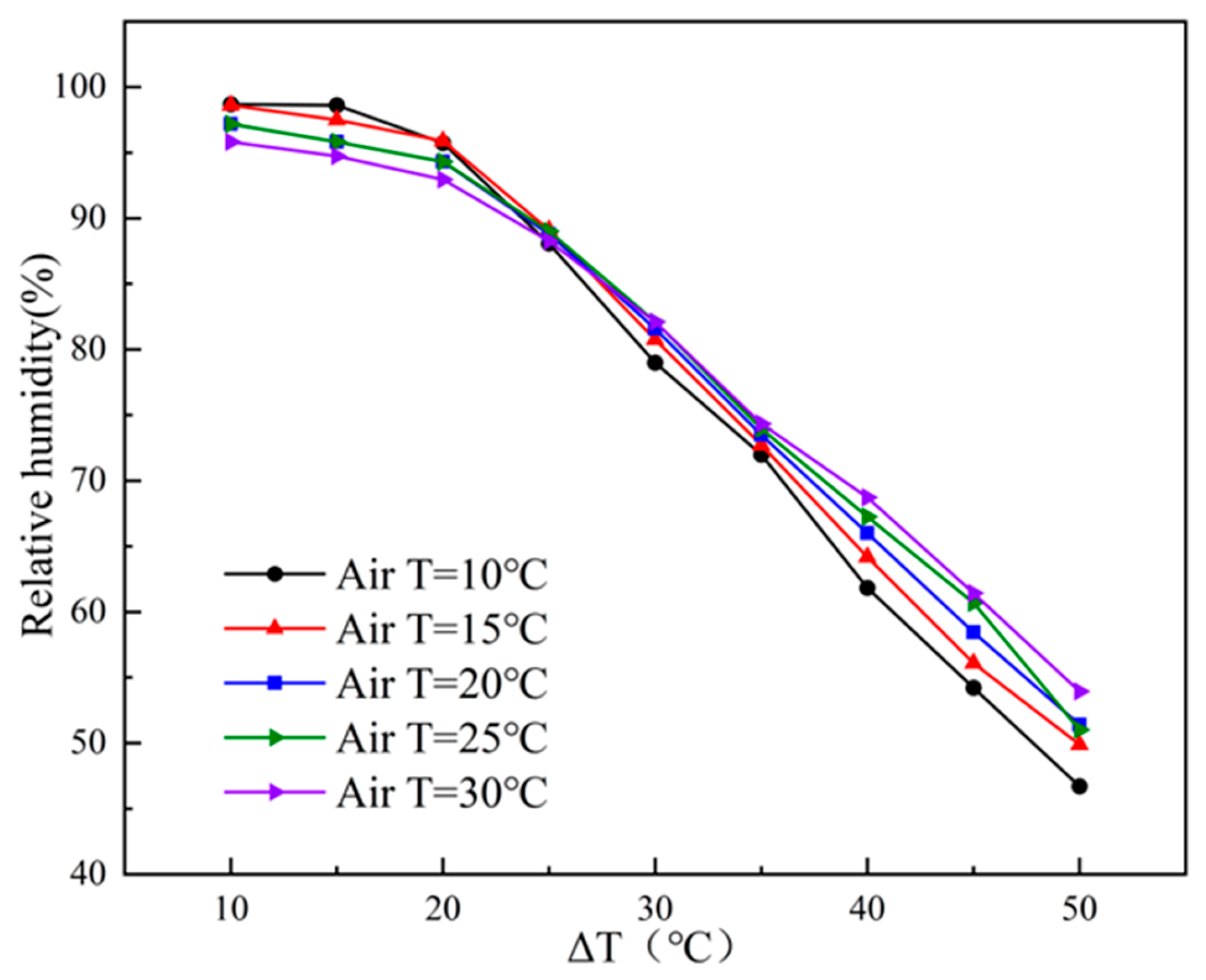
Figure 14 illustrates the influence of the exhaust–atmosphere temperature differentials on the critical relative humidity of exhaust emissions across different atmospheric temperature conditions. We define ΔT as the difference between the exhaust temperature and the atmospheric temperature. All curves show that as the ΔT increases, the exhaust relative humidity gradually decreases.
When ΔT is small (such as 10–15 °C), the curves are nearly horizontal, and the exhaust relative humidity is near 100%, indicating that the main mixture area of the exhaust gas and the atmosphere is near saturation. The exhaust gas could be heated to transfer more waste water in the same cubic meters.
With the increase in ΔT to 20 °C and higher, the curve tends to be steep, and the slope is constant for the ΔT between 20 and 50 °C. When the atmospheric temperature is 10 °C, the curve has the steepest decline, indicating that in low-temperature atmospheres, the exhaust relative humidity is most sensitive to ΔT in the low-saturation condition. As the atmospheric temperature rises (from 10 °C to 30 °C), the curves flatten, showing that under high-temperature conditions, the sensitivity of the exhaust relative humidity to ΔT changes decreases with the increase in the water vapor capacity at high temperatures.
In order to make full use of the water vapor transfer ability of exhaust gas, the temperature difference between the exhaust gas and atmospheric gas should not be less than 20 °C, and the temperature difference could increase with the increase in the atmospheric temperature.
During the process of air carrying tritiated water vapor, the temperature difference between the exhaust gas and the atmospheric air is an important factor affecting the critical relative humidity (that is the critical point of relative humidity when the gas begins to condense) of the exhaust. The temperature difference not only influences the intensity of the heat transfer between the exhaust and the air but also determines the mass transfer process of water vapor between the gas and liquid phases.
4. Conclusions
This paper investigates the diffusion and mixture of tritiated water vapor carried by moist air in the atmosphere in CFD simulations. A mathematical model is built for the clarification of the heat and mass transfer process and the prediction of proper exhaust parameters for moist air.
We first applied exhaust parameters predicted by previous fitting formulas in CFD simulations, and when a supersaturation area appears, this indicates a risk of condensation. The humidity of the exhaust moist air should be changed from 100% to 93.6~98.9% to avoid supersaturation. The effects of the atmospheric wind speed and exhaust gas speed on plume characteristics are discussed. Limited wind speeds resulted in a pronounced vertical rise for the moist air plume and was mainly controlled by buoyancy, w while a high wind speed dominates the plume shape, and a high exhaust gas speed stretches the plume. It was found that low atmosphere turbulence results in high-relative-humidity regions near the chimney outlet with well-defined plume boundaries, which hinder the dispersion of moist air in the atmosphere. Plumes in high-turbulence atmospheres appear with noticeable oscillations, and local peak humidity values decrease slightly.
The prediction of the temperature and humidity of exhaust moist air for different atmosphere conditions is the purpose of this research. With the increase in the atmosphere humidity from 30% to 70%, the exhaust air temperature should decrease from 34.77 °C to around 30.47 °C, under a typical atmosphere temperature (20 °C). It is recommended that the exhaust temperature should be maintained at approximately 20 °C higher than the ambient air temperature to make full use of the water vapor capacity of exhaust air in the precondition of no condensation risk.