Article

Numerical Simulation Model of Deep Coalbed Methane and Quantitative Classification Method of Adsorbed and Free Gas

1
PetroChina Coalbed Methane Company Limited, Beijing 100028, China
2
MOE Key Laboratory of Petroleum Engineering, China University of Petroleum, Beijing 100028, China
*
Authors to whom correspondence should be addressed.
Processes 2026, 14(18), 2936; https://doi.org/10.3390/pr14182936
Submission received: 12 August 2026 / Revised: 11 September 2026 / Accepted: 14 September 2026 / Published: 15 September 2026

Abstract

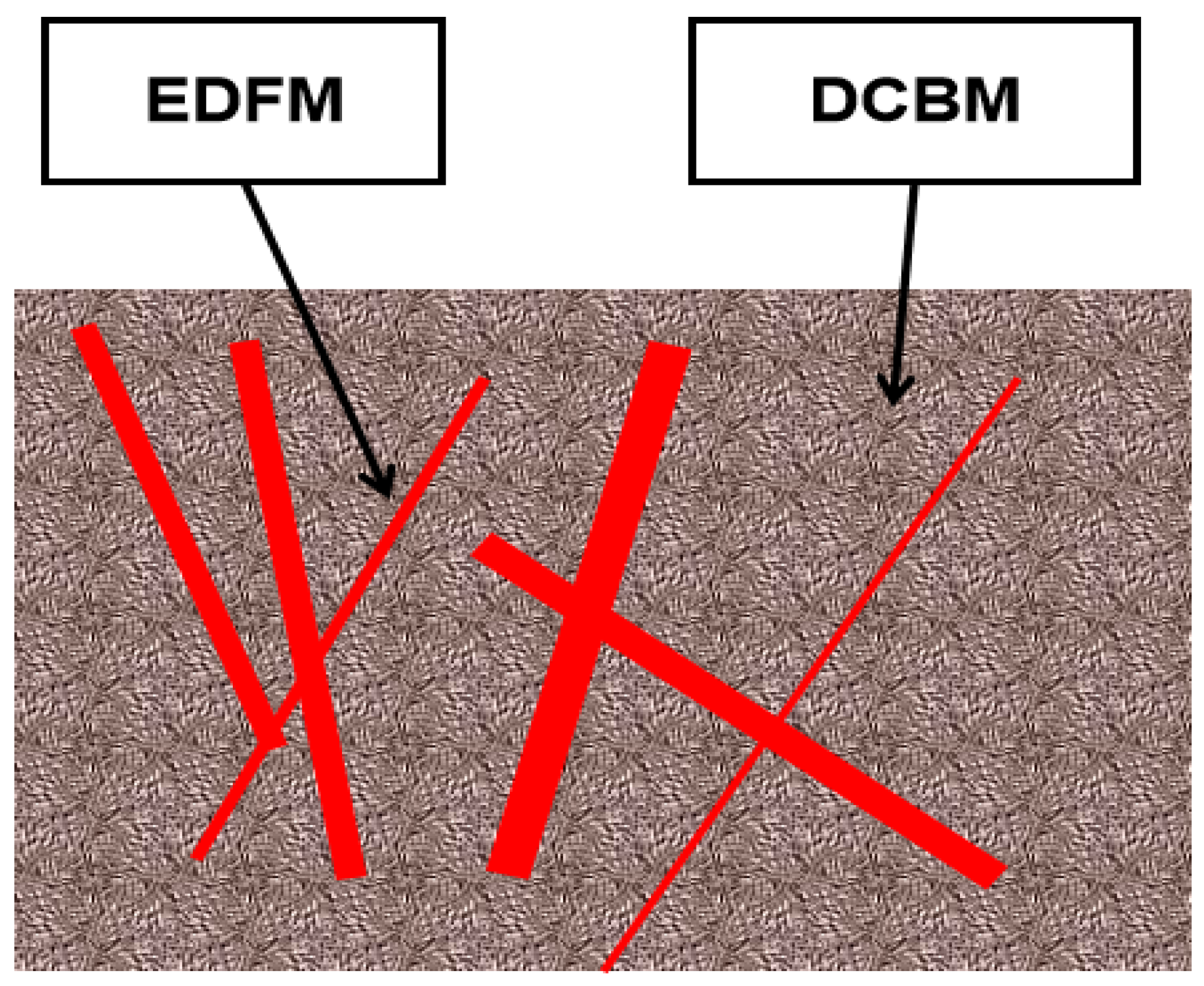
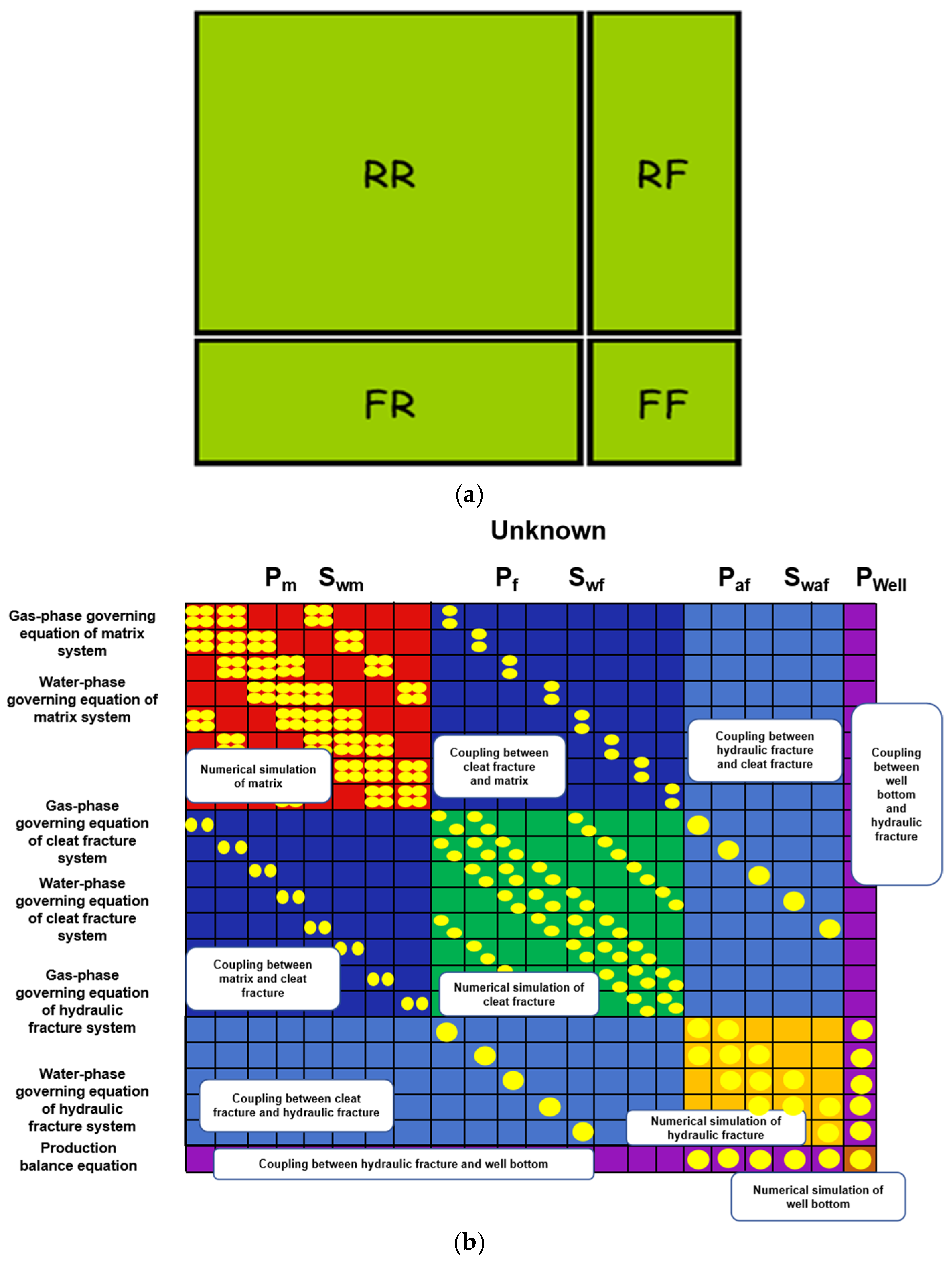
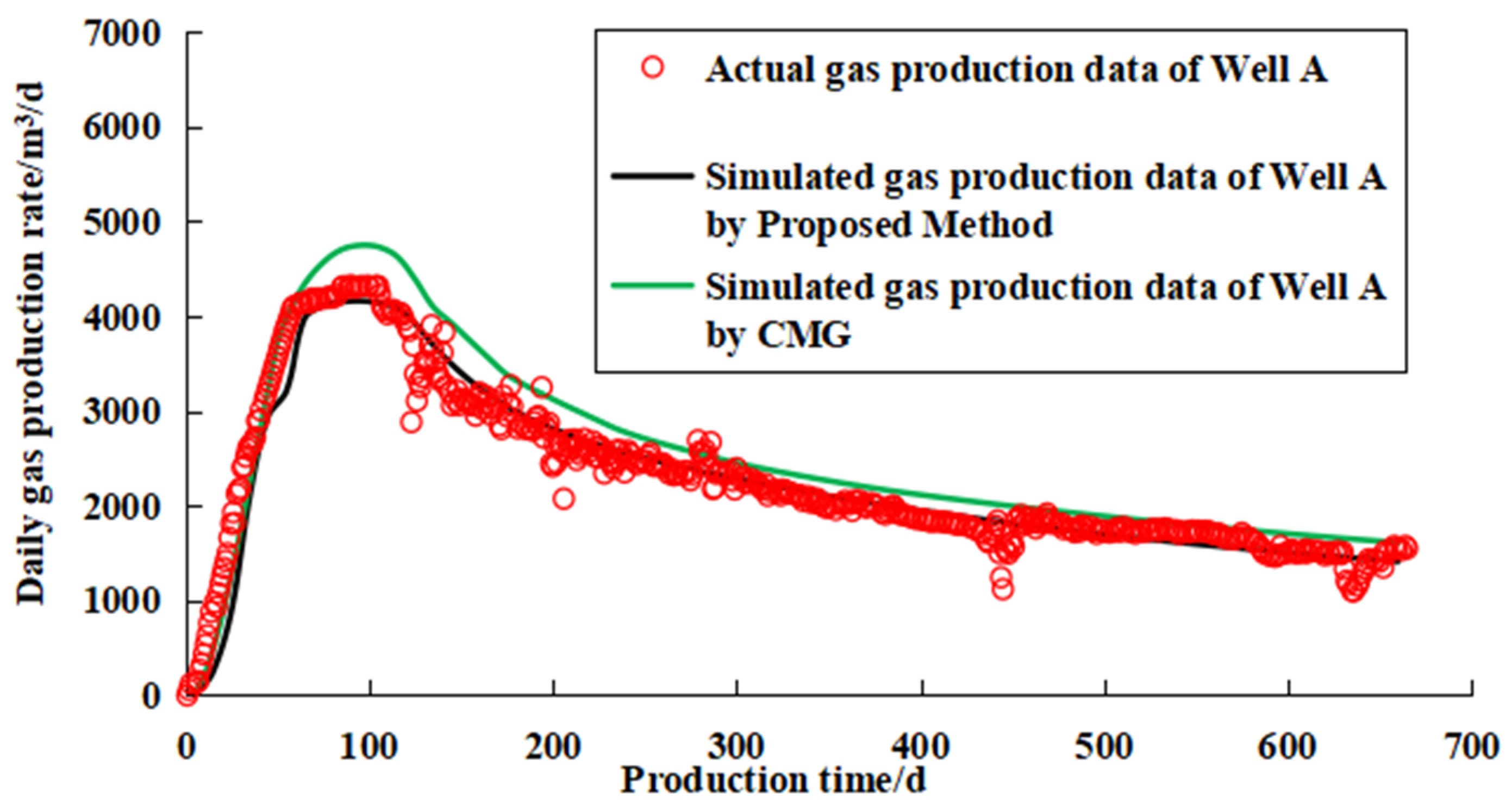
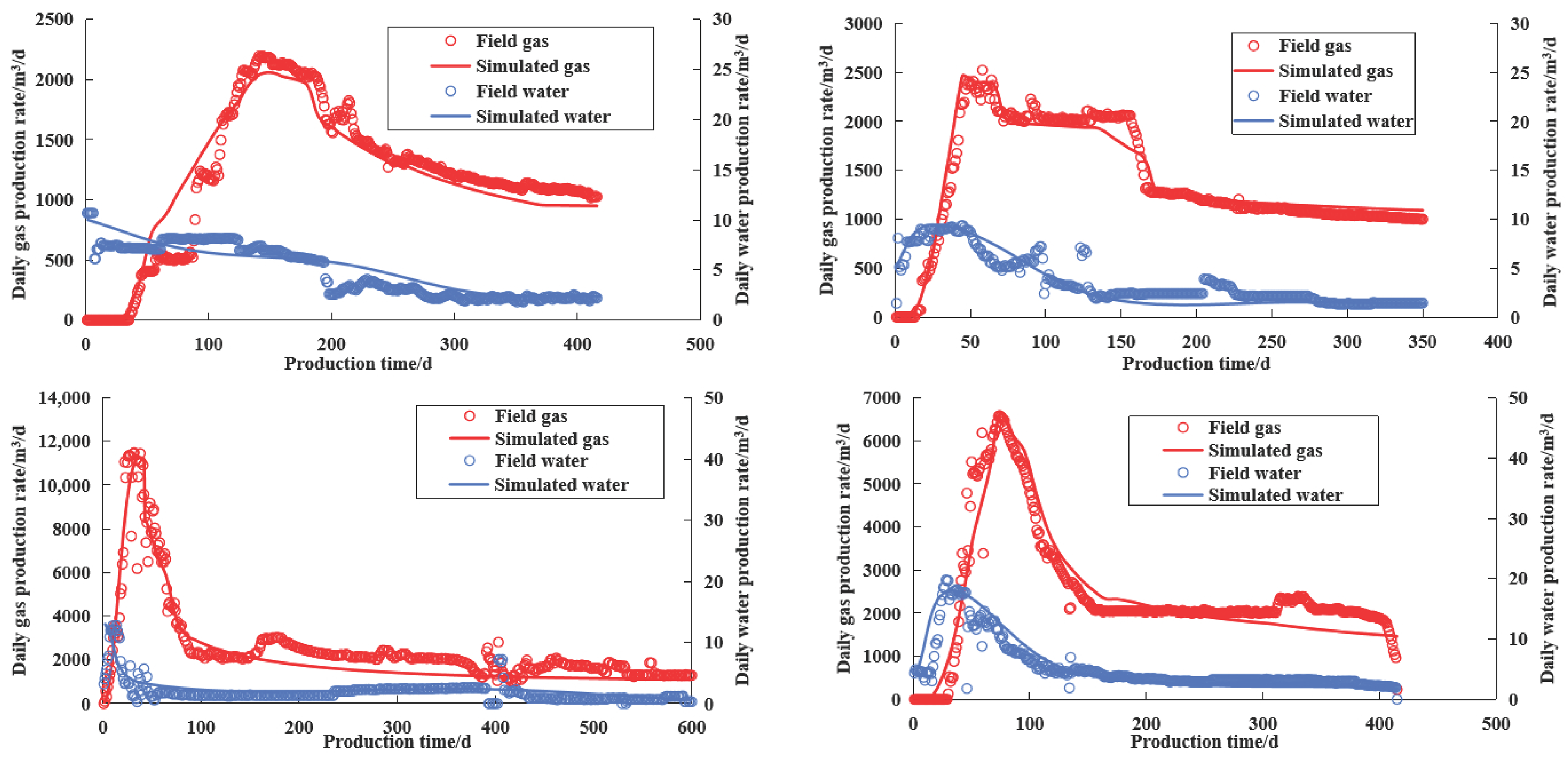
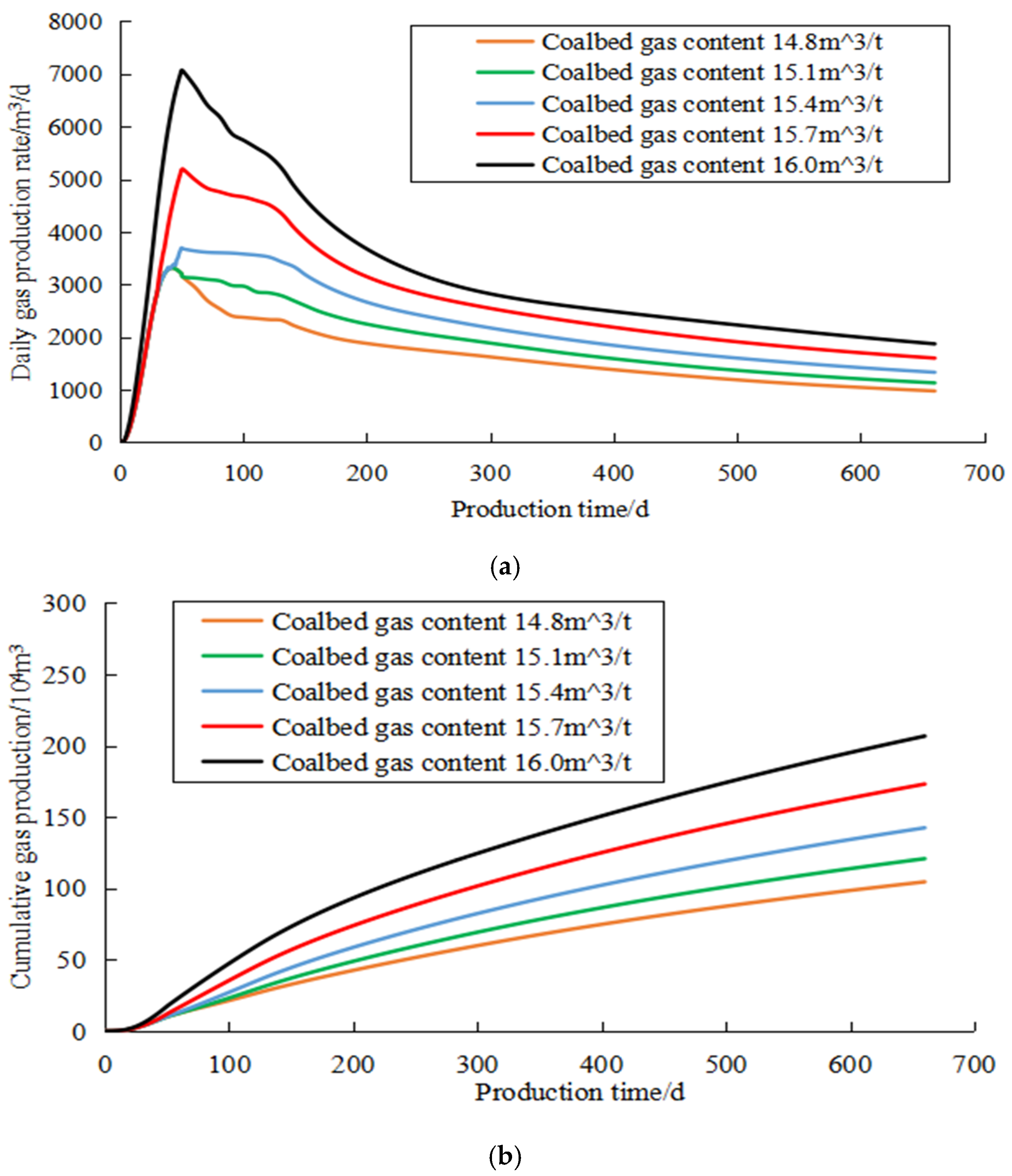
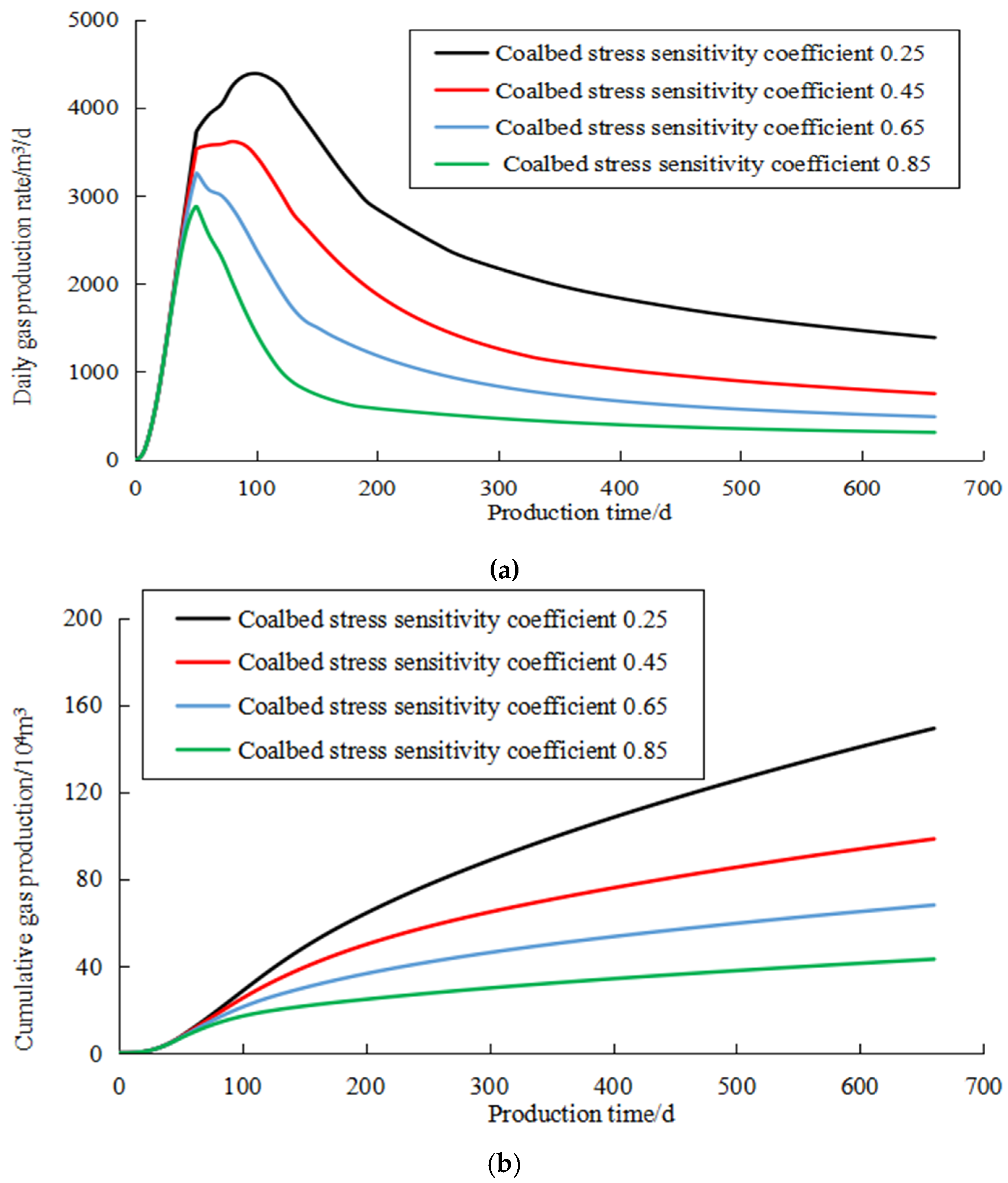
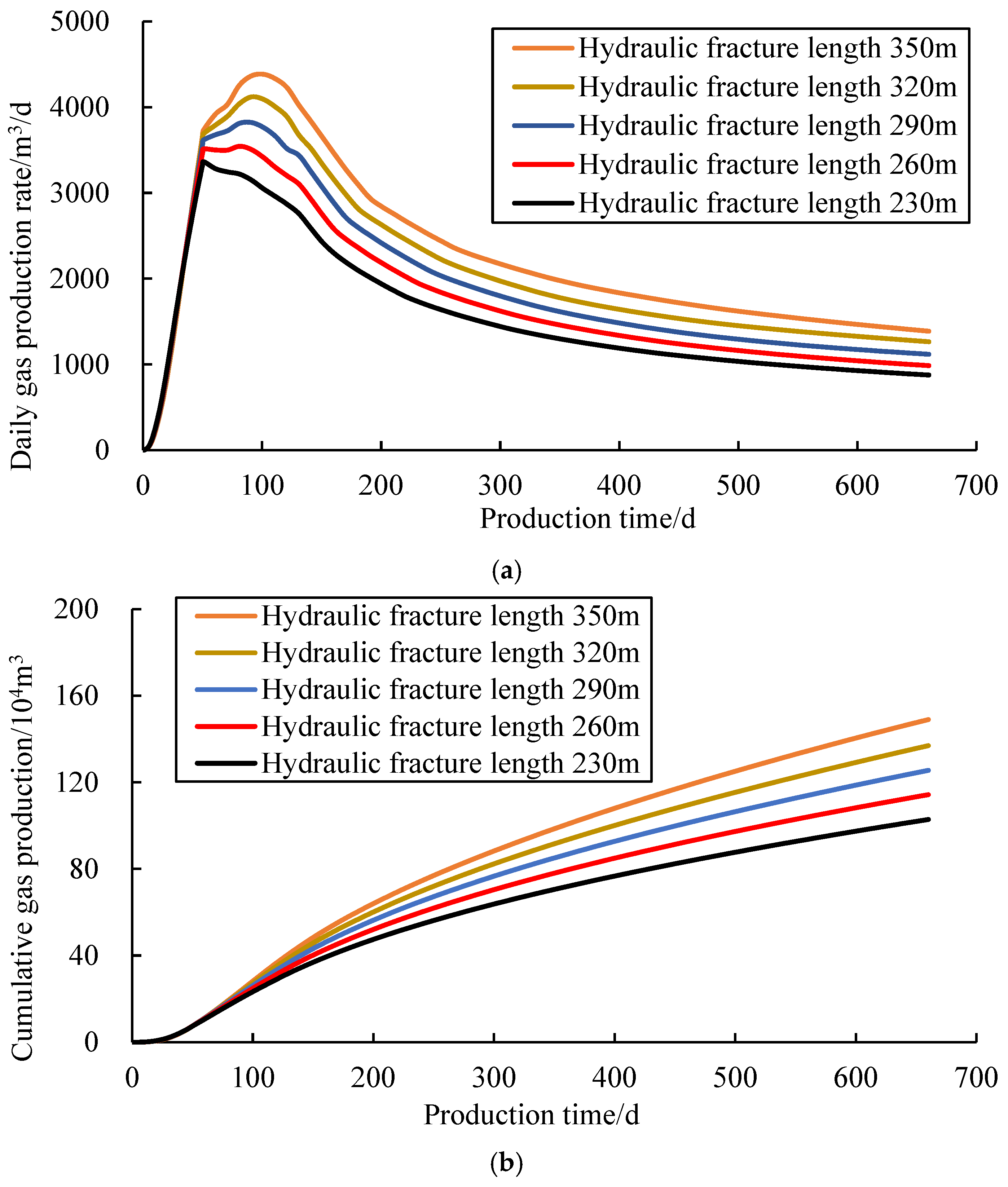
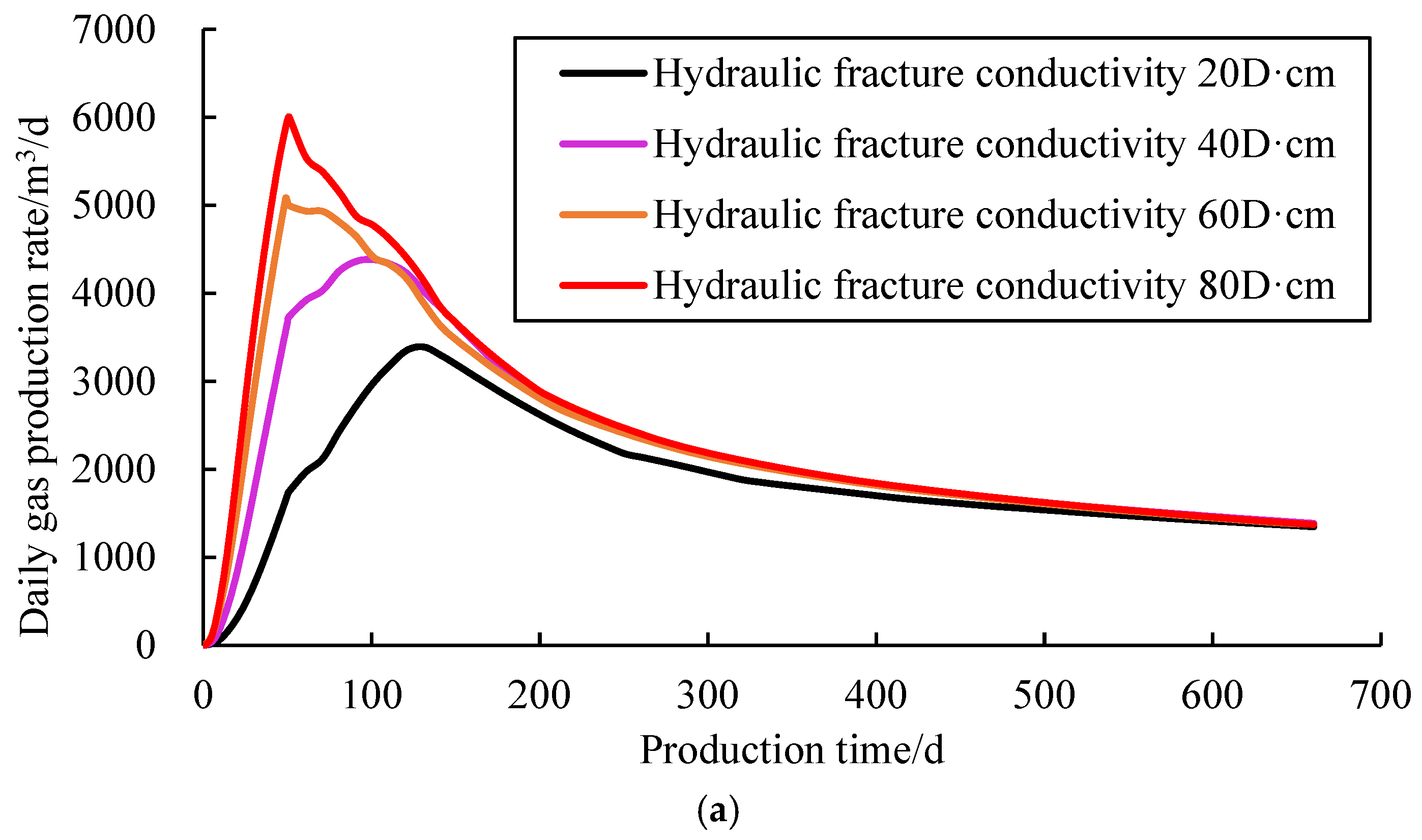
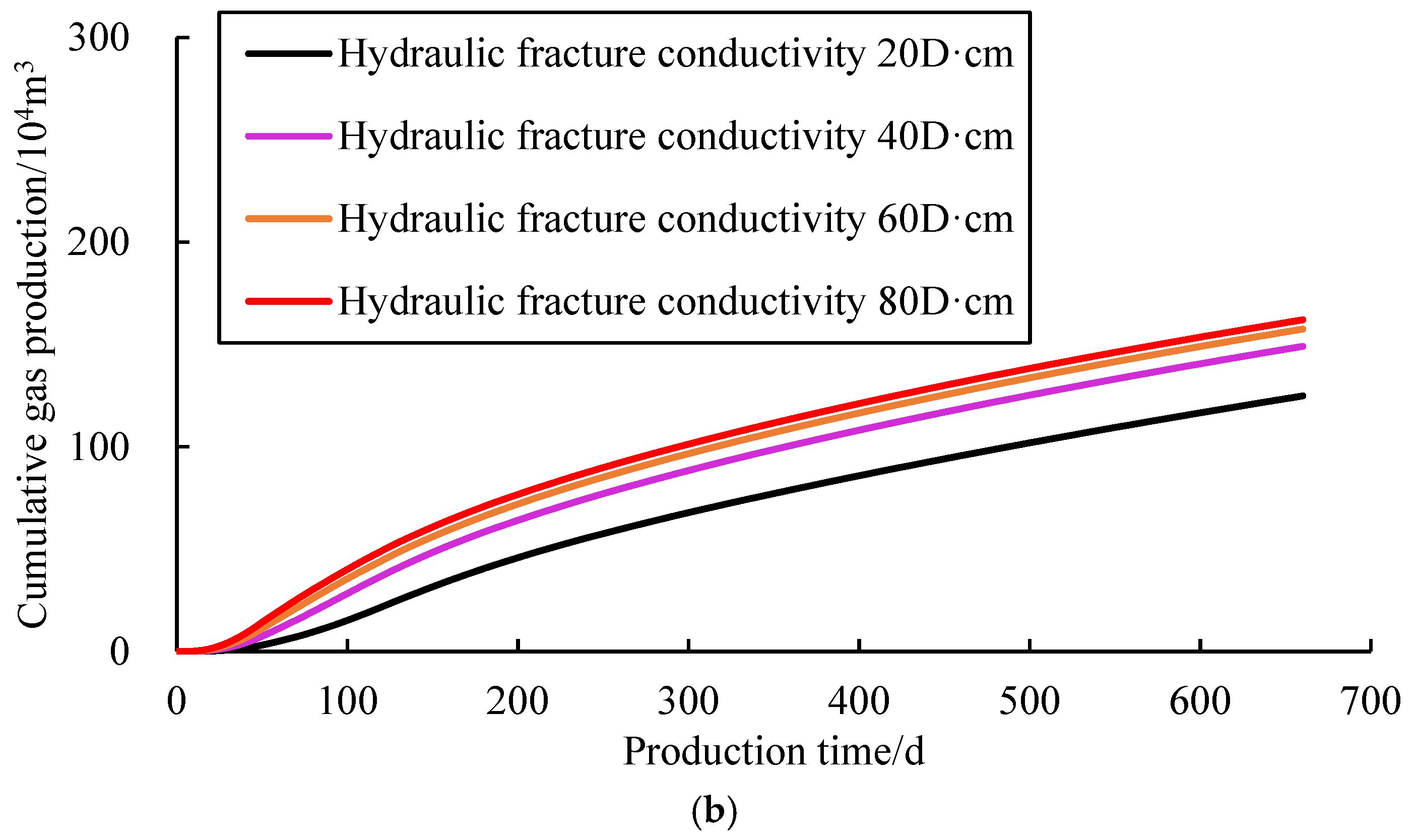
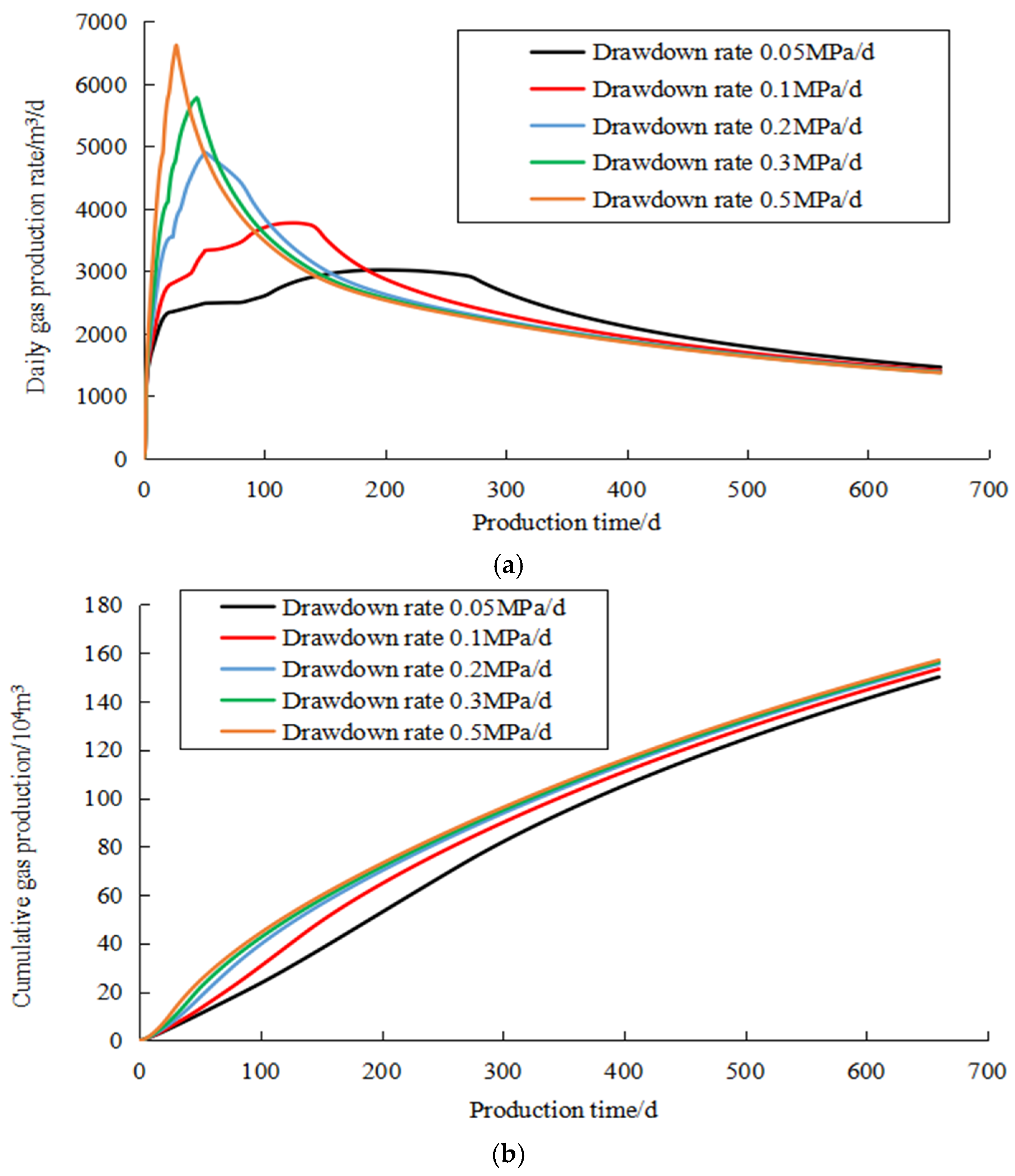
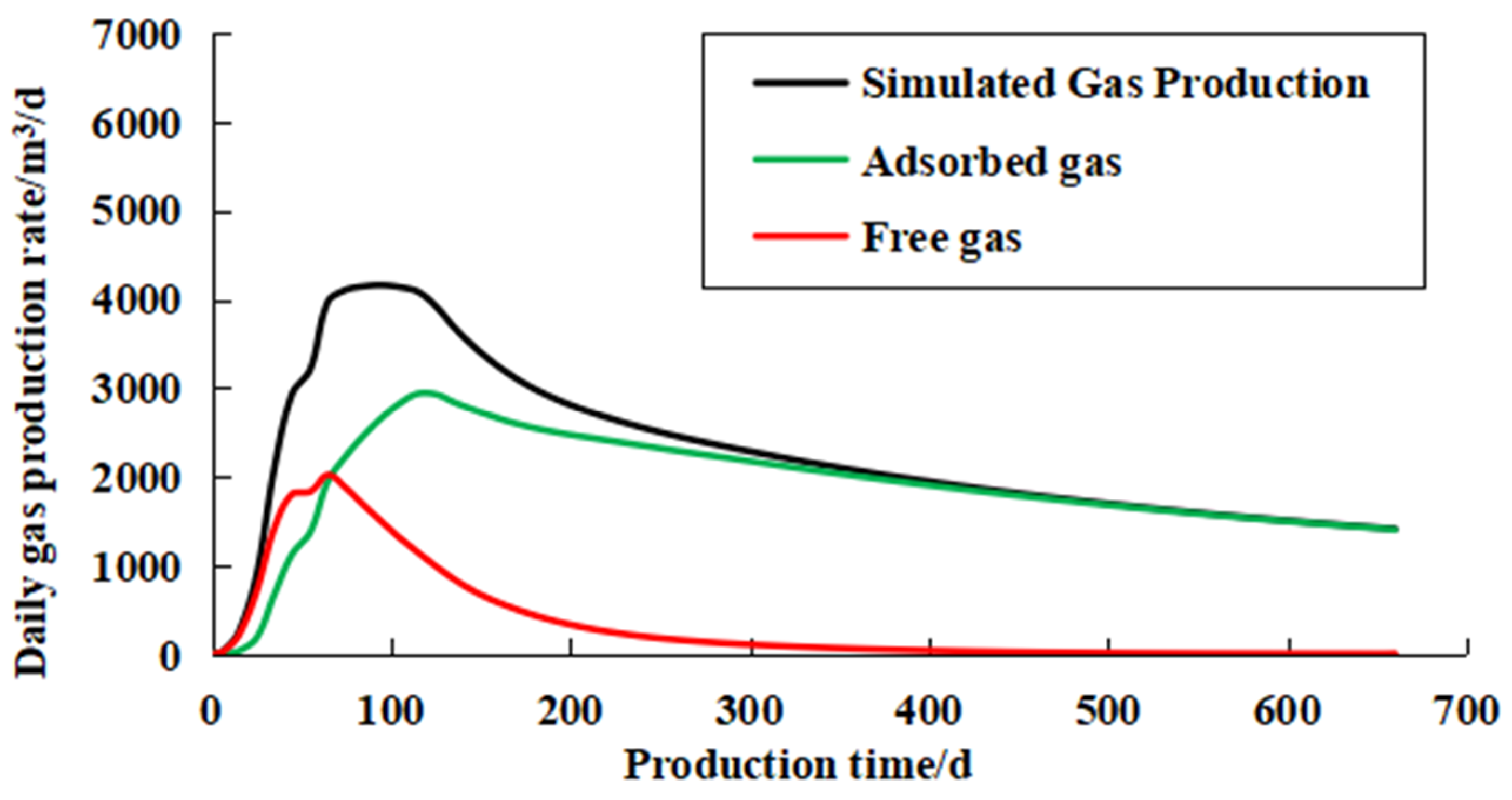
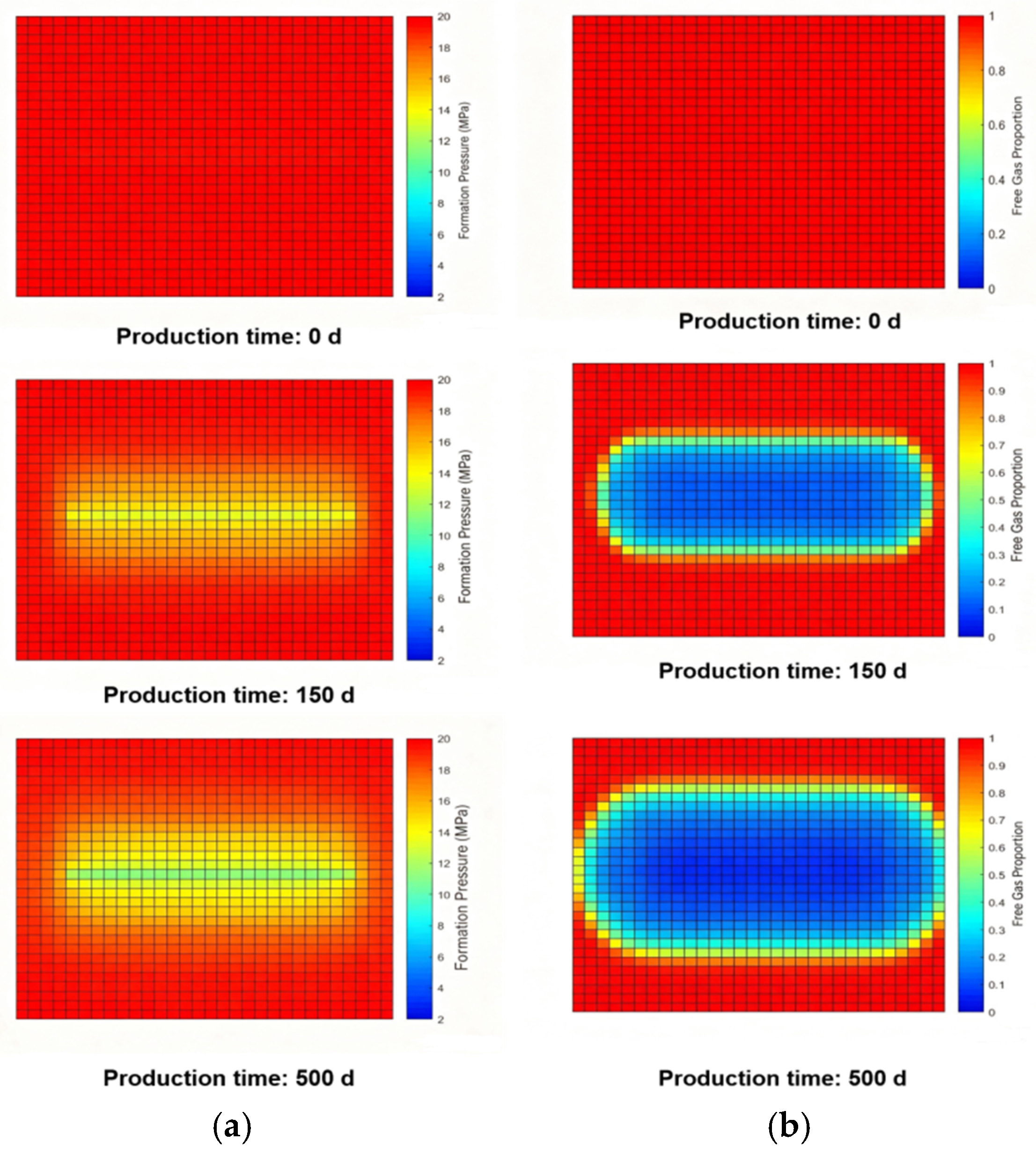
Aiming at the technical bottlenecks of deep coalbed methane (DCBM) reservoirs, including ultra-low permeability, prominent stress sensitivity, difficulty in characterizing complex hydraulic fractures, and the inability to quantitatively differentiate produced free gas and adsorbed gas, this paper constructs a numerical simulation model coupling matrix, cleat fractures, hydraulic fractures and wellbores by adopting the matrix bordering treatment technique. This work couples a DCBM dual-porosity single-permeability model with the embedded discrete fracture model (EDFM) for numerical simulation. On the basis of the established numerical simulation model, a quantitative classification method for the proportions of free gas and adsorbed gas in produced DCBM is proposed to realize quantitative partitioning of the two gas components. Field verification based on vertical DCBM Well A demonstrates that the average relative error of daily gas production predicted by the proposed model is merely 7.54%, which delivers a 7.31% improvement in prediction accuracy compared with a commercial simulation software. Further parametric sensitivity investigations yield the following key findings: the gas content of DCBM reservoir acts as the dominant controlling factor of productivity, and an 8.1% rise in coalbed gas content yields a 98.07% increase in cumulative gas production; compared with the gas content, coalbed stress sensitivity ranks second among reservoir factors in terms of its influence on ultimate cumulative gas production. The impact of coalbed stress sensitivity is mainly reflected in the sharp productivity decline during the middle–late production stage. Hydraulic fracture length serves as the primary controlling factor for late-stage daily gas output; by contrast, early productivity is dominated by hydraulic fracture conductivity. Variations in bottom-hole pressure drawdown rate create marginal discrepancies in total cumulative production, and a drawdown regime of 0.05 MPa/d is recommended to maintain stable gas output over the entire production cycle. Quantitative classification calculation of free and adsorbed gas proportions in produced DCBM indicates that free gas only prevails in the early production stage and is quickly overtaken by adsorbed gas. After 660 days of production, free gas accounts for 33% of the total gas production of Well A, while adsorbed gas accounts for 67%. Moreover, the depletion of reservoir free gas is confined within the well drainage area, with nearly no pressure or gas content disturbance observed in far-well regions. The established model can provide theoretical support for dynamic productivity forecasting, production regime optimization and produced gas composition analysis of DCBM reservoirs.
Keywords: DCBM; geomechanical coupling; EDFM; free gas; adsorbed gas DCBM; geomechanical coupling; EDFM; free gas; adsorbed gas