2.1. Evaluation Methods for Reservoir Damage
Reservoir damage assessment methods can be classified into indoor experimental assessment and field assessment based on their analytical means. Indoor evaluation experiments are static evaluation methods represented by the determination of core permeability recovery values, mainly including core physical property analyses such as gas permeability measurement, porosity and particle-size analysis, as well as sensitivity experiments such as flow velocity sensitivity and water sensitivity. Field evaluation mainly includes well test evaluation and production decline analysis, among other methods. Since the 1960s, scholars have begun to study the evaluation methods and protection technologies of reservoir damage during the drilling process of high-pressure oil and gas reservoirs. They have carried out relevant research around rock mechanics, chemistry, hydrodynamics, and multi-field interactions, and found that liquid-phase trapping, solid-phase blockage, scaling, and self-damage of rock minerals are the main ways causing reservoir damage.
Ghofrani et al. [
1] employed a closed-loop ITE apparatus to measure core permeability before and after drilling fluid damage, then evaluated the damage degree of formation. In 2000, Luo et al. [
2] developed a dynamic damage simulation device for underbalanced drilling to assess reservoir damage induced by drilling fluids. Ye et al. [
3] conducted simulation experiments using stainless steel slotted cores to investigate drilling fluid damage in carbonate reservoirs based on fracture width. The results demonstrated that this method can be applied to evaluate drilling fluid-induced formation damage, optimize temporary plugging schemes, and support studies on fractured reservoir protection. Kang et al. [
4] quantitatively evaluated the damage to fractured tight reservoirs using static damage tests, dynamic damage tests of drilling and completion fluids, and sequential-contact experiments between working fluids and reservoir cores. Their work systematically analyzed the effects of filtrate, fluid systems, and contact sequence on reservoir damage. Ji [
5] proposed a simple and rapid method for measuring liquid permeability in tight cores, namely the capillary flow viscometry method. This approach requires fewer parameters, provides high accuracy, and does not require fluid viscosity measurement. You et al. [
6] applied the pressure decay method to evaluate fluid sensitivity in tight reservoirs. This method determines permeability by monitoring the temporal variation in pressure during fluid flow through the core, thereby assessing the damage degree induced by working fluid. It avoids significant experimental errors associated with outlet flow measurement and overcomes limitations of conventional methods. Li et al. [
7] used the spontaneous imbibition method to evaluate the damage caused by water-blocking effects in tight gas reservoirs and investigated the influence of wettability, temperature, viscosity, and interfacial tension on imbibition behavior. Li et al. [
8] utilized nuclear magnetic resonance (NMR) to assess water sensitivity damage caused by fracturing fluid invasion, examining the distribution of invading fluids within cores before and after fracturing. Their results indicated that water sensitivity damage increases with higher bound water content. Evaluation methods for solid invasion damage include direct injection, dynamic circulation of fluids, and numerical modeling. Suri et al. [
9] established a quantitative model to predict permeability reduction caused by solid invasion, enabling evaluation of reservoir damage under varying depths and formation pressures during drilling and completion operations. Liu Hao et al. [
10] used the direct injection method to measure permeability changes before and after fluid injection into cores. Additionally, a tangential drilling fluid circulation device was employed to assess solid invasion damage from three types of drilling fluids, and to analyze the invasion depth and composition of the invading solids.
These evaluation methods have different advantages, limitations, and applicable scenarios in deep unconventional reservoirs. Core-flow experiments can directly quantify permeability impairment and recovery, but they are time-consuming and strongly dependent on core representativeness. NMR can characterize pore-scale fluid distribution and bound-fluid changes, but the interpretation of T2 spectra requires careful calibration with petrophysical data. The pressure-decay method is suitable for ultra-low-permeability cores and avoids errors caused by outlet-flow measurement, but it is sensitive to boundary conditions and pressure-stabilization criteria. Spontaneous imbibition experiments can reflect capillary-driven water invasion and liquid-trapping tendencies, but they cannot fully reproduce dynamic drilling and completion conditions. Therefore, a single method is insufficient for complex reservoirs, and integrated evaluation combining core flooding, NMR, pressure response, microscopic characterization, and field production data is required.
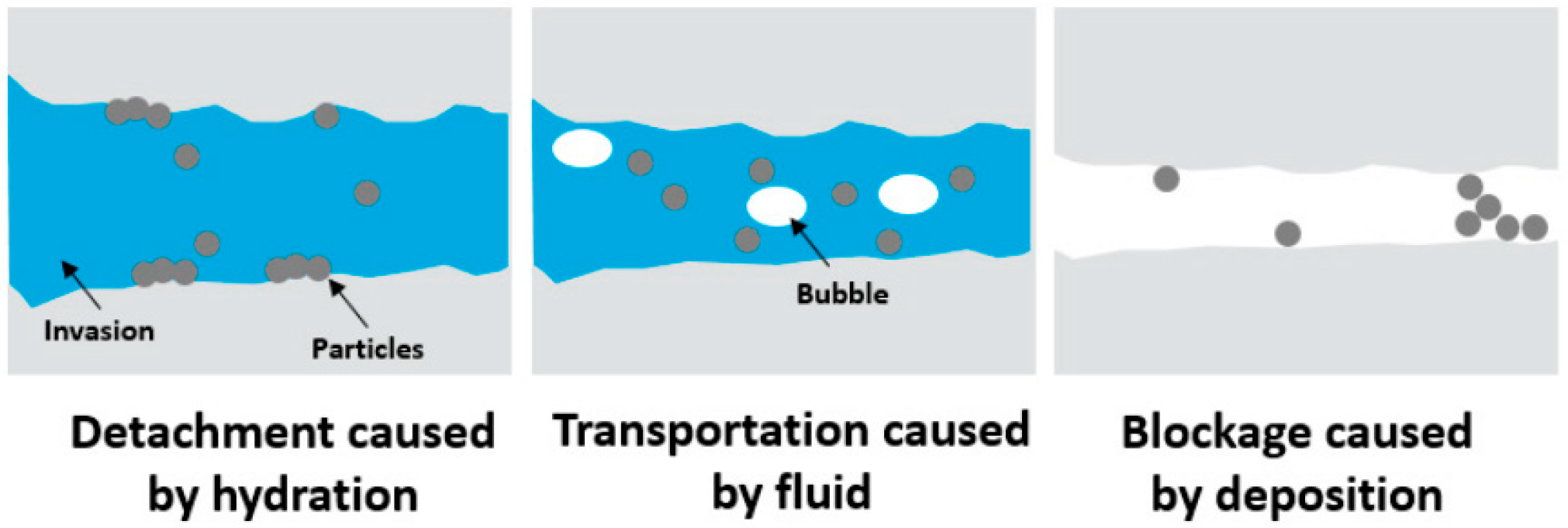
From a modeling perspective, existing reservoir-damage models can be broadly classified into empirical permeability-reduction models, core-scale flow-damage models, geochemical reaction models, geomechanical coupling models, numerical simulation models, and data-driven models. Models developed for conventional sandstone reservoirs are mainly based on relatively continuous porous media and are therefore insufficient for deep tight, shale, and fractured–vuggy carbonate reservoirs with nanoscale pores, complex fracture networks, strong heterogeneity, and stress sensitivity. A more suitable modeling framework should integrate pore–fracture characterization, fluid invasion and solid plugging, mineral reaction and scaling, stress-sensitive fracture closure, laboratory calibration, field-data validation, and interpretable machine learning diagnosis.The principal fluid-damage pathways that should be considered in such a framework are schematically summarized in
Figure 1 [
11].
2.2. Damage Mechanism of Complex Oil and Gas Reservoirs
At present, the damage mechanisms of conventional sandstone reservoirs have been preliminarily clarified, and corresponding reservoir protection technologies have been developed based on these understandings. However, the mechanisms observed in conventional porous sandstone reservoirs cannot be directly extrapolated to deep unconventional reservoirs. China’s deep and ultra-deep fractured/vuggy carbonate reservoirs, tight reservoirs, and shale reservoirs are characterized by great burial depth, well-developed natural or induced fractures, poor petrophysical properties, strong heterogeneity, high capillary pressure, and high effective stress. These reservoirs are highly susceptible to contamination and damage, which severely constrain the exploration and development progress of fractured–vuggy reservoirs and tight oil and gas formations [
12,
13]. Existing studies mainly focus on reservoir sensitivity damage, stress-induced damage, and phase trapping damage. Moreover, the pore–throat structures and seepage mechanisms of deep fractured/vuggy reservoirs differ fundamentally from those of conventional porous sandstone reservoirs [
14,
15,
16]. In fractured–vuggy carbonate reservoirs, the primary storage spaces include intragranular pores, moldic pores, and dissolution pores, while the main flow pathways consist of fractures and microfractures connecting these void spaces. Therefore, formation damage in deep unconventional reservoirs should be understood as a coupled process involving physical blockage, chemical reactions, phase-behavior alteration, geomechanical deformation, and biogeochemical effects rather than as a single-sensitivity phenomenon.
During drilling and completion operations, the invasion of filtrate interacts physically and chemically with sensitive minerals in the reservoir, leading to permeability alteration. These sensitive minerals include both clay minerals and non-clay reactive minerals. Kang et al. [
17] found that alkali sensitivity damage is a primary cause of production decline in fractured/vuggy carbonate reservoirs. The main mechanism is that clay minerals within the reservoir tend to disperse and migrate under alkaline conditions, thereby plugging pore throats and reducing permeability. He et al. [
18], through alkali sensitivity evaluation experiments on carbonate reservoirs in the Sichuan–Chongqing region, observed that even a small amount of clay minerals in carbonate formations can react with alkaline fluids. This reaction destabilizes the clay minerals and leads to the formation of inorganic scales, ultimately causing a reduction in rock permeability. Jiang et al. [
19] investigated stress sensitivity-induced damage in fractured reservoirs and analyzed the relationships among permeability, fracture width, and effective stress using regression methods. Their results indicated that fractured carbonate reservoirs exhibit strong stress sensitivity, along with a pronounced hysteresis effect. Yang et al. [
20] studied the damage mechanisms of fractured carbonate reservoirs in the Tazhong block and identified extremely strong stress sensitivity as one of the dominant damage factors in such reservoirs.
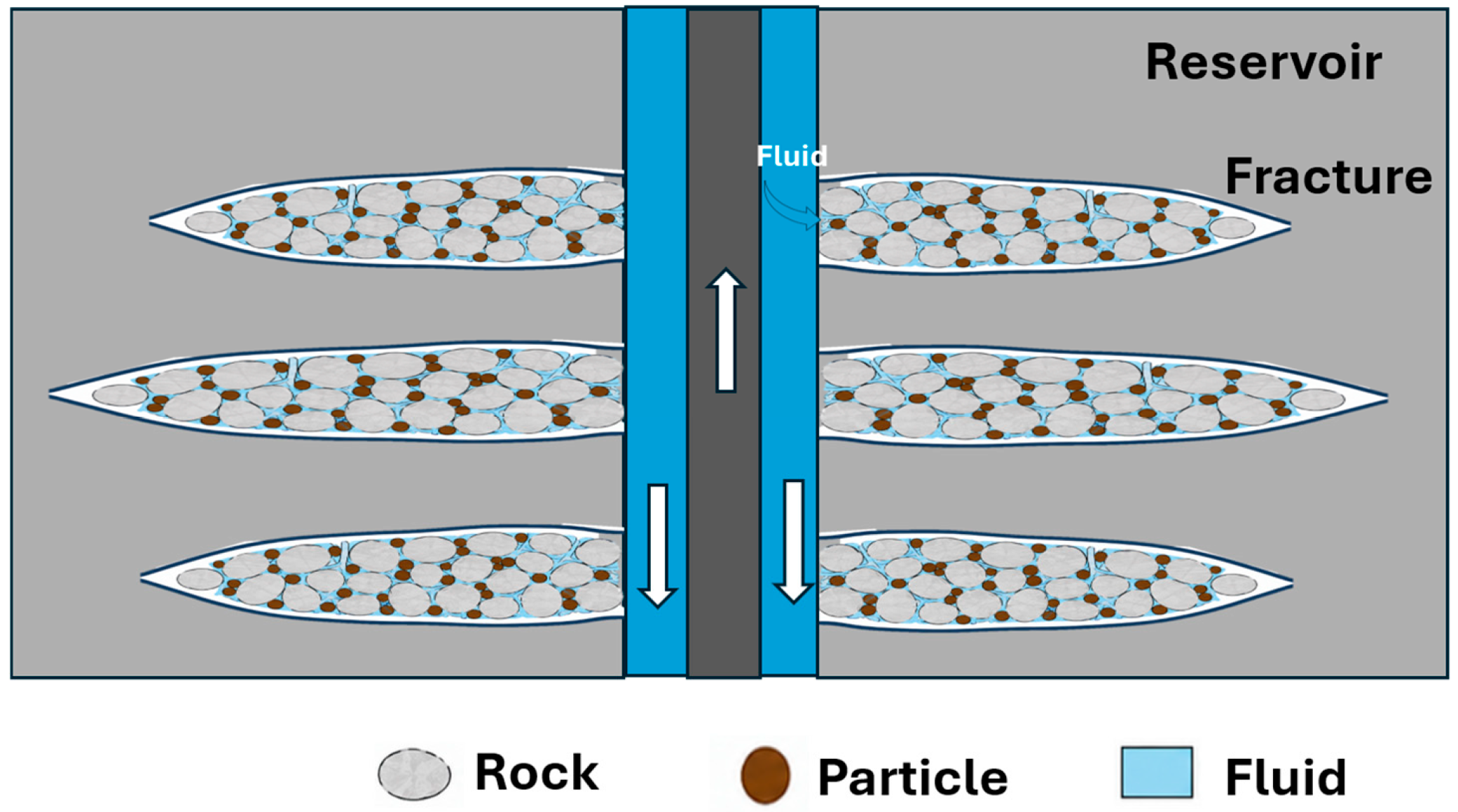
In fractured tight gas reservoirs, working fluid loss is not only a lost-circulation problem but also a direct formation-damage pathway. As shown in
Figure 2, once the drilling or completion fluid enters natural fractures and induced microfractures, the liquid phase may invade the matrix under capillary pressure, while solid particles and polymeric additives can accumulate at fracture entrances or within narrow fracture apertures. These processes jointly cause liquid-phase trapping, solid plugging, wettability alteration, and permeability reduction. As shown in
Figure 2, fluid invasion may hydrate clay minerals and weaken the attachment of fine particles to the pore surface, resulting in particle detachment. These detached particles are subsequently transported by the invading fluid and eventually deposited at narrow pore throats, where they form bridges or blockages and reduce reservoir permeability.
Amaefule et al. [
22] considered fines migration to be one of the most prevalent causes of reservoir damage, followed by emulsion blockage, liquid phase trapping, wettability reversal, and scaling. Giorgi et al. [
23] summarized 22 factors that can induce reservoir damage, including wettability alteration, liquid phase trapping, clay swelling, fines migration, inorganic mineral precipitation, emulsion blockage, and bacterial corrosion. Zhang et al. [
24] proposed in 1994 both macroscopic and microscopic mechanisms for reservoir damage in complex reservoirs. Mungan et al. [
25] experimentally investigated the effects of pH and salinity of injected fluids on reservoir permeability. The results indicated that higher pH values of brine can lead to reservoir damage. These studies support the mechanism-based classification described above and indicate that reservoir damage in complex oil and gas systems is usually controlled by the superposition of several mechanisms.
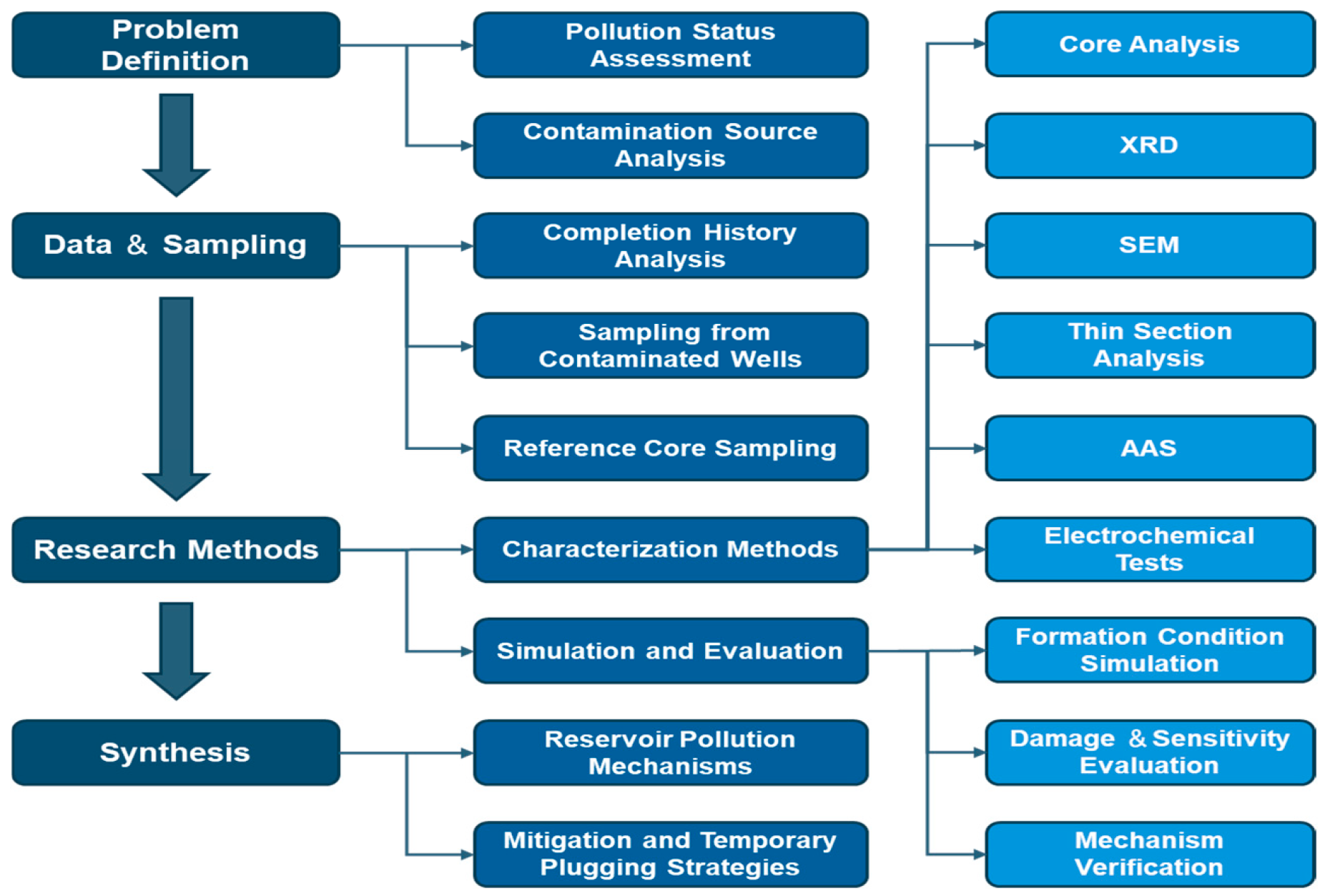
As shown in
Figure 3, reservoir-damage mechanisms can be investigated using a combination of field investigation, laboratory core-flow experiments, microscopic characterization, fluid compatibility tests, and numerical diagnosis. Field data are used to identify abnormal productivity decline and potential damage intervals; core-flow experiments quantify permeability impairment; microscopic and compositional analyses identify pore–throat blockage, mineral migration, scale deposition, emulsion blockage, and wettability alteration; and numerical diagnosis integrates these observations to determine the dominant damage mechanisms.
The discussion of oil-based drilling-fluid damage should be distinguished from that of water-based drilling-fluid damage. Oil-based drilling fluids can reduce shale hydration and improve wellbore stability, but their damage mechanisms in tight and shale reservoirs remain insufficiently understood. The primary mechanisms include emulsion blockage caused by contact between oil-based filtrate and formation fluids, reduction in oil- or gas-phase relative permeability caused by wettability alteration from water-wet or mixed-wet surfaces toward oil-wet conditions, oil-phase trapping in nanopores or microfractures, and pore–throat plugging caused by the retention or migration of oil-wet solid particles. The formation mechanism of thermodynamically unstable emulsions responsible for blockage in oil-based drilling fluids remains unclear, and effective removal methods for such emulsion blockage are still lacking. In addition, the migration behavior of oil-wet solid particles within tight porous media requires further investigation. At present, the understanding of damage mechanisms and protection theories for tight and shale reservoirs is still largely based on water-based drilling fluids. Therefore, oil-based drilling-fluid damage should be treated as a separate damage category involving phase behavior, interfacial chemistry, and wettability alteration.
Biogeochemical and scale-related damage should also be incorporated into the damage framework for deep and chemically complex reservoirs. Microbial reservoir souring is a representative pathway in which sulfate-reducing prokaryotes generate H
2S in situ under suitable temperature, salinity, pH, pressure, and nutrient conditions. The generated H
2S can cause corrosion, sulfide precipitation, operational safety risks, and permeability impairment [
26]. In addition, geochemical disequilibrium caused by CO
2 injection, water invasion, or incompatible-fluid mixing can promote organic and inorganic scale deposition. Recent work on CO
2 injection in Morrow fluvial sandstone showed that CO
2-induced changes in fluid composition and thermodynamic conditions can promote paraffin wax deposition and CaSO
4-related scaling, thereby blocking flow channels and reducing permeability [
27]. These mechanisms are particularly relevant to multi-field coupling because temperature, pressure, salinity, microbial activity, fluid chemistry, and flow conditions jointly control the occurrence and intensity of souring and scale deposition.
Compared with single-factor sensitivity damage, multi-field coupled damage is more representative of deep unconventional reservoirs but is also more difficult to diagnose quantitatively. Physical plugging caused by solid invasion is relatively direct to identify through permeability decline, microscopic observation, and particle-retention analysis, but its interaction with filtrate invasion and stress-sensitive fracture closure is often underestimated. Chemical sensitivity and scaling damage can be evaluated by fluid–rock compatibility tests and compositional analysis, but their evolution depends strongly on temperature, pressure, salinity, pH, and reaction time. Phase trapping and wettability alteration are critical in tight and shale reservoirs, but their contribution to productivity decline is difficult to separate from solid plugging and stress sensitivity. Therefore, reservoir-damage diagnosis should not rely on isolated mechanism identification; instead, it should compare physical, chemical, phase-behavior, geomechanical, and biogeochemical effects under reservoir-specific conditions.
2.3. Reservoir Protection Materials and Technologies During the Drilling
Conventional reservoir protection technologies during drilling and completion mainly include bridging/temporary plugging (shielding) techniques and underbalanced drilling. However, underbalanced and gas drilling technologies are not suitable for carbonate reservoirs with high H
2S content, multiple producing intervals, and complex pressure systems. In contrast, bridging temporary plugging technology features low cost and simple operation, and can effectively mitigate strong H
2S corrosion as well as solid–liquid phase-induced reservoir damage. It also contributes to wellbore stability during drilling in complex formations. Temporary plugging materials are generally classified into bridging particles, filling particles, and deformable particles. Based on their dissolution mechanisms, they can be further categorized into acid-soluble, alkali-soluble, oil-soluble, and water-soluble plugging agents. Acid-soluble agents are typically dominated by ultrafine CaCO
3 and are widely applied in carbonate reservoirs. Alkali-soluble agents are represented by ultrafine cellulose, which can preferentially adhere to the wellbore wall through directional effects and form multi-point adsorption, rapidly establishing an effective sealing layer. Liu et al. [
28] synthesized a novel alkali-soluble drilling fluid plugging agent characterized by brittleness and ease of processing. This material is rich in functional groups such as hydroxyl, carboxyl, and carbonyl, and exhibits a dissolution rate exceeding 60% in alkaline solutions with pH > 9. Oil-soluble temporary plugging materials are generally oil-soluble resins. Chen et al. [
29] developed an oil-soluble plugging agent with temporary plugging and diversion capabilities using petroleum resin, phenolic resin, and modified hydrocarbon resins. This material exhibits high plugging efficiency, effective diversion performance, and self-removal after operation, thereby protecting the reservoir. Jiang Wei et al. [
30] synthesized an environmentally friendly water-soluble temporary plugging and diversion agent using biodegradable materials, high-molecular-weight polymers, expansion agents, and curing agents. The particle size of this agent can be tailored according to fracture width, and it demonstrates good water solubility. Core flooding experiments showed that the plugging efficiency exceeds 99%, withstanding pressures above 40 MPa, while causing minimal damage to the core after dissolution and degradation. Jiang et al. [
31] conducted plugging experiments using fibrous-capsule (flocculated sac-like) plugging agents to evaluate their performance in fractured–vuggy carbonate reservoirs. The results indicated that, after injection, the deformation resistance of the core was enhanced, and the pressure-bearing capacity of fracture bridging and plugging was significantly improved.
Table 1 shows that different reservoir-protection materials and technologies are suitable for different reservoir conditions. Soluble temporary-plugging agents have clear cleanup routes but require further verification under long-term HPHT and high-salinity conditions. Physical particulate plugging is operationally simple and cost-effective, but its performance strongly depends on particle-size matching and sealing-layer stability. Film-forming technologies can reduce filtrate invasion, but their film strength and field adaptability need further evaluation. Underbalanced drilling can minimize fluid invasion, but its application is restricted by safety risks, high H
2S content, and complex pressure systems. Therefore, material or technology selection should be based on reservoir lithology, fracture aperture, pressure system, temperature, salinity, and cleanup requirements.
The effectiveness of temporary plugging depends not only on the intrinsic properties of individual materials but also on their spatial packing and interaction within fractures.
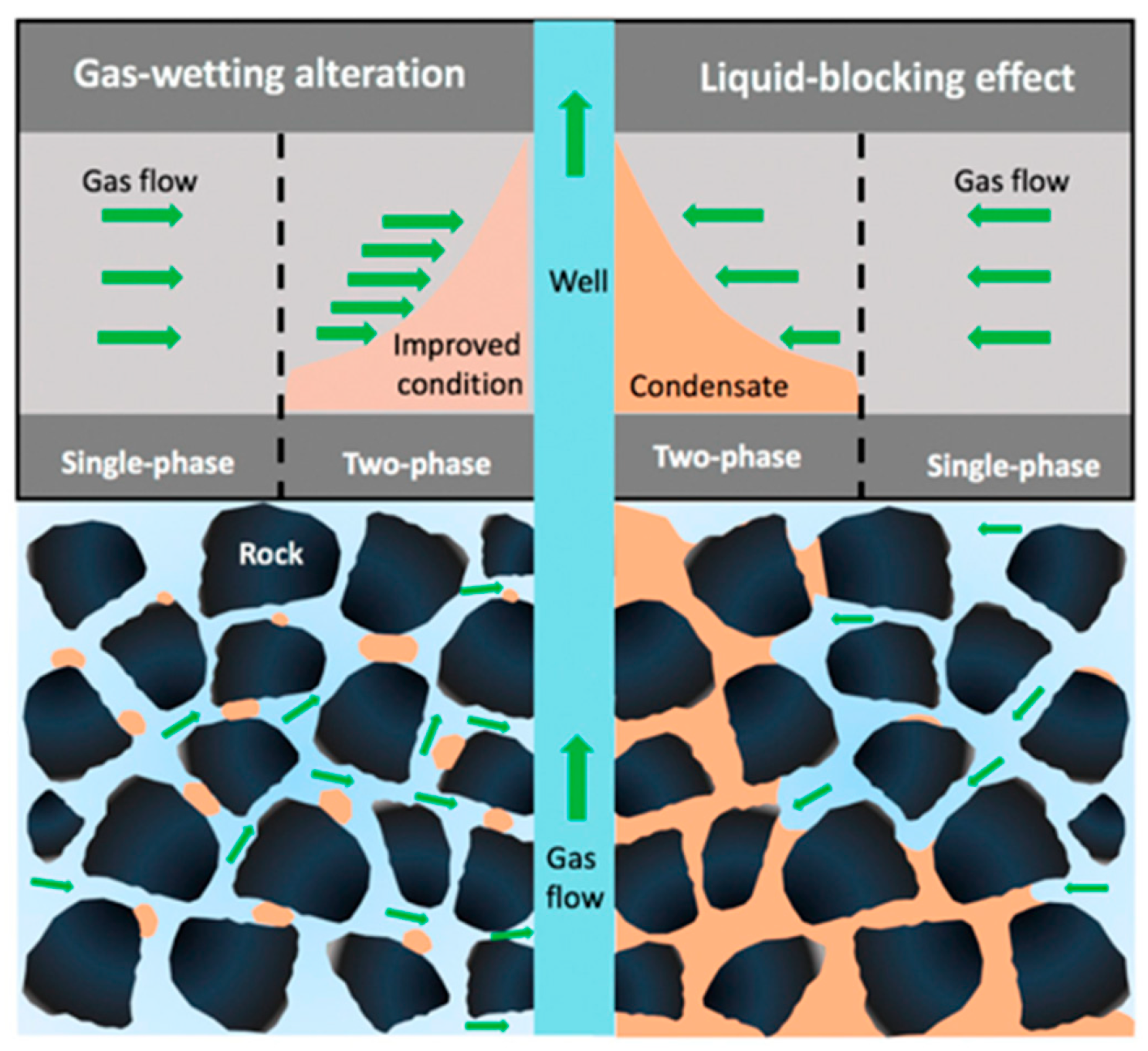
Figure 4 presents an idealized physical model of a dense pressure-bearing sealing layer. In this model, coarse bridging particles first form a skeleton across the fracture aperture, medium-sized particles fill the remaining pore spaces, and fine or deformable particles further reduce the permeability of the sealing layer. A dense and graded sealing structure can increase pressure-bearing capacity and reduce filtrate invasion, whereas an improperly matched particle-size distribution may result in shallow plugging, weak sealing strength, or easy reopening under pressure fluctuations.
Reservoir protection technologies mainly include physical particulate temporary plugging, chemical film-forming plugging, underbalanced drilling and completion, and interfacial modification techniques. Physical particulate temporary plugging refers to the combined use of bridging, filling, and deformable materials to form a temporary plugging zone at the wellbore wall and in near-wellbore fractures. This zone effectively prevents the invasion of solid and liquid phases from drilling and completion fluids into the reservoir, thereby achieving reservoir protection. Prior to production, the plugging zone can be removed through acid dissolution, oil dissolution, or natural degradation. After years of development, this technique has played a significant role in reservoir protection. Chemical film-forming plugging technology involves forming a thin film on the wellbore wall to maximally inhibit the invasion of solid and liquid phases into the reservoir, representing a transition from purely physical plugging to chemically induced film-based isolation. This approach has led to the development of oil-film plugging, film-forming drilling fluids, and biomimetic biofilm-based plugging technologies, which have been widely applied both domestically and internationally. In tight carbonate and shale oil reservoirs in the Williston Basin, North America, a novel water-based drilling fluid incorporating acid-soluble plugging agents, microemulsion-forming agents, and high-temperature/high-pressure film-forming fluid-loss additives has been used during drilling and completion. Compared with conventional oil-based drilling fluids, fluid loss was reduced by 90.6%, significantly enhancing production and productivity indices.
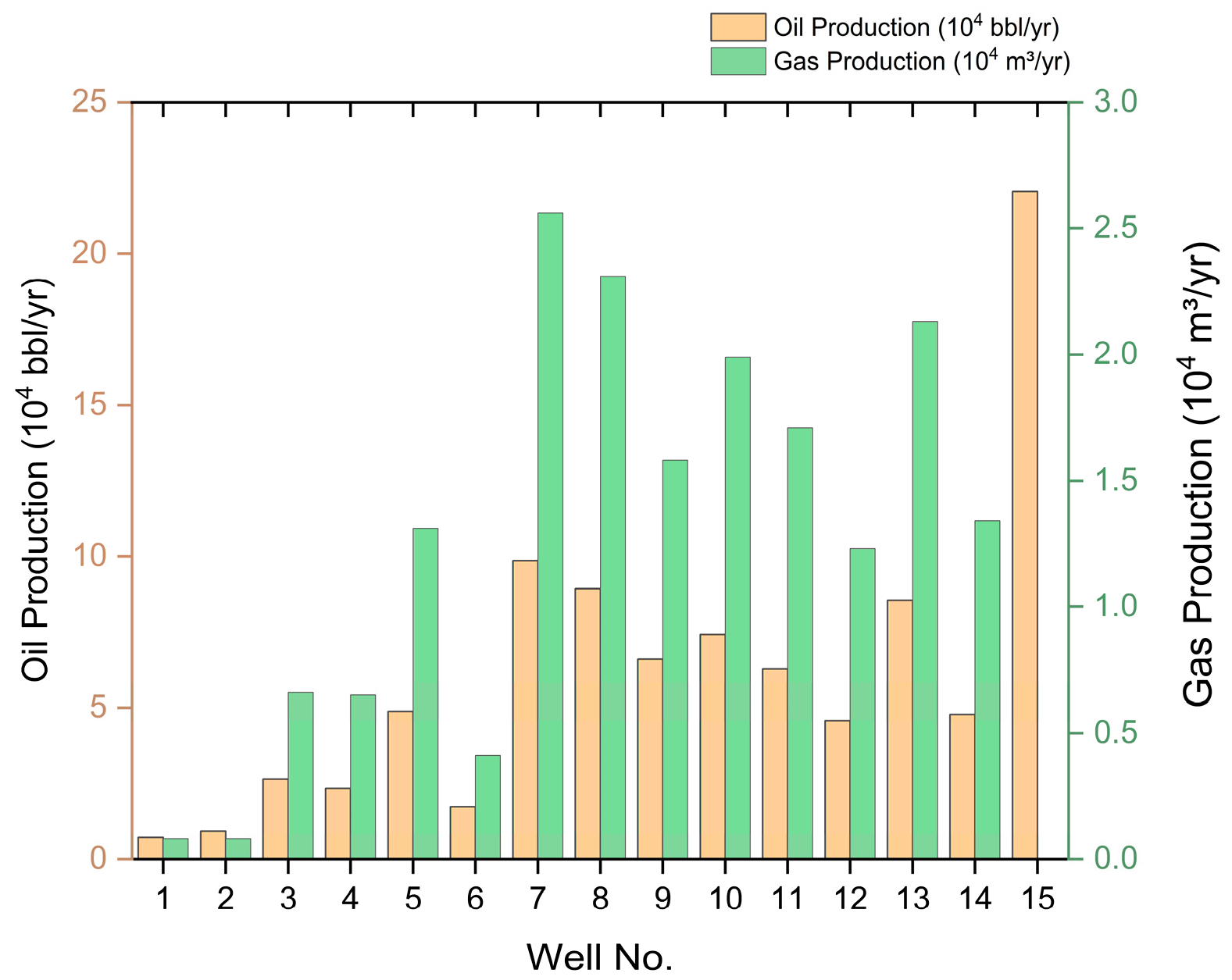
In the Bakken Basin of Canada, full-process underbalanced drilling has been applied in selected tight oil and gas wells to reduce fluid invasion and protect reservoir productivity. As shown in
Figure 5, test wells drilled under underbalanced conditions exhibited better production performance than non-test wells. Previous studies reported that, compared with conventional overbalanced drilling, annual oil production and gas production could be significantly improved [
32,
33,
34].
Carbonate reservoirs typically exhibit high initial production rates. Even when some degree of formation damage occurs during drilling, they can still maintain considerable cumulative oil and gas output. As a result, reservoir protection for fractured–vuggy carbonate reservoirs has received relatively limited attention, leading to a shorter duration of stable high production periods. At present, the reservoir protection measures adopted are largely derived from techniques developed for conventional sandstone and clastic reservoirs. A comprehensive and systematic reservoir protection technology framework specifically tailored to carbonate reservoirs has yet to be established.
2.4. Reservoir Protection Technology During Well Completion
Sun et al. [
35] investigated low-damage completion fluids suitable for low-permeability reservoirs to address water sensitivity and liquid phase trapping damage. The formulation mainly includes bentonite, mixed metal hydroxide (MMH), cationic polymers, and nonionic surfactants. Huang [
36], considering the characteristics of low-permeability reservoirs, optimized amphoteric polymer-based and cationic polymer-based drilling and completion fluids. These systems improved drilling efficiency, shortened completion cycles, reduced reservoir exposure time, and thereby contributed to reservoir protection. The Shengli Drilling Research Institute developed a series of technologies, including solids-free high-temperature-resistant drilling and completion fluids, clay-free systems, bio-based completion fluids, and polyglycol-based drilling and completion fluids. These technologies enhanced drilling rates, reduced completion time, minimized reservoir soaking, and mitigated liquid phase trapping and solid invasion damage, achieving effective protection for low-permeability reservoirs [
37,
38,
39]. Wang et al. [
40] established a high-density (2.0 g/cm
3), high-temperature-resistant (150–180 °C) completion fluid system with good anti-settling and thermal stability, specifically designed for fractured carbonate reservoirs. Chen et al. [
41] developed a low-damage, solids-free clean brine completion fluid system capable of withstanding temperatures up to 120 °C. The system demonstrated a core rolling recovery of 96.8%, along with favorable suspension stability, rheological properties, and fluid loss control, meeting field operational requirements. Kritsana K et al. [
42] applied a flow–oscillation method, in which pressure pulses generated by fluid oscillation tools periodically act on scales and damage along the wellbore wall, ensuring effective wellbore cleaning and enhancing productivity in the near-wellbore region.
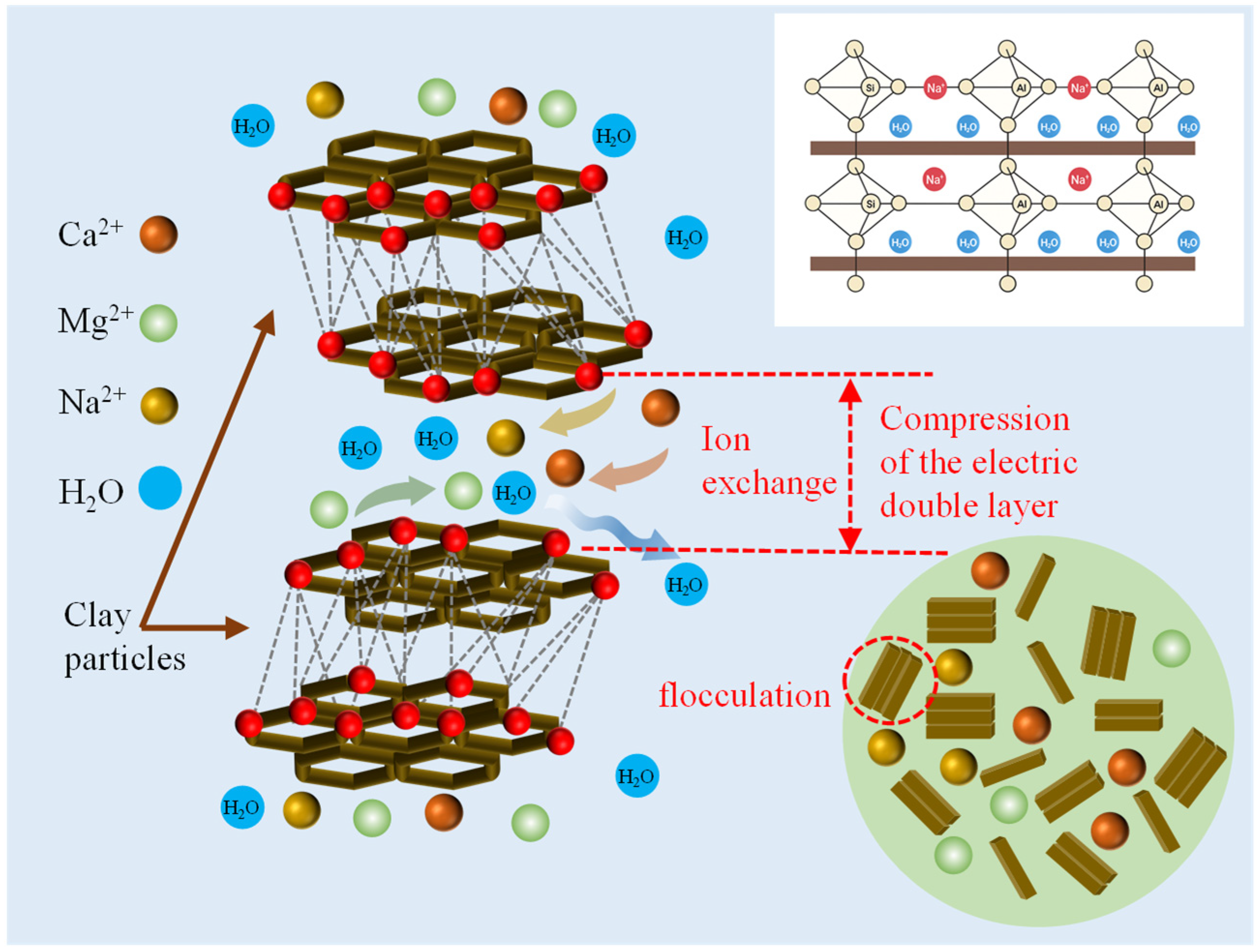
At present, the main research approach for reservoir protection during completion in China focuses on improving the protective performance of drilling and completion fluids, primarily through the development of solids-free and low-solids fluid systems. However, for deep and ultra-deep complex carbonate reservoirs, the drilling and completion cycles are typically prolonged. Under long-term high-temperature conditions, completion fluids are prone to degradation and solidification, which can lead to downhole complications such as tubing blockage and packer sticking. Therefore, there is an urgent need to develop ultra-long-term stable completion fluid systems specifically suited for carbonate reservoir protection. Therefore, long-term reservoir protection by completion fluids should be evaluated not only by initial compatibility and low-damage performance, but also by their stability during prolonged exposure to high temperature and high salinity. This is because, under high-salinity conditions, multivalent cations can enter the interlayers of bentonite through cation exchange, compress the electrical double layer, and promote the transition of clay particles from a dispersed state to flocculated agglomerates, as schematically illustrated in
Figure 6. In addition, polymer degradation, salt precipitation, density stratification, and solidification may change fluid rheology and increase the risk of tubing blockage, packer sticking, and secondary formation damage.
Different completion-stage protection technologies also show distinct advantages and limitations. Solids-free and low-solids completion fluids can effectively reduce solid invasion and liquid-phase trapping, but their long-term stability may deteriorate under prolonged high-temperature and high-salinity exposure. High-density completion fluids are suitable for pressure control in deep fractured reservoirs, but they may increase the risk of salt precipitation, density stratification, and secondary formation damage. Flow–oscillation and near-wellbore cleaning technologies can remove scales and blockage after damage has occurred, but they are remedial rather than preventive measures. Therefore, completion-stage reservoir protection should combine low-damage fluid formulation, long-term thermal stability, compatibility evaluation, and post-completion cleanup efficiency.
2.5. Damage Control of Working Fluid Leakage
The cause of downhole complications in fractured and highly broken formations lies in their low formation pressure-bearing capacity. Over the years, drilling engineers worldwide have developed various technologies to enhance formation integrity based on different lost circulation characteristics, including conventional bridge plugging, fiber-reinforced cement slurries, chemical plugging materials, and adaptive lost circulation control techniques.
Gel-based bonding plugging technology involves adding a certain amount of crosslinking agents to polymer materials to form highly viscoelastic gels. These gels strongly adhere to the walls of loss channels, effectively preventing drilling fluid from leaking deeper into fractures and thereby improving the formation’s pressure-bearing capacity. At ambient conditions, polymer reactions proceed relatively slowly, and both gelation time and final gel strength can be regulated by adjusting polymer and crosslinker concentrations [
44,
45,
46]. This ensures sufficient pumping time and adequate final strength of the plugging material, thereby improving the success rate of lost circulation control and formation strengthening. Xiang et al. [
47] developed a flexible gel sealing material (FG) with adaptive deformation capability and active penetration performance to address sealing failure in coal mine gas drainage boreholes. Field tests demonstrated that it can significantly enhance gas extraction concentration and flow rate. Luo et al. [
48], targeting high-temperature and high-salinity conditions in deep complex formations, synthesized a cationic nanogel viscosifying and plugging agent, P(AM-DMC). Through the synergistic effects of electrostatic adsorption of cationic chains and a three-dimensional network structure, this material significantly improves drilling fluid structural viscosity, shear resistance, and high-temperature stability, achieving integrated viscosification and plugging functions.
Delayed-swelling plugging technology primarily enhances formation pressure-bearing capacity by utilizing the water absorption and swelling behavior of delayed-swelling agents. These agents typically contain a large number of hydrophilic functional groups, such as –NH
2 and –COO
−. Upon water uptake, the polymer chains extend and generate cohesive forces, resulting in volumetric expansion. Zhang et al. [
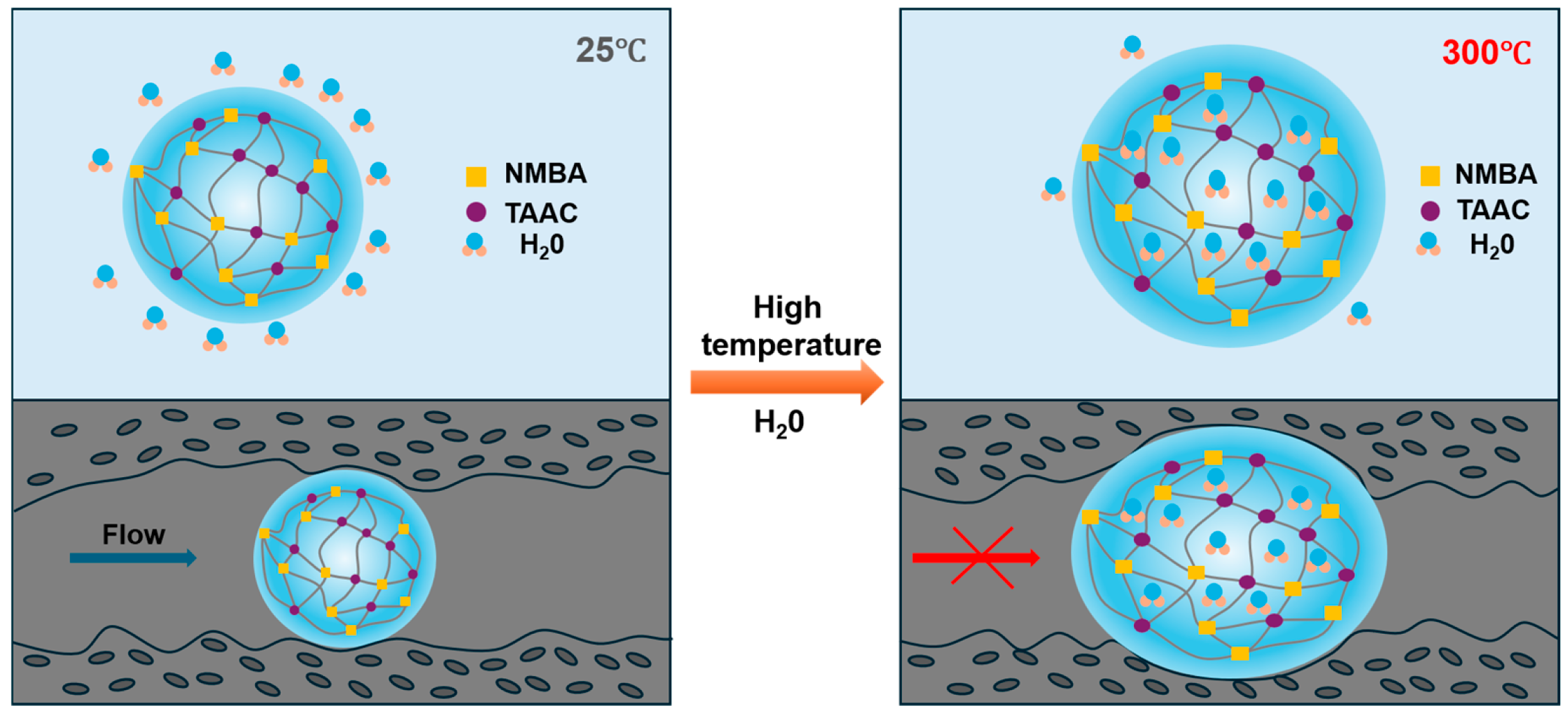
49] prepared a temperature-responsive polyacrylamide absorbent material using NMBA and TAAC as composite crosslinkers. The material exhibited limited swelling at low temperature but significantly enhanced water absorption under high-temperature conditions. As shown in
Figure 7, 25 °C represents the ambient-temperature stage during material preparation, storage, or surface pumping, whereas 300 °C corresponds to the extreme thermal-stimulation condition used in the original study to demonstrate the temperature-triggered transformation of the NMBA-crosslinked network. It should be noted that 300 °C is not intended to represent the typical temperature of all deep unconventional reservoirs discussed in this review. Instead, this figure is used as a mechanistic example to illustrate how thermally responsive crosslinking structures can regulate swelling behavior and plugging performance under severe high-temperature conditions. Zang et al. [
50] developed a novel delayed-swelling plugging agent (SDSAP), which incorporates DMDAAC and modified fibers to achieve synergistic characteristics of slow swelling at ambient temperature and rapid swelling under high-temperature conditions. This material can quickly absorb water and form an effective sealing layer in high-temperature environments. Delayed-swelling agents effectively overcome the selective filtration effect of complex loss zones on conventional plugging materials and compensate for the difficulty in achieving optimal particle-size distribution. Their primary mechanisms include deformation-induced expansion, pore filling, and compaction. Moreover, the delayed-swelling property ensures sufficient time for the plugging materials to penetrate deeply into loss channels, thereby improving operational safety and plugging effectiveness.
Compared with conventional bridge plugging, gel-based plugging materials have better adhesion and deformability, but their gelation time and final strength must be carefully controlled to ensure pumpability and downhole sealing. Delayed-swelling materials can penetrate deeper into loss channels before expansion, but their swelling behavior is highly dependent on temperature, salinity, and residence time. Nanogel and adaptive plugging materials show potential for integrated viscosification and plugging under HPHT conditions, but their long-term stability and field-scale removal efficiency remain insufficiently validated. From a field-application perspective, the effectiveness of lost-circulation control is governed not only by material strength but also by accurate identification of loss zones, matching between plugging-particle size and fracture aperture, pumping time, placement depth, and removal efficiency before production. Based on the authors’ engineering experience in deep and tight reservoirs in China, field-scale reservoir protection is usually constrained by three practical factors: inaccurate identification of loss zones, insufficient matching between plugging-particle-size distribution and fracture aperture, and degradation of working fluids during long-term exposure to high temperature and high salinity. Therefore, material design should be coupled with real-time diagnosis, particle-size optimization, operational-window design, and field-scale evaluation.
2.6. Real-Time Monitoring and Protection System for Reservoir Damage
At present, the quality of China’s oil and gas resources is declining, with major eastern oilfields generally entering the late stage of ultra-high water cut. Western oilfields are in a critical phase of reserve growth and production increase; however, deep and ultra-deep, tight, and shale reservoirs are characterized by complex geological conditions. Intelligent monitoring and diagnosis of reservoir damage are expected to significantly improve the efficiency and quality of oil and gas exploration and development operations, reduce drilling and production costs and risks, and enhance the overall development level of complex reservoirs [
51]. Intelligent drilling and completion represent a new operational paradigm. This approach is centered on intelligent software systems, integrating surface intelligent equipment and downhole intelligent tools into a closed-loop system through computational models and intelligent decision-making technologies. Downhole intelligent tools mainly include equipment embedded with chips, such as intelligent drilling rigs, smart drill bits, intelligent drill pipes, and rotary steerable systems. Surface intelligent equipment includes drilling floor robots with industrial control cores, automated tripping systems, and automated drilling feed systems. Acting as the central link, intelligent software integrates these components into a unified system that, based on real-time subsurface geological conditions and reservoir positioning, enables efficient and automated drilling to the optimal reservoir target, thereby maximizing production capacity.
Saudi Aramco [
52] applied artificial intelligence methods to calculate time-dependent safe mud weight windows, achieving significantly higher computational efficiency compared with conventional physics-based analytical approaches. This enables optimization of drilling fluid systems based on the degree of reservoir damage. The NMR application discussed here differs from the laboratory core-damage evaluation method described in
Section 2.1. In
Section 2.1, NMR is mainly used as an offline diagnostic tool to characterize T
2 spectra, fluid distribution, and pore-scale damage in cores, whereas the improved NMR method discussed in this section focuses on rapid or field-oriented evaluation of drilling-fluid invasion, filter-cake properties, and drilling-fluid-induced formation damage. Adebayo A et al. [
53] employed an improved nuclear magnetic resonance (NMR) technique to investigate drilling fluid-induced damage in sandstone reservoirs. This method allows real-time, on-site evaluation of drilling fluid performance and formation damage. Guan et al. [
54] utilized neural network approaches to analyze downhole complexities during drilling operations and to monitor, identify, and predict risks such as lost circulation, kicks, and sticking. Zhang et al. [
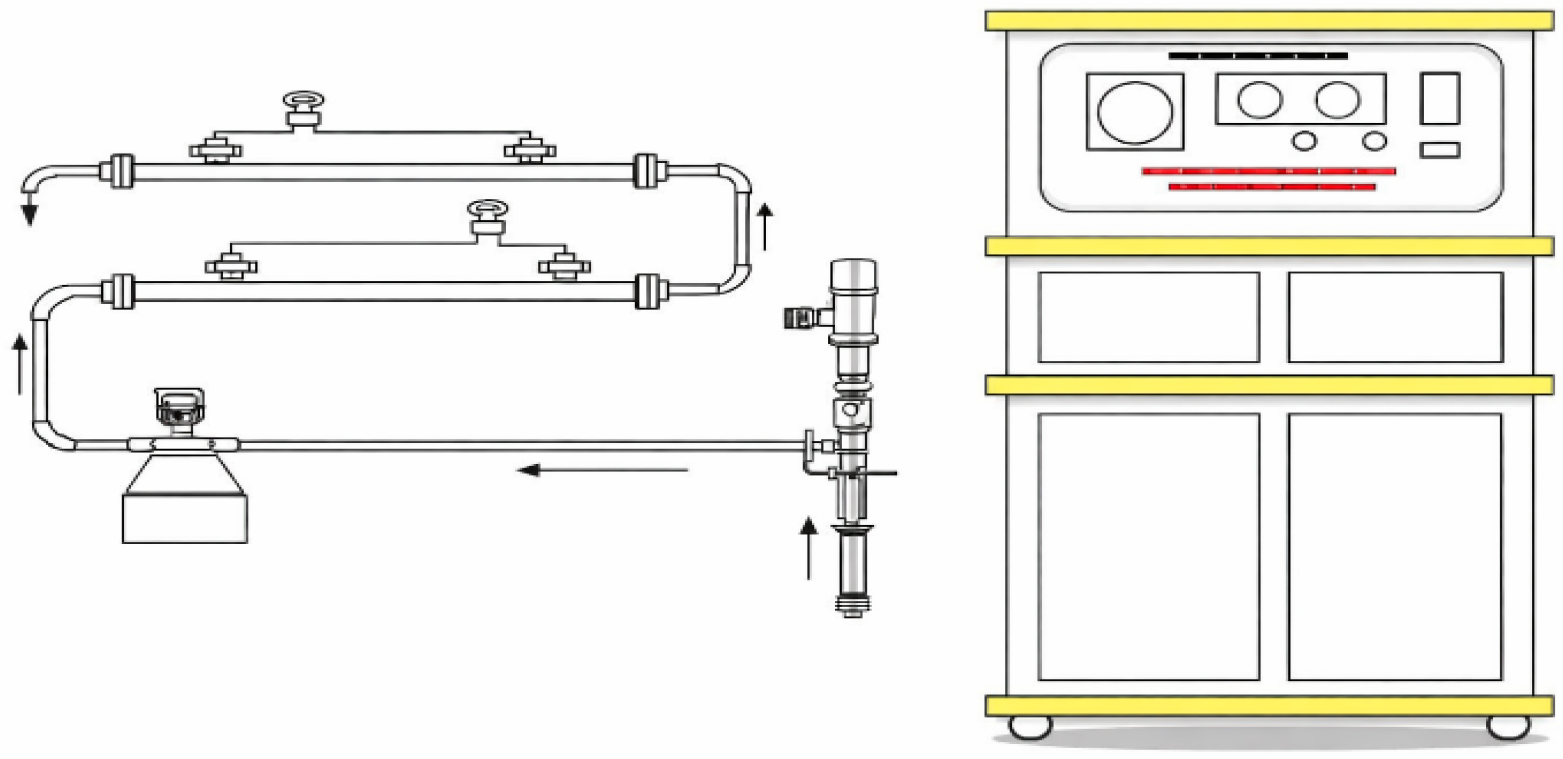
55] developed a real-time drilling fluid performance monitoring system with capabilities including real-time measurement, continuous recording, automated operation, and remote data transmission. Field applications in high-temperature, high-pressure deep wells demonstrated reliable performance within design error limits. This system effectively improves drilling efficiency and plays a significant role in advancing drilling automation, digitalization, and intelligent upgrading, as well as in reservoir protection. The architecture of this online monitoring system is illustrated in
Figure 8. The system consists of drilling-fluid sampling and circulation units, sensor-based measurement modules, data acquisition and transmission units, and a remote monitoring and decision-support platform. By continuously tracking key drilling-fluid parameters such as density, viscosity, filtration loss, temperature, and pressure, the system can provide real-time information for identifying abnormal fluid performance, optimizing drilling-fluid formulation, and reducing reservoir damage caused by excessive filtrate invasion or unstable fluid properties.
Mei [
56] applied a Bidirectional Associative Memory (BAM) approach to formation damage identification. The BAM neural network is an extension of the Hopfield neural network. While the Hopfield model is a single-layer feedback network capable only of auto-association, the improved BAM model is a two-layer, bidirectionally connected feedback network that enables associative mapping between two distinct memory patterns. Wang et al. [
57] developed a novel artificial intelligence-based real-time expert control system for drilling. This system can perform intelligent decision-making based on real-time downhole data and, in combination with existing geological information, accurately determine reservoir location, geometry, and thickness. It can also optimize drilling fluid parameters for reservoir protection according to real-time formation conditions. In 2011, Jiang et al. [
58] employed the Analytic Hierarchy Process (AHP) to rapidly predict potential types and degrees of reservoir damage. This method ranks and assigns weights to evaluation indices representing reservoir damage, ultimately determining the type and severity of damage. Wang et al. [
59] constructed an information fusion model for the identification, diagnosis, evaluation, and prediction of reservoir damage. By integrating multi-source data, this model enables accurate identification of damage types and their extent.
Recent studies have further advanced intelligent reservoir-damage diagnosis from qualitative expert systems toward data-driven, interpretable, and real-time prediction frameworks. Sun and Chen [
60] systematically reviewed formation-damage prediction and diagnosis technologies and emphasized the need to integrate wellsite diagnosis, laboratory experiments, imaging methods, numerical modeling, and artificial intelligence into an intelligent expert system. Sheng et al. [
61] developed a knowledge-guided KBO-LightGBM framework for predicting reservoir water-sensitivity damage using data from 270 natural core samples across 15 oil fields, demonstrating that machine learning models can support rapid damage assessment when combined with domain knowledge and interpretability analysis. He et al. [
62] further proposed an interpretable deep-learning framework based on FCT-SMOTE and BO-TabNet to address missing, imbalanced, and high-dimensional tabular data in reservoir water-sensitivity damage prediction. In addition, Jiang et al. [
63] established a spatiotemporal numerical simulation model for multiple reservoir-damage types, providing a quantitative basis for dynamic diagnosis and prediction of damage severity. For drilling operations, Manafov et al. [
64] developed a temporal deep-learning framework for real-time drilling mud-loss prediction, indicating that live drilling data streams can be used for early warning of leakage-related reservoir impairment. These recent studies indicate that future real-time reservoir-protection systems should integrate sensor data, drilling-fluid properties, laboratory damage indices, numerical simulation, and interpretable machine learning models to support damage identification, risk warning, and protection-strategy optimization.
For practical implementation, the input data of an intelligent reservoir-protection system should include drilling parameters, drilling-fluid properties, mud-loss records, pressure response, logging data, core-analysis results, laboratory damage indices, and production performance. The target labels should include damage type, damage severity, permeability recovery ratio, plugging success or failure, leakage recurrence, and post-treatment productivity response. Damage types can be classified according to the mechanism-based framework discussed above, including physical plugging, chemical sensitivity, phase trapping, geomechanical damage, biogeochemical damage, and multi-field coupled damage. Model validation should include not only random training–testing splits, but also cross-well, cross-block, and cross-field validation to evaluate transferability under different lithologies, pressure systems, and operational conditions.
A practical intelligent reservoir-protection workflow should include real-time data acquisition, feature extraction, damage-type identification, risk prediction, protection-strategy recommendation, and field validation. The required data may include drilling parameters, drilling-fluid properties, mud-loss records, pressure response, logging data, core-analysis results, and production performance, while the target outputs should include damage type, damage severity, plugging-material selection, drilling-fluid optimization, and early warning of reservoir impairment. At present, data standards in China’s oil and gas exploration and development are not unified, and data quality is inconsistent, with limited data sharing at scale. This lack of a robust data foundation constrains the application of existing reservoir protection expert systems. When applied to different blocks or formations, these systems often fail to deliver accurate diagnostic results. Research on real-time monitoring and protection expert systems for reservoir damage in China is still at an early stage. There is currently no dedicated real-time monitoring and protection expert system tailored for deep and ultra-deep, tight, or shale reservoirs, and corresponding hardware development remains largely absent.