1. Introduction
Global mean sea level (GMSL) has risen significantly over the last century and is currently increasing at an accelerated rate. Observation-based assessments indicate that GMSL increased by approximately 0.20 m from 1901 to 2018, while the rate of rise accelerated from 2.3 mm·yr
−1 during 1971–2018 to 3.7 mm·yr
−1 during 2006–2018. This rise is mainly driven by ocean thermal expansion and glacier mass loss, with increasing contributions from the Greenland and Antarctic ice sheets in recent decades [
1]. Recent satellite-based analyses confirm that this accelerating trend persists. A NASA-led assessment reported that GMSL rose faster than expected in 2024, reaching approximately 5.9 mm·yr
−1 instead of the projected 4.3 mm·yr
−1, mainly due to enhanced seawater thermal expansion associated with ocean warming [
2].
Rising GMSL affects coastal morphodynamics by increasing the baseline water level on which waves and storm surges act, allowing waves to propagate further inland and intensify shoreline erosion. These impacts have been linked to coastal erosion and beach narrowing [
1,
3], reinforcing the need for effective protection measures, such as submerged and emerged breakwaters (BWs), to reduce wave energy reaching vulnerable coastlines [
4]. In parallel, global renewable power capacity is projected to double by 2030, with an expected increase of approximately 4600 GW worldwide, mainly driven by solar photovoltaic and wind technologies. However, the concentration of growth in a limited number of technologies and challenges related to grid integration, supply chains, and financing highlight the need to diversify the renewable energy portfolio with complementary sources [
5].
Global-scale studies consistently indicate that ocean wave energy represents a substantial renewable resource, although its estimated magnitude strongly depends on the adopted assessment approach. Recent numerical wave-model and long-term hindcast evaluations suggest that global offshore wave energy potential may range from a few hundred to several tens of thousands of terawatt-hours per year, depending on the considered theoretical, technical, or directionally constrained potential. Long-term analyses also highlight pronounced regional and interannual variability, associated with climatic variability and methodological limitations of global-scale numerical assessments [
6,
7,
8,
9,
10,
11,
12,
13,
14,
15].
Other recent research has explored hybrid systems that integrate wave energy converters (WECs) with coastal protection structures, demonstrating that such configurations can simultaneously attenuate incident waves and generate electrical power. Numerical and physical studies have shown that hybrid BW-WEC concepts can reduce wave energy transmitted toward the shoreline while enabling energy conversion, without compromising the structural performance of the host BW. Therefore, integrating WEC technologies into multi-purpose BW designs represents a promising strategy to combine coastal protection and renewable energy harvesting [
16,
17,
18,
19]. Recent studies have further reinforced this trend by proposing and assessing different hybrid WEC–breakwater concepts. Wang et al. [
20] investigated a hybrid device integrating a WEC with a flexible porous floating breakwater using a RANS-based numerical model validated against experimental data, showing the relevance of simultaneously analyzing wave attenuation and power-generation-related parameters. Song et al. [
21] studied a hybrid system combining a hinged WEC and a breakwater with a semi-opened moonpool in a three-dimensional numerical wave tank, evaluating hydrodynamic response, reflection and transmission coefficients, and conversion-efficiency-related quantities. These studies confirm the growing interest in multi-purpose coastal structures that combine wave attenuation and wave-energy harvesting, while also highlighting the need for careful numerical modeling of the hydrodynamic response.
In turn, the importance of carefully defining absorbing regions in numerical wave tanks has also been emphasized in recent CFD studies. Chen et al. [
22] discussed the use of relaxation zones for wave absorption in numerical wave tanks and showed that the absorption performance is related to the relaxation-zone configuration and its required length. Perić et al. [
23] further demonstrated that wave reflections at computational-domain boundaries can introduce substantial errors in free-surface flow simulations, and that relaxation-zone parameters should be optimized according to the wave conditions and numerical setup. These studies reinforce the relevance of explicitly defining the NB length, damping formulation, and relative position with respect to the structure of interest.
In view of the above, the submerged horizontal plate (SHP) device stands out as a multi-purpose concept that can simultaneously operate as a BW and as a WEC. Although previous numerical studies have investigated the hydrodynamic performance of SHP-type devices, the influence of the numerical beach (NB) position on the computed results has not yet been specifically addressed, particularly when subjected to irregular waves, a condition for which, to the best of the authors’ knowledge, no dedicated studies have been reported, despite its direct impact on wave reflections and, consequently, on the accuracy of the computational predictions [
24,
25]. In previous work by Thum et al. [
24], the SHP length was varied under representative regular and realistic irregular waves, but the beginning of the NB was kept fixed for all plate configurations. As a consequence, the distance between the downstream edge of the SHP and the absorbing region decreased as the plate length increased, which may affect downstream wave-height measurements and the interpretation of the SHP hydrodynamic response.
Therefore, the present study extends and differentiates itself from Thum et al. [
24] by focusing specifically on the sensitivity of the numerical results to the relative position between the SHP and the NB. The wave conditions are generated using the WaveMIMO methodology [
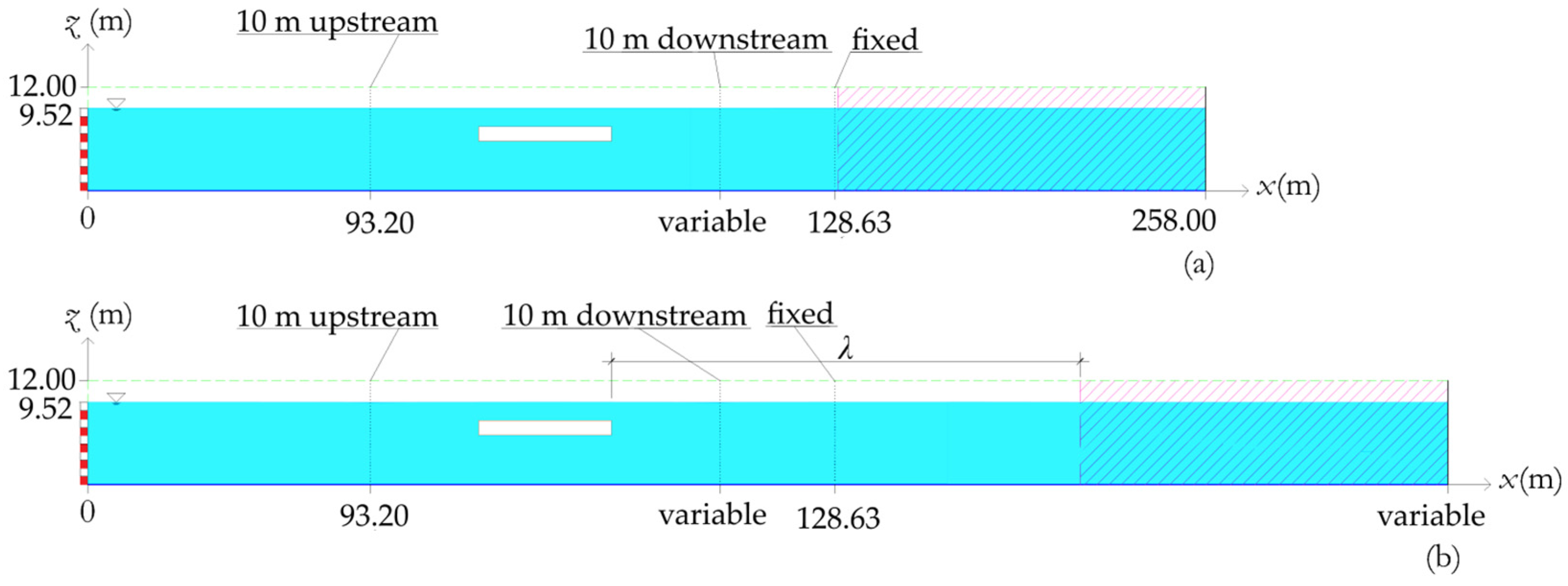
26], and the analysis is carried out by comparing two formulations employing the same computational model: a first formulation (1stF), in which the NB position remains fixed, as previously presented in Thum et al. [
24], and a second formulation (2ndF), proposed in the present study, in which the NB position is adjusted according to the SHP configuration to maintain a constant distance of one wavelength between the downstream edge of the plate and the beginning of the absorbing region. Thus, unlike the previous study [
24], which focused mainly on the effect of plate length, the present work investigates whether the domain configuration itself can influence the monitored free-surface elevation and axial velocity beneath the SHP. In addition, the influence of plate length is assessed through five SHP configurations, using not only conventional performance indicators related to wave attenuation and axial velocity, but also the integral-based analysis of the free-surface elevation and axial velocity time series proposed in [
25]. This integral approach, which was not applied in Thum et al. [
24], is employed here for both the 1stF results obtained from [
24] and the 2ndF results generated in the present study, providing a complementary comparative interpretation of the SHP performance as a BW, as a WEC, and as a combined BW-WEC device.
It should be noted that the present study is based on a two-dimensional numerical model, which is suitable for the comparative assessment proposed here but does not resolve three-dimensional effects such as wave diffraction, edge effects, or spanwise flow structures around the SHP. Therefore, the results should be interpreted as comparative hydrodynamic trends within the adopted 2D modeling framework.
To do so, the BW performance was defined based on free surface elevations measured upstream and downstream of the SHP. In this context, the reduction in significant wave height downstream of the device is used as an indicator of wave attenuation, meaning that lower downstream wave heights indicate better coastal protection performance. In turn, the WEC performance was evaluated based on the axial velocity beneath the plate, since the oscillatory horizontal flow generated in this region is the hydrodynamic mechanism that could drive a bidirectional turbine for wave energy conversion. Therefore, higher axial velocity magnitudes beneath the SHP indicate greater potential for energy extraction. These indicators allow the SHP to be evaluated both as a wave attenuation device and as a wave energy conversion system.
It should be emphasized that the axial velocity beneath the SHP is not used here as a direct measure of converted electrical power or overall WEC efficiency, since no turbine, power take-off system, pressure-drop analysis, or energy-flux calculation is included in the present model. Instead, this variable is adopted as a comparative hydrodynamic indicator of the energy-conversion potential associated with the oscillatory flow induced beneath the plate. This interpretation is physically supported by the fact that the available power in a flow is strongly dependent on the flow velocity. Therefore, higher axial velocity values indicate more favorable hydrodynamic conditions for future energy extraction, but should not be interpreted as final converted power or WEC efficiency.
Based on this scope, the present study is guided by the following research questions: (i) how does the relative position between the SHP and the NB affect the computed hydrodynamic response of the device?; (ii) are the effects of NB positioning different under representative regular waves and realistic irregular waves?; (iii) does the 2ndF, based on a constant distance between the SHP and the NB, reduce possible interference from the absorbing region on downstream measurements?; and (iv) how does the integral-based analysis of free-surface elevation and axial velocity contribute to the comparative assessment of SHP performance as a BW, as a WEC, and as a combined BW-WEC device?
1.1. Operating Principle of the SHP Device
The concept of the SHP as a BW is based on the observation that wave energy is reduced after waves propagate over the device. Early studies on wave attenuation using floating BWs date back to the 1950s [
27,
28], whereas investigations related to wave energy conversion emerged nearly two decades later, when Dick and Brebner [
29] observed a pulsating behavior in the axial velocity beneath the plate. Subsequently, Graw [
30] experimentally demonstrated the variation in the flow velocity below the SHP and proposed its application as a WEC by installing a bidirectional hydraulic turbine under the plate.
From the BW perspective, the SHP contributes to coastal erosion mitigation by reducing wave energy and, consequently, the transmitted wave height. The literature highlights additional advantages over conventional BWs, such as lower dependence on local geomorphology and sediment transport conditions, since the incoming wave climate is not fully blocked [
31]. The SHP is also recommended for situations where full wave sheltering is neither required nor desirable [
31], while its support structure allows mass transport, reducing concerns related to water quality in the sheltered region [
29]. Yu [
32] further explained that, by properly selecting the plate length, the flow over the plate can become out of phase at the downstream edge, generating a U-shaped motion beneath the plate and significantly reducing the amount of transmitted wave energy.
Regarding the WEC function, experimental and numerical studies have shown that the axial flow under the SHP alternates its direction, producing a pulsating velocity pattern induced by wave propagation over the device. This oscillatory flow can be exploited for power generation through the installation of a turbine beneath the plate, allowing the SHP to operate as a dual-purpose structure combining coastal protection and renewable energy extraction [
30,
33,
34].
1.2. State of the Art of the SHP Device
SHP devices have been investigated in the literature due to their dual functionality in coastal protection and wave energy conversion. As research progressed, several characteristics were analyzed, including submergence depth, plate length, inclination, porosity, plate grouping, among others. Accordingly, this section is subdivided into four distinct approaches: SHP operating as a BW; SHP operating as a WEC; SHP operating simultaneously as a BW and WEC; and SHP under the incidence of high-order or irregular wave conditions.
1.2.1. SHP Operating as a BW
Dick and Brebner [
29] were among the first to report the pulsating behavior of the axial velocity beneath a SHP. However, their main objective was to develop empirical and theoretical relationships for the reflection coefficient (
Cr) and transmission coefficient (
Ct) based on a wave spectrum number. The investigated structures included a bottom-mounted rectangular submerged BW (step-type) and a permeable submerged horizontal plate. The authors also noted that, at the time, most SHP applications were site-specific due to the limited theoretical background and experimental evidence available.
Wang and Shen [
35] advanced analytical approaches by investigating
Cr and
Ct for a group of SHPs positioned at different depths along the water column. The authors formulated the problem for multiple-plate configurations and discussed the influence of plate spacing on the hydrodynamic response, interpreting the arrangement as a set of horizontal plates (or tubes) supported by piles.
Yu [
32] provided a comprehensive discussion on the hydrodynamic mechanisms of SHPs as BWs, emphasizing that the plate length plays a key role in controlling wave transmission. The author explained that wave propagation over the plate can induce a U-shaped flow pattern beneath the structure, contributing to wave energy attenuation. Unlike conventional BWs, the SHP relies primarily on fluid–fluid interaction to block waves, while the structure itself mainly acts by redirecting the flow rather than passively resisting wave action. In addition, Yu [
32] reviewed several factors influencing SHP performance, including plate length, installation depth, inclination, porosity, plate vibration, presence of currents, three-dimensional effects, wave irregularity, nonlinear wave effects, fluid viscosity, and wave breaking criteria.
Karmakar and Soares [
31] investigated wave interaction with an inclinable floating submerged plate under finite water depth conditions. Their two-dimensional numerical study was formulated within linear wave theory and evaluated the hydrodynamic response through reflection and transmission coefficients, as well as vertical deflections and vertical forces acting on the plate.
1.2.2. SHP Operating as a WEC
The experimental study by Orer and Ozdamar [
33] investigated the performance of an SHP WEC under laboratory conditions. The authors analyzed the pulsating flow generated beneath the plate, characterized by velocities opposite to the direction of wave propagation, and evaluated the SHP energy-conversion performance under different wave periods and heights. Additional configurations including a triangular structure and a vertical wall beneath the plate were also tested. The results indicated that conversion efficiencies could reach up to 60%, with the vertical wall configuration showing the best performance.
Seibt et al. [
36] numerically investigated the influence of the plate height on the SHP performance as a WEC, addressing a topic that, according to the authors, had not been explored in previous studies. The work focused on the characterization of the flow beneath the plate, highlighting the pulsating behavior of the axial velocity and its consistency with earlier findings reported in the literature [
33,
37].
1.2.3. SHP Operating Both as a BW and WEC
He et al. [
38] analyzed the SHP through a two-dimensional numerical study under regular waves using the weakly compressible smoothed particle hydrodynamics (WCSPH) method. The authors emphasized that, although SHP devices have been studied for wave attenuation and, separately, for energy conversion, fewer efforts have been dedicated to integrating both functionalities into a single design framework. Their study explored SHP configurations intended to perform as a BW while also operating as a WEC.
More recently, Motta et al. [
39] numerically investigated inclined configurations of an SHP operating simultaneously as a BW and WEC under regular wave conditions. Ten inclination angles were analyzed while maintaining constant plate thickness and total material volume, using a horizontal configuration as reference. A full-scale numerical wave channel with a VOF multiphase approach was adopted. The device performance was evaluated based on free surface elevations for the BW function and axial velocity beneath the plate for the WEC function, showing that plate inclination significantly influences the dual hydrodynamic performance.
1.2.4. SHP Under High-Order or Irregular Wave Conditions
In addition to regular-wave investigations, the literature also includes studies addressing the SHP response under high-order and irregular wave conditions. Siew and Hurley [
40] investigated the effect of long waves on a submerged plate, motivated by the development of floating or less permanent BW concepts, and proposed solutions for wave reflection and transmission in different regions around the structure. Aghili et al. [
41] numerically studied the interaction between solitary waves and an SHP using WCSPH, considering different vertical positions of the plate and focusing on how submergence affects wave transformation and hydrodynamic loading.
Cheng et al. [
42] investigated nonlinear wave transformation and dispersion over an SHP in the presence of a uniform current. The authors employed a fully nonlinear numerical wave flume in the time domain, based on a higher-order boundary element method combined with a mixed Eulerian–Lagrangian approach, and performed spectral analyses of the transformed wave field. Hayatdavoodi et al. [
43] presented a numerical study on solitary and cnoidal wave transformation over an SHP using the nonlinear Green–Naghdi equations, discussing the role of dispersion mechanisms under different depth regimes and wave conditions.
Fang et al. [
44] proposed an analytical model based on potential flow theory to obtain solutions for hydrodynamic pressure and wave forces acting on submerged plates under focused wave groups of the NewWave type. The study discussed the sensitivity of hydrodynamic coefficients and loads to the spectral characteristics of the incident wave group and to geometric parameters of the plate. Xu et al. [
45] investigated solitary wave interaction with an SHP using a computational fluid dynamics (CFD) particle-based framework (MLParticle-SJTU) and the moving particle semi-implicit (MPS) method, focusing on the flow and pressure fields around the structure and highlighting the relevance of wave height and submergence in the interaction process.
Zheng et al. [
46] presented laboratory experimental results evaluating wave dissipation and velocity-field characteristics beneath both solid and permeable SHP configurations. The study considered combinations of SHP parameters, including permeability, relative plate length, relative submergence, and different wave conditions, and discussed the hydrodynamic behavior under both regular and irregular waves. Their work also contributed to understanding how permeability and wave irregularity affect the relationship between wave transmission and flow velocities beneath the plate.
More recently, Thum et al. [
24] numerically investigated an SHP device subjected to both representative regular waves and realistic irregular waves. The study addressed the SHP operating either as a BW or as a WEC, employing the WaveMIMO methodology to generate and propagate irregular sea states representative of the Rio Grande coast in southern Brazil. The authors performed numerical simulations based on the solution of the conservation equations for mass and momentum and modeled the water–air interaction using the VOF multiphase approach, evaluating the influence of plate length on hydrodynamic indicators relevant to both BW and WEC performance. An NB was implemented at the end of the wave flume to absorb the incident waves. Despite the variations in the length of the SHP, the starting position of the NB was kept fixed.
Building upon investigations under regular wave conditions [
39], Motta et al. [
25] extended the analysis to include both representative regular waves and realistic irregular sea states, examining the performance of an SHP operating simultaneously as a BW and a WEC. Regular conditions were generated using second-order Stokes theory, whereas irregular conditions were modeled through the WaveMIMO methodology. The BW performance was evaluated based on free surface elevations upstream and downstream of the device, while the WEC performance was assessed through the axial velocity beneath the plate, highlighting the importance of realistic sea-state representation in SHP performance evaluation.
1.3. Research Scope and Main Contributions
The present study extends the analysis conducted by Thum et al. [
24], allowing the influence of the initial position of the NB to be evaluated. For this purpose, the results obtained herein are compared with those reported by Thum et al. [
24], which are adopted as the 1stF (first formulation) of this study.
A 2ndF (second formulation) of the computational domain is proposed here, in which the position of the NB is adjusted according to the SHP configuration, maintaining a constant distance between the downstream edge of the plate and the beginning of the absorbing region. This approach allows for the assessment of the influence of the downstream computational-domain configuration, including the relative SHP–NB spacing, effective outlet distance, and wave travel path before the damping region, on the monitored hydrodynamic response.
The scope of the present work comprises the numerical investigation of SHP performance under both representative regular waves and realistic irregular sea states from the coast of Rio Grande, Brazil, generated using the WaveMIMO methodology. The analysis considers multiple plate lengths and evaluates the device performance in terms of wave attenuation (BW function) and energy conversion potential (WEC function), including a combined assessment of both functionalities.
The main contributions of this study can be summarized as follows:
A systematic assessment of the influence of the downstream computational-domain configuration, including NB positioning on SHP hydrodynamic results, an aspect rarely addressed in the literature, particularly under irregular wave conditions;
The proposal of an alternative computational formulation (2ndF) that minimizes the interference of the absorbing boundary on downstream measurements;
A comparative analysis between the fixed downstream-domain configuration adopted in the 1stF and the adjusted downstream-domain configuration adopted in the 2ndF under both regular and irregular wave conditions;
The identification of SHP configurations that improves performance for BW, WEC, and combined BW-WEC applications based on multiple evaluation criteria.
3. Verification and Validation Procedures
The verification and validation of the VOF-FVM computational framework employed in this study were previously carried out and reported in Thum et al. [
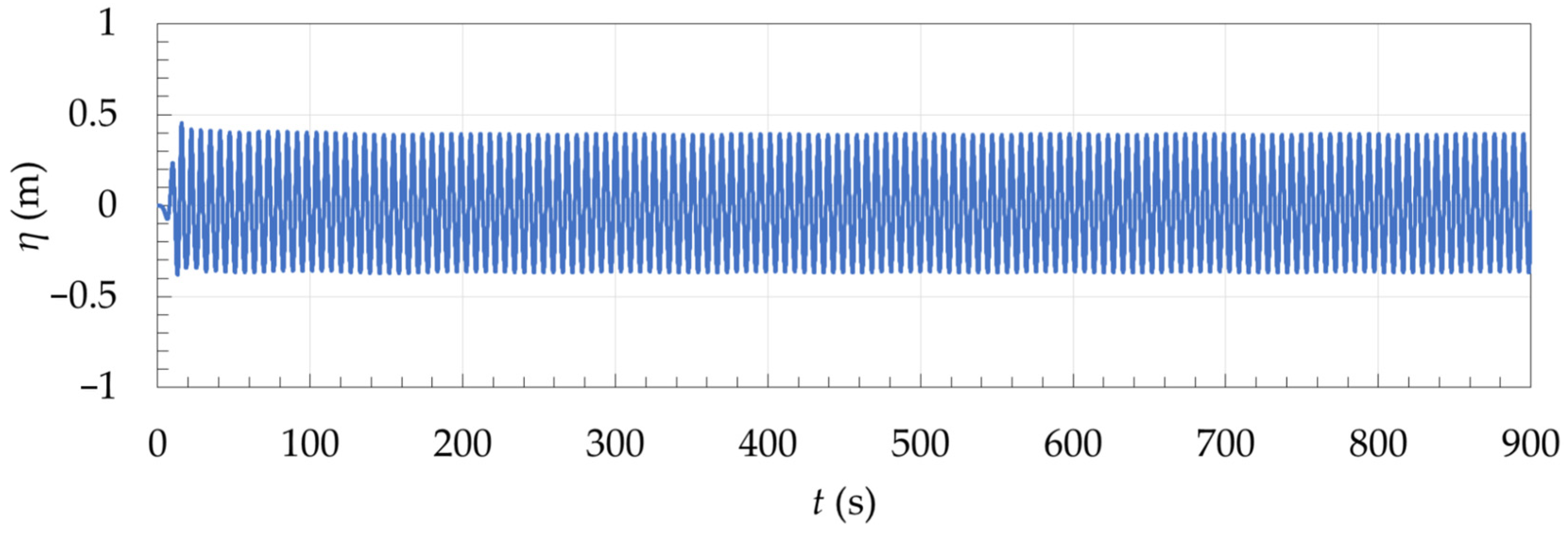
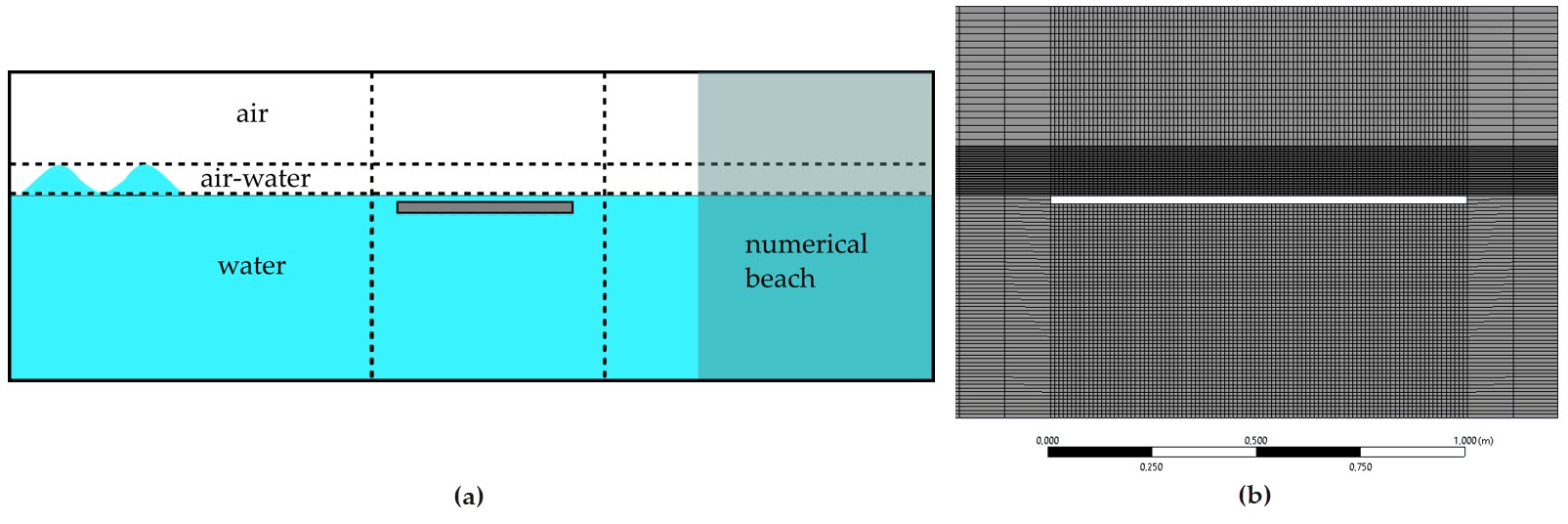
24], where further details can be found. Since the present work adopts the same governing equations, boundary conditions, wave-generation methodology, numerical schemes, mesh strategy, time-step definition, and post-processing procedures, the previously reported verification and validation procedures remain applicable. The modification introduced in the 2ndF concerns only the computational-domain layout, by maintaining a constant distance of one wavelength between the downstream edge of the SHP and the beginning of the NB. For the sake of brevity, only a brief description of the adopted procedures and the corresponding statistical indicators is provided herein.
The WaveMIMO methodology for generating representative regular waves was verified against the analytical second-order Stokes solution [
55], achieving a MAE of 0.090 m and an RMSE of 0.116 m, with these values in good agreement with previous studies [
24,
47,
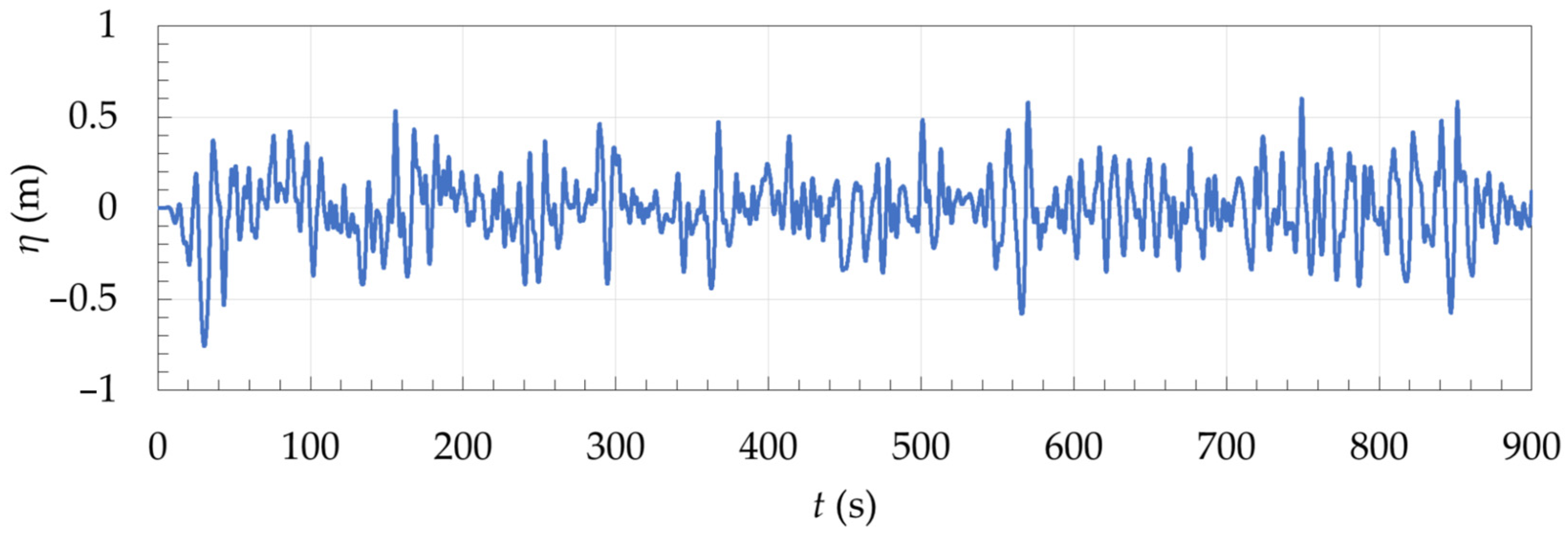
50]. In turn, for the numerical generation of realistic irregular waves, the WaveMIMO methodology reached a MAE of 0.117 m and an RMSE of 0.152 m, with these quantitative indicators also consistent with previous verification studies [
47]. Furthermore, the WaveMIMO methodology was validated for the generation of irregular waves in [
51].
After that, considering the SHP, the WaveMIMO methodology was verified, comparing its results with those reported by Seibt et al. [
34], who employed the conventional approach for regular wave generation. For the free surface elevation upstream the SHP, a MAE of 0.030 m and RMSE of 0.040 m were observed, while for the axial velocity beneath the SHP values of MAE = 0.061 m/s and RMSE = 0.077 m/s were identified. Furthermore, the WaveMIMO was validated against laboratory experimental data [
33], resulting in an RPE of 7.73%.
Regarding the capability of the OCEANLYZ software to compute the significant wave height of the incident waves, a verification was performed, yielding an RPE of 0.002%.
To improve transparency,
Table 1 summarizes the main verification and validation evidence supporting the numerical framework adopted in the present study.
Table 1 includes the analyzed procedure, the reference dataset or comparison basis, the monitored quantity, and the corresponding statistical indicators.
5. Conclusions
This numerical study investigated the hydrodynamic response of a submerged horizontal plate (SHP) with different lengths under representative regular waves and realistic irregular waves associated with the sea state observed in 2014 off the coast of Rio Grande, southern Brazil. The SHP was assessed according to its performance as a breakwater (BW), as a wave energy converter (WEC), and as a combined BW-WEC device, using the WaveMIMO methodology to generate the incident wave conditions.
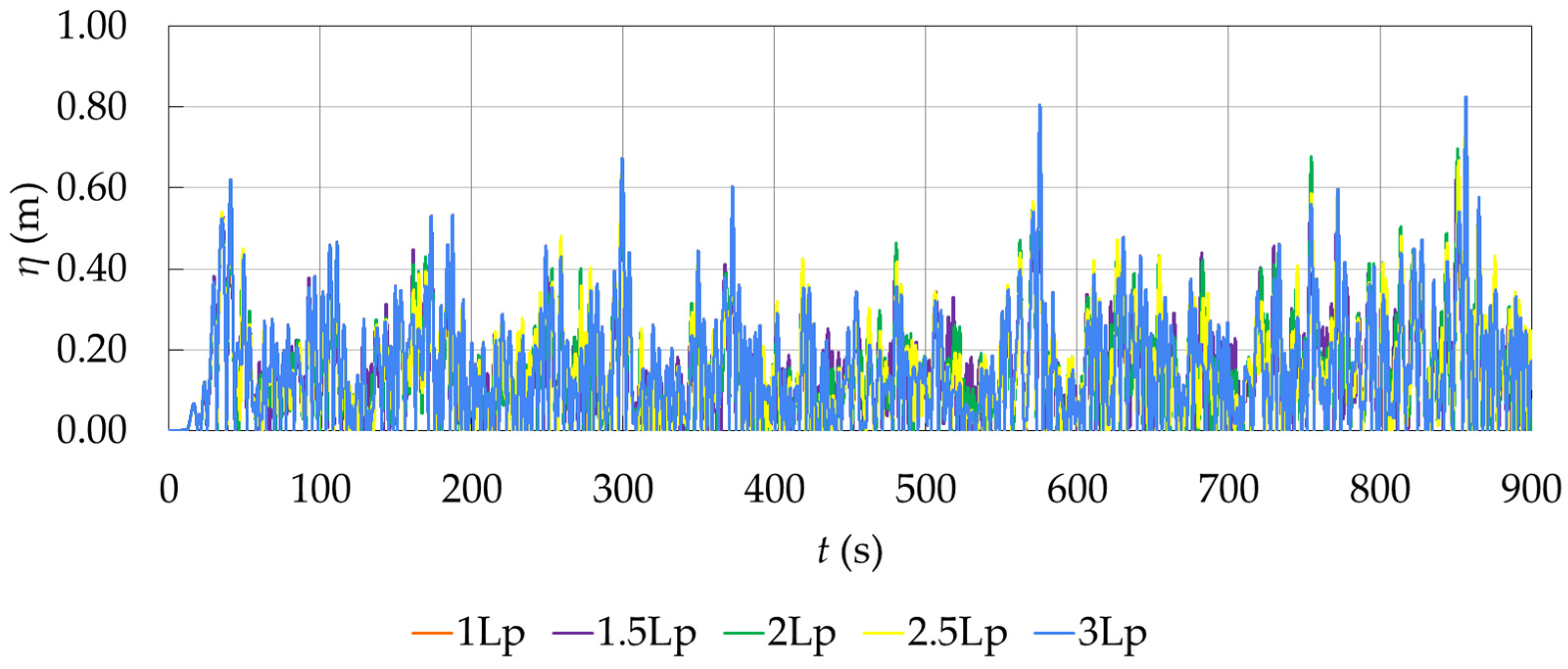
Based on the research questions proposed in the Introduction, the main findings of this study can be summarized as follows: (i) the comparison between the 1stF and 2ndF showed that the downstream computational-domain configuration, including the relative SHP–NB spacing, the effective outlet distance, and the wave travel path before the damping region, affects the computed hydrodynamic response, particularly in downstream measurements, where the absorbing region may influence the monitored wave field; (ii) this effect was more pronounced under realistic irregular waves, whereas representative regular waves showed smaller differences between the two formulations; (iii) the 2ndF, which maintains a constant 1λ distance between the downstream edge of the SHP and the beginning of the NB, provided a more controlled computational-domain configuration and reduced possible interference from the damping region on the monitored results; and (iv) the integral-based analysis of free-surface elevation and axial velocity provided a complementary interpretation of the SHP performance, supporting the comparative assessment of the device as a BW, as a WEC, and as a combined BW-WEC system.
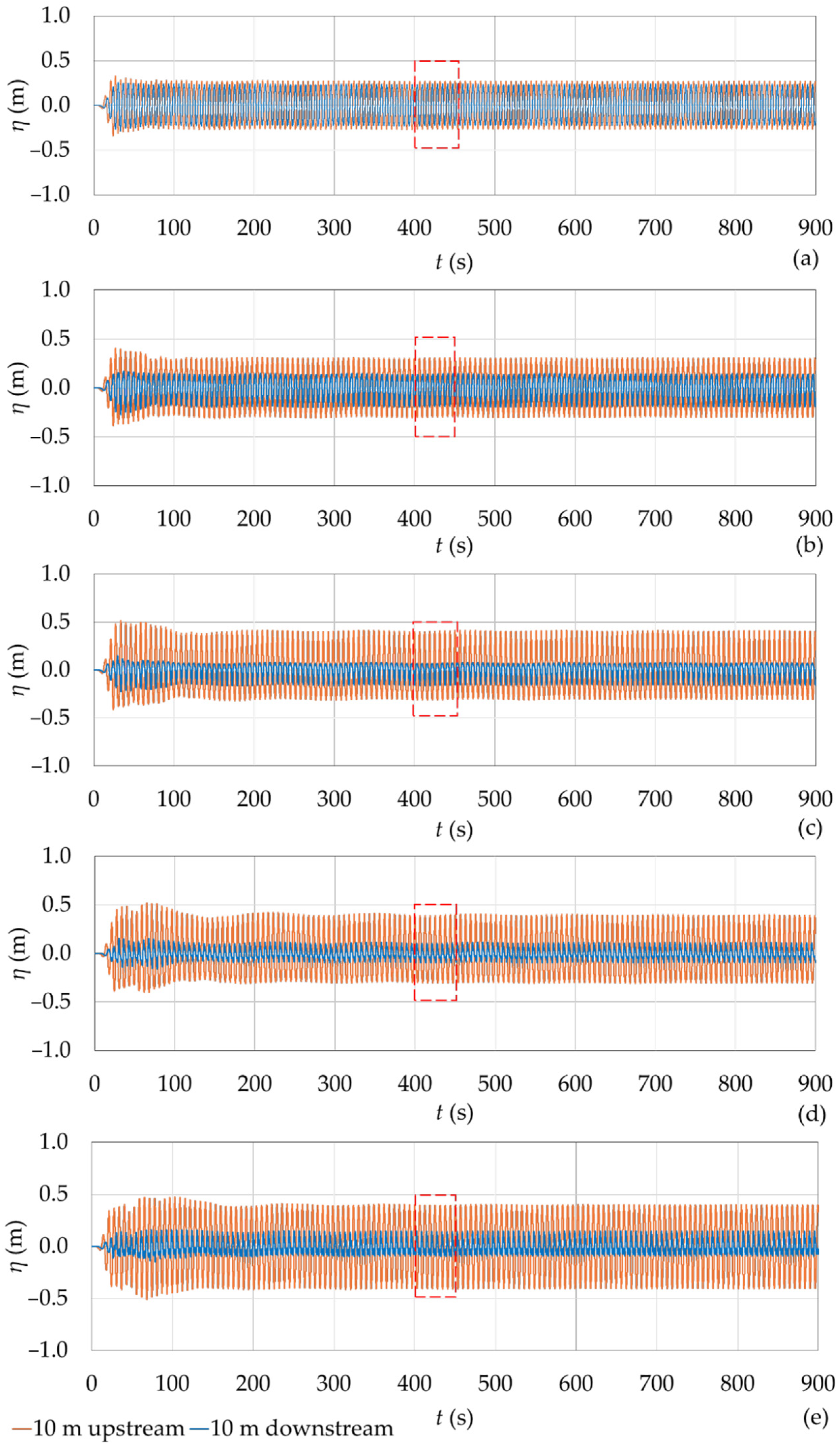
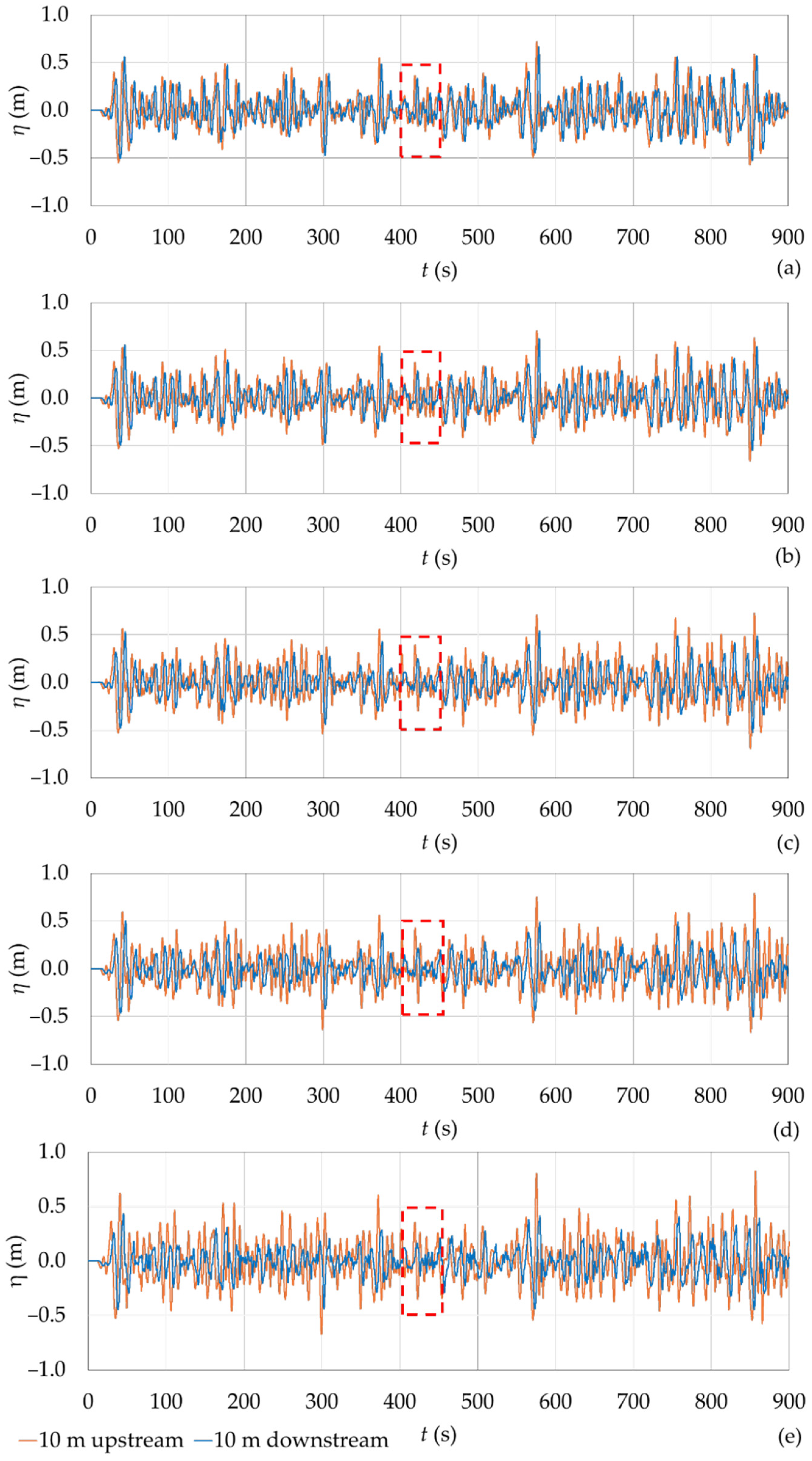
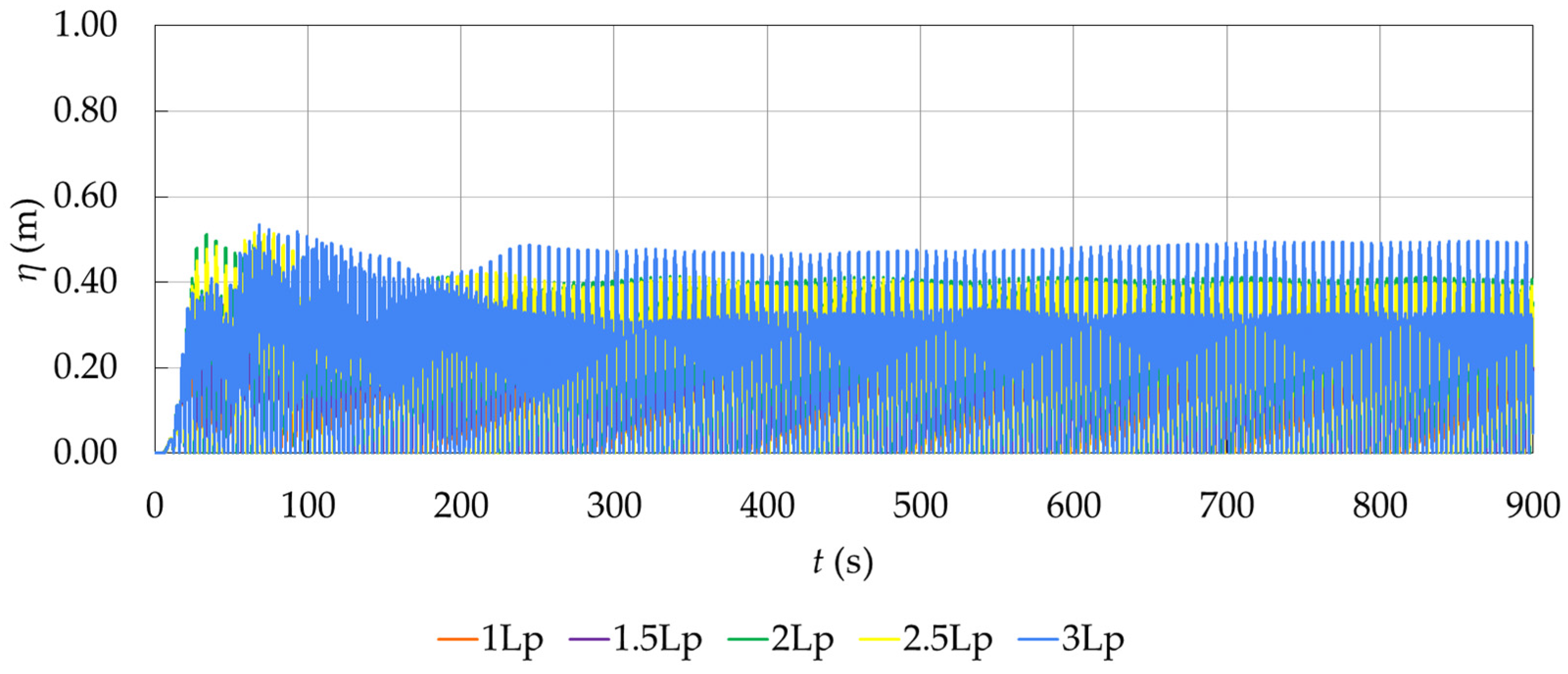
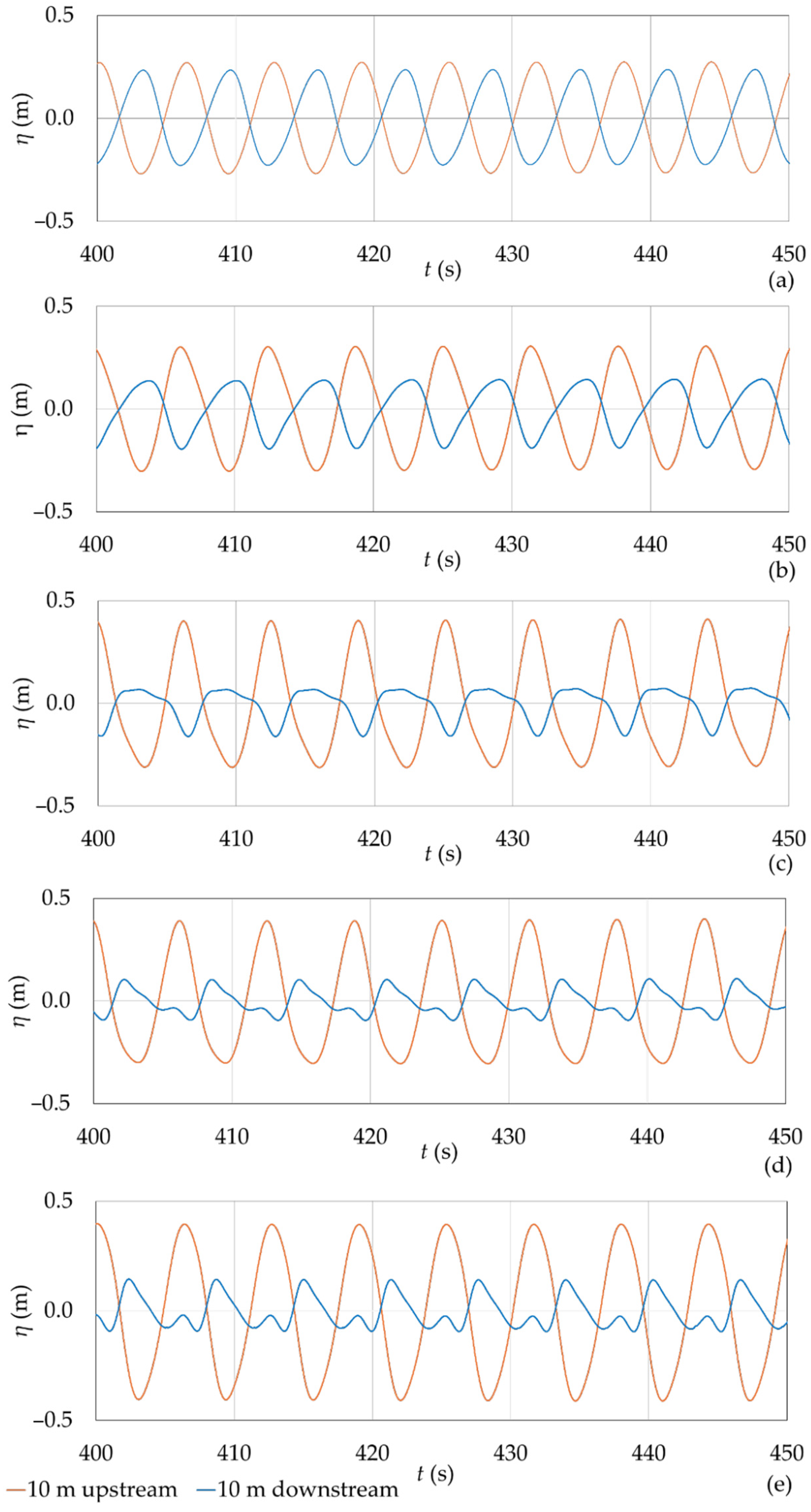
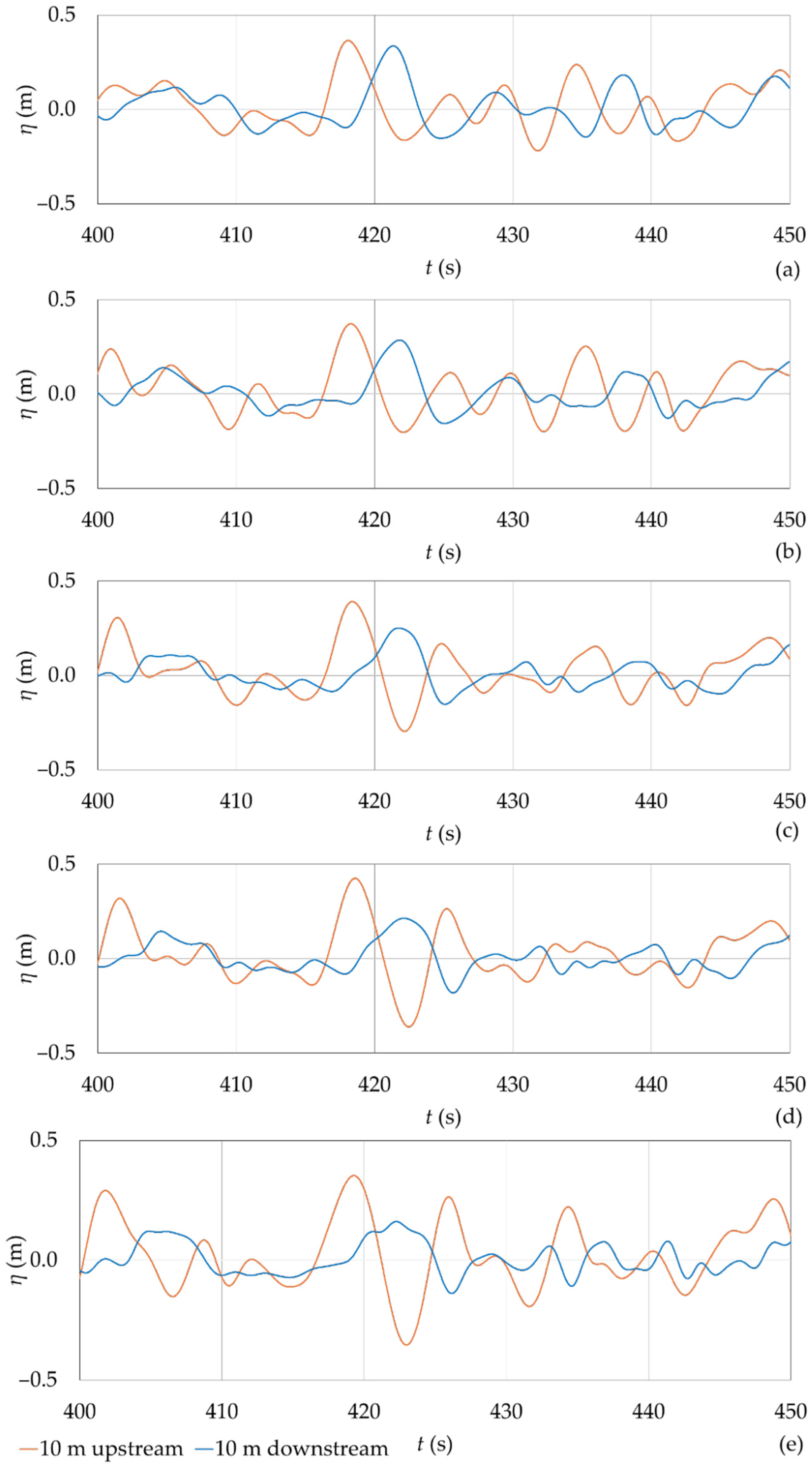
The comparison showed that the downstream computational-domain configuration had a limited influence under representative regular waves, with a maximum difference of 1.2% in the Hs reduction. However, under realistic irregular waves, this influence reached 5.9%, especially affecting the fixed downstream probe. These results indicate that the relative SHP–NB spacing, effective outlet distance, and wave travel path before the damping region should be carefully defined to avoid artificial interference in the monitoring of wave attenuation and flow behavior.
For the BW function, the 3Lp case presented the best performance under both incident-wave approaches, producing the greatest reduction in significant wave height downstream of the device. However, for the tested Rio Grande sea state, SHP geometry, two-dimensional numerical model, and adopted hydrodynamic indicators, the performance obtained under realistic irregular waves was lower than that obtained under representative regular waves. This reinforces that representative regular waves alone were not sufficient to reproduce the hydrodynamic trends observed under realistic irregular waves within the scope of the present study.
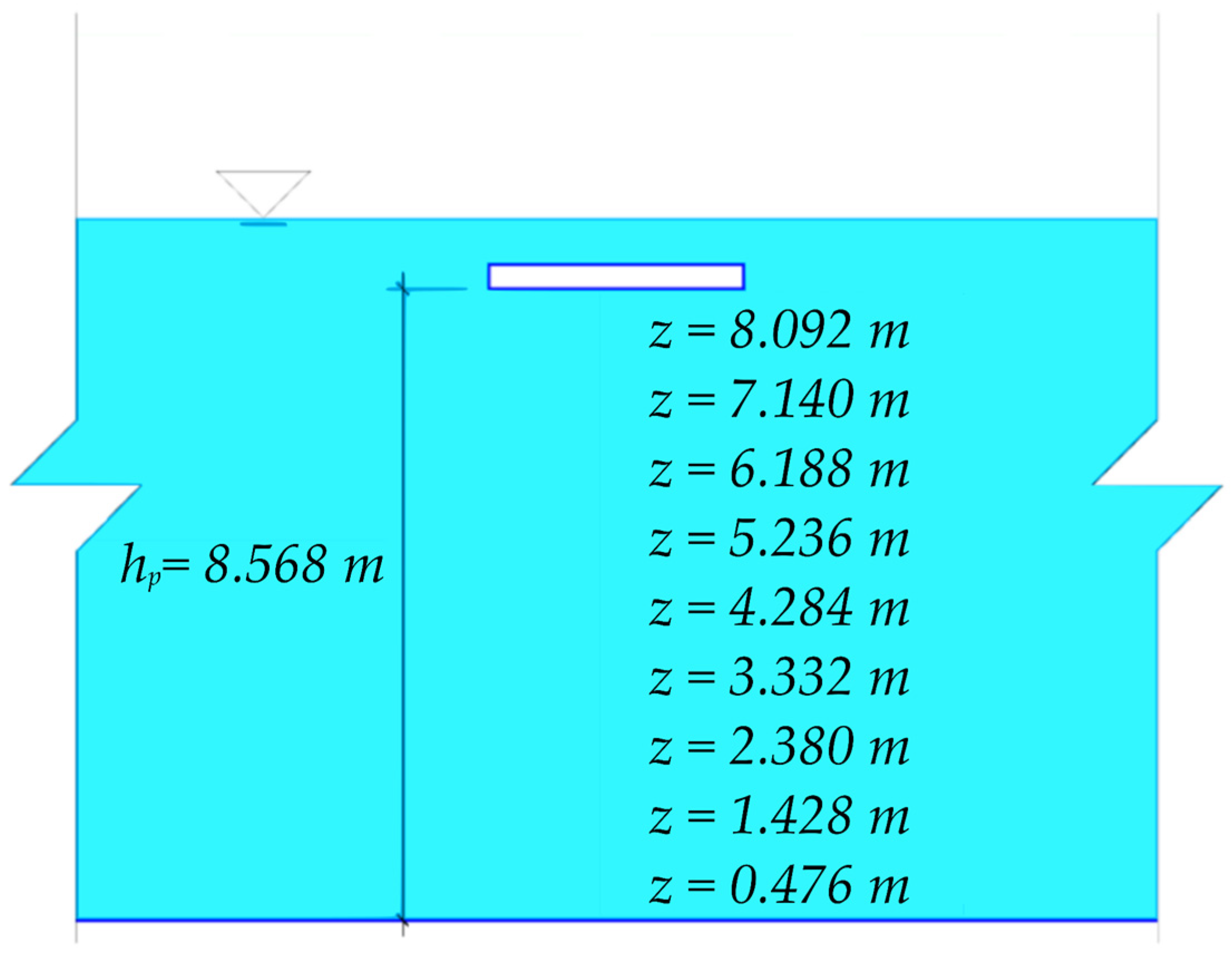
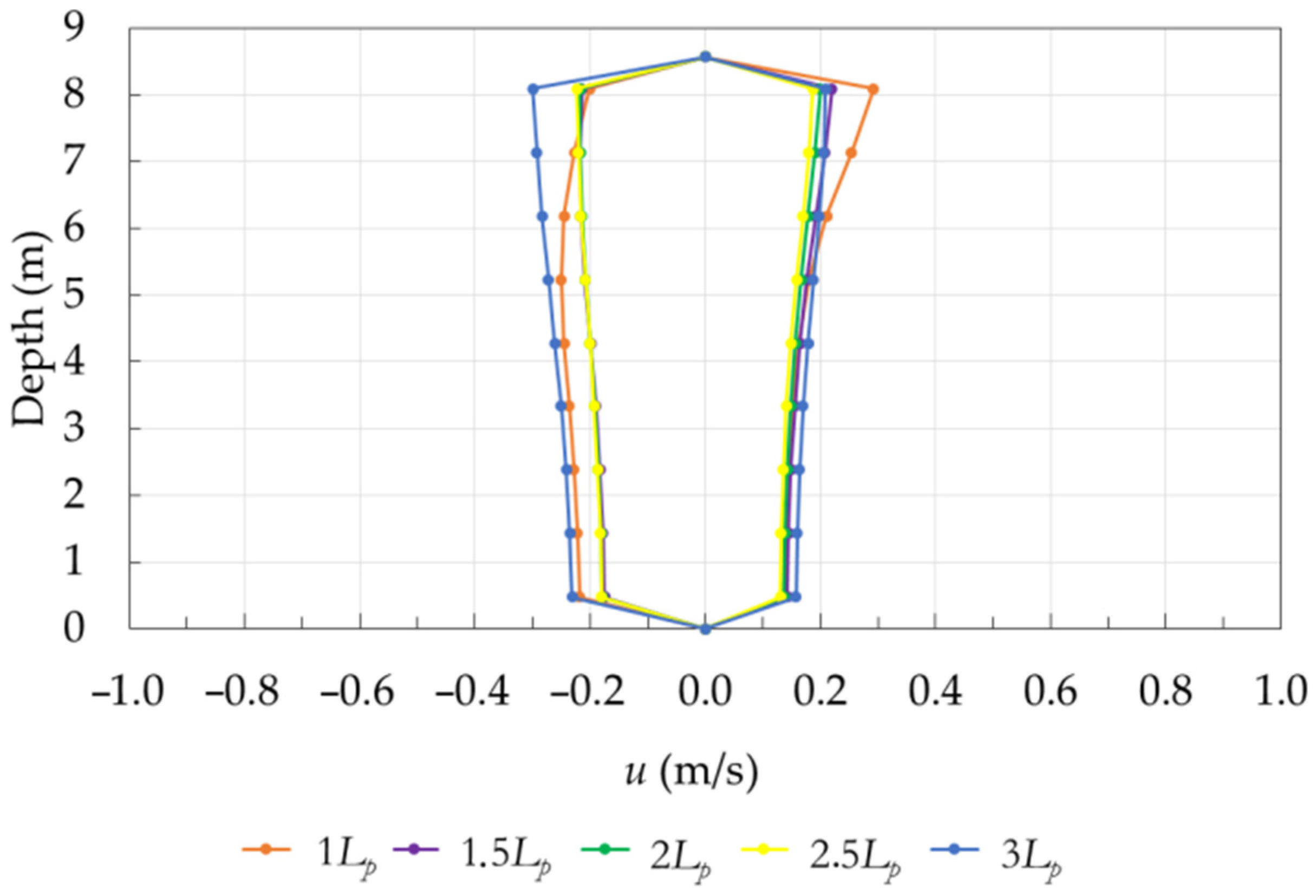
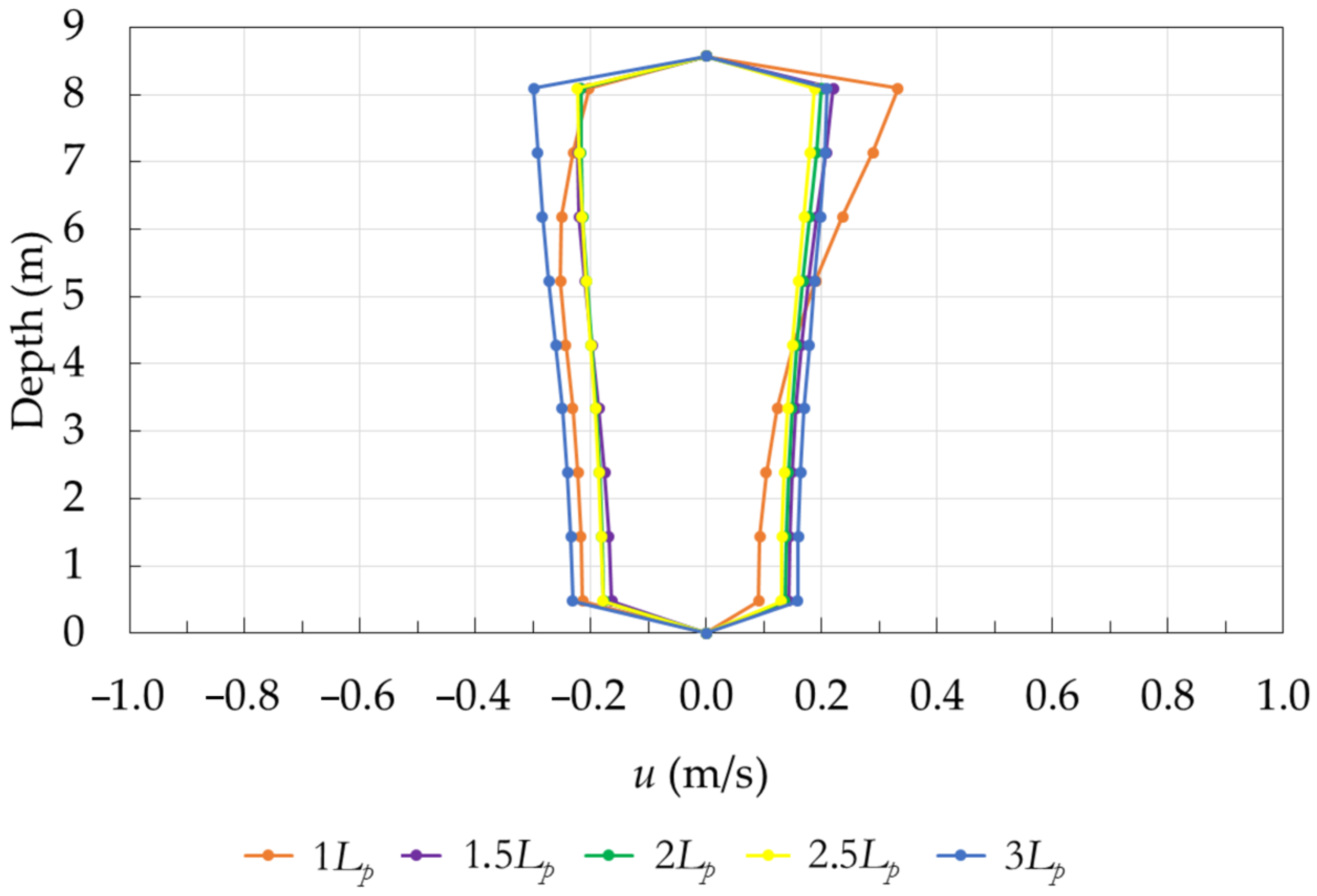
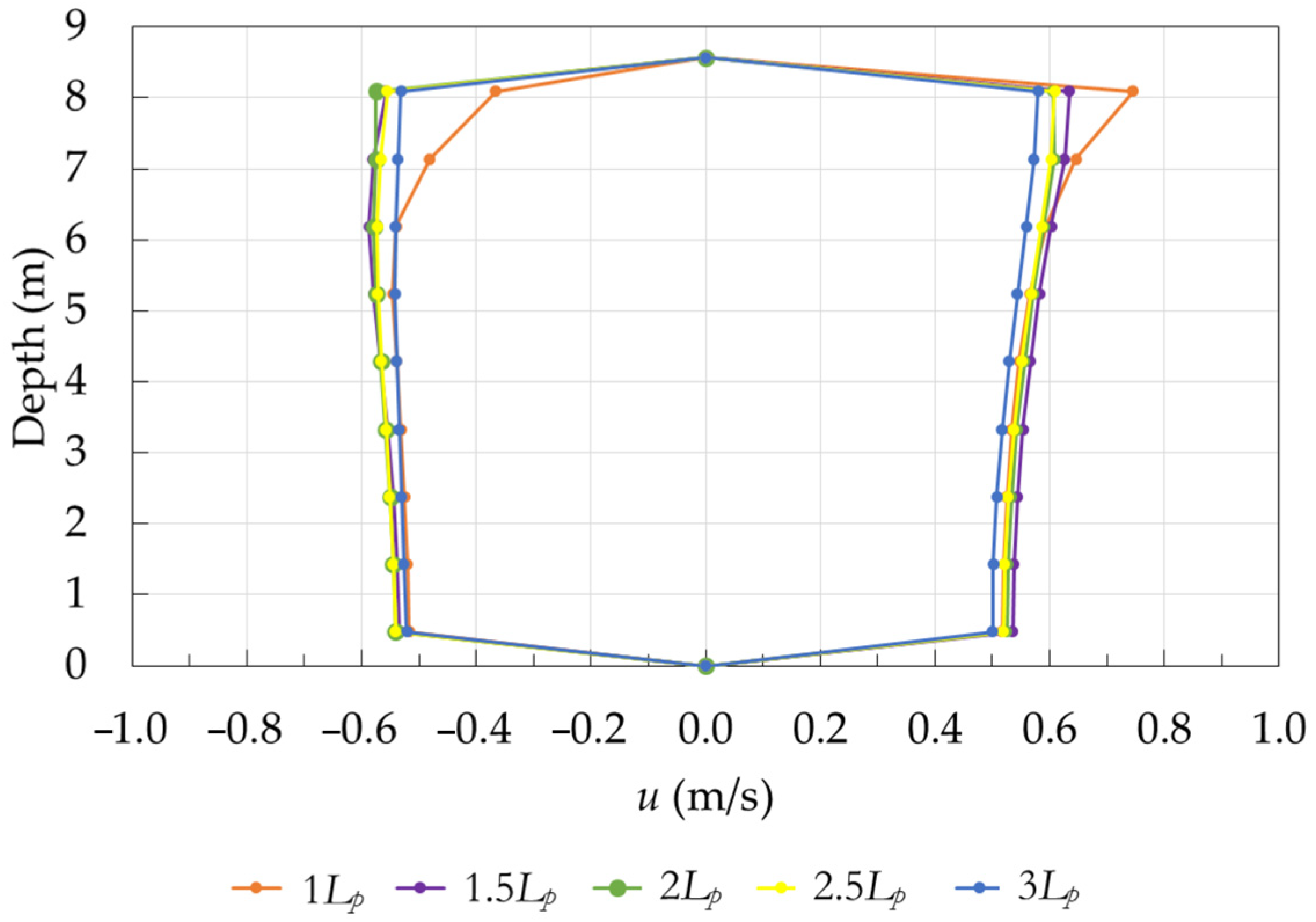
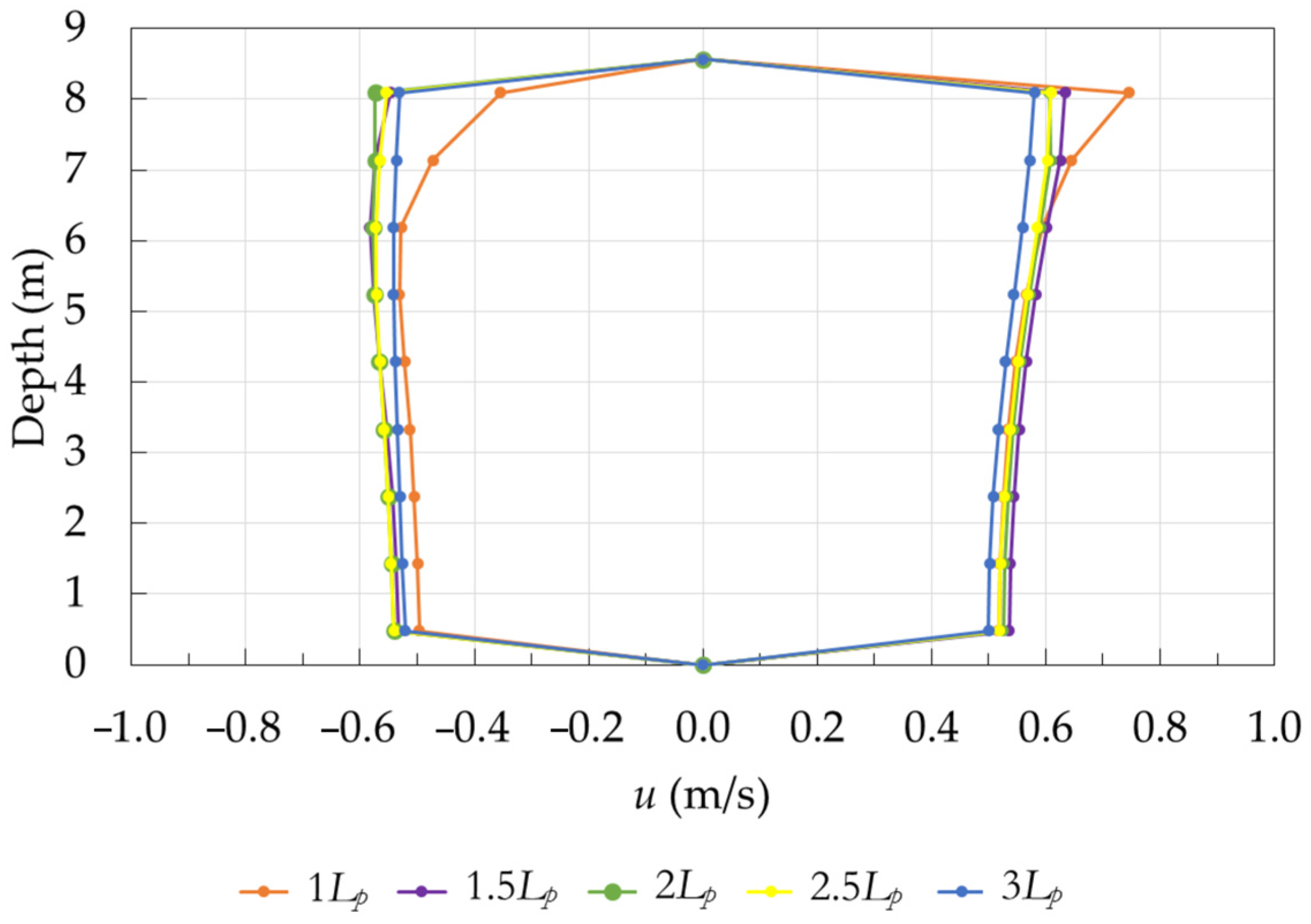
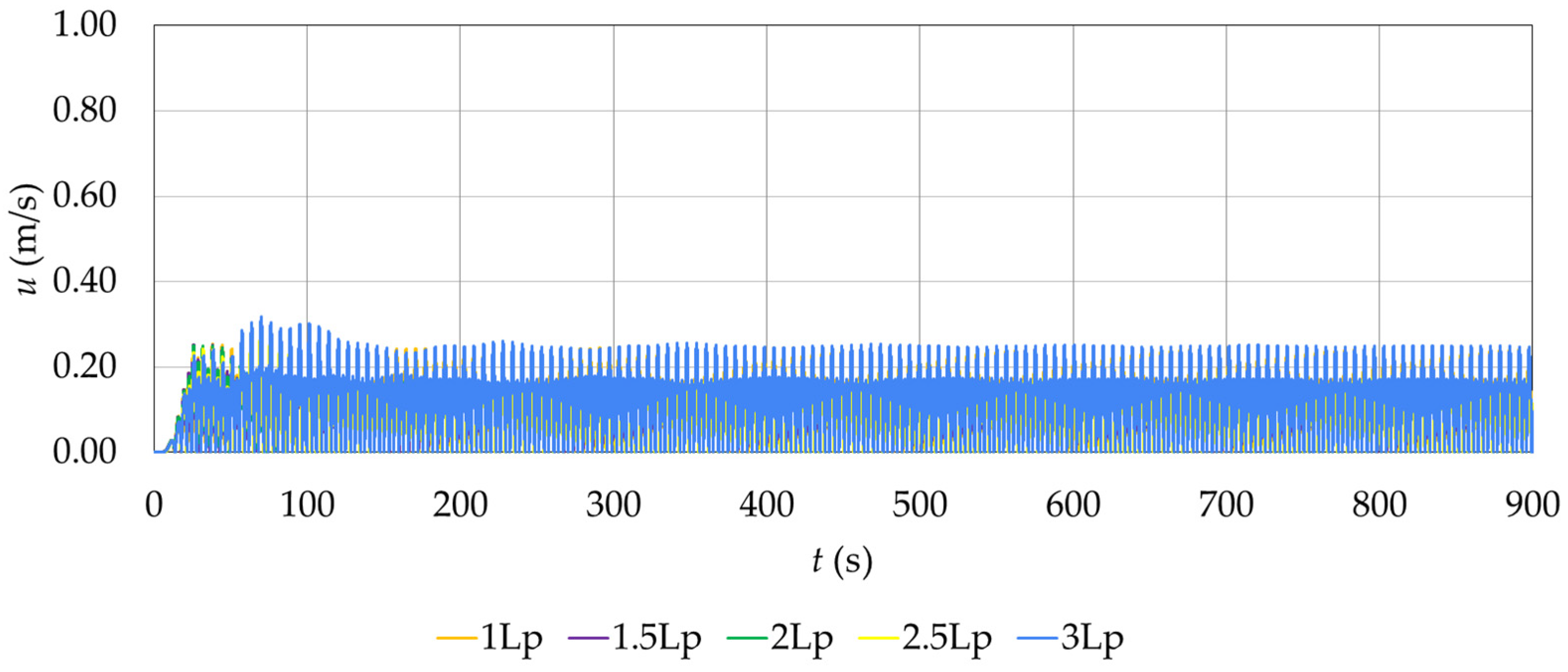
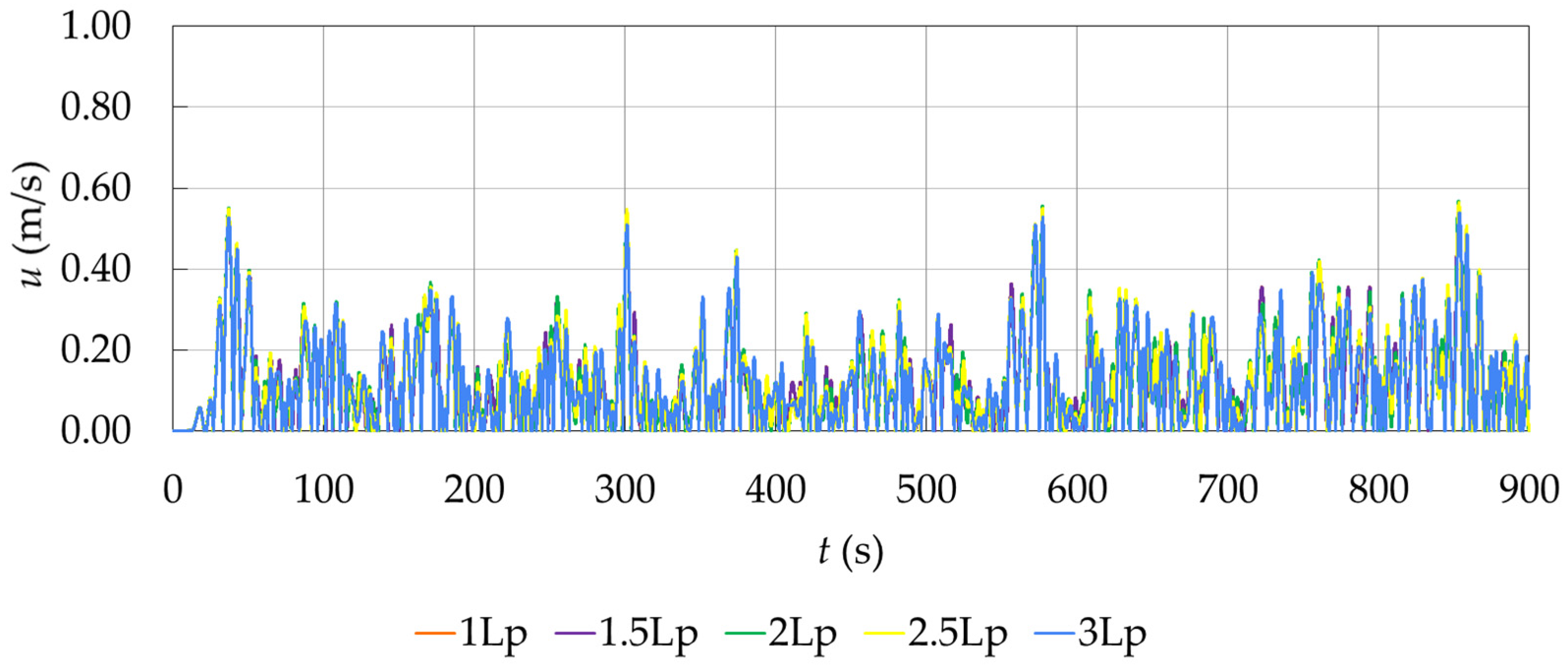
For the WEC function, the best-performing configuration depended on the incident-wave approach and on the monitored depth. Under representative regular waves, the 3Lp case presented the highest axial velocity beneath the plate, while the 1Lp case showed similar results. Under realistic irregular waves, the highest axial velocities were obtained for the 2Lp and 2.5Lp cases at z = 4.284 m and for the 1.5Lp case at z = 5.236 m. Therefore, within the tested conditions and adopted WEC-related hydrodynamic indicators, the optimal SHP length for energy-conversion potential cannot be defined from regular-wave simulations alone. However, the axial-velocity results should be interpreted as hydrodynamic indicators of energy-conversion potential, not as direct estimates of extracted power, electrical energy yield, or overall WEC efficiency.
In the combined BW-WEC assessment, the 3Lp case provided the best performance under representative regular waves, whereas the 2.5Lp case achieved the best result under realistic irregular waves. The integral-based analysis of free-surface elevation and axial velocity confirmed the sensitivity of the SHP response to both wave irregularity and the downstream computational-domain configuration, particularly for larger plate lengths and for axial velocity under irregular waves.
Overall, within the tested Rio Grande sea state, SHP geometry, two-dimensional numerical model, and adopted hydrodynamic indicators, the results indicate that realistic irregular waves should be considered when evaluating SHP devices, especially when the objective is to identify configurations suitable for simultaneous coastal protection and wave-energy conversion. The proposed 2ndF computational domain provides a more controlled configuration for this type of comparative hydrodynamic analysis.
Based on these findings, it can be stated that the influence of the downstream computational-domain configuration, including NB positioning, was limited under representative regular waves, for which only small variations were observed between the 1stF and 2ndF. However, more noticeable differences were obtained under realistic irregular waves, especially in the downstream significant wave height and in the integral-based hydrodynamic indicators. Therefore, this combined domain-configuration effect of NB positioning should be interpreted as more relevant for irregular-wave simulations than for representative regular-wave cases.
From a methodological perspective, the results indicate that the downstream computational-domain configuration should be explicitly defined, justified, and reported in CFD wave-flume simulations, including the relative distance between the downstream edge of the SHP and the beginning of the NB, the effective outlet distance, and the wave travel path before the damping region, since these numerical-domain parameters may affect downstream hydrodynamic indicators.
Finally, future studies are recommended to further deepen the analysis of SHP hydrodynamics, especially under realistic irregular wave conditions. These future works can be grouped into the following thematic directions:
- •
Geometric parameters and SHP configuration:
Future studies should expand the range of Lp and Lp/λ values, including larger relative plate lengths, to verify the robustness of the velocity patterns observed in the present study. The influence of the plate thickness tp should also be evaluated under irregular waves, especially regarding wave reflection and BW performance.
- •
Incident wave conditions and sea-state variability:
Further investigations should assess different realistic sea states to verify whether the hydrodynamic behavior observed here remains consistent under a broader range of wave conditions. Additional spectral and statistical analyses of the irregular-wave signals along the flume should also be performed, including spectral-shape preservation, phase dispersion, peak distribution, and comparisons between incident, upstream, downstream, and NB-start probes.
- •
Numerical beach modeling and computational-domain effects:
Future studies should investigate different NB lengths, damping coefficients, damping configurations, and alternative absorbing-boundary techniques. The NB performance should be quantified through reflection and transmission coefficients, absorption-efficiency indicators, formal decomposition of the wave field into incident, reflected, and transmitted components, and wave-energy balance analyses. These evaluations would support more robust computational-domain recommendations for SHP simulations. In addition, future analyses should be designed to decouple the individual effects of NB starting position, total flume length, effective outlet distance, and wave travel path before the damping region.
- •
Turbine, PTO, and energy-conversion modeling:
The axial-velocity-based indicator adopted here should be extended toward a direct assessment of extracted power, electrical energy yield, and overall WEC efficiency. For this purpose, future studies should include turbine or PTO modeling beneath the SHP, considering turbine type, installation height, effective flow-passage area, pressure field, pressure drop, flow reversal, energy-flux calculation, PTO characteristics, and electromechanical efficiency.
- •
Advanced numerical, structural, and experimental modeling:
Future works should assess the influence of turbulence models, higher-order discretization schemes, mesh and time-step sensitivity, CFL constraints, solver convergence criteria, boundary-condition sensitivity, and numerical uncertainty bounds. Three-dimensional numerical and experimental models should also be developed to investigate wave diffraction, edge effects, spanwise flow structures, fastening elements, structural loads, installation aspects, and multiple SHP units under uni- and bi-directional waves.




 ,
,