


Abstract
This review presents a comprehensive overview of electrochemical-based technologies as emerging and sustainable methods for treating pesticide-contaminated wastewater. Core processes, including electro-Fenton, electrocoagulation, and electrochemical oxidation, as well as their hybrid combinations, have demonstrated high degradation efficiency, operational flexibility, and the ability to achieve complete mineralization of persistent pesticides. A bibliometric analysis covering 1997–2025 reveals growing global interest in these technologies, particularly in hybrid systems such as photoelectro-Fenton and solar-assisted electrochemical treatments, which offer improved degradation rates and reduced energy demand. Compared to conventional and biological approaches, electrochemical methods provide superior pollutant removal without generating excessive sludge or secondary contamination. Future advancements should focus not only on optimizing operational parameters but also on overcoming current methodological limitations through the development of durable and selective electrode materials and the integration of renewable energy sources, ultimately enhancing process efficiency and sustainability. Coupling electrochemical treatments with complementary physicochemical or biological methods may further improve mineralization and reduce costs. Overall, electrochemical technologies represent a promising pathway toward efficient, scalable, and environmentally friendly wastewater treatment systems capable of mitigating pesticide pollution and protecting aquatic ecosystems.
1. Introduction
Pesticides are extensively applied worldwide to control a variety of pest populations. They are generally classified according to their function into categories such as herbicides, insecticides, fungicides, rodenticides, nematicides, microbicides, and growth-regulating agents for plants and insects [1,2,3]. Their intensive use in agriculture and industrial sectors has contributed to the widespread contamination of both surface and groundwater, a phenomenon closely tied to the regional and seasonal patterns in pesticide application. Among these categories, insecticides stand out due to their broad use in agriculture, industry, healthcare, and household settings [4]. These compounds may be synthetically manufactured or derived from natural plant sources. Since the post–World War II era, insecticide usage has grown significantly, enabling enhanced agricultural productivity. Nevertheless, these substances readily infiltrate the environment—rain and melting snow can carry them from treated areas into soils and water systems. Once introduced, their chemical resilience allows them to remain for extended periods, often resisting removal by standard wastewater treatment processes [5]. This persistence poses a considerable threat to environmental and public health, as insecticides are linked to chronic toxicity, hormonal imbalances, and genetic damage [4,5,6,7]. One major group of modern insecticides is organophosphates (OPPs), a class consisting of esters and thioesters of phosphoric acid. These compounds act by inhibiting acetylcholinesterase (AChE), a key enzyme responsible for the degradation of the neurotransmitter acetylcholine in nerve synapses. Initially introduced as a safer alternative to organochlorine pesticides due to their reduced environmental persistence, organophosphates have nonetheless raised concern because of their broad-spectrum toxicity, which affects both insects and humans [5]. Their extensive use has led to significant environmental contamination, and scientific studies confirm that organophosphate residues are frequently found in aquatic ecosystems just weeks after application. Once in the environment, organophosphates undergo natural degradation, primarily through hydrolysis. The rate and extent of this process are influenced by environmental factors such as pH, the presence of dissolved metal ions, soil microorganisms, and reactive mineral surfaces like iron oxides and clay. These compounds also absorb ultraviolet light in the 240–310 nm range, making them susceptible to photodegradation, either directly through ultraviolet (UV) light absorption or indirectly via reactive species such as oxygen radicals and hydroxyl or peroxyl radicals generated by other photochemical reactions. A particularly concerning transformation pathway involves the oxidation of thio-organophosphates into oxons under the influence of sunlight and naturally occurring oxidants. Compared to their parent compounds, oxons are more water-soluble, are less likely to bind to soil particles, and exhibit stronger inhibitory activity against AChE—significantly increasing their toxicity. Environmental persistence of these substances is determined by the catalytic properties of soil, intensity of solar radiation, and climatic conditions such as rainfall [5,6]. Due to their hazardous nature, organophosphate insecticides are subject to strict regulatory oversight, especially in the European Union. Directive 2013/39/EU, which focuses on priority substances in water policy, lists several pesticides as dangerous compounds that must be monitored and controlled in surface waters. Furthermore, Regulation (EC) No. 1107/2009 governs the market authorization of pesticides, mandating thorough toxicological and ecotoxicological assessments prior to approval. Many other countries have implemented similar measures, guided by the standards of the World Health Organization and Codex Alimentarius, to regulate pesticide residues in water and food. In response to these environmental and health concerns, it is critical to develop efficient strategies for removing pesticide contaminants from soil and water. Such efforts not only help protect ecosystems and public health but also ensure compliance with evolving international and national environmental standards [6].
Among the pesticides commonly used in agriculture, carbamates, urea-based compounds, phenoxyacetic acids, triazines, and neonicotinoids are particularly important due to their widespread application, distinct modes of action, environmental persistence, and potential risks to non-target organisms. Carbamates, such as methomyl, carbaryl, carbofuran, and aldicarb, are reversible acetylcholinesterase-inhibiting pesticides used as insecticides, fungicides, and nematicides; they are widely applied in agriculture due to high efficacy and moderate biodegradability but can still pose acute and chronic risks to non-target organisms [7,8,9]. Urea-based pesticides, including phenylureas, sulfonylureas, and derivatives like tebuthiuron, act as herbicides or insecticides by inhibiting photosystem II, acetolactate synthase, or chitin synthesis in larvae; despite short half-lives, residues can enter the food chain and cause long-term toxic effects [10,11,12,13,14]. Phenoxyacetic acids, such as 2,4-D, are synthetic auxin herbicides that disrupt plant growth; their persistence and mobility can lead to human and environmental exposure, prompting treatments like biodegradation, oxidation, ozonation, and adsorption [15,16,17,18]. Triazines, including atrazine, are stable herbicides that inhibit photosystem II and persist in soil and water, raising risks for aquatic ecosystems and non-target organisms [19,20,21,22,23]. Neonicotinoids, such as imidacloprid, clothianidin, nitenpyram, and thiamethoxam, are systemic insecticides acting on nicotinic acetylcholine receptors; highly persistent and water-soluble, they contaminate soils and water, threaten pollinators and aquatic life, and disrupt ecological food webs, with potential mammalian toxic effects [24,25,26,27,28,29,30].
The chemical structure and environmental interactions of pesticides determine their persistence, mobility, and bioavailability in soils, the atmosphere, and aquatic systems. Their fate in the environment largely depends on adsorption and desorption mechanisms on soil particles. Pesticides are often indirectly transported into aquatic ecosystems through surface runoff, reaching rivers, lakes, and oceans. Considering their increasing occurrence in wastewater and their adverse effects on ecosystems and living organisms, researchers have been actively developing and optimizing various remediation technologies based on biological and chemical treatments to achieve effective removal. However, conventional treatment methods are often ineffective in eliminating many pesticides and their residues due to their high stability and persistence. Biological treatment processes rely on microbial degradation; nevertheless, many pesticides are recalcitrant or toxic to microorganisms, limiting biodegradation efficiency [31]. Furthermore, photolysis as a standalone technique for pesticide removal is often limited by its low mineralization efficiency, leading to partial degradation of contaminants and/or their transformation into more toxic intermediates during photodegradation [32,33]. Like adsorption, membrane-based processes—including microfiltration, ultrafiltration, nanofiltration, and reverse osmosis—primarily concentrate pesticides rather than achieving their complete removal from the environment [34]. Adsorption methods, although highly efficient at removing contaminants from water, similarly do not lead to final degradation, as the pollutants are transferred to another phase, often requiring regeneration or disposal of the adsorbent [35,36,37]. Membrane-based techniques also face high operational costs, along with challenges such as membrane fouling and scaling, which reduce long-term efficiency. Additionally, the concentrated reject stream generated by membranes contains elevated levels of pesticides, posing further environmental risks if not managed properly. Consequently, while both adsorption and membrane processes are effective for removing pesticides from water, they often need to be integrated with other treatment methods to achieve complete degradation or safe elimination of these contaminants from the environment.
One promising approach involves advanced oxidation processes (AOPs), such as photolysis, Fenton, photo-Fenton, and ozonization, which have been extensively studied for the degradation of pesticides in water due to their ability to generate highly reactive species, primarily hydroxyl radicals (·OH), capable of mineralizing persistent organic contaminants. However, conventional AOPs have several limitations. Photolysis often results in partial degradation and the formation of more toxic intermediates, while Fenton-based and ozonization processes are constrained by pH sensitivity, high reagent or energy consumption, and secondary waste generation [32,33]. Additionally, many AOPs require prolonged treatment times or high energy inputs to achieve significant pesticide removal, limiting their practical applicability [5].
Electrochemical techniques, particularly electrochemical oxidation (EO) and electro-Fenton (EF) processes, represent a subclass of AOPs that overcome many of these limitations. In EO and EF, reactive species are generated in situ at the anode or in the bulk solution through an applied electric current, eliminating the need for external chemical oxidants. These methods can achieve complete mineralization of recalcitrant pesticides, are operable across a wider pH range, and produce less secondary waste compared to conventional AOPs [38]. When combined with other processes such as adsorption, photolysis, ultrasound, or ozonization, electrochemical methods—including electrocoagulation, electrooxidation, and electro-Fenton—offer a versatile, efficient, and environmentally sustainable approach for pesticide removal from contaminated water [39]. These techniques enhance the breakdown of persistent pesticide molecules that are resistant to conventional treatment, promoting both degradation and mineralization. The integration of electrochemical and complementary oxidation methods has led to the development of advanced hybrid systems—such as photoelectro-Fenton (PEF), solar photoelectro-Fenton (SPEF), electroperoxone, sonoelectrochemical, and sono-electro-Fenton (SEF) processes—which have demonstrated superior performance in eliminating a wide range of pesticides from aqueous environments. By generating highly reactive species capable of attacking complex organic structures, these hybrid approaches achieve more complete pesticide degradation, reduced toxicity of by-products, and improved overall treatment efficiency compared to single-process methods [40,41].
This paper provides a comprehensive and systematic overview of electrochemical-based technologies as emerging and promising approaches for the treatment of pesticide-contaminated wastewater. These technologies include electro-Fenton, electrocoagulation, electrochemical oxidation, and a range of integrated and hybrid electrochemical processes. Although previous reviews have largely centered on individual pesticide removal strategies—such as AOPs, adsorption, or biodegradation—studies dedicated exclusively to electrochemical technologies remain limited. To the best of our knowledge, no previous review has simultaneously offered a focused assessment of electrochemical techniques (electrochemical oxidation, electro-Fenton, and electrocoagulation) for pesticide wastewater treatment and a bibliometric analysis of research trends across different pesticide classes. Here, a bibliometric analysis spanning 1997–2025 is performed to identify publication trends, research hotspots, and the evolution of electrochemical methods in this field. Considering the substantial progress in wastewater treatment research over recent decades, a critical evaluation is essential to highlight the growing role and potential of electrochemical technologies in mitigating pesticide pollution and safeguarding environmental quality.
2. Search Methodology and Bibliometric Overview
2.1. Research Metric
In order to quantitatively evaluate research trends, influence, and knowledge structure within the selected topic, bibliometric indicators were employed. These metrics provide an objective insight into publication performance, collaboration patterns, and thematic evolution across the literature. The applied workflow, including literature retrieval, screening criteria, and data extraction and analysis steps, is summarized in Figure 1.
Figure 1.
Flowchart of the Bibliometric Workflow: Literature Retrieval, Screening, and Analysis.
2.1.1. Literature Search Strategy
The relevant peer-reviewed publications focusing on the application of electrochemical processes for the degradation of pesticides in aqueous environments were systematically identified through the Web of Science Core Collection database (WoS). The study encompassed papers published over the last period from 1997 to 2025. The data collection was completed on 18 June 2025, ensuring inclusion of all relevant publications within this timeframe.
The literature search strategy involved four structured queries targeting terms within the titles, abstracts, and author-provided keywords (Topic). These queries combined thematic groups as follows:
- Topic 1—Electrochemical technologies:(“electrochemical technology*” OR “electrochemical*” OR “electro-chemical*” OR “anodic oxidation*” OR “electro-membrane*” OR “electrocatalytic*” OR “electro-oxidation*” OR “electrooxidation*” OR “photoelectro*” OR “photo-electro*” OR “electroperoxone*” OR “sono-electro*” OR “sonoelectro*” OR “electrocoagulation*” OR “electrochemical removal*” OR “electrochemical degradation*”).
- Topic 2—Pesticides: (pesticide*).
- Topic 3—Wastewater treatment:(“wastewater treatment*” OR “waste water*” OR aqueous media).
To focus on electrochemical processes, publications related to adsorption, photo-degradation, photocatalysis, peroxymonosulfate, sensors, and biosensors were excluded by using the Boolean NOT operator with the following terms:
- Topic 4:
(adsorption* OR photodegradation* OR photocatalytic* OR photocatalyst* OR peroxymonosulfate* OR sensor* OR biosensor*).
2.1.2. Screening Criteria
Each retrieved publication was screened by evaluating authorship, title, and abstract to determine relevance. Only
- original research articles
- review articles
- articles published in English
were considered.
- Books, book chapters, and conference proceedings were excluded.
- The full-text review applied the following inclusion criteria:
(i) Studies focusing on electrochemical methods for the removal of pesticides;
(ii) Description of degradation and/or mineralization of single or mixed pesticides in aqueous matrices;
(iii) Detailed information on experimental setup, operational parameters, analytical methods, and criteria for assessing treatment efficiency;
(iv) Comprehensive discussion of results, including
- Pesticide removal rates;
- Kinetic analyses;
- Reductions in chemical oxygen demand (COD) and biochemical oxygen demand (BOD) and total organic carbon (TOC);
- Influence of operational variables;
- Comparison with other treatment approaches;
- Evaluation of energy consumption and operational costs;
- Toxicity assessments;
- Identification of degradation by-products with proposed degradation pathways.
Based on the applied criteria, after searching the Web of Science database and performing manual screening to exclude articles that did not meet the criteria,
- 31 review articles and
- 150 research articles
- were identified and extracted for further analysis.
2.1.3. Data Extraction and Analysis
For visualizations and network analysis of research articles, we used
- VOSviewer (version 1.6.18) and
- CiteSpace (version 6.4.R1).
The publication dynamics of research articles focusing on electrochemical technologies for pesticide removal from wastewater are presented in Figure 2.
Figure 2.
Annual distribution of research articles related to electrochemical technologies for pesticide removal from wastewater.
The data reveal a gradual rise in research interest beginning in the late 1990s, with fewer than five articles published per year until 2010. In the following years, the progressive increase is evident, reaching a publication peak in 2021 with 18 articles. A slight decline in the number of publications has been noted in the following years, which may reflect shifting research priorities or a saturation of the field. However, this trend does not necessarily indicate a real decrease in research activity. The most plausible explanation is the delay in indexing of recently published papers in WoS, since database updates may lag for several months or even more than a year, particularly for the most recent period (2022–2025). Additional contributing factors include thematic saturation, as many foundational studies on widely used EO systems (e.g., BDD, PbO2) have already been completed, as well as a gradual shift toward emerging technologies such as photocatalytic, photo-assisted, or bio-electrochemical hybrid processes, which may no longer be indexed under classical EO-related keywords. Consequently, the observed decline is primarily linked to indexing delays, while thematic maturity and the redirection of research interest only partially contribute to this pattern.
The analyzed publications were classified into five WoS categories: #0 Environmental Sciences, #1 Chemistry, Applied, #2 Chemistry, Multidisciplinary, #3 Engineering, Chemical, and #4 Electrochemistry (as presented in Figure 3).
Figure 3.
WoS category distribution of the analyzed publications.
This distribution highlights the broad and cross-disciplinary character of research related to pesticide removal and water treatment. A notable overlap between Environmental Sciences and Chemistry, Multidisciplinary suggests that many studies simultaneously address environmental impacts and the chemical or electrochemical mechanisms driving pollutant degradation. The strong representation of Chemistry, Applied and Engineering, Chemical reveals the field’s technological orientation, focusing on the development and optimization of treatment processes. Additionally, the inclusion of Electrochemistry reflects the increasing importance of electrochemical-based technologies as innovative and sustainable approaches to pollutant remediation.
2.2. Most Cited Articles
The bibliometric network map of publications cited more than five times was constructed and visualized using VOSviewer and is shown in Figure 4.
Figure 4.
Network visualization of document clusters (≥5 citations) based on citation analysis in VOSviewer.
The items are organized into distinct clusters according to their citation relationships, reflecting thematic connections among the studies. Each cluster, represented by a unique color, corresponds to a specific research focus within the field. The red cluster predominantly comprises studies on electrochemical oxidation processes, while the blue cluster includes works centered on electro-Fenton treatment. The purple cluster groups publications addressing electrocoagulation techniques, and the yellow cluster represents studies exploring integrated or hybrid treatment approaches. This clustering structure reveals the main thematic domains of research and illustrates the degree of interconnection between publications through shared citation networks, thereby mapping the overall structure of research in electrochemical-based pesticide removal studies.
A deeper examination of the cluster network reveals clear differences in scientific influence and thematic maturity. The red cluster is the largest, demonstrating that electrochemical oxidation remains the dominant and most widely cited research line in the field. The blue cluster, associated with electro-Fenton processes, is slightly smaller but still highly prominent, indicating its strong and growing role in advanced electrochemical treatment. The yellow cluster is smaller than the previous two, representing emerging studies on integrated and hybrid electrochemical processes. The purple cluster, focused on electrocoagulation, is the smallest but remains distinct, reflecting its more specialized application scope.
The co-citation links show that the red (EO) and blue (EF) clusters are strongly interconnected, suggesting frequent methodological and mechanistic overlap in the most influential studies. The yellow hybrid cluster exhibits moderate connections with both EO and EF, indicating that hybrid approaches typically build upon these foundational techniques. In contrast, the purple EC cluster is more weakly connected to the others, consistent with the fact that EC is often explored as an independent process with fewer cross-methodological integrations.
Based on the distribution of recent high-citation papers, there is an increasing number of studies focusing on hybrid electrochemical systems, particularly those integrating EO and EF with additional AOP components. This indicates a growing research interest in approaches that aim to enhance degradation performance under complex wastewater systems.
3. Basic Principle of Electrochemical Technologies for Pesticide Removal
Electrooxidation, electro-Fenton, and electrocoagulation are widely applied electrochemical techniques for the removal of organic pollutants from wastewater. Each method exhibits distinct operational characteristics, advantages, and limitations. This section provides a comparative analysis of these processes, emphasizing their treatment efficiency, energy requirements, electrode usage, and sludge formation, based on scientific literature obtained through bibliometric analysis covering the period from 1997 to the present. In addition, a summary table presents relevant publications on pesticide removal from wastewater using these electrochemical technologies.
3.1. Electrochemical Oxidation
Among the most prominent research directions within electrochemical techniques for pesticide removal is EO, owing to its high efficiency, operational simplicity, and potential for complete mineralization of organic pollutants [42,43]. Bibliometric analysis confirms EO as a central topic in current research trends, indicating an increasing interest in this technique within the scientific community. Electrochemical oxidation operates through two main mechanisms: direct oxidation, which involves electron transfer between the pollutant and the anode surface, and indirect oxidation, which relies on the formation of strong oxidizing species—such as hydroxyl radicals, chlorine, (per)bromate, persulfate, ozone, hydrogen peroxide, and percarbonate—to degrade complex pesticide molecules without adding chemicals [44]. While direct oxidation is generally limited by the low likelihood of pollutant adsorption and electron transfer at the electrode, indirect pathways are more effective in achieving complete pesticide mineralization. In particular, processes involving hydroxyl radicals and reactive halogen species exhibit significantly higher potential for breaking down persistent pesticides [45].
With regard to organophosphate and neonicotinoid pesticides, degradation under electrochemical oxidation also predominantly occurs through these two pathways.
For neonicotinoids, such as clothianidin, experimental studies using Ti/Sb-SnO2-Eu&rGO electrodes indicate that hydroxyl radicals play the main role in degradation. The key chemical steps involve cleavage of the NeN and CeN bonds between the nitroguanidine and thiazole moieties, as well as reduction and removal of nitro groups (–NO2 → –NH2) followed by bond cleavage and mineralization of intermediates [44].
For organophosphates, such as methylparathion and methamidophos, degradation follows a combination of radical-mediated and direct electron transfer mechanisms. Hydroxyl radicals generated at the electrode surface promote oxidative cleavage of P–O, P–S, and C–N bonds, leading to formation of nitrophenols, methylmonothiophosphoric acid derivatives, and eventually low-molecular-weight carboxylic acids (oxalic, formic, acetic acids), inorganic phosphates, and other mineralization products [45,46]. The presence of metal-oxide electrodes, such as Ti/SnO2 or BDD, can stabilize adsorbed ·OH radicals, enhancing indirect oxidation while partially limiting oxygen evolution [46,47].
Indirect oxidation mechanisms are enhanced in electrolytes containing chloride or sulfate ions, where reactive chlorine species (Cl2, ClO−, H2OCl+) or peroxodisulfate (S2O82−) are electrogenerated. These species contribute to oxidation of recalcitrant pesticide molecules, although organochlorinated byproducts may form during chloride-mediated oxidation [48,49,50]. In three-dimensional electrode systems, adsorptive particle electrodes can further enhance degradation efficiency by creating localized microelectrolytic cells, increasing the effective electrode surface area for both direct and indirect oxidation [51].
One of the key factors influencing the efficiency of the electrochemical oxidation process is the choice of anode material [52,53]. Electrodes with a low oxygen evolution potential (OEP), known as active anodes—such as platinum and Ti/Pt—have a tendency to promote the formation of chemisorbed oxidizing species, which leads to partial degradation of pesticides and the formation of intermediate by-products like organic acids and phosphorus-based compounds [54]. In contrast, non-active anodes, including boron-doped diamond (BDD), possess a high OEP and facilitate the release of highly reactive hydroxyl radicals from the anode surface into the solution via physisorption. This radical directly and completely degrades the pesticide molecules into CO2, H2O, and inorganic ions [47].
Numerous studies have highlighted the superior mineralization efficiency of BDD electrodes for the degradation of pesticides. Pereira et al. documented an 80% reduction in total organic carbon during the electrochemical treatment of tebuthiuron in a flow-through system, with minimal energy consumption, without formation of persistent by-products in the absence of chloride ions [47]. The enhanced mineralization efficiency of BDD electrodes compared to Pb/PbO2 and SnO2 was further confirmed by Martinez et al. and Hachami et al. during the degradation of metamidophos and methidathion [46,55].
While BDD remains widely studied, numerous other electrode materials have also been utilized in the electrochemical oxidation of pesticides. Lead-based anodes (Pb/PbO2), especially when doped with rare earth elements such as gadolinium or antimony, exhibit good electrocatalytic activity and corrosion resistance, although their practical use is limited by the potential leaching of toxic Pb2+ ions into the treated water [56]. SnO2 anodes, particularly antimony-doped (SnO2–Sb), are cheaper and easier to synthesize, demonstrating high efficiency in neutral and mildly acidic media, although they possess lower stability and shorter service life compared to BDD [46,57]. Ti/Sb-SnO2 anodes doped with europium and reduced graphene oxide (Ti/Sb-SnO2–Eu&rGO) have shown improved electrochemical characteristics as well as selectivity towards clothianidin degradation [44].
Ti/RuO2 and Ti/IrO2 (dimensionally stable anodes—DSA) are typical examples of active electrodes, which, as previously reported, favor the formation of adsorbed oxidizing species and often result in only partial degradation of pollutants. Malpas utilized Ti/Ru0.3Ti0.7O2 for atrazine degradation and demonstrated that the choice of supporting electrolyte (NaCl, NaNO3, H2SO4, etc.) is crucial to achieve higher mineralization efficiency [48,58]. In contrast, Zaviska et al. highlighted the high atrazine degradation achieved on IrO2 anodes. However, these materials frequently require the addition of external oxidants or integration with other treatment techniques to achieve complete mineralization [59].
To overcome the limitations of traditional materials, new generations of electrodes have been developed. For instance, gadolinium-doped lead dioxide (Gd-PbO2), applied in the degradation of neonicotinoids such as nitenpyram, enables high degradation efficiency through controlled radical release. Furthermore, Yang et al. achieved over 95% removal of nitenpyram using gadolinium-doped PbO2 electrodes, with hydroxyl radicals identified as the dominant oxidative species responsible for the degradation process [56]. Advanced configurations, such as three-dimensional electrodes incorporating conductive ceramic particles and reactors with enlarged surface areas, allow for improved contact between pollutants and the electroactive surface—an especially advantageous feature when treating wastewater with higher pesticide concentrations [51].
The efficiency of electrochemical degradation is closely linked to the nature of the supporting electrolyte. When NaCl is used, active chlorine species (such as Cl2 and HClO) can be generated in situ, which significantly accelerates the breakdown of pesticides. However, this approach may also result in the formation of halogenated by-products [49]. On the other hand, the application of inert electrolytes such as Na2SO4 supports degradation mechanisms primarily governed by hydroxyl radicals, which are generally more favorable for achieving complete mineralization [48]. The influence of operating conditions—such as temperature, initial pollutant concentration, and mass transport—was highlighted in the work by Samet et al., who studied the degradation of chlorpyrifos under galvanostatic conditions. Optimal performance was observed at 70 °C and 20 mA cm−2, leading to complete COD removal within 6 h. The kinetic behavior followed a pseudo-first-order model under mass transport control, confirming similar trends reported by other authors [60].
The pH of the solution also plays a significant role in determining the dominant reaction pathway. Acidic conditions favor the formation of free chlorine, whereas neutral and alkaline environments enhance the contribution of reactive oxygen species. For example, Martinez et al. reported faster degradation rates of methamidophos at pH 3, while also noting that BDD anodes exhibit improved selectivity and operational stability under near-neutral conditions [46].
Moreover, hybrid systems that integrate electrochemical oxidation with other advanced treatment methods—such as photocatalysis, ultrasound, or AOPs—are gaining increasing interest. Combining EO with UV radiation can enhance radical formation, while ultrasonic waves assist in improving mass transport and in desorbing pollutants from electrode surfaces [50]. These combined approaches often result in synergistic effects, leading to superior removal efficiencies, particularly when treating complex wastewater matrices, as presented in Table 1.
Table 1.
Publications on pesticide removal from wastewater by electrochemical-EO technology.
3.2. Electro-Fenton
In addition to electrochemical oxidation and electrocoagulation, the electro-Fenton process has emerged as one of the most promising and efficient electrochemical technologies for the degradation of pesticides. Unlike anodic oxidation, where reactions are limited to the electrode surface, this approach enables pesticide degradation throughout the entire solution, mainly due to the in situ formation of hydroxyl radicals. In the electrochemically assisted Fenton process, hydroxyl radicals are generated through the reaction of hydrogen peroxide (H2O2) with ferrous iron (Fe2+), as shown in the following equation:
Compared to the classical Fenton method, this approach offers two key advantages: the in situ electrogeneration of H2O2 and the continuous electrochemical regeneration of Fe2+. These features reduce the need for large amounts of external reagents, prevent Fe3+ accumulation, and consequently minimize sludge formation.
From the reviewed literature on pesticide degradation using electrochemical technologies, it can be concluded that electrochemical advanced oxidation processes based on Fenton’s reaction chemistry are predominantly represented by the classic EF process. In addition, several combined EF approaches have been widely explored to enhance performance, including photoassisted variants such as photoelectro-Fenton (PEF) and solar photoelectro-Fenton (SPEF), as well as hybrid processes like sonoelectro-Fenton (SEF). These methods have been applied to the degradation of a range of pesticides, including fungicides (cymoxanil [70], mancozeb [65], pyrimethanil [71], zineb [65], difenoconazole [72]), insecticides (methomyl [73], imidacloprid [74,75,76], methyl parathion [77], profenofos [78], methiocarb [79], carbaryl [80], fipronil [67]), and herbicides (tebuthiuron [81], ametryn [81], 2,4-Dichlorophenoxyacetic acid [82,83,84], clopyralid [85], diuron [86], glyphosate [86], atrazine [67]).
Because H2O2 is electrogenerated at the cathode and serves as a key component of Fenton’s reagent, the choice of cathode material plays a crucial role in the overall efficiency of EF processes, particularly when optimized anode materials are employed. At present, carbon-based cathodes—including carbon black, carbon sponge, carbon felt, activated carbon fiber, carbon nanotubes, and graphene oxide—are the main focus of research and application [87,88]. These materials stand out for their excellent stability, large surface area, and strong catalytic activity for H2O2 generation, making them highly suitable for practical and large-scale EF systems. Furthermore, carbon materials offer additional advantages such as tunable surface chemistry, structural versatility, and compatibility with electrode modification strategies that can further enhance their performance. In an electro-Fenton cell, oxygen from the gas phase must dissolve into the liquid and be efficiently delivered to the solid–liquid interface, where it undergoes reduction to form H2O2. Enhancing oxygen transfer is therefore essential to maximize H2O2 production and to overcome limitations imposed by oxygen solubility and mass transport. Additionally, optimizing the electrogeneration of H2O2 at the cathode can further improve the overall efficiency of the process [89,90]. In a study by Popescu et al., the electro-Fenton process was evaluated using three different carbonaceous cathodes: graphite felt, taffeta carbon fiber, and unidirectional carbon fiber, with pyrimethanil chosen as a model pesticide. The study aimed to investigate the influence of cathode type on H2O2 production and to assess the feasibility and efficiency of pyrimethanil degradation via the electro-Fenton process. The findings demonstrated that cathode material plays a significant role in controlling H2O2 generation, reaction kinetics, and ultimately the effectiveness of pollutant removal [71]. As shown in Table 2, studies on pesticide degradation by the electro-Fenton process predominantly employ carbon felt and graphite as cathodes, since these materials provide safe and efficient electrodes for the electrogeneration of hydrogen peroxide required to drive the Fenton reaction.
Table 2.
Publications on pesticide removal from wastewater by electrochemical-EF and EF-hybrid technology.
Similarly to the role of anode materials in determining the degradation and mineralization efficiency of pesticides in electrochemical oxidation, their influence is equally critical in the electro-Fenton process. In the study by Nguyen (2020) [75], graphite, platinum, BDD anodes were tested with a Fe3O4–Mn3O4 catalyst. Graphite exhibited the lowest efficiency and suffered from corrosion, while BDD showed the highest degradation performance due to its strong ·OH generation, high oxidation reactivity, and energy efficiency. Platinum was slightly less effective than BDD, likely because of electrode passivation in Na2SO4 and its lower oxygen evolution potential [75]. As indicated in Table 2, studies on pesticide degradation by EF process most frequently employ BDD and Pt as anodes. These materials are preferred because of their excellent electrochemical stability, high overpotential for oxygen evolution, and strong ability to generate hydroxyl radicals, all of which contribute to enhanced degradation efficiency and mineralization of organic pollutants.
The optimization of electro-Fenton process is influenced by multiple operational parameters, including solution pH, the nature of the supporting electrolyte, pollutant concentration, applied current intensity, and temperature. Each of these factors plays a critical role in controlling the generation of reactive species, reaction kinetics, and overall treatment efficiency, thereby determining the effectiveness and selectivity of the oxidation process. Careful adjustment of these parameters is essential to achieve maximum degradation and mineralization of target contaminants while minimizing energy consumption and the formation of undesired by-products [77].
In the EF process, an acidic medium (pH ≈ 2.8–3.0) is typically used because Fe2+ remains soluble and stable, allowing efficient generation of hydroxyl radicals via the Fenton reaction. At higher pH, Fe2+ tends to precipitate as Fe (OH)3, which significantly reduces ·OH production, and H2O2 becomes less stable. This limitation can be overcome by using heterogeneous Fe catalysts immobilized on solid supports, by complexing Fe ions with ligands (e.g., citrate or EDDS) to maintain solubility at near-neutral pH, or by combining EF with photo or sono processes to regenerate Fe2+ and sustain radical production. Although most of the studies summarized in Table 2 investigated pesticide degradation under acidic conditions, Badellino et al. extended their experiments on 2,4-dichlorophenoxyacetic acid to alkaline medium (pH 10) in addition to the commonly applied acidic pH. Their results showed that degradation was successful in both media, but with markedly higher efficiency under acidic conditions. This behavior can be attributed to anodic oxidation processes occurring in the background, which partially sustain pollutant removal even at higher pH. However, mineralization data obtained from TOC analysis clearly confirmed the well-established principle that the EF process is more effective in acidic environments, achieving 67% mineralization compared to only 20% under alkaline conditions [82]. According to the results presented in Table 2, EF process is capable of achieving almost complete degradation of pesticides in most cases. In contrast, mineralization is often limited, with significant removal of TOC or COD observed only under specific conditions [75,77,84].
Since the traditional EF approach often faces limitations such as relatively slow reaction kinetics and incomplete mineralization, several combined EF approaches have been developed to overcome these drawbacks. By integrating external energy sources (light or ultrasound) with EF chemistry, these advanced methods enhance hydroxyl radical generation, improve mineralization efficiency, and broaden the range of target pollutants that can be effectively degraded.
The photoelectro-Fenton (PEF) process represents an advanced oxidation technology that builds upon conventional EF by coupling it with light irradiation, UV or visible light. A key advantage of PEF over standard EF lies in its ability to continuously regenerate Fe2+ via photoreduction of Fe3+, thus preventing Fe3+ accumulation, maintaining optimal Fenton activity, and increasing ·OH yields. In addition, the photodegradation of EF intermediates contributes to higher treatment efficiency and reduces the risk of toxic by-product formation [84]. This combined system improves pollutant elimination by facilitating photochemical reactions that regenerate Fe2+, break down resistant intermediates, and speed up the mineralization of organic contaminants such as pesticides [72]. The application of PEF technology demonstrates practical advantages, including shorter degradation and mineralization times, which reduce energy consumption and improve cost-effectiveness. Moreover, compared to conventional Fenton systems, PEF produces less iron sludge, thereby minimizing secondary waste management challenges. Sedaghat’s group study investigated the degradation efficiency of imidacloprid, a model pesticide, using EF and PEF processes in an undivided three-electrode cell under batch operation. Experiments were carried out at pH 2.8, with Fe2+ (0.36 mM), Na2SO4 (0.15 M), and a fixed graphite cathode potential of −1.0 V vs. SCE. After 180 min, the EF and PEF processes achieved degradation efficiencies of 59.23% and 80.49%, respectively, demonstrating a strong synergistic effect of UV irradiation through Fe2+ regeneration and enhanced hydroxyl radical production. TOC removal after 300 min reached 50.73% with EF and 67.15% with PEF, indicating higher mineralization efficiency in the UV-assisted system [74]. Inticher et al. used PEF process with a BDD and demonstrated high degradation efficiency for atrazine (95.7%), difenoconazole (97.3%), and fipronil (96.5%) in mixture form, while achieving 47.3% mineralization within 15 min under optimized conditions. Although complete mineralization was not reached, the process effectively reduced pollutant concentrations and their associated risks. These results emphasize the environmental significance of PEF-BDD as a rapid and reliable treatment strategy for pesticide-contaminated waters, offering reduced toxicity and promising applicability to real wastewater treatment [91].
The solar photoelectro-Fenton (SPEF) process is an enhanced variant of the conventional PEF method that employs solar energy as the main light source. This sustainable approach reduces reliance on artificial UV or visible light, lowers energy consumption, and minimizes environmental impact. This eco-friendly method achieves degradation efficiencies comparable to conventional EF or PEF while reducing energy consumption and environmental impact. In the study conducted by Gozzi et al., the SPEF process has been effectively applied to degrade herbicides, including tebuthiuron and ametryn, in single and mixed formulations [81]. Using a boron-doped diamond (BDD)/air-diffusion cell coupled with a solar photoreactor, SPEF demonstrated superior oxidation and partial mineralization compared to anodic oxidation with electrogenerated H2O2 and conventional EF. The enhanced performance of SPEF is attributed to sunlight-driven photo-oxidation of intermediates and Fe3+ complexes. These results indicate SPEF as a viable, environmentally friendly method for treating herbicide-contaminated waters. Salmeron’s group advanced the approach by constructing a pilot-scale SPEF system that efficiently degraded a pesticide mixture (pyrimethanil and methomyl) in water, combining H2O2 electrogeneration at an air-diffusion cathode with a boron-doped diamond anode. Optimized operating conditions facilitated rapid Fe2+ regeneration and hydroxyl radical production, achieving over 50% pesticide removal within 5 min, with high current efficiency (89.3%) and low energy consumption (0.4 kWh m−3), demonstrating a fast, energy-efficient, and environmentally friendly method for treating pesticide-contaminated water [92].
Sono electro-Fenton (SEF) combines ultrasonic irradiation with EF process to enhance the generation of hydroxyl radicals and improve pollutant degradation. Ultrasonic waves increase mass transfer between electrodes, continuously clean the electrode surface, accelerate the in situ production of H2O2 at the cathode, and facilitate the breakdown of recalcitrant compounds. The process reduces treatment time and energy consumption while improving mineralization efficiency, offering an environmentally compatible approach for wastewater treatment [93]. Dargahi et al. investigated the degradation of the herbicide 2,4-D using a three-dimensional sono-electro-Fenton (3D/SEF) process. The system employed powder-activated carbon/Fe3O4 (PAC/Fe3O4) particle electrodes combined with an SS316/β-PbO2 anode. The authors optimized key operational parameters—such as pH, initial 2,4-D concentration, Fe2+ dose, electrolysis time, H2O2 concentration, current density, catalyst dose, and supporting electrolyte—using a Taguchi design. Among these, solution pH had the highest influence on degradation efficiency (39.52% contribution). Under optimal conditions, removal efficiencies of 2,4-D, COD, and TOC reached 96.2%, 92.3%, and 86.5%, respectively, with significant reduction in effluent toxicity [94].
3.3. Electrocoagulation
Electrocoagulation (EC) is a major category of electrochemical treatment technologies. It is considered attractive because of its operational simplicity, low maintenance, and effectiveness in removing fine and colloidal particles. Compared to conventional methods, EC offers key advantages, such as eliminating the need for added chemicals, since electrons act as the primary reagent that breaks down pollutants. Electrocoagulation has evolved as an efficient in situ water treatment technique, providing an alternative to traditional chemical coagulants. Therefore, EC can be applied to treat various types of wastewaters and is particularly promising for the removal of emerging contaminants, including pesticides, as shown in Table 3.
During electrocoagulation, the anode provides metal ions (e.g., Fe2+, Fe3+, Al3+) that hydrolyze to form coagulant hydroxides, while the cathode generates hydroxide ions and hydrogen gas, and together they create conditions for pollutant removal via coagulation, adsorption, and flotation. Within EC, the dominant reactions can be summarized as:
These hydroxide species aggregate into flocs with large surface areas and active sites, which effectively adsorb and destabilize colloidal and dissolved pollutants. The hydrogen bubbles enhance flotation, assisting in the separation of contaminants. By simultaneously generating coagulants and flotation effects without chemical additives, electrocoagulation offers a simple and efficient approach for treating various wastewaters, including those containing emerging pollutants such as pesticides.
Aluminum and iron are the most widely used anodic metals for EC because of their many advantages, such as high availability, low cost, and the non-toxic nature of their hydroxides. Halkijevic et al. demonstrated the significant impact of electrode material, current density, ultrasound, and operation time on imidacloprid removal. Among aluminum, copper, and iron electrodes, complete degradation of imidacloprid was achieved in 20 min using aluminum electrodes at 2040 A/m2, whereas 96.5% removal was obtained with iron electrodes at 680 A/m2 in 3.5 L of a 10 mg/L solution without pH adjustment [95].
Table 3.
Publications on pesticide removal from wastewater by electrochemical-EC and EC-hybrid technology.
Electrocoagulation has been successfully applied in various laboratory and pilot-scale studies for the removal of a wide range of pesticides, including diazinon, malathion, imidacloprid, chlorpyrifos, oxyfluorfen, lindane, and others. The removal efficiency depends on several factors, such as solution pH, current density, electrode spacing, treatment time, and the presence of competing ions in the solution. Under optimal conditions, EC has demonstrated the ability to remove more than 90% of pesticides, especially when combined with other processes such as adsorption on carbon-based nanomaterials or prior oxidation [97,98,99,101].
For example, several studies have demonstrated that electrocoagulation using iron electrodes can significantly reduce pesticide concentrations in industrial wastewater. Composite strategies that combine processes such as adsorption on graphene, electro-Fenton oxidation, or ultrasonic activation further enhance removal efficiency, particularly in complex matrices like wastewater.
This was also demonstrated by Dolatabadi et al., who effectively removed the organophosphorus pesticide diazinon from water using EC process assisted by magnetic guar gum (MGG) as a coagulant aid. The results showed that MGG significantly enhanced pesticide removal efficiency compared to traditional coagulants. Under optimal conditions (pH 8.5, current density 11.75 mA cm−2, 2.38 g L−1 MGG, 20 min), a maximum diazinon removal efficiency of 98.8% was achieved. These findings highlight EC with MGG as a rapid, efficient, and environmentally friendly approach for treating pesticide-contaminated water [96]. Unlike previous studies, Raschitor’s group used electrocoagulation as a pretreatment step before electrooxidation or the electro-Fenton process for the removal of oxyfluorfen and lindane from concentrated wastewater [100].
Despite its high efficiency, EC faces several limitations, including the need for periodic replacement of sacrificial electrodes, formation of passive layers on cathodes that reduce process efficiency, and accumulation of sludge requiring further treatment. The primary sludge from electrocoagulation consists of amorphous Al/Fe hydroxides formed by sacrificial electrode dissolution, with surfaces that adsorb organics, solids, and, if present, heavy metals or anions (e.g., phosphates, fluorides). Additionally, excess metal ions in the treated water may necessitate subsequent removal or neutralization, and the high energy consumption of EC systems can limit their practical applicability. These disadvantages can be mitigated by integrating EC with complementary techniques, such as ultrasound, where the mechanical effects of ultrasonic cavitation help reduce electrode passivation and improve overall process efficiency. In the study by Halkijevic’s group, the use of ultrasound during electrocoagulation was shown to increase removal efficiency by an average of 7% for aluminum and copper electrodes and 12% for iron electrodes, highlighting EC as an effective and adaptable method for treating pesticide-contaminated water [95]. The physicochemical characteristics of the sludge are greatly influenced by the wastewater matrix, pH, current density, and electrode material, whereas its toxicity is primarily affected by the type and concentration of contaminants removed. Compared with chemically generated sludge, electrocoagulation sludge typically exhibits reduced volume, improved settling behavior, and superior dewaterability due to the formation of compact, well-aggregated flocs. Dewatered non-hazardous sludge may be safely disposed of in landfills, whereas sludge enriched with pesticides, dyes, or heavy metals often requires stabilization or solidification prior to disposal as hazardous waste.
However, due to its simplicity, potential for automation, and broad applicability, electrocoagulation is increasingly recognized as a sustainable method for pesticide removal from water—particularly in the treatment of persistent, toxic, and poorly biodegradable compounds that pose risks to human health and the environment.
3.4. Comparative Evaluation of Electrochemical Techniques
Based on the bibliometric analysis of the scientific literature, it can be observed that the electrochemical techniques described in the previous sections are effective methods for removing pesticides from wastewater. Each electrochemical technique has distinct operational characteristics, advantages, and limitations, which are summarized in Table 4. While various types of anodes can be used in EO, inert electrodes such as BDD, Ti/Pt, Ti/IrO2, SnO2, or PbO2 are most commonly employed for pesticide degradation. The EF process typically uses similar anodes (BDD, Pt), while carbon-based materials, such as carbon felt, graphite, or GDE, are applied as cathodes. In contrast, EC relies on sacrificial electrodes (Al, Fe, or Cu), which gradually dissolve during operation and require periodic replacement. These sacrificial electrodes generate sludge during EC, which represents one of the main drawbacks of the process. Sludge formation in EO is negligible, while in EF it is low to moderate, depending on the concentration of Fe2+ ions that produce iron hydroxide sludge.
Table 4.
Comparison of Key Electrochemical Treatment Technologies.
EO operates at relatively high current densities of 10–100 mA/cm2, or even higher in some cases, such as those reported by Muff et al., which can result in substantial energy consumption, particularly for large-scale applications. Although this process is energy-intensive, it not only achieves complete pesticide degradation but also ensures their full mineralization. EF operates at intermediate current densities (up to 20 mA/cm2), balancing energy input with high oxidative performance. As shown in Table 2, this method can achieve complete mineralization of pesticides, but within a narrow pH range. EC typically functions at lower current densities (1–20 mA/cm2), providing moderate energy efficiency. While EC effectively removes pesticides via coagulation and flocculation, it does not achieve full mineralization, often necessitating a subsequent treatment step—such as EO or EF—to ensure complete detoxification.
Importantly, the differences in operational conditions and degradation pathways among EO, EF, and EC influence not only the efficiency of pesticide removal but also the nature and composition of intermediate by-products formed during treatment.
EO degrades pesticides through both direct anodic oxidation and indirect oxidation mediated by reactive species such as hydroxyl radicals, active chlorine, and peroxodisulfate. These reactions often generate intermediate compounds, including short-chain carboxylic acids (e.g., formic, acetic, oxalic acids), aldehydes, chlorinated organics, and partially oxidized nitrogen- or phosphorus-containing derivatives. Although many of these by-products are less persistent than the parent pesticides, some chlorinated organics may retain residual toxicity or bioaccumulative potential, highlighting the need for careful monitoring of treated effluents [45,46,47,102,103]. In EF, hydroxyl radicals generated in situ via the Fenton reaction attack pesticide molecules, producing similar intermediates such as carboxylic acids, aldehydes, and halogenated derivatives [85]. For example, organophosphates can form phosphoric acid derivatives, while neonicotinoids may yield nicotinic acid derivatives [76,86]. EC removes pesticides predominantly through their adsorption onto, and co-precipitation with, metal hydroxide flocs generated in situ (typically Al(OH)3 or Fe(OH)3). Although this technique efficiently decreases pesticide concentrations, it does not achieve full mineralization of the organic compounds. Consequently, the produced sludge may retain organic residues and metal–pollutant complexes, which can present disposal challenges and pose potential environmental risks if not adequately treated prior to discharge [96,97,101].
Based on the above, it can be concluded that no single technique is universally optimal. EO is ideal for complete mineralization without sludge formation, but it has high energy consumption; EC is practical for metal–organic removal but produces sludge and does not achieve full mineralization, and EF is highly effective for pesticide removal, although under more limited operational conditions.
4. Conclusions and Future Directions
This review provides an in-depth evaluation of electrochemical-based technologies as emerging approaches to the removal of pesticides from contaminated water. The analysis covered core processes such as electro-Fenton, electrocoagulation, and electrochemical oxidation, as well as hybrid systems that integrate these methods with complementary treatments. Electrochemical techniques have demonstrated notable advantages over conventional and biological treatments, offering high degradation efficiency, flexible operation, and the potential for complete mineralization of persistent pollutants. However, several challenges remain, including high energy demand, electrode degradation, and limited scalability for large-scale applications. Future research should optimize operational parameters and develop advanced, nanostructured electrodes to boost catalytic activity and reactive oxygen species generation for efficient pesticide mineralization.
Integrating renewable energy, particularly solar power, offers a promising way to reduce costs and carbon footprint in electrochemical treatments. Solar-assisted processes, such as the solar photoelectro-Fenton, show high degradation efficiency under environmentally friendly conditions. Coupling electrochemical methods with physicochemical or biological post-treatments can further enhance mineralization and reduce secondary pollution. Future trends focus on advanced hybrid systems—photoelectro-Fenton, solar photoelectro-Fenton, sono-electro-Fenton, and combinations of EO, EF, and EC—that improve degradation kinetics, selectivity, and cost-effectiveness, supporting potential full-scale applications.
The bibliometric analysis (1997–2025) reveals increasing global attention to electrochemical pesticide remediation, focusing on hybrid processes, advanced electrodes, and model-driven optimization. Transitioning from laboratory studies to practical, sustainable applications will require close collaboration among chemists, materials scientists, and environmental engineers to ensure efficiency and cost-effectiveness.
In conclusion, electrochemical-based technologies offer a highly adaptable and environmentally sustainable platform for pesticide removal from water. Continued advancements in electrode materials, system integration, and renewable energy utilization will be crucial for improving performance and ensuring large-scale applicability. The evolution of these methods positions electrochemical technologies as a central component of next-generation wastewater treatment systems aimed at mitigating pesticide pollution and protecting aquatic ecosystems.
Author Contributions
Conceptualization, T.P.B. and D.D.A.; methodology, T.P.B. and D.D.A.; software, T.P.B.; validation, D.D.A. and T.P.B.; formal analysis, M.J.J.D. and T.P.B.; investigation, M.J.J.D. and D.D.A.; resources, T.P.B.; data curation, T.P.B. and D.D.A.; writing—original draft preparation, T.P.B., D.D.A. and M.J.J.D.; writing—review and editing, T.P.B., D.D.A. and M.J.J.D.; visualization, D.D.A. and M.J.J.D.; supervision, T.P.B.; project administration, T.P.B.; funding acquisition, T.P.B. All authors have read and agreed to the published version of the manuscript.
Funding
This work was supported by Ministry of Science, Technological Development, and Innovation of the Republic of Serbia [grant number 451-03-136/2025-03/200017].
Data Availability Statement
Data are contained within the article. Additional data will be available upon request.
Conflicts of Interest
The authors declare no conflicts of interest.
Abbreviations
The following abbreviations are used in this manuscript:
| ·OH | Hydroxyl radicals |
| 2,4-D | 2,4-Dichlorophenoxyacetic acid |
| AOPs | Advanced oxidation processes |
| BDD | Boron-doped diamond |
| BOD | Biochemical Oxygen Demand |
| COD | Chemical Oxygen Demand |
| DSA | Dimensionally Stable Anodes |
| EC | Electrocoagulation |
| EF | Electro-Fenton |
| EO | Electrochemical oxidation |
| Fe2+ | Ferrous iron |
| H2O2 | Hydrogen peroxide |
| OEP | Oxygen Evolution Potential |
| PEF | Photoelectro-Fenton |
| SEF | Sonoelectro-Fenton |
| SPEF | Solar Photoelectro-Fenton |
| TOC | Total Organic Carbon |
| UV | Ultraviolet |
| WoS | Web of Science Core Collection database |
References
- Sharma, A.; Kumar, V.; Shahzad, B.; Tanveer, M.; Preet, G.; Sidhu, S.; Handa, N. Worldwide Pesticide Usage and Its Impacts on Ecosystem. SN Appl. Sci. 2019, 1, 1446. [Google Scholar] [CrossRef] [Scilit]
- Sjerps, R.M.A.; Kooij, P.J.F.; Van Loon, A.; Wezel, A.P. Van Chemosphere Occurrence of Pesticides in Dutch Drinking Water Sources. Chemosphere 2019, 235, 510–518. [Google Scholar] [CrossRef] [Scilit]
- Plaza-bola, P.; Antonio, S.; Bel, A. Chemosphere Determination of Pesticide Levels in Wastewater from an Agro-Food Industry: Target, Suspect and Transformation Product Analysis. Mar. Celia Campos-Man 2019, 232, 152–163. [Google Scholar] [CrossRef] [Scilit]
- Aćimović, D.D.; Vasić Anićijević, D.D. Electrooxidative Removal of Organophosphates—A Combined Experimental and Theoretical Approach. In Organophosphates Detection, Exposure and Occurrence Volume 1: Impact on Health and the Natural Environment; Lazarević-Pašti, T., Ed.; Nova Science Publishers: Hauppauge, NY, USA, 2022; p. 367. ISBN 9781685076528. [Google Scholar]
- Starling, M.C.V.M.; Amorim, C.C.; Leão, M.M.D. Occurrence, Control and Fate of Contaminants of Emerging Concern in Environmental Compartments in Brazil. J. Hazard. Mater. 2019, 372, 17–36. [Google Scholar] [CrossRef] [Scilit]
- Robin, D.C.; Marchand, P.A. Evolution of the Biocontrol Active Substances in the Framework of the European Pesticide Regulation (EC) No. 1107/2009. Pest Manag. Sci. 2019, 75, 950–958. [Google Scholar] [CrossRef] [Scilit] [PubMed]
- Martin-Reina, J.; Duarte, J.A.; Cerrillos, L.; Bautista, J.D.; Moreno, I. Insecticide Reproductive Toxicity Profile: Organophosphate, Carbamate and Pyrethroids. J. Toxins 2017, 4, 7. [Google Scholar] [CrossRef] [Scilit]
- Albuquerque, E.X.; Pereira, E.F.R.; Alkondon, M.; Rogers, S.W. Mammalian Nicotinic Acetylcholine Receptors: From Structure to Function. Physiol. Rev. 2025, 89, 73–120. [Google Scholar] [CrossRef] [Scilit]
- Jali, A.M. Organophosphate and Carbamate Toxicity: Understanding, Diagnosing and Treating Poisoning. J. Pioneer. Med. Sci. 2025, 13, 89–103. [Google Scholar] [CrossRef] [Scilit]
- Rodríguez, R.; Picó, Y.; Font, G.; Mañes, J. Determination of Urea-Derived Pesticides in Fruits and Vegetables by Solid-Phase Preconcentration and Capillary Electrophoresis. Electrophoresis 2001, 22, 2010–2016. [Google Scholar] [CrossRef] [Scilit] [PubMed]
- Watt, B.E.; Proudfoot, A.T.; Bradberry, S.M.; Vale, J.A. Poisoning Due to Urea Herbicides. Toxicol. Rev. 2005, 24, 161–166. [Google Scholar] [CrossRef] [Scilit]
- Wang, Y.; Chen, W.; Lin, L.; Yen, J. Dissipation of Herbicides Chlorsulfuron and Imazosulfuron in the Soil and the Effects on the Soil Bacterial Community. J. Environ. Sci. Heal. Part B 2010, 1234, 449–455. [Google Scholar] [CrossRef] [Scilit] [PubMed]
- Morais, S.; Correia, M.; Domingues, V.; Delerue-Matos, C. Urea Pesticides. In Pesticides—Strategies for Pesticides Analysis; Stoytcheva, M., Ed.; IntechOpen: London, UK, 2011. [Google Scholar] [CrossRef] [Scilit]
- Zhou, J.; Liu, R.; Song, G.; Zhang, M. Determination of Carbamate and Benzoylurea Insecticides in Peach Juice Drink by Floated Organic Drop Microextraction-High Performance Liquid Chromatography. Anal. Lett. 2009, 42, 1805–1819. [Google Scholar] [CrossRef] [Scilit]
- Wang, Y.; Feng, Y.; Wang, X.; Lu, G.; An, Y.; Liu, M. Advances in Electrochemical and Photoelectrochemical Sensors for the Triazine Pesticide Atrazine. Anal. Lett. 2025, 1–23. [Google Scholar] [CrossRef] [Scilit]
- Bueno, G.; Salla, F.; Bracht, L.; Parizotto, A.V.; Comar, J.F.; Peralta, R.M.; Bracht, F.; Bracht, A. Kinetics of the Metabolic Effects, Distribution Spaces and Lipid-Bilayer Affinities of the Organo-Chlorinated Herbicides 2,4-D and Picloram in the Liver. Toxicol. Lett. 2019, 313, 137–149. [Google Scholar] [CrossRef] [Scilit] [PubMed]
- Pan, X.; Xu, L.; He, Z.; Wan, Y. Occurrence, Fate, Seasonal Variability, and Risk Assessment of Twelve Triazine Herbicides and Eight Related Derivatives in Source, Treated, and Tap Water of Wuhan, Central China. Chemosphere 2023, 322, 138158. [Google Scholar] [CrossRef] [Scilit]
- Jouybari, T.A.; Jouybari, H.A.; Shamsipur, M.; Babajani, N.; Kiani, A.; Nematifar, Z.; Sharafi, K.; Moradi, M.; Fattahi, N. Trace Determination of Triazine Herbicides in Fruit and Vegetables Using Novel Hydrophobic Deep Eutectic Solvent-Based Dispersive Liquid-Liquid Microextraction Followed by High-Performance Liquid Chromatography-Ultraviolet. J. Sep. Sci. 2022, 45, 4448–4459. [Google Scholar] [CrossRef] [Scilit]
- Science, S. Recent Advances in the Extraction of Triazine Herbicides from Water Samples Natalia Manousi. J. Sep. Sci. 2022, 45, 113–133. [Google Scholar] [CrossRef] [Scilit]
- Gámiz, B.; Velarde, P.; Spokas, K.A.; Celis, R.; Cox, L. Geoderma Changes in Sorption and Bioavailability of Herbicides in Soil Amended with Fresh and Aged Biochar. Geoderma 2019, 337, 341–349. [Google Scholar] [CrossRef] [Scilit]
- Wang, M.; Lv, J.; Deng, H.; Liu, Q.; Liang, S. Occurrence and Removal of Triazine Herbicides during Wastewater Treatment Processes and Their Environmental Impact on Aquatic Life. Int. J. Environ. Res. Public Health 2022, 19, 4557. [Google Scholar] [CrossRef] [Scilit]
- Shang, N.; Yang, Y.; Xiao, Y.; Wu, Y.; Li, K.; Jiang, X. Exposure Levels and Health Implications of Fungicides, Neonicotinoid Insecticides, Triazine Herbicides and Their Associated Metabolites in Pregnant Women and Men ☆. Environ. Pollut. 2024, 342, 123069. [Google Scholar] [CrossRef] [Scilit]
- Liu, C.; Dou, X.; Zhang, L.; Li, Q.; Duan, Y. Chemosphere Determination of Triazine Herbicides and Their Metabolites in Multiple Medicinal Parts of Traditional Chinese Medicines Using Streamlined Pretreatment and UFLC-ESI-MS/MS. Chemosphere 2018, 190, 103–113. [Google Scholar] [CrossRef] [Scilit]
- Matsuda, K.; Ihara, M.; Sattelle, D.B. Neonicotinoid Insecticides: Molecular Targets, Resistance, and Toxicity. Annu. Rev. Pharmacol. Toxicol. 2020, 60, 241–255. [Google Scholar] [CrossRef] [Scilit] [PubMed]
- Morrissey, C.A.; Mineau, P.; Devries, J.H.; Sanchez-Bayo, F.; Liess, M.; Cavallaro, M.C.; Liber, K. Neonicotinoid Contamination of Global Surface Waters and Associated Risk to Aquatic Invertebrates: A Review. Environ. Int. 2015, 74, 291–303. [Google Scholar] [CrossRef] [Scilit]
- Scott-dupree, G.C.C.C.D.; Bees, N.Á.S.Á.C.Á. A Field Study Examining the Effects of Exposure to Neonicotinoid Seed-Treated Corn on Commercial Bumble Bee Colonies. Ecotoxicology 2014, 23, 1755–1763. [Google Scholar] [CrossRef] [Scilit] [PubMed]
- Shoda, A.; Nishi, M.; Murata, M.; Mantani, Y.; Yokoyama, T.; Hirano, T.; Ikenaka, Y.; Hoshi, N. Quantitative Elucidation of the Transfer of the Neonicotinoid Pesticide Clothianidin to the Breast Milk in Mice. Toxicol. Lett. 2023, 373, 33–40. [Google Scholar] [CrossRef] [Scilit]
- Tariba Lovaković, B.; Kašuba, V.; Sekovanić, A.; Orct, T.; Jančec, A.; Pizent, A. Effects of Sub-Chronic Exposure to Imidacloprid on Reproductive Organs of Adult Male Rats: Antioxidant State, DNA Damage, and Levels of Essential Elements. Antioxidants 2021, 10, 1965. [Google Scholar] [CrossRef] [Scilit] [PubMed]
- Mourikes, V.E.; Santacruz Márquez, R.; Deviney, A.; Neff, A.M.; Laws, M.J.; Flaws, J.A. Imidacloprid and Its Bioactive Metabolite, Desnitro-Imidacloprid, Differentially Affect Ovarian Antral Follicle Growth, Morphology, and Hormone Synthesis In Vitro. Toxics 2023, 11, 349. [Google Scholar] [CrossRef] [Scilit]
- Dali, O.; D\textquoterightCruz, S.; Legoff, L.; Diba Lahmidi, M.; Heitz, C.; Merret, P.-E.; Kernanec, P.-Y.; Pakdel, F.; Smagulova, F. Transgenerational Epigenetic Effects Imposed by Neonicotinoid Thiacloprid Exposure. Life Sci. Alliance 2024, 7, e202302237. [Google Scholar] [CrossRef] [Scilit]
- Niti, C.; Sunita, S.; Kamlesh, K.; Rakesh, K. Bioremediation: An emerging technology for remediation of pesticides. Res. J. Chem. Environ. 2014, 17, 4. [Google Scholar]
- Li, W.; Zhao, Y.; Yan, X.; Duan, J.; Saint, C.P.; Beecham, S. Transformation Pathway and Toxicity Assessment of Malathion in Aqueous Solution during UV Photolysis and Photocatalysis. Chemosphere 2019, 234, 204–214. [Google Scholar] [CrossRef] [Scilit]
- Wang, J.; Li, S.; Yang, Y.; Fan, L.; Qin, W.; Su, L.; Zhao, Y.; Li, C. Photochemical Behavior and Photo-Induced Toxicity of Chiral Pesticides and Their Chiral Monomers in Aqueous Environment. Environ. Int. 2023, 177, 107996. [Google Scholar] [CrossRef] [Scilit]
- Singh, S.; Kumar, V.; Dhanjal, D.S.; Datta, S.; Kaur, S.; Romero, R.; Singh, J. Degradation of Pesticides in Wastewater Using Heterogeneous Photocatalysis. In Advanced Oxidation Processes for Effluent Treatment Plants; Shah, M.P., Ed.; Elsevier: Amsterdam, The Netherlands, 2021; pp. 161–175. ISBN 978-0-12-821011-6. [Google Scholar] [CrossRef] [Scilit]
- Tepuš, B.; Simonič, M.; Petrinić, I. Comparison between Nitrate and Pesticide Removal from Ground Water Using Adsorbents and NF and RO Membranes. J. Hazard. Mater. 2009, 170, 1210–1217. [Google Scholar] [CrossRef] [Scilit]
- Tasić, T.; Milanković, V.; Potkonjak, N.; Unterweger, C.; Pašti, I.; Lazarević-Pašti, T. Valorization of Viscose Textile Waste for the Adsorptive Removal of Organophosphate Pesticides from Water. J. Water Process Eng. 2025, 69, 106793. [Google Scholar] [CrossRef] [Scilit]
- Milanković, V.; Tasić, T.; Brković, S.; Potkonjak, N.; Unterweger, C.; Pašti, I.; Lazarević-Pašti, T. The Adsorption of Chlorpyrifos and Malathion under Environmentally Relevant Conditions Using Biowaste Carbon Materials. J. Hazard. Mater. 2024, 480, 135940. [Google Scholar] [CrossRef] [Scilit] [PubMed]
- Biswas, B.; Goel, S. Electrocoagulation and Electrooxidation Technologies for Pesticide Removal from Water or Wastewater: A Review. Chemosphere 2022, 302, 134709. [Google Scholar] [CrossRef] [Scilit]
- Akter, S.; Suhan, B.K.; Islam, S. Environmental Nanotechnology, Monitoring & Management Recent Advances and Perspective of Electrocoagulation in the Treatment of Wastewater: A Review. Environ. Nanotechnol. Monit. Manag. 2022, 17, 100643. [Google Scholar] [CrossRef] [Scilit]
- Brillas, E. A Review on the Degradation of Organic Pollutants in Waters by UV Photoelectro-Fenton and Solar Photoelectro-Fenton. Res. J. Chem. Environ. 2014, 25, 393–417. [Google Scholar] [CrossRef] [Scilit]
- Guillossou, R.; Le Roux, J.; Mailler, R.; Vulliet, E.; Morlay, C.; Nauleau, F.; Gasperi, J.; Rocher, V. Organic Micropollutants in a Large Wastewater Treatment Plant: What Are the Benefits of an Advanced Treatment by Activated Carbon Adsorption in Comparison to Conventional Treatment? Chemosphere 2019, 218, 1050–1060. [Google Scholar] [CrossRef] [Scilit]
- Ječmenica Dučić, M.; Vasić Anićijević, D.; Aćimović, D.; Švorc, Ľ.; Bugarski, B.; Pešić, R.; Brdarić, T. Predicting the Fate of Bisphenol A During Electrochemical Oxidation: A Simple Semiempirical Method Based on the Concentration Profile of Hydroxyl Radicals. Int. J. Mol. Sci. 2025, 26, 4785. [Google Scholar] [CrossRef] [Scilit]
- Simić, M.D.; Savić, B.G.; Ognjanović, M.R.; Stanković, D.M.; Relić, D.J.; Aćimović, D.D.; Brdarić, T.P. Degradation of Bisphenol A on SnO2-MWCNT Electrode Using Electrochemical Oxidation. J. Water Process Eng. 2023, 51, 103416. [Google Scholar] [CrossRef] [Scilit]
- Guo, D.; Guo, Y.; Huang, Y.; Chen, Y.; Dong, X.; Chen, H.; Li, S. Preparation and Electrochemical Treatment Application of Ti/Sb–SnO2-Eu&RGO Electrode in the Degradation of Clothianidin Wastewater. Chemosphere 2021, 265, 129126. [Google Scholar] [CrossRef] [Scilit] [PubMed]
- Vlyssides, A.; Barampouti, E.M.; Mai, S.; Arapoglou, D.; Kotronarou, A. Degradation of Methylparathion in Aqueous Solution by Electrochemical Oxidation. Environ. Sci. Technol. 2004, 38, 6125–6131. [Google Scholar] [CrossRef] [Scilit] [PubMed]
- Martínez-Huitle, C.A.; De Battisti, A.; Ferro, S.; Reyna, S.; Cerro-López, M.; Quiro, M.A. Removal of the Pesticide Methamidophos from Aqueous Solutions by Electrooxidation Using Pb/PbO2, Ti/SnO2, and Si/BDD Electrodes. Environ. Sci. Technol. 2008, 42, 6929–6935. [Google Scholar] [CrossRef] [Scilit]
- Pereira, G.F.; Silva, B.F.; Oliveira, R.V.; Coledam, D.A.C.; Aquino, J.M.; Rocha-Filho, R.C.; Bocchi, N.; Biaggio, S.R. Comparative Electrochemical Degradation of the Herbicide Tebuthiuron Using a Flow Cell with a Boron-Doped Diamond Anode and Identifying Degradation Intermediates. Electrochim. Acta 2017, 247, 860–870. [Google Scholar] [CrossRef] [Scilit]
- Malpass, G.R.P.; Miwa, D.W.; Machado, S.A.S.; Olivi, P.; Motheo, A.J. Oxidation of the Pesticide Atrazine at DSA ® Electrodes. J. Hazard. Mater. 2006, 137, 565–572. [Google Scholar] [CrossRef] [Scilit]
- Garcia-Segura, S.; Keller, J.; Brillas, E.; Radjenovic, J. Removal of Organic Contaminants from Secondary Effluent by Anodic Oxidation with a Boron-Doped Diamond Anode as Tertiary Treatment. J. Hazard. Mater. 2015, 283, 551–557. [Google Scholar] [CrossRef] [Scilit]
- Souza, F.; Quijorna, S.; Lanza, M.R.V.; Sáez, C.; Cañizares, P.; Rodrigo, M.A. Applicability of Electrochemical Oxidation Using Diamond Anodes to the Treatment of a Sulfonylurea Herbicide. Catal. Today 2017, 280, 192–198. [Google Scholar] [CrossRef] [Scilit]
- Li, M.; Zhao, F.; Sillanpää, M.; Meng, Y.; Yin, D. Electrochemical Degradation of 2-Diethylamino-6-Methyl-4- Hydroxypyrimidine Using Three-Dimensional Electrodes Reactor with Ceramic Particle Electrodes. Sep. Purif. Technol. 2015, 156, 588–595. [Google Scholar] [CrossRef] [Scilit]
- Ječmenica Dučić, M.; Krstić, A.; Zdolšek, N.; Aćimović, D.; Savić, B.; Brdarić, T.; Vasić Anićijević, D. Low-Cost Graphene-Based Composite Electrodes for Electrochemical Oxidation of Phenolic Dyes. Crystals 2023, 13, 125. [Google Scholar] [CrossRef] [Scilit]
- Ječmenica Dučić, M.; Aćimović, D.; Savić, B.; Rakočević, L.; Simić, M.; Brdarić, T.; Vasić Anićijević, D. Is It Possible to Restrain OER on Simple Carbon Electrodes to Efficiently Electrooxidize Organic Pollutants? Molecules 2022, 27, 5203. [Google Scholar] [CrossRef] [Scilit]
- Vlyssides, A.; Arapoglou, D.; Israilides, C.; Karlis, P. Electrochemical Oxidation of Three Obsolete Organophosphorous Pesticides Stocks. J. Pestic. Sci. 2004, 29, 105–109. [Google Scholar] [CrossRef] [Scilit]
- Hachami, F.; Errami, M.; Bazzi, L.; Hilali, M.; Salghi, R.; Jodeh, S.; Hammouti, B.; Hamed, O.A. A Comparative Study of Electrochemical Oxidation of Methidation Organophosphorous Pesticide on SnO2 and Boron-Doped Diamond Anodes. Chem. Cent. J. 2015, 9, 59. [Google Scholar] [CrossRef] [Scilit]
- Yang, Y.; Xia, Y.; Wei, F.; Zhang, L.; Yao, Y. Electrochemical Oxidation of the Pesticide Nitenpyram Using a Gd-PbO2 Anode: Operation Parameter Optimization and Degradation Mechanism. J. Chem. Technol. Biotechnol. 2020, 95, 2120–2128. [Google Scholar] [CrossRef] [Scilit]
- Dos Santos, E.V.; Sáez, C.; Martínez-Huitle, C.A.; Cañizares, P.; Rodrigo, M.A. The Role of Particle Size on the Conductive Diamond Electrochemical Oxidation of Soil-Washing Effluent Polluted with Atrazine. Electrochem. Commun. 2015, 55, 26–29. [Google Scholar] [CrossRef] [Scilit]
- Malpass, G.R.P.; Miwa, D.W.; Santos, R.L.; Vieira, E.M.; Motheo, A.J. Unexpected Toxicity Decrease during Photoelectrochemical Degradation of Atrazine with NaCl. Environ. Chem. Lett. 2012, 10, 177–182. [Google Scholar] [CrossRef] [Scilit]
- Zaviska, F.; Drogui, P.; Blais, J.-F.; Mercier, G.; Lafrance, P. Experimental Design Methodology Applied to Electrochemical Oxidation of the Herbicide Atrazine Using Ti/IrO2 and Ti/SnO2 Circular Anode Electrodes. J. Hazard. Mater. 2011, 185, 1499–1507. [Google Scholar] [CrossRef] [Scilit] [PubMed]
- Samet, Y.; Agengui, L.; Abdelhédi, R. Electrochemical Degradation of Chlorpyrifos Pesticide in Aqueous Solutions by Anodic Oxidation at Boron-Doped Diamond Electrodes. Chem. Eng. J. 2010, 161, 167–172. [Google Scholar] [CrossRef] [Scilit]
- Muff, J.; Andersen, C.D.; Erichsen, R.; Soegaard, E.G. Electrochimica Acta Electrochemical Treatment of Drainage Water from Toxic Dump of Pesticides and Degradation Products. Electrochim. Acta 2009, 54, 2062–2068. [Google Scholar] [CrossRef] [Scilit]
- Samet, Y.; Agengui, L.; Abdelhédi, R. Anodic Oxidation of Chlorpyrifos in Aqueous Solution at Lead Dioxide Electrodes. J. Electroanal. Chem. 2010, 650, 152–158. [Google Scholar] [CrossRef] [Scilit]
- Arapoglou, D.; Vlyssides, A.; Israilides, C.; Zorpas, A.; Karlis, P. Detoxification of Methyl-Parathion Pesticide in Aqueous Solutions by Electrochemical Oxidation. J. Hazard. Mater. 2003, 98, 191–199. [Google Scholar] [CrossRef] [Scilit]
- Agricultural, N. Electrochemical Oxidation of Two Organophosphoric Obsolete Pesticide Stocks Apostolos Vlyssides * Dimitris Arapoglou Sofia Mai and Elli Maria Barampouti. Int. J. Environ. Pollut. 2005, 23, 289–299. [Google Scholar] [CrossRef] [Scilit]
- Moteshaker, P.M.; Saadi, S.; Rokni, S.E.; Resources, N.; Azad, I.; Engineering, E.H.; Health, P. Electrochemical Removal of Diazinon Insecticide in Aqueous Solution by Pb/β-PbO2 (RSM). Water Environ. Res. 2020, 92, 975–986. [Google Scholar] [CrossRef] [Scilit]
- Hosseini, G.; Maleki, A.; Daraei, H.; Faez, E.; Shahamat, Y.D. Electrochemical Process for Diazinon Removal from Aqueous Media: Design of Experiments, Optimization, and DLLME-GC-FID Method for Diazinon Determination. Arab. J. Sci. Eng. 2015, 40, 3041–3046. [Google Scholar] [CrossRef] [Scilit]
- Radjenovic, J.; Bagastyo, A.; Rozendal, R.A.; Mu, Y.; Keller, J.; Rabaey, K. Electrochemical Oxidation of Trace Organic Contaminants in Reverse Osmosis Concentrate Using RuO2/IrO2-Coated Titanium Anodes. Water Res. 2011, 45, 1579–1586. [Google Scholar] [CrossRef] [Scilit] [PubMed]
- Raschitor, A.; Llanos, J.; Cañizares, P.; Rodrigo, M.A. Novel Integrated Electrodialysis/Electro-Oxidation Process for the Efficient Degradation of 2,4-Dichlorophenoxyacetic Acid. Chemosphere 2017, 182, 85–89. [Google Scholar] [CrossRef] [Scilit] [PubMed]
- Min, H.; Hu, D.; Wang, H.; Zhao, Y.; Cui, Y.; Luo, K.; Zhang, L.; Liu, W.; Wu, P.; Ge, H.; et al. Electrochemical-Assisted Hydrolysis/Acidification-Based Processes as a Cost- Effective and Efficient System for Pesticide Wastewater Treatment. Chem. Eng. J. 2020, 397, 125417. [Google Scholar] [CrossRef] [Scilit]
- Oturan, N.; Oturan, M.A. Degradation of Three Pesticides Used in Viticulture by Electrogenerated Fenton’s Reagent. Agron. Sustain. Dev. 2005, 25, 267–270. [Google Scholar] [CrossRef] [Scilit]
- Popescu, M.; Sandu, C.; Rosales, E.; Pazos, M.; Lazar, G.; Sanromán, M.Á. Evaluation of Different Cathodes and Reaction Parameters on the Enhancement of the Electro-Fenton Process. J. Electroanal. Chem. 2018, 808, 455–463. [Google Scholar] [CrossRef] [Scilit]
- Rubí-Juárez, H.; Cotillas, S.; Sáez, C.; Cañizares, P.; Barrera-Díaz, C.; Rodrigo, M.A. Use of Conductive Diamond Photo-Electrochemical Oxidation for the Removal of Pesticide Glyphosate. Sep. Purif. Technol. 2016, 167, 127–135. [Google Scholar] [CrossRef] [Scilit]
- Oturan, N.; Zhou, M.; Oturan, M.A. Metomyl Degradation by Electro-Fenton and Electro-Fenton-Like Processes: A Kinetics Study of the Effect of the Nature and Concentration of Some Transition Metal Ions as Catalyst. J. Phys. Chem. A 2010, 2, 10605–10611. [Google Scholar] [CrossRef] [Scilit]
- Sedaghat, M.; Vahid, B.; Aber, S.; Rasoulifard, M.H.; Khataee, A.; Daneshvar, N. Electrochemical and Photo-Assisted Electrochemical Treatment of the Pesticide Imidacloprid in Aqueous Solution by the Fenton Process: Effect of Operational Parameters. Res. Chem. Intermed. 2016, 42, 855–868. [Google Scholar] [CrossRef] [Scilit]
- Nguyen, D.D.D.; Huynh, K.A.; Nguyen, X.H.; Nguyen, T.P. Imidacloprid Degradation by Electro-Fenton Process Using Composite Fe3O4–Mn3O4 Nanoparticle Catalyst. Res. Chem. Intermed. 2020, 46, 4823–4840. [Google Scholar] [CrossRef] [Scilit]
- Iberache, N.; Titchou, F.E.; Errami, M.; Ben-Aazza, S.; Driouiche, A.; Akbour, R.A.; Hamdani, M.; Hadfi, A. Removal of the Insecticide Imidacloprid from Water in Commercial Formulation Using Electro-Fenton and Photo-Electro-Fenton: Optimization of COD Removal through Response Surface Methodology RSM-CCD. Chem. Eng. Process.—Process Intensif. 2024, 196, 109633. [Google Scholar] [CrossRef] [Scilit]
- Diagne, M.; Oturan, N.; Oturan, M.A. Removal of Methyl Parathion from Water by Electrochemically Generated Fenton’s Reagent. Chemosphere 2007, 66, 841–848. [Google Scholar] [CrossRef] [Scilit]
- Rocha, R.S.; Silva, F.L.; Valim, R.B.; Barros, W.R.P.; Steter, J.R.; Bertazzoli, R.; Lanza, M.R.V. Effect of Fe2+ on the Degradation of the Pesticide Profenofos by Electrogenerated H2O2. J. Electroanal. Chem. 2016, 783, 100–105. [Google Scholar] [CrossRef] [Scilit]
- Souiad, F.; Rodrigues, A.S.; Lopes, A.; Ciríaco, L.; Pacheco, M.J.; Bendaoud-Boulahlib, Y.; Fernandes, A. Methiocarb Degradation by Electro-Fenton: Ecotoxicological Evaluation. Molecules 2020, 25, 5893. [Google Scholar] [CrossRef] [Scilit]
- Çelebi, M.S.; Oturan, N.; Zazou, H.; Hamdani, M.; Oturan, M.A. Electrochemical Oxidation of Carbaryl on Platinum and Boron-Doped Diamond Anodes Using Electro-Fenton Technology. Sep. Purif. Technol. 2015, 156, 996–1002. [Google Scholar] [CrossRef] [Scilit]
- Gozzi, F.; Sirés, I.; Thiam, A.; De Oliveira, S.C.; Machulek, A.; Brillas, E. Treatment of Single and Mixed Pesticide Formulations by Solar Photoelectro-Fenton Using a Flow Plant. Chem. Eng. J. 2017, 310, 503–513. [Google Scholar] [CrossRef] [Scilit]
- Badellino, C.; Rodrigues, C.A.; Bertazzoli, R. Oxidation of Pesticides by in Situ Electrogenerated Hydrogen Peroxide: Study for the Degradation of 2,4-Dichlorophenoxyacetic Acid. J. Hazard. Mater. 2006, 137, 856–864. [Google Scholar] [CrossRef] [Scilit]
- Cai, J.; Xie, J.; Zhang, Q.; Zhou, M. Enhanced Degradation of 2,4-Dichlorophenoxyacetic Acid by Electro-Fenton in Flow-through System Using B, Co-TNT Anode. Chemosphere 2022, 292, 133470. [Google Scholar] [CrossRef] [Scilit] [PubMed]
- Brillas, E.; Miguel, A.; Skoumal, M.; Lluı, P.; Garrido, A.; Marı, R. Degradation of the Herbicide 2,4-DP by Anodic Oxidation, Electro-Fenton and Photoelectro-Fenton Using Platinum and Boron-Doped Diamond Anodes. Chemosphere 2007, 68, 199–209. [Google Scholar] [CrossRef] [Scilit]
- Carboneras Contreras, M.B.; Fourcade, F.; Assadi, A.; Amrane, A.; Fernandez-Morales, F.J. Electro Fenton Removal of Clopyralid in Soil Washing Effluents. Chemosphere 2019, 237, 124447. [Google Scholar] [CrossRef] [Scilit]
- Rosa Barbosa, M.P.; Lima, N.S.; de Matos, D.B.; Alves Felisardo, R.J.; Santos, G.N.; Salazar-Banda, G.R.; Cavalcanti, E.B. Degradation of Pesticide Mixture by Electro-Fenton in Filter-Press Reactor. J. Water Process Eng. 2018, 25, 222–235. [Google Scholar] [CrossRef] [Scilit]
- Simić, M.D.; Brdarić, T.P.; Savić Rosić, B.G.; Švorc, Ľ.; Relić, D.J.; Aćimović, D.D. Degradation of Bisphenol A via the Electro–Fenton Process Using Nanostructured Carbon-Metal Oxide Anodes: Intermediates and Reaction Mechanisms Study. J. Environ. Chem. Eng. 2024, 12, 113369. [Google Scholar] [CrossRef] [Scilit]
- Wang, X.; Xu, C.; Zhu, Y.; Zhou, C.; Yang, Y.; Miao, J.; Zhou, W.; Shao, Z. The Recent Progress of Cathode Materials for Heterogeneous Electro-Fenton Reactions. Surf. Interfaces 2024, 44, 103820. [Google Scholar] [CrossRef] [Scilit]
- Luo, M.; Yuan, S.; Tong, M.; Liao, P.; Xie, W.; Xu, X. An Integrated Catalyst of Pd Supported on Magnetic Fe3O4 Nanoparticles: Simultaneous Production of H2O2 and Fe2+ for Efficient Electro-Fenton Degradation of Organic Contaminants. Water Res. 2014, 48, 190–199. [Google Scholar] [CrossRef] [Scilit]
- Stojanović, K.D.; Aćimović, D.D.; Brdarić, T.P. Electrochemical-Based Technologies for Removing NSAIDs from Wastewater: Systematic Review with Bibliometric Analysis. Processes 2025, 13, 1272. [Google Scholar] [CrossRef] [Scilit]
- Inticher, J.J.; Cabrera, L.C.; Guimarães, R.E.; Zorzo, C.F.; Pellenz, L.; Seibert, D.; Borba, F.H. Advanced Treatment of Water Contaminated with Atrazine, Difenoconazole and Fipronil Mixture, Its by-Products and Bio-Toxicity Levels. J. Environ. Chem. Eng. 2021, 9, 105883. [Google Scholar] [CrossRef] [Scilit]
- Salmerón, I.; Plakas, K.V.; Sirés, I.; Oller, I.; Maldonado, M.I.; Karabelas, A.J.; Malato, S. Optimization of Electrocatalytic H2O2 Production at Pilot Plant Scale for Solar-Assisted Water Treatment. Appl. Catal. B 2019, 242, 327–336. [Google Scholar] [CrossRef] [Scilit]
- Juliya, P.; Ranjit, D.; Palanivelu, K.; Lee, C. Degradation of 2,4-Dichlorophenol in Aqueous Solution by Sono-Fenton Method. Korean J. Chem. Eng. 2008, 25, 112–117. [Google Scholar] [CrossRef] [Scilit]
- Dargahi, A.; Hasani, K.; Mokhtari, S.A.; Vosoughi, M.; Moradi, M.; Vaziri, Y. Journal of Environmental Chemical Engineering Highly Effective Degradation of 2,4-Dichlorophenoxyacetic Acid Herbicide in a Three-Dimensional Sono-Electro-Fenton (3D/SEF) System Using Powder Activated Carbon (PAC)/Fe3O4 as Magnetic Particle El. J. Environ. Chem. Eng. 2021, 9, 105889. [Google Scholar] [CrossRef] [Scilit]
- Halkijevic, I.; Licht, K.; Kosar, V.; Bogdan, L. Degradation of the Neonicotinoid Pesticide Imidacloprid by Electrocoagulation and Ultrasound. Sci. Rep. 2024, 14, 8836. [Google Scholar] [CrossRef] [Scilit]
- Dolatabadi, M.; Meftahizade, H.; Ahmadzade, S.; Abbasi, F.; Falakian, M. Efficiency of Modified Plant Guar Gum as Aid Coagulant for Removal of Diazinon from Aqueous Solution: Optimization by Response Surface Methodology. Chemical Papers 2022, 77, 1339–1349. [Google Scholar] [CrossRef] [Scilit]
- Ramya Sankar, M.S.; Sivasubramanian, V. Optimization and Evaluation of Malathion Removal by Electrocoagulation Process and Sludge Management. J. Environ. Chem. Eng. 2021, 9, 106147. [Google Scholar] [CrossRef] [Scilit]
- Behloul, M.; Grib, H.; Drouiche, N.; Abdi, N.; Lounici, H.; Mameri, N. Removal of Malathion Pesticide from Polluted Solutions by Electrocoagulation: Modeling of Experimental Results Using Response Surface Methodology. Sep. Sci. Technol. 2013, 48, 664–672. [Google Scholar] [CrossRef] [Scilit]
- Abdel-Gawad, S.A.; Baraka, A.M.; Omran, K.A.; Mokhtar, M.M. Removal of Some Pesticides from the Simulated Waste Water by Electrocoagulation Method Using Iron Electrodes. Int. J. Electrochem. Sci. 2012, 7, 6654–6665. [Google Scholar] [CrossRef] [Scilit]
- Raschitor, A.; Llanos, J.; Rodrigo, M.A.; Cañizares, P. Combined Electrochemical Processes for the e Ffi Cient Degradation of Non- Polar Organochlorine Pesticides. J. Environ. Manag. 2019, 248, 109289. [Google Scholar] [CrossRef] [Scilit]
- Muñoz, M.; Llanos, J.; Raschitor, A.; Ca, P.; Rodrigo, M.A. Electrocoagulation as the Key for an Efficient Concentration and Removal of Oxyfluorfen from Liquid Wastes. Ind. Eng. Chem. Res. 2017, 56, 3091–3097. [Google Scholar] [CrossRef] [Scilit]
- Madsen, H.T.; Søgaard, E.G.; Muff, J. Study of Degradation Intermediates Formed during Electrochemical Oxidation of Pesticide Residue 2,6-Dichlorobenzamide (BAM) at Boron Doped Diamond (BDD) and Platinum–Iridium Anodes. Chemosphere 2014, 109, 84–91. [Google Scholar] [CrossRef] [Scilit]
- Rabaaoui, N.; Saad, M.E.K.; Moussaoui, Y.; Allagui, M.S.; Bedoui, A.; Elaloui, E. Anodic Oxidation of O-Nitrophenol on BDD Electrode: Variable Effects and Mechanisms of Degradation. J. Hazard. Mater. 2013, 250–251, 447–453. [Google Scholar] [CrossRef] [Scilit]
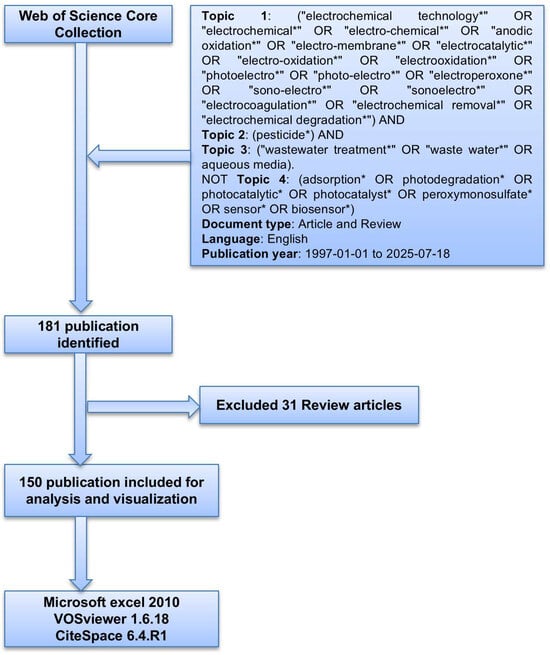
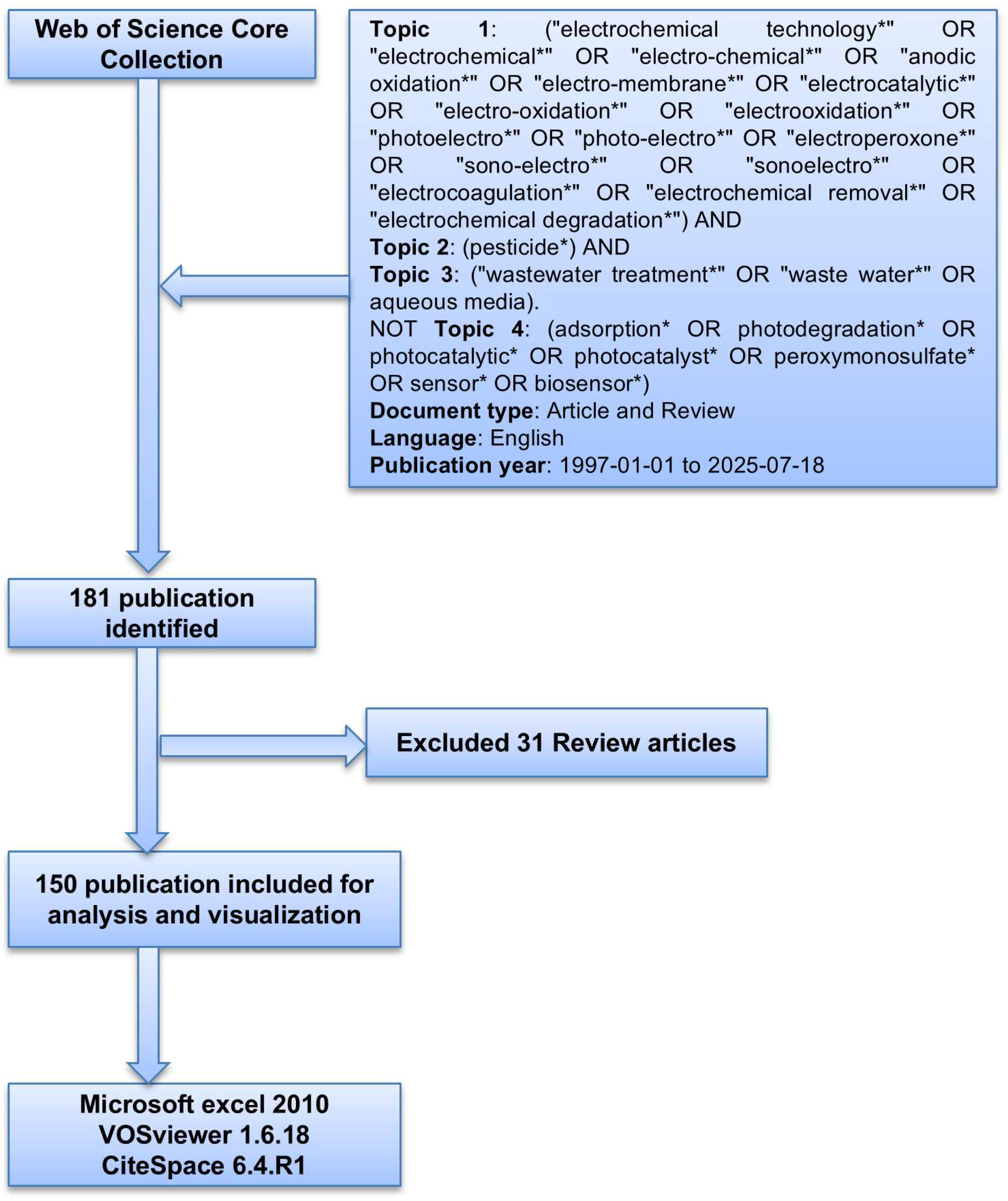
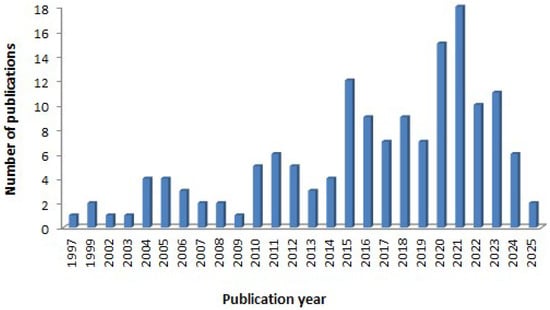
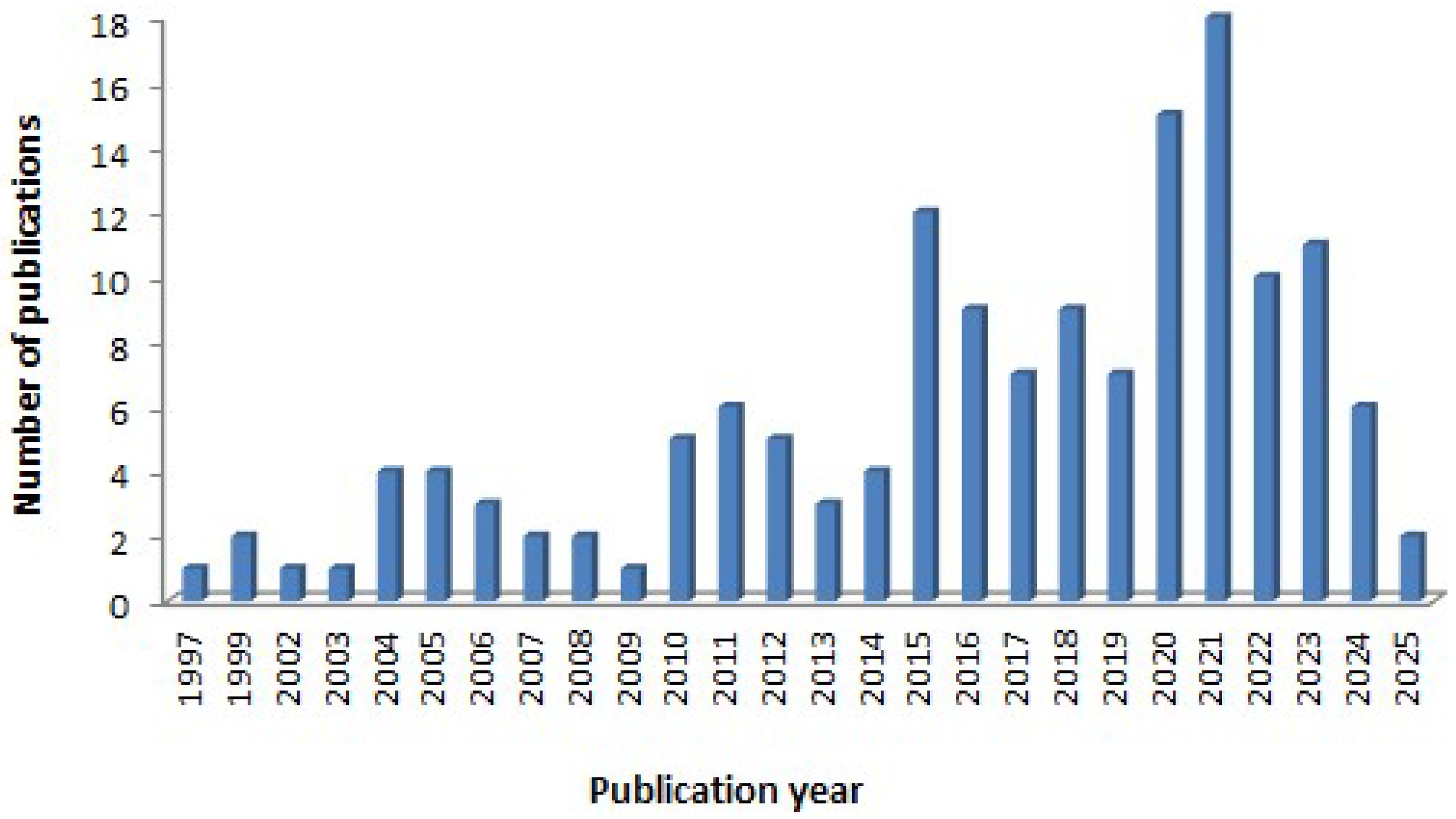
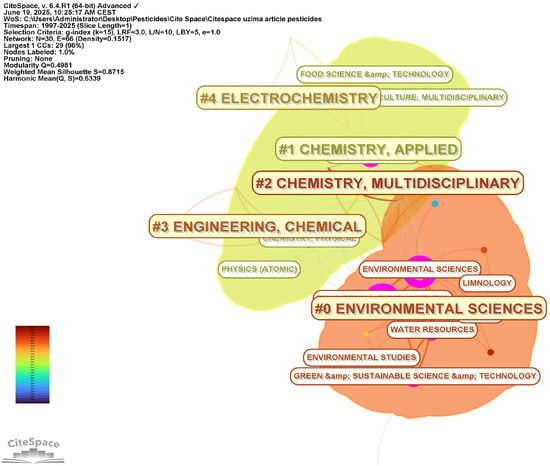
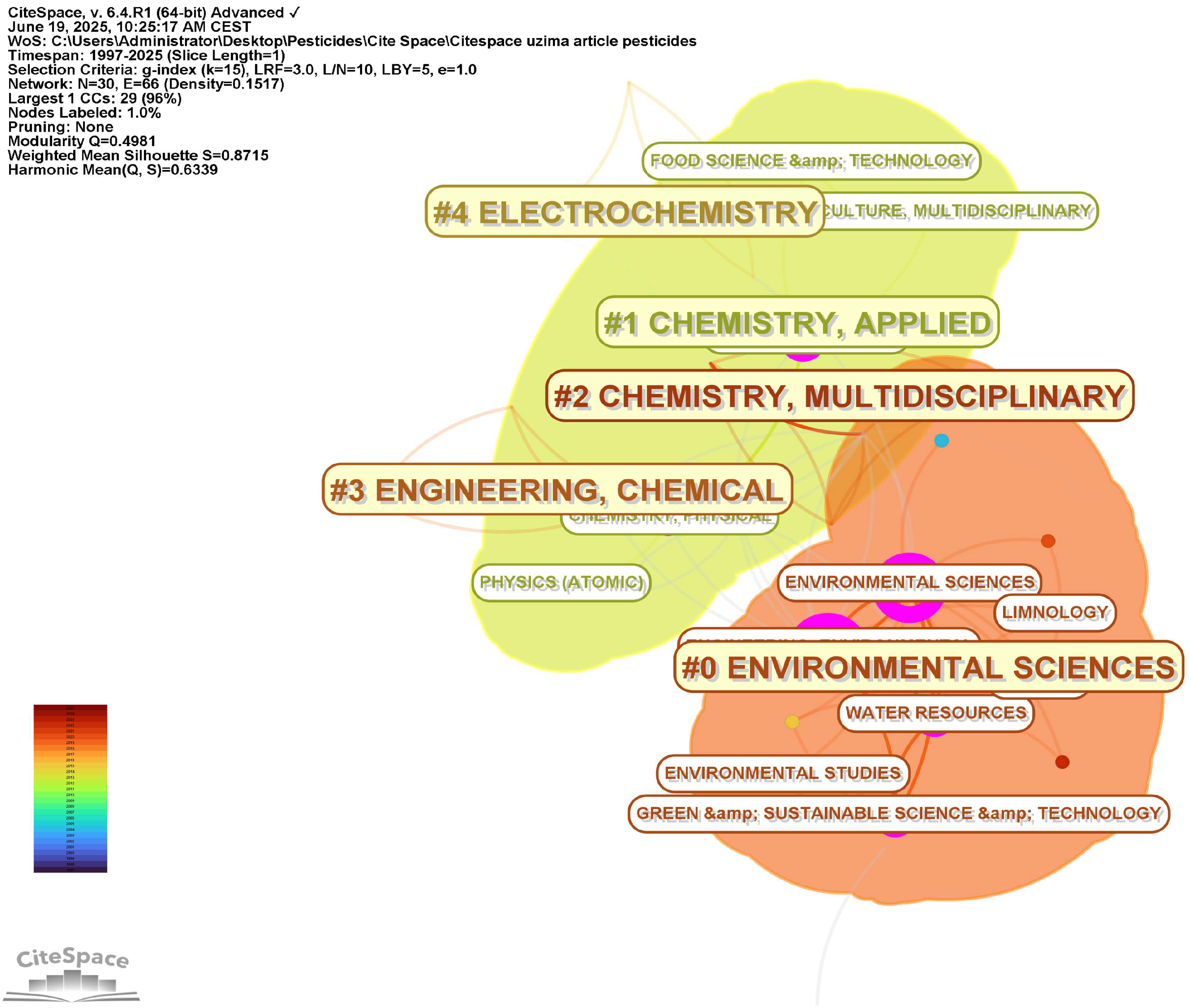
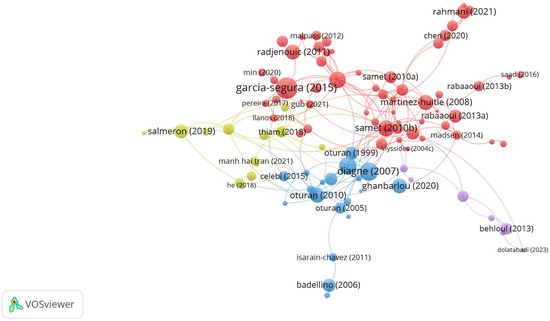
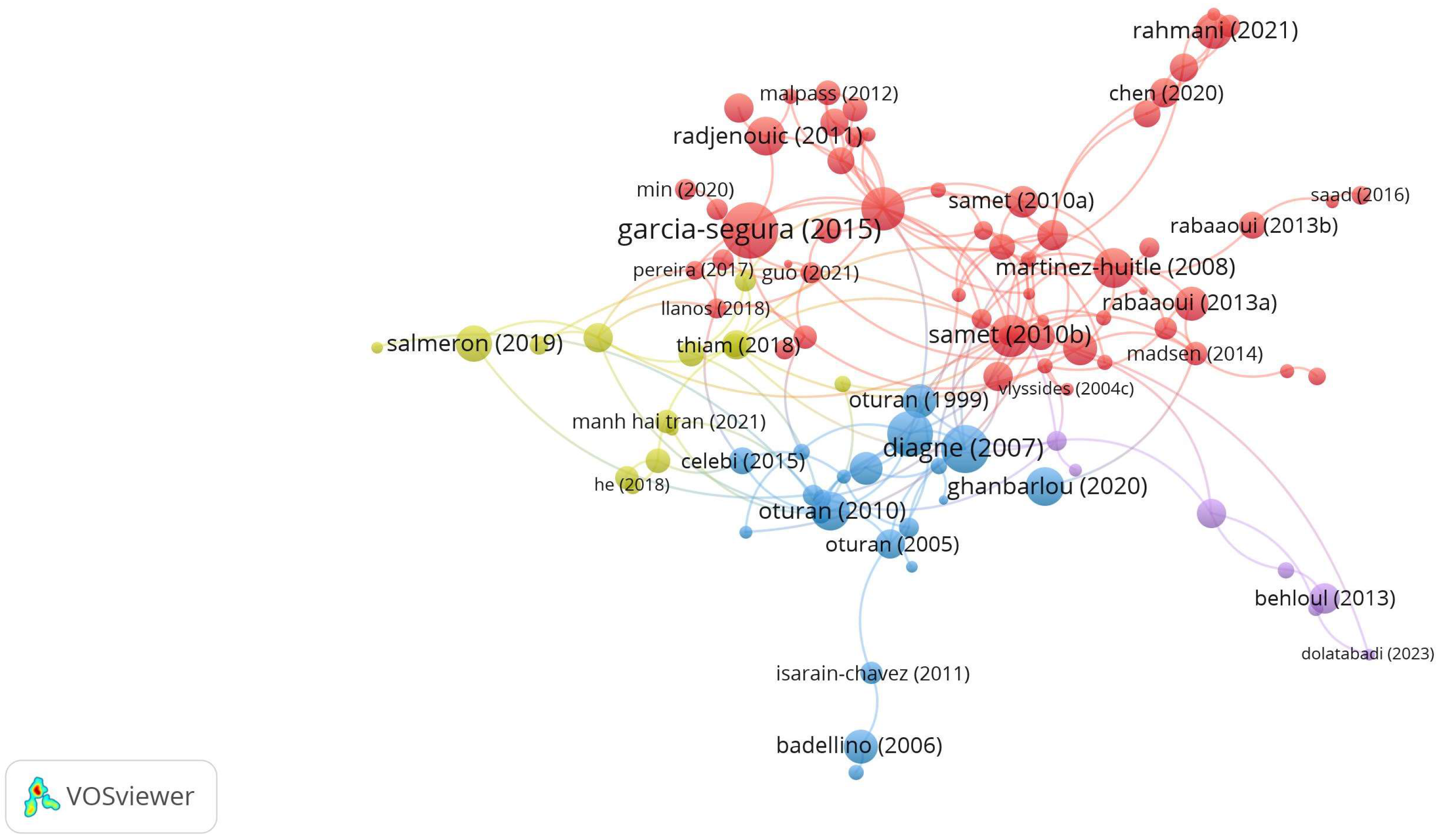

Disclaimer/Publisher’s Note: The statements, opinions and data contained in all publications are solely those of the individual author(s) and contributor(s) and not of MDPI and/or the editor(s). MDPI and/or the editor(s) disclaim responsibility for any injury to people or property resulting from any ideas, methods, instructions or products referred to in the content. |
© 2025 by the authors. Licensee MDPI, Basel, Switzerland. This article is an open access article distributed under the terms and conditions of the Creative Commons Attribution (CC BY) license (https://creativecommons.org/licenses/by/4.0/).