Article

Study of the Oxidative Stability of Chia Oil (Salvia hispanica L.) at Various Concentrations of Alpha Tocopherol

1
Vicerrectorado de Investigación y Vinculación, Universidad Estatal de Bolívar, Guaranda 020102, Ecuador
2
Facultad de Ciencias Agropecuarias, Universidad Técnica de Ambato, Cevallos 180601, Ecuador
3
Facultad de Ciencia e Ingeniería en Alimentos y Biotecnología, Universidad Técnica de Ambato, Ambato 180207, Ecuador
4
Facultad de Ciencia de la Salud y del Ser Humano, Universidad Estatal de Bolívar, Guaranda 020102, Ecuador
5
Facultad de Ciencias Agropecuarias, Recursos Naturales y del Ambiente, Universidad Estatal de Bolívar, Guaranda 020102, Ecuador
*
Author to whom correspondence should be addressed.
Processes 2025, 13(12), 3887; https://doi.org/10.3390/pr13123887
Submission received: 24 October 2025 / Revised: 22 November 2025 / Accepted: 26 November 2025 / Published: 2 December 2025

Abstract

Cold-pressed chia oil (Salvia hispanica L.) is highly susceptible to oxidative deterioration due to its exceptional α-linolenic acid content. This study evaluated the effect of increasing α-tocopherol concentrations (0–0.10% w/w) on its oxidative stability through accelerated oxidation testing (Oxitest) and long-term refrigerated storage. α-Tocopherol was selected because it is a widely accepted antioxidant in edible oils according to the Codex Alimentarius and FAO/WHO guidelines. A randomized block design (n = 3 independent extraction batches) was used to determine the induction period (IP) at 80 °C, followed by a 15-month evaluation at 15 °C of the control and the most promising treatment. α-Tocopherol increased oxidative resistance in a dose-dependent manner, but concentrations above 0.05% offered no additional benefits. The 0.05% treatment significantly prolonged the IP and effectively limited increases in peroxide and acidity values, keeping all parameters within Ecuadorian regulatory limits and consistent with international quality standards. Fatty-acid profiling confirmed that this antioxidant level slowed α-linolenic acid degradation, preserving the PUFA-rich profile of chia oil. These findings show that low-level α-tocopherol supplementation is a practical strategy to improve long-term stability of cold-pressed chia oil without altering its nutritional properties, providing valuable evidence for the formulation and commercialization of premium functional oils.

1. Introduction

The nutritional qualities of foods are defined by their organoleptic attributes. Modern society demands nutritious, high-quality products that meet strict safety standards and possess an extended shelf life [1]. To improve the lipid profile in the production of meat products, specialty oils must exhibit specific physical properties and contain an appropriate combination of essential fatty acids that contribute to the overall well-being of consumers [2]. The demand for these distinctive oils, characterized by a high content of essential fatty acids, is increasing [3]. At the same time, the market for high-quality alter-native food options is expanding to ensure that the nutritional needs of the population are met [4].
Chia seeds (Salvia hispanica L.) are classified as a bioactive food due to their positive impact on improving the lipid profile in the bloodstream [5]. These benefits include properties such as reducing blood pressure and blood sugar levels, exhibiting antimicrobial activity, and promoting stimulation of the immune system [6,7]. Currently, scientists around the world are developing technologies that enable chia seeds to serve as a primary ingredient providing omega-3, proteins, and fiber in various products, including beverages, nutraceutical supplements, processed foods, and cosmetics [8,9,10].
These seeds, native to Mexico and Central America, are widely used in culinary preparations due to their rich content of α-tocopherol, minerals, dietary fiber, healthy fats, proteins, and antioxidants. The quality of this diverse range of components in chia seeds can be influenced by several factors, such as geographical origin, agricultural practices, and environmental conditions [11,12]. Chia oil contains 63.8% α-linolenic acid (ALA), 20% linoleic acid (LA), 6.9% palmitic acid, and 2.8% stearic acid [13]. Exposure of polyunsaturated fatty acids to air, light, and temperature can trigger oxidation reactions leading to the formation of undesirable flavors [14], rancid odors, discoloration, and other reactions that reduce the quality of the oil, even at the molecular level [15].
The oxidation process leads to a decrease in both the acceptability and the nutritional value of oils [16]. In this regard, several strategies have been explored to inhibit lipid oxidation in chia oil [17,18]. Antioxidants are essential to prevent these undesirable reactions, and vitamin E can serve as an effective alternative. This vitamin, also known as tocopherol and tocotrienol, has been widely recognized for its ability to donate hydrogen from its phenolic groups, thereby helping to protect cell membranes from free radicals and tissue damage caused by pathological processes [19].
Recent studies highlight that α-tocopherol, in addition to being a primary antioxidant by donating hydrogen to lipid peroxyl radicals (ROO•), also participates in regeneration cycles mediated by co-antioxidants such as ascorbate or other phenolic compounds, restoring the tocopherol radical (TO•) to its reduced, active form. This regeneration pathway influences the effective antioxidant capacity of lipid matrices and may explain the nonlinear responses to tocopherol addition in highly unsaturated systems [20].
High-quality chia oil extraction has been achieved using supercritical CO2 fluids, yielding favorable results comparable to other extraction methods such as Soxhlet and cold pressing [21]. Although chia oil offers nutritional benefits due to its highly unsaturated fatty acid profile, it presents a drawback in terms of stability, which makes it susceptible to oxidation processes [22]. While supercritical CO2 extraction offers advantages such as solvent-free operation and efficient recovery of bioactives, it is not universally superior. Cold pressing remains the dominant industrial method for chia oil due to its lower cost, reduced energy requirements, and simpler equipment. Other extraction techniques, such as expeller pressing or aqueous enzymatic extraction, may also provide sustainable and economically viable alternatives depending on scale and infrastructure [23,24].
Despite notable progress in characterizing the composition and extraction of chia oil, there remains a substantial gap in understanding how purified α-tocopherol modulates its oxidative behavior under both accelerated and real-time storage conditions. Existing studies have largely focused on yield, extraction techniques, or baseline quality attributes, while offering only limited mechanistic insight into tocopherol activity within an oil matrix dominated by highly unsaturated α-linolenic acid [25].
On the other hand, global food regulations, including the Codex Alimentarius STAN 210-1999 and FAO/WHO guidelines, permit the addition of natural tocopherols in vegetable oils as antioxidants within technologically justified limits. However, recommended concentrations vary across countries and depend on the oil’s intrinsic susceptibility to oxidation [26]. α-tocopherol is recognized as an antioxidant; however, the optimal concentration required to stabilize oils extremely rich in polyunsaturated fatty acids, such as chia oil, remains unknown. The scientific literature reports both beneficial and pro-oxidant effects, depending on the dose, matrix composition, and storage conditions, revealing a lack of understanding regarding the dose-response relationship under real-world storage conditions [27]. Therefore, evaluating different concentrations of α-tocopherol remains an open research question of great practical importance for industrial formulation and shelf-life optimization. From an industrial perspective, this knowledge gap is particularly relevant: cold-pressed chia oil is increasingly incorporated into functional food formulations and export-oriented products, where shelf-life stability is a critical quality parameter [28]. Yet only few investigations have assessed antioxidant efficacy over extended storage periods, such as 12 to 15 months, under refrigerated conditions that realistically simulate commercial distribution environments. Defining the optimal α-tocopherol concentration is also essential, as excessive supplementation may trigger pro-oxidant behavior, whereas insufficient dosing fails to provide meaningful protection. Addressing these unresolved questions is important for informing formulation decisions and ensuring the technological and nutritional integrity of cold-pressed chia oil throughout its intended shelf life [29].
This study differs from previous work in three key aspects: (i) it evaluates chia oil obtained from Ecuadorian seeds, which have a distinct fatty-acid profile linked to local agronomic conditions; (ii) it examines oxidative stability under a 15-month real-time storage protocol at 15 ± 1 °C, a temperature representative of regional industrial storage practices; and (iii) it compares the resulting quality parameters with Ecuadorian technical standards. These elements make the present work a novel contribution to the understanding of α-tocopherol efficacy in highly unsaturated oils under realistic storage conditions.
Given these unresolved gaps, the present study evaluated the oxidative stability of cold-pressed chia oil supplemented with different concentrations of α-tocopherol, integrating accelerated oxidation testing with an extended real-time storage assessment. More importantly, it provides a clearer interpretation of how α-tocopherol modulates oxidative pathways in an oil matrix dominated by highly unsaturated fatty acids. This work therefore aimed to generate evidence directly applicable to industrial formulation, contributing to the development of more stable, nutritionally sound chia oil products for functional foods and long-distance distribution.

2. Materials and Methods

2.1. Chia Seeds

Salvia hispanica L., or chia seeds, were purchased from a commercial company in the community of Cotopaxi in 2020 (Ganagro, Saquisilí, Ecuador). To evaluate the oxidative stability of chia oil, vitamin E, α-tocopherol (1000 U.I., brand Toco Vit-E, James Brown Pharma, Pifo, Quito, Ecuador), was used as an antioxidant. In addition, a fatty acid methyl ester standard, FAME MIX C8-C22, (Sigma-Aldrich-Supelco, Bellefonte, PA, USA) was used.
Using an expeller (Florapower GmbH & Co. KG, Augsburg, Germany), the chia oil was cold-pressed at 50–60 °C [30]. Once extracted, the oil was filtered, decanted, and stored at 15 °C in 60 mL amber glass bottles to protect it from sunlight.
To calculate the yield, Equation (1) was used, based on the amount of oil obtained per 100 kg of chia seeds processed.
% R A = ( P A / P c ) 100 ,
where
% R A = oil extraction yield (percentage).
P A = weight (in grams) of chia oil extracted by pressing.
P c = weight (in grams) of chia seeds used for oil extraction.
The five chia oil treatments, with and without antioxidant, were TC (0% α-tocopherol, control treatment), T1 (0.025% α-tocopherol), T2 (0.050% α-tocopherol), T3 (0.075% α-tocopherol), and T4 (0.10% α-tocopherol). These were used to determine oxidative stability. Three replicates were applied following a randomized block design (Figure 1).

2.2. Experimental Design, Sample Preparation, and Environmental Controls

Cold-pressed chia oil samples were obtained from three independent processing batches, each corresponding to a separate 16–18 kg lot of seeds. Each batch was pressed on different days under identical operating conditions to ensure experimental independence and to avoid pseudo replication. From each batch, the extracted oil was homogenized and immediately allocated to the different antioxidant treatments.
All determinations (moisture, pH, acidity index, peroxide value, and fatty-acid profile) were conducted in triplicate for each independent batch, resulting in n = 3 independent replicates per treatment. Analytical replicates were performed from freshly homogenized aliquots of each batch.
During oil extraction, handling, and sample preparation, the laboratory temperature was maintained at 23 ± 2 °C, with a relative humidity of 57 ± 5%, monitored using calibrated Fluke 1620A Dewk data loggers (Fluke Corporation, Everett, WA, USA). To minimize the influence of light-induced oxidation, all samples were processed under low-light conditions and stored in amber glass bottles to prevent UV exposure.

2.3. Antioxidant Addition and Storage Conditions

Food-grade α-tocopherol (α-tocopherol) was added to the chia oil at concentrations of 0.025%, 0.05%, 0.075%, and 0.10% (w/w). The antioxidant was incorporated under gentle magnetic stirring to ensure uniform dispersion while minimizing aeration. A treatment without antioxidant was used as the control (TC).
The concentration range (0–0.10% w/w) was selected based on previous studies reporting effective tocopherol supplementation levels between 0.02% and 0.10% for PUFA-rich oils. Concentrations above 0.10% have been associated with diminishing returns or potential pro-oxidant behavior in highly unsaturated matrices [31]. Therefore, the chosen range allowed evaluation of both sub-optimal and near-saturation antioxidant levels.
For the real-time storage evaluation, 60 mL amber glass bottles were filled headspace-free, sealed with airtight caps, sealed with Parafilm® to prevent oxygen entrance, and stored at 15 ± 1 °C in a constant-climate chamber (BINDER KBF-S 720, GmbH & Co. KG, Tuttlingen, Germany). The selected temperature corresponds to the average environment temperature in Saquisilí, Province of Cotopaxi, Ecuador, where cold-pressed chia oil is commonly processed and stored prior to distribution. This choice ensured that the experimental conditions reflected realistic regional storage practices.
Although the original study design contemplated a shorter evaluation period, restrictions associated with the COVID-19 pandemic extended the storage time to 15 months. This extended period provided an opportunity to assess the long-term oxidative stability of chia oil under real storage conditions, offering valuable information that is rarely available for this type of product.

2.4. Accelerated Oxidation Analysis (Oxitest Reactor)

Oxidative stability was evaluated using an Oxitest reactor (Velp Scientifica, Usmate, Milan, Italy), following the procedures described in previous studies [30,32,33]. The Induction Period (IP), expressed in hours, was determined at 80 °C under an oxygen pressure of 6 bar, using high-purity grade 5 oxygen supplied by Linde-Ecuador. During each analytical session, the control (TC) and all α-tocopherol-treated oils were evaluated in parallel to ensure comparability across treatments. Each formulation was analyzed in triplicate, corresponding to the three independent processing batches, thereby preserving the integrity of the experimental design and avoiding pseudoreplication.
The hydrogen potential (pH) was measured using a Mettler Toledo Seven Compact potentiometer (Mettler-Toledo GmbH, Greifensee, Switzerland) [34]. Moisture content was determined with a Mettler Toledo HX 204 infrared balance (Mettler-Toledo GmbH, Greifensee, Switzerland) [35], and the Acid Value was assessed using the Official Method [36] and the Ecuadorian Technical Standard INEN 0038 [37], expressed in terms of oleic acid.
To determine the acidity of the oil, Equation (2) was used.
A = M · V · N 10 · m ,
where
A = acid value of the oil, expressed as a percentage of oleic acid.
M = molecular mass of oleic acid, 282 g/mol.
V = volume of the hydroxide solution consumed in the titration, in mL.
N = molarity of the sodium hydroxide solution, determined daily against a primary standard.
m = mass of the sample analyzed, expressed in grams.
10 = conversion factor to percentage.

2.5. Peroxide Value

The peroxide value was determined using the Official Method No. 965.33 [36]. This is expressed in milliequivalents of oxygen per kilogram of oil (meq O2/kg oil), for which Equation (3) was used. All measurements were carried out in triplicate for each independent batch. Blanks and calibration standards were included in each analytical session to ensure data reliability.
P v = V · M · 1000 P ,
where
P v : peroxide value, expressed in milliequivalents of O2 per kilogram of oil.
V : volume of sodium thiosulfate titrated, appropriately corrected to account for the blank, in mL.
M : exact molarity of the sodium thiosulfate solution.
P : mass of the sample, in grams.

2.6. Faty Acid Determination

The fatty acid composition of chia oil was evaluated through esterification, generating two phases of fatty acid methyl esters. The lower layer contained the aqueous phase with additional esterification reaction products, while the upper layer consisted of the organic phase composed of hexane and fatty acid esters [38].
A 0.5 µL aliquot of the organic phase containing fatty acid methyl esters was injected into a gas chromatograph 7890B system (Agilent Technologies, Santa Clara, CA, USA; software: OpenLAB CDS ChemStation Edition v.2.5). This gas chromatograph was coupled to a mass spectrometer MSD 5977A (Agilent Technologies, Santa Clara, CA, USA) and used an HP-88 column (60 m × 0.25 mm, 0.20 µm). The oven temperature program was as follows: initial temperature at 80 °C, followed by ramps of 10 °C/min to 120 °C, 20 °C/min to 140 °C, 2 °C/min to 200 °C, held for 10 min, and finally increased at 5 °C/min to 240 °C, where it was maintained for 4 min. Helium (99.999% purity, Linde, Ecuador) was used as the carrier gas at a flow rate of 1.4 mL/min. The NIST 14.L library (Gaithersburg, MD, USA) was used for qualitative identification of fatty acid esters.
Additionally, Supelco fatty acid methyl esters (FAME Mix C8-C22) were used as reference material to identify and quantify the fatty acids present in chia oil. This was carried out by comparing retention times and integrating peak areas obtained from the chromatographic analysis [39].

2.7. Statistical Analysis

Data were analyzed using one-way ANOVA to compare effects on different concentrations of α-tocopherol. Normality and homogeneity of variances were tested using Shapiro-Wilk and Levene’s tests, respectively. Post hoc comparisons were performed with Tukey’s HSD (p < 0.05). All statistical analyses were performed in Statgraphics Centurion XVII (Statgraphics Technologies, Inc., The Plains, VA, USA, version 17.2). Sample size per treatment n = 3 independent replicates.

3. Results and Discussion

3.1. Extraction Yield

The yield of chia oil extracted by cold pressing [35] is presented in Table 1.
Table 1 reports a yield of 24.42 ± 2.18% for chia oil obtained by cold pressing. These values are consistent with those described in previous studies, which reported yields ranging from 26 to 34% [6,40] and fat contents between 30 and 33% [41]. The lipid content in chia seeds is known to vary according to several factors, including plant variety, climatic conditions, agronomic practices, fertilization regimes, and irrigation practices [42]. Additionally, the extraction yield is also strongly influenced by the processing technique employed [40], which can affect sensory attributes and oil quality, including viscosity, color, texture, appearance, odor, and taste [43]. Chia oils extracted from seeds cultivated in Ecuador typically display a light green color with a slight yellow hue and an oily appearance [44].
These results confirm that the raw material used in the present study aligns with the expected physicochemical range for cold-pressed chia oil, reinforcing the comparability of our findings with the broader literature and providing a reliable baseline for evaluating antioxidant efficacy [45].

3.2. Accelerated Shelf-Life Study

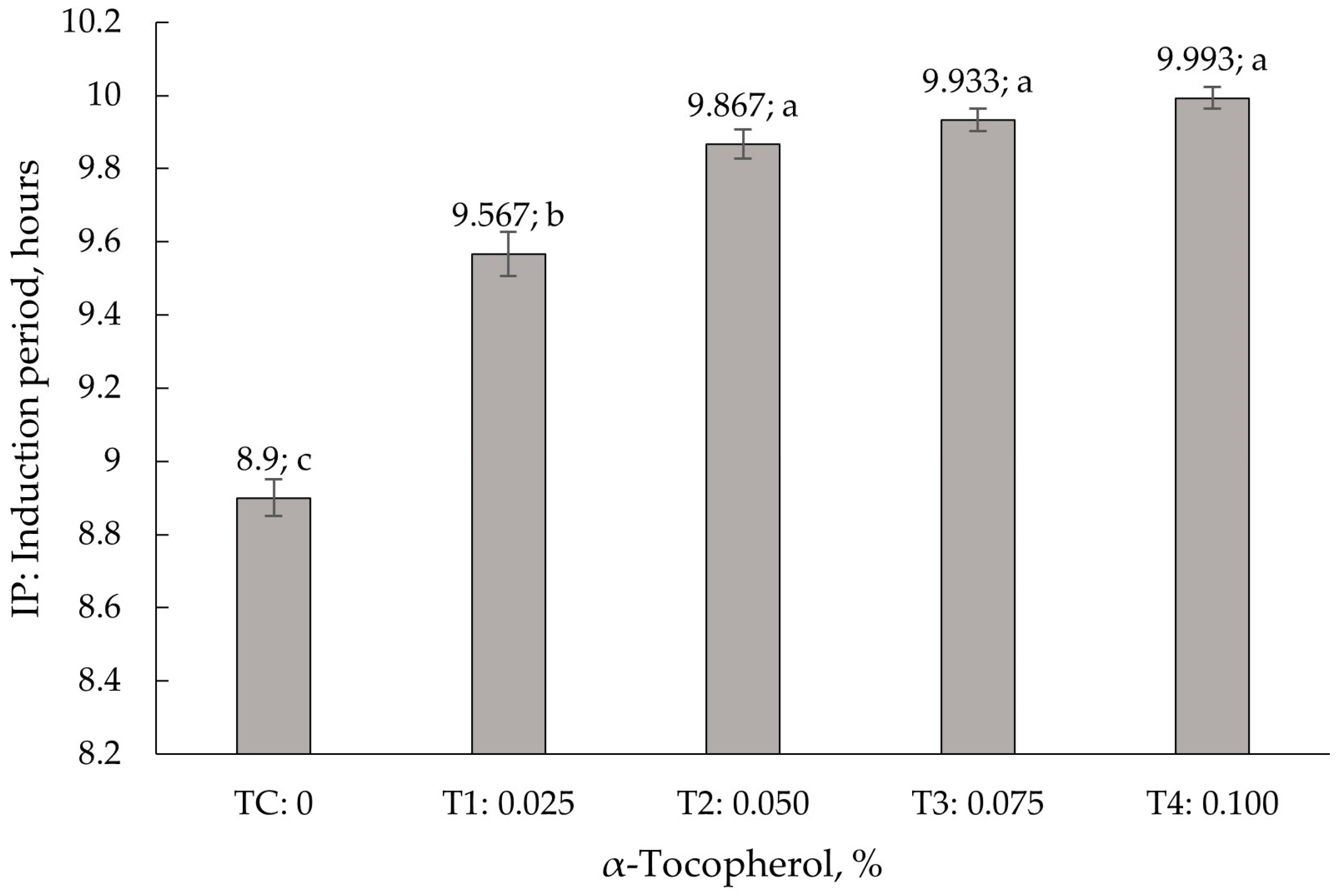
The induction period (IP) from the Velp Scientific Oxitest Reactor was used to evaluate the oxidative stability of chia oil. The longer the induction period, the more stable the oil is against oxidation. The results are presented in Figure 2.
The Oxitest method offers several advantages, including standardized oxygen-pressure monitoring, the absence of solvents, and relatively short analysis times compared with conventional Schaal oven tests. However, it does not provide mechanistic information on radical formation, unlike differential scanning calorimetry (DSC), electron paramagnetic resonance (EPR), or Rancimat assays, which are widely used for oxidative-stability assessment [46]. Despite these limitations, Oxitest is appropriate for comparing antioxidant treatments in oils and is increasingly adopted in industrial quality-control settings.
According to Figure 2 and the statistical analysis, it can be concluded that the treatments with the highest Induction Period values correspond to the following group: T2 (oil with 0.05% α-tocopherol), T3 (oil with 0.075% α-tocopherol), and T4 (oil with 0.1% α-tocopherol). These treatments are statistically similar (p < 0.05), followed by T1 (oil with 0.025% α-tocopherol) and, finally, the control treatment TC (control oil). Therefore, T2 was considered the best treatment since it used a lower amount of stabilizer (α-tocopherol) while achieving a higher IP value.
This dose-response trend is consistent with the well-established behavior of α-tocopherol, whose antioxidant activity operates within an optimal concentration range. At low levels, α-tocopherol provides limited radical-scavenging capacity, whereas excessively high concentrations may favor the accumulation of tocopheroxyl radicals, thereby promoting pro-oxidant reactions [47]. Identifying 0.05% as the most effective concentration is therefore not only scientifically meaningful but also industrially relevant, as it balances antioxidant efficacy with cost efficiency and minimizes potential regulatory concerns associated with higher additive levels.
The behavior observed in the induction period can be explained by the mechanism of α-tocopherol, which donates a hydrogen atom from its phenolic group to lipid peroxyl radicals (ROO•), interrupting the propagation phase of autoxidation. The resulting tocopheroxyl radical (TO•) is resonance-stabilized and reacts slowly, preventing chain-branching reactions. However, when α-tocopherol exceeds an optimal concentration, TO• species can accumulate and exhibit pro-oxidant activity, especially in the absence of co-antioxidants capable of regenerating the reduced form. This phenomenon may explain why increases beyond 0.05% did not significantly enhance oxidative stability [31].
This is consistent with evidence showing that tocopheroxyl radical accumulation at high α-tocopherol concentrations may induce a plateau or even pro-oxidant behavior in PUFA-rich oils [31,48].
On the other hand, the physicochemical properties of chia oil and treatment T2 were determined before and after 15 months of storage. Table 2 reports the physicochemical characteristics of the different oils with and without α-tocopherol.
Regarding the moisture percentage, a high moisture content increases the tendency of the oil to hydrolyze, resulting in a high content of free fatty acids, an unpleasant odor, and a rancid taste [49]. This requirement was affected in the TC, as its moisture content increased by a factor greater than 7 during storage time, in contrast to the T2 treatment, where it increased by a factor of approximately 2.6.
Chia oil (control treatment) showed the following values: an acidity index of 0.308 (% oleic acid) and a peroxide index of 3.460 (meq O2/kg oil). Since there is no specific standard for chia oil, the Ecuadorian Technical Standard NTE INEN 29:2012 (NTE INEN 29; Aceite de Oliva Requisitos; Instituto Ecuatoriano de Normalización: Quito, Ecuador. 2012). for olive oil was used as a reference, which establishes maximum values of 0.5% acidity and a peroxide index of 10 meq O2/kg.
It is important to note that the lower the acidity index of an oil, the lower its potential for oxidative degradation of free fatty acids [50]. Therefore, the obtained chia oil meets both requirements regarding acidity and peroxide index.
When comparing data from other studies, a peroxide index of 2.56 meq O2/kg and an acidity index of 0.13 ± 0.0031 were reported for chia oil, which are lower than those obtained in the present study [51]. Another study demonstrated that chia oil extracted by cold pressing has a peroxide index of 1.35 meq O2/kg [50]. The reported results are com-parable to the acidity index of 3.0 mg KOH/g and peroxide index of 2.3 meq O2/kg found in chia oil obtained by cold pressing [52].
In contrast, the control treatment showed values of 0.509 for the acidity index and 10.267 for the peroxide index after 15 months of storage at room temperature, exceeding the limits established by the Ecuadorian Standard NTE INEN 29:2012 (NTE INEN 29; Aceite de Oliva Requisitos; Instituto Ecuatoriano de Normalización: Quito, Ecuador. 2012). This indicates that the chia oil has oxidized and is no longer suitable for human consumption. In another study, peroxide index values of 15 meq O2/kg were obtained after 135–150 days of storage of chia oil without preservatives and exposed to light [50].
On the other hand, after the storage period, the T2 treatment showed acidity index values of 0.465 and peroxide index values of 5.543, which fall within the limits established by the cited Technical Standard, indicating that α-tocopherol contributed to its preservation. Moreover, after 15 months, both acidity and peroxide index values were higher than those of freshly cold-pressed chia oil that had not been preserved, indicating that the oil gradually deteriorated over the study period.
Beyond chia oil, the oxidative behavior observed in chia oil is consistent with trends reported for other PUFA-rich oils such as linseed [53], sacha inchi [54], and hemp oil [55], where high α-linolenic acid content accelerates peroxide formation and reduces shelf life. Similar tocopherol supplementation studies in oils blends have shown that moderate α-tocopherol doses provide optimal stabilization, while excessive levels may fail to improve or may even decrease oxidative resistance [56].
These findings demonstrate that α-tocopherol effectively slows both hydrolytic and oxidative deterioration during extended storage, underscoring its suitability as a stabilizing agent for cold-pressed chia oil designed for long-shelf-life applications [57]. Notably, real-time storage assessments extending up to 15 months at controlled temperature are seldom reported for chia oil, which highlights the novelty and practical relevance of these results for industrial distribution systems.
From a mechanistic perspective, α-tocopherol likely exerted its protective effect by donating a hydrogen atom to lipid peroxyl radicals (ROO•), thereby interrupting the propagation phase of autoxidation and limiting the formation of lipid hydroperoxides [58]. The lower peroxide value observed in T2 is consistent with a delayed accumulation of primary oxidation products, confirming efficient radical scavenging throughout the storage period.

3.3. Fatty Acid Profile

Table 3 reports the fatty acid profile of freshly extracted chia oil without storage (TC). It was found to contain saturated fatty acids (palmitic and stearic acids) at 9.45%; monounsaturated fatty acids (oleic acid) at 5.61%; and polyunsaturated fatty acids (linoleic and linolenic acids) at 84.95%. Regarding the ratio of saturated to unsaturated fatty acids, values ranged from 0.10 in freshly extracted chia oil to 0.13 in chia oil with and without α-tocopherol after 15 months of storage.
The retention of α-linolenic acid in T2 after long-term storage underscores the protective effect of α-tocopherol on the most oxidation-susceptible component of chia oil. This is particularly relevant for industrial applications, as the high ALA content is both a defining nutritional feature and a key marketing attribute; preserving its integrity throughout storage is essential for accurate product labeling, functional food positioning, and regulatory compliance [60].
Few studies have examined how antioxidant supplementation influences the fatty-acid profile of chia oil after more than one year of storage. The present findings therefore address an important knowledge gap by demonstrating that 0.05% α-tocopherol effectively mitigates PUFA degradation over extended periods, thereby maintaining the nutritional value of cold-pressed chia oil.
The protective effect observed at 0.05% also makes it suitable for encapsulation systems and emulsified formulations where oxidative stress is intensified [61]. The slight increase in saturated fatty acids and parallel decrease in polyunsaturated fatty acids observed after storage is consistent with expected oxidative degradation pathways. During oxidation, double bonds in PUFA are progressively cleaved, generating shorter saturated or mono-unsaturated fragments, as observed in polyunsaturated fatty acids, such as linolenic acid, which could explain the relative increase in saturated fatty acids. The smaller changes in the α-tocopherol-supplemented treatment highlight the protective effect against PUFA degradation [62,63].
However, the markedly lower peroxide and acidity values observed in T2 relative to the control demonstrate that oxidative deterioration was substantially delayed. This outcome indicates that α-tocopherol not only enhances oxidative stability but also preserves the characteristic fatty-acid composition of chia oil throughout storage, effectively extending shelf life without compromising its nutritional profile.

4. Conclusions

The addition of α-tocopherol in treatment T2 proved to be the most effective approach for maintaining the oxidative stability of cold-pressed chia oil, keeping all quality parameters within the limits established by Ecuadorian regulations. This concentration was sufficient to prevent the oxidation of unsaturated fatty acids and preserve the omega-3 content throughout the evaluated storage period.
Overall, the combined use of accelerated oxidation testing and long-term refrigerated storage reinforces the industrial relevance of this study. The findings demonstrate that a low level of α-tocopherol (0.05%) markedly enhances oxidative stability while preserving the nutritional profile of cold-pressed chia oil. These results provide practical guidance for producers aiming to formulate premium chia oils with extended shelf life, aligning with growing consumer demand for natural and minimally processed products.
Despite these strengths, the study also has limitations. Only one antioxidant was evaluated, and potential synergistic systems, such as tocopherol-ascorbate regeneration, were not examined. Future research should therefore explore combined antioxidant strategies, investigate tocopherol degradation kinetics, and assess sensory attributes during prolonged storage to better support industrial-scale applications.

Author Contributions

Conceptualization: J.B., C.V. and M.S.; Funding acquisition: M.S., C.R. and J.A.; Investigation: J.G.; Methodology: J.B., C.V. and M.S.; Project administration: M.S.; Resources: J.G.; Supervision: J.B., C.V. and M.S.; Validation: J.B. and M.S.; Writing-original draft: M.S. and J.G.; Writing-review and editing: J.B., C.V., J.G., C.R., J.A. and M.S. All authors have read and agreed to the published version of the manuscript.

Funding

This research was funded by the Dirección de Investigación y Desarrollo of the Universidad Técnica de Ambato through the Ecuador–Spain Debt Swap Project FITA UOITA, HCU 0939-CU-P-2016, of the Facultad de Ciencia e Ingeniería en Alimentos y Biotecnología, and by the Universidad Estatal de Bolívar through projects PIV-66-2021 and PIV-15-2024.

Data Availability Statement

The original data supporting the results of this research are included in the article. Additional information can be obtained from the corresponding author.

Conflicts of Interest

The authors declare no conflicts of interest.

References

  1. Kaur, S.; Kumar, Y.; Singh, V.; Kaur, J.; Panesar, P.S. Cold Plasma Technology: Reshaping Food Preservation and Safety. Food Control 2024, 163, 110537. [Google Scholar] [CrossRef]
  2. Bordón, M.G.; Meriles, S.P.; Ribotta, P.D.; Martinez, M.L. Enhancement of Composition and Oxidative Stability of Chia (Salvia hispanica L.) Seed Oil by Blending with Specialty Oils. J. Food Sci. 2019, 84, 1035–1044. [Google Scholar] [CrossRef]
  3. Botella-Martínez, C.; Gea-Quesada, A.; Sayas-Barberá, E.; Pérez-Álvarez, J.Á.; Fernández-López, J.; Viuda-Martos, M. Improving the Lipid Profile of Beef Burgers Added with Chia Oil (Salvia hispanica L.) or Hemp Oil (Cannabis sativa L.) Gelled Emulsions as Partial Animal Fat Replacers. LWT 2022, 161, 113416. [Google Scholar] [CrossRef]
  4. Mariutti, L.R.B.; Rebelo, K.S.; Bisconsin-Junior, A.; de Morais, J.S.; Magnani, M.; Maldonade, I.R.; Madeira, N.R.; Tiengo, A.; Maróstica, M.R.; Cazarin, C.B.B. The Use of Alternative Food Sources to Improve Health and Guarantee Access and Food Intake. Food Res. Int. 2021, 149, 110709. [Google Scholar] [CrossRef]
  5. da Silva, A.; Cabrera, M.C.; Olivero, R.; del Puerto, M.; Terevinto, A.; Saadoun, A. The Incorporation of Chia Seeds (Salvia hispanica L.) in the Chicken Diet Promotes the Enrichment of Meat with n-3 Fatty Acids, Particularly EPA and DHA. Appl. Food Res. 2024, 4, 100416. [Google Scholar] [CrossRef]
  6. Musa Özcan, M.; Al-Juhaimi, F.Y.; Mohamed Ahmed, I.A.; Osman, M.A.; Gassem, M.A. Effect of Different Microwave Power Setting on Quality of Chia Seed Oil Obtained in a Cold Press. Food Chem. 2019, 278, 190–196. [Google Scholar] [CrossRef]
  7. Kulczyński, B.; Kobus-Cisowska, J.; Taczanowski, M.; Kmiecik, D.; Gramza-Michałowska, A. The Chemical Composition and Nutritional Value of Chia Seeds—Current State of Knowledge. Nutrients 2019, 11, 1242. [Google Scholar] [CrossRef]
  8. Cardoso, L.G.; Bordignon Junior, I.J.; Vieira da Silva, R.; Mossmann, J.; Reinehr, C.O.; Brião, V.B.; Colla, L.M. Processed Cheese with Inulin and Microencapsulated Chia Oil (Salvia hispanica). Food Biosci. 2020, 37, 100731. [Google Scholar] [CrossRef]
  9. Di Marco, A.E.; Ixtaina, V.Y.; Tomás, M.C. Effect of Ligand Concentration and Ultrasonic Treatment on Inclusion Complexes of High Amylose Corn Starch with Chia Seed Oil Fatty Acids. Food Hydrocoll. 2023, 136, 108222. [Google Scholar] [CrossRef]
  10. Souza, A.L.; Martínez, F.P.; Ferreira, S.B.; Kaiser, C.R. A Complete Evaluation of Thermal and Oxidative Stability of Chia Oil. J. Therm. Anal. Calorim. 2017, 130, 1307–1315. [Google Scholar] [CrossRef]
  11. Knez Hrnčič, M.; Ivanovski, M.; Cör, D.; Knez, Ž. Chia Seeds (Salvia hispanica L.): An Overview—Phytochemical Profile, Isolation Methods, and Application. Molecules 2019, 25, 11. [Google Scholar] [CrossRef]
  12. Goergen, P.C.H.; Lago, I.; Scheffel, L.G.; Rossato, I.G.; Roth, G.F.M.; Durigon, A.; Pohlmann, V. Development of Chia Plants in Field Conditions at Different Sowing-Date. Comun. Sci. 2022, 13, e3723. [Google Scholar] [CrossRef]
  13. Xingú López, A.; González Huerta, A.; De La Cruz Torrez, E.; Sangerman Jarquín, D.M.; Orozco De Rosas, G.; Arriaga, M.R. Chía (Salvia hispanica L.) Situación Actual y Tendencias Futuras. Rev. Mex. Cienc. Agríc. 2017, 8, 1619–1631. [Google Scholar] [CrossRef]
  14. Brandán, J.P.; Izquierdo, N.; Acreche, M.M. Oil and Protein Concentration and Fatty Acid Composition of Chia (Salvia hispanica L.) as Affected by Environmental Conditions. Ind. Crops Prod. 2022, 177, 114496. [Google Scholar] [CrossRef]
  15. Jung, H.; Kim, I.; Jung, S.; Lee, J. Oxidative Stability of Chia Seed Oil and Flax Seed Oil and Impact of Rosemary (Rosmarinus officinalis L.) and Garlic (Allium cepa L.) Extracts on the Prevention of Lipid Oxidation. Appl. Biol. Chem. 2021, 64, 6. [Google Scholar] [CrossRef]
  16. Zettel, V.; Hitzmann, B. Applications of Chia (Salvia hispanica L.) in Food Products. Trends Food Sci. Technol. 2018, 80, 43–50. [Google Scholar] [CrossRef]
  17. Pizones Ruiz-Henestrosa, V.M.; Ribourg, L.; Kermarrec, A.; Anton, M.; Pilosof, A.; Viau, M.; Meynier, A. Emulsifiers Modulate the Extent of Gastric Lipolysis during the Dynamic in Vitro Digestion of Submicron Chia Oil/Water Emulsions with Limited Impact on the Final Extent of Intestinal Lipolysis. Food Hydrocoll. 2022, 124, 107336. [Google Scholar] [CrossRef]
  18. Dominguez-Candela, I.; Gomez-Caturla, J.; Cardona, S.C.; Lora-García, J.; Fombuena, V. Novel Compatibilizers and Plasticizers Developed from Epoxidized and Maleinized Chia Oil in Composites Based on PLA and Chia Seed Flour. Eur. Polym. J. 2022, 173, 111289. [Google Scholar] [CrossRef]
  19. Ferreira, C. Consumo de Aceites Vegetales y el Comportamiento del Nivel Plasmático de Vitamina E en Población Adulta: Revisión de Literatura; Pontificia Universidad Javeriana: Bogotá, Colombia, 2020; pp. 1–55. [Google Scholar]
  20. Doert, M.; Grebenteuch, S.; Kroh, L.W.; Rohn, S. A Ternary System of α-Tocopherol with Phosphatidylethanolamine and l-Ascorbyl Palmitate in Bulk Oils Provides Antioxidant Synergy through Stabilization and Regeneration of α-Tocopherol. Food Chem. 2022, 391, 133084. [Google Scholar] [CrossRef]
  21. Ishak, I.; Hussain, N.; Coorey, R.; Ghani, M.A. Optimization and Characterization of Chia Seed (Salvia hispanica L.) Oil Extraction Using Supercritical Carbon Dioxide. J. CO2 Util. 2021, 45, 101430. [Google Scholar] [CrossRef]
  22. Manzaneda, F. Evaluación de La Producción de Dos Variedades de Chia (Salvia hispánica L.), En Dos Densidades de Siembra. Apthapi 2015, 1, 13–18. [Google Scholar]
  23. Čechovičienė, I.; Kazancev, K.; Hallmann, E.; Sendžikienė, E.; Kruk, M.; Viškelis, J.; Tarasevičienė, Ž. Supercritical CO2 and Conventional Extraction of Bioactive Compounds from Different Cultivars of Blackberry (Rubus fruticosus L.) Pomace. Plants 2024, 13, 2931. [Google Scholar] [CrossRef]
  24. Schoss, K.; Glavač, N.K. Supercritical CO2 Extraction vs. Hexane Extraction and Cold Pressing: Comparative Analysis of Seed Oils from Six Plant Species. Plants 2024, 13, 3409. [Google Scholar] [CrossRef]
  25. Homroy, S.; Chopra, R.; Singh, P.K.; Dhiman, A.; Chand, M.; Talwar, B. Role of Encapsulation on the Bioavailability of Omega-3 Fatty Acids. Compr. Rev. Food Sci. Food Saf. 2024, 23, e13272. [Google Scholar] [CrossRef]
  26. Shahidi, F.; Zhong, H.J.; Ambigaipalan, P. Antioxidants: Regulatory Status. In Bailey’s Industrial Oil and Fat Products; Shahidi, F., Ed.; Wiley: Hoboken, NJ, USA, 2020; pp. 1–21. ISBN 978-0-471-38460-1. [Google Scholar]
  27. Kolnik, S.; Wood, T. Role of Vitamin E in Neonatal Neuroprotection: A Comprehensive Narrative Review. Life 2022, 12, 1083. [Google Scholar] [CrossRef]
  28. Zhu, J.; Li, Z.; Wang, Y.; Mu, Z.; Lv, X.; Wang, Z.; Dong, A.; Fan, Z.; Zhang, H. A Review on Improving the Oxidative Stability of Pine Nut Oil in Extraction, Storage, and Encapsulation. Antioxidants 2025, 14, 716. [Google Scholar] [CrossRef]
  29. Laskoś, K.; Waligórski, P.; Pisulewska, E.; Janowiak, F.; Sadura-Berg, I.; Czyczyło-Mysza, I.M. Herbal Maceration Modulates Fatty Acid Profile of Cold-Pressed Oils and Preserves Antioxidant Activity during Long-Term Storage. Sci. Rep. 2025, 15, 38592. [Google Scholar] [CrossRef]
  30. Rivera, M.; Ramos, M.; Silva, M.; Briceño, J.; Álvarez, M. Effect of the Temperature Prior to Extraction on the Yield and Fatty Acid Profile of Morete Oil (Mauritia flexuosa L. f.). La Granja 2022, 35, 98–111. [Google Scholar] [CrossRef]
  31. Musakhanian, J.; Rodier, J.-D.; Dave, M. Oxidative Stability in Lipid Formulations: A Review of the Mechanisms, Drivers, and Inhibitors of Oxidation. AAPS PharmSciTech 2022, 23, 151. [Google Scholar] [CrossRef]
  32. Aksoy, F.S.; Tekin-Cakmak, Z.H.; Karasu, S.; Aksoy, A.S. Oxidative Stability of the Salad Dressing Enriched by Microencapsulated Phenolic Extracts from Cold-Pressed Grape and Pomegranate Seed Oil by-Products Evaluated Using OXITEST. Food Sci. Technol. 2022, 42, e57220. [Google Scholar] [CrossRef]
  33. Grimaldi, M.; Pitirollo, O.; Ornaghi, P.; Corradini, C.; Cavazza, A. Valorization of Agro-Industrial Byproducts: Extraction and Analytical Characterization of Valuable Compounds for Potential Edible Active Packaging Formulation. Food Packag. Shelf Life 2022, 33, 100900. [Google Scholar] [CrossRef]
  34. AOAC. Mettodo Oficial 981.12. pH of Acidified Foods First; AOAC: Rockville, MD, USA, 2005. [Google Scholar]
  35. Tirado, D.F.; Montero, P.M.; Acevedo, D. Estudio Comparativo de Métodos Empleados Para La Determinación de Humedad de Varias Matrices Alimentarias. Inf. Tecnológica 2015, 26, 3–10. [Google Scholar] [CrossRef]
  36. AOAC. Official Method 940.28 Fatty Acids (Free) in Crude and Refined Oils; AOAC: Rockville, MD, USA, 2002. [Google Scholar]
  37. Moreno, A. NTE INEN 38: Grasas y Aceites Comestibles: Determinación de La Acidez; Instituto Ecuatoriano de Normalización (INEN): Quito, Ecuador, 1973; pp. 1–7. [Google Scholar]
  38. Ellefson, W.C. Fat Analysis; Springer: Cham, Switzerland, 2017; pp. 299–314. ISBN 978-3-319-45776-5. [Google Scholar]
  39. Carrillo, W.; Quinteros, M.F.; Carpio, C.; Morales, D.; VÁsquez, G.; Álvarez, M.; Silva, M. Identification of Fatty Acids in Sacha Inchi Oil (Cursive Plukenetia Volubilis L.) from Ecuador. Asian J. Pharm. Clin. Res. 2018, 11, 389. [Google Scholar] [CrossRef]
  40. Sosa, M.D.; Magallanes, L.M.; Grosso, N.R.; Pramparo, M.d.C.; Gayol, M.F. Optimisation of Omega-3 Concentration and Sensory Analysis of Chia Oil. Ind. Crops Prod. 2020, 154, 112635. [Google Scholar] [CrossRef]
  41. Ullah, R.; Nadeem, M.; Imran, M.; Khan, M.K.; Mushtaq, Z.; Asif, M.; Din, A. Effect of Microcapsules of Chia Oil on Ømega-3 Fatty Acids, Antioxidant Characteristics and Oxidative Stability of Butter. Lipids Health Dis. 2020, 19, 10. [Google Scholar] [CrossRef]
  42. Cardenas, M.; Carpio, C.; Morales, D.; Álvarez, M.; Silva, S.; Carrillo, W. Content of Nutrients Component and Fatty Acids in Chia Seeds (Salvia hispanica L.) Cultivated in Ecuador. Asian J. Pharm. Clin. Res. 2018, 11, 387. [Google Scholar] [CrossRef]
  43. Chen, J.; Wang, H. A Systematical Review of Processing Characteristics of Chia Seed: Changes in Physicochemical Properties and Structure. Food Biosci. 2024, 59, 103813. [Google Scholar] [CrossRef]
  44. Murillo, R.V.; Leyes, E.A.R.; González Canavaciolo, C.V.L.; López Hernández, C.O.D.; Rivera Amita, M.M.; González Sanabia, M.L. Características Preliminares Del Aceite de Semillas de Salvia hispanica L. Cultivadas En Cuba. Rev. Cuba. Plantas Med. 2013, 18, 3–9. [Google Scholar]
  45. Ali, R.F.M.; El-Anany, A.M. Physico-Chemical Characteristics, Nutritional Quality, and Oxidative Stability of Cold-Pressed Chia Seed Oil, Date Palm Seed Oil, along with Their Binary Mixtures. Cogent Food Agric. 2025, 11, 2466061. [Google Scholar] [CrossRef]
  46. Chabni, A.; Bañares, C.; Torres, C.F. Study of the Oxidative Stability via Oxitest and Rancimat of Phenolic-Rich Olive Oils Obtained by a Sequential Process of Dehydration, Expeller and Supercritical CO2 Extractions. Front. Nutr. 2024, 11, 1494091. [Google Scholar] [CrossRef]
  47. Superti, F.; Russo, R. Alpha-Lipoic Acid: Biological Mechanisms and Health Benefits. Antioxidants 2024, 13, 1228. [Google Scholar] [CrossRef] [PubMed]
  48. Nain, C.W.; Berdal, G.; Thao, P.T.P.; Mignolet, E.; Buchet, M.; Page, M.; Larondelle, Y. Green Tea Extract Enhances the Oxidative Stability of DHA-Rich Oil. Antioxidants 2021, 10, 982. [Google Scholar] [CrossRef]
  49. Timilsena, Y.P.; Vongsvivut, J.; Adhikari, R.; Adhikari, B. Physicochemical and Thermal Characteristics of Australian Chia Seed Oil. Food Chem. 2017, 228, 394–402. [Google Scholar] [CrossRef]
  50. Bodoira, R.M.; Penci, M.C.; Ribotta, P.D.; Martínez, M.L. Chia (Salvia hispanica L.) Oil Stability: Study of the Effect of Natural Antioxidants. LWT 2017, 75, 107–113. [Google Scholar] [CrossRef]
  51. Caruso, M.C.; Favati, F.; Di Cairano, M.; Galgano, F.; Labella, R.; Scarpa, T.; Condelli, N. Shelf-Life Evaluation and Nutraceutical Properties of Chia Seeds from a Recent Long-Day Flowering Genotype Cultivated in Mediterranean Area. LWT 2018, 87, 400–405. [Google Scholar] [CrossRef]
  52. Cefla, K.; Ruales, J. Diseño de Una Planta Para La Extracción de Aceite Vegetal Comestible de Las Semillas de Chía (Salvia Hispanical) Mediante Prensado. Ph.D. Thesis, Escuela Politécnica Nacional, Quito, Ecuador, 2015. [Google Scholar]
  53. Frolova, Y.; Sobolev, R.; Kochetkova, A. Antioxidant Activity and Oxidative Stability of Flaxseed and Its Processed Products: A Review. Science 2025, 7, 155. [Google Scholar] [CrossRef]
  54. Guiotto, E.N.; Julio, L.M.; Ixtaina, V.Y. Natural Antioxidants in the Preservation of Omega-3-Rich Oils: Applications in Bulk, Emulsified, and Microencapsulated Chia, Flaxseed, and Sacha Inchi Oils. Phytochem. Rev. 2025, 24, 6139–6167. [Google Scholar] [CrossRef]
  55. Kim, S.; Hwang, H. Understanding the Oxidation of Hemp Seed Oil and Improving Its Stability by Encapsulation into Protein Microcapsules. J. Food Sci. 2024, 89, 6321–6334. [Google Scholar] [CrossRef]
  56. Kmiecik, D.; Fedko, M.; Siger, A.; Kowalczewski, P.Ł. Nutritional Quality and Oxidative Stability during Thermal Processing of Cold-Pressed Oil Blends with 5:1 Ratio of Ω6/Ω3 Fatty Acids. Foods 2022, 11, 1081. [Google Scholar] [CrossRef]
  57. Li, J.-K.; Cai, D.-J.; Zhao, H.-Y.; Ma, Y.-X.; Cai, X.-S.; Liu, H.-M.; Zhang, R.-Y. Factors Contributing to High Oxidative Stability in Oil from Long-Term Stored Tiger Nut (Cyperus esculentus L.): Endogenous Components. J. Stored Prod. Res. 2025, 114, 102792. [Google Scholar] [CrossRef]
  58. Ansari, W.A.; Srivastava, K.; Nasibullah, M.; Khan, M.F. Reactive Oxygen Species (ROS): Sources, Generation, Disease Pathophysiology, and Antioxidants. Discov. Chem. 2025, 2, 191. [Google Scholar] [CrossRef]
  59. Salvatierra-Pajuelo, Y. Optimization of the Nutritional, Textural and Sensorial Characteristics of Cookies Enriched with Chia (Salvia hispánica) and Oil Extracted from Tarwi (Lupinus mutabilis). Sci. Agropecu. 2019, 10, 7–17. [Google Scholar] [CrossRef]
  60. Lu, S.-A.; Lee, I.-T.; Tan, C.X.; Wang, S.-T.; Praveen, K.; Lee, W.-J. Dietary Strategies for Optimizing Omega-3 Fatty Acid Intake: A Nutrient Database-Based Evaluation in Taiwan. Front. Nutr. 2025, 12, 1661702. [Google Scholar] [CrossRef]
  61. Hong, S.E.; Lee, J.-S.; Lee, H.G. α-Tocopherol-Loaded Multi-Layer Nanoemulsion Using Chitosan, and Dextran Sulfate: Cellular Uptake, Antioxidant Activity, and in Vitro Bioaccessibility. Int. J. Biol. Macromol. 2024, 254, 127819. [Google Scholar] [CrossRef]
  62. Duché, G.; Sanderson, J.M. The Chemical Reactivity of Membrane Lipids. Chem. Rev. 2024, 124, 3284–3330. [Google Scholar] [CrossRef] [PubMed]
  63. Christie, W.W.; Harwood, J.L. Oxidation of Polyunsaturated Fatty Acids to Produce Lipid Mediators. Essays Biochem. 2020, 64, 401–421. [Google Scholar] [CrossRef] [PubMed]
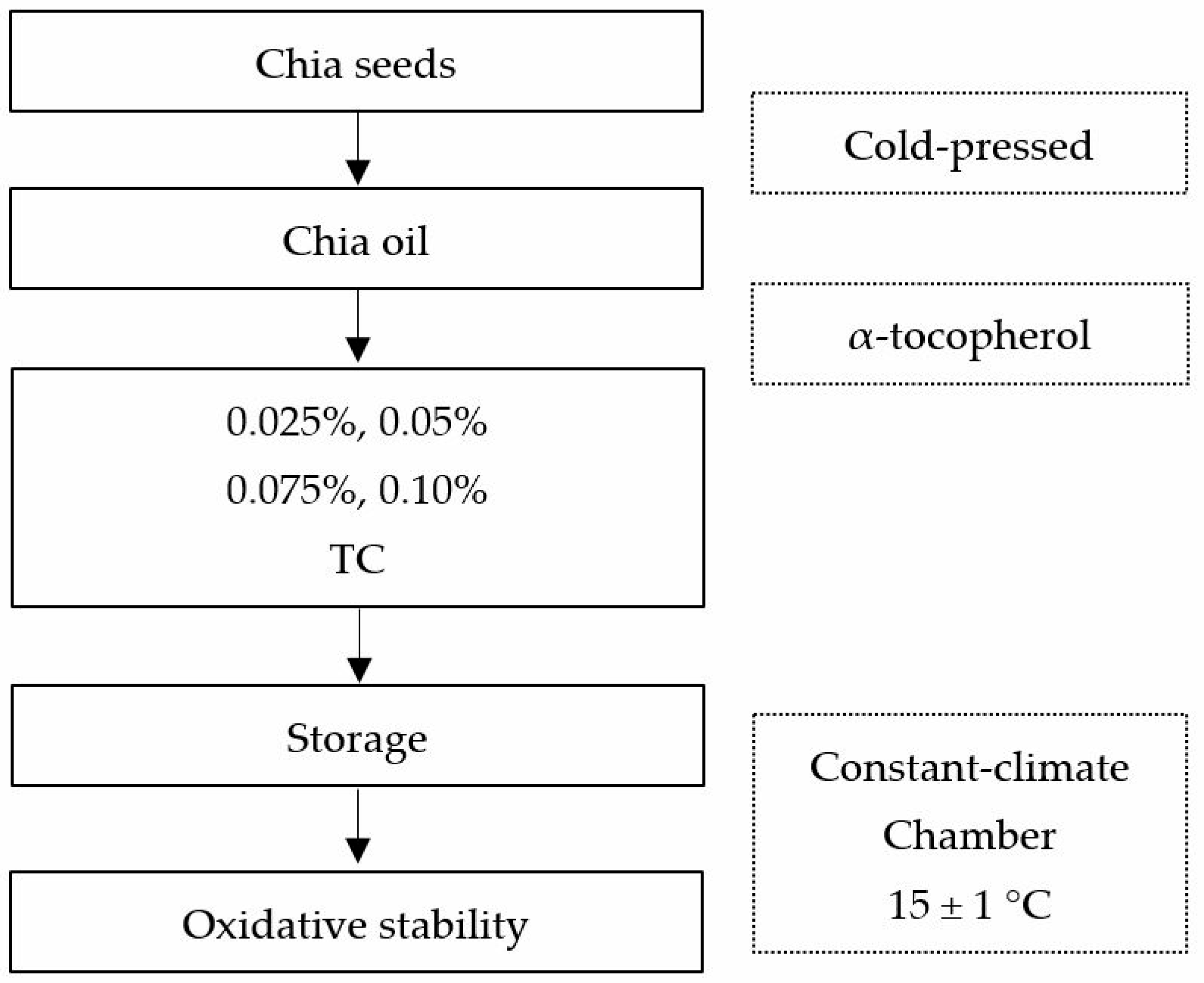
Figure 1. Experimental workflow diagram.
Processes 13 03887 g001
Figure 2. Induction period (IP) in hours for oils analyzed with the Oxitest equipment at 80 °C. Bars sharing the same letter are not significantly different according to the Tukey test (p > 0.05).
Processes 13 03887 g002
Table 1. Chia oil extraction yield.
Seeds Used (g)Oil Extracted (g)Oil Extraction Percentage (%)
16,000390024.37
16,200400024.69
17,680425024.03
Mean ± standard deviation for 3 replicates24.42 ± 2.18
Table 2. Physicochemical analysis of chia oil at 0 and 15 months of storage.
Physicochemical
Parameter
Control Treatment, CTWith 0.05% α-Tocopherol, T2
t = 0 Monthst = 15 Monthst = 0 Monthst = 15 Months
Moisture (%)0.116 ± 0.0150.860 ± 0.0060.067 ± 0.0030.176 ± 0.004
Hydrogen potential (pH)4.560 ± 0.0363.070 ± 0.0704.200 ± 0.0503.883 ± 0.015
Acidity index (% OA)0.308 ± 0.0560.509 ± 0.0070.279 ± 0.0040.465 ± 0.005
Peroxide value (meq O2/Kg)3.460 ± 0.15910.267 ± 0.1152.042 ± 0.0105.543 ± 0.004
OA: oleic acid. Values are expressed as the mean of three replicates ± standard deviation.
Table 3. Fatty acid profile of chia oils with and without α-tocopherol.
Compound NumberCommon NameAbbreviation[40][49][50][59]Control Oil,
0 Months
Control Oil,
15 Months
0.05%
α-Tocopherol,
15 Months
1Palmitic acidC16:0 7.2267.227.468.547.23 ± 0.14 a8.34 ± 0.03 b8.60 ± 0.10 b
2Stearic acidC18:0 2.913.54-3.372.22 ± 0.16 a2.80 ± 0.02 b2.56 ± 0.06 b
3Oleic acidC18:1n9c 7.3957.107.1810.245.61 ± 0.25 b6.26 ± 0.03 a6.10 ± 0.01 a
4Linoleic acidC18:2n6c 19.70818.7420.118.6919.39 ± 0.17 a17.88 ± 0.06 b17.71 ± 0.07 b
5Linolenic acidC18:3n3 62.7663.2361.854.0865.55 ± 0.09 a64.72 ± 0.07 c65.03 ± 0.19 b
Saturated fatty acids 9.45 ± 0.30 a11.14 ± 0.05 b11.16 ± 0.12 b
Monounsaturated fatty acids 5.61 ± 0.25 b6.26 ± 0.03 a6.10 ± 0.01 a
Polyunsaturated fatty acids 84.95 ± 0.08 a82.60 ± 0.05 b82.74 ± 0.12 b
Ratio of saturated to unsaturated fatty acids 0.10 ± 0.01 a0.13 ± 0.01 b0.13 ± 0.01 b
Values are expressed as the mean of three replicates ± standard deviation. Values within a row followed by the same letter are not significantly different according to the Tukey test (p > 0.05).
Disclaimer/Publisher’s Note: The statements, opinions and data contained in all publications are solely those of the individual author(s) and contributor(s) and not of MDPI and/or the editor(s). MDPI and/or the editor(s) disclaim responsibility for any injury to people or property resulting from any ideas, methods, instructions or products referred to in the content.