Article

Investigation of the Upper Safety Operating Pressure Limit for Underground Gas Storage Using the Fault Activation Pressure Evaluation Method

1
Liaohe Oilfield Branch Gas Storage Company of PetroChina, Panjin 124007, China
2
School of Earth Sciences, Northeast Petroleum University, Daqing 163318, China
3
Key Laboratory of Oil & Gas Reservoir and Underground Gas Storage Integrity Evaluation of Heilongjiang PR, Daqing 163318, China
4
FAPS Energy Technology Ltd., Daqing 163318, China
*
Author to whom correspondence should be addressed.
Processes 2024, 12(9), 1910; https://doi.org/10.3390/pr12091910
Submission received: 24 July 2024 / Revised: 27 August 2024 / Accepted: 31 August 2024 / Published: 6 September 2024
(This article belongs to the Section Energy Systems)

Abstract

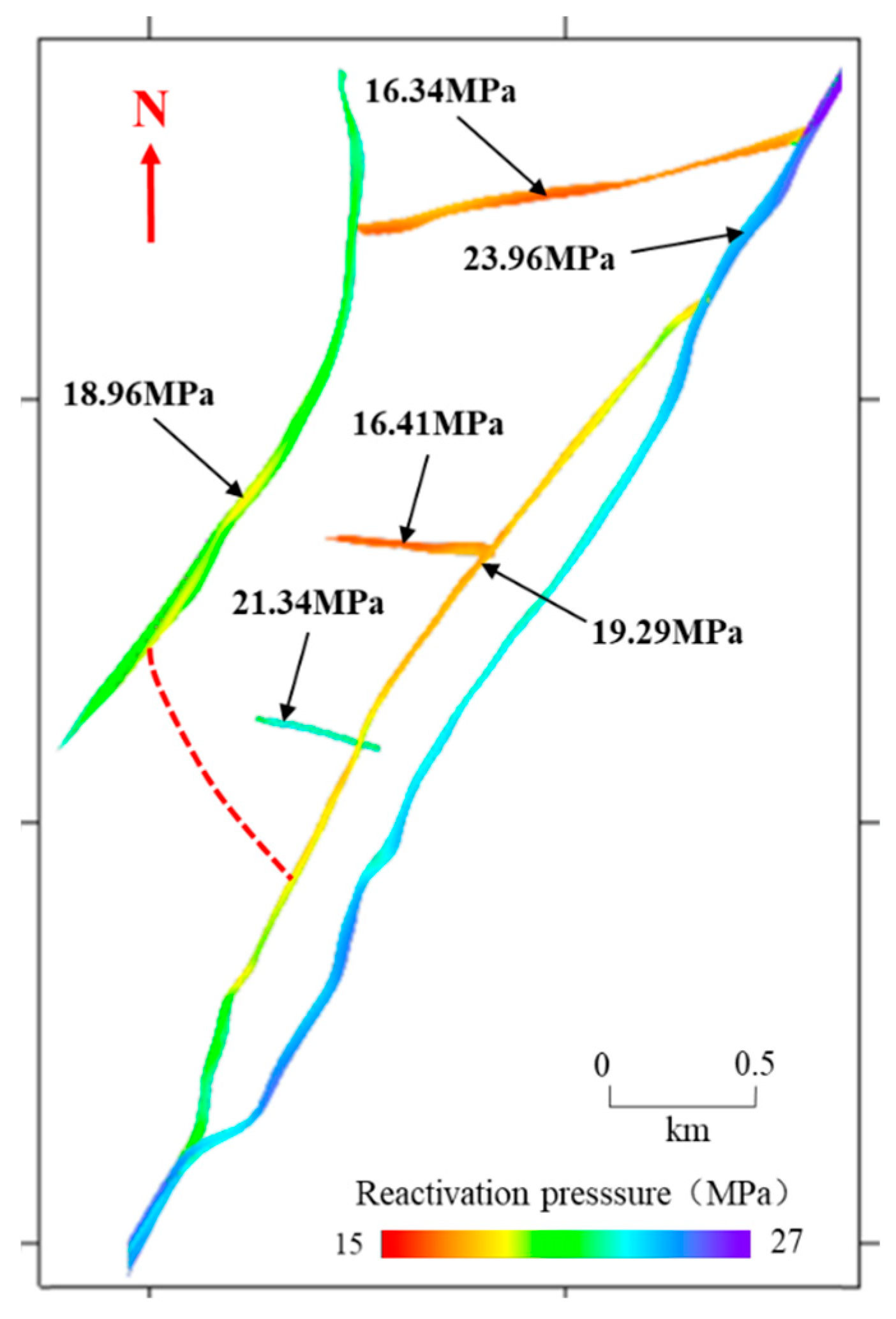
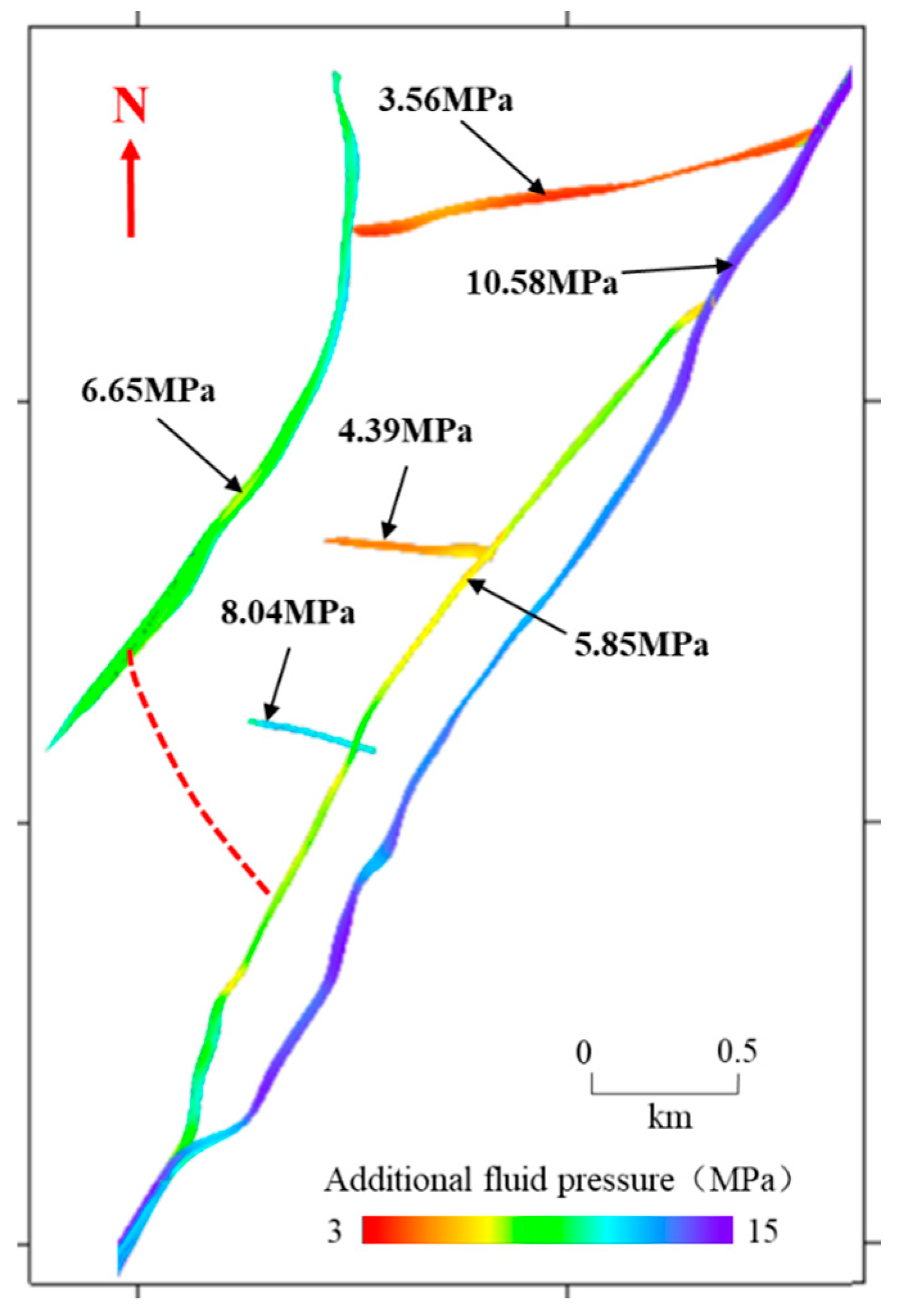
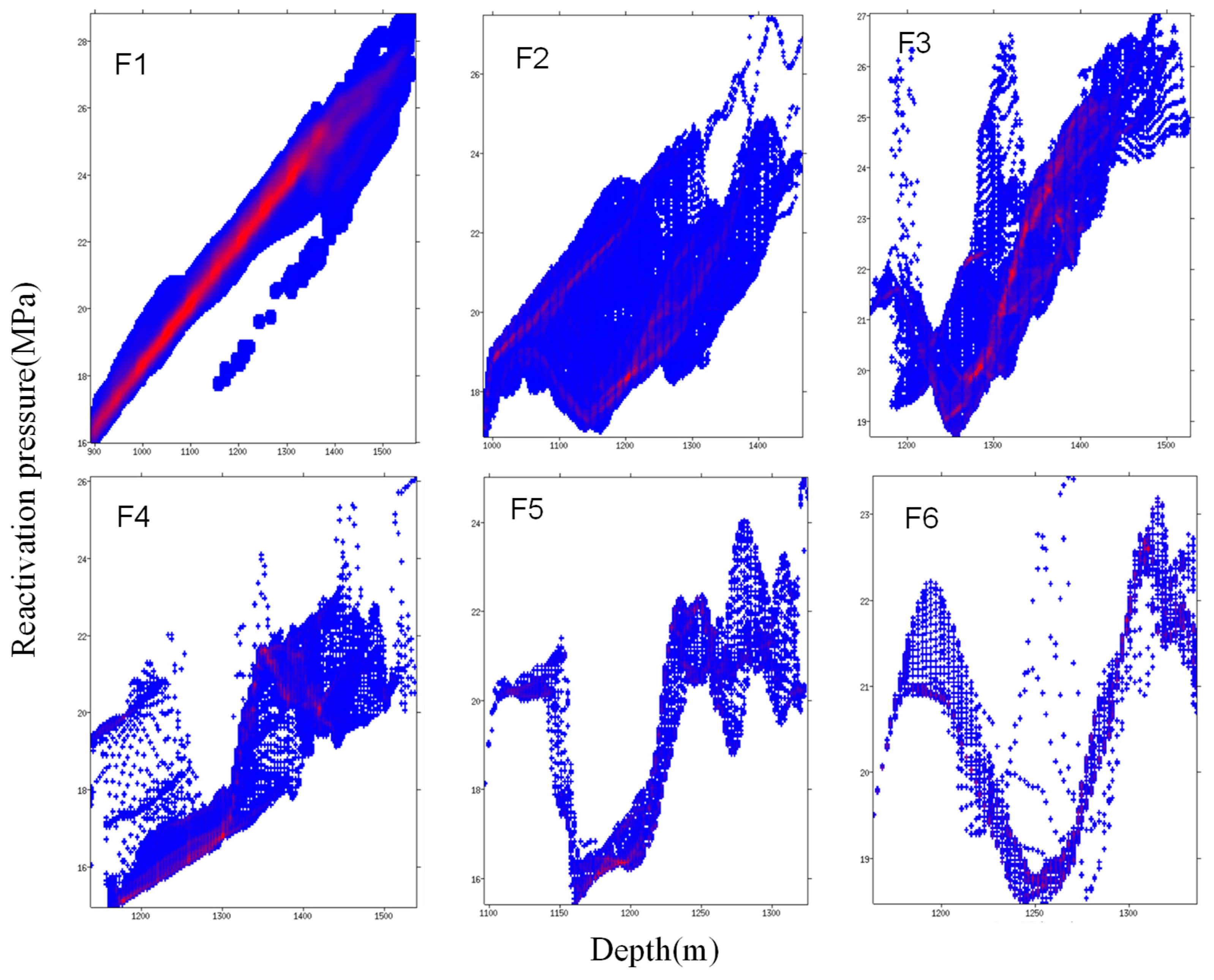
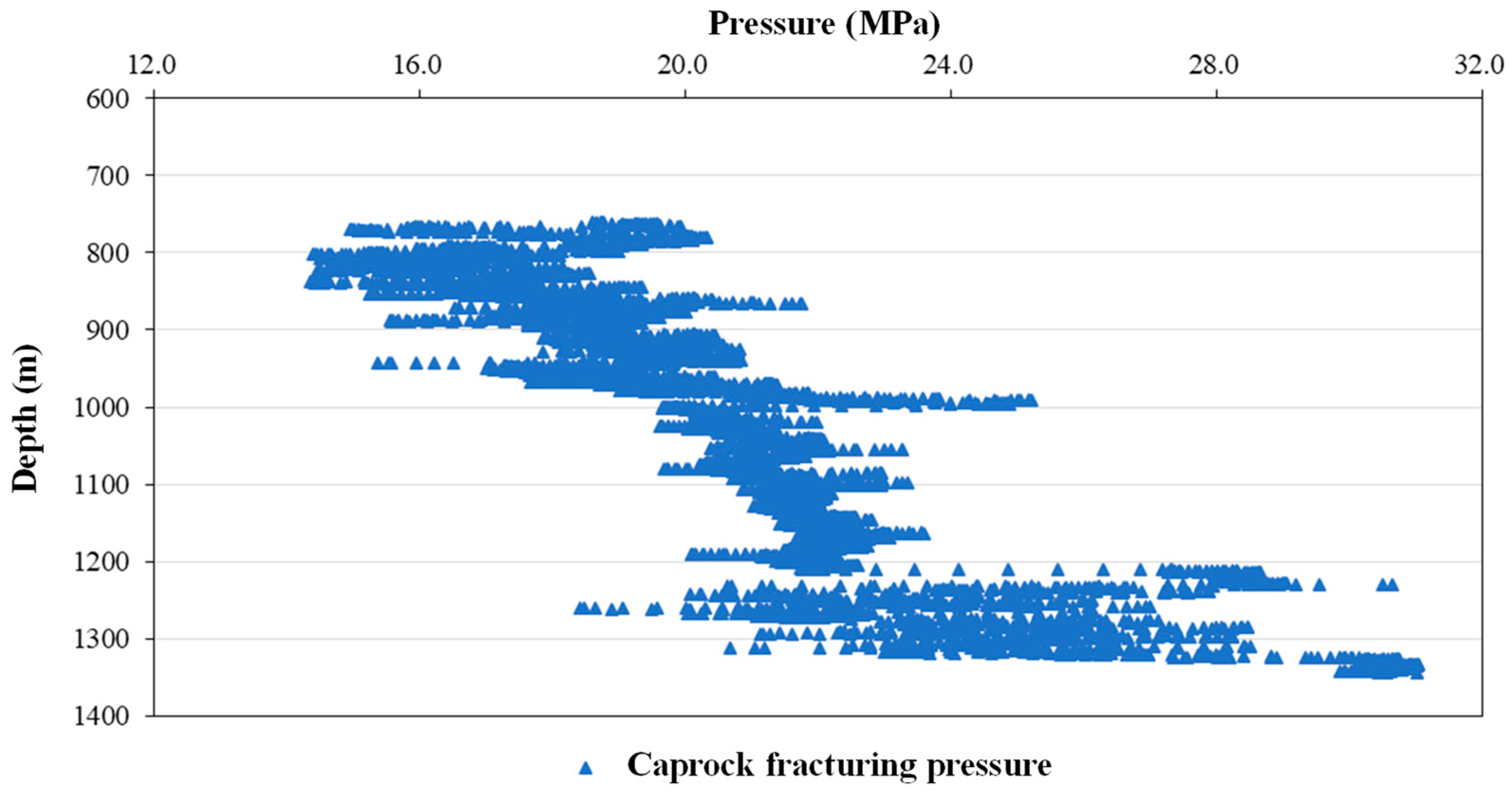
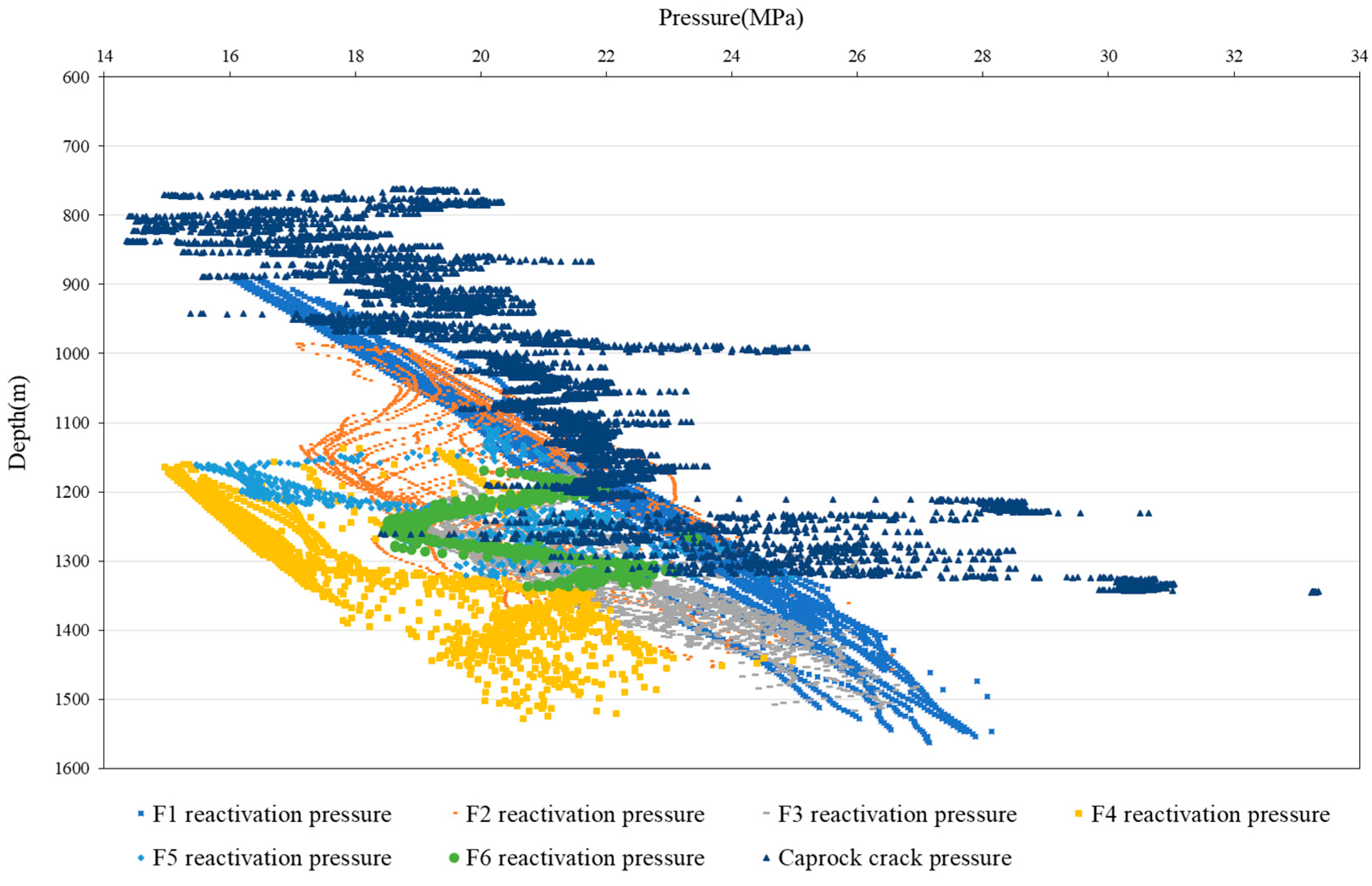
As a crucial reserve for natural gas, the safe operation of underground gas storage facilities is paramount for seasonal peak shaving and emergency supply security. Focusing on the Lei X gas storage facility in the Liaohe Basin of China, this study delves into the mechanical integrity of gas storage facilities and assesses the upper limit pressure for safe operation. Leveraging seismic logging data, we conducted an analysis and statistical evaluation of boundary faults and top cover characteristics, integrating regional stress fields and rock mechanics to evaluate fault activation pressure and cover failure risk using a fault activation pressure assessment method. This research elucidates the maximum safe operating pressure for underground gas storage facilities. The research findings suggest that the sealing layer of the Lei X gas storage reservoir exhibits a predominant hydro-fracturing pattern. Under the existing stress field conditions, the sealing layer demonstrates favorable sealing properties, and the boundary faults remain relatively stable. Moreover, through data extraction and quantitative analysis, this study clearly determined the critical pressure at which each fault is activated and the pressure at which the sealing layer undergoes hydro-fracturing during cyclic injection and the production of gas storage. Considering the activation pressure and fracturing pressure data for the sealing layer, a secure operating pressure of 15.0 MPa was calculated for gas storage operations. This study offers crucial theoretical support for enhancing injection and production efficiency, as well as ensuring the safe operation of Lei X gas storage and providing technical guidance for future adjustments to injection and production schemes.
Keywords: gas storage; fault; fault activation pressure; capping layer rupture; safe operating pressure gas storage; fault; fault activation pressure; capping layer rupture; safe operating pressure