Article

Ignition Characteristics and Flame Behavior of Automotive Lubricating Oil on Hot Surfaces

1
College of Safety Science and Engineering, Xi’an University of Science and Technology, Xi’an 710054, China
2
Shannxi Engineering Research Center for Industrial Process Safety and Emergency Rescue, Xi’an 710065, China
3
Xi’an Key Laboratory of Urban Public Safety and Fire Rescue, Xi’an 710007, China
*
Author to whom correspondence should be addressed.
Processes 2024, 12(11), 2522; https://doi.org/10.3390/pr12112522
Submission received: 20 September 2024 / Revised: 1 November 2024 / Accepted: 9 November 2024 / Published: 12 November 2024
(This article belongs to the Section Chemical Processes and Systems)

Abstract

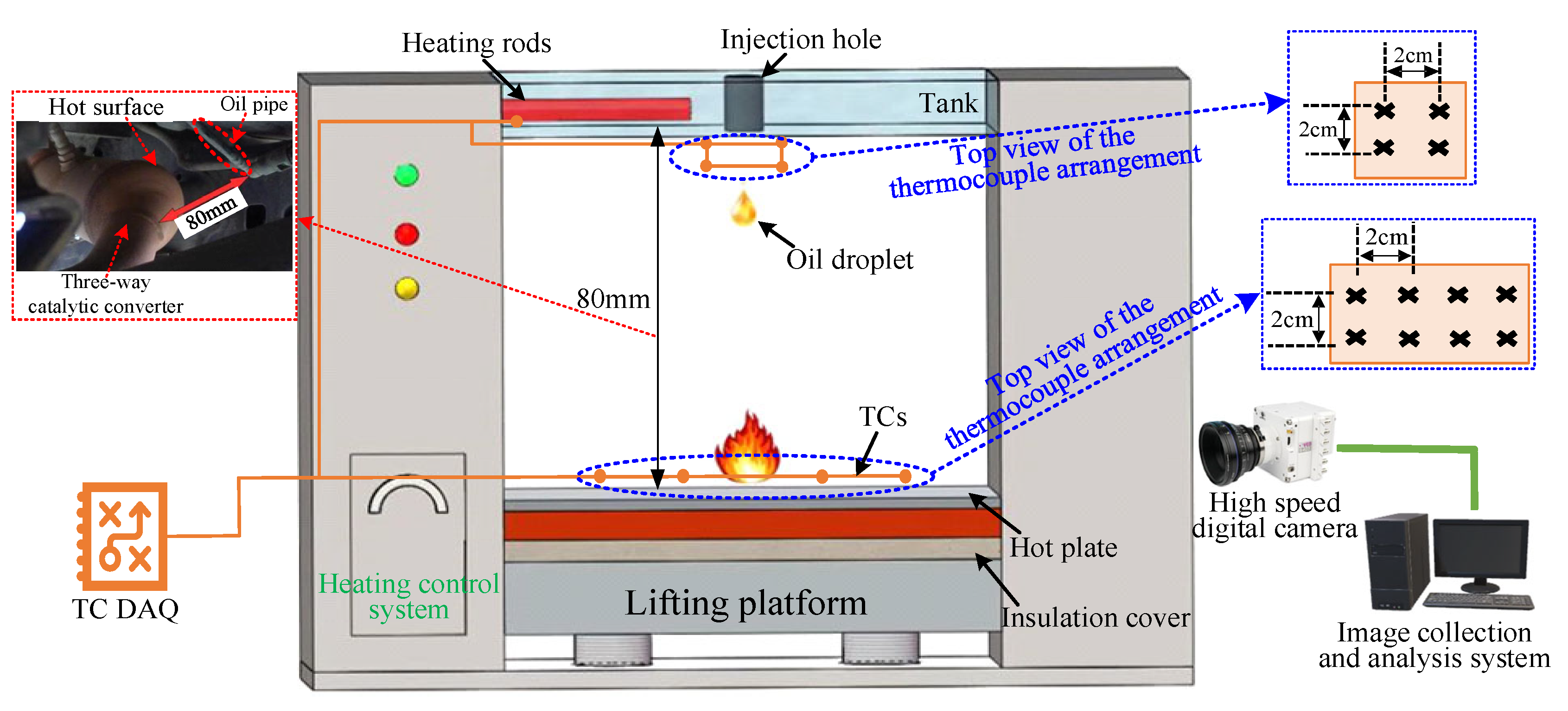
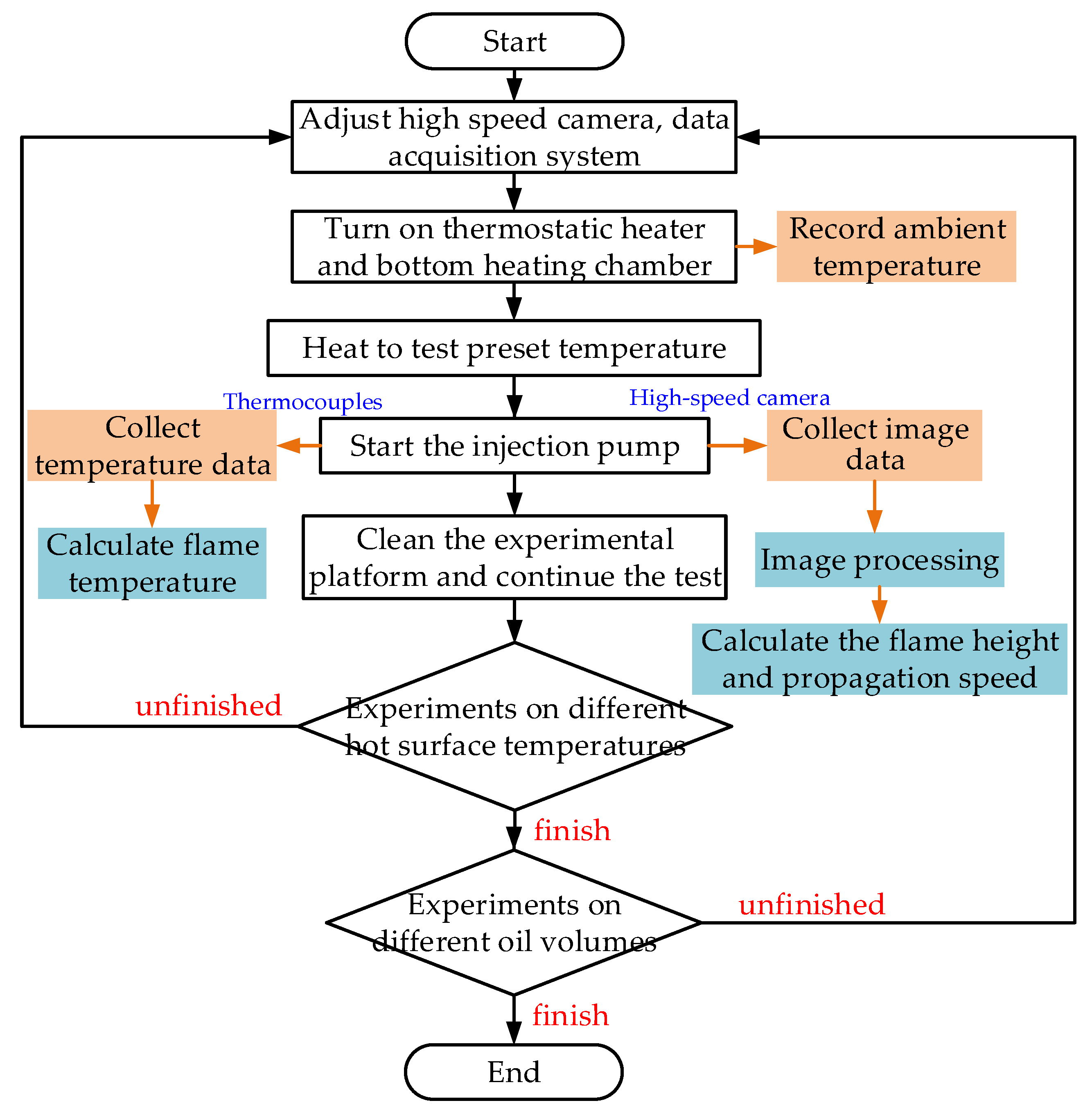
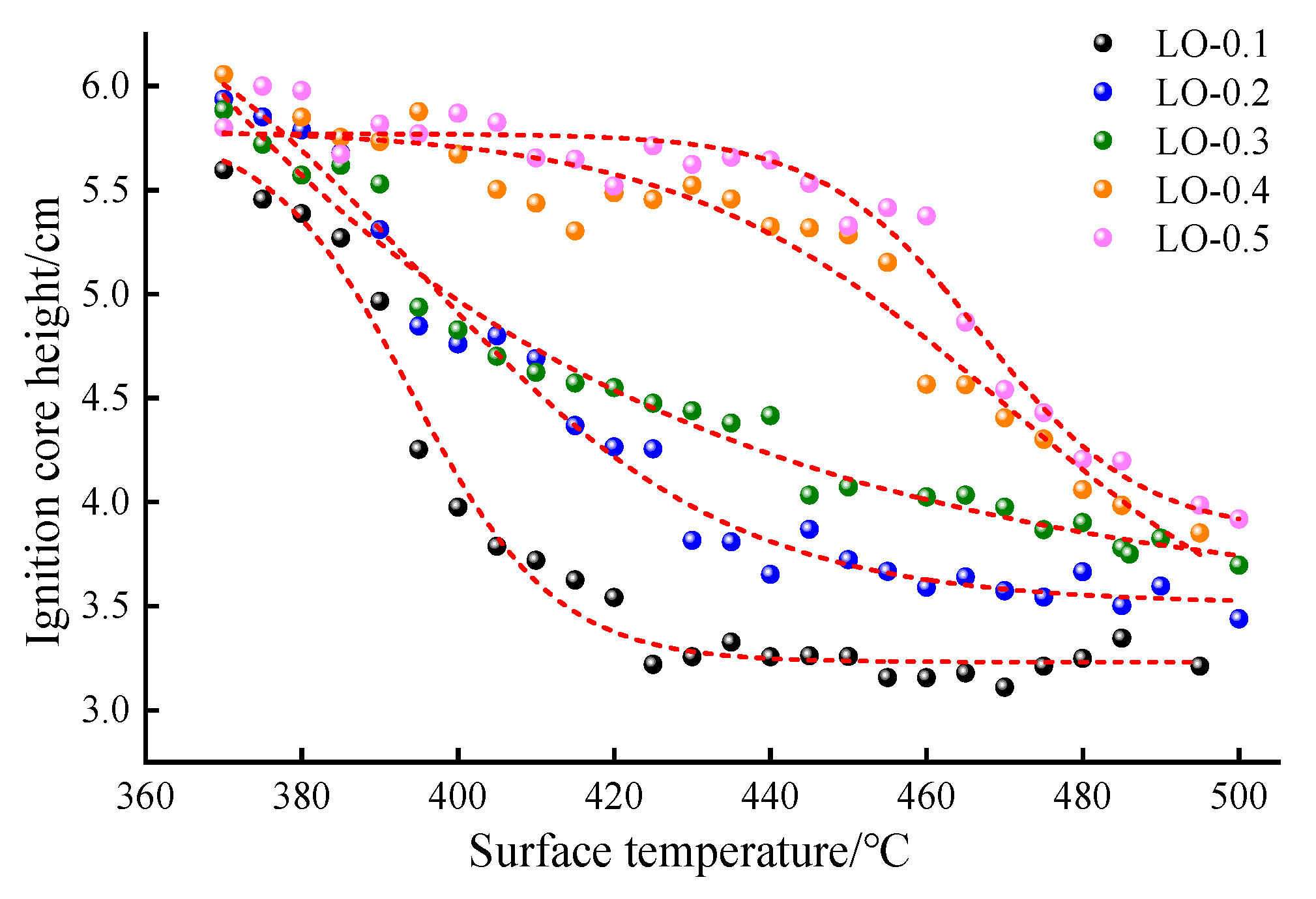
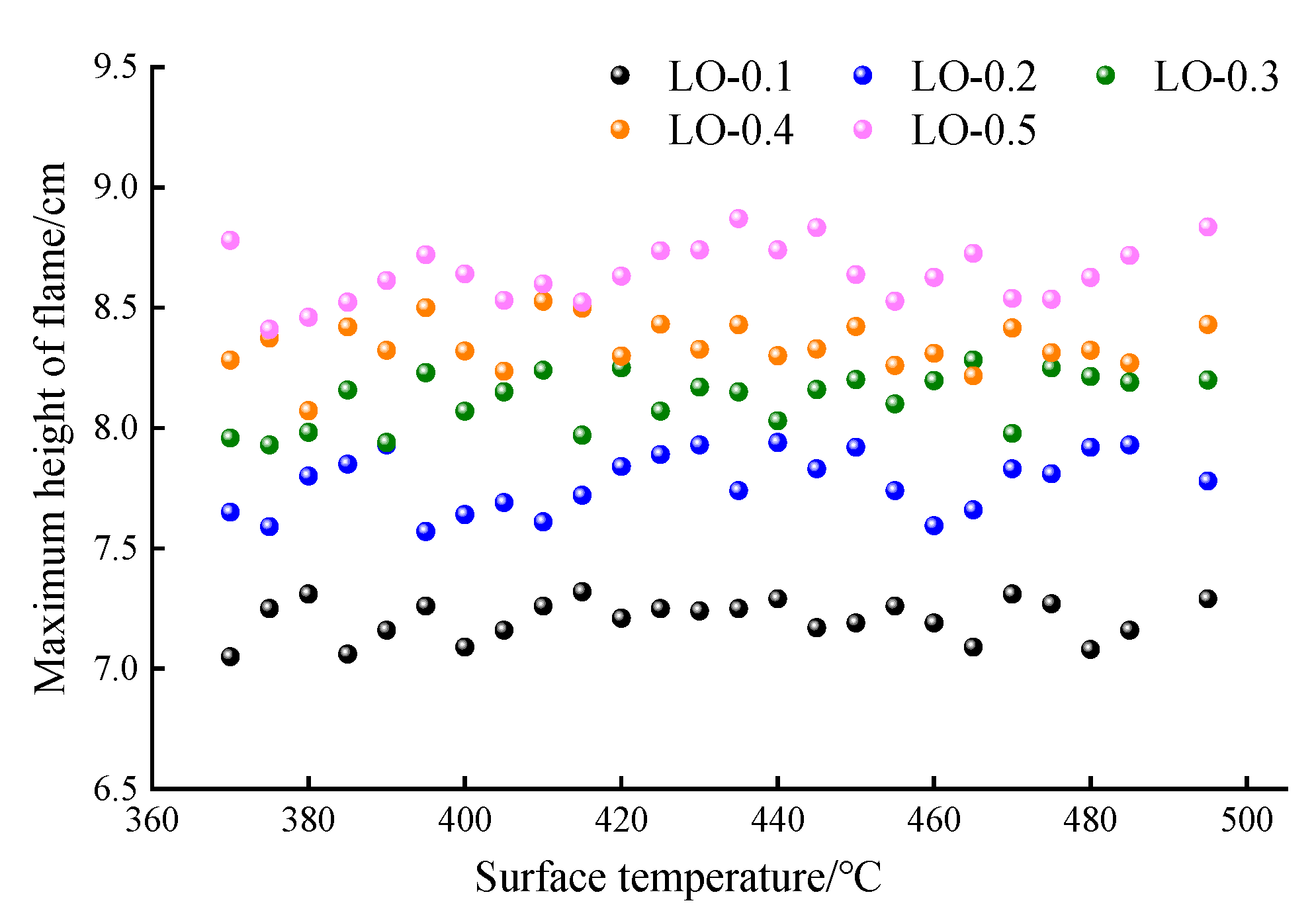
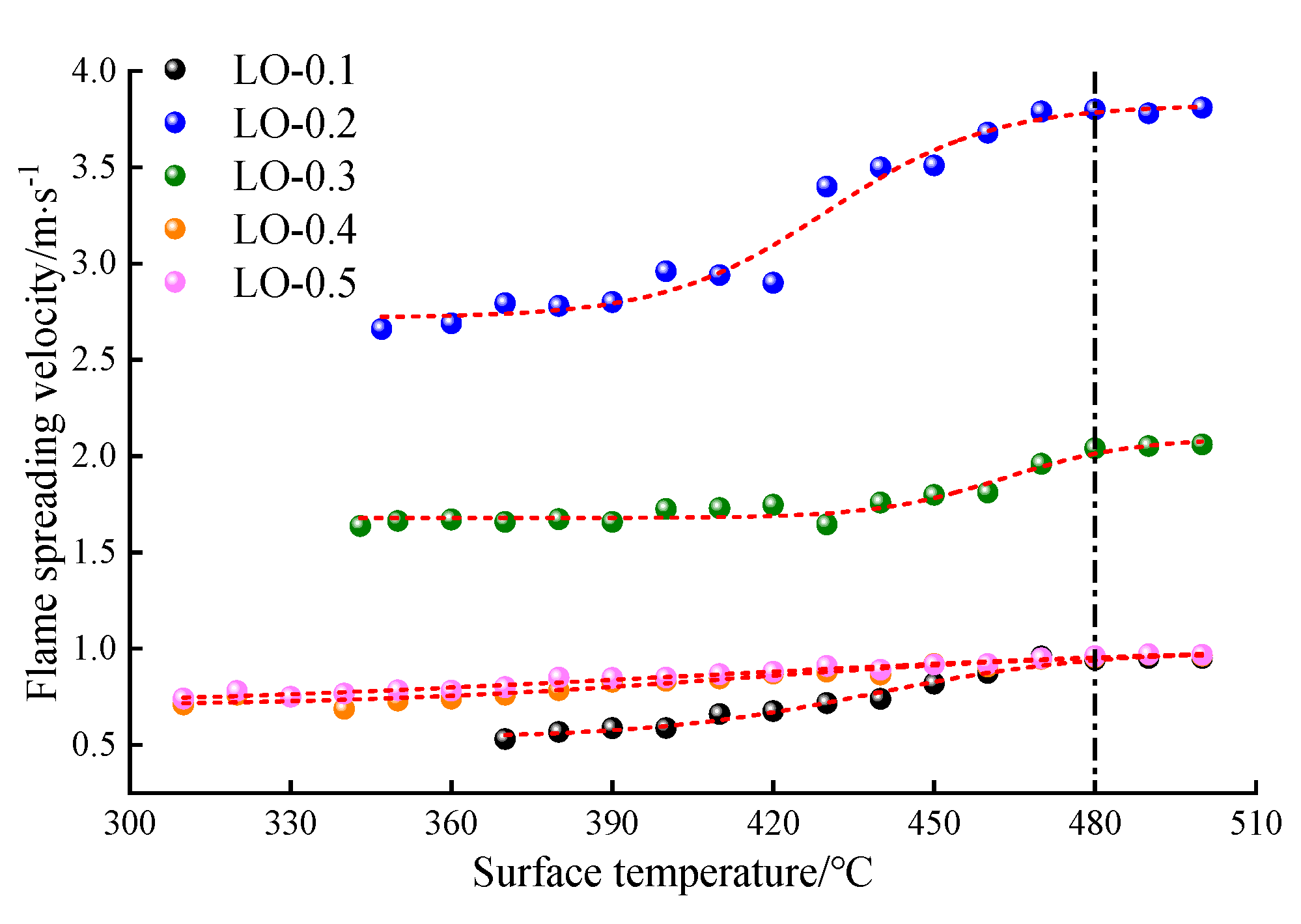
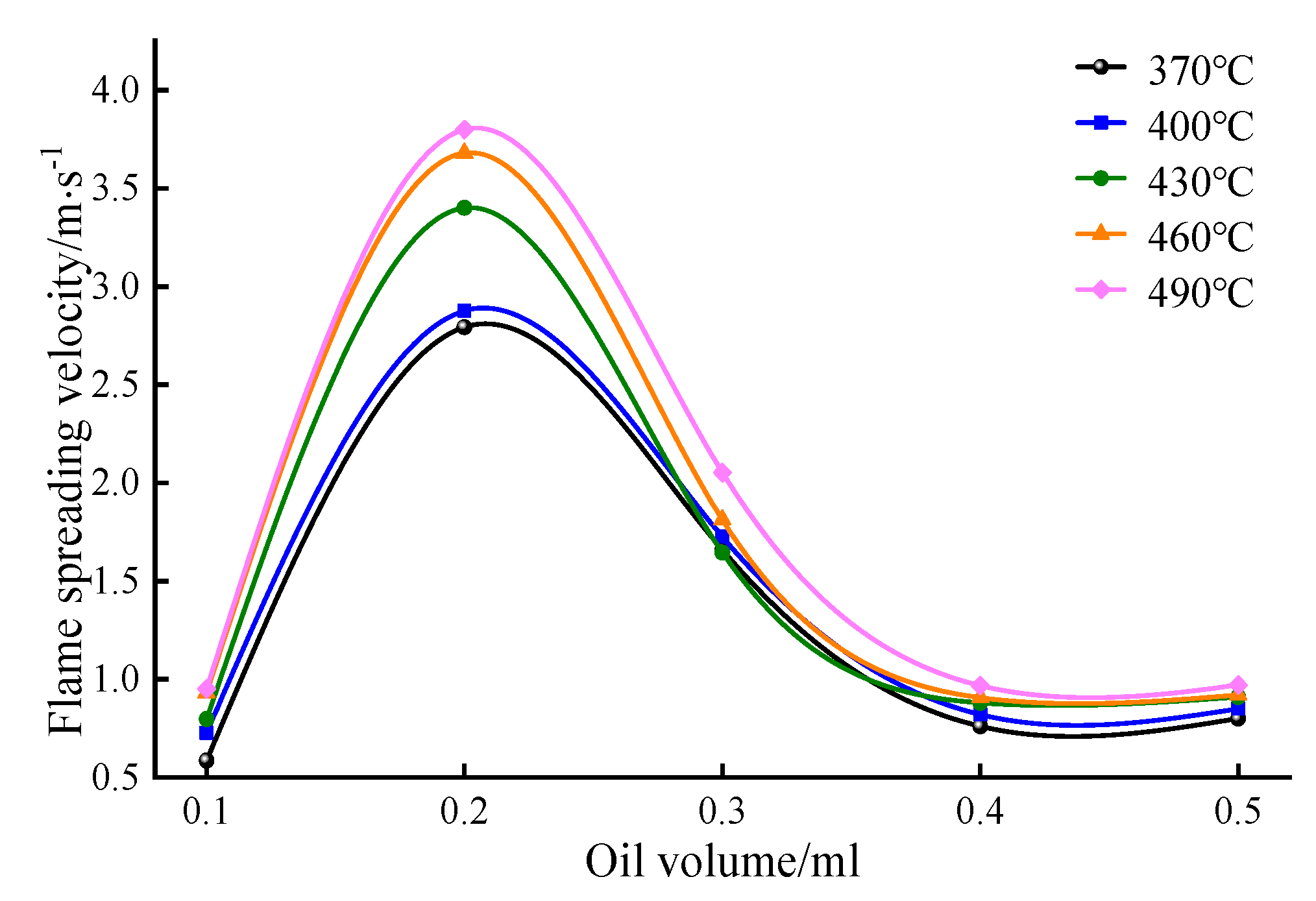
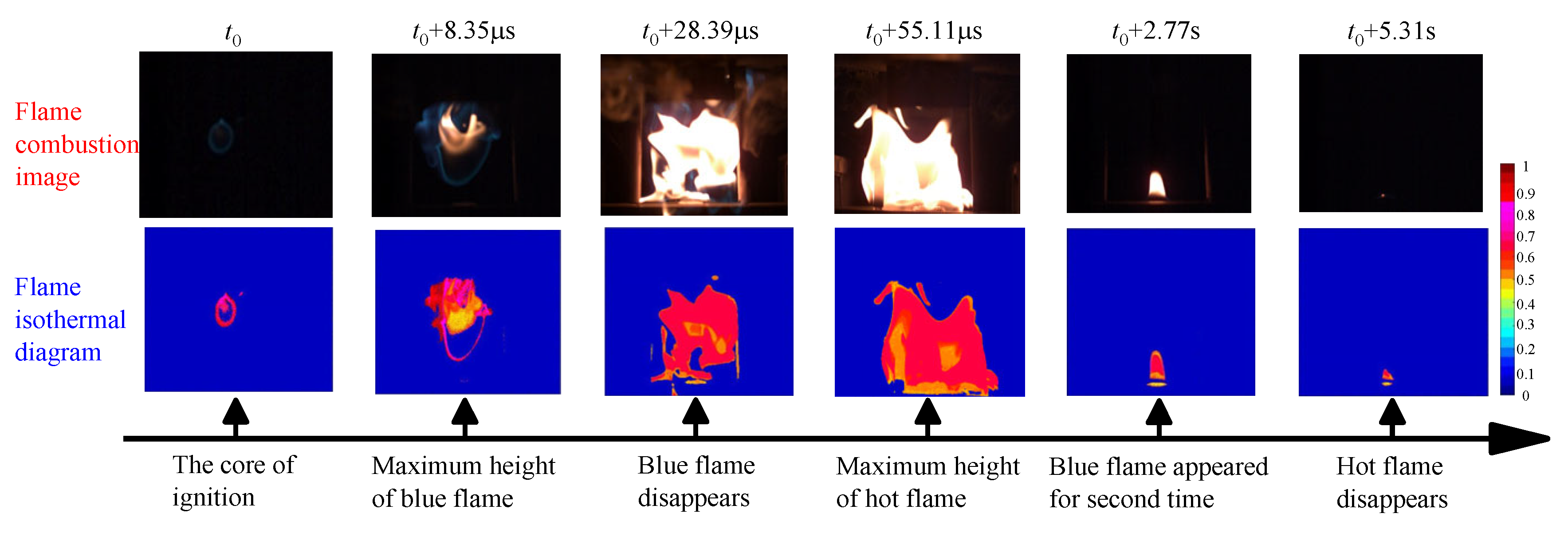
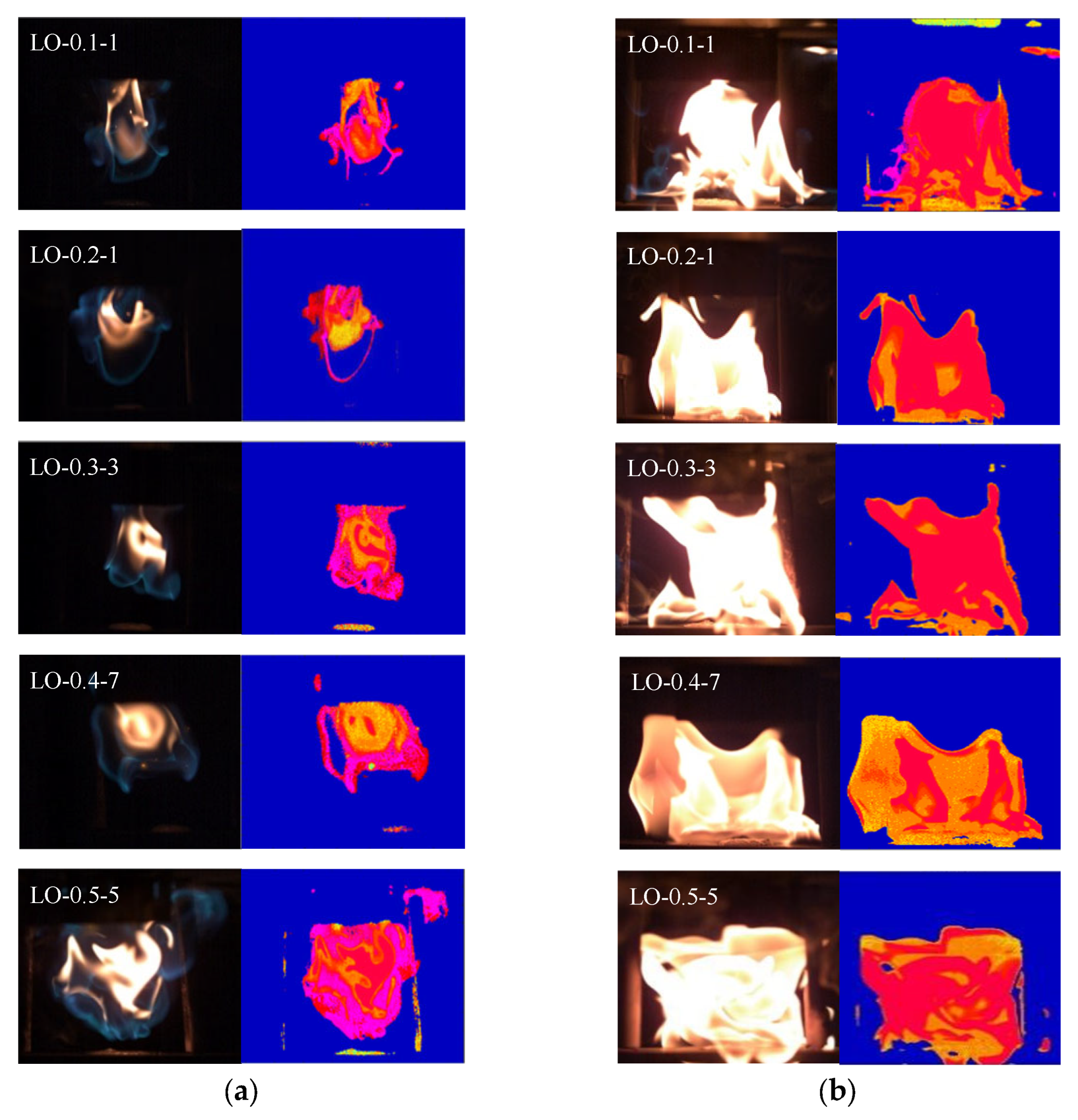
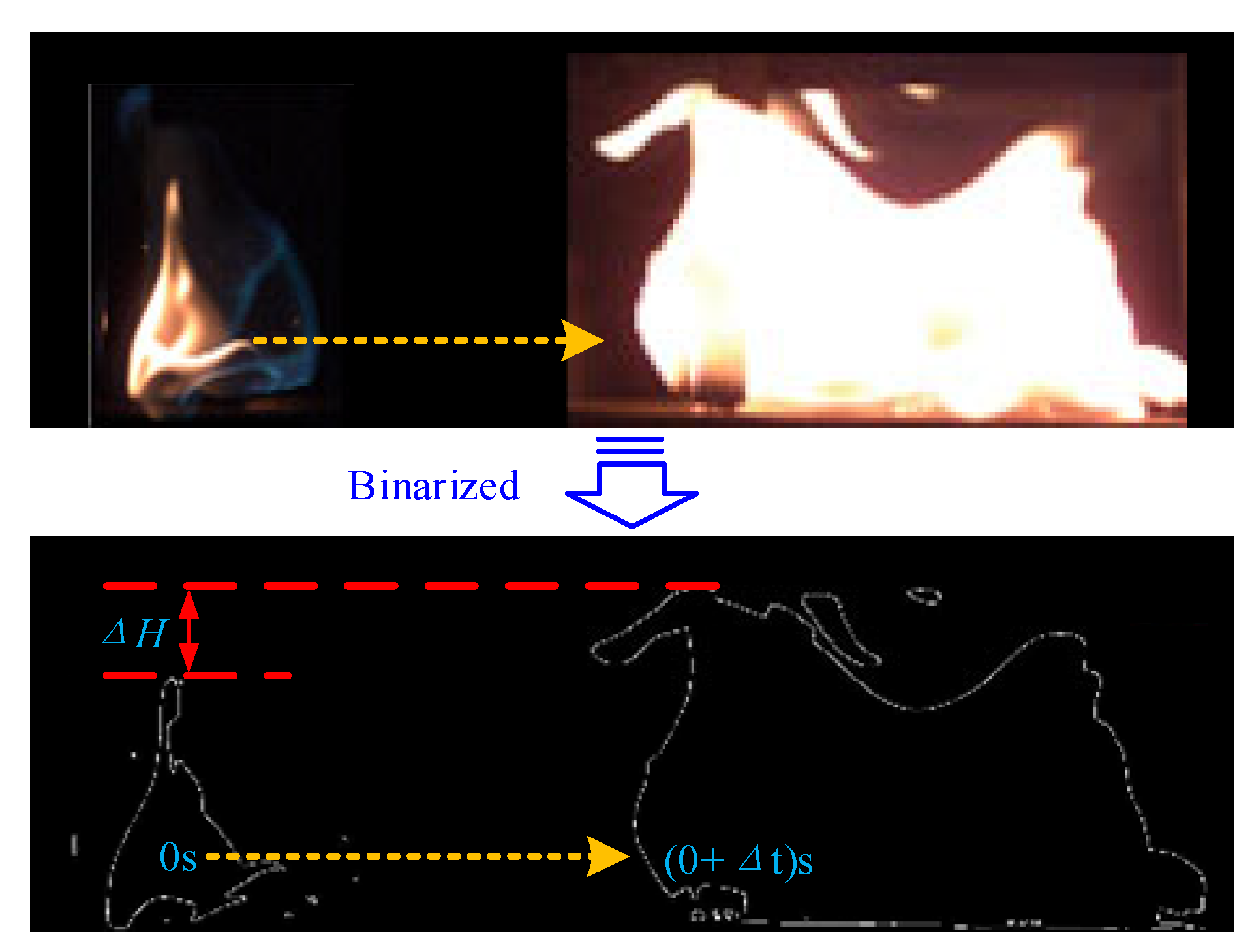
Hot surfaces in industrial processes and automotive systems present a remarkable fire hazard. Lubricating oil is a widely used oil in these scenarios. Quantifying the ignition characteristics and flame behavior of lubricating oil on hot surfaces is critical for enhancing fire safety in energy-related applications. This paper utilizes a self-developed experimental platform for the hot surface ignition to systematically conduct combustion tests on lubricating oil with varying volumes at different surface temperatures. Through statistical analysis and image processing, the ignition temperature, flame height, flame propagation velocity, and flame temperature were examined to assess the fire risk of a hot surface ignition. The results demonstrate that the ignition and combustion process of lubricating oil on hot surfaces can be categorized into five stages. The ignition temperature decreases as the oil volume increases. The flame height and flame propagation velocity are positively correlated with the hot surface temperature. The maximum flame height increases with the increase in the oil volumes. When the flame height reaches the maximum value, the flame area is the largest, and the average flame temperature is 1540.30 °C, showing a greater fire risk. When the oil content is 0.2 mL, the flame propagation velocity is the fastest, reaching 3.81 m/s. Meanwhile, the flame is very close to the oil pipe, which may cause a secondary fire. Therefore, hot surface ignition of lubricating oil poses a direct threat to vehicle safety.
Keywords: hot surface; lubricating oil; ignition temperature; flame height; fire risk hot surface; lubricating oil; ignition temperature; flame height; fire risk